

Dual microglia effects on blood brain barrier permeability induced by systemic inflammation
Open accessThe DOI matches its Crossref record; 72 of the 72 references it cites were found in a registry or an index.
Abstract
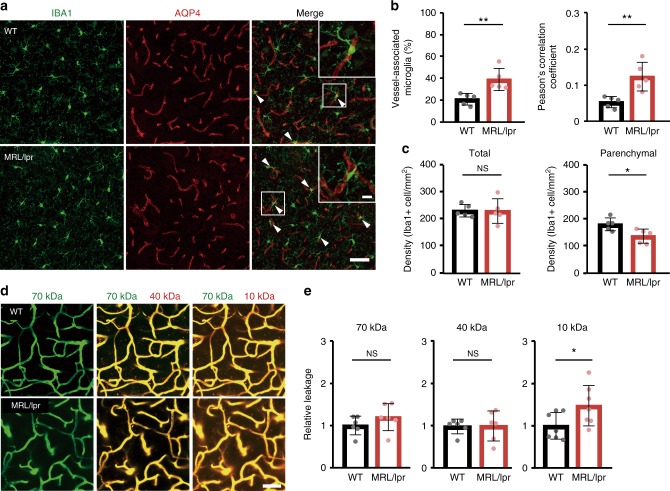
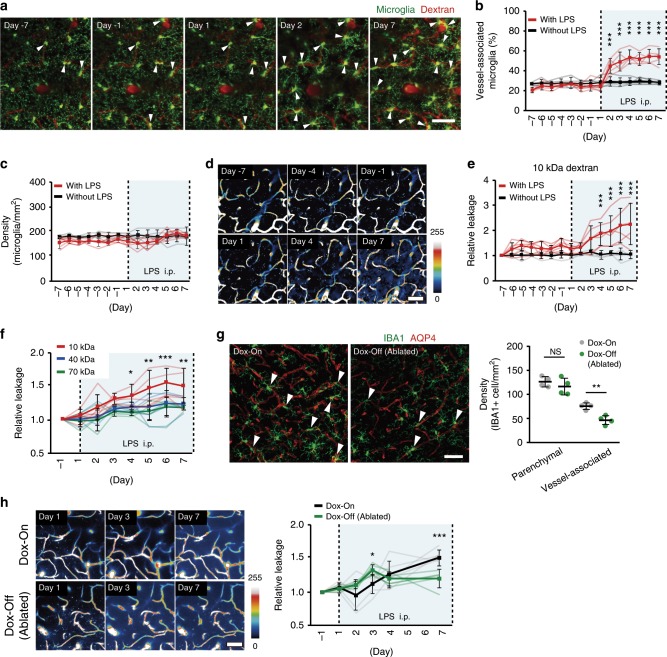
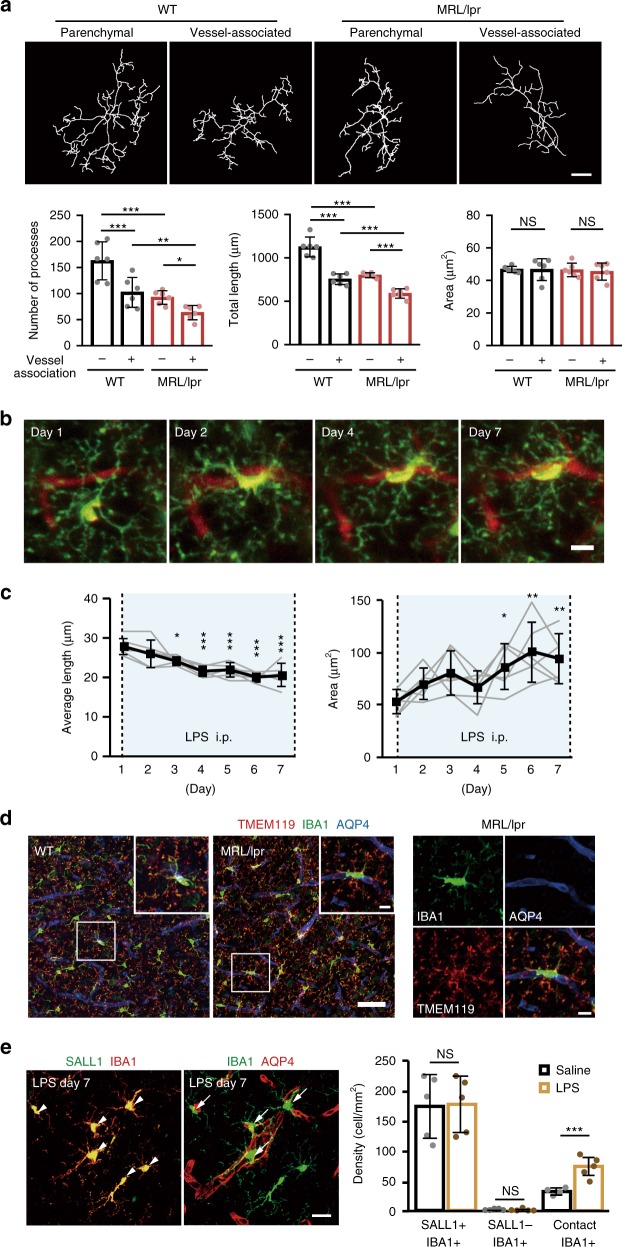
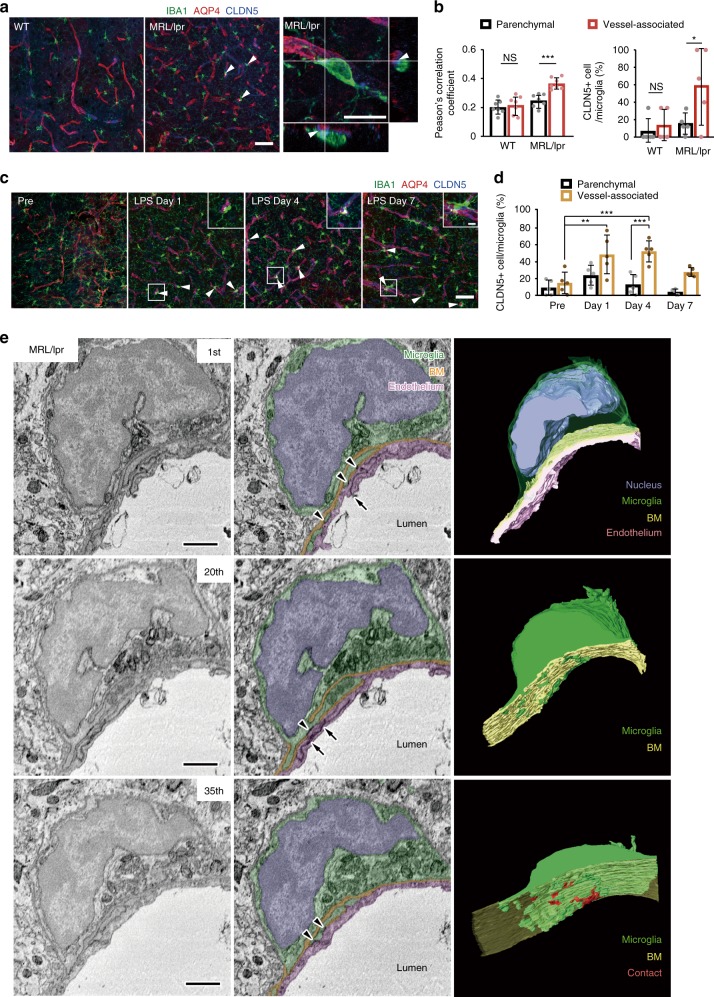
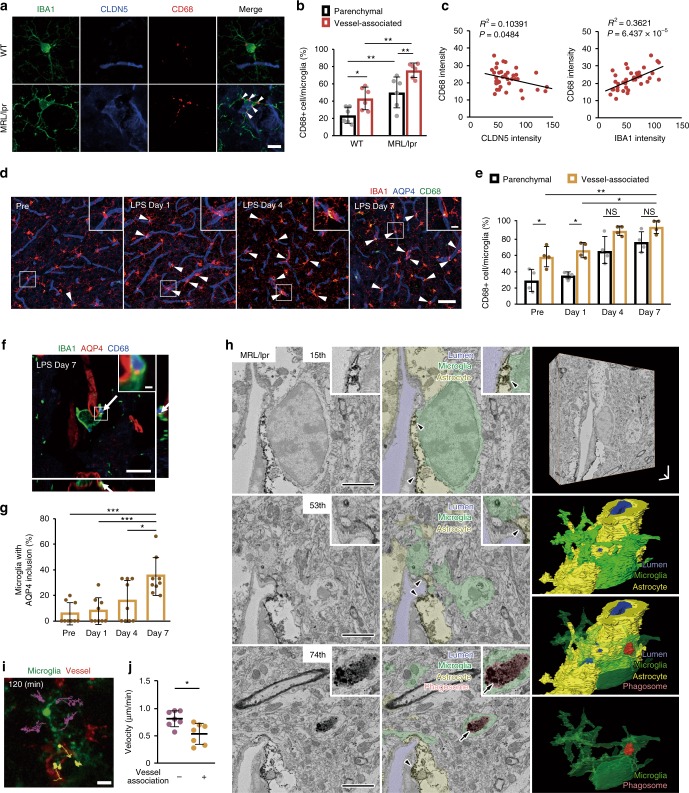
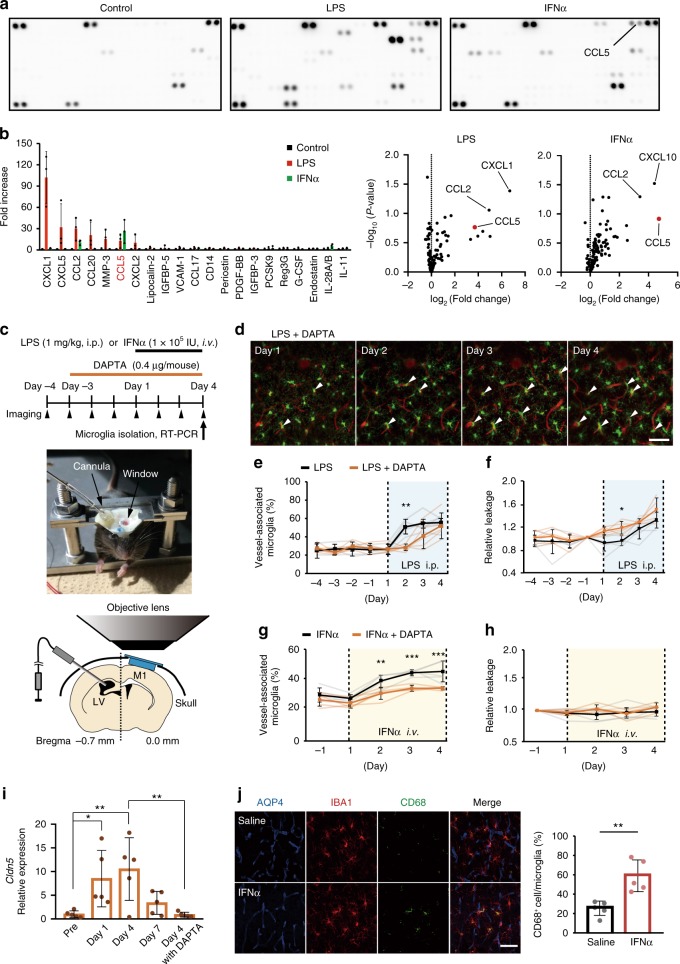
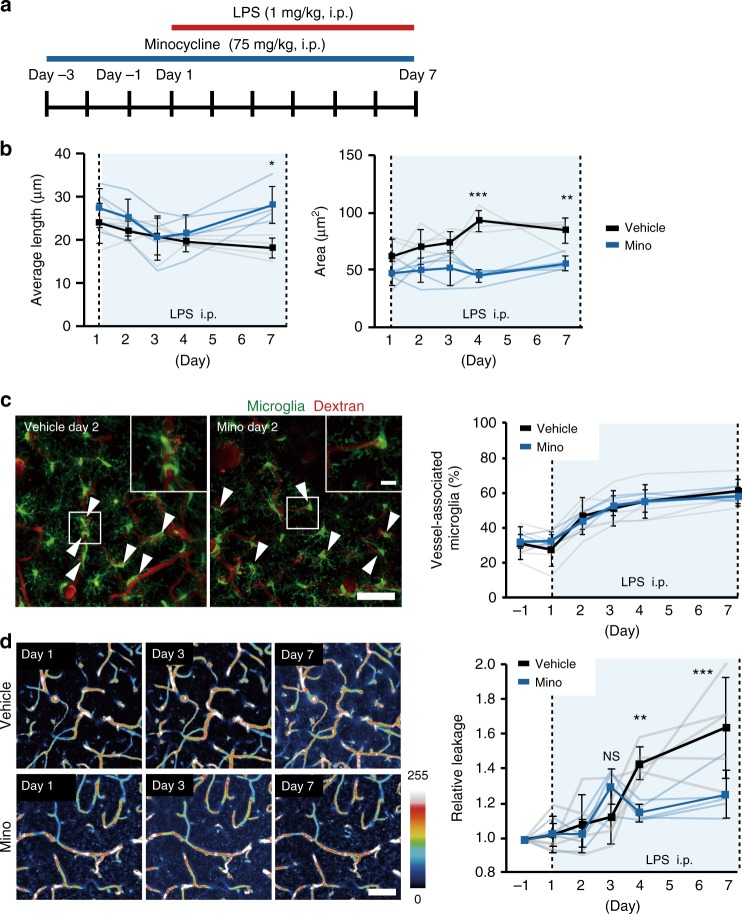
Microglia survey brain parenchyma, responding to injury and infections. Microglia also respond to systemic disease, but the role of blood–brain barrier (BBB) integrity in this process remains unclear. Using simultaneous in vivo imaging, we demonstrated that systemic inflammation induces CCR5-dependent migration of brain resident microglia to the cerebral vasculature. Vessel-associated microglia initially maintain BBB integrity via expression of the tight-junction protein Claudin-5 and make physical contact with endothelial cells. During sustained inflammation, microglia phagocytose astrocytic end-feet and impair BBB function. Our results show microglia play a dual role in maintaining BBB integrity with implications for elucidating how systemic immune-activation impacts neural functions.
Overview
The claims and statistics of this paper haven’t been checked yet.
Free: it reads the open-access text and checks the first 5 claims that cite a source we can check. Create a free account to check every claim.
Integrity signals
Registry
Cites
Statistics
Figures
Verification
Claims the paper makes
The claims and statistics of this paper haven’t been checked yet.
Free: it reads the open-access text and checks the first 5 claims that cite a source we can check. Create a free account to check every claim.
Claims other papers make about this one
Each is checked against this paper’s own text: does it say what the citing paper says it does?
The source backs part of the claim, not all of it — or backs it for a different population, condition or comparison.
In the citing paper
“sustained activation triggered by the RAGE ligand S100B exacerbates abnormal BBB permeability [17,18].”
From Research Advances in the Pathogenesis of Sepsis-Associated Encephalopathy (2026) · cites this paper as [18]
Experimental — accuracy not yet measuredThe source backs part of the claim, not all of it — or backs it for a different population, condition or comparison.
In the citing paper
“According to previous studies, systemic inflammation may disrupt the BBB, allowing pro-inflammatory molecules (such as cytokines and LPS) to enter the CNS [60,61,62].”
From Neuroprotective Effects of Bifidobacterium breve CCFM1067 in MPTP-Induced Mouse Models of Parkinson’s Disease (2022) · cites this paper as [61]
Experimental — accuracy not yet measuredThe cited source says what the claim attributes to it.
In the citing paper
“An in vivo study showed that LPS injection induced 10 kDa dextran translocation across the BBB in mice”
From The modulatory effects of gut microbes and metabolites on blood-brain barrier integrity and brain function in sepsis-associated encephalopathy (2023) · cites this paper as Haruwaka et al., 2019
The check wasn’t confident either way, so it gives no verdict — never disputed.
In the citing paper
“Furthermore, species differences in microglial density, BBB tight junction composition, and cholinergic system organization between rodents and humans likely restrict direct extrapolation of preclinical findings to human patients [15,16,18].”
From Research Advances in the Pathogenesis of Sepsis-Associated Encephalopathy (2026) · cites this paper as [18]
Experimental — accuracy not yet measured
Self-check
Percentages, sums and reported differences re-computed from the paper’s own numbers.
The self-check needs the paper’s full text.
Citations
Cites
1 retracted
Microglia-dependent synapse loss in type I interferon-mediated lupus
Bialas, A. R., Presumey, J., Das, A., van der Poel, C. E., Lapchak, P. H., Mesin, L., Victora, G., Tsokos, G. C., Mawrin, C., Herbst, R., et al. (2017) · Nature · doi:10.1038/nature22821 · Cited by 197
RetractedMetascape provides a biologist-oriented resource for the analysis of systems-level datasets
Zhou, Y., Zhou, B., Pache, L., Chang, M., Khodabakhshi, A. H., Tanaseichuk, O., Benner, C., & Chanda, S. K. (2019) · Nature Communications · doi:10.1038/s41467-019-09234-6 · Cited by 14,611
Resting microglial cells are highly dynamic surveillants of brain parenchyma in vivo
Nimmerjahn, A., Kirchhoff, F., & Helmchen, F. (2005) · Science · doi:10.1126/science.1110647 · Cited by 5,827
Astrocyte-endothelial interactions at the blood-brain barrier
Abbott, N. J., Rönnbäck, L., & Hansson, E. (2006) · Nature Reviews Neuroscience · doi:10.1038/nrn1824 · Cited by 5,595
Structure and function of the blood–brain barrier
Abbott, N. J., Patabendige, A. A. K., Dolman, D. E. M., Yusof, S. R., & Begley, D. J. (2010) · Neurobiology of Disease · doi:10.1016/j.nbd.2009.07.030 · Cited by 5,185
Zhang, Y., Chen, K., Sloan, S. A., Bennett, M. L., Scholze, A. R., O'Keeffe, S., Phatnani, H. P., Guarnieri, P., Caneda, C., Ruderisch, N., et al. (2014) · The Journal of Neuroscience · doi:10.1523/jneurosci.1860-14.2014 · Cited by 4,875
Microglia Sculpt Postnatal Neural Circuits in an Activity and Complement-Dependent Manner
Schafer, D. P., Lehrman, E. K., Kautzman, A. G., Koyama, R., Mardinly, A. R., Yamasaki, R., Ransohoff, R. M., Greenberg, M. E., Barres, B. A., & Stevens, B. (2012) · Neuron · doi:10.1016/j.neuron.2012.03.026 · Cited by 4,089
ATP mediates rapid microglial response to local brain injury in vivo
Davalos, D., Grutzendler, J., Yang, G., Kim, J. V., Zuo, Y., Jung, S., Littman, D. R., Dustin, M. L., & Gan, W.-B. (2005) · Nature Neuroscience · doi:10.1038/nn1472 · Cited by 3,913
Microglia: Active sensor and versatile effector cells in the normal and pathologic brain
Hanisch, U.-K., & Kettenmann, H. (2007) · Nature Neuroscience · doi:10.1038/nn1997 · Cited by 3,676
Kettenmann, H., Hanisch, U.-K., Noda, M., & Verkhratsky, A. (2011) · Physiological Reviews · doi:10.1152/physrev.00011.2010 · Cited by 3,547
Research works printed but not linked: 2
- Yang Y Attenuation of acute stroke injury in rat brain by minocycline promotes blood-brain barrier remodeling and alternative microglia/macrophage activation during recovery J. Neuroinflammation 2015 12 26 10.1186/s12974-015-0245-4 25889169 PMC4340283 · DOI · Paper page
- McKim DB Microglial recruitment of IL-1beta-producing monocytes to brain endothelium causes stress-induced anxiety Mol. Psychiatry 2018 23 1421 1431 10.1038/mp.2017.64 28373688 PMC5628107 · DOI · Paper page
Cited by
Items 201–300 of 930
Tremblay, M.-È. (2021) · Brain, Behavior, & Immunity - Health · doi:10.1016/j.bbih.2021.100301 · Cited by 42
“…and vascular pathology, increasingly involved in brain disorders and diseases across the lifespan (Cuddapah et al., 2019; Degenhardt et al., 2020; Haruwaka et al., 2019; Iii et al., 2016; Ota et al., 2019; Ouellette et al., 2020; Poliani et al., 2015; Shi et al., 2015; Th eriault and Rivest,…”
BackgroundGao, C., Shen, X., Tan, Y., & Chen, S. (2022) · Journal of Neuroinflammation · doi:10.1186/s12974-022-02580-1 · Cited by 52
Inflammatory pathophysiological mechanisms implicated in postpartum depression
Zhu, J., Jin, J., & Tang, J. Y. (2022) · Frontiers in Pharmacology · doi:10.3389/fphar.2022.955672 · Cited by 54
“Frontiers in Pharmacology frontiersin.org02 It further impairs the integrity of the BBB(Haruwaka et al., 2019).”
BackgroundInfluentialFrom the gut to the brain: the long journey of phenolic compounds with neurocognitive effects
Domínguez‐López, I., López‐Yerena, A., Vallverdú‐Queralt, A., Pallàs, M., Lamuela-Raventós, R. M., & Pérez, M. (2024) · Nutrition Reviews · doi:10.1093/nutrit/nuae034 · Cited by 49
Shamul, J. G., Wang, Z., Gong, H., Ou, W., White, A. M., Garcia, D. P. M., Gu, S., Clyne, A. M., Quiñones‐Hinojosa, A., & He, X. (2024) · Nature Biomedical Engineering · doi:10.1038/s41551-024-01250-2 · Cited by 46
“This may underscore the need to include microglia and oligodendrocytes in future in vitro models, especially considering the pivotal role of the immune system in disease pathologies, but also since microglia are known to provide a critical function as a modulator of BBB integrity 336,337 .”
Geloso, M. C., Zupo, L., & Corvino, V. (2024) · Neurochemistry International · doi:10.1016/j.neuint.2024.105872 · Cited by 43
Microglia have a grip on brain microvasculature
Kisler, K., Nikolakopoulou, A. M., & Zloković, B. V. (2021) · Nature Communications · doi:10.1038/s41467-021-25595-3 · Cited by 47
Age-associated changes in microglia and astrocytes ameliorate blood-brain barrier dysfunction
Pan, J., Ma, N., Zhong, J., Yu, B., Wan, J., & Zhang, W. (2021) · Molecular Therapy — Nucleic Acids · doi:10.1016/j.omtn.2021.08.030 · Cited by 46
“consequent deleterious impact and contribute to recovery of cognitive function.(15)”
BackgroundMolecular and Cellular Interactions in Pathogenesis of Sporadic Parkinson Disease
Долгачева, Л. П., Зинченко, В. П., & Goncharov, N. V. (2022) · International Journal of Molecular Sciences · doi:10.3390/ijms232113043 · Cited by 51
The gut microbiota‐astrocyte axis: Implications for type 2 diabetic cognitive dysfunction
Li, Z.-H., Jiang, Y., Long, C., Peng, Q., & Yue, R. (2023) · CNS Neuroscience & Therapeutics · doi:10.1111/cns.14077 · Cited by 43
Engulfed by Glia: Glial Pruning in Development, Function, and Injury across Species
Raiders, S. A., Han, R. T., Scott‐Hewitt, N., Kucenas, S., Lew, D., Logan, M. A., & Singhvi, A. (2021) · Journal of Neuroscience · doi:10.1523/jneurosci.1660-20.2020 · Cited by 43
“Finally, broad inflammation in the CNS results in microglial engulfment of astrocytic end feet at the blood–brain barrier, which promotes dysfunctional cerebral vasculature (Haruwaka et al., 2019).”
BackgroundChen, B., Cao, P., Guo, X., Yin, M., Li, X., Jiang, L., Shao, J., Chen, X., Jiang, C., Tao, L., et al. (2022) · International Immunopharmacology · doi:10.1016/j.intimp.2022.108755 · Cited by 46
Acute Myocardial Infarction: Molecular Pathogenesis, Diagnosis, and Clinical Management
Zhu, M., Li, Y., Xu, Q., Wang, W., Liu, Y., & Liu, Y. (2025) · MedComm · doi:10.1002/mco2.70418 · Cited by 62
Kleijn, K. M. A. D., & Martens, G. J. M. (2020) · International Journal of Molecular Sciences · doi:10.3390/ijms21124229 · Cited by 46
“Astrocytes are also important modulators of the endothelial cells that form the BBB.”
BackgroundInfluentialTakata, K., Ginhoux, F., & Shimohama, S. (2021) · Biochemical Pharmacology · doi:10.1016/j.bcp.2021.114754 · Cited by 45
Russo, C., Valle, M. S., Russo, A., & Malaguarnera, L. (2022) · International Journal of Molecular Sciences · doi:10.3390/ijms232113432 · Cited by 40
Novel human iPSC models of neuroinflammation in neurodegenerative disease and regenerative medicine
Summers, R. A., Fagiani, F., Rowitch, D. H., Absinta, M., & Reich, D. S. (2024) · Trends in Immunology · doi:10.1016/j.it.2024.08.004 · Cited by 39
A transcriptomic analysis of neuropathic pain in the anterior cingulate cortex after nerve injury
Zhang, Y., Jiang, S., Liao, F., Huang, Z., Yang, X., Zou, Y., He, X., Guo, Q., & Huang, C. (2022) · Bioengineered · doi:10.1080/21655979.2021.2021710 · Cited by 43
“Once the blood-brain barrier becomes damaged, microglia transformed into a reactive phenotype expressing Cd68, which amplify the neuroinflammation[49].”
BackgroundLan, L., Wang, H., Zhang, X., Shen, Q., Li, X., He, L., Rong, X., Peng, J., Mo, J., & Peng, Y. (2022) · Experimental Neurology · doi:10.1016/j.expneurol.2022.114061 · Cited by 45
δ-opioid Receptor, Microglia and Neuroinflammation
Xu, Y., Chen, R., Zhi, F., Sheng, S., Khiati, L., Yang, Y., Peng, Y., & Xia, Y. (2022) · Aging and Disease · doi:10.14336/ad.2022.0912 · Cited by 42
“High levels of inflammatory cytokines and immune cells enter the brain by disrupting the tight junctions between different cell types within the brain vasculature of BBB, activating microglia toward a pro-inflammatory phenotype [132, 133].”
BackgroundAstrocytic Neuroimmunological Roles Interacting with Microglial Cells in Neurodegenerative Diseases
Gotoh, M., Miyamoto, Y., & Ikeshima‐Kataoka, H. (2023) · International Journal of Molecular Sciences · doi:10.3390/ijms24021599 · Cited by 41
“However, during the prolonged inflammation in the late inflammatory stage induced by continuous LPS administration, the microglia phagocytosed astrocytic endfeet on blood vessels, which increased BBB permeability [92].”
BackgroundPharmacological mTOR inhibitors in ameliorating Alzheimer’s disease: current review and perspectives
Xie, P.-L., Zheng, M.-Y., Han, R., Chen, W., & Mao, J.-H. (2024) · Frontiers in Pharmacology · doi:10.3389/fphar.2024.1366061 · Cited by 48
Early-life stress induces the development of Alzheimer's disease pathology via angiopathy
Tanaka, T., Hirai, S., Hosokawa, M., Saito, T., Sakuma, H., Saido, T. C., Hasegawa, M., & Okado, H. (2020) · Experimental Neurology · doi:10.1016/j.expneurol.2020.113552 · Cited by 41
Microbiome–gut–brain dysfunction in prodromal and symptomatic Lewy body diseases
Ryman, S., Vakhtin, A. A., Richardson, S. P., & Lin, H. C. (2023) · Journal of Neurology · doi:10.1007/s00415-022-11461-9 · Cited by 38
“However, during sustained inflammation, microglia phagocytose the astrocytic end-feet of the BBB, impairing the BBB function [165].”
Althammer, F., Roy, R. K., Kirchner, M. K., Campos‐Lira, E., Whitley, K. E., Davis, S., Montanez, J., Ferreira‐Neto, H. C., Danh, J. P., Feresin, R. G., et al. (2023) · Hypertension · doi:10.1161/hypertensionaha.123.21070 · Cited by 44
Zhao, D., Wu, Y., Zhao, H., Zhang, F., Wang, J., Liu, Y., Lin, J., Huang, Y., Pan, W., Qi, J., et al. (2024) · Brain Behavior and Immunity · doi:10.1016/j.bbi.2024.02.004 · Cited by 42
“Previous research has indicated that the expression of CLDN5 in microglial cells plays a crucial role in maintaining BBB integrity (Haruwaka et al., 2019).”
Dabboussi, N., Debs, E., Bouji, M., Rafei, R., & Farès, N. (2024) · Brain Research Bulletin · doi:10.1016/j.brainresbull.2024.111056 · Cited by 39
“In addition, juxtavascular microglia can influence the structural and functional integrity of the BBB by modulating tight junction machinery under sustained inflammation (Haruwaka et al., 2019; Ronaldson and Davis, 2020).”
BackgroundMicroglia modulate the cerebrovascular reactivity through ectonucleotidase CD39
Fu, Z., Ganesana, M., Hwang, P. H., Tan, X., Kinkaid, M. M., Sun, Y., Bian, E. J., Weybright, A., Chen, H., Sol‐Church, K., et al. (2025) · Nature Communications · doi:10.1038/s41467-025-56093-5 · Cited by 44
Blood-Brain Barrier Disruption: A Common Driver of Central Nervous System Diseases
Segura‐Collar, B., Mata-Martínez, P., Hernández‐Laín, A., Gómez, P. S., & Gargini, R. (2021) · The Neuroscientist · doi:10.1177/1073858420985838 · Cited by 43
Barkaway, A., Attwell, D., & Korte, N. (2022) · Neurophotonics · doi:10.1117/1.nph.9.3.031914 · Cited by 39
“However, prolonged inflammation results in a more activated microglial phenotype, resulting in phagocytosis of astrocytic end-feet and BBB integrity loss.(297) In mild”
BackgroundHarackiewicz, O., & Grembecka, B. (2024) · Journal of Integrative Neuroscience · doi:10.31083/j.jin2311203 · Cited by 42
“[130] suggests the presence of an accumulation of microglial cells in the proximity of cerebral vessels in the very early stages of inflammation, preceding any alterations to BBB integrity.”
InfluentialDysbiosis of Gut Microbiota and Short-Chain Fatty Acids in Encephalitis: A Chinese Pilot Study
Xu, R., Tan, C., He, Y., Wu, Q., Wang, H., & Yin, J. (2020) · Frontiers in Immunology · doi:10.3389/fimmu.2020.01994 · Cited by 41
“Persistent vulnerability of an impaired BBB caused by inflammation (37) would compromise the CNS.”
BackgroundThe Role of Microglia during West Nile Virus Infection of the Central Nervous System
Stonedahl, S., Clarke, P., & Tyler, K. L. (2020) · Vaccines · doi:10.3390/vaccines8030485 · Cited by 44
“The expression of ICAM-1 on microglia may contribute to extravasation of leukocytes via the “Trojan horse” method, in which the virus gains access to the CNS through infected leukocytes [17,81].”
MethodWelcome, M. O., & Mastorakis, N. E. (2021) · Pharmacological Research · doi:10.1016/j.phrs.2021.105557 · Cited by 38
The role of CD56bright NK cells in neurodegenerative disorders
Rodriguez-Mogeda, C., van Ansenwoude, C. M. J., van der Molen, L. H., Strijbis, E. M. M., Mebius, R. E., & de Vries, H. E. (2024) · Journal of Neuroinflammation · doi:10.1186/s12974-024-03040-8 · Cited by 43
“Barrier properties of the endothelial cells are further enhanced by pericytes extending their cellular processes over the endothelial surface, microglial cells contacting endothelial cells and the astrocyte endfeet surrounding the brain capillaries [89, 92, 93].”
BackgroundExploring human brain development and disease using assembloids
Wu, S., & Nowakowski, T. J. (2025) · Neuron · doi:10.1016/j.neuron.2025.02.010 · Cited by 41
The Contribution of Microglia to the Development and Maturation of the Visual System
Dixon, M., Greferath, U., Fletcher, E. L., & Jobling, A. I. (2021) · Frontiers in Cellular Neuroscience · doi:10.3389/fncel.2021.659843 · Cited by 45
“Interestingly, the activation of MAS upregulates the Notch signaling pathway, which has been linked to microglial localization and interaction with endothelial cells within the retina (Foulquier et al., 2019; Haupt et al., 2019).”
BackgroundTargeting microRNAs to Regulate the Integrity of the Blood–Brain Barrier
Wang, J., Xu, F., Zhu, X., Li, X., Li, Y., & Li, J. (2021) · Frontiers in Bioengineering and Biotechnology · doi:10.3389/fbioe.2021.673415 · Cited by 40
Blood-brain barrier-restricted translocation of Toxoplasma gondii from cortical capillaries
Olivera, G. C., Ross, E. C., Peuckert, C., & Barragán, A. (2021) · eLife · doi:10.7554/elife.69182 · Cited by 38
“implicate regulation via FAK (53), and by exacerbated inflammation (54).”
Glymphatic System and Subsidiary Pathways Drive Nanoparticles Away from the Brain
Liu, R., Jia, W., Wang, Y., Hu, C., Yu, W., Huang, Y., Wang, L., & Gao, H. (2022) · Research · doi:10.34133/2022/9847612 · Cited by 42
Wei, Z., Liu, H., Lin, Z., Yao, M., Li, R., Liu, C., Li, Y., Xu, J., Duan, W., & Lu, H. (2023) · NeuroImage · doi:10.1016/j.neuroimage.2023.119870 · Cited by 40
Microglia Enable Cross-Modal Plasticity by Removing Inhibitory Synapses
Hashimoto, A., Kawamura, N., Tarusawa, E., Takeda, I., Aoyama, Y., Ohno, N., Inoue, M., Kagamiuchi, M., Kato, D., Matsumoto, M., et al. (2022) · Cell Reports · doi:10.1016/j.celrep.2023.112383 · Cited by 38
Self-citationKhor, S. L. Q., Ng, K. Y., Koh, R. Y., & Chye, S. M. (2023) · CNS & Neurological Disorders - Drug Targets · doi:10.2174/1871527322666230330093829 · Cited by 40
Glial cells: an important switch for the vascular function of the central nervous system
Gao, L., Pan, X., Zhang, J. H., & Xia, Y. (2023) · Frontiers in Cellular Neuroscience · doi:10.3389/fncel.2023.1166770 · Cited by 37
Physiological and pathological consequences of exosomes at the blood–brain-barrier interface
Salimi, L., Seyedaghamiri, F., Karimipour, M., Mobarak, H., Mardi, N., Narmi, M. T., & Rahbarghazi, R. (2023) · Cell Communication and Signaling · doi:10.1186/s12964-023-01142-z · Cited by 37
“It is suggested that neuronal terminals, as well as microglial cells and localized macrophages, can be juxtaposed with the BBB structure [4].”
BackgroundMicroglia are not protective against cryptococcal meningitis
Mohamed, S. H., Fu, M. S., Hain, S., Alselami, A., Vanhoffelen, E., Li, Y., Bojang, E., Lukande, R. L., Ballou, E. R., May, R. C., et al. (2023) · Nature Communications · doi:10.1038/s41467-023-43061-0 · Cited by 35
“During sterile neuroin fl ammation, microglia migrate to cerebral blood vessels via CCR5 and drive claudin expression in endothelial cells 35 , but during sustained or inappropriate in fl ammation microglia phagocytose components of the BBB and contribute to loss of integrity 35,36 .”
cGAS-STING signalling regulates microglial chemotaxis in genome instability
Talbot, E., Joshi, L., Thornton, P., Dezfouli, M., Tsafou, K., Perkinton, M. S., & Khoronenkova, S. V. (2023) · Nucleic Acids Research · doi:10.1093/nar/gkad1184 · Cited by 43
“Interestingly, CCR5 also promotes microglial recruitment to cerebral vasculature to support the blood brain barrier (BBB) during acute inflammation, however, chronic inflammation drives BBB dysfunction via microglial phagocytosis of astrocytic end feet ( 83 ).”
BackgroundLi, F., Gallego, J., Tirko, N. N., Greaser, J., Bashe, D., Patel, R., Shaker, E., Valkenburg, G. E. V., Alsubhi, A. S., Wellman, S. M., et al. (2024) · Nature Communications · doi:10.1038/s41467-024-49709-9 · Cited by 43
Xu, A., Zhang, H., Zhang, Y., Wu, J., & Huang, Z. (2025) · Acta Pharmaceutica Sinica B · doi:10.1016/j.apsb.2025.07.026 · Cited by 49
“The neurovascular unit (NVU) plays a key role in maintaining the integrity of the BBB and is composed of neurons, endothelial cells, astrocytic endfeet, pericytes, blood vessels, and the basement membrane 195-199 .”
Chen, S., Xu, P., Fang, Y., & Lenahan, C. (2020) · Current Neuropharmacology · doi:10.2174/1570159x18666200914161231 · Cited by 35
“However, the persistent existence of infection and inflammation alters the predominant microglial phenotype, causing damage to BBB integrity [32].”
BackgroundFreria, C. M., Brennan, F. H., Sweet, D. R., Guan, Z., Hall, J. C. E., Kigerl, K. A., Nemeth, D. P., Liu, X., Lacroix, S., Quan, N., et al. (2020) · Journal of Neuroscience · doi:10.1523/jneurosci.0131-20.2020 · Cited by 40
“Recent data indicate that systemic injections of LPS can trigger CCR5-dependent recruitment of microglia to brain endothelia, and this increases the expression of endothelial tight-junction proteins (Haruwaka et al., 2019).”
BackgroundZhang, T., Zhang, X., Lin, C., Wu, S., Wang, F., Wang, H., Wang, Y., Peng, Y., Hutchinson, M. R., Li, H., et al. (2021) · Journal of Neurochemistry · doi:10.1111/jnc.15302 · Cited by 37
“The BBB could be altered by activated microglial cells through phagocytosis of BBB components to initiate leakage of systemic substances into the parenchyma and cause widespread neuroinflammation (Haruwaka et al., 2019).”
BackgroundKitaoka, S. (2021) · Journal of Pharmacological Sciences · doi:10.1016/j.jphs.2021.12.005 · Cited by 35
Vascularizing the brain in vitro
Aazmi, A., Zhou, H., Lv, W., Yu, M., Xu, X., Yang, H., Zhang, Y. S., & Ma, L. (2022) · iScience · doi:10.1016/j.isci.2022.104110 · Cited by 39
“Previous in vivo studies demonstrated the contribution of microglia and oligodendrocytes that can be found elsewhere (da Fonseca et al., 2014; Haruwaka et al., 2019; Kimura et al., 2020; Wang et al., 2020; Watzlawik et al., 2010).”
BackgroundBreaching Brain Barriers: B Cell Migration in Multiple Sclerosis
Rodriguez-Mogeda, C., Rodríguez‐Lorenzo, S., Attia, J. V. D., van Horssen, J., Witte, M. E., & de Vries, H. E. (2022) · Biomolecules · doi:10.3390/biom12060800 · Cited by 41
“Microglial processes can take over the coverage of pericytes or astrocytes on BECS and physically interact with the endothelium [33,34].”
BackgroundTsioti, I., Steiner, B. L., Escher, P., Zinkernagel, M. S., Benz, P. M., & Kokona, D. (2023) · Journal of Neuroinflammation · doi:10.1186/s12974-023-02712-1 · Cited by 38
“This involves expression of tight-junction proteins and establishment of physical contact with the endothelial cells [65].”
BackgroundTang, Z., Li, R., Guo, X., Wang, Z., & Wu, J. (2025) · European Journal of Pharmacology · doi:10.1016/j.ejphar.2025.177553 · Cited by 38
The Role of Natural Compounds and their Nanocarriers in the Treatment of CNS Inflammation
Khadka, B., Lee, J., Park, D. H., Kim, K.-T., & Bae, J. (2020) · Biomolecules · doi:10.3390/biom10101401 · Cited by 37
“The breakdown of the BBB during neuroinflammation, which is mainly based on the disruption of tight junctions, allows for the infiltration of inflammatory cells such as circulating peripheral macrophages, neutrophils, and leukocytes, resulting in the generation of ROS and the activation of pro-inflammatory cytokines (…”
BackgroundPreliminary Study of Serum Biomarkers Associated With Delirium After Major Cardiac Surgery
McKay, T. B., Rhee, J., Colon, K. M., Adelsberger, K., Turco, I., Mueller, A., Qu, J. Z., & Akeju, O. (2021) · Journal of Cardiothoracic and Vascular Anesthesia · doi:10.1053/j.jvca.2021.05.002 · Cited by 36
Microbiota-Gut-Brain Communication in the SARS-CoV-2 Infection
Manosso, L. M., Arent, C. O., Borba, L. A., Ceretta, L. B., Quevedo, J., & Réus, G. Z. (2021) · Cells · doi:10.3390/cells10081993 · Cited by 38
Cell-specific expression and function of laminin at the neurovascular unit
Nirwane, A. M., & Yao, Y. (2022) · Journal of Cerebral Blood Flow & Metabolism · doi:10.1177/0271678x221113027 · Cited by 38
“There is evidence showing that microglia actively communicate with cerebrovasculature and regulate BBB integrity in both physiological and pathological conditions.(139,140)”
BackgroundWei, S., Xu, T., Sang, N., Yue, H., Chen, Y., Jiang, T., Jiang, T., & Yin, D. (2024) · Environmental Science & Technology · doi:10.1021/acs.est.3c08506 · Cited by 36
Swimming short fibrous nasal drops achieving intraventricular administration
Wang, J., Wang, Q., Fu, Y., Lü, M., Chen, L., Liu, Z., Fu, X., Du, X., Yu, B., Lu, H., et al. (2024) · 中国科学通报:英文版 · doi:10.1016/j.scib.2024.03.013 · Cited by 33
The pivotal role of microglia in injury and the prognosis of subarachnoid hemorrhage
Ning, W., Lv, S., Wang, Q., & Xu, Y. (2024) · Neural Regeneration Research · doi:10.4103/nrr.nrr-d-24-00241 · Cited by 38
Therapeutic potential of gut microbiota modulation in epilepsy: A focus on short-chain fatty acids
Yan, R., Zhang, L., Chen, Y., Zheng, Y., Ping, X., & Xu, Z. (2025) · Neurobiology of Disease · doi:10.1016/j.nbd.2025.106880 · Cited by 37
“Sustained inflammatory stimulation activates microglia in the CNS and phagocytoses astrocytic end-feet 126 .”
Song, W., Li, Q., Wang, T., Li, Y., Fan, T., Zhang, J., Wang, Q., Pan, J., Dong, Q., Sun, Z. S., et al. (2022) · Brain Behavior and Immunity · doi:10.1016/j.bbi.2022.02.027 · Cited by 36
Zapata-Acevedo, J. F., Perez, V. G., Cabezas-Pérez, R., Losada-Barragán, M., Vargas-Sánchez, K., & González-Reyes, R. E. (2022) · International Journal of Molecular Sciences · doi:10.3390/ijms23126788 · Cited by 38
The microglia-blood vessel interactions in the developing brain
Hattori, Y. (2022) · Neuroscience Research · doi:10.1016/j.neures.2022.09.006 · Cited by 38
The gut-immune-brain axis in neurodevelopment and neurological disorders
Park, J. C., & Im, S. (2022) · Microbiome Research Reports · doi:10.20517/mrr.2022.11 · Cited by 40
The Inflammatory Bridge Between Type 2 Diabetes and Neurodegeneration: A Molecular Perspective
Kacem, H., d’Angelo, M., Qosja, E., Topi, S., Castelli, V., & Cimini, A. (2025) · International Journal of Molecular Sciences · doi:10.3390/ijms26157566 · Cited by 41
“Infiltrating monocytes also develop macrophage-like phenotypes and release pro-inflammatory cytokines such as TNF-α and IL-1 β , which further stimulate microglia and promote neuronal injury [85,86].”
Hippocampal microglia CD40 mediates NPSLE cognitive dysfunction in mice
Qiao, X., Wang, H., Li, L., Chen, J., Cheng, Q., Guo, M., Hou, Y., & Dou, H. (2021) · Journal of Neuroimmunology · doi:10.1016/j.jneuroim.2021.577620 · Cited by 34
Xin, W., Wei, W., Pan, Y., Cui, B., Yang, X., Bähr, M., & Doeppner, T. R. (2021) · World Journal of Stem Cells · doi:10.4252/wjsc.v13.i8.1030 · Cited by 39
Cellular and Molecular Effects of SARS-CoV-2 Linking Lung Infection to the Brain
Francistiová, L., Klepe, A., Curley, G., Gulya, K., Dinnyés, A., & Filkor, K. (2021) · Frontiers in Immunology · doi:10.3389/fimmu.2021.730088 · Cited by 38
Discerning the Role of Blood Brain Barrier Dysfunction in Alzheimer’s Disease
Tao, Q., Lin, R.-R., Chen, Y.-H., & Wu, Z. (2022) · Aging and Disease · doi:10.14336/ad.2022.0130-1 · Cited by 38
“An injured BBB was associated with neuroinflammation such as microglial activation and elevated inflammatory cytokines release [10, 11].”
BackgroundAntisense oligonucleotide therapy for H3.3K27M diffuse midline glioma
Zhang, Q., Yang, L., Liu, Y. H., Wilkinson, J. E., & Krainer, A. R. (2023) · Science Translational Medicine · doi:10.1126/scitranslmed.add8280 · Cited by 38
“Microglia, the most abundant innate immune cell in the CNS, can influence BBB function; when microglia are activated, they cause either BBB repair or disruption during inflammation, the latter increasing BBB permeability (33, 34).”
BackgroundProgress in the Treatment of High Altitude Cerebral Edema: Targeting REDOX Homeostasis
Li, Y., Li, C., Luo, T., Yue, T., Xiao, W., Yang, L., Zhang, Z., Han, F., Long, P., & Hu, Y. (2023) · Journal of Inflammation Research · doi:10.2147/jir.s415695 · Cited by 32
“On the one hand, this inflammatory response promotes the increase of M1-polarized microglia through up-regulation of NRF1,(34,35) thus breaking the tight junctions of vascular endothelium and increasing vascular permeability.(104,105) On the other hand, by upregulation of Aquaporin-4 (AQP4) (marker of HACE cytotoxic e…”
BackgroundDeplete and repeat: microglial CSF1R inhibition and traumatic brain injury
Boland, R., & Kokiko‐Cochran, O. N. (2024) · Frontiers in Cellular Neuroscience · doi:10.3389/fncel.2024.1352790 · Cited by 34
Song, J. (2024) · Journal of Lipid and Atherosclerosis · doi:10.12997/jla.2024.13.2.122 · Cited by 34
Making tracks: microglia and the extracellular matrix
Wareham, L. K., & Calkins, D. J. (2025) · Molecular Neurodegeneration · doi:10.1186/s13024-025-00898-x · Cited by 41
“…to ECM components, orchestrating signaling and structural integrity permeability increases, depositing molecules foreign to the CNS, such as albumin, immunoglobulins (IgG/IgM/ IgA), fibrinogen, complement, and red blood cells, into the neuronal milieu, microglial migration is accelerated [94–97].”
Neurotoxicity in Gulf War Illness and the potential role of glutamate
Joyce, M. R., & Holton, K. F. (2020) · NeuroToxicology · doi:10.1016/j.neuro.2020.06.008 · Cited by 32
Cognitive complications of cancer and cancer-related treatments – Novel paradigms
Lomeli, N., Lepe, J. J., Gupta, K., & Bota, D. A. (2021) · Neuroscience Letters · doi:10.1016/j.neulet.2021.135720 · Cited by 36
Gong, Y., Wu, M., Shen, J., Tang, J., Li, J., Xu, J., Dang, B., & Chen, G. (2021) · Frontiers in Molecular Neuroscience · doi:10.3389/fnmol.2021.641993 · Cited by 32
“This allows inflammatory substances to leak into the brain parenchyma, causing widespread neuroinflammation, leading to brain edema, and impaired nerve function (Haruwaka et al., 2019).”
BackgroundIshihara, Y., Honda, T., Ishihara, N., Namba, K., Taketoshi, M., Tominaga, Y., Tsuji, M., Vogel, C. F. A., Yamazaki, T., Itoh, K., et al. (2022) · Journal of Neuroinflammation · doi:10.1186/s12974-022-02559-y · Cited by 34
“Microglia stimulated with CCR5 showed high migration activity [58], and microglia moved into the synaptic cleft of inhibitory synapses to suppress inhibitory synaptic transmission [59].”
BackgroundA Journey to the Central Nervous System: Routes of Flaviviral Neuroinvasion in Human Disease
Marshall, E. M., Koopmans, M., & Rockx, B. (2022) · Viruses · doi:10.3390/v14102096 · Cited by 38
“Effects of systemic inflammation on the BBB are often studied using animal models of peripheral inoculation with lipopolysaccharides [48] which have shown perturbation of the BBB due to a direct effect on the endothelial cells [49] and by activation of the brain-resident immune cells [47].”
BackgroundQuaranta, D. V., Weaver, R. R., Baumann, K. K., Fujimoto, T., Williams, L. M., Kim, H. C., Logsdon, A. F., Omer, M., Reed, M. J., Banks, W. A., et al. (2022) · Journal of Pharmacology and Experimental Therapeutics · doi:10.1124/jpet.122.001380 · Cited by 35
Chen, Y., Zheng, D., Wang, H., Zhang, S., Zhou, Y., Ke, X., & Chen, G. (2023) · Neuroscience Bulletin · doi:10.1007/s12264-023-01047-4 · Cited by 32
Psychiatric Comorbidities of Inflammatory Bowel Disease: It Is a Matter of Microglia’s Gut Feeling
Fakhfouri, G., Mijailović, N. R., & Rahimian, R. (2024) · Cells · doi:10.3390/cells13020177 · Cited by 33
“Microglia have dual effects on BBB permeability induced by systemic inflammation [70].”
BackgroundRoles of Microglia in Neurodegenerative Diseases
Nakaso, K. (2024) · Yonago acta medica · doi:10.33160/yam.2024.02.001 · Cited by 33
Circadian Mechanisms in Brain Fluid Biology
Vizcarra, V. S., Fame, R. M., & Hablitz, L. M. (2024) · Circulation Research · doi:10.1161/circresaha.123.323516 · Cited by 33
“207 In sustained inflammation, microglia phagocytose astrocytic end feet and impair BBB function.”
BackgroundNeuroimmune and neuroinflammation response for traumatic brain injury
Wu, J., Ren, R., Chen, T., Su, L., & Tang, T. (2024) · Brain Research Bulletin · doi:10.1016/j.brainresbull.2024.111066 · Cited by 35
“…study found that VAM and/or PVM can quickly react to vessels damaged or leaking in disease, and that VAM can be immediately transferred to the vascular system through CCR5 signaling as well as sustaining BBB integrity through increased expression of the protein Claudin-5 (Haruwaka et al., 2019).”
The NF-κB pathway: Key players in neurocognitive functions and related disorders
Yang, D., Su, J., Chen, Y., & Chen, G. (2024) · European Journal of Pharmacology · doi:10.1016/j.ejphar.2024.177038 · Cited by 34
Microglia Sing the Prelude of Neuroinflammation-Associated Depression
Li, Q., Xie, Y., Lin, J., Li, M., Gu, Z., Xin, T., Zhang, Y., Lu, Q., Guo, Y., Xing, Y., et al. (2024) · Molecular Neurobiology · doi:10.1007/s12035-024-04575-w · Cited by 33
“However, persistent inflammation leads to enhanced microglia phagocytosis of astrocyte end-foot and destructed BBB function, instead of limiting microglia activation [88].”
Ni, K., Zhu, J., Xu, X., Liu, Y., Yang, S., Huang, Y., Xu, R. C., Jiang, L., Zhang, J., Zhang, W. Y., et al. (2022) · Journal of Molecular Neuroscience · doi:10.1007/s12031-022-01981-4 · Cited by 33
“reported that microglia enhanced BBB integrity via expression of claudin 5 in the early inflammatory response and impaired BBB function by phagocytosing astrocytic end-feet during the sustained inflammation stage (Haruwaka et al. 2019).”
BackgroundSecondary Mechanisms of Neurotrauma: A Closer Look at the Evidence
Aghili-Mehrizi, S., Williams, E., Yan, S. C., Willman, M., Willman, J., & Lucke-Wold, B. P. (2022) · Diseases · doi:10.3390/diseases10020030 · Cited by 38
“There is also some evidence that CCR5 may interact with mitochondrial heat shock proteins expressed due to mitochondrial stress and contribute to cell apoptosis [151,152].”
BackgroundThe neurovascular unit in healthy and injured spinal cord
Zhou, R., Li, J., Wang, R., Chen, Z., & Zhou, F. (2023) · Journal of Cerebral Blood Flow & Metabolism · doi:10.1177/0271678x231172008 · Cited by 33
“These microglia probably have dualdirectional effects on the NVU, protecting NVU integrity in acute injury but engulfing astrocytic end-feet and increasing barrier permeability in chronic injury.(97) In addition, microglia probably have an unrecognized role in modulating blood flow and neurovascular coupling in the br…”
BackgroundLi, L., Chen, D., Lin, X., Luo, J., Tan, J., & Li, P. (2023) · Brain‐X · doi:10.1002/brx2.34 · Cited by 30
Vrillon, A., Ashton, N. J., Bouaziz-Amar, É., Mouton‐Liger, F., Cognat, E., Dumurgier, J., Lilamand, M., Karikari, T. K., Prévot, V., Zetterberg, H., et al. (2025) · EBioMedicine · doi:10.1016/j.ebiom.2025.105694 · Cited by 31
Hattori, Y., Itoh, H., Tsugawa, Y., Nishida, Y., Kurata, K., Uemura, A., & Miyata, T. (2021) · Journal of Neuroscience · doi:10.1523/jneurosci.1201-21.2021 · Cited by 30
Neurodevelopmental toxicity induced by airborne particulate matter
Shang, M., Tang, M. X., & Xue, Y. (2022) · Journal of Applied Toxicology · doi:10.1002/jat.4382 · Cited by 31
“During sustained inflammation, microglia phagocytose astrocytic end-feet and impair BBB function (Haruwaka et al., 2019).”
BackgroundLdl-stimulated microglial activation exacerbates ischemic white matter damage
Zhou, L., Chu, Y., Dong, M., Yang, S., Chen, M., Tang, Y., Pang, X., You, Y., Wu, L., Wang, W., et al. (2024) · Brain Behavior and Immunity · doi:10.1016/j.bbi.2024.04.014 · Cited by 30
Metadata
- Authors
- Haruwaka, K., Ikegami, A., Tachibana, Y., Ohno, N., Konishi, H., Hashimoto, A., Matsumoto, M., Kato, D., Ono, R., Kiyama, H., Moorhouse, A. J., Nabekura, J., & Wake, H.
- Affiliations
- National Institutes of Natural Sciences (JP)
- Kobe University (JP)
- Jichi Medical University (JP)
- Nagoya University (JP)
- Nagoya City University (JP)
- UNSW Sydney (AU)
- Japan Science and Technology Agency (JP)
- Corresponding author
- Wake, Hiroaki
- ORCID
- Venue
- Nature Communications
- Published
- 2019-12-20
- Volume
- 10
- Issue
- 1
- Pages
- 5816-5816
- ISSN
- 2041-1723 (ISSN-L)
- PMC
- PMC6925219
- OpenAlex
- W2994871395
- Semantic Scholar
- c3f552b178950359c479d733c849b698185fc437
- Cited by
- 923
- References
- 72
- Citations by year
- 2026: 106 · 2025: 157 · 2024: 180 · 2023: 149 · 2022: 147 · 2021: 124 · 2020: 59
- FWCI
- 36.32
- Type
- journal article
- Language
- en
- Open access
- gold
- doi.org
- Licence
- cc-by
- creativecommons.org/licenses/by/4.0 (tdm)
- creativecommons.org/licenses/by/4.0 (vor)
- Locations
- Nature Communications (publishedVersion, cc-by)
- Europe PMC (PubMed Central) (publishedVersion, cc-by)
- PubMed Central (publishedVersion, cc-by)
- PubMed (publishedVersion)
- Institutional Repositories DataBase (IRDB) (submittedVersion, cc-by)
- RePEc: Research Papers in Economics (submittedVersion)
- Kobe University Repository Kernel (Kobe University) (submittedVersion, cc-by)
- DOAJ (DOAJ: Directory of Open Access Journals) (submittedVersion)
- DOAJ (DOAJ: Directory of Open Access Journals) (submittedVersion, cc-by-sa)
- Funders
- Japan Society for the Promotion of Science (18H02598, 18K06852, 16H06280, 19H05219, 17H01530, 26710004, 19H04753, 19K06904)
- Topics
- Life Sciences › Neuroscience › Neurology › Barrier Structure and Function Studies
- Life Sciences › Neuroscience › Neurology › Neuroinflammation and Neurodegeneration Mechanisms
- Health Sciences › Medicine › Clinical Neurology › Traumatic Brain Injury and Neurovascular Disturbances
- Keywords
- microglia, blood-brain barrier permeability, systemic inflammation, CCR5, microglial migration, claudin-5, tight junctions, neuroinflammation
- MeSH terms
- Intravital Microscopy, Animals, Astrocytes, Blood-Brain Barrier, Cerebrovascular Circulation, Disease Models, Animal, Humans, Lupus Erythematosus, Systemic, Male, Permeability, Phagocytosis, Stereotaxic Techniques, Microglia, Tight Junctions, Receptors, CCR5, Endothelial Cells, Mice, Claudin-5
About these checks
Registry, retraction, Cites and statistics results are computed, not judged, with one exception: a printed reference that no index lists is read once by a model before it counts as a citation error. Claims are extracted by a model and kept only when their quote appears verbatim in the text; each cited source is then checked, with a model’s help, for whether it says what the claim relies on. Those verdicts can be wrong — read the claim’s quote and the cited source before relying on one.
Statistics and arithmetic are recomputed, not judged.
Confidence bands are shown only for fields calibrated on our annotated test set. None is calibrated yet, so no band is shown.
What counts as a claim ›How we measure confidence ›How we check this ›
Are you an author, or do you see a problem with this page? Request a review
Data sources
Bibliographic data: Semantic Scholar, OpenAlex, Crossref.
Contains information from the Semantic Scholar Academic Graph Datasets, made available under the ODC Attribution License (ODC-BY 1.0).
Semantic Scholar’s data is described in: Kinney, R., et al. (2023). The Semantic Scholar Open Data Platform. arXiv:2301.10140.
