

Dual microglia effects on blood brain barrier permeability induced by systemic inflammation
Open accessThe DOI matches its Crossref record; 72 of the 72 references it cites were found in a registry or an index.
Abstract
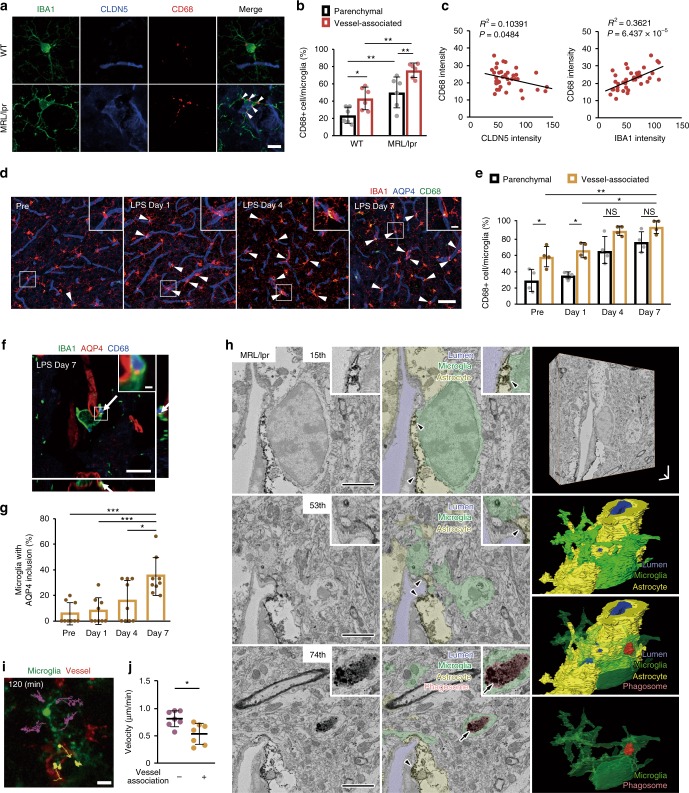
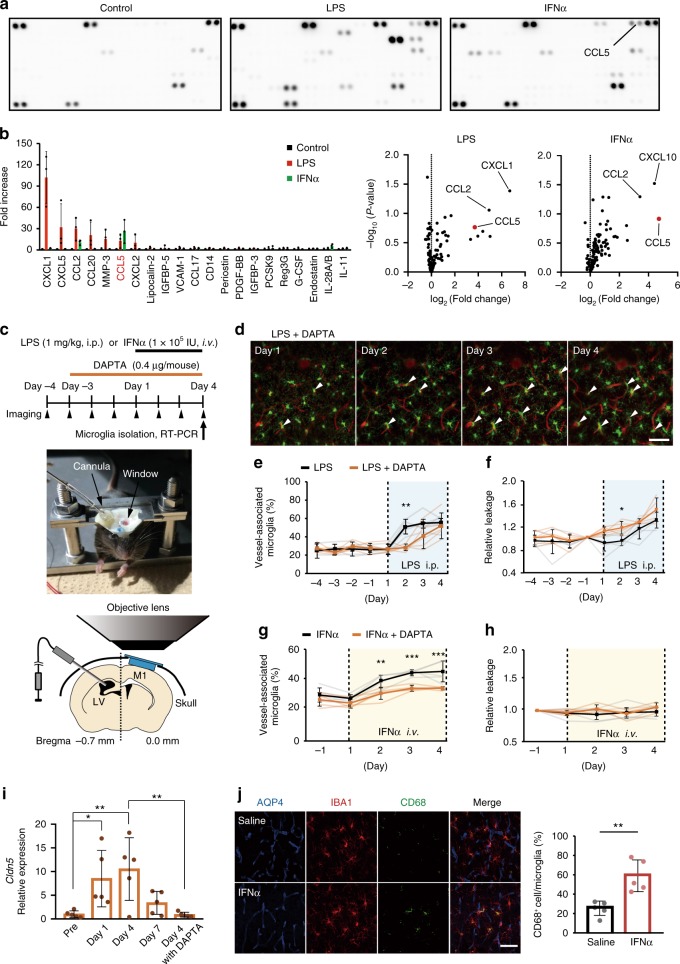
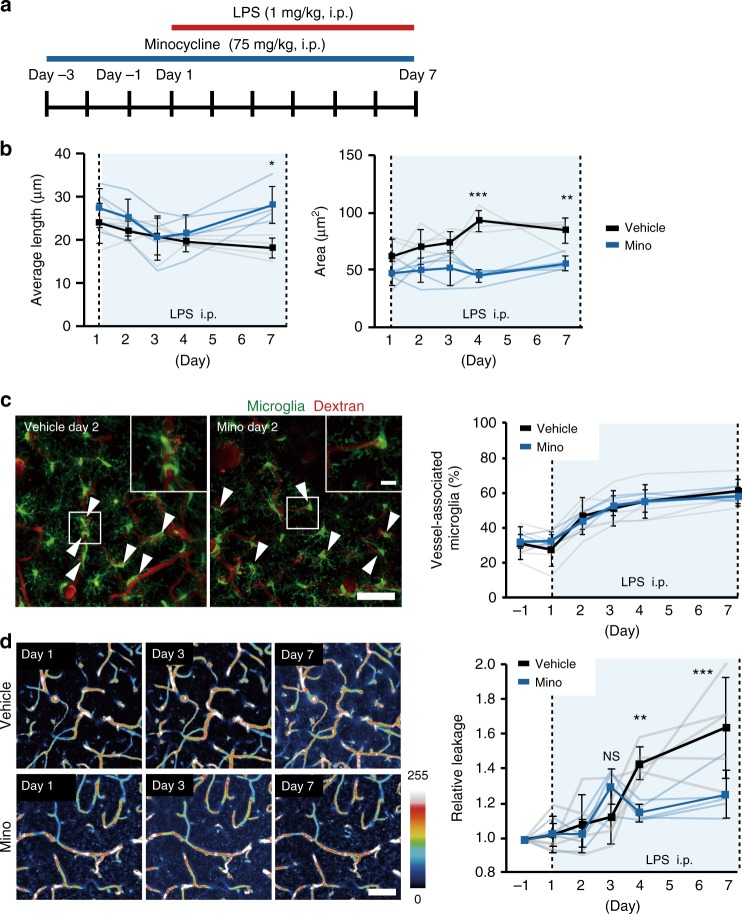
Microglia survey brain parenchyma, responding to injury and infections. Microglia also respond to systemic disease, but the role of blood–brain barrier (BBB) integrity in this process remains unclear. Using simultaneous in vivo imaging, we demonstrated that systemic inflammation induces CCR5-dependent migration of brain resident microglia to the cerebral vasculature. Vessel-associated microglia initially maintain BBB integrity via expression of the tight-junction protein Claudin-5 and make physical contact with endothelial cells. During sustained inflammation, microglia phagocytose astrocytic end-feet and impair BBB function. Our results show microglia play a dual role in maintaining BBB integrity with implications for elucidating how systemic immune-activation impacts neural functions.
Overview
The claims and statistics of this paper haven’t been checked yet.
Free: it reads the open-access text and checks the first 5 claims that cite a source we can check. Create a free account to check every claim.
Integrity signals
Registry
Cites
Statistics
Figures
Verification
Claims the paper makes
The claims and statistics of this paper haven’t been checked yet.
Free: it reads the open-access text and checks the first 5 claims that cite a source we can check. Create a free account to check every claim.
Claims other papers make about this one
Each is checked against this paper’s own text: does it say what the citing paper says it does?
The source backs part of the claim, not all of it — or backs it for a different population, condition or comparison.
In the citing paper
“sustained activation triggered by the RAGE ligand S100B exacerbates abnormal BBB permeability [17,18].”
From Research Advances in the Pathogenesis of Sepsis-Associated Encephalopathy (2026) · cites this paper as [18]
Experimental — accuracy not yet measuredThe source backs part of the claim, not all of it — or backs it for a different population, condition or comparison.
In the citing paper
“According to previous studies, systemic inflammation may disrupt the BBB, allowing pro-inflammatory molecules (such as cytokines and LPS) to enter the CNS [60,61,62].”
From Neuroprotective Effects of Bifidobacterium breve CCFM1067 in MPTP-Induced Mouse Models of Parkinson’s Disease (2022) · cites this paper as [61]
Experimental — accuracy not yet measuredThe cited source says what the claim attributes to it.
In the citing paper
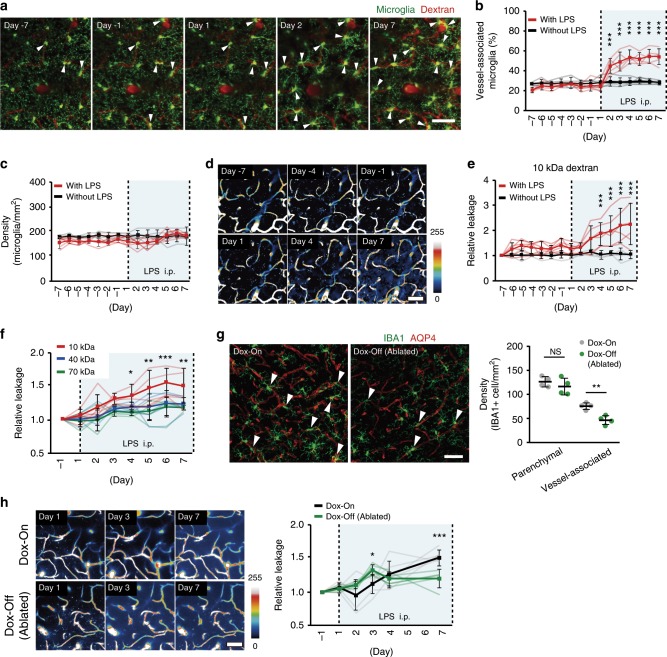
“An in vivo study showed that LPS injection induced 10 kDa dextran translocation across the BBB in mice”
From The modulatory effects of gut microbes and metabolites on blood-brain barrier integrity and brain function in sepsis-associated encephalopathy (2023) · cites this paper as Haruwaka et al., 2019
The check wasn’t confident either way, so it gives no verdict — never disputed.
In the citing paper
“Furthermore, species differences in microglial density, BBB tight junction composition, and cholinergic system organization between rodents and humans likely restrict direct extrapolation of preclinical findings to human patients [15,16,18].”
From Research Advances in the Pathogenesis of Sepsis-Associated Encephalopathy (2026) · cites this paper as [18]
Experimental — accuracy not yet measured
Self-check
Percentages, sums and reported differences re-computed from the paper’s own numbers.
The self-check needs the paper’s full text.
Citations
Cites
1 retracted
Microglia-dependent synapse loss in type I interferon-mediated lupus
Bialas, A. R., Presumey, J., Das, A., van der Poel, C. E., Lapchak, P. H., Mesin, L., Victora, G., Tsokos, G. C., Mawrin, C., Herbst, R., et al. (2017) · Nature · doi:10.1038/nature22821 · Cited by 197
RetractedMetascape provides a biologist-oriented resource for the analysis of systems-level datasets
Zhou, Y., Zhou, B., Pache, L., Chang, M., Khodabakhshi, A. H., Tanaseichuk, O., Benner, C., & Chanda, S. K. (2019) · Nature Communications · doi:10.1038/s41467-019-09234-6 · Cited by 14,611
Resting microglial cells are highly dynamic surveillants of brain parenchyma in vivo
Nimmerjahn, A., Kirchhoff, F., & Helmchen, F. (2005) · Science · doi:10.1126/science.1110647 · Cited by 5,827
Astrocyte-endothelial interactions at the blood-brain barrier
Abbott, N. J., Rönnbäck, L., & Hansson, E. (2006) · Nature Reviews Neuroscience · doi:10.1038/nrn1824 · Cited by 5,595
Structure and function of the blood–brain barrier
Abbott, N. J., Patabendige, A. A. K., Dolman, D. E. M., Yusof, S. R., & Begley, D. J. (2010) · Neurobiology of Disease · doi:10.1016/j.nbd.2009.07.030 · Cited by 5,185
Zhang, Y., Chen, K., Sloan, S. A., Bennett, M. L., Scholze, A. R., O'Keeffe, S., Phatnani, H. P., Guarnieri, P., Caneda, C., Ruderisch, N., et al. (2014) · The Journal of Neuroscience · doi:10.1523/jneurosci.1860-14.2014 · Cited by 4,875
Microglia Sculpt Postnatal Neural Circuits in an Activity and Complement-Dependent Manner
Schafer, D. P., Lehrman, E. K., Kautzman, A. G., Koyama, R., Mardinly, A. R., Yamasaki, R., Ransohoff, R. M., Greenberg, M. E., Barres, B. A., & Stevens, B. (2012) · Neuron · doi:10.1016/j.neuron.2012.03.026 · Cited by 4,089
ATP mediates rapid microglial response to local brain injury in vivo
Davalos, D., Grutzendler, J., Yang, G., Kim, J. V., Zuo, Y., Jung, S., Littman, D. R., Dustin, M. L., & Gan, W.-B. (2005) · Nature Neuroscience · doi:10.1038/nn1472 · Cited by 3,913
Microglia: Active sensor and versatile effector cells in the normal and pathologic brain
Hanisch, U.-K., & Kettenmann, H. (2007) · Nature Neuroscience · doi:10.1038/nn1997 · Cited by 3,676
Kettenmann, H., Hanisch, U.-K., Noda, M., & Verkhratsky, A. (2011) · Physiological Reviews · doi:10.1152/physrev.00011.2010 · Cited by 3,547
Research works printed but not linked: 2
- Yang Y Attenuation of acute stroke injury in rat brain by minocycline promotes blood-brain barrier remodeling and alternative microglia/macrophage activation during recovery J. Neuroinflammation 2015 12 26 10.1186/s12974-015-0245-4 25889169 PMC4340283 · DOI · Paper page
- McKim DB Microglial recruitment of IL-1beta-producing monocytes to brain endothelium causes stress-induced anxiety Mol. Psychiatry 2018 23 1421 1431 10.1038/mp.2017.64 28373688 PMC5628107 · DOI · Paper page
Cited by
Items 301–400 of 930
Inflammatory Markers Associated with Physical Frailty and Cognitive Impairment
Pan, Y., & Ma, L. (2024) · Aging and Disease · doi:10.14336/ad.2024.0258 · Cited by 46
Short-chain fatty acid on blood-brain barrier and glial function in ischemic stroke
Mathias, K., Machado, R. S., Stork, S. D. S., Martins, C. D., dos Santos, D., Lippert, F. W., Prophiro, J. S., & Petronilho, F. C. (2024) · Life Sciences · doi:10.1016/j.lfs.2024.122979 · Cited by 30
Beyond wrecking a wall: revisiting the concept of blood–brain barrier breakdown in ischemic stroke
Castillo-González, J., & González‐Rey, E. (2024) · Neural Regeneration Research · doi:10.4103/nrr.nrr-d-24-00392 · Cited by 39
He, Z., & Sun, J. (2024) · Neurobiology of Disease · doi:10.1016/j.nbd.2024.106772 · Cited by 35
Diesel exhaust impairs TREM2 to dysregulate neuroinflammation
Greve, H. J., Mumaw, C. L., Messenger, E. J., Kodavanti, P. R. S., Royland, J. L., Kodavanti, U. P., & Block, M. L. (2020) · Journal of Neuroinflammation · doi:10.1186/s12974-020-02017-7 · Cited by 30
“Key markers of the BBB, Aqp4 (Aquaporin-4), Mdr1b (p-Glycoprotein), Icam1 (ICAM-1), and Vcam1 (VCAM-1) were analyzed by qRT-PCR in the hippocampus.”
BackgroundInfluentialUnderstanding the Central Nervous System Symptoms of Rotavirus: A Qualitative Review
Hellysaz, A., & Hagbom, M. (2021) · Viruses · doi:10.3390/v13040658 · Cited by 35
“Similarly, enteric glia cells in the gut have been shown to regulate intestinal inflammation and permeability [95–97], and it is believed that microglia cells in the brain may have similar functions [98].”
BackgroundDoes Modern Lifestyle Favor Neuroimmunometabolic Changes? A Path to Obesity
Marques, C. G., Quaresma, M. V. L. D. S., Nakamoto, F. P., Magalhães, A. C. O., Lucin, G. A., & dos Santos, R. V. T. (2021) · Frontiers in Nutrition · doi:10.3389/fnut.2021.705545 · Cited by 31
“However, more studies are needed, in order to fully elucidate these mechanisms (55).”
BackgroundAdvances in Modeling Alzheimer's Disease In Vitro
Sharma, N. S., Karan, A., Lee, D.-H., Yan, Z., & Xie, J. (2021) · Advanced NanoBiomed Research · doi:10.1002/anbr.202100097 · Cited by 34
Zhang, L., Xu, H., Ding, N., Li, X., Chen, X., & Chen, Z. (2021) · Frontiers in Physiology · doi:10.3389/fphys.2021.715443 · Cited by 40
Rydbirk, R., Østergaard, O., Folke, J., Hempel, C., DellaValle, B., Andresen, T. L., Løkkegaard, A., Hejl, A., Bode, M., Blaabjerg, M., et al. (2022) · Cellular and Molecular Life Sciences · doi:10.1007/s00018-022-04378-z · Cited by 30
“During sustained inflammation, microglia attacks astrocytic endfeet, which impairs BBB function [63] and possibly increasing BBB permeability.”
BackgroundExosomes: A missing link between chronic systemic inflammation and Alzheimer’s disease?
Ozansoy, M., Mikati, H., Velioğlu, H. A., & Yuluğ, B. (2023) · Biomedicine & Pharmacotherapy · doi:10.1016/j.biopha.2022.114161 · Cited by 30
Pristane induced lupus mice as a model for neuropsychiatric lupus (NPSLE)
Yun, Y., Wang, X., Xu, J., Jin, C., Chen, J., Wang, X., Wang, J., Qin, L., & Yang, P. (2023) · Behavioral and Brain Functions · doi:10.1186/s12993-023-00205-y · Cited by 29
“Second, microglia may initially migrate to the BBB to protect its integrity, and then transform into a reactive phenotype that damages the BBB and triggers neuroinflammation in NPSLE model mice [54].”
BackgroundLuo, Q., Jiang, Z., Jiang, J., Wan, L., Li, Y., Huang, Y., Qiu, J., Yu, K., & Zhuang, J. (2023) · Theranostics · doi:10.7150/thno.84236 · Cited by 31
“These cells have been extensively studied because of their repertoire of roles in the immune response, neuroprotection, and phagocytosis of cellular debris [8-13].”
BackgroundMyeloid cells in vascular dementia and Alzheimer's disease: Possible therapeutic targets?
García‐Culebras, A., Cuartero, M. I., Peña‐Martínez, C., Moraga, A., Vázquez‐Reyes, S., Castro-Millán, F. J., Cortés‐Canteli, M., Lizasoaín, I., & Moro, M. Á. (2023) · British Journal of Pharmacology · doi:10.1111/bph.16159 · Cited by 37
“…after vascular injury (chemokine CCL5) attract microglia to the vessels, where they initially play a beneficial function in the maintenance of BBB integrity (Figure 4) (Haruwaka et al., 2019); however, due to sustained inflammation, microglia can switch from a protective to a detrimental phenotype.”
BackgroundFatigue in Inflammatory Joint Diseases
Chmielewski, G., Majewski, M. S., Kuna, J., Mikiewicz, M., & Krajewska–Włodarczyk, M. (2023) · International Journal of Molecular Sciences · doi:10.3390/ijms241512040 · Cited by 31
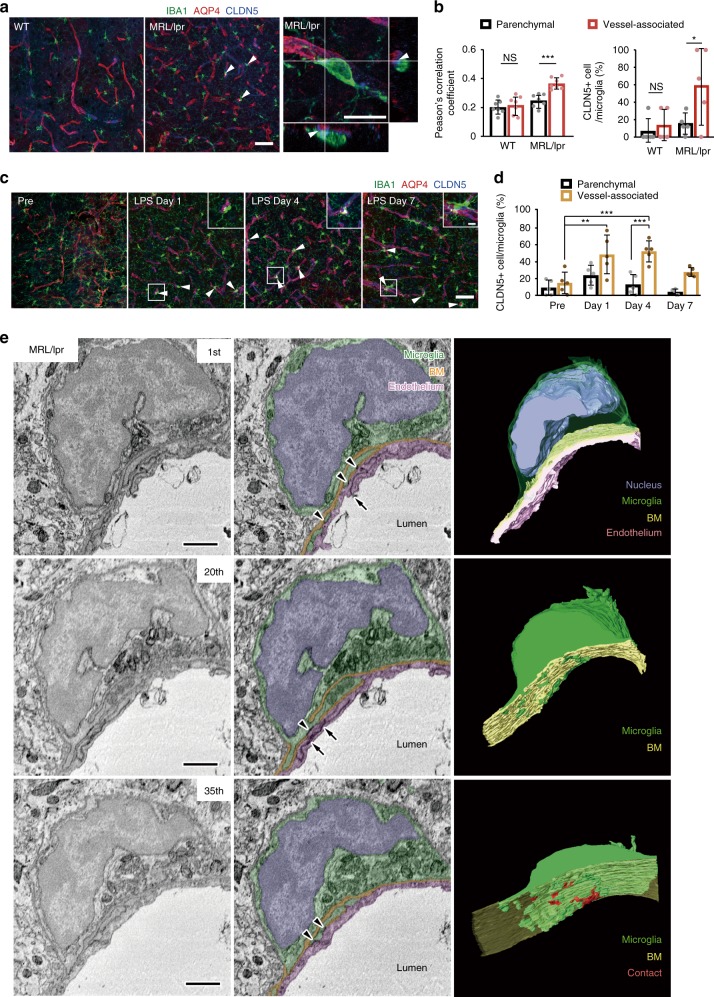
“Microglial cells located adjacent to the endothelial cells produce the protein claudin-5, which forms tight junctions [22].”
BackgroundDeng, H., Liu, Y., Shi, Z., Yang, J., Liu, C., & Mei, X. (2023) · International Immunopharmacology · doi:10.1016/j.intimp.2023.111092 · Cited by 28
Xie, H., Jiang, Y., Xiang, Y., Wu, B., Zhao, J., Huang, R., Wang, M., Wang, Y., Liu, J., Wu, D., et al. (2024) · Neuro-Oncology · doi:10.1093/neuonc/noae065 · Cited by 28
Microglial activation and neuroinflammation in acute and chronic cognitive deficits in sepsis
Denver, P., & Cunningham, C. M. (2024) · Neuropharmacology · doi:10.1016/j.neuropharm.2024.110285 · Cited by 37
Developing a transwell millifluidic device for studying blood–brain barrier endothelium
Harding, I. C., O’Hare, N. R., Vigliotti, M., Caraballo, A., Lee, C. I., Millican, K., Herman, I. M., & Ebong, E. E. (2022) · Lab on a Chip · doi:10.1039/d2lc00657j · Cited by 31
Yang, X., & Chen, X. (2022) · Current Issues in Molecular Biology · doi:10.3390/cimb44110386 · Cited by 28
“Some studies have shown that inflammation-activated microglia can cause BBB destruction [99,100].”
BackgroundMicroglia as a Game Changer in Epilepsy Comorbid Depression
Wen, W., Zhou, J., Zhan, C. A., & Wang, J. (2023) · Molecular Neurobiology · doi:10.1007/s12035-023-03810-0 · Cited by 28
“Haruwaka et al. reported that the decrease of microglia in the early phase of inflammation will increase BBB permeability [31].”
Morton, L., Arndt, P., Garza, A. P., Henneicke, S., Mattern, H., Gonzalez, M., Dityatev, A. E., Yilmazer‐Hanke, D., Schreiber, S., & Dunay, I. R. (2023) · Acta Neuropathologica Communications · doi:10.1186/s40478-023-01672-0 · Cited by 30
“P2Y12R has been identified as a receptor selectively expressed on microglia and can be used as a marker to distinguish CNS resident microglia from blood-derived myeloid cells [24], [25].”
BackgroundWilson, E. N., Umans, J., Swarovski, M. S., Minhas, P. S., Mendiola, J. H., Midttun, Ø., Ulvik, A., Shahid, M., Linortner, P., Mhatre, S. D., et al. (2025) · npj Parkinson's Disease · doi:10.1038/s41531-025-00964-7 · Cited by 33
The role of microglia in neurodegenerative diseases: from the perspective of ferroptosis
Liu, Y., Jia, G.-R., Zhang, S.-H., Guo, Y., Ma, X., Xu, H., & Xie, J. (2025) · Acta Pharmacologica Sinica · doi:10.1038/s41401-025-01560-4 · Cited by 35
“Endothelial cells, pericytes, or smooth muscle cells in the neurovascular unit are also involved in the bidirectional interactions between microglia and neurons [158, 159].”
Lee, J., Cho, W., Yu, J., & Hyun, Y. (2025) · Journal of Neuroinflammation · doi:10.1186/s12974-025-03468-6 · Cited by 30
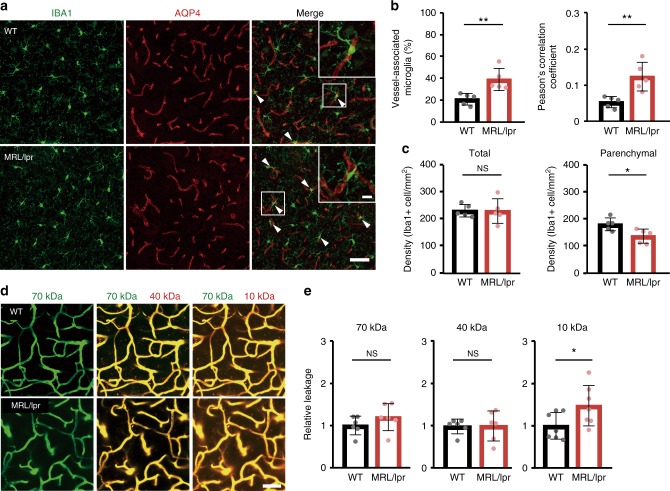
“Additionally, intravital imaging using 10 kDa dextran to evaluate vascular permeability in the brain [27, 28] showed that active mutant mice showed pronounced dextran leakage into the interstitium, indicating a level of vascular permeability comparable to that observed in LPS-injected WT mice (Fig.”
Li, S., Chen, S., Li, Y., Sun, W., Li, J., Deng, H., Ding, H., Wang, Z., Zhu, L., Liu, J., et al. (2025) · Science Translational Medicine · doi:10.1126/scitranslmed.adq5331 · Cited by 27
Redox signalling and regulation of the blood-brain barrier
van Leeuwen, E., Hampton, M. B., & Smyth, L. C. D. (2020) · The International Journal of Biochemistry & Cell Biology · doi:10.1016/j.biocel.2020.105794 · Cited by 27
Trauma-Related Guillain–Barré Syndrome: Systematic Review of an Emerging Concept
Huang, C., Zhang, Y., Deng, S., Ren, Y., & Lu, W. (2020) · Frontiers in Neurology · doi:10.3389/fneur.2020.588290 · Cited by 30
“Activation of the systemic inflammatory response can be one of the mechanisms leading to breakdown of the BBB after different surgeries (144), and immune cells moving from the central nervous system to the peripheral nervous system via the disrupted BBB release various cytokines, leading to destruction of the myelin s…”
BackgroundHypothalamic Microglial Heterogeneity and Signature under High Fat Diet–Induced Inflammation
Mendes, N. F., Jara, C. P., Zanesco, A. M., & ARAUJO, E. P. D. (2021) · International Journal of Molecular Sciences · doi:10.3390/ijms22052256 · Cited by 31
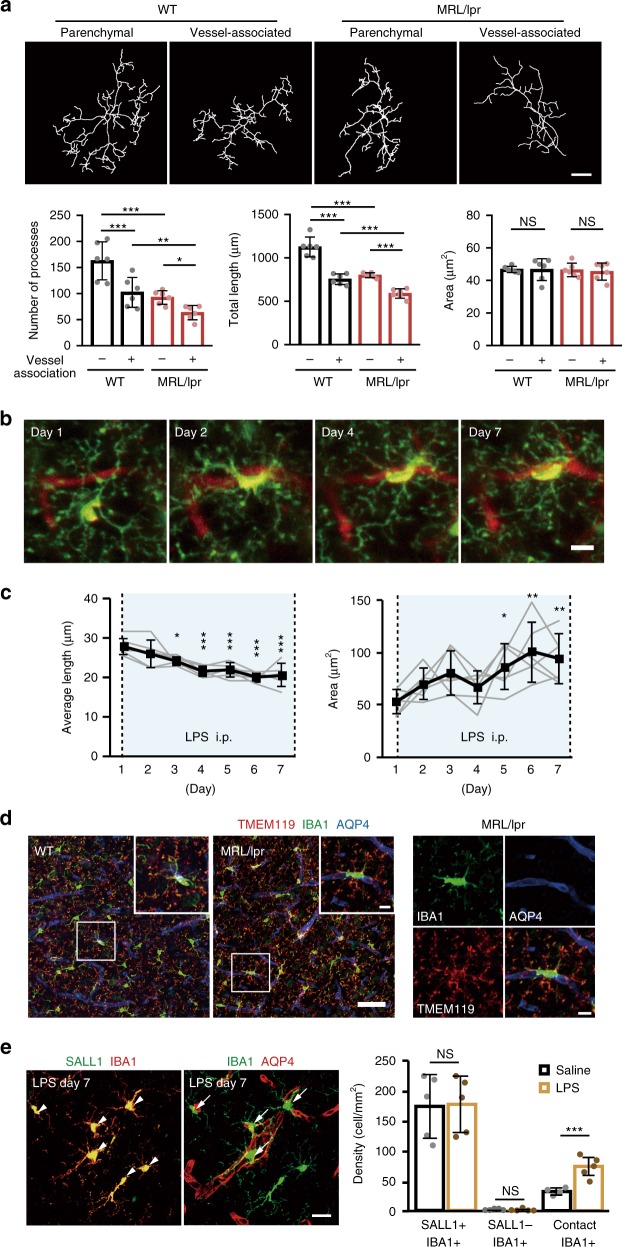
“Interestingly, under systemic inflammation, vessel‐associated microglia are able to phagocytize astrocytic end‐feet, an action that damages BBB function [114].”
BackgroundSabahi, M., Joshaghanian, A., Dolatshahi, M., Jabbari, P., Rahmani, F., & Rezaei, N. (2021) · Journal of Molecular Neuroscience · doi:10.1007/s12031-021-01818-6 · Cited by 26
Lü, L., Liu, X., Fu, J., Liang, J., Hou, Y., & Dou, H. (2022) · Scientific Reports · doi:10.1038/s41598-022-10973-8 · Cited by 36
Abe, N., Tarumi, M., Fujieda, Y., Takahashi, N., Karino, K., Uchida, M., Kono, M., Tanaka, Y., Hasebe, R., Kato, M., et al. (2022) · Annals of the Rheumatic Diseases · doi:10.1136/ard-2022-222566 · Cited by 27
James, L. M., & Georgopoulos, A. P. (2022) · Neuroscience Insights · doi:10.1177/26331055221114817 · Cited by 28
da Rocha, G. H. O., Loiola, R. A., de Paula-Silva, M., Shimizu, F., Kanda, T., Vieira, A., Gosselet, F., & Farsky, S. H. P. (2022) · International Journal of Molecular Sciences · doi:10.3390/ijms232112781 · Cited by 32
“In addition, corroborating our findings where claudin-5 expression is increased both by TNFα and by donor plasma, it is reported that its expression can increase due to acute inflammatory stimuli paralleled by decreased expression of other junctional proteins, especially in cases of systemic inflammation, likely in an…”
BackgroundKnopp, R. C., Banks, W. A., & Erickson, M. A. (2022) · Current Opinion in Neurobiology · doi:10.1016/j.conb.2022.102648 · Cited by 29
Inflammatory hallmarks in 6-OHDA- and LPS-induced Parkinson's disease in rats
OLİYNYK, Z., Rudyk, M. P., Dovbynchuk, T., Dziubenko, N., Tolstanova, G. M., & Skivka, L. M. (2023) · Brain Behavior & Immunity - Health · doi:10.1016/j.bbih.2023.100616 · Cited by 31
Wang, T., Kaneko, S., Kriukov, E., Álvarez, D., Lam, E., Wang, Y., Manna, S. L., Marasco, D., Fernandez‐Gonzalez, A., Mitsialis, S. A., et al. (2024) · Molecular Therapy · doi:10.1016/j.ymthe.2024.03.025 · Cited by 32
“4 12 In this context, infections, often accompanied by proin fl ammatory cytokine production, are strongly linked to an increased likelihood of developing retinopathy.”
Augusto‐Oliveira, M., Arrifano, G. D. P., Leal-Nazaré, C. G., Chaves-Filho, A. J. M., Santos-Sacramento, L., Lopes-Araújo, A., Tremblay, M., & Lopez, M. E. C. (2025) · Neuroscience & Biobehavioral Reviews · doi:10.1016/j.neubiorev.2025.106091 · Cited by 31
Luo, L., & Qiao, S. (2026) · European journal of medical research · doi:10.1186/s40001-026-03840-z · Cited by 29
“A notable study by Haruwaka et al. demonstrated that during systemic inflammation, microglia can aberrantly attack astrocytic end-foot processes on blood vessels, leading to BBB leakage [47].”
The role of lncRNAs in ischemic stroke
Chen, J., Liu, P., Dong, X., Jin, J., & Xu, Y. (2021) · Neurochemistry International · doi:10.1016/j.neuint.2021.105019 · Cited by 25
Wahane, S., & Sofroniew, M. V. (2021) · Cell and Tissue Research · doi:10.1007/s00441-021-03487-8 · Cited by 28
Emerging Role of LncRNAs in Ischemic Stroke—Novel Insights into the Regulation of Inflammation
Pan, Y., Jiao, Q., Wei, W., Zheng, T., Yang, X., & Xin, W. (2021) · Journal of Inflammation Research · doi:10.2147/jir.s327291 · Cited by 27
An integral blood–brain barrier in adulthood relies on microglia-derived PDGFB
Weng, Y., Chen, N., Zhang, R., He, J., Ding, X., Cheng, G., Bi, Q., Lu, Y., Shen, X. Z., Wan, S., et al. (2023) · Brain Behavior and Immunity · doi:10.1016/j.bbi.2023.11.023 · Cited by 27
Nakajima, S., Demers, G., Machuca‐Parra, A. I., Pour, Z. D., Bairamian, D., Bouyakdan, K., Fisette, A., Kabahizi, A., Robb, J. L., Rodaros, D., et al. (2023) · Journal of Neuroinflammation · doi:10.1186/s12974-023-02978-5 · Cited by 31
Jithoo, A., Penny, T. R., Pham, Y., Sutherland, A. E., Smith, M. J., Petraki, M. P., Fahey, M. C., Jenkin, G., Malhotra, A., Miller, S., et al. (2024) · Cells · doi:10.3390/cells13080660 · Cited by 25
“This finding is consistent with Castillo-Melendez, Haruwaku, and colleagues, who showed similar findings [34,35] where they demonstrated astrocytic end-feet dissociation and impaired BBB function in conjunction with neuroinflammation.”
ResultPaton, S. E. J., Solano, J. L., Coulombe-Rozon, F., Lebel, M., & Ménard, C. (2023) · Journal of Psychiatry and Neuroscience · doi:10.1503/jpn.220218 · Cited by 27
Microfluidic models of the neurovascular unit: a translational view
Wevers, N. R., & de Vries, H. E. (2023) · Fluids and Barriers of the CNS · doi:10.1186/s12987-023-00490-9 · Cited by 28
“Recent studies also suggest that microglia contribute to BBB maintenance directly by expression of tight junction protein claudin-5 [114].”
BackgroundThe Neurovascular Unit as a Locus of Injury in Low-Level Blast-Induced Neurotrauma
Elder, G. A., Sosa, M. A. G., Gasperi, R. D., Garcia, G. S. P., Perez, G. M., Abutarboush, R., Kawoos, U., Zhu, C. W., Janssen, W. G. M., Stone, J. R., et al. (2024) · International Journal of Molecular Sciences · doi:10.3390/ijms25021150 · Cited by 26
“Microglia further contact endothelial cells, astrocytes, and neurons, where they regulate neuroinflammatory states as well as modify synaptic contacts [67–69].”
BackgroundHe, C., Liu, R., Fan, Z., Li, Y., Yang, M., Wugang, H., Lu, Z., Fang, Z., & Su, B. (2021) · Pain and Therapy · doi:10.1007/s40122-021-00288-3 · Cited by 31
Tyagi, A., Mirita, C., Shah, I., Reddy, P. H., & Pugazhenthi, S. (2021) · Frontiers in Aging Neuroscience · doi:10.3389/fnagi.2021.716616 · Cited by 27
“Dual opposing effects of microglia have been demonstrated during systemic inflammation by in vivo imaging (Haruwaka et al., 2019).”
BackgroundНатрус, Л. В., Osadchuk, Y., Lisakovska, O., Labudzinskyi, D., Klys, Y., & Chaikovsky, Y. B. (2022) · Neural Plasticity · doi:10.1155/2022/6404964 · Cited by 25
“Interestingly, under systemic inflammation, microglia are able to phagocytose the astrocytic endfeet, which leads to a violation of the density of cell connections and impairs BBB functioning [73].”
BackgroundChen, G., Cheng, K., Niu, Y., Zhu, L., & Wang, X. (2022) · Archives of Biochemistry and Biophysics · doi:10.1016/j.abb.2022.109393 · Cited by 29
The neuroimmune system – Where aging and excess alcohol intersect
Carlson, E. R., Guerin, S. P., Nixon, K., & Fonken, L. K. (2022) · Alcohol · doi:10.1016/j.alcohol.2022.08.009 · Cited by 27
Solarz, A., Majcher‐Maślanka, I., Kryst, J., & Chocyk, A. (2022) · Brain Behavior and Immunity · doi:10.1016/j.bbi.2022.11.005 · Cited by 26
ProBDNF signaling is involved in periodontitis-induced depression-like behavior in mouse hippocampus
Li, Y., Guan, X., He, Y., Jia, X., Pan, L., Wang, Y., Han, Y., Zhao, R., Yang, J., & Hou, T. (2022) · International Immunopharmacology · doi:10.1016/j.intimp.2023.109767 · Cited by 24
Chromosomal and gonadal factors regulate microglial sex effects in the aging brain
Ocañas, S. R., Ansere, V. A., Kellogg, C. M., Isola, J. V. V., Chucair-Elliott, A. J., & Freeman, W. M. (2023) · Brain Research Bulletin · doi:10.1016/j.brainresbull.2023.02.008 · Cited by 24
Quillen, D., Hughes, T. M., Craft, S., Howard, T., Register, T., Suerken, C., Hawkins, G. A., & Milligan, C. (2023) · Neurology Neuroimmunology & Neuroinflammation · doi:10.1212/nxi.0000000000200095 · Cited by 25
“This could be contributing to the chronic neurotoxic inflammation seen in neurodegenerative diseases.(37,39) This chronic glial activation may contribute to synaptic loss that is thought to be an early event in disease pathology.”
BackgroundMicroglia and macrophages in the neuro-glia-vascular unit: From identity to functions
Chen, S., Li, J., Meng, S., He, T., Shi, Z., Wang, C., Wang, Y., Cao, H., Huang, Y., Zhang, Y., et al. (2023) · Neurobiology of Disease · doi:10.1016/j.nbd.2023.106066 · Cited by 28
“In previous histological studies, Tmem119 and P2ry12 are used to distinguished VAM from PVMs(Bisht et al., 2021; Haruwaka et al., 2019), while CD163 and Lyve1 serve as selective markers for PVMs(Pedragosa et al.”
InfluentialWADHWA, K., Chauhan, P., Kumar, S., Pahwa, R., Verma, R., Goyal, R., Singh, G., Sharma, A., RAO, N., & Kaushik, D. K. (2024) · Oncology Research Featuring Preclinical and Clinical Cancer Therapeutics · doi:10.32604/or.2024.047278 · Cited by 25
Lv, H., Sun, J., Zhang, T., Hui, Y., Li, J., Zhao, X., Chen, S., Liu, W., Li, X., Zhao, P., et al. (2024) · BMC Medicine · doi:10.1186/s12916-024-03479-9 · Cited by 28
“Progressively increasing SUA levels may also enhance this deteriorating effect [53].”
BackgroundMicroglia contact cerebral vasculature through gaps between astrocyte endfeet
Morris, G. P., Foster, C. G., Sutherland, B. A., & Grubb, S. (2024) · Journal of Cerebral Blood Flow & Metabolism · doi:10.1177/0271678x241280775 · Cited by 26
“There is however some evidence microglia can form tight junctions with endothelial cells during inflammation, 16 so it will be important to determine if this is also occurs in normal physiology.”
Guo, H., Zhang, W., Wang, Z., Li, Z., Zhou, J., & Yang, Z. (2022) · Frontiers in Molecular Neuroscience · doi:10.3389/fnmol.2022.977941 · Cited by 26
“Accumulating evidence has indicated that reactive microglia/macrophages likely contribute to the leaky BBB, inflammation, oxidative stress, and immune cell trafficking in ICH (Haruwaka et al., 2019; Kang et al., 2020).”
BackgroundWu, Y., Hu, Q., Wang, X., Cheng, H., Yu, J., Li, Y., Luo, J., Zhang, Q., Wu, J., & Zhang, G. (2023) · Frontiers in Immunology · doi:10.3389/fimmu.2023.1172334 · Cited by 33
Beura, S. K., Panigrahi, A. R., Yadav, P., Agrawal, S., & Singh, S. K. (2021) · Molecular Neurobiology · doi:10.1007/s12035-021-02587-4 · Cited by 25
Chim, S. M., Howell, K., Kokkosis, A. G., Zambrowicz, B., Karalis, K. P., & Pavlopoulos, E. (2024) · Pharmaceutics · doi:10.3390/pharmaceutics16101314 · Cited by 23
“This is consistent with the important contribution of these cells to neuroinflammation and BBB disruption and in agreement with published works [12,75–80].”
ResultPatricio-Martínez, A., Patricio, F., Macuil-Chapuli, E., Martínez-Juárez, E. Á., Flores-Díaz, S., Cedillo-Ramirez, M. L., & Limón, I. D. (2025) · Frontiers in Neuroscience · doi:10.3389/fnins.2025.1598011 · Cited by 28
Role of gut microbiota in neuroinflammation: a focus on perioperative neurocognitive disorders
Zhou, Q., Chen, T., Wang, X., Xu, Z., Song, Y., Liu, S., Ge, Y., & Gao, J. (2025) · Frontiers in Cellular and Infection Microbiology · doi:10.3389/fcimb.2025.1582909 · Cited by 24
“…damaging endothelial cells, activating TLR4 to trigger NF-k B expression and systemic in fl ammation, which increases tight junction permeability, induces pericyte degeneration and endothelial apoptosis, and promotes astrocyte foot process phagocytosis (Zhao and Lukiw, 2018; Haruwaka et al., 2019).”
Glial Cells Response in Stroke
Jadhav, P., Karande, M., Sarkar, A., Sahu, S., Sarmah, D., Datta, A., Chaudhary, A., Kalia, K., Sharma, A., Wang, X., et al. (2022) · Cellular and Molecular Neurobiology · doi:10.1007/s10571-021-01183-3 · Cited by 26
Chen, J., Chang, Y., Zhu, J., Peng, Y., Li, Z., Zhang, K., Zhang, Y., Lin, C., Lin, Z., Pan, S., et al. (2022) · Journal of Neuroinflammation · doi:10.1186/s12974-022-02571-2 · Cited by 22
“The communication of aggregated microglia with the endothelium exerts both beneficial and detrimental effects on BBB function depending on the microenvironment [53].”
BackgroundXu, X., Han, Y., Zhang, B., Ren, Q., Ma, J., & Liu, S. (2024) · Cell Communication and Signaling · doi:10.1186/s12964-024-01509-w · Cited by 27
“2) [2, 23].”
Cheng, R., Luo, X., Wu, X., Wang, Z., Chen, Z., Zhang, S., Xiao, H., Zhong, J., Zhang, R., Cao, Y., et al. (2024) · Advanced Science · doi:10.1002/advs.202410529 · Cited by 26
Microglia as a Hub for Suicide Neuropathology: Future Investigation and Prevention Targets
de Andrade, E. G., Ibáñez, F. G., & Tremblay, M. (2022) · Frontiers in Cellular Neuroscience · doi:10.3389/fncel.2022.839396 · Cited by 22
“Increased association of microglia with vessels was shown upon systemic inflammation caused by daily LPS injections in male mice (Haruwaka et al., 2019) and a similar phenomenon might be present in SB.”
BackgroundInfluentialSleep deprivation-induced shifts in gut microbiota: Implications for neurological disorders
Wankhede, N. L., Kale, M. B., Kyada, A., Rekha, M. M., Chaudhary, K., Naidu, K. S., Rahangdale, S. R., Shende, P. V., Taksande, B. G., Khalid, M., et al. (2024) · Neuroscience · doi:10.1016/j.neuroscience.2024.11.070 · Cited by 24
Cadherin-26 Amplifies Airway Epithelial IL-4 Receptor Signaling in Asthma
Feng, Y., Chen, S., Xiong, L., Chang, C., Wu, W., Chen, D., Gao, J., Chen, G., Yi, L., & Zhen, G. (2022) · American Journal of Respiratory Cell and Molecular Biology · doi:10.1165/rcmb.2021-0109oc · Cited by 22
Fan, Y., Xu, C., Deng, N., Gao, Z., Jiang, Z., Li, X., Zhou, Y., Pei, H., Li, L., & Tang, B. (2023) · Lab on a Chip · doi:10.1039/d2lc01077a · Cited by 27
Adipose tissue as a therapeutic target for vascular damage in Alzheimer's disease
Bettinetti‐Luque, M., Trujillo‐Estrada, L., García‐Fuentes, E., Andreo‐Lopez, J., Sanchez-Varo, R. M., Garrido‐Sánchez, L., Mediavilla, A. G., López, M. G., García‐Caballero, M., Gutiérrez, A., et al. (2023) · British Journal of Pharmacology · doi:10.1111/bph.16243 · Cited by 24
“The communication and coordination between endothelial and microglial cells are vital for maintaining the integrity and functionality of BBB (Haruwaka et al., 2019).”
BackgroundYe, D., Miyoshi, A., Ushitani, T., Kadoya, M., Igeta, M., Konishi, K., Shoji, T., Yasuda, K., Kitaoka, S., Yagi, H., et al. (2023) · Brain Behavior and Immunity · doi:10.1016/j.bbi.2023.12.022 · Cited by 22
MiRNAs as potential therapeutic targets and biomarkers for non-traumatic intracerebral hemorrhage
Фанилевич, Г. И., Beylerli, O., & Zhao, B. (2024) · Biomarker Research · doi:10.1186/s40364-024-00568-y · Cited by 27
“Activation of microglia in the process of BBB permeability impairment, in turn, exacerbates ICH-induced damage to brain tissue and, thereby, significantly worsens the prognosis and neurological deficit [80, 81].”
BackgroundMicroglia and macrophage metabolism: a regulator of cerebral gliomas
Deng, Y., Chen, Q.-Y., Wan, C., Sun, Y., Huang, F., Hu, Y., & Yang, K. (2024) · Cell & Bioscience · doi:10.1186/s13578-024-01231-7 · Cited by 23
“It typically arises from primary neural stem or glial cells, forming a complex network of neurons, astrocytes, resident myeloid cells, and microglia [2].”
BackgroundTakada, N., Nakamura, Y., Ikeda, K., Takaoka, N., Hisaoka‐Nakashima, K., Sanoh, S., Kotake, Y., Nakata, Y., & Morioka, N. (2021) · Neurochemical Research · doi:10.1007/s11064-021-03367-1 · Cited by 22
Stavropoulos, F., Sargiannidou, I., Potamiti, L., Kagiava, A., Panayiotidis, M. I., Bae, J. H., Yeom, S. C., Lee, J. Y., & Kleopa, K. A. (2021) · International Journal of Molecular Sciences · doi:10.3390/ijms222111569 · Cited by 22
Cooperation between neurovascular dysfunction and Aβ in Alzheimer’s disease
Wang, N., Yang, X., Zhao, Z., Liu, D., Wang, X., Tang, H., Zhong, C., Chen, X., Chen, W. K., & Meng, Q. (2023) · Frontiers in Molecular Neuroscience · doi:10.3389/fnmol.2023.1227493 · Cited by 23
Emerging role of microglia in the developing dopaminergic system: Perturbation by early life stress
She, K., Yuan, N., Huang, M., Zhu, W., Tang, M., Ma, Q., & Chen, J. (2024) · Neural Regeneration Research · doi:10.4103/nrr.nrr-d-24-00742 · Cited by 24
Immune control of brain physiology
Kovacs, M., Dominguez-Belloso, A., Ali-Moussa, S., & Deczkowska, A. (2025) · Nature reviews. Immunology · doi:10.1038/s41577-025-01129-6 · Cited by 27
“Therefore, under homeostatic conditions, IL-1β could increase local blood supply, drive microglia to form direct contacts with endothelial cells, and promote BBB permeability by disrupting endothelial tight junctions 28–30 .”
Claudin-5 Affects Endothelial Autophagy in Response to Early Hypoxia
Yu, P., Li, Y., Zhong, G., Li, W., Chen, B., & Zhang, J. (2021) · Frontiers in Physiology · doi:10.3389/fphys.2021.737474 · Cited by 21
Neuroimmune signaling at the brain borders
Frederick, N. M., Tavares, G. A., & Louveau, A. (2022) · Immunological Reviews · doi:10.1111/imr.13126 · Cited by 20
Wen, Q., Ding, Q., Wang, J., Yin, Y., Xu, S., Ju, Y., Ji, H., & Liu, B. (2022) · Journal of Immunology Research · doi:10.1155/2022/3334145 · Cited by 22
“Recent reports suggest that microglia migrate to cerebral vessels during sepsis and their activation represents one of the earliest changes observed in SAE [4].”
BackgroundSato, K., Ohno‐Oishi, M., Yoshida, M., Sato, T., Aizawa, T., Sasaki, Y., Maekawa, S., Ishikawa, M., Omodaka, K., Kawano, C., et al. (2023) · Glia · doi:10.1002/glia.24442 · Cited by 23
Chand, K. K., Miller, S. M., Cowin, G., Mohanty, L., Pienaar, J., Colditz, P. B., Bjorkman, S. T., & Wixey, J. A. (2021) · Molecular Neurobiology · doi:10.1007/s12035-021-02654-w · Cited by 22
Rifai, O. M., Longden, J., O’Shaughnessy, J., Sewell, M. D. E., Pate, J. A., McDade, K., Daniels, M. J. D., Abrahams, S., Chandran, S., McColl, B. W., et al. (2022) · The Journal of Pathology · doi:10.1002/path.6008 · Cited by 20
“…fi cant decreases in the distance of class 1 + and class 2 + superpixels from the central vessel were observed in C9-ALS, predominantly in BA4 grey matter (Figure 5G), which may re fl ect migration to vessels as a response to systemic in fl ammation or compromised blood – brain barrier integrity [48].”
BackgroundThe Dual Nature of Microglia in Alzheimer’s Disease: A Microglia-Neuron Crosstalk Perspective
Xie, Z., Meng, J., Wu, Z., Nakanishi, H., Hayashi, Y., Kong, W., Lan, F., Narengaowa, Yang, Q., Qing, H., et al. (2023) · The Neuroscientist · doi:10.1177/10738584211070273 · Cited by 19
Huang, X., Sang, Z., Liu, H., Yang, J., Wang, K., Qu, Y.-N., & Deng, H. (2025) · Metabolic Brain Disease · doi:10.1007/s11011-025-01669-9 · Cited by 21
“While perivascu - lar microglia initially preserve BBB integrity by expressing Claudin-5, during persistent inflammation they can phago - cytose astrocytic end-feet and compromise BBB function, resulting in BBB leakage (Haruwaka et al. 2019).”
Quan, W., Luo, Q., Hao, W., Tomic, I., Furihata, T., Schulz‐Schaeffer, W., Menger, M. D., Fassbender, K. C., & Liu, Y. (2021) · Glia · doi:10.1002/glia.24007 · Cited by 20
“phagocytosing astrocytic end-feet after the inflammation is sustained (Haruwaka et al., 2019).”
BackgroundNeurovascular Interactions in Malaria
Lima, M. N., Freitas, R. J. R. X., Passos, B. A. B. R., Darze, A. M. G., Castro-Faria-Neto, H. C., & Maron‐Gutierrez, T. (2021) · NeuroImmunoModulation · doi:10.1159/000515557 · Cited by 23
Blood brain barrier as an interface for alcohol induced neurotoxicity during development
Siqueira, M., & Stipursky, J. (2022) · NeuroToxicology · doi:10.1016/j.neuro.2022.03.009 · Cited by 23
Emerging Links between Nonalcoholic Fatty Liver Disease and Neurodegeneration
Kelty, T. J., Dashek, R. J., Arnold, W. D., & Rector, R. S. (2023) · Seminars in Liver Disease · doi:10.1055/s-0043-1762585 · Cited by 21
Zhou, Y.-T., Xu, Y.-N., Ren, X., & Zhang, X. (2023) · Food and Chemical Toxicology · doi:10.1016/j.fct.2023.113692 · Cited by 20
Li, Q., Wang, C., Hu, J., Jiao, W., Tang, Z., Song, X., Wu, Y., Dai, J., Gao, P., Du, L., et al. (2023) · International Journal of Pharmaceutics · doi:10.1016/j.ijpharm.2023.122872 · Cited by 20
Ritter, K., Vetter, D., Wernersbach, I., Schwanz, T., Hummel, R., & Schäfer, M. K. E. (2023) · Neuropharmacology · doi:10.1016/j.neuropharm.2023.109648 · Cited by 20
Identification of IL-8 in CSF as a potential biomarker in sepsis-associated encephalopathy
Mao, Y., Zhang, A., Yang, H., & Zhang, C. (2023) · Cytokine · doi:10.1016/j.cyto.2023.156390 · Cited by 21
Metadata
- Authors
- Haruwaka, K., Ikegami, A., Tachibana, Y., Ohno, N., Konishi, H., Hashimoto, A., Matsumoto, M., Kato, D., Ono, R., Kiyama, H., Moorhouse, A. J., Nabekura, J., & Wake, H.
- Affiliations
- National Institutes of Natural Sciences (JP)
- Kobe University (JP)
- Jichi Medical University (JP)
- Nagoya University (JP)
- Nagoya City University (JP)
- UNSW Sydney (AU)
- Japan Science and Technology Agency (JP)
- Corresponding author
- Wake, Hiroaki
- ORCID
- Venue
- Nature Communications
- Published
- 2019-12-20
- Volume
- 10
- Issue
- 1
- Pages
- 5816-5816
- ISSN
- 2041-1723 (ISSN-L)
- PMC
- PMC6925219
- OpenAlex
- W2994871395
- Semantic Scholar
- c3f552b178950359c479d733c849b698185fc437
- Cited by
- 923
- References
- 72
- Citations by year
- 2026: 106 · 2025: 157 · 2024: 180 · 2023: 149 · 2022: 147 · 2021: 124 · 2020: 59
- FWCI
- 36.32
- Type
- journal article
- Language
- en
- Open access
- gold
- doi.org
- Licence
- cc-by
- creativecommons.org/licenses/by/4.0 (tdm)
- creativecommons.org/licenses/by/4.0 (vor)
- Locations
- Nature Communications (publishedVersion, cc-by)
- Europe PMC (PubMed Central) (publishedVersion, cc-by)
- PubMed Central (publishedVersion, cc-by)
- PubMed (publishedVersion)
- Institutional Repositories DataBase (IRDB) (submittedVersion, cc-by)
- RePEc: Research Papers in Economics (submittedVersion)
- Kobe University Repository Kernel (Kobe University) (submittedVersion, cc-by)
- DOAJ (DOAJ: Directory of Open Access Journals) (submittedVersion)
- DOAJ (DOAJ: Directory of Open Access Journals) (submittedVersion, cc-by-sa)
- Funders
- Japan Society for the Promotion of Science (18H02598, 18K06852, 16H06280, 19H05219, 17H01530, 26710004, 19H04753, 19K06904)
- Topics
- Life Sciences › Neuroscience › Neurology › Barrier Structure and Function Studies
- Life Sciences › Neuroscience › Neurology › Neuroinflammation and Neurodegeneration Mechanisms
- Health Sciences › Medicine › Clinical Neurology › Traumatic Brain Injury and Neurovascular Disturbances
- Keywords
- microglia, blood-brain barrier permeability, systemic inflammation, CCR5, microglial migration, claudin-5, tight junctions, neuroinflammation
- MeSH terms
- Intravital Microscopy, Animals, Astrocytes, Blood-Brain Barrier, Cerebrovascular Circulation, Disease Models, Animal, Humans, Lupus Erythematosus, Systemic, Male, Permeability, Phagocytosis, Stereotaxic Techniques, Microglia, Tight Junctions, Receptors, CCR5, Endothelial Cells, Mice, Claudin-5
About these checks
Registry, retraction, Cites and statistics results are computed, not judged, with one exception: a printed reference that no index lists is read once by a model before it counts as a citation error. Claims are extracted by a model and kept only when their quote appears verbatim in the text; each cited source is then checked, with a model’s help, for whether it says what the claim relies on. Those verdicts can be wrong — read the claim’s quote and the cited source before relying on one.
Statistics and arithmetic are recomputed, not judged.
Confidence bands are shown only for fields calibrated on our annotated test set. None is calibrated yet, so no band is shown.
What counts as a claim ›How we measure confidence ›How we check this ›
Are you an author, or do you see a problem with this page? Request a review
Data sources
Bibliographic data: Semantic Scholar, OpenAlex, Crossref.
Contains information from the Semantic Scholar Academic Graph Datasets, made available under the ODC Attribution License (ODC-BY 1.0).
Semantic Scholar’s data is described in: Kinney, R., et al. (2023). The Semantic Scholar Open Data Platform. arXiv:2301.10140.
