

Dual microglia effects on blood brain barrier permeability induced by systemic inflammation
Open accessThe DOI matches its Crossref record; 72 of the 72 references it cites were found in a registry or an index.
Abstract
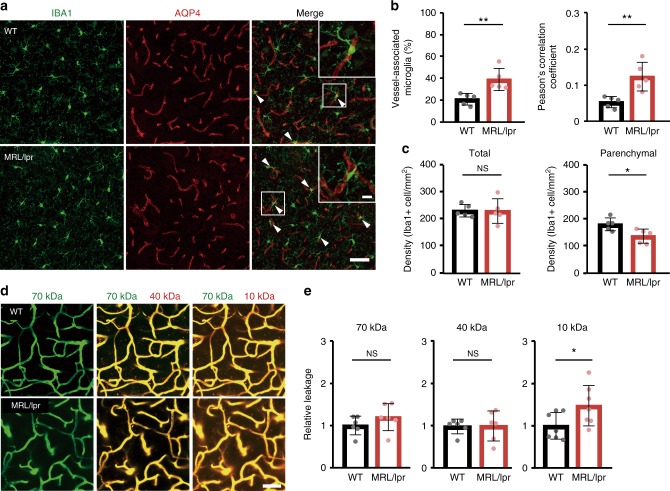
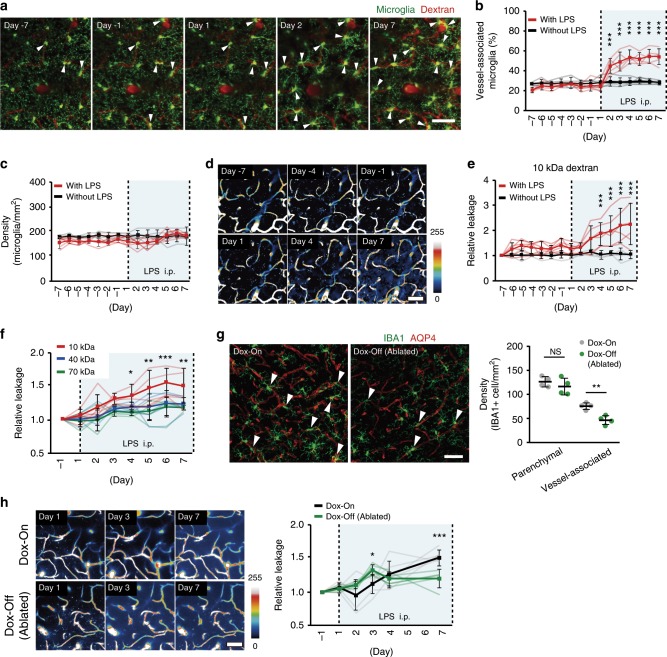
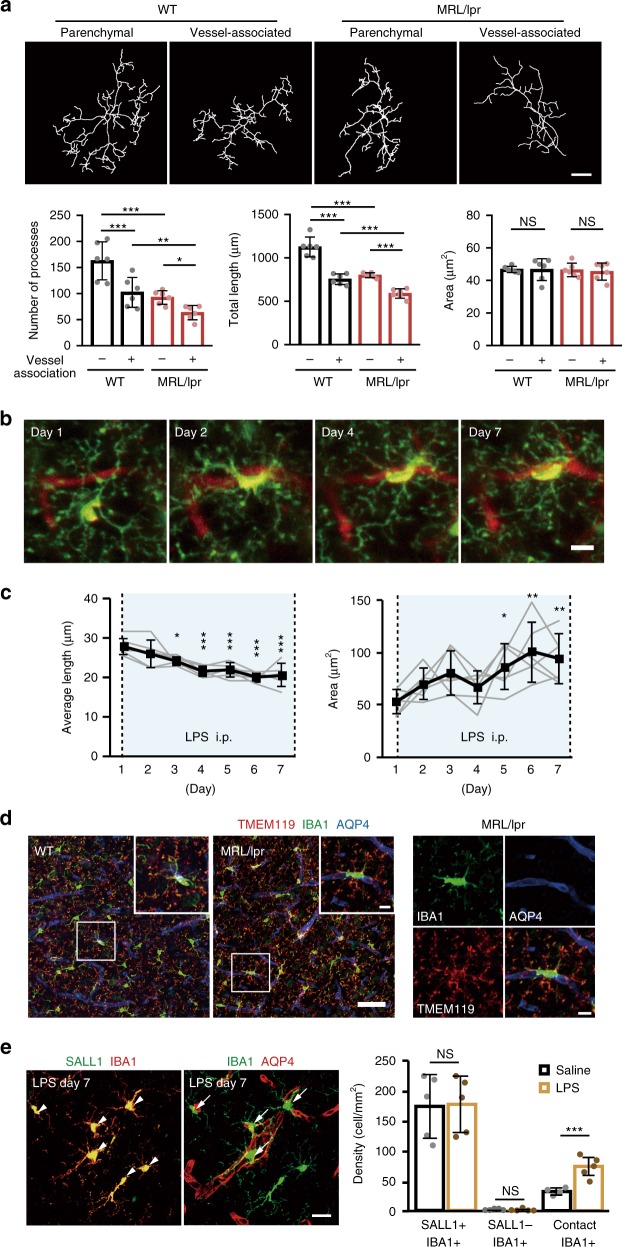
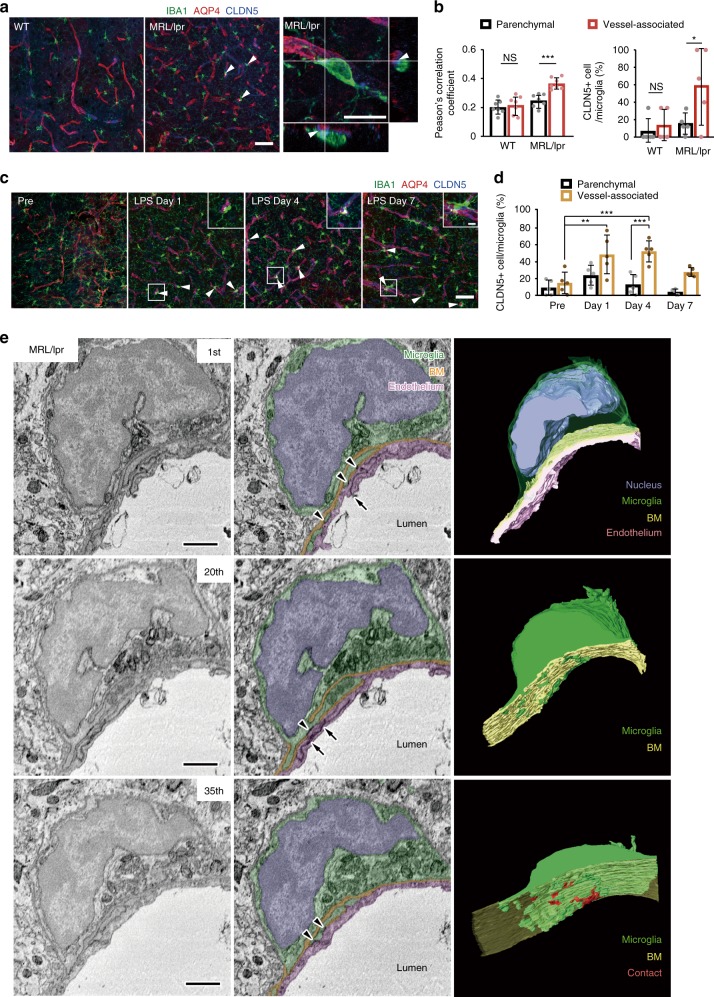
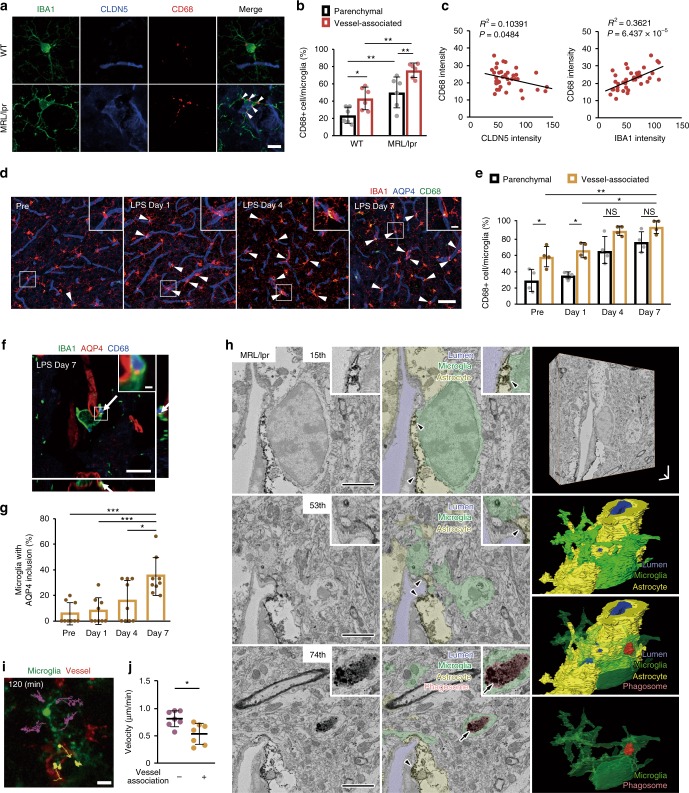
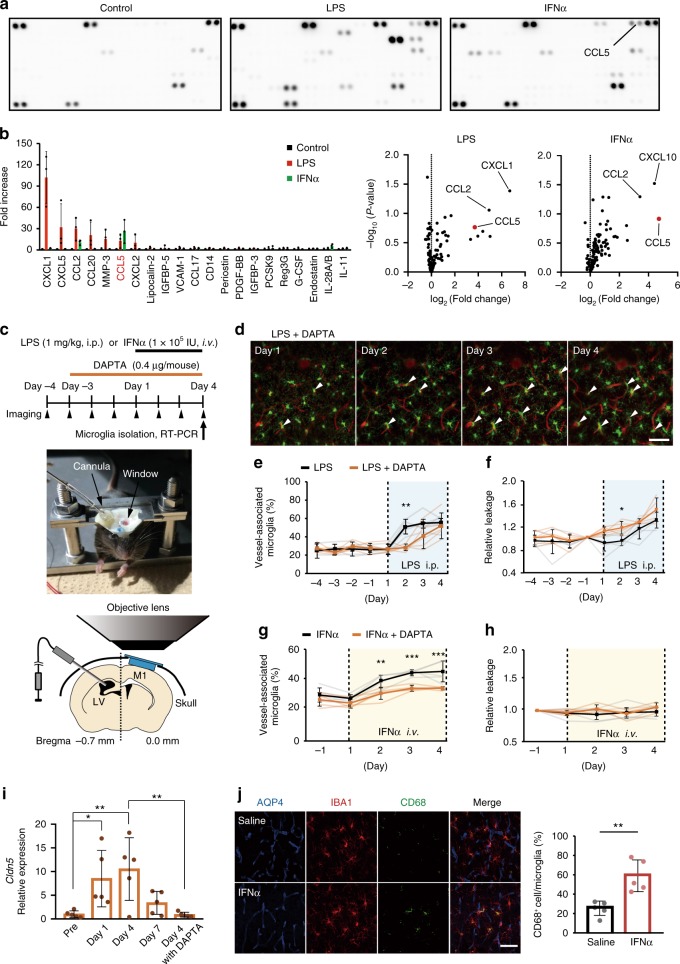
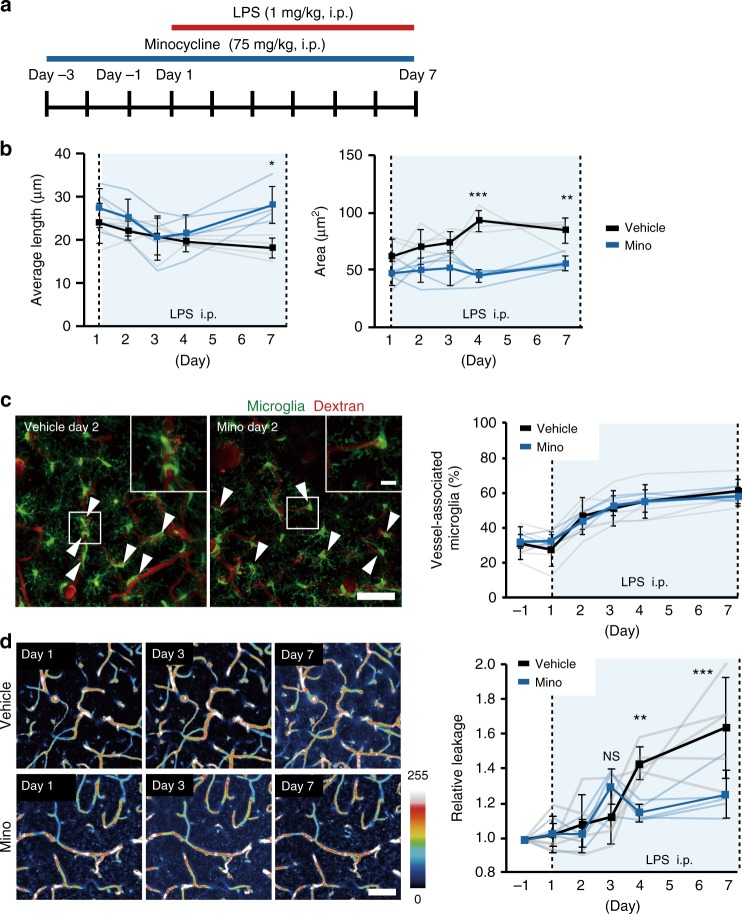
Microglia survey brain parenchyma, responding to injury and infections. Microglia also respond to systemic disease, but the role of blood–brain barrier (BBB) integrity in this process remains unclear. Using simultaneous in vivo imaging, we demonstrated that systemic inflammation induces CCR5-dependent migration of brain resident microglia to the cerebral vasculature. Vessel-associated microglia initially maintain BBB integrity via expression of the tight-junction protein Claudin-5 and make physical contact with endothelial cells. During sustained inflammation, microglia phagocytose astrocytic end-feet and impair BBB function. Our results show microglia play a dual role in maintaining BBB integrity with implications for elucidating how systemic immune-activation impacts neural functions.
Overview
The claims and statistics of this paper haven’t been checked yet.
Free: it reads the open-access text and checks the first 5 claims that cite a source we can check. Create a free account to check every claim.
Integrity signals
Registry
Cites
Statistics
Figures
Verification
Claims the paper makes
The claims and statistics of this paper haven’t been checked yet.
Free: it reads the open-access text and checks the first 5 claims that cite a source we can check. Create a free account to check every claim.
Claims other papers make about this one
Each is checked against this paper’s own text: does it say what the citing paper says it does?
The source backs part of the claim, not all of it — or backs it for a different population, condition or comparison.
In the citing paper
“sustained activation triggered by the RAGE ligand S100B exacerbates abnormal BBB permeability [17,18].”
From Research Advances in the Pathogenesis of Sepsis-Associated Encephalopathy (2026) · cites this paper as [18]
Experimental — accuracy not yet measuredThe source backs part of the claim, not all of it — or backs it for a different population, condition or comparison.
In the citing paper
“According to previous studies, systemic inflammation may disrupt the BBB, allowing pro-inflammatory molecules (such as cytokines and LPS) to enter the CNS [60,61,62].”
From Neuroprotective Effects of Bifidobacterium breve CCFM1067 in MPTP-Induced Mouse Models of Parkinson’s Disease (2022) · cites this paper as [61]
Experimental — accuracy not yet measuredThe cited source says what the claim attributes to it.
In the citing paper
“An in vivo study showed that LPS injection induced 10 kDa dextran translocation across the BBB in mice”
From The modulatory effects of gut microbes and metabolites on blood-brain barrier integrity and brain function in sepsis-associated encephalopathy (2023) · cites this paper as Haruwaka et al., 2019
The check wasn’t confident either way, so it gives no verdict — never disputed.
In the citing paper
“Furthermore, species differences in microglial density, BBB tight junction composition, and cholinergic system organization between rodents and humans likely restrict direct extrapolation of preclinical findings to human patients [15,16,18].”
From Research Advances in the Pathogenesis of Sepsis-Associated Encephalopathy (2026) · cites this paper as [18]
Experimental — accuracy not yet measured
Self-check
Percentages, sums and reported differences re-computed from the paper’s own numbers.
The self-check needs the paper’s full text.
Citations
Cites
1 retracted
Microglia-dependent synapse loss in type I interferon-mediated lupus
Bialas, A. R., Presumey, J., Das, A., van der Poel, C. E., Lapchak, P. H., Mesin, L., Victora, G., Tsokos, G. C., Mawrin, C., Herbst, R., et al. (2017) · Nature · doi:10.1038/nature22821 · Cited by 197
RetractedMetascape provides a biologist-oriented resource for the analysis of systems-level datasets
Zhou, Y., Zhou, B., Pache, L., Chang, M., Khodabakhshi, A. H., Tanaseichuk, O., Benner, C., & Chanda, S. K. (2019) · Nature Communications · doi:10.1038/s41467-019-09234-6 · Cited by 14,611
Resting microglial cells are highly dynamic surveillants of brain parenchyma in vivo
Nimmerjahn, A., Kirchhoff, F., & Helmchen, F. (2005) · Science · doi:10.1126/science.1110647 · Cited by 5,827
Astrocyte-endothelial interactions at the blood-brain barrier
Abbott, N. J., Rönnbäck, L., & Hansson, E. (2006) · Nature Reviews Neuroscience · doi:10.1038/nrn1824 · Cited by 5,595
Structure and function of the blood–brain barrier
Abbott, N. J., Patabendige, A. A. K., Dolman, D. E. M., Yusof, S. R., & Begley, D. J. (2010) · Neurobiology of Disease · doi:10.1016/j.nbd.2009.07.030 · Cited by 5,185
Zhang, Y., Chen, K., Sloan, S. A., Bennett, M. L., Scholze, A. R., O'Keeffe, S., Phatnani, H. P., Guarnieri, P., Caneda, C., Ruderisch, N., et al. (2014) · The Journal of Neuroscience · doi:10.1523/jneurosci.1860-14.2014 · Cited by 4,875
Microglia Sculpt Postnatal Neural Circuits in an Activity and Complement-Dependent Manner
Schafer, D. P., Lehrman, E. K., Kautzman, A. G., Koyama, R., Mardinly, A. R., Yamasaki, R., Ransohoff, R. M., Greenberg, M. E., Barres, B. A., & Stevens, B. (2012) · Neuron · doi:10.1016/j.neuron.2012.03.026 · Cited by 4,089
ATP mediates rapid microglial response to local brain injury in vivo
Davalos, D., Grutzendler, J., Yang, G., Kim, J. V., Zuo, Y., Jung, S., Littman, D. R., Dustin, M. L., & Gan, W.-B. (2005) · Nature Neuroscience · doi:10.1038/nn1472 · Cited by 3,913
Microglia: Active sensor and versatile effector cells in the normal and pathologic brain
Hanisch, U.-K., & Kettenmann, H. (2007) · Nature Neuroscience · doi:10.1038/nn1997 · Cited by 3,676
Kettenmann, H., Hanisch, U.-K., Noda, M., & Verkhratsky, A. (2011) · Physiological Reviews · doi:10.1152/physrev.00011.2010 · Cited by 3,547
Research works printed but not linked: 2
- Yang Y Attenuation of acute stroke injury in rat brain by minocycline promotes blood-brain barrier remodeling and alternative microglia/macrophage activation during recovery J. Neuroinflammation 2015 12 26 10.1186/s12974-015-0245-4 25889169 PMC4340283 · DOI · Paper page
- McKim DB Microglial recruitment of IL-1beta-producing monocytes to brain endothelium causes stress-induced anxiety Mol. Psychiatry 2018 23 1421 1431 10.1038/mp.2017.64 28373688 PMC5628107 · DOI · Paper page
Cited by
Items 701–800 of 930
Soliman, E., de Jager, C., Smith, K., Ju, J., Willison, A., Mills, J., & Theus, M. H. (2025) · Scientific Reports · doi:10.1038/s41598-025-30648-4 · Cited by 2
A Lipid Road to Neuroimmunology: Fatty Acids Linking Immune and Nervous Systems
Moraes-de-Souza, I., de Moraes, B. P. T., Muniz‐Santos, R., Gomes-Reis, G. L. D. S., dos Santos, F. D. S., Saraiva, J. S. G., Ferreira-Costa, M., da Cunha, C. M. C., Carpinter, B. A., Silva, A. R., et al. (2025) · NeuroImmunoModulation · doi:10.1159/000550168 · Cited by 2
Multimodality mapping of immunotherapy distribution as a predictive marker in glioma
Scheck, J. G., Boztepe, B., Kernbach, J. M., Jazi, K. K., Heinz, L., Schregel, K., Sturm, V. J. F., Schell, M., Bojcevski, J., Fischer, M. (., et al. (2025) · Neuro-Oncology · doi:10.1093/neuonc/noaf295 · Cited by 3
Fan, Z., Wang, H., XianYi, Z., Xie, B., & Jichun, Y. (2026) · Frontiers in Medicine · doi:10.3389/fmed.2025.1732805 · Cited by 2
Ibrahim, M. M., Li, C., Qiu, L., Hu, Y., Xu, A., Yang, S., Chang, J., & Fang, C. (2026) · Cell Communication and Signaling · doi:10.1186/s12964-026-02680-y · Cited by 2
“LPS-induced sepsis caused significant BBB leakage, neuroinflammation, and systemic inflammation, leading to severe neurological damage [3, 33–36].”
Pociūtė, A., Milovanovaitė, K., Jokubauskytė, A., & Pivoriūnas, A. (2026) · The FASEB Journal · doi:10.1096/fj.202504928r · Cited by 2
“Interestingly, recent findings indicate that during early and chronic systemic inflammation, microglia exert opposite actions on BBB integrity [19].”
InfluentialTargeting TLR4 in Parkinson's disease: mechanisms and therapeutic prospects
Dong, S., Lu, J., Wu, L., Wang, S., 宫玉波, Hu, J., Liu, Y., & Chen, X. (2026) · International Immunopharmacology · doi:10.1016/j.intimp.2026.116780 · Cited by 2
Kuang, Y., Mao, H., Lin, H., Dai, W., Su, Z., Luo, Y., Zou, W., Yang, X., & Xu, P.-Y. (2026) · Acta Neuropathologica Communications · doi:10.1186/s40478-026-02322-x · Cited by 2
“…post-hoc test for a-e or two-tailed Student’s t-test for f, h, and i. * p 0.05, ** p 0.01, *** p 0.001, **** p 0.0001 particularly TNF-α and IL-1β, which directly impair tight junction integrity by downregulating expression of occludin and ZO-1 through NF-κB-dependent signaling [42].”
InfluentialAgoston, D. V., & Meabon, J. S. (2026) · International Journal of Molecular Sciences · doi:10.3390/ijms27114669 · Cited by 4
“Importantly, barrier disruption need not be binary; subtle increases in permeability can meaningfully alter perivascular cytokine gradients, microglial activation thresholds, and glymphatic clearance efficiency [272,313,314].”
Wang, K., Han, K., & Wang, Y. (2026) · Journal of Neuroinflammation · doi:10.1186/s12974-026-03918-9 · Cited by 2
“BAMs are positioned to regulate CNS-border immunity, antigen presentation, perivascular or CSF dynamics, vascular permeability and immune-cell entry [37–40].”
PRODUCTION OF INTERLEUKINS 1Β, 2, 4, 10 AND C-REACTIVE PROTEIN IN ISCHEMIC STROKE
Sarafaniuk, N., & Klymenko, M. O. (2022) · Wiadomości Lekarskie · doi:10.36740/wlek202203106 · Cited by 3
Perez‐Pouchoulen, M., Holley, A. S., Reinl, E. L., VanRyzin, J. W., Mehrabani, A., Dionisos, C. V., Mirza, M., & McCarthy, M. M. (2024) · NeuroImmune Pharmacology and Therapeutics · doi:10.1515/nipt-2024-0002 · Cited by 3
“Microglia are responsive to CCL5 signaling [60] and protect the blood:brain:barrier early in peripheral inflammation but can lead to damage during sustained inflammation [61].”
BackgroundEbrahimi‐Dehkordi, S., Anjomshoa, M., Ghasemi, S., Saghaei, E., Boroujeni, S. N., & Amini-Khoei, H. (2024) · Journal of Biochemical and Molecular Toxicology · doi:10.1002/jbt.70008 · Cited by 3
Wang, P., Hu, J., Chen, C., Jiang, Z., Zhang, Y., Lin, K., Liao, L., & Wang, X. (2024) · Progress in Neuro-Psychopharmacology and Biological Psychiatry · doi:10.1016/j.pnpbp.2024.111194 · Cited by 2
Vascular Homeostasis in Suicidal Behavior: From Molecular Mechanisms to Clinical Implications
Lengvenytė, A., & Courtet, P. (2025) · Biological Psychiatry · doi:10.1016/j.biopsych.2025.06.012 · Cited by 7
Ioversol Induced Microglia Proinflammatory Activation and Oxidative Stress in Rats
Li, T., Zhao, L., Fan, H., Chen, Z., Li, Y., Dang, M., Lu, Z., Lu, J., Huang, Q., Wang, H., et al. (2023) · Neurotoxicity Research · doi:10.1007/s12640-022-00629-w · Cited by 3
“(Haruwaka et al. 2019), who showed that microglia respond to inflammation by migrating towards and accumulating around cerebral vessels, our transwell experiment showed that ioversoltreated endothelial cells attracted much more microglia than endothelial cells that received control treatment (P < 0.”
BackgroundCoffee and multiple sclerosis (MS)
Ghallab, Y. K., Elassal, O. S., & Mina, R. G. (2024) · Progress in brain research · doi:10.1016/bs.pbr.2024.06.009 · Cited by 2
Miyake, S., Katsura, Y., Baba, M., Tomizawa-Shinohara, H., Matsumoto, Y., & Serizawa, K. (2025) · Journal of Neuroimmunology · doi:10.1016/j.jneuroim.2025.578644 · Cited by 4
“However, it has been found that Claudin-5 expression is increased in microglia under inflammatory conditions in SLE model mice (Haruwaka et al., 2019).”
Painter, J. N., Refisch, A., Rau, M., Walter, M., Mackey, S., Laurent, J. S., Thompson, P. M., Grasby, K. L., Hájek, T., Medland, S. E., et al. (2026) · Molecular Psychiatry · doi:10.1038/s41380-026-03501-x · Cited by 3
The Nerves to Conduct a Multiple Sclerosis Crime Investigation
Chopra, S., Myers, Z., Sekhon, H., & Dufour, A. (2021) · International Journal of Molecular Sciences · doi:10.3390/ijms22052498 · Cited by 3
“Furthermore, resident microglial cells in the brain can also modulate BBB permeability [18].”
BackgroundShi, A. C., Khoury, E. S., Sah, N., Fowler, A., Liaw, K., Sharma, A., Kannan, R. M., & Kannan, S. (2021) · Precision Nanomedicine · doi:10.33218/001c.29729 · Cited by 2
Olasehinde, T. A., Oyeleye, S. I., Olaniran, A. O., & Islam, M. S. (2022) · Biomarkers in disease · doi:10.1007/978-3-031-08014-2_66 · Cited by 5
Botelho, M. E. M., Carlessi, A. S., Manosso, L. M., Borba, L. A., de Moura, A. B., Maciel, L. R., Andrade, N. M., Martinello, N. S., Generoso, C. M., Bencke, C. V., et al. (2021) · Research Square · doi:10.21203/rs.3.rs-650713/v1 · Cited by 2
“For example, mechanisms involved in the glial cells changes are associated with impairment of the BBB integrity (Haruwaka et al. 2019) and glutamatergic system dysregulation (Réus et al. 2015a).”
BackgroundGao, Y., Xu, J., Li, S., Yi, W., Xiao, L., Feng, F., Zhang, B., Li, J., & Yang, X. (2024) · medRxiv · doi:10.1101/2024.04.09.24305433 · Cited by 2
Kremitzki, C., Waligorski, J., Bachman, G., Mohammed Ali, L., Bramley, J., Vakaki, M., Chandrasekaren, V., Patel, P., Mather, D., Hime, P., et al. (2023) · doi:10.1101/2023.09.30.560021 · Cited by 2
Evaluation and Manipulation of Neural Activity using Two-Photon Holographic Microscopy
Kato, D., Quan, X., Tanisumi, Y., Guo, Z., Morita, M., Takiguchi, T., Matoba, O., & Wake, H. (2022) · Journal of Visualized Experiments · doi:10.3791/64205 · Cited by 3
Self-citationBeina, S., Yu, G., Huang, N.-X., & Xiao, L. (2025) · Advances in neurobiology · doi:10.1007/978-3-031-87919-7_15 · Cited by 1
Costantino, G., Merlo, S., Gullotta, G. S., Caraci, F., Nicoletti, F., Sortino, M. A., & Spampinato, S. F. (2025) · European Journal of Pharmacology · doi:10.1016/j.ejphar.2025.177893 · Cited by 2
Polycystic Ovary Syndrome PCOS and Depression Role of Neuroinflammation
Ramezanpour, M. R., Bahrami, O., Pashazadeh, M., Sarallah, R., Nikfar, R., & Zolbin, M. M. (2025) · IGI Global eBooks · doi:10.4018/979-8-3693-5908-2.ch007 · Cited by 1
Freire-Antunes, L., Ornellas-Garcia, U., Rangel-Ferreira, M. V., Ribeiro-Almeida, M. L., Carvalho, L. J. M., Daniel‐Ribeiro, C. T., & Ribeiro-Gomes, F. L. (2025) · Frontiers in Immunology · doi:10.3389/fimmu.2025.1494418 · Cited by 2
The Role of Neuroglia in Cognitive Longevity
Zorec, R., Verkhratsky, A., & Parpura, V. (2025) · Neurochemical Research · doi:10.1007/s11064-025-04545-1 · Cited by 2
“In particular, microglia shape neuronal ensembles through synaptic pruning, assist myelination, and contribute to the blood‒brain barrier, remodeling of vascularization and overall homeostasis of nervous tissue [27, 74–80].”
Yamasaki, T., Zhang, Y., Mori, W., Kumata, K., Wakizaka, H., Arashi, D., Kurihara, Y., Ogawa, M., Nengaki, N., Fujinaga, M., et al. (2025) · Nuclear Medicine and Biology · doi:10.1016/j.nucmedbio.2025.109579 · Cited by 2
Dynamic glia in the living brain: insights into glial physiology and function from in vivo imaging
Liu, Y., Eyo, U. B., & Lu, T.-Y. (2025) · Journal of Neurophysiology · doi:10.1152/jn.00292.2025 · Cited by 2
Wang, Y., Li, X., Li, W., Wang, C., Xu, G., & Yu, S. (2026) · Experimental Neurology · doi:10.1016/j.expneurol.2026.115662 · Cited by 2
O′Neill, E., Lynch, M. A., & Mills, K. H. G. (2026) · Journal of Neuroinflammation · doi:10.1186/s12974-026-03797-0 · Cited by 2
“Reactive, vessel-asso-ciated microglia, have previously been shown to phago-cytose BBB components in response to chronic systemic inflammation in a mouse model of lupus, and these findings were also associated with leakage of blood components and widespread neuroinflammation [12].”
Microglia in Epilepsy: From Molecular Mechanism to Therapeutic Strategy
Paudel, Y. N., Angelopoulou, E., Kulkarni, S., Blair, R. E., & Deshpande, L. S. (2026) · Cells · doi:10.3390/cells15090835 · Cited by 1
“One plausible reason might be the dual effects of microglia on BBB permeability, since microglia protect the integrity of the BBB by migrating to the BBB, and later initiate leakage by phagocytosis of BBB components, leading to neuroinflammation [151].”
Zhang, W., Wang, T. W., Yao, M., Su, L., Xie, L., & Pan, P. (2026) · View · doi:10.1002/viw.20250207 · Cited by 2
Friend or foe? Glial–vascular interactions in health and neurodegenerative disease
McQuaid, C., Sewell, M. D. E., & Montagne, A. (2026) · Pharmacological Reviews · doi:10.1016/j.pharmr.2026.100143 · Cited by 2
“For instance, systemic bacterial infection in mice activates microglia, which release proinflammatory cytokines that act on ECs to induce adhesion molecule expression, facilitating peripheral immune cell entry into the CNS. 89,90 Supporting this, Haruwaka et al 48 demonstrated that endothelial secretion of CCL5 promot…”
InfluentialThe Role of Blood-Retinal Barrier in Retinal Neurodegenerative Diseases
Blankenborg, L., Anand‐Apte, B., & Biswas, S. (2026) · American Journal Of Pathology · doi:10.1016/j.ajpath.2026.05.002 · Cited by 1
Neurodegeneration as a dysregulation of neuroimmune crosstalk
Bennett, F. C., Hong, S. Y., Jiang, N. J., & Marazzi, I. (2026) · Cell · doi:10.1016/j.cell.2026.07.015 · Cited by 3
“This gap is significant because microglia act as central integrators within the CNS, engaging not only with neurons 9,29,79 and glial partners such as astrocytes 80,81 and oligodendrocytes 82 but also with border-associated populations, including in the vasculature 8,83–85 and meninges.”
Venediktov, A. A., Kuzmin, E. A., Pokidova, K., Oganesyan, D., Stepanian, A. T., Boronikhina, T. V., Piavchenko, G. A., & Kuznetsov, S. L. (2024) · Molekulyarnaya Meditsina (Molecular medicine) · doi:10.29296/24999490-2024-05-02 · Cited by 1
Gaire, S., Yang, H., Dumre, M., Lee, E. J., Park, S.-M., & Joe, E.-H. (2024) · Experimental Neurobiology · doi:10.5607/en24018 · Cited by 1
He, J., Ran, M., & Tam, K. Y. (2025) · Brain Research · doi:10.1016/j.brainres.2025.149804 · Cited by 1
Li, Z., Niu, H., Chen, J., & Li, W. (2025) · Brain Circulation · doi:10.4103/bc.bc_3_25 · Cited by 3
“[32,33]”
Castro‐Zavala, A., Nieto-Nieves, A. E., Melgar‐Locatelli, S., Medina-Rodríguez, L., Mañas‐Padilla, M. C., & Castilla‐Ortega, E. (2025) · Behavioural Brain Research · doi:10.1016/j.bbr.2025.115772 · Cited by 3
Banerjee, S., & Sil, P. C. (2025) · Archives of Toxicology · doi:10.1007/s00204-025-04181-2 · Cited by 1
“Damage to endothelial cells from injury or peripheral inflammatory mediators can activate microglia and prompts them to migrate to endothelial cells to have its effect on the vasculature system (Haruwaka et al. 2019).”
Ding, X., & Li, Y. (2025) · Neuroscience Bulletin · doi:10.1007/s12264-025-01514-0 · Cited by 1
“Given their enrichment around the BBB [11], future research should investigate whether microglia contribute to stress resilience and explore the interactions between microglia, the BBB, and astrocytes.”
Krahel, W. D., Chodkowski, M., Bartak, M., Ostrowska, A., Godlewski, M. M., Adamczyk, M., Krzyżowska, M., & Cymerys, J. (2025) · Cells · doi:10.3390/cells14191493 · Cited by 1
“Pericytes regulate tight junction expression, vascular stability, and vesicular trafficking, whereas microglia interact with the vasculature and astrocytic end-feet, exerting both protective and disruptive effects depending on the inflammatory context [70,71].”
Yu, L., Zou, S., Zheng, S., Deng, J.-T., Zhou, Q., & Jin, J. J. (2025) · Frontiers in Pharmacology · doi:10.3389/fphar.2025.1586372 · Cited by 2
Hong, Y. (2025) · Environmental Chemistry and Ecotoxicology · doi:10.1016/j.enceco.2025.10.023 · Cited by 2
Fu, Y., Minh, P. B., He, S., He, Y., Qin, Z., Xie, T., & Qu, J. Y. (2025) · Laser & Photonics Review · doi:10.1002/lpor.202501801 · Cited by 2
“The animals were habituated in a controlled environment with a 12:12-h light-dark cycle, and provided with ad libitum access to food and water.”
Xu, J., Song, Y., Chen, X., Chen, M., Zhao, Y., Zhi, L., Li, S., Zhang, L., & Yu, W. (2025) · Frontiers in Neurology · doi:10.3389/fneur.2025.1601987 · Cited by 1
“The blood–brain barrier disruption can simultaneously activate microglia, forming a feedforward loop (12).”
Bidirectional Regulatory Roles in the Immune Modulation, Organ Dysfunction, and Therapy of Sepsis
Zhang, M., Xie, J., Zhang, P., Wang, L., Wang, Q., & Yin, W. (2025) · International Journal of Nanomedicine · doi:10.2147/ijn.s542937 · Cited by 4
Xu, Z., Zhou, S., Tong, X., Yan, X., & Zhang, L. (2025) · European journal of medical research · doi:10.1186/s40001-025-03540-0 · Cited by 3
“BBB damage triggers reciprocal glial activation, sustaining a cycle of neurotoxicity and cerebral injury [33, 34].”
Williams, L. M., Fujimoto, T., Damodarasamy, M., Weaver, R. R., Keene, C. D., Banks, W. A., Reed, M. J., & Erickson, M. A. (2025) · PLoS ONE · doi:10.1371/journal.pone.0338780 · Cited by 1
Garrahy, J. P. (2025) · Journal of Alzheimer s Disease · doi:10.1177/13872877251404970 · Cited by 2
Lu, H., Zhu, Y., Wang, X., Wu, Z., Xu, Z., Chen, R., & Guo, Y. (2025) · Advanced Science · doi:10.1002/advs.202515138 · Cited by 3
“Subsequently, activated microglia release anti-inflammatory mediators, clear pathogens or cellular debris, and restore blood-brain barrier integrity [ 7, 8 ].”
Cumulative blood pressure exposure and cognition: the potential mediating role of brain volume
Li, X., Zhu, Z., Hui, Y., Shi, H., Fan, J., Hong, W., Hu, X., Zhu, X., Li, H., Yue, L., et al. (2026) · Hypertension Research · doi:10.1038/s41440-025-02534-z · Cited by 3
“Furthermore, elevated BP can increase the number of peripheral blood in fl ammatory cytokines [32] through disruption of the blood ‒ brain barrier axis [33], resulting in damage to organs and the brain ’ s in fl uence on the autonomic nervous system [34].”
Li, P., Wang, Z., Liu, J., Wang, G., Luo, X., Luo, Z., Shen, T., He, G., & Yang, X. (2026) · iScience · doi:10.1016/j.isci.2026.115254 · Cited by 3
“36 In this study, we also revealed that microglia play a dual role in the alteration of neuroin-flammation in the presence of systemic inflammation in heatstroke, as demonstrated by classic activation 1 h post heat-stroke and alternative activation 24 h post heatstroke; on the basis of these…”
Microglia promote vascular remodeling in a mouse model of chronic stress
Hage, Z., Madeira, M. M., Nnah, K., Koliatsis, D., Kokkosis, A. G., Schappell, L. E., Nadkarni, N. A., & Tsirka, S. E. (2026) · Brain Behavior and Immunity · doi:10.1016/j.bbi.2026.106560 · Cited by 1
Kim, D., Kondo, T., & Inoue, H. (2026) · Stem Cell Reports · doi:10.1016/j.stemcr.2026.102866 · Cited by 1
Temnik, M., Rudyk, M. P., Balakin, A., Gurin, S., Dovbynchuk, T., Byshovets, R., Dziubenko, N., DOVHYI, R., Serhiichuk, T., Tolstanova, G. M., et al. (2026) · Scientific Reports · doi:10.1038/s41598-026-45640-9 · Cited by 1
Etuzé, T., Fosset, L., Vivien, D., Roussel, B. D., & Lemarchand, E. (2026) · Fluids and Barriers of the CNS · doi:10.1186/s12987-026-00801-w · Cited by 1
“Microglial migration toward blood vessels has also been observed in response to systemic inflammation, driven by endothelial CCL5 release, leading to microglial expression of Claudin-5, which helps preserve BBB integrity during early inflammation [28].”
Soukupovà, M., Morrissey, E. P., Guarino, A., Marino, P., Pareo, C., Birtolo, N., Zaheer, S., Stewart, R., Woods, I., Rosenow, F., et al. (2026) · Epilepsia · doi:10.1002/epi.70246 · Cited by 1
Sanchez, F., & Köning, T. (2026) · International Journal of Molecular Sciences · doi:10.3390/ijms27083615 · Cited by 1
“While acute activation can be protective, chronic activation promotes a pro-inflammatory environment characterized by the sustained release of cytokines, reactive oxygen species, and NO, which can compromise BBB integrity [81,82].”
The role of Annexin A2 in Alzheimer's disease: From cellular functions to therapeutic potential
Shu, D., Fu, C., Liu, Z., & Li, C. (2026) · FEBS Journal · doi:10.1111/febs.70574 · Cited by 1
Schiano-Visconte, M., Balasco, L., Casarosa, S., & Bozzi, Y. (2026) · Neuroscience · doi:10.1016/j.neuroscience.2026.05.026 · Cited by 1
Stress, stress systems, and Alzheimer's disease
Eberly, S. G., Phumsatitpong, C., Munro, C. E., Neylan, T. C., Kaufer, D., & Ehrenberg, A. J. (2026) · Alzheimer s & Dementia · doi:10.1002/alz.71542 · Cited by 1
“129 In cellular models, cytokine exposure induces upregulation of BACE1, directly implicating reactive inflammatory states in fibrillogenic A β peptide formation.”
Zahiri, Z., Alborzi, S., Hosseini, S. S. M., Sharifian, F., Khonsarian, Z. S., Goldiani, N. K., Danjeh, M., Etezadi, A., & Amirlatifi, S. (2026) · International Immunopharmacology · doi:10.1016/j.intimp.2026.116988 · Cited by 1
Ebisawa, A., Morio, H., Minasato, A., Watanabe, H., Kunitomo, F., Rutkowska, A., & Furihata, T. (2026) · Journal of Pharmacological Sciences · doi:10.1016/j.jphs.2026.06.005 · Cited by 1
Yao, M., Liu, A., Xing, L., Song, J., Yang, Y., Yue, X., & Li, H. (2026) · Ageing Research Reviews · doi:10.1016/j.arr.2026.103260 · Cited by 3
Madetko‐Alster, N., Otto‐Ślusarczyk, D., Migda, B., Chunowski, P., Struga, M., & Alster, P. (2026) · Scientific Reports · doi:10.1038/s41598-026-62325-5 · Cited by 2
“Prolonged inflammatory stimuli originating from the peripheral blood induce a phagocytic phenotype in microglia, which increases BBB permeability 10 .”
Martinez, M., Castellanos, E., Sheng, J. A., Hale, T. M., & Tobet, S. A. (2026) · Journal of Neuroendocrinology · doi:10.1111/jne.70231 · Cited by 1
“134 Investigation into these brain regions will help determine the extent of MIA effects on regional migration 136 or responses to vascular leakage across the BBB. 137”
Ferraro, M. G., Stanley, A., Lippiello, P., Pascarella, S., Speranza, L., Ricci, M., Volpicelli, F., Chieffi, S., & Miniaci, M. C. (2026) · Reviews in the Neurosciences · doi:10.1515/revneuro-2026-0085 · Cited by 1
“Haruwaka and colleagues recently demonstrated that microglia release key proteins, such as claudin-5, that strengthen endothelial TJs (Haruwaka et al. 2019).”
Replacement Selenium Therapy in Acute Cerebral Damage
Savvina, I. A., Nucalova, H. S., Petrova, A. O., Bykova, K. M., & Tkebuchava, I. V. (2023) · IntechOpen eBooks · doi:10.5772/intechopen.110505 · Cited by 1
Contactomics of Microglia and Intercellular Communication
Cserép, C., Pósfai, B., Szabadits, E., & Dénes, Á. (2024) · Advances in neurobiology · doi:10.1007/978-3-031-55529-9_8 · Cited by 2
Church, K. A., Cardona, A. E., & Hopp, S. C. (2024) · Advances in neurobiology · doi:10.1007/978-3-031-55529-9_15 · Cited by 1
Gut Microbiota and Their Metabolites as Modulators of Vascular Complications in Diabetes
Duan, M. Y., Wen, J., Chen, A., & Chen, S. (2025) · Health and Metabolism · doi:10.53941/hm.2025.100002 · Cited by 1
“Mechanistic studies suggest that SCFAs may regulate key proteins involved in blood-brain barrier tight junctions, such as claudin-5, thereby inhibiting microglial activation and preventing increased blood-brain barrier permeability [60,61].”
McGregor, B. A., Raihan, M. O., Brishti, A., Hur, J., & Porter, J. E. (2025) · Frontiers in Molecular Neuroscience · doi:10.3389/fnmol.2025.1544971 · Cited by 1
“Activated microglia have been shown to weaken the blood brain barrier allowing peripheral immune cells to invade the CNS and further amplify neuroinflammation (Haruwaka et al., 2019).”
Focused-ultrasound blood-brain barrier opening promotes neuroprotective microglia
Kline-Schoder, A. R., Chintamen, S., Menon, V., Kernie, S. G., & Konofagou, E. E. (2022) · IEEE International Ultrasonics Symposium · doi:10.1109/ius54386.2022.9958101 · Cited by 1
Microglial regulation of brain function and pathological changes
Wake, H., Hashimoto, A., Kato, D., & Takeda, I. (2023) · Folia Pharmacologica Japonica · doi:10.1254/fpj.23010 · Cited by 1
Self-citationDeng, B., Yang, L., Wu, H., Huang, A., Yang, D., Du, H., Guan, A., Li, L., Wang, S., Duan, N., et al. (2022) · Research Square · doi:10.21203/rs.3.rs-2098242/v1 · Cited by 1
Olfactory learning modulates a neural circuit mediating innate odor-guided behavior in DrosophilaPreprint
Campetella, F., Huber, R., Klappenbach, M., Warnecke, C., Locatelli, F. F., Felsenberg, J., Hansson, B. S., Knaden, M., & Sachse, S. (2023) · bioRxiv (Cold Spring Harbor Laboratory) · doi:10.1101/2023.09.20.558596 · Cited by 1
Hoecke, L. V., Verreycken, J., Acker, L. V., Amelinck, L., Xie, J., Castelein, J., Wonterghem, E. V., Imschoot, G. V., Burgelman, M., Vanherle, S., et al. (2024) · bioRxiv (Cold Spring Harbor Laboratory) · doi:10.1101/2024.09.09.611994 · Cited by 1
Research Advances in the Pathogenesis of Sepsis-Associated Encephalopathy
Tan, H., Su, W., & Niu, Z. (2026) · International Journal of Molecular Sciences · doi:10.3390/ijms27125390 · Cited by 1
“During sepsis, these cells undergo dynamic functional transformation: early activation exerts protective effects via Foxc1-mediated I κ B α /NF-κ B signaling regulation [16]; however, sustained activation triggered by the RAGE ligand S100B exacerbates abnormal BBB permeability [17,18].”
A study on the protective mechanism of mTOR inhibitor Everolimus on brain injury after epilepsyPreprint
Huang, X., Hu, Q.-P., Zheng, Y.-Y., & Hu, R. (2020) · doi:10.21203/rs.3.rs-23882/v1
“Inflammatory factors further aggravate the microenvironment, inducing seizures and causing post-epileptic brain damage [18, 19].”
BackgroundMayr, V., Glechner, A., Gartlehner, G., Klerings, I., & Lackner, P. (2020) · Research Square · doi:10.21203/rs.3.rs-44795/v1
“In this context, the proin ammatory cytokine storm is likely to lead to an increased permeability of the blood–brain barrier [52].”
BackgroundMechanisms of Blood Brain Barrier Dysfunction in Stroke: A Therapeutic Opportunity
Sami, A. (2021) · UA Campus Repository (The University of Arizona)
Beds lie idle but children denied psychiatric care.
O'Doherty, C. (2013)
Probiotics and the gut-brain axis
Silveira, A. K., Gasparotto, J., & Moreira, J. C. F. (2022) · Elsevier eBooks · doi:10.1016/b978-0-323-85170-1.00001-4
Shih, A. Y., Coelho‐Santos, V., & Tieu, T. (2020) · Faculty Opinions – Post-Publication Peer Review of the Biomedical Literature · doi:10.3410/f.738328793.793578304
Candidate Epigenetic Biomarker of Cognitive Trajectory: The Chicken or the Egg?
Corley, M. J., & Yokoyama, J. S. (2022) · Biological Psychiatry · doi:10.1016/j.biopsych.2021.11.014
Sobti, N., & Bayraktar, G. (2023) · Journal of Student Research · doi:10.47611/jsr.v11i3.1644 · Cited by 1
Dilemma of Glial in Alzheimer’s: A Review of the Role of Glial Cells in Alzheimer’s Disease
Cheng, Y.-X. (2023) · Highlights in Science Engineering and Technology · doi:10.54097/hset.v36i.5645
Metadata
- Authors
- Haruwaka, K., Ikegami, A., Tachibana, Y., Ohno, N., Konishi, H., Hashimoto, A., Matsumoto, M., Kato, D., Ono, R., Kiyama, H., Moorhouse, A. J., Nabekura, J., & Wake, H.
- Affiliations
- National Institutes of Natural Sciences (JP)
- Kobe University (JP)
- Jichi Medical University (JP)
- Nagoya University (JP)
- Nagoya City University (JP)
- UNSW Sydney (AU)
- Japan Science and Technology Agency (JP)
- Corresponding author
- Wake, Hiroaki
- ORCID
- Venue
- Nature Communications
- Published
- 2019-12-20
- Volume
- 10
- Issue
- 1
- Pages
- 5816-5816
- ISSN
- 2041-1723 (ISSN-L)
- PMC
- PMC6925219
- OpenAlex
- W2994871395
- Semantic Scholar
- c3f552b178950359c479d733c849b698185fc437
- Cited by
- 923
- References
- 72
- Citations by year
- 2026: 106 · 2025: 157 · 2024: 180 · 2023: 149 · 2022: 147 · 2021: 124 · 2020: 59
- FWCI
- 36.32
- Type
- journal article
- Language
- en
- Open access
- gold
- doi.org
- Licence
- cc-by
- creativecommons.org/licenses/by/4.0 (tdm)
- creativecommons.org/licenses/by/4.0 (vor)
- Locations
- Nature Communications (publishedVersion, cc-by)
- Europe PMC (PubMed Central) (publishedVersion, cc-by)
- PubMed Central (publishedVersion, cc-by)
- PubMed (publishedVersion)
- Institutional Repositories DataBase (IRDB) (submittedVersion, cc-by)
- RePEc: Research Papers in Economics (submittedVersion)
- Kobe University Repository Kernel (Kobe University) (submittedVersion, cc-by)
- DOAJ (DOAJ: Directory of Open Access Journals) (submittedVersion)
- DOAJ (DOAJ: Directory of Open Access Journals) (submittedVersion, cc-by-sa)
- Funders
- Japan Society for the Promotion of Science (18H02598, 18K06852, 16H06280, 19H05219, 17H01530, 26710004, 19H04753, 19K06904)
- Topics
- Life Sciences › Neuroscience › Neurology › Barrier Structure and Function Studies
- Life Sciences › Neuroscience › Neurology › Neuroinflammation and Neurodegeneration Mechanisms
- Health Sciences › Medicine › Clinical Neurology › Traumatic Brain Injury and Neurovascular Disturbances
- Keywords
- microglia, blood-brain barrier permeability, systemic inflammation, CCR5, microglial migration, claudin-5, tight junctions, neuroinflammation
- MeSH terms
- Intravital Microscopy, Animals, Astrocytes, Blood-Brain Barrier, Cerebrovascular Circulation, Disease Models, Animal, Humans, Lupus Erythematosus, Systemic, Male, Permeability, Phagocytosis, Stereotaxic Techniques, Microglia, Tight Junctions, Receptors, CCR5, Endothelial Cells, Mice, Claudin-5
About these checks
Registry, retraction, Cites and statistics results are computed, not judged, with one exception: a printed reference that no index lists is read once by a model before it counts as a citation error. Claims are extracted by a model and kept only when their quote appears verbatim in the text; each cited source is then checked, with a model’s help, for whether it says what the claim relies on. Those verdicts can be wrong — read the claim’s quote and the cited source before relying on one.
Statistics and arithmetic are recomputed, not judged.
Confidence bands are shown only for fields calibrated on our annotated test set. None is calibrated yet, so no band is shown.
What counts as a claim ›How we measure confidence ›How we check this ›
Are you an author, or do you see a problem with this page? Request a review
Data sources
Bibliographic data: Semantic Scholar, OpenAlex, Crossref.
Contains information from the Semantic Scholar Academic Graph Datasets, made available under the ODC Attribution License (ODC-BY 1.0).
Semantic Scholar’s data is described in: Kinney, R., et al. (2023). The Semantic Scholar Open Data Platform. arXiv:2301.10140.
