

Dual microglia effects on blood brain barrier permeability induced by systemic inflammation
Open accessThe DOI matches its Crossref record; 72 of the 72 references it cites were found in a registry or an index.
Abstract
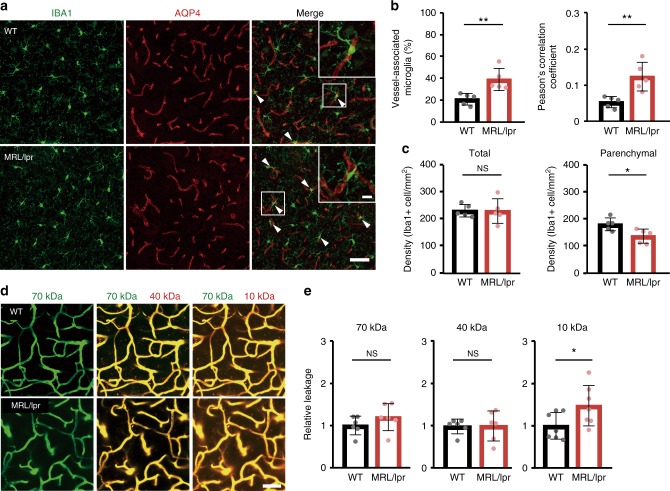
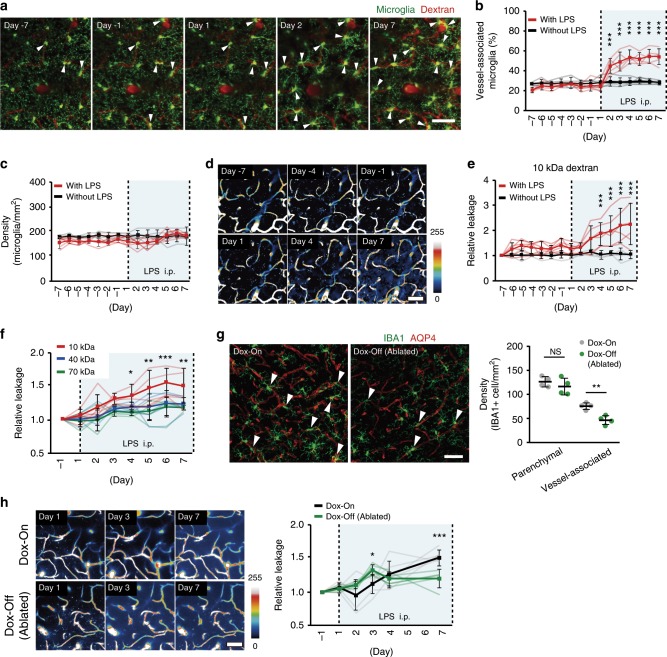
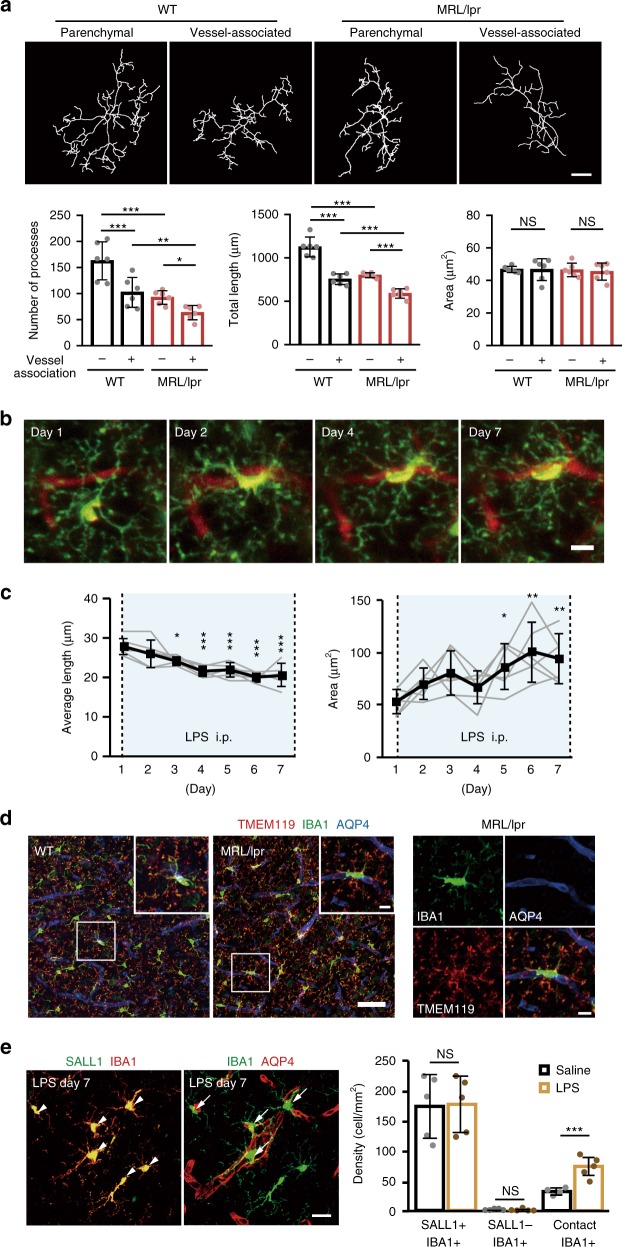
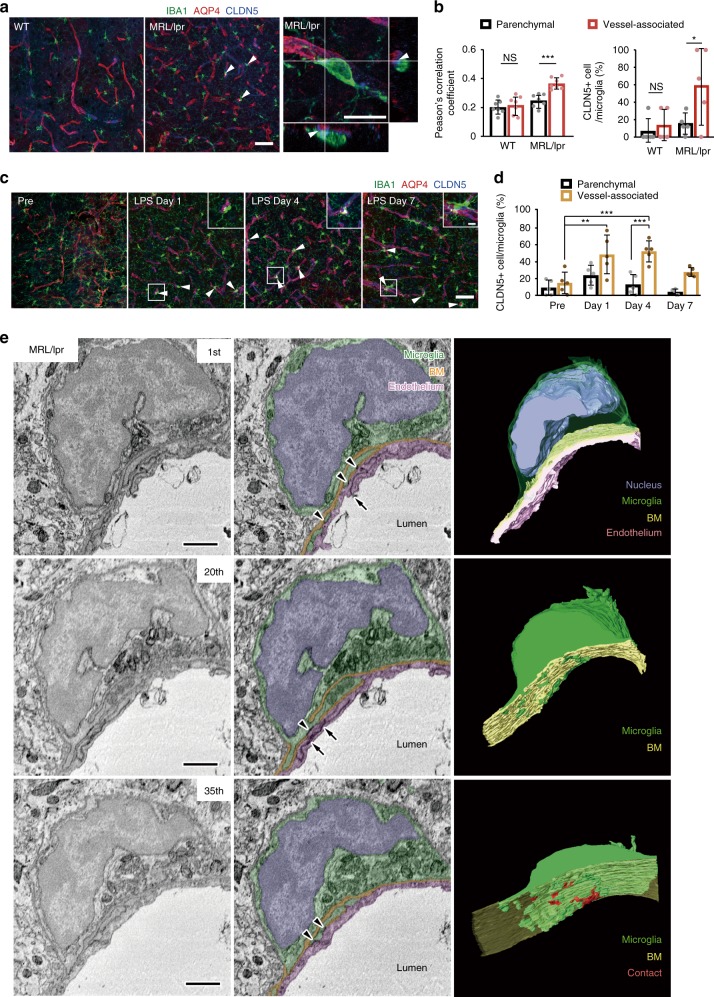
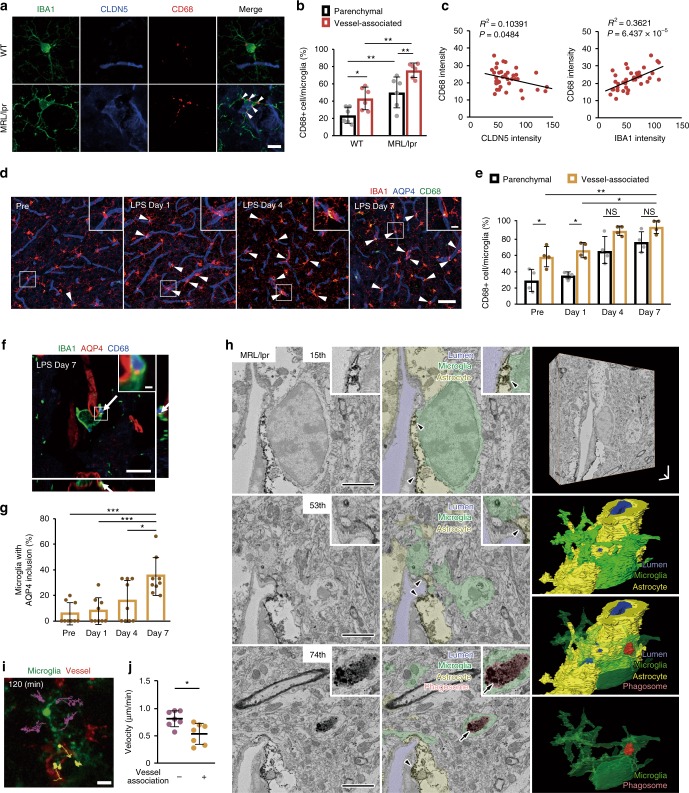
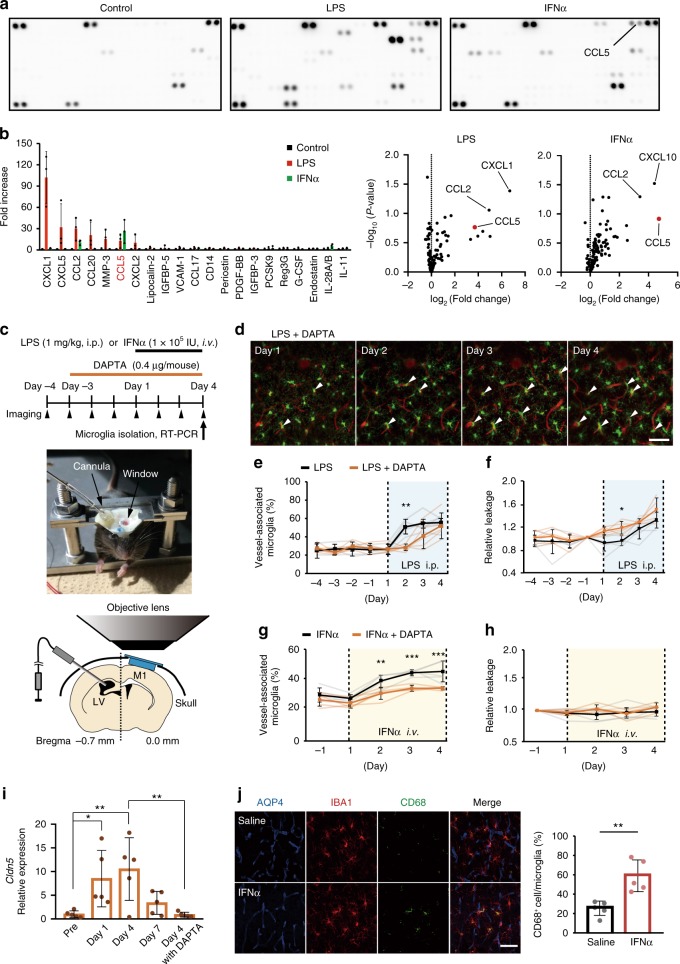
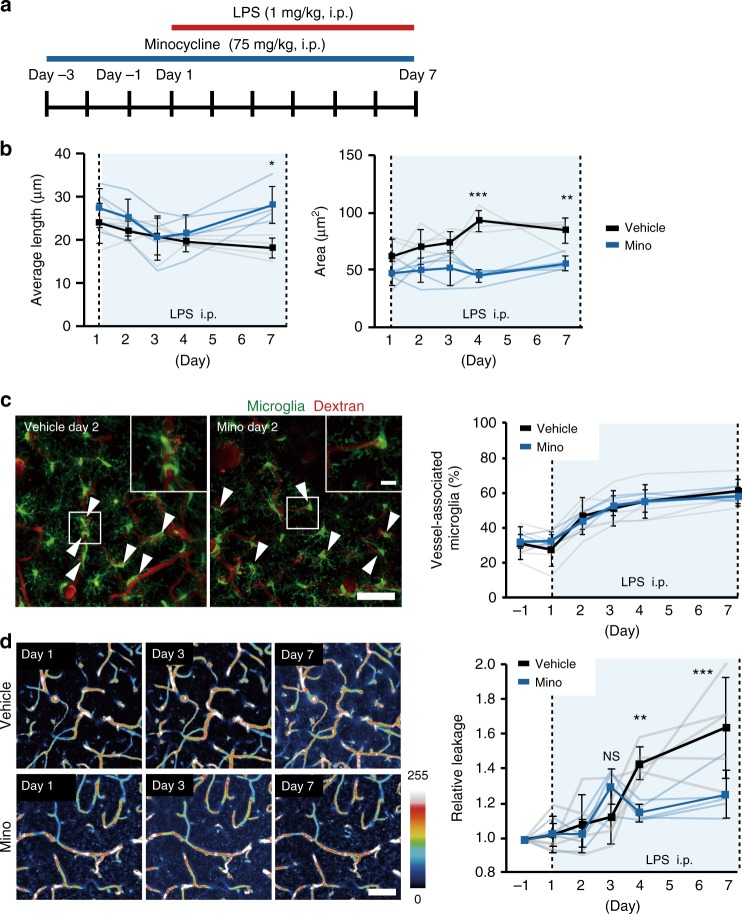
Microglia survey brain parenchyma, responding to injury and infections. Microglia also respond to systemic disease, but the role of blood–brain barrier (BBB) integrity in this process remains unclear. Using simultaneous in vivo imaging, we demonstrated that systemic inflammation induces CCR5-dependent migration of brain resident microglia to the cerebral vasculature. Vessel-associated microglia initially maintain BBB integrity via expression of the tight-junction protein Claudin-5 and make physical contact with endothelial cells. During sustained inflammation, microglia phagocytose astrocytic end-feet and impair BBB function. Our results show microglia play a dual role in maintaining BBB integrity with implications for elucidating how systemic immune-activation impacts neural functions.
Overview
The claims and statistics of this paper haven’t been checked yet.
Free: it reads the open-access text and checks the first 5 claims that cite a source we can check. Create a free account to check every claim.
Integrity signals
Registry
Cites
Statistics
Figures
Verification
Claims the paper makes
The claims and statistics of this paper haven’t been checked yet.
Free: it reads the open-access text and checks the first 5 claims that cite a source we can check. Create a free account to check every claim.
Claims other papers make about this one
Each is checked against this paper’s own text: does it say what the citing paper says it does?
The source backs part of the claim, not all of it — or backs it for a different population, condition or comparison.
In the citing paper
“sustained activation triggered by the RAGE ligand S100B exacerbates abnormal BBB permeability [17,18].”
From Research Advances in the Pathogenesis of Sepsis-Associated Encephalopathy (2026) · cites this paper as [18]
Experimental — accuracy not yet measuredThe source backs part of the claim, not all of it — or backs it for a different population, condition or comparison.
In the citing paper
“According to previous studies, systemic inflammation may disrupt the BBB, allowing pro-inflammatory molecules (such as cytokines and LPS) to enter the CNS [60,61,62].”
From Neuroprotective Effects of Bifidobacterium breve CCFM1067 in MPTP-Induced Mouse Models of Parkinson’s Disease (2022) · cites this paper as [61]
Experimental — accuracy not yet measuredThe cited source says what the claim attributes to it.
In the citing paper
“An in vivo study showed that LPS injection induced 10 kDa dextran translocation across the BBB in mice”
From The modulatory effects of gut microbes and metabolites on blood-brain barrier integrity and brain function in sepsis-associated encephalopathy (2023) · cites this paper as Haruwaka et al., 2019
The check wasn’t confident either way, so it gives no verdict — never disputed.
In the citing paper
“Furthermore, species differences in microglial density, BBB tight junction composition, and cholinergic system organization between rodents and humans likely restrict direct extrapolation of preclinical findings to human patients [15,16,18].”
From Research Advances in the Pathogenesis of Sepsis-Associated Encephalopathy (2026) · cites this paper as [18]
Experimental — accuracy not yet measured
Self-check
Percentages, sums and reported differences re-computed from the paper’s own numbers.
The self-check needs the paper’s full text.
Citations
Cites
1 retracted
Microglia-dependent synapse loss in type I interferon-mediated lupus
Bialas, A. R., Presumey, J., Das, A., van der Poel, C. E., Lapchak, P. H., Mesin, L., Victora, G., Tsokos, G. C., Mawrin, C., Herbst, R., et al. (2017) · Nature · doi:10.1038/nature22821 · Cited by 197
RetractedMetascape provides a biologist-oriented resource for the analysis of systems-level datasets
Zhou, Y., Zhou, B., Pache, L., Chang, M., Khodabakhshi, A. H., Tanaseichuk, O., Benner, C., & Chanda, S. K. (2019) · Nature Communications · doi:10.1038/s41467-019-09234-6 · Cited by 14,611
Resting microglial cells are highly dynamic surveillants of brain parenchyma in vivo
Nimmerjahn, A., Kirchhoff, F., & Helmchen, F. (2005) · Science · doi:10.1126/science.1110647 · Cited by 5,827
Astrocyte-endothelial interactions at the blood-brain barrier
Abbott, N. J., Rönnbäck, L., & Hansson, E. (2006) · Nature Reviews Neuroscience · doi:10.1038/nrn1824 · Cited by 5,595
Structure and function of the blood–brain barrier
Abbott, N. J., Patabendige, A. A. K., Dolman, D. E. M., Yusof, S. R., & Begley, D. J. (2010) · Neurobiology of Disease · doi:10.1016/j.nbd.2009.07.030 · Cited by 5,185
Zhang, Y., Chen, K., Sloan, S. A., Bennett, M. L., Scholze, A. R., O'Keeffe, S., Phatnani, H. P., Guarnieri, P., Caneda, C., Ruderisch, N., et al. (2014) · The Journal of Neuroscience · doi:10.1523/jneurosci.1860-14.2014 · Cited by 4,875
Microglia Sculpt Postnatal Neural Circuits in an Activity and Complement-Dependent Manner
Schafer, D. P., Lehrman, E. K., Kautzman, A. G., Koyama, R., Mardinly, A. R., Yamasaki, R., Ransohoff, R. M., Greenberg, M. E., Barres, B. A., & Stevens, B. (2012) · Neuron · doi:10.1016/j.neuron.2012.03.026 · Cited by 4,089
ATP mediates rapid microglial response to local brain injury in vivo
Davalos, D., Grutzendler, J., Yang, G., Kim, J. V., Zuo, Y., Jung, S., Littman, D. R., Dustin, M. L., & Gan, W.-B. (2005) · Nature Neuroscience · doi:10.1038/nn1472 · Cited by 3,913
Microglia: Active sensor and versatile effector cells in the normal and pathologic brain
Hanisch, U.-K., & Kettenmann, H. (2007) · Nature Neuroscience · doi:10.1038/nn1997 · Cited by 3,676
Kettenmann, H., Hanisch, U.-K., Noda, M., & Verkhratsky, A. (2011) · Physiological Reviews · doi:10.1152/physrev.00011.2010 · Cited by 3,547
Research works printed but not linked: 2
- Yang Y Attenuation of acute stroke injury in rat brain by minocycline promotes blood-brain barrier remodeling and alternative microglia/macrophage activation during recovery J. Neuroinflammation 2015 12 26 10.1186/s12974-015-0245-4 25889169 PMC4340283 · DOI · Paper page
- McKim DB Microglial recruitment of IL-1beta-producing monocytes to brain endothelium causes stress-induced anxiety Mol. Psychiatry 2018 23 1421 1431 10.1038/mp.2017.64 28373688 PMC5628107 · DOI · Paper page
Cited by
Items 601–700 of 930
Colpitts, K. N., & Grau, J. W. (2026) · Cells · doi:10.3390/cells15030232 · Cited by 7
“In addition to exogenous tracers, extravasation of endogenous blood components such as IgG and fibrinogen can be used [62,63].”
InfluentialBarrier breakdown: lung-brain crosstalk in systemic inflammation
Villalba, N., Beard, R. S., & Yuan, S. Y. (2026) · Journal of Neuroinflammation · doi:10.1186/s12974-026-03807-1 · Cited by 8
“In the brain, microglia cells serve as the resident macrophage population responsible for immune surveillance, regulate BBB permeability and keep immune responses to a minimum maintaining a low-inflammatory milieu [26, 27].”
Yim, J., Lee, J., Yi, S., Koo, J. Y., Oh, S., Park, H., Kim, S. S., Bae, M. A., Park, J., & Park, S. B. (2022) · Experimental & Molecular Medicine · doi:10.1038/s12276-022-00903-z · Cited by 6
Alpha1-antitrypsin protects the immature mouse brain following hypoxic-ischemic injury
Zhang, S., Li, W., Xu, Y., Li, T., Ek, C. J., Zhang, X., Wang, Y., Song, J., Zhu, C., & Wang, X. (2023) · Frontiers in Cellular Neuroscience · doi:10.3389/fncel.2023.1137497 · Cited by 8
“, 2015), and it is widely accepted that BBB dysfunction and microglia are closely related (Haruwaka et al., 2019).”
BackgroundThe potential role of dietary intervention for the treatment of neuroinflammation
Holton, K. F. (2023) · Elsevier eBooks · doi:10.1016/b978-0-323-85841-0.00022-5 · Cited by 6
Huang, Y., Han, M., Shi, Q., Li, X., Mo, J., Liu, Y., Chu, Z., & Li, W. (2023) · Experimental Neurology · doi:10.1016/j.expneurol.2023.114583 · Cited by 6
Stangis, M., Adesse, D., Sharma, B. K., Castro, E., Kumar, K., Kumar, N., Minevich, M., & Toborek, M. J. (2024) · NeuroImmune Pharmacology and Therapeutics · doi:10.1515/nipt-2023-0024 · Cited by 6
“Specifically, we assessed how microglia respond to the HBMEC secretome following exposure to the S1 subunits of the S protein as a downstream effect, as microglia contribute to BBB dysregulation and local inflam-mation [22, 23].”
MethodInfluentialCarús-Cadavieco, M., de la Fuente, S. G., Berenguer, I., Serrano-Lope, M. A., Aguado, B., Guix, F. X., Palomer, E., & Dotti, C. G. (2024) · Nutrition and Diabetes · doi:10.1038/s41387-024-00325-y · Cited by 7
“Further work is required to determine whether CLDN5 decreases as a consequence of the effect of hyperglycemia, for example through affecting the expression of particular microRNAs [26] or through the activation of in fl ammatory mechanisms [27].”
Guo, Y., Liu, J., Du, X., Qi, M., She, T., Xue, K., Wu, X., Xu, L., Peng, B., Zhang, Y. F., et al. (2024) · Scientific Reports · doi:10.1038/s41598-024-72454-4 · Cited by 6
“Additionally, a subpopulation of microglia called “vessel-associated microglia” has been proposed recently, which initially maintains BBB integrity during sustained inflammation 52 .”
BackgroundPathogenesis of Germinal Matrix Hemorrhage: Insights from Single-Cell Transcriptomics
Chen, J., Choi, J. J.-Y., Lin, P.-Y., & Huang, E. J. (2024) · Annual Review of Pathology Mechanisms of Disease · doi:10.1146/annurev-pathmechdis-111523-023446 · Cited by 7
Nrf2 deficiency in muscle attenuates experimental autoimmune myositis‐induced muscle weakness
Himori, K., Yamada, M., Onoki, T., Matsumaru, D., Motohashi, H., & Okutsu, M. (2024) · The Journal of Physiology · doi:10.1113/jp286534 · Cited by 6
“…CD8 + T-lymphocytes, are involved in the development and progression of inflammatory diseases, such as mucosal, hepatic and systemic inflammation; moreover, the inhibition of CCL5 and CCR5 interactions contributes to therapy (Haruwaka et al., 2019; Mencarelli et al., 2016; Sasaki et al., 2017).”
Crain, E., Minaya, D. M., & Serre, C. B. D. L. (2025) · Nutrition Research · doi:10.1016/j.nutres.2025.04.002 · Cited by 6
RIPK1: A Promising Target for Intervention Neuroinflammation
Yan, F., Qiao, Y., Pan, S., Kang, A., Chen, H., & Bai, Y. (2025) · Journal of Neuroimmune Pharmacology · doi:10.1007/s11481-025-10208-3 · Cited by 7
“BBB consists of tightly connected brain endothelial cells, and its dysfunction leads to the leakage of plasma proteins and infiltration of immune cells(Haruwaka et al. 2019).”
From Organotypic Mouse Brain Slices to Human Alzheimer Plasma Biomarkers: A Focus on Microglia
Steiner, K., Yılmaz, N., Gern, A., Marksteiner, J., Faserl, K., Villunger, M., Sarg, B., & Humpel, C. (2024) · Biomolecules · doi:10.3390/biom14091109 · Cited by 6
“Proteomics methods are more and more preferred over conventional methods, mainly for their multiplexing capacity, remarkable analytical sensitivity and specificity, relatively shorter turnaround time, and potential for real-time in vivo analysis [62].”
BackgroundMethodCentral Nervous System Developmental Regulation of Microglia via Cytokines and Chemokines
Shigemoto‐Mogami, Y., & Sato, K. (2021) · YAKUGAKU ZASSHI · doi:10.1248/yakushi.20-00198-4 · Cited by 7
Shigemoto‐Mogami, Y., Nakayama-Kitamura, K., & Sato, K. (2024) · Frontiers in Neuroanatomy · doi:10.3389/fnana.2024.1438190 · Cited by 7
“It has been suggested that microglia are involved in the neurovascular unit and are necessary for BBB functions (da Fonseca et al., 2014; Engelhardt and Liebner, 2014; Dudvarski Stankovic et al., 2016; Haruwaka et al., 2019).”
Backgroundde Rezende, V. L., da Costa, M. D. A., Martins, C. D., Mathias, K., Gonçalves, C. L., Barichello, T., & Petronilho, F. C. (2025) · Neurochemical Research · doi:10.1007/s11064-025-04361-7 · Cited by 7
“However, chronic inflammation promotes microglial phagocytosis, which consequently leads to barrier disruption [56].”
Microglia Display Heterogeneous Initial Responses to Disseminated Tumor Cells
Tsuji, T., Hirose, H., Sugiyama, D., Shindo, M., Hartantyo, R. Y., Saito, Y., Tatematsu, T., Sugio, S., Sanbo, M., Hirabayashi, M., et al. (2025) · Cancer Research · doi:10.1158/0008-5472.can-25-3425 · Cited by 6
“For instance, in both Alzheimer disease (4) and systemic inflammation induced by lipopolysaccharides (46), microglia undergo state transitions—from an initial proinflammatory or protective phenotype to a later anti-inflammatory or permeability-promoting one—reflecting context-dependent plasticity.”
Self-citationMild chronic hypoxia and the brain: an ambiguous relationship
Wszędybył-Winklewska, M., Czuba, E., Malinowski, K. S., Waśkow, M., Michalak, K., & Winklewski, P. J. (2026) · Journal of Neuroinflammation · doi:10.1186/s12974-025-03652-8 · Cited by 6
“…not only regulate tight junction protein expression but also modulate the inflammatory microenvironment through the release of cytokines such as TNF-α and IL-1β, which can either stabilize or compromise barrier integrity depending on the duration and severity of hypoxic exposure [107, 108].”
Jung, J., Kim, Y., Cirunduzi, A. C., Yoon, S., Bang, S., & Yang, S. (2026) · CNS Neuroscience & Therapeutics · doi:10.1002/cns.70919 · Cited by 5
“This inflammatory response increases the permeability of the blood–brain barrier (BBB) [65, 66], inducing the infiltration of peripheral immune cells into the brain and further exacerbating the inflammatory response within the brain [67].”
Bittencourt, L. O., Matta, P. P. M., Nascimento, P. C., Eiró‐Quirino, L., Aragão, W. A. B., Dionizio, A. S., Fernandes, L. M. P., da Silva, M. C. F., Buzalaf, M. A. R., Aschner, M., et al. (2022) · Toxics · doi:10.3390/toxics10090531 · Cited by 6
Jetton, T. L., Galbraith, O. T., Peshavaria, M., Bonney, E. A., Holmén, B. A., & Fukagawa, N. K. (2023) · Chemosphere · doi:10.1016/j.chemosphere.2023.140480 · Cited by 5
Social deficits mirror delayed cerebrovascular dysfunction after traumatic brain injury
Singh, A., Gong, S., Vu, A., Li, S., & Obenaus, A. (2024) · Acta Neuropathologica Communications · doi:10.1186/s40478-024-01840-w · Cited by 5
“…inflammation evokes microglia appear to initially maintain the BBB but sustained inflammation results in astrocyte endfeet loss and impaired BBB [109], (4) Microglia are vasoregu-latory and their transcriptome express vasoreactive genes [110], (5) Pericytes and microglia are intimately…”
BackgroundScott, L., Winzey, K. D., Moreira, D., Bresee, C. J., Vit, J., Tourtellotte, W. G., Karumanchi, S. A., & Lahiri, S. (2024) · Journal of Neuroinflammation · doi:10.1186/s12974-024-03260-y · Cited by 6
“…activation is protective of the blood–brain barrier in the acute inflammatory response while sustained inflammation damages the blood–brain barrier [42], (4) neuroprotective microglia express arginase 1, which competes with inducible nitric oxide synthetase over arginine, and reduces…”
BackgroundRole of PI3Kγ in the polarization, migration, and phagocytosis of microglia
Liang, X., Hu, Y., Li, X., Xu, X., Chen, Z., Han, Y., Han, Y., & Lang, G.-P. (2024) · Neurochemistry International · doi:10.1016/j.neuint.2024.105917 · Cited by 5
Dai, R., & Sun, Y. (2024) · Life Sciences · doi:10.1016/j.lfs.2024.123318 · Cited by 6
Zhang, H., Tian, Y., Wang, Y., Wang, Y., Qi, J., Wang, X., Yuan, Y., Chen, R., Zhao, Y., Liu, C., et al. (2025) · Translational Stroke Research · doi:10.1007/s12975-025-01329-1 · Cited by 6
“Inhibition of microglia-induced pro-inflammatory factor release is crucial for blood–brain barrier integrity and neurological protection [38].”
Han, X., Wang, D., Chen, L., Song, H., Zheng, X., Zhang, X., Zhao, S., Liang, J., Xu, T., Hu, Z., et al. (2025) · JCI Insight · doi:10.1172/jci.insight.181885 · Cited by 5
“In addition, during sustained systemic inflammation, activated microglia phagocytose astrocytic endfeet and disrupt BBB permeability, initiating the leakage of systemic substances into the parenchyma and causing neuroinflammation (46).”
Pharmacotherapy variability and precision medicine in neurocritical care
Mahmoud, S. H., Kharouba, M., Aboelezz, A., Elshamy, A., & Gunn, E. (2025) · Frontiers in Neurology · doi:10.3389/fneur.2025.1630163 · Cited by 9
“Notably, commonly used estimated CL CR equations, such as Cockcroft-Gault, often underestimate ARC occurrence (18).”
Xu, Y., Han, T., Wu, Y., Liu, H., Hou, K., An, Z., Li, Y., Zhu, C., Wang, S., & Wei, J. (2025) · Neuroscience Bulletin · doi:10.1007/s12264-025-01505-1 · Cited by 5
“The functional decline of the BBB facilitates the entry of peripheral toxins and immune cells into the brain, triggering the over-activation of microglia [230].”
InfluentialDysfunction of the Neurovascular Unit by Psychostimulant Drugs
Vo, T. T. L., Shin, D., Ha, E., & Seo, J. H. (2023) · International Journal of Molecular Sciences · doi:10.3390/ijms242015154 · Cited by 5
“Notably, zona occludens (ZO)-1, -2, -3 (ZO-1, ZO-2, ZO-3) serve as recognition proteins for TJ placement [1–3].”
BackgroundInfluentialSolomon, O. D., Villarreal, P. P., Domingo, N. D., Ochoa, L., Vanegas, D., Cardona, S. M., Cardona, A. E., Stephens, R., & Vargas, G. (2023) · Scientific Reports · doi:10.1038/s41598-023-43208-5 · Cited by 5
Neural Network Excitation/Inhibition: A Key to Empathy and Empathy Impairment
Tang, Y., Wang, C., Li, Q., Liu, G., Song, D. F., Quan, Z., Yan, Y., & Qing, H. (2024) · The Neuroscientist · doi:10.1177/10738584231223119 · Cited by 10
“…astrocytes within the CNS, endothelial cells, pericytes, or smooth muscle cells in the neurovascular unit—simultaneously receive and provide information that shapes the responses of neurons and microglia during development and adulthood (Haruwaka and others 2019; Matejuk and Ransohoff 2020).”
5-HT7R enhances neuroimmune resilience and alleviates meningitis by promoting CCR5 ubiquitination
Gao, Z., Gao, Y., Li, Y., Zhou, J., Li, G., Xie, S., Jia, R., Wang, L., Jiang, Z., Liang, M., et al. (2024) · Journal of Advanced Research · doi:10.1016/j.jare.2024.02.017 · Cited by 6
“Chemokine receptor 5 (CCR5) is a seven-transmembrane, G protein-coupled receptor (GPCR) that regulates the trafficking and effector functions of immune cells including T-lymphocytes, macrophages, and microglia [6,7].”
Chen, K., Lan, K.-P., & Lai, S. (2024) · Molecular and Biochemical Parasitology · doi:10.1016/j.molbiopara.2024.111649 · Cited by 5
WIF-1 contributes to lupus-induced neuropsychological deficits via the CRYAB/STAT4-SHH axis
Tan, L., Fan, Y., Xu, X., Zhang, T., Cao, X., Zhang, C., Liang, J., Hou, Y., & Dou, H. (2024) · Arthritis Research & Therapy · doi:10.1186/s13075-024-03420-8 · Cited by 5
The Reciprocal Interaction Between Sleep and Alzheimer’s Disease
Harris, S., Schwerd-Kleine, T., Lee, B. I., & Busche, M. A. (2021) · Advances in experimental medicine and biology · doi:10.1007/978-3-030-81147-1_10 · Cited by 5
“…permeability of which is vulnerable to inflammation, disordered sleep and subject to the sleep-wake cycle) (He et al. 2014; Cuddapah et al. 2019; Haruwaka et al. 2019), and thwarts restorative cellular processes, including nuclear maintenance, that might ameliorate the above pathological…”
BackgroundCLINICAL, MOLECULAR, AND EXOSOMAL MECHANISMS OF CARDIAC AND BRAIN DYSFUNCTION IN SEPSIS
Morris, D. C., Zhang, Z. G., Jaehne, A. K., Zhang, J., & Rivers, E. P. (2023) · Shock · doi:10.1097/shk.0000000000002015 · Cited by 5
Thisayakorn, P., Thipakorn, Y., Tantavisut, S., Sirivichayakul, S., Vojdani, A., & Maes, M. H. J. (2024) · Frontiers in Neurology · doi:10.3389/fneur.2024.1294689 · Cited by 7
‘A picture is worth a thousand words’: The use of microscopy for imaging neuroinflammation
de Fraga, L. S., Tassinari, I. D., Jantsch, J., Guedes, R. P., & Bambini-Júnior, V. (2021) · Clinical & Experimental Immunology · doi:10.1111/cei.13669 · Cited by 5
“In this sense, evaluating such proteins can be useful to relate its findings with other BBB integrity assays [39,42,178– 180] CLD5 remodeling and changes in localization after stroke [39]; ↑ microglia- associated CLDN5 in a model of SLE and after LPS stimuli [42]; ↓ CLDN5 in a model of EAE [179]; ↓ CLDN3 in MS [180]”
BackgroundChitosan Polysaccharides: Modulation of Neuroinflammation
Hamdan, Y. A., Oudadesse, H., Elouali, S., Smimih, K., Ghachi, H. E., Gnimassoun, A. J. S. D., Ramdane, R. A., Eladlani, N., & Rhazi, M. (2023) · Advances in bioinformatics and biomedical engineering book series · doi:10.4018/978-1-6684-9675-6.ch020 · Cited by 7
Wang, M., Ran, Y., Liang, J., Li, F., Li, N., Ding, Z., Xi, J., Su, W., Ye, L., & Liu, Z. (2025) · Bioengineering & Translational Medicine · doi:10.1002/btm2.70060 · Cited by 4
“22,23 While astrocytes induce peripheral inflammatory cell infiltration during the acute phase, they contribute to neuroprotection and repair during the recovery phase by releasing antioxidants, neurotrophic factors, and functional mitochondria.”
Li, X., Xu, X., Zhang, J., Wang, X., Zhao, C., Liu, Q., & Fan, K. (2024) · Journal of Ethnopharmacology · doi:10.1016/j.jep.2024.118588 · Cited by 5
Microglia and Systemic Immunity
Jucá, P. M., Duque, É. D. A., Covre, L. H. H., Albernaz-Mariano, K. A., & Munhoz, C. D. (2024) · Advances in neurobiology · doi:10.1007/978-3-031-55529-9_16 · Cited by 7
Nakisli, S., Fanelli, K., LaComb, J., Arnold, L. J., & Nielsen, C. M. (2025) · Scientific Reports · doi:10.1038/s41598-025-86150-4 · Cited by 4
“…coverage, microglia directly interact with cellular components of the vessels 16 , such as forming cell–cell junctions with microvascular endothelial cells 17,18 and through direct contact with pericytes and the shared pericyte-endothelial cell basement membrane, to support NVU communication 16 .”
Lin, Y., Luo, X., Shen, X., Fu, X., Lin, L., & Yang, T. (2025) · Small Science · doi:10.1002/smsc.202500046 · Cited by 4
Innate Immune Mechanisms in the Central Nervous System
Shastri, A., Yasmin, H., & Kishore, U. (2025) · Advances in experimental medicine and biology · doi:10.1007/978-3-031-85340-1_15 · Cited by 4
Pan, Z., Jia, Z., Jiang, T., Cai, Q., Di, Z., Gan, L., Ma, C., & Lin, X. (2025) · The FASEB Journal · doi:10.1096/fj.202502069r · Cited by 4
“This interaction helps regulate NVU functions such as BBB permeability and CBF [44, 45].”
Nakajima, S., Kabahizi, A., Aubailly, S., Naili-Douaouda, S., Tomita, A., Bosson, A., Alquier, T., Murphy‐Royal, C., & Fulton, S. (2025) · Brain Behavior and Immunity · doi:10.1016/j.bbi.2025.106154 · Cited by 4
Tapia-Arellano, A., Palma-Florez, S., Cabrera, P., Cortés-Adasme, E., Bolaños, K., Célis, F., Araya-Vergara, A. J., Pérez, M., Crespo, A., Matus, M. H., et al. (2025) · Materials Today Bio · doi:10.1016/j.mtbio.2025.102453 · Cited by 10
Wu, L., Wu, F., Li, M., Liu, Y., Wang, S., Guo, S., Liu, S. Q., Jiang, X., Zhou, Y., & Kong, L. (2025) · Journal of Affective Disorders · doi:10.1016/j.jad.2025.120988 · Cited by 4
Alim, A., Baek, Y., Lee, M., & Paek, J. (2026) · Communications Engineering · doi:10.1038/s44172-025-00581-5 · Cited by 4
Tau is necessary for Pseudomonas aeruginosa-induced blood-brain barrier dysfunction
Chaney, S. D., Bauman, A. J., Butlig, E.-A. R., Al-Masri, S., Sanchez, J. M., McAdams, L. H., DOAN, P., Gwin, M. S., Stevens, T., Ciernia, A. V., et al. (2026) · Communications Biology · doi:10.1038/s42003-026-09703-x · Cited by 4
Maternal gut microbiota mediates prenatal stress-induced fetal blood‒brain barrier dysfunction
Wang, X., Zhou, F., Wu, T., Duan, C., Luo, X., Meng, Y., Huang, H.-F., & Wu, Y.-T. (2026) · Gut Microbes · doi:10.1080/19490976.2026.2631242 · Cited by 5
“38 Prominently, our study found that maternal probiotic supplementation attenuated microglial activation, suggesting that maternal-derived microbial signals interfere with the ability of microglia to respond to environmental signals.”
Blood vessel-resident macrophages safeguard blood and vessel integrity in zebrafish
Weijts, B. G. M. W., Demmers, J., & Robin, C. (2026) · Nature Immunology · doi:10.1038/s41590-026-02481-y · Cited by 4
“…are required for blood vessel maintenance and function, analogous to perivascular macrophages in skin capillaries 41 or microglia in the brain 42,43 , remains unknown and will require tissue-specific or conditional knockout strategies. bMΦs persist beyond development into adulthood with similar…”
Impaired removal of dying brain cells by microglia in Gpr34 deficient mice
Bohannon, D. G., Geller, A., Simmons, S., Cintron, J. A., Martenis, W. E., Stalnaker, K. J., Masse, A., Kwon, M. J., Zhang, Y.-L., Levin, J. Z., et al. (2026) · Journal of Neuroinflammation · doi:10.1186/s12974-026-03777-4 · Cited by 4
Corraliza-Gómez, M., Guilarte, B. B., Sandonís-Camarero, D., Mondejar-Duran, J., Villa, M., Poncela, M., Valero, J., Sánchez, D., & Ganfornina, M. D. (2023) · Frontiers in Cellular Neuroscience · doi:10.3389/fncel.2023.1112930 · Cited by 4
“, 2021), vasculogenesis and blood-brain barrier permeability are processes where microglial cells have also been involved (Tawfik et al., 2014; Haruwaka et al., 2019).”
BackgroundSmith, F. M., & Kosman, D. J. (2024) · Frontiers in Molecular Biosciences · doi:10.3389/fmolb.2023.1299201 · Cited by 7
“IL-6 also activates the M1 in fl ammatory microglial phenotype, which is observed in FRDA, and both contribute to BBB-breakdown and hyperpermeability in other models of neurodegeneration (Haruwaka et al., 2019; Khan et al., 2021; FIGURE 7 shFXN hBMVEC have decreased levels of tight junction proteins.”
BackgroundStavchansky, V. V., Yuzhakov, V. V., Sevan’kaeva, L. E., Fomina, N. K., Koretskaya, A. E., Denisova, A. E., Mozgovoy, I. V., Gubsky, L. V., Filippenkov, I. B., Myasoedov, N. F., et al. (2024) · Current Issues in Molecular Biology · doi:10.3390/cimb46030133 · Cited by 4
Vascular Development of Fetal and Postnatal Neocortex of the Pig, the European Wild Boar Sus scrofa
Sobierajski, E., Czubay, K., Beemelmans, C., Beemelmans, C., Meschkat, M., Uhlenkamp, D., Meyer, G., & Wahle, P. (2024) · The Journal of Comparative Neurology · doi:10.1002/cne.70011 · Cited by 4
Hyper-Raman spectroscopy of non-proteinogenic amino acids
Liu, T.-H., & Okuno, M. (2024) · Analytical Sciences · doi:10.1007/s44211-024-00698-1 · Cited by 4
Lin, S.-X., Shi, C., Zhao, L., Xian, L., Yang, W., Wang, Z., Qin, L., Min, X., & Yu, J. (2025) · Neurochemical Research · doi:10.1007/s11064-025-04406-x · Cited by 5
“As inflammation continues, microg - lia will destroy BBB integrity, ultimately resulting in BBB leakage [13 ].”
Olasehinde, T. A., Oyeleye, S. I., Olaniran, A. O., & Islam, M. S. (2022) · Biomarkers in disease · doi:10.1007/978-3-030-81303-1_66-1 · Cited by 6
Multifactorial glial responses and their contributions to Alzheimer's disease continuum
Hijioka, M., Manabe, T., & Saito, T. (2023) · Clinical and Experimental Neuroimmunology · doi:10.1111/cen3.12745 · Cited by 4
Liu, Y., Chang, D., Liu, T., & Zhou, X. (2023) · Frontiers in Pharmacology · doi:10.3389/fphar.2023.1135934 · Cited by 9
“Our present study showed that AN-SG and BA-SG inhibited the inflammatory mediators of NO, IL-6 and TNF-α, which in turn, led to reduced permeability and restored endothelial tight junction, suggesting their the BBB protective effects against cytokine-mediated damage from microglial cells (Haruwaka et al., 2019).”
ResultWang, C., Li, P., Wang, Y., Xue, Y., Chen, T., Ji, Y., Li, Y., Zhao, Y. M., & Yu, S. (2023) · International Journal of Molecular Sciences · doi:10.3390/ijms24076772 · Cited by 4
“A previous study utilizing in vivo imaging found that microglia associated with blood vessels have a dual role in vessel function during neuroinflammation [40].”
Yang, J., Li, Y., Bhalla, A., Maienschein‐Cline, M., & Fukuchi, K.-I. (2023) · PLoS ONE · doi:10.1371/journal.pone.0288497 · Cited by 7
“Thus, increased fibrinogen deposition was limited to the brain endothelial cells under the condition of the dose and administration route of LPS, suggesting that disruption of BBB did not occur, which is consistent with another recent study [61].”
ResultCrockett, A. M., Fuhrmann, M., Garaschuk, O., & Davalos, D. (2024) · Advances in neurobiology · doi:10.1007/978-3-031-55529-9_5 · Cited by 4
The role of inflammatory system genes in individual differences in nonverbal intelligence
Enikeeva, R. F., Kazantseva, A. V., Davydova, Y. D., Mustafin, R. N., Takhirova, Z., Malykh, S. B., Kovas, Y. V., & Хуснутдинова, Э. К. (2022) · Vavilov Journal of Genetics and Breeding · doi:10.18699/vjgb-22-22 · Cited by 4
“An impaired BBB integration promotes CNS infiltration by leukocytes and neuroinflammation, which may develop into a chronic form and result in abnormal synaptic plasticity of neurons, reduced number of synaptic connections and neurodegenerative processes (Haruwaka et al., 2019).”
BackgroundGelen, V., Kara, A., & Kükürt, A. (2023) · IntechOpen eBooks · doi:10.5772/intechopen.105312 · Cited by 6
Li, J., Du, M., Dong, G., Hu, D., Zhang, H., Yu, Z., Lu, Y., & Yang, Y. (2025) · Biochimica et Biophysica Acta (BBA) - Molecular Basis of Disease · doi:10.1016/j.bbadis.2025.167671 · Cited by 3
Roles of central nervous system resident and recruited macrophages in the brain barrier system
Liu, Z., Cheng, T., Dong, H., Sun, D., Wang, Y., Li, J., Yu, Z., & Cao, L. (2025) · Neural Regeneration Research · doi:10.4103/nrr.nrr-d-24-00986 · Cited by 3
“Initially, it maintains the BBB during the compensated stage, whereas, microglial activation aggravates BBB disruption during the uncompensated periods of inflammatory demyelination (Haruwaka et al., 2019).”
Cao, M., Zhang, Y., Li, Y., Zhang, X., & Ma, M. (2025) · Investigative Ophthalmology & Visual Science · doi:10.1167/iovs.66.3.4 · Cited by 4
“31 34 Microglia may also have a similar change in function in RD.”
Neuroglia and the blood–brain barrier
Pinto, H. N., Zarekiani, P., & de Vries, H. E. (2025) · Handbook of clinical neurology · doi:10.1016/b978-0-443-19104-6.00014-0 · Cited by 5
Wen, W., Chen, H., Dai, Y., Zhang, S., Zhang, H., Zhang, H., Xiang, J., Tang, X., Liu, X., Wang, P., et al. (2025) · Journal of Ethnopharmacology · doi:10.1016/j.jep.2025.120424 · Cited by 5
Sheng, Y., Han, D. M., Wakefield, M. R., & Fang, Y. (2025) · Exploration of Targeted Anti-tumor Therapy · doi:10.37349/etat.2025.1002334 · Cited by 5
Lu, H., Zhang, Y., Chen, C., Xie, H., Li, Y., & Qiu, S. (2026) · Journal of Neuroinflammation · doi:10.1186/s12974-026-03723-4 · Cited by 4
“Furthermore, CAM-astrocyte interactions extend to regulating perivascular space (PVS) clearance function [19].”
Park, J.-E., Freeman, B. H., Park, H., Kim, S., Bafor, A. E., Myint, O., Gao, S., Xu, Z., Körbelin, J., Aronowski, J. A., et al. (2026) · Journal of Cerebral Blood Flow & Metabolism · doi:10.1177/0271678x261421424 · Cited by 6
“23,24 Importantly, in bAVM pathology, MG possessing bushy or amoeboid morphologies have been robustly detected in the malformed vessels of mutant KRAS-induced bAVM mice.”
Peng, M., Chen, W., Gao, Q., Zhu, X., Yu, L., Zhang, L., Zou, X., Hu, Z., & Zhang, L. (2026) · Autophagy · doi:10.1080/15548627.2026.2662440 · Cited by 4
Zhu, Y., Guo, X., Zhou, Y., Zhang, D., Yi, X., Wang, H., Liu, L., & Zhu, X. (2021) · Neurology Asia · doi:10.54029/2021nsh · Cited by 3
Esposito, P., Dubé‐Zinatelli, E., Krnel, R., Cappelletti, L., Liang, J., & Ismail, N. (2024) · Hormones and Behavior · doi:10.1016/j.yhbeh.2024.105615 · Cited by 4
“These results are in line with our hypothesis and with previous research examining the effects of LPS and AMNS treatments on BBB permeability (Haruwaka et al., 2019; Kolmogorova et al., 2021; L. Sun et al., 2019).”
Th22 cells promote the transition from homeostatic to reactive microglia in diabetic encephalopathy
Yu, S., Yu, H., Wang, Y., Yao, T.-F., Lv, S.-Z., Wang, Y.-C., Li, J., Liu, W., Ding, J.-Y., Liu, X., et al. (2024) · Acta Diabetologica · doi:10.1007/s00592-024-02384-0 · Cited by 6
“Microglia are among the components of the neurovascular unit (NVU) and are important for maintaining the structure and function of the BBB, but reactive microglia can damage the BBB [27, 28].”
Ito, N., Miki, R., Kawada, N., Yoshida, M., & Kobayashi, Y. (2024) · Neuroscience · doi:10.1016/j.neuroscience.2024.11.072 · Cited by 4
Zhao, L. Q., Yin, M., Wang, M., Cao, Y., Guo, L., Chai, L., Wang, S., Hu, L., & Yuan, Q. (2025) · Brain Research · doi:10.1016/j.brainres.2025.149721 · Cited by 3
Lian, K., Yang, W. H., Yang, R., Xu, X., & Guan, J. (2025) · Molecular Neurobiology · doi:10.1007/s12035-025-05221-9 · Cited by 4
“Cytokines secreted by adherent cells such as CXCL12 regulate the behavior of microglia and astrocytes [41].”
Bello, C. I., Cohen‐Salmon, M., & Nhieu, G. T. V. (2021) · BIO-PROTOCOL · doi:10.21769/bioprotoc.4242 · Cited by 3
Leterrier, S., Goutal, S., Hugon, G., Goislard, M., Saba, W., Hosten, B., Specklin, S., Winkeler, A., & Tournier, N. (2024) · Journal of Cerebral Blood Flow & Metabolism · doi:10.1177/0271678x241236755 · Cited by 3
“19 This is consistent with the negligible brain penetration of LPS, 50 suggesting that peripheral inflammation may propagate to the brain to trigger neuroinflammation before disruptive changes of the BBB.”
BackgroundDona, K. N. U. G., Benmassaoud, M. M., Gipson, C. D., McLaughlin, J. P., Ramirez, S. H., & Andrews, A. M. (2024) · NeuroImmune Pharmacology and Therapeutics · doi:10.1515/nipt-2024-0003 · Cited by 4
“However, during chronic inflammation, microglia release cytokines, phago-cytose astrocyte endfeet and contribute to BBB dysfunction [96].”
Kim, G., Seo, J., Kim, B., Park, Y.-H., Lee, H. J., Guo, F., & Lee, D. (2025) · Neuroscience Bulletin · doi:10.1007/s12264-025-01381-9 · Cited by 5
“BBB disruption was assessed using fluorescent FITC-20 kDa Dextran (Sigma, FD20S) and TRITC-4 kDa Dextran (Sigma, T1037) [38, 39].”
Liu, T., Liu, C., Li, I., Chu, Y.-C., Hung, H.-Y., Chiu, C.-H., Chou, T.-K., Li, S.-Y., Wang, T.-A., & Shih, J. (2025) · Behavioral and Brain Functions · doi:10.1186/s12993-025-00289-8 · Cited by 3
“Previous studies have demonstrated that systemic inflammation induced by intraperitoneal LPS administration increases BBB permeability, thereby affecting the central nervous system [54, 55].”
iPS‐derived pericytes for neurovascular regeneration
Kirabali, T., & Rust, R. (2021) · European Journal of Clinical Investigation · doi:10.1111/eci.13601 · Cited by 3
“Recent studies have also described a dual role of pericytes in stroke recovery; similar as previously observed for astrocytes and microglia.(4,5) Apart from their beneficial role to maintain BBB integrity, subclasses of pericytes can contribute to scar formation and inhibit axonal regeneration in major brain injuries…”
ResultSalmina, A. B., Комлева, Ю. К., Малиновская, Н. А., Morgun, A. V., Тепляшина, Е. А., Lopatina, O. L., Gorina, Y. V., Kharitonova, E. V., Хилажева, Е. Д., & Shuvaev, А. N. (2021) · Biochemistry (Moscow) · doi:10.31857/s0320972521060130 · Cited by 5
Zang, L., Yang, B., Zhang, M., Cui, J., Ma, X., & Wei, L. (2021) · Chemical Research in Toxicology · doi:10.1021/acs.chemrestox.0c00323 · Cited by 3
Domoic acid induces developmental stage-specific effects on microglia in zebrafish
Hidayat, A. S., Pitt, J. A., Fredricks, H. F., Hahn, M. E., & Aluru, N. (2025) · Harmful Algae · doi:10.1016/j.hal.2025.102862 · Cited by 2
Kremitzki, C., Waligorski, J., Bachman, G., Ali, L. M., Bramley, J., Vakaki, M., Chandrasekaran, V., Patel, P., Mathur, D., Hime, P., et al. (2025) · npj Imaging · doi:10.1038/s44303-025-00097-9 · Cited by 2
Material considerations for delivering therapeutics across the blood–brain barrier
Zoba, A. N., & Tringides, C. M. (2025) · APL Materials · doi:10.1063/5.0284305 · Cited by 2
Yamasaki, A., Shintaku, H., Harada, A., Maehara, K., Tanaka, K. Y., Saeki, M., Ito, M., Konishi, H., Tsuda, M., Prinz, M., et al. (2025) · Cell Reports · doi:10.1016/j.celrep.2025.116267 · Cited by 2
Self-citationZhang, J., Hui, R., Xu, J., Zhang, L., Xie, B., Ma, C., Li, Y., Zou, Y., Wen, D., & Yu, X. (2025) · Frontiers in Neurology · doi:10.3389/fneur.2025.1652065 · Cited by 5
“The BBB plays a crucial role in maintaining CNS homeostasis, and its disruption is associated with increased vulnerability to peripheral immune cell infiltration and neuroinflammation (32–35).”
Chen, M., Li, J., Ren, P., Yang, S., Zhong, F., Zhu, Y., Fan, Y., Chen, J., Xu, M., & Wu, W. (2025) · Chinese Medicine · doi:10.1186/s13020-025-01235-6 · Cited by 2
“Inflammatory mediators originating from the gut can enter systemic circulation and subsequently impair BBB, thereby inducing neuroinflammatory processes [37, 38].”
Azadbakht, A. A., Mashayekhi‐Sardoo, H., & Baghcheghi, Y. (2025) · Neurochemical Research · doi:10.1007/s11064-025-04619-0 · Cited by 6
“Chronic ketamine use and the resultant inflammatory response can compromise the integrity of the BBB, leading to increased permeability [ 92, 93 ].”
Metadata
- Authors
- Haruwaka, K., Ikegami, A., Tachibana, Y., Ohno, N., Konishi, H., Hashimoto, A., Matsumoto, M., Kato, D., Ono, R., Kiyama, H., Moorhouse, A. J., Nabekura, J., & Wake, H.
- Affiliations
- National Institutes of Natural Sciences (JP)
- Kobe University (JP)
- Jichi Medical University (JP)
- Nagoya University (JP)
- Nagoya City University (JP)
- UNSW Sydney (AU)
- Japan Science and Technology Agency (JP)
- Corresponding author
- Wake, Hiroaki
- ORCID
- Venue
- Nature Communications
- Published
- 2019-12-20
- Volume
- 10
- Issue
- 1
- Pages
- 5816-5816
- ISSN
- 2041-1723 (ISSN-L)
- PMC
- PMC6925219
- OpenAlex
- W2994871395
- Semantic Scholar
- c3f552b178950359c479d733c849b698185fc437
- Cited by
- 923
- References
- 72
- Citations by year
- 2026: 106 · 2025: 157 · 2024: 180 · 2023: 149 · 2022: 147 · 2021: 124 · 2020: 59
- FWCI
- 36.32
- Type
- journal article
- Language
- en
- Open access
- gold
- doi.org
- Licence
- cc-by
- creativecommons.org/licenses/by/4.0 (tdm)
- creativecommons.org/licenses/by/4.0 (vor)
- Locations
- Nature Communications (publishedVersion, cc-by)
- Europe PMC (PubMed Central) (publishedVersion, cc-by)
- PubMed Central (publishedVersion, cc-by)
- PubMed (publishedVersion)
- Institutional Repositories DataBase (IRDB) (submittedVersion, cc-by)
- RePEc: Research Papers in Economics (submittedVersion)
- Kobe University Repository Kernel (Kobe University) (submittedVersion, cc-by)
- DOAJ (DOAJ: Directory of Open Access Journals) (submittedVersion)
- DOAJ (DOAJ: Directory of Open Access Journals) (submittedVersion, cc-by-sa)
- Funders
- Japan Society for the Promotion of Science (18H02598, 18K06852, 16H06280, 19H05219, 17H01530, 26710004, 19H04753, 19K06904)
- Topics
- Life Sciences › Neuroscience › Neurology › Barrier Structure and Function Studies
- Life Sciences › Neuroscience › Neurology › Neuroinflammation and Neurodegeneration Mechanisms
- Health Sciences › Medicine › Clinical Neurology › Traumatic Brain Injury and Neurovascular Disturbances
- Keywords
- microglia, blood-brain barrier permeability, systemic inflammation, CCR5, microglial migration, claudin-5, tight junctions, neuroinflammation
- MeSH terms
- Intravital Microscopy, Animals, Astrocytes, Blood-Brain Barrier, Cerebrovascular Circulation, Disease Models, Animal, Humans, Lupus Erythematosus, Systemic, Male, Permeability, Phagocytosis, Stereotaxic Techniques, Microglia, Tight Junctions, Receptors, CCR5, Endothelial Cells, Mice, Claudin-5
About these checks
Registry, retraction, Cites and statistics results are computed, not judged, with one exception: a printed reference that no index lists is read once by a model before it counts as a citation error. Claims are extracted by a model and kept only when their quote appears verbatim in the text; each cited source is then checked, with a model’s help, for whether it says what the claim relies on. Those verdicts can be wrong — read the claim’s quote and the cited source before relying on one.
Statistics and arithmetic are recomputed, not judged.
Confidence bands are shown only for fields calibrated on our annotated test set. None is calibrated yet, so no band is shown.
What counts as a claim ›How we measure confidence ›How we check this ›
Are you an author, or do you see a problem with this page? Request a review
Data sources
Bibliographic data: Semantic Scholar, OpenAlex, Crossref.
Contains information from the Semantic Scholar Academic Graph Datasets, made available under the ODC Attribution License (ODC-BY 1.0).
Semantic Scholar’s data is described in: Kinney, R., et al. (2023). The Semantic Scholar Open Data Platform. arXiv:2301.10140.
