

Tissue extracellular matrix hydrogels as alternatives to Matrigel for culturing gastrointestinal organoids
Open accessThe DOI matches its Crossref record; 103 of the 103 references it cites were found in a registry or an index.
Abstract
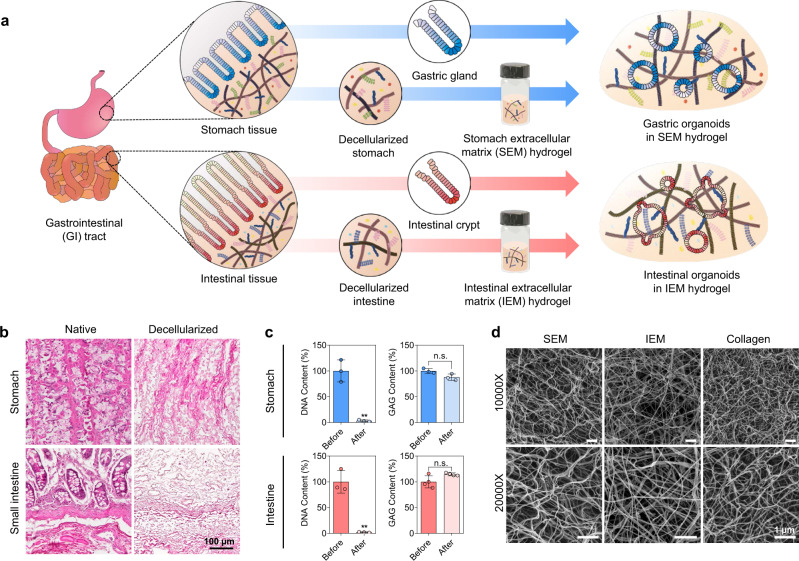
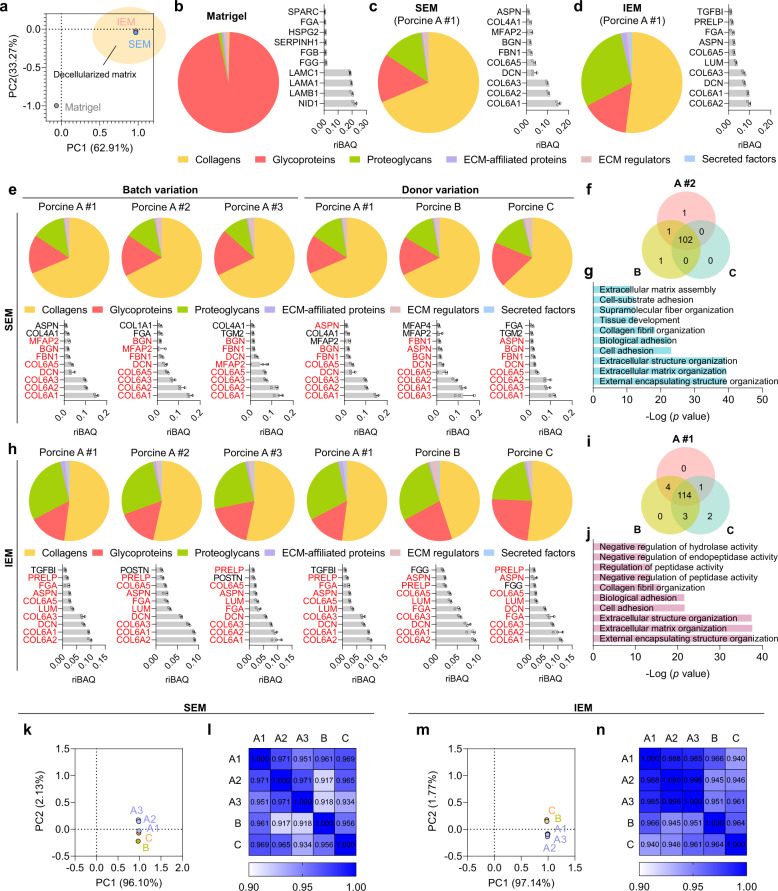
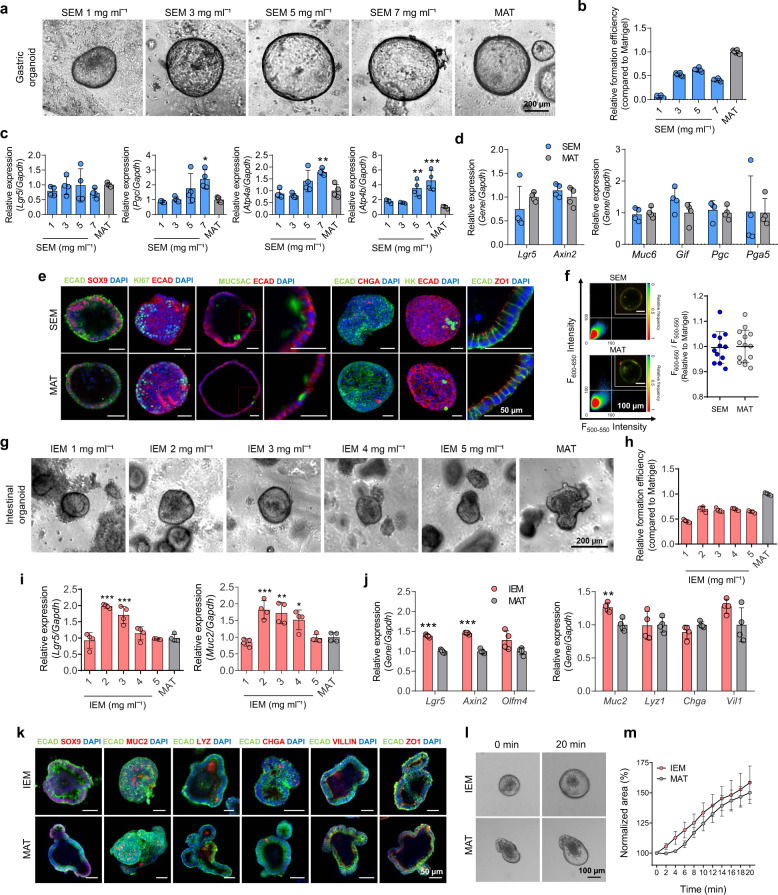
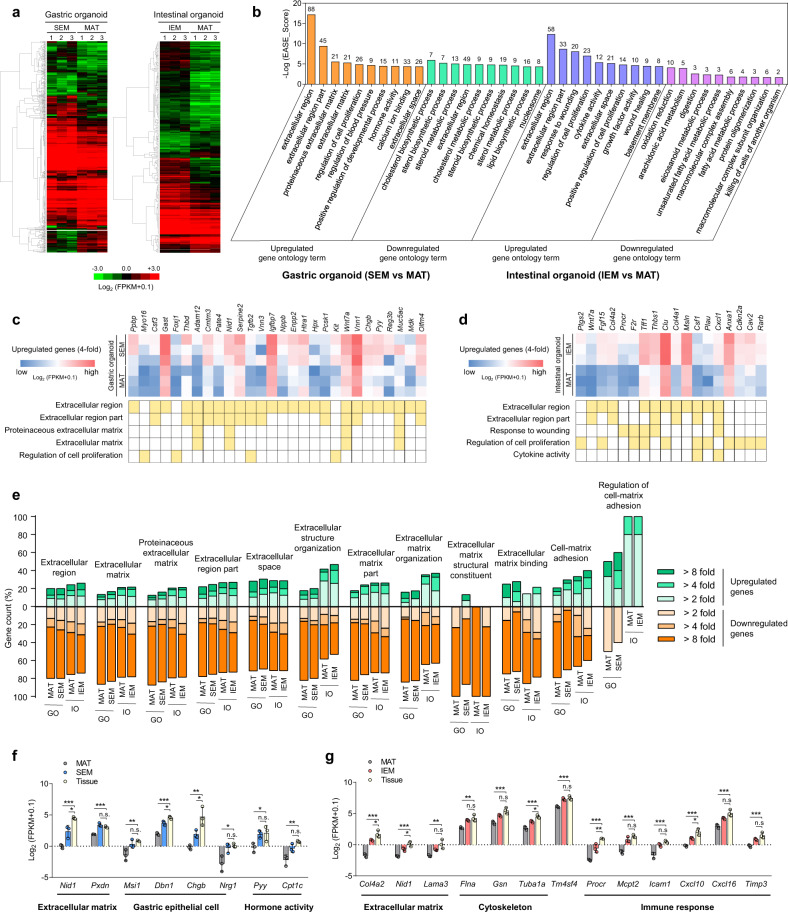
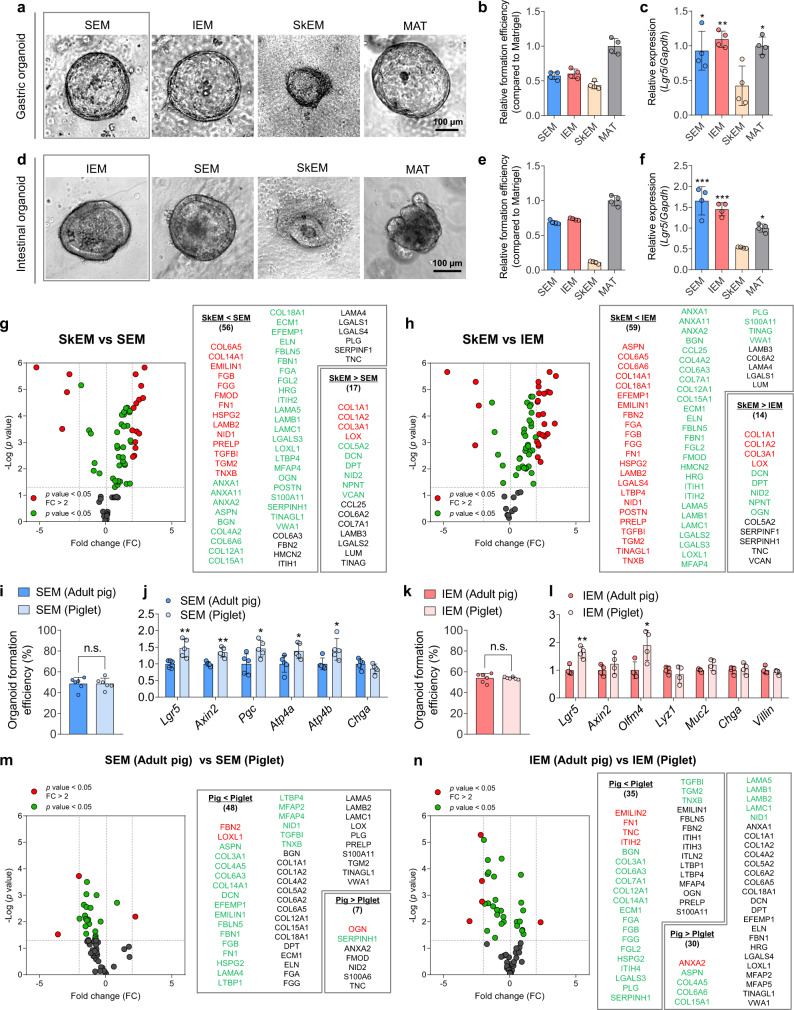
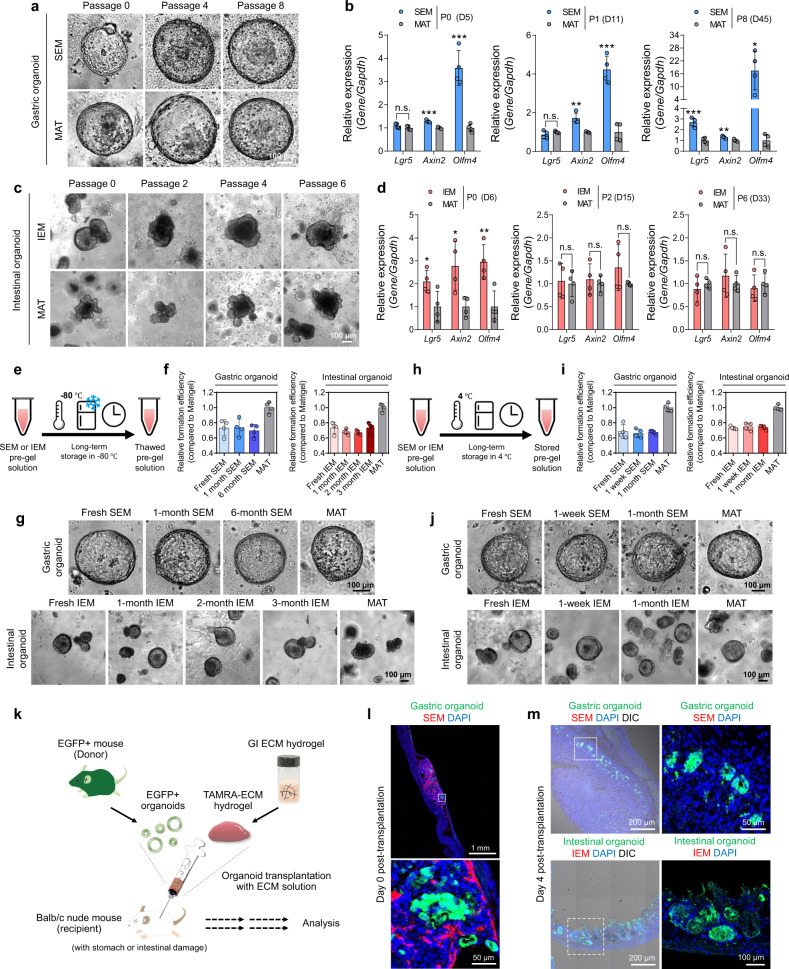
Matrigel, a mouse tumor extracellular matrix protein mixture, is an indispensable component of most organoid tissue culture. However, it has limited the utility of organoids for drug development and regenerative medicine due to its tumor-derived origin, batch-to-batch variation, high cost, and safety issues. Here, we demonstrate that gastrointestinal tissue-derived extracellular matrix hydrogels are suitable substitutes for Matrigel in gastrointestinal organoid culture. We found that the development and function of gastric or intestinal organoids grown in tissue extracellular matrix hydrogels are comparable or often superior to those in Matrigel. In addition, gastrointestinal extracellular matrix hydrogels enabled long-term subculture and transplantation of organoids by providing gastrointestinal tissue-mimetic microenvironments. Tissue-specific and age-related extracellular matrix profiles that affect organoid development were also elucidated through proteomic analysis. Together, our results suggest that extracellular matrix hydrogels derived from decellularized gastrointestinal tissues are effective alternatives to the current gold standard, Matrigel, and produce organoids suitable for gastrointestinal disease modeling, drug development, and tissue regeneration.
Overview
The claims and statistics of this paper haven’t been checked yet.
Free: it reads the open-access text and checks the first 5 claims that cite a source we can check. Create a free account to check every claim.
Integrity signals
Registry
Cites
Statistics
Figures
Verification
Claims the paper makes
The claims and statistics of this paper haven’t been checked yet.
Free: it reads the open-access text and checks the first 5 claims that cite a source we can check. Create a free account to check every claim.
Claims other papers make about this one
Each is checked against this paper’s own text: does it say what the citing paper says it does?
The cited source says what the claim attributes to it.
In the citing paper
“Kim et al. determined that gastrointestinal ECM hydrogels facilitated prolonged passaging and transplantation of organoids, producing organoids suitable for gastrointestinal disease modeling, drug development, and tissue regeneration by simulating the microenvironment of gastrointestinal tissues.[ 202 ]”
From Bioactive scaffolds for tissue engineering: A review of decellularized extracellular matrix applications and innovations (2025) · cites this paper as [202]
The check wasn’t confident either way, so it gives no verdict — never disputed.
In the citing paper
“macrophages could speed up cancer cell migration through secreting TGF‐β1.”
From 3D Biomimetic Models to Reconstitute Tumor Microenvironment In Vitro: Spheroids, Organoids, and Tumor‐on‐a‐Chip (2023) · cites this paper as [122]
Experimental — accuracy not yet measured
Self-check
Percentages, sums and reported differences re-computed from the paper’s own numbers.
The self-check needs the paper’s full text.
Citations
Cites
Gene Ontology: tool for the unification of biology
Ashburner, M., Ball, C. A., Blake, J. A., Botstein, D., Butler, H., Cherry, J. M., Davis, A. P., Dolinski, K., Dwight, S. S., Eppig, J. T., et al. (2000) · Nature Genetics · doi:10.1038/75556 · Cited by 43,206
Tissue-based map of the human proteome
Uhlén, M., Fagerberg, L., Hallström, B. M., Lindskog, C., Oksvold, P., Mardinoglu, A., Sivertsson, Å., Kampf, C., Sjöstedt, E., Asplund, A., et al. (2015) · Science · doi:10.1126/science.1260419 · Cited by 15,286
Cox, J., & Mann, M. (2008) · Nature Biotechnology · doi:10.1038/nbt.1511 · Cited by 14,855
The Perseus computational platform for comprehensive analysis of (prote)omics data
Tyanova, S., Temu, T., Sinitcyn, P., Carlson, A., Hein, M. Y., Geiger, T., Mann, M., & Cox, J. (2016) · Nature Methods · doi:10.1038/nmeth.3901 · Cited by 8,803
Single Lgr5 stem cells build crypt-villus structures in vitro without a mesenchymal niche
Sato, T., Vries, R. G., Snippert, H. J., van de Wetering, M., Barker, N., Stange, D. E., van Es, J. H., Abo, A., Kujala, P., Peters, P. J., et al. (2009) · Nature · doi:10.1038/nature07935 · Cited by 7,204 · cited 2×
“To evaluate the variation of decellularized GI tissue-derived matrices in the ECM compositions, we compared the samples under two conditions: (1) comparison of multiple sample batches derived from different locations in the same donor tissue (batch variation—porcine A1–A3), (2) comparison of multiple samples derived f…”
BackgroundMethodGlobal quantification of mammalian gene expression control
Schwanhäusser, B., Busse, D., Li, N., Dittmar, G., Schuchhardt, J., Wolf, J., Chen, W., & Selbach, M. (2011) · Nature · doi:10.1038/nature10098 · Cited by 6,566
Andromeda: A Peptide Search Engine Integrated into the MaxQuant Environment
Cox, J., Neuhauser, N., Michalski, A., Scheltema, R. A., Olsen, J. V., & Mann, M. (2011) · Journal of Proteome Research · doi:10.1021/pr101065j · Cited by 5,500
Raudvere, U., Kolberg, L., Kuzmin, I., Arak, T., Adler, P., Peterson, H., & Vilo, J. (2019) · Nucleic Acids Research · doi:10.1093/nar/gkz369 · Cited by 5,045
The extracellular matrix at a glance
Frantz, C., Stewart, K. M., & Weaver, V. M. (2010) · Journal of Cell Science · doi:10.1242/jcs.023820 · Cited by 4,334
Sato, T., Stange, D. E., Ferrante, M., Vries, R. G. J., van Es, J. H., van den Brink, S., van Houdt, W. J., Pronk, A., van Gorp, J., Siersema, P. D., et al. (2011) · Gastroenterology · doi:10.1053/j.gastro.2011.07.050 · Cited by 3,753 · cited 1×
“In this study, we provide experimental evidence on how our approach with decellularized GI tissue-derived ECM hydrogels can resolve the major issues of Matrigel including (1) batch-to-batch variation, (2) safety, and (3) high-cost issues.”
BackgroundFagerberg, L., Hallström, B. M., Oksvold, P., Kampf, C., Djureinovic, D., Odeberg, J., Habuka, M., Tahmasebpoor, S., Danielsson, A., Edlund, K., et al. (2014) · Molecular & Cellular Proteomics · doi:10.1074/mcp.m113.035600 · Cited by 3,665
The Gene Ontology resource: enriching a GOld mine
The Gene Ontology Consortium, Carbon, S., Douglass, E., Good, B. M., Unni, D. R., Harris, N. L., Mungall, C. J., Basu, S., Chisholm, R. L., Dodson, R. J., et al. (2021) · Nucleic Acids Research · doi:10.1093/nar/gkaa1113 · Cited by 3,555
Organoid Models and Applications in Biomedical Research
Xinaris, C., Brizi, V., & Remuzzi, G. (2015) · Nephron · doi:10.1159/000433566 · Cited by 3,515
Mi, H., Muruganujan, A., Ebert, D., Huang, X., & Thomas, P. D. (2019) · Nucleic Acids Research · doi:10.1093/nar/gky1038 · Cited by 3,033
Directed differentiation of human pluripotent stem cells into intestinal tissue in vitro
Spence, J. R., Mayhew, C. N., Rankin, S. A., Kuhar, M. F., Vallance, J. E., Tolle, K., Hoskins, E. E., Kalinichenko, V. V., Wells, S. I., Zorn, A. M., et al. (2011) · Nature · doi:10.1038/nature09691 · Cited by 1,922
Printing three-dimensional tissue analogues with decellularized extracellular matrix bioink
Pati, F., Jang, J., Ha, D.-H., Won Kim, S., Rhie, J.-W., Shim, J.-H., Kim, D.-H., & Cho, D.-W. (2014) · Nature Communications · doi:10.1038/ncomms4935 · Cited by 1,904
Self-citationIn vitro expansion of single Lgr5+ liver stem cells induced by Wnt-driven regeneration
Huch, M., Dorrell, C., Boj, S. F., van Es, J. H., Li, V. S. W., van de Wetering, M., Sato, T., Hamer, K., Sasaki, N., Finegold, M. J., et al. (2013) · Nature · doi:10.1038/nature11826 · Cited by 1,555
Lgr5+ve Stem Cells Drive Self-Renewal in the Stomach and Build Long-Lived Gastric Units In Vitro
Barker, N., Huch, M., Kujala, P., van de Wetering, M., Snippert, H. J., van Es, J. H., Sato, T., Stange, D. E., Begthel, H., van den Born, M., et al. (2010) · Cell Stem Cell · doi:10.1016/j.stem.2009.11.013 · Cited by 1,547
Matrigel: A complex protein mixture required for optimal growth of cell culture
Hughes, C. S., Postovit, L. M., & Lajoie, G. A. (2010) · PROTEOMICS · doi:10.1002/pmic.200900758 · Cited by 1,534
Designer matrices for intestinal stem cell and organoid culture
Gjorevski, N., Sachs, N., Manfrin, A., Giger, S., Bragina, M. E., Ordóñez-Morán, P., Clevers, H., & Lutolf, M. P. (2016) · Nature · doi:10.1038/nature20168 · Cited by 1,426
Extracellular Matrix in the Tumor Microenvironment and Its Impact on Cancer Therapy
Henke, E., Nandigama, R., & Ergün, S. (2020) · Frontiers in Molecular Biosciences · doi:10.3389/fmolb.2019.00160 · Cited by 1,142
The extracellular matrix: tools and insights for the "omics" era
Naba, A., Clauser, K. R., Ding, H., Whittaker, C. A., Carr, S. A., & Hynes, R. O. (2016) · Matrix Biology · doi:10.1016/j.matbio.2015.06.003 · Cited by 1,037
Synthetic alternatives to Matrigel
Aisenbrey, E. A., & Murphy, W. L. (2020) · Nature Reviews Materials · doi:10.1038/s41578-020-0199-8 · Cited by 1,016
Functional engraftment of colon epithelium expanded in vitro from a single adult Lgr5+ stem cell
Yui, S., Nakamura, T., Sato, T., Nemoto, Y., Mizutani, T., Zheng, X., Ichinose, S., Nagaishi, T., Okamoto, R., Tsuchiya, K., et al. (2012) · Nature Medicine · doi:10.1038/nm.2695 · Cited by 805
Isolation and in vitro expansion of human colonic stem cells
Jung, P., Sato, T., Merlos-Suárez, A., Barriga, F. M., Iglesias, M., Rossell, D., Auer, H., Gallardo, M., Blasco, M. A., Sancho, E., et al. (2011) · Nature Medicine · doi:10.1038/nm.2470 · Cited by 709
YAP/TAZ-Dependent Reprogramming of Colonic Epithelium Links ECM Remodeling to Tissue Regeneration
Yui, S., Azzolin, L., Maimets, M., Pedersen, M. T., Fordham, R. P., Hansen, S. L., Larsen, H. L., Guiu, J., Alves, M. R. P., Rundsten, C. F., et al. (2018) · Cell Stem Cell · doi:10.1016/j.stem.2017.11.001 · Cited by 681
Workman, M. J., Mahe, M. M., Trisno, S., Poling, H. M., Watson, C. L., Sundaram, N., Chang, C.-F., Schiesser, J., Aubert, P., Stanley, E. G., et al. (2017) · Nature Medicine · doi:10.1038/nm.4233 · Cited by 626
Analysis of RNA-Seq Data Using TopHat and Cufflinks
Ghosh, S., & Chan, C.-K. K. (2016) · Methods in Molecular Biology · doi:10.1007/978-1-4939-3167-5_18 · Cited by 593
An in vivo model of human small intestine using pluripotent stem cells
Watson, C. L., Mahe, M. M., Múnera, J., Howell, J. C., Sundaram, N., Poling, H. M., Schweitzer, J. I., Vallance, J. E., Mayhew, C. N., Sun, Y., et al. (2014) · Nature Medicine · doi:10.1038/nm.3737 · Cited by 566
Synthetic hydrogels for human intestinal organoid generation and colonic wound repair
Cruz-Acuña, R., Quirós, M., Farkas, A. E., Dedhia, P. H., Huang, S., Siuda, D., García-Hernández, V., Miller, A. J., Spence, J. R., Nusrat, A., et al. (2017) · Nature Cell Biology · doi:10.1038/ncb3632 · Cited by 558
Giobbe, G. G., Crowley, C., Luni, C., Campinoti, S., Khedr, M., Kretzschmar, K., De Santis, M. M., Zambaiti, E., Michielin, F., Meran, L., et al. (2019) · Nature Communications · doi:10.1038/s41467-019-13605-4 · Cited by 500
Durbeej, M. (2010) · Cell and Tissue Research · doi:10.1007/s00441-009-0838-2 · Cited by 500
Matrigel: From discovery and ECM mimicry to assays and models for cancer research
Benton, G., Arnaoutova, I., George, J., Kleinman, H. K., & Koblinski, J. (2014) · Advanced Drug Delivery Reviews · doi:10.1016/j.addr.2014.06.005 · Cited by 477
Reing, J. E., Brown, B. N., Daly, K. A., Freund, J. M., Gilbert, T. W., Hsiong, S. X., Huber, A., Kullas, K. E., Tottey, S., Wolf, M. T., et al. (2010) · Biomaterials · doi:10.1016/j.biomaterials.2010.07.083 · Cited by 474
Fight them or feed them: How the intestinal mucus layer manages the gut microbiota
Schroeder, B. O. (2019) · Gastroenterology report · doi:10.1093/gastro/goy052 · Cited by 464
In situ elasticity modulation with dynamic substrates to direct cell phenotype
Kloxin, A. M., Benton, J. A., & Anseth, K. S. (2010) · Biomaterials · doi:10.1016/j.biomaterials.2009.09.025 · Cited by 408
Fordham, R. P., Yui, S., Hannan, N. R. F., Soendergaard, C., Madgwick, A., Schweiger, P. J., Nielsen, O. H., Vallier, L., Pedersen, R. A., Nakamura, T., et al. (2013) · Cell Stem Cell · doi:10.1016/j.stem.2013.09.015 · Cited by 399
Decorin Is a Biological Ligand for the Epidermal Growth Factor Receptor
Iozzo, R. V., Moscatello, D. K., McQuillan, D. J., & Eichstetter, I. (1999) · Journal of Biological Chemistry · doi:10.1074/jbc.274.8.4489 · Cited by 382
Identification of Enteroendocrine Regulators by Real-Time Single-Cell Differentiation Mapping
Gehart, H., van Es, J. H., Hamer, K., Beumer, J., Kretzschmar, K., Dekkers, J. F., Rios, A., & Clevers, H. (2019) · Cell · doi:10.1016/j.cell.2018.12.029 · Cited by 346
Lukjanenko, L., Jung, M. J., Hegde, N., Perruisseau-Carrier, C., Migliavacca, E., Rozo, M., Karaz, S., Jacot, G., Schmidt, M., Li, L., et al. (2016) · Nature Medicine · doi:10.1038/nm.4126 · Cited by 337
Epithelial restitution and wound healing in inflammatory bowel disease
Sturm, A., & Dignass, A. U. (2008) · World Journal of Gastroenterology · doi:10.3748/wjg.14.348 · Cited by 334
Schenke-Layland, K., Vasilevski, O., Opitz, F., König, K., Riemann, I., Halbhuber, K. J., Wahlers, T., & Stock, U. A. (2003) · Journal of Structural Biology · doi:10.1016/j.jsb.2003.08.002 · Cited by 302 · cited 1×
“COL1A1 COL1A2 COL3A1 LOX DCN DPT NID2 NPNT OGN COL5A2 SERPINF1 SERPINH1 TNC VCAN SkEM < IEM (59)”
BackgroundProteogenomic Characterization of Human Early-Onset Gastric Cancer
Mun, D.-G., Bhin, J., Kim, S., Kim, H., Jung, J. H., Jung, Y., Jang, Y. E., Park, J. M., Kim, H., Jung, Y., et al. (2019) · Cancer Cell · doi:10.1016/j.ccell.2018.12.003 · Cited by 294
Self-citationGrowth of Epithelial Organoids in a Defined Hydrogel
Broguiere, N., Isenmann, L., Hirt, C., Ringel, T., Placzek, S., Cavalli, E., Ringnalda, F., Villiger, L., Züllig, R., Lehmann, R., et al. (2018) · Advanced Materials · doi:10.1002/adma.201801621 · Cited by 282
Wound healing of intestinal epithelial cells
Iizuka, M. (2011) · World Journal of Gastroenterology · doi:10.3748/wjg.v17.i17.2161 · Cited by 259
Sontheimer-Phelps, A., Chou, D. B., Tovaglieri, A., Ferrante, T. C., Duckworth, T., Fadel, C., Frismantas, V., Sutherland, A. D., Jalili-Firoozinezhad, S., Kasendra, M., et al. (2020) · Cellular and Molecular Gastroenterology and Hepatology · doi:10.1016/j.jcmgh.2019.11.008 · Cited by 239
Lee, J. S., Shin, J., Park, H.-M., Kim, Y.-G., Kim, B.-G., Oh, J.-W., & Cho, S.-W. (2014) · Biomacromolecules · doi:10.1021/bm4015039 · Cited by 236
Self-citationHigh-Resolution mRNA and Secretome Atlas of Human Enteroendocrine Cells
Beumer, J., Puschhof, J., Bauzá-Martinez, J., Martínez-Silgado, A., Elmentaite, R., James, K. R., Ross, A., Hendriks, D., Artegiani, B., Busslinger, G. A., et al. (2020) · Cell · doi:10.1016/j.cell.2020.04.036 · Cited by 227
Nonadhesive Alginate Hydrogels Support Growth of Pluripotent Stem Cell-Derived Intestinal Organoids
Capeling, M. M., Czerwinski, M., Huang, S., Tsai, Y.-H., Wu, A., Nagy, M. S., Juliar, B., Sundaram, N., Song, Y., Han, W. M., et al. (2019) · Stem Cell Reports · doi:10.1016/j.stemcr.2018.12.001 · Cited by 226
Robinson, K. A., Sun, M., Barnum, C. E., Weiss, S. N., Huegel, J., Shetye, S. S., Lin, L., Saez, D., Adams, S. M., Iozzo, R. V., et al. (2017) · Matrix Biology · doi:10.1016/j.matbio.2017.08.004 · Cited by 226
Totonelli, G., Maghsoudlou, P., Garriboli, M., Riegler, J., Orlando, G., Burns, A. J., Sebire, N. J., Smith, V. V., Fishman, J. M., Ghionzoli, M., et al. (2012) · Biomaterials · doi:10.1016/j.biomaterials.2012.01.012 · Cited by 211
Intestinal Stem Cell Niche: The Extracellular Matrix and Cellular Components
Meran, L., Baulies, A., & Li, V. S. W. (2017) · Stem Cells International · doi:10.1155/2017/7970385 · Cited by 179
Jardé, T., Chan, W. H., Rossello, F. J., Kaur Kahlon, T., Theocharous, M., Kurian Arackal, T., Flores, T., Giraud, M., Richards, E., Chan, E., et al. (2020) · Cell Stem Cell · doi:10.1016/j.stem.2020.06.021 · Cited by 158
Jin, Y., Kim, J., Lee, J. S., Min, S., Kim, S., Ahn, D., Kim, Y., & Cho, S. (2018) · Advanced Functional Materials · doi:10.1002/adfm.201801954 · Cited by 157
Self-citationBi, X., Tong, C., Dockendorff, A., Bancroft, L., Gallagher, L., Guzman, G., Iozzo, R. V., Augenlicht, L. H., & Yang, W. (2008) · Carcinogenesis · doi:10.1093/carcin/bgn141 · Cited by 147
Establishment of intestinal organoid cultures modeling injury-associated epithelial regeneration
Qu, M., Xiong, L., Lyu, Y., Zhang, X., Shen, J., Guan, J., Chai, P., Lin, Z., Nie, B., Li, C., et al. (2021) · Cell Research · doi:10.1038/s41422-020-00453-x · Cited by 138
Boccellato, F., Woelffling, S., Imai-Matsushima, A., Sanchez, G., Goosmann, C., Schmid, M., Berger, H., Morey, P., Denecke, C., Ordemann, J., et al. (2019) · Gut · doi:10.1136/gutjnl-2017-314540 · Cited by 130
Han, W., Singh, N. K., Kim, J. J., Kim, H., Kim, B. S., Park, J. Y., Jang, J., & Cho, D.-W. (2019) · Biomaterials · doi:10.1016/j.biomaterials.2019.119496 · Cited by 129
Self-citationAge related changes of the extracellular matrix and stem cell maintenance
Kurtz, A., & Oh, S.-J. (2012) · Preventive Medicine · doi:10.1016/j.ypmed.2012.01.003 · Cited by 128
Collagen VI is a basement membrane component that regulates epithelial cell–fibronectin interactions
Groulx, J.-F., Gagné, D., Benoit, Y. D., Martel, D., Basora, N., & Beaulieu, J.-F. (2011) · Matrix Biology · doi:10.1016/j.matbio.2011.03.002 · Cited by 127
Kim, S. H., Im, S.-K., Oh, S.-J., Jeong, S., Yoon, E.-S., Lee, C. J., Choi, N., & Hur, E.-M. (2017) · Nature Communications · doi:10.1038/ncomms14346 · Cited by 125
Extraction and Assembly of Tissue-Derived Gels for Cell Culture and Tissue Engineering
Uriel, S., Labay, E., Francis-Sedlak, M., Moya, M. L., Weichselbaum, R. R., Ervin, N., Cankova, Z., & Brey, E. M. (2009) · Tissue Engineering Part C: Methods · doi:10.1089/ten.tec.2008.0309 · Cited by 120
The Extracellular Matrix: An Accomplice in Gastric Cancer Development and Progression
Moreira, A. M., Pereira, J., Melo, S., Fernandes, M. S., Carneiro, P., Seruca, R., & Figueiredo, J. (2020) · Cells · doi:10.3390/cells9020394 · Cited by 118
Islam, M. M., Buznyk, O., Reddy, J. C., Pasyechnikova, N., Alarcon, E. I., Hayes, S., Lewis, P., Fagerholm, P., He, C., Iakymenko, S., et al. (2018) · npj Regenerative Medicine · doi:10.1038/s41536-017-0038-8 · Cited by 117
The use of murine‐derived fundic organoids in studies of gastric physiology
Schumacher, M. A., Aihara, E., Feng, R., Engevik, A., Shroyer, N. F., Ottemann, K. M., Worrell, R. T., Montrose, M. H., Shivdasani, R. A., & Zavros, Y. (2015) · The Journal of Physiology · doi:10.1113/jphysiol.2014.283028 · Cited by 116
Jin, Y., Lee, J. S., Kim, J., Min, S., Wi, S., Yu, J. H., Chang, G.-E., Cho, A.-N., Choi, Y., Ahn, D.-H., et al. (2018) · Nature Biomedical Engineering · doi:10.1038/s41551-018-0260-8 · Cited by 111
Self-citationEngevik, A. C., Feng, R., Choi, E.-Y. K., White, S., Bertaux‐Skeirik, N., Li, J., Mahé, M. M., Aihara, E., Li, Y., DiPasquale, B. A., et al. (2016) · Cellular and Molecular Gastroenterology and Hepatology · doi:10.1016/j.jcmgh.2016.05.004 · Cited by 97
Decellularization reduces immunogenicity of sheep pulmonary artery vascular patches
Lehr, E. J., Rayat, G. R., Chiu, B., Churchill, T. A., McGann, L. E., Coe, J. Y., & Ross, D. B. (2010) · Journal of Thoracic and Cardiovascular Surgery · doi:10.1016/j.jtcvs.2010.02.060 · Cited by 96
Gremel, G., Wanders, A., Cedernaes, J., Fagerberg, L., Hallström, B. M., Edlund, K., Sjöstedt, E., Uhlén, M., & Pontén, F. (2014) · Journal of Gastroenterology · doi:10.1007/s00535-014-0958-7 · Cited by 95
Changes in the expression of laminin during intestinal development
Simo, P., Simon-Assmann, P., Bouziges, F., Leberquier, C., Kedinger, M., Ekblom, P., & Sorokin, L. (1991) · Development · doi:10.1242/dev.112.2.477 · Cited by 86
Sun, L., Yang, H., Chen, M., Ma, D., & Lin, C. (2013) · PLoS ONE · doi:10.1371/journal.pone.0069441 · Cited by 83
Jabaji, Z., Sears, C. M., Brinkley, G. J., Lei, N. Y., Joshi, V. S., Wang, J., Lewis, M., Stelzner, M., Martín, M. G., & Dunn, J. C. Y. (2013) · Tissue Engineering Part C: Methods · doi:10.1089/ten.tec.2012.0710 · Cited by 81
Tissue-Specific Effects of Esophageal Extracellular Matrix
Keane, T. J., DeWard, A., Londono, R., Saldin, L. T., Castleton, A. A., Carey, L., Nieponice, A., Lagasse, E., & Badylak, S. F. (2015) · Tissue Engineering Part A · doi:10.1089/ten.tea.2015.0322 · Cited by 80
Development of Collagen-Based 3D Matrix for Gastrointestinal Tract-Derived Organoid Culture
Jee, J. H., Lee, D. H., Ko, J., Hahn, S., Jeong, S. Y., Kim, H. K., Park, E., Choi, S. Y., Jeong, S., Lee, J. W., et al. (2019) · Stem Cells International · doi:10.1155/2019/8472712 · Cited by 80
Extracellular matrix protein lumican regulates inflammation in a mouse model of colitis
Lohr, K., Sardana, H., Lee, S., Wu, F., Huso, D. L., Hamad, A. R. A., & Chakravarti, S. (2011) · Inflammatory Bowel Diseases · doi:10.1002/ibd.21713 · Cited by 67
Teller, I. C., Auclair, J., Herring, E., Gauthier, R., Ménard, D., & Beaulieu, J. (2007) · Developmental Dynamics · doi:10.1002/dvdy.21186 · Cited by 65
RGD-Dependent Epithelial Cell-Matrix Interactions in the Human Intestinal Crypt
Benoit, Y. D., Groulx, J.-F., Gagné, D., & Beaulieu, J.-F. (2012) · Journal of Signal Transduction · doi:10.1155/2012/248759 · Cited by 64
Fibrillin-2 and Tenascin-C bridge the age gap in lung epithelial regeneration
Gilpin, S. E., Li, Q., Evangelista-Leite, D., Ren, X., Reinhardt, D. P., Frey, B. L., & Ott, H. C. (2017) · Biomaterials · doi:10.1016/j.biomaterials.2017.06.027 · Cited by 63
How to build a lung: latest advances and emerging themes in lung bioengineering
De Santis, M. M., Bölükbas, D. A., Lindstedt, S., & Wagner, D. E. (2018) · European Respiratory Journal · doi:10.1183/13993003.01355-2016 · Cited by 61
Differential expression of laminin chains and their integrin receptors in human gastric mucosa.
Virtanen, I., Tani, T. T., Bäck, N., Häppölä, O., Laitinen, L. A., Kiviluoto, T. A., Salo, J., Burgeson, R. E., Lehto, V.-P., & Kivilaakso, E. O. (1995) · Europe PMC (PubMed Central) · Cited by 52
From Bench to Cageside: Risk Assessment for Rodent Pathogen Contamination of Cells and Biologics
Peterson, N. C. (2008) · ILAR Journal · doi:10.1093/ilar.49.3.310 · Cited by 49
Smad3 knockout mice exhibit impaired intestinal mucosal healing
Owen, C. R., Yuan, L., & Basson, M. D. (2008) · Laboratory Investigation · doi:10.1038/labinvest.2008.77 · Cited by 48
Lee, J. S., Roh, Y. H., Choi, Y. S., Jin, Y., Jeon, E. J., Bong, K. W., & Cho, S. (2019) · Advanced Functional Materials · doi:10.1002/adfm.201807803 · Cited by 47
Self-citationAmmann, C. G., Messer, R. J., Peterson, K. E., & Hasenkrug, K. J. (2009) · PLoS ONE · doi:10.1371/journal.pone.0006105 · Cited by 46
Immunomodulatory Scaffolds Derived from Lymph Node Extracellular Matrices
Choi, Y. S., Jeong, E., Lee, J. S., Kim, S. K., Jo, S.-H., Kim, Y., Sung, H., Cho, S., & Jin, Y. (2021) · ACS Applied Materials & Interfaces · doi:10.1021/acsami.1c02542 · Cited by 44
Self-citationReconstruction of Muscle Fascicle‐Like Tissues by Anisotropic 3D Patterning
Jin, Y., Jeon, E. J., Jeong, S., Min, S., Choi, Y. S., Kim, S. H., Lee, J. S., Shin, J., Yu, J. H., Ahn, D., et al. (2021) · Advanced Functional Materials · doi:10.1002/adfm.202006227 · Cited by 43
Self-citationYamamoto, S., Nakase, H., Matsuura, M., Honzawa, Y., Matsumura, K., Uza, N., Yamaguchi, Y., Mizoguchi, E., & Chiba, T. (2013) · American Journal of Physiology-Gastrointestinal and Liver Physiology · doi:10.1152/ajpgi.00480.2012 · Cited by 42
Wang, Q., More, S. K., Vomhof‐DeKrey, E. E., Golovko, M. Y., & Basson, M. D. (2019) · Scientific Reports · doi:10.1038/s41598-019-51183-z · Cited by 41
Katakam, S. K., Tria, V., Sim, W., Yip, G. W., Molgora, S., Karnavas, T., Elghonaimy, E. A., Pelucchi, P., Piscitelli, E., Ibrahim, S., et al. (2020) · FEBS Journal · doi:10.1111/febs.15356 · Cited by 41
Miyamoto, Y., Enosawa, S., Takeuchi, T., & Takezawa, T. (2009) · Cell Transplantation · doi:10.1177/096368970901805-618 · Cited by 40
Lee, J.-H., Jung, J. H., Kim, J., Baek, W., Rhee, J., Kim, T.-H., Kim, S.-H., Kim, K. P., Son, C., & Kim, J. (2020) · Clinical Proteomics · doi:10.1186/s12014-020-09281-y · Cited by 37
Self-citationLiu, H., Bockhorn, J., Dalton, R., Chang, Y.-F., Qian, D., Zitzow, L. A., Clarke, M. F., & Greene, G. L. (2011) · Journal of Virological Methods · doi:10.1016/j.jviromet.2011.02.015 · Cited by 34
Motoike, S., Kajiya, M., Komatsu, N., Takewaki, M., Horikoshi, S., Matsuda, S., Ouhara, K., Iwata, T., Takeda, K., Fujita, T., et al. (2018) · Stem Cell Research & Therapy · doi:10.1186/s13287-018-0826-0 · Cited by 34
Kim, S., Choi, Y. S., Lee, J. S., Jo, S.-H., Kim, Y., & Cho, S. (2021) · Journal of Industrial and Engineering Chemistry · doi:10.1016/j.jiec.2021.11.044 · Cited by 32
Self-citationThe LDH Virus: An Interfering Biological Contaminant
Riley, V., SPACKMAN, D. H., Santisteban, G. A., Dalldorf, G., Hellström, I., Hellstrom, K.-E., Lance, E. M., Rowson, K. E. K., Mahy, B. W. J., Alexander, P., et al. (1978) · Science · doi:10.1126/science.263259 · Cited by 30
Immunohistochemical localization of heparan sulfate proteoglycan in human gastrointestinal tract
Oshiro, M., Ono, K., Suzuki, Y., Ota, H., Katsuyama, T., & Mori, N. (2001) · Histochemistry and Cell Biology · doi:10.1007/s004180100271 · Cited by 27
Du, L., & Betti, M. (2016) · Journal of Agricultural and Food Chemistry · doi:10.1021/acs.jafc.6b01911 · Cited by 27
Turner, R., Mendel, G., Wauthier, E., Barbier, C., & Reid, L. M. (2012) · Cell Transplantation · doi:10.3727/096368912x637000 · Cited by 26
Loss of MLK3 signaling impedes ulcer healing by modulating MAPK signaling in mouse intestinal mucosa
Kovalenko, P. L., Kunovska, L., Chen, J., Gallo, K. A., & Basson, M. D. (2012) · American Journal of Physiology-Gastrointestinal and Liver Physiology · doi:10.1152/ajpgi.00158.2012 · Cited by 21
O'Connell, F. C., & Martin, F. (2000) · Cell Death and Differentiation · doi:10.1038/sj.cdd.4400647 · Cited by 21
Aoyama, F., & Sawaguchi, A. (2011) · Biological and Pharmaceutical Bulletin · doi:10.1248/bpb.34.813 · Cited by 15
Low molecular-weight hyaluronan as a cryoprotectant for the storage of microencapsulated cells
Gurruchaga, H., del Burgo, L. S., Orive, G., Hernández, R. M., Ciriza, J., & Pedraz, J. L. (2018) · International Journal of Pharmaceutics · doi:10.1016/j.ijpharm.2018.06.066 · Cited by 13
Differences in Decorin and Biglycan Expression in Patients with Gastric Ulcer Healing
Schönherr, E., Lügering, N., Stoll, R., Domschke, W., & Kresse, H. (1997) · Scandinavian Journal of Gastroenterology · doi:10.3109/00365529708996535 · Cited by 7
Cited by
Lu, P., Ruan, D., Huang, M., Tian, M., Zhu, K., Gan, Z., & Xiao, Z. (2024) · Signal Transduction and Targeted Therapy · doi:10.1038/s41392-024-01852-x · Cited by 667
Organoids: The current status and biomedical applications
Yang, S., Hu, H., Kung, H., Zou, R., Dai, Y., Hu, Y., Wang, T., Lv, T., Yu, J., & Li, F. (2023) · MedComm · doi:10.1002/mco2.274 · Cited by 266
Engineered hydrogels for mechanobiology
Blache, U., Ford, E. M., Ha, B., Rijns, L., Chaudhuri, O., Dankers, P. Y. W., Kloxin, A. M., Snedeker, J. G., & Gentleman, E. (2022) · Nature Reviews Methods Primers · doi:10.1038/s43586-022-00179-7 · Cited by 227
Biomaterials / bioinks and extrusion bioprinting
Chen, X. B., Fazel Anvari-Yazdi, A., Duan, X., Zimmerling, A., Gharraei, R., Sharma, N. K., Sweilem, S., & Ning, L. (2023) · Bioactive Materials · doi:10.1016/j.bioactmat.2023.06.006 · Cited by 244
Magré, L., Verstegen, M. M. A., Buschow, S., van der Laan, L. J. W., Peppelenbosch, M., & Desai, J. (2023) · Journal for ImmunoTherapy of Cancer · doi:10.1136/jitc-2022-006290 · Cited by 178
Metadata
- Authors
- Kim, S., Min, S., Choi, Y. S., Jo, S.-H., Jung, J. H., Han, K., Kim, J., An, S., Ji, Y. W., Kim, Y.-G., & Cho, S.-W.
- Affiliations
- Yonsei University (KR)
- Soongsil University (KR)
- Corresponding author
- Cho, Seung-Woo
- ORCID
- Venue
- Nature Communications
- Published
- 2022-03-30
- Volume
- 13
- Issue
- 1
- Pages
- 1692-1692
- ISSN
- 2041-1723 (ISSN-L)
- PMC
- PMC8967832
- OpenAlex
- W4220834703
- Semantic Scholar
- e21b3da2ea850f4368b57de14dfb52f8a36eef91
- Cited by
- 375
- References
- 103
- Citations by year
- 2026: 82 · 2025: 113 · 2024: 88 · 2023: 74 · 2022: 18
- FWCI
- 70.01
- Type
- journal article
- Language
- en
- Open access
- gold
- doi.org
- Licence
- cc-by
- creativecommons.org/licenses/by/4.0 (tdm)
- creativecommons.org/licenses/by/4.0 (vor)
- Locations
- Nature Communications (publishedVersion, cc-by)
- PubMed Central (publishedVersion, cc-by)
- PubMed (publishedVersion)
- YUHSpace (Yonsei University Medical Library) (submittedVersion, cc-by-nc-nd)
- RePEc: Research Papers in Economics (submittedVersion)
- DOAJ (DOAJ: Directory of Open Access Journals) (submittedVersion, cc-by-sa)
- Funders
- National Research Foundation of Korea (2018M3A9H1021382, 2021R1A2C3004262)
- Ministry of Trade, Industry and Energy, Korea | Korea Evaluation Institute of Industrial Technology (20009125)
- Institute for Basic Science (IBS-R026-D1)
- Topics
- Health Sciences › Medicine › Surgery › Tissue Engineering and Regenerative Medicine
- Physical Sciences › Materials Science › Biomaterials › Hydrogels: synthesis, properties, applications
- Physical Sciences › Engineering › Biomedical Engineering › 3D Printing in Biomedical Research
- Keywords
- extracellular matrix hydrogel, Matrigel alternative, gastric organoids, intestinal organoids, decellularized tissue, organoid culture, organoid transplantation, regenerative medicine
- MeSH terms
- Animals, Collagen, Drug Combinations, Extracellular Matrix, Laminin, Organoids, Proteoglycans, Hydrogels, Proteomics, Mice
About these checks
Registry, retraction, Cites and statistics results are computed, not judged, with one exception: a printed reference that no index lists is read once by a model before it counts as a citation error. Claims are extracted by a model and kept only when their quote appears verbatim in the text; each cited source is then checked, with a model’s help, for whether it says what the claim relies on. Those verdicts can be wrong — read the claim’s quote and the cited source before relying on one.
Statistics and arithmetic are recomputed, not judged.
Confidence bands are shown only for fields calibrated on our annotated test set. None is calibrated yet, so no band is shown.
What counts as a claim ›How we measure confidence ›How we check this ›
Are you an author, or do you see a problem with this page? Request a review
Data sources
Bibliographic data: Semantic Scholar, OpenAlex, Crossref.
Contains information from the Semantic Scholar Academic Graph Datasets, made available under the ODC Attribution License (ODC-BY 1.0).
Semantic Scholar’s data is described in: Kinney, R., et al. (2023). The Semantic Scholar Open Data Platform. arXiv:2301.10140.
