

Alleviation of liver fibrosis by inhibiting a non-canonical ATF4-regulated enhancer program in hepatic stellate cells
Open accessThe DOI matches its Crossref record; 80 of the 80 references it cites were found in a registry or an index.
Abstract
Liver fibrosis is a critical liver disease that can progress to more severe manifestations, such as cirrhosis, yet no effective targeted therapies are available. Here, we identify that ATF4, a master transcription factor in ER stress response, promotes liver fibrosis by facilitating a stress response-independent epigenetic program in hepatic stellate cells (HSCs). Unlike its canonical role in regulating UPR genes during ER stress, ATF4 activates epithelial-mesenchymal transition (EMT) gene transcription under fibrogenic conditions. HSC-specific depletion of ATF4 suppresses liver fibrosis in vivo. Mechanistically, TGFβ resets ATF4 to orchestrate a unique enhancer program for the transcriptional activation of pro-fibrotic EMT genes. Analysis of human data confirms a strong correlation between HSC ATF4 expression and liver fibrosis progression. Importantly, a small molecule inhibitor targeting ATF4 translation effectively mitigates liver fibrosis. Together, our findings identify a mechanism promoting liver fibrosis and reveal new opportunities for treating this otherwise non-targetable disease. Liver fibrosis is a disease that lacks effective treatments. This study reveals that ATF4 drives fibrosis by activating hepatic stellate cells and that pharmacological inhibition of ATF4 reduces liver fibrosis, offering an opportunity for new therapies.
Overview
The claims and statistics of this paper haven’t been checked yet.
Free: it reads the open-access text and checks the first 5 claims that cite a source we can check. Create a free account to check every claim.
Integrity signals
Registry
Cites
Statistics
Figures
Verification
Claims the paper makes
The claims and statistics of this paper haven’t been checked yet.
Free: it reads the open-access text and checks the first 5 claims that cite a source we can check. Create a free account to check every claim.
Claims other papers make about this one
Each is checked against this paper’s own text: does it say what the citing paper says it does?
The cited source says what the claim attributes to it.
In the citing paper
“Excessive accumulation of extracellular matrix (ECM) is a hallmark of liver fibrosis (1).”
From Matrix mechanical remodeled carrier-free nanosystem for programmable closed-loop reversal of liver fibrosis via STING alkylation (2025) · cites this paper as [1]
Self-check
Percentages, sums and reported differences re-computed from the paper’s own numbers.
The self-check needs the paper’s full text.
Citations
Cites
SCANPY: large-scale single-cell gene expression data analysis
Wolf, F. A., Angerer, P., & Theis, F. J. (2018) · Genome Biology · doi:10.1186/s13059-017-1382-0 · Cited by 8,881
The Epithelial-Mesenchymal Transition Generates Cells with Properties of Stem Cells
Mani, S. A., Guo, W., Liao, M.-J., Eaton, E. N., Ayyanan, A., Zhou, A. Y., Brooks, M., Reinhard, F., Zhang, C. C., Shipitsin, M., et al. (2008) · Cell · doi:10.1016/j.cell.2008.03.027 · Cited by 8,672 · cited 1×
“Since we have ATF4-knockdown cells in our experiments (as a negative control), we were able to precisely recognize the ATF4 band on the western blots.”
Molecular mechanisms of epithelial–mesenchymal transition
Lamouille, S., Xu, J., & Derynck, R. (2014) · Nature Reviews Molecular Cell Biology · doi:10.1038/nrm3758 · Cited by 8,091 · cited 2×
“We appreciate your comments that could potentially broaden the scope of our study, and we would like to address them from the following aspects.”
Control of inositol 1,4,5-trisphosphate-induced Ca2+ release by cytosolic Ca2+
Bootman, M. D., Missiaen, L., Parys, J. B., De Smedt, H., & Casteels, R. (1995) · Biochemical Journal · doi:10.1042/bj3060445 · Cited by 5,120
Master Transcription Factors and Mediator Establish Super-Enhancers at Key Cell Identity Genes
Whyte, W. A., Orlando, D. A., Hnisz, D., Abraham, B. J., Lin, C. Y., Kagey, M. H., Rahl, P. B., Lee, T. I., & Young, R. A. (2013) · Cell · doi:10.1016/j.cell.2013.03.035 · Cited by 4,143 · cited 2×
“Together, we hope you can concur that the anti-fibrotic effects of ISRIB are primarily through targeting HSCs.”
La Manno, G., Soldatov, R., Zeisel, A., Braun, E., Hochgerner, H., Petukhov, V., Lidschreiber, K., Kastriti, M. E., Lönnerberg, P., Furlan, A., et al. (2018) · Nature · doi:10.1038/s41586-018-0414-6 · Cited by 4,118
Super-enhancers in the control of cell identity and disease
Hnisz, D., Abraham, B. J., Lee, T. I., Lau, A., Saint-André, V., Sigova, A. A., Hoke, H. A., & Young, R. A. (2013) · Cell · doi:10.1016/j.cell.2013.09.053 · Cited by 3,662
The Versatile Role of microRNA-30a in Human Cancer
Wang, C., Yang, X., Chen, Y., & Chen, L. (2017) · Cellular Physiology and Biochemistry · doi:10.1159/000471111 · Cited by 3,409
THE MAMMALIAN UNFOLDED PROTEIN RESPONSE
Schröder, M., & Kaufman, R. J. (2005) · Annual Review of Biochemistry · doi:10.1146/annurev.biochem.73.011303.074134 · Cited by 3,026 · cited 2×
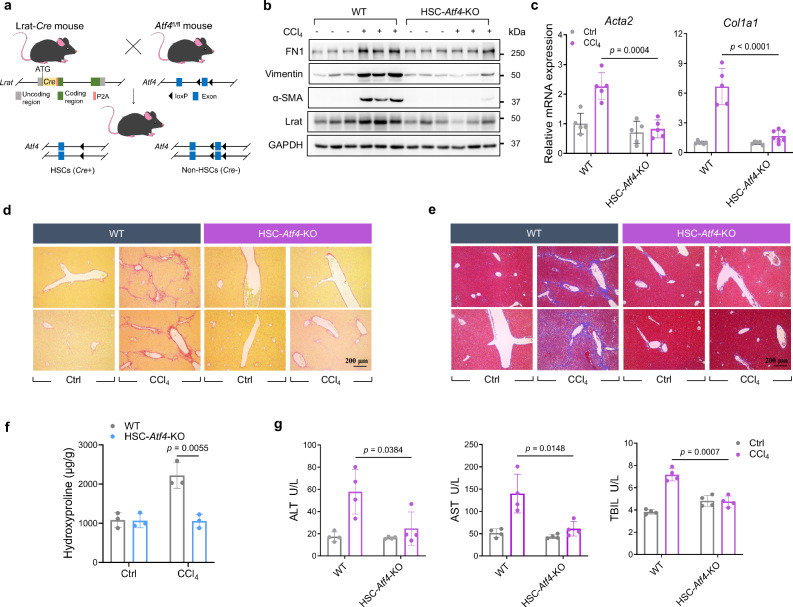
“The claim of ATF4-specific deletion in HSCs should be substantiated with additional evidence, possibly by single-cell RNA sequencing analysis, FACS sorting of HSCs and non-HSCs populations, or other confirmatory techniques.”
Selective Inhibition of Tumor Oncogenes by Disruption of Super-Enhancers
Lovén, J., Hoke, H. A., Lin, C. Y., Lau, A., Orlando, D. A., Vakoc, C. R., Bradner, J. E., Lee, T. I., & Young, R. A. (2013) · Cell · doi:10.1016/j.cell.2013.03.036 · Cited by 2,961
Generalizing RNA velocity to transient cell states through dynamical modeling
Bergen, V., Lange, M., Peidli, S., Wolf, F. A., & Theis, F. J. (2020) · Nature Biotechnology · doi:10.1038/s41587-020-0591-3 · Cited by 2,951
Mechanisms of hepatic stellate cell activation
Tsuchida, T., & Friedman, S. L. (2017) · Nature Reviews Gastroenterology & Hepatology · doi:10.1038/nrgastro.2017.38 · Cited by 2,909 · cited 3×
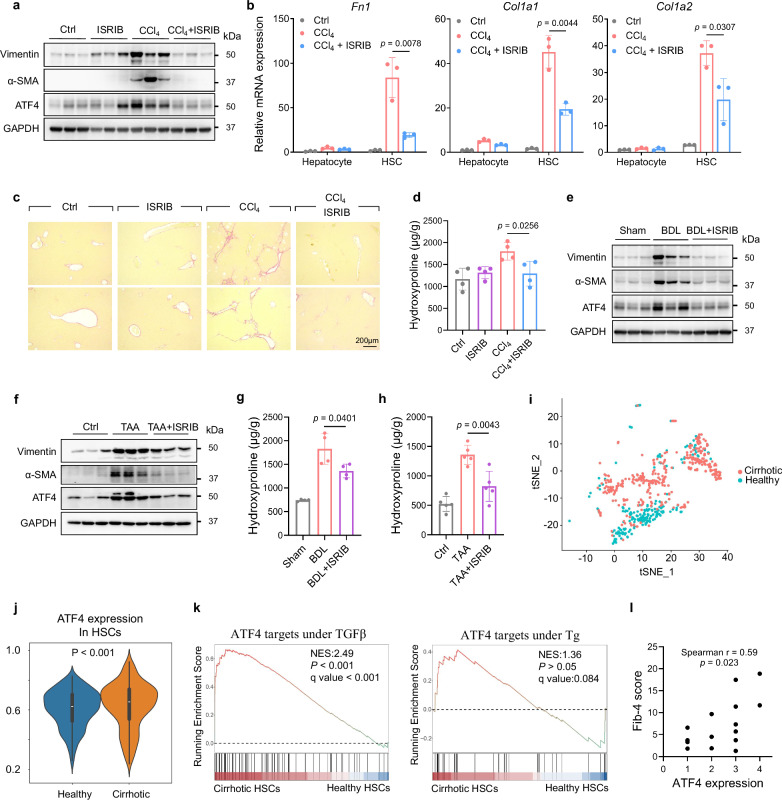
“The manuscript should establish a correlation between ATF4 expression/activity and fibrosis severity, potentially through comparison with clinical fibrosis indices like the Fib4 score.”
Hepatic Stellate Cells: Protean, Multifunctional, and Enigmatic Cells of the Liver
Friedman, S. L. (2008) · Physiological Reviews · doi:10.1152/physrev.00013.2007 · Cited by 2,842
Scrublet: computational identification of cell doublets in single-cell transcriptomic data
Wolock, S. L., Lopez, R., & Klein, A. M. (2019) · Cell Systems · doi:10.1016/j.cels.2018.11.005 · Cited by 2,758
Scrublet: computational identification of cell doublets in single-cell transcriptomic data
Wolock, S. L., Lopez, R., & Klein, A. M. (2018) · doi:10.1101/357368 · Cited by 2,758
Mechanisms, regulation and functions of the unfolded protein response
Hetz, C., Zhang, K., & Kaufman, R. J. (2020) · Nature Reviews Molecular Cell Biology · doi:10.1038/s41580-020-0250-z · Cited by 2,666 · cited 1×
“9) There is not much connection between the data from endothelial cells and HSCs.”
Epithelial-mesenchymal transition and its implications for fibrosis
Kalluri, R., & Neilson, E. G. (2003) · Journal of Clinical Investigation · doi:10.1172/jci200320530 · Cited by 2,649
Molecular and cellular mechanisms of liver fibrosis and its regression
Kisseleva, T., & Brenner, D. (2021) · Nature Reviews Gastroenterology & Hepatology · doi:10.1038/s41575-020-00372-7 · Cited by 2,024 · cited 2×
“Despite the change of ATF4 RNA expression between cirrhotic and healthy HSCs, it was previously known that the regulation of ATF4 mainly occurred on the protein level, where p-eIF2α promotes ATF4 translation.”
Pathogenesis of Liver Fibrosis
Hernandez-Gea, V., & Friedman, S. L. (2011) · Annual Review of Pathology: Mechanisms of Disease · doi:10.1146/annurev-pathol-011110-130246 · Cited by 1,809
Resolving the fibrotic niche of human liver cirrhosis at single-cell level
Ramachandran, P., Dobie, R., Wilson-Kanamori, J. R., Dora, E. F., Henderson, B. E. P., Luu, N. T., Portman, J. R., Matchett, K. P., Brice, M., Marwick, J. A., et al. (2019) · Nature · doi:10.1038/s41586-019-1631-3 · Cited by 1,784
Hepatic stellate cells as key target in liver fibrosis
Higashi, T., Friedman, S. L., & Hoshida, Y. (2017) · Advanced Drug Delivery Reviews · doi:10.1016/j.addr.2017.05.007 · Cited by 1,485
Nonalcoholic Fatty Liver Disease 2020: The State of the Disease
Cotter, T. G., & Rinella, M. (2020) · Gastroenterology · doi:10.1053/j.gastro.2020.01.052 · Cited by 1,198
Liver fibrosis: Pathophysiology, pathogenetic targets and clinical issues
Parola, M., & Pinzani, M. (2019) · Molecular Aspects of Medicine · doi:10.1016/j.mam.2018.09.002 · Cited by 1,160
Human hepatic stellate cell lines, LX-1 and LX-2: new tools for analysis of hepatic fibrosis
Xu, L., Hui, A. Y., Albanis, E., Arthur, M. J., O’Byrne, S. M., Blaner, W. S., Mukherjee, P., Friedman, S. L., & Eng, F. J. (2005) · Gut · doi:10.1136/gut.2004.042127 · Cited by 1,014 · cited 2×
“Following your suggestions, we have thoroughly revised the manuscript and hope you will agree that our conclusions are now well-supported by the presented data.”
Fleming, S. J., Chaffin, M. D., Arduini, A., Akkad, A.-D., Banks, E., Marioni, J. C., Philippakis, A. A., Ellinor, P. T., & Babadi, M. (2023) · Nature Methods · doi:10.1038/s41592-023-01943-7 · Cited by 867
EMT, cell plasticity and metastasis
Chaffer, C. L., San Juan, B. P., Lim, E., & Weinberg, R. A. (2016) · Cancer and Metastasis Reviews · doi:10.1007/s10555-016-9648-7 · Cited by 861
TGF-β in Hepatic Stellate Cell Activation and Liver Fibrogenesis—Updated 2019
Dewidar, B., Meyer, C., Dooley, S., & Meindl-Beinker, A. N. (2019) · Cells · doi:10.3390/cells8111419 · Cited by 837
Pharmacological brake-release of mRNA translation enhances cognitive memory
Sidrauski, C., Acosta-Alvear, D., Khoutorsky, A., Vedantham, P., Hearn, B. R., Li, H., Gamache, K., Gallagher, C. M., Ang, K. K.-H., Wilson, C., et al. (2013) · eLife · doi:10.7554/elife.00498 · Cited by 725 · cited 1×
“We appreciate your comments that could potentially broaden the scope of our study, and we would like to address them from the following aspects.”
Xu, C., Lopez, R., Mehlman, E., Regier, J., Jordan, M. I., & Yosef, N. (2021) · Molecular Systems Biology · doi:10.15252/msb.20209620 · Cited by 691
Mechanisms of Fibrosis Development in Nonalcoholic Steatohepatitis
Schwabe, R. F., Tabas, I., & Pajvani, U. B. (2020) · Gastroenterology · doi:10.1053/j.gastro.2019.11.311 · Cited by 671
Host Responses in Tissue Repair and Fibrosis
Duffield, J. S., Lupher, M., Thannickal, V. J., & Wynn, T. A. (2013) · Annual Review of Pathology: Mechanisms of Disease · doi:10.1146/annurev-pathol-020712-163930 · Cited by 624 · cited 1×
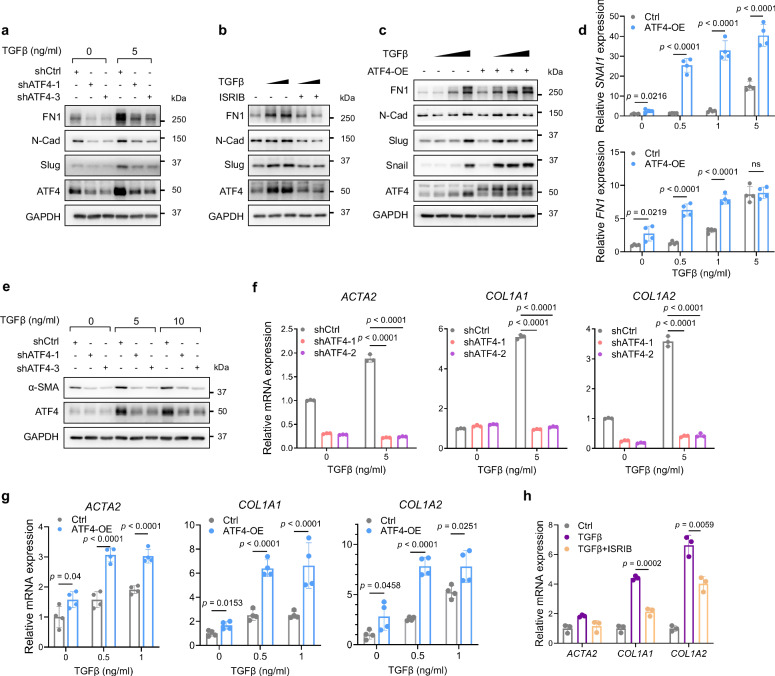
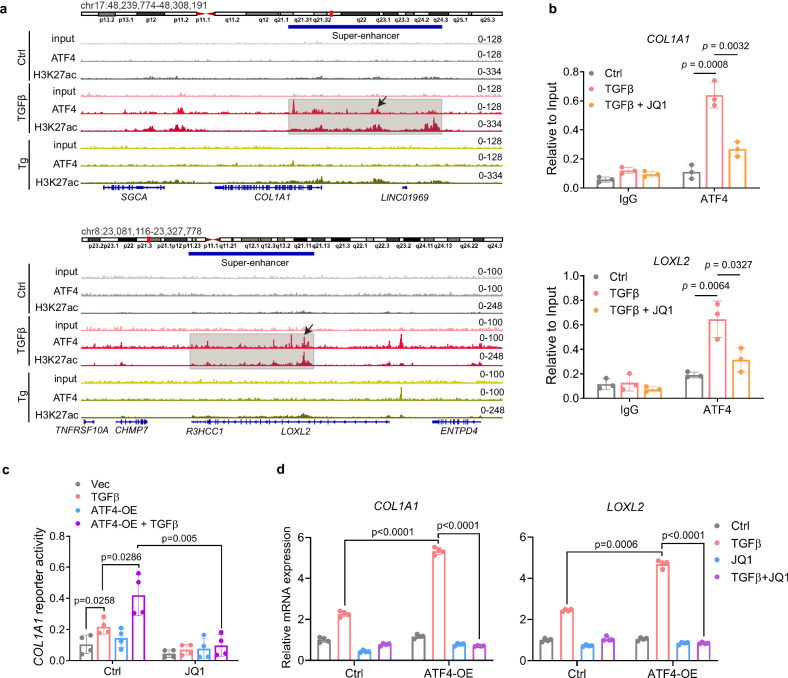
“The modulation of ATF4 activity by TGFβ and the subsequent impact on EMT and fibrotic gene expression provide valuable insights into the molecular underpinnings of liver fibrosis.”
Surviving Stress: Modulation of ATF4-Mediated Stress Responses in Normal and Malignant Cells
Wortel, I. M. N., van der Meer, L. T., Kilberg, M. S., & van Leeuwen, F. N. (2017) · Trends in Endocrinology & Metabolism · doi:10.1016/j.tem.2017.07.003 · Cited by 609 · cited 3×
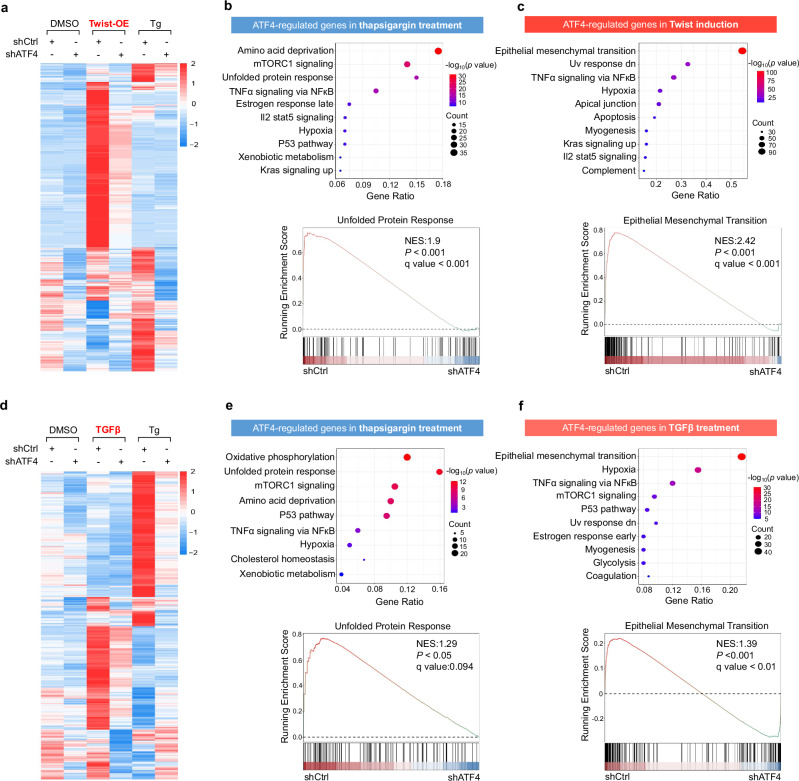
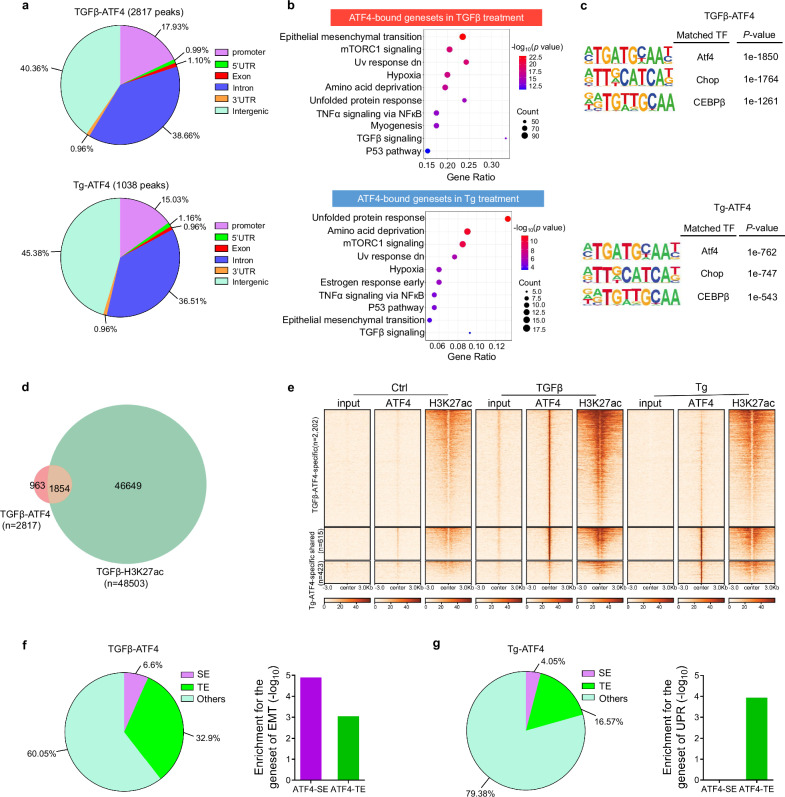
“The manuscript should include q-values for each gene set enrichment analysis (GSEA) result presented in Figure 1 to provide a complete statistical context.”
ATF4-dependent transcription mediates signaling of amino acid limitation
Kilberg, M. S., Shan, J., & Su, N. (2009) · Trends in Endocrinology & Metabolism · doi:10.1016/j.tem.2009.05.008 · Cited by 591 · cited 1×
“In cases where reviewers are anonymous, credit should be given to 'Anonymous Referee' and the source.”
High-yield and high-purity isolation of hepatic stellate cells from normal and fibrotic mouse livers
Mederacke, I., Dapito, D. H., Affò, S., Uchinami, H., & Schwabe, R. F. (2015) · Nature Protocols · doi:10.1038/nprot.2015.017 · Cited by 549
Targeting fibrosis: mechanisms and clinical trials
Zhao, M., Wang, L., Wang, M., Zhou, S., Lu, Y., Cui, H., Racanelli, A. C., Zhang, L., Ye, T., Ding, B., et al. (2022) · Signal Transduction and Targeted Therapy · doi:10.1038/s41392-022-01070-3 · Cited by 547
Interleukin-33-Dependent Innate Lymphoid Cells Mediate Hepatic Fibrosis
Mchedlidze, T., Waldner, M., Zopf, S., Walker, J., Rankin, A. L., Schuchmann, M., Voehringer, D., McKenzie, A. N. J., Neurath, M. F., Pflanz, S., et al. (2013) · Immunity · doi:10.1016/j.immuni.2013.07.018 · Cited by 502 · cited 1×
“4) What could be the mechanisms underlying the HSCs fibrosis phenotypes observed from CCl 4 HSC-ATF4 KO mice?”
Halliday, M., Radford, H., Sekine, Y., Moreno, J., Verity, N., le Quesne, J., Ortori, C. A., Barrett, D. A., Fromont, C., Fischer, P. M., et al. (2015) · Cell Death & Disease · doi:10.1038/cddis.2015.49 · Cited by 380 · cited 1×
“We appreciate your comments that could potentially broaden the scope of our study, and we would like to address them from the following aspects.”
Molecular Mechanisms That Link Oxidative Stress, Inflammation, and Fibrosis in the Liver
Ramos-Tovar, E., & Muriel, P. (2020) · Antioxidants · doi:10.3390/antiox9121279 · Cited by 340
Feng, Y.-X., Sokol, E. S., Del Vecchio, C. A., Sanduja, S., Claessen, J. H. L., Proia, T. A., Jin, D. X., Reinhardt, F., Ploegh, H. L., Wang, Q., et al. (2014) · Cancer Discovery · doi:10.1158/2159-8290.cd-13-0945 · Cited by 319
Self-citationHepatocellular carcinoma: old friends and new tricks
Kim, E., & Viatour, P. (2020) · Experimental & Molecular Medicine · doi:10.1038/s12276-020-00527-1 · Cited by 307 · cited 1×
“vitro models of EMT, as well as in TGFb-induced HSC activation, together with EIF2alpha phosphorylation, in the presence and absence of ISRIB.”
ATF4 couples MYC-dependent translational activity to bioenergetic demands during tumour progression
Tameire, F., Verginadis, I. I., Leli, N. M., Polte, C., Conn, C. S., Ojha, R., Salas Salinas, C., Chinga, F., Monroy, A. M., Fu, W., et al. (2019) · Nature Cell Biology · doi:10.1038/s41556-019-0347-9 · Cited by 264 · cited 1×
“We appreciate your comments that could potentially broaden the scope of our study, and we would like to address them from the following aspects.”
Chou, A., Krukowski, K., Jopson, T., Zhu, P. J., Costa-Mattioli, M., Walter, P., & Rosi, S. (2017) · Proceedings of the National Academy of Sciences · doi:10.1073/pnas.1707661114 · Cited by 263
The dynamic broad epigenetic (H3K4me3, H3K27ac) domain as a mark of essential genes
Beacon, T. H., Delcuve, G. P., López, C., Nardocci, G., Kovalchuk, I., van Wijnen, A. J., & Davie, J. R. (2021) · Clinical Epigenetics · doi:10.1186/s13148-021-01126-1 · Cited by 249 · cited 1×
“Together, we hope you can concur that the anti-fibrotic effects of ISRIB are primarily through targeting HSCs.”
Binding of ISRIB reveals a regulatory site in the nucleotide exchange factor eIF2B
Zyryanova, A. F., Weis, F., Faille, A., Alard, A. A., Crespillo-Casado, A., Sekine, Y., Harding, H. P., Allen, F., Parts, L., Fromont, C., et al. (2018) · Science · doi:10.1126/science.aar5129 · Cited by 216
Liu, X., Xu, J., Rosenthal, S., Zhang, L.-J., McCubbin, R., Meshgin, N., Shang, L., Koyama, Y., Ma, H.-Y., Sharma, S., et al. (2020) · Gastroenterology · doi:10.1053/j.gastro.2020.01.027 · Cited by 205
Zyryanova, A. F., Kashiwagi, K., Rato, C., Harding, H. P., Crespillo-Casado, A., Perera, L. A., Sakamoto, A., Nishimoto, M., Yonemochi, M., Shirouzu, M., et al. (2021) · Molecular Cell · doi:10.1016/j.molcel.2020.10.031 · Cited by 198
Structure of the nucleotide exchange factor eIF2B reveals mechanism of memory-enhancing molecule
Tsai, J. C., Miller-Vedam, L. E., Anand, A. A., Jaishankar, P., Nguyen, H. C., Renslo, A. R., Frost, A., & Walter, P. (2018) · Science · doi:10.1126/science.aaq0939 · Cited by 192 · cited 2×
“Related to this question, we now also show in the revised manuscript that the protein level of ATF4 was increased in the HSCs of human livers with severe cirrhosis, further confirming the connection between liver injury and the increased expression of ATF4 in HSCs ( Fig.”
Glutamine depletion regulates Slug to promote EMT and metastasis in pancreatic cancer
Recouvreux, M. V., Moldenhauer, M. R., Galenkamp, K. M. O., Jung, M., James, B., Zhang, Y., Lowy, A., Bagchi, A., & Commisso, C. (2020) · Journal of Experimental Medicine · doi:10.1084/jem.20200388 · Cited by 181 · cited 1×
“Addressing the above points will significantly enhance the manuscript's impact and clinical relevance.”
Small molecule cognitive enhancer reverses age-related memory decline in mice
Krukowski, K., Nolan, A., Frias, E. S., Boone, M., Ureta, G., Grue, K., Paladini, M.-S., Elizarraras, E., Delgado, L., Bernales, S., et al. (2020) · eLife · doi:10.7554/elife.62048 · Cited by 167 · cited 1×
“We appreciate your comments that could potentially broaden the scope of our study, and we would like to address them from the following aspects.”
Fleming, S. J., Chaffin, M. D., Arduini, A., Akkad, A.-D., Banks, E., Marioni, J. C., Philippakis, A. A., Ellinor, P. T., & Babadi, M. (2019) · doi:10.1101/791699 · Cited by 164
Hepatic stellate cell activation and pro-fibrogenic signals
Gandhi, C. R. (2017) · Journal of Hepatology · doi:10.1016/j.jhep.2017.06.001 · Cited by 161
KDM4C and ATF4 Cooperate in Transcriptional Control of Amino Acid Metabolism
Zhao, E., Ding, J., Xia, Y., Liu, M., Ye, B., Choi, J.-H., Yan, C., Dong, Z., Huang, S., Zha, Y., et al. (2016) · Cell Reports · doi:10.1016/j.celrep.2015.12.053 · Cited by 160 · cited 1×
“We appreciate your comments that could potentially broaden the scope of our study, and we would like to address them from the following aspects.”
Self-citationEndoplasmic reticulum stress and protein degradation in chronic liver disease
Xia, S., Wang, Z.-M., Sun, S., Su, Y., Li, Z., Shao, J., Tan, S., Chen, A., Wang, S., Zhang, Z., et al. (2020) · Pharmacological Research · doi:10.1016/j.phrs.2020.105218 · Cited by 136 · cited 1×
“These findings exemplify our conclusion that the process of HSC activation can reshape the transcriptome of ATF4.”
AAV-Mediated Liver-Directed Gene Therapy
Sands, M. S. (2012) · Methods in Molecular Biology · doi:10.1007/978-1-61779-370-7_6 · Cited by 132 · cited 1×
“7j of the revised manuscript ).”
Pelham-Webb, B., Polyzos, A., Wojenski, L., Kloetgen, A., Li, J., Di Giammartino, D. C., Sakellaropoulos, T., Tsirigos, A., Core, L., & Apostolou, E. (2021) · Molecular Cell · doi:10.1016/j.molcel.2021.02.032 · Cited by 123 · cited 1×
“Together, we hope you can concur that the anti-fibrotic effects of ISRIB are primarily through targeting HSCs.”
Krige, D., Needham, L. A., Bawden, L. J., Flores, N., Farmer, H., Miles, L. E. C., Stone, E., Callaghan, J., Chandler, S., Clark, V. L., et al. (2008) · Cancer Research · doi:10.1158/0008-5472.can-07-6627 · Cited by 116
Zhang, Z., Yuan, Y., Hu, L., Tang, J., Meng, Z., Dai, L., Gao, Y., Ma, S., Wang, X., Yuan, Y., et al. (2022) · Journal of Advanced Research · doi:10.1016/j.jare.2022.08.006 · Cited by 102 · cited 1×
“7j of the revised manuscript ).”
Li, X., Wang, Y., Wang, H., Huang, C., Huang, Y., & Li, J. (2014) · Inflammation Research · doi:10.1007/s00011-014-0772-y · Cited by 100
Watanabe, S., Markov, N. S., Lu, Z., Piseaux Aillon, R., Soberanes, S., Runyan, C. E., Ren, Z., Grant, R. A., Maciel, M., Abdala-Valencia, H., et al. (2021) · Proceedings of the National Academy of Sciences · doi:10.1073/pnas.2101100118 · Cited by 96 · cited 1×
“We appreciate your comments that could potentially broaden the scope of our study, and we would like to address them from the following aspects.”
Testing the super-enhancer concept
Blobel, G. A., Higgs, D. R., Mitchell, J. A., Notani, D., & Young, R. A. (2021) · Nature Reviews Genetics · doi:10.1038/s41576-021-00398-w · Cited by 95 · cited 1×
“Together, we hope you can concur that the anti-fibrotic effects of ISRIB are primarily through targeting HSCs.”
Kabir, Z. D., Che, A., Fischer, D. K., Rice, R. C., Rizzo, B. K., Byrne, M., Glass, M. J., De Marco Garcia, N. V., & Rajadhyaksha, A. M. (2017) · Molecular Psychiatry · doi:10.1038/mp.2017.124 · Cited by 90 · cited 1×
“We appreciate your comments that could potentially broaden the scope of our study, and we would like to address them from the following aspects.”
Wang, S., Tang, X. T., Lin, M., Yuan, J., Peng, Y. J., Yin, X., Shang, G., Ge, G., Ren, Z., & Zhou, B. O. (2021) · Hepatology · doi:10.1002/hep.31848 · Cited by 89 · cited 2×
“Per your suggestion, we examined the expression of ATF4 in the scRNAseq data and observed that the RNA level of ATF4 was significantly increased in the HSCs from cirrhotic livers compared to healthy controls ( Fig.”
Chérasse, Y., Maurin, A.-C., Chaveroux, C., Jousse, C., Carraro, V., Parry, L., Deval, C., Chambon, C., Fafournoux, P., & Bruhat, A. (2007) · Nucleic Acids Research · doi:10.1093/nar/gkm642 · Cited by 85 · cited 1×
“We appreciate your comments that could potentially broaden the scope of our study, and we would like to address them from the following aspects.”
Masola, V., Carraro, A., Granata, S., Signorini, L., Bellin, G., Violi, P., Lupo, A., Tedeschi, U., Onisto, M., Gambaro, G., et al. (2019) · Journal of Translational Medicine · doi:10.1186/s12967-019-1770-1 · Cited by 85 · cited 1×
“The therapeutic potential of ATF4 inhibition should be validated across a broader spectrum of hepatic fibrosis models to ensure the generalizability of the findings.”
González-González, A., Muñoz‐Muela, E., Marchal, J. A., Cara, F. E., Molina, M. P., Cruz-Lozano, M., Jiménez, G., Verma, A., Ramírez, A., Qian, W. P., et al. (2018) · Clinical Cancer Research · doi:10.1158/1078-0432.ccr-17-3125 · Cited by 68
Activation of the integrated stress response in nociceptors drives methylglyoxal-induced pain
Barragán-Iglesias, P., Kuhn, J., Vidal-Cantú, G. C., Salinas-Abarca, A. B., Granados-Soto, V., Dussor, G. O., Campbell, Z. T., & Price, T. J. (2019) · Pain · doi:10.1097/j.pain.0000000000001387 · Cited by 67 · cited 1×
“We appreciate your comments that could potentially broaden the scope of our study, and we would like to address them from the following aspects.”
Structural insights into ISRIB, a memory‐enhancing inhibitor of the integrated stress response
Anand, A. A., & Walter, P. (2019) · FEBS Journal · doi:10.1111/febs.15073 · Cited by 65 · cited 1×
“For example, it has been reported that in certain metabolic stress conditions, like high-fructose diet, phosphorylation of eIF2α is required for the survival of hepatocytes (Sung Hoon Back et al., Nutr Metab , 2017).”
Shan, J., Fu, L., Balasubramanian, M. N., Anthony, T. G., & Kilberg, M. S. (2012) · Journal of Biological Chemistry · doi:10.1074/jbc.m112.399600 · Cited by 60 · cited 1×
“We appreciate your comments that could potentially broaden the scope of our study, and we would like to address them from the following aspects.”
Transitions between epithelial and mesenchymal states during cell fate conversions
Li, X., Pei, D., & Zheng, H. (2014) · Protein & Cell · doi:10.1007/s13238-014-0064-x · Cited by 52 · cited 1×
“Using the same scRNA-seq data, we assessed the function of ATF4 by examining the RNA expression of a set of ATF4 target genes, which could faithfully represent the activity of ATF4 in different conditions.”
Aseem, S. O., Jalan-Sakrikar, N., Chi, C., Navarro-Corcuera, A., De Assuncao, T. M., Hamdan, F. H., Chowdhury, S., Banales, J. M., Johnsen, S. A., Shah, V. H., et al. (2021) · Gastroenterology · doi:10.1053/j.gastro.2020.10.008 · Cited by 52
Okina, Y., Sato-Matsubara, M., Matsubara, T., Daikoku, A., Longato, L., Rombouts, K., Thanh Thuy, L. T., Ichikawa, H., Minamiyama, Y., Kadota, M., et al. (2020) · Journal of Hepatology · doi:10.1016/j.jhep.2020.03.051 · Cited by 49
Shan, J., Zhang, F., Sharkey, J., Tang, T. A., Örd, T., & Kilberg, M. S. (2016) · Nucleic Acids Research · doi:10.1093/nar/gkw667 · Cited by 47 · cited 2×
“Together, we hope you can concur that the anti-fibrotic effects of ISRIB are primarily through targeting HSCs.”
Cabanes‐Creus, M., Navarro, R. G., Zhu, E., Baltazar, G., Liao, S. H. Y., Drouyer, M., Amaya, A. K., Scott, S., Nguyen, L. H., Westhaus, A., et al. (2021) · Molecular Therapy — Methods & Clinical Development · doi:10.1016/j.omtm.2021.11.011 · Cited by 45
Revealing Protein Aggregates under Thapsigargin-Induced ER Stress Using an ER-Targeted Thioflavin
Verwilst, P., Kim, K., Sunwoo, K., Kim, H. R., Kang, C., & Kim, J. S. (2019) · ACS Sensors · doi:10.1021/acssensors.9b00568 · Cited by 36 · cited 1×
“…Attribution 4.0 International License, which permits use, sharing, adaptation, distribution and reproduction in any medium or format, as long as you give appropriate credit to the original author(s) and the source, provide a link to the Creative Commons license, and indicate if changes were made.”
InfluentialSuzuki, T., Osumi, N., & Wakamatsu, Y. (2010) · Developmental Biology · doi:10.1016/j.ydbio.2010.05.492 · Cited by 29 · cited 1×
“Version 1:”
Ho, K. J., Bass, C. E., Kroemer, A. H. K., Ma, C., Terwilliger, E., & Karp, S. J. (2008) · American Journal of Physiology-Gastrointestinal and Liver Physiology · doi:10.1152/ajpgi.00590.2007 · Cited by 25
Ye, M.-P., Lu, W., Rao, Q.-F., Li, M., Hong, H.-Q., Yang, X., Liu, H., Kong, J.-L., Guan, R.-X., Huang, Y., et al. (2023) · Journal of Gastroenterology · doi:10.1007/s00535-023-01996-7 · Cited by 20 · cited 2×
“In Ref 42, the authors used an AAV8-mediated viral infection strategy to deliver gene targeting in liver tissue, with a goal to target gene expression in HSCs and study the underlying mechanism.”
Functional validation of ATF4 and GADD34 in Neuro2a cells by CRISPR/Cas9-mediated genome editing
Oh-hashi, K., Sugiura, N., Amaya, F., Isobe, K., & Hirata, Y. (2018) · Molecular and Cellular Biochemistry · doi:10.1007/s11010-017-3156-0 · Cited by 17 · cited 1×
“We appreciate your comments that could potentially broaden the scope of our study, and we would like to address them from the following aspects.”
Transcriptional Control of Metastasis by Integrated Stress Response Signaling
Si, L., Yang, L., Cao, Z.-J., Zhao, J., You, J., & Feng, Y. (2021) · Frontiers in Oncology · doi:10.3389/fonc.2021.770843 · Cited by 14 · cited 1×
“The manuscript should include q-values for each gene set enrichment analysis (GSEA) result presented in Figure 1 to provide a complete statistical context.”
Self-citationCho, Y., Jeong, A., Malik, P., Boiser, J. C., Huang, X., & Rosebraugh, M. (2023) · Neurology · doi:10.1212/wnl.0000000000203810 · Cited by 4 · cited 1×
“We appreciate your comments that could potentially broaden the scope of our study, and we would like to address them from the following aspects.”
Cited by
Decoding organ fibrosis: mechanistic insights and emerging therapeutic strategies
Chen, X., Zhang, J., Guo, L., Wu, C., Zhou, J., Xu, M., Mo, L., Li, Y., & He, J. (2026) · Signal Transduction and Targeted Therapy · doi:10.1038/s41392-025-02532-0 · Cited by 59
Li, L., Zhu, Z., Jiang, X., Tang, Y. J., Li, J., Zhang, Z., Ding, B., Li, X., Yu, M., & Gan, Y. (2025) · Journal of Controlled Release · doi:10.1016/j.jconrel.2025.114059 · Cited by 26
Si, L., Zhou, Q., Zhao, R., Xie, L., Cao, W., & Feng, Y. (2025) · Cancer Letters · doi:10.1016/j.canlet.2025.217613 · Cited by 16
Self-citationKong, Y., Chen, Z., Nie, Z., & Chen, W. (2025) · Pharmacological Research · doi:10.1016/j.phrs.2025.107823 · Cited by 19
Interactions between hepatic stellate cells and immune cells: Implications for liver fibrosis
Xie, D., Huang, Y., Yu, Y., Jin, W., Zhang, X., & Yu, F. (2025) · Biochimica et Biophysica Acta (BBA) - Molecular Basis of Disease · doi:10.1016/j.bbadis.2025.168062 · Cited by 13
Metadata
- Authors
- Yang, L.-X., Qi, C., Lu, S., Ye, X.-S., Merikhian, P., Zhang, D.-Y., Yao, T., Zhao, J.-S., Wu, Y., Jia, Y., Shan, B., Chen, J., Mou, X., You, J., Li, W., & Feng, Y.-X.
- Affiliations
- The University of Texas Health Science Center at Houston (US)
- Sir Run Run Shaw Hospital (CN)
- First Affiliated Hospital Zhejiang University (CN)
- The University of Texas MD Anderson Cancer Center (US)
- Zhejiang Chinese Medical University (CN)
- Zhejiang Provincial People's Hospital (CN)
- Second Affiliated Hospital of Zhejiang University (CN)
- Westlake University (CN)
- Corresponding author
- You, Jia
- Li, Wenbo
- ORCID
- Venue
- Nature Communications
- Published
- 2025-01-09
- Volume
- 16
- Issue
- 1
- Pages
- 524-524
- ISSN
- 2041-1723 (ISSN-L)
- PMC
- PMC11718104
- OpenAlex
- W4406221865
- Cited by
- 57
- References
- 78
- Citations by year
- 2026: 39 · 2025: 18
- FWCI
- 32.04
- Type
- journal article
- Language
- en
- Open access
- gold
- doi.org
- Licence
- cc-by-nc-nd
- creativecommons.org/licenses/by-nc-nd/4.0 (tdm)
- creativecommons.org/licenses/by-nc-nd/4.0 (vor)
- Locations
- Nature Communications (publishedVersion, cc-by-nc-nd)
- PubMed Central (publishedVersion, cc-by-nc-nd)
- PubMed (publishedVersion)
- Digital Commons-TMC (Texas Medical Center) (submittedVersion)
- RePEc: Research Papers in Economics (submittedVersion)
- DOAJ (DOAJ: Directory of Open Access Journals) (submittedVersion, cc-by-sa)
- Funders
- National Natural Science Foundation of China (32300642, 82188102, 32270783, 32100949)
- Ministry of Science and Technology of the People's Republic of China (2020YFA0803300)
- Zhejiang University
- Peking University
- Topics
- Health Sciences › Medicine › Hepatology › Liver physiology and pathology
- Health Sciences › Medicine › Hepatology › Liver Disease Diagnosis and Treatment
- Life Sciences › Biochemistry, Genetics and Molecular Biology › Cell Biology › Endoplasmic Reticulum Stress and Disease
- Keywords
- liver fibrosis, ATF4, hepatic stellate cells, epithelial-mesenchymal transition, enhancer program, TGF-beta, endoplasmic reticulum stress response, epigenetic regulation, small molecule inhibitors
- MeSH terms
- Animals, Humans, Liver Cirrhosis, Male, Mice, Inbred C57BL, Transforming Growth Factor beta, Epigenesis, Genetic, Mice, Activating Transcription Factor 4, Hepatic Stellate Cells, Epithelial-Mesenchymal Transition, Endoplasmic Reticulum Stress
About these checks
Registry, retraction, Cites and statistics results are computed, not judged, with one exception: a printed reference that no index lists is read once by a model before it counts as a citation error. Claims are extracted by a model and kept only when their quote appears verbatim in the text; each cited source is then checked, with a model’s help, for whether it says what the claim relies on. Those verdicts can be wrong — read the claim’s quote and the cited source before relying on one.
Statistics and arithmetic are recomputed, not judged.
Confidence bands are shown only for fields calibrated on our annotated test set. None is calibrated yet, so no band is shown.
What counts as a claim ›How we measure confidence ›How we check this ›
Are you an author, or do you see a problem with this page? Request a review
Data sources
Bibliographic data: Semantic Scholar, OpenAlex, Crossref.
Contains information from the Semantic Scholar Academic Graph Datasets, made available under the ODC Attribution License (ODC-BY 1.0).
Semantic Scholar’s data is described in: Kinney, R., et al. (2023). The Semantic Scholar Open Data Platform. arXiv:2301.10140.
