

Primary cilia as dynamic and diverse signalling hubs in development and disease
Open accessThe DOI matches its Crossref record; 246 of the 246 references it cites were found in a registry or an index.
Abstract
Primary cilia, antenna-like sensory organelles protruding from the surface of most vertebrate cell types, are essential for regulating signalling pathways during development and adult homeostasis. Mutations in genes affecting cilia cause an overlapping spectrum of >30 human diseases and syndromes, the ciliopathies. Given the immense structural and functional diversity of the mammalian cilia repertoire, there is a growing disconnect between patient genotype and associated phenotypes, with variable severity and expressivity characteristic of the ciliopathies as a group. Recent technological developments are rapidly advancing our understanding of the complex mechanisms that control biogenesis and function of primary cilia across a range of cell types and are starting to tackle this diversity. Here, we examine the structural and functional diversity of primary cilia, their dynamic regulation in different cellular and developmental contexts and their disruption in disease.
Overview
The claims and statistics of this paper haven’t been checked yet.
Free: it reads the open-access text and checks the first 5 claims that cite a source we can check. Create a free account to check every claim.
Integrity signals
Registry
Cites
Statistics
Figures
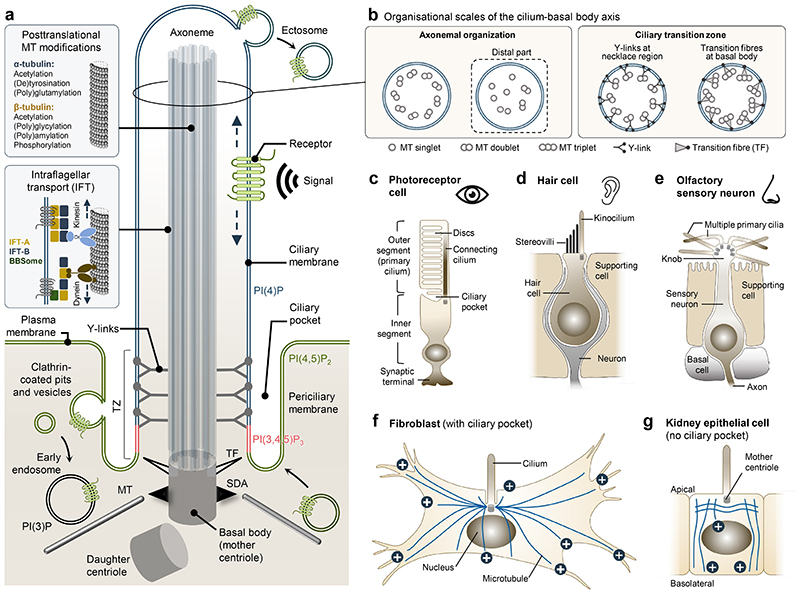
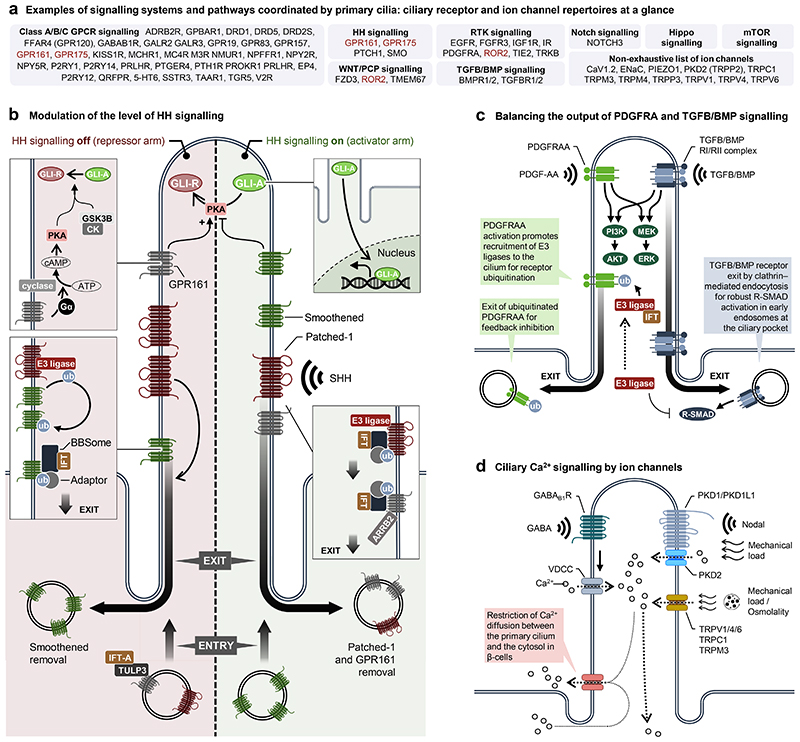
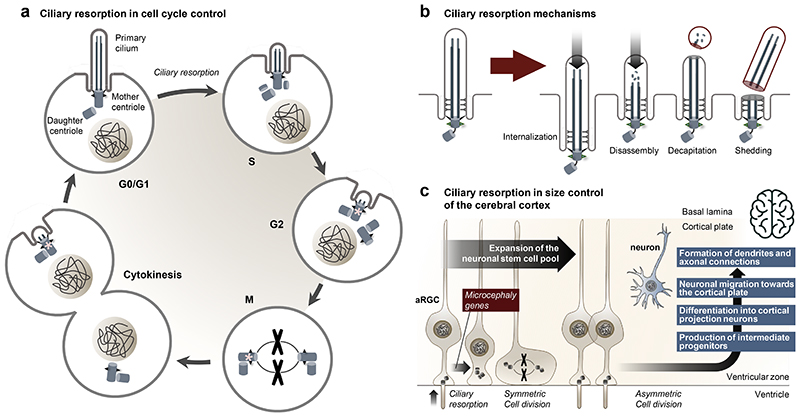
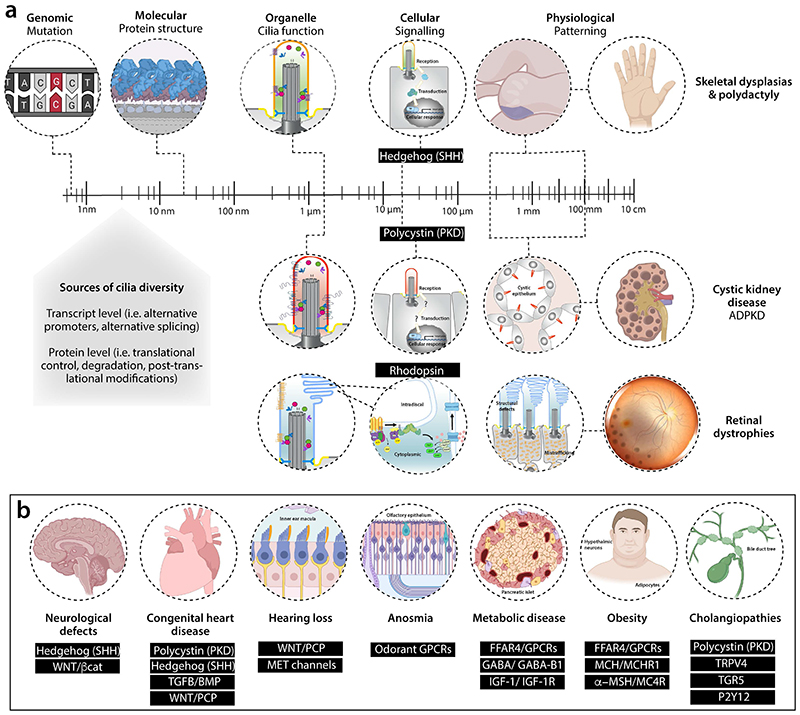
Verification
Claims the paper makes
The claims and statistics of this paper haven’t been checked yet.
Free: it reads the open-access text and checks the first 5 claims that cite a source we can check. Create a free account to check every claim.
Claims other papers make about this one
Each is checked against this paper’s own text: does it say what the citing paper says it does?
The source backs part of the claim, not all of it — or backs it for a different population, condition or comparison.
In the citing paper
“Moreover, the primary cilium is involved in Ca2+, Hedgehog (Hh), PDGFR⍺, Notch, TGF-β, mTOR, and other signalling pathways, which regulate cell proliferation, maturation, and differentiation (Pala et al. 2017; Nachury and Mick 2019; Mill et al. 2023).”
From Astrocyte-specific inhibition of the primary cilium suppresses C3 expression in reactive astrocyte (2024) · cites this paper as Mill et al. 2023
Experimental — accuracy not yet measuredThe cited source says what the claim attributes to it.
In the citing paper
“They act as sensory structures that regulate diverse signaling pathways essential for development and homeostasis [10,11].”
From The Impact of Neurotoxin Proteins Trafficked by Primary Cilia and Extracellular Vesicles in Neurodegenerative Diseases (2025) · cites this paper as [11]
Self-check
Percentages, sums and reported differences re-computed from the paper’s own numbers.
The self-check needs the paper’s full text.
Citations
Cites
Genes and molecular pathways underpinning ciliopathies
Reiter, J. F., & Leroux, M. R. (2017) · Nature Reviews Molecular Cell Biology · doi:10.1038/nrm.2017.60 · Cited by 1,588 · cited 3×
“…between primary cilia, vertebrate signalling and development and disease 196–198 , a large body of literature has since substantiated the importance of primary cilia in human health and disease, with more than 30 distinct ciliopathies and 247 ciliopathy disease genes identified to date 2,6,7 .”
BackgroundVertebrate Smoothened functions at the primary cilium
Corbit, K. C., Aanstad, P., Singla, V., Norman, A. R., Stainier, D. Y. R., & Reiter, J. F. (2005) · Nature · doi:10.1038/nature04117 · Cited by 1,481 · cited 1×
“…channel complex essential for preventing cystogenesis 78–81 , and the Sonic Hedgehog (SHH) co-receptor Patched-1 (PTCH1) (OMIM: 601309) and the class F GPCR, Smoothened (SMO) (OMIM: 601500), which accumulate in cilia in the absence and presence of SHH, respectively 82–84 (Figure 2b).”
BackgroundPatched1 Regulates Hedgehog Signaling at the Primary Cilium
Rohatgi, R., Milenkovic, L., & Scott, M. P. (2007) · Science · doi:10.1126/science.1139740 · Cited by 1,426
Hedgehog signalling in the mouse requires intraflagellar transport proteins
Huangfu, D., Liu, A., Rakeman, A. S., Murcia, N. S., Niswander, L., & Anderson, K. V. (2003) · Nature · doi:10.1038/nature02061 · Cited by 1,425
Nachury, M. V., Loktev, A. V., Zhang, Q., Westlake, C. J., Peränen, J., Merdes, A., Slusarski, D. C., Scheller, R. H., Bazan, J. F., Sheffield, V. C., et al. (2007) · Cell · doi:10.1016/j.cell.2007.03.053 · Cited by 1,384 · cited 1×
“Indeed, the BBSome is a well-described membrane cargo adaptor for the retrograde IFT machinery that binds to phospholipase D and various ubiquitinated transmembrane cargoes, including the GPCRs SSTR3 and SMO, to promote their exit from cilia 25,34,36,109–111 .”
BackgroundPazour, G. J., Dickert, B. L., Vucica, Y., Seeley, E. S., Rosenbaum, J. L., Witman, G. B., & Cole, D. G. (2000) · The Journal of Cell Biology · doi:10.1083/jcb.151.3.709 · Cited by 1,147 · cited 2×
“…P M C F und e r s A u t ho r M a nu s c r i p t s provided the first links between primary cilia, vertebrate signalling and development and disease 196–198 , a large body of literature has since substantiated the importance of primary cilia in human health and disease, with more than 30 distinct…”
BackgroundA motility in the eukaryotic flagellum unrelated to flagellar beating.
Kozminski, K. G., Johnson, K. A., Forscher, P., & Rosenbaum, J. L. (1993) · Proceedings of the National Academy of Sciences · doi:10.1073/pnas.90.12.5519 · Cited by 1,007
Single-molecule localization microscopy
Lelek, M., Gyparaki, M. T., Beliu, G., Schueder, F., Griffié, J., Manley, S., Jungmann, R., Sauer, M., Lakadamyali, M., & Zimmer, C. (2021) · Nature Reviews Methods Primers · doi:10.1038/s43586-021-00038-x · Cited by 954
Yoder, B. K., Hou, X., & Guay-Woodford, L. M. (2002) · Journal of the American Society of Nephrology · doi:10.1097/01.asn.0000029587.47950.25 · Cited by 935
Cole, D. G., Diener, D. R., Himelblau, A. L., Beech, P. L., Fuster, J. C., & Rosenbaum, J. L. (1998) · The Journal of Cell Biology · doi:10.1083/jcb.141.4.993 · Cited by 898
HEF1-Dependent Aurora A Activation Induces Disassembly of the Primary Cilium
Pugacheva, E. N., Jablonski, S. A., Hartman, T. R., Henske, E. P., & Golemis, E. A. (2007) · Cell · doi:10.1016/j.cell.2007.04.035 · Cited by 890
Cellular signalling by primary cilia in development, organ function and disease
Anvarian, Z., Mykytyn, K., Mukhopadhyay, S., Pedersen, L. B., & Christensen, S. T. (2019) · Nature Reviews Nephrology · doi:10.1038/s41581-019-0116-9 · Cited by 845 · cited 2×
“The dynamics of ciliary protein composition translate into a remarkable flexibility in the sensory capacity of primary cilia (Figure 2a), enabling the translation of quite diverse signalling inputs via elaborate signalling networks to process information in time and space 127 .”
BackgroundSelf-citationLeber congenital amaurosis: Genes, proteins and disease mechanisms
den Hollander, A. I., Roepman, R., Koenekoop, R. K., & Cremers, F. P. M. (2008) · Progress in Retinal and Eye Research · doi:10.1016/j.preteyeres.2008.05.003 · Cited by 811
The Graded Response to Sonic Hedgehog Depends on Cilia Architecture
Caspary, T., Larkins, C. E., & Anderson, K. V. (2007) · Developmental Cell · doi:10.1016/j.devcel.2007.03.004 · Cited by 727
Determination of left–right patterning of the mouse embryo by artificial nodal flow
Nonaka, S., Shiratori, H., Saijoh, Y., & Hamada, H. (2002) · Nature · doi:10.1038/nature00849 · Cited by 682
Deciphering molecular interactions by proximity labeling
Qin, W., Cho, K. F., Cavanagh, P. E., & Ting, A. Y. (2021) · Nature Methods · doi:10.1038/s41592-020-01010-5 · Cited by 671 · cited 1×
“…of proteomes, with APEX2 proximity labelling, for example, we need to overcome current limitations in cells with abundant endogenous peroxidases as well as sensitivity to H 2 O 2 using synthetic biology and biorthogonal chemistry to evolve both better enzymes and specific substrates 205,206 .”
MethodPrimary Cilia and Mammalian Hedgehog Signaling
Bangs, F., & Anderson, K. V. (2017) · Cold Spring Harbor Perspectives in Biology · doi:10.1101/cshperspect.a028175 · Cited by 642 · cited 1×
“…channel complex essential for preventing cystogenesis 78–81 , and the Sonic Hedgehog (SHH) co-receptor Patched-1 (PTCH1) (OMIM: 601309) and the class F GPCR, Smoothened (SMO) (OMIM: 601500), which accumulate in cilia in the absence and presence of SHH, respectively 82–84 (Figure 2b).”
BackgroundA transition zone complex regulates mammalian ciliogenesis and ciliary membrane composition
Garcia-Gonzalo, F. R., Corbit, K. C., Sirerol-Piquer, M. S., Ramaswami, G., Otto, E. A., Noriega, T. R., Seol, A. D., Robinson, J. F., Bennett, C. L., Josifova, D. J., et al. (2011) · Nature Genetics · doi:10.1038/ng.891 · Cited by 638
Mapping the NPHP-JBTS-MKS Protein Network Reveals Ciliopathy Disease Genes and Pathways
Sang, L., Miller, J. J., Corbit, K. C., Giles, R. H., Brauer, M. J., Otto, E. A., Baye, L. M., Wen, X., Scales, S. J., Kwong, M., et al. (2011) · Cell · doi:10.1016/j.cell.2011.04.019 · Cited by 612
PDGFRαα Signaling Is Regulated through the Primary Cilium in Fibroblasts
Schneider, L., Clement, C. A., Teilmann, S. C., Pazour, G. J., Hoffmann, E. K., Satir, P., & Christensen, S. T. (2005) · Current Biology · doi:10.1016/j.cub.2005.09.012 · Cited by 592
Self-citationDeep Visual Proteomics defines single-cell identity and heterogeneity
Mund, A., Coscia, F., Kriston, A., Hollandi, R., Kovács, F., Brunner, A.-D., Migh, E., Schweizer, L., Santos, A., Bzorek, M., et al. (2022) · Nature Biotechnology · doi:10.1038/s41587-022-01302-5 · Cited by 562 · cited 1×
“Other new techniques for preserving tissue spatial context include DVP (Deep Visual Proteomics) 204 , which combines a novel artificial intelligence-driven phenotype image analysis tool with single-cell laser microdissection and ultra-high-sensitivity mass spectrometry.”
MethodMice Lacking Histone Deacetylase 6 Have Hyperacetylated Tubulin but Are Viable and Develop Normally
Zhang, Y., Kwon, S., Yamaguchi, T., Cubizolles, F., Rousseaux, S., Kneissel, M., Cao, C., Li, N., Cheng, H.-L., Chua, K., et al. (2008) · Molecular and Cellular Biology · doi:10.1128/mcb.01154-06 · Cited by 559
A polycystic kidney-disease gene homologue required for male mating behaviour in C. elegans
Barr, M. M., & Sternberg, P. W. (1999) · Nature · doi:10.1038/43913 · Cited by 541 · cited 1×
“…polycystin-2 (PKD2; OMIM: 173910), which form a cilium-localized heterodimeric receptor-cation channel complex essential for preventing cystogenesis 78–81 , and the Sonic Hedgehog (SHH) co-receptor Patched-1 (PTCH1) (OMIM: 601309) and the class F GPCR, Smoothened (SMO) (OMIM: 601500), which…”
BackgroundPazour, G. J., San Agustin, J. T., Follit, J. A., Rosenbaum, J. L., & Witman, G. B. (2002) · Current Biology · doi:10.1016/s0960-9822(02)00877-1 · Cited by 531
The vertebrate primary cilium is a sensory organelle
Pazour, G. J., & Witman, G. B. (2003) · Current Opinion in Cell Biology · doi:10.1016/s0955-0674(02)00012-1 · Cited by 466
Mukhopadhyay, S., Wen, X., Chih, B., Nelson, C. D., Lane, W. S., Scales, S. J., & Jackson, P. K. (2010) · Genes & Development · doi:10.1101/gad.1966210 · Cited by 435 · cited 3×
“…by studies indicating that several membrane-associated proteins enter cilia independently of IFT kinesin-2 motors 25,26 , but in most cases require interaction with the IFT-A subcomplex and associated TUBBY domain proteins TULP3 (OMIM: 604730) and TUB (OMIM: 601197) for ciliary entrance 27–30 .”
BackgroundAbnormal Nodal Flow Precedes Situs Inversus in iv and inv mice
Okada, Y., Nonaka, S., Tanaka, Y., Saijoh, Y., Hamada, H., & Hirokawa, N. (1999) · Molecular Cell · doi:10.1016/s1097-2765(00)80197-5 · Cited by 426
Proteomics of Primary Cilia by Proximity Labeling
Mick, D. U., Rodrigues, R. B., Leib, R. D., Adams, C. M., Chien, A. S., Gygi, S. P., & Nachury, M. V. (2015) · Developmental Cell · doi:10.1016/j.devcel.2015.10.015 · Cited by 409
Wallmeier, J., Nielsen, K. G., Kuehni, C. E., Lucas, J. S., Leigh, M. W., Zariwala, M. A., & Omran, H. (2020) · Nature Reviews Disease Primers · doi:10.1038/s41572-020-0209-6 · Cited by 403
Establishing and regulating the composition of cilia for signal transduction
Nachury, M. V., & Mick, D. U. (2019) · Nature Reviews Molecular Cell Biology · doi:10.1038/s41580-019-0116-4 · Cited by 397 · cited 9×
“This model is supported by studies indicating that several membrane-associated proteins enter cilia independently of IFT kinesin-2 motors 25,26 , but in most cases require interaction with the IFT-A subcomplex and associated TUBBY domain proteins TULP3 (OMIM: 604730) and TUB (OMIM: 601197) for…”
BackgroundMethodInfluentialBielas, S. L., Silhavy, J. L., Brancati, F., Kisseleva, M. V., Al-Gazali, L., Sztriha, L., Bayoumi, R. A., Zaki, M. S., Abdel-Aleem, A., Rosti, R. O., et al. (2009) · Nature Genetics · doi:10.1038/ng.423 · Cited by 396
Mutations in the Cilia Gene ARL13B Lead to the Classical Form of Joubert Syndrome
Cantagrel, V., Silhavy, J. L., Bielas, S. L., Swistun, D., Marsh, S. E., Bertrand, J. Y., Audollent, S., Attié-Bitach, T., Holden, K. R., Dobyns, W. B., et al. (2008) · The American Journal of Human Genetics · doi:10.1016/j.ajhg.2008.06.023 · Cited by 390
Ma, M., Tian, X., Igarashi, P., Pazour, G. J., & Somlo, S. (2013) · Nature Genetics · doi:10.1038/ng.2715 · Cited by 361
A ciliopathy complex at the transition zone protects the cilia as a privileged membrane domain
Chih, B., Liu, P., Chinn, Y., Chalouni, C., Komuves, L. G., Hass, P. E., Sandoval, W., & Peterson, A. S. (2012) · Nature Cell Biology · doi:10.1038/ncb2410 · Cited by 360
The Intraflagellar Transport Machinery
Taschner, M., & Lorentzen, E. (2016) · Cold Spring Harbor Perspectives in Biology · doi:10.1101/cshperspect.a028092 · Cited by 349 · cited 2×
“Originally identified in the green alga Chlamydomonas reinhardtii 225 , IFT has subsequently been identified in all ciliated eukaryotic organisms, including protists, worms, and vertebrates 8,226,227 .”
BackgroundDynamic Remodeling of Membrane Composition Drives Cell Cycle through Primary Cilia Excision
Phua, S. C., Chiba, S., Suzuki, M., Su, E., Roberson, E. C., Pusapati, G. V., Setou, M., Rohatgi, R., Reiter, J. F., Ikegami, K., et al. (2017) · Cell · doi:10.1016/j.cell.2016.12.032 · Cited by 348
Jacoby, M., Cox, J. J., Gayral, S., Hampshire, D. J., Ayub, M., Blockmans, M., Pernot, E., Kisseleva, M. V., Compère, P., Schiffmann, S. N., et al. (2009) · Nature Genetics · doi:10.1038/ng.427 · Cited by 347
Lechtreck, K.-F., Johnson, E. C., Sakai, T., Cochran, D., Ballif, B. A., Rush, J., Pazour, G. J., Ikebe, M., & Witman, G. B. (2009) · Journal of Cell Biology · doi:10.1083/jcb.200909183 · Cited by 347 · cited 1×
“Transport of axonemal building blocks, for example, tubulin, to the ciliary tip occurs through direct binding to specific IFT proteins 228–230 , whereas IFT-mediated retrograde transport of ciliary integral or peripheral membrane proteins relies on the BBSome as cargo adaptor 25,231 .”
BackgroundCiliary proteins link basal body polarization to planar cell polarity regulation
Jones, C., Roper, V. C., Foucher, I., Qian, D., Banizs, B., Petit, C., Yoder, B. K., & Chen, P. (2008) · Nature Genetics · doi:10.1038/ng.2007.54 · Cited by 340
Identification of Signaling Pathways Regulating Primary Cilium Length and Flow-Mediated Adaptation
Besschetnova, T. Y., Kolpakova-Hart, E., Guan, Y., Zhou, J., Olsen, B. R., & Shah, J. V. (2010) · Current Biology · doi:10.1016/j.cub.2009.11.072 · Cited by 334
Phosphoinositides Regulate Ciliary Protein Trafficking to Modulate Hedgehog Signaling
Garcia-Gonzalo, F. R., Phua, S. C., Roberson, E. C., Garcia, G., Abedin, M., Schurmans, S., Inoue, T., & Reiter, J. F. (2015) · Developmental Cell · doi:10.1016/j.devcel.2015.08.001 · Cited by 330
Paridaen, J. T. M. L., Wilsch-Bräuninger, M., & Huttner, W. B. (2013) · Cell · doi:10.1016/j.cell.2013.08.060 · Cited by 318
Molecular Basis of Tubulin Transport Within the Cilium by IFT74 and IFT81
Bhogaraju, S., Cajanek, L., Fort, C., Blisnick, T., Weber, K., Taschner, M., Mizuno, N., Lamla, S., Bastin, P., Nigg, E. A., et al. (2013) · Science · doi:10.1126/science.1240985 · Cited by 317 · cited 1×
“Transport of axonemal building blocks, for example, tubulin, to the ciliary tip occurs through direct binding to specific IFT proteins 228–230 , whereas IFT-mediated retrograde transport of ciliary integral or peripheral membrane proteins relies on the BBSome as cargo adaptor 25,231 .”
BackgroundTGF-β Signaling Is Associated with Endocytosis at the Pocket Region of the Primary Cilium
Clement, C. A., Ajbro, K. D., Koefoed, K., Vestergaard, M. L., Veland, I. R., Henriques de Jesus, M. P. R., Pedersen, L. B., Benmerah, A., Andersen, C. Y., Larsen, L. A., et al. (2013) · Cell Reports · doi:10.1016/j.celrep.2013.05.020 · Cited by 316
Self-citationParfitt, D. A., Lane, A., Ramsden, C. M., Carr, A.-J. F., Munro, P. M., Jovanovic, K., Schwarz, N., Kanuga, N., Muthiah, M. N., Hull, S., et al. (2016) · Cell Stem Cell · doi:10.1016/j.stem.2016.03.021 · Cited by 301
Masyuk, A. I., Masyuk, T. V., Splinter, P. L., Huang, B. Q., Stroope, A. J., & LaRusso, N. F. (2006) · Gastroenterology · doi:10.1053/j.gastro.2006.07.003 · Cited by 293
Open Sesame: How Transition Fibers and the Transition Zone Control Ciliary Composition
Garcia-Gonzalo, F. R., & Reiter, J. F. (2017) · Cold Spring Harbor Perspectives in Biology · doi:10.1101/cshperspect.a028134 · Cited by 290
Masyuk, A. I., Huang, B. Q., Ward, C. J., Gradilone, S. A., Banales, J. M., Masyuk, T. V., Radtke, B., Splinter, P. L., & LaRusso, N. F. (2010) · American Journal of Physiology-Gastrointestinal and Liver Physiology · doi:10.1152/ajpgi.00093.2010 · Cited by 285
Chávez, M., Ena, S., Van Sande, J., de Kerchove d’Exaerde, A., Schurmans, S., & Schiffmann, S. N. (2015) · Developmental Cell · doi:10.1016/j.devcel.2015.06.016 · Cited by 276
BBSome trains remove activated GPCRs from cilia by enabling passage through the transition zone
Ye, F., Nager, A. R., & Nachury, M. V. (2018) · Journal of Cell Biology · doi:10.1083/jcb.201709041 · Cited by 256 · cited 7×
“In the absence of SHH, the cilium is enriched in PTCH1 and the class A GPCR GPR161 (OMIM 612250), which in combination form a Hedgehog signalling repression machinery that promotes the proteolytic cleavage of GLI2/3 transcription factors into their repressor forms (GLI-R), thereby preventing expression of Hedgehog tar…”
BackgroundInfluentialMicrotubule doublets are double-track railways for intraflagellar transport trains
Stepanek, L., & Pigino, G. (2016) · Science · doi:10.1126/science.aaf4594 · Cited by 252
Omega-3 Fatty Acids Activate Ciliary FFAR4 to Control Adipogenesis
Hilgendorf, K. I., Johnson, C. T., Mezger, A., Rice, S. L., Norris, A. M., Demeter, J., Greenleaf, W. J., Reiter, J. F., Kopinke, D., & Jackson, P. K. (2019) · Cell · doi:10.1016/j.cell.2019.11.005 · Cited by 251
Schneider, L., Cammer, M., Lehman, J., Nielsen, S., Guerra, C., Veland, I., Stock, C., Hoffmann, E., Yoder, B., Schwab, A., et al. (2010) · Cellular Physiology and Biochemistry · doi:10.1159/000276562 · Cited by 250
Self-citationCPAP promotes timely cilium disassembly to maintain neural progenitor pool
Gabriel, E., Wason, A., Ramani, A., Gooi, L. M., Keller, P., Pozniakovsky, A., Poser, I., Noack, F., Telugu, N. S., Calegari, F., et al. (2016) · The EMBO Journal · doi:10.15252/embj.201593679 · Cited by 239
Haycraft, C. J., Swoboda, P., Taulman, P. D., Thomas, J. H., & Yoder, B. K. (2001) · Development · doi:10.1242/dev.128.9.1493 · Cited by 232
Combining LOPIT with differential ultracentrifugation for high-resolution spatial proteomics
Geladaki, A., Kočevar Britovšek, N., Breckels, L. M., Smith, T. S., Vennard, O. L., Mulvey, C. M., Crook, O. M., Gatto, L., & Lilley, K. S. (2019) · Nature Communications · doi:10.1038/s41467-018-08191-w · Cited by 225
HDAC6 Inhibition Restores Ciliary Expression and Decreases Tumor Growth
Gradilone, S. A., Radtke, B. N., Bogert, P. S., Huang, B. Q., Gajdos, G. B., & LaRusso, N. F. (2013) · Cancer Research · doi:10.1158/0008-5472.can-12-2938 · Cited by 224
The primary cilium as a cellular receiver: organizing ciliary GPCR signaling
Hilgendorf, K. I., Johnson, C. T., & Jackson, P. K. (2016) · Current Opinion in Cell Biology · doi:10.1016/j.ceb.2016.02.008 · Cited by 224
Ins and outs of GPCR signaling in primary cilia
Schou, K. B., Pedersen, L. B., & Christensen, S. T. (2015) · The EMBO Reports · doi:10.15252/embr.201540530 · Cited by 221 · cited 1×
“…in the brain; and energy homeostasis and appetite via the concerted communication between multiple organs and tissue cell types, including, but not limited to, neurons in the arcuate nucleus of the hypothalamus, pancreatic islet cells, cholangiocytes and adipose tissue precursor cells 128–130 .”
BackgroundSelf-citationGradilone, S. A., Masyuk, A. I., Splinter, P. L., Banales, J. M., Huang, B. Q., Tietz, P. S., Masyuk, T. V., & LaRusso, N. F. (2007) · Proceedings of the National Academy of Sciences · doi:10.1073/pnas.0705964104 · Cited by 218
Intraflagellar transport: mechanisms of motor action, cooperation, and cargo delivery
Prevo, B., Scholey, J. M., & Peterman, E. J. G. (2017) · The FEBS Journal · doi:10.1111/febs.14068 · Cited by 203
The regulation of cilium assembly and disassembly in development and disease
Wang, L., & Dynlacht, B. D. (2018) · Development · doi:10.1242/dev.151407 · Cited by 201
Tubulin transport by IFT is upregulated during ciliary growth by a cilium-autonomous mechanism
Craft, J. M., Harris, J. A., Hyman, S., Kner, P., & Lechtreck, K. F. (2015) · Journal of Cell Biology · doi:10.1083/jcb.201409036 · Cited by 197
Ocbina, P. J. R., & Anderson, K. V. (2008) · Developmental Dynamics · doi:10.1002/dvdy.21551 · Cited by 192
Zhang, W., Yang, S.-L., Yang, M., Herrlinger, S., Shao, Q., Collar, J. L., Fierro, E., Shi, Y., Liu, A., Lu, H., et al. (2019) · Nature Communications · doi:10.1038/s41467-019-10497-2 · Cited by 191
An open-access volume electron microscopy atlas of whole cells and tissues
Xu, C. S., Pang, S., Shtengel, G., Müller, A., Ritter, A. T., Hoffman, H. K., Takemura, S.-Y., Lu, Z., Pasolli, H. A., Iyer, N., et al. (2021) · Nature · doi:10.1038/s41586-021-03992-4 · Cited by 189
Tubby family proteins are adapters for ciliary trafficking of integral membrane proteins
Badgandi, H. B., Hwang, S.-H., Shimada, I. S., Loriot, E., & Mukhopadhyay, S. (2017) · Journal of Cell Biology · doi:10.1083/jcb.201607095 · Cited by 182
Optical Mapping of cAMP Signaling at the Nanometer Scale
Bock, A., Annibale, P., Konrad, C., Hannawacker, A., Anton, S. E., Maiellaro, I., Zabel, U., Sivaramakrishnan, S., Falcke, M., & Lohse, M. J. (2020) · Cell · doi:10.1016/j.cell.2020.07.035 · Cited by 181
The molecular structure of mammalian primary cilia revealed by cryo-electron tomography
Kiesel, P., Alvarez Viar, G., Tsoy, N., Maraspini, R., Gorilak, P., Varga, V., Honigmann, A., & Pigino, G. (2020) · Nature Structural & Molecular Biology · doi:10.1038/s41594-020-0507-4 · Cited by 181
Ultrastructure of cilia and flagella - back to the future!
Fisch, C., & Dupuis-Williams, P. (2011) · Biology of the Cell · doi:10.1042/bc20100139 · Cited by 179
Writing and Reading the Tubulin Code
Yu, I., Garnham, C. P., & Roll-Mecak, A. (2015) · Journal of Biological Chemistry · doi:10.1074/jbc.r115.637447 · Cited by 178
Cevik, S., Hori, Y., Kaplan, O. I., Kida, K., Toivenon, T., Foley-Fisher, C., Cottell, D., Katada, T., Kontani, K., & Blacque, O. E. (2010) · Journal of Cell Biology · doi:10.1083/jcb.200908133 · Cited by 178
Tubulin glycylation controls axonemal dynein activity, flagellar beat, and male fertility
Gadadhar, S., Alvarez Viar, G., Hansen, J. N., Gong, A., Kostarev, A., Ialy-Radio, C., Leboucher, S., Whitfield, M., Ziyyat, A., Touré, A., et al. (2021) · Science · doi:10.1126/science.abd4914 · Cited by 177
Benmerah, A. (2012) · Current Opinion in Cell Biology · doi:10.1016/j.ceb.2012.10.011 · Cited by 175
Motile cilia and airway disease
Legendre, M., Zaragosi, L.-E., & Mitchison, H. M. (2021) · Seminars in Cell & Developmental Biology · doi:10.1016/j.semcdb.2020.11.007 · Cited by 175
Masyuk, A. I., Gradilone, S. A., Banales, J. M., Huang, B. Q., Masyuk, T. V., Lee, S.-O., Splinter, P. L., Stroope, A. J., & LaRusso, N. F. (2008) · American Journal of Physiology-Gastrointestinal and Liver Physiology · doi:10.1152/ajpgi.90265.2008 · Cited by 170 · cited 1×
“…PKD1/2-mediated flow) 182 , osmosensors (sensing TRPV4-regulated hypotonicity) 183 and chemosensors (identifying purigenic receptor P2Y12 (OMIM: 600515) and bile acid receptor TGR5 (OMIM: 610147) signalling) 184 to regulate cholangiocyte homeostasis and the biophysical properties of bile.”
BackgroundCentriole Age Underlies Asynchronous Primary Cilium Growth in Mammalian Cells
Anderson, C. T., & Stearns, T. (2009) · Current Biology · doi:10.1016/j.cub.2009.07.034 · Cited by 169
Tubulin Posttranslational Modifications and Emerging Links to Human Disease
Magiera, M. M., Singh, P., Gadadhar, S., & Janke, C. (2018) · Cell · doi:10.1016/j.cell.2018.05.018 · Cited by 169
Intraflagellar transport and the generation of dynamic, structurally and functionally diverse cilia
Silverman, M. A., & Leroux, M. R. (2009) · Trends in Cell Biology · doi:10.1016/j.tcb.2009.04.002 · Cited by 164
How the Ciliary Membrane Is Organized Inside-Out to Communicate Outside-In
Garcia, G., Raleigh, D. R., & Reiter, J. F. (2018) · Current Biology · doi:10.1016/j.cub.2018.03.010 · Cited by 162
A serotonergic axon-cilium synapse drives nuclear signaling to alter chromatin accessibility
Sheu, S.-H., Upadhyayula, S., Dupuy, V., Pang, S., Deng, F., Wan, J., Walpita, D., Pasolli, H. A., Houser, J., Sanchez-Martinez, S., et al. (2022) · Cell · doi:10.1016/j.cell.2022.07.026 · Cited by 162 · cited 2×
“…recent advances in imaging technologies 53 and optogenetics 207–209 can be harnessed to dissect ciliary structure and signalling function not only in vitro but also in vivo, such as in a recently reported, elegant study identifying a serotonergic axon–cilium synapse in the mouse brain 209 .”
BackgroundZhu, D., Shi, S., Wang, H., & Liao, K. (2009) · Journal of Cell Science · doi:10.1242/jcs.046276 · Cited by 159
Gilliam, J. C., Chang, J. T., Sandoval, I. M., Zhang, Y., Li, T., Pittler, S. J., Chiu, W., & Wensel, T. G. (2012) · Cell · doi:10.1016/j.cell.2012.10.038 · Cited by 158
Evolution of modular intraflagellar transport from a coatomer-like progenitor
van Dam, T. J. P., Townsend, M. J., Turk, M., Schlessinger, A., Sali, A., Field, M. C., & Huynen, M. A. (2013) · Proceedings of the National Academy of Sciences · doi:10.1073/pnas.1221011110 · Cited by 158
Superresolution Pattern Recognition Reveals the Architectural Map of the Ciliary Transition Zone
Tony Yang, T., Su, J., Wang, W.-J., Craige, B., Witman, G. B., Bryan Tsou, M.-F., & Liao, J.-C. (2015) · Scientific Reports · doi:10.1038/srep14096 · Cited by 150
Datta, P., Allamargot, C., Hudson, J. S., Andersen, E. K., Bhattarai, S., Drack, A. V., Sheffield, V. C., & Seo, S. (2015) · Proceedings of the National Academy of Sciences · doi:10.1073/pnas.1510111112 · Cited by 147
The ciliary membrane‐associated proteome reveals actin‐binding proteins as key components of cilia
Kohli, P., Höhne, M., Jüngst, C., Bertsch, S., Ebert, L. K., Schauss, A. C., Benzing, T., Rinschen, M. M., & Schermer, B. (2017) · The EMBO Reports · doi:10.15252/embr.201643846 · Cited by 145
Masyuk, A. I., Huang, B. Q., Radtke, B. N., Gajdos, G. B., Splinter, P. L., Masyuk, T. V., Gradilone, S. A., & LaRusso, N. F. (2013) · American Journal of Physiology-Gastrointestinal and Liver Physiology · doi:10.1152/ajpgi.00383.2012 · Cited by 143
Ultrastructure of human nasal mucosa
Jafek, B. W. (1983) · The Laryngoscope · doi:10.1288/00005537-198312000-00011 · Cited by 142
Immotile cilia mechanically sense the direction of fluid flow for left-right determination
Katoh, T. A., Omori, T., Mizuno, K., Sai, X., Minegishi, K., Ikawa, Y., Nishimura, H., Itabashi, T., Kajikawa, E., Hiver, S., et al. (2023) · Science · doi:10.1126/science.abq8148 · Cited by 142
Pal, K., Hwang, S.-H., Somatilaka, B., Badgandi, H., Jackson, P. K., DeFea, K., & Mukhopadhyay, S. (2016) · Journal of Cell Biology · doi:10.1083/jcb.201506132 · Cited by 141 · cited 1×
“GPR161 ubiquitination is controlled by beta-arrestin 2 (ARRB2) 134 , which is recruited to the cilium upon Hedgehog stimulation to remove GPR161 98,136 in concert with TOM1L2, an adaptor for BBSome-mediated retrieval of Ub K63 -tagged GPCRs from cilia 111 .”
BackgroundLechtreck, K. F., Brown, J. M., Sampaio, J. L., Craft, J. M., Shevchenko, A., Evans, J. E., & Witman, G. B. (2013) · Journal of Cell Biology · doi:10.1083/jcb.201207139 · Cited by 140
Beyond 9+0: noncanonical axoneme structures characterize sensory cilia from protists to humans
Gluenz, E., Höög, J. L., Smith, A. E., Dawe, H. R., Shaw, M. K., & Gull, K. (2010) · The FASEB Journal · doi:10.1096/fj.09-151381 · Cited by 140
Three-dimensional architecture of epithelial primary cilia
Sun, S., Fisher, R. L., Bowser, S. S., Pentecost, B. T., & Sui, H. (2019) · Proceedings of the National Academy of Sciences · doi:10.1073/pnas.1821064116 · Cited by 140
Primary cilia: Cell and molecular mechanosensors directing whole tissue function
Spasić, M. R., & Jacobs, C. R. (2017) · Seminars in Cell and Developmental Biology · doi:10.1016/j.semcdb.2017.08.036 · Cited by 138
Structural Biology of Cilia and Intraflagellar Transport
Klena, N., & Pigino, G. (2022) · Annual Review of Cell and Developmental Biology · doi:10.1146/annurev-cellbio-120219-034238 · Cited by 138
van den Hoek, H., Klena, N., Jordan, M. A., Alvarez Viar, G., Righetto, R. D., Schaffer, M., Erdmann, P. S., Wan, W., Geimer, S., Plitzko, J. M., et al. (2022) · Science · doi:10.1126/science.abm6704 · Cited by 137
Cilia function as calcium-mediated mechanosensors that instruct left-right asymmetry
Djenoune, L., Mahamdeh, M., Truong, T. V., Nguyen, C. T., Fraser, S. E., Brueckner, M. K., Howard, J., & Yuan, S. (2023) · Science · doi:10.1126/science.abq7317 · Cited by 135
Russell, S. R., Drack, A. V., Cideciyan, A. V., Jacobson, S. G., Leroy, B. P., Van Cauwenbergh, C., Ho, A. C., Dumitrescu, A. V., Han, I. C., Martin, M., et al. (2022) · Nature Medicine · doi:10.1038/s41591-022-01755-w · Cited by 134
Evans, J. E., Snow, J. J., Gunnarson, A. L., Ou, G., Stahlberg, H., McDonald, K. L., & Scholey, J. M. (2006) · The Journal of Cell Biology · doi:10.1083/jcb.200509115 · Cited by 133
Olfactory Cilia: Linking Sensory Cilia Function and Human Disease
Jenkins, P. M., McEwen, D. P., & Martens, J. R. (2009) · Chemical Senses · doi:10.1093/chemse/bjp020 · Cited by 133
Ciliary Mechanisms of Cyst Formation in Polycystic Kidney Disease
Ma, M., Gallagher, A.-R., & Somlo, S. (2017) · Cold Spring Harbor Perspectives in Biology · doi:10.1101/cshperspect.a028209 · Cited by 133 · cited 1×
“…(PKD2; OMIM: 173910), which form a cilium-localized heterodimeric receptor-cation channel complex essential for preventing cystogenesis 78–81 , and the Sonic Hedgehog (SHH) co-receptor Patched-1 (PTCH1) (OMIM: 601309) and the class F GPCR, Smoothened (SMO) (OMIM: 601500), which…”
BackgroundTHE ULTRASTRUCTURE OF THE KINOCILIUM OF THE SENSORY CELLS IN THE INNER EAR AND LATERAL LINE ORGANS
Flock, A., & Duvall, A. J. (1965) · The Journal of Cell Biology · doi:10.1083/jcb.25.1.1 · Cited by 130
Renal plasticity revealed through reversal of polycystic kidney disease in mice
Dong, K., Zhang, C., Tian, X., Coman, D., Hyder, F., Ma, M., & Somlo, S. (2021) · Nature Genetics · doi:10.1038/s41588-021-00946-4 · Cited by 128
Sensory Signaling-Dependent Remodeling of Olfactory Cilia Architecture in C. elegans
Mukhopadhyay, S., Lu, Y., Shaham, S., & Sengupta, P. (2008) · Developmental Cell · doi:10.1016/j.devcel.2008.03.002 · Cited by 126
Distinct IFT mechanisms contribute to the generation of ciliary structural diversity in C. elegans
Mukhopadhyay, S., Lu, Y., Qin, H., Lanjuin, A., Shaham, S., & Sengupta, P. (2007) · The EMBO Journal · doi:10.1038/sj.emboj.7601717 · Cited by 125
Christensen, S. T., Morthorst, S. K., Mogensen, J. B., & Pedersen, L. B. (2017) · Cold Spring Harbor Perspectives in Biology · doi:10.1101/cshperspect.a028167 · Cited by 125
Self-citationEndocytic Control of Cellular Signaling at the Primary Cilium
Pedersen, L. B., Mogensen, J. B., & Christensen, S. T. (2016) · Trends in Biochemical Sciences · doi:10.1016/j.tibs.2016.06.002 · Cited by 122
Self-citationVertebrate cells differentially interpret ciliary and extraciliary cAMP
Truong, M. E., Bilekova, S., Choksi, S. P., Li, W., Bugaj, L. J., Xu, K., & Reiter, J. F. (2021) · Cell · doi:10.1016/j.cell.2021.04.002 · Cited by 121
Niederlova, V., Modrak, M., Tsyklauri, O., Huranova, M., & Stepanek, O. (2019) · Human Mutation · doi:10.1002/humu.23862 · Cited by 120
The molecular structure of IFT-A and IFT-B in anterograde intraflagellar transport trains
Lacey, S. E., Foster, H. E., & Pigino, G. (2023) · Nature Structural & Molecular Biology · doi:10.1038/s41594-022-00905-5 · Cited by 119
INPP5E regulates phosphoinositide-dependent cilia transition zone function
Dyson, J. M., Conduit, S. E., Feeney, S. J., Hakim, S., DiTommaso, T., Fulcher, A. J., Sriratana, A., Ramm, G., Horan, K. A., Gurung, R., et al. (2017) · Journal of Cell Biology · doi:10.1083/jcb.201511055 · Cited by 115
Primary cilia sensitize endothelial cells to BMP and prevent excessive vascular regression
Vion, A.-C., Alt, S., Klaus-Bergmann, A., Szymborska, A., Zheng, T., Perovic, T., Hammoutene, A., Oliveira, M. B., Bartels-Klein, E., Hollfinger, I., et al. (2018) · Journal of Cell Biology · doi:10.1083/jcb.201706151 · Cited by 113 · cited 1×
“Indeed, emerging evidence suggests that primary cilia combine chemosensory inputs with mechanical loads, such as in the detection of low-flow forces by primary cilia during development of the retinal vasculature, which sensitizes endothelial cells to BMP signalling 159 .”
BackgroundHeterotaxia, Congenital Heart Disease, and Primary Ciliary Dyskinesia
Brueckner, M. K. (2007) · Circulation · doi:10.1161/circulationaha.107.699256 · Cited by 111
The CEP19-RABL2 GTPase Complex Binds IFT-B to Initiate Intraflagellar Transport at the Ciliary Base
Kanie, T., Abbott, K. L., Mooney, N. A., Plowey, E. D., Demeter, J., & Jackson, P. K. (2017) · Developmental Cell · doi:10.1016/j.devcel.2017.05.016 · Cited by 109
Zhou, Y., Wang, G., Wang, P., Li, Z., Yue, T., Wang, J., & Zou, P. (2019) · Angewandte Chemie International Edition · doi:10.1002/anie.201905949 · Cited by 108
Together, the IFT81 and IFT74 N-termini form the main module for intraflagellar transport of tubulin
Kubo, T., Brown, J. M., Bellve, K., Craige, B., Craft, J. M., Fogarty, K., Lechtreck, K. F., & Witman, G. B. (2016) · Journal of Cell Science · doi:10.1242/jcs.187120 · Cited by 103
Opportunities and Challenges for Molecular Understanding of Ciliopathies–The 100,000 Genomes Project
Wheway, G., Genomics England Research Consortium, & Mitchison, H. M. (2019) · Frontiers in Genetics · doi:10.3389/fgene.2019.00127 · Cited by 99
Minimal genetically encoded tags for fluorescent protein labeling in living neurons
Arsić, A., Hagemann, C., Stajković, N., Schubert, T., & Nikić, I. (2022) · Nature Communications · doi:10.1038/s41467-022-27956-y · Cited by 99
Glutamylation Regulates Transport, Specializes Function, and Sculpts the Structure of Cilia
O’Hagan, R., Silva, M., Nguyen, K. C. Q., Zhang, W., Bellotti, S., Ramadan, Y. H., Hall, D. H., & Barr, M. M. (2017) · Current Biology · doi:10.1016/j.cub.2017.09.066 · Cited by 96
Requirement of Smurf-mediated endocytosis of Patched1 in sonic hedgehog signal reception
Yue, S., Tang, L.-Y., Tang, Y., Tang, Y., Shen, Q.-H., Ding, J., Chen, Y., Zhang, Z., Yu, T.-T., Zhang, Y. E., et al. (2014) · eLife · doi:10.7554/elife.02555 · Cited by 94 · cited 1×
“PTCH1 exit is co-regulated by the combined action of E3 ligases of the HECT domain family, SMURF1/2 138 , and the endocytic adaptor protein NUMB, which when mutated results in attenuation of Hedgehog signalling and developmental defects, such as reduced size of the cerebellum 93 .”
BackgroundStructure and activation mechanism of the BBSome membrane protein trafficking complex
Singh, S., Gui, M., Koh, F., Yip, M. C. J., & Brown, A. (2020) · eLife · doi:10.7554/elife.53322 · Cited by 94
Proteomic Analysis of Isolated Ciliary Transition Zones Reveals the Presence of ESCRT Proteins
Diener, D. R., Lupetti, P., & Rosenbaum, J. L. (2015) · Current Biology · doi:10.1016/j.cub.2014.11.066 · Cited by 93
Simon, D., Laloo, B., Barillot, M., Barnetche, T., Blanchard, C., Rooryck, C., Marche, M., Burgelin, I., Coupry, I., Chassaing, N., et al. (2010) · Human Molecular Genetics · doi:10.1093/hmg/ddq083 · Cited by 93
Ubiquitin chains earmark GPCRs for BBSome-mediated removal from cilia
Shinde, S. R., Nager, A. R., & Nachury, M. V. (2020) · Journal of Cell Biology · doi:10.1083/jcb.202003020 · Cited by 93
Nozaki, S., Katoh, Y., Terada, M., Michisaka, S., Funabashi, T., Takahashi, S., Kontani, K., & Nakayama, K. (2017) · Journal of Cell Science · doi:10.1242/jcs.197004 · Cited by 92
Silva, M., Morsci, N. S., Nguyen, K. C. Q., Rizvi, A., Rongo, C., Hall, D. H., & Barr, M. M. (2017) · Current Biology · doi:10.1016/j.cub.2017.02.039 · Cited by 91
Primary cilium loss in mammalian cells occurs predominantly by whole-cilium shedding
Mirvis, M., Siemers, K. A., Nelson, W. J., & Stearns, T. P. (2019) · PLOS Biology · doi:10.1371/journal.pbio.3000381 · Cited by 91
Time-resolved proteomics profiling of the ciliary Hedgehog response
May, E. A., Kalocsay, M., D’Auriac, I. G., Schuster, P. S., Gygi, S. P., Nachury, M. V., & Mick, D. U. (2021) · Journal of Cell Biology · doi:10.1083/jcb.202007207 · Cited by 90
Ford, M. J., Yeyati, P. L., Mali, G. R., Keighren, M. A., Waddell, S. H., Mjoseng, H. K., Douglas, A. T., Hall, E. A., Sakaue-Sawano, A., Miyawaki, A., et al. (2018) · Developmental Cell · doi:10.1016/j.devcel.2018.10.027 · Cited by 89 · cited 2×
“Indeed, cilia have been shown to persist into S phase in a Hedgehog-responsive medulloblastoma cell line 173 , in chick neural tube progenitors into late G2 in vivo 174 and on S/G2 cells in all embryonic cell types examined in Arl13b-Fucci2 mice 172 .”
BackgroundSelf-citationJana, S. C., Mendonça, S., Machado, P., Werner, S., da Rocha, J. A., Pereira, A. J., Maiato, H., & Bettencourt‐Dias, M. (2018) · Nature Cell Biology · doi:10.1038/s41556-018-0132-1 · Cited by 87
Ubiquitin links smoothened to intraflagellar transport to regulate Hedgehog signaling
Desai, P. B., Stuck, M. W., Lv, B., & Pazour, G. J. (2020) · Journal of Cell Biology · doi:10.1083/jcb.201912104 · Cited by 87
Right, left and cilia: How asymmetry is established
Little, R. B., & Norris, D. P. (2020) · Seminars in Cell and Developmental Biology · doi:10.1016/j.semcdb.2020.06.003 · Cited by 87
Jensen, V. L., & Leroux, M. R. (2017) · Current Opinion in Cell Biology · doi:10.1016/j.ceb.2017.03.012 · Cited by 86
Structure of the human BBSome core complex
Klink, B. U., Gatsogiannis, C., Hofnagel, O., Wittinghofer, A., & Raunser, S. (2020) · eLife · doi:10.7554/elife.53910 · Cited by 85
Wachten, D., & Mick, D. U. (2021) · Pharmacology & Therapeutics · doi:10.1016/j.pharmthera.2021.107836 · Cited by 85
A change of heart: new roles for cilia in cardiac development and disease
Djenoune, L., Berg, K., Brueckner, M. K., & Yuan, S. (2021) · Nature Reviews Cardiology · doi:10.1038/s41569-021-00635-z · Cited by 85
Apical movement during interkinetic nuclear migration is a two-step process
Spear, P. C., & Erickson, C. A. (2012) · Developmental Biology · doi:10.1016/j.ydbio.2012.06.031 · Cited by 84
Grzelak, C. A., Martelotto, L. G., Sigglekow, N. D., Patkunanathan, B., Ajami, K., Calabrò, S., Dwyer, B. J., Tirnitz‐Parker, J. E. E., Watkins, D. N., Warner, F. J., et al. (2013) · Journal of Hepatology · doi:10.1016/j.jhep.2013.08.012 · Cited by 84
IFT-A structure reveals carriages for membrane protein transport into cilia
Hesketh, S. J., Mukhopadhyay, A. G., Nakamura, D., Toropova, K., & Roberts, A. J. (2022) · Cell · doi:10.1016/j.cell.2022.11.010 · Cited by 83
Mutations in human IFT140 cause non-syndromic retinal degeneration
Xu, M., Yang, L., Wang, F., Li, H., Wang, X., Wang, W., Ge, Z., Wang, K., Zhao, L., Li, H., et al. (2015) · Human Genetics · doi:10.1007/s00439-015-1586-x · Cited by 79
Cilia and Ciliopathies in Congenital Heart Disease
Klena, N., Gibbs, B., & Lo, C. W. Y. (2017) · Cold Spring Harbor Perspectives in Biology · doi:10.1101/cshperspect.a028266 · Cited by 79
Primary ciliary signaling: links with the cell cycle
Kasahara, K., & Inagaki, M. (2021) · Trends in Cell Biology · doi:10.1016/j.tcb.2021.07.009 · Cited by 79
KIAA0556 is a novel ciliary basal body component mutated in Joubert syndrome
Sanders, A. A. W. M., de Vrieze, E., Alazami, A. M., Alzahrani, F., Malarkey, E. B., Sorusch, N., Tebbe, L., Kuhns, S., van Dam, T. J. P., Alhashem, A. M., et al. (2015) · Genome biology · doi:10.1186/s13059-015-0858-z · Cited by 77
The Joubert–Meckel–Nephronophthisis Spectrum of Ciliopathies
Weghe, J. C. V. D., Gómez, A. E., & Doherty, D. (2022) · Annual Review of Genomics and Human Genetics · doi:10.1146/annurev-genom-121321-093528 · Cited by 77
Bosch Grau, M., Masson, C., Gadadhar, S., Rocha, C., Tort, O., Marques Sousa, P., Vacher, S., Bieche, I., & Janke, C. (2017) · Journal of Cell Science · doi:10.1242/jcs.199091 · Cited by 75
Hirose, Y., Itoh, T., & Miyajima, A. (2009) · Experimental Cell Research · doi:10.1016/j.yexcr.2009.06.018 · Cited by 74
Tulp3 Is a Ciliary Trafficking Gene that Regulates Polycystic Kidney Disease
Legué, E., & Liem, K. F. (2019) · Current Biology · doi:10.1016/j.cub.2019.01.054 · Cited by 74
A PKA Inhibitor Motif within Smoothened Controls Hedgehog Signal Transduction
Happ, J. T., Arveseth, C. D., Bruystens, J., Bertinetti, D., Nelson, I. B., Olivieri, C., Hedeen, D. S., Zhu, J.-F., Capener, J. L., Bröckel, J. W., et al. (2021) · doi:10.1101/2021.07.05.451193 · Cited by 74
RNA splicing programs define tissue compartments and cell types at single-cell resolution
Olivieri, J. E., Dehghannasiri, R., Wang, P. L., Jang, S., de Morree, A., Tan, S. Y., Ming, J., Ruohao Wu, A., Tabula Sapiens Consortium, Quake, S. R., et al. (2021) · eLife · doi:10.7554/elife.70692 · Cited by 73
Vasquez, S. S. V., van Dam, J., & Wheway, G. (2021) · Molecular Biology of the Cell · doi:10.1091/mbc.e21-05-0226 · Cited by 73
Akt Regulates a Rab11-Effector Switch Required for Ciliogenesis
Walia, V., Cuenca, A., Vetter, M., Insinna, C., Perera, S., Lu, Q., Ritt, D. A., Semler, E., Specht, S., Stauffer, J., et al. (2019) · Developmental Cell · doi:10.1016/j.devcel.2019.05.022 · Cited by 71
Singh, J., Wen, X., & Scales, S. J. (2015) · Journal of Biological Chemistry · doi:10.1074/jbc.m115.665810 · Cited by 70
Han, S., Miyoshi, K., Shikada, S., Amano, G., Wang, Y., Yoshimura, T., & Katayama, T. (2019) · Biochemical and Biophysical Research Communications · doi:10.1016/j.bbrc.2018.12.109 · Cited by 70
Ho, E. K., & Stearns, T. (2021) · Development · doi:10.1242/dev.195552 · Cited by 69
A cAMP signalosome in primary cilia drives gene expression and kidney cyst formation
Hansen, J. N., Kaiser, F., Leyendecker, P., Stüven, B., Krause, J., Derakhshandeh, F., Irfan, J., Sroka, T. J., Preval, K. M., Desai, P. B., et al. (2022) · EMBO Reports · doi:10.15252/embr.202154315 · Cited by 69
Intraflagellar transport proteins in ciliogenesis of photoreceptor cells
Sedmak, T., & Wolfrum, U. (2011) · Biology of the Cell · doi:10.1042/bc20110034 · Cited by 67
IFT20 modulates ciliary PDGFRα signaling by regulating the stability of Cbl E3 ubiquitin ligases
Schmid, F. M., Schou, K. B., Vilhelm, M. J., Holm, M. S., Breslin, L., Farinelli, P., Larsen, L. A., Andersen, J. S., Pedersen, L. B., & Christensen, S. T. (2018) · Journal of Cell Biology · doi:10.1083/jcb.201611050 · Cited by 67
Self-citationCell type‐specific regulation of ciliary transition zone assembly in vertebrates
Wiegering, A., Dildrop, R., Kalfhues, L., Spychala, A., Kuschel, S., Lier, J. M., Zobel, T., Dahmen, S., Leu, T., Struchtrup, A., et al. (2018) · The EMBO Journal · doi:10.15252/embj.201797791 · Cited by 66
Bertiaux, E., Mallet, A., Fort, C., Blisnick, T., Bonnefoy, S., Jung, J., Lemos, M., Marco, S., Vaughan, S., Trépout, S., et al. (2018) · The Journal of Cell Biology · doi:10.1083/jcb.201805030 · Cited by 66
Farooq, M., Lindbæk, L., Krogh, N., Doğanlı, C., Keller, C., Mönnich, M., Gonçalves, A. B., Sakthivel, S., Mang, Y., Fatima, A., et al. (2020) · Nature Communications · doi:10.1038/s41467-020-19658-0 · Cited by 66
Self-citationPigino, G. (2021) · Current Biology · doi:10.1016/j.cub.2021.03.081 · Cited by 66
Lam, W.-Y., Tang, C. S.-M., So, M., Yue, H., Hsu, J. S., Chung, B., Nicholls, J. M., Yeung, F., Lee, C.-W. D., Ngo, D. N., et al. (2021) · EBioMedicine · doi:10.1016/j.ebiom.2021.103530 · Cited by 64
Islet primary cilia motility controls insulin secretion
Cho, J. H., Li, Z. A., Zhu, L., Muegge, B. D., Roseman, H. F., Lee, E. Y., Utterback, T., Woodhams, L. G., Bayly, P. V., & Hughes, J. W. (2022) · Science Advances · doi:10.1126/sciadv.abq8486 · Cited by 63
Pre-mRNA Processing Factors and Retinitis Pigmentosa: RNA Splicing and Beyond
Yang, C., Γεωργίου, Μ., Atkinson, R., Collin, J., Al-Aama, J. Y., Nagaraja‐Grellscheid, S., Johnson, C. A., Ali, R. R., Armstrong, L., Mozaffari‐Jovin, S., et al. (2021) · Frontiers in Cell and Developmental Biology · doi:10.3389/fcell.2021.700276 · Cited by 62
Ciliopathy patient variants reveal organelle-specific functions for TUBB4B in axonemal microtubules
Dodd, D. O., Mechaussier, S., Yeyati, P. L., McPhie, F., Anderson, J. R., Khoo, C. J., Shoemark, A., Gupta, D. K., Attard, T., Zariwala, M. A., et al. (2024) · Science · doi:10.1126/science.adf5489 · Cited by 61
Self-citationLiver involvement in children with ciliopathies
Rock, N. M., & McLin, V. A. (2014) · Clinics and Research in Hepatology and Gastroenterology · doi:10.1016/j.clinre.2014.04.001 · Cited by 59
Phosphoinositide lipids in primary cilia biology
Conduit, S. E., & Vanhaesebroeck, B. (2020) · Biochemical Journal · doi:10.1042/bcj20200277 · Cited by 55
Rab34 GTPase mediates ciliary membrane formation in the intracellular ciliogenesis pathway
Ganga, A. K., Kennedy, M. C., Oguchi, M. E., Gray, S., Oliver, K. E., Knight, T. A., De La Cruz, E. M., Homma, Y., Fukuda, M., & Breslow, D. K. (2021) · Current Biology · doi:10.1016/j.cub.2021.04.075 · Cited by 54
ATMIN is a transcriptional regulator of both lung morphogenesis and ciliogenesis
Goggolidou, P., Stevens, J. L., Agueci, F., Keynton, J. L., Wheway, G., Grimes, D. T., Patel, S. H., Hilton, H., Morthorst, S. K., Paolo, A. D., et al. (2014) · Development · doi:10.1242/dev.107755 · Cited by 53
Self-citationYang, S., Bahl, K., Chou, H.-T., Woodsmith, J., Stelzl, U., Walz, T., & Nachury, M. V. (2020) · eLife · doi:10.7554/elife.55954 · Cited by 53
A ciliopathy complex builds distal appendages to initiate ciliogenesis
Kumar, D., Rains, A. B., Herranz‐Pérez, V., Lü, Q., Shi, X., Swaney, D. L., Stevenson, E. J., Krogan, N. J., Huang, B., Westlake, C. J., et al. (2021) · The Journal of Cell Biology · doi:10.1083/jcb.202011133 · Cited by 53
Nucleo-cytoplasmic shuttling of splicing factor SRSF1 is required for development and cilia function
Haward, F., Maslon, M. M., Yeyati, P. L., Bellora, N., Hansen, J. N., Aitken, S., Lawson, J., von Kriegsheim, A., Wachten, D., Mill, P., et al. (2021) · eLife · doi:10.7554/elife.65104 · Cited by 53
Self-citationMechanism of IFT-A polymerization into trains for ciliary transport
Meleppattu, S., Zhou, H., Dai, J., Gui, M., & Brown, A. (2022) · Cell · doi:10.1016/j.cell.2022.11.033 · Cited by 53
Kwon, O. S., Mishra, R., Safieddine, A., Coleno, E., Alasseur, Q., Faucourt, M., Barbosa, I., Bertrand, E., Spassky, N., & Le Hir, H. (2021) · Nature Communications · doi:10.1038/s41467-021-21590-w · Cited by 52
Biochemically validated structural model of the 15‐subunit intraflagellar transport complex IFT‐B
Petriman, N. A., Loureiro‐López, M., Taschner, M., Zacharia, N. K., Georgieva, M. M., Boegholm, N., Wang, J., Mourão, A., Russell, R. B., Andersen, J. S., et al. (2022) · The EMBO Journal · doi:10.15252/embj.2022112440 · Cited by 51
Hu, H.-B., Song, Z.-Q., Song, G.-P., Li, S., Tu, H.-Q., Wu, M., Zhang, Y.-C., Yuan, J.-F., Li, T.-T., Li, P.-Y., et al. (2021) · Nature Communications · doi:10.1038/s41467-021-20986-y · Cited by 50
Regulation of ciliary membrane protein trafficking and signalling by kinesin motor proteins
Morthorst, S. K., Christensen, S. T., & Pedersen, L. B. (2018) · The FEBS Journal · doi:10.1111/febs.14583 · Cited by 49 · cited 1×
“This model is supported by studies indicating that several membrane-associated proteins enter cilia independently of IFT kinesin-2 motors 25,26 , but in most cases require interaction with the IFT-A subcomplex and associated TUBBY domain proteins TULP3 (OMIM: 604730) and TUB (OMIM: 601197) for…”
BackgroundSelf-citationScheidel, N., & Blacque, O. E. (2018) · Current Biology · doi:10.1016/j.cub.2018.08.017 · Cited by 49
Electron cryotomography of intact motile cilia defines the basal body to axoneme transition
Greenan, G. A., Vale, R. D., & Agard, D. A. (2019) · The Journal of Cell Biology · doi:10.1083/jcb.201907060 · Cited by 49
Kinesin‐II is not essential for mitosis and cell growth in Chlamydomonas
Matsuura, K., Lefebvre, P. A., Kamiya, R., & Hirono, M. (2002) · Cell Motility and the Cytoskeleton · doi:10.1002/cm.10051 · Cited by 48
STAR syndrome-associated CDK10/Cyclin M regulates actin network architecture and ciliogenesis
Guen, V. J., Gamble, C., Perez, D. E., Bourassa, S., Zappel, H., Gärtner, J., Lees, J. A., & Colas, P. (2016) · Cell Cycle · doi:10.1080/15384101.2016.1147632 · Cited by 48
Primary Cilia and Calcium Signaling Interactions
Saternos, H. C., Ley, S. T., & AbouAlaiwi, W. A. (2020) · International Journal of Molecular Sciences · doi:10.3390/ijms21197109 · Cited by 48
Recent advances in understanding assembly of the primary cilium membrane
Shakya, S., & Westlake, C. J. (2021) · Faculty Reviews · doi:10.12703/r/10-16 · Cited by 48
The ancestral ESCRT protein TOM1L2 selects ubiquitinated cargoes for retrieval from cilia
Shinde, S. R., Mick, D. U., Aoki, E., Rodrigues, R. B., Gygi, S. P., & Nachury, M. V. (2023) · Developmental Cell · doi:10.1016/j.devcel.2023.03.003 · Cited by 48
Nodal flow transfers polycystin to determine mouse left-right asymmetry
Tanaka, Y., Morozumi, A., & Hirokawa, N. (2023) · Developmental Cell · doi:10.1016/j.devcel.2023.06.002 · Cited by 48
Shedding of ciliary vesicles at a glance
Naharros, I. O., & Nachury, M. V. (2022) · Journal of Cell Science · doi:10.1242/jcs.246553 · Cited by 47
Nonami, Y., Narita, K., Nakamura, H., Inoue, T., & Takeda, S. (2013) · Cytoskeleton · doi:10.1002/cm.21132 · Cited by 46
Compartmentalization of Photoreceptor Sensory Cilia
Barnes, C. L., Malhotra, H., & Calvert, P. D. (2021) · Frontiers in Cell and Developmental Biology · doi:10.3389/fcell.2021.636737 · Cited by 44 · cited 2×
“Other cilia types including vertebrate photoreceptor outer segments and a subset of C. elegans neuronal cilia feature elaborate membrane extensions at their distal end 50,51 .”
BackgroundE3 ubiquitin ligase Wwp1 regulates ciliary dynamics of the Hedgehog receptor Smoothened
Lv, B., Stuck, M. W., Desai, P. B., Cabrera, O. A., & Pazour, G. J. (2021) · Journal of Cell Biology · doi:10.1083/jcb.202010177 · Cited by 44
The β-cell primary cilium is an autonomous Ca2+ compartment for paracrine GABA signaling
Sanchez, G. M., Nilsson, C. I., Prada, J. P., O’Callaghan, P., Dyachok, O., Echeverry, S., Dumral, Ö., Nguyen, P. M., Xie, B., Barg, S., et al. (2022) · The Journal of Cell Biology · doi:10.1083/jcb.202108101 · Cited by 44
Calcium channels in primary cilia
Nauli, S. M., Pala, R., & Kleene, S. J. (2016) · Current Opinion in Nephrology & Hypertension · doi:10.1097/mnh.0000000000000251 · Cited by 43
Masek, M., Etard, C., Hofmann, C., Hülsmeier, A. J., Zang, J., Takamiya, M., Gesemann, M., Neuhauss, S. C. F., Hornemann, T., Strähle, U., et al. (2022) · Nature Communications · doi:10.1038/s41467-022-28982-6 · Cited by 43
Cargo adapters expand the transport range of intraflagellar transport
Lechtreck, K. (2022) · Journal of Cell Science · doi:10.1242/jcs.260408 · Cited by 43
Role for intraflagellar transport in building a functional transition zone
Jensen, V. L., Lambacher, N. J., Li, C., Mohan, S., Williams, C. L., Inglis, P. N., Yoder, B. K., Blacque, O. E., & Leroux, M. R. (2018) · EMBO reports · doi:10.15252/embr.201845862 · Cited by 42
Numb positively regulates Hedgehog signaling at the ciliary pocket
Liu, X., Yam, P. T., Schlienger, S., Cai, E., Zhang, J., Chen, W., Gutierrez, O. T., Jiménez-Amilburu, V., Ramamurthy, V., Ting, A. Y., et al. (2024) · Nature Communications · doi:10.1038/s41467-024-47244-1 · Cited by 42
Retinal ciliopathies through the lens of Bardet-Biedl Syndrome: Past, present and future
Chandra, B., Tung, M. L., Hsu, Y., Scheetz, T. E., & Sheffield, V. C. (2021) · Progress in Retinal and Eye Research · doi:10.1016/j.preteyeres.2021.101035 · Cited by 41
Ciliary kinesins beyond IFT: Cilium length, disassembly, cargo transport and signalling
Reilly, M. L., & Benmerah, A. (2019) · Biology of the Cell · doi:10.1111/boc.201800074 · Cited by 39
Liu, Z., Nguyen, Q., Nanjundappa, R., Delgehyr, N., Megherbi, A., Doherty, R., Thompson, J., Jackson, C. L., Albulescu, A., Heng, Y. M., et al. (2020) · Developmental Cell · doi:10.1016/j.devcel.2020.09.016 · Cited by 39
Primary Cilia Are Critical Regulators of White Adipose Tissue Expansion
Hilgendorf, K. I. (2021) · Frontiers in Physiology · doi:10.3389/fphys.2021.769367 · Cited by 38
Cited by
Tam, P. K. H., Wells, R. G., Tang, C. S.-M., Lui, V. C. H., Hukkinen, M., Luque, C. D., Coppi, P. D., Mack, C. L., Pakarinen, M. P., & Davenport, M. (2024) · Nature Reviews Disease Primers · doi:10.1038/s41572-024-00533-x · Cited by 192
Emerging mechanistic understanding of cilia function in cellular signalling
Hilgendorf, K. I., Myers, B. R., & Reiter, J. F. (2024) · Nature Reviews Molecular Cell Biology · doi:10.1038/s41580-023-00698-5 · Cited by 163
Organization, functions, and mechanisms of the BBSome in development, ciliopathies, and beyond
Tian, X., Zhao, H., & Zhou, J. Y. (2023) · eLife · doi:10.7554/elife.87623 · Cited by 92
Emerging principles of primary cilia dynamics in controlling tissue organization and function
Gopalakrishnan, J., Feistel, K., Friedrich, B. M., Grapin‐Botton, A., Jurisch‐Yaksi, N., Mass, E., Mick, D. U., Müller, R., May‐Simera, H., Schermer, B., et al. (2023) · The EMBO Journal · doi:10.15252/embj.2023113891 · Cited by 90
The intraflagellar transport cycle
Lacey, S. E., & Pigino, G. (2024) · Nature Reviews Molecular Cell Biology · doi:10.1038/s41580-024-00797-x · Cited by 83
Metadata
- Authors
- Mill, P., Christensen, S. T., & Pedersen, L. B.
- Affiliations
- Institute of Genetics and Cancer (GB)
- University of Copenhagen (DK)
- Corresponding author
- Pedersen, Lotte B.
- Venue
- Nature Reviews Genetics
- Published
- 2023-04-18
- Volume
- 24
- Issue
- 7
- Pages
- 421-441
- ISSN
- 1471-0056 (ISSN-L)
- 1471-0064
- PMC
- PMC7615029
- OpenAlex
- W4366280060
- Cited by
- 417
- References
- 242
- Citations by year
- 2026: 110 · 2025: 180 · 2024: 101 · 2023: 26
- FWCI
- 16.28
- Type
- journal article
- Language
- en
- Open access
- Licence
- cc-by
- www.springernature.com/gp/researchers/text-and-data-mining (tdm)
- www.springernature.com/gp/researchers/text-and-data-mining (vor)
- Locations
- Nature Reviews Genetics (publishedVersion)
- PubMed (publishedVersion)
- Research at the University of Copenhagen (University of Copenhagen) (publishedVersion, cc-by)
- PubMed Central (acceptedVersion, cc-by)
- Edinburgh Research Explorer (University of Edinburgh) (submittedVersion, cc-by)
- Funders
- European Commission (866355, HORIZON2020)
- Lundbeckfonden (R317-2019-889)
- Novo Nordisk
- Novo Nordisk Fonden (NNF22OC0080406, NNF18OC0053024)
- H. Lundbeck A/S
- Medical Research Council (MC_UU_00007/14)
- Topics
- Life Sciences › Biochemistry, Genetics and Molecular Biology › Genetics › Genetic and Kidney Cyst Diseases
- Health Sciences › Medicine › Pulmonary and Respiratory Medicine › Cystic Fibrosis Research Advances
- Health Sciences › Dentistry › Oral Surgery › Cleft Lip and Palate Research
- Keywords
- primary cilia, ciliopathies, cilia biogenesis, genotype-phenotype discordance, developmental signalling, variable expressivity
- MeSH terms
- Ciliopathies, Adult, Animals, Cilia, Humans, Mammals, Signal Transduction
About these checks
Registry, retraction, Cites and statistics results are computed, not judged, with one exception: a printed reference that no index lists is read once by a model before it counts as a citation error. Claims are extracted by a model and kept only when their quote appears verbatim in the text; each cited source is then checked, with a model’s help, for whether it says what the claim relies on. Those verdicts can be wrong — read the claim’s quote and the cited source before relying on one.
Statistics and arithmetic are recomputed, not judged.
Confidence bands are shown only for fields calibrated on our annotated test set. None is calibrated yet, so no band is shown.
What counts as a claim ›How we measure confidence ›How we check this ›
Are you an author, or do you see a problem with this page? Request a review
Data sources
Bibliographic data: Semantic Scholar, OpenAlex, Crossref.
Contains information from the Semantic Scholar Academic Graph Datasets, made available under the ODC Attribution License (ODC-BY 1.0).
Semantic Scholar’s data is described in: Kinney, R., et al. (2023). The Semantic Scholar Open Data Platform. arXiv:2301.10140.
