

Isolation of an archaeon at the prokaryote–eukaryote interface
Open accessPublished version of a preprint
The DOI matches its Crossref record; 97 of the 97 references it cites were found in a registry or an index.
Abstract
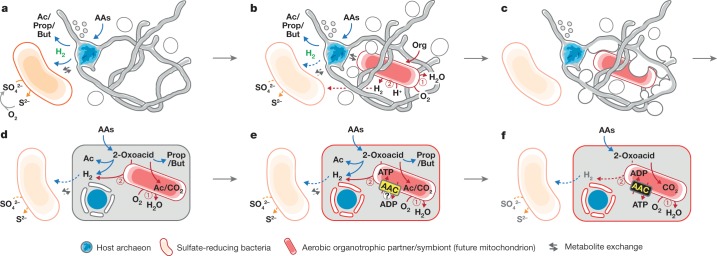
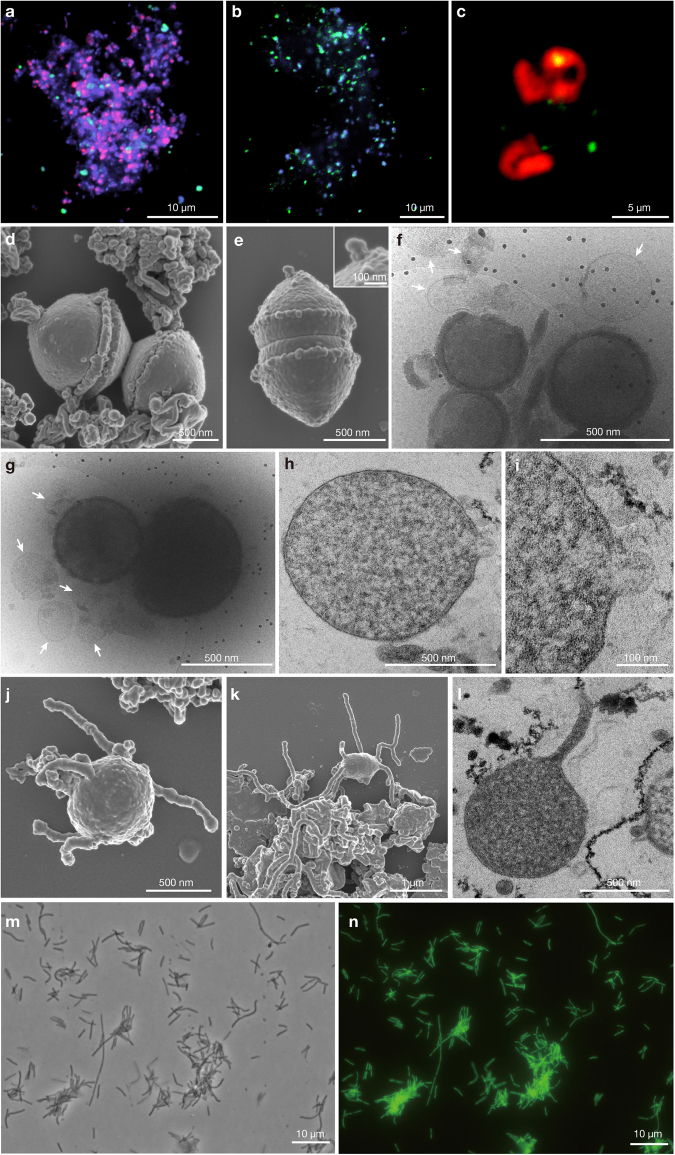
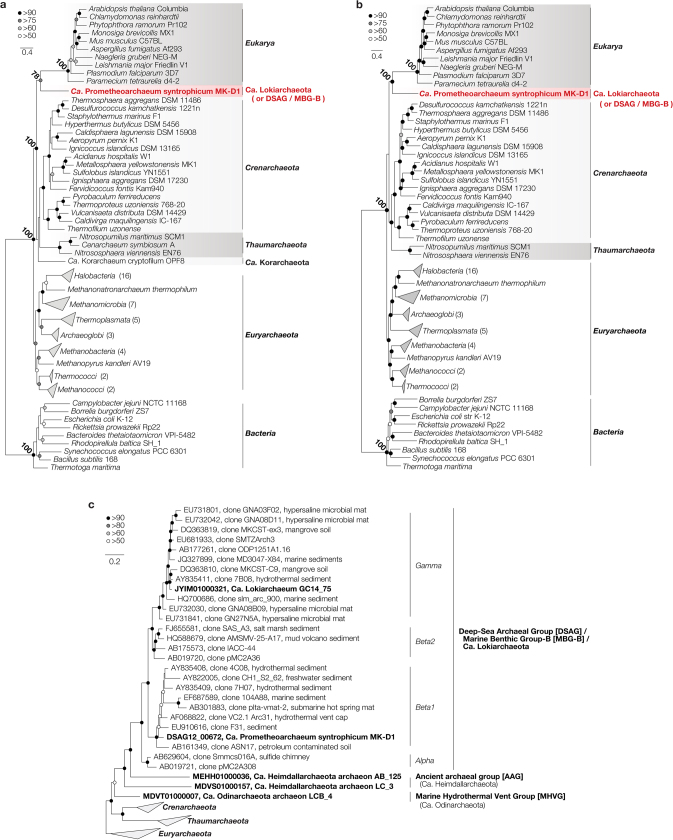
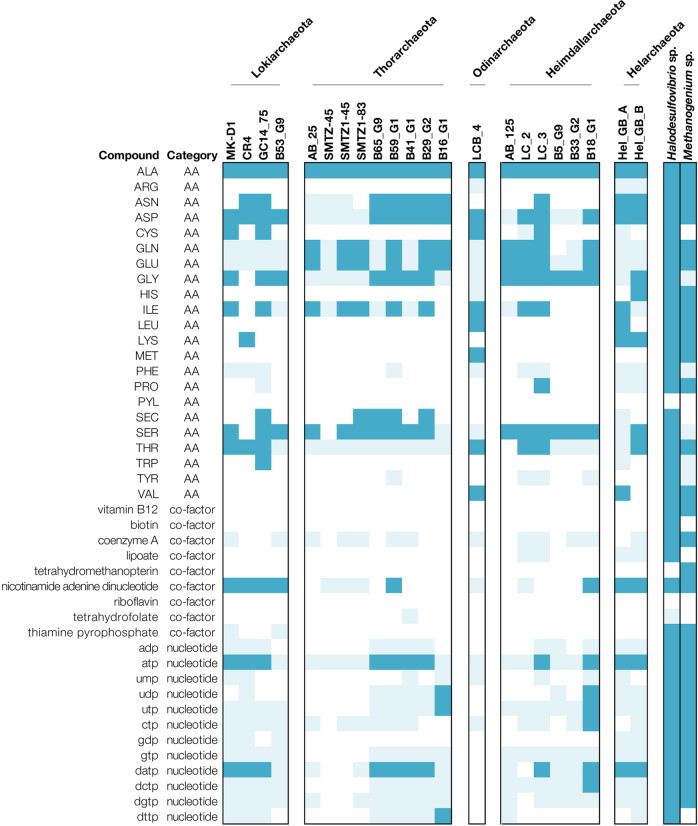
The origin of eukaryotes remains unclear 1-4. Current data suggest that eukaryotes may have emerged from an archaeal lineage known as 'Asgard' archaea 5,6. Despite the eukaryote-like genomic features that are found in these archaea, the evolutionary transition from archaea to eukaryotes remains unclear, owing to the lack of cultured representatives and corresponding physiological insights. Here we report the decade-long isolation of an Asgard archaeon related to Lokiarchaeota from deep marine sediment. The archaeon-'Candidatus Prometheoarchaeum syntrophicum' strain MK-D1-is an anaerobic, extremely slow-growing, small coccus (around 550 nm in diameter) that degrades amino acids through syntrophy. Although eukaryote-like intracellular complexes have been proposed for Asgard archaea 6, the isolate has no visible organelle-like structure. Instead, Ca. P. syntrophicum is morphologically complex and has unique protrusions that are long and often branching. On the basis of the available data obtained from cultivation and genomics, and reasoned interpretations of the existing literature, we propose a hypothetical model for eukaryogenesis, termed the entangle-engulf-endogenize (also known as E 3) model.
Overview
The claims and statistics of this paper haven’t been checked yet.
Free: it reads the open-access text and checks the first 5 claims that cite a source we can check. Create a free account to check every claim.
Integrity signals
Registry
Cites
Statistics
Figures
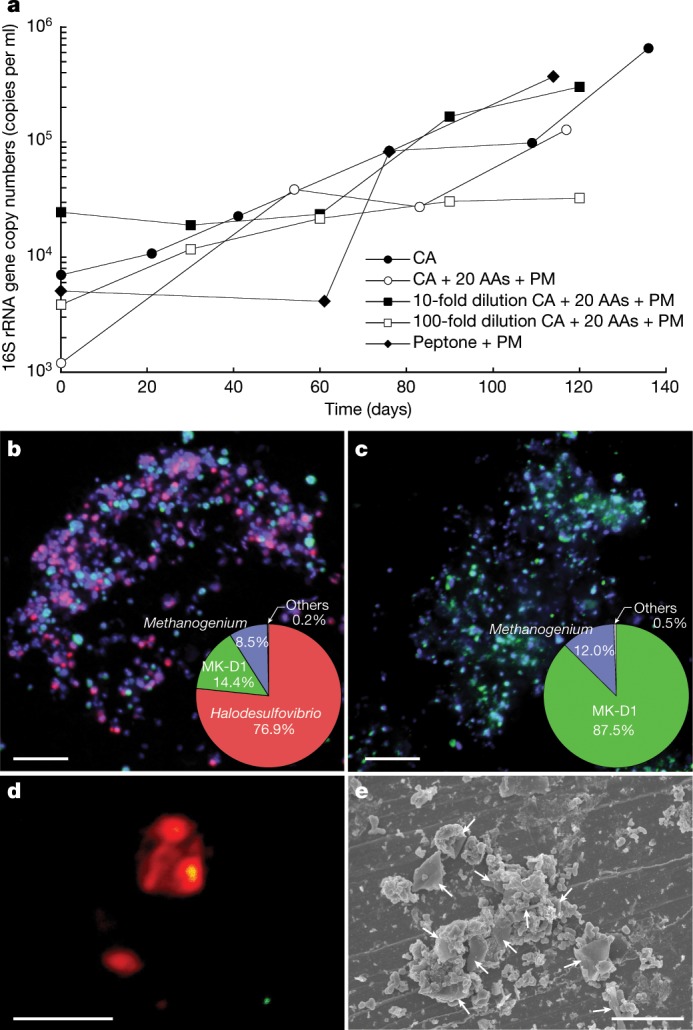
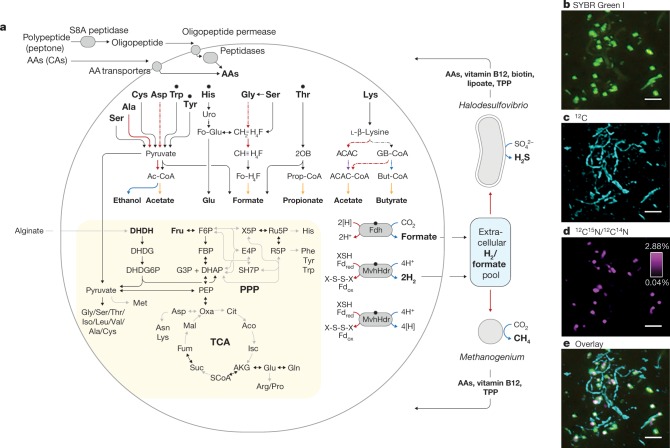
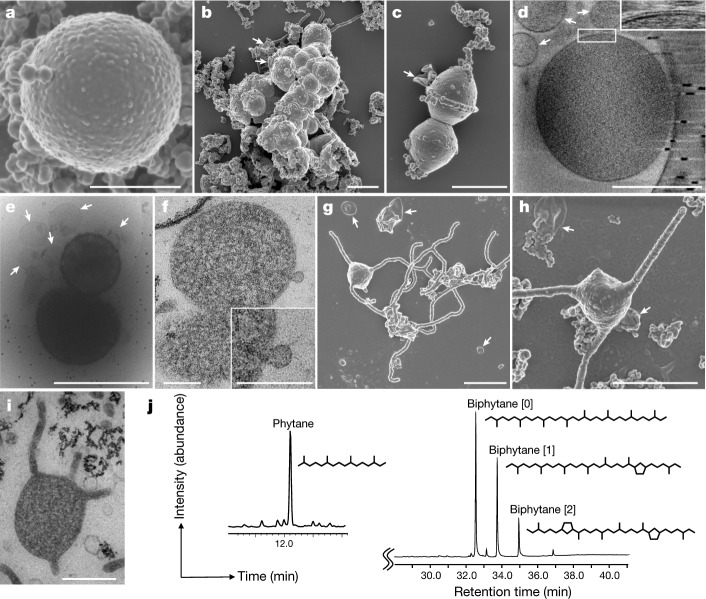
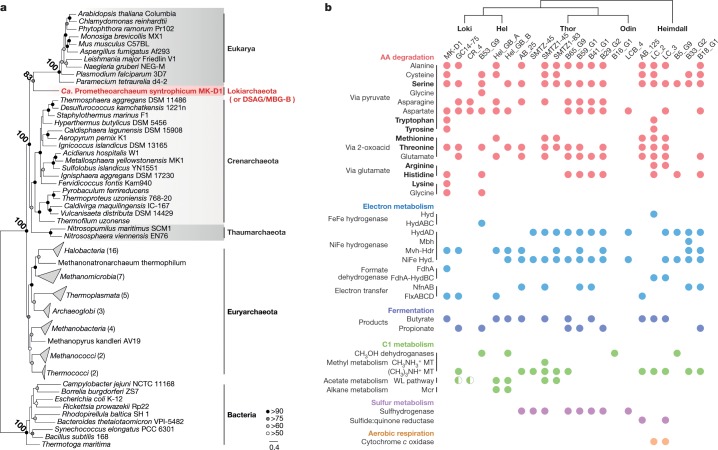
Verification
Claims the paper makes
The claims and statistics of this paper haven’t been checked yet.
Free: it reads the open-access text and checks the first 5 claims that cite a source we can check. Create a free account to check every claim.
Claims other papers make about this one
Each is checked against this paper’s own text: does it say what the citing paper says it does?
The source backs part of the claim, not all of it — or backs it for a different population, condition or comparison.
In the citing paper
“Furthermore, ATP synthase evolution supports scenarios on eukaryotic origins from an asgardarchaeal host3,4,13,14 and alphaproteobacterial symbiont107,108”
From ATP synthase evolution on a cross-braced dated tree of life (2023) · cites this paper as [14]
Experimental — accuracy not yet measured
Self-check
Percentages, sums and reported differences re-computed from the paper’s own numbers.
The self-check needs the paper’s full text.
Citations
Cites
Trimmomatic: a flexible trimmer for Illumina sequence data
Bolger, A. M., Lohse, M., & Usadel, B. (2014) · Bioinformatics · doi:10.1093/bioinformatics/btu170 · Cited by 65,548
MAFFT Multiple Sequence Alignment Software Version 7: Improvements in Performance and Usability
Katoh, K., & Standley, D. M. (2013) · Molecular Biology and Evolution · doi:10.1093/molbev/mst010 · Cited by 46,209
MUSCLE: multiple sequence alignment with high accuracy and high throughput
Edgar, R. C. (2004) · Nucleic Acids Research · doi:10.1093/nar/gkh340 · Cited by 44,662
The SILVA ribosomal RNA gene database project: improved data processing and web-based tools
Quast, C., Pruesse, E., Yilmaz, P., Gerken, J., Schweer, T., Yarza, P., Peplies, J., & Glöckner, F. O. (2012) · Nucleic Acids Research · doi:10.1093/nar/gks1219 · Cited by 33,055
RAxML version 8: a tool for phylogenetic analysis and post-analysis of large phylogenies
Stamatakis, A. (2014) · Bioinformatics · doi:10.1093/bioinformatics/btu033 · Cited by 32,291
MrBayes 3.2: Efficient Bayesian Phylogenetic Inference and Model Choice Across a Large Model Space
Ronquist, F., Teslenko, M., van der Mark, P., Ayres, D. L., Darling, A., Höhna, S., Larget, B., Liu, L., Suchard, M. A., & Huelsenbeck, J. P. (2012) · Systematic Biology · doi:10.1093/sysbio/sys029 · Cited by 27,843
SPAdes: A New Genome Assembly Algorithm and Its Applications to Single-Cell Sequencing
Bankevich, A., Nurk, S., Antipov, D., Gurevich, A. A., Dvorkin, M., Kulikov, A. S., Lesin, V. M., Nikolenko, S. I., Pham, S., Prjibelski, A. D., et al. (2012) · Journal of Computational Biology · doi:10.1089/cmb.2012.0021 · Cited by 25,987
BLAST+: architecture and applications
Camacho, C., Coulouris, G., Avagyan, V., Ma, N., Papadopoulos, J., Bealer, K., & Madden, T. L. (2009) · BMC Bioinformatics · doi:10.1186/1471-2105-10-421 · Cited by 22,074
Prokka: rapid prokaryotic genome annotation
Seemann, T. (2014) · Bioinformatics · doi:10.1093/bioinformatics/btu153 · Cited by 18,818
Guindon, S., Dufayard, J.-F., Lefort, V., Anisimova, M., Hordijk, W., & Gascuel, O. (2010) · Systematic Biology · doi:10.1093/sysbio/syq010 · Cited by 18,376
Research works printed but not linked: 1
- Chikaraishi, Y. et al. Instrumental Optimization for Compound-specific Nitrogen Isotope Analysis of Amino Acids by Gas Chromatography/Combustion/Isotope Ratio Mass Spectrometry in Earth, Life and Isotopes (eds Ohkouchi, N. et al.) 367–386 (Kyoto Univ. Press, 2010). 20658677
Cited by
Items 501–600 of 773
Padilla‐Vaca, F., de la Mora, J., García‐Contreras, R., Ramírez-Prado, J. H., Alva-Murillo, N., Fonseca-Yepez, S., Serna-Gutiérrez, I., Moreno-Galván, C. L., Montufar-Rodríguez, J. M., Vicente-Gómez, M., et al. (2023) · Molecules · doi:10.3390/molecules28135042 · Cited by 3
“Protein sequences for all predicted sensor kinases were obtained from BioProject PRJNA259156 [41], for the metagenome assembly for Candidatus Lokiarchaeum sp.”
MethodKingdoms, Empires, and Domains: The History of High-Level Biological Classification
Ragan, M. A. (2023) · doi:10.1093/oso/9780197643037.001.0001 · Cited by 5
Igisu, M., Miyazaki, M., Sakai, S., Nakagawa, S., Sakai, H. D., & Takai, K. (2023) · Microbes and Environments · doi:10.1264/jsme2.me23052 · Cited by 2
“…for the taxonomic and functional diagnosis as well as the quantification of microbial community components in natural environments and specific enrichment cultures (Amann et al. , 1995; Huber et al. , 2018; Imachi et al. , 2020; Liu et al. , 2022; Nácher-Vázquez et al. , 2022; Dede et al. , 2023).”
BackgroundSelf-citationAnalyzing microbial evolution through gene and genome phylogenies
Teichman, S., Lee, M., & Willis, A. D. (2023) · Biostatistics · doi:10.1093/biostatistics/kxad025 · Cited by 2
Evolutionary trajectory for nuclear functions of ciliary transport complex proteins
Ewerling, A., & May‐Simera, H. (2024) · Microbiology and Molecular Biology Reviews · doi:10.1128/mmbr.00006-24 · Cited by 3
“…numerous membrane fusion events would be needed for membrane scission from the plasma membrane and formation of a separate NE. (B ) Protrusions from the archaeal host reach into the extracellular space, making contact with other archaea and possibly symbiotic bacteria [see references (127, 212)].”
Katayama, T., Nobu, M. K., Kamagata, Y., & Tamaki, H. (2024) · INTERNATIONAL JOURNAL OF SYSTEMATIC AND EVOLUTIONARY MICROBIOLOGY · doi:10.1099/ijsem.0.006558 · Cited by 2
Self-citationBourgeois, G., Coureux, P., Lazennec‐Schurdevin, C., Madru, C., Gaillard, T., Duchateau, M., Chamot‐Rooke, J., Bourcier, S., Méchulam, Y., & Schmitt, E. (2025) · Nature Communications · doi:10.1038/s41467-024-55718-5 · Cited by 4
“Transcriptomic analyzes (e.g 44 – 53 ) have shownthat depending on the archaeal phylum, mRNAs mainly contain Shine-Dalgarno (SD) sequences or have very short ( ≤ 5 nucleotides) or no 5 ′ -untranslated regions (UTR). mRNAs belonging to the latter class are called leaderless.”
Global Archaeal Diversity Revealed Through Massive Data Integration: Uncovering Just Tip of Iceberg
Kioukis, A., Camargo, A. P., Pavlidis, P., Iliopoulos, I., Kyrpides, N. C., & Lagkouvardos, I. (2025) · Microorganisms · doi:10.3390/microorganisms13030598 · Cited by 2
Sitaraman, R. (2020) · Results and problems in cell differentiation · doi:10.1007/978-3-030-51849-3_8 · Cited by 2
The Origin of Eukaryotic Cells
Singh, V. (2021) · Resonance · doi:10.1007/s12045-021-1150-z · Cited by 2
A Holistic Approach for Understanding the Role of Microorganisms in Marine Ecosystems
Muyzer, G., & Cretoiu, M. S. (2022) · The microbiomes of humans, animals, plants, and the environment · doi:10.1007/978-3-030-90383-1_16 · Cited by 2
Gordon, R. (2023) · Wiley eBooks · doi:10.1002/9781119555568.ch9 · Cited by 2
Palacios-Pérez, M., & José, M. V. (2023) · Genes · doi:10.3390/genes14122158 · Cited by 2
“We used the genomes of 26 organisms with different lifestyles (13 bacteria and 13 archaea) based upon the latest update of the tree of life (ToL), which places eukaryotes among the latter [42–47].”
MethodExploration of sulfur-cycling microorganisms from anoxic Black Sea waters and sediment
van Vliet, D. M. (2021) · doi:10.18174/548038 · Cited by 3
In praise of research in fundamental biology
(2022) · Nature · doi:10.1038/d41586-022-04172-8 · Cited by 2
Archaeal lineages related to eukaryotes encode functional diterpenoid cyclasesPreprint
McShea, H. S., Anda, V. D., Brocks, J. J., Welander, P. V., & Baker, B. J. (2025) · bioRxiv (Cold Spring Harbor Laboratory) · doi:10.1101/2025.02.07.637177 · Cited by 2
“Analysis of modern Asgard genomes suggests that these organisms have some archaeal-like physiological features such as isoprenoidal membranes [8], as well as features otherwise only known in eukaryotes such as membrane trafficking proteins and a dynamic cytoskeleton [9 – 11].”
Mosaic evolution of eukaryotic carbon metabolism
Archibald, J. M. (2025) · Nature Ecology & Evolution · doi:10.1038/s41559-025-02652-4 · Cited by 2
A eukaryotic-like phospholipid transfer protein conserved in Asgard archaeaPreprint
Lipp, N.-F., Kocharian, E., & Budin, I. (2025) · bioRxiv (Cold Spring Harbor Laboratory) · doi:10.1101/2025.05.16.653879 · Cited by 2
“Cultured Asgard, like the Lokiarchaea Promethearchaeum syntrophicum [33,34], also show complex membrane topologies including tubular protrusions and surface bound vesicles.”
Oxygen-adaptive plasticity of Asgard archaea dependent on terminal oxidase and globinPreprint
Lu, Z., Xia, R., Xu, A., Gu, J., Cai, H., Liu, Y., Koonin, E. V., & Li, M. (2025) · bioRxiv (Cold Spring Harbor Laboratory) · doi:10.1101/2025.11.07.685452 · Cited by 2
“Although genomic reconstruction and cultivation studies suggest an anaerobic common ancestor for Asgard archaea 33,37,59,60 , our present findings point to the possibility that the Asgard lineage ancestral to eukaryotes evolved oxygen tolerance.”
Du, H., Xu, A., Feng, X., Huang, W.-C., Li, H., Liu, L., Li, Y., Zhang, S., Song, N., Appler, K. E., et al. (2025) · bioRxiv (Cold Spring Harbor Laboratory) · doi:10.1101/2025.11.08.687404 · Cited by 3
“2a, Supplementary Table 2 ), suggesting vertical inheritance rather than frequent horizontal transfer of AMC operons within the Ho-darchaeales lineage.”
InfluentialEvaluation of green microalgae biodiversity in the alpine ecosystem
Stewart, A. (2021) · theses.fr (ABES) · doi:10.70675/5e22da3dz9faez44daz934az78a7b686e0ec · Cited by 5
Human selenocysteine synthase, SEPSECS, has evolved to optimize binding of a tRNA-based substrate
Puppala, A. K., Sosa, D., Suchkou, J. C., French, R. L., Dobosz-Bartoszek, M., Kiernan, K. A., & Simonović, M. (2024) · Nucleic Acids Research · doi:10.1093/nar/gkae875 · Cited by 1
Yoshimura, A., & Seki, M. (2024) · Biology · doi:10.3390/biology14010003 · Cited by 1
“…12B) could eliminate enveloped viruses, only capsid-based viruses would remain at the original vent. vents [28], leading to the standard genetic code of the progenote (Supplementary Figure S2) and the LUCA (Figure 3) from genome as mobile elements (i.e., group II introns) (Figures 12D and 13B).”
The extraterrestrial hypothesis: an epistemological case for removing the taboo
Lane, W. C. (2025) · European Journal for Philosophy of Science · doi:10.1007/s13194-025-00634-8 · Cited by 17
“As to the origin of eukaryotic cells, endosym-biosis is a widely occurring and diverse phenomenon (Wernegreen, 2012), and oxy-genating bacteria became mitochondria not long after the Great Oxygenation Event (Lane, 2022; Imachi et al., 2020).”
Zhang, Y., Zhang, L., & Xu, Y. (2025) · Food Bioscience · doi:10.1016/j.fbio.2025.106488 · Cited by 1
Maeke, M., Yin, X., Wunder, L. C., Vanni, C., Richter‐Heitmann, T., Miravet‐Verde, S., Ruscheweyh, H., Sunagawa, S., Fabian, J., Piontek, J., et al. (2025) · Microbiome · doi:10.1186/s40168-025-02140-8 · Cited by 2
“…once at the beginning of the enrichment experiment with 30-mM sulfate (Na 2 SO 4 ) and an antibiotic mix (D-cycloserin, kanamycin, vancomycin, ampicillin, and streptomycin; 50 mg/l for each) that has been used previously to inhibit general bacterial activity in marine sediments [61, 95, 96].”
Eukaryote‐Wide Distribution of a Family of Longin Domain‐Containing GAP Complexes for Small GTPases
Vanclová, A. M. G. N., Jackson, C. L., & Dacks, J. B. (2025) · Traffic · doi:10.1111/tra.70016 · Cited by 2
“The first cultured Asgardarchaeota organisms were shown to have a simple cell morphology with no observable internal compartmentalization [20, 21].”
Subcellular organization of the archaeal cell
Charles‐Orszag, A., & Albers, S. (2025) · Current Opinion in Microbiology · doi:10.1016/j.mib.2025.102679 · Cited by 1
Hypoxia and the microbiome: Significance and application for ecotoxicological studies
Lee, Y., Liu, Q., Sun, Y., Maszczyk, P., Wang, M., Yang, Z., & Lee, J.-S. (2025) · Marine Pollution Bulletin · doi:10.1016/j.marpolbul.2025.119171 · Cited by 1
Genomic clues to the origin of eukaryotic cells
Archibald, J. M. (2026) · Nature · doi:10.1038/d41586-025-04094-1 · Cited by 1
The syntrophic nature of life’s evolution
Kooijman, S. A. L. M., & Augustine, S. (2026) · Ecological Modelling · doi:10.1016/j.ecolmodel.2026.111499 · Cited by 1
Tracing ancient life through the genomic record
Sobol, M. S., & Martínez-Gutiérrez, C. A. (2026) · Journal of Applied Microbiology · doi:10.1093/jambio/lxag056 · Cited by 1
Comparative Genomic Insights into MatE Transporter Diversity and Habitat Adaptation of Archaea
Leng, H., Guo, L., Chen, Y., Bai, L., Cha, G., & Delvigne, F. (2026) · Microorganisms · doi:10.3390/microorganisms14030531 · Cited by 1
“Representative structures of MatE Classes I–IV were docked with a variety of potential substrates [36–38], including methanol, methylamine, dimethyl sulfide, 1,2,3-trimethoxybenzene, 2-methoxybenzoate, and 3,4,5-trimethoxybenzoate (Figure 5 and Table S4).”
Collado, C., Romero-Tena, P., Wegener, G., Elvert, M., Menapace, W., & Laso-Pérez, R. (2026) · ISME Communications · doi:10.1093/ismeco/ycag072 · Cited by 1
“Interestingly, several clades are shared across samples, suggesting the existence of a core AOM-associated side community that includes groups like Spirochaetia , Bacteroidales and Lokiarchaeota , the latter of which has been repeatedly found in SMTZs [82, 107, 114, 115].”
From ancient catalytic folds to retrotransposons and retroviruses
Kyriakou, E., & Magiorkinis, G. (2026) · Trends in Microbiology · doi:10.1016/j.tim.2026.03.003 · Cited by 1
van Hooff, J. J. E., & Dame, R. T. (2026) · Trends in Genetics · doi:10.1016/j.tig.2026.02.006 · Cited by 1
The cell nucleus as a barrier against horizontal gene transfer in microbial endosymbioses
Zachar, I., Máté, J., & Oszoli, I. (2026) · Philosophical Transactions of the Royal Society B Biological Sciences · doi:10.1098/rstb.2025.0096 · Cited by 1
A pentose bisphosphate pathway of nucleotide degradation in Promethearchaeum syntrophicum
Liu, L., Gu, C., Feng, X., & Li, M. (2026) · Science China Life Sciences · doi:10.1007/s11427-025-3201-4 · Cited by 1
“…to determine whether this pathway is functional in Asgard archaea, we biochemically characterized and hetero-logously expressed NMP phosphorylase, R15P isomerase, and RuBisCO from Promethearchaeum syntrophicum MK-D1, the first cultivated Asgard archaeon (Imachi et al., 2024; Imachi et al., 2020).”
Záhonová, K., Doležal, P., Tachezy, J., Lukeš, J., Speijer, D., & Hampl, V. (2026) · Molecular Biology and Evolution · doi:10.1093/molbev/msag175 · Cited by 1
Gutiérrez‐Preciado, A., Struillou, A., Liang, L., Iniesto, M., Deschamps, P., Eme, L., Zivanovic, Y., García, J. M. L., Benzerara, K., Moreira, D., et al. (2026) · npj Biofilms and Microbiomes · doi:10.1038/s41522-026-01148-8 · Cited by 1
Kleine Zellen, große Wirkung — Bakterien der Candidate Phyla Radiation
Monsees, I., Klingl, A., & Probst, A. J. (2019) · BIOspektrum · doi:10.1007/s12268-019-1304-7 · Cited by 1
“Die kürzlich postulierte Isolation eines Asgardarchaeons nach zwölf Jahren Arbeit zeigt, dass es zwar grundsätzlich möglich erscheint, schwer kultivierbare Organismen – wie eventuell auch die CPR – im Labor stabil zu halten, dies jedoch eine Menge Geduld erfordert [13].”
BackgroundMar�chal, E. (2020) · Plant and Cell Physiology · doi:10.1093/pcp/pcaa043 · Cited by 1
Blossoms of Rot: Microbial Life in Saline Organic‐Rich Sediments
Andrei, A., Bulzu, P., & Banciu, H. L. (2020) · Wiley eBooks · doi:10.1002/9781119593096.ch3 · Cited by 1
LIVING GOD PANDEISM: EVIDENTIAL SUPPORT
Lane, W. C. (2021) · Zygon® · doi:10.1111/zygo.12704 · Cited by 1
“Life is the great complexifier, and most considerations once thought to make complex life rare are now thought not to have that effect (see, e.g., Gowanlock 2011; Kasting 2012; Imachi 2020; Zygon Sandora 2019).”
BackgroundKaraevskaya, E. S., Demidov, N., Казанцев, В. С., Elizarov, I. M., Kaloshin, A. G., PETROV, A., Karlov, D. S., Schirrmeister, L., Belov, A. A., & Wetterich, S. (2021) · Izvestiya Atmospheric and Oceanic Physics · doi:10.1134/s0001433821100066 · Cited by 1
EVOLUTION OF LIFE: A CONDITIONAL CAUSALITY PHENOMENON
(2020) · World Complexity Science Academy Journal · doi:10.46473/wcsaj27240606/20-12-2020-0021 · Cited by 1
“( Margulis et al., 2006; Zachar and Szathmáry, 2017; Zachar et al., 2018; Imachi et al., 2020).”
Goethem, M. W. V., Couradeau, E., & Northen, T. R. (2022) · Ecological studies · doi:10.1007/978-3-030-98415-1_2 · Cited by 1
The Best of Both Worlds: Discovery-Driven Learning through a Lab-Seminar Approach
Egan, M. S., Hogan, K., Maupin-furlow, J. A., & Pohlschröder, M. (2022) · Journal of Microbiology and Biology Education · doi:10.1128/jmbe.00031-22 · Cited by 1
Necessary and sufficient conditions for major evolutionary transitions
Boomsma, J. J. (2022) · Oxford University Press eBooks · doi:10.1093/oso/9780198746171.003.0004 · Cited by 1
Mysterious Asgard archaea microbes reveal their inner secrets
Löwe, J. (2022) · Nature · doi:10.1038/d41586-022-04450-5 · Cited by 1
The DNA Packing Hypothesis for the mysterious eukaryogenesis
Wang, H., Zhao, X., Xu, C., Liu, Y., Liu, Y., Shi, L., Jeppesen, E., & Xie, P. (2023) · The Innovation Life · doi:10.59717/j.xinn-life.2023.100031 · Cited by 2
Assembling an illustrated family‐level tree of life for exploration in mobile devices
Risco, A. A. D., Chacón, D. A., Ángel, L., & García, D. A. (2024) · Journal of Systematics and Evolution · doi:10.1111/jse.13053 · Cited by 1
“For this reason, we refrain from including such taxa until more complete fossils are discovered or some of the candidate taxa become cultivated and formally described (e.g., Imachi et al., 2020).”
Wills, C. J. (2024) · Oxford University Press eBooks · doi:10.1093/oso/9780192887573.003.0001 · Cited by 1
Engineering history with Asgard archaea of the kingdom Promethearchaeati
Nobu, M. K. (2024) · Nature Microbiology · doi:10.1038/s41564-024-01866-9 · Cited by 1
Self-citationProduction of Novel Energy Gases in Bioprocesses Using Undefined Mixed Cultures
Hakalehto, E., & Jääskeläinen, A. (2024) · Advances in biochemical engineering, biotechnology · doi:10.1007/10_2024_267 · Cited by 1
Forterre, P. (2025) · Wiley eBooks · doi:10.1002/9781394351848.ch3 · Cited by 1
Revealing the diversity of bacterial and archaeal organelles via comparative genomics
Trujillo, H. A., & Komeili, A. (2025) · Molecular Biology of the Cell · doi:10.1091/mbc.e20-08-0564 · Cited by 1
“Another Asgardarchaeotum, Ca. Lokiarchaeum ossiferum, closely related to MK-D1, was also recently enriched and visualized via cryo-electron tomography.”
Influential(2019) · Nature Microbiology · doi:10.1038/s41564-019-0636-x · Cited by 1
Terada, A. (2020) · Clean Technologies and Environmental Policy · doi:10.1007/s10098-020-01882-3 · Cited by 1
“One of the most exciting discoveries in the year 2019 in the field of environmental microbiology is the isolation and cultivation of Asgard archaeon present in deep-sea sediment (Imachi et al. 2020).”
BackgroundChallenging Eukaryogenesis: The Story of the Eukaryotic AncestorPreprint
Vidaurri, M. (2020) · arXiv (Cornell University) · doi:10.48550/arxiv.2008.06608 · Cited by 2
“Before the E3 model from Imachi et al. (2020), the Asgard archaea and its members such as Lokiarchaeota, though they were studied, had not been studied in depth, and the Loki’s exact genomic characteristics were purely theorized.”
BackgroundMethodResultInfluentialHarish, A. (2021) · OSF Preprints (OSF Preprints) · doi:10.31219/osf.io/hyknj · Cited by 1
Eukaryotes, Appearance and Early Evolution of
Javaux, E. (2021) · Encyclopedia of Astrobiology · doi:10.1007/978-3-642-27833-4_538-4 · Cited by 2
Asgard archaeon rises from the mud
Hofer, U. (2020) · Nature Reviews Microbiology · doi:10.1038/s41579-020-0334-y
Wie Krankheitserreger die Entstehung der Pflanzenzelle beeinflussten
Björn, L. O. (2020) · Biologie in unserer Zeit · doi:10.1002/biuz.202070110
“[1] H. Imachi et al., 2019, https://doi.org/10.1101/726976 [2] D. A. Baum, B. Baum, BMC Biology, 2014, 12, 76.”
InfluentialMahieu, E. (2019) · theses.fr (ABES) · doi:10.70675/e7d33a53z085az475fz9bf3z102bfa4a48a0 · Cited by 1
Robson, J. (2019) · White Rose eTheses Online (University of Leeds, The University of Sheffield, University of York)
A hot spring Asgard archaeon sheds light on the origin of eukaryotic endosomal system.Preprint
Lin, W., Fan, L., Xiao, J., Fang, S., Xu, Y., Zhao, R., Qin, R., & Zhu, R. (2020) · Research Square · doi:10.21203/rs.3.rs-16808/v1
“Recently, a Lokiarchaeota-related archaeon (Candidatus Prometheoarchaeum syntrophicum strain MK-D1) has been reported to grow in co-culture with a methanogen (Imachi et al. 2019).”
BackgroundKnüppel, R. (2021) · University of Regensburg Publication Server (University of Regensburg)
Darwin’s Science’s Impact on the Evolution of the Microbiological Sciences
Noll, K. M. (2021) · Advances in environmental microbiology · doi:10.1007/978-3-030-63512-1_2
Franke, J. D., Fuerst, J. A., & Poole, A. M. (2021) · Frontiers in Microbiology · doi:10.3389/fmicb.2021.751416
“On the one hand, mounting evidence for cellular complexity in the newly-discovered Asgard lineages (Zaremba-Niedzwiedzka et al., 2017; Imachi et al., 2020) may help bridge the gap between archaea and the origin of the eukaryotic endomembrane system.”
BackgroundАрхейные сообщества мерзлых четвертичных пород морского генезиса на побережье о. Западный Шпицберген
Karaevskaya, E. S., Demidov, N., Kazantsev, V. S., Elizarov, I. M., Kaloshin, A. G., Petrov, A. L., Karlov, D. S., Schirrmeister, L., Belov, A. A., & Wetterich, S. (2021) · ГEOФИЗИЧЕСКИЕ ПРОЦЕССЫ И БИОСФЕРА · doi:10.21455/gpb2021.3-2
Chadha, Y., Seydel, C., & Klingl, A. (2020) · Wiley eBooks · doi:10.1002/9780470015902.a0029201
The Subsurface and Oceanic Crust Prokaryotes
Jebbar, M. (2022) · The microbiomes of humans, animals, plants, and the environment · doi:10.1007/978-3-030-90383-1_11 · Cited by 1
Nomenclature Abstract for Prometheoarchaeum syntrophicum (sic) Imachi et al. 2020.
Parker, C. T., & Garrity, G. M. (2021) · The NamesforLife Abstracts · doi:10.1601/nm.39689
Nomenclature Abstract for Incertae sedis 644 Imachi et al. 2020.
Parker, C. T., & Garrity, G. M. (2021) · The NamesforLife Abstracts · doi:10.1601/nm.39686
Taxonomic Abstract for the genera.
Parker, C. T., & Garrity, G. M. (2021) · The NamesforLife Abstracts · doi:10.1601/tx.39687
Taxonomic Abstract for the families.
Parker, C. T., & Garrity, G. M. (2021) · The NamesforLife Abstracts · doi:10.1601/tx.39686
Nomenclature Abstract for Promethearchaeum syntrophicum corrig. Imachi et al. 2020.
Parker, C. T., & Garrity, G. M. (2021) · The NamesforLife Abstracts · doi:10.1601/nm.39690
Taxonomic Abstract for the phyla.
Parker, C. T., & Garrity, G. M. (2019) · The NamesforLife Abstracts · doi:10.1601/tx.34673
Nomenclature Abstract for Prometheoarchaeum (sic) Imachi et al. 2020.
Parker, C. T., & Garrity, G. M. (2021) · The NamesforLife Abstracts · doi:10.1601/nm.39687
Taxonomic Abstract for the classes.
Parker, C. T., & Garrity, G. M. (2021) · The NamesforLife Abstracts · doi:10.1601/tx.39684
Translationskopplung via Termination-Reinitiation in Archaea und Bacteria
Huber, M. (2021) · Publication Server of Goethe University Frankfurt am Main (Goethe University Frankfurt) · doi:10.21248/gups.61063
(2020) · Phytobiomes Journal · doi:10.1094/pbiomes-4-2
Taxonomic Abstract for the species.
Parker, C. T., & Garrity, G. M. (2021) · The NamesforLife Abstracts · doi:10.1601/tx.39689
Parker, C. T., & Garrity, G. M. (2021) · The NamesforLife Abstracts · doi:10.1601/ex.39689
Nomenclature Abstract for Promethearchaeum corrig. Imachi et al. 2020.
Parker, C. T., & Garrity, G. M. (2021) · The NamesforLife Abstracts · doi:10.1601/nm.39688
Wang, Y., Kamagata, Y., 李, 猛., 韩, 菲., 王, 风., & 肖, 湘. (2021) · SCIENTIA SINICA Terrae · doi:10.1360/n072020-0322
Self-citationNomenclature Abstract for Incertae sedis 643 Imachi et al. 2020.
Parker, C. T., & Garrity, G. M. (2021) · The NamesforLife Abstracts · doi:10.1601/nm.39685
真核生物に最も近い原核生物アスガルドアーキア: 真核生物の起源を解き明かす鍵
Takaaki, S. A. T. O. (2020) · KAGAKU TO SEIBUTSU · doi:10.1271/kagakutoseibutsu.58.494
Nomenclature Abstract for Incertae sedis 642 Imachi et al. 2020.
Parker, C. T., & Garrity, G. M. (2021) · The NamesforLife Abstracts · doi:10.1601/nm.39684
Taxonomic Abstract for the orders.
Parker, C. T., & Garrity, G. M. (2021) · The NamesforLife Abstracts · doi:10.1601/tx.39685
Faculty Opinions recommendation of Phagocytosis-like cell engulfment by a planctomycete bacterium.
Janetopoulos, C. (2019) · Faculty Opinions – Post-Publication Peer Review of the Biomedical Literature · doi:10.3410/f.737063722.793568644
de Kok, N. A. W. (2022) · University of Groningen research database (University of Groningen / Centre for Information Technology) · doi:10.33612/diss.220142471 · Cited by 1
Progress and Challenges in Archaeal Molecular Biology
Werner, F. (2022) · Methods in molecular biology · doi:10.1007/978-1-0716-2445-6_12
McDaniel, E., Moya‐Flores, F., Mendez, D., Weathersby, C. A., Oyserman, B. O., Flowers, J. J., He, S., Petriglieri, F., Singleton, C. M., Nielsen, P. H., et al. (2022) · bioRxiv (Cold Spring Harbor Laboratory) · doi:10.1101/2022.10.01.510452
Neufeld, J. D. (2022) · Environmental Microbiology · doi:10.1111/1462-2920.16264
(2022) · Oxford University Press eBooks · doi:10.1093/oso/9780198746171.002.0009
The free-living prokaryotic and eukaryotic cells
Boomsma, J. J. (2022) · Oxford University Press eBooks · doi:10.1093/oso/9780198746171.003.0007
(2022) · Oxford University Press eBooks · doi:10.1093/oso/9780198746171.002.0005
Inclusive fitness as driver of cooperation for mutual benefit
Boomsma, J. J. (2022) · Oxford University Press eBooks · doi:10.1093/oso/9780198746171.003.0005
Metadata
- Authors
- Imachi, H., Nobu, M. K., Nakahara, N., Morono, Y., Ogawara, M., Takaki, Y., Takano, Y., Uematsu, K., Ikuta, T., Ito, M., Matsui, Y., Miyazaki, M., Murata, K., Saito, Y., Sakai, S., Song, C., Tasumi, E., Yamanaka, Y., Yamaguchi, T., Kamagata, Y., Tamaki, H., & Takai, K.
- Affiliations
- Japan Agency for Marine-Earth Science and Technology (JP)
- National Institute of Advanced Industrial Science and Technology (JP)
- Marine Works Japan Ltd. (Japan) (JP)
- National Institute for Physiological Sciences (JP)
- Nagaoka University of Technology (JP)
- Corresponding author
- Imachi, Hiroyuki
- Nobu, Masaru K.
- ORCID
- Venue
- Nature
- Published
- 2020-01-15
- Volume
- 577
- Issue
- 7791
- Pages
- 519-525
- ISSN
- 0028-0836 (ISSN-L)
- 1476-4687
- PMC
- PMC7015854
- OpenAlex
- W2999376388
- Semantic Scholar
- ca5317ffc225685e3a40aed38069ed97c2151db3
- Cited by
- 624
- References
- 96
- Citations by year
- 2026: 56 · 2025: 82 · 2024: 89 · 2023: 81 · 2022: 109 · 2021: 101 · 2020: 105
- FWCI
- 33.18
- Type
- journal article
- Language
- en
- Open access
- green
- www.ncbi.nlm.nih.gov
- Licence
- cc-by
- www.springernature.com/gp/researchers/text-and-data-mining (tdm)
- www.springernature.com/gp/researchers/text-and-data-mining (vor)
- Locations
- Nature (publishedVersion)
- Europe PMC (PubMed Central) (publishedVersion, cc-by)
- PubMed Central (publishedVersion, cc-by)
- PubMed (publishedVersion)
- Zenodo (CERN European Organization for Nuclear Research) (submittedVersion)
- Funders
- Japan Society for the Promotion of Science (18K18795, 20H02019, 16H06280, 18H03367, 18H02426, 18H04468, 19H01005, 16H04083, 18H05295)
- Topics
- Life Sciences › Agricultural and Biological Sciences › Ecology, Evolution, Behavior and Systematics › Protist diversity and phylogeny
- Physical Sciences › Physics and Astronomy › Astronomy and Astrophysics › Origins and Evolution of Life
- Physical Sciences › Environmental Science › Ecology › Microbial Community Ecology and Physiology
- Keywords
- Asgard archaea, Lokiarchaeota, eukaryotic origin, syntrophy, amino acid catabolism
- MeSH terms
- Amino Acids, Archaea, Eukaryotic Cells, Lipids, Models, Biological, Phylogeny, Prokaryotic Cells, Symbiosis, Geologic Sediments, Evolution, Molecular, Genome, Archaeal
About these checks
Registry, retraction, Cites and statistics results are computed, not judged, with one exception: a printed reference that no index lists is read once by a model before it counts as a citation error. Claims are extracted by a model and kept only when their quote appears verbatim in the text; each cited source is then checked, with a model’s help, for whether it says what the claim relies on. Those verdicts can be wrong — read the claim’s quote and the cited source before relying on one.
Statistics and arithmetic are recomputed, not judged.
Confidence bands are shown only for fields calibrated on our annotated test set. None is calibrated yet, so no band is shown.
What counts as a claim ›How we measure confidence ›How we check this ›
Are you an author, or do you see a problem with this page? Request a review
Data sources
Bibliographic data: Semantic Scholar, OpenAlex, Crossref.
Contains information from the Semantic Scholar Academic Graph Datasets, made available under the ODC Attribution License (ODC-BY 1.0).
Semantic Scholar’s data is described in: Kinney, R., et al. (2023). The Semantic Scholar Open Data Platform. arXiv:2301.10140.
