

Isolation of an archaeon at the prokaryote–eukaryote interface
Open accessPublished version of a preprint
The DOI matches its Crossref record; 97 of the 97 references it cites were found in a registry or an index.
Abstract
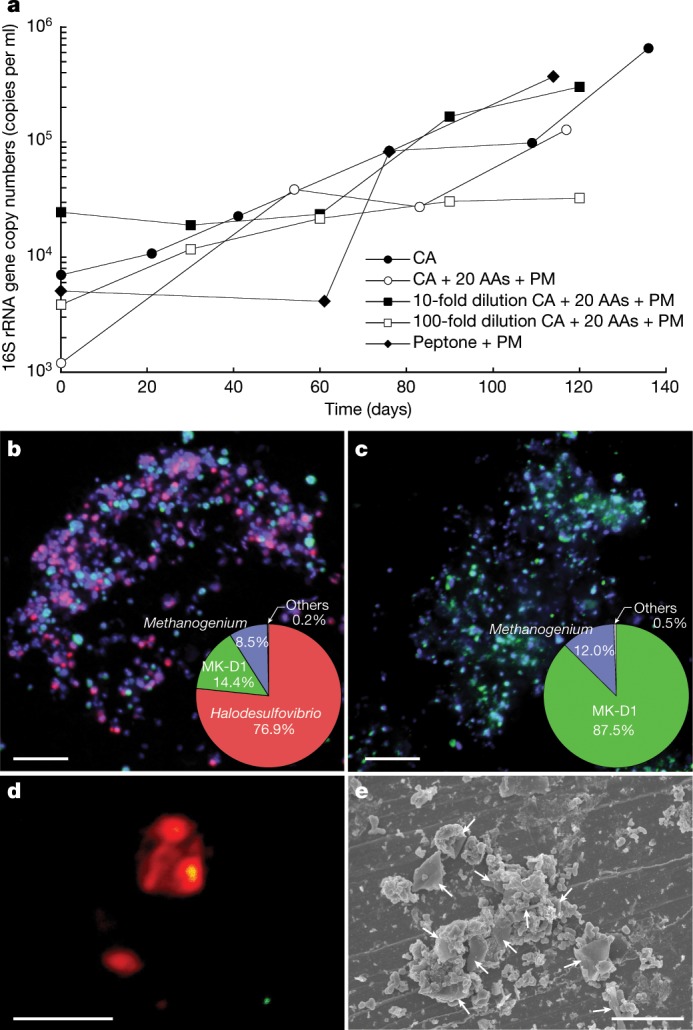
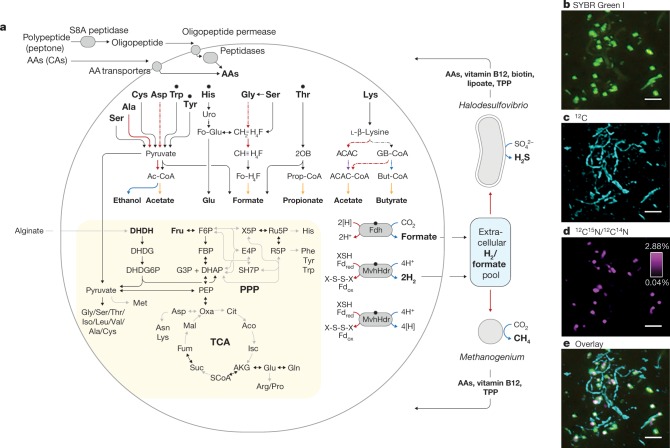
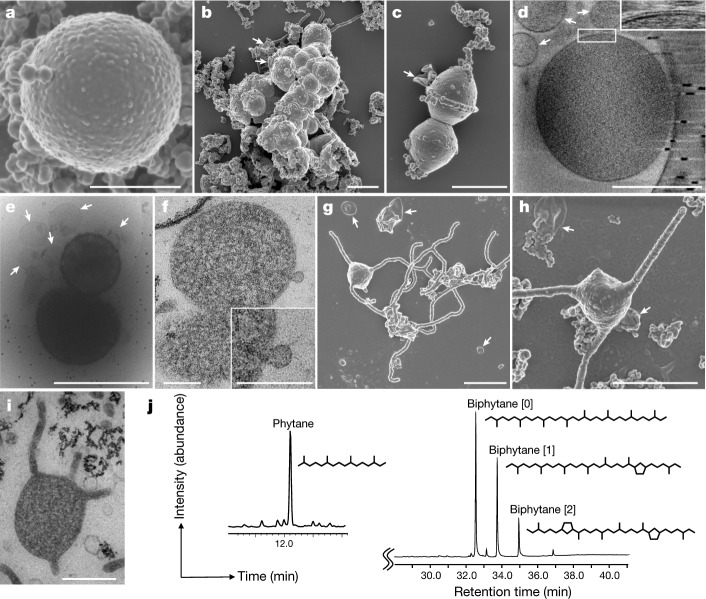
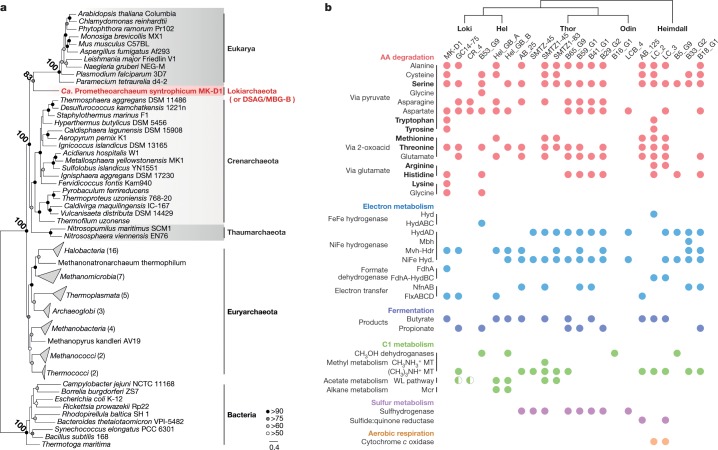
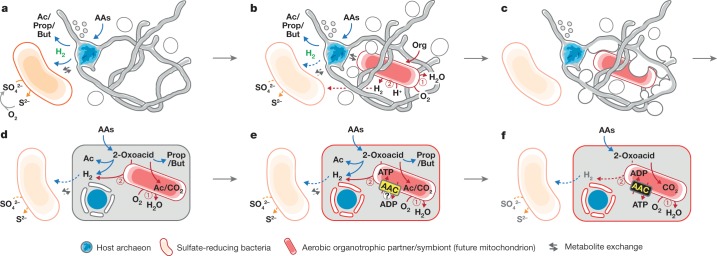
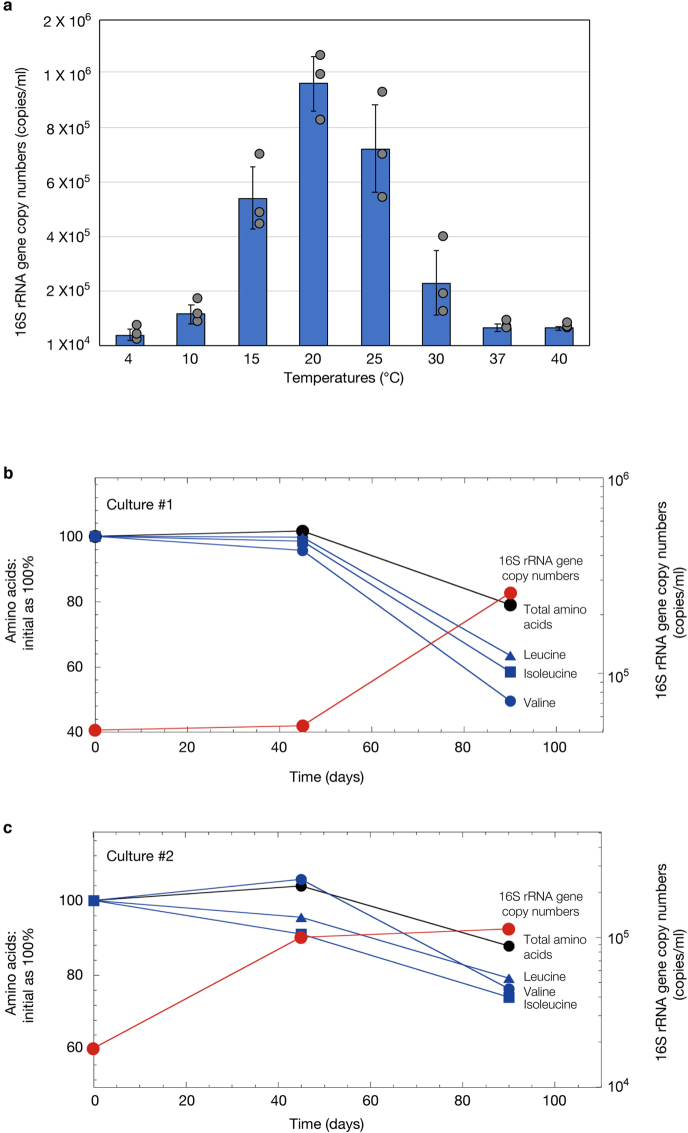
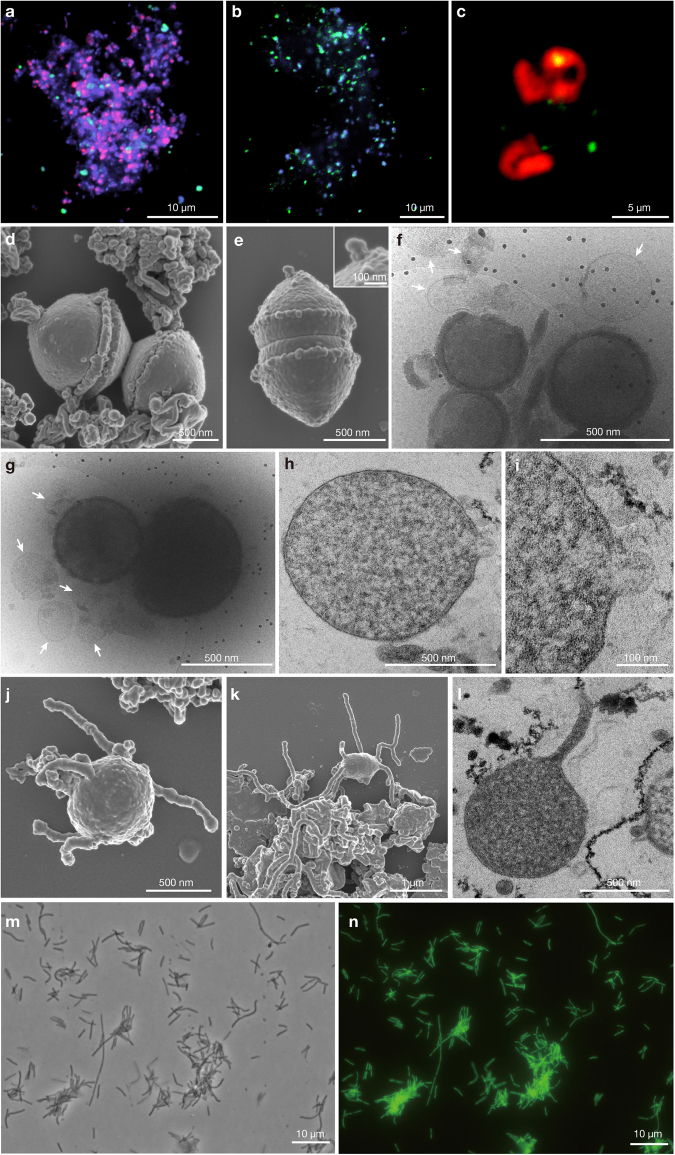
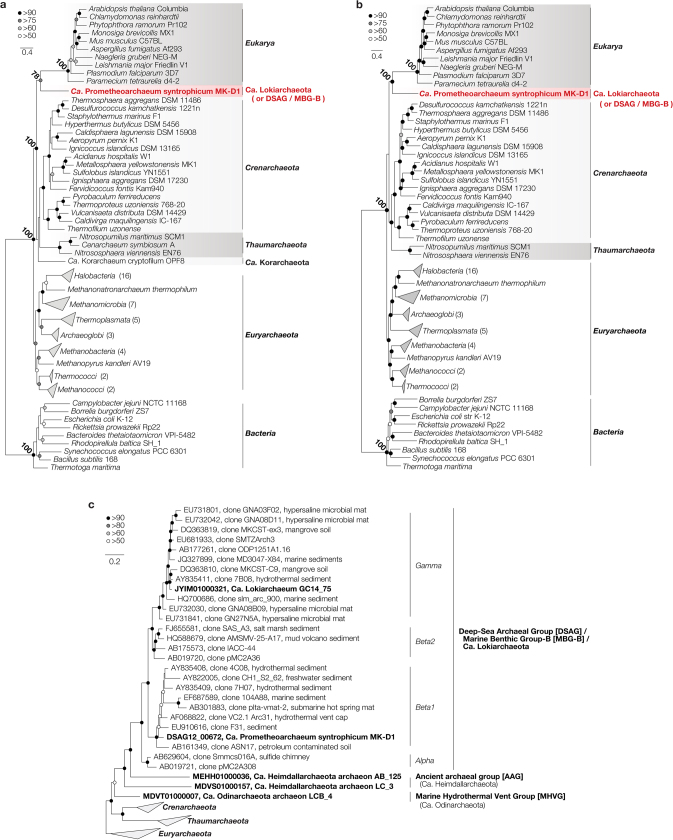
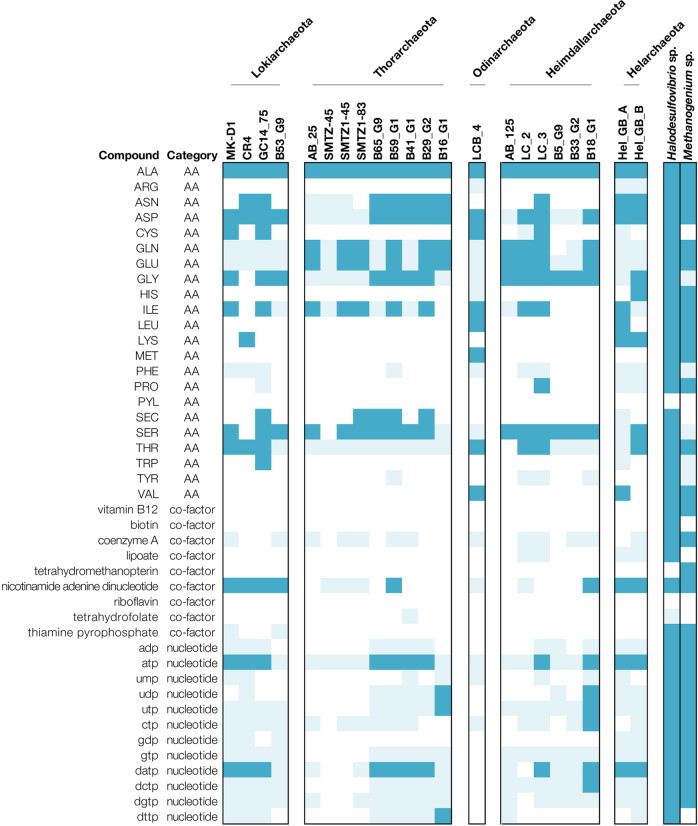
The origin of eukaryotes remains unclear 1-4. Current data suggest that eukaryotes may have emerged from an archaeal lineage known as 'Asgard' archaea 5,6. Despite the eukaryote-like genomic features that are found in these archaea, the evolutionary transition from archaea to eukaryotes remains unclear, owing to the lack of cultured representatives and corresponding physiological insights. Here we report the decade-long isolation of an Asgard archaeon related to Lokiarchaeota from deep marine sediment. The archaeon-'Candidatus Prometheoarchaeum syntrophicum' strain MK-D1-is an anaerobic, extremely slow-growing, small coccus (around 550 nm in diameter) that degrades amino acids through syntrophy. Although eukaryote-like intracellular complexes have been proposed for Asgard archaea 6, the isolate has no visible organelle-like structure. Instead, Ca. P. syntrophicum is morphologically complex and has unique protrusions that are long and often branching. On the basis of the available data obtained from cultivation and genomics, and reasoned interpretations of the existing literature, we propose a hypothetical model for eukaryogenesis, termed the entangle-engulf-endogenize (also known as E 3) model.
Overview
The claims and statistics of this paper haven’t been checked yet.
Free: it reads the open-access text and checks the first 5 claims that cite a source we can check. Create a free account to check every claim.
Integrity signals
Registry
Cites
Statistics
Figures
Verification
Claims the paper makes
The claims and statistics of this paper haven’t been checked yet.
Free: it reads the open-access text and checks the first 5 claims that cite a source we can check. Create a free account to check every claim.
Claims other papers make about this one
Each is checked against this paper’s own text: does it say what the citing paper says it does?
The source backs part of the claim, not all of it — or backs it for a different population, condition or comparison.
In the citing paper
“Furthermore, ATP synthase evolution supports scenarios on eukaryotic origins from an asgardarchaeal host3,4,13,14 and alphaproteobacterial symbiont107,108”
From ATP synthase evolution on a cross-braced dated tree of life (2023) · cites this paper as [14]
Experimental — accuracy not yet measured
Self-check
Percentages, sums and reported differences re-computed from the paper’s own numbers.
The self-check needs the paper’s full text.
Citations
Cites
Trimmomatic: a flexible trimmer for Illumina sequence data
Bolger, A. M., Lohse, M., & Usadel, B. (2014) · Bioinformatics · doi:10.1093/bioinformatics/btu170 · Cited by 65,548
MAFFT Multiple Sequence Alignment Software Version 7: Improvements in Performance and Usability
Katoh, K., & Standley, D. M. (2013) · Molecular Biology and Evolution · doi:10.1093/molbev/mst010 · Cited by 46,209
MUSCLE: multiple sequence alignment with high accuracy and high throughput
Edgar, R. C. (2004) · Nucleic Acids Research · doi:10.1093/nar/gkh340 · Cited by 44,662
The SILVA ribosomal RNA gene database project: improved data processing and web-based tools
Quast, C., Pruesse, E., Yilmaz, P., Gerken, J., Schweer, T., Yarza, P., Peplies, J., & Glöckner, F. O. (2012) · Nucleic Acids Research · doi:10.1093/nar/gks1219 · Cited by 33,055
RAxML version 8: a tool for phylogenetic analysis and post-analysis of large phylogenies
Stamatakis, A. (2014) · Bioinformatics · doi:10.1093/bioinformatics/btu033 · Cited by 32,291
MrBayes 3.2: Efficient Bayesian Phylogenetic Inference and Model Choice Across a Large Model Space
Ronquist, F., Teslenko, M., van der Mark, P., Ayres, D. L., Darling, A., Höhna, S., Larget, B., Liu, L., Suchard, M. A., & Huelsenbeck, J. P. (2012) · Systematic Biology · doi:10.1093/sysbio/sys029 · Cited by 27,843
SPAdes: A New Genome Assembly Algorithm and Its Applications to Single-Cell Sequencing
Bankevich, A., Nurk, S., Antipov, D., Gurevich, A. A., Dvorkin, M., Kulikov, A. S., Lesin, V. M., Nikolenko, S. I., Pham, S., Prjibelski, A. D., et al. (2012) · Journal of Computational Biology · doi:10.1089/cmb.2012.0021 · Cited by 25,987
BLAST+: architecture and applications
Camacho, C., Coulouris, G., Avagyan, V., Ma, N., Papadopoulos, J., Bealer, K., & Madden, T. L. (2009) · BMC Bioinformatics · doi:10.1186/1471-2105-10-421 · Cited by 22,074
Prokka: rapid prokaryotic genome annotation
Seemann, T. (2014) · Bioinformatics · doi:10.1093/bioinformatics/btu153 · Cited by 18,818
Guindon, S., Dufayard, J.-F., Lefort, V., Anisimova, M., Hordijk, W., & Gascuel, O. (2010) · Systematic Biology · doi:10.1093/sysbio/syq010 · Cited by 18,376
Research works printed but not linked: 1
- Chikaraishi, Y. et al. Instrumental Optimization for Compound-specific Nitrogen Isotope Analysis of Amino Acids by Gas Chromatography/Combustion/Isotope Ratio Mass Spectrometry in Earth, Life and Isotopes (eds Ohkouchi, N. et al.) 367–386 (Kyoto Univ. Press, 2010). 20658677
Cited by
Items 301–400 of 773
Origin and evolution of mitochondrial inner membrane composition
Venkatraman, K., Lipp, N.-F., & Budin, I. (2025) · Journal of Cell Science · doi:10.1242/jcs.263780 · Cited by 14
“Cultivation of Asgard archaea from environmental samples have allowed for generation of co-cultures that have led to analysis of extant Asgard cell biology (Imachi et al., 2020; Rodrigues-Oliveira et al., 2023).”
ATP requirements for growth reveal the bioenergetic impact of mitochondrial symbiosis
Martin, W. F. (2025) · Biochimica et Biophysica Acta (BBA) - Bioenergetics · doi:10.1016/j.bbabio.2025.149564 · Cited by 15
“They are, like the famous spaghetti-shaped Korachaeon cryptofilum isolated by Stetter [93], amino acid fermenters [94,95], but with an interesting appendage-producing morphology that (i) probably serves to increase surface area for substrate acquisition and that (ii) was previously observed in…”
Cryo-EM reveals open and closed Asgard chromatin assemblies
Ranawat, H. M., Cajili, M. K. M., Lopez‐Barbosa, N., Quail, T., Dame, R. T., & Dodonova, S. (2025) · Molecular Cell · doi:10.1016/j.molcel.2025.10.001 · Cited by 15
Indirect Routes to Aminoacyl-tRNA: The Diversity of Prokaryotic Cysteine Encoding Systems
Mukai, T., Amikura, K., Fu, X., Söll, D. G., & Crnković, A. (2022) · Frontiers in Genetics · doi:10.3389/fgene.2021.794509 · Cited by 14
“3) SepCysE is present in several lineages of Asgard archaea (Bulzu et al., 2019; Seitz et al., 2019; Imachi et al., 2020) (Figure 4C, Supplementary Figure S1); FIGURE 4 | Phylogenetic trees of SepRS (A), SepCysS (B), and SepCysE (C) (updated from Mukai et al.”
BackgroundNeal, A. L., McLaren, T. I., Campolino, M. L., Hughes, D., Coelho, A. M., Lana, U. G. D. P., Gomes, E. A., & de Sousa, S. M. (2021) · FEMS Microbiology Ecology · doi:10.1093/femsec/fiab033 · Cited by 14
Gut Feelings: The Microbiome and Our Health
Fasano, A., & Flaherty, S. (2021) · The MIT Press eBooks · doi:10.7551/mitpress/11291.001.0001 · Cited by 14
Duque, P., Vieira, C. P., & Vieira, J. (2022) · Genes · doi:10.3390/genes13101917 · Cited by 16
Caceres, E., Lewis, W. H., Homa, F., Martin, T., Schramm, A., Kjeldsen, K. U., & Ettema, T. J. G. (2019) · bioRxiv (Cold Spring Harbor Laboratory) · doi:10.1101/2019.12.17.879148 · Cited by 14
“Recently, a representative of this group, ‘Candidatus Prometheoarchaeum syntrophicum MK-D1’ was successfully grown in co-culture showing cocci-shaped cells with long and branching protrusions (Imachi et al., 2019).”
BackgroundZachar, I., & Boza, G. (2022) · Frontiers in Ecology and Evolution · doi:10.3389/fevo.2022.798045 · Cited by 14
“According to these, mitochondrial endosymbiosis has emerged from mutually beneficial syntrophy of an archaeon and a bacterium that may have evolved as part of a community rather than as separately living organisms (Martin et al., 2015; Spang et al., 2019; Imachi et al., 2020; López-García and Moreira, 2020).”
BackgroundInfluentialShort Peptide Amyloids Are a Potential Sequence Pool for the Emergence of Proteins
Kwiatkowski, W., Greenwald, J., Murzakhmetov, L., Robinson, R. C., & Riek, R. (2024) · Journal of Molecular Biology · doi:10.1016/j.jmb.2024.168495 · Cited by 13
Yamasaki, H., Itoh, R. D., Mizumoto, K. B., Yoshida, Y. S., Otaki, J. M., & Cohen, M. F. (2025) · Antioxidants and Redox Signaling · doi:10.1089/ars.2023.0544 · Cited by 15
“However, their finding has suggested that the ancestor was likely small, similar in size to this Asgard archaeon ( * 550 nm in diameter), and utilized membrane ‘‘nanotube’’ extensions to exchange nutrients with other cells (Imachi et al., 2020).”
The Evolutionary Origin of Mitochondria and Mitochondrion-Related Organelles
Hampl, V., & Roger, A. J. (2024) · Springer eBooks · doi:10.1007/978-3-031-57446-7_3 · Cited by 16
Zhu, J., Xie, R., Ren, Q., Zhou, J., Chen, C., Xie, M.-X., Zhou, Y., Zhang, Y., Liu, N., Wang, J., et al. (2025) · Nature Communications · doi:10.1038/s41467-025-57902-7 · Cited by 15
Asgard archaea in saline environments
Banciu, H. L., Gridan, I. M., Zety, A. V., & Baricz, A. (2022) · Extremophiles · doi:10.1007/s00792-022-01266-z · Cited by 14
Towards culturing the microbe of your choice
Thrash, J. C. (2020) · Environmental Microbiology Reports · doi:10.1111/1758-2229.12898 · Cited by 14
Takano, Y., Oba, Y., Furota, S., Naraoka, H., Ogawa, N. O., Blattmann, T. M., & Ohkouchi, N. (2021) · International Journal of Mass Spectrometry · doi:10.1016/j.ijms.2021.116529 · Cited by 14
Self-citationMeet the relatives of our cellular ancestor
Schleper, C., & Sousa, F. L. (2020) · Nature · doi:10.1038/d41586-020-00039-y · Cited by 14
Proteome-wide structural analysis quantifies structural conservation across distant species
Zhang, S., Zhang, T., & Fu, Y. (2023) · Genome Research · doi:10.1101/gr.277771.123 · Cited by 13
Renewing L innaean taxonomy: a proposal to restructure the highest levels of the N atural S ystem
van der Gulik, P. T. S., Hoff, W. D., & Speijer, D. (2022) · Biological reviews/Biological reviews of the Cambridge Philosophical Society · doi:10.1111/brv.12920 · Cited by 13
Proposed minimal standards for description of methanogenic archaea
Prakash, O., Dodsworth, J. A., Dong, X., Ferry, J. G., L’Haridon, S., Imachi, H., Kamagata, Y., Rhee, S., Sagar, I., Shcherbakova, V. A., et al. (2023) · INTERNATIONAL JOURNAL OF SYSTEMATIC AND EVOLUTIONARY MICROBIOLOGY · doi:10.1099/ijsem.0.005500 · Cited by 14
Self-citationHuang, W.-C., Probst, M., Hua, Z., Szánthó, L. L., Szöllősi, G. J., Ettema, T. J. G., Rinke, C., Williams, T. A., & Spang, A. (2025) · Molecular Biology and Evolution · doi:10.1093/molbev/msaf201 · Cited by 12
“P. syntrophicum , the first cultivated representative of the Asgard archaea (i.e. a member of the Lokiarchaeia/ Prometheoarchaeia), appears to syntrophically grow on amino acids with partner organisms such as Halodesulfovibrio and Methanogenium (Imachi et al. 2020).”
Asgard archaea: have we found our microbial ancestors?
Schleper, C., & Rodrigues-Oliveira, T. (2026) · The EMBO Journal · doi:10.1038/s44318-026-00719-x · Cited by 12
“Novel evolutionary models take into account that the complexity of the cells with their protrusions might have mediated the close interaction and eventually engulfment of the symbiotic partner (Baum and Baum, 2014; Tobiasson et al, 2026; Imachi et al, 2020).”
InfluentialSiebieszuk, A., Sejbuk, M., & Witkowska, A. M. (2023) · International Journal of Molecular Sciences · doi:10.3390/ijms242216169 · Cited by 12
“Consequently, Eukarya may no longer be considered a separate domain but rather as originating from within an archaeal branch [124,126,128,133,134,136,137].”
BackgroundRook, G. A. W. (2024) · Neuroscience & Biobehavioral Reviews · doi:10.1016/j.neubiorev.2024.105653 · Cited by 12
Rodríguez-Cruz, U. E., Castelán-Sánchez, H. G., Madrigal‐Trejo, D., Eguiarte, L. E., & Souza, V. (2024) · Frontiers in Microbiology · doi:10.3389/fmicb.2024.1369263 · Cited by 12
Knopp, M. R., Stockhorst, S., van der Giezen, M., Garg, S. G., & Gould, S. B. (2021) · Genome Biology and Evolution · doi:10.1093/gbe/evab085 · Cited by 12
Agl24 is an ancient archaeal homolog of the eukaryotic N-glycan chitobiose synthesis enzymes
Meyer, B. H., Adam, P. S., Wagstaff, B. A., Kolyfetis, G. E., Probst, A. J., Albers, S. V., & Dorfmueller, H. C. (2022) · eLife · doi:10.7554/elife.67448 · Cited by 12
Closures as a Precondition of Life, Agency, and Semiosis
Švorcová, J., & Markoš, A. (2023) · Biosemiotics · doi:10.1007/s12304-023-09520-3 · Cited by 11
Balachandran, K. R. S., Subramanian, S. H. S., Peter, D. M., Rengarajan, A., Chandrasekaran, M., Rangamaran, V. R., & Dharani, G. (2023) · Molecular Genetics and Genomics · doi:10.1007/s00438-023-01995-6 · Cited by 12
Cui, Z., Li, Y., Jing, X., Luan, X., Liu, N., Liu, J., Meng, Y., Xu, J., & Valentine, D. L. (2024) · Journal of Hazardous Materials · doi:10.1016/j.jhazmat.2024.133904 · Cited by 11
Sun, J., Hirai, M., Takaki, Y., Evans, P. N., Nunoura, T., & Rinke, C. (2025) · Microbial Genomics · doi:10.1099/mgen.0.001351 · Cited by 11
“Among Archaea, metagenome-assembled genomes (MAGs) of Lokiarchaeia recovered from sediments of an active vent field in the North Atlantic were inferred to be heterotrophic, consuming aromatic hydrocarbons while requiring sulphate-reducing bacteria as syntrophic partners [27, 28].”
Self-citationBiogenesis, function and evolution of the archaeal S-layer
Sivabalasarma, S., van Wolferen, M., Albers, S., & Charles‐Orszag, A. (2025) · Current Opinion in Cell Biology · doi:10.1016/j.ceb.2025.102534 · Cited by 11
A diverse Palaeoproterozoic microbial ecosystem implies early eukaryogenesis
Javaux, E. (2025) · Philosophical Transactions of the Royal Society B Biological Sciences · doi:10.1098/rstb.2024.0092 · Cited by 16
“…including the recently defined Provora [44], may permit the acquisition of endosymbionts and are invoked in several eukaryogenesis models (e.g. [12,27]) such as protrusion formation (entangling) illustrated by cultivated Asgard archaea [27,28,30] and blebs (membrane bulging) known in several…”
InfluentialThe Origin of Life and Cellular Systems: A Continuum from Prebiotic Chemistry to Biodiversity
Gómez‐Márquez, J. (2025) · Life · doi:10.3390/life15111745 · Cited by 16
“In that work, the authors reported the decade-long isolation of an Asgard archaeon affiliated with Lokiarchaeota from deep marine sediments [172].”
Wee, S. Y., Edgcomb, V. P., Beaudoin, D., Yvon‐Lewis, S. A., & Sylvan, J. B. (2021) · Applied and Environmental Microbiology · doi:10.1128/aem.01519-21 · Cited by 12
“cultivation from deep marine sediment is with the isolation of Candidatus Prometheoarchaeum syntrophicum (53).”
BackgroundSasaki, K., Ishida, A., Takahata, N., Sano, Y., & Kakegawa, T. (2022) · Precambrian Research · doi:10.1016/j.precamres.2022.106798 · Cited by 11
Archaea: A Goldmine for Molecular Biologists and Evolutionists
Forterre, P. (2022) · Methods in molecular biology · doi:10.1007/978-1-0716-2445-6_1 · Cited by 12
The mysterious microbes that gave rise to complex life
Dance, A. (2021) · Nature · doi:10.1038/d41586-021-01316-0 · Cited by 14
Failure to Guard: Mitochondrial Protein Quality Control in Cancer
Friedlander, J. E., Shen, N., Zeng, A., Korm, S., & Feng, H. (2021) · International Journal of Molecular Sciences · doi:10.3390/ijms22158306 · Cited by 11
“Mitochondria in eukaryotes are commonly believed to arise from the engulfment of an aerobic prokaryote by a single-cell organism with a nucleus, under the rising levels of oxygen in the Earth’s atmosphere and the need for symbiosis between early anaerobic and aerobic organisms [18,19].”
BackgroundDiversifying Displays of Biological Sex and Sexual Behaviour in a Natural History Museum
Mendenhall, C. D., Hayes, V. G., Margolis, J. R., & Dorfman, E. J. (2020) · Museum International · doi:10.1080/13500775.2020.1806597 · Cited by 12
Chromosomal domain formation by archaeal SMC, a roadblock protein, and DNA structure
(2025) · doi:10.1038/s41467-025-56197-y · Cited by 10
“Current evidence suggests the origin of eukaryotes within the prokaryotic domain Archaea 31,32 .”
Makarova, K. S., Wolf, Y. I., Karamycheva, S. A., & Koonin, E. V. (2021) · Frontiers in Microbiology · doi:10.3389/fmicb.2021.721392 · Cited by 10
“…environments where they are involved in complex interactions with each other and other community members (Huber et al., 2002; Keller and Surette, 2006; Schopf et al., 2008; Stewart and Franklin, 2008; Nadell et al., 2009; Castro et al., 2016; Flemming and Wuertz, 2019; Imachi et al., 2020).”
BackgroundGlobin phylogeny, evolution and function, the newest update
Schuster, C. D., Salvatore, F., Moens, L. J., & Marti, M. A. (2024) · Proteins Structure Function and Bioinformatics · doi:10.1002/prot.26659 · Cited by 10
“…only once and thus creating a monophyletic eukaryotic lineage, is the endosymbiosis (ES) of the proto-mitochondria (possibly a member of the α -proteobacterial lineage) into an archaean host (an anoxic, syn-trophic, H2 producing Asgard-archaeal/sulfate-reducing cell) (E3 hypothesis; 56 – 61 ).”
BackgroundTracing the evolutionary pathway: on the origin of mitochondria and eukaryogenesis
Bravo‐Arévalo, J. E. (2025) · FEBS Journal · doi:10.1111/febs.70109 · Cited by 11
Eukaryogenesis From FECA to LECA: Radical Steps Along the Way
Speijer, D. (2025) · BioEssays · doi:10.1002/bies.70063 · Cited by 11
“Though we still know very little about the ecology of Asgard archaea, they form part of symbiotic networks [37, 58, 59], in which contacts are not along the lines of predator prey relations [97], but likely concentrated around exchange of partially reduced metabolites, as we still find today in the…”
A comparison of dimensionality reduction methods for large biological data
Babjac, A., Royalty, T. M., Steen, A. D., & Emrich, S. (2022) · ACM International Conference on Bioinformatics, Computational Biology, and Health Informatics (ACM-BCB) · doi:10.1145/3535508.3545536 · Cited by 12
“, slow growth or extreme sensitivity to specific chemicals [10, 12].”
BackgroundCarl Woese: Still ahead of our time
Forterre, P. (2022) · mLife · doi:10.1002/mlf2.12049 · Cited by 10
“The fi rst cultivated Asgard archaeon, Candidatus Prometheoarchaem synthrophicum, turned out to be dependent for growth on its physical association with a methanogenic archaeon 55 .”
BackgroundHousekeeping in the Hydrosphere: Microbial Cooking, Cleaning, and Control under Stress
Biddanda, B. A., Dila, D. K., Weinke, A. D., Mancuso, J. L., Villar‐Argáiz, M., Medina‐Sánchez, J. M., González‐Olalla, J. M., & Carrillo, P. (2021) · Life · doi:10.3390/life11020152 · Cited by 10
Lemos, L. N., de Carvalho, F. M., Gerber, A. L., Guimarães, A. P. C., Jönck, C. R., Ciapina, L. P., & de Vasconcelos, A. T. R. (2021) · BMC Microbiology · doi:10.1186/s12866-021-02354-4 · Cited by 10
Bacterial origins of thymidylate metabolism in Asgard archaea and Eukarya
Filée, J., Becker, H. F., Mellottee, L., Zein-Eddine, R., Li, Z., Yin, W., Lambry, J., Liebl, U., & Myllykallio, H. (2023) · Nature Communications · doi:10.1038/s41467-023-36487-z · Cited by 10
Comparative population genomic analyses of transporters within the Asgard archaeal superphylum
Russum, S., Lam, K. J. K., Wong, N. A., Iddamsetty, V., Hendargo, K. J., Wang, J., Dubey, A., Zhang, Y., Medrano-Soto, A., & Saier, M. H. (2021) · PLoS ONE · doi:10.1371/journal.pone.0247806 · Cited by 12
“The genome sequence was published allowing us to analyze the transport proteins encoded within it [38].”
BackgroundMethodResultInfluentialChromosomal domain formation by archaeal SMC, a roadblock protein, and DNA structure
Yamaura, K., Takemata, N., Kariya, M., Ishino, S., Yamauchi, M., Takada, S., Ishino, Y., & Atomi, H. (2024) · doi:10.1101/2024.05.14.594075 · Cited by 10
Unravelling Prokaryotic Codon Usage: Insights from Phylogeny, Influencing Factors and Pathogenicity
Dahal, U., & Bansal, A. (2024) · Current Genomics · doi:10.2174/0113892029325491240919151045 · Cited by 9
Chen, H., Zheng, F., Feng, X., Huang, Z., Yang, W., Zhang, C., Du, W., Makarova, K. S., Koonin, E. V., & Zeng, Z. (2025) · mLife · doi:10.1002/mlf2.70001 · Cited by 9
“In addition to diether lipids (archaeol), a major component of the archaeal membrane is tetraether lipids (glycerol dialkyl glycerol tetraethers, GDGTs) 2 .”
InfluentialHistone-mediated chromatin organization in prokaryotes and viruses
Schwab, S., Hu, Y., Alvarez, B. H., Alva, V., & Dame, R. T. (2025) · Trends in Biochemical Sciences · doi:10.1016/j.tibs.2025.06.003 · Cited by 9
Prokofeva, M. I., Karaseva, A. I., Tulenkov, A. S., Klyukina, A. A., Сузина, Н. Е., Bale, N. J., Mets, A., Schleper, C., Elcheninov, A. G., & Kochetkova, T. V. (2025) · mSystems · doi:10.1128/msystems.00710-25 · Cited by 10
“In turn, the investigation of pure (or stably enriched) cultures is a key source of reliable and high-quality data on the metabolism and phenotypic characteristics of organisms that cannot be completely seen through genomic analysis alone (38, 43).”
Mining Microbial Dark Matter: Advanced Cultivation Techniques for Bioactive Compound Discovery
Ji, M., Ma, B., Dong, J., Liu, S., Shi, Y., Bu, M., Wang, L., & Liu, L. (2025) · Pharmaceuticals · doi:10.3390/ph18101583 · Cited by 10
“Bacteria Bio-devices [28] Notable examples include the discoveries of Candidatus Manganitrophus nodulifor-man [23], Chloroflexota [27], Candidatus Prometheoarchaeum syntrophicum [29], and TM7x [19].”
Feng, Y., Ding, J., Lin, Y., Cui, D., Li, K., Zheng, D., Cai, Z., Bell, S. D., & Wu, F. (2025) · Nature Ecology & Evolution · doi:10.1038/s41559-025-02882-6 · Cited by 11
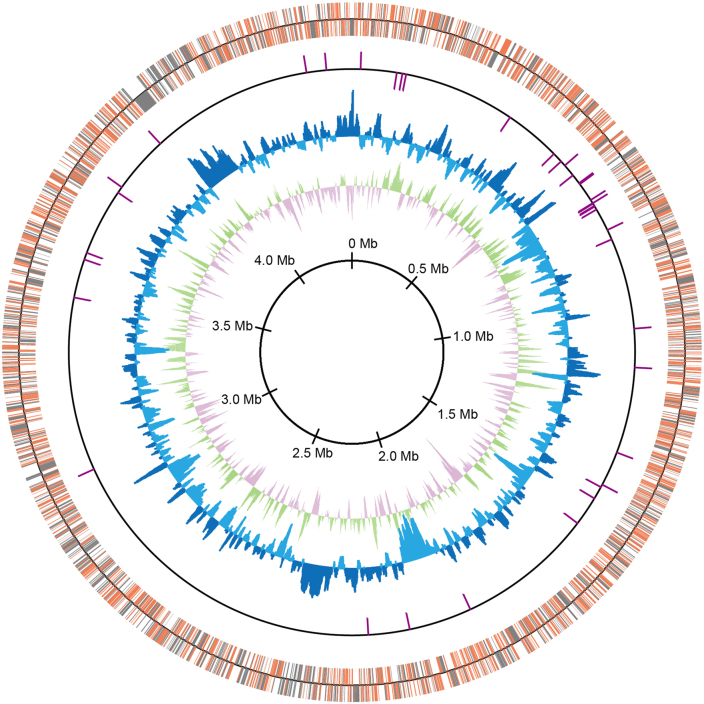
“For gene organization studies, we added all published circular genomes of Asgard archaea until 1 January 2025 17,22,44–46 .”
Dynamic protrusions mediate crawling motility in Asgard archaea
Radler, P., Viehboeck, T., Luo, Z.-H., Maslać, N., Schmidt, K., Hauschild, R., Nobu, M. K., Bulgheresi, S., Stradal, T. E. B., Rottner, K., et al. (2026) · Nature · doi:10.1038/s41586-026-11063-9 · Cited by 10
“These protrusions became increasingly curved and swayed strongly with Brownian motion, which was in stark contrast to the controlled protrusion dynamics observed without the inhibitor (Supplementary Video 10).”
Self-citationWang, Y., Hong, H., Qian, L., Wang, Q., Li, J., Huang, Q., Jiang, Y., Lu, H., Liu, J., Dong, Y., et al. (2022) · Chemosphere · doi:10.1016/j.chemosphere.2022.133858 · Cited by 9
Mandal, S., Bose, H., Ramesh, K., Sahu, R. P., Saha, A., Sar, P., & Kazy, S. K. (2022) · Frontiers in Microbiology · doi:10.3389/fmicb.2022.1018940 · Cited by 11
Unde venisti PGRMC? Grand-Scale Biology from Early Eukaryotes and Eumetazoan Animal Origins
Cahill, M. A. (2022) · Frontiers in Bioscience-Landmark · doi:10.31083/j.fbl2711317 · Cited by 10
The Sphinx and the egg: Evolutionary enigmas of the (glyco)sphingolipid biosynthetic pathway
Biran, A., Santos, T. C. B., Dingjan, T., & Futerman, A. H. (2024) · Biochimica et Biophysica Acta (BBA) - Molecular and Cell Biology of Lipids · doi:10.1016/j.bbalip.2024.159462 · Cited by 9
Microbial Diversity and Open Questions about the Deep Tree of Life
Eme, L., & Tamarit, D. (2024) · Genome Biology and Evolution · doi:10.1093/gbe/evae053 · Cited by 9
Characterization of protein glycosylation in an Asgard archaeon
Nakagawa, S., Imachi, H., Shimamura, S., Yanaka, S., Yagi, H., Yagi‐Utsumi, M., Sakai, H. D., Kato, S., Ohkuma, M., Kato, K., et al. (2024) · BBA Advances · doi:10.1016/j.bbadva.2024.100118 · Cited by 10
“An orthologue of the oligosaccharyl transferase (OST) gene ( aglB , locus tag = DSAG12_01167) containing WWDYG and DEGKWPWM motifs was identified [5].”
InfluentialSelf-citationDebating Eukaryogenesis—Part 1: Does Eukaryogenesis Presuppose Symbiosis Before Uptake?
Speijer, D. (2020) · BioEssays · doi:10.1002/bies.201900157 · Cited by 11
Liu, Y., & Li, M. (2022) · mLife · doi:10.1002/mlf2.12020 · Cited by 9
“In addition, we investigated the distribution of ESPs in Korarchaeota , Njordarchaeota and six Asgard archaeal genomes sequenced from isolates reported from two recent studies 24,25 .”
Zhao, J., Chakrabarti, S., Chambers, R. M., Weisenhorn, P. B., Travieso, R., Stumpf, S., Standen, E., Briceño, H. O., Troxler, T. G., Gaiser, E. E., et al. (2022) · The Science of The Total Environment · doi:10.1016/j.scitotenv.2022.159865 · Cited by 9
Distinct localization of chiral proofreaders resolves organellar translation conflict in plants
Kumar, P., Babu, K. S. D., Singh, A. K., Singh, D. K., Nalli, A., Mukul, S. J., Roy, A., Mazeed, M., Raman, B., Kruparani, S. P., et al. (2023) · Proceedings of the National Academy of Sciences · doi:10.1073/pnas.2219292120 · Cited by 9
“The emergence of eukaryotes is a result of successful amalgamation of bacteria and archaea where an asgard archaea engulfed a proteobacteria via endosymbiosis (1, 2).”
Clingy genes: Why were genes for ribosomal proteins retained in many mitochondrial genomes?
Bertgen, L., Mühlhaus, T., & Herrmann, J. M. (2020) · Biochimica et Biophysica Acta (BBA) - Bioenergetics · doi:10.1016/j.bbabio.2020.148275 · Cited by 10
Deciphering the Virus Signal Within the Marine Dissolved Organic Matter Pool
Heinrichs, M. E., Heyerhoff, B., Arslan-Gatz, B. S., Seidel, M., Niggemann, J., & Engelen, B. (2022) · Frontiers in Microbiology · doi:10.3389/fmicb.2022.863686 · Cited by 9
“Furthermore, the degradation of organic material was most likely lower in the deep-sea sediments compared to the faster turnover rates of the newly available substrates by the microbial community during the phytoplankton bloom (Jørgensen and D’Hondt, 2006; Buchan et al., 2014; Imachi et al., 2020).”
BackgroundDiversity of Archaea Domain in Cuatro Cienegas Basin: Archaean DomesPreprint
Medina-Chávez, N. O., Jasso, M. V., Olmedo‐Álvarez, G., Eguiarte, L. E., Souza, V., & la Torre-Zavala, S. D. (2019) · bioRxiv (Cold Spring Harbor Laboratory) · doi:10.1101/766709 · Cited by 10
Salactin, a dynamically unstable actin homolog in Haloarchaea
Zheng, J., Mallon, J., Lammers, A., Rados, T., Litschel, T., Moody, E. R. R., Ramirez-Diaz, D. A., Schmid, A., Williams, T. A., Bisson-Filho, A. W., et al. (2023) · mBio · doi:10.1128/mbio.02272-23 · Cited by 8
Fusion/fission protein family identification in Archaea
Padalko, A., Nair, G., & Sousa, F. L. (2024) · mSystems · doi:10.1128/msystems.00948-23 · Cited by 8
“Their cultivation, similar to some bacteria, imposes some challenges such as long generation times and metabo lite limitations in the absence of syntropic/symbiotic partners outside of their natural habitat (6, 8, 9, 14).”
BackgroundNavigating the archaeal frontier: insights and projections from bioinformatic pipelines
Karavaeva, V., & Sousa, F. L. (2024) · Frontiers in Microbiology · doi:10.3389/fmicb.2024.1433224 · Cited by 8
“Notably, Archaea have played a pivotal role in the evolution of eukaryotes, indicating their significance in the history of life on Earth (Spang et al., 2015; Mac Leod et al., 2019; Imachi et al., 2020; López-García and Moreira, 2020; Eme et al., 2023; Spang, 2023, to name a few).”
BackgroundManzano-Morales, S., & Gabaldón, T. (2026) · Nature Communications · doi:10.1038/s41467-026-71534-5 · Cited by 8
“Prometheoarchaeum syntrophicum MK-D1 7 and Ca .”
Diversity, ecology, cell biology and evolution of the Asgard archaea
Panagiotou, K., Geesink, P., Köstlbacher, S., de Zwaan, G. H., & Ettema, T. J. G. (2026) · Nature Reviews Microbiology · doi:10.1038/s41579-026-01288-w · Cited by 8
“Confirming their predicted heterotrophic lifestyle, cultivated members of the Lokiarchaeia use amino acids and peptides as their preferred carbon source 28,29 .”
InfluentialNisson, D. M., Mickol, R. L., Robinson, A., & Lloyd, K. G. (2026) · Astrobiology · doi:10.1177/15311074261464014 · Cited by 9
“Although Earth ’ s aeonophiles can undergo cell division in subsurface environments when the power is increased slightly (Lloyd et al., 2020) or in carefully designed cultures with limited nutrients (Imachi et al., 2020), they nevertheless grow very slowly.”
Metagenomic insights into Heimdallarchaeia clades from the deep-sea cold seep and hydrothermal vent
Liu, R., Cai, R., Wang, M., Zhang, J., Zhang, H., Li, C., & Sun, C. (2024) · Environmental Microbiome · doi:10.1186/s40793-024-00585-2 · Cited by 8
“The aerobic respiration would allow Heimdal-larchaeia to use a wide range of organic substrates [8], and enable them to oxidize organic substrates by using oxygen as an electron acceptor, and allow them to conserve the energy by coupling ferredoxin reoxidation to respiratory proton reduction [11].”
BackgroundResultInfluentialPandi-Perumal, S. R., Saravanan, K. M., Paul, S., Spence, D. W., & Chidambaram, S. B. (2024) · International Journal of Molecular Sciences · doi:10.3390/ijms26010060 · Cited by 9
Satıcıoğlu, İ. B., Ajmi, N., Coskuner‐Weber, O., Alpsoy, S., Ay, H., Aydın, F., Abay, S., Karakaya, E., Kayman, T., Dalyan, C., et al. (2025) · Systematic and Applied Microbiology · doi:10.1016/j.syapm.2025.126600 · Cited by 8
Arbitrary Lagrangian–Eulerian finite element method for lipid membranes
Sahu, A. (2025) · Journal of Fluid Mechanics · doi:10.1017/jfm.2025.10553 · Cited by 8
Smith, D. A., Palacios-Pérez, M., & Jheeta, S. (2022) · Life · doi:10.3390/life12020287 · Cited by 9
Mendoza-Hoffmann, F., Zarco‐Zavala, M., Ortega, R., Celis-Sandoval, H., Torres‐Larios, A., & García‐Trejo, J. J. (2022) · Microorganisms · doi:10.3390/microorganisms10071372 · Cited by 8
Quo vadis PGRMC? Grand-Scale Biology in Human Health and Disease
Cahill, M. A. (2022) · Frontiers in Bioscience-Landmark · doi:10.31083/j.fbl2711318 · Cited by 9
Speijer, D. (2021) · BioEssays · doi:10.1002/bies.202100069 · Cited by 8
Bioenergetics evolution: the link between Earth’s and Life’s history
Padalko, A., Karavaeva, V., Beas, J. Z., Neukirchen, S., & Sousa, F. L. (2025) · Philosophical Transactions of the Royal Society B Biological Sciences · doi:10.1098/rstb.2024.0102 · Cited by 7
Biological surveys reveal unexpectedly high faunal diversity at Nankai Trough methane seeps
Chen, C., Watanabe, H., Hookabe, N., Shiraki, S., Nye, V., Fleming, J. F., & Jimi, N. (2025) · Ecosphere · doi:10.1002/ecs2.70451 · Cited by 7
Zheng, F., Yao, W., He, W., Zhang, W., Chen, Y., Chen, H., Zeng, Z., Liu, X., Ding, S., Zheng, Y., et al. (2025) · Nature Communications · doi:10.1038/s41467-025-67286-3 · Cited by 7
Thomas, M. J., Cassidy, E. R., Robinson, D. S., & Walstrom, K. M. (2021) · Biochimica et Biophysica Acta (BBA) - Proteins and Proteomics · doi:10.1016/j.bbapap.2021.140722 · Cited by 7
Role of archaea in aquaculture: prospects and challenges
Jifiriya, M. J., Preena, P. G., Rejish Kumar, V. J., Nair, A. J., & Joseph, V. (2023) · Aquaculture International · doi:10.1007/s10499-023-01317-y · Cited by 7
“Even though the archaeal members belonging to Nanoarchaeota (Wurch et al. 2016), Euryarchaeota (Sorokin et al. 2017), Thaumarchaeota (Konneke et al. 2005) and Lokiarchaeota (Imachi et al. 2020) were successfully isolated in previous years, the long generation time and rapid transition to laboratory conditions reduce t…”
Protein structures unravel the signatures and patterns of deep time evolution
Harish, A. (2024) · QRB Discovery · doi:10.1017/qrd.2024.4 · Cited by 8
“…commonly acknowledged but rarely tested notions that eukaryotes evolved from within archaea (Spang et al., 2015; Zaremba-Niedzwiedzka et al., 2017; Imachi et al., 2020; Williams et al., 2020) and that eukaryotes evolved from a merger of archaea and bacteria (Karlberg et al., 2000; Cotton and…”
BackgroundZhao, P., Bi, X., Wang, X., Feng, X., Shen, Y., Yuan, G., & She, Q. (2024) · mLife · doi:10.1002/mlf2.12107 · Cited by 7
Nature should be the model for microbial sciences
Baker, B. J., Hyde, E., & Leão, P. (2024) · Journal of Bacteriology · doi:10.1128/jb.00228-24 · Cited by 8
“Two cultures of Lokiarchaeia representatives from this clade have been obtained (53, 54); however, these are difficult to maintain as well.”
BackgroundAmino acids could sustain fungal life in the energy-limited anaerobic sediments below the seafloor
Arifeen, M. Z. U., Ahmad, S., Wu, X., Hou, S., & Liu, C. (2024) · Applied and Environmental Microbiology · doi:10.1128/aem.01279-24 · Cited by 8
“For instance, newly isolated Archaea from the fermentation zone of anoxic deep-sea sediments (28) and two novel Archaea obtained from marine sediment (32, 33) were found to show amino acid-based metabolism.”
Ecology and biogeochemistry of the microbial underworld in two sister soda lakes
Paquette, A. J., Bhatnagar, S., Vadlamani, A., Gillis, T., Khot, V., Novotnik, B., Siegler, H. D. L. H., Strous, M., & Rattray, J. E. (2024) · Environmental Microbiome · doi:10.1186/s40793-024-00632-y · Cited by 7
Earth's most needed uncultivated aquatic prokaryotes
Simon, S. A., Aschmann, V., Behrendt, A., Hügler, M., Engl, L. M., Pohlner, M., Rolfes, S., Brinkhoff, T., Engelen, B., Könneke, M., et al. (2024) · Water Research · doi:10.1016/j.watres.2024.122928 · Cited by 10
Assessing the methanogenic activity of microbial communities enriched from a depleted reservoir
Vizzarro, A., Azim, A. A., Bassani, I., Bellini, R., Vasile, N., Pirri, C. F., Verga, F., & Menin, B. (2025) · FEMS Microbiology Ecology · doi:10.1093/femsec/fiaf040 · Cited by 7
Peculiar morphology of Asgard archaeal cells close to the prokaryote-eukaryote boundary
Avcı, B., Panagiotou, K., Albertsen, M., Ettema, T. J. G., Schramm, A., & Kjeldsen, K. U. (2025) · mBio · doi:10.1128/mbio.00327-25 · Cited by 7
“Microscopic examinations of two closely related members of the Asgard arch aeal order Lokiarchaeales revealed complex surface structures characterized by long and often branching membrane protrusions (8, 9).”
The origin and radiation of the phosphoprotein phosphatase (PPP) enzymes of Eukaryotes
Kerk, D., Mattice, J. F., Valdés‐Tresanco, M. E., Noskov, S. Y., Ng, K. K.-S., & Moorhead, G. B. G. (2021) · Scientific Reports · doi:10.1038/s41598-021-93206-8 · Cited by 8
Metadata
- Authors
- Imachi, H., Nobu, M. K., Nakahara, N., Morono, Y., Ogawara, M., Takaki, Y., Takano, Y., Uematsu, K., Ikuta, T., Ito, M., Matsui, Y., Miyazaki, M., Murata, K., Saito, Y., Sakai, S., Song, C., Tasumi, E., Yamanaka, Y., Yamaguchi, T., Kamagata, Y., Tamaki, H., & Takai, K.
- Affiliations
- Japan Agency for Marine-Earth Science and Technology (JP)
- National Institute of Advanced Industrial Science and Technology (JP)
- Marine Works Japan Ltd. (Japan) (JP)
- National Institute for Physiological Sciences (JP)
- Nagaoka University of Technology (JP)
- Corresponding author
- Imachi, Hiroyuki
- Nobu, Masaru K.
- ORCID
- Venue
- Nature
- Published
- 2020-01-15
- Volume
- 577
- Issue
- 7791
- Pages
- 519-525
- ISSN
- 0028-0836 (ISSN-L)
- 1476-4687
- PMC
- PMC7015854
- OpenAlex
- W2999376388
- Semantic Scholar
- ca5317ffc225685e3a40aed38069ed97c2151db3
- Cited by
- 624
- References
- 96
- Citations by year
- 2026: 56 · 2025: 82 · 2024: 89 · 2023: 81 · 2022: 109 · 2021: 101 · 2020: 105
- FWCI
- 33.18
- Type
- journal article
- Language
- en
- Open access
- green
- www.ncbi.nlm.nih.gov
- Licence
- cc-by
- www.springernature.com/gp/researchers/text-and-data-mining (tdm)
- www.springernature.com/gp/researchers/text-and-data-mining (vor)
- Locations
- Nature (publishedVersion)
- Europe PMC (PubMed Central) (publishedVersion, cc-by)
- PubMed Central (publishedVersion, cc-by)
- PubMed (publishedVersion)
- Zenodo (CERN European Organization for Nuclear Research) (submittedVersion)
- Funders
- Japan Society for the Promotion of Science (18K18795, 20H02019, 16H06280, 18H03367, 18H02426, 18H04468, 19H01005, 16H04083, 18H05295)
- Topics
- Life Sciences › Agricultural and Biological Sciences › Ecology, Evolution, Behavior and Systematics › Protist diversity and phylogeny
- Physical Sciences › Physics and Astronomy › Astronomy and Astrophysics › Origins and Evolution of Life
- Physical Sciences › Environmental Science › Ecology › Microbial Community Ecology and Physiology
- Keywords
- Asgard archaea, Lokiarchaeota, eukaryotic origin, syntrophy, amino acid catabolism
- MeSH terms
- Amino Acids, Archaea, Eukaryotic Cells, Lipids, Models, Biological, Phylogeny, Prokaryotic Cells, Symbiosis, Geologic Sediments, Evolution, Molecular, Genome, Archaeal
About these checks
Registry, retraction, Cites and statistics results are computed, not judged, with one exception: a printed reference that no index lists is read once by a model before it counts as a citation error. Claims are extracted by a model and kept only when their quote appears verbatim in the text; each cited source is then checked, with a model’s help, for whether it says what the claim relies on. Those verdicts can be wrong — read the claim’s quote and the cited source before relying on one.
Statistics and arithmetic are recomputed, not judged.
Confidence bands are shown only for fields calibrated on our annotated test set. None is calibrated yet, so no band is shown.
What counts as a claim ›How we measure confidence ›How we check this ›
Are you an author, or do you see a problem with this page? Request a review
Data sources
Bibliographic data: Semantic Scholar, OpenAlex, Crossref.
Contains information from the Semantic Scholar Academic Graph Datasets, made available under the ODC Attribution License (ODC-BY 1.0).
Semantic Scholar’s data is described in: Kinney, R., et al. (2023). The Semantic Scholar Open Data Platform. arXiv:2301.10140.
