

Isolation of an archaeon at the prokaryote–eukaryote interface
Open accessPublished version of a preprint
The DOI matches its Crossref record; 97 of the 97 references it cites were found in a registry or an index.
Abstract
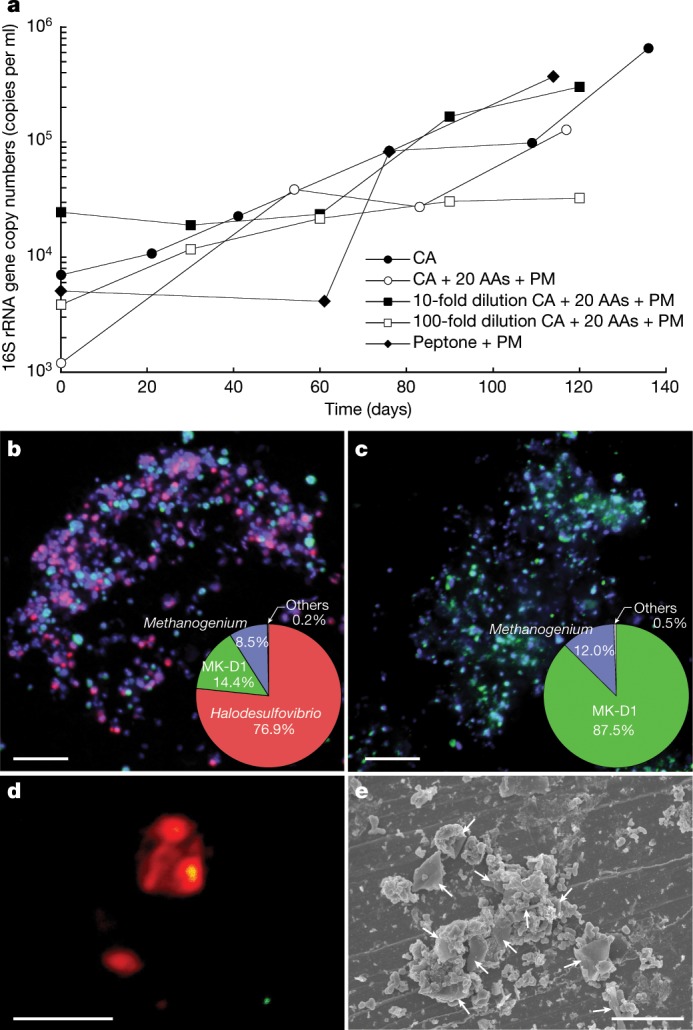
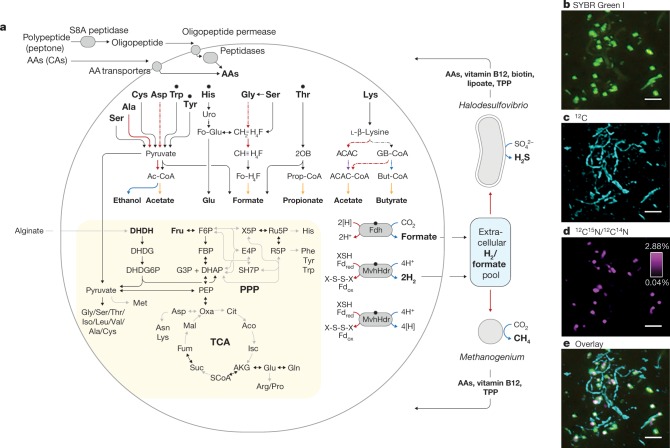
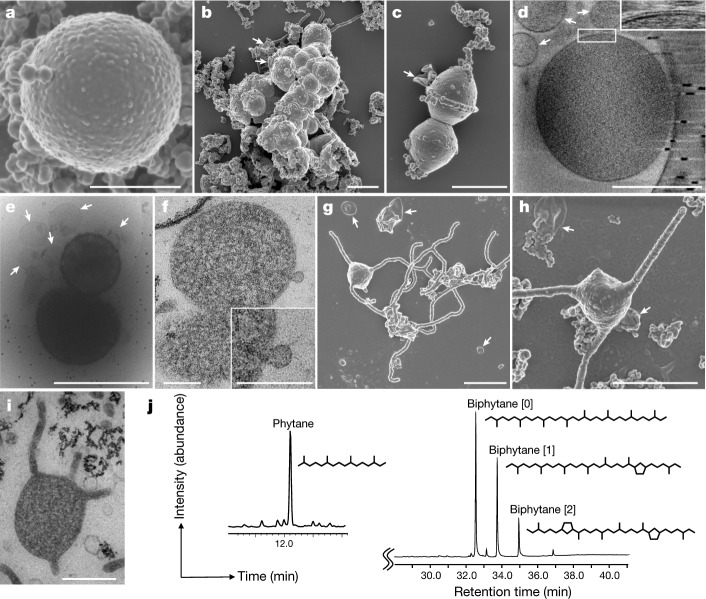
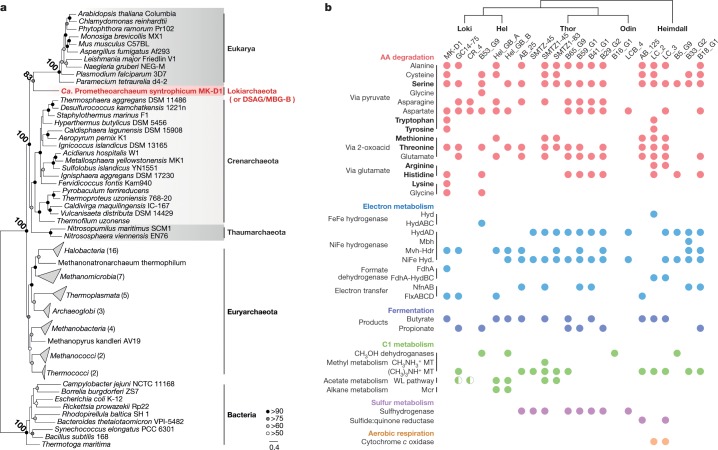
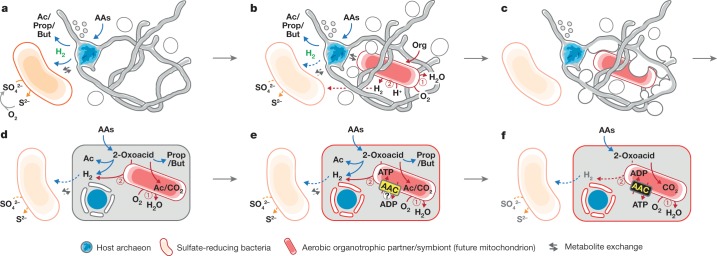
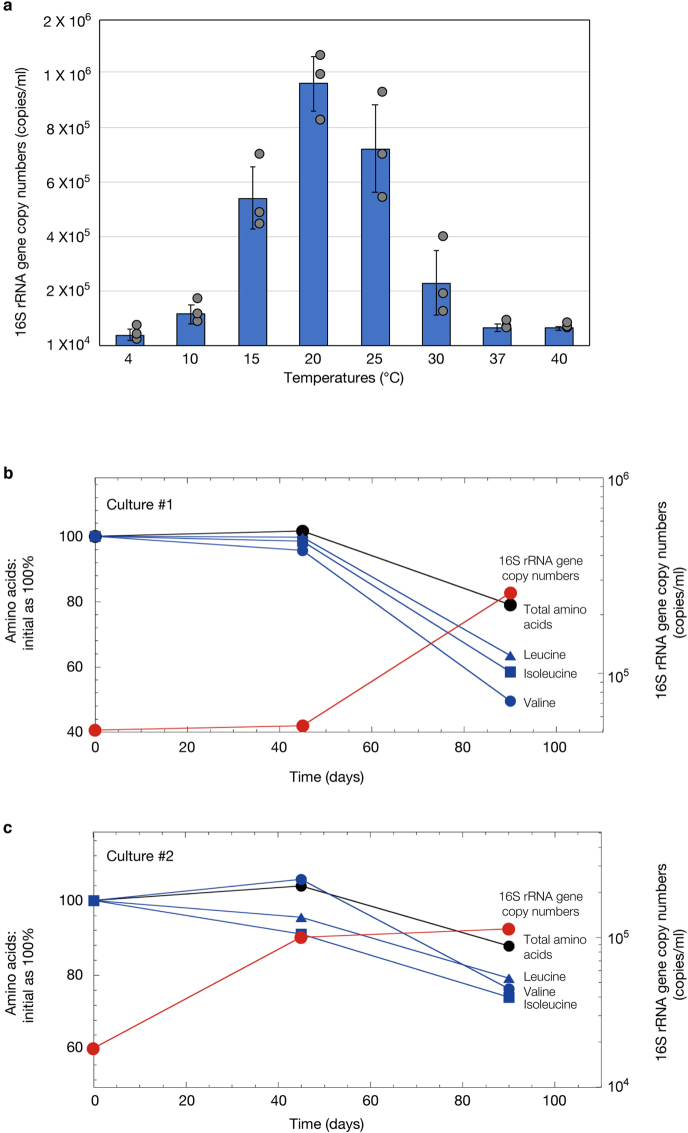
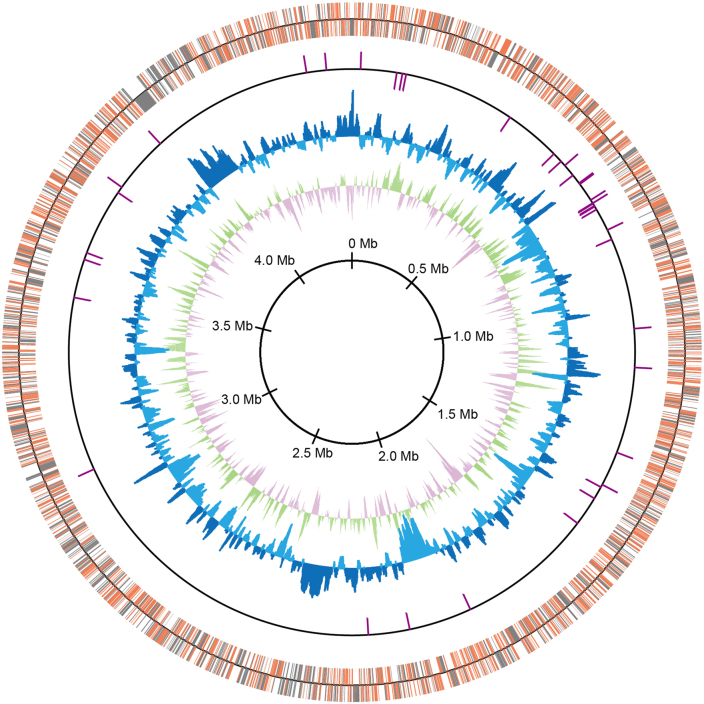
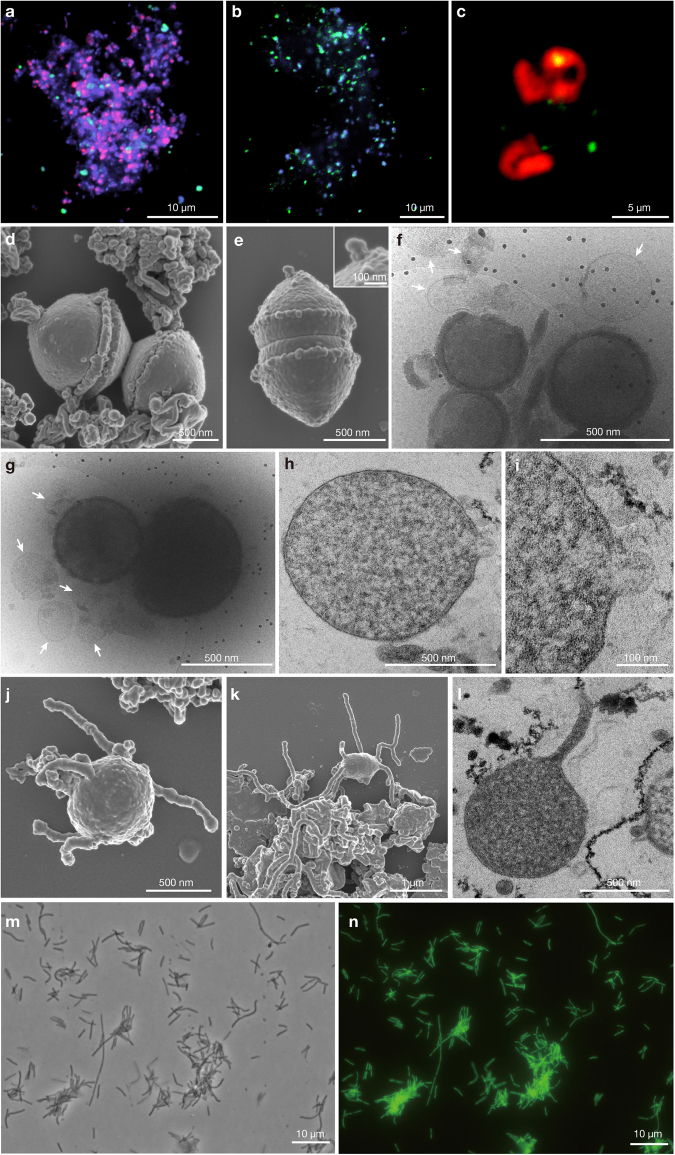
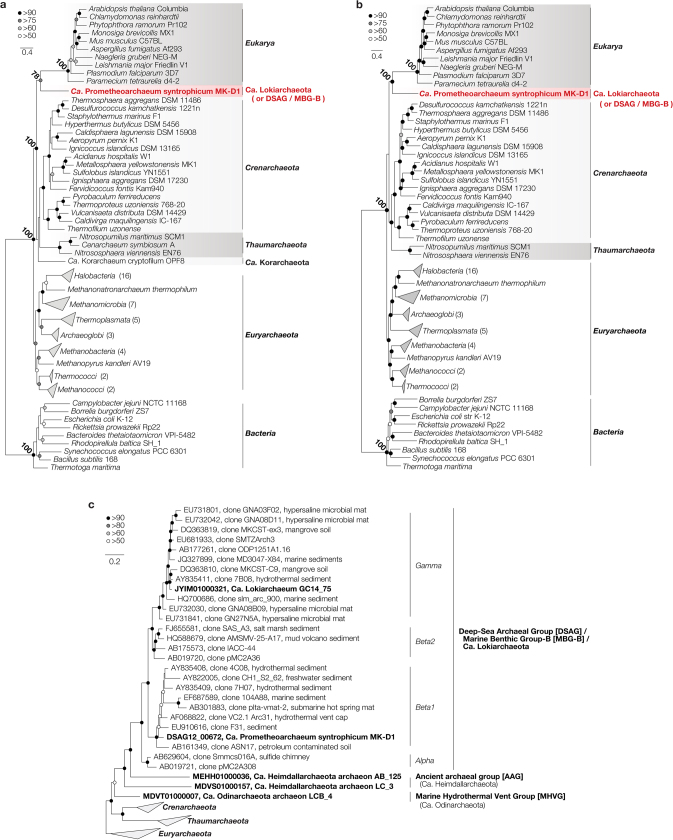
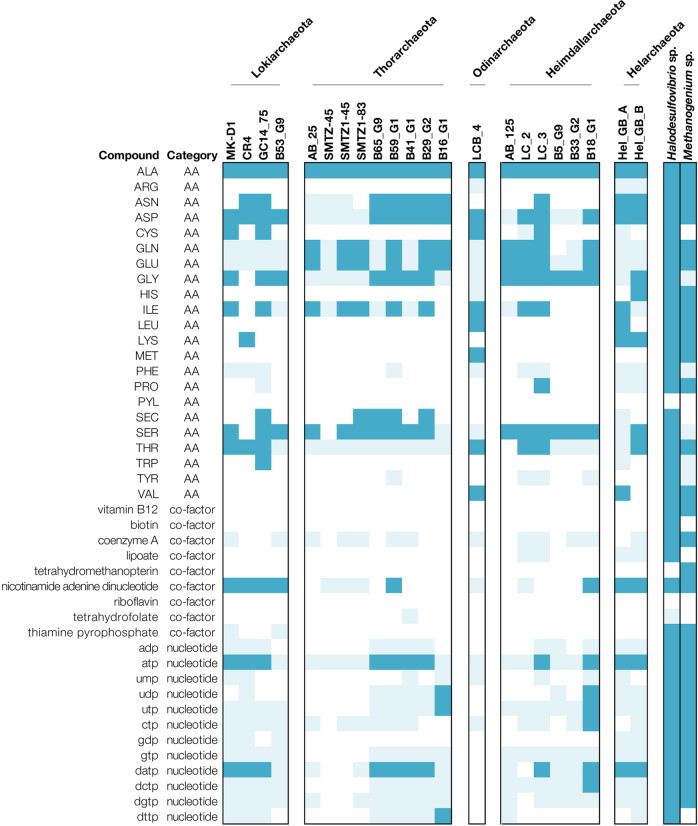
The origin of eukaryotes remains unclear 1-4. Current data suggest that eukaryotes may have emerged from an archaeal lineage known as 'Asgard' archaea 5,6. Despite the eukaryote-like genomic features that are found in these archaea, the evolutionary transition from archaea to eukaryotes remains unclear, owing to the lack of cultured representatives and corresponding physiological insights. Here we report the decade-long isolation of an Asgard archaeon related to Lokiarchaeota from deep marine sediment. The archaeon-'Candidatus Prometheoarchaeum syntrophicum' strain MK-D1-is an anaerobic, extremely slow-growing, small coccus (around 550 nm in diameter) that degrades amino acids through syntrophy. Although eukaryote-like intracellular complexes have been proposed for Asgard archaea 6, the isolate has no visible organelle-like structure. Instead, Ca. P. syntrophicum is morphologically complex and has unique protrusions that are long and often branching. On the basis of the available data obtained from cultivation and genomics, and reasoned interpretations of the existing literature, we propose a hypothetical model for eukaryogenesis, termed the entangle-engulf-endogenize (also known as E 3) model.
Overview
The claims and statistics of this paper haven’t been checked yet.
Free: it reads the open-access text and checks the first 5 claims that cite a source we can check. Create a free account to check every claim.
Integrity signals
Registry
Cites
Statistics
Figures
Verification
Claims the paper makes
The claims and statistics of this paper haven’t been checked yet.
Free: it reads the open-access text and checks the first 5 claims that cite a source we can check. Create a free account to check every claim.
Claims other papers make about this one
Each is checked against this paper’s own text: does it say what the citing paper says it does?
The source backs part of the claim, not all of it — or backs it for a different population, condition or comparison.
In the citing paper
“Furthermore, ATP synthase evolution supports scenarios on eukaryotic origins from an asgardarchaeal host3,4,13,14 and alphaproteobacterial symbiont107,108”
From ATP synthase evolution on a cross-braced dated tree of life (2023) · cites this paper as [14]
Experimental — accuracy not yet measured
Self-check
Percentages, sums and reported differences re-computed from the paper’s own numbers.
The self-check needs the paper’s full text.
Citations
Cites
Trimmomatic: a flexible trimmer for Illumina sequence data
Bolger, A. M., Lohse, M., & Usadel, B. (2014) · Bioinformatics · doi:10.1093/bioinformatics/btu170 · Cited by 65,548
MAFFT Multiple Sequence Alignment Software Version 7: Improvements in Performance and Usability
Katoh, K., & Standley, D. M. (2013) · Molecular Biology and Evolution · doi:10.1093/molbev/mst010 · Cited by 46,209
MUSCLE: multiple sequence alignment with high accuracy and high throughput
Edgar, R. C. (2004) · Nucleic Acids Research · doi:10.1093/nar/gkh340 · Cited by 44,662
The SILVA ribosomal RNA gene database project: improved data processing and web-based tools
Quast, C., Pruesse, E., Yilmaz, P., Gerken, J., Schweer, T., Yarza, P., Peplies, J., & Glöckner, F. O. (2012) · Nucleic Acids Research · doi:10.1093/nar/gks1219 · Cited by 33,055
RAxML version 8: a tool for phylogenetic analysis and post-analysis of large phylogenies
Stamatakis, A. (2014) · Bioinformatics · doi:10.1093/bioinformatics/btu033 · Cited by 32,291
MrBayes 3.2: Efficient Bayesian Phylogenetic Inference and Model Choice Across a Large Model Space
Ronquist, F., Teslenko, M., van der Mark, P., Ayres, D. L., Darling, A., Höhna, S., Larget, B., Liu, L., Suchard, M. A., & Huelsenbeck, J. P. (2012) · Systematic Biology · doi:10.1093/sysbio/sys029 · Cited by 27,843
SPAdes: A New Genome Assembly Algorithm and Its Applications to Single-Cell Sequencing
Bankevich, A., Nurk, S., Antipov, D., Gurevich, A. A., Dvorkin, M., Kulikov, A. S., Lesin, V. M., Nikolenko, S. I., Pham, S., Prjibelski, A. D., et al. (2012) · Journal of Computational Biology · doi:10.1089/cmb.2012.0021 · Cited by 25,987
BLAST+: architecture and applications
Camacho, C., Coulouris, G., Avagyan, V., Ma, N., Papadopoulos, J., Bealer, K., & Madden, T. L. (2009) · BMC Bioinformatics · doi:10.1186/1471-2105-10-421 · Cited by 22,074
Prokka: rapid prokaryotic genome annotation
Seemann, T. (2014) · Bioinformatics · doi:10.1093/bioinformatics/btu153 · Cited by 18,818
Guindon, S., Dufayard, J.-F., Lefort, V., Anisimova, M., Hordijk, W., & Gascuel, O. (2010) · Systematic Biology · doi:10.1093/sysbio/syq010 · Cited by 18,376
Research works printed but not linked: 1
- Chikaraishi, Y. et al. Instrumental Optimization for Compound-specific Nitrogen Isotope Analysis of Amino Acids by Gas Chromatography/Combustion/Isotope Ratio Mass Spectrometry in Earth, Life and Isotopes (eds Ohkouchi, N. et al.) 367–386 (Kyoto Univ. Press, 2010). 20658677
Cited by
Items 201–300 of 773
Environmental Factors Affecting the Community of Methane-oxidizing Bacteria
Kambara, H., Shinno, T., Matsuura, N., Matsushita, S., Aoi, Y., Kindaichi, T., Ozaki, N., & Ohashi, A. (2022) · Microbes and Environments · doi:10.1264/jsme2.me21074 · Cited by 26
“AOB slightly oxidize methane because ammonia monooxygenase, a key enzyme in nitrification, is phylogenetically very close to methane monooxygenase (Jones and Morita, 1983; Bédard and Knowles, 1989).”
BackgroundFunctional characterization of prokaryotic dark matter: the road so far and what lies ahead
Escudeiro, P., Henry, C. S., & Dias, R. P. M. (2022) · Current Research in Microbial Sciences · doi:10.1016/j.crmicr.2022.100159 · Cited by 33
Riedman, L. A., Porter, S. M., Lechte, M. A., dos Santos, A., & Halverson, G. P. (2023) · Papers in Palaeontology · doi:10.1002/spp2.1538 · Cited by 29
Cancer as a global health crisis with deep evolutionary roots
Klement, R. J. (2024) · Global Transitions · doi:10.1016/j.glt.2024.01.001 · Cited by 29
Gene ancestries reveal diverse microbial associations during eukaryogenesis
Bernabeu, M., Manzano-Morales, S., Marcet‐Houben, M., & Gabaldón, T. (2026) · Nature · doi:10.1038/s41586-026-10639-9 · Cited by 26
Phylogenetic Revisit to a Review on Predatory Bacteria
Kamada, S., Wakabayashi, R., & Naganuma, T. (2023) · Microorganisms · doi:10.3390/microorganisms11071673 · Cited by 26
“Prometheoarchaeum syntrophicum” is hypothesized to entangle–engulf–endogenize aerobic bacteria as metabolic partners like proto-mitochondria [160].”
BackgroundDeng, J., Bennett, G. M., Franco, D. C., Prus-Frankowska, M., Stroiński, A., Michalik, A., & Łukasik, P. (2023) · Genome Biology and Evolution · doi:10.1093/gbe/evad120 · Cited by 26
“The best-known example is the endosymbiosis between an alphaproteobacterium and an archaeon that originated around two billion years ago, where the former partner evolved into what we now know as the mitochondrion within a eukaryotic cell (Imachi et al., 2020).”
BackgroundIntegrating Phylogenetics With Intron Positions Illuminates the Origin of the Complex Spliceosome
Vosseberg, J., Stolker, D., von der Dunk, S. H. A., & Snel, B. (2023) · Molecular Biology and Evolution · doi:10.1093/molbev/msad011 · Cited by 24
“By including genomes from numerous studies (Liu et al. 2018; Tully et al. 2018; Huang et al. 2019; Seitz et al. 2019; Imachi et al. 2020; Farag et al. 2021; Liu et al. 2021; Sun et al. 2021; Zhao and Biddle 2021; Wu et al. 2022), the number of Asgard archaeal proteomes in our expanded set amounted…”
BackgroundESCRTs – a multi-purpose membrane remodeling device encoded in all life forms
Nachmias, D., Frohn, B. P., Sachse, C., Mizrahi, I., & Elia, N. (2025) · Trends in Microbiology · doi:10.1016/j.tim.2025.01.009 · Cited by 24
An Asgard archaeon from a modern analog of ancient microbial mats
Nobs, S.-J., Johnson, M. D., Williams, T. J., Meltzer, J., Vázquez-Campos, X., MacLeod, F. I., Rowell, K., Pitt, M. E., Paul, B., Shepherd, D. C., et al. (2026) · Current Biology · doi:10.1016/j.cub.2026.03.041 · Cited by 26
Mentor, S., & Fisher, D. W. (2022) · Frontiers in Molecular Neuroscience · doi:10.3389/fnmol.2022.938315 · Cited by 25
“However, the documentation of extracellular vesicles (EVs) has been sighted in many bacterial species (Gözen and Dommersnes, 2020; Imachi et al., 2020).”
BackgroundQiu, Z. G., Zhu, Y., Zhang, Q., Qiao, X., Mu, R., Xu, Z., Yan, Y., Wang, F., Zhang, T., Zhuang, W., et al. (2023) · Environmental Science and Ecotechnology · doi:10.1016/j.ese.2023.100359 · Cited by 24
Bremer, N., Tria, F. D. K., Skejo, J., Garg, S. G., & Martin, W. F. (2022) · Genome Biology and Evolution · doi:10.1093/gbe/evac079 · Cited by 25
“Metabolic symbioses typically have a nutritional basis and often involve anaerobic syntrophy (Schink 1997; Stams and Plugge 2009; Imachi et al. 2020) and hydrogen dependence (Martin and Müller 1998; reviewed in Zimorski et al. 2014).”
BackgroundPrediction of eukaryotic cellular complexity in Asgard archaea using structural modelling
Köstlbacher, S., van Hooff, J. J. E., Panagiotou, K., Tamarit, D., Anda, V. D., Appler, K. E., Baker, B. J., & Ettema, T. J. G. (2026) · Nature Microbiology · doi:10.1038/s41564-026-02273-y · Cited by 23
“Recent work has indicated that several Asgard archaeal ESPs function similarly to their eukaryotic counterparts 17–20 , suggesting that Asgard archaea might display eukaryote-like cellular features beyond the dynamic actin cytoskeleton observed in the first enrichment cultures 21,22 .”
The expanding Asgard archaea and their elusive relationships with Eukarya
Cunha, V. D., Gaïa, M., & Forterre, P. (2022) · mLife · doi:10.1002/mlf2.12012 · Cited by 25
“Interestingly, the fi rst cultivated Asgard, Candidatus Prometheoarchaeum syntrophicum, is a symbiotic organism living in association with a methanogen and a bacterium 34 .”
BackgroundImachi, H., Nobu, M. K., Miyazaki, M., Tasumi, E., Saito, Y., Sakai, S., Ogawara, M., Ohashi, A., & Takai, K. (2022) · Nature Protocols · doi:10.1038/s41596-022-00735-1 · Cited by 24
Self-citationTaubner, R.-S., Baumann, L. M. F., Steiner, M., Pfeifer, K., Reischl, B., Korynt, K., Bauersachs, T., Mähnert, B., Clifford, E. L., Peckmann, J., et al. (2023) · mSystems · doi:10.1128/msystems.01159-22 · Cited by 24
“The latter was observed in a study where “Candidatus Prometheoarchaeum syntrophicum” strain MK-D1 was enriched together with a Methanogenium archaeon (19).”
BackgroundNon-pollen palynomorphs in deep time: unravelling the evolution of early eukaryotes
Agić, H., & COHEN, P. A. (2021) · Geological Society London Special Publications · doi:10.1144/sp511-2020-223 · Cited by 27
Birikmen, M., Bohnsack, K. E., Tran, V., Somayaji, S., Bohnsack, M. T., & Ebersberger, I. (2021) · Frontiers in Microbiology · doi:10.3389/fmicb.2021.739000 · Cited by 27
“An RBF was considered as low traceable in case the mean traceability index fell below 0.75 (Jain et al., 2019).”
BackgroundInfluentialBacterial Origin and Reductive Evolution of the CPR Group
Bokhari, R. H., Amirjan, N., Jeong, H., Kim, K. M., Caetano‐Anollés, G., & Nasir, A. (2020) · Genome Biology and Evolution · doi:10.1093/gbe/evaa024 · Cited by 25
Discovery of archaeal Fusexins homologous to eukaryotic HAP2/GCS1 gamete fusion proteins
Moi, D., Nishio, S., Li, X., Valansi, C., Langleib, M., Brukman, N. G., Flyak, K., Dessimoz, C., de Sanctis, D., Tunyasuvunakool, K., et al. (2021) · doi:10.1101/2021.10.13.464100 · Cited by 23
Zhang, R., Zou, B., Yan, Y., Jeon, C. O., Li, M., Cai, M., & Quan, Z. (2020) · BMC Microbiology · doi:10.1186/s12866-020-1707-0 · Cited by 23
“Recently, a Lokiarchaeota-related strain was firstly isolated [25].”
BackgroundUnprecedented Diversity of Unique CRISPR-Cas-Related Systems and Cas1 Homologs in Asgard Archaea
Makarova, K. S., Wolf, Y. I., Shmakov, S., Liu, Y., Li, M., & Koonin, E. V. (2020) · The CRISPR Journal · doi:10.1089/crispr.2020.0012 · Cited by 22
“Otherwise, however, the biology of this major group of archaea is poorly understood, in large part because of their recalcitrance to growth in culture.(28)”
BackgroundEvolution of factors shaping the endoplasmic reticulum
Kontou, A., Herman, E. K., Field, M. C., Dacks, J. B., & Koumandou, V. L. (2022) · Traffic · doi:10.1111/tra.12863 · Cited by 22
The catalytic and structural basis of archaeal glycerophospholipid biosynthesis
de Kok, N. A. W., & Driessen, A. J. M. (2022) · Extremophiles · doi:10.1007/s00792-022-01277-w · Cited by 22
Ravichandran, K. E., Kaduhr, L., Skupień-Rabian, B., Shvetsova, E., Sokołowski, M., Krutyhołowa, R., Kwaśna, D., Brachmann, C., Lin, S., Perez, S. G., et al. (2022) · The EMBO Journal · doi:10.15252/embj.2022111318 · Cited by 25
Microbial life in 25-m-deep boreholes in ancient permafrost illuminated by metagenomics
Wu, X., Almatari, A. L., Cyr, W. A., Williams, D. E., Pfiffner, S. M., Rivkina, E., Lloyd, K. G., & Vishnivetskaya, T. A. (2023) · Environmental Microbiome · doi:10.1186/s40793-023-00487-9 · Cited by 24
Switching a conflicted bacterial DTD-tRNA code is essential for the emergence of mitochondria
Gogoi, J., Bhatnagar, A., Ann, K. J., Pottabathini, S., Singh, R. P., Mazeed, M., Kuncha, S. K., Kruparani, S. P., & Sankaranarayanan, R. (2022) · Science Advances · doi:10.1126/sciadv.abj7307 · Cited by 22
CANDIDATUS LIST No. 3. Lists of names of prokaryotic Candidatus taxa
Oren, A., & Garrity, G. M. (2022) · INTERNATIONAL JOURNAL OF SYSTEMATIC AND EVOLUTIONARY MICROBIOLOGY · doi:10.1099/ijsem.0.005186 · Cited by 21
Jüttner, M., & Ferreira-Cerca, S. (2022) · Molecular Biology and Evolution · doi:10.1093/molbev/msac054 · Cited by 23
Recovery of high-qualitied Genomes from a deep-inland Salt Lake Using BASALTPreprint
Yu, K., Qiu, Z. G., Mu, R., Qiao, X., Zhang, L., Lian, C., Deng, C., Wu, Y., Xu, Z., Li, B. J., et al. (2021) · bioRxiv (Cold Spring Harbor Laboratory) · doi:10.1101/2021.03.05.434042 · Cited by 23
Self-citationTran, L. T., Akıl, C., Senju, Y., & Robinson, R. C. (2024) · Communications Biology · doi:10.1038/s42003-024-05888-1 · Cited by 21
“In the two Asgard archaea to be isolated, Candidatus Prometheoarchaeum syntrophicum strain MK-D1 (MKD1) and Candi-datus Lokiarchaeum ossiferum (Loki ossiferum) which are both Lokis, no internal membrane compartments have been observed 27,28 .”
InfluentialBringing the uncultivated microbial majority of freshwater ecosystems into culture
Salcher, M. M., Layoun, P., Fernandes, C., Chiriac, M., Bulzu, P., Ghai, R., Shabarova, T., Lanta, V., Callieri, C., Sonntag, B., et al. (2025) · Nature Communications · doi:10.1038/s41467-025-63266-9 · Cited by 25
“Most probably have been cultivated in some way but this number refers to species names that have not been validated under the ICSP (and presumably there are no pure cultures or stable co-cultures).”
Fakhraee, M., Tarhan, L. G., Reinhard, C. T., Crowe, S. A., Lyons, T. W., & Planavsky, N. J. (2023) · Earth-Science Reviews · doi:10.1016/j.earscirev.2023.104398 · Cited by 22
“…(Entangle-Engulf-Enslave) of eukaryogenesis have suggested that the host — an anaerobic and fermenting archaeon dependent on syntrophy for amino acid degradation — would have depended on H 2 - scavenging methanogenic partners for growth prior to the GOE (Imachi et al., 2019; Mills et al., 2022).”
BackgroundWhy and how to use the SeqCode
Whitman, W. B., Chuvochina, M. S., Hedlund, B. P., Konstantinidis, K. T., Palmer, M., Rodriguez‐R, L. M., Sutcliffe, I. C., & Wang, F. (2024) · mLife · doi:10.1002/mlf2.12092 · Cited by 24
“…this conclusion is still an area of active investigation 45,46 , cultivation of a member of this lineage has led to the generation of the entangle – engulf – endogenize model for the origin of the eukaryotes and promises to yield additional insights into the nature of the earliest eukaryotes 47 .”
BackgroundIqbal, S., Begum, F., Ullah, I., Jalal, N., & Shaw, P. M. (2024) · Critical Reviews in Microbiology · doi:10.1080/1040841x.2024.2319669 · Cited by 27
“…organism generation has been suggested based on the isolation of Archean candidatus prometheo Archaeum syntrophicum, which is a provisional name for well-characterized but uncultured organisms (imachi et al. 2020). these studies of MDM change our perception of the evolution and origin of life.”
Baum, B., & Baum, D. (2020) · BMC Biology · doi:10.1186/s12915-020-00806-3 · Cited by 21
“The characterization of the first species of Lokiarchaeota has helped make the case that much of the machinery required to generate eukaryotic cellular complexity was already present in archaeal ancestors prior to the acquisition of mitochondria.”
InfluentialTang, K., Wang, W., Sun, Y., Zhou, Y., Wang, P., Guo, Y., & Wang, X. (2021) · Nucleic Acids Research · doi:10.1093/nar/gkab824 · Cited by 21
Evolution, the Immune System, and the Health Consequences of Socioeconomic Inequality
Rook, G. A. W. (2022) · mSystems · doi:10.1128/msystems.01438-21 · Cited by 25
“alphaproteobacterium started to live inside another organism (9).”
BackgroundRobinson, R., Tran, L., Akil, C., & Senju, Y. (2024) · doi:10.21203/rs.3.rs-1850147/v1 · Cited by 21
Boza, G., Barabás, G., Scheuring, I., & Zachar, I. (2023) · Scientific Reports · doi:10.1038/s41598-023-27421-w · Cited by 21
Pang, B., Zheng, H., Ma, S., Tian, J., & Wen, Y. (2024) · Nucleic Acids Research · doi:10.1093/nar/gkad1230 · Cited by 22
“They are useful model organisms for studies of biomineralization in prokaryotes, which arose in the oceans roughly 3 billion years (Gyr) ago ( 11 ), long before the appearance of eukaryotes ( 12 ).”
BackgroundWissink, M., Głodowska, M., van der Kolk, M. R., Jetten, M. S. M., & Welte, C. U. (2024) · Environmental Science & Technology · doi:10.1021/acs.est.3c07197 · Cited by 20
Salcher, M. M., Andrei, A., Bulzu, P., Keresztes, Z. G., Banciu, H. L., & Ghai, R. (2020) · mSphere · doi:10.1128/msphere.00686-20 · Cited by 22
““Ca. Prometheoarchaeum syntrophicum” MK-D1, a member of Lokiarchaeia, was enriched in a decade-long cocultivation with a sulfate-reducing and a methanogenic partner that supply amino acids and peptides for syntrophic growth.”
BackgroundInfluentialPereira‐Santana, A., Gamboa-Tuz, S. D., Zhao, T., Schranz, M. E., Vinuesa, P., Bayona, A., Rodríguez‐Zapata, L. C., & Castaño, E. (2020) · PLoS Computational Biology · doi:10.1371/journal.pcbi.1008318 · Cited by 19
Active Anaerobic Archaeal Methanotrophs in Recently Emerged Cold Seeps of Northern South China Sea
Zhang, T., Xiao, X., Chen, S., Zhao, J., Chen, Z., Feng, J., Liang, Q., Phelps, T. J., & Zhang, C. (2020) · Frontiers in Microbiology · doi:10.3389/fmicb.2020.612135 · Cited by 23
“, 2016) and can degrade substances and syntrophically transfer hydrogen and electrons to bacterial partners (Spang et al., 2019; Imachi et al., 2020).”
BackgroundGuéguen, N., & Maréchal, É. (2021) · Journal of Experimental Botany · doi:10.1093/jxb/erab429 · Cited by 20
Defining ultra-slow-growing extremophilic microorganisms as aeonophiles
Lloyd, K. G., & Steen, A. D. (2025) · Nature Microbiology · doi:10.1038/s41564-025-02048-x · Cited by 21
Evolving Perspective on the Origin and Diversification of Cellular Life and the Virosphere
Spang, A., Mahendrarajah, T., Offre, P., & Stairs, C. W. (2022) · Genome Biology and Evolution · doi:10.1093/gbe/evac034 · Cited by 22
Eukaryogenesis: The Rise of an Emergent Superorganism
Bell, P. (2022) · Frontiers in Microbiology · doi:10.3389/fmicb.2022.858064 · Cited by 20
Archaeal actins and the origin of a multi-functional cytoskeleton
Charles‐Orszag, A., Petek-Seoane, N. A., & Mullins, R. D. (2024) · Journal of Bacteriology · doi:10.1128/jb.00348-23 · Cited by 21
“Some Thermoplasmatales species also form protrusions that link cells together into a “network phase” (36), reminiscent of membrane tubules and protrusions observed in Asgard archaea (22, 37).”
BackgroundInfluentialA Marine Group A isolate relies on other growing bacteria for cell wall formation
Katayama, T., Nobu, M. K., Imachi, H., Hosogi, N., Meng, X., Morinaga, K., Yoshioka, H., Takahashi, H. A., Kamagata, Y., & Tamaki, H. (2024) · Nature Microbiology · doi:10.1038/s41564-024-01717-7 · Cited by 19
“Using anoxic saline formation water and sediments derived from deep aquifers in natural-gas deposits in Japan containing MG-A, we firstly isolated a bacterium, designated Acc8.”
InfluentialSelf-citationDescent of Bacteria and Eukarya From an Archaeal Root of Life
Long, X., Xue, H., & Wong, J. T.-F. (2020) · Evolutionary Bioinformatics · doi:10.1177/1176934320908267 · Cited by 19
Li, L., Liu, Z., Zhou, Z., Zhang, M., Meng, D., Liu, X., Huang, Y., Li, X.-T., Jiang, Z., Zhong, S., et al. (2021) · mSystems · doi:10.1128/msystems.00602-21 · Cited by 26
“It is foreseeable that genomics-guided isolation of the uncultured DPANN archaea will be performed extensively in the future, leveraging available genomic information to infer suitable cultivation conditions for the isolation, as seen with the Nanoarchaeota (81) and “Candidatus Lokiarchaeota” (131).”
MethodOrigin and Early Evolution of the Eukaryotes: Perspectives from the Fossil Record
Agić, H. (2021) · Advances in astrobiology and biogeophysics · doi:10.1007/978-3-030-81039-9_11 · Cited by 20
Asgard ESCRT-III and VPS4 reveal conserved chromatin binding properties of the ESCRT machinery
Nachmias, D., Melnikov, N., Zorea, A., Sharon, M., Yemini, R., De-picchoto, Y., Tsirkas, I., Aharoni, A., Frohn, B. P., Schwille, P., et al. (2022) · The ISME Journal · doi:10.1038/s41396-022-01328-2 · Cited by 21
Evolutionary relationships between Archaea and eukaryotes
Gribaldo, S., & Brochier‐Armanet, C. (2019) · Nature Ecology & Evolution · doi:10.1038/s41559-019-1073-1 · Cited by 22
van Hooff, J. J. E., Raas, M. W. D., Tromer, E. C., & Eme, L. (2025) · Cell Reports · doi:10.1016/j.celrep.2025.115855 · Cited by 18
Cultivation of elusive microbes unearthed exciting biology
van Teeseling, M. C. F., & Jogler, C. (2021) · Nature Communications · doi:10.1038/s41467-020-20393-9 · Cited by 18
Akıl, C., Tran, L. T., Orhant‐Prioux, M., Baskaran, Y., Senju, Y., Takeda, S., Chotchuang, P., Muengsaen, D., Schulte, A., Manser, E. J., et al. (2022) · Communications Biology · doi:10.1038/s42003-022-03783-1 · Cited by 18
The archaeal Cdv cell division system
Blanch-Jover, A., & Dekker, C. (2023) · Trends in Microbiology · doi:10.1016/j.tim.2022.12.006 · Cited by 18
Experimental warming leads to convergent succession of grassland archaeal community
Zhang, Y., Ning, D., Wu, L., Yuan, M., Zhou, X., Guo, X. Y., Hu, Y., Jian, S., Yang, Z., Han, S., et al. (2023) · Nature Climate Change · doi:10.1038/s41558-023-01664-x · Cited by 18
Chimeric origins and dynamic evolution of central carbon metabolism in eukaryotes
Santana‐Molina, C., Williams, T. A., Snel, B., & Spang, A. (2025) · Nature Ecology & Evolution · doi:10.1038/s41559-025-02648-0 · Cited by 21
“S5,7B,9,10,19-25 ).”
The tree of life describes a tripartite cellular world
Nasir, A., Mughal, F., & Caetano‐Anollés, G. (2021) · BioEssays · doi:10.1002/bies.202000343 · Cited by 18
“ery of Asgard archaea, and subsequent culturing of the first Asgard member,[16] by itself does not rule out the 3D tree.”
BackgroundAssembly, architecture and functional roles of microbial surface layers
Isbilir, B., von Kügelgen, A., Alva, V., & Bharat, T. A. M. (2025) · Nature Reviews Microbiology · doi:10.1038/s41579-025-01258-8 · Cited by 24
Isolation Chip Increases Culturable Bacterial Diversity and Reduces Cultivation Bias
Liu, X., Wang, M., Nie, Y., & Wu, X. (2021) · Current Microbiology · doi:10.1007/s00284-021-02474-0 · Cited by 17
Activity of Ancillary Heterotrophic Community Members in Anaerobic Methane-Oxidizing Cultures
Zhu, Q., Wegener, G., Hinrichs, K., & Elvert, M. (2022) · Frontiers in Microbiology · doi:10.3389/fmicb.2022.912299 · Cited by 17
“Lokiarchaeota were only recently isolated and able to degrade amino acids via syntrophy, and they are likely to produce both archaeol and GDGTs as lipid membrane constituents (Imachi et al., 2020), which would be consistent with our study here.”
BackgroundResultPhotochemistry of the Retinal Chromophore in Microbial Rhodopsins
Inoue, K. (2023) · The Journal of Physical Chemistry B · doi:10.1021/acs.jpcb.3c05467 · Cited by 21
Nucleosomes at the Dawn of Eukaryotes
Hocher, A., & Warnecke, T. (2024) · Genome Biology and Evolution · doi:10.1093/gbe/evae029 · Cited by 17
“Excitingly, two representatives of the Asgardarchaeota have recently been grown to high relative abundance in enrichment cultures (Imachi et al. 2020; Rodrigues-Oliveira et al. 2023).”
BackgroundCell cycle dependent coordination of surface layer biogenesis in Caulobacter crescentus
Herdman, M., Isbilir, B., von Kügelgen, A., Schulze, U., Wainman, A., & Bharat, T. A. M. (2024) · Nature Communications · doi:10.1038/s41467-024-47529-5 · Cited by 18
“The understanding of the evolution of S-layers is far from complete, since SLPs appear in even the most deep branching lineages of prokaryotes and show a high level of sequence variability 4,12,19,20 .”
BackgroundVargas‐Rodriguez, O., Bakhtina, M., McGowan, D., Abid, J., Goto, Y., Suga, H., & Musier‐Forsyth, K. (2020) · Journal of Biological Chemistry · doi:10.1074/jbc.ra120.015981 · Cited by 17
Asgard archaea in the haima cold seep: Spatial distribution and genomic insights
Lu, R., Gao, Z., Li, W., Wei, Z., Wei, T., Huang, J., Li, M., Tao, J., Wang, H., & Wang, Y. (2021) · Deep Sea Research Part I Oceanographic Research Papers · doi:10.1016/j.dsr.2021.103489 · Cited by 19
Restoring degraded microbiome function with self-assembled communities
Gutiérrez, C. F., Sanabria, J., Raaijmakers, J. M., & Oyserman, B. O. (2020) · FEMS Microbiology Ecology · doi:10.1093/femsec/fiaa225 · Cited by 19
An Asgard archaeon with internal membrane compartmentsPreprint
MacLeod, F. I., von Kügelgen, A., Lechowska, M. K., Parham, J., Richard, I. A., Aguilar-Pine, E., Burns, B. P., Baker, B. J., Bharat, T. A. M., & Baum, B. (2025) · bioRxiv (Cold Spring Harbor Laboratory) · doi:10.1101/2025.11.06.686947 · Cited by 22
Zhang, J., Li, T., Hong, Z., Ma, C., Fang, X., Zheng, F., Teng, W., Zhang, C., & Si, T. (2022) · Angewandte Chemie International Edition · doi:10.1002/anie.202214344 · Cited by 16
Symbionts of predatory protists are widespread in the oceans and related to animal pathogens
Wittmers, F., Poirier, C. L., Bachy, C., Eckmann, C. A., Matantseva, O., Carlson, C. A., Giovannoni, S. J., Goodenough, U. W., & Worden, A. Z. (2025) · Cell Host & Microbe · doi:10.1016/j.chom.2025.01.009 · Cited by 17
Biological lipid nanotubes and their potential role in evolution
Gözen, İ., & Dommersnes, P. (2020) · The European Physical Journal Special Topics · doi:10.1140/epjst/e2020-000130-7 · Cited by 17
Jia, Z., Dong, Y., Xu, H., & Wang, F. (2021) · Marine Life Science & Technology · doi:10.1007/s42995-021-00098-8 · Cited by 16
A Deep-Sea Bacterium Senses Blue Light via a BLUF-Dependent Pathway
Shan, Y., Liu, G., Cai, R., Liu, R., Zheng, R., & Sun, C. (2022) · mSystems · doi:10.1128/msystems.01279-21 · Cited by 16
“related to Lokiarchaeota via a cocultivation approach (44).”
BackgroundTracing back variations in archaeal ESCRT-based cell division to protein domain architectures
Frohn, B. P., Härtel, T., Cox, J., & Schwille, P. (2022) · PLoS ONE · doi:10.1371/journal.pone.0266395 · Cited by 16
“In Asgard archaea, only little is known, because it was just recently possible to cultivate a member of this super-phylum [5,12], but metagenome data and protein prediction indicates that genes encoding for CdvB and CdvC proteins are common within this group, and first experimental evidence is accumulating [13,14].”
BackgroundAdvances and Challenges in Fluorescence in situ Hybridization for Visualizing Fungal Endobacteria
Morales, D., Robinson, A., Pawlowski, A. C., Ark, C., Kelliher, J. M., Junier, P., Werner, J. H., & Chain, P. S. G. (2022) · Frontiers in Microbiology · doi:10.3389/fmicb.2022.892227 · Cited by 18
Lu, Z., Xia, R., Zhang, S., Pan, J., Liu, Y., Wolf, Y. I., Koonin, E. V., & Li, M. (2024) · Nature Communications · doi:10.1038/s41467-024-44806-1 · Cited by 17
Species Identification in Plant-Associated Prokaryotes and Fungi Using DNA
Inderbitzin, P., Robbertse, B., & Schoch, C. L. (2020) · Phytobiomes Journal · doi:10.1094/pbiomes-12-19-0067-rvw · Cited by 16
“Prokaryote genomes are routinely reconstructed from environmental DNA (Parks et al. 2017; Stewart et al. 2018) and never before cultured microbes are isolated and grown in the lab (Cross et al. 2019; Epstein et al. 2013; Imachi et al. 2020).”
BackgroundEvidence for a Growth Zone for Deep-Subsurface Microbial Clades in Near-Surface Anoxic Sediments
Lloyd, K. G., Bird, J. T., Buongiorno, J., Deas, E., Kevorkian, R. T., Noordhoek, T., Rosalsky, J., & Roy, T. (2020) · Applied and Environmental Microbiology · doi:10.1128/aem.00877-20 · Cited by 18
Cunha, V. D., Gaïa, M., Ogata, H., Jaillon, O., Delmont, T. O., & Forterre, P. (2020) · bioRxiv (Cold Spring Harbor Laboratory) · doi:10.1101/2020.06.16.150565 · Cited by 16
A genomic view of Earth’s biomes
Szabó, G., Eloe‐Fadrosh, E. A., Pett‐Ridge, J., & Woyke, T. (2025) · Nature Reviews Genetics · doi:10.1038/s41576-025-00888-1 · Cited by 15
“Enrichment culture of the Asgard archaeon Promethearchaeum syntrophicum revealed extremely slow-growing, small anaerobic cells, degrading amino acids and peptides with hydrogen/formate transfer to methanogenic archaea and sulfate-reducing bacteria in syntrophic associations 272 .”
Extremophilic fungi at the interface of climate change
Joshi, S. M., Bajpai, A., & Johri, B. N. (2020) · Elsevier eBooks · doi:10.1016/b978-0-12-821925-6.00001-0 · Cited by 17
Marine Protists: A Hitchhiker’s Guide to their Role in the Marine Microbiome
Bachy, C., Hehenberger, E., Ling, Y.-C., Needham, D. M., Strauss, J., Wilken, S., & Worden, A. Z. (2022) · The microbiomes of humans, animals, plants, and the environment · doi:10.1007/978-3-030-90383-1_4 · Cited by 20
Enzyme-driven oxygen-fuelled pathway selectivity of tyrosine-containing peptide oxidation evolution
Ren, X., Zhao, L., Yuan, C., Shi, M., Xing, R., & Yan, X. (2022) · Chemical Engineering Journal · doi:10.1016/j.cej.2022.138293 · Cited by 15
Lu, Z., Zhang, S., Liu, Y., Xia, R., & Li, M. (2024) · Cell Reports · doi:10.1016/j.celrep.2024.113781 · Cited by 15
Rey-Velasco, X., Lucena, T., Belda, A., Gasol, J. M., Sánchez, O., Arahal, D. R., & Pujalte, M. J. (2024) · Frontiers in Microbiology · doi:10.3389/fmicb.2024.1407904 · Cited by 16
“…by providing the possibility to perform physiological experiments to test ecological hypotheses, unveiling their biogeochemical potential by providing access to their whole genomes (Giovannoni and Stingl, 2007), and allowing them to answer complex evolutionary questions (Imachi et al., 2020).”
BackgroundEnhanced metabolic entanglement emerges during the evolution of an interkingdom microbial community
Scarinci, G., Ariens, J.-L., Angelidou, G., Schmidt, S., Glatter, T., Paczia, N., & Sourjik, V. (2024) · Nature Communications · doi:10.1038/s41467-024-51702-1 · Cited by 15
“S. cerevisiae strains were obtained from the respective knockout collection 56 (Supplementary Data 9).”
InfluentialLazcano, A., & Peretó, J. G. (2021) · Biosystems · doi:10.1016/j.biosystems.2021.104408 · Cited by 17
La, S. R., Ndhlovu, A., & Durand, P. M. (2022) · Journal of Molecular Evolution · doi:10.1007/s00239-021-10044-y · Cited by 15
Expanded Dataset Reveals the Emergence and Evolution of DNA Gyrase in Archaea
Villain, P., Catchpole, R. J., Forterre, P., Oberto, J., Cunha, V. D., & Basta, T. (2022) · Molecular Biology and Evolution · doi:10.1093/molbev/msac155 · Cited by 15
“Similarly, the only cultivated Asgard archaeon lives in symbiosis with a methanogen belonging to group II Euryarchaeota (Imachi et al. 2020).”
Tanabe, T. S., Grosser, M., Hahn, L., Kümpel, C., Hartenfels, H., Vtulkin, E., Flegler, W. A., & Dahl, C. (2023) · PLoS Biology · doi:10.1371/journal.pbio.3002177 · Cited by 15
“The Asgardarchaeota, in which LipS1/S2 is more abundant than LipA, are a counter-example, as all sequences, including that of the only cultured representative Candidatus Prometheoarchaeum syntrophicum, are from temperate to cold environments [38,39].”
Origin and diversification of the cardiolipin biosynthetic pathway in the Eukarya domain
Luévano‐Martínez, L. A., & Duncan, A. L. (2020) · Biochemical Society Transactions · doi:10.1042/bst20190967 · Cited by 15
Physical connections: prokaryotes parasitizing their kin
López‐García, P., & Moreira, D. (2020) · Environmental Microbiology Reports · doi:10.1111/1758-2229.12910 · Cited by 15
Complete genomes of Asgard archaea reveal diverse integrated and mobile genetic elements
Valentin-Alvarado, L. E., Shi, L.-D., Appler, K. E., Crits‐Christoph, A., Anda, V. D., Adler, B. A., Cui, M. L., Ly, L., Leão, P., Roberts, R. J., et al. (2024) · Genome Research · doi:10.1101/gr.279480.124 · Cited by 16
“…bridge our understanding of the evolution of eukaryotes and prokaryotes (Spang et al. 2015; Seitz et al. 2016; Zaremba-Niedzwiedzka et al. 2017; Imachi et al. 2020; Farag Ibrahim et al. 2021; Sun et al. 2021; Zhang et al. 2021; Tamarit et al. 2022, 2024; Eme et al. 2023; Valentin-Alvarado et…”
BackgroundProbing archaeal cell biology: exploring the use of dyes in the imaging of Sulfolobus cells
Cezanne, A., Hoogenberg, B., & Baum, B. (2023) · Frontiers in Microbiology · doi:10.3389/fmicb.2023.1233032 · Cited by 14
Metadata
- Authors
- Imachi, H., Nobu, M. K., Nakahara, N., Morono, Y., Ogawara, M., Takaki, Y., Takano, Y., Uematsu, K., Ikuta, T., Ito, M., Matsui, Y., Miyazaki, M., Murata, K., Saito, Y., Sakai, S., Song, C., Tasumi, E., Yamanaka, Y., Yamaguchi, T., Kamagata, Y., Tamaki, H., & Takai, K.
- Affiliations
- Japan Agency for Marine-Earth Science and Technology (JP)
- National Institute of Advanced Industrial Science and Technology (JP)
- Marine Works Japan Ltd. (Japan) (JP)
- National Institute for Physiological Sciences (JP)
- Nagaoka University of Technology (JP)
- Corresponding author
- Imachi, Hiroyuki
- Nobu, Masaru K.
- ORCID
- Venue
- Nature
- Published
- 2020-01-15
- Volume
- 577
- Issue
- 7791
- Pages
- 519-525
- ISSN
- 0028-0836 (ISSN-L)
- 1476-4687
- PMC
- PMC7015854
- OpenAlex
- W2999376388
- Semantic Scholar
- ca5317ffc225685e3a40aed38069ed97c2151db3
- Cited by
- 624
- References
- 96
- Citations by year
- 2026: 56 · 2025: 82 · 2024: 89 · 2023: 81 · 2022: 109 · 2021: 101 · 2020: 105
- FWCI
- 33.18
- Type
- journal article
- Language
- en
- Open access
- green
- www.ncbi.nlm.nih.gov
- Licence
- cc-by
- www.springernature.com/gp/researchers/text-and-data-mining (tdm)
- www.springernature.com/gp/researchers/text-and-data-mining (vor)
- Locations
- Nature (publishedVersion)
- Europe PMC (PubMed Central) (publishedVersion, cc-by)
- PubMed Central (publishedVersion, cc-by)
- PubMed (publishedVersion)
- Zenodo (CERN European Organization for Nuclear Research) (submittedVersion)
- Funders
- Japan Society for the Promotion of Science (18K18795, 20H02019, 16H06280, 18H03367, 18H02426, 18H04468, 19H01005, 16H04083, 18H05295)
- Topics
- Life Sciences › Agricultural and Biological Sciences › Ecology, Evolution, Behavior and Systematics › Protist diversity and phylogeny
- Physical Sciences › Physics and Astronomy › Astronomy and Astrophysics › Origins and Evolution of Life
- Physical Sciences › Environmental Science › Ecology › Microbial Community Ecology and Physiology
- Keywords
- Asgard archaea, Lokiarchaeota, eukaryotic origin, syntrophy, amino acid catabolism
- MeSH terms
- Amino Acids, Archaea, Eukaryotic Cells, Lipids, Models, Biological, Phylogeny, Prokaryotic Cells, Symbiosis, Geologic Sediments, Evolution, Molecular, Genome, Archaeal
About these checks
Registry, retraction, Cites and statistics results are computed, not judged, with one exception: a printed reference that no index lists is read once by a model before it counts as a citation error. Claims are extracted by a model and kept only when their quote appears verbatim in the text; each cited source is then checked, with a model’s help, for whether it says what the claim relies on. Those verdicts can be wrong — read the claim’s quote and the cited source before relying on one.
Statistics and arithmetic are recomputed, not judged.
Confidence bands are shown only for fields calibrated on our annotated test set. None is calibrated yet, so no band is shown.
What counts as a claim ›How we measure confidence ›How we check this ›
Are you an author, or do you see a problem with this page? Request a review
Data sources
Bibliographic data: Semantic Scholar, OpenAlex, Crossref.
Contains information from the Semantic Scholar Academic Graph Datasets, made available under the ODC Attribution License (ODC-BY 1.0).
Semantic Scholar’s data is described in: Kinney, R., et al. (2023). The Semantic Scholar Open Data Platform. arXiv:2301.10140.
