

Isolation of an archaeon at the prokaryote–eukaryote interface
Open accessPublished version of a preprint
The DOI matches its Crossref record; 97 of the 97 references it cites were found in a registry or an index.
Abstract
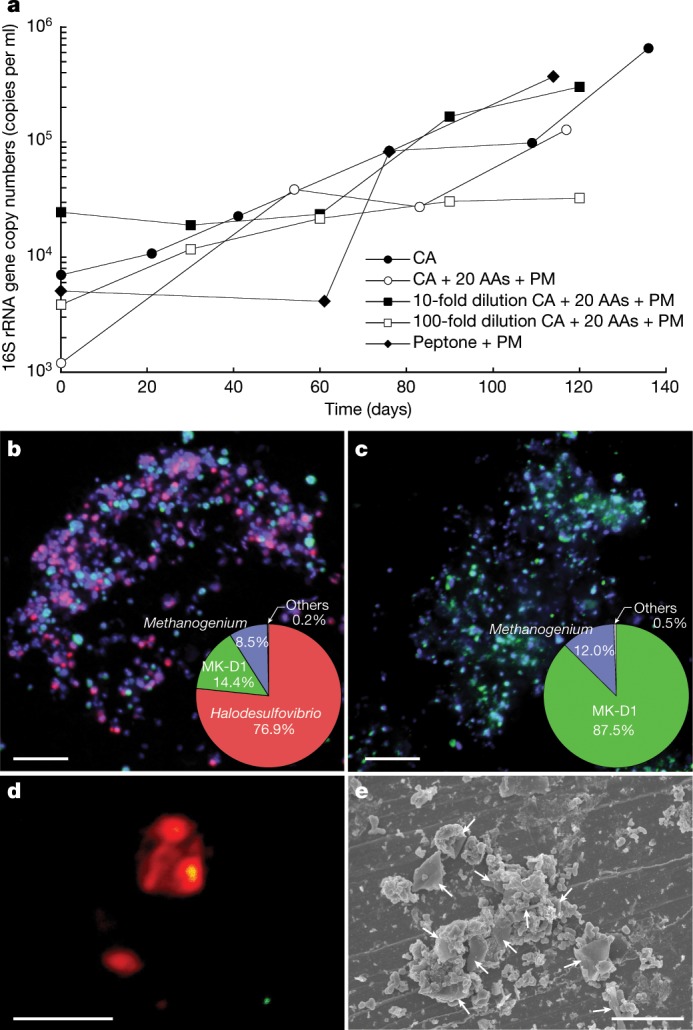
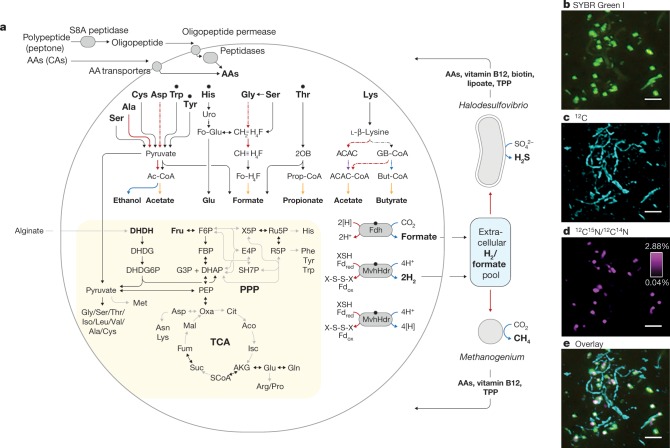
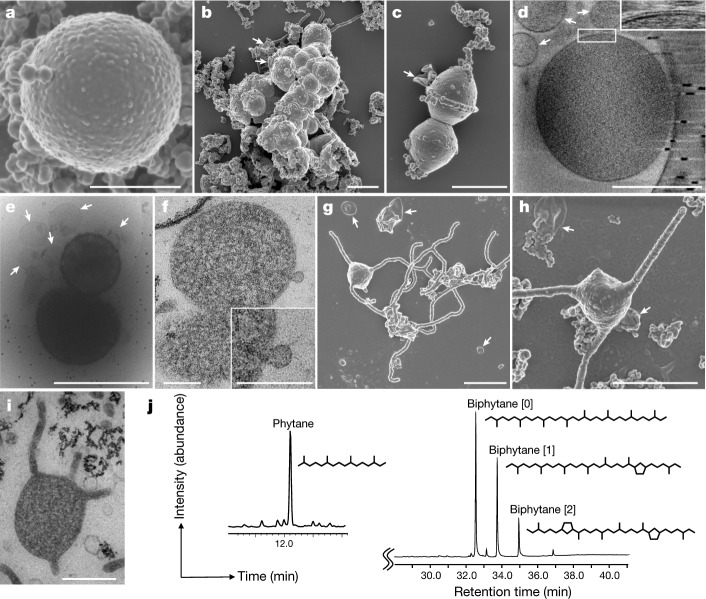
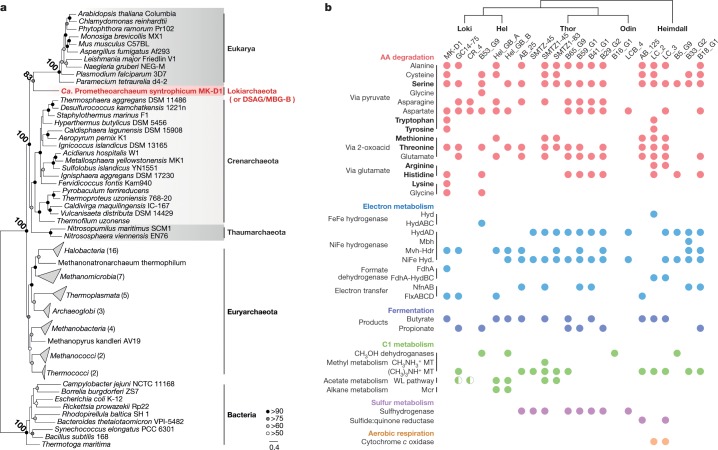
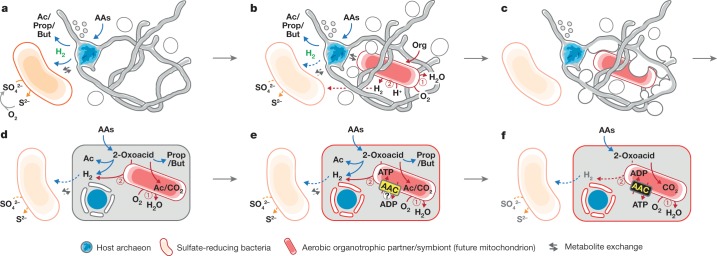
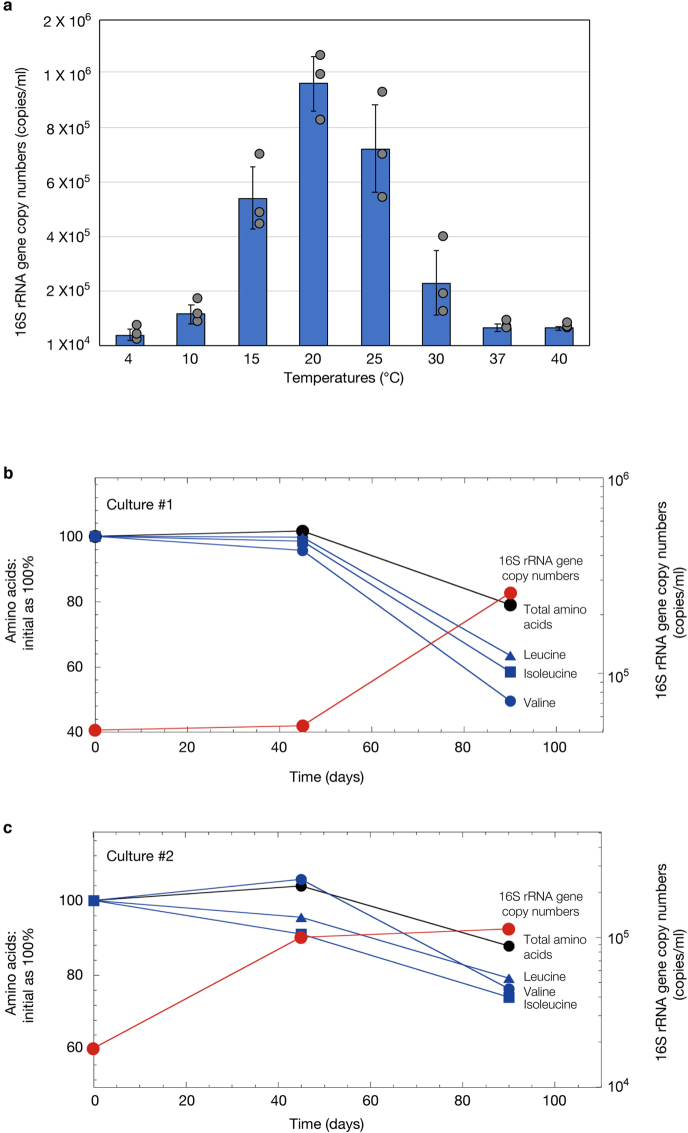
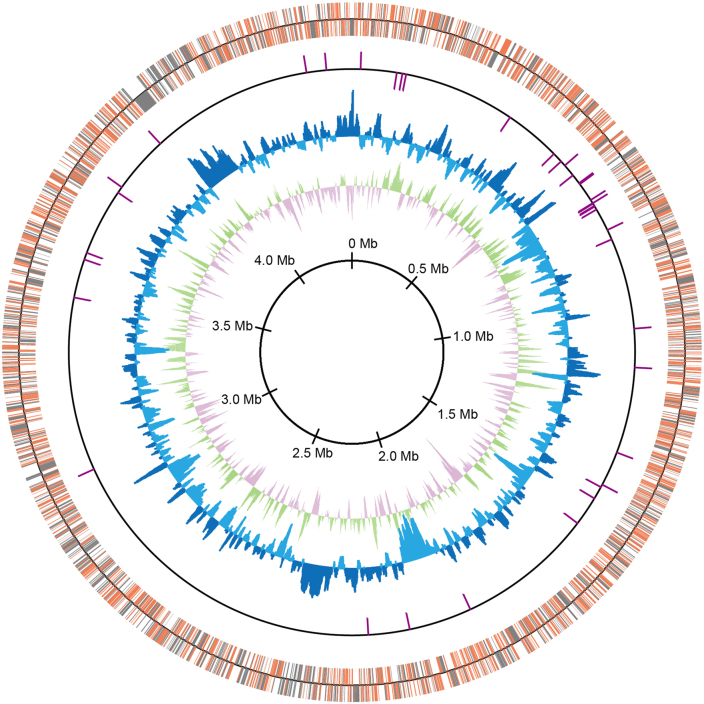
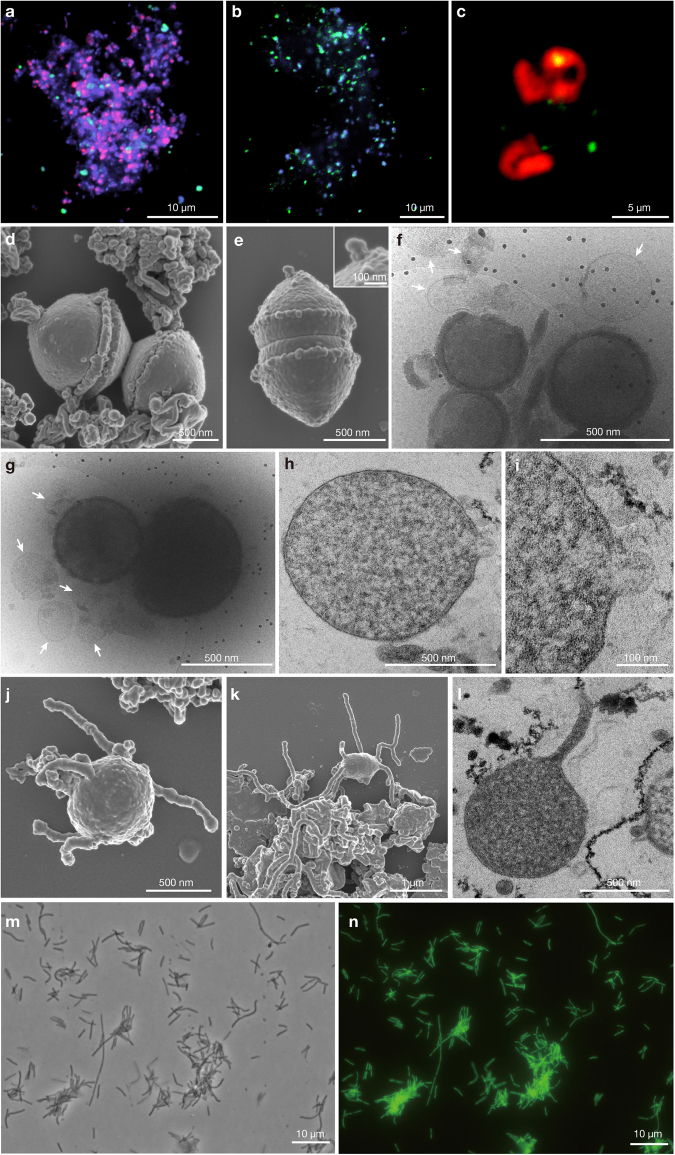
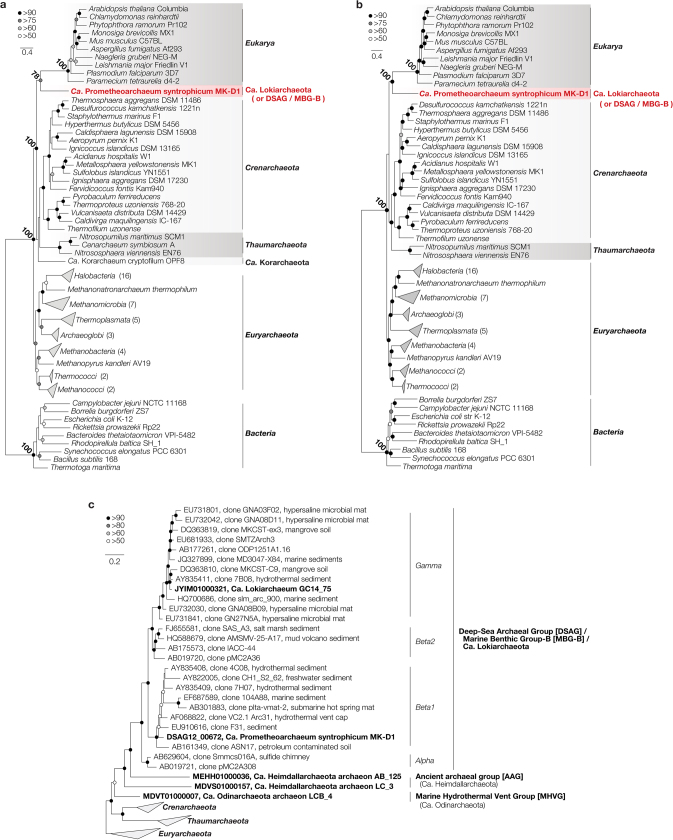
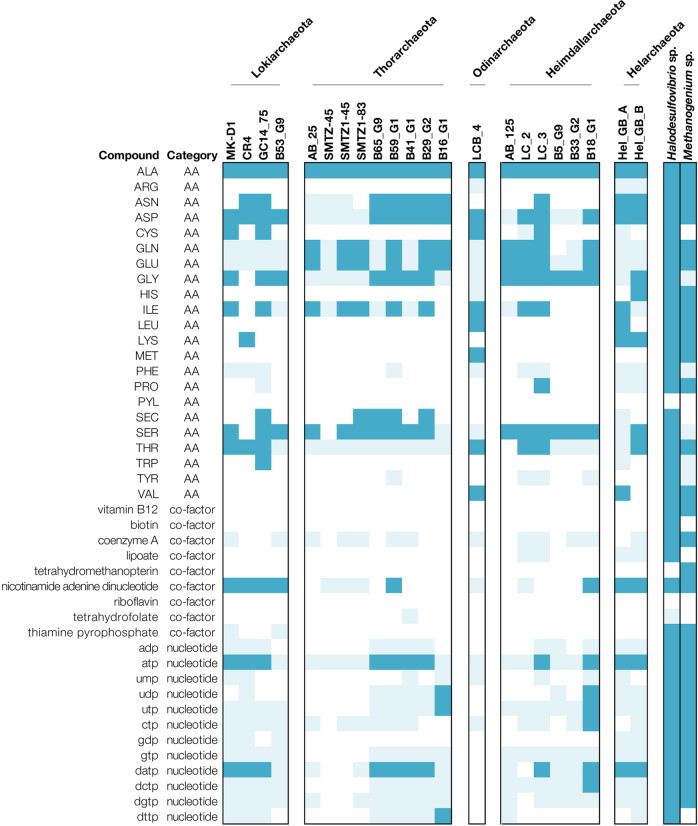
The origin of eukaryotes remains unclear 1-4. Current data suggest that eukaryotes may have emerged from an archaeal lineage known as 'Asgard' archaea 5,6. Despite the eukaryote-like genomic features that are found in these archaea, the evolutionary transition from archaea to eukaryotes remains unclear, owing to the lack of cultured representatives and corresponding physiological insights. Here we report the decade-long isolation of an Asgard archaeon related to Lokiarchaeota from deep marine sediment. The archaeon-'Candidatus Prometheoarchaeum syntrophicum' strain MK-D1-is an anaerobic, extremely slow-growing, small coccus (around 550 nm in diameter) that degrades amino acids through syntrophy. Although eukaryote-like intracellular complexes have been proposed for Asgard archaea 6, the isolate has no visible organelle-like structure. Instead, Ca. P. syntrophicum is morphologically complex and has unique protrusions that are long and often branching. On the basis of the available data obtained from cultivation and genomics, and reasoned interpretations of the existing literature, we propose a hypothetical model for eukaryogenesis, termed the entangle-engulf-endogenize (also known as E 3) model.
Overview
The claims and statistics of this paper haven’t been checked yet.
Free: it reads the open-access text and checks the first 5 claims that cite a source we can check. Create a free account to check every claim.
Integrity signals
Registry
Cites
Statistics
Figures
Verification
Claims the paper makes
The claims and statistics of this paper haven’t been checked yet.
Free: it reads the open-access text and checks the first 5 claims that cite a source we can check. Create a free account to check every claim.
Claims other papers make about this one
Each is checked against this paper’s own text: does it say what the citing paper says it does?
The source backs part of the claim, not all of it — or backs it for a different population, condition or comparison.
In the citing paper
“Furthermore, ATP synthase evolution supports scenarios on eukaryotic origins from an asgardarchaeal host3,4,13,14 and alphaproteobacterial symbiont107,108”
From ATP synthase evolution on a cross-braced dated tree of life (2023) · cites this paper as [14]
Experimental — accuracy not yet measured
Self-check
Percentages, sums and reported differences re-computed from the paper’s own numbers.
The self-check needs the paper’s full text.
Citations
Cites
Trimmomatic: a flexible trimmer for Illumina sequence data
Bolger, A. M., Lohse, M., & Usadel, B. (2014) · Bioinformatics · doi:10.1093/bioinformatics/btu170 · Cited by 65,548
MAFFT Multiple Sequence Alignment Software Version 7: Improvements in Performance and Usability
Katoh, K., & Standley, D. M. (2013) · Molecular Biology and Evolution · doi:10.1093/molbev/mst010 · Cited by 46,209
MUSCLE: multiple sequence alignment with high accuracy and high throughput
Edgar, R. C. (2004) · Nucleic Acids Research · doi:10.1093/nar/gkh340 · Cited by 44,662
The SILVA ribosomal RNA gene database project: improved data processing and web-based tools
Quast, C., Pruesse, E., Yilmaz, P., Gerken, J., Schweer, T., Yarza, P., Peplies, J., & Glöckner, F. O. (2012) · Nucleic Acids Research · doi:10.1093/nar/gks1219 · Cited by 33,055
RAxML version 8: a tool for phylogenetic analysis and post-analysis of large phylogenies
Stamatakis, A. (2014) · Bioinformatics · doi:10.1093/bioinformatics/btu033 · Cited by 32,291
MrBayes 3.2: Efficient Bayesian Phylogenetic Inference and Model Choice Across a Large Model Space
Ronquist, F., Teslenko, M., van der Mark, P., Ayres, D. L., Darling, A., Höhna, S., Larget, B., Liu, L., Suchard, M. A., & Huelsenbeck, J. P. (2012) · Systematic Biology · doi:10.1093/sysbio/sys029 · Cited by 27,843
SPAdes: A New Genome Assembly Algorithm and Its Applications to Single-Cell Sequencing
Bankevich, A., Nurk, S., Antipov, D., Gurevich, A. A., Dvorkin, M., Kulikov, A. S., Lesin, V. M., Nikolenko, S. I., Pham, S., Prjibelski, A. D., et al. (2012) · Journal of Computational Biology · doi:10.1089/cmb.2012.0021 · Cited by 25,987
BLAST+: architecture and applications
Camacho, C., Coulouris, G., Avagyan, V., Ma, N., Papadopoulos, J., Bealer, K., & Madden, T. L. (2009) · BMC Bioinformatics · doi:10.1186/1471-2105-10-421 · Cited by 22,074
Prokka: rapid prokaryotic genome annotation
Seemann, T. (2014) · Bioinformatics · doi:10.1093/bioinformatics/btu153 · Cited by 18,818
Guindon, S., Dufayard, J.-F., Lefort, V., Anisimova, M., Hordijk, W., & Gascuel, O. (2010) · Systematic Biology · doi:10.1093/sysbio/syq010 · Cited by 18,376
Research works printed but not linked: 1
- Chikaraishi, Y. et al. Instrumental Optimization for Compound-specific Nitrogen Isotope Analysis of Amino Acids by Gas Chromatography/Combustion/Isotope Ratio Mass Spectrometry in Earth, Life and Isotopes (eds Ohkouchi, N. et al.) 367–386 (Kyoto Univ. Press, 2010). 20658677
Cited by
DRAM for distilling microbial metabolism to automate the curation of microbiome function
Shaffer, M., Borton, M. A., McGivern, B. B., Zayed, A. A., La Rosa, S. L., Solden, L. M., Liu, P., Narrowe, A. B., Rodríguez-Ramos, J., Bolduc, B., et al. (2020) · Nucleic Acids Research · doi:10.1093/nar/gkaa621 · Cited by 1,126
Protein Sequence Analysis Using the MPI Bioinformatics Toolkit
Gabler, F., Nam, S., Till, S., Mirdita, M., Steinegger, M., Söding, J., Lupas, A. N., & Alva, V. (2020) · Current Protocols in Bioinformatics · doi:10.1002/cpbi.108 · Cited by 831
“To demonstrate these protocols, we use as an example the experimentally uncharacterized FtsZ protein of the Asgard group archaeon Prometheoar-chaeum syntrophicum strain MK-D1, which currently represents the closest cultured prokaryotic relative of eukaryotes (Imachi et al., 2020).”
MethodMicrobial diversity in extreme environments
Shu, W.-S., & Huang, L.-N. (2022) · Nature Reviews Microbiology · doi:10.1038/s41579-021-00648-y · Cited by 630
Innovations to culturing the uncultured microbial majority
Lewis, W. H., Tahon, G., Geesink, P., Sousa, D. Z., & Ettema, T. J. G. (2021) · Nature Reviews Microbiology · doi:10.1038/s41579-020-00458-8 · Cited by 605
Priority effects in microbiome assembly
Debray, R., Herbert, R. A., Jaffe, A. L., Crits-Christoph, A., Power, M. E., & Koskella, B. (2022) · Nature Reviews Microbiology · doi:10.1038/s41579-021-00604-w · Cited by 545
Diversity, ecology and evolution of Archaea
Baker, B. J., De Anda, V., Seitz, K. W., Dombrowski, N., Santoro, A. E., & Lloyd, K. G. (2020) · Nature Microbiology · doi:10.1038/s41564-020-0715-z · Cited by 519
A standardized archaeal taxonomy for the Genome Taxonomy Database
Rinke, C., Chuvochina, M., Mussig, A. J., Chaumeil, P.-A., Davín, A. A., Waite, D. W., Whitman, W. B., Parks, D. H., & Hugenholtz, P. (2021) · Nature Microbiology · doi:10.1038/s41564-021-00918-8 · Cited by 485
Biosynthetic potential of the global ocean microbiome
Paoli, L., Ruscheweyh, H.-J., Forneris, C. C., Hubrich, F., Kautsar, S., Bhushan, A., Lotti, A., Clayssen, Q., Salazar, G., Milanese, A., et al. (2022) · Nature · doi:10.1038/s41586-022-04862-3 · Cited by 384
Expanded diversity of Asgard archaea and their relationships with eukaryotes
Liu, Y., Makarova, K. S., Huang, W.-C., Wolf, Y. I., Nikolskaya, A. N., Zhang, X., Cai, M., Zhang, C.-J., Xu, W., Luo, Z., et al. (2021) · Nature · doi:10.1038/s41586-021-03494-3 · Cited by 324
Compartmentalised acyl-CoA metabolism and roles in chromatin regulation
Trefely, S., Lovell, C. D., Snyder, N. W., & Wellen, K. E. (2020) · Molecular Metabolism · doi:10.1016/j.molmet.2020.01.005 · Cited by 272
Fungal taxonomy and sequence-based nomenclature
Lücking, R., Aime, M. C., Robbertse, B., Miller, A. N., Aoki, T., Ariyawansa, H. A., Cardinali, G., Crous, P. W., Druzhinina, I. S., Geiser, D. M., et al. (2021) · Nature Microbiology · doi:10.1038/s41564-021-00888-x · Cited by 247
Inference and reconstruction of the heimdallarchaeial ancestry of eukaryotes
Eme, L., Tamarit, D., Caceres, E. F., Stairs, C. W., De Anda, V., Schön, M. E., Seitz, K. W., Dombrowski, N., Lewis, W. H., Homa, F., et al. (2023) · Nature · doi:10.1038/s41586-023-06186-2 · Cited by 240
“Furthermore, Asgard archaeal classes, and even orders, display a highly variable genome content with respect to ESPs and predicted metabolic features 39,42,44–46 , which indicate a complex evolutionary history of those traits.”
InfluentialActin cytoskeleton and complex cell architecture in an Asgard archaeon
Rodrigues-Oliveira, T., Wollweber, F., Ponce-Toledo, R. I., Xu, J., Rittmann, S. K.-M. R., Klingl, A., Pilhofer, M., & Schleper, C. (2023) · Nature · doi:10.1038/s41586-022-05550-y · Cited by 195
Microbial dark matter coming to light: challenges and opportunities
Jiao, J.-Y., Liu, L., Hua, Z.-S., Fang, B.-Z., Zhou, E.-M., Salam, N., Hedlund, B. P., & Li, W.-J. (2021) · National Science Review · doi:10.1093/nsr/nwaa280 · Cited by 203
Heterotrophic nitrification – An eternal mystery in the nitrogen cycle
Martikainen, P. J. (2022) · Soil Biology and Biochemistry · doi:10.1016/j.soilbio.2022.108611 · Cited by 188
Mitochondrial function in development and disease
Rossmann, M. P., Dubois, S. M., Agarwal, S., & Zon, L. I. (2021) · Disease Models & Mechanisms · doi:10.1242/dmm.048912 · Cited by 184
“…a modern-day version of such an archaeal host could be isolated from a deep-sea sediment core and cultivated in a 12-year experimental feat as Candidatus Prometheoarchaeum syntrophicum – named after Prometheus, the god from Greek mythology who created humanity from mud (Imachi et al., 2020).”
BackgroundThe Syntrophy hypothesis for the origin of eukaryotes revisited
López-García, P., & Moreira, D. (2020) · Nature Microbiology · doi:10.1038/s41564-020-0710-4 · Cited by 201
Ferroptosis: regulation by competition between NRF2 and BACH1 and propagation of the death signal
Nishizawa, H., Yamanaka, M., & Igarashi, K. (2023) · The FEBS Journal · doi:10.1111/febs.16382 · Cited by 160
Eukaryogenesis and oxygen in Earth history
Mills, D. B., Boyle, R. A., Daines, S. J., Sperling, E. A., Pisani, D., Donoghue, P. C. J., & Lenton, T. M. (2022) · Nature Ecology & Evolution · doi:10.1038/s41559-022-01733-y · Cited by 151
“…archaeal host was reinforced by descriptions of the first cultured Asgard archaeon (‘ Candidatus Prometheoarchaeum syntrophicum’ strain MK-D1), which performs H 2 -evolving amino-acid degradation in syntrophic partnership with H 2 -scavenging sulfate reducers and methanogens under anoxia 9 .”
InfluentialRoadmap for naming uncultivated Archaea and Bacteria
Murray, A. E., Freudenstein, J., Gribaldo, S., Hatzenpichler, R., Hugenholtz, P., Kämpfer, P., Konstantinidis, K. T., Lane, C. E., Papke, R. T., Parks, D. H., et al. (2020) · Nature Microbiology · doi:10.1038/s41564-020-0733-x · Cited by 151
Syntrophy and Interspecies Electron Transfer in Methanogenic Microbial Communities
Nozhevnikova, A. N., Russkova, Y. I., Litti, Y., Parshina, S. N., Zhuravleva, E. A., & Nikitina, A. A. (2020) · Microbiology · doi:10.1134/s0026261720020101 · Cited by 178
“…symbiosis of archaea and alpha-proteobacteria and described an asgardarchaeon “Candidatus Prometheoarchaeum syntrophicum strain MK-D1,” which obtains energy from amino acids and can exchange electrons with symbiotic partners: methanogenic archaea and sulfate-reducing bacteria (Imachi et al., 2019).”
The emerging view on the origin and early evolution of eukaryotic cells
Vosseberg, J., van Hooff, J. J. E., Köstlbacher, S., Panagiotou, K., Tamarit, D., & Ettema, T. J. G. (2024) · Nature · doi:10.1038/s41586-024-07677-6 · Cited by 161
“The cultivation of two closely related Lokiarchaeia representatives, ‘ Candidatus Prometheoarchaeum syntrophicum’ and ‘ Candidatus Lokiarchaeum ossiferum’, provided an important first glimpse into the physiology and cell biology of extant Asgard archaea 44,50 .”
Influentialvan Wolferen, M., Pulschen, A. A., Baum, B., Gribaldo, S., & Albers, S.-V. (2022) · Nature Microbiology · doi:10.1038/s41564-022-01215-8 · Cited by 127
Mitochondrial signalling and homeostasis: from cell biology to neurological disease
Collier, J. J., Oláhová, M., McWilliams, T. G., & Taylor, R. W. (2023) · Trends in Neurosciences · doi:10.1016/j.tins.2022.12.001 · Cited by 140
“Mitochondria could therefore be considered as hubs capable of coordinating localised and systemic responses to environmental changes; a possible consequent of their origin coinciding with the emergence of eukaryotes [4,5].”
BackgroundReaching unreachables: Obstacles and successes of microbial cultivation and their reasons
Kapinusová, G., Marin, M. A. L., & Uhlík, O. (2023) · Frontiers in Microbiology · doi:10.3389/fmicb.2023.1089630 · Cited by 135
Functional and evolutionary significance of unknown genes from uncultivated taxa
Rodríguez del Río, Á., Giner-Lamia, J., Cantalapiedra, C. P., Botas, J., Deng, Z., Hernández-Plaza, A., Munar-Palmer, M., Santamaría-Hernando, S., Rodríguez-Herva, J. J., Ruscheweyh, H.-J., et al. (2024) · Nature · doi:10.1038/s41586-023-06955-z · Cited by 101
Origin and Early Evolution of the Eukaryotic Cell
Gabaldón, T. (2021) · Annual Review of Microbiology · doi:10.1146/annurev-micro-090817-062213 · Cited by 121
Horizontal gene transfer in eukaryotes: aligning theory with data
Keeling, P. J. (2024) · Nature Reviews Genetics · doi:10.1038/s41576-023-00688-5 · Cited by 128
Phagocytosis-like cell engulfment by a planctomycete bacterium
Shiratori, T., Suzuki, S., Kakizawa, Y., & Ishida, K. (2019) · Nature Communications · doi:10.1038/s41467-019-13499-2 · Cited by 120
Timing the origin of eukaryotic cellular complexity with ancient duplications
Vosseberg, J., van Hooff, J. J. E., Marcet-Houben, M., van Vlimmeren, A., van Wijk, L. M., Gabaldón, T., & Snel, B. (2020) · Nature Ecology & Evolution · doi:10.1038/s41559-020-01320-z · Cited by 110
Synthetic co-cultures: novel avenues for bio-based processes
Diender, M., Parera Olm, I., & Sousa, D. Z. (2021) · Current Opinion in Biotechnology · doi:10.1016/j.copbio.2021.01.006 · Cited by 105
Insights into eukaryogenesis from the fossil record
Porter, S. M. (2020) · Interface Focus · doi:10.1098/rsfs.2019.0105 · Cited by 111
“In the past, the presence of irregularly distributed, branching processes in eukaryotic fossils has been used as evidence for a eukaryotic cytoskeleton (in Tappania plana [51]; see figure 4d), but the presence of similar, irregularly distributed, long, sometimes branching protrusions extending from Asgard archaeal cel…”
BackgroundRodríguez-Gijón, A., Nuy, J. K., Mehrshad, M., Buck, M., Schulz, F., Woyke, T., & Garcia, S. L. (2022) · Frontiers in Microbiology · doi:10.3389/fmicb.2021.761869 · Cited by 116
Identification of a protein responsible for the synthesis of archaeal membrane-spanning GDGT lipids
Zeng, Z., Chen, H., Yang, H., Chen, Y., Yang, W., Feng, X., Pei, H., & Welander, P. V. (2022) · Nature Communications · doi:10.1038/s41467-022-29264-x · Cited by 111
Methane-dependent complete denitrification by a single Methylomirabilis bacterium
Yao, X., Wang, J., He, M., Liu, Z., Zhao, Y., Li, Y., Chi, T., Zhu, L., Zheng, P., Jetten, M. S. M., et al. (2024) · Nature Microbiology · doi:10.1038/s41564-023-01578-6 · Cited by 105
“Cells of the highly purified culture (day 1,330) were collected using the approach mentioned above and the RNA was extracted using a PowerBiofilm RNA Isolation kit (Mobio) 57 .”
InfluentialAsgard archaea shed light on the evolutionary origins of the eukaryotic ubiquitin-ESCRT machinery
Hatano, T., Palani, S., Papatziamou, D., Salzer, R., Souza, D. P., Tamarit, D., Makwana, M., Potter, A., Haig, A., Xu, W., et al. (2022) · Nature Communications · doi:10.1038/s41467-022-30656-2 · Cited by 104
Baluška, F., Miller, W. B., & Reber, A. S. (2022) · Biological Journal of the Linnean Society · doi:10.1093/biolinnean/blac005 · Cited by 109
Expanding Archaeal Diversity and Phylogeny: Past, Present, and Future
Tahon, G., Geesink, P., & Ettema, T. J. G. (2021) · Annual Review of Microbiology · doi:10.1146/annurev-micro-040921-050212 · Cited by 108
The old friends hypothesis: evolution, immunoregulation and essential microbial inputs
Rook, G. A. W. (2023) · Frontiers in Allergy · doi:10.3389/falgy.2023.1220481 · Cited by 107
“Approximately 1.5 billion years later an endosymbiotic event led to an organism similar to an alpha-proteobacterium living inside another organism, where it evolved to become the mitochondrion (23).”
BackgroundInfluentialThe case of tryptamine and serotonin in plants: a mysterious precursor for an illustrious metabolite
Negri, S., Commisso, M., Avesani, L., & Guzzo, F. (2021) · Journal of Experimental Botany · doi:10.1093/jxb/erab220 · Cited by 94
New Microbial Biodiversity in Marine Sediments
Baker, B. J., Appler, K. E., & Gong, X. (2020) · Annual Review of Marine Science · doi:10.1146/annurev-marine-032020-014552 · Cited by 103
Qiu, Z. G., Yuan, L., Lian, C., Lin, B., Chen, J., Mu, R., Qiao, X., Zhang, L., Xu, Z., Fan, L., et al. (2024) · Nature Communications · doi:10.1038/s41467-024-46539-7 · Cited by 100
“Previous genomic analyses of Lokiarchaeia and other candidate Asgardarchaeota species 17,77,78,81,82 have suggested that candidate Lokiarchaeia are likely adaptive to different marine environments through various metabolic pathways, such as lignin or protein degradation.”
BackgroundSelf-citationGenome-resolved long-read sequencing expands known microbial diversity across terrestrial habitats
Sereika, M., Mussig, A. J., Jiang, C., Knudsen, K. S., Jensen, T. B. N., Petriglieri, F., Yang, Y., Jørgensen, V. R., Delogu, F., Sørensen, E. A., et al. (2025) · Nature Microbiology · doi:10.1038/s41564-025-02062-z · Cited by 100
“1 and Dataset 1) were selected (see Methods for selection criteria) for deep long-read Nanopore sequencing (Fig.”
InfluentialEvolution of bacterial steroid biosynthesis and its impact on eukaryogenesis
Hoshino, Y., & Gaucher, E. A. (2021) · Proceedings of the National Academy of Sciences · doi:10.1073/pnas.2101276118 · Cited by 92
ATP synthase evolution on a cross-braced dated tree of life
Mahendrarajah, T. A., Moody, E. R. R., Schrempf, D., Szánthó, L. L., Dombrowski, N., Davín, A. A., Pisani, D., Donoghue, P. C. J., Szöllősi, G. J., Williams, T. A., et al. (2023) · Nature Communications · doi:10.1038/s41467-023-42924-w · Cited by 86
“…for topologies of the two concatenated species trees inferred under different models of evolution (LG+C60+R+F and LG+C20+R+F, see above, Supplementary Data 14, Zenodo data repository: https://doi.org/10.5281/zenodo.10012837 74 ) using the approximately unbiased (AU) test implemented in IQ-TREE2 v2.”
BackgroundMethodInfluentialA phylogenetic and proteomic reconstruction of eukaryotic chromatin evolution
Grau-Bové, X., Navarrete, C., Chiva, C., Pribasnig, T., Antó, M., Torruella, G., Galindo, L. J., Lang, B. F., Moreira, D., López-Garcia, P., et al. (2022) · Nature Ecology & Evolution · doi:10.1038/s41559-022-01771-6 · Cited by 91
“Using probabilistic inference of ancestral gene content, we reconstruct a rich Last Eukaryotic Common Ancestor (LECA) complement of chromatin-associated gene families: 65 acetylases (amongst which 61 were conserved in at least two of the most deeply sampled eukaryotic early-branching lineages, namely Amorphea, Diaphor…”
BackgroundCai, M., Liu, Y., Yin, X., Zhou, Z., Friedrich, M. W., Richter‐Heitmann, T., Nimzyk, R., Kulkarni, A., Wang, X., Li, W., et al. (2020) · Science China Life Sciences · doi:10.1007/s11427-020-1679-1 · Cited by 93
Gelsinger, D. R., Dallon, E., Reddy, R., Mohammad, F., Buskirk, A. R., & DiRuggiero, J. (2020) · Nucleic Acids Research · doi:10.1093/nar/gkaa304 · Cited by 84
Cofactor F420: an expanded view of its distribution, biosynthesis and roles in bacteria and archaea
Grinter, R., & Greening, C. (2021) · FEMS Microbiology Reviews · doi:10.1093/femsre/fuab021 · Cited by 88
The origin of phagocytosis in Earth history
Mills, D. B. (2020) · Interface Focus · doi:10.1098/rsfs.2020.0019 · Cited by 84
“In 2020, descriptions of the first cultured representative of the Asgard archaea were published [110].”
BackgroundResultInfluentialMacrofaunal control of microbial community structure in continental margin sediments
Deng, L., Bölsterli, D., Kristensen, E. S., Meile, C. D., Su, C., Bernasconi, S. M., Seidenkrantz, M., Glombitza, C., Lagostina, L., Han, X., et al. (2020) · Proceedings of the National Academy of Sciences · doi:10.1073/pnas.1917494117 · Cited by 88
“This category is dominated by bacterial Delta-and Alphaproteobacteria and Planctomycetes , as well as archaeal Woesearchaeota , Diapherotrites , and Lokiarchaeota (beta subgroup).”
BackgroundInfluentialEvolution: Two Domains of Life or Three?
Doolittle, W. F. (2020) · Current Biology · doi:10.1016/j.cub.2020.01.010 · Cited by 75
Evolution of Microbial Genomics: Conceptual Shifts over a Quarter Century
Koonin, E. V., Makarova, K. S., & Wolf, Y. I. (2021) · Trends in Microbiology · doi:10.1016/j.tim.2021.01.005 · Cited by 84
Whitman, W. B., Chuvochina, M. S., Hedlund, B. P., Hugenholtz, P., Konstantinidis, K. T., Murray, A. E., Palmer, M., Parks, D. H., Probst, A. J., Reysenbach, A., et al. (2022) · Systematic and Applied Microbiology · doi:10.1016/j.syapm.2022.126305 · Cited by 82
Reconstructing the last common ancestor of all eukaryotes
Richards, T. A., Eme, L., Archibald, J. M., Leonard, G., Coelho, S. M., de Mendoza, A., Dessimoz, C., Doležal, P., Fritz‐Laylin, L. K., Gabaldón, T., et al. (2024) · PLoS Biology · doi:10.1371/journal.pbio.3002917 · Cited by 78
Overholt, W. A., Hölzer, M., Geesink, P., Diezel, C., Marz, M., & Küsel, K. (2020) · Environmental Microbiology · doi:10.1111/1462-2920.15186 · Cited by 78
“To identify MAGs that were recovered from both assembly methods, FastANI was run on all pairwise comparisons of the Illumina-only and ONT-only MAGs to the hybrid MAGs that were initially assessed using CheckM (82 hybrid, 44 Illumina-only, 35 ONT-only) (Jain et al., 2018).”
MethodInfluentialHorizontal Gene Transfer in Archaea—From Mechanisms to Genome Evolution
Gophna, U., & Altman‐Price, N. (2022) · Annual Review of Microbiology · doi:10.1146/annurev-micro-040820-124627 · Cited by 73
Deep origin of eukaryotes outside Heimdallarchaeia within Asgardarchaeota
Zhang, J., Feng, X., Li, M., Liu, Y., Liu, M., Hou, L., & Dong, H. (2025) · Nature · doi:10.1038/s41586-025-08955-7 · Cited by 80
Wu, F., Speth, D. R., Philosof, A., Crémière, A., Narayanan, A., Barco, R. A., Connon, S. A., Amend, J. P., Antoshechkin, I. A., & Orphan, V. J. (2022) · Nature Microbiology · doi:10.1038/s41564-021-01039-y · Cited by 71
The pyruvate dehydrogenase complex: Life’s essential, vulnerable and druggable energy homeostat
Stacpoole, P. W., & McCall, C. E. (2023) · Mitochondrion · doi:10.1016/j.mito.2023.02.007 · Cited by 75
TCA cycle signalling and the evolution of eukaryotes
Ryan, D. G., Frezza, C., & O'Neill, L. A. J. (2020) · Current Opinion in Biotechnology · doi:10.1016/j.copbio.2020.09.014 · Cited by 72
“Eventually, it is proposed that the establishment of a symbiont-to-host ATP channel led to endogenization and delegation of catabolism and ATP generation to the endosymbiont [23].”
BackgroundInfluentialSchultz, J., Modolon, F., Peixoto, R. S., & Rosado, A. S. (2023) · Frontiers in Microbiology · doi:10.3389/fmicb.2023.1167718 · Cited by 80
Orsi, W. D., Vuillemin, A., Rodriguez, P. C., Coskun, Ö. K., Gomez‐Saez, G. V., Lavik, G., Mohrholz, V., & Ferdelman, T. G. (2019) · Nature Microbiology · doi:10.1038/s41564-019-0630-3 · Cited by 78
Cohen, P. A., & Kodner, R. B. (2022) · Trends in Ecology & Evolution · doi:10.1016/j.tree.2021.11.005 · Cited by 65
Host Range and Coding Potential of Eukaryotic Giant Viruses
Sun, T., Yang, C.-L., Kao, T., Wang, T., Lai, M. Y., & Ku, C. (2020) · Viruses · doi:10.3390/v12111337 · Cited by 67
Pulschen, A. A., Mutavchiev, D. R., Culley, S., Sebastian, K. N., Roubinet, J., Roubinet, M., Risa, G. T., van Wolferen, M., Roubinet, C., Schmidt, U., et al. (2020) · Current Biology · doi:10.1016/j.cub.2020.05.021 · Cited by 71
Aouad, M., Flandrois, J.-P., Jauffrit, F., Gouy, M., Gribaldo, S., & Brochier-Armanet, C. (2022) · BMC Ecology and Evolution · doi:10.1186/s12862-021-01952-0 · Cited by 67
Returning Samples From Enceladus for Life Detection
Neveu, M. F., Anbar, A. D., Dávila, A. F., GLAVIN, D. P., MacKenzie, S., Phillips-Lander, C. M., Sherwood, B., Takano, Y., Williams, P., & Yano, H. (2020) · Frontiers in Astronomy and Space Sciences · doi:10.3389/fspas.2020.00026 · Cited by 69
“, 2015), but also closelymatch those of known ecosystems on Earth (Kelley et al., 2005; Imachi et al., 2020).”
BackgroundSelf-citationAkıl, C., Tran, L. T., Orhant‐Prioux, M., Baskaran, Y., Manser, E. J., Blanchoin, L., & Robinson, R. C. (2020) · Proceedings of the National Academy of Sciences · doi:10.1073/pnas.2009167117 · Cited by 67
“It is not known whether this potential dynamic actin cytoskeleton is related to the membrane blebs, protrusions or vesicles observed in the first Asgard archaea to be isolated (5).”
InfluentialEndosymbiosis before eukaryotes: mitochondrial establishment in protoeukaryotes
Zachar, I., & Boza, G. (2020) · Cellular and Molecular Life Sciences · doi:10.1007/s00018-020-03462-6 · Cited by 73
“Protrusions or pockets of the host membrane might have been able to trap the symbiont (as was hypothesized based on the nature of the recently cultivated Asgard archaeon [101]; also earlier by [161]), but trapping is far from internalization.”
BackgroundCultivation of uncultured marine microorganisms
Wang, F., Li, M., Huang, L., & Zhang, X. (2021) · Marine Life Science & Technology · doi:10.1007/s42995-021-00093-z · Cited by 67
The virome of the last eukaryotic common ancestor and eukaryogenesis
Krupovic, M., Dolja, V. V., & Koonin, E. V. (2023) · Nature Microbiology · doi:10.1038/s41564-023-01378-y · Cited by 52
Endosymbiotic selective pressure at the origin of eukaryotic cell biology
Raval, P. K., Garg, S. G., & Gould, S. B. (2022) · eLife · doi:10.7554/elife.81033 · Cited by 65
“When transmission electron microscopy revealed images of asgard archaea, that of Prometheoarchaeon syntrophicum, they uncovered tiny prokaryotes with no intracellular eukaryotic traits living in syntrophy with bacteria (Imachi et al., 2020).”
InfluentialThe Archaeal Roots of the Eukaryotic Dynamic Actin Cytoskeleton
Stairs, C. W., & Ettema, T. J. G. (2020) · Current Biology · doi:10.1016/j.cub.2020.02.074 · Cited by 64
Metcalfe, K. S., Murali, R., Mullin, S. W., Connon, S. A., & Orphan, V. J. (2020) · The ISME Journal · doi:10.1038/s41396-020-00757-1 · Cited by 68
Domains and Major Transitions of Social Evolution
Boomsma, J. J. (2022) · doi:10.1093/oso/9780198746171.001.0001 · Cited by 74
Mythical origins of the actin cytoskeleton
Akıl, C., Kitaoku, Y., Tran, L. T., Liebl, D., Choe, H., Muengsaen, D., Suginta, W., Schulte, A., & Robinson, R. C. (2020) · Current Opinion in Cell Biology · doi:10.1016/j.ceb.2020.08.011 · Cited by 62
Revisiting the mercury cycle in marine sediments: A potential multifaceted role for Desulfobacterota
Rincón-Tomás, B., Lanzén, A., Sánchez, P., Estupiñán, M., Sanz-Sáez, I., Bilbao, M. E., Rojo, D., Mendibil, I., Pérez-Cruz, C., Ferri, M., et al. (2023) · Journal of Hazardous Materials · doi:10.1016/j.jhazmat.2023.133120 · Cited by 65
Speth, D. R., Yu, F. B., Connon, S. A., Lim, S., Magyar, J. S., Peña-Salinas, M. E., Quake, S. R., & Orphan, V. J. (2022) · The ISME Journal · doi:10.1038/s41396-022-01222-x · Cited by 59
“The morphology and eco-physiology of Odinarchaeota is poorly characterized, and these findings may suggest an association with sediment particles or other microorganisms, or perhaps linked to an increased effective cell size due to unusual morphology, as observed for Prometheoarchaeum MK-D1, the only cultured member o…”
BackgroundMinimal and hybrid hydrogenases are active from archaea
Greening, C., Cabotaje, P. R., Valentin-Alvarado, L. E., Leung, P. M., Land, H., Rodrigues-Oliveira, T., Ponce-Toledo, R. I., Senger, M., Klamke, M. A., Milton, M., et al. (2024) · Cell · doi:10.1016/j.cell.2024.05.032 · Cited by 62
“Indeed, maturase genes are even absent in the genome of the cultured hydrogenogenic archaeon ‘‘ Ca. P. syntrophicum’’ 35 and the closed genome of ‘‘ Ca. F. multitransposorum’’ from which an active [FeFe] hydrogenase was heterologously produced (Figure 3).”
BackgroundInfluentialStrategies for culturing active/dormant marine microbes
Mu, D., Ouyang, Y., Chen, G., & Du, Z. (2020) · Marine Life Science & Technology · doi:10.1007/s42995-020-00053-z · Cited by 63
Anomalous Phylogenetic Behavior of Ribosomal Proteins in Metagenome-Assembled Asgard Archaea
Garg, S. G., Kapust, N., Lin, W., Knopp, M. R., Tria, F. D. K., Sathi, S. N., Gould, S. B., Fan, L., Zhu, R., Zhang, C., et al. (2020) · Genome Biology and Evolution · doi:10.1093/gbe/evaa238 · Cited by 57
Three families of Asgard archaeal viruses identified in metagenome-assembled genomes
Medvedeva, S., Sun, J., Yutin, N., Koonin, E. V., Nunoura, T., Rinke, C., & Krupovìč, M. (2022) · Nature Microbiology · doi:10.1038/s41564-022-01144-6 · Cited by 60
Genomes of six viruses that infect Asgard archaea from deep-sea sediments
Rambo, I. M., Langwig, M. V., Leão, P., Anda, V. D., & Baker, B. J. (2022) · Nature Microbiology · doi:10.1038/s41564-022-01150-8 · Cited by 59
Cultivation strategies for prokaryotes from extreme environments
Yang, Z., Lian, Z., Liu, L., Fang, B., Li, W., & Jiao, J. (2023) · iMeta · doi:10.1002/imt2.123 · Cited by 57
“In recent years, some exciting cultivation results have greatly expanded our knowledge of life in extreme environments and even the origin of the Eukaryotes [31 – 33].”
BackgroundBacterial Genes Outnumber Archaeal Genes in Eukaryotic Genomes
Brueckner, J., & Martin, W. F. (2020) · Genome Biology and Evolution · doi:10.1093/gbe/evaa047 · Cited by 58
Expanding Asgard members in the domain of Archaea sheds new light on the origin of eukaryotes
Xie, R., Wang, Y., Huang, D., Hou, J., Li, L., Hu, H., Zhao, X., & Wang, F. (2021) · Science China Life Sciences · doi:10.1007/s11427-021-1969-6 · Cited by 59
How energy flow shapes cell evolution
Lane, N. J. (2020) · Current Biology · doi:10.1016/j.cub.2020.03.055 · Cited by 67
Mitochondria–plasma membrane interactions and communication
Balderas, P. M. D. O. (2021) · Journal of Biological Chemistry · doi:10.1016/j.jbc.2021.101164 · Cited by 59
“thought to have evolved from an α-proteobacteria that a long time ago adapted to intracellular living within an Asgard archaebacteria, the precursor of eukaryotic cells (1, 2).”
BackgroundChen, M., Hur, J., Gu, J., & Yamashita, Y. (2023) · Science China Earth Sciences · doi:10.1007/s11430-021-9996-1 · Cited by 54
“such as MBG-D, MGI/II/III, and Gerdarchaeota of the Asgard superphylum, showed the genetic capacity to metabolize amino acids (Li et al., 2015; Zhou et al., 2019; Cai et al., 2020; Imachi et al., 2020).”
BackgroundComplete atomic structure of a native archaeal cell surface
von Kügelgen, A., Alva, V., & Bharat, T. A. M. (2021) · Cell Reports · doi:10.1016/j.celrep.2021.110052 · Cited by 53
“Since the Asgard archaeaon ‘‘Candidatus Prometheoarchaeum syntrophicum’’ strain MK-D1—the closest known prokaryotic relative of eukaryotes to date—has been implicated to possess S-layers (Imachi et al., 2020), a fascinating question to contemplate is why and when S-layers were lost in the evolution of contemporary euk…”
BackgroundInfluentialSteen, A. D., Kusch, S., Abdulla, H. A. N., Cakić, N., Coffinet, S., Dittmar, T., Fulton, J. M., Galy, V., Hinrichs, K., Ingalls, A. E., et al. (2020) · Frontiers in Marine Science · doi:10.3389/fmars.2020.00718 · Cited by 52
Imachi, H., Nobu, M. K., Kato, S., Takaki, Y., Miyazaki, M., Miyata, M., Ogawara, M., Saito, Y., Sakai, S., Tahara, Y. O., et al. (2024) · INTERNATIONAL JOURNAL OF SYSTEMATIC AND EVOLUTIONARY MICROBIOLOGY · doi:10.1099/ijsem.0.006435 · Cited by 52
Self-citationRecent Advances in Archaeal Translation Initiation
Schmitt, E., Coureux, P., Kazan, R., Bourgeois, G., Lazennec‐Schurdevin, C., & Méchulam, Y. (2020) · Frontiers in Microbiology · doi:10.3389/fmicb.2020.584152 · Cited by 52
Neveu, É., Khalifeh, D., Salamin, N., & Fasshauer, D. (2020) · Current Biology · doi:10.1016/j.cub.2020.04.060 · Cited by 51
Recoding of stop codons expands the metabolic potential of two novel Asgardarchaeota lineages
Sun, J., Evans, P. N., Gagen, E. J., Woodcroft, B. J., Hedlund, B. P., Woyke, T., Hugenholtz, P., & Rinke, C. (2021) · ISME Communications · doi:10.1038/s43705-021-00032-0 · Cited by 53
Eukarya the chimera: eukaryotes, a secondary innovation of the two domains of life?
Nobs, S.-J., MacLeod, F. I., Wong, H. L., & Burns, B. P. (2021) · Trends in Microbiology · doi:10.1016/j.tim.2021.11.003 · Cited by 50
Dominant contribution of Asgard archaea to eukaryogenesis
Tobiasson, V., Luo, J., Wolf, Y. I., & Koonin, E. V. (2026) · Nature · doi:10.1038/s41586-025-09960-6 · Cited by 49
“In particular, almost all currently available genomes of Asgard archaea are incomplete metagenomic assemblies, with the exception of only a few closed circular genomes 22–24, 31, 73 , which inevitably leads to uncertainty in the estimation of the”
Community, Distribution, and Ecological Roles of Estuarine Archaea
Zou, D., Liu, H., & Li, M. (2020) · Frontiers in Microbiology · doi:10.3389/fmicb.2020.02060 · Cited by 51
Evidence supporting a viral origin of the eukaryotic nucleus
Bell, P. (2020) · Virus Research · doi:10.1016/j.virusres.2020.198168 · Cited by 52
Metadata
- Authors
- Imachi, H., Nobu, M. K., Nakahara, N., Morono, Y., Ogawara, M., Takaki, Y., Takano, Y., Uematsu, K., Ikuta, T., Ito, M., Matsui, Y., Miyazaki, M., Murata, K., Saito, Y., Sakai, S., Song, C., Tasumi, E., Yamanaka, Y., Yamaguchi, T., Kamagata, Y., Tamaki, H., & Takai, K.
- Affiliations
- Japan Agency for Marine-Earth Science and Technology (JP)
- National Institute of Advanced Industrial Science and Technology (JP)
- Marine Works Japan Ltd. (Japan) (JP)
- National Institute for Physiological Sciences (JP)
- Nagaoka University of Technology (JP)
- Corresponding author
- Imachi, Hiroyuki
- Nobu, Masaru K.
- ORCID
- Venue
- Nature
- Published
- 2020-01-15
- Volume
- 577
- Issue
- 7791
- Pages
- 519-525
- ISSN
- 0028-0836 (ISSN-L)
- 1476-4687
- PMC
- PMC7015854
- OpenAlex
- W2999376388
- Cited by
- 624
- References
- 96
- Citations by year
- 2026: 56 · 2025: 82 · 2024: 89 · 2023: 81 · 2022: 109 · 2021: 101 · 2020: 105
- FWCI
- 33.18
- Type
- journal article
- Language
- en
- Open access
- green
- www.ncbi.nlm.nih.gov
- Licence
- cc-by
- www.springernature.com/gp/researchers/text-and-data-mining (tdm)
- www.springernature.com/gp/researchers/text-and-data-mining (vor)
- Locations
- Nature (publishedVersion)
- Europe PMC (PubMed Central) (publishedVersion, cc-by)
- PubMed Central (publishedVersion, cc-by)
- PubMed (publishedVersion)
- Zenodo (CERN European Organization for Nuclear Research) (submittedVersion)
- Funders
- Japan Society for the Promotion of Science (18K18795, 20H02019, 16H06280, 18H03367, 18H02426, 18H04468, 19H01005, 16H04083, 18H05295)
- Topics
- Life Sciences › Agricultural and Biological Sciences › Ecology, Evolution, Behavior and Systematics › Protist diversity and phylogeny
- Physical Sciences › Physics and Astronomy › Astronomy and Astrophysics › Origins and Evolution of Life
- Physical Sciences › Environmental Science › Ecology › Microbial Community Ecology and Physiology
- Keywords
- Asgard archaea, Lokiarchaeota, eukaryotic origin, syntrophy, amino acid catabolism
- MeSH terms
- Amino Acids, Archaea, Eukaryotic Cells, Lipids, Models, Biological, Phylogeny, Prokaryotic Cells, Symbiosis, Geologic Sediments, Evolution, Molecular, Genome, Archaeal
About these checks
Registry, retraction, Cites and statistics results are computed, not judged, with one exception: a printed reference that no index lists is read once by a model before it counts as a citation error. Claims are extracted by a model and kept only when their quote appears verbatim in the text; each cited source is then checked, with a model’s help, for whether it says what the claim relies on. Those verdicts can be wrong — read the claim’s quote and the cited source before relying on one.
Statistics and arithmetic are recomputed, not judged.
Confidence bands are shown only for fields calibrated on our annotated test set. None is calibrated yet, so no band is shown.
What counts as a claim ›How we measure confidence ›How we check this ›
Are you an author, or do you see a problem with this page? Request a review
Data sources
Bibliographic data: Semantic Scholar, OpenAlex, Crossref.
Contains information from the Semantic Scholar Academic Graph Datasets, made available under the ODC Attribution License (ODC-BY 1.0).
Semantic Scholar’s data is described in: Kinney, R., et al. (2023). The Semantic Scholar Open Data Platform. arXiv:2301.10140.
