

Massive haplotypes underlie ecotypic differentiation in sunflowers
Open accessPublished version of a preprint
The DOI matches its Crossref record; 94 of the 94 references it cites were found in a registry or an index.
Abstract
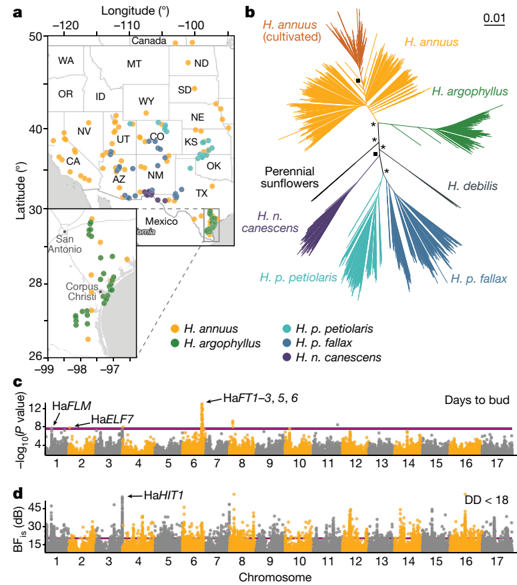
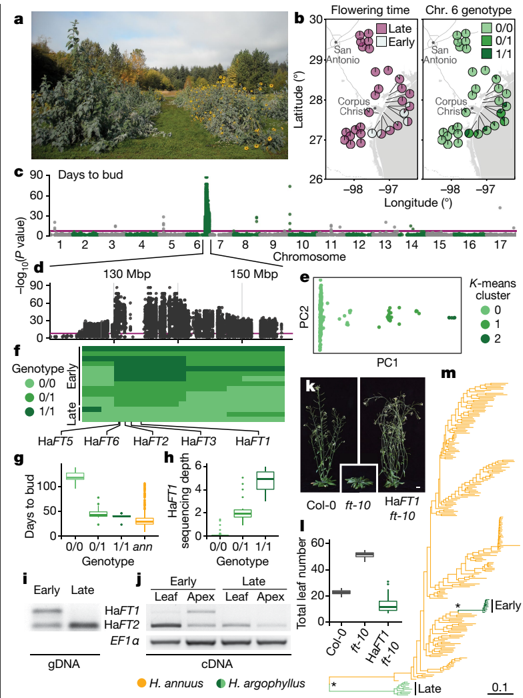
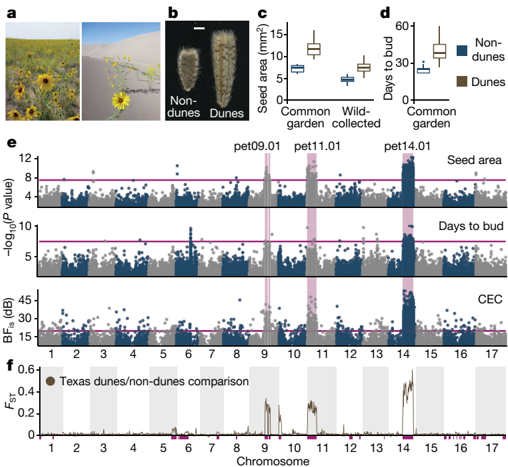
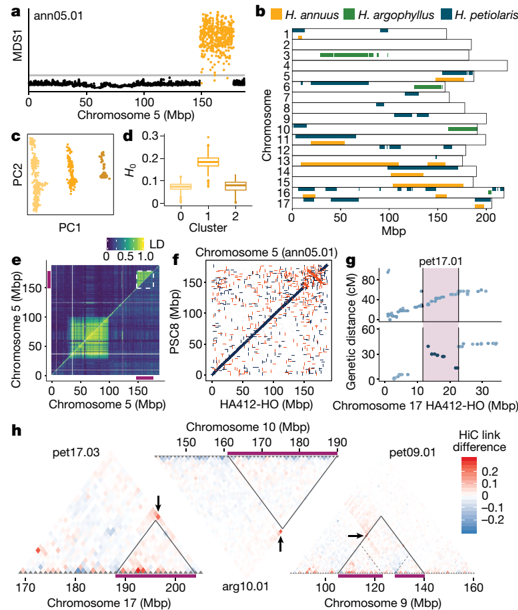
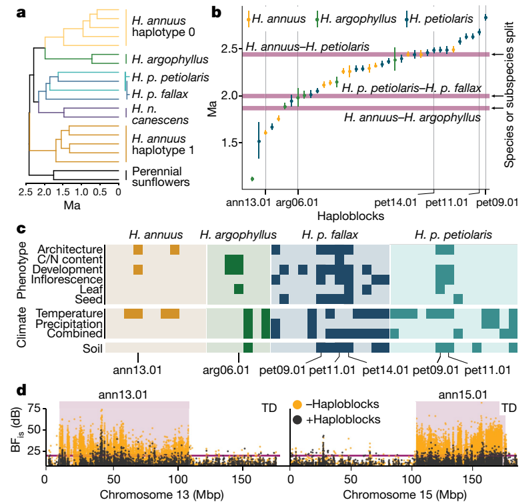
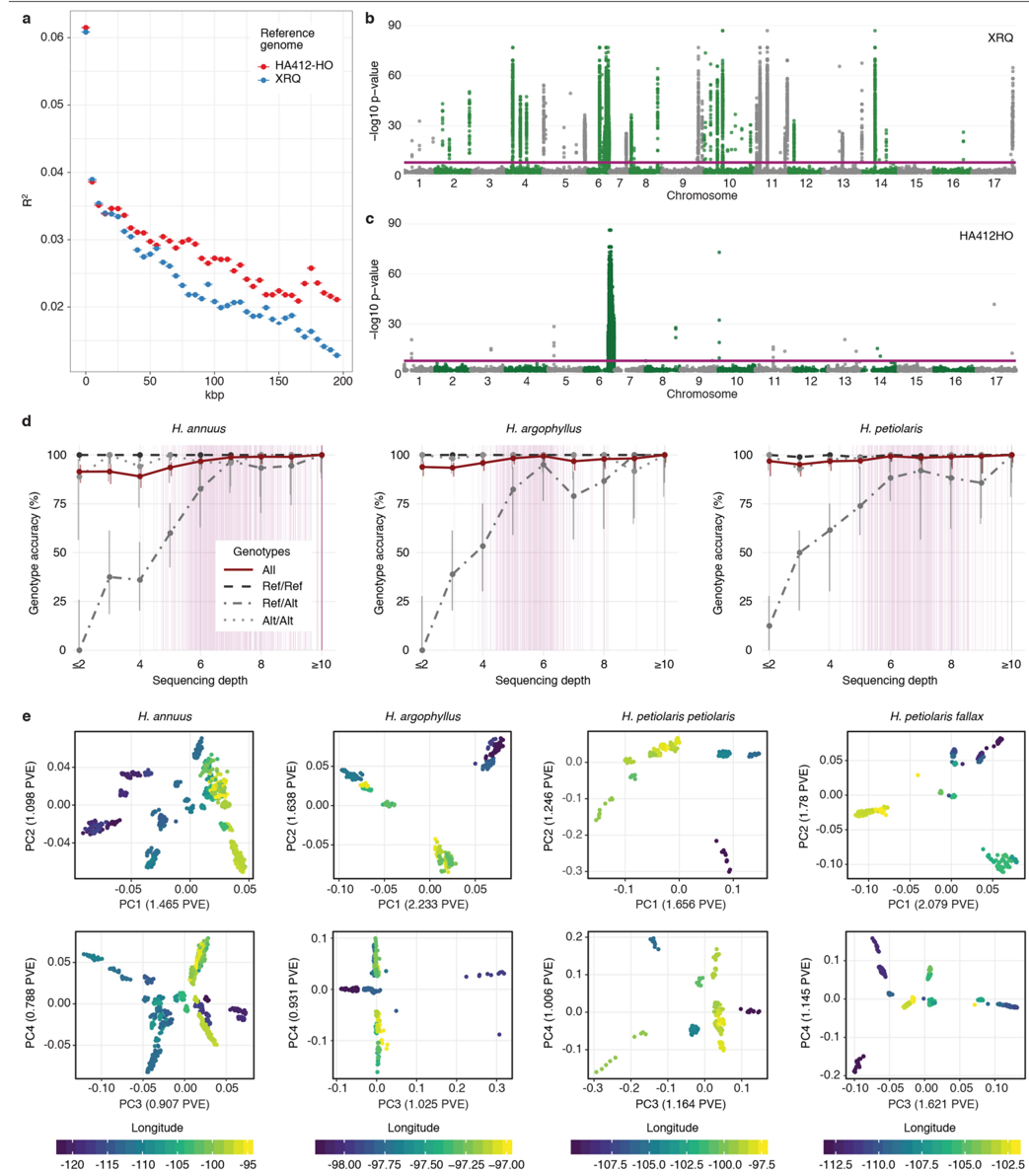
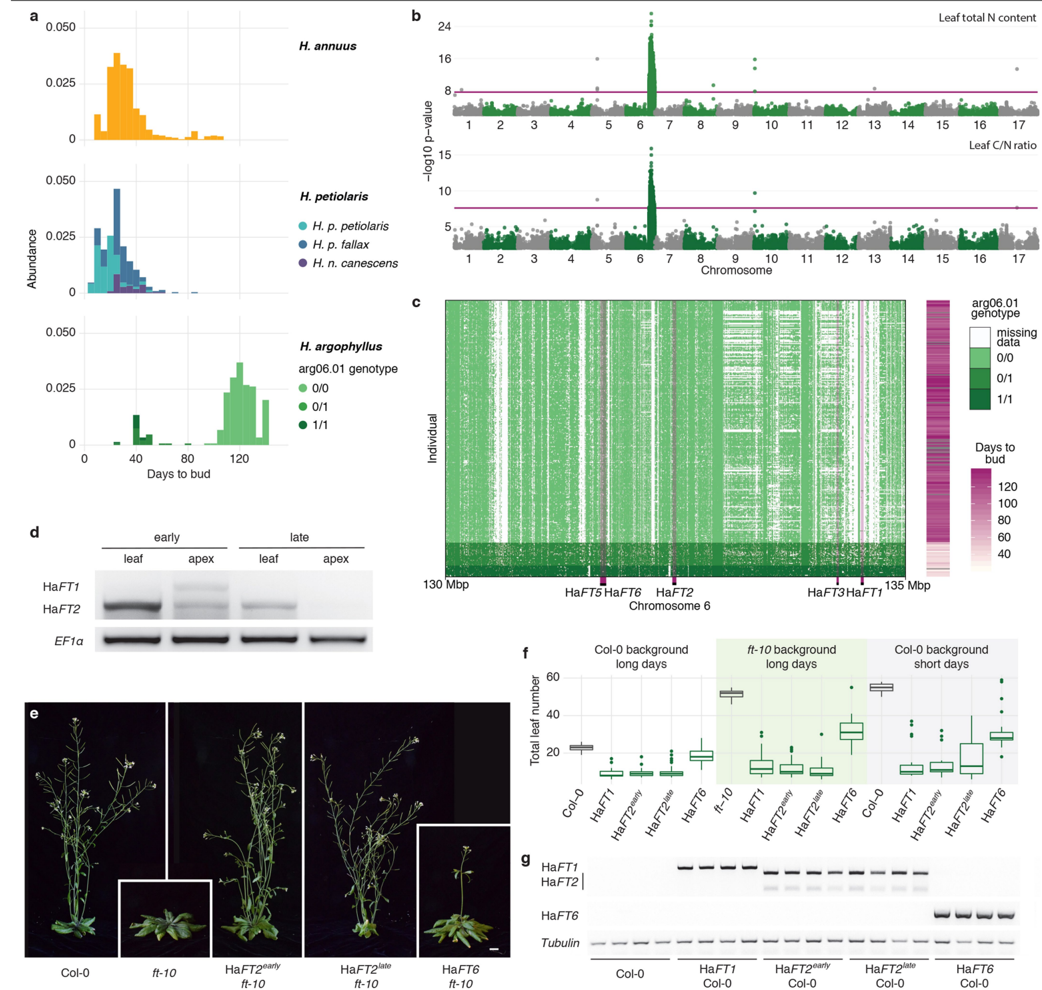
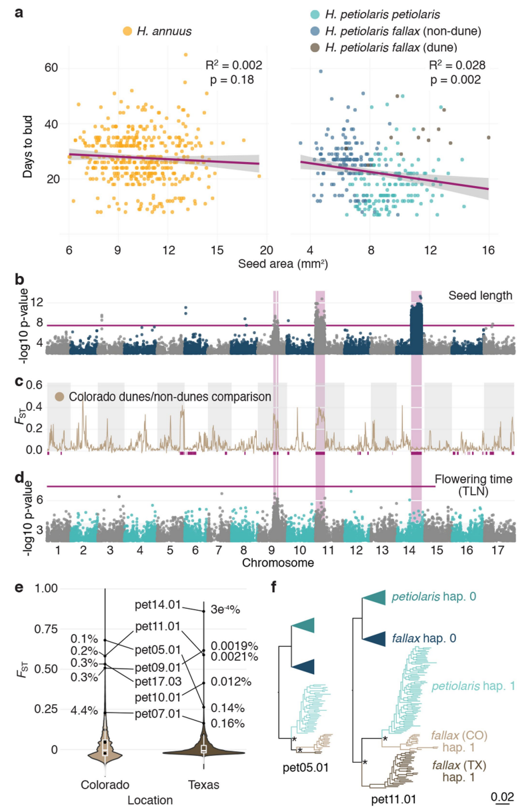
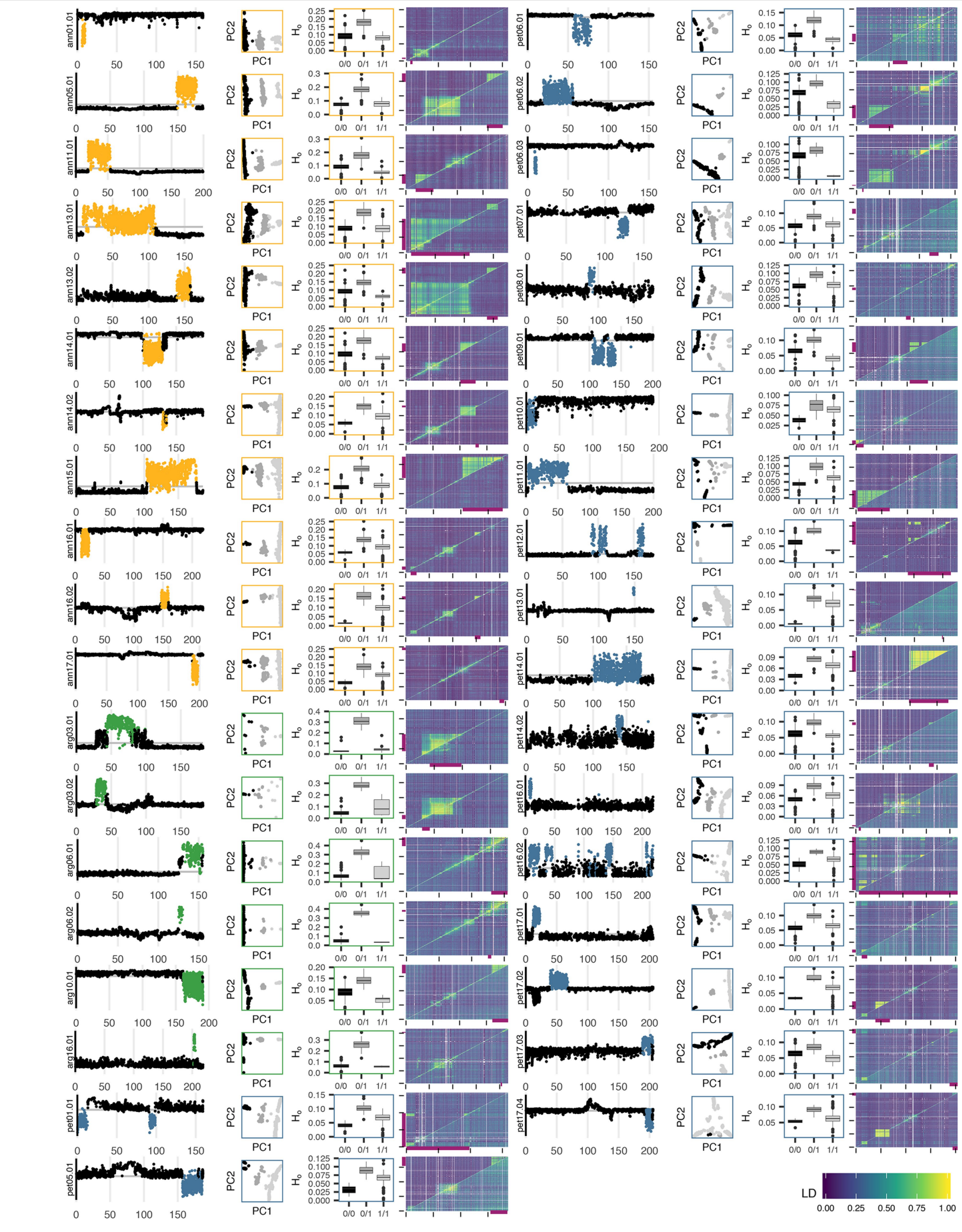
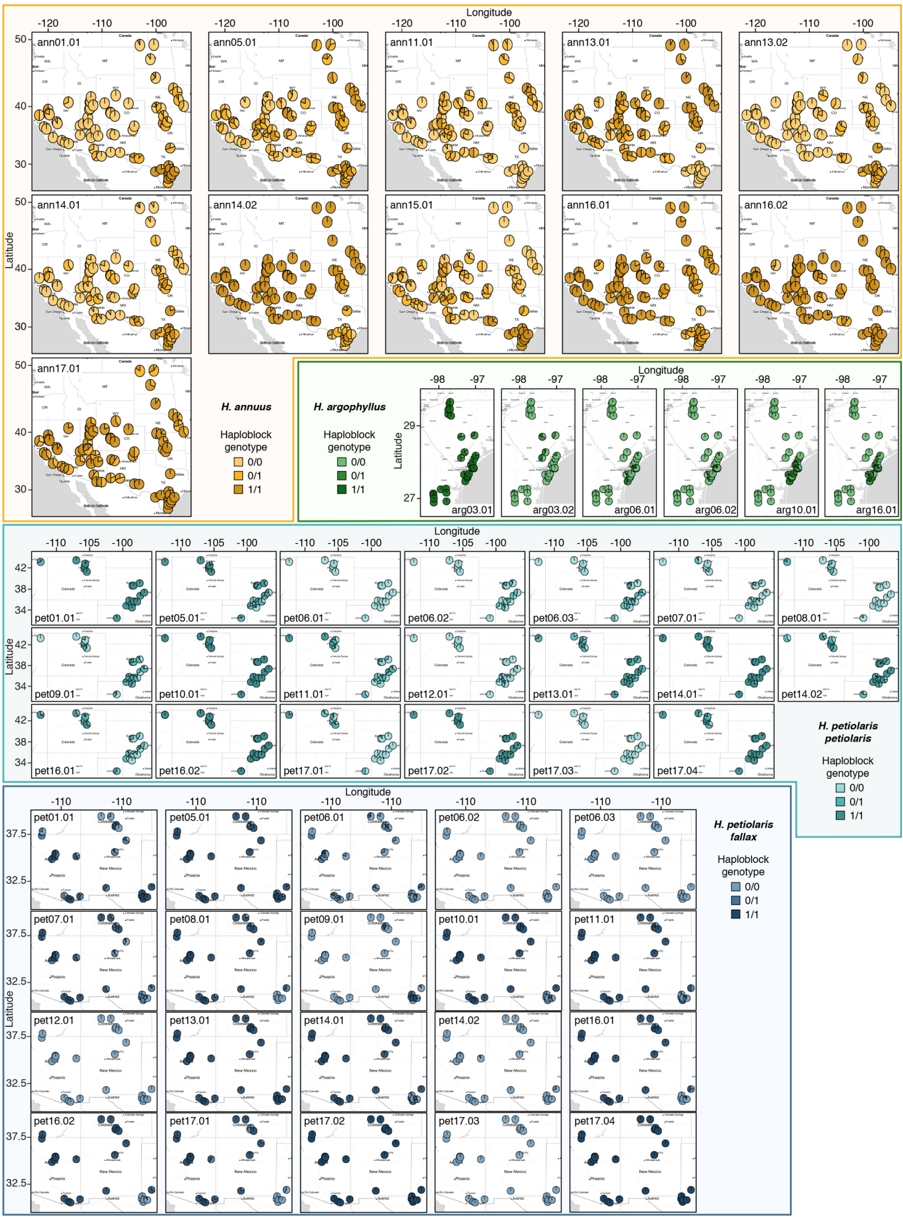
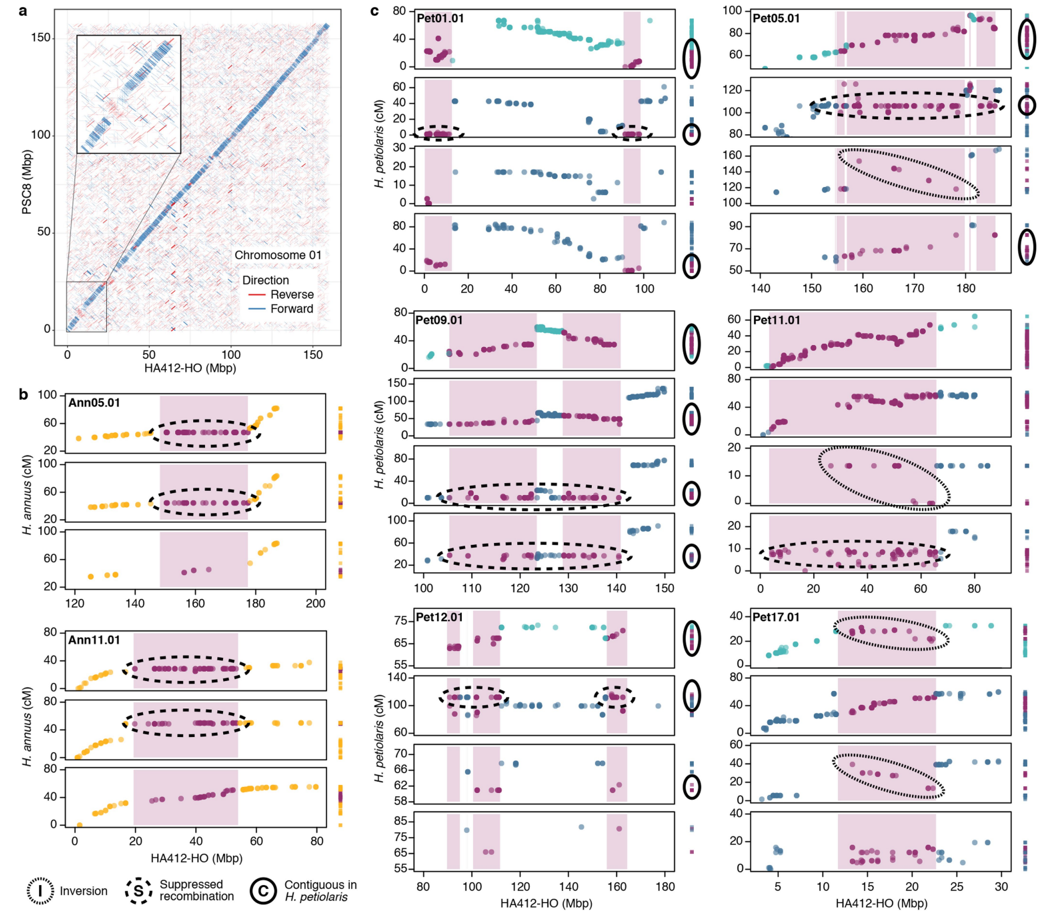
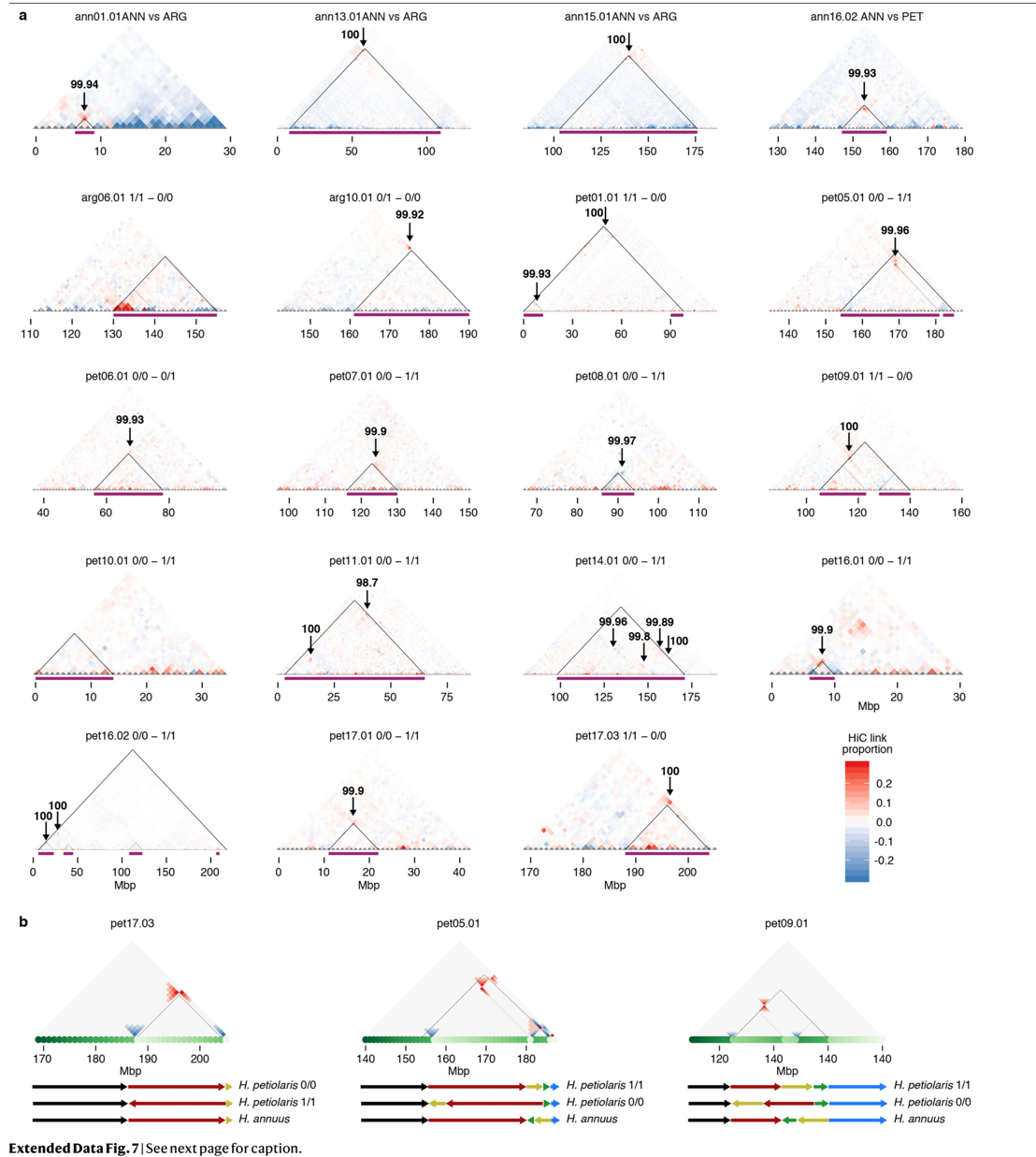
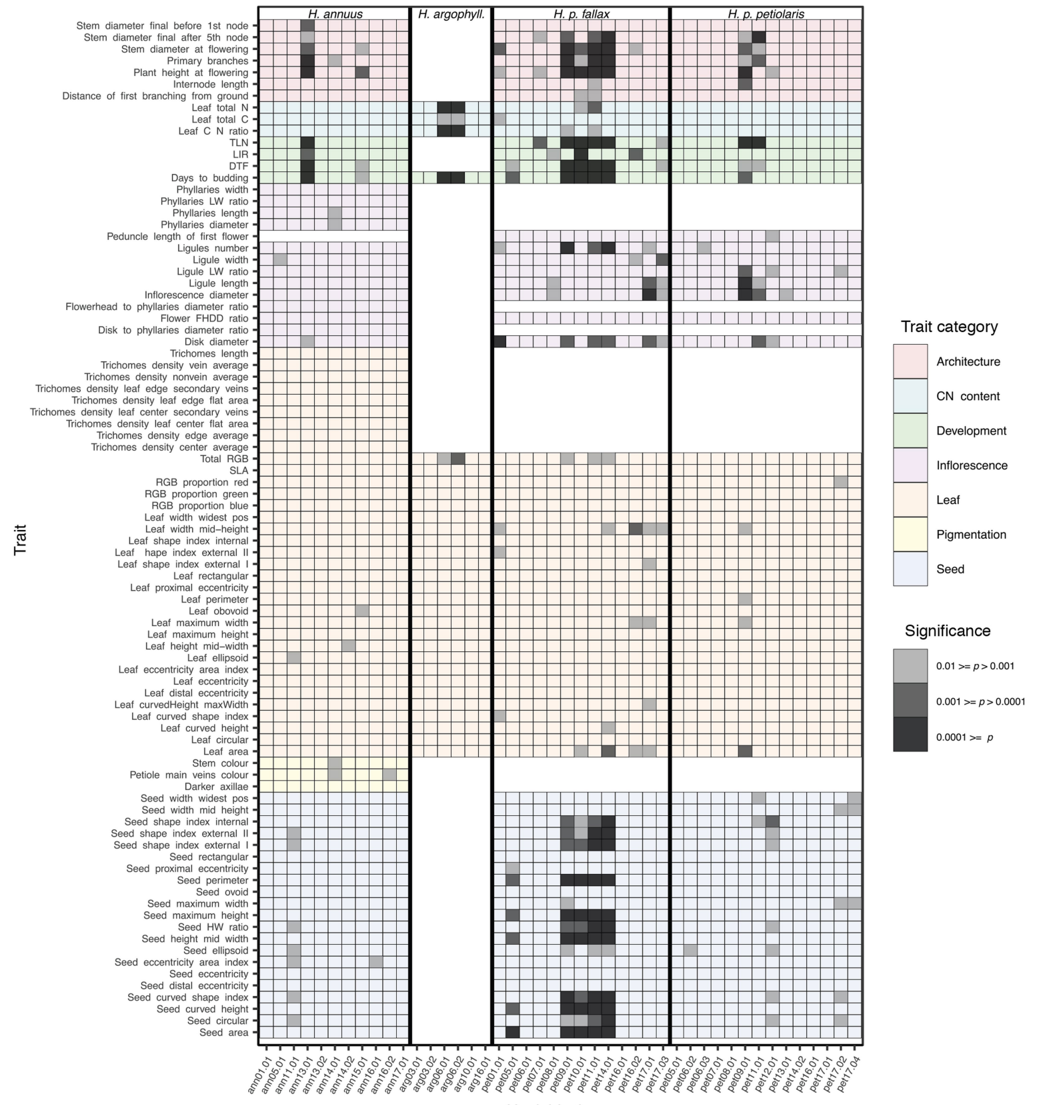
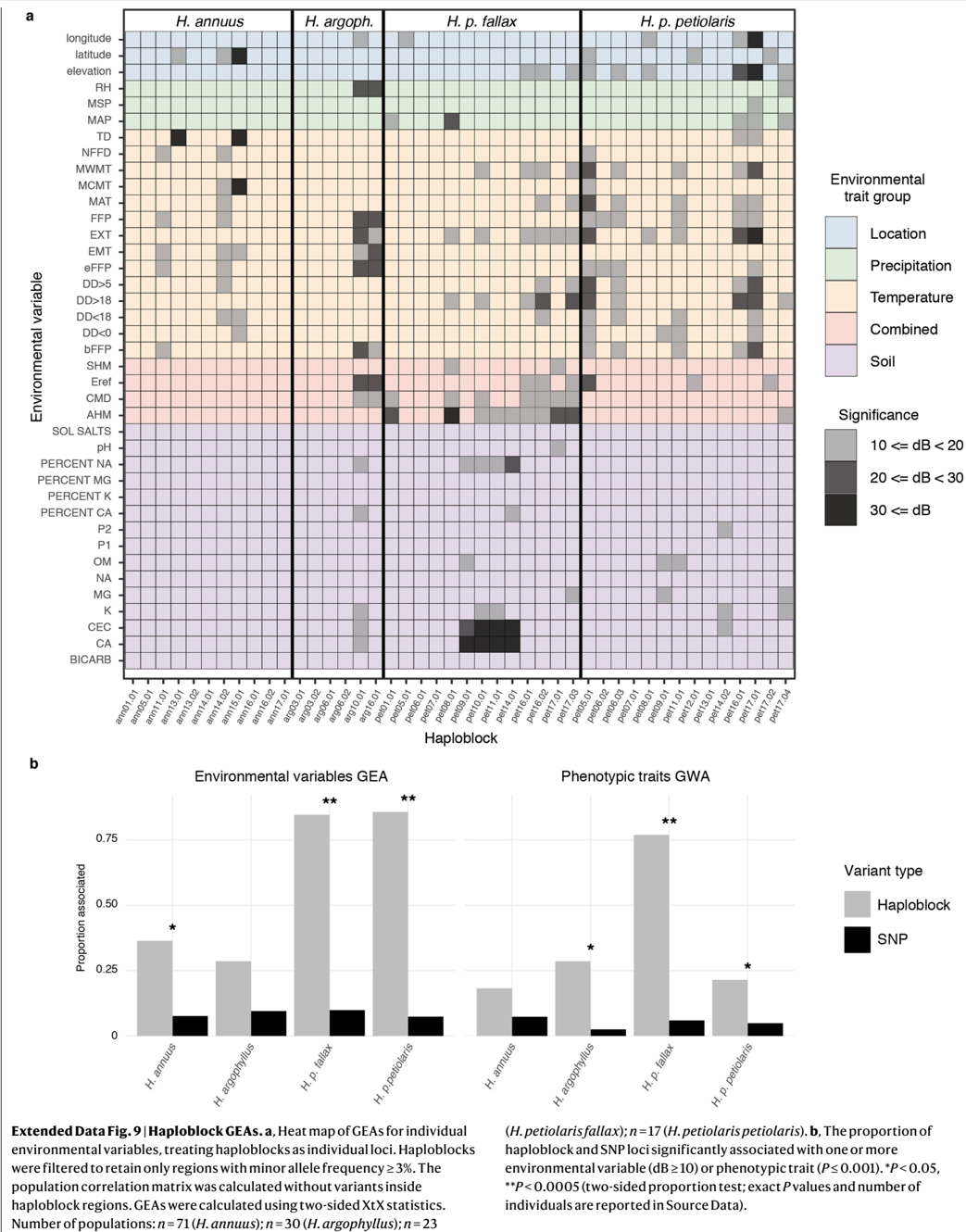
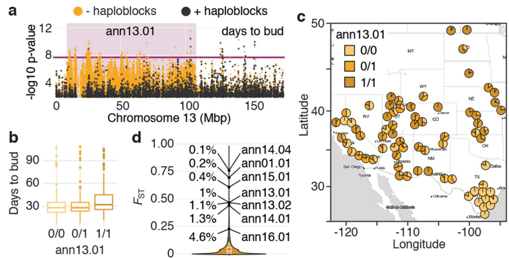
Species often include multiple ecotypes that are adapted to different environments1. However, it is unclear how ecotypes arise and how their distinctive combinations of adaptive alleles are maintained despite hybridization with non-adapted populations2–4. Here, by resequencing 1,506 wild sunflowers from 3 species (Helianthus annuus, Helianthus petiolaris and Helianthus argophyllus), we identify 37 large (1–100 Mbp in size), non-recombining haplotype blocks that are associated with numerous ecologically relevant traits, as well as soil and climate characteristics. Limited recombination in these haplotype blocks keeps adaptive alleles together, and these regions differentiate sunflower ecotypes. For example, haplotype blocks control a 77-day difference in flowering between ecotypes of the silverleaf sunflower H. argophyllus (probably through deletion of a homologue of FLOWERING LOCUS T (FT)), and are associated with seed size, flowering time and soil fertility in dune-adapted sunflowers. These haplotypes are highly divergent, frequently associated with structural variants and often appear to represent introgressions from other—possibly now-extinct—congeners. These results highlight a pervasive role of structural variation in ecotypic adaptation. Resequencing analyses of three species of wild sunflower identify large non-recombining haplotype blocks that correlate with ecologically relevant traits, soil and climate characteristics, and that differentiate species ecotypes.
Overview
The claims and statistics of this paper haven’t been checked yet.
Free: it reads the open-access text and checks the first 5 claims that cite a source we can check. Create a free account to check every claim.
Integrity signals
Registry
Cites
Statistics
Figures
Verification
Claims the paper makes
The claims and statistics of this paper haven’t been checked yet.
Free: it reads the open-access text and checks the first 5 claims that cite a source we can check. Create a free account to check every claim.
Claims other papers make about this one
Each is checked against this paper’s own text: does it say what the citing paper says it does?
The source backs part of the claim, not all of it — or backs it for a different population, condition or comparison.
In the citing paper
“An apparent example of the latter comes from sunflower, where hemizygosity or complete loss of a homolog of FLOWERING LOCUS T underlies a shift in flowering time between sympatric ecotypes of the silverleaf sunflower (Todesco et al., 2020).”
From Genomics of plant speciation (2023) · cites this paper as Todesco et al., 2020
Experimental — accuracy not yet measuredThe source backs part of the claim, not all of it — or backs it for a different population, condition or comparison.
In the citing paper
“As well, introgression is reduced for genes or genomic regions underlying RI (Barb et al., 2014; Kenney and Sweigart, 2016; Todesco et al., 2020).”
From Genomics of plant speciation (2023) · cites this paper as Todesco et al., 2020
Experimental — accuracy not yet measuredThe source backs part of the claim, not all of it — or backs it for a different population, condition or comparison.
In the citing paper
“Other examples come from studies of adaptive introgression or homoploid hybrid speciation (see Speciation with gene flow, introgression, and hybrid speciation), in which alleles or SVs critical to RI have been identified in parental populations (Nevado et al., 2020; Todesco et al., 2020; Wang et al., 2021b).”
From Genomics of plant speciation (2023) · cites this paper as Todesco et al., 2020
Experimental — accuracy not yet measuredThe source backs part of the claim, not all of it — or backs it for a different population, condition or comparison.
In the citing paper
“Examples include the origin of dune sunflower ecotypes in the southwestern US, in which traits associated with dune adaptation and RI map to inversions, which are old and pre-date ecotype divergence (Ostevik et al., 2016; Huang and Rieseberg, 2020; Todesco et al., 2020).”
From Genomics of plant speciation (2023) · cites this paper as Todesco et al., 2020
Experimental — accuracy not yet measuredThe cited source says what the claim attributes to it.
In the citing paper
“genomic studies have shown that when adaptation and speciation have progressed, chromosomal inversions or other recombination cold spots become crucially important in settings characterized by gene flow (e.g., Todesco et al., 2020)”
From Genomics of plant speciation (2023) · cites this paper as Todesco et al., 2020
1 more claim about this paper
Create a free account to see every claim other papers make about this one.
Self-check
Percentages, sums and reported differences re-computed from the paper’s own numbers.
The self-check needs the paper’s full text.
Citations
Cites
Fiji: an open-source platform for biological-image analysis
Schindelin, J., Arganda-Carreras, I., Frise, E., Kaynig, V., Longair, M., Pietzsch, T., Preibisch, S., Rueden, C., Saalfeld, S., Schmid, B., et al. (2012) · Nature Methods · doi:10.1038/nmeth.2019 · Cited by 66,890
Trimmomatic: a flexible trimmer for Illumina sequence data
Bolger, A. M., Lohse, M., & Usadel, B. (2014) · Bioinformatics · doi:10.1093/bioinformatics/btu170 · Cited by 65,548
NIH Image to ImageJ: 25 years of image analysis
Schneider, C. A., Rasband, W. S., & Eliceiri, K. W. (2012) · Nature Methods · doi:10.1038/nmeth.2089 · Cited by 64,638
The Sequence Alignment/Map format and SAMtools
Li, H., Handsaker, B., Wysoker, A., Fennell, T., Ruan, J., Homer, N., Marth, G., Abecasis, G., Durbin, R., & 1000 Genome Project Data Processing Subgroup (2009) · Bioinformatics · doi:10.1093/bioinformatics/btp352 · Cited by 62,041
IQ-TREE: A Fast and Effective Stochastic Algorithm for Estimating Maximum-Likelihood Phylogenies
Nguyen, L.-T., Schmidt, H. A., von Haeseler, A., & Minh, B. Q. (2015) · Molecular Biology and Evolution · doi:10.1093/molbev/msu300 · Cited by 26,046
ModelFinder: fast model selection for accurate phylogenetic estimates
Kalyaanamoorthy, S., Minh, B. Q., Wong, T. K. F., von Haeseler, A., & Jermiin, L. S. (2017) · Nature Methods · doi:10.1038/nmeth.4285 · Cited by 18,449
The variant call format and VCFtools
Danecek, P., Auton, A., Abecasis, G., Albers, C. A., Banks, E., DePristo, M. A., Handsaker, R. E., Lunter, G., Marth, G. T., Sherry, S. T., et al. (2011) · Bioinformatics · doi:10.1093/bioinformatics/btr330 · Cited by 16,200
Algorithm AS 136: A K-Means Clustering Algorithm
Hartigan, J. A., & Wong, M. A. (1979) · Applied Statistics · doi:10.2307/2346830 · Cited by 14,523
Heinz, S., Benner, C., Spann, N., Bertolino, E., Lin, Y. C., Laslo, P., Cheng, J. X., Murre, C., Singh, H., & Glass, C. K. (2010) · Molecular Cell · doi:10.1016/j.molcel.2010.05.004 · Cited by 13,382
Rapid isolation of high molecular weight plant DNA
Murray, M. G., & Thompson, W. F. (1980) · Nucleic Acids Research · doi:10.1093/nar/8.19.4321 · Cited by 12,098
Research works printed but not linked: 1
- 43. Heiser, C. B. Three new annual sunflowers (Helianthus) from the southwestern United States. Rhodora 60, 272-283 (1958).
Cited by
Items 501–517 of 517
Non-convergent aridity adaptation despite pervasive linked selection in EucalyptusPreprint
James, M. E., Britton, T. G., Mitchell, J., Halliwell, B., Holland, B. R., Wright, I. J., & Ortíz-Barrientos, D. (2026) · bioRxiv (Cold Spring Harbor Laboratory) · doi:10.64898/2026.08.25.747154
Haplotype Blocks Are Associated With Rapid Local Adaptation to Environmental Shifts in Wild Barley
Potapenko, E. V., Schwarts, D., Mandel, T., Ashkenazy, N., Fuerst, D., Atsmon, G., Snir, S., Korol, A. B., Kantar, M. B., Bar‐Massada, A., et al. (2026) · Molecular Ecology · doi:10.1111/mec.70540
“Other modes of local adaptation are attributed to specific events of chromosomal modifications like inversions and deletions (Jayakodi et al. 2020; Todesco et al. 2020), yet their mode of accumulation in response to environmental change remains elusive.”
Li, S., Lee, H. B., & Yuan, H. (2026) · Journal of Fungi · doi:10.3390/jof12090673
Lin, Y., van der Bijl, W., & Mank, J. E. (2026) · PLoS Biology · doi:10.1371/journal.pbio.3004024 · Cited by 1
“…inversions have been shown to be associated with diverse adaptative traits across animals and plants, including butterfly wing colouration [6], ecological adaptation in deer mice [7], migration trajectory [8] and reproductive strategies in birds [9] and eco-type divergence in sunflowers [10,11].”
Liu, H., Zhao, W., Guo, J.-F., Yan, X.-M., Liu, Y., Zeng, Q., & Wang, X. (2026) · Molecular Biology and Evolution · doi:10.1093/molbev/msag239
Similar Habitat Gradients Across Native and Invasive Ranges Elicit Divergent Evolutionary Responses
Cheung, K., Edwards, R. J., DeVore, J. L., Ducatez, S., Hudson, C. M., Shine, R., & Rollins, L. A. (2026) · Ecology and Evolution · doi:10.1002/ece3.74407
“Haploblocks under selection may result in ecotypic differentiation (e.g., as in invasive weed, Battlay et al. 2023; African honeybee, Wallberg et al. 2017; sunflowers, Todesco et al. 2020; and European aspen, Wang et al. 2018).”
Inversion characterization in Timema stick insects: from local PCA to pangenome approachesPreprint
Tataru, D., Vasquez-Kapit, K., Nosil, P., & Gompert, Z. (2026) · bioRxiv (Cold Spring Harbor Laboratory) · doi:10.64898/2026.09.18.752789
Evolution by natural selection can be complex yet predictable
Nosil, P., & Gompert, Z. (2026) · Nature Reviews Biodiversity · doi:10.1038/s44358-026-00200-x
Huang, P., & Runcie, D. E. (2026) · Plant Species Biology · doi:10.1111/1442-1984.70074
Ancestral Karyotype Reconstruction Reveals Chromosome Rearrangements and Large Inversions in Oryza
Xu, Q., Lan, M., Chen, Y., Jiang, H., Yu, Y., Wang, A., Weihong, W., & Dong, Q. (2026) · Plants · doi:10.3390/plants15192989
“…suppress recombination and maintain linked genes or regulatory variants, as reported for comparable effects that contribute to supergene evolution in other systems [15,18,19]; recombination across the interval has not yet been measured, so this remains an expectation rather than an observation.”
Wang, J., Long, Z., Ortíz-Barrientos, D., Chaturvedi, S., Cruzan, M., Emerson, B. C., Ge, D., Giraud, T., Hirase, S., Huang, K., et al. (2026) · Molecular Ecology · doi:10.1111/mec.70566
“Positively selected genes or structural variants identified in such studies often are related to features of the environment, consistent with an important role for ecological selection (Li et al. 2025; Shan et al. 2025; Todesco et al. 2020).”
Self-citationGene flux shapes diversity and evolution of the ancient 17q21.31 inversion polymorphismPreprint
Harringmeyer, O. S., Biddanda, A., McCoy, R. C., & Akey, J. M. (2026) · bioRxiv (Cold Spring Harbor Laboratory) · doi:10.64898/2026.09.28.755014
“Likely through this effect, inversions contribute to adaptation 14–17 , sex chromosome evolution 18–20 and speciation 21,22 .”
Understanding environmental adaptation in intermediate wheatgrass
Campbell‐Strupp, E., Halpin-McCormick, A., Jungers, J., Stoll, H., Bernhardt, B., Kantar, M. B., & Runck, B. (2026) · The Plant Genome · doi:10.1002/tpg2.70318
“Limited pathway overlap (3 of 44 enriched GO terms) may indicate that temperature and precipitation adaptation operate through largely independent molecular mechanisms (Exposito-Alonso et al., 2019; Todesco et al., 2020; Zhu, 2016).”
Unlocking the future of crop improvement with crop wild relatives
Xiao, R., & Li, X. (2026) · Theoretical and Applied Genetics · doi:10.1007/s00122-026-05399-z
Reeve, J., Ortega‐Martinez, O., Bergström, P., Koch, E. L., Johannesson, K., & Butlin, R. K. (2026) · bioRxiv (Cold Spring Harbor Laboratory) · doi:10.64898/2026.10.19.760124
“Typically, ecotype studies focus their sampling efforts on patches of distinct habitat (e.g., Helianthus petiolaris [Todesco et al., 2020], and Timema stick insects [Comeault et al., 2015]) or the extreme ends of environmental gradients (e.g., threespine stickleback [Jones et al., 2012; Ravinet et…”
Steigerwald, E., Hasenstab‐Lehman, K. E., Scheim, D., Rivera, M. D. J., Kling, M. M., Werner, Z., McEvoy, S. L., Guilliams, C. M., & Meyer, R. S. (2026) · bioRxiv (Cold Spring Harbor Laboratory) · doi:10.64898/2026.10.25.761743
“…maintain linked gene complexes and behave as supergenes (Zhang et al. 2026), and large non-recombining haploblocks play a critical role in ecotype formation in wild sunflowers, where they associate with phenotypic and environmental variation consistent with local adaptation (Todesco et al. 2020).”
McNellie, J. P., Pokrzywinski, A. D., Smart, B., & Hulke, B. S. (2026) · The Plant Genome · doi:10.1002/tpg2.70305 · Cited by 1
Metadata
- Authors
- Todesco, M., Owens, G. L., Bercovich, N., Légaré, J.-S., Soudi, S., Burge, D. O., Huang, K., Ostevik, K. L., Drummond, E. B. M., Imerovski, I., Lande, K., Pascual-Robles, M. A., Nanavati, M., Jahani, M., Cheung, W., Staton, S. E., Muños, S., Nielsen, R., Donovan, L. A., Burke, J. M., Yeaman, S., & Rieseberg, L. H.
- Affiliations
- University of British Columbia (CA)
- University of Calgary (CA)
- Centre National de la Recherche Scientifique (FR)
- University of California, Berkeley (US)
- University of Georgia (US)
- Corresponding author
- Bercovich, Natalia
- Rieseberg, Loren H.
- ORCID
- Venue
- Nature
- Published
- 2020-07-08
- Volume
- 584
- Issue
- 7822
- Pages
- 602-607
- ISSN
- 0028-0836 (ISSN-L)
- 1476-4687
- OpenAlex
- W3041530105
- Semantic Scholar
- 40d310f779c5d38d98a95569455c446bca0cfec3
- Cited by
- 513
- References
- 94
- Citations by year
- 2026: 60 · 2025: 85 · 2024: 80 · 2023: 93 · 2022: 98 · 2021: 65 · 2020: 28
- FWCI
- 46.03
- Type
- journal article
- Language
- en
- Open access
- hybrid
- doi.org
- Licence
- cc-by
- www.springer.com/tdm (tdm)
- www.springer.com/tdm (vor)
- Locations
- Nature (publishedVersion, cc-by)
- bioRxiv (Cold Spring Harbor Laboratory) (acceptedVersion)
- PubMed (publishedVersion)
- HAL (submittedVersion, cc-by-nc-nd)
- HAL (submittedVersion, other-oa)
- HAL (submittedVersion)
- RePEc: Research Papers in Economics (submittedVersion)
- eScholarship (California Digital Library) (submittedVersion, cc-by-nc-nd)
- Funders
- National Science Foundation (1444522)
- Genome Canada (LSARP2014-223SUN)
- Compute Canada
- Genome British Columbia (LSARP2014‐223SUN, 223SUN)
- Topics
- Life Sciences › Agricultural and Biological Sciences › Plant Science › Sunflower and Safflower Cultivation
- Life Sciences › Biochemistry, Genetics and Molecular Biology › Genetics › Chromosomal and Genetic Variations
- Life Sciences › Biochemistry, Genetics and Molecular Biology › Genetics › Genetic Mapping and Diversity in Plants and Animals
- Keywords
- ecotypic differentiation, sunflower, Helianthus petiolaris, Helianthus argophyllus, structural variants, introgression, flowering time, FLOWERING LOCUS T, seed size, soil fertility, adaptive alleles, hybridization
- MeSH terms
- Acclimatization, Alleles, Haplotypes, Helianthus, Phylogeny, Seeds, Flowers, Ecotype
About these checks
Registry, retraction, Cites and statistics results are computed, not judged, with one exception: a printed reference that no index lists is read once by a model before it counts as a citation error. Claims are extracted by a model and kept only when their quote appears verbatim in the text; each cited source is then checked, with a model’s help, for whether it says what the claim relies on. Those verdicts can be wrong — read the claim’s quote and the cited source before relying on one.
Statistics and arithmetic are recomputed, not judged.
Confidence bands are shown only for fields calibrated on our annotated test set. None is calibrated yet, so no band is shown.
What counts as a claim ›How we measure confidence ›How we check this ›
Are you an author, or do you see a problem with this page? Request a review
Data sources
Bibliographic data: Semantic Scholar, OpenAlex, Crossref.
Contains information from the Semantic Scholar Academic Graph Datasets, made available under the ODC Attribution License (ODC-BY 1.0).
Semantic Scholar’s data is described in: Kinney, R., et al. (2023). The Semantic Scholar Open Data Platform. arXiv:2301.10140.
