

Cells of the adult human heart
Open accessThe DOI matches its Crossref record; 115 of the 115 references it cites were found in a registry or an index.
Abstract
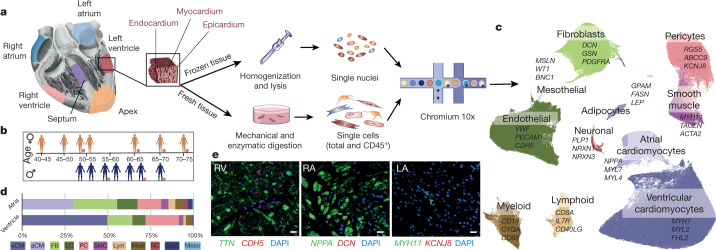
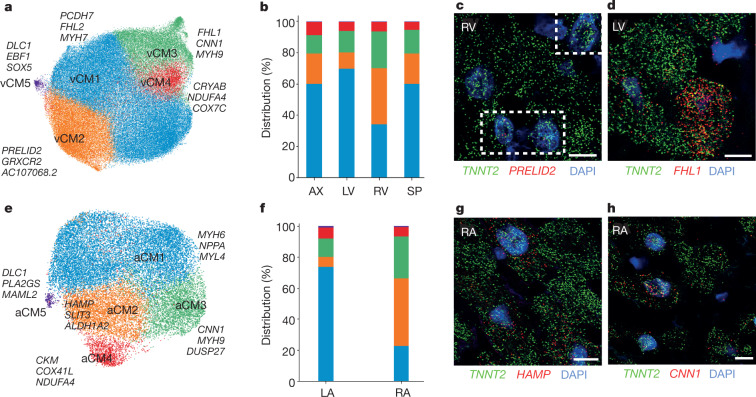
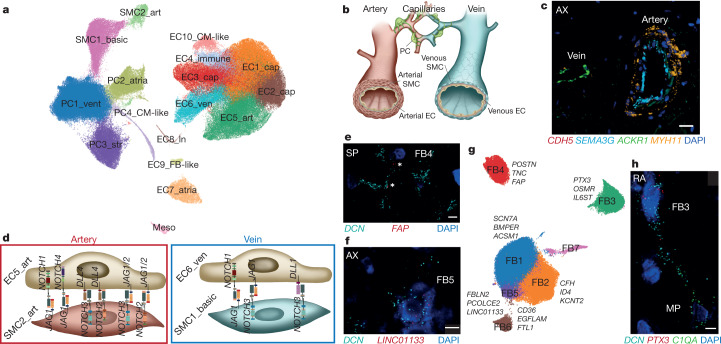
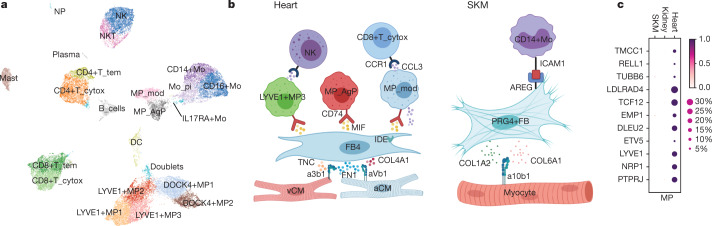
Cardiovascular disease is the leading cause of death worldwide. Advanced insights into disease mechanisms and therapeutic strategies require a deeper understanding of the molecular processes involved in the healthy heart. Knowledge of the full repertoire of cardiac cells and their gene expression profiles is a fundamental first step in this endeavour. Here, using state-of-the-art analyses of large-scale single-cell and single-nucleus transcriptomes, we characterize six anatomical adult heart regions. Our results highlight the cellular heterogeneity of cardiomyocytes, pericytes and fibroblasts, and reveal distinct atrial and ventricular subsets of cells with diverse developmental origins and specialized properties. We define the complexity of the cardiac vasculature and its changes along the arterio-venous axis. In the immune compartment, we identify cardiac-resident macrophages with inflammatory and protective transcriptional signatures. Furthermore, analyses of cell-to-cell interactions highlight different networks of macrophages, fibroblasts and cardiomyocytes between atria and ventricles that are distinct from those of skeletal muscle. Our human cardiac cell atlas improves our understanding of the human heart and provides a valuable reference for future studies.
Overview
The claims and statistics of this paper haven’t been checked yet.
Free: it reads the open-access text and checks the first 5 claims that cite a source we can check. Create a free account to check every claim.
Integrity signals
Registry
Cites
Statistics
Figures
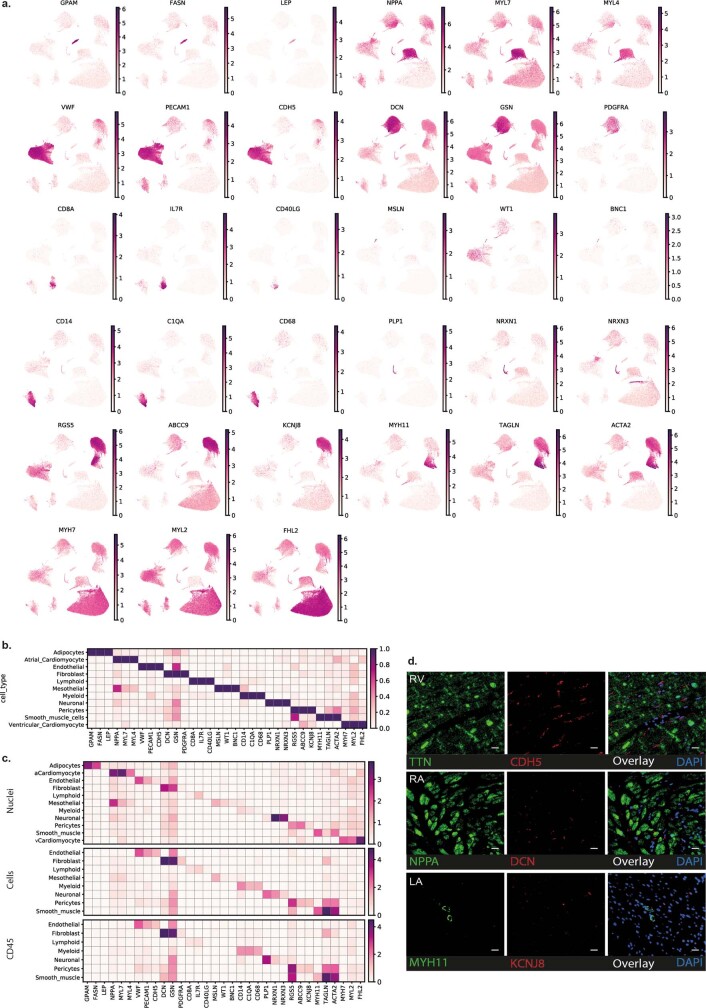
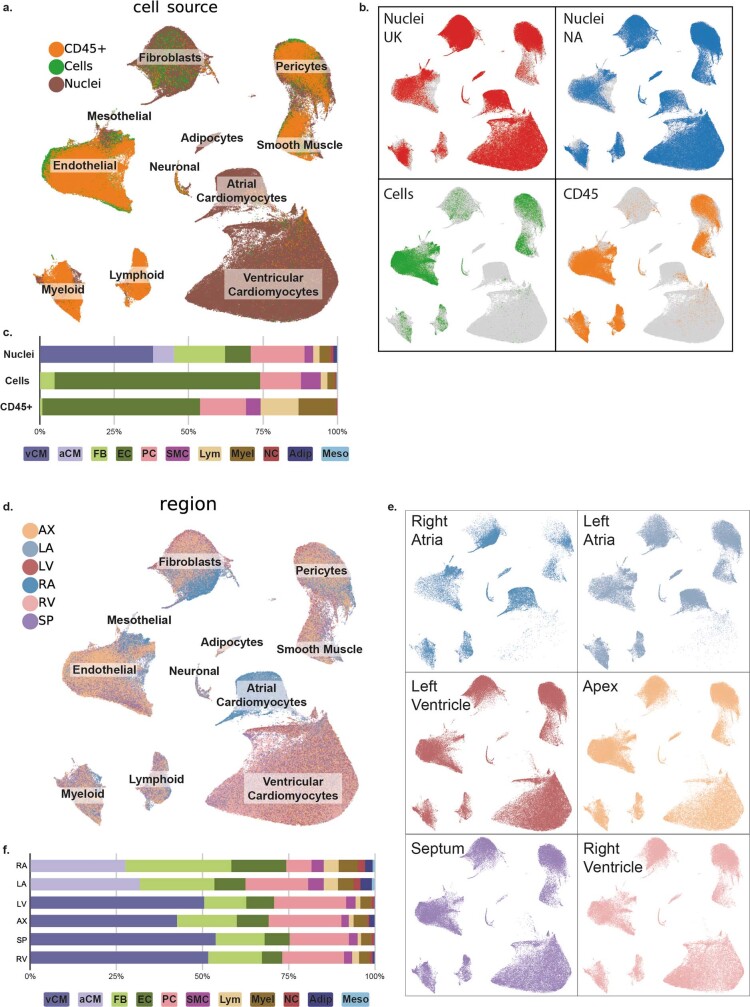
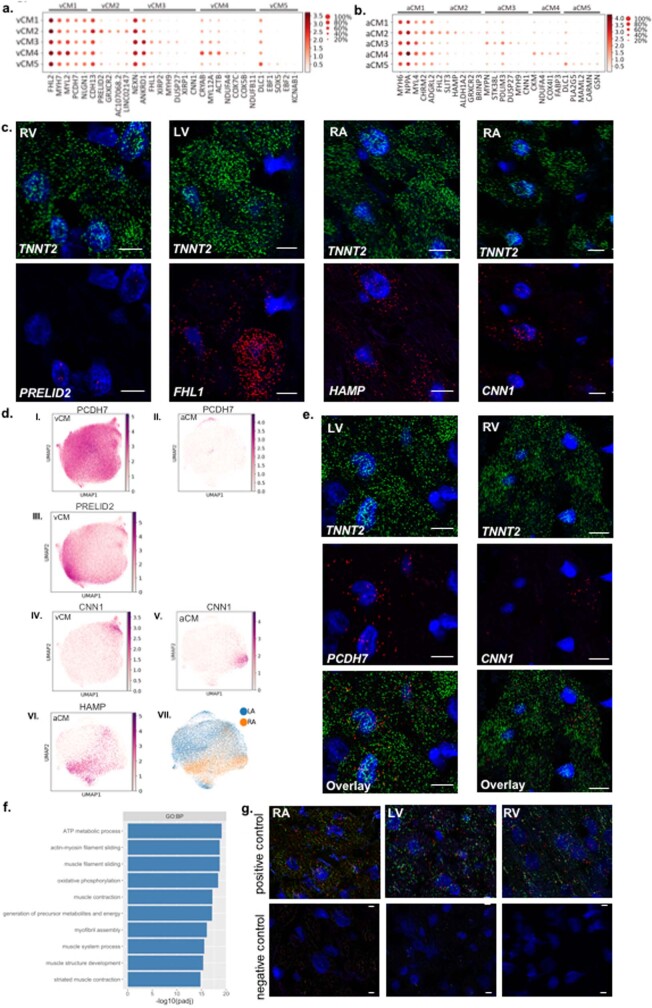
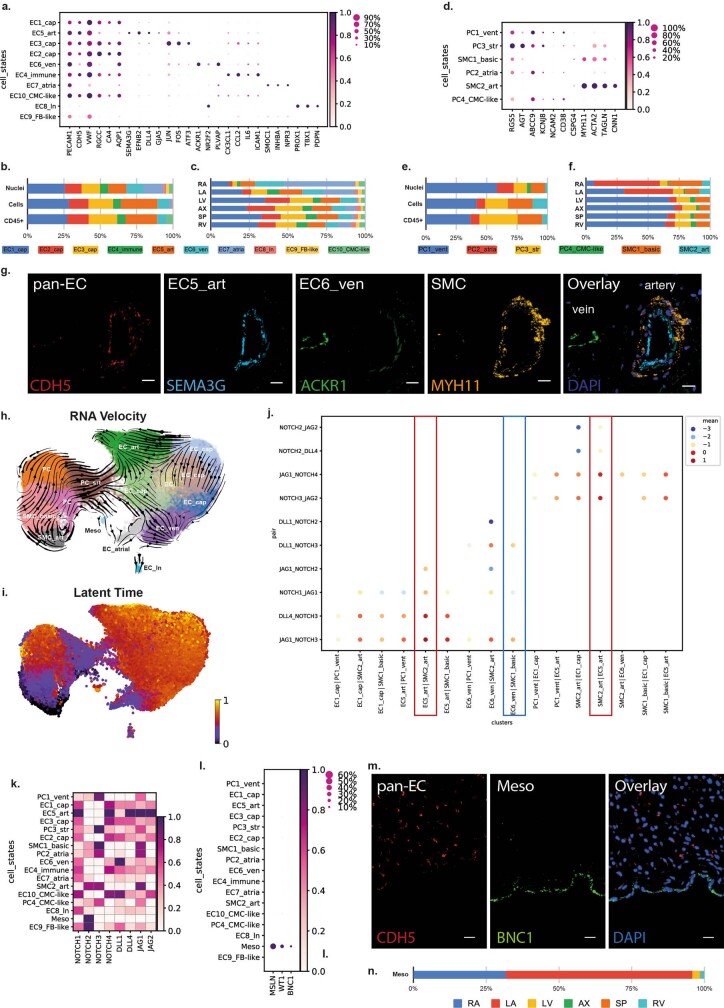
Verification
Claims the paper makes
The claims and statistics of this paper haven’t been checked yet.
Free: it reads the open-access text and checks the first 5 claims that cite a source we can check. Create a free account to check every claim.
Claims other papers make about this one
Each is checked against this paper’s own text: does it say what the citing paper says it does?
The cited source doesn’t support the claim as written.
In the citing paper
“However, these studies rely on nuclear RNA information and lack cellular transcriptomic, epigenetic and proteomic profiling information necessary to obtain a granular picture of the precise immune and fibroblast populations that emerge in the failing human heart and collaborate to drive cardiac fibrosis.”
From Targeting immune–fibroblast cell communication in heart failure (2024) · cites this paper as [21]
Checked by a reasoning model — may be wrong.
Experimental — accuracy not yet measuredThe source backs part of the claim, not all of it — or backs it for a different population, condition or comparison.
In the citing paper
“The monocyte and macrophage lineage constitute the most abundant immune cell population in the hearts of healthy adults and under myocarditis conditions”
From Autoimmune Myocarditis, Old Dogs and New Tricks. (2024) · cites this paper as [106]
Experimental — accuracy not yet measuredThe source backs part of the claim, not all of it — or backs it for a different population, condition or comparison.
In the citing paper
“Interestingly, Geneformer was able to distinguish central versus peripheral factors in the N1-dependent network with fine-tuning on this very minimal data to a better degree than the alternative methods’ predictions trained on the larger dataset of ~30,000 ECs32, demonstrating the strength of pretraining in enabling predictions from increasingly limited data (Fig. 4d, Extended Data Fig. 9b).”
From Transfer learning enables predictions in network biology (2023) · cites this paper as [32]
Experimental — accuracy not yet measuredThe source backs part of the claim, not all of it — or backs it for a different population, condition or comparison.
In the citing paper
“Again, Geneformer significantly boosted the ability to predict central versus peripheral factors compared to alternative methods (AUC 0.81) (Fig. 4a, Extended Data Fig. 8e).”
From Transfer learning enables predictions in network biology (2023) · cites this paper as [32]
Experimental — accuracy not yet measuredThe cited source says what the claim attributes to it.
In the citing paper
“Numerous single-nucleus RNA sequencing (snRNA-seq) studies have investigated the healthy and failing human heart18–22.”
From Targeting immune–fibroblast cell communication in heart failure (2024) · cites this paper as [21]
1 more claim about this paper
Create a free account to see every claim other papers make about this one.
Self-check
Percentages, sums and reported differences re-computed from the paper’s own numbers.
The self-check needs the paper’s full text.
Citations
Cites
Fiji: an open-source platform for biological-image analysis
Schindelin, J., Arganda-Carreras, I., Frise, E., Kaynig, V., Longair, M., Pietzsch, T., Preibisch, S., Rueden, C., Saalfeld, S., Schmid, B., et al. (2012) · Nature Methods · doi:10.1038/nmeth.2019 · Cited by 66,890
Clinical features of patients infected with 2019 novel coronavirus in Wuhan, China
Huang, C., Wang, Y., Li, X., Ren, L., Zhao, J., Hu, Y., Zhang, L., Fan, G., Xu, J., Gu, X., et al. (2020) · The Lancet · doi:10.1016/s0140-6736(20)30183-5 · Cited by 48,884
Hoffmann, M., Kleine-Weber, H., Schroeder, S., Krüger, N., Herrler, T., Erichsen, S., Schiergens, T. S., Herrler, G., Wu, N.-H., Nitsche, A., et al. (2020) · Cell · doi:10.1016/j.cell.2020.02.052 · Cited by 20,286
Enrichr: a comprehensive gene set enrichment analysis web server 2016 update
Kuleshov, M. V., Jones, M. R., Rouillard, A. D., Fernandez, N. F., Duan, Q., Wang, Z., Koplev, S., Jenkins, S. L., Jagodnik, K. M., Lachmann, A., et al. (2016) · Nucleic Acids Research · doi:10.1093/nar/gkw377 · Cited by 10,799
UMAP: Uniform Manifold Approximation and Projection
McInnes, L., Healy, J., Saul, N., & Großberger, L. (2018) · Journal of Open Source Software · doi:10.21105/joss.00861 · Cited by 9,826
SCANPY: large-scale single-cell gene expression data analysis
Wolf, F. A., Angerer, P., & Theis, F. J. (2018) · Genome Biology · doi:10.1186/s13059-017-1382-0 · Cited by 8,881
UMAP: Uniform Manifold Approximation and Projection for Dimension Reduction
McInnes, L., Healy, J., & Melville, J. (2018) · arXiv · doi:10.48550/arxiv.1802.03426 · Cited by 7,101
From Louvain to Leiden: guaranteeing well-connected communities
Traag, V. A., Waltman, L., & van Eck, N. J. (2019) · Scientific Reports · doi:10.1038/s41598-019-41695-z · Cited by 5,635
La Manno, G., Soldatov, R., Zeisel, A., Braun, E., Hochgerner, H., Petukhov, V., Lidschreiber, K., Kastriti, M. E., Lönnerberg, P., Furlan, A., et al. (2018) · Nature · doi:10.1038/s41586-018-0414-6 · Cited by 4,118
MAGMA: Generalized Gene-Set Analysis of GWAS Data
de Leeuw, C. A., Mooij, J. M., Heskes, T., & Posthuma, D. (2015) · PLOS Computational Biology · doi:10.1371/journal.pcbi.1004219 · Cited by 3,653
Cited by
Items 301–400 of 1,014
Functional Validation of Doxorubicin-Induced Cardiotoxicity-Related Genes
Fonoudi, H., Jouni, M., Cejas, R. B., Magdy, T., Blancard, M., Ge, N., Shah, D. A., Lyra‐Leite, D. M., Neupane, A., Gharib, M., et al. (2024) · JACC CardioOncology · doi:10.1016/j.jaccao.2023.11.008 · Cited by 48
Heart-on-a-chip systems: disease modeling and drug screening applications
Butler, D., & Reyes, D. R. (2024) · Lab on a Chip · doi:10.1039/d3lc00829k · Cited by 47
Complex regulation of cardiac fibrosis: insights from immune cells and signaling pathways
Rao, W., Li, D., Zhang, Q., Liu, T., Gu, Z., Huang, L., Dai, J., Wang, J., & Hou, X. (2025) · Journal of Translational Medicine · doi:10.1186/s12967-025-06260-5 · Cited by 47
“Single cell spectrum research has revolutionized our capability to investigate the immune system and explore potential molecular mechanisms [3, 4].”
Zhang, Y., Wei, Y., Han, X., Shi, L., Yu, H., Ji, X., Gao, Y., Gao, Q., Zhang, L., Duan, Y., et al. (2025) · Gut Microbes · doi:10.1080/19490976.2025.2505119 · Cited by 44
Single-cell technologies to decipher cardiovascular diseases
Abplanalp, W. T., Tucker, N. R., & Dimmeler, S. (2022) · European Heart Journal · doi:10.1093/eurheartj/ehac095 · Cited by 44
“Utilizing snRNA-seq technology to assess cardiac tissue,(18) both studies identified nine major cell types in comparable proportions.(1,2) Cardiomyocytes comprised 30% of all cells but were more numerous in the ventricles than atria.”
InfluentialPhansalkar, R., Krieger, J., Zhao, M., Kolluru, S. S., Jones, R. C., Quake, S. R., Weissman, I. L., Bernstein, D., Winn, V. D., D’Amato, G., et al. (2021) · eLife · doi:10.7554/elife.70246 · Cited by 44
A single cell transcriptional roadmap of human pacemaker cell differentiation
Wiesinger, A., Li, J., Fokkert, L., Bakker, P., Verkerk, A. O., Christoffels, V. M., Boink, G. J. J., & Devalla, H. D. (2022) · eLife · doi:10.7554/elife.76781 · Cited by 45
Advances in 3D Bioprinted Cardiac Tissue Using Stem Cell-Derived Cardiomyocytes
Bliley, J. M., Stang, M. A., Behre, A., & Feinberg, A. W. (2024) · Stem Cells Translational Medicine · doi:10.1093/stcltm/szae014 · Cited by 44
Cardiac ageing: from hallmarks to therapeutic opportunities
Hastings, M. H., Zhou, Q., Wu, C., Shabani, P., Huang, S., Yu, X., Singh, A. P., Guseh, J. S., Li, H., Lerchenmüller, C., et al. (2024) · Cardiovascular Research · doi:10.1093/cvr/cvae124 · Cited by 53
Resident Macrophages and Their Potential in Cardiac Tissue Engineering
Suku, M., Forrester, L. M., Biggs, M. J. P., & Monaghan, M. G. (2022) · Tissue Engineering Part B Reviews · doi:10.1089/ten.teb.2021.0036 · Cited by 45
“The cellular content of human myocardium (in descending order by number) predominantly consists of cardiomyocytes, fibroblasts, pericytes and smooth muscle cells, endothelial cells, and immune cells.(4) In the murine heart, macrophage populations can be discerned based on their expression of C-C chemokine receptor typ…”
BackgroundMechanics Insights of Alpha-Lipoic Acid against Cardiovascular Diseases during COVID-19 Infection
Rochette, L., & Ghibu, S. (2021) · International Journal of Molecular Sciences · doi:10.3390/ijms22157979 · Cited by 41
Comprehensive evaluation of noise reduction methods for single-cell RNA sequencing data
Chu, S., Zhao, S., Shyr, Y., & Liu, Q. (2022) · Briefings in Bioinformatics · doi:10.1093/bib/bbab565 · Cited by 44
“…gene expressions of thousands to millions of cells simultaneously at a cellular resolution, single-cell RNA sequencing (scRNA-seq) has been widely used to characterize cellular heterogeneity [1–3], reconstruct developmental trajectory [4–6] and improve our understanding of human disease [7–9].”
Luecke, L. B., Waas, M., Littrell, J., Wojtkiewicz, M. S., Castro, C., Burkovetskaya, M. E., Schuette, E. N., Buchberger, A. R., Churko, J. M., Chalise, U., et al. (2023) · Nature Cardiovascular Research · doi:10.1038/s44161-022-00200-y · Cited by 44
“μCSC workflow Major features of μCSC that distinguish it from classic CSC(47) include: (1) a catalyst is included in the biotinylation reaction to increase labeling efficiency; (2) total cell lysis is performed using ultrasonic vibration in place of plasma membrane rupture, followed by differential centrifugation-base…”
MethodCao, Y., Zhang, X., Akerberg, B. N., Yuan, H., Sakamoto, T., Xiao, F., VanDusen, N. J., Zhou, P., Sweat, M., Wang, Y., et al. (2023) · Circulation · doi:10.1161/circulationaha.122.061955 · Cited by 45
“We nominated 2943 candidate regions belonging to the following 4 categories (Figure 2D, Figure S5, and Extended Data 5): (1) Regions bound by 1 to 2 TFs (TF1-2); (2) regions bound by 3 to 4 TFs (TF3-4); (3) regions bound by ≥5 TFs (MTF); and (4) regions bound by P300.”
Dimasi, C. G., Darby, J. R. T., & Morrison, J. L. (2023) · The Journal of Physiology · doi:10.1113/jp284137 · Cited by 46
Proliferation and Maturation: Janus and the Art of Cardiac Tissue Engineering
Singh, B. N., Yücel, D., Garay, B. I., Tolkacheva, E. G., Kyba, M., Perlingeiro, R. C. R., van Berlo, J. H., & Ogle, B. M. (2023) · Circulation Research · doi:10.1161/circresaha.122.321770 · Cited by 42
Anthracycline Toxicity: Light at the End of the Tunnel?
Cejas, R. B., Petrykey, K., Sapkota, Y., & Burridge, P. W. (2023) · The Annual Review of Pharmacology and Toxicology · doi:10.1146/annurev-pharmtox-022823-035521 · Cited by 42
Yıldırım, Z., Swanson, K., Wu, X., Zou, J., & Wu, J. C. (2024) · The Annual Review of Pharmacology and Toxicology · doi:10.1146/annurev-pharmtox-022724-095035 · Cited by 49
Decoding organ fibrosis: mechanistic insights and emerging therapeutic strategies
Chen, X., Zhang, J., Guo, L., Wu, C., Zhou, J., Xu, M., Mo, L., Li, Y., & He, J. (2026) · Signal Transduction and Targeted Therapy · doi:10.1038/s41392-025-02532-0 · Cited by 59
Huang, H., & Huang, W. (2022) · Frontiers in Cardiovascular Medicine · doi:10.3389/fcvm.2022.896782 · Cited by 46
“Crosstalk Between EPCs and Cardiac Cells During Cardiac Remodeling and Repair The adult heart is composed of a heterogeneous cell populations comprising 11 major cell types: atrial CMs, ventricular CMs, CFs, ECs, pericytes, SMCs, immune cells (myeloid and lymphoid cells), adipocytes, mesothelial cells, and neuronal ce…”
BackgroundZhang, Z., Liu, Y.-Y., He, S., Bao, D., Wang, H.-C., Zhang, J., Peng, X., Zang, J., Zhu, Y., Wu, Y., et al. (2023) · Military Medical Research · doi:10.1186/s40779-023-00442-2 · Cited by 56
“Pericytes, a group of perivascular cells, are distributed throughout arterioles, capillaries, and venules [7, 8], and perform vascular-stabilizing and tension-controlling functions [9].”
BackgroundSingle-cell and spatial transcriptomics: Advances in heart development and disease applications
Long, X., Yuan, X., & Du, J. (2023) · Computational and Structural Biotechnology Journal · doi:10.1016/j.csbj.2023.04.007 · Cited by 45
“From the biological perspective, the cell is the basic unit that constitutes the life activities of mammals [10,11].”
BackgroundTargeting Interactions between Fibroblasts and Macrophages to Treat Cardiac Fibrosis
Yang, B., Qiao, Y., Dong, Y., & Meng, Q. (2024) · Cells · doi:10.3390/cells13090764 · Cited by 42
“…heart contains at least 11 major heterogeneous populations of cells, including atrial cardiomyocytes, ventricular cardiomyocytes, fibroblasts, endothelial cells, pericytes, smooth muscle cells, immune cells (myeloid and lymphoid), adipocytes, mesothelial cells, and neuronal cells (Figure 1) [8].”
BackgroundThe Role of B Cells in Cardiomyopathy and Heart Failure
Bermea, K. C., Bhalodia, A., Huff, A., Rousseau, S. T., & Adamo, L. (2022) · Current Cardiology Reports · doi:10.1007/s11886-022-01722-4 · Cited by 46
Metabolic Inflexibility as a Pathogenic Basis for Atrial Fibrillation
Qin, X., Zhang, Y., & Zheng, Q. (2022) · International Journal of Molecular Sciences · doi:10.3390/ijms23158291 · Cited by 40
“1%) relative to the ventricular region [26].”
Brown, G. E., Han, Y. D., Michell, A. R., Ly, O. T., Vanoye, C. G., Spanghero, E., George, A. L., Darbar, D., & Khetani, S. R. (2024) · Science Advances · doi:10.1126/sciadv.adg1222 · Cited by 42
“For instance, CFs express voltage-gated sodium channels and gap junctions that modulate CM electrophysiology and allow for the propagation of mechanical stimuli ( 11 , 12 ).”
Epicardial fat density obtained with computed tomography imaging - more important than volume?
Nogajski, Ł., Mazuruk, M., Kacperska, M., Kurpias, M., Mączewski, M., Nowakowski, M., Ma̧czewski, M., Michałowska, I. M., Leszek, P., & Paterek, A. (2024) · Cardiovascular Diabetology · doi:10.1186/s12933-024-02474-x · Cited by 42
Larson, A., Codden, C. J., Huggins, G. S., Rastegar, H., Chen, F. Y., Maron, B. J., Rowin, E. J., Maron, M. S., & Chin, M. T. (2022) · Scientific Reports · doi:10.1038/s41598-022-08561-x · Cited by 44
Fu, W., Chen, S., Yang, R., Li, C., Gao, H., Li, J. H., & Zhang, X. (2022) · eLife · doi:10.7554/elife.79585 · Cited by 44
“, 2021), heart (Litvinukova et al., 2020), brain (Smyth et al.”
Xu, X., Hua, X., Han, M., Hu, S., & Song, J. (2023) · Basic Research in Cardiology · doi:10.1007/s00395-022-00972-1 · Cited by 42
“However, further analysis of CM heterogeneity based on their transcriptome is still lacking. scRNA-seq has for the first time identified CM subsets [96]. vCMs specifically express MYH7, MYL2, MYL3 in adult cardiac homeostasis while aCMs express MYH6, MYL7, NPPA exclusively.”
InfluentialMaturing differentiated human pluripotent stem cells in vitro: methods and challenges
Ottaviani, D., ter Huurne, M., Elliott, D. A., Bellin, M., & Mummery, C. L. (2023) · Development · doi:10.1242/dev.201103 · Cited by 38
Cell-Specific Mechanisms in the Heart of COVID-19 Patients
Tsai, E. J., Čiháková, D., & Tucker, N. R. (2023) · Circulation Research · doi:10.1161/circresaha.123.321876 · Cited by 37
Spinetti, G., Mutoli, M., Greco, S., Riccio, F., Ben‐Aicha, S., Kenneweg, F., Jusić, A., de Gonzalo‐Calvo, D., Nossent, A. Y., Novella, S., et al. (2023) · Cardiovascular Diabetology · doi:10.1186/s12933-023-01842-3 · Cited by 38
“The adult human heart comprises billions of cells and approximately a third of them are cardiomyocytes, whilst the remainder comprises ECs and other vascular cell types, fibroblasts, resident macrophages, and neural cells [125, 126].”
BackgroundWang, P., Konja, D., Singh, S., Zhang, B., & Wang, Y. (2024) · International Journal of Molecular Sciences · doi:10.3390/ijms25041978 · Cited by 42
Vascular Niches Are the Primary Hotspots in Cardiac Aging
Morales, D. R., Larcher, V., Jurado, M. R., Arifaj, D., Tombor, L., Zanders, L., Zeiher, A. M., Kuppe, C., John, D., Wagner, J. U. G., et al. (2025) · Circulation Research · doi:10.1161/circresaha.125.327060 · Cited by 40
“They provide an unbiased framework for examining the cellular heterogeneity in the heart, 4,5 enabling the precise characterization of gene expression profiles with single-cell resolution.”
Embeddings from language models are good learners for single-cell data analysis
Liu, T., Chen, T., Zheng, W., Luo, X., Chen, Y. T., & Zhao, H. (2026) · Patterns · doi:10.1016/j.patter.2025.101431 · Cited by 44
“We extended our evaluation to atlas-scale scRNA-seq datasets, 77–79 and as shown in Figure S7, scELMo outperformed GenePT in integrating large-scale transcriptomic datasets.”
Understanding the molecular basis of cardiomyopathy
Bang, M., Bogomolovas, J., & Chen, J. (2021) · American Journal of Physiology-Heart and Circulatory Physiology · doi:10.1152/ajpheart.00562.2021 · Cited by 44
Bayesian inference of RNA velocity incorporating timepoints, lineage bifurcations, and count data
Gu, Y., Song, Y., Blaauw, D. T., & Welch, J. D. (2026) · PLoS Computational Biology · doi:10.1371/journal.pcbi.1014060 · Cited by 40
“RNA velocity methods have been widely used by biologists to help understand cellular developmental processes [11–13].”
Spateo: multidimensional spatiotemporal modeling of single-cell spatial transcriptomicsPreprint
Qiu, X., Zhu, D. Y., Yao, J., Jing, Z., Zuo, L., Wang, M., Min, K. H., Pan, H., Wang, S., Liao, S., et al. (2022) · bioRxiv (Cold Spring Harbor Laboratory) · doi:10.1101/2022.12.07.519417 · Cited by 42
“Of note, this activation is restricted to the CMs but not present in the surrounding epicardial cells (Fig.”
BackgroundInfluentialSegers, V. F. M., Bringmans, T., & Keulenaer, G. W. D. (2023) · American Journal of Physiology-Heart and Circulatory Physiology · doi:10.1152/ajpheart.00256.2023 · Cited by 38
Single-cell and spatial heterogeneity landscapes of mature epicardial cells
Du, J., Yuan, X. H., Deng, H., Huang, R., Liu, B., Xiong, T., Long, X., Zhang, L., Li, Y., & She, Q. (2023) · Journal of Pharmaceutical Analysis · doi:10.1016/j.jpha.2023.07.011 · Cited by 43
RNA-binding proteins in cardiovascular biology and disease: the beat goes on
Völkers, M., Preiß, T., & Hentze, M. W. (2024) · Nature Reviews Cardiology · doi:10.1038/s41569-023-00958-z · Cited by 40
Dall’Armellina, E., Ennis, D. B., Axel, L., Croisille, P., Ferreira, P., Gotschy, A., Lohr, D., Moulin, K., Nguyen, C. T., Nielles‐Vallespin, S., et al. (2024) · Journal of Cardiovascular Magnetic Resonance · doi:10.1016/j.jocmr.2024.101109 · Cited by 46
Prisco, S. Z., Eklund, M., Raveendran, R. M., Thenappan, T., & Prins, K. W. (2021) · JACC Basic to Translational Science · doi:10.1016/j.jacbts.2021.09.004 · Cited by 39
“expression levels of WNK1, GLUT4, and AS160 than LV cardiomyocytes (specifically, in cardiomyocyte population 2, which was more enriched in the RV than LV) (42) (Supplemental Table 2).”
BackgroundPrem, P. N., Sivakumar, B., Boovarahan, S. R., & Kurian, G. A. (2022) · Phytomedicine · doi:10.1016/j.phymed.2022.154123 · Cited by 38
Why is endothelial resilience key to maintain cardiac health?
Tombor, L., & Dimmeler, S. (2022) · Basic Research in Cardiology · doi:10.1007/s00395-022-00941-8 · Cited by 39
“Interestingly, studies of cardiovascular tissues rarely identified entirely new cell populations but highlight the presence of multiple states of cellular identities within the heart upon injury [6, 7, 26, 49, 65].”
BackgroundBoileau, E., Li, X., Vries, I. S. N., Becker, C., Casper, R., Altmüller, J., Leuschner, F., & Dieterich, C. (2022) · Frontiers in Genetics · doi:10.3389/fgene.2022.912572 · Cited by 47
“Cell type heterogeneity has recently emerged as a major aspect in redrawing the cellular picture of the mammalian heart (Litviňuková et al., 2020; Tucker et al., 2020; Wang et al., 2020).”
BackgroundHeart proteomic profiling discovers MYH6 and COX5B as biomarkers for sudden unexplained death
Song, Z., Bian, W., Lin, J., Guo, Y., Shi, W., Meng, H., Chen, Y., Zhang, M., Liu, Z., Lin, Z., et al. (2024) · Forensic Science International · doi:10.1016/j.forsciint.2024.112121 · Cited by 38
Perez-Shibayama, C., Gil-Cruz, C., Cadosch, N., Lütge, M., Cheng, H.-W., De Martin, A., Frischmann, K., Joachimbauer, A., Onder, L., Papadopoulou, I., et al. (2024) · Nature Cardiovascular Research · doi:10.1038/s44161-024-00432-0 · Cited by 35
“Clusters were characterized based on the expression of calculated cluster markers and canonical marker genes as previously reported 19,20 .”
Hardy, S. A., Liesinger, L., Patrick, R., Poettler, M., Rech, L., Gindlhuber, J., Mabotuwana, N. S., Ashour, D., Stangl, V., Bigland, M. J., et al. (2023) · JACC Basic to Translational Science · doi:10.1016/j.jacbts.2023.05.010 · Cited by 40
Multi‐omic analyses and network biology in cardiovascular disease
Reitz, C. J., Kuzmanov, U., & Gramolini, A. O. (2023) · PROTEOMICS · doi:10.1002/pmic.202200289 · Cited by 42
“…regions—left and right atrium, left and right ventricles, apex, and interventricular septum—across 14 heart-healthy individuals by scRNA-seq and single-nucleus RNA-sequencing (snRNA-seq) has provided a transcriptional map of the cellular and molecular signatures of the normal human heart [12].”
BackgroundRole of toll-like receptor-mediated pyroptosis in sepsis-induced cardiomyopathy
Fan, Y., Guan, B., Xu, J., Zhang, H., Liang, Y., & Yang, Z. (2023) · Biomedicine & Pharmacotherapy · doi:10.1016/j.biopha.2023.115493 · Cited by 37
Self-citationNeuraminidase-1 (NEU1): Biological Roles and Therapeutic Relevance in Human Disease
Du, J., Shui, H., Chen, R., Dong, Y., Xiao, C., Hu, Y., & Wong, N.-K. (2024) · Current Issues in Molecular Biology · doi:10.3390/cimb46080475 · Cited by 37
Lin, H. P., McBride, K. L., Garg, V., & Zhao, M. (2021) · Frontiers in Cell and Developmental Biology · doi:10.3389/fcell.2021.630069 · Cited by 37
Pei, J., Schuldt, M., Nagyova, E., Gu, Z., el Bouhaddani, S., Yiangou, L., Jansen, M., Calis, J. J. A., Dorsch, L. M., Blok, C. S., et al. (2021) · Clinical Epigenetics · doi:10.1186/s13148-021-01043-3 · Cited by 36
“Next, we examined their expressions in cardiomyocytes using the public single-nuclear RNA-seq data from adult human hearts [12].”
MethodHiPS-Endothelial Cells Acquire Cardiac Endothelial Phenotype in Co-culture With hiPS-Cardiomyocytes
Helle, E., Ampuja, M., Dainis, A., Antola, L., Temmes, E., Tolvanen, E., Mervaala, E. M. A., & Kivelä, R. (2021) · Frontiers in Cell and Developmental Biology · doi:10.3389/fcell.2021.715093 · Cited by 38
SUMO-specific Isopeptidases Tuning Cardiac SUMOylation in Health and Disease
Hotz, P. W., Müller, S. P., & Mendler, L. (2021) · Frontiers in Molecular Biosciences · doi:10.3389/fmolb.2021.786136 · Cited by 36
“Notably, bulk RNA sequencing displayed greater regional differences with higher SENP expression in right atrium and left ventricle, possibly reflecting the distinct cell-type composition (cardiomyocytes, fibroblasts, endothelial cells, macrophages etc) of the respective cardiac region (Johnson et al., 2018; Litviňukov…”
BackgroundChang, Y., Li, X., Cheng, Q., Hu, Y., Chen, X., Hua, X., Fan, X., Tao, M., Song, J., & Hu, S. (2021) · Basic Research in Cardiology · doi:10.1007/s00395-021-00904-5 · Cited by 36
“Macrophages are the largest group of immune cells in the normal heart, maintain cardiac immunity and electrophysiological homeostasis [15, 22].”
BackgroundFroese, N., Cordero, J., Abouissa, A., Trogisch, F. A., Grein, S., Szaroszyk, M., Wang, Y., Gigina, A., Korf‐Klingebiel, M., Bošnjak, B., et al. (2022) · iScience · doi:10.1016/j.isci.2022.103965 · Cited by 37
“Indeed, multiple studies have addressed transcriptomic changes in myocytes and non-myocytes using bulk or single-cell sequencing during development, under homeostatic conditions and after ischemic injury, but the cardiac response to pressure overload has-at least in non-myocytesso far not been addressed in a similar m…”
BackgroundMechanisms and implications of sex differences in cardiac aging
Yusifov, A., Woulfe, K. C., & Bruns, D. R. (2022) · The Journal of Cardiovascular Aging · doi:10.20517/jca.2022.01 · Cited by 41
Human cardiac organoids to model COVID‐19 cytokine storm induced cardiac injuries
Arhontoulis, D. C., Kerr, C. M., Richards, D., Tjen, K., Hyams, N. A., Jones, J. A., DeLeon‐Pennell, K. Y., Menick, D. R., Bräuninger, H., Lindner, D., et al. (2022) · Journal of Tissue Engineering and Regenerative Medicine · doi:10.1002/term.3327 · Cited by 38
“To account for the cellular composition differences between cardiac tissues and hCOs (e.g., without immune and neural cells), we utilized publicly available single cell RNAseq (scRNAseq) data from COVID-19 and healthy hearts to develop in silico hCOs 30,46 .”
MethodA strategy to quantify myofibroblast activation on a continuous spectrum
Hillsley, A. V., Santoso, M. S., Engels, S. M., Halwachs, K. N., Contreras, L. M., & Rosales, A. M. (2022) · Scientific Reports · doi:10.1038/s41598-022-16158-7 · Cited by 42
Phenomics and Robust Multiomics Data for Cardiovascular Disease Subtyping
Maiorino, E., & Loscalzo, J. (2023) · Arteriosclerosis Thrombosis and Vascular Biology · doi:10.1161/atvbaha.122.318892 · Cited by 38
Yang, P., Zhu, L., Wang, S., Gong, J., Selvaraj, J. N., Ye, L., Chen, H., Zhang, Y., Wang, G., Song, W., et al. (2024) · Nature Communications · doi:10.1038/s41467-024-52221-9 · Cited by 40
“…given the large number of mature CM required to fabricate hEHT (1.0 million cells for a hEHT, 3 million cells for a batch of mini hEHTs), the reduction of the number of cells due to the sorting process will be the technical problems that we need to solve in the next phase of the model development.”
InfluentialSelf-citationNi, X., Xu, K., Zhao, Y., Li, J., Wang, L., Yu, F., & Li, G. (2020) · Biochemical and Biophysical Research Communications · doi:10.1016/j.bbrc.2020.11.076 · Cited by 35
The role of the Hippo pathway in heart disease
Xie, J., Wang, Y., Ai, D., Liu, Y., & Jiang, H. (2021) · FEBS Journal · doi:10.1111/febs.16092 · Cited by 37
Synthetic Retinoids Beyond Cancer Therapy
Gudas, L. J. (2021) · The Annual Review of Pharmacology and Toxicology · doi:10.1146/annurev-pharmtox-052120-104428 · Cited by 36
Cardiac Macrophages and Their Effects on Arrhythmogenesis
Xia, R., Tomsits, P., Loy, S., Zhang, Z., Pauly, V., Schüttler, D., & Clauß, S. (2022) · Frontiers in Physiology · doi:10.3389/fphys.2022.900094 · Cited by 36
HTCA: a database with an in-depth characterization of the single-cell human transcriptome
Pan, L., Shan, S., Tremmel, R., Li, W., Liao, Z., Shi, H., Chen, Q., Zhang, X., & Li, X. (2022) · Nucleic Acids Research · doi:10.1093/nar/gkac791 · Cited by 36
Zawada, D. M., Kornherr, J., Meier, A. B., Santamaria, G., Dorn, T., Nowak‐Imialek, M., Ortmann, D., Zhang, F., Lachmann, M., Dreßen, M., et al. (2023) · Nature Communications · doi:10.1038/s41467-023-36764-x · Cited by 45
Sfaira accelerates data and model reuse in single cell genomics
Fischer, D. S., Dony, L., König, M., Moeed, A., Zappia, L., Heumos, L., Tritschler, S., Holmberg, O., Aliee, H., & Theis, F. J. (2021) · Genome Biology · doi:10.1186/s13059-021-02452-6 · Cited by 33
Amoni, M., Vermoortele, D., Ekhteraei-Tousi, S., Doñate Puertas, R., Gilbert, G., Youness, M., Thienpont, B., Willems, R., Roderick, H. L., Claus, P., et al. (2023) · Circulation: Arrhythmia and Electrophysiology · doi:10.1161/circep.122.011677 · Cited by 33
Fernández‐Mayola, M., & Thackeray, J. T. (2023) · Current Cardiology Reports · doi:10.1007/s11886-023-01869-8 · Cited by 34
PITX2 deficiency leads to atrial mitochondrial dysfunction
Reyat, J. S., Sommerfeld, L. C., O’Reilly, M., Cardoso, V. R., Thiemann, E., Khan, A. O., O’Shea, C., Harder, S., Müller, C., Barlow, J. P., et al. (2024) · Cardiovascular Research · doi:10.1093/cvr/cvae169 · Cited by 35
“32 We compared two replicates of the PITX2 − / − hiPSC-derived atrial cardiomyocyte cell line with three replicates of the WT hiPSC-derived atrial cardiomyocytes as controls.”
Single cell RNA sequencing approaches to cardiac development and congenital heart disease
Samad, T., & Wu, S. M. (2021) · Seminars in Cell and Developmental Biology · doi:10.1016/j.semcdb.2021.04.023 · Cited by 34
Cho, J., Kim, S., Lee, H., Rah, W., Cho, H. C., Kim, N. K., Bae, S., Shin, D. H., Lee, M. G., Park, I., et al. (2021) · Nature Biomedical Engineering · doi:10.1038/s41551-021-00783-0 · Cited by 33
Self-citationKikel-Coury, N. L., Brandt, J. P., Correia, I. A., O’Dea, M. R., DeSantis, D. F., Sterling, F., Vaughan, K. T., Ozcebe, S. G., Zorlutuna, P., & Smith, C. J. (2021) · PLoS Biology · doi:10.1371/journal.pbio.3001444 · Cited by 36
“To first do this, we reanalyzed single-cell sequencing datasets of embryonic ( Fig 5A ) [64] and adult cardiac tissue (Fig 5B and 5C) [65,66], focusing on astroglia properties and potential conservation in humans.”
InfluentialDecoding the PITX2-controlled genetic network in atrial fibrillation
Steimle, J. D., Canozo, F. J. G., Park, M., Kadow, Z. A., Samee, M. A. H., & Martin, J. F. (2022) · JCI Insight · doi:10.1172/jci.insight.158895 · Cited by 35
Research Progress of Myocardial Fibrosis and Atrial Fibrillation
Li, G., Yang, J., Zhang, D., Wang, X., Han, J., & Guo, X. (2022) · Frontiers in Cardiovascular Medicine · doi:10.3389/fcvm.2022.889706 · Cited by 39
Beyond cardiomyocytes: Cellular diversity in the heart's response to exercise
Trager, L. E., Lyons, M., Kuznetsov, A., Sheffield, C., Roh, K., Freeman, R., Rhee, J., Guseh, J. S., Li, H., & Rosenzweig, A. (2022) · Journal of sport and health science/Journal of Sport and Health Science · doi:10.1016/j.jshs.2022.12.011 · Cited by 36
Engineered cardiac tissue model of restrictive cardiomyopathy for drug discovery
Wang, B. Z., Nash, T. R., Zhang, X., Rao, J., Abriola, L., Kim, Y., Zakharov, S. I., Kim, M., Luo, L. J., Morsink, M. A. J., et al. (2023) · Cell Reports Medicine · doi:10.1016/j.xcrm.2023.100976 · Cited by 36
Molecular mechanisms and targets of right ventricular fibrosis in pulmonary hypertension
Bekedam, F. T., Goumans, M., Bogaard, H. J., de Man, F. S., & Valldeperas, A. L. (2023) · Pharmacology & Therapeutics · doi:10.1016/j.pharmthera.2023.108389 · Cited by 34
Vitorino, T. R., do Prado, A. F., Cáu, S. B. D. A., & Rizzi, É. (2023) · Biochemical Pharmacology · doi:10.1016/j.bcp.2023.115684 · Cited by 35
Progress in Bioengineering Strategies for Heart Regenerative Medicine
Häneke, T., & Sahara, M. (2022) · International Journal of Molecular Sciences · doi:10.3390/ijms23073482 · Cited by 35
“Notably, the cellular composition, including CMs, ECs, SMCs, fibroblasts and immune cells, and their transcriptional profiles are different depending on each of the anatomical regions across the heart, suggesting differential roles and functions of the various heart regions, such as cardiac outflow tract, atria, and t…”
BackgroundMutant Phosphodiesterase 3A Protects From Hypertension-Induced Cardiac Damage
Ercu, M., Mücke, M. B., Pallien, T., Markó, L., Sholokh, A., Schächterle, C., Aydın, A., Kidd, A., Walter, S., Esmati, Y., et al. (2022) · Circulation · doi:10.1161/circulationaha.122.060210 · Cited by 34
Tu, Y., Li, Q., Zhou, Y.-C., Ye, Z., Wu, C., Xie, E., Li, Y., Li, P., Wu, Y., Guo, Z., et al. (2022) · Frontiers in Cardiovascular Medicine · doi:10.3389/fcvm.2022.995216 · Cited by 33
“Pericytes are the second most abundant cells in the ventricle and account for 20% of all cells in the heart (8).”
BackgroundA single-cell RNA expression map of human coronavirus entry factorsPreprint
Singh, M., Bansal, V., & Feschotte, C. (2020) · bioRxiv (Cold Spring Harbor Laboratory) · doi:10.1101/2020.05.08.084806 · Cited by 35
The Role of Immune Cells Driving Electropathology and Atrial Fibrillation
Huang, M., Huiskes, F. G., de Groot, N. M. S., & Brundel, B. J. J. M. (2024) · Cells · doi:10.3390/cells13040311 · Cited by 35
“The immune cells include macrophages, mast cells, monocytes, neutrophils, eosinophils, B cells and T cells, dendritic-like (DC) cells, and natural killer cells (Figure 1) [19–25].”
BackgroundBeslika, E., Leite-Moreira, A. F., Windt, L. J. D., & Martins, P. A. D. C. (2024) · Cardiovascular Research · doi:10.1093/cvr/cvae045 · Cited by 33
“20,21 Due to the pathology of a maladaptive hypertrophic heart, this analogy changes, with differentiated percentages of cell types, having an effect on the features of hypertrophic response.”
BackgroundInterleukin-1β polarization in M1 macrophage mediates myocardial fibrosis in diabetes
Guo, W., Yang, C., Zou, J., Yu, T., Li, M., He, R., Chen, K., Hell, R. C. R., Gross, E. R., Zou, X., et al. (2024) · International Immunopharmacology · doi:10.1016/j.intimp.2024.111858 · Cited by 33
Mitochondrial NNT Promotes Diastolic Dysfunction in Cardiometabolic HFpEF
Pepin, M. E., Konrad, P. J. M., Nazir, S., Bazgir, F., Maack, C., Nickel, A. G., Gorham, J., Hohl, M., Schreiter, F. C., Dewenter, M., et al. (2025) · Circulation Research · doi:10.1161/circresaha.125.326154 · Cited by 37
“Cellular origins of each sequenced nucleus were individually estimated using singleR (2.6.0), which computes a Pearson correlation between our single-cell transcriptome and that of known cells; we used the myocardial cell atlas developed by Litvi ň uková et al 24 as our curated reference dataset.”
InfluentialSelf-citationWang, Y., Wang, X., Pan, T., Li, B., & Chu, J. (2021) · Lab on a Chip · doi:10.1039/d1lc00326g · Cited by 32
Kerr, C. M., Richards, D., Menick, D. R., DeLeon‐Pennell, K. Y., & Mei, Y. (2021) · International Journal of Molecular Sciences · doi:10.3390/ijms22168482 · Cited by 32
“The cardiac cell type gene sets were derived from supplementary tables 6 (cardiomyocytes), 8 (vascular cells), 11 (fibroblasts), 14 (immune cells), 20 (neuronal cells) and 21 (adipocytes) from the Human Heart Cell Atlas.”
MethodInfluentialAlex, L., Tuleta, I., Harikrishnan, V., & Frangogiannis, N. G. (2021) · Journal of the American Heart Association · doi:10.1161/jaha.121.023171 · Cited by 32
Fukuma, N., Hulke, M. L., Brener, M. I., Golob, S., Zilinyi, R. S., Zhou, Z., Tzimas, C., Russo, I., McGroder, C. F., Pfeiffer, R. D., et al. (2022) · JCI Insight · doi:10.1172/jci.insight.154633 · Cited by 32
Bachmann, J. C., Baumgart, S. J., Uryga, A., Bosteen, M. H., Borghetti, G., Nyberg, M., & Herum, K. M. (2022) · Cells · doi:10.3390/cells11101657 · Cited by 33
“Recent single-cell transcriptomics studies revealed several new CF sub-populations in the healthy and diseased hearts of animal models [28–30] and humans [17,31,32].”
BackgroundAdapting to a new environment: postnatal maturation of the human cardiomyocyte
Salameh, S., Ogueri, V. N., & Posnack, N. G. (2023) · The Journal of Physiology · doi:10.1113/jp283792 · Cited by 36
Vascular Homeostasis and Inflammation in Health and Disease—Lessons from Single Cell Technologies
Bondareva, O., & Sheikh, B. N. (2020) · International Journal of Molecular Sciences · doi:10.3390/ijms21134688 · Cited by 34
scELMo: Embeddings from Language Models are Good Learners for Single-cell Data Analysis
Liu, T., Chen, T., Zheng, W., Luo, X., Chen, Y., & Zhao, H. (2023) · doi:10.1101/2023.12.07.569910 · Cited by 30
“We then trained the model based on gene embeddings and expression profiles.”
Shree, A., Pavan, M. K., & Zafar, H. (2023) · Nature Communications · doi:10.1038/s41467-023-43590-8 · Cited by 40
Metadata
- Authors
- Litviňuková, M., Talavera-López, C., Maatz, H., Reichart, D., Worth, C. L., Lindberg, E. L., Kanda, M., Polanski, K., Heinig, M., Lee, M., Nadelmann, E. R., Roberts, K., Tuck, L., Fasouli, E. S., DeLaughter, D. M., McDonough, B., Wakimoto, H., Gorham, J. M., Samari, S., Mahbubani, K. T., Saeb-Parsy, K., Patone, G., Boyle, J. J., Zhang, H., Zhang, H., Viveiros, A., Oudit, G. Y., Bayraktar, O. A., Seidman, J. G., Seidman, C. E., Noseda, M., Hubner, N., & Teichmann, S. A.
- Affiliations
- Max Delbrück Center (DE)
- European Bioinformatics Institute (GB)
- Harvard University (US)
- Sapporo Medical University (JP)
- Helmholtz Munich (DE)
- Imperial College London (GB)
- Wellcome Sanger Institute (GB)
- Brigham and Women's Hospital (US)
- University of Cambridge (GB)
- University of Alberta (CA)
- British Heart Foundation (GB)
- Corresponding author
- Seidman, J. G.
- Seidman, Christine E.
- Noseda, Michela
- Teichmann, Sarah A.
- ORCID
- Litviňuková, Monika
- Talavera-López, Carlos
- Maatz, Henrike
- Reichart, Daniel
- Worth, Catherine L.
- Lindberg, Eric L.
- Kanda, Masatoshi
- Polanski, Krzysztof
- Heinig, Matthias
- Lee, Michael
- Nadelmann, Emily R.
- Roberts, Kenny
- Fasouli, Eirini S.
- DeLaughter, Daniel M.
- McDonough, Barbara
- Wakimoto, Hiroko
- Gorham, Joshua M.
- Mahbubani, Krishnaa T.
- Saeb-Parsy, Kourosh
- Patone, Giannino
- Boyle, Joseph J.
- Zhang, Hongbo
- Zhang, Hao
- Viveiros, Anissa
- Oudit, Gavin Y.
- Bayraktar, Omer Ali
- Seidman, J. G.
- Seidman, Christine E.
- Noseda, Michela
- Hubner, Norbert
- Teichmann, Sarah A.
- Venue
- Nature
- Published
- 2020-09-24
- Volume
- 588
- Issue
- 7838
- Pages
- 466-472
- ISSN
- 0028-0836 (ISSN-L)
- 1476-4687
- PMC
- PMC7681775
- OpenAlex
- W3088401235
- Cited by
- 1,729
- References
- 104
- Citations by year
- 2026: 281 · 2025: 320 · 2024: 371 · 2023: 283 · 2022: 273 · 2021: 186 · 2020: 13
- FWCI
- 61.91
- Type
- journal article
- Language
- en
- Open access
- hybrid
- doi.org
- Licence
- cc-by
- www.springernature.com/gp/researchers/text-and-data-mining (tdm)
- www.springernature.com/gp/researchers/text-and-data-mining (vor)
- Locations
- Nature (publishedVersion, cc-by)
- PubMed Central (publishedVersion, cc-by)
- PubMed (publishedVersion)
- MDC Repository (Max-Delbrueck-Center for Molecular Medicine) (acceptedVersion)
- RePEc: Research Papers in Economics (submittedVersion)
- BOA (University of Milano-Bicocca) (submittedVersion, cc-by)
- Site cant be reached (submittedVersion, cc-by)
- PuSH - Publication Server of Helmholtz Zentrum München (submittedVersion, cc-by)
- Spiral (Imperial College London) (submittedVersion, cc-by)
- Funders
- National Science Foundation (1647837)
- Howard Hughes Medical Institute
- Heart and Stroke Foundation of Canada
- Alexander von Humboldt-Stiftung
- Wellcome Trust (211276/Z/18/Z, 206194)
- Deutsches Zentrum für Herz-Kreislaufforschung (SP/19/1/34461)
- Sarnoff Cardiovascular Research Foundation
- Chan Zuckerberg Initiative
- University of Alberta
- British Heart Foundation (SP/19/1/34461, FS/13/12/30037, PG/17/71/33242, PG/15/57/31580, PG/16/47/32156)
- European Commission (HORIZON2020)
- Deutsche Forschungsgemeinschaft (13/12)
- Bundesministerium für Bildung und Forschung (031L0075A)
- China Scholarship Council
- Alberta Innovates
- National Institutes of Health
- Canadian Institutes of Health Research
- National Heart, Lung, and Blood Institute (UM1HL098166, R01HL080494)
- H2020 European Research Council (788970)
- Topics
- Life Sciences › Biochemistry, Genetics and Molecular Biology › Molecular Biology › Single-cell and spatial transcriptomics
- Life Sciences › Biochemistry, Genetics and Molecular Biology › Molecular Biology › Congenital heart defects research
- Health Sciences › Medicine › Cardiology and Cardiovascular Medicine › Cardiac electrophysiology and arrhythmias
- Keywords
- adult human heart, cardiomyocytes, pericytes, cardiac fibroblasts, cardiac vasculature, cardiac macrophages, cell-cell interactions, single-cell transcriptomics, single-nucleus transcriptomics, heart development, cardiovascular disease
- MeSH terms
- Receptors, Coronavirus, Angiotensin-Converting Enzyme 2, SARS-CoV-2, Adult, Epithelial Cells, Epithelium, Female, Fibroblasts, Heart Atria, Heart Ventricles, Homeostasis, Humans, Macrophages, Male, Myocardium, Neurons, Stromal Cells, Adipocytes, Muscle, Skeletal, Pericytes, Gene Expression Profiling, Myocytes, Cardiac, Genome-Wide Association Study, Single-Cell Analysis, Transcriptome
About these checks
Registry, retraction, Cites and statistics results are computed, not judged, with one exception: a printed reference that no index lists is read once by a model before it counts as a citation error. Claims are extracted by a model and kept only when their quote appears verbatim in the text; each cited source is then checked, with a model’s help, for whether it says what the claim relies on. Those verdicts can be wrong — read the claim’s quote and the cited source before relying on one.
Statistics and arithmetic are recomputed, not judged.
Confidence bands are shown only for fields calibrated on our annotated test set. None is calibrated yet, so no band is shown.
What counts as a claim ›How we measure confidence ›How we check this ›
Are you an author, or do you see a problem with this page? Request a review
Data sources
Bibliographic data: Semantic Scholar, OpenAlex, Crossref.
Contains information from the Semantic Scholar Academic Graph Datasets, made available under the ODC Attribution License (ODC-BY 1.0).
Semantic Scholar’s data is described in: Kinney, R., et al. (2023). The Semantic Scholar Open Data Platform. arXiv:2301.10140.
