

The DOI matches its Crossref record; 59 of the 61 references it cites were found in a registry or an index.
Biologically informed deep neural network for prostate cancer discovery
Open accessPublished version of a preprint
Abstract
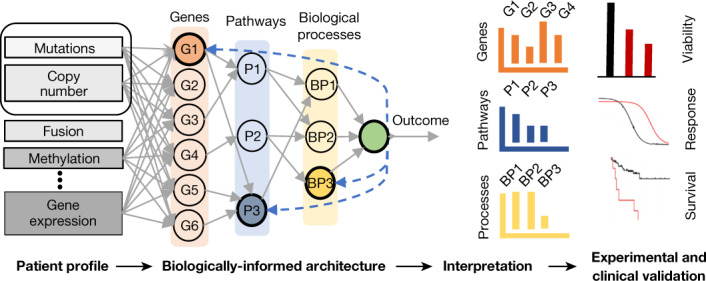
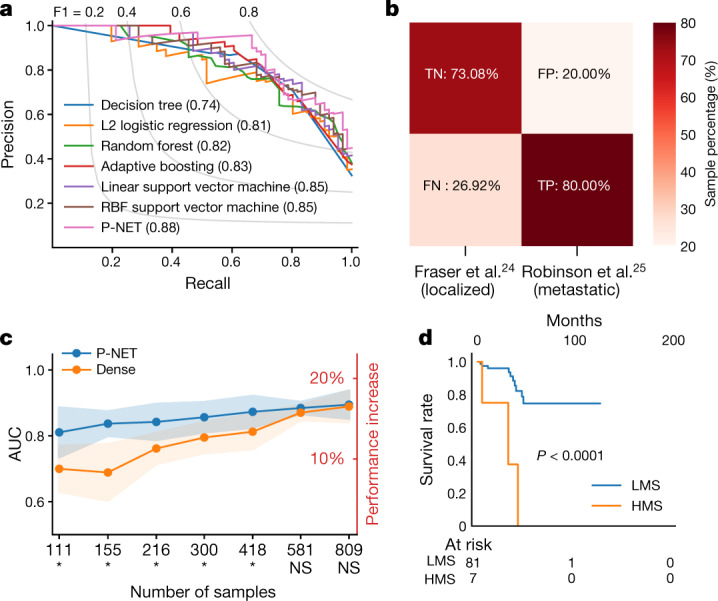
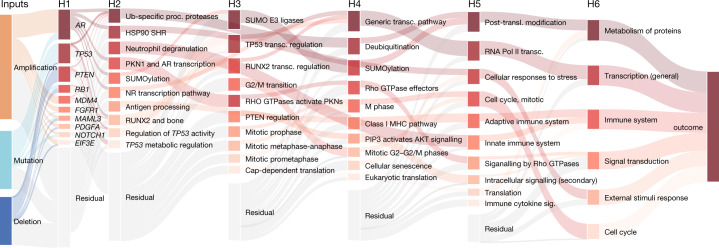
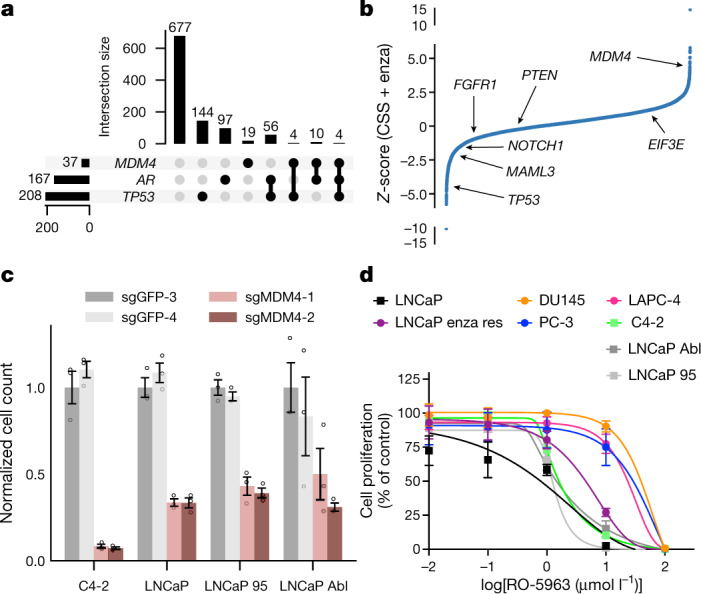
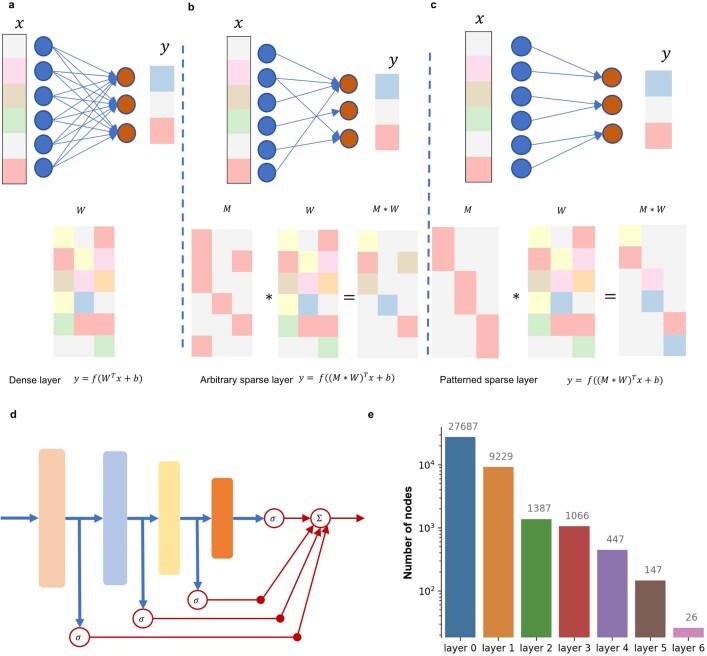
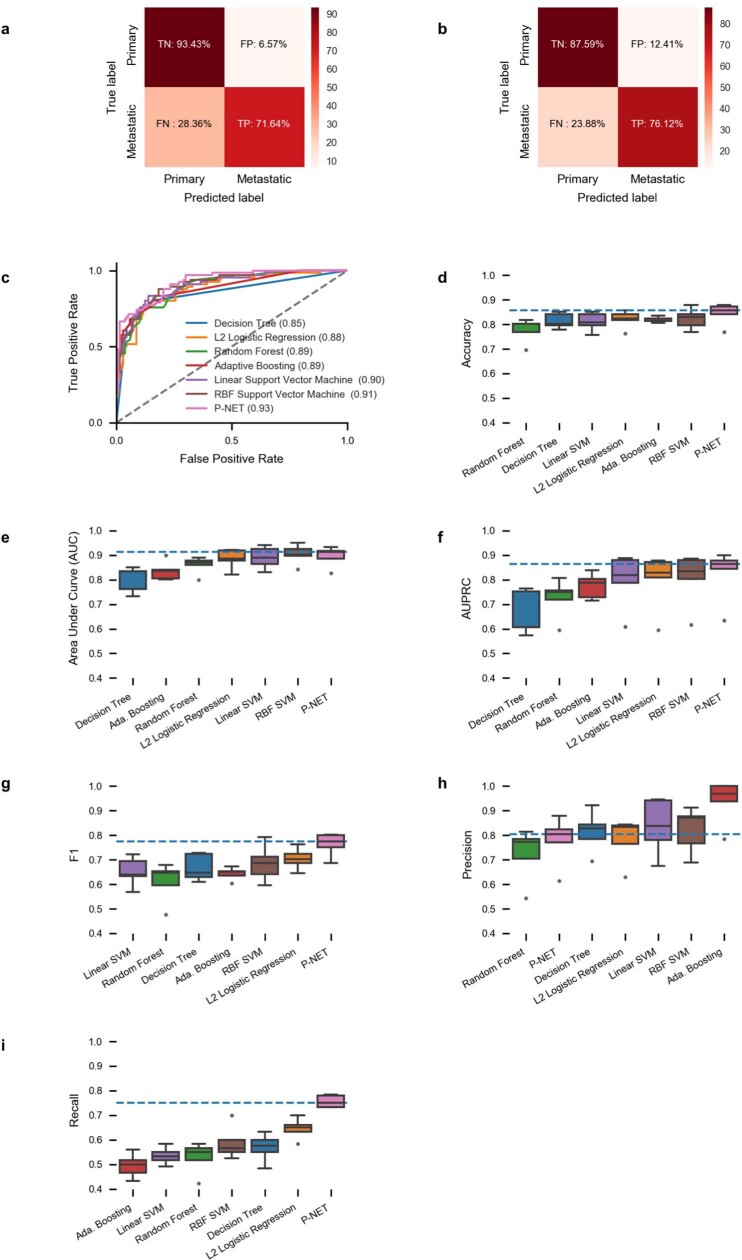
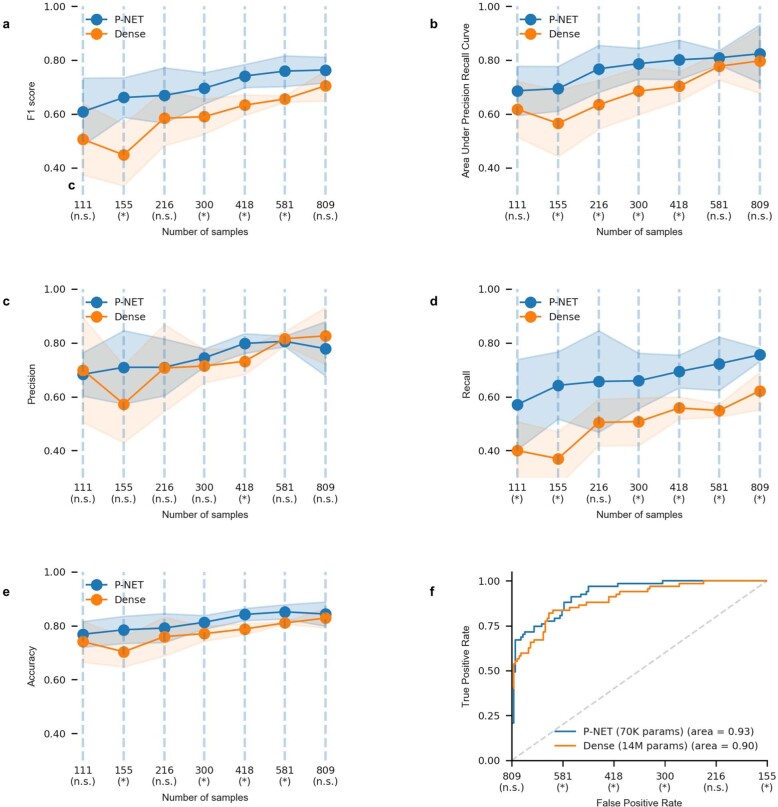
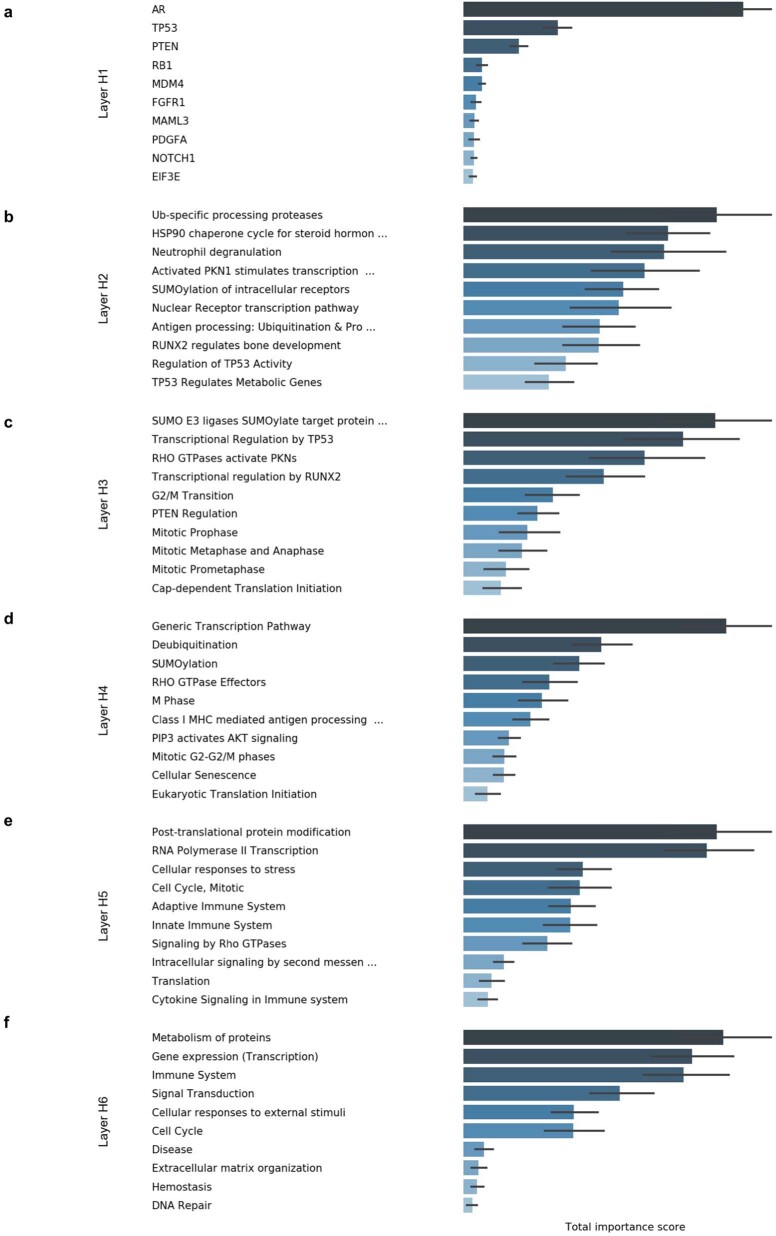
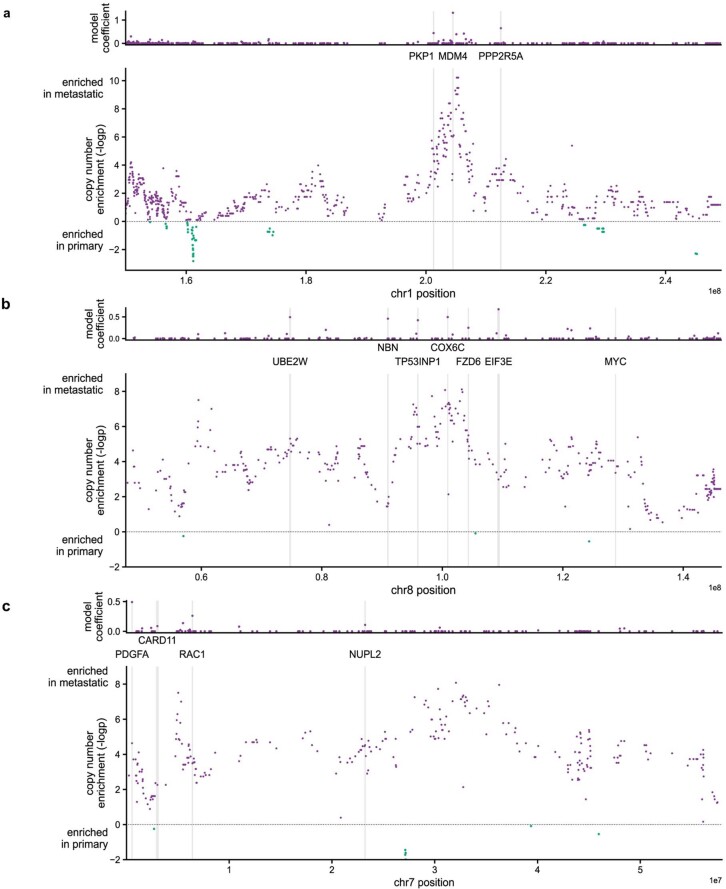
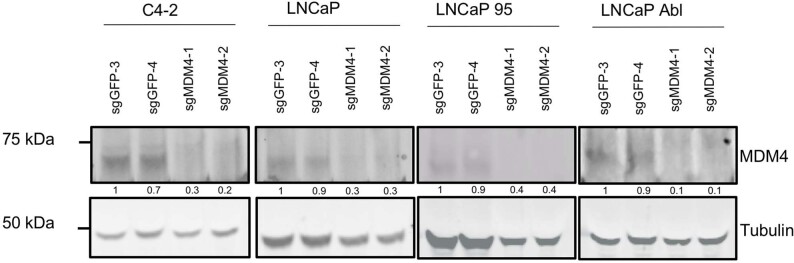
Abstract The determination of molecular features that mediate clinically aggressive phenotypes in prostate cancer remains a major biological and clinical challenge 1,2 . Recent advances in interpretability of machine learning models as applied to biomedical problems may enable discovery and prediction in clinical cancer genomics 3–5 . Here we developed P-NET—a biologically informed deep learning model—to stratify patients with prostate cancer by treatment-resistance state and evaluate molecular drivers of treatment resistance for therapeutic targeting through complete model interpretability. We demonstrate that P-NET can predict cancer state using molecular data with a performance that is superior to other modelling approaches. Moreover, the biological interpretability within P-NET revealed established and novel molecularly altered candidates, such as MDM4 and FGFR1 , which were implicated in predicting advanced disease and validated in vitro. Broadly, biologically informed fully interpretable neural networks enable preclinical discovery and clinical prediction in prostate cancer and may have general applicability across cancer types.
Overview
The claims and statistics of this paper haven’t been checked yet.
Run the check — free, no account needed. It reads the open-access text and checks the sources it cites.
Integrity signals
Registry
Cites
Statistics
Figures
Verification
Claims the paper makes
The claims and statistics of this paper haven’t been checked yet.
Run the check — free, no account needed. It reads the open-access text and checks the sources it cites.
Claims other papers make about this one
Each is checked against this paper’s own text: does it say what the citing paper says it does?
The source backs part of the claim, not all of it — or backs it for a different population, condition or comparison.
In the citing paper
“P-NET applied the hierarchical pathway information to construct a sparse deep neural network for inferring the disease status-specific molecular alterations, which aids in disease diagnosis and drug design for prostate cancer [116].”
From Challenges in AI-driven Biomedical Multimodal Data Fusion and Analysis (2025) · cites this paper as [116]
Experimental — accuracy not yet measuredThe source backs part of the claim, not all of it — or backs it for a different population, condition or comparison.
In the citing paper
“While multiple deep learning methods have been developed to integrate biological pathway information with neural network architectures [116,166], these methods are still limited by the predefined pathway annotations.”
From Challenges in AI-driven Biomedical Multimodal Data Fusion and Analysis (2025) · cites this paper as [116]
Experimental — accuracy not yet measuredThe cited source says what the claim attributes to it.
In the citing paper
“The common approach for biological model design is to construct a neural network architecture that is restrained by biological pathways, specifically connecting target gene nodes with pathway nodes, including models of P-NET [116], pmVAE [163], VEGA [164], and LDVAE [165].”
From Challenges in AI-driven Biomedical Multimodal Data Fusion and Analysis (2025) · cites this paper as [116]
In the citing paper
“P-NET (112) is a sparse deep learning model that processes molecular profiling data in a biologically informed, pathway-driven fashion to predict prostate disease states such as metastases, where the resulting prediction scores were shown to independently correlate with prognosis.”
From Artificial Intelligence in Oncology: Current Landscape, Challenges, and Future Directions (2024) · cites this paper as [112]
Self-check
Percentages, sums and reported differences re-computed from the paper’s own numbers.
The self-check needs the paper’s full text.
Citations
Cites
Adam: A Method for Stochastic Optimization
Kingma, D. P., & Ba, J. (2014) · arXiv · doi:10.48550/arxiv.1412.6980 · Cited by 98,946
STAR: ultrafast universal RNA-seq aligner
Dobin, A., Davis, C. A., Schlesinger, F., Drenkow, J., Zaleski, C., Jha, S., Batut, P., Chaisson, M., & Gingeras, T. R. (2013) · Bioinformatics · doi:10.1093/bioinformatics/bts635 · Cited by 51,709
Cutadapt removes adapter sequences from high-throughput sequencing reads
Martin, M. (2011) · EMBnet.journal · doi:10.14806/ej.17.1.200 · Cited by 33,889
DeLong, E. R., DeLong, D. M., & Clarke-Pearson, D. L. (1988) · Biometrics · doi:10.2307/2531595 · Cited by 22,649
"Why Should I Trust You?": Explaining the Predictions of Any Classifier
Ribeiro, M. T., Singh, S., & Guestrin, C. (2016) · Proceedings of the 22nd ACM SIGKDD International Conference on Knowledge Discovery and Data Mining · doi:10.1145/2939672.2939778 · Cited by 17,555
The Reactome pathway Knowledgebase
Fabregat, A., Sidiropoulos, K., Garapati, P., Gillespie, M., Hausmann, K., Haw, R., Jassal, B., Jupe, S., Korninger, F., McKay, S., et al. (2016) · Nucleic Acids Research · doi:10.1093/nar/gkv1351 · Cited by 5,605
Integrative Clinical Genomics of Advanced Prostate Cancer
Robinson, D., Van Allen, E. M., Wu, Y.-M., Schultz, N., Lonigro, R. J., Mosquera, J.-M., Montgomery, B., Taplin, M.-E., Pritchard, C. C., Attard, G., et al. (2015) · Cell · doi:10.1016/j.cell.2015.05.001 · Cited by 3,645
Mermel, C. H., Schumacher, S. E., Hill, B., Meyerson, M. M., Beroukhim, R., & Getz, G. A. (2011) · Genome biology · doi:10.1186/gb-2011-12-4-r41 · Cited by 3,520
Discovery and saturation analysis of cancer genes across 21 tumour types
Lawrence, M. S., Stojanov, P., Mermel, C. H., Robinson, J. T., Garraway, L. A., Golub, T. R., Meyerson, M., Gabriel, S. B., Lander, E. S., & Getz, G. (2014) · Nature · doi:10.1038/nature12912 · Cited by 3,096
Pruning Filters for Efficient ConvNets
Li, H., Kadav, A., Durdanovic, I., Samet, H., & Graf, H. P. (2016) · arXiv · doi:10.48550/arxiv.1608.08710 · Cited by 2,928
Research works printed but not linked: 2
- Han S., Pool J., Tran J., Dally W. in Advances in Neural Information Processing Systems (eds Cortes C. et al.) 1135–1143 (Curran Associates, 2015).
- Lundberg S. M., Lee S.-I. in Advances in Neural Information Processing Systems 30 (eds Guyon I. et al.) 4765–4774 (Curran Associates, 2017).
Cited by
Sorted by citations
Scientific discovery in the age of artificial intelligence.
Wang, H., Fu, T., Du, Y., Gao, W., Huang, K., Liu, Z., Chandak, P., Liu, S., Van Katwyk, P., Deac, A., et al. (2023) · Nature · doi:10.1038/s41586-023-06221-2 · Cited by 1,823
Obtaining genetics insights from deep learning via explainable artificial intelligence
Novakovsky, G., Dexter, N., Libbrecht, M. W., Wasserman, W. W., & Mostafavi, S. (2022) · Nature Reviews Genetics · doi:10.1038/s41576-022-00532-2 · Cited by 415
Artificial intelligence-powered electronic skin
Xu, C., Solomon, S. A., & Gao, W. (2023) · Nature Machine Intelligence · doi:10.1038/s42256-023-00760-z · Cited by 259
Artificial Intelligence in Oncology: Current Landscape, Challenges, and Future Directions
Lotter, W., Hassett, M. J., Schultz, N., Kehl, K. L., Van Allen, E. M., & Cerami, E. (2024) · Cancer Discovery · doi:10.1158/2159-8290.cd-23-1199 · Cited by 196
Advancing Computational Toxicology by Interpretable Machine Learning
Jia, X., Wang, T., & Zhu, H. (2023) · Environmental Science & Technology · doi:10.1021/acs.est.3c00653 · Cited by 199
Jaume, G., Vaidya, A. J., Chen, R. J., Williamson, D. F. K., Liang, P. P., & Mahmood, F. (2024) · IEEE Computer Society Conference on Computer Vision and Pattern Recognition/Proceedings - IEEE Computer Society Conference on Computer Vision and Pattern Recognition/Proceedings · doi:10.1109/cvpr52733.2024.01100 · Cited by 184
Yoo, S., Fitzgerald, C. W. R., Cho, B. A., Fitzgerald, B. G., Han, C. Y., Koh, E. S., Pandey, A., Sfreddo, H. J., Crowley, F., Rudshteyn, M., et al. (2025) · Nature Medicine · doi:10.1038/s41591-024-03398-5 · Cited by 159
Wu, C., Lorenzo, G., Hormuth, D. A., Lima, E. A. B. F., Slavkova, K. P., DiCarlo, J. C., Virostko, J. M., Phillips, C. M., Patt, D. A., Chung, C. D., et al. (2022) · Biophysics Reviews · doi:10.1063/5.0086789 · Cited by 147
EXplainable Artificial Intelligence (XAI)—From Theory to Methods and Applications
Ortigossa, E. S., Gonçalves, T., & Nonato, L. G. (2024) · IEEE Access · doi:10.1109/access.2024.3409843 · Cited by 124
Deep learning in cancer genomics and histopathology
Unger, M., & Kather, J. N. (2024) · Genome Medicine · doi:10.1186/s13073-024-01315-6 · Cited by 135
Current and future directions in network biology
Žitnik, M., Li, M. M., Wells, A., Glass, K., Gysi, D. M., Krishnan, A., Murali, T. M., Predrag Radivojac, A., Roy, S., Baudot, A., et al. (2024) · Bioinformatics Advances · doi:10.1093/bioadv/vbae099 · Cited by 128
Chen, V., Yang, M., Cui, W., Kim, J. S., Talwalkar, A., & Ma, J. (2024) · Nature Methods · doi:10.1038/s41592-024-02359-7 · Cited by 144
Soft Materials and Devices Enabling Sensorimotor Functions in Soft Robots
Su, J., He, K., Li, Y., Tu, J., & Chen, X. (2025) · Chemical Reviews · doi:10.1021/acs.chemrev.4c00906 · Cited by 121
Intelligent optoelectronic processor for orbital angular momentum spectrum measurement
Wang, H., Zhan, Z., Hu, F., Meng, Y., Liu, Z., Fu, X., & Liu, Q. (2023) · PhotoniX · doi:10.1186/s43074-022-00079-9 · Cited by 101
Drug resistance in cancer: molecular mechanisms and emerging treatment strategies
Li, J., Hu, J., Yang, Y., Zhang, H., Liu, Y., Fang, Y., Qu, L., Lin, A., Luo, P., Jiang, A., et al. (2025) · Molecular Biomedicine · doi:10.1186/s43556-025-00352-w · Cited by 120
Biologically informed deep learning to query gene programs in single-cell atlases
Lotfollahi, M., Rybakov, S., Hrovatin, K., Hediyeh-zadeh, S., Talavera-López, C., Misharin, A. V., & Theis, F. J. (2023) · Nature Cell Biology · doi:10.1038/s41556-022-01072-x · Cited by 100
Deep learning supported discovery of biomarkers for clinical prognosis of liver cancer
Liang, J., Zhang, W., Yang, J., Wu, M., Dai, Q., Yin, H., Xiao, Y., & Kong, L. (2023) · Nature Machine Intelligence · doi:10.1038/s42256-023-00635-3 · Cited by 98
Immune digital twins for complex human pathologies: applications, limitations, and challenges
Niarakis, A., Laubenbacher, R., An, G. C., Ilan, Y., Fisher, J., Flobak, Å., Reiche, K., Martínez, M. R., Geris, L., Ladeira, L., et al. (2024) · npj Systems Biology and Applications · doi:10.1038/s41540-024-00450-5 · Cited by 104
Hartman, E., Scott, A. M., Karlsson, C. A. Q., Mohanty, T., Vaara, S. T., Linder, A., Malmström, L., & Malmström, J. A. (2023) · Nature Communications · doi:10.1038/s41467-023-41146-4 · Cited by 105
An overview and a roadmap for artificial intelligence in hematology and oncology
Rösler, W., Altenbuchinger, M., Baeßler, B., Beißbarth, T., Beutel, G., Bock, R., von Bubnoff, N. C. C., Eckardt, J., Foersch, S., Loeffler, C. M. L., et al. (2023) · Journal of Cancer Research and Clinical Oncology · doi:10.1007/s00432-023-04667-5 · Cited by 95
Moon, S., & Lee, H. (2022) · Bioinformatics · doi:10.1093/bioinformatics/btac080 · Cited by 89
Yu, F., & Hu, X. (2022) · Journal of Hazardous Materials · doi:10.1016/j.jhazmat.2022.128730 · Cited by 83
Wysocka, M., Wysocki, O., Zufferey, M., Landers, D., & Freitas, A. (2023) · BMC Bioinformatics · doi:10.1186/s12859-023-05262-8 · Cited by 89
Sethi, B. K., Singh, D., Rout, S. K., & Panda, S. K. (2023) · IEEE Access · doi:10.1109/access.2023.3346925 · Cited by 72
A review of mechanistic learning in mathematical oncology
Metzcar, J., Jutzeler, C. R., Macklin, P., Köhn‐Luque, A., & Brüningk, S. C. (2024) · Frontiers in Immunology · doi:10.3389/fimmu.2024.1363144 · Cited by 79
Challenges in AI-driven Biomedical Multimodal Data Fusion and Analysis
Liu, J., Cen, X., Yi, C., Wang, F.-A., Ding, J., Cheng, J., Wu, Q., Gai, B., Zhou, Y., He, R., et al. (2025) · Genomics, Proteomics & Bioinformatics · doi:10.1093/gpbjnl/qzaf011 · Cited by 75
Abdollahi, H., Yousefirizi, F., Shiri, I., Brosch-Lenz, J., Mollaheydar, E., Fele‐Paranj, A., Shi, K., Zaidi, H., Alberts, I., Soltani, M., et al. (2024) · Theranostics · doi:10.7150/thno.93973 · Cited by 71
Revealing hidden patterns in deep neural network feature space continuum via manifold learning
Islam, M. T., Zhou, Z., Ren, H., Khuzani, M. B., Kapp, D. S., Zou, J., Tian, L., Liao, J. C., & Xing, L. (2023) · Nature Communications · doi:10.1038/s41467-023-43958-w · Cited by 65
Noordijk, B., García‐Gómez, M. L., ten Tusscher, K., de Ridder, D., van Dijk, A. D. J., & Smith, R. W. (2024) · Frontiers in Systems Biology · doi:10.3389/fsysb.2024.1407994 · Cited by 73
Artificial intelligence-based biomarkers for treatment decisions in oncology
Ligero, M., Nahhas, O. S. M. E., Aldea, M. D., & Kather, J. N. (2025) · Trends in cancer · doi:10.1016/j.trecan.2024.12.001 · Cited by 74
Park, S., Silva, E., Singhal, A., Kelly, M. R., Licon, K. S., Panagiotou, I., Fogg, C., Fong, S. H., Lee, J. J. Y., Zhao, X., et al. (2024) · Nature Cancer · doi:10.1038/s43018-024-00740-1 · Cited by 60
Ouyang, B., Shan, C., Shen, S., Dai, X., Chen, Q., Su, X., Cao, Y., Qin, X., He, Y., Wang, S., et al. (2024) · Nature Communications · doi:10.1038/s41467-024-51980-9 · Cited by 61
Andreev, A. V., Kurkin, S., Stoyanov, D., Badarin, A., Paunova, R., & Hramov, A. E. (2023) · Chaos An Interdisciplinary Journal of Nonlinear Science · doi:10.1063/5.0155567 · Cited by 57
π-HuB: the proteomic navigator of the human body
He, F., Aebersold, R. H., Baker, M. S., Bian, X., Bo, X., Chan, D. W., Chang, C., Chen, L., Chen, X., Chen, Y., et al. (2024) · Nature · doi:10.1038/s41586-024-08280-5 · Cited by 59
New horizons at the interface of artificial intelligence and translational cancer research
Yates, J., & Allen, E. M. V. (2025) · Cancer Cell · doi:10.1016/j.ccell.2025.03.018 · Cited by 58
Pandiyan, S., & Wang, L. (2022) · Computers in Biology and Medicine · doi:10.1016/j.compbiomed.2022.106140 · Cited by 63
He, M., Cao, Y., Chi, C., Yang, X., Rzayev, R. T., Wang, S., Yang, G., Mukhtorov, O. S., Zhang, L., Kazantsev, A. N., et al. (2023) · Frontiers in Oncology · doi:10.3389/fonc.2023.1189370 · Cited by 59
Schaduangrat, N., Anuwongcharoen, N., Charoenkwan, P., & Shoombuatong, W. (2023) · Journal of Cheminformatics · doi:10.1186/s13321-023-00721-z · Cited by 55
Zhang, T., Hasib, M. M., Chiu, Y., Han, Z.-F., Jin, Y.-F., Flores, M. A., Chen, Y., & Huang, Y. (2022) · Cancers · doi:10.3390/cancers14194763 · Cited by 59
Deep learning and transfer learning for device-free human activity recognition: A survey
Yang, J., Xu, Y., Cao, H., Zou, H., & Xie, L. (2022) · Journal of Automation and Intelligence · doi:10.1016/j.jai.2022.100007 · Cited by 56
Rai, H. M., Yoo, J., & Razaque, A. (2024) · Expert Systems with Applications · doi:10.1016/j.eswa.2024.124838 · Cited by 55
Advancing Targeted Protein Degradation via Multiomics Profiling and Artificial Intelligence
Duran-Frigola, M., Cigler, M., & Winter, G. E. (2023) · Journal of the American Chemical Society · doi:10.1021/jacs.2c11098 · Cited by 50
Qin, T., Yang, H., Wang, L., Xue, W., Yao, N., Li, Q., Chen, X., Yang, X., Yu, X., Zhang, Q., et al. (2024) · Angewandte Chemie International Edition · doi:10.1002/anie.202408902 · Cited by 52
Artificial intelligence in cancer: applications, challenges, and future perspectives
Cheng, H., & Shi, S.-S. (2025) · Molecular Cancer · doi:10.1186/s12943-025-02450-3 · Cited by 64
Liu, X. F., Tao, Y., Cai, Z., Bao, P., Ma, H., Li, K., Li, M., Zhu, Y., & Lu, Z. J. (2024) · Bioinformatics · doi:10.1093/bioinformatics/btae316 · Cited by 54
Anh, N. K., Thu, N. Q., Tien, N. T. N., Long, N. P., & Nguyen, H. T. (2024) · Molecules · doi:10.3390/molecules29245934 · Cited by 60
Explainable Multilayer Graph Neural Network for cancer gene prediction
Chatzianastasis, M., Vazirgiannis, M., & Zhang, Z. (2023) · Bioinformatics · doi:10.1093/bioinformatics/btad643 · Cited by 52
Riaz, I. B., Harmon, S. A., Chen, Z., Naqvi, S. A. A., & Liang Cheng, C. (2024) · American Society of Clinical Oncology Educational Book · doi:10.1200/edbk_438516 · Cited by 49
Machine learning applications for therapeutic tasks with genomics data
Huang, K., Xiao, C., Glass, L. M., Critchlow, C. W., Gibson, G. C., & Sun, J. (2021) · Patterns · doi:10.1016/j.patter.2021.100328 · Cited by 46
Future directions for precision oncology in prostate cancer
Mizuno, K., & Beltran, H. (2022) · The Prostate · doi:10.1002/pros.24354 · Cited by 49
Multi-omics based artificial intelligence for cancer research
Li, L., Sun, M., Wang, J., & Wan, S. (2024) · Advances in cancer research · doi:10.1016/bs.acr.2024.06.005 · Cited by 49
Deep Learning-Based Multi-Omics Integration Robustly Predicts Relapse in Prostate Cancer
Wei, Z., Han, D., Zhang, C., Wang, S., Liu, J., Chao, F., Song, Z., & Chen, G. (2022) · Frontiers in Oncology · doi:10.3389/fonc.2022.893424 · Cited by 45
Liu, F., Beck, S., Yang, L., Luo, H., & Zhang, K. C. (2026) · Nature reviews. Cancer · doi:10.1038/s41568-026-00922-2 · Cited by 57
Biologically informed deep learning for explainable epigenetic clocks
Prósz, A. G., Pipek, O., Börcsök, J., Palla, G., Szállási, Z., Spisák, S., & Csabai, I. (2024) · Scientific Reports · doi:10.1038/s41598-023-50495-5 · Cited by 46
Yan, H. H., Weng, D., Li, D., Gu, Y., Ma, W., & Liu, Q. (2024) · Briefings in Bioinformatics · doi:10.1093/bib/bbae184 · Cited by 44
E-Skin and Its Advanced Applications in Ubiquitous Health Monitoring
Sun, X., Guo, X., Gao, J., Wu, J., Huang, F., Zhang, J., Huang, F., Lu, X. J., Shi, Y., & Pan, L. (2024) · Biomedicines · doi:10.3390/biomedicines12102307 · Cited by 44
Knowledge-guided deep learning models of drug toxicity improve interpretation
Hao, Y., Romano, J. D., & Moore, J. H. (2022) · Patterns · doi:10.1016/j.patter.2022.100565 · Cited by 42
MUMA: A Multi-Omics Meta-Learning Algorithm for Data Interpretation and Classification
Huang, H., Shu, J., & Liang, Y. Q. (2024) · IEEE Journal of Biomedical and Health Informatics · doi:10.1109/jbhi.2024.3363081 · Cited by 40
Zhang, L., Li, W., Parvin, R., Wang, X., Fan, Q., & Ye, F. (2022) · Advanced Functional Materials · doi:10.1002/adfm.202207879 · Cited by 39
Leveraging deep learning to improve vaccine design
Hederman, A. P., & Ackerman, M. E. (2023) · Trends in Immunology · doi:10.1016/j.it.2023.03.002 · Cited by 41
Zhang, Z., & Wei, X. (2023) · Seminars in Cancer Biology · doi:10.1016/j.semcancer.2023.02.005 · Cited by 41
Yang, J., Li, Z., Wu, W. K. K., Shi, Y., Xu, Z., Chu, Q., & Zhang, Q. (2022) · Briefings in Bioinformatics · doi:10.1093/bib/bbac469 · Cited by 41
A systematic evaluation of deep learning methods for the prediction of drug synergy in cancer
Baptista, D., Ferreira, P. G., & Rocha, M. (2023) · PLoS Computational Biology · doi:10.1371/journal.pcbi.1010200 · Cited by 39
Designing interpretable deep learning applications for functional genomics: a quantitative analysis
van Hilten, A., Katz, S., Saccenti, E., Niessen, W. J., & Roshchupkin, G. V. (2024) · Briefings in Bioinformatics · doi:10.1093/bib/bbae449 · Cited by 39
Zhong, S., Su, L., Xu, M., Loke, D. K., Yu, B., Zhang, Y., & Zhao, R. J. (2024) · Nano-Micro Letters · doi:10.1007/s40820-024-01550-x · Cited by 42
Graph Artificial Intelligence in Medicine
Johnson, R., Li, M. M., Noori, A., Queen, O., & Žitnik, M. (2024) · Annual Review of Biomedical Data Science · doi:10.1146/annurev-biodatasci-110723-024625 · Cited by 46
Fu, X., Sahai, E. A., & Wilkins, A. C. (2023) · The Journal of Pathology · doi:10.1002/path.6153 · Cited by 37
Wu, T., Zhao, L., Ren, M., He, S., Zhang, L., Fang, M., & Wang, B. (2025) · Environmental Science & Technology · doi:10.1021/acs.est.4c11832 · Cited by 35
Optimal Deep Learning Enabled Prostate Cancer Detection Using Microarray Gene Expression
Alshareef, A. M., Alsini, R. A. I., Alsieni, M., Alrowais, F., Marzouk, R., Abunadi, I., & Nemri, N. (2022) · Journal of Healthcare Engineering · doi:10.1155/2022/7364704 · Cited by 35
Learning discriminative and structural samples for rare cell types with deep generative model
Wang, H., & Ma, X. (2022) · Briefings in Bioinformatics · doi:10.1093/bib/bbac317 · Cited by 33
Zhao, X., Singhal, A., Park, S., Kong, J., Bachelder, R. E., & Ideker, T. (2024) · Cancer Discovery · doi:10.1158/2159-8290.cd-23-0641 · Cited by 35
Zelli, V., Manno, A., Compagnoni, C., Ibraheem, R., Zazzeroni, F., Alesse, E., Rossi, F., Arbib, C., & Tessitore, A. (2023) · Journal of Translational Medicine · doi:10.1186/s12967-023-04720-4 · Cited by 32
Perspectives on Advancing Multimodal Learning in Environmental Science and Engineering Studies
Liu, W., Chen, J., Wang, H., Fu, Z., Peijnenburg, W. J. G. M., & Hong, H. (2024) · Environmental Science & Technology · doi:10.1021/acs.est.4c03088 · Cited by 34
A review on deep learning applications in highly multiplexed tissue imaging data analysis
Zidane, M., Makky, A., Bruhns, M., Rochwarger, A., Babaei, S., Claassen, M., & Schürch, C. M. (2023) · Frontiers in Bioinformatics · doi:10.3389/fbinf.2023.1159381 · Cited by 32
DeePathNet: A Transformer-Based Deep Learning Model Integrating Multiomic Data with Cancer Pathways
Cai, Z., Poulos, R. C., Aref, A., Robinson, P. J., Reddel, R. R., & Zhong, Q. (2024) · Cancer Research Communications · doi:10.1158/2767-9764.crc-24-0285 · Cited by 36
Wang, H., Lin, K., Zhang, Q., Shi, J., Song, X., Wu, J., Zhao, C., & He, K. (2024) · Bioinformatics · doi:10.1093/bioinformatics/btae159 · Cited by 30
A spectrum of explainable and interpretable machine learning approaches for genomic studies
Conard, A. M., DenAdel, A., & Crawford, L. A. (2023) · Wiley Interdisciplinary Reviews Computational Statistics · doi:10.1002/wics.1617 · Cited by 35
van Hilten, A., van Rooij, J., Heijmans, B. T., Hoen, P. A. C. ’., van Meurs, J. B. J., Jansen, R., Franke, L., Boomsma, D. I., Pool, R., van Dongen, J., et al. (2024) · npj Systems Biology and Applications · doi:10.1038/s41540-024-00405-w · Cited by 30
Huang, X., Huang, K., Johnson, T. S., Radovich, M., Zhang, J., Ma, J., & Wang, Y. (2021) · NAR Genomics and Bioinformatics · doi:10.1093/nargab/lqab097 · Cited by 26
Integration of epigenetic regulatory mechanisms in heart failure
Sopić, M., Robinson, E. L., Emanueli, C., Srivastava, P. K., Angione, C., Gaetano, C., Condorelli, G., Martelli, F., Pedrazzini, T., Devaux, Y., et al. (2023) · Basic Research in Cardiology · doi:10.1007/s00395-023-00986-3 · Cited by 28
Lan, W., Tang, Z., Liao, H., Chen, Q., Chen, Y. P., Zhang, Z., & Wang, J. (2025) · Fundamental Research · doi:10.1016/j.fmre.2025.01.004 · Cited by 28
Hwang, J. H., Arafeh, R., Seo, J.-H., Baca, S. C., Ludwig, M., Arnoff, T. E., Sawyer, L., Richter, C., Tape, S., Bergom, H. E., et al. (2022) · eLife · doi:10.7554/elife.73223 · Cited by 26
Self-citationImproving plant breeding through AI-supported data integration
Sangjan, W., Kick, D. R., & Washburn, J. D. (2025) · Theoretical and Applied Genetics · doi:10.1007/s00122-025-04910-2 · Cited by 24
Aref‐Eshghi, E., Abadi, A., Farhadieh, M., Hooshmand, A., Ghasemi, F., Youssefian, L., Vahidnezhad, H., Kerrins, T. M., Zhao, X., Akbarzadeh, M., et al. (2025) · Clinical Epigenetics · doi:10.1186/s13148-025-01967-0 · Cited by 26
The Rise of Hypothesis-Driven Artificial Intelligence in Oncology
Xianyu, Z., Correia, C., Ung, C. Y., Zhu, S., Billadeau, D. D., & Li, H. (2024) · Cancers · doi:10.3390/cancers16040822 · Cited by 25
Optimizing Cancer Treatment: Exploring the Role of AI in Radioimmunotherapy
Azadinejad, H., Rad, M. F., Shariftabrizi, A., Rahmim, A., & Abdollahi, H. (2025) · Diagnostics · doi:10.3390/diagnostics15030397 · Cited by 24
Target identification and assessment in the era of AI
Pun, F. W., Podolskiy, D. I., Izumchenko, E., Mortlock, A. A., Oprea, T. I., Scheibye‐Knudsen, M., Fortney, K., Morgen, E. K., Ren, F., & Zhavoronkov, A. A. (2026) · Nature Reviews Drug Discovery · doi:10.1038/s41573-026-01412-8 · Cited by 31
Yang, C., Liu, Z., Fang, Y., Cao, X., Xu, G., Wang, Z., Hu, Z., Wang, S., & Wu, X. (2023) · Journal of Translational Medicine · doi:10.1186/s12967-023-04318-w · Cited by 23
Pang, J., Liang, B., Ding, R., Yan, Q., Chen, R., & Xu, J. (2023) · Briefings in Bioinformatics · doi:10.1093/bib/bbad304 · Cited by 24
Stochastic neuro-fuzzy system implemented in memristor crossbar arrays
Shi, T., Zhang, H., Cui, S., Liu, J., Gu, Z., Wang, Z., Yan, X., & Liu, Q. (2024) · Science Advances · doi:10.1126/sciadv.adl3135 · Cited by 22
Artificial intelligence-aided data mining of medical records for cancer detection and screening
Haue, A. D., Hjaltelin, J. X., Holm, P. C., Placido, D., & Brunak, S. (2024) · The Lancet Oncology · doi:10.1016/s1470-2045(24)00277-8 · Cited by 26
Knowledge-Informed Machine Learning for Cancer Diagnosis and Prognosis: A Review
Mao, L., Wang, H., Hu, L., Tran, N. L., Canoll, P., Swanson, K. R., & Li, J. (2024) · IEEE Transactions on Automation Science and Engineering · doi:10.1109/tase.2024.3515839 · Cited by 25
Bourgeais, V., Zehraoui, F., & Hanczar, B. (2022) · Bioinformatics · doi:10.1093/bioinformatics/btac147 · Cited by 22
PAUSE: principled feature attribution for unsupervised gene expression analysis
Janizek, J. D., Spiro, A. E., Çelik, S., Blue, B. W., RUSSELL, J. C., Lee, T.-I., Kaeberlin, M., & Lee, S. (2023) · Genome biology · doi:10.1186/s13059-023-02901-4 · Cited by 26
Ren, S., Li, J., Dorado, J., Sierra, A., González‐Díaz, H., Duardo-Sánchez, A., & Shen, B. (2023) · Health Information Science and Systems · doi:10.1007/s13755-023-00264-5 · Cited by 22
Yang, C., Li, B., Luan, Y., Wang, S., Bian, Y., Zhang, J., Wang, Z., Liu, B., Chen, X., Hacker, M., et al. (2024) · Urologic Oncology Seminars and Original Investigations · doi:10.1016/j.urolonc.2024.01.021 · Cited by 21
Launonen, K., Varis, V., Aaltonen, N., Niskanen, E. A., Varjosalo, M. T., Paakinaho, V., & Palvimo, J. J. (2024) · Nucleic Acids Research · doi:10.1093/nar/gkae653 · Cited by 22
AI Model for Prostate Biopsies Predicts Cancer Survival
Sandeman, K., Blom, S., Koponen, V., Manninen, A., Juhila, J., Rannikko, A. S., Ropponen, T., & Mirtti, T. K. (2022) · Diagnostics · doi:10.3390/diagnostics12051031 · Cited by 22
A Survey on Human Cancer Categorization Based on Deep Learning
Ibrahim, A., Mohamed, H. K., Maher, A., & Zhang, B. (2022) · Frontiers in Artificial Intelligence · doi:10.3389/frai.2022.884749 · Cited by 21
Metadata
- Authors
- Elmarakeby, H. A., Hwang, J., Arafeh, R., Crowdis, J., Gang, S., Liu, D., AlDubayan, S. H., Salari, K., Kregel, S., Richter, C., Arnoff, T. E., Park, J., Hahn, W. C., & Van Allen, E. M.
- Affiliations
- Broad Institute (US)
- University of Minnesota (US)
- Dana-Farber Cancer Institute (US)
- University of Illinois Chicago (US)
- ORCID
- Venue
- Nature
- Published
- 2021-09-22
- Volume
- 598
- Issue
- 7880
- Pages
- 348-352
- ISSN
- 0028-0836 (ISSN-L)
- 1476-4687
- PMC
- PMC8514339
- OpenAlex
- W3199772305
- Cited by
- 456
- References
- 61
- Citations by year
- 2026: 99 · 2025: 105 · 2024: 111 · 2023: 88 · 2022: 47 · 2021: 5
- FWCI
- 41.88
- Type
- journal article
- Language
- en
- Open access
- hybrid
- doi.org
- Locations
- Nature (publishedVersion, cc-by)
- bioRxiv (Cold Spring Harbor Laboratory) (acceptedVersion, cc-by-nc-nd)
- Europe PMC (PubMed Central) (publishedVersion, other-oa)
- PubMed Central (publishedVersion, cc-by)
- PubMed (publishedVersion)
- Digital Access to Scholarship at Harvard (DASH) (Harvard University) (acceptedVersion)
- RePEc: Research Papers in Economics (submittedVersion)
- Funders
- U.S. Department of Defense (U01 CA233100, PC200150)
- Movember Foundation
- National Institutes of Health
- National Cancer Institute (U01CA176058, U01CA233100)
- Topics
- Life Sciences › Biochemistry, Genetics and Molecular Biology › Cancer Research › Prostate Cancer Treatment and Research
- Health Sciences › Medicine › Radiology, Nuclear Medicine and Imaging › Radiomics and Machine Learning in Medical Imaging
- Life Sciences › Biochemistry, Genetics and Molecular Biology › Cancer Research › Breast Cancer Treatment Studies
- Keywords
- prostate cancer, treatment resistance, interpretable neural networks, MDM4, FGFR1, cancer genomics, patient stratification, therapeutic targeting
- MeSH terms
- Deep Learning, Humans, Male, Prostatic Neoplasms, Proto-Oncogene Proteins, Receptors, Androgen, Reproducibility of Results, Tumor Suppressor Protein p53, Cell Cycle Proteins, Drug Resistance, Neoplasm, Receptor, Fibroblast Growth Factor, Type 1
About these checks
Registry, retraction, Cites and statistics results are computed, not judged, with one exception: a printed reference that no index lists is read once by a model before it counts as a citation error. Claims are extracted by a model and kept only when their quote appears verbatim in the text; each cited source is then checked, with a model’s help, for whether it says what the claim relies on. Those verdicts can be wrong — read the claim’s quote and the cited source before relying on one.
Statistics and arithmetic are recomputed, not judged.
Confidence bands are shown only for fields calibrated on our annotated test set. None is calibrated yet, so no band is shown.
What counts as a claim ›How we measure confidence ›How we check this ›
Are you an author, or do you see a problem with this page? Request a review
