

The DOI matches its Crossref record; 54 of the 54 references it cites were found in a registry or an index.
SARS-CoV-2 501Y.V2 escapes neutralization by South African COVID-19 donor plasma
Open accessPublished version of a preprint
Abstract
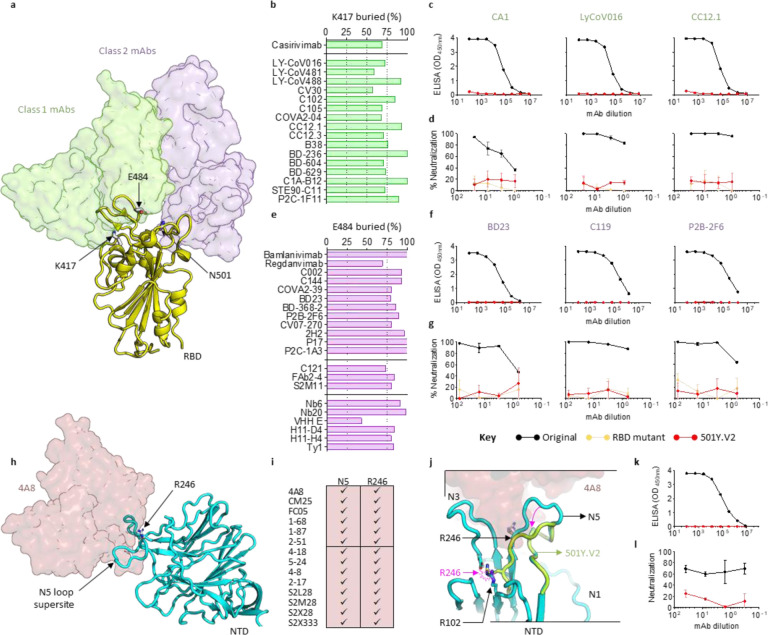
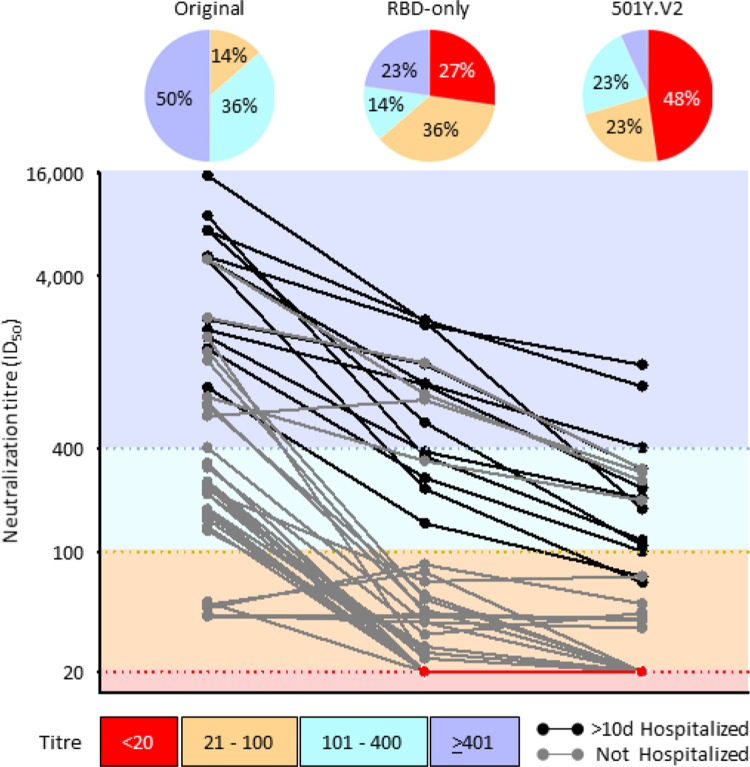
SARS-CoV-2 501Y.V2 (B.1.351), a novel lineage of coronavirus causing COVID-19, contains substitutions in two immunodominant domains of the spike protein. Here, we show that pseudovirus expressing 501Y.V2 spike protein completely escapes three classes of therapeutically relevant antibodies. This pseudovirus also exhibits substantial to complete escape from neutralization, but not binding, by convalescent plasma. These data highlight the prospect of reinfection with antigenically distinct variants and foreshadows reduced efficacy of spike-based vaccines.
Overview
The claims and statistics of this paper haven’t been checked yet.
Run the check — free, no account needed. It reads the open-access text and checks the sources it cites.
Integrity signals
Registry
Cites
Statistics
Figures
Verification
Claims the paper makes
The claims and statistics of this paper haven’t been checked yet.
Run the check — free, no account needed. It reads the open-access text and checks the sources it cites.
Claims other papers make about this one
Each is checked against this paper’s own text: does it say what the citing paper says it does?
The source backs part of the claim, not all of it — or backs it for a different population, condition or comparison.
In the citing paper
“Similarly, sera from PIDs who experienced symptomatic SARS-CoV-2 infection and who had detectable anti-RBD IgG titers before vaccination displayed generally weak nAb titers against Wuhan-Hu-1 at 1 to 9 months after infection and lower or nonexistent titers against the B.1.351 variants, in agreement with another study (69).”
From mRNA vaccination boosts cross-variant neutralizing antibodies elicited by SARS-CoV-2 infection (2021) · cites this paper as [69]
Experimental — accuracy not yet measuredThe source backs part of the claim, not all of it — or backs it for a different population, condition or comparison.
In the citing paper
“As previously reported for other vaccines29–33, the neutralizing antibody titres against certain SARS-CoV-2 variants, such as the B.1.351 (Beta) and B.1.617.2 (Delta) variants, were lower than those against the parental strain WA1/2020.”
From Optimization of non-coding regions for a non-modified mRNA COVID-19 vaccine (2022) · cites this paper as [32]
Experimental — accuracy not yet measuredIn the citing paper
“recent reports suggest that these variants are partially resistant to neutralization by monoclonal antibodies against spike protein, by convalescent plasma and, notably, by sera from participants who have received severe acute respiratory syndrome coronavirus 2 (SARS-CoV-2) vaccines91,94,95.”
From Prospects for durable immune control of SARS-CoV-2 and prevention of reinfection (2021) · cites this paper as [94]
In the citing paper
“The sensitivity of B.1.351 to neutralizing antibodies from convalescent donors infected with the prototype lineage virus, assessed with a spike-pseudovirus neutralization assay, indicated that 48% of serum samples were unable to neutralize B.1.351, with the rest showing a reduction in neutralization titers by a factor of 3 to 86.21”
From Efficacy of the ChAdOx1 nCoV-19 Covid-19 Vaccine against the B.1.351 Variant (2021) · cites this paper as [21]
In the citing paper
“In contrast, mutations in B.1.351 and P.1 variants are associated with the more pronounced loss of neutralizing capacity.15,16,22,23,25”
From Impact of SARS-CoV-2 variants on the total CD4+ and CD8+ T cell reactivity in infected or vaccinated individuals (2021) · cites this paper as [23]
In the citing paper
“Mutations in the B.1.351and P.1 strains, including E484K and K417N/T, are of high concern, since they partly compromise neutralization generated by previous infection or vaccination [23][24][25] or may increase inherent viral fitness.”
From Sensitivity of infectious SARS-CoV-2 B.1.1.7 and B.1.351 variants to neutralizing antibodies (2021) · cites this paper as [23]
In the citing paper
“The E484K mutation, which can mediate antibody escape of B.1.351and P.1 variants, has been recently detected in the B.1.1.7 lineage in the United Kingdom, and thus represents a major potential threat for previously immune populations.”
From Sensitivity of infectious SARS-CoV-2 B.1.1.7 and B.1.351 variants to neutralizing antibodies (2021) · cites this paper as [23]
In the citing paper
“In multiple studies, B.1.351 was the most resistant to neutralization by convalescent or vaccinee sera, with 6- to 15-fold less neutralization activity for sera from individuals immunized with vaccines based on the virus strain first described in January 2020 (Wuhan-Hu-1, spike also called WA1) (2–9).”
From Durability of mRNA-1273 vaccine–induced antibodies against SARS-CoV-2 variants (2021) · cites this paper as [6]
In the citing paper
“Most of these prior studies have evaluated sera from vaccinated individuals at time points soon after the first or second dose and have had limited data on the durability of such responses.”
From Durability of mRNA-1273 vaccine–induced antibodies against SARS-CoV-2 variants (2021) · cites this paper as [6]
In the citing paper
“Both the Beta and Delta variants are associated with decreased neutralization by some anti-receptor binding-domain (anti-RBD) and anti-N-terminal domain (anti-NTD) monoclonal antibodies though both Beta and Delta each remain responsive to at least one anti-RBD ( 8 , 9 , 21 ).”
From Increased risk of SARS-CoV-2 reinfection associated with emergence of Omicron in South Africa (2021) · cites this paper as [8]
In the citing paper
“In addition, Beta and Delta are relatively poorly neutralized by convalescent sera obtained from unvaccinated individuals infected with non-VOC virus ( 7 – 9 , 21 ).”
From Increased risk of SARS-CoV-2 reinfection associated with emergence of Omicron in South Africa (2021) · cites this paper as [8]
Self-check
Percentages, sums and reported differences re-computed from the paper’s own numbers.
The self-check needs the paper’s full text.
Citations
Cites
Berman, H. M. (2000) · Nucleic Acids Research · doi:10.1093/nar/28.1.235 · Cited by 40,196
A pneumonia outbreak associated with a new coronavirus of probable bat origin
Zhou, P., Yang, X.-L., Wang, X.-G., Hu, B., Zhang, L., Zhang, W., Si, H.-R., Zhu, Y., Li, B., Huang, C.-L., et al. (2020) · Nature · doi:10.1038/s41586-020-2012-7 · Cited by 21,969
The PyMOL Molecular Graphics System
DeLano, W. L. (2002) · Medical Entomology and Zoology · Cited by 18,147
Structure, function and antigenicity of the SARS-CoV-2 spike glycoprotein
Walls, A. C., Park, Y.-J., Tortorici, M. A., Wall, A., McGuire, A. T., & Veesler, D. (2020) · doi:10.1101/2020.02.19.956581 · Cited by 8,586
Korber, B., Fischer, W. M., Gnanakaran, S., Yoon, H., Theiler, J., Abfalterer, W., Hengartner, N., Giorgi, E. E., Bhattacharya, T., Foley, B., et al. (2020) · Cell · doi:10.1016/j.cell.2020.06.043 · Cited by 4,281
Nextstrain: real-time tracking of pathogen evolutionPreprint
Hadfield, J., Megill, C., Bell, S. M., et al. (2017) · bioRxiv · doi:10.1101/224048 · Cited by 3,172
Nextstrain: real-time tracking of pathogen evolution
Hadfield, J., Megill, C., Bell, S. M., Huddleston, J., Potter, B., Callender, C., Sagulenko, P., Bedford, T., & Neher, R. A. (2018) · Bioinformatics · doi:10.1093/bioinformatics/bty407 · Cited by 3,154
Structural and Functional Basis of SARS-CoV-2 Entry by Using Human ACE2
Wang, Q., Zhang, Y., Wu, L., Niu, S., Song, C., Zhang, Z., Lu, G., Qiao, C., Hu, Y., Yuen, K.-Y., et al. (2020) · Cell · doi:10.1016/j.cell.2020.03.045 · Cited by 2,892
Tegally, H., Wilkinson, E., Giovanetti, M., Iranzadeh, A., Fonseca, V., Giandhari, J., Doolabh, D., Pillay, S., San, E. J., Msomi, N., et al. (2020) · doi:10.1101/2020.12.21.20248640 · Cited by 2,535 · cited 1×
“N501Y has been shown to increase affinity for the human ACE2 receptor, which together with the repeated and independent evolution of 501Y containing lineages 25,26,31 , strongly argues for enhanced transmissibility of these new variants.”
Self-citationDetection of a SARS-CoV-2 variant of concern in South Africa
Tegally, H., Wilkinson, E., Giovanetti, M., Iranzadeh, A., Fonseca, V., Giandhari, J., Doolabh, D., Pillay, S., San, E. J., Msomi, N., et al. (2021) · Nature · doi:10.1038/s41586-021-03402-9 · Cited by 2,510
Self-citation
Cited by
Sorted by citations
Items 101–200 of 1,016
Zhou, P.-P., Yuan, M., Song, G., Beutler, N., Shaabani, N., Huang, D., He, W., Zhu, X., Callaghan, S., Yong, P., et al. (2022) · Science Translational Medicine · doi:10.1126/scitranslmed.abi9215 · Cited by 196
Ultrapotent antibodies against diverse and highly transmissible SARS-CoV-2 variants
Wang, L., Zhou, T., Zhang, Y., Yang, E. S., Schramm, C. A., Shi, W., Pegu, A., Oloniniyi, O. K., Henry, A. R., Darko, S. W., et al. (2021) · Science · doi:10.1126/science.abh1766 · Cited by 193
Self-citationJassat, W., Mudara, C., Ozougwu, L., Tempia, S., Blumberg, L. H., Davies, M., Pillay, Y. G., Carter, T., Morewane, R., Wolmarans, M., et al. (2021) · The Lancet Global Health · doi:10.1016/s2214-109x(21)00289-8 · Cited by 197
Self-citationThe Impact of Evolving SARS-CoV-2 Mutations and Variants on COVID-19 Vaccines
McLean, G. R., Kamil, J. P., Lee, B., Moore, P. L., Schulz, T. F., Muik, A., Şahin, U., Türeci, Ö., & Pather, S. (2022) · mBio · doi:10.1128/mbio.02979-21 · Cited by 195
Self-citationImmune Evasion of SARS-CoV-2 Emerging Variants: What Have We Learnt So Far?
Lazarević, I., Pravica, V., Miljanovic, D., & Cupic, M. D. (2021) · Viruses · doi:10.3390/v13071192 · Cited by 193
COVID-19: Unmasking Emerging SARS-CoV-2 Variants, Vaccines and Therapeutic Strategies
Raman, R., Patel, K. J., & Ranjan, K. (2021) · Biomolecules · doi:10.3390/biom11070993 · Cited by 194
Walls, A. C., Miranda, M. C., Schäfer, A., Pham, M. N., Greaney, A., Arunachalam, P. S., Navarro, M.-J., Tortorici, M. A., Rogers, K., O’Connor, M. A., et al. (2021) · Cell · doi:10.1016/j.cell.2021.09.015 · Cited by 185
“Conversely, some mutations found in circulating SARS-CoV-2 isolates were shown to promote escape from mAbs and to reduce neutralization by immune sera (Baum et al., 2020b; Collier et al., 2021; Li et al., 2020; McCallum et al., 2021a, 2021b; Wang et al., 2021a; Weisblum et al., 2020; Wibmer et al., 2021).”
Engineered Ribosyl-1-Kinase Enables Concise Synthesis of Molnupiravir, an Antiviral for COVID-19
McIntosh, J. A., Benkovics, T., Silverman, S. M., Huffman, M. A., Kong, J., Maligres, P. E., Itoh, T., Yang, H. Y., Verma, D., Pan, W., et al. (2021) · ACS Central Science · doi:10.1021/acscentsci.1c00608 · Cited by 185
SARS-CoV-2 breakthrough infections elicit potent, broad, and durable neutralizing antibody responses
Walls, A. C., Sprouse, K. R., Bowen, J. E., Joshi, A., Franko, N., Navarro, M. J., Stewart, C., Cameroni, E., McCallum, M., Goecker, E. A., et al. (2022) · Cell · doi:10.1016/j.cell.2022.01.011 · Cited by 188
Effects of SARS-CoV-2 variants on vaccine efficacy and response strategies
Bian, L., Gao, F., Zhang, J., He, Q., Mao, Q., Xu, M., & Liang, Z. (2021) · Expert Review of Vaccines · doi:10.1080/14760584.2021.1903879 · Cited by 183
SARS-CoV-2 ferritin nanoparticle vaccines elicit broad SARS coronavirus immunogenicity
Joyce, M. G., Chen, W., Sankhala, R. S., Hajduczki, A., Thomas, P. V., Choe, M., Martinez, E. J., Chang, W. C., Peterson, C. E., Morrison, E. B., et al. (2021) · Cell Reports · doi:10.1016/j.celrep.2021.110143 · Cited by 180
Omicron extensively but incompletely escapes Pfizer BNT162b2 neutralization
Cele, S., Jackson, L., Khoury, D. S., Khan, K., Moyo-Gwete, T., Tegally, H., San, J. E., Cromer, D., Scheepers, C., Amoako, D. G., et al. (2021) · Nature · doi:10.1038/d41586-021-03824-5 · Cited by 177
Self-citationAngyal, A., Longet, S., Moore, S. C., Payne, R., Harding, A. C., Tipton, T., Rongkard, P., Ali, M., Hering, L. M., Meardon, N., et al. (2021) · The Lancet Microbe · doi:10.1016/s2666-5247(21)00275-5 · Cited by 182
Prolonged evolution of the human B cell response to SARS-CoV-2 infection
Sakharkar, M., Rappazzo, C. G., Wieland-Alter, W. F., Hsieh, C.-L., Wrapp, D., Esterman, E. S., Kaku, C. I., Wec, A. Z., Geoghegan, J. C., McLellan, J. S., et al. (2021) · Science Immunology · doi:10.1126/sciimmunol.abg6916 · Cited by 174
Kuzmina, A., Khalaila, Y., Voloshin, O., Keren‐Naus, A., Cohen, L. B., Raviv, Y., Shemer‐Avni, Y., Rosenberg, E., & Taube, R. (2021) · Cell Host & Microbe · doi:10.1016/j.chom.2021.03.008 · Cited by 177
Nasal delivery of an IgM offers broad protection from SARS-CoV-2 variants
Ku, Z., Xie, X., Hinton, P. R., Liu, X., Ye, X., Muruato, A. E., Ng, D., Biswas, S., Zou, J., Liu, Y., et al. (2021) · Nature · doi:10.1038/s41586-021-03673-2 · Cited by 170
SARS-CoV-2 evolution and vaccines: cause for concern?
Williams, T., & Burgers, W. A. (2021) · The Lancet Respiratory Medicine · doi:10.1016/s2213-2600(21)00075-8 · Cited by 163
Molecular insights into receptor binding of recent emerging SARS-CoV-2 variants
Han, P., Su, C., Zhang, Y., Bai, C., Zheng, A., Qiao, C., Wang, Q., Niu, S., Chen, Q., Zhang, Y., et al. (2021) · Nature Communications · doi:10.1038/s41467-021-26401-w · Cited by 166
Structural basis for potent antibody neutralization of SARS-CoV-2 variants including B.1.1.529
Zhou, T., Wang, L., Misasi, J., Pegu, A., Zhang, Y., Harris, D. R., Olia, A. S., Talana, C. A., Yang, E. S., Chen, M., et al. (2022) · Science · doi:10.1126/science.abn8897 · Cited by 163
SARS-CoV-2 Viral Variants—Tackling a Moving Target
Mascola, J. R., Graham, B. S., & Fauci, A. S. (2021) · JAMA · doi:10.1001/jama.2021.2088 · Cited by 163
Genomic surveillance to combat COVID-19: challenges and opportunities
Robishaw, J. D., Alter, S. M., Solano, J. J., Shih, R. D., DeMets, D. L., Maki, D. G., & Hennekens, C. H. (2021) · The Lancet Microbe · doi:10.1016/s2666-5247(21)00121-x · Cited by 154
Cohen, C., Kleynhans, J., Gottberg, A. V., McMorrow, M. L., Wolter, N., Bhiman, J. N., Moyes, J., Plessis, M. D., Carrim, M., Buys, A., et al. (2021) · doi:10.1101/2021.07.20.21260855 · Cited by 153
Self-citationGraham, C., Seow, J., Huettner, I., Khan, H., Kouphou, N., Acors, S., Winstone, H., Pickering, S., Galão, R. P., Dupont, L., et al. (2021) · Immunity · doi:10.1016/j.immuni.2021.03.023 · Cited by 155
Tada, T., Dcosta, B. M., Samanovic, M. I., Herati, R. S., Cornelius, A. R., Zhou, H., Vaill, A., Kazmierski, W., Mulligan, M. J., & Landau, N. R. (2021) · mBio · doi:10.1128/mbio.00696-21 · Cited by 155
Emerging SARS-CoV-2 Variants: A Review of Its Mutations, Its Implications and Vaccine Efficacy
Ramesh, S., Govindarajulu, M., Parise, R. S., Neel, L. T., Shankar, T., Patel, S., Lowery, P., Smith, F., Dhanasekaran, M., & Moore, T. (2021) · Vaccines · doi:10.3390/vaccines9101195 · Cited by 157
Zhou, P.-P., Song, G., Liu, H., Yuan, M., He, W., Beutler, N., Zhu, X., Tse, L. V., Martinez, D. R., Schäfer, A., et al. (2023) · Immunity · doi:10.1016/j.immuni.2023.02.005 · Cited by 154
SARS-CoV-2 one year on: evidence for ongoing viral adaptation
Peacock, T. P., Penrice-Randal, R., Hiscox, J. A., & Barclay, W. (2021) · Journal of General Virology · doi:10.1099/jgv.0.001584 · Cited by 155
Focosi, D., & Maggi, F. (2021) · Reviews in Medical Virology · doi:10.1002/rmv.2231 · Cited by 150
Protective prototype-Beta and Delta-Omicron chimeric RBD-dimer vaccines against SARS-CoV-2
Xu, K., Gao, P., Liu, S., Lu, S., Lei, W., Zheng, T., Liu, X., Xie, Y., Zhao, Z., Guo, S., et al. (2022) · Cell · doi:10.1016/j.cell.2022.04.029 · Cited by 149
Bojadzic, D., Alcazar, O., Chen, J., Chuang, S.-T., Capcha, J. M. C., Shehadeh, L. A., & Buchwald, P. (2021) · ACS Infectious Diseases · doi:10.1021/acsinfecdis.1c00070 · Cited by 147
Madhi, S. A., Koen, A. L., Izu, A., Fairlie, L., Cutland, C., Baillie, V. L., Padayachee, S. D., Dheda, K. U. J., Barnabas, S. L., Bhorat, Q. E., et al. (2021) · The Lancet HIV · doi:10.1016/s2352-3018(21)00157-0 · Cited by 142
Self-citationNeutralizing activity of Sputnik V vaccine sera against SARS-CoV-2 variants
Ikegame, S., Siddiquey, M. N. A., Hung, C.-T., Haas, G. D., Brambilla, L., Oguntuyo, K. Y., Kowdle, S., Chiu, H.-P., Stevens, C. S., Vilardo, A. E., et al. (2021) · Nature Communications · doi:10.1038/s41467-021-24909-9 · Cited by 141
Cao, Y., Yisimayi, A., Bai, Y., Huang, W., Li, X., Zhang, Z., Yuan, T., An, R., Wang, J., Xiao, T., et al. (2021) · Cell Research · doi:10.1038/s41422-021-00514-9 · Cited by 140
Interferon resistance of emerging SARS-CoV-2 variants
Guo, K., Barrett, B. S., Morrison, J. H., Mickens, K. L., Vladar, E. K., Hasenkrug, K. J., Poeschla, E. M., & Santiago, M. L. (2022) · Proceedings of the National Academy of Sciences · doi:10.1073/pnas.2203760119 · Cited by 141
Fast-spreading SARS-CoV-2 variants: challenges to and new design strategies of COVID-19 vaccines
Zhou, W., & Wang, W. (2021) · Signal Transduction and Targeted Therapy · doi:10.1038/s41392-021-00644-x · Cited by 134
Mohammadi, M., Shayestehpour, M., & Mirzaei, H. (2021) · The Brazilian Journal of Infectious Diseases · doi:10.1016/j.bjid.2021.101606 · Cited by 142
Fast-spreading COVID variant can elude immune responses
Callaway, E. (2021) · Nature · doi:10.1038/d41586-021-00121-z · Cited by 135
Detection and characterization of the SARS-CoV-2 lineage B.1.526 in New York
West, A. P., Wertheim, J. O., Wang, J. C., Vasylyeva, T. I., Havens, J. L., Chowdhury, M. A., Gonzalez, E., Fang, C. E., Lonardo, S. S. D., Hughes, S., et al. (2021) · Nature Communications · doi:10.1038/s41467-021-25168-4 · Cited by 134
An intranasal vaccine durably protects against SARS-CoV-2 variants in mice
Hassan, A. O., Shrihari, S., Gorman, M. J., Ying, B., Yuan, D., Raju, S., Chen, R. E., Dmitriev, I. P., Kashentseva, E. A., Adams, L. J., et al. (2021) · Cell Reports · doi:10.1016/j.celrep.2021.109452 · Cited by 131
Cross-Reactive Neutralizing Antibody Responses Elicited by SARS-CoV-2 501Y.V2 (B.1.351)
Moyo-Gwete, T., Madzivhandila, M., Makhado, Z., Ayres, F., Mhlanga, D., Oosthuysen, B., Lambson, B. E., Kgagudi, P., Tegally, H., Iranzadeh, A., et al. (2021) · New England Journal of Medicine · doi:10.1056/nejmc2104192 · Cited by 128
Self-citationOptimization of non-coding regions for a non-modified mRNA COVID-19 vaccine
Gebre, M. S., Rauch, S., Roth, N., Yu, J., Chandrashekar, A., Mercado, N. B., He, X., Liu, J., McMahan, K., Martinot, A., et al. (2022) · Nature · doi:10.1038/s41586-021-04231-6 · Cited by 127
A look into the future of the COVID-19 pandemic in Europe: an expert consultation
Iftekhar, E. N., Priesemann, V., Balling, R., Bauer, S., Beutels, P., Valdez, A. C., Cuschieri, S., Czypionka, T., Dumpis, U., Glaab, E., et al. (2021) · The Lancet Regional Health - Europe · doi:10.1016/j.lanepe.2021.100185 · Cited by 132
Dhawan, M. K., Saied, A. A., Mitra, S., Alhumaydhi, F. A., Emran, T. B., & Wilairatana, P. (2022) · Biomedicine & Pharmacotherapy · doi:10.1016/j.biopha.2022.113522 · Cited by 130
RetractedCharacterization of the emerging B.1.621 variant of interest of SARS-CoV-2
Laiton‐Donato, K., Franco-Muñoz, C., Álvarez-Díaz, D. A., Ruiz-Moreno, H. A., Usme-Ciro, J. A., Prada-Cardozo, D., Reales-González, J., Corchuelo, S., Herrera-Sepúlveda, M. T., Naizaque, J., et al. (2021) · Infection Genetics and Evolution · doi:10.1016/j.meegid.2021.105038 · Cited by 123
Serum sample neutralisation of BBIBP-CorV and ZF2001 vaccines to SARS-CoV-2 501Y.V2
Huang, B., Dai, L., Wang, H., Hu, Z., Yang, X., Tan, W., & Gao, G. F. (2021) · The Lancet Microbe · doi:10.1016/s2666-5247(21)00082-3 · Cited by 121
Gorman, M. J., Patel, N., Guebre‐Xabier, M., Zhu, A. L., Atyeo, C. G., Pullen, K. M., Loos, C., Goez-Gazi, Y., Carrion, R., Tian, J.-H., et al. (2021) · Cell Reports Medicine · doi:10.1016/j.xcrm.2021.100405 · Cited by 121
Structural and antigenic variations in the spike protein of emerging SARS-CoV-2 variants
Mittal, A., Khattri, A., & Verma, V. (2022) · PLoS Pathogens · doi:10.1371/journal.ppat.1010260 · Cited by 124
Neutralizing Antibody Therapeutics for COVID-19
Hurt, A. C., & Wheatley, A. K. (2021) · Viruses · doi:10.3390/v13040628 · Cited by 121
Cho, H., Gonzales-Wartz, K. K., Huang, D., Yuan, M., Peterson, M., Liang, J. Y., Beutler, N., Torres, J. L., Cong, Y., Postnikova, E. N., et al. (2021) · Science Translational Medicine · doi:10.1126/scitranslmed.abj5413 · Cited by 123
Richardson, S. I., Madzorera, V. S., Spencer, H., Manamela, N. P., van der Mescht, M. A., Lambson, B. E., Oosthuysen, B., Ayres, F., Makhado, Z., Moyo-Gwete, T., et al. (2022) · Cell Host & Microbe · doi:10.1016/j.chom.2022.03.029 · Cited by 119
Self-citationEvaluation of Cell-Based and Surrogate SARS-CoV-2 Neutralization Assays
Sholukh, A. M., Fiore-Gartland, A. J., Ford, E. S., Miner, M. D., Hou, Y. J., Tse, L. V., Kaiser, H., Zhu, H., Lu, J., Madarampalli, B., et al. (2021) · Journal of Clinical Microbiology · doi:10.1128/jcm.00527-21 · Cited by 119
Singh, J., Samal, J., Kumar, V., Sharma, J., Agrawal, U., Ehtesham, N. Z., Sundar, D., Rahman, S. A., Hira, S., & Hasnain, S. E. (2021) · Viruses · doi:10.3390/v13030439 · Cited by 118
Emerging SARS-CoV-2 Variants of Concern (VOCs): An Impending Global Crisis
Thye, A. Y.-K., Law, J. W., Pusparajah, P., Letchumanan, V., Chan, K., & Lee, L. (2021) · Biomedicines · doi:10.3390/biomedicines9101303 · Cited by 121
Guo, Y., Han, J., Zhang, Y., He, J., Yu, W., Zhang, X., Wu, J., Zhang, S., Kong, Y., Guo, Y., et al. (2022) · Frontiers in Immunology · doi:10.3389/fimmu.2022.877101 · Cited by 118
Therapeutic targets and interventional strategies in COVID-19: mechanisms and clinical studies
Zhou, Y., Xie, Y., Tang, L., Pu, D., Zhu, Y., Liu, J., & Ma, X. (2021) · Signal Transduction and Targeted Therapy · doi:10.1038/s41392-021-00733-x · Cited by 116
Yang, J., Marziano, V., Deng, X., Guzzetta, G., Zhang, J., Trentini, F., Cai, J., Poletti, P., Zheng, W., Wang, W., et al. (2021) · Nature Human Behaviour · doi:10.1038/s41562-021-01155-z · Cited by 116
Taft, J. M., Weber, C. R., Gao, B., Ehling, R. A., Han, J., Frei, L., Metcalfe, S. W., Overath, M. D., Yermanos, A., Kelton, W., et al. (2022) · Cell · doi:10.1016/j.cell.2022.08.024 · Cited by 119
Grabowski, F., Preibisch, G., Giziński, S., Kochańczyk, M., & Lipniacki, T. (2021) · Viruses · doi:10.3390/v13030392 · Cited by 112
Zhang, Q., Ju, B., Ge, J., Chan, J. F., Cheng, L., Wang, R., Huang, W., Fang, M., Chen, P., Zhou, B., et al. (2021) · Nature Communications · doi:10.1038/s41467-021-24514-w · Cited by 114
Mutations of SARS-CoV-2 spike protein: Implications on immune evasion and vaccine-induced immunity
Mengist, H. M., Kombe, A. J. K., Mekonnen, D. S., Abebaw, A., Getachew, M., & Jin, T. (2021) · Seminars in Immunology · doi:10.1016/j.smim.2021.101533 · Cited by 115
An update on COVID-19: SARS-CoV-2 variants, antiviral drugs, and vaccines
Hillary, V. E., & Ceasar, S. A. (2023) · Heliyon · doi:10.1016/j.heliyon.2023.e13952 · Cited by 121
Hu, J., Peng, P., Wang, K., Fang, L., Luo, F.-Y., Jin, A.-S., Liu, B., Tang, N., & Huang, A. (2021) · Cellular and Molecular Immunology · doi:10.1038/s41423-021-00648-1 · Cited by 111
Kapłonek, P., Fischinger, S., Cizmeci, D., Bartsch, Y. C., Kang, J., Burke, J. S., Shin, S. A., Dayal, D., Martin, P., Mann, C. J., et al. (2022) · Immunity · doi:10.1016/j.immuni.2022.01.001 · Cited by 121
Resurgence of SARS-CoV-2: Detection by community viral surveillance
REACT study group, Riley, S., Ainslie, K. E. C., Eales, O. D., Walters, C. E., Wang, H., Atchison, C. J., Fronterrè, C., Diggle, P. J., Ashby, D., et al. (2021) · Science · doi:10.1126/science.abf0874 · Cited by 112
Gushchin, V. А., Dolzhikova, I. V., Shchetinin, A. M., Odintsova, A. S., Siniavin, A. E., Nikiforova, M. A., Pochtovyi, A. A., Shidlovskaya, E. V., Kuznetsova, N. A., Burgasova, O., et al. (2021) · Vaccines · doi:10.3390/vaccines9070779 · Cited by 110
Yang, Y., Yang, M., Peng, Y., Liang, Y., Wei, J., Xing, L., Guo, L., Li, X., Li, J., Wang, J., et al. (2022) · Nature Microbiology · doi:10.1038/s41564-021-01051-2 · Cited by 111
COVID-19 Vaccines: Current Understanding on Immunogenicity, Safety, and Further Considerations
He, Q., Mao, Q., Zhang, J., Bian, L., Gao, F., Wang, J., Xu, M., & Liang, Z. (2021) · Frontiers in Immunology · doi:10.3389/fimmu.2021.669339 · Cited by 112
Yadav, P. D., Sapkal, G. N., Ella, R., Sahay, R. R., Nyayanit, D. A., Patil, D. Y., Deshpande, G. R., Shete, A. M., Gupta, N., Mohan, V., et al. (2021) · Journal of Travel Medicine · doi:10.1093/jtm/taab104 · Cited by 108
Mutations in SARS-CoV-2: Insights on structure, variants, vaccines, and biomedical interventions
Abulsoud, A. I., El‐Husseiny, H. M., El-Husseiny, A. A., El‐Mahdy, H. A., Ismail, A., Elkhawaga, S. Y., Khidr, E. G., Fathi, D., Mady, E. A., Najda, A., et al. (2022) · Biomedicine & Pharmacotherapy · doi:10.1016/j.biopha.2022.113977 · Cited by 112
Andre, M., Lau, L. S., Pokharel, M. D., Ramelow, J., Owens, F., Souchak, J., Akkaoui, J., Ales, E., Brown, H. H., Shil, R. K., et al. (2023) · Biology · doi:10.3390/biology12091267 · Cited by 122
HIV-1 and SARS-CoV-2: Patterns in the evolution of two pandemic pathogens
Fischer, W., Giorgi, E. E., Chakraborty, S., Nguyen, K., Tanmoy Bhattacharya, A., Theiler, J. P., Goloboff, P. A., Yoon, H., Abfalterer, W., Foley, B. T., et al. (2021) · Cell Host & Microbe · doi:10.1016/j.chom.2021.05.012 · Cited by 109
Self-citationIsolation and characterization of cross-neutralizing coronavirus antibodies from COVID-19+ subjects
Jennewein, M. F., MacCamy, A. J., Akins, N. R., Feng, J., Homad, L. J., Hurlburt, N. K., Seydoux, E., Wan, Y.-H., Stuart, A. B., Edara, V. V., et al. (2021) · Cell Reports · doi:10.1016/j.celrep.2021.109353 · Cited by 108
Redd, A. D., Nardin, A., Kared, H., Bloch, E. M., Pekosz, A. S., Laeyendecker, O. B., Abel, B., Fehlings, M., Quinn, T. C., & Tobian, A. A. R. (2021) · Open Forum Infectious Diseases · doi:10.1093/ofid/ofab143 · Cited by 105
Caniels, T. G., Bontjer, I., van der Straten, K., Poniman, M., Burger, J. A., Appelman, B., Lavell, A. H. A., Oomen, M., Godeke, G.-J., Valle, C., et al. (2021) · Science Advances · doi:10.1126/sciadv.abj5365 · Cited by 107
Characterization of humoral and SARS-CoV-2 specific T cell responses in people living with HIV
Alrubayyi, A., Gea‐Mallorquí, E., Touizer, E., Hameiri‐Bowen, D., Kopycinski, J. T., Charlton, B. G., Fisher-Pearson, N., Muir, L., Rosa, A., Roustan, C., et al. (2021) · Nature Communications · doi:10.1038/s41467-021-26137-7 · Cited by 107
Keeton, R., Richardson, S. I., Moyo-Gwete, T., Hermanus, T., Tincho, M. B., Benede, N., Manamela, N. P., Baguma, R., Makhado, Z., Ngomti, A., et al. (2021) · Cell Host & Microbe · doi:10.1016/j.chom.2021.10.003 · Cited by 109
Self-citationRiou, C., Keeton, R., Moyo-Gwete, T., Hermanus, T., Kgagudi, P., Baguma, R., Valley‐Omar, Z., Smith, M., Tegally, H., Doolabh, D., et al. (2022) · Science Translational Medicine · doi:10.1126/scitranslmed.abj6824 · Cited by 104
Self-citationDelta variant (B.1.617.2) of SARS-CoV-2: Mutations, impact, challenges and possible solutions
Dhawan, M. K., Sharma, A., Choudhary, P., Thakur, N., Rajkhowa, T. K., & Choudhary, O. P. (2022) · Human Vaccines & Immunotherapeutics · doi:10.1080/21645515.2022.2068883 · Cited by 116
Sonnleitner, S. T., Prelog, M., Sonnleitner, S., Hinterbichler, E., Halbfurter, H., Kopecky, D. B. C., Almanzar, G., Koblmüller, S., Sturmbauer, C., Feist, L., et al. (2022) · Nature Communications · doi:10.1038/s41467-022-30163-4 · Cited by 107
Jensen, B. O., Lübke, N., Feldt, T., Keitel, V., Brandenburger, T., Kindgen‐Milles, D., Lutterbeck, M., Freise, N. F., Schoeler, D., Haas, R. R., et al. (2021) · The Lancet Regional Health - Europe · doi:10.1016/j.lanepe.2021.100164 · Cited by 102
Dupont, L., Snell, L. B., Graham, C., Seow, J., Merrick, B., Lechmere, T., Maguire, T. J. A., Hallett, S. R., Pickering, S., Charalampous, T., et al. (2021) · Nature Microbiology · doi:10.1038/s41564-021-00974-0 · Cited by 102
Engineering Extracellular Vesicles Enriched with Palmitoylated ACE2 as COVID‐19 Therapy
Xie, F., Su, P., Pan, T. S., Zhou, X., Li, H., Huang, H., Wang, A., Wang, F., Huang, J., Yan, H., et al. (2021) · Advanced Materials · doi:10.1002/adma.202103471 · Cited by 105
Role of COVID-19 Vaccines in SARS-CoV-2 Variants
Zhou, Z., Zhu, Y., & Chu, M. (2022) · Frontiers in Immunology · doi:10.3389/fimmu.2022.898192 · Cited by 115
Partial resistance of SARS-CoV-2 Delta variants to vaccine-elicited antibodies and convalescent sera
Tada, T., Zhou, H., Dcosta, B. M., Samanovic, M. I., Mulligan, M. J., & Landau, N. R. (2021) · iScience · doi:10.1016/j.isci.2021.103341 · Cited by 101
“…infectivity in cell culture, and a 4-to 6.7-fold and 2-fold decrease in neutralizing titer by the antibodies of convalescent and vaccinated donors, respectively (Deng et al., 2021). et al., 2021; Tada et al., 2021; Wang et al., 2021; Wibmer et al., 2021; Wu et al., 2021; Xie et al., 2021).”
InfluentialThe global epidemic of SARS‐CoV‐2 variants and their mutational immune escape
Tian, D., Sun, Y., Zhou, J., & Ye, Q. (2021) · Journal of Medical Virology · doi:10.1002/jmv.27376 · Cited by 106
The Biological Functions and Clinical Significance of SARS-CoV-2 Variants of Corcern
Akkız, H. (2022) · Frontiers in Medicine · doi:10.3389/fmed.2022.849217 · Cited by 102
COVID-19: Challenges of Viral Variants
Jacobs, J. L., Haidar, G., & Mellors, J. W. (2022) · Annual Review of Medicine · doi:10.1146/annurev-med-042921-020956 · Cited by 105
Signatures in SARS-CoV-2 spike protein conferring escape to neutralizing antibodies
Alenquer, M., Ferreira, F., Lousa, D., Valério, M., Medina-Lopes, M., Bergman, M., Gonçalves, J., Demengeot, J., Leite, R. B., Lilue, J., et al. (2021) · PLoS Pathogens · doi:10.1371/journal.ppat.1009772 · Cited by 101
Chen, E. C., Gilchuk, P., Zost, S. J., Suryadevara, N., Winkler, E. S., Cabel, C. R., Binshtein, E., Chen, R. E., Sutton, R. E., Rodriguez, J. L., et al. (2021) · Cell Reports · doi:10.1016/j.celrep.2021.109604 · Cited by 102
Kleynhans, J., Tempia, S., Wolter, N., von Gottberg, A., Bhiman, J. N., Buys, A., Moyes, J., McMorrow, M. L., Kahn, K., Gómez-Olivé, F. X., et al. (2021) · Emerging Infectious Diseases · doi:10.3201/eid2712.211465 · Cited by 97
Self-citationLiu, J., Bodnar, B. H., Meng, F., Khan, A. I., Wang, X., Luo, G. G., Saribas, S., Wang, T., Lohani, S. C., Wang, P., et al. (2021) · Cell & Bioscience · doi:10.1186/s13578-021-00680-8 · Cited by 97
Protection against SARS-CoV-2 Beta variant in mRNA-1273 vaccine–boosted nonhuman primates
Corbett, K. S., Gagné, M., Wagner, D. A., Connell, S. O., Narpala, S., Flebbe, D. R., Andrew, S. F., Davis, R. L., Flynn, B. J., Johnston, T. S., et al. (2021) · Science · doi:10.1126/science.abl8912 · Cited by 98
Fratev, F. (2021) · Journal of Chemical Information and Modeling · doi:10.1021/acs.jcim.1c01242 · Cited by 95
Enhanced fitness of SARS-CoV-2 variant of concern Alpha but not Beta
Ulrich, L., Halwe, N. J., Taddeo, A., Ebert, N., Schön, J., Devisme, C., Trüeb, B. S., Hoffmann, B., Wider, M., Fan, X., et al. (2021) · Nature · doi:10.1038/s41586-021-04342-0 · Cited by 98
RETRACTED: SARS-CoV-2 S2–targeted vaccination elicits broadly neutralizing antibodies
Ng, K. W., Faulkner, N., Finsterbusch, K., Wu, M., Harvey, R., Hussain, S., Greco, M., Liu, Y., Kjær, S., Swanton, C., et al. (2022) · Science Translational Medicine · doi:10.1126/scitranslmed.abn3715 · Cited by 100
RetractedSun, D., Sang, Z., Kim, Y. J., Xiang, Y., Cohen, T., Belford, A. K., Huet, A., Conway, J. F., Sun, J., Taylor, D. J., et al. (2021) · Nature Communications · doi:10.1038/s41467-021-24963-3 · Cited by 96
Tan, Q., He, L., Meng, X., Wang, W., Pan, H., Yin, W., Zhu, T., Huang, X., & Shan, H. (2021) · Journal of Nanobiotechnology · doi:10.1186/s12951-021-00926-0 · Cited by 93
Neutralization of SARS‐CoV‐2 by highly potent, hyperthermostable, and mutation‐tolerant nanobodies
Guettler, T., Aksu, M., Dickmanns, A., Stegmann, K. M., Gregor, K., Rees, R., Taxer, W., Rymarenko, O., Schünemann, J., Dienemann, C., et al. (2021) · The EMBO Journal · doi:10.15252/embj.2021107985 · Cited by 93
Martin, D. P., Weaver, S., Tegally, H., San, E. J., Shank, S. D., Wilkinson, E., Lucaci, A. G., Giandhari, J., Naidoo, S., Pillay, Y., et al. (2021) · doi:10.1101/2021.02.23.21252268 · Cited by 291
B cell genomics behind cross-neutralization of SARS-CoV-2 variants and SARS-CoV
Scheid, J. F., Barnes, C. O., Eraslan, B., Hudak, A., Keeffe, J. R., Cosimi, L. A., Brown, E., Muecksch, F., Weisblum, Y., Zhang, S., et al. (2021) · Cell · doi:10.1016/j.cell.2021.04.032 · Cited by 90
Metadata
- Authors
- Wibmer, C. K., Ayres, F., Hermanus, T., Madzivhandila, M., Kgagudi, P., Oosthuysen, B., Lambson, B. E., de Oliveira, T., Vermeulen, M., van der Berg, K., Rossouw, T., Boswell, M., Ueckermann, V., Meiring, S., von Gottberg, A., Cohen, C., Morris, L., Bhiman, J. N., & Moore, P. L.
- Affiliations
- National Health Laboratory Service (ZA)
- South African National Blood Service (ZA)
- University of Pretoria (ZA)
- Steve Biko Hospital (ZA)
- Corresponding author
- Moore, Penny L.
- ORCID
- Venue
- Nature Medicine
- Published
- 2021-03-02
- Volume
- 27
- Issue
- 4
- Pages
- 622-625
- ISSN
- 1078-8956 (ISSN-L)
- 1546-170X
- PMC
- PMC7836116
- OpenAlex
- W3133794453
- Cited by
- 1,147
- References
- 38
- Citations by year
- 2026: 10 · 2025: 29 · 2024: 58 · 2023: 97 · 2022: 314 · 2021: 634
- FWCI
- 87.41
- Type
- journal article
- Language
- en
- Open access
- bronze
- doi.org
- Licence
- Locations
- Nature Medicine (publishedVersion)
- bioRxiv (Cold Spring Harbor Laboratory) (acceptedVersion, cc-by-nd)
- PubMed (publishedVersion)
- Europe PMC (PubMed Central) (submittedVersion, cc-by-nd)
- PubMed Central (submittedVersion, cc-by-nd)
- UpSpace Institutional Repository (University of Pretoria) (submittedVersion)
- Funders
- Wellcome Trust (221003/Z/20/Z, 221003)
- Government of the United Kingdom
- Royal Society
- National Research Foundation (98341)
- South African Medical Research Council (98341, SHIPNCD 76756, 96825)
- Department of Science and Technology, Ministry of Science and Technology, India
- African Academy of Sciences
- National Institutes of Health (98341, COVID-19)
- Centers for Disease Control and Prevention (5 U01IP001048-05-00, U01IP001048)
- Medical Research Council (COVID-19)
- Fogarty International Center (R21TW011454, D43TW010345)
- Topics
- Health Sciences › Medicine › Infectious Diseases › SARS-CoV-2 and COVID-19 Research
- Life Sciences › Agricultural and Biological Sciences › Animal Science and Zoology › Animal Virus Infections Studies
- Life Sciences › Biochemistry, Genetics and Molecular Biology › Molecular Biology › vaccines and immunoinformatics approaches
- Keywords
- SARS-CoV-2, B.1.351 variant, spike protein mutations, antibody escape, neutralization, convalescent plasma, monoclonal antibodies, reinfection, vaccine efficacy, pseudovirus, spike protein binding
About these checks
Registry, retraction, Cites and statistics results are computed, not judged, with one exception: a printed reference that no index lists is read once by a model before it counts as a citation error. Claims are extracted by a model and kept only when their quote appears verbatim in the text; each cited source is then checked, with a model’s help, for whether it says what the claim relies on. Those verdicts can be wrong — read the claim’s quote and the cited source before relying on one.
Statistics and arithmetic are recomputed, not judged.
Confidence bands are shown only for fields calibrated on our annotated test set. None is calibrated yet, so no band is shown.
What counts as a claim ›How we measure confidence ›How we check this ›
Are you an author, or do you see a problem with this page? Request a review
