

The DOI matches its Crossref record; 54 of the 54 references it cites were found in a registry or an index.
SARS-CoV-2 501Y.V2 escapes neutralization by South African COVID-19 donor plasma
Open accessPublished version of a preprint
Abstract
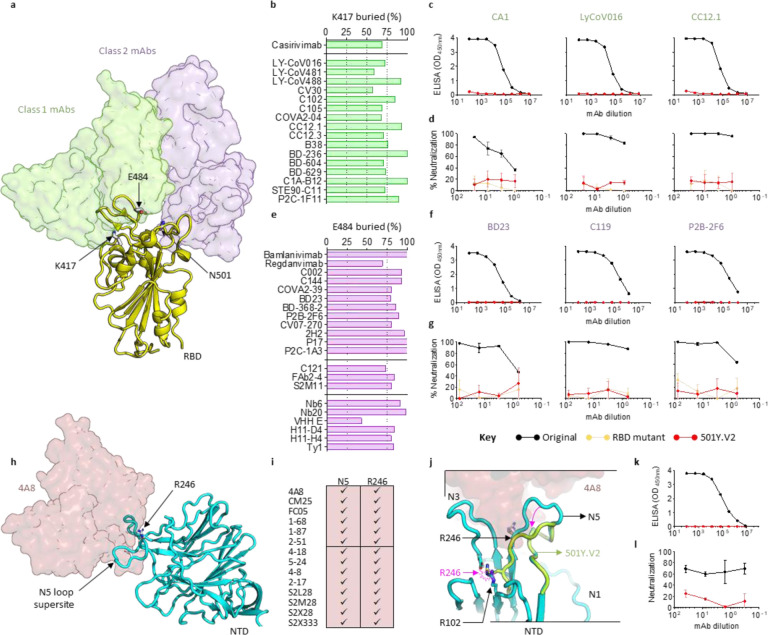
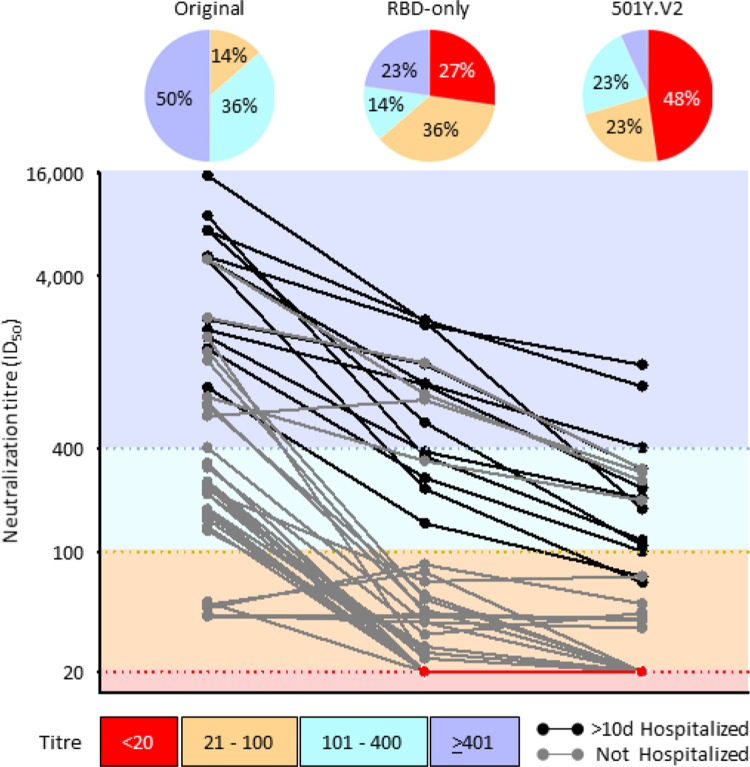
SARS-CoV-2 501Y.V2 (B.1.351), a novel lineage of coronavirus causing COVID-19, contains substitutions in two immunodominant domains of the spike protein. Here, we show that pseudovirus expressing 501Y.V2 spike protein completely escapes three classes of therapeutically relevant antibodies. This pseudovirus also exhibits substantial to complete escape from neutralization, but not binding, by convalescent plasma. These data highlight the prospect of reinfection with antigenically distinct variants and foreshadows reduced efficacy of spike-based vaccines.
Overview
The claims and statistics of this paper haven’t been checked yet.
Run the check — free, no account needed. It reads the open-access text and checks the sources it cites.
Integrity signals
Registry
Cites
Statistics
Figures
Verification
Claims the paper makes
The claims and statistics of this paper haven’t been checked yet.
Run the check — free, no account needed. It reads the open-access text and checks the sources it cites.
Claims other papers make about this one
Each is checked against this paper’s own text: does it say what the citing paper says it does?
The source backs part of the claim, not all of it — or backs it for a different population, condition or comparison.
In the citing paper
“Similarly, sera from PIDs who experienced symptomatic SARS-CoV-2 infection and who had detectable anti-RBD IgG titers before vaccination displayed generally weak nAb titers against Wuhan-Hu-1 at 1 to 9 months after infection and lower or nonexistent titers against the B.1.351 variants, in agreement with another study (69).”
From mRNA vaccination boosts cross-variant neutralizing antibodies elicited by SARS-CoV-2 infection (2021) · cites this paper as [69]
Experimental — accuracy not yet measuredThe source backs part of the claim, not all of it — or backs it for a different population, condition or comparison.
In the citing paper
“As previously reported for other vaccines29–33, the neutralizing antibody titres against certain SARS-CoV-2 variants, such as the B.1.351 (Beta) and B.1.617.2 (Delta) variants, were lower than those against the parental strain WA1/2020.”
From Optimization of non-coding regions for a non-modified mRNA COVID-19 vaccine (2022) · cites this paper as [32]
Experimental — accuracy not yet measuredIn the citing paper
“recent reports suggest that these variants are partially resistant to neutralization by monoclonal antibodies against spike protein, by convalescent plasma and, notably, by sera from participants who have received severe acute respiratory syndrome coronavirus 2 (SARS-CoV-2) vaccines91,94,95.”
From Prospects for durable immune control of SARS-CoV-2 and prevention of reinfection (2021) · cites this paper as [94]
In the citing paper
“The sensitivity of B.1.351 to neutralizing antibodies from convalescent donors infected with the prototype lineage virus, assessed with a spike-pseudovirus neutralization assay, indicated that 48% of serum samples were unable to neutralize B.1.351, with the rest showing a reduction in neutralization titers by a factor of 3 to 86.21”
From Efficacy of the ChAdOx1 nCoV-19 Covid-19 Vaccine against the B.1.351 Variant (2021) · cites this paper as [21]
In the citing paper
“In contrast, mutations in B.1.351 and P.1 variants are associated with the more pronounced loss of neutralizing capacity.15,16,22,23,25”
From Impact of SARS-CoV-2 variants on the total CD4+ and CD8+ T cell reactivity in infected or vaccinated individuals (2021) · cites this paper as [23]
In the citing paper
“Mutations in the B.1.351and P.1 strains, including E484K and K417N/T, are of high concern, since they partly compromise neutralization generated by previous infection or vaccination [23][24][25] or may increase inherent viral fitness.”
From Sensitivity of infectious SARS-CoV-2 B.1.1.7 and B.1.351 variants to neutralizing antibodies (2021) · cites this paper as [23]
In the citing paper
“The E484K mutation, which can mediate antibody escape of B.1.351and P.1 variants, has been recently detected in the B.1.1.7 lineage in the United Kingdom, and thus represents a major potential threat for previously immune populations.”
From Sensitivity of infectious SARS-CoV-2 B.1.1.7 and B.1.351 variants to neutralizing antibodies (2021) · cites this paper as [23]
In the citing paper
“In multiple studies, B.1.351 was the most resistant to neutralization by convalescent or vaccinee sera, with 6- to 15-fold less neutralization activity for sera from individuals immunized with vaccines based on the virus strain first described in January 2020 (Wuhan-Hu-1, spike also called WA1) (2–9).”
From Durability of mRNA-1273 vaccine–induced antibodies against SARS-CoV-2 variants (2021) · cites this paper as [6]
In the citing paper
“Most of these prior studies have evaluated sera from vaccinated individuals at time points soon after the first or second dose and have had limited data on the durability of such responses.”
From Durability of mRNA-1273 vaccine–induced antibodies against SARS-CoV-2 variants (2021) · cites this paper as [6]
In the citing paper
“Both the Beta and Delta variants are associated with decreased neutralization by some anti-receptor binding-domain (anti-RBD) and anti-N-terminal domain (anti-NTD) monoclonal antibodies though both Beta and Delta each remain responsive to at least one anti-RBD ( 8 , 9 , 21 ).”
From Increased risk of SARS-CoV-2 reinfection associated with emergence of Omicron in South Africa (2021) · cites this paper as [8]
In the citing paper
“In addition, Beta and Delta are relatively poorly neutralized by convalescent sera obtained from unvaccinated individuals infected with non-VOC virus ( 7 – 9 , 21 ).”
From Increased risk of SARS-CoV-2 reinfection associated with emergence of Omicron in South Africa (2021) · cites this paper as [8]
Self-check
Percentages, sums and reported differences re-computed from the paper’s own numbers.
The self-check needs the paper’s full text.
Citations
Cites
Berman, H. M. (2000) · Nucleic Acids Research · doi:10.1093/nar/28.1.235 · Cited by 40,196
A pneumonia outbreak associated with a new coronavirus of probable bat origin
Zhou, P., Yang, X.-L., Wang, X.-G., Hu, B., Zhang, L., Zhang, W., Si, H.-R., Zhu, Y., Li, B., Huang, C.-L., et al. (2020) · Nature · doi:10.1038/s41586-020-2012-7 · Cited by 21,969
The PyMOL Molecular Graphics System
DeLano, W. L. (2002) · Medical Entomology and Zoology · Cited by 18,147
Structure, function and antigenicity of the SARS-CoV-2 spike glycoprotein
Walls, A. C., Park, Y.-J., Tortorici, M. A., Wall, A., McGuire, A. T., & Veesler, D. (2020) · doi:10.1101/2020.02.19.956581 · Cited by 8,586
Korber, B., Fischer, W. M., Gnanakaran, S., Yoon, H., Theiler, J., Abfalterer, W., Hengartner, N., Giorgi, E. E., Bhattacharya, T., Foley, B., et al. (2020) · Cell · doi:10.1016/j.cell.2020.06.043 · Cited by 4,281
Nextstrain: real-time tracking of pathogen evolutionPreprint
Hadfield, J., Megill, C., Bell, S. M., et al. (2017) · bioRxiv · doi:10.1101/224048 · Cited by 3,172
Nextstrain: real-time tracking of pathogen evolution
Hadfield, J., Megill, C., Bell, S. M., Huddleston, J., Potter, B., Callender, C., Sagulenko, P., Bedford, T., & Neher, R. A. (2018) · Bioinformatics · doi:10.1093/bioinformatics/bty407 · Cited by 3,154
Structural and Functional Basis of SARS-CoV-2 Entry by Using Human ACE2
Wang, Q., Zhang, Y., Wu, L., Niu, S., Song, C., Zhang, Z., Lu, G., Qiao, C., Hu, Y., Yuen, K.-Y., et al. (2020) · Cell · doi:10.1016/j.cell.2020.03.045 · Cited by 2,892
Tegally, H., Wilkinson, E., Giovanetti, M., Iranzadeh, A., Fonseca, V., Giandhari, J., Doolabh, D., Pillay, S., San, E. J., Msomi, N., et al. (2020) · doi:10.1101/2020.12.21.20248640 · Cited by 2,535 · cited 1×
“N501Y has been shown to increase affinity for the human ACE2 receptor, which together with the repeated and independent evolution of 501Y containing lineages 25,26,31 , strongly argues for enhanced transmissibility of these new variants.”
Self-citationDetection of a SARS-CoV-2 variant of concern in South Africa
Tegally, H., Wilkinson, E., Giovanetti, M., Iranzadeh, A., Fonseca, V., Giandhari, J., Doolabh, D., Pillay, S., San, E. J., Msomi, N., et al. (2021) · Nature · doi:10.1038/s41586-021-03402-9 · Cited by 2,510
Self-citation
Cited by
Sorted by citations
Items 501–600 of 1,016
The challenge of emerging SARS-CoV-2 mutants to vaccine development
Li, R., Liu, J., & Zhang, H. (2021) · Journal of genetics and genomics/Journal of Genetics and Genomics · doi:10.1016/j.jgg.2021.03.001 · Cited by 25
Ferraz, M. V. F., Moreira, E. G., Coêlho, D. F., Wallau, G. L., & Lins, R. D. (2021) · Chemical Communications · doi:10.1039/d1cc01747k · Cited by 24
Istıflı, E. S., Netz, P. A., Tepe, A. S., Sarıkürkçü, C., & Tepe, B. (2021) · Journal of Biomolecular Structure and Dynamics · doi:10.1080/07391102.2021.1975569 · Cited by 24
Jodaylami, M. H., Djaïleb, A., Ricard, P., Lavallée, É., Cellier-Goetghebeur, S., Parker, M.-F., Coutu, J., Stuible, M., Gervais, C., Durocher, Y., et al. (2021) · Scientific Reports · doi:10.1038/s41598-021-00844-z · Cited by 28
Ahmed, S., Khan, M. S. A. A., Gayathri, S., Singh, R., Kumar, S., Patel, U. R., Malladi, S. K., Rajmani, R. S., van Vuren, P. J., Riddell, S., et al. (2021) · Frontiers in Immunology · doi:10.3389/fimmu.2021.765211 · Cited by 25
Jawalagatti, V., Kirthika, P., Hewawaduge, C., Yang, M., Park, J.-Y., Oh, B., & Lee, J. H. (2022) · Molecular Therapy · doi:10.1016/j.ymthe.2022.01.042 · Cited by 24
Genomic surveillance, evolution and global transmission of SARS-CoV-2 during 2019–2022
Sharif, N., Alzahrani, K. J., Ahmed, S. N., Khan, A., Banjer, H. J., Alzahrani, F. M., Parvez, A. K., & Dey, S. K. (2022) · PLoS ONE · doi:10.1371/journal.pone.0271074 · Cited by 26
Research progress in spike mutations of SARS‐CoV‐2 variants and vaccine development
He, X., He, C., Hong, W., Yang, H. J., & Wei, X. (2023) · Medicinal Research Reviews · doi:10.1002/med.21941 · Cited by 25
Wagner, R., Meißner, J., Grabski, E., Sun, Y., Vieths, S., & Hildt, E. (2021) · Allergy · doi:10.1111/all.14868 · Cited by 25
Virtanen, J. M. E., Uusitalo, R., Korhonen, E. M., Aaltonen, K., Smura, T., Kuivanen, S. H., Pakkanen, S. H., Mero, S., Patjas, A., Riekkinen, M., et al. (2021) · Viruses · doi:10.3390/v13060996 · Cited by 25
Ex vivo and in vivo suppression of SARS-CoV-2 with combinatorial AAV/RNAi expression vectors
Becker, J., Stanifer, M. L., Leist, S. R., Stolp, B., Maiakovska, O., West, A., Wiedtke, E., Börner, K., Ghanem, A., Ambiel, I., et al. (2022) · Molecular Therapy · doi:10.1016/j.ymthe.2022.01.024 · Cited by 25
Babajani, A., Moeinabadi‐Bidgoli, K., Niknejad, F., Rismanchi, H., Shafiee, S., Shariatzadeh, S., Jamshidi, E., Farjoo, M. H., & Niknejad, H. (2022) · Stem Cell Research & Therapy · doi:10.1186/s13287-022-02794-3 · Cited by 24
Effect of RBD mutations in spike glycoprotein of SARS-CoV-2 on neutralizing IgG affinityPreprint
Hayashi, T., Yaegashi, N., & Konishi, I. (2021) · Research Square · doi:10.1101/2021.01.28.21250577 · Cited by 24
Santiago, L., Uranga-Murillo, I., Arias, M. A., González‐Ramírez, A. M., Macías‐León, J., Moreo, E., Redrado, S., García‐García, A., Taleb, V., Lira‐Navarrete, E., et al. (2021) · Biology · doi:10.3390/biology10030208 · Cited by 23
COVID‐19: emergence and mutational diversification of SARS‐CoV‐2
Brüssow, H. (2021) · Microbial Biotechnology · doi:10.1111/1751-7915.13800 · Cited by 23
Shen, L., Bard, J. D., Triche, T. J., Judkins, A. R., Biegel, J. A., & Gai, X. (2021) · Emerging Microbes & Infections · doi:10.1080/22221751.2021.1943540 · Cited by 23
Morris, C. P., Luo, C. H., Amadi, A., Schwartz, M. C., Gallagher, N., Ray, S. C., Pekosz, A. S., & Mostafa, H. H. (2021) · Clinical Infectious Diseases · doi:10.1093/cid/ciab636 · Cited by 25
Genetic drift in the genome of SARS COV‐2 and its global health concern
Bano, I., Sharif, M., & Alam, S. (2021) · Journal of Medical Virology · doi:10.1002/jmv.27337 · Cited by 23
Assessment of the COVID-19 epidemiological situation in St. Petersburg
Акимкин, В. Г., Кузин, С. Н., Николаевна, К. Е., Kudryavtseva, E. N., Семененко, Т. А., Плоскирева, А. А., Васильевич, Д. Д., Tivanova, E. V., Pshenichnaya, N. Y., Kalenskaya, A. V., et al. (2021) · Journal of microbiology epidemiology immunobiology · doi:10.36233/0372-9311-154 · Cited by 23
Pasquale, A. D., Radomski, N., Mangone, I., Calistri, P., Lorusso, A., & Cammà, C. (2021) · BMC Genomics · doi:10.1186/s12864-021-08112-0 · Cited by 23
Why are some coronavirus variants more infectious?
Mukherjee, R., & Satardekar, R. (2021) · Journal of Biosciences · doi:10.1007/s12038-021-00221-y · Cited by 23
Effects of simeprevir on the replication of SARS-CoV-2 in vitro and in transgenic hACE2 mice
Muturi, E., Hong, W., Li, J., Yang, W., He, J., Wei, H., & Yang, H. (2021) · International Journal of Antimicrobial Agents · doi:10.1016/j.ijantimicag.2021.106499 · Cited by 23
Chibwana, M. G., Moyo-Gwete, T., Kwatra, G., Mandolo, J. J., Hermanaus, T., Motlou, T. P., Mzindle, N. B., Ayres, F., Chaponda, M., Tembo, G., et al. (2022) · BMC Medicine · doi:10.1186/s12916-022-02342-z · Cited by 23
Self-citationMadhi, S. A., Kwatra, G., Richardson, S. I., Koen, A. L., Baillie, V. L., Cutland, C., Fairlie, L., Padayachee, S. D., Dheda, K. U. J., Barnabas, S. L., et al. (2022) · The Lancet Infectious Diseases · doi:10.1016/s1473-3099(22)00596-5 · Cited by 25
Self-citationUnderwood, A. P., Sølund, C. S., Fernandez-Antunez, C., Villadsen, S. L., Winckelmann, A. A., Bollerup, S., Mikkelsen, L. S., Sørensen, A.-L., Feng, S., Fahnøe, U., et al. (2021) · EBioMedicine · doi:10.1016/j.ebiom.2021.103519 · Cited by 23
Addetia, A., Park, Y., Starr, T. N., Greaney, A. J., Sprouse, K. R., Bowen, J. E., Tilles, S. W., Voorhis, W. C. V., Bloom, J. D., Corti, D., et al. (2023) · Cell Reports · doi:10.1016/j.celrep.2023.112621 · Cited by 24
SARS-CoV-2 ferritin nanoparticle vaccines elicit broad SARS coronavirus immunogenicityPreprint
Joyce, M. G., Chen, W.-H., Sankhala, R. S., Hajduczki, A., Thomas, P. V., Choe, M., Chang, W., Peterson, C. E., Martinez, E., Morrison, E. B., et al. (2021) · bioRxiv (Cold Spring Harbor Laboratory) · doi:10.1101/2021.05.09.443331 · Cited by 23
Roth, N., Schön, J., Hoffmann, D., Thran, M., Thess, A., Mueller, S. O., Petsch, B., & Rauch, S. (2022) · Vaccines · doi:10.3390/vaccines10081251 · Cited by 22
Overview of approved and upcoming vaccines for SARS-CoV-2: a living review
Alderson, J., Batchelor, V., O’Hanlon, M., Cifuentes, L., Richter, F. C., & Kopycinski, J. T. (2021) · Oxford Open Immunology · doi:10.1093/oxfimm/iqab010 · Cited by 22
Furukawa, K., Tjan, L. H., Sutandhio, S., Kurahashi, Y., Iwata, S., Tohma, Y., Sano, S., Nakamura, S., Nishimura, M., Arii, J., et al. (2021) · Open Forum Infectious Diseases · doi:10.1093/ofid/ofab430 · Cited by 22
Colson, P., Devaux, C. A., Lagier, J., Gautret, P., & Raoult, D. (2021) · Journal of Clinical Medicine · doi:10.3390/jcm10153276 · Cited by 22
Socher, E., Conrad, M., Heger, L., Paulsen, F. P., Sticht, H., Zunke, F., & Arnold, P. (2021) · Journal of Cellular Biochemistry · doi:10.1002/jcb.30142 · Cited by 22
Shefer, S., Robin, A., Chemodanov, A., Lebendiker, M., Bostwick, R. J., Rasmussen, L. A., Lishner, M., Gozin, M., & Golberg, A. (2021) · PeerJ · doi:10.7717/peerj.12398 · Cited by 23
Habibzadeh, F., Sajadi, M. M., Chumakov, K., Yadollahie, M., Kottilil, S., Simi, A., Stafford, K., Saeidimehr, S., Rafiei, M., & Gallo, R. C. (2021) · JAMA Network Open · doi:10.1001/jamanetworkopen.2021.35044 · Cited by 20
Long, Y., Sun, J., Song, T., Liu, T., Tang, F., Zhang, X., Ding, L., Miao, Y., Zhu, W., Pan, X., et al. (2022) · Cell Discovery · doi:10.1038/s41421-021-00370-2 · Cited by 22
Developing Pseudovirus-Based Neutralization Assay against Omicron-Included SARS-CoV-2 Variants
Sun, H., Xu, J., Zhang, G., Han, J., Hao, M., Chen, Z., Fang, T., Chi, X., & Yu, C. (2022) · Viruses · doi:10.3390/v14061332 · Cited by 24
Potent monoclonal antibodies neutralize Omicron sublineages and other SARS-CoV-2 variants
Chen, Z., Zhang, P., Matsuoka, Y., Tsybovsky, Y., West, K. A., Santos, C. P., Boyd, L. F., Nguyen, H., Pomerenke, A., Stephens, T., et al. (2022) · Cell Reports · doi:10.1016/j.celrep.2022.111528 · Cited by 23
Upgrading nirmatrelvir to inhibit SARS-CoV-2 Mpro via DeepFrag and free energy calculations
Tâm, N. M., Nguyen, T. H., Pham, M. Q., Hong, N. D., Tùng, N. T., Vu, V. V., Quang, D. T., & Ngô, S. T. (2023) · Journal of Molecular Graphics and Modelling · doi:10.1016/j.jmgm.2023.108535 · Cited by 22
Rapid intra-host diversification and evolution of SARS-CoV-2 in advanced HIV infection
Ko, S. H., Radecki, P. E., Belinky, F., Bhiman, J. N., Meiring, S. T., Kleynhans, J., Amoako, D. G., Canedo, V. G., Lucas, M., Kekana, D., et al. (2024) · Nature Communications · doi:10.1038/s41467-024-51539-8 · Cited by 22
Self-citationda Silva, K. N., Gobatto, A. L. N., Costa‐Ferro, Z. S. M., Cavalcante, B. R. R., Caria, A. C. I., França, L. S. D. A., Nonaka, C. K. V., Lima, F. D. M., Lopes‐Pacheco, M., Rocco, P. R. M., et al. (2021) · Stem Cell Research & Therapy · doi:10.1186/s13287-021-02502-7 · Cited by 22
Beeraka, N. M., Sukocheva, O. A., Lukina, E., Liu, J., & Fan, R. (2022) · Reviews in Medical Virology · doi:10.1002/rmv.2346 · Cited by 23
Fiolet, T., Kherabi, Y., MacDonald, C. J., Ghosn, J., & Peiffer‐Smadja, N. (2021) · OSF Preprints (OSF Preprints) · doi:10.31219/osf.io/z4x7t · Cited by 22
Pattabiraman, C., Prasad, P., George, A. K., Sreenivas, D., Rasheed, R., Reddy, N. V. K., Desai, A. S., & Ravi, V. (2021) · Wellcome Open Research · doi:10.12688/wellcomeopenres.16768.1 · Cited by 21
Yinda, C. K., Port, J. R., Bushmaker, T., Fischer, R. J., Schulz, J. E., Holbrook, M. G., Shaia, C., de Wit, E., van Doremalen, N., & Munster, V. J. (2021) · Emerging Microbes & Infections · doi:10.1080/22221751.2021.1943539 · Cited by 21
Jaafar, R., Boschi, C., Aherfi, S., Bancod, A., Bideau, M. L., Edouard, S., Colson, P., Chahinian, H., Raoult, D., Yahi, N., et al. (2021) · Viruses · doi:10.3390/v13112177 · Cited by 22
Mallano, A., Ascione, A., & Flego, M. (2021) · International Reviews of Immunology · doi:10.1080/08830185.2021.1929205 · Cited by 22
Zhong, L. L. D., Zhu, L., & Cai, Z. (2021) · Journal of Analysis and Testing · doi:10.1007/s41664-021-00197-6 · Cited by 22
Ravichandran, S., Grubbs, G., Tang, J., Lee, Y., Huang, C., Golding, H., & Khurana, S. (2021) · Science Advances · doi:10.1126/sciadv.abi6533 · Cited by 22
Jeda, A. S., Abbassi, S., Mousavizadeh, A., Esghaie, M., Bokharaei‐Salim, F., Jeddi, F., Shafaati, M., & Abdoli, A. (2021) · International Immunopharmacology · doi:10.1016/j.intimp.2021.108232 · Cited by 22
Humayun, F., Cai, Y., Khan, A., Farhan, S. A., Khan, F., Rana, U. I., Qamar, A. B., Fawad, N., Shamas, S., & Wei, D. (2021) · Computers in Biology and Medicine · doi:10.1016/j.compbiomed.2021.105122 · Cited by 21
More Than Just Gene Therapy Vectors: Lentiviral Vector Pseudotypes for Serological Investigation
Toon, K., Bentley, E. M., & Mattiuzzo, G. (2021) · Viruses · doi:10.3390/v13020217 · Cited by 23
Potential SARS-CoV-2 vaccines: Concept, progress, and challenges
Hosseini, S. A., Zahedipour, F., Mirzaei, H., & Oskuee, R. K. (2021) · International Immunopharmacology · doi:10.1016/j.intimp.2021.107622 · Cited by 26
Imai, N., Hogan, A. B., Williams, L. R., Cori, A., Mangal, T. D., Winskill, P., Whittles, L. K., Watson, O. J., Knock, E., Baguelin, M., et al. (2021) · Wellcome Open Research · doi:10.12688/wellcomeopenres.16992.1 · Cited by 21
Rais, Y., Fu, Z., & Drabovich, A. P. (2021) · Clinical Proteomics · doi:10.1186/s12014-021-09325-x · Cited by 23
Alves, J., Engel, L., Cabral, R. D. V., Rodrigues, E. L., Ribeiro, L. D. J., Higa, L. M., Júnior, O. D. C. F., Castiñeiras, T. M. P. P., Leitão, I. D. C., Tanuri, A., et al. (2021) · Scientific Reports · doi:10.1038/s41598-021-97330-3 · Cited by 21
Chandrashekar, A., Liu, J., Yu, J., McMahan, K., Tostanoski, L. H., Jacob-Dolan, C., Mercado, N. B., Anioke, T., Chang, A., Gardner, S., et al. (2021) · Science Translational Medicine · doi:10.1126/scitranslmed.abj2641 · Cited by 22
Temporal spread and evolution of SARS‐CoV‐2 in the second pandemic wave in Brazil
Wolf, J. M., Kipper, D., Borges, G. R., Streck, A. F., & Lunge, V. R. (2021) · Journal of Medical Virology · doi:10.1002/jmv.27371 · Cited by 21
Molecular variants of SARS-CoV-2: antigenic properties and current vaccine efficacy
Damavandi, A. R., Dowran, R., Sharif, S. A., Kashanchi, F., & Jafari, R. (2022) · Medical Microbiology and Immunology · doi:10.1007/s00430-022-00729-6 · Cited by 21
Logue, J., Johnson, R. M., Patel, N., Zhou, B., Maciejewski, S. M., Foreman, B. M., Zhou, H., Portnoff, A. D., Tian, J.-H., Rehman, A., et al. (2023) · Nature Communications · doi:10.1038/s41467-022-35606-6 · Cited by 21
Yoshida, A., Okamura, S., Torii, S., Komatsu, S., Miyazato, P., Sasaki, H., Ueno, S., Suzuki, H., Kamitani, W., Ono, C., et al. (2022) · iScience · doi:10.1016/j.isci.2022.105412 · Cited by 20
Chen, Y., Zhu, L., Huang, W., Tong, X., Wu, H., Tao, Y., Tong, B., Huang, H., Chen, J., Zhao, X., et al. (2021) · Emerging Microbes & Infections · doi:10.1080/22221751.2021.1942227 · Cited by 20
Tang, J., Grubbs, G., Lee, Y., Huang, C., Ravichandran, S., Forgacs, D., Golding, H., Ross, T. M., & Khurana, S. (2021) · EBioMedicine · doi:10.1016/j.ebiom.2021.103748 · Cited by 20
Zhang, R., Liu, D., Leung, K., Fan, Y., Lu, L., Chan, P.-C., To, K. K., Chen, H., Yuen, K., Chan, K., et al. (2022) · Vaccines · doi:10.3390/vaccines10010072 · Cited by 20
Fast detection of SARS-CoV-2 variants including Omicron using one-step RT-PCR and Sanger sequencing
Bloemen, M., Rector, A., Swinnen, J., Ranst, M. A. V., Maes, P., Vanmechelen, B., & Wollants, E. (2022) · Journal of Virological Methods · doi:10.1016/j.jviromet.2022.114512 · Cited by 20
Buchwald, P. (2022) · Frontiers in Drug Discovery · doi:10.3389/fddsv.2022.898035 · Cited by 20
Human-to-dog transmission of SARS-CoV-2, Colombia
Rivero, R., Garay, E., Botero, Y., Coll, H. A. S., Gastelbondo, B., Muñoz, M., Ballesteros, N., Castañeda, S., Patiño, L. H., Ramírez, J. D., et al. (2022) · Scientific Reports · doi:10.1038/s41598-022-11847-9 · Cited by 20
HIV skews the SARS-CoV-2 B cell response towards an extrafollicular maturation pathway
Krause, R., Snyman, J., Hwa, S.-H., Muema, D., Karim, F., Ganga, Y., Ngoepe, A., Zungu, Y., Gazy, I., Bernstein, M. P., et al. (2022) · eLife · doi:10.7554/elife.79924 · Cited by 21
Development of Next Generation Vaccines against SARS-CoV-2 and Variants of Concern
Yahaya, A. A. A.-F. B., Khalid, K., Lim, H. X., & Poh, C. L. (2023) · Viruses · doi:10.3390/v15030624 · Cited by 20
Beyond the new normal: Assessing the feasibility of vaccine-based suppression of SARS-CoV-2
Stoddard, M., Sarkar, S., Lin, Y., Nolan, R. P., White, D. E., White, L. F., Hochberg, N. S., & Chakravarty, A. (2021) · PLoS ONE · doi:10.1371/journal.pone.0254734 · Cited by 21
Trujillo, M., Cheung, K., Gao, A., Hoxie, I., Kannoly, S., Kubota, N., San, K. M., Smyth, D. S., & Dennehy, J. J. (2021) · PLoS ONE · doi:10.1371/journal.pone.0257454 · Cited by 20
Tamming, L. A., Duque, D., Tran, A., Zhang, W., Pfeifle, A., Laryea, E., Wu, J., Raman, S. N. T., Gravel, C., Russell, M. S., et al. (2022) · Frontiers in Immunology · doi:10.3389/fimmu.2021.785349 · Cited by 20
Are There Hidden Genes in DNA/RNA Vaccines?
Beaudoin, C. A., Bartas, M., Volná, A., Pečínka, P., & Blundell, T. L. (2022) · Frontiers in Immunology · doi:10.3389/fimmu.2022.801915 · Cited by 21
Lessons from SARS-CoV, MERS-CoV, and SARS-CoV-2 Infections: What We Know So Far
Alsafi, R. (2022) · Canadian Journal of Infectious Diseases and Medical Microbiology · doi:10.1155/2022/1156273 · Cited by 24
Antibody-mediated immunity to SARS-CoV-2 spike
Errico, J. M., Adams, L. J., & Fremont, D. H. (2022) · Advances in immunology · doi:10.1016/bs.ai.2022.07.001 · Cited by 22
Bieniasz, P. D. (2021) · Clinical Infectious Diseases · doi:10.1093/cid/ciab070 · Cited by 22
Richard, D., Shaw, L. P., Lanfear, R., Corbett-Detig, R. B., Hinrichs, A. S., McBroome, J., Turakhia, Y., Acman, M., Owen, C. J., Tan, C. C. S., et al. (2021) · bioRxiv (Cold Spring Harbor Laboratory) · doi:10.1101/2021.05.06.442903 · Cited by 20
Anand, K., Vadivalagan, C., Joseph, J. S., Singh, S. K., Gulati, M., Shahbaaz, M., Abdellattif, M. H., Prasher, P., Gupta, G., Chellappan, D. K., et al. (2021) · Chemico-Biological Interactions · doi:10.1016/j.cbi.2021.109497 · Cited by 19
Anantharaj, A., Gujjar, S., Kumar, S., Verma, N., Wangchuk, J., Khan, N. A., Panwar, A., Kanakan, A., Vivekanand, A., Vasudevan, J. S., et al. (2021) · Journal of Clinical Virology · doi:10.1016/j.jcv.2021.105060 · Cited by 19
Byazrova, M. G., Kulemzin, S. V., Astakhova, E. A., Николаевна, Б. Т., Efimov, G. A., Chikaev, A. N., Kolotygin, I. O., Gorchakov, A. A., Taranin, A. V., & Filatov, A. V. (2022) · Frontiers in Immunology · doi:10.3389/fimmu.2022.840707 · Cited by 19
SARS-CoV-2 receptor binding domain fusion protein efficiently neutralizes virus infection
Chaouat, A. E., Achdout, H., Kol, I., Berhani, O., Roi, G., Vitner, E. B., Melamed, S., Politi, B., Zahavy, E., Brizić, I., et al. (2021) · PLoS Pathogens · doi:10.1371/journal.ppat.1010175 · Cited by 20
O’Kennedy, M. M., Abolnik, C., Smith, T., Motlou, T. P., Goosen, K., Sepotokele, K. M., Roth, R., du Preez, I., Truyts, A., Stark, H. C., et al. (2023) · Vaccine · doi:10.1016/j.vaccine.2023.02.050 · Cited by 20
Self-citationSARS-CoV-2 variants: Subversion of antibody response and predicted impact on T cell recognition
Altmann, D. M., Reynolds, C. J., & Boyton, R. J. (2021) · Cell Reports Medicine · doi:10.1016/j.xcrm.2021.100286 · Cited by 19
The role of single-domain antibodies (or nanobodies) in SARS-CoV-2 neutralization
Zebardast, A., Hosseini, P., Hasanzadeh, A., & Latifi, T. (2021) · Molecular Biology Reports · doi:10.1007/s11033-021-06819-7 · Cited by 19
Structural basis of nanobodies neutralizing SARS-CoV-2 variants
Shi, Z., Li, X., Wang, L., Sun, Z., Zhang, H., Chen, X., Cui, Q., Qiao, H., Lan, Z., Zhang, X., et al. (2022) · Structure · doi:10.1016/j.str.2022.02.011 · Cited by 19
Immunogenicity of Ad26.COV2.S vaccine against SARS-CoV-2 variants in humans
Alter, G., Yu, J., Liu, J., Chandrashekar, A., Borducchi, E. N., Tostanoski, L. H., McMahan, K., Jacob-Dolan, C., Martinez, D., Chang, A., et al. (2021) · immuneACCESS · doi:10.21417/ga2021n · Cited by 19
Roth, N., Schön, J., Hoffmann, D., Thran, M., Thess, A., Mueller, S. O., Petsch, B., & Rauch, S. (2021) · doi:10.1101/2021.05.13.443734 · Cited by 18
Seow, J., Graham, C., Hallett, S. R., Lechmere, T., Maguire, T. J. A., Huettner, I., Cox, D., Khan, H., Pickering, S., Roberts, R., et al. (2022) · Cell Reports · doi:10.1016/j.celrep.2022.110757 · Cited by 18
Upadhyay, V., Patrick, C., Lucas, A., & Mallela, K. M. G. (2022) · Biochemistry · doi:10.1021/acs.biochem.2c00132 · Cited by 17
A Comprehensive Review on the Current Vaccines and Their Efficacies to Combat SARS-CoV-2 Variants
Rabaan, A. A., Mutair, A. S. A., Hajissa, K., Alfaraj, A. H., Al-Jishi, J. M., Alhajri, M. M., Alwarthan, S. M., Alsuliman, S. A., Al-Najjar, A. H., Al-Zaydani, I. A., et al. (2022) · Vaccines · doi:10.3390/vaccines10101655 · Cited by 18
Richardson, S. I., Kgagudi, P., Manamela, N. P., Kaldine, H., Venter, E. M., Pillay, T., Lambson, B. E., van der Mescht, M. A., Hermanus, T., Balla, S. R., et al. (2022) · Cell Reports Medicine · doi:10.1016/j.xcrm.2022.100910 · Cited by 18
Self-citationStreblow, D. N., Hirsch, A. J., Stanton, J., Lewis, A. D., Colgin, L., Hessell, A., Kreklywich, C., Smith, J. L., Sutton, W. F., Chauvin, D., et al. (2023) · Nature Communications · doi:10.1038/s41467-023-42440-x · Cited by 18
Gooch, K. E., Smith, T. R. F., Salguero, F. J., Fotheringham, S. A., Watson, R. J., Dennis, M. J., Handley, A., Humphries, H. E., Longet, S., Tipton, T., et al. (2021) · Vaccine · doi:10.1016/j.vaccine.2021.06.057 · Cited by 18
Deep Mutational Scanning of Viral Glycoproteins and Their Host Receptors
Narayanan, K. K., & Procko, E. (2021) · Frontiers in Molecular Biosciences · doi:10.3389/fmolb.2021.636660 · Cited by 18
Nguyen, K. V. (2021) · Nucleosides Nucleotides & Nucleic Acids · doi:10.1080/15257770.2021.1914851 · Cited by 18
Vanhove, B., Marot, S., So, R. T. Y., Gaborit, B. J., Evanno, G., Malet, I., Lafrogne, G., Mevel, E., Ciron, C., Royer, P., et al. (2021) · Frontiers in Immunology · doi:10.3389/fimmu.2021.761250 · Cited by 20
An update on host immunity correlates and prospects of re-infection in COVID-19
Negi, N., Maurya, S. P., Singh, R., & Das, B. K. (2021) · International Reviews of Immunology · doi:10.1080/08830185.2021.2019727 · Cited by 20
SARS-CoV-2 and Coronavirus Disease Mitigation: Treatment Options, Vaccinations and Variants
Khamees, A., Bani-Issa, J., Zoubi, M. S. A., Qasem, T., Alarjah, M. I. A., Alawadin, S. A., Al‐Shami, K., Hussein, F. H., Hussein, E. I., Bashayreh, I. H., et al. (2022) · Pathogens · doi:10.3390/pathogens11020275 · Cited by 19
Shared N417-Dependent Epitope on the SARS-CoV-2 Omicron, Beta, and Delta Plus Variants
Moyo-Gwete, T., Madzivhandila, M., Mkhize, N. N., Kgagudi, P., Ayres, F., Lambson, B. E., Manamela, N. P., Richardson, S. I., Makhado, Z., van der Mescht, M. A., et al. (2022) · Journal of Virology · doi:10.1128/jvi.00558-22 · Cited by 18
Self-citationModelling optimal lockdowns with waning immunity
Goenka, A., Liu, L., & Nguyen, M. (2022) · Economic Theory · doi:10.1007/s00199-022-01468-8 · Cited by 18
Variantes emergentes do SARS-CoV-2 e suas implicações na saúde coletiva
Freitas, A. R. R., Giovanetti, M., & Alcantara, L. C. J. (2021) · InterAmerican Journal of Medicine and Health · doi:10.31005/iajmh.v4i.181 · Cited by 24
Metadata
- Authors
- Wibmer, C. K., Ayres, F., Hermanus, T., Madzivhandila, M., Kgagudi, P., Oosthuysen, B., Lambson, B. E., de Oliveira, T., Vermeulen, M., van der Berg, K., Rossouw, T., Boswell, M., Ueckermann, V., Meiring, S., von Gottberg, A., Cohen, C., Morris, L., Bhiman, J. N., & Moore, P. L.
- Affiliations
- National Health Laboratory Service (ZA)
- South African National Blood Service (ZA)
- University of Pretoria (ZA)
- Steve Biko Hospital (ZA)
- Corresponding author
- Moore, Penny L.
- ORCID
- Venue
- Nature Medicine
- Published
- 2021-03-02
- Volume
- 27
- Issue
- 4
- Pages
- 622-625
- ISSN
- 1078-8956 (ISSN-L)
- 1546-170X
- PMC
- PMC7836116
- OpenAlex
- W3133794453
- Cited by
- 1,147
- References
- 38
- Citations by year
- 2026: 10 · 2025: 29 · 2024: 58 · 2023: 97 · 2022: 314 · 2021: 634
- FWCI
- 87.41
- Type
- journal article
- Language
- en
- Open access
- bronze
- doi.org
- Licence
- Locations
- Nature Medicine (publishedVersion)
- bioRxiv (Cold Spring Harbor Laboratory) (acceptedVersion, cc-by-nd)
- PubMed (publishedVersion)
- Europe PMC (PubMed Central) (submittedVersion, cc-by-nd)
- PubMed Central (submittedVersion, cc-by-nd)
- UpSpace Institutional Repository (University of Pretoria) (submittedVersion)
- Funders
- Wellcome Trust (221003/Z/20/Z, 221003)
- Government of the United Kingdom
- Royal Society
- National Research Foundation (98341)
- South African Medical Research Council (98341, SHIPNCD 76756, 96825)
- Department of Science and Technology, Ministry of Science and Technology, India
- African Academy of Sciences
- National Institutes of Health (98341, COVID-19)
- Centers for Disease Control and Prevention (5 U01IP001048-05-00, U01IP001048)
- Medical Research Council (COVID-19)
- Fogarty International Center (R21TW011454, D43TW010345)
- Topics
- Health Sciences › Medicine › Infectious Diseases › SARS-CoV-2 and COVID-19 Research
- Life Sciences › Agricultural and Biological Sciences › Animal Science and Zoology › Animal Virus Infections Studies
- Life Sciences › Biochemistry, Genetics and Molecular Biology › Molecular Biology › vaccines and immunoinformatics approaches
- Keywords
- SARS-CoV-2, B.1.351 variant, spike protein mutations, antibody escape, neutralization, convalescent plasma, monoclonal antibodies, reinfection, vaccine efficacy, pseudovirus, spike protein binding
About these checks
Registry, retraction, Cites and statistics results are computed, not judged, with one exception: a printed reference that no index lists is read once by a model before it counts as a citation error. Claims are extracted by a model and kept only when their quote appears verbatim in the text; each cited source is then checked, with a model’s help, for whether it says what the claim relies on. Those verdicts can be wrong — read the claim’s quote and the cited source before relying on one.
Statistics and arithmetic are recomputed, not judged.
Confidence bands are shown only for fields calibrated on our annotated test set. None is calibrated yet, so no band is shown.
What counts as a claim ›How we measure confidence ›How we check this ›
Are you an author, or do you see a problem with this page? Request a review
