

The DOI matches its Crossref record; 54 of the 54 references it cites were found in a registry or an index.
SARS-CoV-2 501Y.V2 escapes neutralization by South African COVID-19 donor plasma
Open accessPublished version of a preprint
Abstract
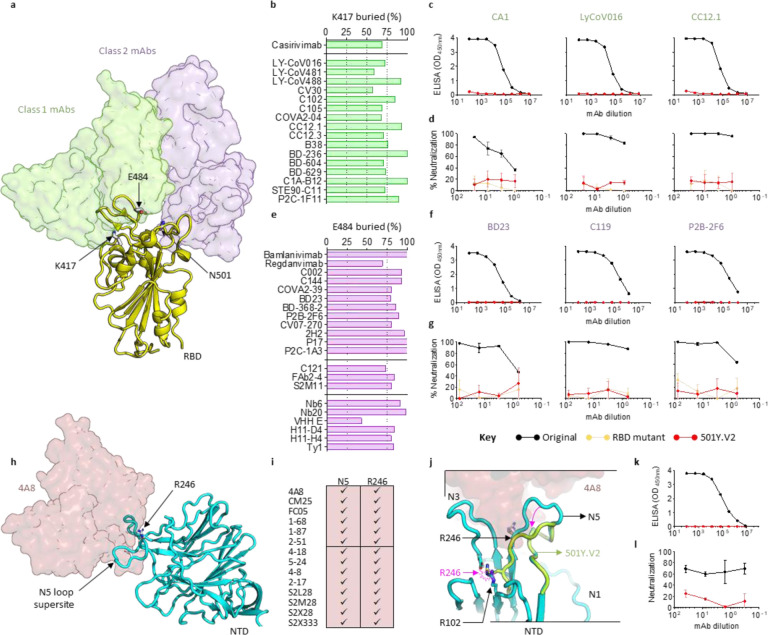
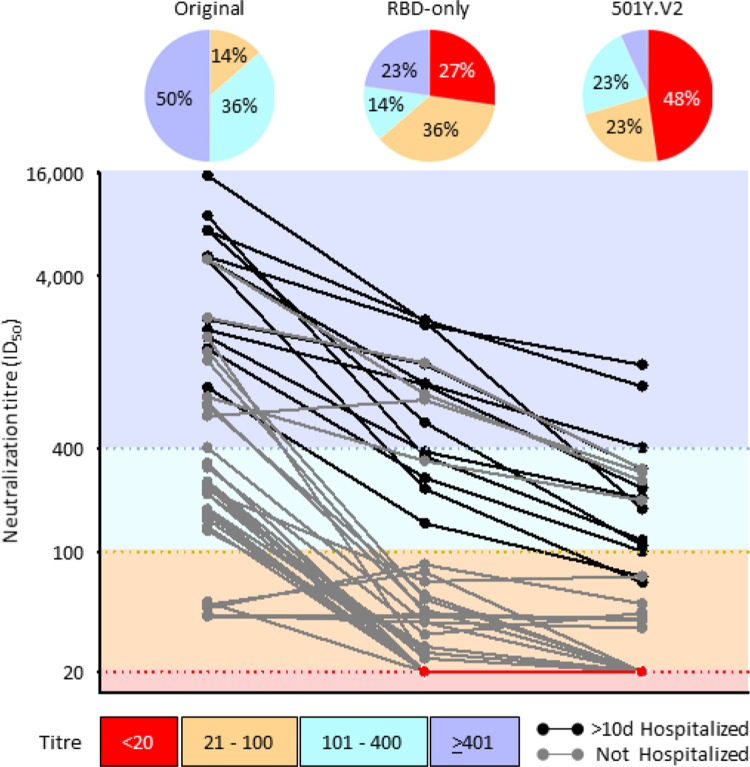
SARS-CoV-2 501Y.V2 (B.1.351), a novel lineage of coronavirus causing COVID-19, contains substitutions in two immunodominant domains of the spike protein. Here, we show that pseudovirus expressing 501Y.V2 spike protein completely escapes three classes of therapeutically relevant antibodies. This pseudovirus also exhibits substantial to complete escape from neutralization, but not binding, by convalescent plasma. These data highlight the prospect of reinfection with antigenically distinct variants and foreshadows reduced efficacy of spike-based vaccines.
Overview
The claims and statistics of this paper haven’t been checked yet.
Run the check — free, no account needed. It reads the open-access text and checks the sources it cites.
Integrity signals
Registry
Cites
Statistics
Figures
Verification
Claims the paper makes
The claims and statistics of this paper haven’t been checked yet.
Run the check — free, no account needed. It reads the open-access text and checks the sources it cites.
Claims other papers make about this one
Each is checked against this paper’s own text: does it say what the citing paper says it does?
The source backs part of the claim, not all of it — or backs it for a different population, condition or comparison.
In the citing paper
“Similarly, sera from PIDs who experienced symptomatic SARS-CoV-2 infection and who had detectable anti-RBD IgG titers before vaccination displayed generally weak nAb titers against Wuhan-Hu-1 at 1 to 9 months after infection and lower or nonexistent titers against the B.1.351 variants, in agreement with another study (69).”
From mRNA vaccination boosts cross-variant neutralizing antibodies elicited by SARS-CoV-2 infection (2021) · cites this paper as [69]
Experimental — accuracy not yet measuredThe source backs part of the claim, not all of it — or backs it for a different population, condition or comparison.
In the citing paper
“As previously reported for other vaccines29–33, the neutralizing antibody titres against certain SARS-CoV-2 variants, such as the B.1.351 (Beta) and B.1.617.2 (Delta) variants, were lower than those against the parental strain WA1/2020.”
From Optimization of non-coding regions for a non-modified mRNA COVID-19 vaccine (2022) · cites this paper as [32]
Experimental — accuracy not yet measuredIn the citing paper
“recent reports suggest that these variants are partially resistant to neutralization by monoclonal antibodies against spike protein, by convalescent plasma and, notably, by sera from participants who have received severe acute respiratory syndrome coronavirus 2 (SARS-CoV-2) vaccines91,94,95.”
From Prospects for durable immune control of SARS-CoV-2 and prevention of reinfection (2021) · cites this paper as [94]
In the citing paper
“The sensitivity of B.1.351 to neutralizing antibodies from convalescent donors infected with the prototype lineage virus, assessed with a spike-pseudovirus neutralization assay, indicated that 48% of serum samples were unable to neutralize B.1.351, with the rest showing a reduction in neutralization titers by a factor of 3 to 86.21”
From Efficacy of the ChAdOx1 nCoV-19 Covid-19 Vaccine against the B.1.351 Variant (2021) · cites this paper as [21]
In the citing paper
“In contrast, mutations in B.1.351 and P.1 variants are associated with the more pronounced loss of neutralizing capacity.15,16,22,23,25”
From Impact of SARS-CoV-2 variants on the total CD4+ and CD8+ T cell reactivity in infected or vaccinated individuals (2021) · cites this paper as [23]
In the citing paper
“Mutations in the B.1.351and P.1 strains, including E484K and K417N/T, are of high concern, since they partly compromise neutralization generated by previous infection or vaccination [23][24][25] or may increase inherent viral fitness.”
From Sensitivity of infectious SARS-CoV-2 B.1.1.7 and B.1.351 variants to neutralizing antibodies (2021) · cites this paper as [23]
In the citing paper
“The E484K mutation, which can mediate antibody escape of B.1.351and P.1 variants, has been recently detected in the B.1.1.7 lineage in the United Kingdom, and thus represents a major potential threat for previously immune populations.”
From Sensitivity of infectious SARS-CoV-2 B.1.1.7 and B.1.351 variants to neutralizing antibodies (2021) · cites this paper as [23]
In the citing paper
“In multiple studies, B.1.351 was the most resistant to neutralization by convalescent or vaccinee sera, with 6- to 15-fold less neutralization activity for sera from individuals immunized with vaccines based on the virus strain first described in January 2020 (Wuhan-Hu-1, spike also called WA1) (2–9).”
From Durability of mRNA-1273 vaccine–induced antibodies against SARS-CoV-2 variants (2021) · cites this paper as [6]
In the citing paper
“Most of these prior studies have evaluated sera from vaccinated individuals at time points soon after the first or second dose and have had limited data on the durability of such responses.”
From Durability of mRNA-1273 vaccine–induced antibodies against SARS-CoV-2 variants (2021) · cites this paper as [6]
In the citing paper
“Both the Beta and Delta variants are associated with decreased neutralization by some anti-receptor binding-domain (anti-RBD) and anti-N-terminal domain (anti-NTD) monoclonal antibodies though both Beta and Delta each remain responsive to at least one anti-RBD ( 8 , 9 , 21 ).”
From Increased risk of SARS-CoV-2 reinfection associated with emergence of Omicron in South Africa (2021) · cites this paper as [8]
In the citing paper
“In addition, Beta and Delta are relatively poorly neutralized by convalescent sera obtained from unvaccinated individuals infected with non-VOC virus ( 7 – 9 , 21 ).”
From Increased risk of SARS-CoV-2 reinfection associated with emergence of Omicron in South Africa (2021) · cites this paper as [8]
Self-check
Percentages, sums and reported differences re-computed from the paper’s own numbers.
The self-check needs the paper’s full text.
Citations
Cites
Berman, H. M. (2000) · Nucleic Acids Research · doi:10.1093/nar/28.1.235 · Cited by 40,196
A pneumonia outbreak associated with a new coronavirus of probable bat origin
Zhou, P., Yang, X.-L., Wang, X.-G., Hu, B., Zhang, L., Zhang, W., Si, H.-R., Zhu, Y., Li, B., Huang, C.-L., et al. (2020) · Nature · doi:10.1038/s41586-020-2012-7 · Cited by 21,969
The PyMOL Molecular Graphics System
DeLano, W. L. (2002) · Medical Entomology and Zoology · Cited by 18,147
Structure, function and antigenicity of the SARS-CoV-2 spike glycoprotein
Walls, A. C., Park, Y.-J., Tortorici, M. A., Wall, A., McGuire, A. T., & Veesler, D. (2020) · doi:10.1101/2020.02.19.956581 · Cited by 8,586
Korber, B., Fischer, W. M., Gnanakaran, S., Yoon, H., Theiler, J., Abfalterer, W., Hengartner, N., Giorgi, E. E., Bhattacharya, T., Foley, B., et al. (2020) · Cell · doi:10.1016/j.cell.2020.06.043 · Cited by 4,281
Nextstrain: real-time tracking of pathogen evolutionPreprint
Hadfield, J., Megill, C., Bell, S. M., et al. (2017) · bioRxiv · doi:10.1101/224048 · Cited by 3,172
Nextstrain: real-time tracking of pathogen evolution
Hadfield, J., Megill, C., Bell, S. M., Huddleston, J., Potter, B., Callender, C., Sagulenko, P., Bedford, T., & Neher, R. A. (2018) · Bioinformatics · doi:10.1093/bioinformatics/bty407 · Cited by 3,154
Structural and Functional Basis of SARS-CoV-2 Entry by Using Human ACE2
Wang, Q., Zhang, Y., Wu, L., Niu, S., Song, C., Zhang, Z., Lu, G., Qiao, C., Hu, Y., Yuen, K.-Y., et al. (2020) · Cell · doi:10.1016/j.cell.2020.03.045 · Cited by 2,892
Tegally, H., Wilkinson, E., Giovanetti, M., Iranzadeh, A., Fonseca, V., Giandhari, J., Doolabh, D., Pillay, S., San, E. J., Msomi, N., et al. (2020) · doi:10.1101/2020.12.21.20248640 · Cited by 2,535 · cited 1×
“N501Y has been shown to increase affinity for the human ACE2 receptor, which together with the repeated and independent evolution of 501Y containing lineages 25,26,31 , strongly argues for enhanced transmissibility of these new variants.”
Self-citationDetection of a SARS-CoV-2 variant of concern in South Africa
Tegally, H., Wilkinson, E., Giovanetti, M., Iranzadeh, A., Fonseca, V., Giandhari, J., Doolabh, D., Pillay, S., San, E. J., Msomi, N., et al. (2021) · Nature · doi:10.1038/s41586-021-03402-9 · Cited by 2,510
Self-citation
Cited by
Sorted by citations
Items 301–400 of 1,016
Inhalable nanocatchers for SARS-CoV-2 inhibition
Zhang, H., Zhu, W., Jin, Q., Pan, F., Zhu, J., Liu, Y., Chen, L., Shen, J., Yang, Y., Chen, Q., et al. (2021) · Proceedings of the National Academy of Sciences · doi:10.1073/pnas.2102957118 · Cited by 54
Faulkner, N., Ng, K. W., Wu, M. Y., Harvey, R., Margaritis, M., Paraskevopoulou, S., Houlihan, C., Hussain, S., Greco, M., Bolland, W., et al. (2021) · eLife · doi:10.7554/elife.69317 · Cited by 52
Cytokine Storm Syndrome in SARS-CoV-2 Infections: A Functional Role of Mast Cells
Hafezi, B., Chan, L., Knapp, J. P., Karimi, N., Alizadeh, K., Mehrani, Y., Bridle, B. W., & Karimi, K. (2021) · Cells · doi:10.3390/cells10071761 · Cited by 52
Covid-19: virology, variants, and vaccines
Young, M., Crook, H., Scott, J. T., & Edison, P. (2022) · BMJ Medicine · doi:10.1136/bmjmed-2021-000040 · Cited by 55
Lung fibrosis: Post-COVID-19 complications and evidences
Hirawat, R., Jain, N., Saifi, M. A., Rachamalla, M., & Godugu, C. (2022) · International Immunopharmacology · doi:10.1016/j.intimp.2022.109418 · Cited by 54
COVA1-18 neutralizing antibody protects against SARS-CoV-2 in three preclinical models
Maisonnasse, P., Aldon, Y., Marc, A., Marlin, R., Dereuddre‐Bosquet, N., Kuzmina, N. A., Freyn, A. W., Snitselaar, J. L., Gonçalves, A., Caniels, T. G., et al. (2021) · Nature Communications · doi:10.1038/s41467-021-26354-0 · Cited by 59
The impact of COVID-19 and COVID vaccination on cardiovascular outcomes
Akhtar, Z., Trent, M. J., Moa, A., Tan, T. C., Fröbert, O., & MacIntyre, C. R. (2023) · European Heart Journal Supplements · doi:10.1093/eurheartjsupp/suac123 · Cited by 55
Andrade, V. M., Christensen-Quick, A., Agnes, J. T., Tur, J., Reed, C., Kalia, R., Marrero, I., Elwood, D., Schultheis, K., Purwar, M., et al. (2021) · npj Vaccines · doi:10.1038/s41541-021-00384-7 · Cited by 51
Vaccines and SARS-CoV-2 variants: the urgent need for a correlate of protection
Karim, S. S. A. (2021) · The Lancet · doi:10.1016/s0140-6736(21)00468-2 · Cited by 51
Tada, T., Zhou, H., Dcosta, B. M., Samanovic, M. I., Mulligan, M. J., & Landau, N. R. (2021) · bioRxiv (Cold Spring Harbor Laboratory) · doi:10.1101/2021.07.02.450959 · Cited by 51
Fisetin for COVID ‐19 in skilled nursing facilities: Senolytic trials in the COVID era
Verdoorn, B. P., Evans, T. K., Hanson, G. J., Zhu, Y. Z., Prata, L. G. P. L., Pignolo, R. J., Atkinson, E. J., Gerdes, E. O. W., Kuchel, G. A., Mannick, J. B., et al. (2021) · Journal of the American Geriatrics Society · doi:10.1111/jgs.17416 · Cited by 51
Nag, A., Paul, S., Banerjee, R., & Kundu, R. (2021) · Computers in Biology and Medicine · doi:10.1016/j.compbiomed.2021.104818 · Cited by 50
Rahman, F. I., Ether, S. A., & Islam, M. R. (2021) · Journal of Basic and Clinical Physiology and Pharmacology · doi:10.1515/jbcpp-2021-0251 · Cited by 51
Yaniv, K., Ozer, E., Lewis, Y. E., & Kushmaro, A. (2021) · Water Research · doi:10.1016/j.watres.2021.117808 · Cited by 50
D614G mutation and SARS-CoV-2: impact on S-protein structure, function, infectivity, and immunity
Bhattacharya, M., Chatterjee, S., Sharma, A. R., Agoramoorthy, G., & Chakraborty, C. (2021) · Applied Microbiology and Biotechnology · doi:10.1007/s00253-021-11676-2 · Cited by 55
Kim, H. K., Cho, J., Kim, E., Kim, J., Yang, J., Kim, K.-C., Lee, J., Shin, Y., Palomera, L. F., Park, J., et al. (2022) · Journal of Extracellular Vesicles · doi:10.1002/jev2.12179 · Cited by 50
Nissinen, R., Leirisalo-Repo, M., Peltomaa, R., Palosuo, T., & Vaarala, O. (2004) · Annals of the Rheumatic Diseases · doi:10.1136/ard.2003.008599 · Cited by 50
CVnCoV protects human ACE2 transgenic mice from ancestral B BavPat1 and emerging B.1.351 SARS-CoV-2
Hoffmann, D., Corleis, B., Rauch, S., Roth, N., Mühe, J., Halwe, N. J., Ulrich, L., Fricke, C., Schön, J., Kraft, A., et al. (2021) · doi:10.1101/2021.03.22.435960 · Cited by 48
Efficacy of mRNA, adenoviral vector, and perfusion protein COVID-19 vaccines
Zinatizadeh, M. R., Zarandi, P. K., Zinatizadeh, M., Yousefi, M. H., Amani, J., & Rezaei, N. (2021) · Biomedicine & Pharmacotherapy · doi:10.1016/j.biopha.2021.112527 · Cited by 51
From Bench to the Clinic: The Path to Translation of Nanotechnology-Enabled mRNA SARS-CoV-2 Vaccines
Lopez-Cantu, D. O., Wang, X., Carrasco-Magallanes, H., Afewerki, S., Zhang, X., Bonventre, J. V., & Ruiz‐Esparza, G. U. (2022) · Nano-Micro Letters · doi:10.1007/s40820-021-00771-8 · Cited by 49
Immune Escape Associated with RBD Omicron Mutations and SARS-CoV-2 Evolution Dynamics
Kudriavtsev, A. V., Vakhrusheva, A., Novoseletsky, V. N., Bozdaganyan, M. E., Шайтан, К. В., Kirpichnikov, M. P., & Sokolova, O. S. (2022) · Viruses · doi:10.3390/v14081603 · Cited by 52
Structural basis for a conserved neutralization epitope on the receptor-binding domain of SARS-CoV-2
Huang, K.-Y. A., Chen, X., Mohapatra, A., Nguyen, H. T. V., Schimanski, L. M., Tan, T. K., Rijal, P., Vester, S. K., Hills, R. A., Howarth, M. R., et al. (2023) · Nature Communications · doi:10.1038/s41467-023-35949-8 · Cited by 51
Muecksch, F., Wise, H. M., Templeton, K. E., Batchelor, B., Squires, M., McCance, K., JARVIS, L. M., Malloy, K., Furrie, E., Richardson, C., et al. (2022) · The Lancet Microbe · doi:10.1016/s2666-5247(22)00090-8 · Cited by 48
On the road to ending the COVID-19 pandemic: Are we there yet?
Case, J. B., Winkler, E. S., Errico, J. M., & Diamond, M. (2021) · Virology · doi:10.1016/j.virol.2021.02.003 · Cited by 47
Fröba, M., Große, M., Setz, C., Rauch, P., Auth, J., Spanaus, L., Münch, J., Ruétalo, N., Schindler, M., Morokutti-Kurz, M., et al. (2021) · International Journal of Molecular Sciences · doi:10.3390/ijms222413202 · Cited by 47
Cao, L., Lou, J., Chan, S. Y., Zheng, H., Liu, C., Zhao, S., Li, Q., Mok, C. K. P., Chan, R. W. Y., Chong, K. C., et al. (2022) · Nature Medicine · doi:10.1038/s41591-022-01877-1 · Cited by 49
The Genetic Variant of SARS-CoV-2: Would it matter for Controlling the Devastating Pandemic?
Guo, S., Liu, K., & Zheng, J. (2021) · International Journal of Biological Sciences · doi:10.7150/ijbs.59137 · Cited by 46
Spike protein of SARS-CoV-2 variants: a brief review and practical implications
Candido, K. L., Eich, C. R., de Fariña, L. O., Kadowaki, M. K., Silva, J. L. D. C., Maller, A., & Simão, R. D. C. G. (2022) · Brazilian Journal of Microbiology · doi:10.1007/s42770-022-00743-z · Cited by 46
The Robustness of Cellular Immunity Determines the Fate of SARS-CoV-2 Infection
Moga, E., Lynton‐Pons, E., & Domingo, P. (2022) · Frontiers in Immunology · doi:10.3389/fimmu.2022.904686 · Cited by 48
Molecular insights into the adaptive evolution of SARS-CoV-2 spike protein
Yao, Z., Zhang, L., Duan, Y., Tang, X., & Lü, J. (2024) · Journal of Infection · doi:10.1016/j.jinf.2024.106121 · Cited by 49
COVID-19, the first pandemic in the post-genomic era
van Dorp, L., Houldcroft, C. J., Richard, D., & Balloux, F. (2021) · Current Opinion in Virology · doi:10.1016/j.coviro.2021.07.002 · Cited by 49
Resende, P. C., Naveca, F. G., Lins, R. D., Dezordi, F. Z., Ferraz, M. V. F., Moreira, E. G., Coêlho, D. F., Motta, F. C., Paixão, A. C. D., Appolinario, L., et al. (2021) · Virus Evolution · doi:10.1093/ve/veab069 · Cited by 47
Immunity to SARS-CoV-2: Lessons Learned
FERGIE, J. E., & Srivastava, A. K. (2021) · Frontiers in Immunology · doi:10.3389/fimmu.2021.654165 · Cited by 46
Profiles of current COVID-19 vaccines
Heinz, F. X., & Stiasny, K. (2021) · Wiener klinische Wochenschrift · doi:10.1007/s00508-021-01835-w · Cited by 45
Li, T., Han, X., Gu, C., Guo, H., Zhang, H., Wang, Y., Hu, C., Wang, K., Liu, F., Luo, F., et al. (2021) · Nature Communications · doi:10.1038/s41467-021-26539-7 · Cited by 45
Urbanowicz, R. A., Tsoleridis, T., Jackson, H. J., Cusin, L., Duncan, J. D., Chappell, J. G., Tarr, A. W., Nightingale, J., Norrish, A. R., Ikram, A., et al. (2021) · Science Translational Medicine · doi:10.1126/scitranslmed.abj0847 · Cited by 45
Ding, C., He, J., Zhang, X., Jiang, C., Sun, Y. C., Zhang, Y., Chen, Q., He, H., Li, W., Xie, J., et al. (2021) · Frontiers in Immunology · doi:10.3389/fimmu.2021.693775 · Cited by 47
The Development of SARS-CoV-2 Variants: The Gene Makes the Disease
Pérez-Gómez, R. (2021) · Journal of Developmental Biology · doi:10.3390/jdb9040058 · Cited by 47
Biological Properties of SARS-CoV-2 Variants: Epidemiological Impact and Clinical Consequences
Hoteit, R., & Yassine, H. M. (2022) · Vaccines · doi:10.3390/vaccines10060919 · Cited by 47
SARS-CoV-2 correlates of protection from infection against variants of concern
Sun, K., Bhiman, J. N., Tempia, S., Kleynhans, J., Madzorera, V. S., Mkhize, Q., Kaldine, H., McMorrow, M., Wolter, N., Moyes, J., et al. (2024) · Nature Medicine · doi:10.1038/s41591-024-03131-2 · Cited by 45
Self-citationYang, W.-T., Huang, W.-H., Liao, T.-L., Hsiao, T.-H., Chuang, H.-N., & Liu, P.-Y. (2022) · Infection and Drug Resistance · doi:10.2147/idr.s344099 · Cited by 51
Multiple expansions of globally uncommon SARS-CoV-2 lineages in Nigeria
Ozer, E. A., Simons, L. M., Adewumi, M. O., Fowotade, A., Omoruyi, E. C., Adeniji, J. A., Olayinka, O. A., Dean, T. J., Zayas, J. P., Bhimalli, P. P., et al. (2022) · Nature Communications · doi:10.1038/s41467-022-28317-5 · Cited by 48
Injectable Slow-Release Hydrogel Formulation of a Plant Virus-Based COVID-19 Vaccine Candidate
Nkanga, C. I., Ortega-Rivera, O. A., Shin, M. D., Moreno‐Gonzalez, M. A., & Steinmetz, N. F. (2022) · Biomacromolecules · doi:10.1021/acs.biomac.2c00112 · Cited by 45
Mandolesi, M., Sheward, D. J., Hanke, L., Ma, J., Pushparaj, P., Vidakovics, L. P., Kim, C., Ádori, M., Lenart, K., Loré, K., et al. (2021) · Cell Reports Medicine · doi:10.1016/j.xcrm.2021.100252 · Cited by 46
Abela, I. A., Pasin, C., Schwarzmüller, M., Epp, S., Sickmann, M., Schanz, M., Rusert, P., Weber, J., Schmutz, S., Audigé, A., et al. (2021) · Nature Communications · doi:10.1038/s41467-021-27040-x · Cited by 45
Spinardi, J., & Srivastava, A. K. (2023) · Biomedicines · doi:10.3390/biomedicines11020370 · Cited by 47
SARS-CoV-2 journey: from alpha variant to omicron and its sub-variants
Hattab, D., Amer, M. F. A., Al‐Alami, Z. M., & Bakhtiar, A. (2024) · Infection · doi:10.1007/s15010-024-02223-y · Cited by 48
Lin, X., Glier, M. B., Kuchinski, K. S., Mierlo, T. R.-V., McVea, D., Tyson, J. R., Prystajecky, N., & Ziels, R. M. (2021) · mSystems · doi:10.1128/msystems.01068-21 · Cited by 47
Horiuchi, S., Oishi, K., Carrau, L., Frere, J. J., Møller, R., Panis, M., & tenOever, B. R. (2021) · Science Immunology · doi:10.1126/sciimmunol.abm3131 · Cited by 45
Yang, Z. L., Zhang, S., Tang, Y., Zhang, S., Xu, D.-Q., Yue, S., & Liu, Q. (2022) · Aging and Disease · doi:10.14336/ad.2021.1210 · Cited by 46
He, C., Yang, H. J., He, X., Hong, W., Hong, L., Chen, Z., Shen, G., Yang, L., Li, J., Wang, Z., et al. (2021) · MedComm · doi:10.1002/mco2.72 · Cited by 43
50 Years of structural immunology
Wilson, I. A., & Stanfield, R. L. (2021) · Journal of Biological Chemistry · doi:10.1016/j.jbc.2021.100745 · Cited by 44
Lassaunière, R., Fonager, J., Rasmussen, M., Frische, A., Polacek, C., Rasmussen, T. B., Lohse, L., Belsham, G. J., Underwood, A. P., Winckelmann, A. A., et al. (2021) · Frontiers in Microbiology · doi:10.3389/fmicb.2021.698944 · Cited by 44
Umair, M., Ikram, A., Salman, M., Haider, S. A., Badar, N., Rehman, Z., Ammar, M., Rana, M. S., & Ali, Q. (2021) · Journal of Medical Virology · doi:10.1002/jmv.27429 · Cited by 44
Fidan, Ö., Mujwar, S., & Kciuk, M. (2022) · Molecular Diversity · doi:10.1007/s11030-022-10440-6 · Cited by 42
Chen, Z., Zhang, Y., Wang, M., Islam, M. S., Liao, P., Hu, Y., & Chen, X. (2022) · International Journal of Biological Sciences · doi:10.7150/ijbs.73583 · Cited by 42
COVID-19: From emerging variants to vaccination
Senevirathne, T. H., Wekking, D., Swain, J. W. R., Solinas, C., & Silva, P. D. (2023) · Cytokine & Growth Factor Reviews · doi:10.1016/j.cytogfr.2023.11.005 · Cited by 45
SARS-CoV-2 spike E156G/Δ157-158 mutations contribute to increased infectivity and immune escape
Mishra, T. K., Dalavi, R., Joshi, G., Kumar, A., Pandey, P., Shukla, S., Mishra, R. K., & Chande, A. G. (2022) · Life Science Alliance · doi:10.26508/lsa.202201415 · Cited by 42
An updated review of SARS‐CoV ‐2 detection methods in the context of a novel coronavirus pandemic
Zhang, Y., Huang, Z., Zhu, J., Li, C., Fang, Z., Chen, K., & Zhang, Y. (2022) · Bioengineering & Translational Medicine · doi:10.1002/btm2.10356 · Cited by 45
Evolution of the SARS-CoV-2 genome and emergence of variants of concern
Safari, I., & Elahi, E. (2021) · Archives of Virology · doi:10.1007/s00705-021-05295-5 · Cited by 41
Variant-proof vaccines — invest now for the next pandemic
Burton, D. R., & Topol, E. J. (2021) · Nature · doi:10.1038/d41586-021-00340-4 · Cited by 41
Pan, Y., Du, J., Liu, J., Wu, H., Gui, F., Zhang, N., Deng, X., Song, G., Li, Y., Lu, J., et al. (2021) · Cell Discovery · doi:10.1038/s41421-021-00295-w · Cited by 44
Akache, B., Renner, T. M., Tran, A., Deschatelets, L., Dudani, R., Harrison, B. A., Duque, D., Haukenfrers, J., Rossotti, M. A., Gaudreault, F., et al. (2021) · Scientific Reports · doi:10.1038/s41598-021-01363-7 · Cited by 43
Verkhivker, G. M., Agajanian, S., Öztaş, D. Y., & Gupta, G. (2021) · Journal of Chemical Theory and Computation · doi:10.1021/acs.jctc.1c00372 · Cited by 40
Destoumieux‐Garzón, D., Matthies‐Wiesler, F., Bierne, N., Binot, A., Boissier, J., Devouge, A., Garric, J., Gruetzmacher, K., Grunau, C., Guégan, J., et al. (2021) · Environment International · doi:10.1016/j.envint.2021.106915 · Cited by 44
Pavot, V., Berry, C., Kishko, M., Anosova, N. G., Huang, D., Tibbitts, T., Raillard, A., Gautheron, S., Gutzeit, C., Koutsoukos, M., et al. (2022) · Nature Communications · doi:10.1038/s41467-022-29219-2 · Cited by 40
Muecksch, F., Weisblum, Y., Barnes, C. O., Schmidt, F., Schaefer-Babajew, D., Lorenzi, J. C. C., Flyak, A. I., DeLaitsch, A. T., Huey-Tubman, K. E., Hou, S., et al. (2021) · doi:10.1101/2021.03.07.434227 · Cited by 39
Self-citationMolecular Evolution of SARS-CoV-2 during the COVID-19 Pandemic
González-Vázquez, L. D., & Arenas, M. (2023) · Genes · doi:10.3390/genes14020407 · Cited by 44
Hirotsu, Y., & Omata, M. (2021) · PLoS Pathogens · doi:10.1371/journal.ppat.1009619 · Cited by 40
Guenthoer, J., Lilly, M., Starr, T. N., Dadonaite, B., Lovendahl, K. N., Croft, J. T., Stoddard, C. I., Chohan, V., Ding, S., Ruiz, F., et al. (2023) · Proceedings of the National Academy of Sciences · doi:10.1073/pnas.2220948120 · Cited by 39
Yadav, P. D., Sapkal, G. N., Ella, R., Sahay, R. R., Nyayanit, D. A., Patil, D. Y., Deshpande, G. R., Shete, A. M., Gupta, N., Mohan, V., et al. (2021) · bioRxiv (Cold Spring Harbor Laboratory) · doi:10.1101/2021.06.05.447177 · Cited by 39
Yu, X., Wei, D., Xu, W., Liu, C., Guo, W., Li, X., Tan, W., Liu, L., Zhang, X., Qu, J., et al. (2022) · Nature Communications · doi:10.1038/s41467-022-29477-0 · Cited by 38
Flores-Alanis, A., Cruz‐Rangel, A., Rodríguez‐Gómez, F., González, J., Torres-Guerrero, C. A., Delgado, G., Cravioto, A., & Morales-Espinosa, R. (2021) · Pathogens · doi:10.3390/pathogens10020184 · Cited by 40
Peter, A. S., Roth, E. A., Schulz, S. R., Fraedrich, K., Steinmetz, T. D., Damm, D., Hauke, M., Richel, E., Mueller-Schmucker, S. M., Habenicht, K. M., et al. (2021) · European Journal of Immunology · doi:10.1002/eji.202149374 · Cited by 39
Ahmad, J., Jiang, J., Boyd, L. F., Zeher, A., Huang, R. K., Xia, D., Natarajan, K., & Margulies, D. H. (2021) · Journal of Biological Chemistry · doi:10.1016/j.jbc.2021.101202 · Cited by 38
Insight into COVID-19's epidemiology, pathology, and treatment
Aimrane, A., Laaradia, M. A., Séréno, D., Perrin, P., Draoui, A., Bougadir, B., Hadach, M., Zahir, M., Fdil, N., Hiba, O. E., et al. (2022) · Heliyon · doi:10.1016/j.heliyon.2022.e08799 · Cited by 38
The localized rise of a B.1.526 SARS-CoV-2 variant containing an E484K mutation in New York StatePreprint
Lasek‐Nesselquist, E., Lapierre, P., Schneider, E., George, K. S., & Pata, J. D. (2021) · medRxiv · doi:10.1101/2021.02.26.21251868 · Cited by 38
Hanke, L., Sheward, D. J., Pankow, A., Vidakovics, L. P., Karl, V., Kim, C., Urgard, E., Smith, N. L., Astorga-Wells, J., Ekström, S., et al. (2022) · Science Advances · doi:10.1126/sciadv.abm0220 · Cited by 38
Protective efficacy of Ad26.COV2.S against SARS-CoV-2 B.1.351 in macaques
Yu, J., Tostanoski, L. H., Mercado, N. B., McMahan, K., Liu, J., Jacob-Dolan, C., Chandrashekar, A., Atyeo, C. G., Martinez, D. R., Anioke, T., et al. (2021) · Nature · doi:10.1038/s41586-021-03732-8 · Cited by 37
The rapid adaptation of SARS-CoV-2–rise of the variants: transmission and resistance
Soh, S. M., Kim, Y., Kim, C., Jang, U. S., & Lee, H.-R. (2021) · The Journal of Microbiology · doi:10.1007/s12275-021-1348-5 · Cited by 39
Public health implications of SARS-CoV-2 variants of concern: a rapid scoping review
Somerville, M., Curran, J., Dol, J., Boulos, L., Saxinger, L. M., Doroshenko, A., Hastings, S. E., Reynolds, B., Gallant, A. J., Shin, H. D., et al. (2021) · BMJ Open · doi:10.1136/bmjopen-2021-055781 · Cited by 37
Propagation of SARS-CoV-2 in Calu-3 Cells to Eliminate Mutations in the Furin Cleavage Site of Spike
Baczenas, J. J., Andersen, H., Rashid, S., Yarmosh, D. A., Puthuveetil, N. P., Parker, M. L., Bradford, R., Florence, C., Stemple, K. J., Lewis, M. G., et al. (2021) · Viruses · doi:10.3390/v13122434 · Cited by 40
Focosi, D., Tuccori, M., Baj, A., & Maggi, F. (2021) · Viruses · doi:10.3390/v13071211 · Cited by 37
Malladi, S. K., Patel, U. R., Rajmani, R. S., Singh, R., Pandey, S., Kumar, S., Khaleeq, S., van Vuren, P. J., Riddell, S., Goldie, S., et al. (2021) · ACS Infectious Diseases · doi:10.1021/acsinfecdis.1c00276 · Cited by 38
Liu, Z., Xu, W., Chen, Z., Fu, W., Zhan, W., Gao, Y., Zhou, J., Zhou, Y., Wu, J., Wang, Q., et al. (2021) · Protein & Cell · doi:10.1007/s13238-021-00871-6 · Cited by 38
Mamedov, T., Yuksel, D., Ilgın, M., Gürbüzaslan, İ., Gulec, B., MAMMADOVA, G., Özdarendeli, A., Yetişkin, H., Kaplan, B., Pavel, S. T. I., et al. (2021) · Vaccines · doi:10.3390/vaccines9111337 · Cited by 38
Khan, K., Lustig, G., Bernstein, M. P., Archary, D., Cele, S., Karim, F., Smith, M., Ganga, Y., Jule, Z., Reedoy, K., et al. (2021) · Clinical Infectious Diseases · doi:10.1093/cid/ciab1008 · Cited by 37
Investigating vaccine-induced immunity and its effect in mitigating SARS-CoV-2 epidemics in China
Liu, H., Zhang, J., Cai, J., Deng, X., Peng, C., Chen, X., Yang, J., Wu, Q., Chen, X., Chen, Z., et al. (2022) · BMC Medicine · doi:10.1186/s12916-022-02243-1 · Cited by 37
Rationally designed immunogens enable immune focusing following SARS-CoV-2 spike imprinting
Hauser, B. M., Sangesland, M., Denis, K. S., Lam, E. C., Case, J. B., Windsor, I. W., Feldman, J. E., Caradonna, T. M., Kannegieter, T., Diamond, M., et al. (2022) · Cell Reports · doi:10.1016/j.celrep.2022.110561 · Cited by 38
Efficacy and safety of COVID‐19 vaccines: A network meta‐analysis
Toubasi, A. A., Al-Sayegh, T., Obaid, Y. Y., Al‐Harasis, S. M., & AlRyalat, S. A. (2022) · Journal of Evidence-Based Medicine · doi:10.1111/jebm.12492 · Cited by 37
Emergence and Spread of SARS-CoV-2 Lineages B.1.1.7 and P.1 in Italy
Giallonardo, F. D., Puglia, I., Curini, V., Cammà, C., Mangone, I., Calistri, P., Cobbin, J. C. A., Holmes, E. C., & Lorusso, A. (2021) · Viruses · doi:10.3390/v13050794 · Cited by 36
Arora, P., Rocha, C., Kempf, A. M., Nehlmeier, I., Graichen, L., Winkler, M. S., Lier, M., Schulz, S. R., Jäck, H., Cossmann, A., et al. (2021) · Cellular and Molecular Immunology · doi:10.1038/s41423-021-00779-5 · Cited by 36
Chen, R. E., Gorman, M. J., Zhu, D. Y., Carreño, J. M., Yuan, D., VanBlargan, L. A., Burdess, S., Lauffenburger, D. A., Kim, W., Turner, J. S., et al. (2021) · Med · doi:10.1016/j.medj.2021.11.004 · Cited by 37
The consequences of SARS-CoV-2 within-host persistence
Sigal, A., Neher, R. A., & Lessells, R. J. (2024) · Nature Reviews Microbiology · doi:10.1038/s41579-024-01125-y · Cited by 39
Vogel, M., Augusto, G. S., Chang, X., Liu, X., Speiser, D. E., Mohsen, M. O., & Bachmann, M. F. (2021) · Allergy · doi:10.1111/all.15002 · Cited by 38
Ye, F., Lin, X., Chen, Z., Yang, F., Lin, S., Yang, J., Chen, H., Sun, H., Wang, L., Wen, A., et al. (2021) · Signal Transduction and Targeted Therapy · doi:10.1038/s41392-021-00756-4 · Cited by 37
Alefishat, E. A., Jelinek, H. F., Mousa, M., Tay, G. K., & AlSafar, H. S. (2022) · Journal of Infection and Public Health · doi:10.1016/j.jiph.2022.01.007 · Cited by 39
da Silva, S. J. R., de Lima, S. C., da Silva, R. C., Kohl, A., & Pena, L. (2022) · Frontiers in Medicine · doi:10.3389/fmed.2021.836826 · Cited by 35
Zarkoob, H., Allué‐Guardia, A., Chen, Y., Garcia‐Vilanova, A., Jung, O., Coon, S. L., Song, M. J., Park, J., Oladunni, F. S., Miller, J., et al. (2022) · Communications Biology · doi:10.1038/s42003-022-03753-7 · Cited by 37
Metadata
- Authors
- Wibmer, C. K., Ayres, F., Hermanus, T., Madzivhandila, M., Kgagudi, P., Oosthuysen, B., Lambson, B. E., de Oliveira, T., Vermeulen, M., van der Berg, K., Rossouw, T., Boswell, M., Ueckermann, V., Meiring, S., von Gottberg, A., Cohen, C., Morris, L., Bhiman, J. N., & Moore, P. L.
- Affiliations
- National Health Laboratory Service (ZA)
- South African National Blood Service (ZA)
- University of Pretoria (ZA)
- Steve Biko Hospital (ZA)
- Corresponding author
- Moore, Penny L.
- ORCID
- Venue
- Nature Medicine
- Published
- 2021-03-02
- Volume
- 27
- Issue
- 4
- Pages
- 622-625
- ISSN
- 1078-8956 (ISSN-L)
- 1546-170X
- PMC
- PMC7836116
- OpenAlex
- W3133794453
- Cited by
- 1,147
- References
- 38
- Citations by year
- 2026: 10 · 2025: 29 · 2024: 58 · 2023: 97 · 2022: 314 · 2021: 634
- FWCI
- 87.41
- Type
- journal article
- Language
- en
- Open access
- bronze
- doi.org
- Licence
- Locations
- Nature Medicine (publishedVersion)
- bioRxiv (Cold Spring Harbor Laboratory) (acceptedVersion, cc-by-nd)
- PubMed (publishedVersion)
- Europe PMC (PubMed Central) (submittedVersion, cc-by-nd)
- PubMed Central (submittedVersion, cc-by-nd)
- UpSpace Institutional Repository (University of Pretoria) (submittedVersion)
- Funders
- Wellcome Trust (221003/Z/20/Z, 221003)
- Government of the United Kingdom
- Royal Society
- National Research Foundation (98341)
- South African Medical Research Council (98341, SHIPNCD 76756, 96825)
- Department of Science and Technology, Ministry of Science and Technology, India
- African Academy of Sciences
- National Institutes of Health (98341, COVID-19)
- Centers for Disease Control and Prevention (5 U01IP001048-05-00, U01IP001048)
- Medical Research Council (COVID-19)
- Fogarty International Center (R21TW011454, D43TW010345)
- Topics
- Health Sciences › Medicine › Infectious Diseases › SARS-CoV-2 and COVID-19 Research
- Life Sciences › Agricultural and Biological Sciences › Animal Science and Zoology › Animal Virus Infections Studies
- Life Sciences › Biochemistry, Genetics and Molecular Biology › Molecular Biology › vaccines and immunoinformatics approaches
- Keywords
- SARS-CoV-2, B.1.351 variant, spike protein mutations, antibody escape, neutralization, convalescent plasma, monoclonal antibodies, reinfection, vaccine efficacy, pseudovirus, spike protein binding
About these checks
Registry, retraction, Cites and statistics results are computed, not judged, with one exception: a printed reference that no index lists is read once by a model before it counts as a citation error. Claims are extracted by a model and kept only when their quote appears verbatim in the text; each cited source is then checked, with a model’s help, for whether it says what the claim relies on. Those verdicts can be wrong — read the claim’s quote and the cited source before relying on one.
Statistics and arithmetic are recomputed, not judged.
Confidence bands are shown only for fields calibrated on our annotated test set. None is calibrated yet, so no band is shown.
What counts as a claim ›How we measure confidence ›How we check this ›
Are you an author, or do you see a problem with this page? Request a review
