

The DOI matches its Crossref record; 54 of the 54 references it cites were found in a registry or an index.
SARS-CoV-2 501Y.V2 escapes neutralization by South African COVID-19 donor plasma
Open accessPublished version of a preprint
Abstract
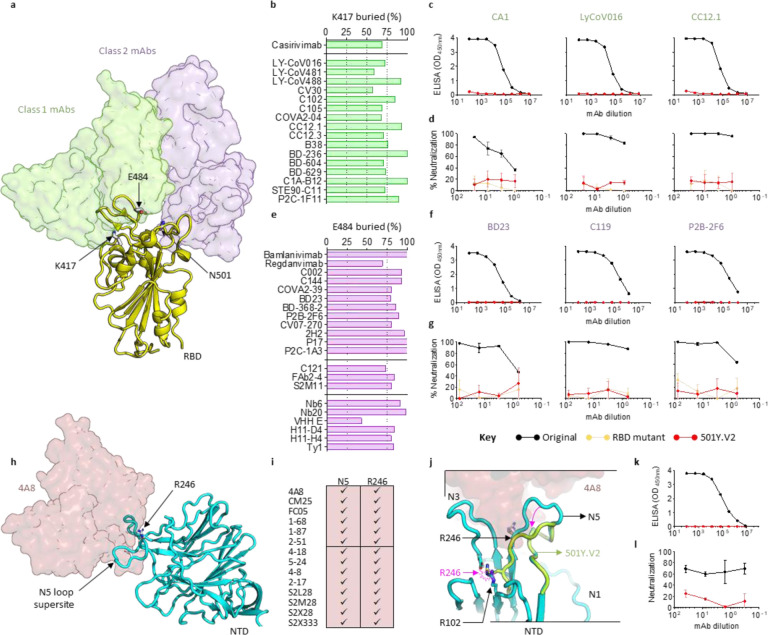
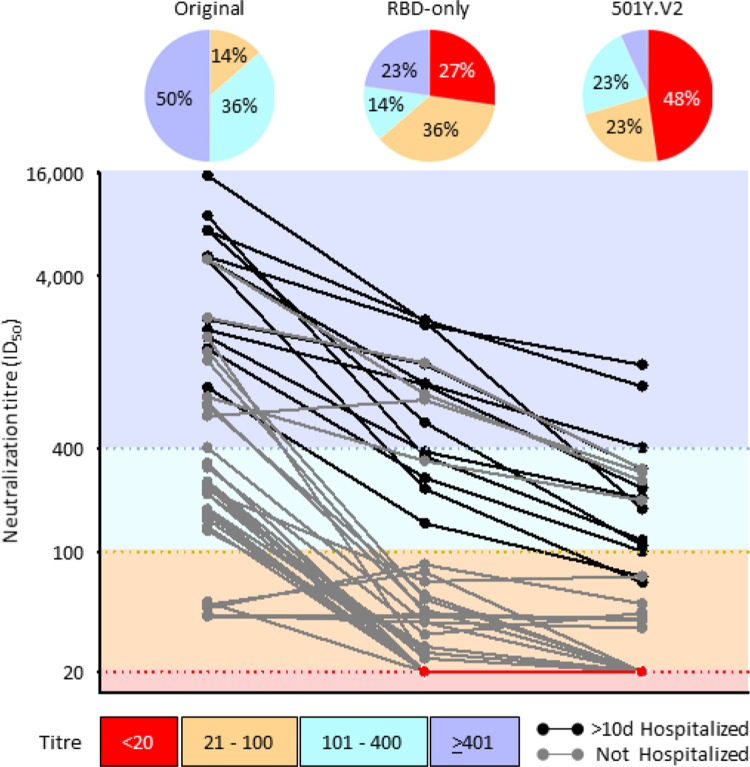
SARS-CoV-2 501Y.V2 (B.1.351), a novel lineage of coronavirus causing COVID-19, contains substitutions in two immunodominant domains of the spike protein. Here, we show that pseudovirus expressing 501Y.V2 spike protein completely escapes three classes of therapeutically relevant antibodies. This pseudovirus also exhibits substantial to complete escape from neutralization, but not binding, by convalescent plasma. These data highlight the prospect of reinfection with antigenically distinct variants and foreshadows reduced efficacy of spike-based vaccines.
Overview
The claims and statistics of this paper haven’t been checked yet.
Run the check — free, no account needed. It reads the open-access text and checks the sources it cites.
Integrity signals
Registry
Cites
Statistics
Figures
Verification
Claims the paper makes
The claims and statistics of this paper haven’t been checked yet.
Run the check — free, no account needed. It reads the open-access text and checks the sources it cites.
Claims other papers make about this one
Each is checked against this paper’s own text: does it say what the citing paper says it does?
The source backs part of the claim, not all of it — or backs it for a different population, condition or comparison.
In the citing paper
“Similarly, sera from PIDs who experienced symptomatic SARS-CoV-2 infection and who had detectable anti-RBD IgG titers before vaccination displayed generally weak nAb titers against Wuhan-Hu-1 at 1 to 9 months after infection and lower or nonexistent titers against the B.1.351 variants, in agreement with another study (69).”
From mRNA vaccination boosts cross-variant neutralizing antibodies elicited by SARS-CoV-2 infection (2021) · cites this paper as [69]
Experimental — accuracy not yet measuredThe source backs part of the claim, not all of it — or backs it for a different population, condition or comparison.
In the citing paper
“As previously reported for other vaccines29–33, the neutralizing antibody titres against certain SARS-CoV-2 variants, such as the B.1.351 (Beta) and B.1.617.2 (Delta) variants, were lower than those against the parental strain WA1/2020.”
From Optimization of non-coding regions for a non-modified mRNA COVID-19 vaccine (2022) · cites this paper as [32]
Experimental — accuracy not yet measuredIn the citing paper
“recent reports suggest that these variants are partially resistant to neutralization by monoclonal antibodies against spike protein, by convalescent plasma and, notably, by sera from participants who have received severe acute respiratory syndrome coronavirus 2 (SARS-CoV-2) vaccines91,94,95.”
From Prospects for durable immune control of SARS-CoV-2 and prevention of reinfection (2021) · cites this paper as [94]
In the citing paper
“The sensitivity of B.1.351 to neutralizing antibodies from convalescent donors infected with the prototype lineage virus, assessed with a spike-pseudovirus neutralization assay, indicated that 48% of serum samples were unable to neutralize B.1.351, with the rest showing a reduction in neutralization titers by a factor of 3 to 86.21”
From Efficacy of the ChAdOx1 nCoV-19 Covid-19 Vaccine against the B.1.351 Variant (2021) · cites this paper as [21]
In the citing paper
“In contrast, mutations in B.1.351 and P.1 variants are associated with the more pronounced loss of neutralizing capacity.15,16,22,23,25”
From Impact of SARS-CoV-2 variants on the total CD4+ and CD8+ T cell reactivity in infected or vaccinated individuals (2021) · cites this paper as [23]
In the citing paper
“Mutations in the B.1.351and P.1 strains, including E484K and K417N/T, are of high concern, since they partly compromise neutralization generated by previous infection or vaccination [23][24][25] or may increase inherent viral fitness.”
From Sensitivity of infectious SARS-CoV-2 B.1.1.7 and B.1.351 variants to neutralizing antibodies (2021) · cites this paper as [23]
In the citing paper
“The E484K mutation, which can mediate antibody escape of B.1.351and P.1 variants, has been recently detected in the B.1.1.7 lineage in the United Kingdom, and thus represents a major potential threat for previously immune populations.”
From Sensitivity of infectious SARS-CoV-2 B.1.1.7 and B.1.351 variants to neutralizing antibodies (2021) · cites this paper as [23]
In the citing paper
“In multiple studies, B.1.351 was the most resistant to neutralization by convalescent or vaccinee sera, with 6- to 15-fold less neutralization activity for sera from individuals immunized with vaccines based on the virus strain first described in January 2020 (Wuhan-Hu-1, spike also called WA1) (2–9).”
From Durability of mRNA-1273 vaccine–induced antibodies against SARS-CoV-2 variants (2021) · cites this paper as [6]
In the citing paper
“Most of these prior studies have evaluated sera from vaccinated individuals at time points soon after the first or second dose and have had limited data on the durability of such responses.”
From Durability of mRNA-1273 vaccine–induced antibodies against SARS-CoV-2 variants (2021) · cites this paper as [6]
In the citing paper
“Both the Beta and Delta variants are associated with decreased neutralization by some anti-receptor binding-domain (anti-RBD) and anti-N-terminal domain (anti-NTD) monoclonal antibodies though both Beta and Delta each remain responsive to at least one anti-RBD ( 8 , 9 , 21 ).”
From Increased risk of SARS-CoV-2 reinfection associated with emergence of Omicron in South Africa (2021) · cites this paper as [8]
In the citing paper
“In addition, Beta and Delta are relatively poorly neutralized by convalescent sera obtained from unvaccinated individuals infected with non-VOC virus ( 7 – 9 , 21 ).”
From Increased risk of SARS-CoV-2 reinfection associated with emergence of Omicron in South Africa (2021) · cites this paper as [8]
Self-check
Percentages, sums and reported differences re-computed from the paper’s own numbers.
The self-check needs the paper’s full text.
Citations
Cites
Berman, H. M. (2000) · Nucleic Acids Research · doi:10.1093/nar/28.1.235 · Cited by 40,196
A pneumonia outbreak associated with a new coronavirus of probable bat origin
Zhou, P., Yang, X.-L., Wang, X.-G., Hu, B., Zhang, L., Zhang, W., Si, H.-R., Zhu, Y., Li, B., Huang, C.-L., et al. (2020) · Nature · doi:10.1038/s41586-020-2012-7 · Cited by 21,969
The PyMOL Molecular Graphics System
DeLano, W. L. (2002) · Medical Entomology and Zoology · Cited by 18,147
Structure, function and antigenicity of the SARS-CoV-2 spike glycoprotein
Walls, A. C., Park, Y.-J., Tortorici, M. A., Wall, A., McGuire, A. T., & Veesler, D. (2020) · doi:10.1101/2020.02.19.956581 · Cited by 8,586
Korber, B., Fischer, W. M., Gnanakaran, S., Yoon, H., Theiler, J., Abfalterer, W., Hengartner, N., Giorgi, E. E., Bhattacharya, T., Foley, B., et al. (2020) · Cell · doi:10.1016/j.cell.2020.06.043 · Cited by 4,281
Nextstrain: real-time tracking of pathogen evolutionPreprint
Hadfield, J., Megill, C., Bell, S. M., et al. (2017) · bioRxiv · doi:10.1101/224048 · Cited by 3,172
Nextstrain: real-time tracking of pathogen evolution
Hadfield, J., Megill, C., Bell, S. M., Huddleston, J., Potter, B., Callender, C., Sagulenko, P., Bedford, T., & Neher, R. A. (2018) · Bioinformatics · doi:10.1093/bioinformatics/bty407 · Cited by 3,154
Structural and Functional Basis of SARS-CoV-2 Entry by Using Human ACE2
Wang, Q., Zhang, Y., Wu, L., Niu, S., Song, C., Zhang, Z., Lu, G., Qiao, C., Hu, Y., Yuen, K.-Y., et al. (2020) · Cell · doi:10.1016/j.cell.2020.03.045 · Cited by 2,892
Tegally, H., Wilkinson, E., Giovanetti, M., Iranzadeh, A., Fonseca, V., Giandhari, J., Doolabh, D., Pillay, S., San, E. J., Msomi, N., et al. (2020) · doi:10.1101/2020.12.21.20248640 · Cited by 2,535 · cited 1×
“N501Y has been shown to increase affinity for the human ACE2 receptor, which together with the repeated and independent evolution of 501Y containing lineages 25,26,31 , strongly argues for enhanced transmissibility of these new variants.”
Self-citationDetection of a SARS-CoV-2 variant of concern in South Africa
Tegally, H., Wilkinson, E., Giovanetti, M., Iranzadeh, A., Fonseca, V., Giandhari, J., Doolabh, D., Pillay, S., San, E. J., Msomi, N., et al. (2021) · Nature · doi:10.1038/s41586-021-03402-9 · Cited by 2,510
Self-citation
Cited by
Sorted by citations
Items 401–500 of 1,016
Kitchin, D., Richardson, S. I., van der Mescht, M. A., Motlou, T. P., Mzindle, N. B., Moyo-Gwete, T., Makhado, Z., Ayres, F., Manamela, N. P., Spencer, H., et al. (2022) · Cell Reports Medicine · doi:10.1016/j.xcrm.2022.100535 · Cited by 35
Self-citationMarlin, R., Godot, V., Cardinaud, S., Galhaut, M., Coléon, S., Zurawski, S., Dereuddre‐Bosquet, N., Cavarelli, M., Gallouët, A.-S., Maisonnasse, P., et al. (2021) · Nature Communications · doi:10.1038/s41467-021-25382-0 · Cited by 40
Gupta, Y. A., Maciorowski, D., Zak, S. E., Kulkarni, C. V., Herbert, A. S., Durvasula, R. V., Fareed, J., Dye, J. M., & Kempaiah, P. M. (2021) · International Journal of Biological Macromolecules · doi:10.1016/j.ijbiomac.2021.04.148 · Cited by 35
SARS-CoV-2 Variants, RBD Mutations, Binding Affinity, and Antibody Escape
Yang, L., Li, J., Guo, S., Hou, C., Liao, C., Shi, L., Ma, X., Jiang, S., Zheng, B., Fang, Y., et al. (2021) · International Journal of Molecular Sciences · doi:10.3390/ijms222212114 · Cited by 35
Yin, V. C., Lai, S., Caniels, T. G., Brouwer, P. J. M., Brinkkemper, M., Aldon, Y., Liu, H., Yuan, M., Wilson, I. A., Sanders, R. W., et al. (2021) · ACS Central Science · doi:10.1021/acscentsci.1c00804 · Cited by 36
Coincident rapid expansion of two SARS-CoV-2 lineages with enhanced infectivity in Nigeria
Ozer, E. A., Simons, L. M., Adewumi, O. M., Fowotade, A. A., Omoruyi, E. C., Adeniji, J. A., Dean, T. J., Zayas, J., Bhimalli, P. P., Ash, M. K., et al. (2021) · doi:10.1101/2021.04.09.21255206 · Cited by 34
Cassaniti, I., Bergami, F., Percivalle, E., Gabanti, E., Sammartino, J. C., Ferrari, A., Adzasehoun, K. M. G., Zavaglio, F., Zelini, P., Comolli, G., et al. (2021) · Clinical Microbiology and Infection · doi:10.1016/j.cmi.2021.09.016 · Cited by 36
Whole genome sequencing of SARS-CoV2 strains circulating in Iran during five waves of pandemic
Yavarian, J., Nejati, A., Salimi, V., Shafiei-Jandaghi, N.-Z., Sadeghi, K., Abedi, A., Sharifi‐Zarchi, A., Gouya, M. M., & Mokhtari‐Azad, T. (2022) · PLoS ONE · doi:10.1371/journal.pone.0267847 · Cited by 35
Prediction and Evolution of the Molecular Fitness of SARS-CoV-2 Variants: Introducing SpikePro
Pucci, F., & Rooman, M. J. (2021) · Viruses · doi:10.3390/v13050935 · Cited by 35
Nguyen, D. V., Peter Simmonds, K., Steenhuis, M., Wouters, E., Desmecht, D. J.-M., Garigliany, M., Romano, M., Barbezange, C., Maes, P., Holm, B. V., et al. (2021) · Eurosurveillance · doi:10.2807/1560-7917.es.2021.26.27.2100568 · Cited by 34
The Variation of SARS-CoV-2 and Advanced Research on Current Vaccines
Jiang, Y., Wu, Q. Y., Song, P., & You, C. (2022) · Frontiers in Medicine · doi:10.3389/fmed.2021.806641 · Cited by 34
The Complexity of SARS-CoV-2 Infection and the COVID-19 Pandemic
Torres, M. K. D. S., Bichara, C. D. A., de Almeida, M. D. N. D. S., Vallinoto, M. C., Queiroz, M. A. F., Vallinoto, I. M. V. C., dos Santos, E. J. M., de Carvalho, C. A. M., & Vallinoto, A. C. R. (2022) · Frontiers in Microbiology · doi:10.3389/fmicb.2022.789882 · Cited by 36
Strohl, W. R., Ku, Z., An, Z., Carroll, S. F., Keyt, B. A., & Strohl, L. M. (2022) · BioDrugs · doi:10.1007/s40259-022-00529-7 · Cited by 35
SARS-CoV-2 Spike N-Terminal Domain Engages 9- O -Acetylated α2–8-Linked Sialic Acids
Tomris, I., Unione, L., Nguyen, L., Zaree, P., Bouwman, K. M., Liu, L., Li, Z., Fok, J. A., Carrasco, M. R., van der Woude, R., et al. (2023) · ACS Chemical Biology · doi:10.1021/acschembio.3c00066 · Cited by 35
Al‐Tawfiq, J. A., Hoang, V. T., Bui, N. L., Chu, D., & Memish, Z. A. (2022) · Journal of Epidemiology and Global Health · doi:10.1007/s44197-022-00032-w · Cited by 34
COVID-19: Epidemiologie und Mutationen
Hemmer, C. J., Löbermann, M., & Reisinger, E. C. (2021) · Der Radiologe · doi:10.1007/s00117-021-00909-0 · Cited by 33
Wang, K., Wang, L., Li, M., Xie, B., He, L., Wang, M., Zhang, R., Hou, N., Zhang, Y., & Jia, F. (2022) · Frontiers in Medicine · doi:10.3389/fmed.2022.820544 · Cited by 33
Brand, I., Gilberg, L., Bruger, J., Garí, M., Wieser, A., Eser, T. M., Frese, J., Ahmed, M. I. M., Rubio‐Acero, R., Noller, J. M. G., et al. (2021) · Frontiers in Immunology · doi:10.3389/fimmu.2021.688436 · Cited by 34
Gorchakov, A. A., Kulemzin, S. V., Guselnikov, S. V., Baranov, K. O., Николаевна, Б. Т., Mechetina, L. V., Volkova, O. Y., Najakshin, A. M., Chikaev, N. A., Chikaev, A. N., et al. (2021) · Cell Discovery · doi:10.1038/s41421-021-00340-8 · Cited by 33
Lusvarghi, S., Wang, W., Herrup, R., Neerukonda, S. N., Vassell, R. A., Bentley, L., Eakin, A. E., Erlandson, K. J., & Weiss, C. D. (2021) · Journal of Virology · doi:10.1128/jvi.01110-21 · Cited by 33
Zhang, Y.-N., Paynter, J., Sou, C., Fourfouris, T., Wang, Y., Abraham, C., Ngo, T., Zhang, Y., He, L., & Zhu, J. (2021) · Science Advances · doi:10.1126/sciadv.abj3107 · Cited by 35
Lanini, S., Capone, S., Antinori, A., Milleri, S., Nicastri, E., Camerini, R., Agrati, C., Castilletti, C., Mori, F., Sacchi, A., et al. (2021) · Science Translational Medicine · doi:10.1126/scitranslmed.abj1996 · Cited by 34
Immune response against SARS-CoV-2 variants: the role of neutralization assays
Chmielewska, A., Czarnota, A., Bieńkowska-Szewczyk, K., & Grzyb, K. (2021) · npj Vaccines · doi:10.1038/s41541-021-00404-6 · Cited by 34
Negi, S. S., Schein, C. H., & Braun, W. A. (2022) · Scientific Reports · doi:10.1038/s41598-022-04950-4 · Cited by 35
Immune Response in Moderate to Critical Breakthrough COVID-19 Infection After mRNA Vaccination
Paniskaki, K., Anft, M., Meister, T. L., Marheinecke, C. S., Pfaender, S., Skrzypczyk, S., Seibert, F. S., Thieme, C. J., Konik, M., Dolff, S., et al. (2022) · Frontiers in Immunology · doi:10.3389/fimmu.2022.816220 · Cited by 33
Singh, P., Mukherji, S., Basak, S., Hoffmann, M., & Das, D. K. (2022) · Cell Reports · doi:10.1016/j.celrep.2022.110694 · Cited by 33
Cocherie, T., Zafilaza, K., Leducq, V., Marot, S., Cálvez, V., Marcelin, A., & Todesco, È. (2022) · Microorganisms · doi:10.3390/microorganisms11010030 · Cited by 33
Inferring effects of mutations on SARS-CoV-2 transmission from genomic surveillance data
Lee, B., Quadeer, A. A., Sohail, M. S., Finney, E., Ahmed, S. F., McKay, M. R., & Barton, J. P. (2025) · Nature Communications · doi:10.1038/s41467-024-55593-0 · Cited by 32
What We Do Know and Do Not Yet Know about COVID-19 Vaccines as of the Beginning of the Year 2021
Yoo, J. (2021) · Journal of Korean Medical Science · doi:10.3346/jkms.2021.36.e54 · Cited by 33
ACE2‐based decoy receptors for SARS coronavirus 2
Jing, W., & Procko, E. (2021) · Proteins Structure Function and Bioinformatics · doi:10.1002/prot.26140 · Cited by 32
The Immune Response to SARS-CoV-2 and Variants of Concern
Torbati, E., Krause, K. L., & Ussher, J. E. (2021) · Viruses · doi:10.3390/v13101911 · Cited by 36
Perlin, D. S., Neil, G. A., Anderson, C. S., Zafir‐Lavie, I., Raines, S. R., Ware, C. F., & Wilkins, H. J. (2021) · Journal of Clinical Investigation · doi:10.1172/jci153173 · Cited by 32
Tostanoski, L. H., Yu, J., Mercado, N. B., McMahan, K., Jacob-Dolan, C., Martinot, A. J., Piedra-Mora, C., Anioke, T., Chang, A., Giffin, V. M., et al. (2021) · Science Translational Medicine · doi:10.1126/scitranslmed.abj3789 · Cited by 31
Epitope Profiling Reveals the Critical Antigenic Determinants in SARS-CoV-2 RBD-Based Antigen
Jiang, M., Zhang, G., Liu, H., Ding, P., Liu, Y., Tian, Y., Wang, Y., & Wang, A. (2021) · Frontiers in Immunology · doi:10.3389/fimmu.2021.707977 · Cited by 32
van den Berg, K., Glatt, T. N., Vermeulen, M., Little, F., Swanevelder, R., Barrett, C. L., Court, R., Bremer, M., Nyoni, C., Swarts, A., et al. (2022) · Scientific Reports · doi:10.1038/s41598-022-06221-8 · Cited by 33
Self-citationCedro‐Tanda, A., Gómez-Romero, L., de Anda‐Jáuregui, G., Garnica-López, D., Alfaro‐Mora, Y., Sánchez-Xochipa, S., García-García, E. F., Mendoza-Vargas, A., Frías-Jiménez, E., Moreno, B., et al. (2022) · Viruses · doi:10.3390/v14030545 · Cited by 31
SARS-CoV-2 Vaccination in IBD: Past Lessons, Current Evidence, and Future Challenges
Wellens, J., Colombel, J., Satsangi, J. J., & Wong, S.-Y. (2021) · Journal of Crohn s and Colitis · doi:10.1093/ecco-jcc/jjab046 · Cited by 30
Role of SARS-CoV-2 and ACE2 variations in COVID-19
Antony, P., & Vijayan, R. (2021) · Biomedical Journal · doi:10.1016/j.bj.2021.04.006 · Cited by 32
Inhibitory effect on SARS‐CoV‐2 infection of neferine by blocking Ca2+‐dependent membrane fusion
Yang, Y., Yang, P., Huang, C., Wu, Y., Zhou, Z., Wang, X., & Wang, S. (2021) · Journal of Medical Virology · doi:10.1002/jmv.27117 · Cited by 30
Li, X., Zhang, L., Chen, S. E., Ji, W., Li, C., & Ren, L. (2021) · Infection Genetics and Evolution · doi:10.1016/j.meegid.2021.104971 · Cited by 30
Kuzmina, A., Wattad, S., Khalaila, Y., Ottolenghi, A., Rosental, B., Engel, S., Rosenberg, E., & Taube, R. (2021) · iScience · doi:10.1016/j.isci.2021.103467 · Cited by 33
Genomic surveillance of SARS-CoV-2 Spike gene by sanger sequencing
Salles, T. S., Cavalcanti, A. C., da Costa, F. B., Dias, V. Z., de Souza, L. M., de Meneses, M. D. F., da Silva, J. A. S., Amaral, C. D., Felix, J. R., Pereira, D. A., et al. (2022) · PLoS ONE · doi:10.1371/journal.pone.0262170 · Cited by 30
RBD trimer mRNA vaccine elicits broad and protective immune responses against SARS-CoV-2 variants
Liang, Q., Wang, Y., Zhang, S., Sun, J., Sun, W., Li, J., Liu, Y., Li, M., Cheng, L., Jiang, Y., et al. (2022) · iScience · doi:10.1016/j.isci.2022.104043 · Cited by 31
Winklmeier, S., Eisenhut, K., Taskin, D., Rübsamen, H., Gerhards, R., Schneider, C., Wratil, P. R., Stern, M., Eichhorn, P., Keppler, O. T., et al. (2021) · iScience · doi:10.1016/j.isci.2021.103659 · Cited by 31
Nkosi, T., Chasara, C., Mbatha, A., Nsimbi, M., Papadopoulos, A. O., Nguni, T. L., Karim, F., Moosa, M. Y. S., Gazy, I., Jambo, K., et al. (2022) · eLife · doi:10.7554/elife.78374 · Cited by 31
Tracking the emergence of new SARS-CoV-2 variants in South Africa
Happi, A. N., Ugwu, C. A., & Happi, C. T. (2021) · Nature Medicine · doi:10.1038/s41591-021-01265-1 · Cited by 30
Althaus, C. L., Baggio, S., Reichmuth, M. L., Hodcroft, E. B., Riou, J., Neher, R. A., Jacquérioz, F., Spechbach, H., Salamun, J., Vetter, P., et al. (2021) · medRxiv · doi:10.1101/2021.06.10.21258468 · Cited by 32
Evolution of Antiviral Drug Resistance in SARS-CoV-2
Dinata, R., Baindara, P., & Mandal, S. M. (2025) · Viruses · doi:10.3390/v17050722 · Cited by 31
McGill, A. R., Khalil, R., Dutta, R., Green, R. J., Howell, M., Mohapatra, S., & Mohapatra, S. S. (2021) · Infectious Disease Reports · doi:10.3390/idr13010013 · Cited by 30
Humoral Immunity against SARS-CoV-2 and the Impact on COVID-19 Pathogenesis
Lee, E.-J., & Oh, J. E. (2021) · Molecules and Cells · doi:10.14348/molcells.2021.0075 · Cited by 30
Tang, J., Lee, Y., Ravichandran, S., Grubbs, G., Huang, C., Stauft, C. B., Wang, T. T., Golding, B., Golding, H., & Khurana, S. (2021) · iScience · doi:10.1016/j.isci.2021.103006 · Cited by 29
Chen, H.-Y., Huang, C., Tian, L., Huang, X., Zhang, C., Llewellyn, G. N., Rogers, G. L., Andresen, K., O’Gorman, M. R. G., Chen, Y., et al. (2021) · Journal of Virology · doi:10.1128/jvi.00966-21 · Cited by 31
Fernandez, R. A. T., Quimque, M. T. J., Notarte, K. I., Manzano, J. A., Pilapil, D. Y. H., de Leon, V. N., Jose, J. J. P. S., Villalobos, O. A., Muralidharan, N. H., Gromiha, M. M., et al. (2021) · Journal of Biomolecular Structure and Dynamics · doi:10.1080/07391102.2021.1969281 · Cited by 29
Auth, J., Fröba, M., Große, M., Rauch, P., Ruétalo, N., Schindler, M., Morokutti-Kurz, M., Graf, P., Dolischka, A., Prieschl‐Grassauer, E., et al. (2021) · International Journal of Molecular Sciences · doi:10.3390/ijms221910205 · Cited by 30
Rapid detection of multiple SARS-CoV-2 variants of concern by PAM-targeting mutations
Ning, B., Youngquist, B. M., Li, D. D., Lyon, C. J., Zelazny, A. M., Maness, N. J., Tian, D., & Hu, Y. (2022) · Cell Reports Methods · doi:10.1016/j.crmeth.2022.100173 · Cited by 29
Spencer, A. J., Morris, S. J., Ulaszewska, M., Powers, C., Kailath, R., Bissett, C., Truby, A., Thakur, N., Newman, J., Allen, E. R., et al. (2022) · EBioMedicine · doi:10.1016/j.ebiom.2022.103902 · Cited by 31
Estimating the strength of selection for new SARS-CoV-2 variants
van Dorp, C. H., Goldberg, E. E., Hengartner, N., Ke, R., & Romero-Severson, E. O. (2021) · Nature Communications · doi:10.1038/s41467-021-27369-3 · Cited by 30
Gorman, M. J., Patel, N., Guebre‐Xabier, M., Zhu, A. L., Atyeo, C. G., Pullen, K. M., Loos, C., Goez-Gazi, Y., Carrion, R., Tian, J.-H., et al. (2021) · bioRxiv (Cold Spring Harbor Laboratory) · doi:10.1101/2021.02.05.429759 · Cited by 29
Zeng, Y. C., Young, O. J., Xiong, Q., Si, L., Ku, M., Bernier, S. G., Dembele, H., Isinelli, G., Gilboa, T., Swank, Z., et al. (2026) · Nature Biomedical Engineering · doi:10.1038/s41551-026-01614-w · Cited by 29
Yang, Y., Zhang, Y., Qu, Y., Zhang, C., Liu, X., Zhao, M., Mu, Y., & Li, W. (2021) · Nanoscale · doi:10.1039/d1nr01672e · Cited by 28
The Emergence and Spread of Novel SARS-CoV-2 Variants
Yi, H., Wang, J., Wang, J., Lu, Y., Zhang, Y., Peng, R., Lu, J., & Chen, Z. (2021) · Frontiers in Public Health · doi:10.3389/fpubh.2021.696664 · Cited by 29
O’Donnell, K. L., Pinski, A. N., Clancy, C. S., Gourdine, T., Shifflett, K., Fletcher, P., Messaoudi, I., & Marzi, A. (2021) · EBioMedicine · doi:10.1016/j.ebiom.2021.103675 · Cited by 28
Luo, Y., Zhang, X., Chen, R., Li, R., Liu, Y., Zhang, J., Liu, Q., Si, M., Liu, J., Wu, B., et al. (2022) · Signal Transduction and Targeted Therapy · doi:10.1038/s41392-021-00858-z · Cited by 28
Design, immunogenicity, and efficacy of a pan-sarbecovirus dendritic-cell targeting vaccine
Coléon, S., Wiedemann, A., Surénaud, M., Lacabaratz, C., Hüe, S., Prague, M., Cervantes-Gonzalez, M., Wang, Z., Ellis, J., Sansoni, A., et al. (2022) · EBioMedicine · doi:10.1016/j.ebiom.2022.104062 · Cited by 29
HLA Variation and SARS-CoV-2 Specific Antibody Response
Wolday, D., Fung, C. Y. J., Morgan, G., Casalino, S., Frangione, E., Taher, J., & Lerner‐Ellis, J. P. (2023) · Viruses · doi:10.3390/v15040906 · Cited by 31
Broadly neutralizing antibodies to SARS-related viruses can be readily induced in rhesus macaques
He, W., Yuan, M., Callaghan, S., Musharrafieh, R. G., Song, G., Silva, M., Beutler, N., Lee, W.-H., Yong, P., Torres, J. L., et al. (2022) · Science Translational Medicine · doi:10.1126/scitranslmed.abl9605 · Cited by 32
Graham, C., Seow, J., Huettner, I., Khan, H., Kouphou, N., Acors, S., Winstone, H., Pickering, S., Galao, R. P., Lista, M. J., et al. (2021) · doi:10.1101/2021.02.03.429355 · Cited by 27
Watanabe, K., Watanabe, C., Honma, T., Tian, Y., Kawashima, Y., Kawashita, N., Takagi, T., & Fukuzawa, K. (2021) · The Journal of Physical Chemistry Letters · doi:10.1021/acs.jpclett.1c00663 · Cited by 27
Laguda-Akingba, O., Sprong, K., Marais, G. J. K., & Hardie, D. R. (2021) · Journal of Clinical Virology Plus · doi:10.1016/j.jcvp.2021.100013 · Cited by 27
Age, Disease Severity and Ethnicity Influence Humoral Responses in a Multi-Ethnic COVID-19 Cohort
Smith, M., Abdesselem, H., Mullins, M. O., Tan, T.-M., Nel, A. J. M., Al‐Nesf, M. A., Bensmail, I., Majbour, N. K., Vaikath, N. N., Naik, A., et al. (2021) · Viruses · doi:10.3390/v13050786 · Cited by 27
Monrad, I., Sahlertz, S. R., Nielsen, S. S. F., Pedersen, L. Ø., Petersen, M. S., Kobel, C. M., Tarpgaard, I. H., Storgaard, M., Mortensen, K. L., Schleimann, M. H., et al. (2021) · Open Forum Infectious Diseases · doi:10.1093/ofid/ofab295 · Cited by 27
Beta RBD boost broadens antibody-mediated protection against SARS-CoV-2 variants in animal models
Sheward, D. J., Mandolesi, M., Urgard, E., Kim, C., Hanke, L., Vidakovics, L. P., Pankow, A. P., Smith, N. L., Dopico, X. C., McInerney, G. M., et al. (2021) · Cell Reports Medicine · doi:10.1016/j.xcrm.2021.100450 · Cited by 28
Dhawan, M. K., Priyanka, Parmar, M., Angural, S., & Choudhary, O. P. (2021) · International Journal of Surgery · doi:10.1016/j.ijsu.2021.106204 · Cited by 27
Noor, R., Shareen, S., & Billah, M. (2022) · Bulletin of the National Research Centre/Bulletin of the National Research Center · doi:10.1186/s42269-022-00787-z · Cited by 29
Greaney, A. J., Eguia, R. T., Starr, T. N., Khan, K., Franko, N., Logue, J. K., Lord, S. M., Speake, C., Chu, H. Y., Sigal, A., et al. (2022) · PLoS Pathogens · doi:10.1371/journal.ppat.1010592 · Cited by 29
Yuan, M., Chen, X., Zhu, Y., Dong, X., Liu, Y., Qian, Z., Ye, L., & Liu, P. (2022) · Journal of Virology · doi:10.1128/jvi.00775-22 · Cited by 27
van der Wijst, M. G. P., Vazquez, S. E., Hartoularos, G. C., Bastard, P., Grant, T., Bueno, R., Lee, D. S., Greenland, J. R., Sun, Y., Perez, R. K., et al. (2021) · bioRxiv (Cold Spring Harbor Laboratory) · doi:10.1101/2021.03.09.434529 · Cited by 29
Weber, S., Ramirez, C. M., Weiser, B., Burger, H., & Doerfler, W. (2021) · EMBO Molecular Medicine · doi:10.15252/emmm.202114062 · Cited by 26
Fassy, J., Lacoux, C., Leroy, S., Noussair, L., Hubac, S., Degoutte, A., Vassaux, G., Leclercq, V., Rouquié, D., Marquette, C., et al. (2021) · PLoS ONE · doi:10.1371/journal.pone.0243333 · Cited by 27
Prioritisation of Compounds for 3CLpro Inhibitor Development on SARS-CoV-2 Variants
Jukič, M., Škrlj, B., Tomšič, G., Pleško, S., Podlipnik, Č., & Bren, U. (2021) · Molecules · doi:10.3390/molecules26103003 · Cited by 28
Kaku, Y., Kuwata, T., Zahid, H. M., Hashiguchi, T., Noda, T., Kuramoto, N., Biswas, S., Matsumoto, K., Shimizu, M., Kawanami, Y., et al. (2021) · Cell Reports · doi:10.1016/j.celrep.2021.109385 · Cited by 26
Williams, G. H., Llewelyn, A., Brandão, R. A. R., Chowdhary, K., Hardisty, K.-M., & Loddo, M. (2021) · EClinicalMedicine · doi:10.1016/j.eclinm.2021.101021 · Cited by 26
Has translational genomics come of age in Africa?
Kamp, M., Krause, A., & Ramsay, M. (2021) · Human Molecular Genetics · doi:10.1093/hmg/ddab180 · Cited by 26
Liu, Z., Wu, H., Egland, K. A., Gilliland, T. C., Dunn, M. D., Luke, T. C., Sullivan, E. J., Klimstra, W. B., Bausch, C. L., & Whelan, S. P. J. (2021) · Human Vaccines & Immunotherapeutics · doi:10.1080/21645515.2021.1940652 · Cited by 26
Rattanapisit, K., Bulaon, C. J. I., Khorattanakulchai, N., Shanmugaraj, B., Wangkanont, K., & Phoolcharoen, W. (2021) · PLoS ONE · doi:10.1371/journal.pone.0253574 · Cited by 26
Catching SARS-CoV-2 by Sequence Hybridization: a Comparative Analysis
Rehn, A., Braun, P. R., Knüpfer, M., Wölfel, R., Antwerpen, M. H., & Walter, M. C. (2021) · mSystems · doi:10.1128/msystems.00392-21 · Cited by 26
The mechanisms of immune response and evasion by the main SARS-CoV-2 variants
Chen, Q., Zhang, J., Wang, P., & Zhang, Z. (2022) · iScience · doi:10.1016/j.isci.2022.105044 · Cited by 27
Fang, L., Xu, J., Zhao, Y., Fan, J., Shen, J., Liu, W., & Cao, G. (2023) · Frontiers in Microbiology · doi:10.3389/fmicb.2023.1228128 · Cited by 26
Ratcliff, J., Nguyen, D. V., Fish, M., Rynne, J., Jennings, A., Williams, S. V., Al-Beidh, F., Bonsall, D., Evans, A. L., Golubchik, T., et al. (2021) · The Journal of Infectious Diseases · doi:10.1093/infdis/jiab283 · Cited by 27
Up State of the SARS-COV-2 Spike Homotrimer Favors an Increased Virulence for New Variants
Giron, C. C., Laaksonen, A., & da Silva, F. L. B. (2021) · Frontiers in Medical Technology · doi:10.3389/fmedt.2021.694347 · Cited by 25
Genome interaction of the virus and the host genes and non-coding RNAs in SARS-CoV-2 infection
Serpeloni, J. M., Neto, Q. A. D. L., Lúcio, L. C., Ramão, A., de Oliveira, J. C., Gradia, D. F., Malheiros, D., Ferrasa, A., Marchi, R., Figueiredo, D. L. A., et al. (2021) · Immunobiology · doi:10.1016/j.imbio.2021.152130 · Cited by 25
Lin, W., Chen, I.-C., Chen, H., Lee, Y., & Wu, S. (2021) · Frontiers in Immunology · doi:10.3389/fimmu.2021.795741 · Cited by 26
Rapid test to assess the escape of SARS-CoV-2 variants of concern
Heggestad, J. T., Britton, R. J., Kinnamon, D., Wall, S. A., Joh, D. Y., Hucknall, A., Olson, L. B., Anderson, J. G., Mazur, A., Wolfe, C. R., et al. (2021) · Science Advances · doi:10.1126/sciadv.abl7682 · Cited by 25
Saied, A. A., Metwally, A. A., Alobo, M., Shah, J., Sharun, K., & Dhama, K. (2022) · International Journal of Surgery · doi:10.1016/j.ijsu.2022.106233 · Cited by 25
Fratev, F. (2022) · Journal of Chemical Information and Modeling · doi:10.1021/acs.jcim.1c01243 · Cited by 25
Wolter, N., Tempia, S., von Gottberg, A., Bhiman, J. N., Walaza, S., Kleynhans, J., Moyes, J., Buys, A., McMorrow, M., Aitken, S., et al. (2021) · Clinical Infectious Diseases · doi:10.1093/cid/ciac198 · Cited by 25
Self-citationWurtzer, S., Levert, M., Dhenain, E., Accrombessi, H., Manco, S., Fagour, N., Goulet, M., Boudaud, N., Gaillard, L., Bertrand, I., et al. (2022) · The Science of The Total Environment · doi:10.1016/j.scitotenv.2022.157740 · Cited by 25
Rabaan, A. A., Al-Ahmed, S. H., Albayat, H., Alwarthan, S. M., Alhajri, M. M., Najim, M. A., Alshehail, B. M., Al-Adsani, W., Alghadeer, A., Abduljabbar, W. A., et al. (2023) · Medicina · doi:10.3390/medicina59030507 · Cited by 26
Mutations of SARS-CoV-2 and their impact on disease diagnosis and severity
Alquraan, L. T., Alzoubi, K. H., & Rababa'h, S. Y. (2023) · Informatics in Medicine Unlocked · doi:10.1016/j.imu.2023.101256 · Cited by 27
The S2 subunit of spike encodes diverse targets for functional antibody responses to SARS-CoV-2
Guenthoer, J., Garrett, M. E., Lilly, M., Depierreux, D., Ruiz, F., Chi, M., Stoddard, C. I., Chohan, V., Yaffe, Z. A., Sung, K., et al. (2024) · PLoS Pathogens · doi:10.1371/journal.ppat.1012383 · Cited by 27
Metadata
- Authors
- Wibmer, C. K., Ayres, F., Hermanus, T., Madzivhandila, M., Kgagudi, P., Oosthuysen, B., Lambson, B. E., de Oliveira, T., Vermeulen, M., van der Berg, K., Rossouw, T., Boswell, M., Ueckermann, V., Meiring, S., von Gottberg, A., Cohen, C., Morris, L., Bhiman, J. N., & Moore, P. L.
- Affiliations
- National Health Laboratory Service (ZA)
- South African National Blood Service (ZA)
- University of Pretoria (ZA)
- Steve Biko Hospital (ZA)
- Corresponding author
- Moore, Penny L.
- ORCID
- Venue
- Nature Medicine
- Published
- 2021-03-02
- Volume
- 27
- Issue
- 4
- Pages
- 622-625
- ISSN
- 1078-8956 (ISSN-L)
- 1546-170X
- PMC
- PMC7836116
- OpenAlex
- W3133794453
- Cited by
- 1,147
- References
- 38
- Citations by year
- 2026: 10 · 2025: 29 · 2024: 58 · 2023: 97 · 2022: 314 · 2021: 634
- FWCI
- 87.41
- Type
- journal article
- Language
- en
- Open access
- bronze
- doi.org
- Licence
- Locations
- Nature Medicine (publishedVersion)
- bioRxiv (Cold Spring Harbor Laboratory) (acceptedVersion, cc-by-nd)
- PubMed (publishedVersion)
- Europe PMC (PubMed Central) (submittedVersion, cc-by-nd)
- PubMed Central (submittedVersion, cc-by-nd)
- UpSpace Institutional Repository (University of Pretoria) (submittedVersion)
- Funders
- Wellcome Trust (221003/Z/20/Z, 221003)
- Government of the United Kingdom
- Royal Society
- National Research Foundation (98341)
- South African Medical Research Council (98341, SHIPNCD 76756, 96825)
- Department of Science and Technology, Ministry of Science and Technology, India
- African Academy of Sciences
- National Institutes of Health (98341, COVID-19)
- Centers for Disease Control and Prevention (5 U01IP001048-05-00, U01IP001048)
- Medical Research Council (COVID-19)
- Fogarty International Center (R21TW011454, D43TW010345)
- Topics
- Health Sciences › Medicine › Infectious Diseases › SARS-CoV-2 and COVID-19 Research
- Life Sciences › Agricultural and Biological Sciences › Animal Science and Zoology › Animal Virus Infections Studies
- Life Sciences › Biochemistry, Genetics and Molecular Biology › Molecular Biology › vaccines and immunoinformatics approaches
- Keywords
- SARS-CoV-2, B.1.351 variant, spike protein mutations, antibody escape, neutralization, convalescent plasma, monoclonal antibodies, reinfection, vaccine efficacy, pseudovirus, spike protein binding
About these checks
Registry, retraction, Cites and statistics results are computed, not judged, with one exception: a printed reference that no index lists is read once by a model before it counts as a citation error. Claims are extracted by a model and kept only when their quote appears verbatim in the text; each cited source is then checked, with a model’s help, for whether it says what the claim relies on. Those verdicts can be wrong — read the claim’s quote and the cited source before relying on one.
Statistics and arithmetic are recomputed, not judged.
Confidence bands are shown only for fields calibrated on our annotated test set. None is calibrated yet, so no band is shown.
What counts as a claim ›How we measure confidence ›How we check this ›
Are you an author, or do you see a problem with this page? Request a review
