

The DOI matches its Crossref record; 54 of the 54 references it cites were found in a registry or an index.
SARS-CoV-2 501Y.V2 escapes neutralization by South African COVID-19 donor plasma
Open accessPublished version of a preprint
Abstract
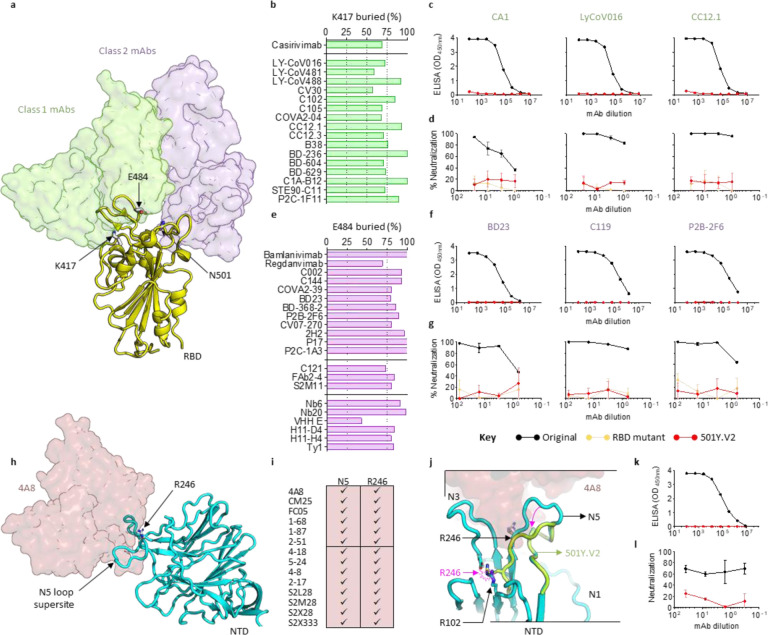
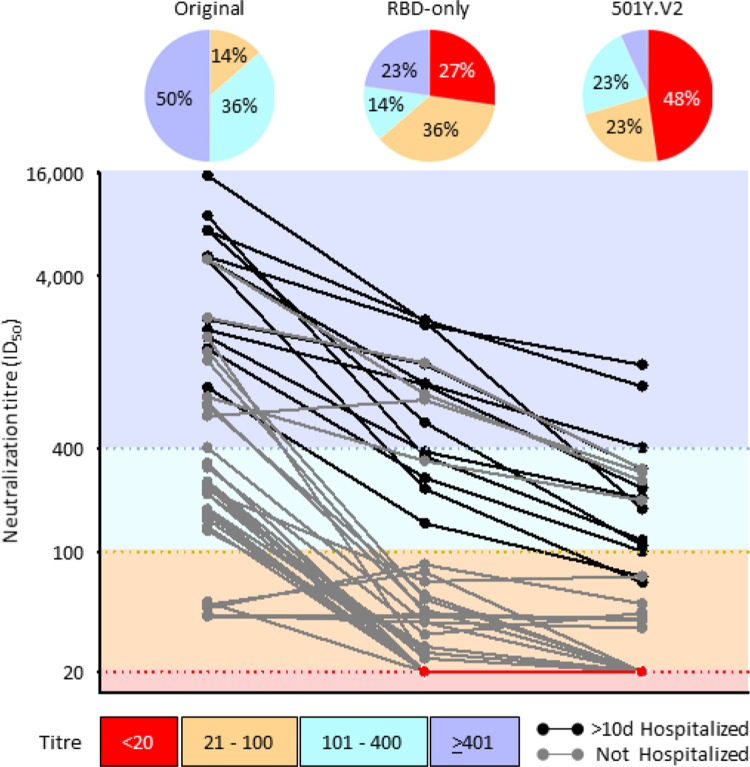
SARS-CoV-2 501Y.V2 (B.1.351), a novel lineage of coronavirus causing COVID-19, contains substitutions in two immunodominant domains of the spike protein. Here, we show that pseudovirus expressing 501Y.V2 spike protein completely escapes three classes of therapeutically relevant antibodies. This pseudovirus also exhibits substantial to complete escape from neutralization, but not binding, by convalescent plasma. These data highlight the prospect of reinfection with antigenically distinct variants and foreshadows reduced efficacy of spike-based vaccines.
Overview
The claims and statistics of this paper haven’t been checked yet.
Run the check — free, no account needed. It reads the open-access text and checks the sources it cites.
Integrity signals
Registry
Cites
Statistics
Figures
Verification
Claims the paper makes
The claims and statistics of this paper haven’t been checked yet.
Run the check — free, no account needed. It reads the open-access text and checks the sources it cites.
Claims other papers make about this one
Each is checked against this paper’s own text: does it say what the citing paper says it does?
The source backs part of the claim, not all of it — or backs it for a different population, condition or comparison.
In the citing paper
“Similarly, sera from PIDs who experienced symptomatic SARS-CoV-2 infection and who had detectable anti-RBD IgG titers before vaccination displayed generally weak nAb titers against Wuhan-Hu-1 at 1 to 9 months after infection and lower or nonexistent titers against the B.1.351 variants, in agreement with another study (69).”
From mRNA vaccination boosts cross-variant neutralizing antibodies elicited by SARS-CoV-2 infection (2021) · cites this paper as [69]
Experimental — accuracy not yet measuredThe source backs part of the claim, not all of it — or backs it for a different population, condition or comparison.
In the citing paper
“As previously reported for other vaccines29–33, the neutralizing antibody titres against certain SARS-CoV-2 variants, such as the B.1.351 (Beta) and B.1.617.2 (Delta) variants, were lower than those against the parental strain WA1/2020.”
From Optimization of non-coding regions for a non-modified mRNA COVID-19 vaccine (2022) · cites this paper as [32]
Experimental — accuracy not yet measuredIn the citing paper
“recent reports suggest that these variants are partially resistant to neutralization by monoclonal antibodies against spike protein, by convalescent plasma and, notably, by sera from participants who have received severe acute respiratory syndrome coronavirus 2 (SARS-CoV-2) vaccines91,94,95.”
From Prospects for durable immune control of SARS-CoV-2 and prevention of reinfection (2021) · cites this paper as [94]
In the citing paper
“The sensitivity of B.1.351 to neutralizing antibodies from convalescent donors infected with the prototype lineage virus, assessed with a spike-pseudovirus neutralization assay, indicated that 48% of serum samples were unable to neutralize B.1.351, with the rest showing a reduction in neutralization titers by a factor of 3 to 86.21”
From Efficacy of the ChAdOx1 nCoV-19 Covid-19 Vaccine against the B.1.351 Variant (2021) · cites this paper as [21]
In the citing paper
“In contrast, mutations in B.1.351 and P.1 variants are associated with the more pronounced loss of neutralizing capacity.15,16,22,23,25”
From Impact of SARS-CoV-2 variants on the total CD4+ and CD8+ T cell reactivity in infected or vaccinated individuals (2021) · cites this paper as [23]
In the citing paper
“Mutations in the B.1.351and P.1 strains, including E484K and K417N/T, are of high concern, since they partly compromise neutralization generated by previous infection or vaccination [23][24][25] or may increase inherent viral fitness.”
From Sensitivity of infectious SARS-CoV-2 B.1.1.7 and B.1.351 variants to neutralizing antibodies (2021) · cites this paper as [23]
In the citing paper
“The E484K mutation, which can mediate antibody escape of B.1.351and P.1 variants, has been recently detected in the B.1.1.7 lineage in the United Kingdom, and thus represents a major potential threat for previously immune populations.”
From Sensitivity of infectious SARS-CoV-2 B.1.1.7 and B.1.351 variants to neutralizing antibodies (2021) · cites this paper as [23]
In the citing paper
“In multiple studies, B.1.351 was the most resistant to neutralization by convalescent or vaccinee sera, with 6- to 15-fold less neutralization activity for sera from individuals immunized with vaccines based on the virus strain first described in January 2020 (Wuhan-Hu-1, spike also called WA1) (2–9).”
From Durability of mRNA-1273 vaccine–induced antibodies against SARS-CoV-2 variants (2021) · cites this paper as [6]
In the citing paper
“Most of these prior studies have evaluated sera from vaccinated individuals at time points soon after the first or second dose and have had limited data on the durability of such responses.”
From Durability of mRNA-1273 vaccine–induced antibodies against SARS-CoV-2 variants (2021) · cites this paper as [6]
In the citing paper
“Both the Beta and Delta variants are associated with decreased neutralization by some anti-receptor binding-domain (anti-RBD) and anti-N-terminal domain (anti-NTD) monoclonal antibodies though both Beta and Delta each remain responsive to at least one anti-RBD ( 8 , 9 , 21 ).”
From Increased risk of SARS-CoV-2 reinfection associated with emergence of Omicron in South Africa (2021) · cites this paper as [8]
In the citing paper
“In addition, Beta and Delta are relatively poorly neutralized by convalescent sera obtained from unvaccinated individuals infected with non-VOC virus ( 7 – 9 , 21 ).”
From Increased risk of SARS-CoV-2 reinfection associated with emergence of Omicron in South Africa (2021) · cites this paper as [8]
Self-check
Percentages, sums and reported differences re-computed from the paper’s own numbers.
The self-check needs the paper’s full text.
Citations
Cites
Berman, H. M. (2000) · Nucleic Acids Research · doi:10.1093/nar/28.1.235 · Cited by 40,196
A pneumonia outbreak associated with a new coronavirus of probable bat origin
Zhou, P., Yang, X.-L., Wang, X.-G., Hu, B., Zhang, L., Zhang, W., Si, H.-R., Zhu, Y., Li, B., Huang, C.-L., et al. (2020) · Nature · doi:10.1038/s41586-020-2012-7 · Cited by 21,969
The PyMOL Molecular Graphics System
DeLano, W. L. (2002) · Medical Entomology and Zoology · Cited by 18,147
Structure, function and antigenicity of the SARS-CoV-2 spike glycoprotein
Walls, A. C., Park, Y.-J., Tortorici, M. A., Wall, A., McGuire, A. T., & Veesler, D. (2020) · doi:10.1101/2020.02.19.956581 · Cited by 8,586
Korber, B., Fischer, W. M., Gnanakaran, S., Yoon, H., Theiler, J., Abfalterer, W., Hengartner, N., Giorgi, E. E., Bhattacharya, T., Foley, B., et al. (2020) · Cell · doi:10.1016/j.cell.2020.06.043 · Cited by 4,281
Nextstrain: real-time tracking of pathogen evolutionPreprint
Hadfield, J., Megill, C., Bell, S. M., et al. (2017) · bioRxiv · doi:10.1101/224048 · Cited by 3,172
Nextstrain: real-time tracking of pathogen evolution
Hadfield, J., Megill, C., Bell, S. M., Huddleston, J., Potter, B., Callender, C., Sagulenko, P., Bedford, T., & Neher, R. A. (2018) · Bioinformatics · doi:10.1093/bioinformatics/bty407 · Cited by 3,154
Structural and Functional Basis of SARS-CoV-2 Entry by Using Human ACE2
Wang, Q., Zhang, Y., Wu, L., Niu, S., Song, C., Zhang, Z., Lu, G., Qiao, C., Hu, Y., Yuen, K.-Y., et al. (2020) · Cell · doi:10.1016/j.cell.2020.03.045 · Cited by 2,892
Tegally, H., Wilkinson, E., Giovanetti, M., Iranzadeh, A., Fonseca, V., Giandhari, J., Doolabh, D., Pillay, S., San, E. J., Msomi, N., et al. (2020) · doi:10.1101/2020.12.21.20248640 · Cited by 2,535 · cited 1×
“N501Y has been shown to increase affinity for the human ACE2 receptor, which together with the repeated and independent evolution of 501Y containing lineages 25,26,31 , strongly argues for enhanced transmissibility of these new variants.”
Self-citationDetection of a SARS-CoV-2 variant of concern in South Africa
Tegally, H., Wilkinson, E., Giovanetti, M., Iranzadeh, A., Fonseca, V., Giandhari, J., Doolabh, D., Pillay, S., San, E. J., Msomi, N., et al. (2021) · Nature · doi:10.1038/s41586-021-03402-9 · Cited by 2,510
Self-citation
Cited by
Sorted by citations
Items 201–300 of 1,016
Risk of rapid evolutionary escape from biomedical interventions targeting SARS-CoV-2 spike protein
Egeren, D. V., Novokhodko, A., Stoddard, M., Tran, U., Zetter, B. R., Rogers, M. S., Pentelute, B. L., Carlson, J. M., Hixon, M. S., Joseph‐McCarthy, D., et al. (2021) · PLoS ONE · doi:10.1371/journal.pone.0250780 · Cited by 91
The success of SARS-CoV-2 vaccines and challenges ahead
Subbarao, K. (2021) · Cell Host & Microbe · doi:10.1016/j.chom.2021.06.016 · Cited by 92
Population impact of SARS-CoV-2 variants with enhanced transmissibility and/or partial immune escape
Bushman, M., Kahn, R. J., Taylor, B. P., Lipsitch, M., & Hanage, W. P. (2021) · Cell · doi:10.1016/j.cell.2021.11.026 · Cited by 93
Kim, E.-H., Nguyen, Q. T., Casel, M. A. B., Rollon, R., Kim, S., Kim, Y., Yu, K.-M., Jang, S., Yang, J., Poo, H., et al. (2022) · Journal of Virology · doi:10.1128/jvi.01873-21 · Cited by 89
The emergence of new strains of SARS-CoV-2. What does it mean for COVID-19 vaccines?
Hossain, M. K., Hassanzadeganroudsari, M., & Apostolopoulos, V. (2021) · Expert Review of Vaccines · doi:10.1080/14760584.2021.1915140 · Cited by 92
Mannar, D., Saville, J. W., Zhu, X. Q., Srivastava, S. S., Berezuk, A., Zhou, S., Tuttle, K. S., Kim, A., Li, W., Dimitrov, D. S., et al. (2021) · Cell Reports · doi:10.1016/j.celrep.2021.110156 · Cited by 90
SARS-CoV-2 vaccines in advanced clinical trials: Where do we stand?
Chakraborty, S., Mallajosyula, V. V. A., Tato, C. M., Tan, G. S., & Wang, T. T. (2021) · Advanced Drug Delivery Reviews · doi:10.1016/j.addr.2021.01.014 · Cited by 90
Kumar, M., Gulati, S., Ansari, A. H., Phutela, R., Acharya, S., Azhar, M., Murthy, J., Kathpalia, P., Kanakan, A., Maurya, R., et al. (2021) · eLife · doi:10.7554/elife.67130 · Cited by 88
Tortorici, M. A., Walls, A. C., Joshi, A., Park, Y., Eguia, R. T., Miranda, M. C., Kepl, E., Dosey, A. M., Stevens‐Ayers, T., Boeckh, M. J., et al. (2022) · Cell · doi:10.1016/j.cell.2022.05.019 · Cited by 89
VanBlargan, L. A., Adams, L. J., Liu, Z., Chen, R. E., Gilchuk, P., Raju, S., Smith, B. K., Zhao, H., Case, J. B., Winkler, E. S., et al. (2021) · Immunity · doi:10.1016/j.immuni.2021.08.016 · Cited by 87
Protective activity of mRNA vaccines against ancestral and variant SARS-CoV-2 strains
Ying, B., Whitener, B., VanBlargan, L. A., Hassan, A. O., Shrihari, S., Liang, C.-Y., Karl, C. E., Mackin, S., Chen, R. E., Kafai, N. M., et al. (2022) · Science Translational Medicine · doi:10.1126/scitranslmed.abm3302 · Cited by 85
Structure-guided T cell vaccine design for SARS-CoV-2 variants and sarbecoviruses
Nathan, A., Rossin, E. J., Kaseke, C., Park, R. J.-H., Khatri, A., Koundakjian, D., Urbach, J. M., Singh, N. K., Bashirova, A. A., Tano-Menka, R., et al. (2021) · Cell · doi:10.1016/j.cell.2021.06.029 · Cited by 84
Safety & effectiveness of COVID-19 vaccines
Chirico, F., da Silva, J. A. T., Tsigaris, P., & Sharun, K. (2022) · The Indian Journal of Medical Research · doi:10.4103/ijmr.ijmr_474_21 · Cited by 87
Choudhary, M. C., Crain, C. R., Qiu, X., Hanage, W. P., & Li, J. Z. (2021) · Clinical Infectious Diseases · doi:10.1093/cid/ciab380 · Cited by 82
Microbiome Analysis for Wastewater Surveillance during COVID-19
Brumfield, K. D., Leddy, M. B., Usmani, M., Cotruvo, J. A., Tien, C.-T., Dorsey, S., Graubics, K., Fanelli, B. C., Zhou, I., Registe, N., et al. (2022) · mBio · doi:10.1128/mbio.00591-22 · Cited by 83
Ferrareze, P. A. G., Franceschi, V. B., Mayer, A. D. M., Caldana, G. D., Zimerman, R. A., & Thompson, C. E. (2021) · Infection, Genetics and Evolution · doi:10.1016/j.meegid.2021.104941 · Cited by 82
Challenges and developments in universal vaccine design against SARS-CoV-2 variants
Zhao, F., Zai, X., Zhang, Z., Xu, J., & Chen, W. (2022) · npj Vaccines · doi:10.1038/s41541-022-00597-4 · Cited by 83
Wang, W. B., Liang, Y., Jin, Y. Q., Zhang, J., Su, J. G., & Li, Q. M. (2021) · Journal of Molecular Graphics and Modelling · doi:10.1016/j.jmgm.2021.108035 · Cited by 83
Neutralisation sensitivity of the SARS-CoV-2 omicron (B.1.1.529) variant: a cross-sectional study
Sheward, D. J., Kim, C., Ehling, R. A., Pankow, A. P., Dopico, X. C., Dyrdak, R., Martin, D. P., Reddy, S. T., Dillner, J., Hedestam, G. B. K., et al. (2022) · The Lancet Infectious Diseases · doi:10.1016/s1473-3099(22)00129-3 · Cited by 80
A bispecific monomeric nanobody induces spike trimer dimers and neutralizes SARS-CoV-2 in vivo
Hanke, L., Das, H., Sheward, D. J., Vidakovics, L. P., Urgard, E., Moliner-Morro, A., Kim, C., Karl, V., Pankow, A. P., Smith, N. L., et al. (2022) · Nature Communications · doi:10.1038/s41467-021-27610-z · Cited by 80
Emerging SARS-CoV-2 Variants: Genetic Variability and Clinical Implications
Dubey, A., Choudhary, S., Kumar, P., & Tomar, S. (2021) · Current Microbiology · doi:10.1007/s00284-021-02724-1 · Cited by 79
Tackling COVID-19 with neutralizing monoclonal antibodies
Corti, D., Purcell, L. A., Snell, G., & Veesler, D. (2021) · Cell · doi:10.1016/j.cell.2021.07.027 · Cited by 78
“…the recent emergence of several SARS-CoV-2 variants of concern (VOCs) has shown limitation in the coverage by some of these mAbs that target epitopes mutating rapidly (Chen et al., 2021c; Collier et al., 2021; Davies et al., 2021a; McCallum et al., 2021a; Tegally et al., 2021; Wibmer et al., 2021).”
CRISPR-Cas12a-Based Detection for the Major SARS-CoV-2 Variants of Concern
Liang, Y., Lin, H., Zou, L., Zhao, J., Li, B., Wang, H., Lu, J., Sun, J., Yang, X., Deng, X., et al. (2021) · Microbiology Spectrum · doi:10.1128/spectrum.01017-21 · Cited by 78
Counoupas, C., Johansen, M. D., Stella, A. O., Nguyen, D. H., Ferguson, A. L., Aggarwal, A., Bhattacharyya, N. D., Grey, A., Hutchings, O., Patel, K., et al. (2021) · npj Vaccines · doi:10.1038/s41541-021-00406-4 · Cited by 78
Karita, H. C. S., Dong, T. Q., Johnston, C., Neuzil, K. M., Paasche‐Orlow, M. K., KISSINGER, P. J., Bershteyn, A., Thorpe, L. E., Deming, M. E., Kottkamp, A. C., et al. (2022) · JAMA Network Open · doi:10.1001/jamanetworkopen.2021.42796 · Cited by 79
Insights on the mutational landscape of the SARS-CoV-2 Omicron variant receptor-binding domain
Miller, N. L., Clark, T., Raman, R., & Sasisekharan, R. (2022) · Cell Reports Medicine · doi:10.1016/j.xcrm.2022.100527 · Cited by 80
Wang, C. Y., Hwang, K.-P., Kuo, H.-K., Peng, W.-J., Shen, Y.-H., Kuo, B.-S., Huang, J.-H., Liu, H., Ho, Y.-H., Lin, F., et al. (2022) · Journal of Clinical Investigation · doi:10.1172/jci157707 · Cited by 82
An early warning system for emerging SARS-CoV-2 variants
Subissi, L., von Gottberg, A., Thukral, L., Worp, N., Munnink, B. B. O., Rathore, S., Abu-Raddad, L. J., Aguilera, X., Alm, E., Archer, B. N., et al. (2022) · Nature Medicine · doi:10.1038/s41591-022-01836-w · Cited by 79
Self-citationBroadly-Neutralizing Antibodies Against Emerging SARS-CoV-2 Variants
Shrestha, L. B., Tedla, N. T., & Bull, R. A. (2021) · Frontiers in Immunology · doi:10.3389/fimmu.2021.752003 · Cited by 78
Evolution of SARS-CoV-2: Review of Mutations, Role of the Host Immune System
Banoun, H. (2021) · The Nephron journals/Nephron journals · doi:10.1159/000515417 · Cited by 77
Neutralizing Autoantibodies to Type I Interferons in COVID-19 Convalescent Donor Plasma
Vazquez, S. E., Bastard, P., Kelly, K. K., Gervais, A., Norris, P. J., Dumont, L. J., Casanova, J., Anderson, M. S., & DeRisi, J. L. (2021) · Journal of Clinical Immunology · doi:10.1007/s10875-021-01060-0 · Cited by 76
Multivalency transforms SARS-CoV-2 antibodies into ultrapotent neutralizers
Rujas, E., Kucharska, I., Tan, Y. Z., Benlekbir, S., Cui, H., Zhao, T., Wasney, G. A., Budylowski, P., Guvenc, F., Newton, J. C., et al. (2021) · Nature Communications · doi:10.1038/s41467-021-23825-2 · Cited by 75
Discovery of potential small molecular SARS-CoV-2 entry blockers targeting the spike protein
Wang, L., Wu, Y. L., Yao, S., Ge, H., Zhu, Y., Chen, K., Chen, W., Zhang, Y., Zhu, W. J., Wang, H., et al. (2021) · Acta Pharmacologica Sinica · doi:10.1038/s41401-021-00735-z · Cited by 77
Emergence and phenotypic characterization of the global SARS-CoV-2 C.1.2 lineage
Scheepers, C., Everatt, J., Amoako, D. G., Tegally, H., Wibmer, C. K., Mnguni, A., Ismail, A., Mahlangu, B., Lambson, B. E., Richardson, S. I., et al. (2022) · Nature Communications · doi:10.1038/s41467-022-29579-9 · Cited by 76
Self-citationSequence signatures of two public antibody clonotypes that bind SARS-CoV-2 receptor binding domain
Tan, T. J. C., Yuan, M., Kuzelka, K., Padron, G. C., Beal, J. R., Chen, X., Wang, Y., Rivera-Cardona, J., Zhu, X., Stadtmueller, B. M., et al. (2021) · Nature Communications · doi:10.1038/s41467-021-24123-7 · Cited by 75
Adeniyi, O. V., Stead, D., Singata‐Madliki, M., Batting, J. R., Wright, M., Jelliman, E., Abrahams, S., & Parrish, A. (2021) · Vaccines · doi:10.3390/vaccines9060666 · Cited by 74
Chaturvedi, S., Vasen, G., Pablo, M., Chen, X., Beutler, N., Kumar, A. J., Tanner, E. J., Illouz, S. E. M., Rahgoshay, D., Burnett, J., et al. (2021) · Cell · doi:10.1016/j.cell.2021.11.004 · Cited by 75
Detection and characterization of the SARS-CoV-2 lineage B.1.526 in New YorkPreprint
West, A. P., Wertheim, J. O., Wang, J. C., Vasylyeva, T. I., Havens, J. L., Chowdhury, M. A., Gonzalez, E., Fang, C. E., Lonardo, S. S. D., Hughes, S., et al. (2021) · bioRxiv (Cold Spring Harbor Laboratory) · doi:10.1101/2021.02.14.431043 · Cited by 74
Case, J. B., Chen, R. E., Cao, L., Ying, B., Winkler, E. S., Johnson, M., Goreshnik, I., Pham, M. N., Shrihari, S., Kafai, N. M., et al. (2021) · Cell Host & Microbe · doi:10.1016/j.chom.2021.06.008 · Cited by 73
COVID-19 and SARS-CoV-2 Variants: Current Challenges and Health Concern
Zeyaullah, M., AlShahrani, A. M., Muzammil, K., Ahmad, I., Alam, S., Khan, W. H., & Ahmad, R. (2021) · Frontiers in Genetics · doi:10.3389/fgene.2021.693916 · Cited by 74
COVID-19 therapeutics: Small-molecule drug development targeting SARS-CoV-2 main protease
Kronenberger, T., Laufer, S., & Pillaiyar, T. (2023) · Drug Discovery Today · doi:10.1016/j.drudis.2023.103579 · Cited by 73
Cabrera-García, D., Bekdash, R., Abbott, G. W., Yazawa, M., & Harrison, N. L. (2021) · The Journal of Physiology · doi:10.1113/jp281037 · Cited by 78
Daniell, H., Nair, S. K., Esmaeili, N., Wakade, G., Shahid, N., Ganesan, P. K., Islam, M. R., Shepley‐McTaggart, A., Feng, S., Gary, E. N., et al. (2021) · Molecular Therapy · doi:10.1016/j.ymthe.2021.11.008 · Cited by 72
Efficacy and Effectiveness of SARS-CoV-2 Vaccines: A Systematic Review and Meta-Analysis
Ghazy, R. M., Ashmawy, R., Hamdy, N. A., Elhadi, Y. A. M., Reyad, O. A., el Malawany, D. H., Almaghraby, A. M., Shaaban, R., & Taha, S. H. N. (2022) · Vaccines · doi:10.3390/vaccines10030350 · Cited by 72
Planchais, C., Fernández, I., Bruel, T., de Melo, G. D., Prot, M., Beretta, M., Guardado‐Calvo, P., Dufloo, J., Molinos-Albert, L. M., Backović, M., et al. (2022) · The Journal of Experimental Medicine · doi:10.1084/jem.20220638 · Cited by 75
Mutations in SARS-CoV-2 structural proteins: a global analysis
Abavisani, M., Rahimian, K., Mahdavi, B., Tokhanbigli, S., Sisakht, M. M., Farhadi, A., Kodori, M., Mahmanzar, M., & Meshkat, Z. (2022) · Virology Journal · doi:10.1186/s12985-022-01951-7 · Cited by 71
Zhou, H., Dcosta, B. M., Samanovic, M. I., Mulligan, M. J., Landau, N. R., & Tada, T. (2021) · mBio · doi:10.1128/mbio.01386-21 · Cited by 68
Wang, W., Lusvarghi, S., Subramanian, R., Epsi, N. J., Wang, R., Goguet, E., Fries, A. C., Echegaray, F., Vassell, R., Coggins, S., et al. (2022) · doi:10.1101/2022.07.05.498883 · Cited by 68
Protection against SARS-CoV-2 infection by a mucosal vaccine in rhesus macaques
Sui, Y., Li, J., Zhang, R., Prabhu, S. K., Andersen, H., Venzon, D. J., Cook, A., Brown, R., Teow, E., Velasco, J., et al. (2021) · JCI Insight · doi:10.1172/jci.insight.148494 · Cited by 69
Highly synergistic combinations of nanobodies that target SARS-CoV-2 and are resistant to escape
Mast, F. D., Fridy, P. C., Ketaren, N. E., Wang, J., Jacobs, E. Y., Olivier, J. P., Sanyal, T., Molloy, K. R., Schmidt, F., Rutkowska, M., et al. (2021) · eLife · doi:10.7554/elife.73027 · Cited by 69
SARS-CoV-2 Beta and Delta variants trigger Fc effector function with increased cross-reactivity
Richardson, S. I., Manamela, N. P., Motsoeneng, B. M., Kaldine, H., Ayres, F., Makhado, Z., Mennen, M., Skelem, S., Williams, N., Sullivan, N. J., et al. (2022) · Cell Reports Medicine · doi:10.1016/j.xcrm.2022.100510 · Cited by 73
Self-citationFred, S. M., Kuivanen, S. H., Uğurlu, H., Casarotto, P. C., Levanov, L., Saksela, K., Vapalahti, O., & Ċastrén, E. (2022) · Frontiers in Pharmacology · doi:10.3389/fphar.2021.755600 · Cited by 67
Ahn, J. Y., Lee, J., Suh, Y. S., Song, Y. G., Choi, Y.-J., Lee, K. H., Seo, S. H., Song, M., Oh, J., Kim, M., et al. (2022) · The Lancet Microbe · doi:10.1016/s2666-5247(21)00358-x · Cited by 67
Genetic and structural basis for recognition of SARS-CoV-2 spike protein by a two-antibody cocktail
Dong, J., Zost, S. J., Greaney, A. J., Starr, T. N., Dingens, A. S., Chen, E. C., Chen, R. E., Case, J. B., Sutton, R. E., Gilchuk, P., et al. (2021) · doi:10.1101/2021.01.27.428529 · Cited by 55
Wuertz, K. M., Barkei, E. K., Chen, W., Martinez, E. J., Lakhal-Naouar, I., Jagodzinski, L. L., Paquin‐Proulx, D., Gromowski, G. D., Swafford, I., Ganesh, A., et al. (2021) · npj Vaccines · doi:10.1038/s41541-021-00392-7 · Cited by 66
SARS-CoV-2 escaped natural immunity, raising questions about vaccines and therapies
Andreano, E., & Rappuoli, R. (2021) · Nature Medicine · doi:10.1038/s41591-021-01347-0 · Cited by 66
One year into the pandemic: Short-term evolution of SARS-CoV-2 and emergence of new lineages
Gónzález‐Candelas, F., Shaw, M., Phan, T. G., Kulkarni‐Kale, U., Paraskevis, D. N., Luciani, F., Kimura, H., & Sironi, M. (2021) · Infection Genetics and Evolution · doi:10.1016/j.meegid.2021.104869 · Cited by 65
Epistasis lowers the genetic barrier to SARS-CoV-2 neutralizing antibody escape
Witte, L., Baharani, V. A., Schmidt, F., Wang, Z., Cho, A., Raspe, R., Guzmán-Cardozo, C., Muecksch, F., Canis, M., Park, D., et al. (2023) · Nature Communications · doi:10.1038/s41467-023-35927-0 · Cited by 68
siRNA Therapeutics for the Therapy of COVID-19 and Other Coronaviruses
Sajid, M. I., Moazzam, M., Cho, Y., Kato, S., Xu, A., Way, J. J., Lohan, S., & Tiwari, R. K. (2021) · Molecular Pharmaceutics · doi:10.1021/acs.molpharmaceut.0c01239 · Cited by 64
An ACE2 Triple Decoy that neutralizes SARS-CoV-2 shows enhanced affinity for virus variants
Tanaka, S., Nelson, G., Olson, C. A., Buzko, O. V., Higashide, W., Shin, A., Gonzalez, M. R., Taft, J. D., Patel, R. S., Buta, S., et al. (2021) · Scientific Reports · doi:10.1038/s41598-021-91809-9 · Cited by 65
Defending against SARS-CoV-2: The T cell perspective
Almendro-Vázquez, P., Laguna‐Goya, R., & Paz‐Artal, E. (2023) · Frontiers in Immunology · doi:10.3389/fimmu.2023.1107803 · Cited by 67
Tada, T., Zhou, H., Dcosta, B. M., Samanovic, M. I., Mulligan, M. J., & Landau, N. R. (2021) · doi:10.1101/2021.05.14.444076 · Cited by 101
SARS-CoV-2 variants and effectiveness of vaccines: a review of current evidence
Tatsi, E., Filippatos, F., & Michos, A. G. (2021) · Epidemiology and Infection · doi:10.1017/s0950268821002430 · Cited by 68
Banho, C. Á., Sacchetto, L., Campos, G. R. F., Bittar, C., Possebon, F. S., Ullmann, L. S., Marques, B. D. C., da Silva, G. C. D., Moraes, M. M., Parra, M. C. P., et al. (2022) · Communications Medicine · doi:10.1038/s43856-022-00108-5 · Cited by 63
Verkhivker, G. M., Agajanian, S., Öztaş, D. Y., & Gupta, G. (2021) · Biochemistry · doi:10.1021/acs.biochem.1c00139 · Cited by 62
Jacobson, K. B., Pinsky, B. A., Montez Rath, M. E., Wang, H., Miller, J. A., Skhiri, M., Shepard, J., Mathew, R., Lee, G., Bohman, B., et al. (2022) · Clinical Infectious Diseases · doi:10.1093/cid/ciab554 · Cited by 62
Mandolo, J., Msefula, J., Henrion, M. Y. R., Brown, C., Moyo, B., Samon, A., Moyo-Gwete, T., Makhado, Z., Ayres, F., Motlou, T., et al. (2021) · BMC Medicine · doi:10.1186/s12916-021-02187-y · Cited by 61
Self-citationKarim, F., Gazy, I., Cele, S., Zungu, Y., Krause, R., Bernstein, M. P., Khan, K., Ganga, Y., Rodel, H. E., Mthabela, N., et al. (2021) · eLife · doi:10.7554/elife.67397 · Cited by 64
SARS-CoV-2 Variants and Their Relevant Mutational Profiles: Update Summer 2021
Alkhatib, M., Svicher, V., Salpini, R., Ambrosio, F. A., Bellocchi, M. C., Carioti, L., Piermatteo, L., Scutari, R., Costa, G., Artese, A., et al. (2021) · Microbiology Spectrum · doi:10.1128/spectrum.01096-21 · Cited by 62
Meiring, S. T., Tempia, S., Bhiman, J. N., Buys, A., Kleynhans, J., Makhasi, M., McMorrow, M., Moyes, J., Quan, V., Walaza, S., et al. (2022) · Clinical Infectious Diseases · doi:10.1093/cid/ciac077 · Cited by 60
Self-citationDurability of immune responses to the BNT162b2 mRNA vaccine
Suthar, M. S., Arunachalam, P. S., Hu, M., Reis, N., Trisal, M., Raeber, O., Chinthrajah, R. S., Davis-Gardner, M. E., Manning, K. E., Mudvari, P., et al. (2022) · Med · doi:10.1016/j.medj.2021.12.005 · Cited by 63
Zhang, Z., Zeng, E., Zhang, L., Wang, W., Jin, Y., Sun, J., Huang, S., Yin, W., Dai, J., Zhuang, Z., et al. (2021) · Cell Discovery · doi:10.1038/s41421-021-00302-0 · Cited by 60
Could live attenuated vaccines better control COVID-19?
Okamura, S., & Ebina, H. (2021) · Vaccine · doi:10.1016/j.vaccine.2021.08.018 · Cited by 61
Onodera, T., Kita, S., Adachi, Y., Moriyama, S., Sato, A., Nomura, T., Sakakibara, S., Inoue, T., Tadokoro, T., Anraku, Y., et al. (2021) · Immunity · doi:10.1016/j.immuni.2021.08.025 · Cited by 61
COVID-19 and pregnancy: clinical outcomes; mechanisms, and vaccine efficacy
Kumar, D., Verma, S., & Mysorekar, I. U. (2022) · Translational research · doi:10.1016/j.trsl.2022.08.007 · Cited by 59
Wang, W., Lusvarghi, S., Subramanian, R., Epsi, N. J., Wang, R., Goguet, E., Fries, A. C., Echegaray, F., Vassell, R. A., Coggins, S. A., et al. (2022) · Cell Host & Microbe · doi:10.1016/j.chom.2022.10.012 · Cited by 60
Liu, H., Yuan, M., Huang, D., Bangaru, S., Zhao, F., Lee, C.-C. D., Peng, L., Barman, S., Zhu, X., Nemazee, D. A., et al. (2021) · Cell Host & Microbe · doi:10.1016/j.chom.2021.04.005 · Cited by 58
Tada, T., Dcosta, B. M., Zhou, H., Vaill, A., Kazmierski, W., & Landau, N. R. (2021) · bioRxiv (Cold Spring Harbor Laboratory) · doi:10.1101/2021.02.18.431897 · Cited by 59
Insights into SARS-CoV-2’s Mutations for Evading Human Antibodies: Sacrifice and Survival
Luan, B., & Huynh, T. (2021) · Journal of Medicinal Chemistry · doi:10.1021/acs.jmedchem.1c00311 · Cited by 59
Cerutti, G., Rapp, M., Guo, Y., Bahna, F. A., Bimela, J. S., Reddem, E. R., Yu, J., Wang, P., Liu, L., Huang, Y., et al. (2021) · Structure · doi:10.1016/j.str.2021.05.014 · Cited by 59
Zang, J., Zhu, Y., Zhou, Y., Gu, C., Yi, Y., Wang, S., Xu, S., Hu, G., Du, S., Yin, Y., et al. (2021) · Cell Discovery · doi:10.1038/s41421-021-00315-9 · Cited by 59
Narayanaswamy, V., Pentecost, B. T., Schoen, C. N., Alfandari, D., Schneider, S. S., Baker, R., & Arcaro, K. F. (2021) · Obstetrics and Gynecology · doi:10.1097/aog.0000000000004661 · Cited by 58
Feldman, J. E., Bals, J., Altomare, C. G., Denis, K. S., Lam, E. C., Hauser, B. M., Ronsard, L., Sangesland, M., Moreno, T. B., Okonkwo, V., et al. (2021) · Science Immunology · doi:10.1126/sciimmunol.abl5842 · Cited by 60
Bednash, J. S., Kagan, V. E., Englert, J. A., Farkas, D., Tyurina, Y. Y., Tyurin, V. A., Самович, С. Н., Farkas, L., Elhance, A., Johns, F., et al. (2021) · Translational research · doi:10.1016/j.trsl.2021.10.007 · Cited by 59
The ins and outs of SARS-CoV-2 variants of concern (VOCs)
Salehi-Vaziri, ., Fazlalipour, M., Khorrami, S. M. S., Azadmanesh, K., Pouriayevali, M. H., Jalali, T., Shoja, Z., & Maleki, A. (2022) · Archives of Virology · doi:10.1007/s00705-022-05365-2 · Cited by 61
He, W., Musharrafieh, R. G., Song, G., Dueker, K., Tse, L. V., Martinez, D. R., Schäfer, A., Callaghan, S., Yong, P., Beutler, N., et al. (2022) · Nature Immunology · doi:10.1038/s41590-022-01222-1 · Cited by 58
A SARS-CoV-2 variant elicits an antibody response with a shifted immunodominance hierarchy
Greaney, A. J., Starr, T. N., Eguia, R. T., Loes, A. N., Khan, K., Karim, F., Cele, S., Bowen, J. E., Logue, J. K., Corti, D., et al. (2022) · PLoS Pathogens · doi:10.1371/journal.ppat.1010248 · Cited by 58
Chen, S. A., Arutyunova, E. I., Lu, J., Khan, M. B., Rut, W., Żmudziński, M., Shahbaz, S., Iyyathurai, J., Moussa, E. W., Turner, Z., et al. (2023) · ACS Central Science · doi:10.1021/acscentsci.3c00054 · Cited by 56
Early epidemiological signatures of novel SARS-CoV-2 variants: establishment of B.1.617.2 in EnglandPreprint
Challen, R., Dyson, L., Overton, C. E., Guzman-Rincon, L. M., Hill, E. M., Stage, H. B., Brooks‐Pollock, E., Pellis, L., Scarabel, F., Pascall, D. J., et al. (2021) · medRxiv · doi:10.1101/2021.06.05.21258365 · Cited by 59
Therapeutic effect of CT-P59 against SARS-CoV-2 South African variant
Ryu, D.-K., Song, R., Kim, M., Kim, Y., Kim, C.-M., Kim, J., Kwon, K.-S., Tijsma, A. S. L., Nuijten, P. M., van Baalen, C. A., et al. (2021) · Biochemical and Biophysical Research Communications · doi:10.1016/j.bbrc.2021.06.016 · Cited by 55
Self-citationIslam, F., Dhawan, M. K., Nafady, M. H., Emran, T. B., Mitra, S., Choudhary, O. P., & Akter, A. (2022) · Annals of Medicine and Surgery · doi:10.1016/j.amsu.2022.103737 · Cited by 55
Wilde, H., Mellan, T. A., Hawryluk, I., Dennis, J., Denaxas, S., Pagel, C., Duncan, A., Bhatt, S., Flaxman, S. R., Mateen, B. A., et al. (2021) · BMC Medicine · doi:10.1186/s12916-021-02096-0 · Cited by 55
Structural conservation among variants of the SARS-CoV-2 spike postfusion bundle
Yang, K., Wang, C., White, K. I., Pfuetzner, R. A., Esquivies, L. R., & Brünger, A. T. (2022) · Proceedings of the National Academy of Sciences · doi:10.1073/pnas.2119467119 · Cited by 55
COVID-19 vaccines: implementation, limitations and opportunities
Richman, D. D. (2021) · Global Health & Medicine · doi:10.35772/ghm.2021.01010 · Cited by 54
Rapid replacement of the Beta variant by the Delta variant in South AfricaPreprint
Tegally, H., Wilkinson, E., Althaus, C. L., Giovanetti, M., San, J. E., Giandhari, J., Pillay, S., Naidoo, Y., Ramphal, U., Msomi, N., et al. (2021) · medRxiv · doi:10.1101/2021.09.23.21264018 · Cited by 56
Self-citationValdés-Balbín, Y., Santana-Mederos, D., Paquet, F., Fernández-Castillo, S., Climent, Y., Chiodo, F., Rodríguez, L., Ramírez, B. S., León, K., Hernández, T., et al. (2021) · ACS Central Science · doi:10.1021/acscentsci.1c00216 · Cited by 53
Halwe, S., Kupke, A., Vanshylla, K., Liberta, F., Gruell, H., Zehner, M., Rohde, C., Krähling, V., Serra, M. G., Kreer, C., et al. (2021) · Viruses · doi:10.3390/v13081498 · Cited by 53
mRNA-1273 protects against SARS-CoV-2 beta infection in nonhuman primates
Corbett, K. S., Werner, A. P., Connell, S. O., Gagné, M., Lai, L., Moliva, J. I., Flynn, B. J., Choi, A., Koch, M., Foulds, K. E., et al. (2021) · Nature Immunology · doi:10.1038/s41590-021-01021-0 · Cited by 57
Understanding the Secret of SARS-CoV-2 Variants of Concern/Interest and Immune Escape
Lou, F., Li, M., Pang, Z., Jiang, L., Guan, L., Tian, L., Hu, J., Fan, J., & Fan, H. (2021) · Frontiers in Immunology · doi:10.3389/fimmu.2021.744242 · Cited by 54
The SARS-CoV-2 spike protein is vulnerable to moderate electric fields
Arbeitman, C. R., Rojas, P., Ojeda-May, P., & Garcia, M. E. (2021) · Nature Communications · doi:10.1038/s41467-021-25478-7 · Cited by 54
Metadata
- Authors
- Wibmer, C. K., Ayres, F., Hermanus, T., Madzivhandila, M., Kgagudi, P., Oosthuysen, B., Lambson, B. E., de Oliveira, T., Vermeulen, M., van der Berg, K., Rossouw, T., Boswell, M., Ueckermann, V., Meiring, S., von Gottberg, A., Cohen, C., Morris, L., Bhiman, J. N., & Moore, P. L.
- Affiliations
- National Health Laboratory Service (ZA)
- South African National Blood Service (ZA)
- University of Pretoria (ZA)
- Steve Biko Hospital (ZA)
- Corresponding author
- Moore, Penny L.
- ORCID
- Venue
- Nature Medicine
- Published
- 2021-03-02
- Volume
- 27
- Issue
- 4
- Pages
- 622-625
- ISSN
- 1078-8956 (ISSN-L)
- 1546-170X
- PMC
- PMC7836116
- OpenAlex
- W3133794453
- Cited by
- 1,147
- References
- 38
- Citations by year
- 2026: 10 · 2025: 29 · 2024: 58 · 2023: 97 · 2022: 314 · 2021: 634
- FWCI
- 87.41
- Type
- journal article
- Language
- en
- Open access
- bronze
- doi.org
- Licence
- Locations
- Nature Medicine (publishedVersion)
- bioRxiv (Cold Spring Harbor Laboratory) (acceptedVersion, cc-by-nd)
- PubMed (publishedVersion)
- Europe PMC (PubMed Central) (submittedVersion, cc-by-nd)
- PubMed Central (submittedVersion, cc-by-nd)
- UpSpace Institutional Repository (University of Pretoria) (submittedVersion)
- Funders
- Wellcome Trust (221003/Z/20/Z, 221003)
- Government of the United Kingdom
- Royal Society
- National Research Foundation (98341)
- South African Medical Research Council (98341, SHIPNCD 76756, 96825)
- Department of Science and Technology, Ministry of Science and Technology, India
- African Academy of Sciences
- National Institutes of Health (98341, COVID-19)
- Centers for Disease Control and Prevention (5 U01IP001048-05-00, U01IP001048)
- Medical Research Council (COVID-19)
- Fogarty International Center (R21TW011454, D43TW010345)
- Topics
- Health Sciences › Medicine › Infectious Diseases › SARS-CoV-2 and COVID-19 Research
- Life Sciences › Agricultural and Biological Sciences › Animal Science and Zoology › Animal Virus Infections Studies
- Life Sciences › Biochemistry, Genetics and Molecular Biology › Molecular Biology › vaccines and immunoinformatics approaches
- Keywords
- SARS-CoV-2, B.1.351 variant, spike protein mutations, antibody escape, neutralization, convalescent plasma, monoclonal antibodies, reinfection, vaccine efficacy, pseudovirus, spike protein binding
About these checks
Registry, retraction, Cites and statistics results are computed, not judged, with one exception: a printed reference that no index lists is read once by a model before it counts as a citation error. Claims are extracted by a model and kept only when their quote appears verbatim in the text; each cited source is then checked, with a model’s help, for whether it says what the claim relies on. Those verdicts can be wrong — read the claim’s quote and the cited source before relying on one.
Statistics and arithmetic are recomputed, not judged.
Confidence bands are shown only for fields calibrated on our annotated test set. None is calibrated yet, so no band is shown.
What counts as a claim ›How we measure confidence ›How we check this ›
Are you an author, or do you see a problem with this page? Request a review
