

The DOI matches its Crossref record; 7 of the 7 references it cites were found in a registry or an index.
Deciphering spatial domains from spatial multi-omics with SpatialGlue
Open accessPublished version of a preprint
Abstract
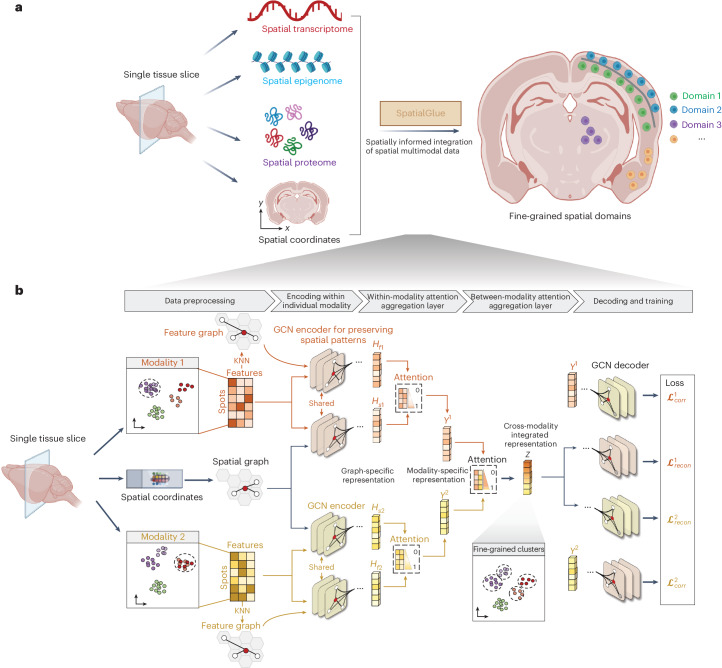
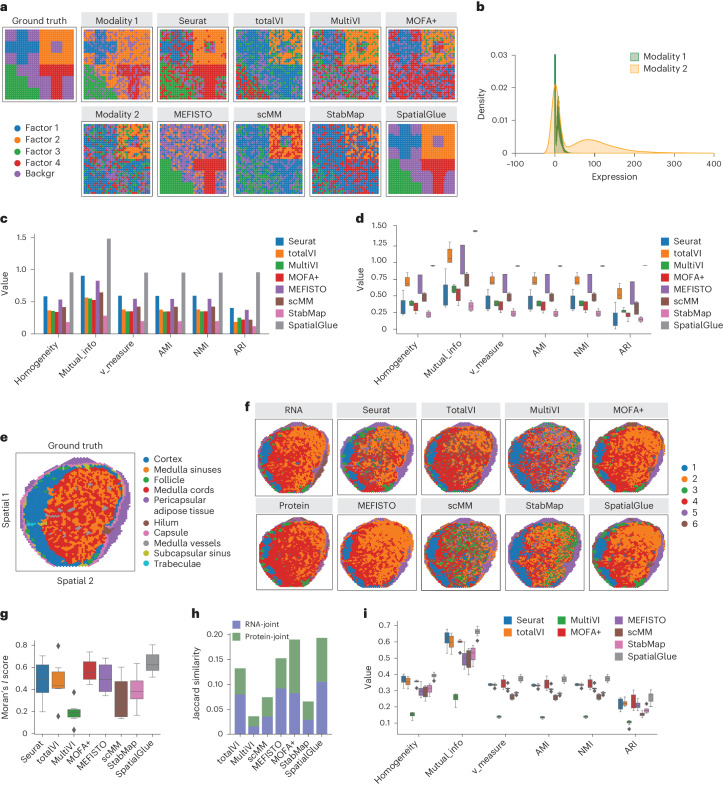
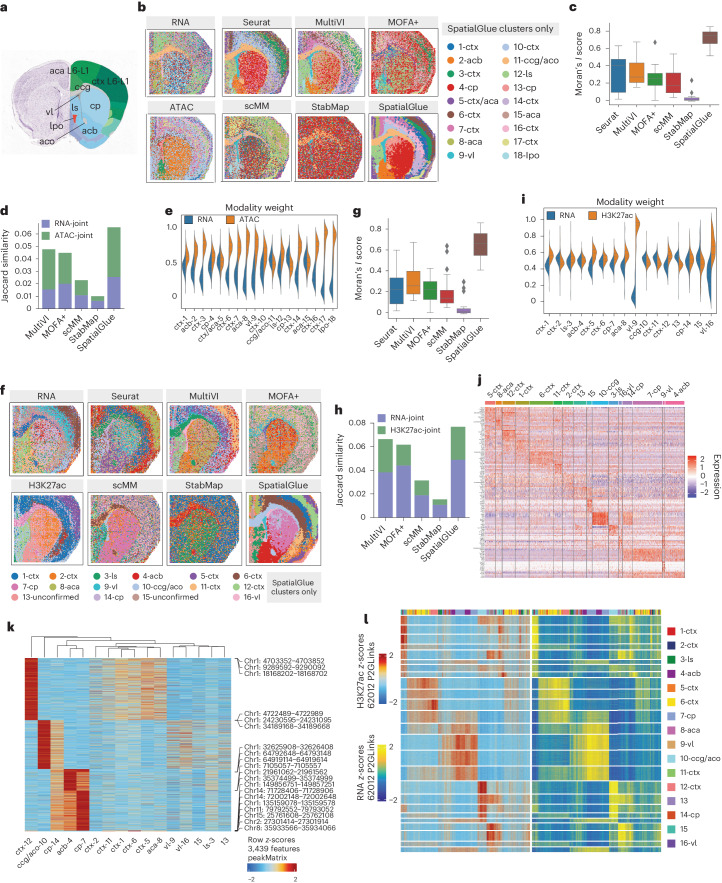
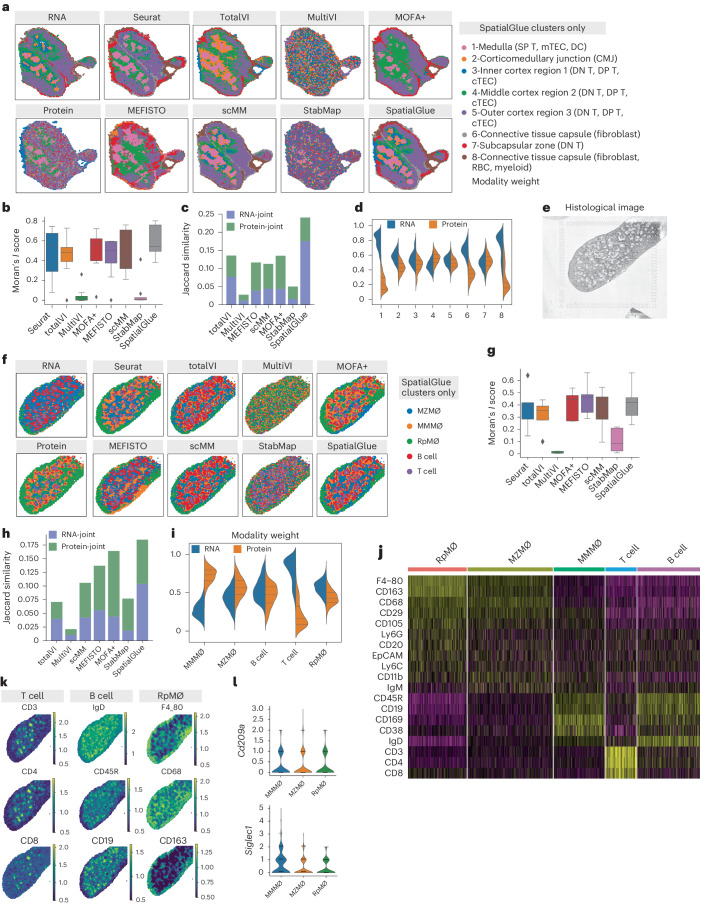
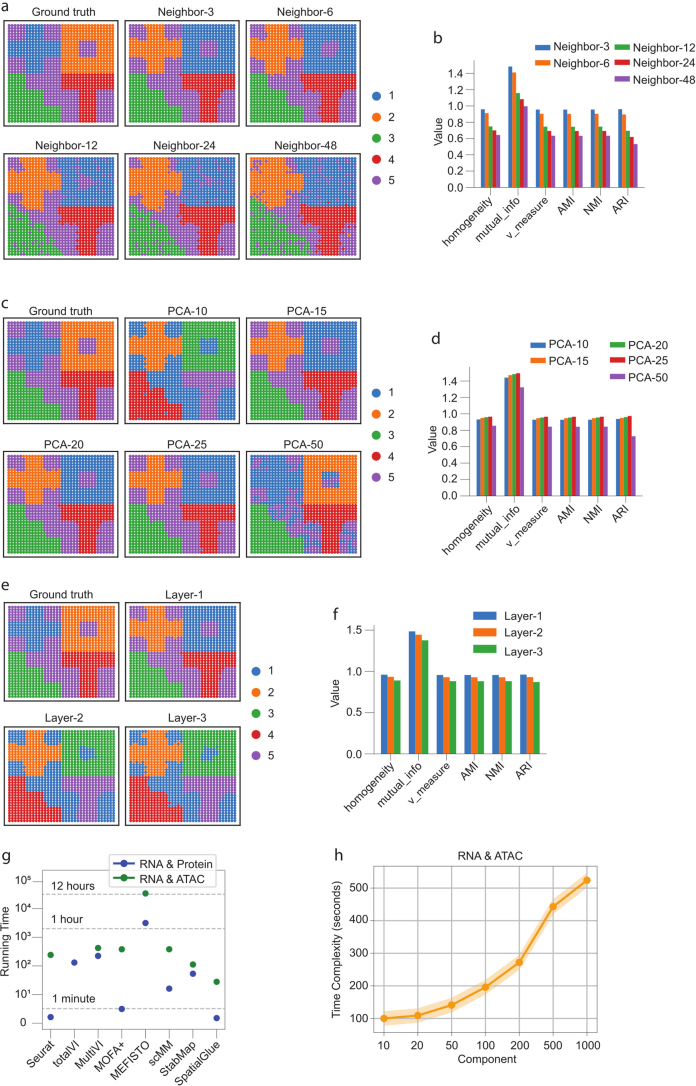
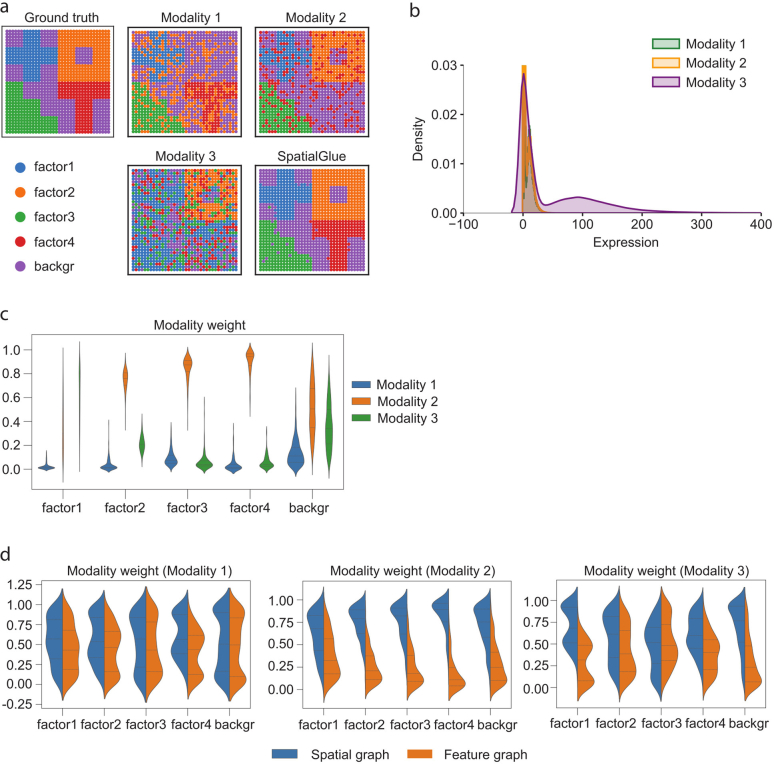
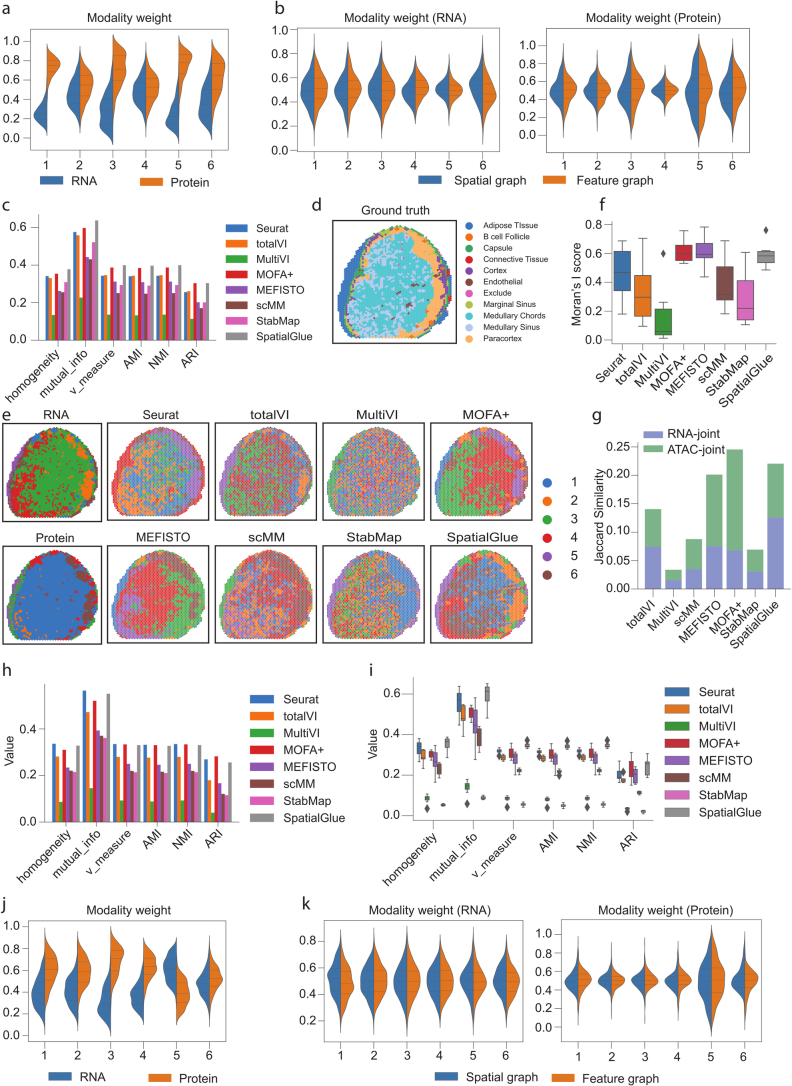
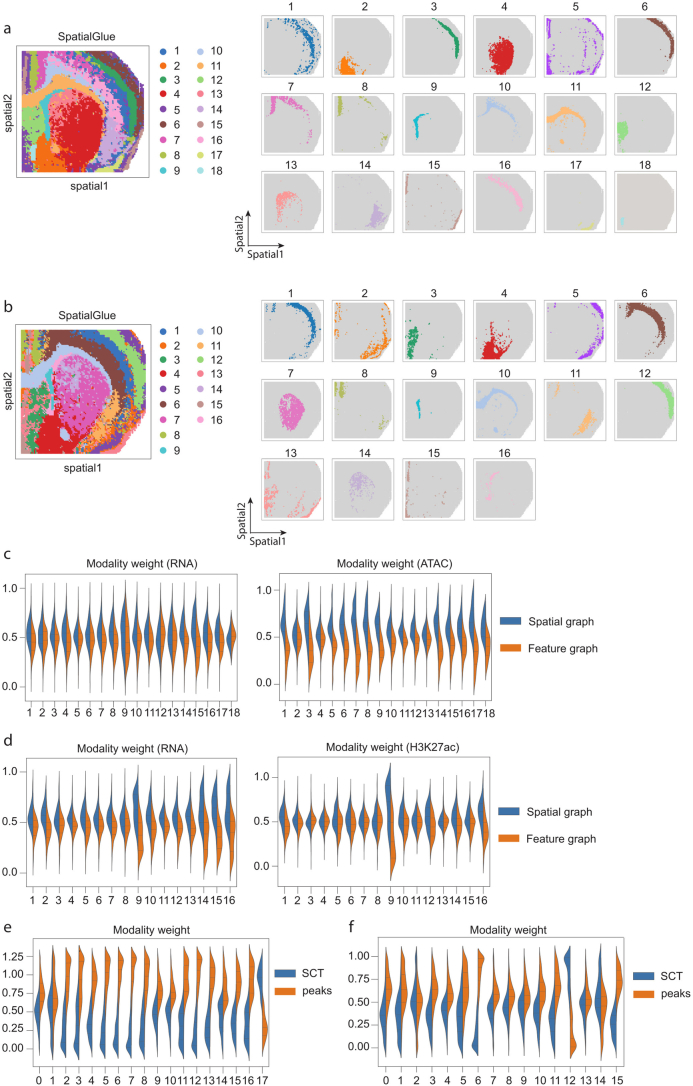
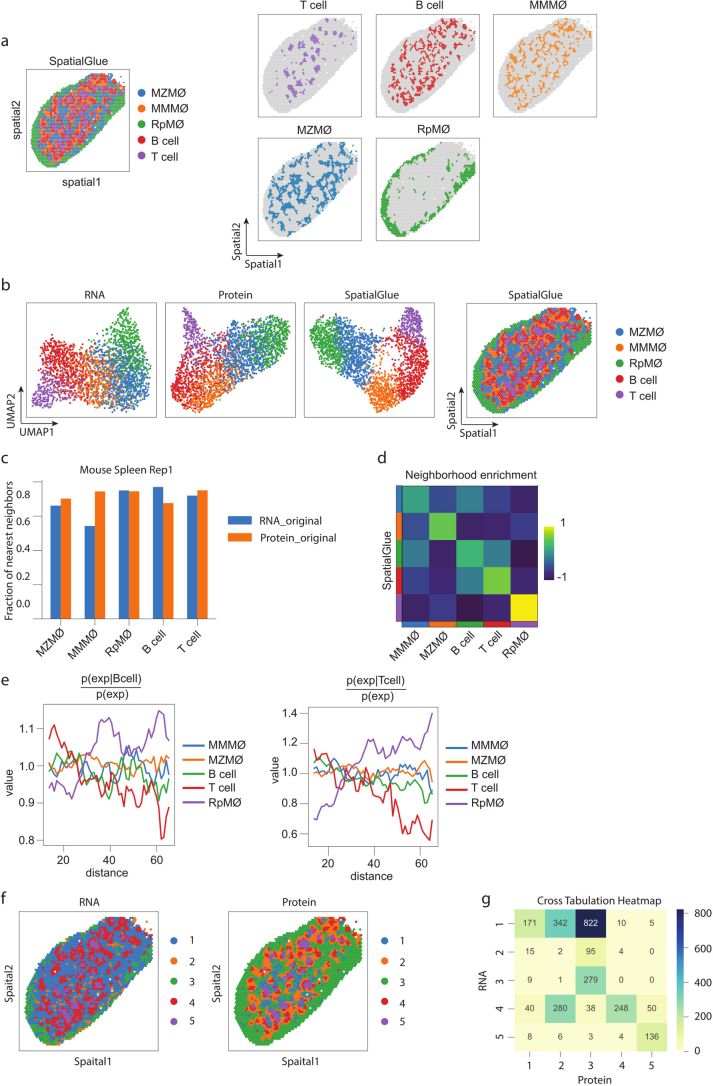
Advances in spatial omics technologies now allow multiple types of data to be acquired from the same tissue slice. To realize the full potential of such data, we need spatially informed methods for data integration. Here, we introduce SpatialGlue, a graph neural network model with a dual-attention mechanism that deciphers spatial domains by intra-omics integration of spatial location and omics measurement followed by cross-omics integration. We demonstrated SpatialGlue on data acquired from different tissue types using different technologies, including spatial epigenome-transcriptome and transcriptome-proteome modalities. Compared to other methods, SpatialGlue captured more anatomical details and more accurately resolved spatial domains such as the cortex layers of the brain. Our method also identified cell types like spleen macrophage subsets located at three different zones that were not available in the original data annotations. SpatialGlue scales well with data size and can be used to integrate three modalities. Our spatial multi-omics analysis tool combines the information from complementary omics modalities to obtain a holistic view of cellular and tissue properties.
Overview
The claims and statistics of this paper haven’t been checked yet.
Run the check — free, no account needed. It reads the open-access text and checks the sources it cites.
Integrity signals
Registry
Cites
Statistics
Figures
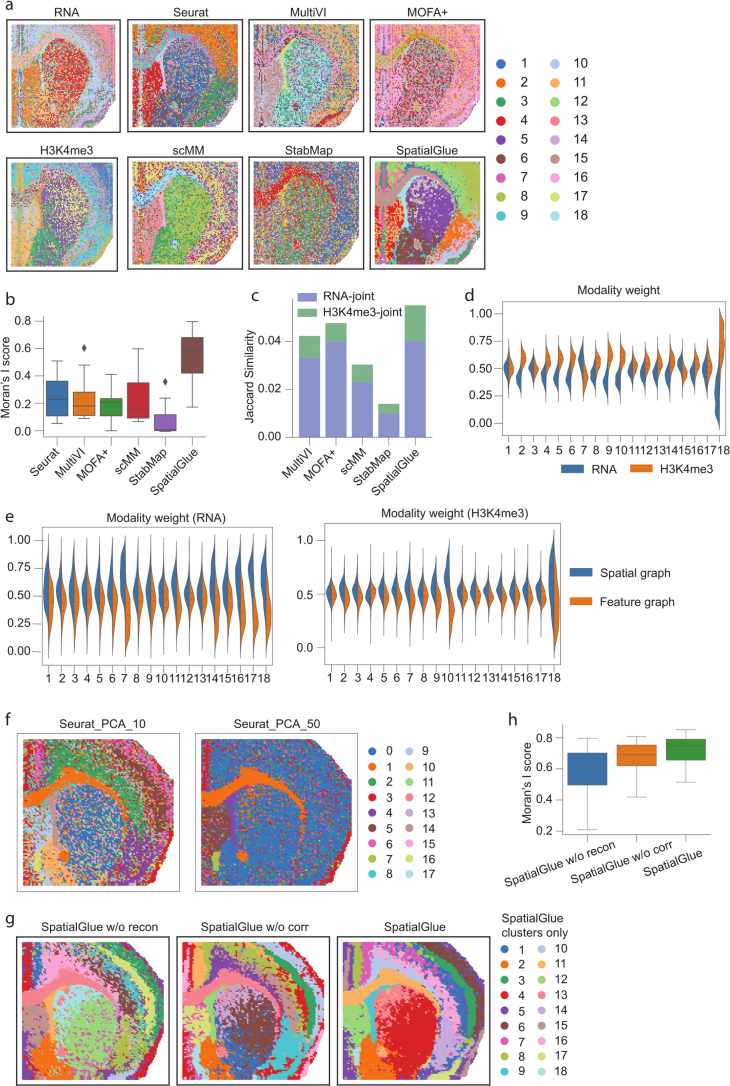
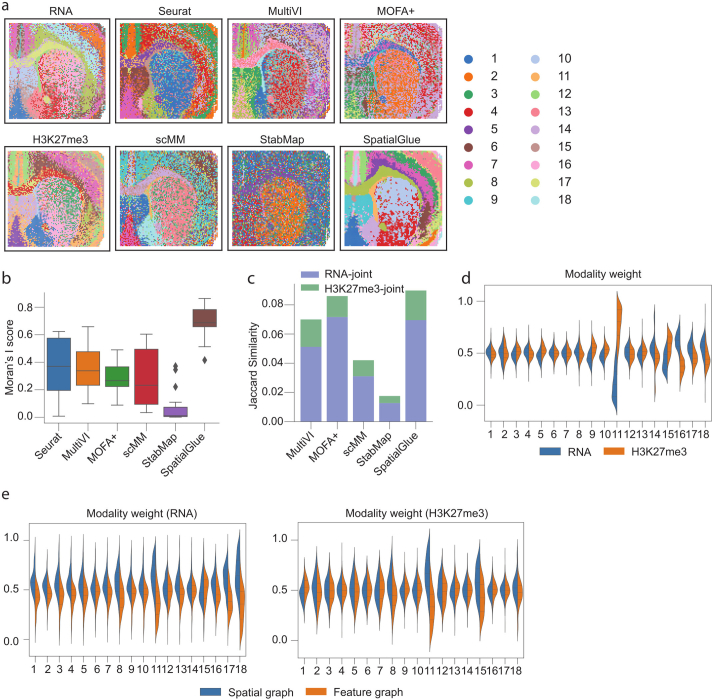
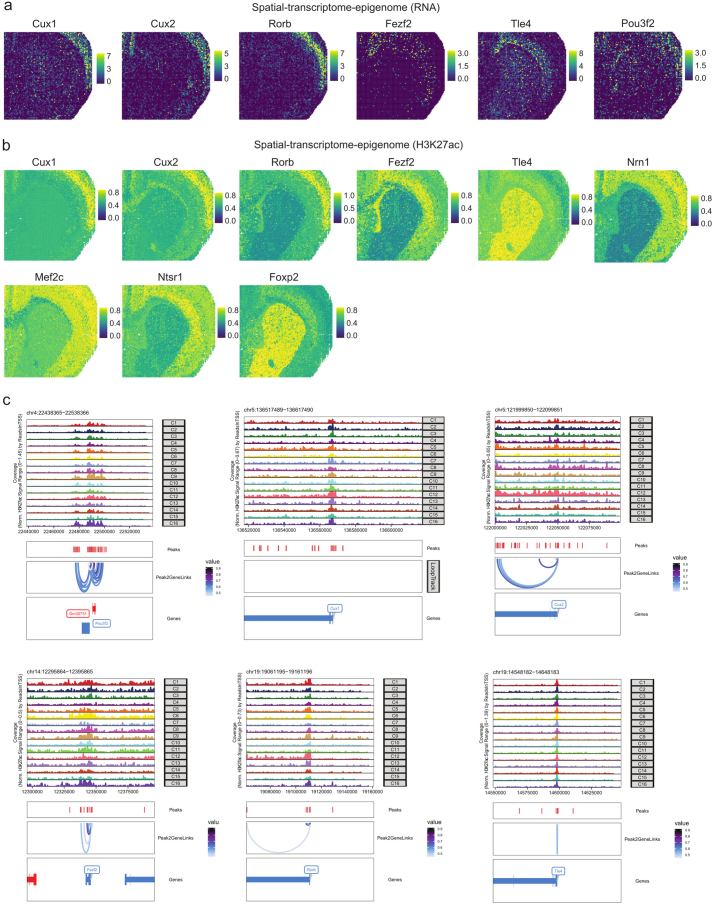
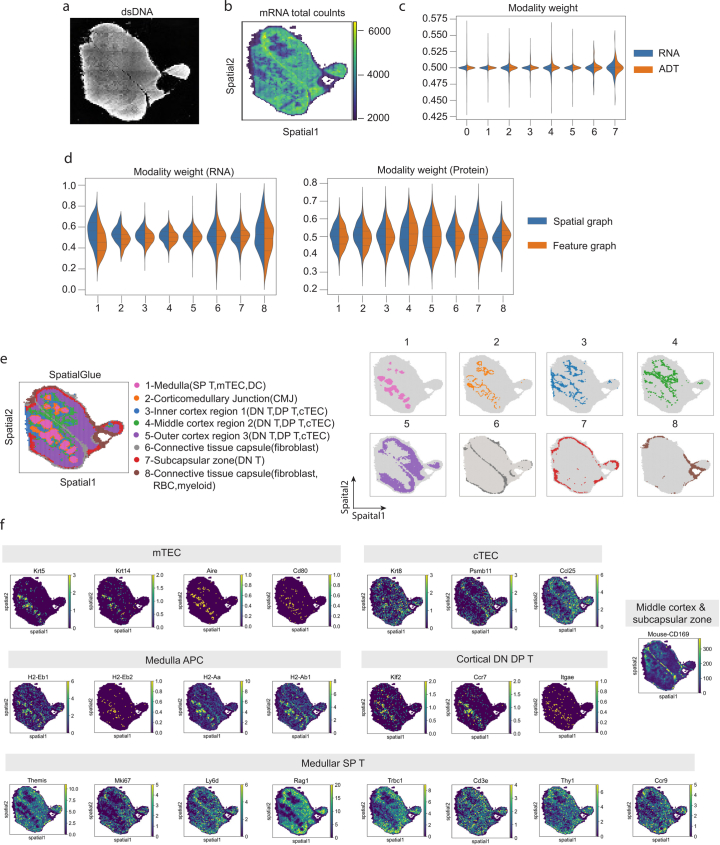
Verification
Claims the paper makes
The claims and statistics of this paper haven’t been checked yet.
Run the check — free, no account needed. It reads the open-access text and checks the sources it cites.
Claims other papers make about this one
Each is checked against this paper’s own text: does it say what the citing paper says it does?
The cited source says what the claim attributes to it.
In the citing paper
“Additionally, SpatialGLUE applied a GNN to integrate spatial multi-omics data [130], which captured more anatomical details including undiscovered cell types, and provided more accurate information on spatial domains.”
From Challenges in AI-driven Biomedical Multimodal Data Fusion and Analysis (2025) · cites this paper as [130]
Self-check
Percentages, sums and reported differences re-computed from the paper’s own numbers.
The self-check needs the paper’s full text.
Citations
Cites
Integrated analysis of multimodal single-cell data
Hao, Y., Hao, S., Andersen-Nissen, E., Mauck, W. M., Zheng, S., Butler, A., Lee, M. J., Wilk, A. J., Darby, C., Zagar, M., et al. (2020) · doi:10.1101/2020.10.12.335331 · Cited by 15,508
SCANPY: large-scale single-cell gene expression data analysis
Wolf, F. A., Angerer, P., & Theis, F. J. (2018) · Genome Biology · doi:10.1186/s13059-017-1382-0 · Cited by 8,881
Hu, J., Li, X., Coleman, K., Schroeder, A., Ma, N., Irwin, D. J., Lee, E. B., Shinohara, R. T., & Li, M. (2021) · Nature Methods · doi:10.1038/s41592-021-01255-8 · Cited by 1,113
Long, Y., Ang, K. S., Li, M., Chong, K. L. K., Sethi, R., Zhong, C., Xu, H., Ong, Z., Sachaphibulkij, K., Chen, A., et al. (2023) · Nature Communications · doi:10.1038/s41467-023-36796-3 · Cited by 700
Self-citationSpatial epigenome–transcriptome co-profiling of mammalian tissues
Zhang, D., Deng, Y., Kukanja, P., Agirre, E., Bartosovic, M., Dong, M., Ma, C., Ma, S., Su, G., Bao, S., et al. (2023) · Nature · doi:10.1038/s41586-023-05795-1 · Cited by 483 · cited 2×
“Notably, Spatial-Glue was able to differentiate more ctx layers than all other methods including the original analysis by Zhang et al. 3 .”
MethodSelf-citationMultiVI: deep generative model for the integration of multi-modal data
Ashuach, T., Gabitto, M. I., Jordan, M. I., & Yosef, N. (2021) · doi:10.1101/2021.08.20.457057 · Cited by 385
Chen, T., Wang, Z., Li, L., Li, D., Li, Z., Chang, X., Bian, P., Liang, G., Wang, Q., & Xie, T. (2025) · Schloss Dagstuhl – Leibniz-Zentrum für Informatik · doi:10.4230/lipics.ecoop.2025.6
Research works printed but not linked: 20
- Liu, Y. et al. High-spatial-resolution multi-omics sequencing via deterministic barcoding in tissue. Cell 183, 1665–1681 (2020). · DOI · Paper page
- Liu, Y. et al. High-plex protein and whole transcriptome co-mapping at cellular resolution with spatial CITE-seq. Nat. Biotechnol. 41, 1405–1409 (2023). · DOI · Paper page
- Ben-Chetrit, N. et al. Integration of whole transcriptome spatial profiling with protein markers. Nat. Biotechnol. 41, 788–793 (2023). · DOI
- Vickovic, S. et al. SM-Omics is an automated platform for high-throughput spatial multi-omics. Nat. Commun. 13, 795 (2022). · DOI
- Liao, S. et al. Integrated spatial transcriptomic and proteomic analysis of fresh frozen tissue based on Stereo-seq. Preprint at bioRxiv https://doi.org/10.1101/2023.04.28.538364 (2023). · DOI
- Hudson, W. H. & Sudmeier, L. J. Localization of T cell clonotypes using the Visium spatial transcriptomics platform. STAR Protoc. 3, 101391 (2022). · DOI
- Janesick, A. et al. High resolution mapping of the tumor microenvironment using integrated single-cell, spatial and in situ analysis. Nat. Commun. 14, 8353 (2023). · DOI
- Takei, Y. et al. Integrated spatial genomics reveals global architecture of single nuclei. Nature 590, 344–350 (2021). · DOI
- Su, J. -H., Zheng, P., Kinrot, S. S., Bintu, B. & Zhuang, X. Genome-scale imaging of the 3D organization and transcriptional activity of chromatin. Cell 182, 1641–1659 (2020). · DOI · Paper page
- Liu, J. et al. Concordance of MERFISH spatial transcriptomics with bulk and single-cell RNA sequencing. Life Sci. Alliance 6, e202201701 (2023). · DOI
- He, S. et al. High-plex imaging of RNA and proteins at subcellular resolution in fixed tissue by spatial molecular imaging. Nat. Biotechnol. 40, 1794–1806 (2022). · DOI · Paper page
- Argelaguet, R. et al. MOFA+: a statistical framework for comprehensive integration of multi-modal single-cell data. Genome Biol. https://doi.org/10.1186/s13059-020-02015-1 (2020). · DOI · Paper page
- Ghazanfar, S., Guibentif, C. & Marioni, J. C. Stabilized mosaic single-cell data integration using unshared features. Nat. Biotechnol. 42, 284–292 (2024). · DOI
- Gayoso, A. et al. Joint probabilistic modeling of single-cell multi-omic data with totalVI. Nat. Methods 18, 272–282 (2021). · DOI · Paper page
- Minoura, K., Abe, K., Nam, H., Nishikawa, H. & Shimamura, T. A mixture-of-experts deep generative model for integrated analysis of single-cell multiomics data. Cell Rep. Methods 1, 100071 (2021). · DOI
- Dong, K. & Zhang, S. Deciphering spatial domains from spatially resolved transcriptomics with an adaptive graph attention auto-encoder. Nat. Commun. 13, 1739 (2022). · DOI · Paper page
- Alexandre, Y. O. & Mueller, S. N. Splenic stromal niches in homeostasis and immunity. Nat. Rev. Immunol. 23, 705–719 (2023). · DOI
- Borges da Silva, H. et al. Splenic macrophage subsets and their function during blood-borne infections. Front. Immunol. 6, 480 (2015). · DOI
- Backer, R. et al. Effective collaboration between marginal metallophilic macrophages and CD8+ dendritic cells in the generation of cytotoxic T cells. Proc. Natl Acad. Sci. USA 107, 216–221 (2010). · DOI
- Kipf, T. N. & Welling, M. Semi-supervised classification with graph convolutional networks. In 5th International Conference on Learning Representations (ICLR, 2017).
Cited by
Sorted by citations
Resolving tissue complexity by multimodal spatial omics modeling with MISO
Coleman, K., Schroeder, A., Loth, M., Zhang, D., Park, J. H., Sung, J.-Y., Blank, N., Cowan, A. J., Qian, X., Chen, J., et al. (2025) · Nature Methods · doi:10.1038/s41592-024-02574-2 · Cited by 87
Self-citationAung, T. N., Monkman, J. H., Warrell, J., Vathiotis, I. A., Bates, K., Gavrielatou, N., Trontzas, I. P., Tan, C. W., Fernandez, A. I., Moutafi, M. K., et al. (2025) · Nature Genetics · doi:10.1038/s41588-025-02351-7 · Cited by 100
Ge, S., Sun, S., Xu, H., Cheng, Q. S., & Ren, Z. (2025) · Briefings in Bioinformatics · doi:10.1093/bib/bbaf136 · Cited by 97
“Many open-source frameworks have been developed, including SpatialData [130], SSGATE [148], STAligner [131], and SpatialGlue [149].”
Self-citationChallenges in AI-driven Biomedical Multimodal Data Fusion and Analysis
Liu, J., Cen, X., Yi, C., Wang, F.-A., Ding, J., Cheng, J., Wu, Q., Gai, B., Zhou, Y., He, R., et al. (2025) · Genomics, Proteomics & Bioinformatics · doi:10.1093/gpbjnl/qzaf011 · Cited by 75
“Additionally, SpatialGLUE applied a GNN to integrate spatial multi-omics data [130], which captured more anatomical details including undiscovered cell types, and provided more accurate information on spatial domains.”
Spatial dynamics of brain development and neuroinflammation
Zhang, D., Kirby, L. A., Lin, Y., Wang, W., Song, M., Wang, L., Wang, L., Kanatani, S., Jimenez-Beristain, T., Dang, Y., et al. (2025) · Nature · doi:10.1038/s41586-025-09663-y · Cited by 134
Self-citation
Metadata
- Authors
- Long, Y., Ang, K. S., Sethi, R., Liao, S., Heng, Y., van Olst, L., Ye, S., Zhong, C., Xu, H., Zhang, D., Kwok, I., Husna, N., Jian, M., Ng, L. G., Chen, A., Gascoigne, N. R. J., Gate, D., Fan, R., Xu, X., & Chen, J.
- Affiliations
- Agency for Science, Technology and Research (SG)
- BGI Group (China) (CN)
- Northwestern University (US)
- Yale University (US)
- Shanghai Jiao Tong University (CN)
- National University of Singapore (SG)
- Corresponding author
- Chen, Ao
- Chen, Jinmiao
- ORCID
- Venue
- Nature Methods
- Published
- 2024-06-21
- Volume
- 21
- Issue
- 9
- Pages
- 1658-1667
- ISSN
- 1548-7091 (ISSN-L)
- 1548-7105
- PMC
- PMC11399094
- OpenAlex
- W4399892951
- Cited by
- 223
- References
- 28
- Citations by year
- 2026: 131 · 2025: 78 · 2024: 13
- FWCI
- 30.22
- Type
- journal article
- Language
- en
- Open access
- hybrid
- doi.org
- Locations
- Nature Methods (publishedVersion, cc-by)
- Research Square (acceptedVersion, cc-by)
- PubMed Central (publishedVersion, cc-by)
- PubMed (publishedVersion)
- Funders
- National Research Foundation (NRF-CRP26-2021-0001)
- National Research Foundation Singapore (NRF-CRP26-2021-0001, MOH-OFLCG18May-0003)
- Medical Research Council
- National Medical Research Council (MOH-OFLCG18May-0003, NMRC /OFLCG/003/2018)
- Biomedical Research Council
- Topics
- Life Sciences › Biochemistry, Genetics and Molecular Biology › Molecular Biology › Single-cell and spatial transcriptomics
- Life Sciences › Biochemistry, Genetics and Molecular Biology › Molecular Biology › Bioinformatics and Genomic Networks
- Social Sciences › Economics, Econometrics and Finance › Economics and Econometrics › Spatial and Panel Data Analysis
- Keywords
- spatial multi-omics, spatial domain identification, graph neural networks, dual attention mechanism, transcriptome-proteome integration, spatial data integration
- MeSH terms
- Epigenome, Multiomics, Animals, Brain, Humans, Spleen, Neural Networks, Computer, Computational Biology, Proteome, Genomics, Proteomics, Mice, Transcriptome
About these checks
Registry, retraction, Cites and statistics results are computed, not judged, with one exception: a printed reference that no index lists is read once by a model before it counts as a citation error. Claims are extracted by a model and kept only when their quote appears verbatim in the text; each cited source is then checked, with a model’s help, for whether it says what the claim relies on. Those verdicts can be wrong — read the claim’s quote and the cited source before relying on one.
Statistics and arithmetic are recomputed, not judged.
Confidence bands are shown only for fields calibrated on our annotated test set. None is calibrated yet, so no band is shown.
What counts as a claim ›How we measure confidence ›How we check this ›
Are you an author, or do you see a problem with this page? Request a review
