

Faulty autolysosome acidification in Alzheimer’s disease mouse models induces autophagic build-up of Aβ in neurons, yielding senile plaques
Open accessThe DOI matches its Crossref record; 63 of the 63 references it cites were found in a registry or an index.
Abstract
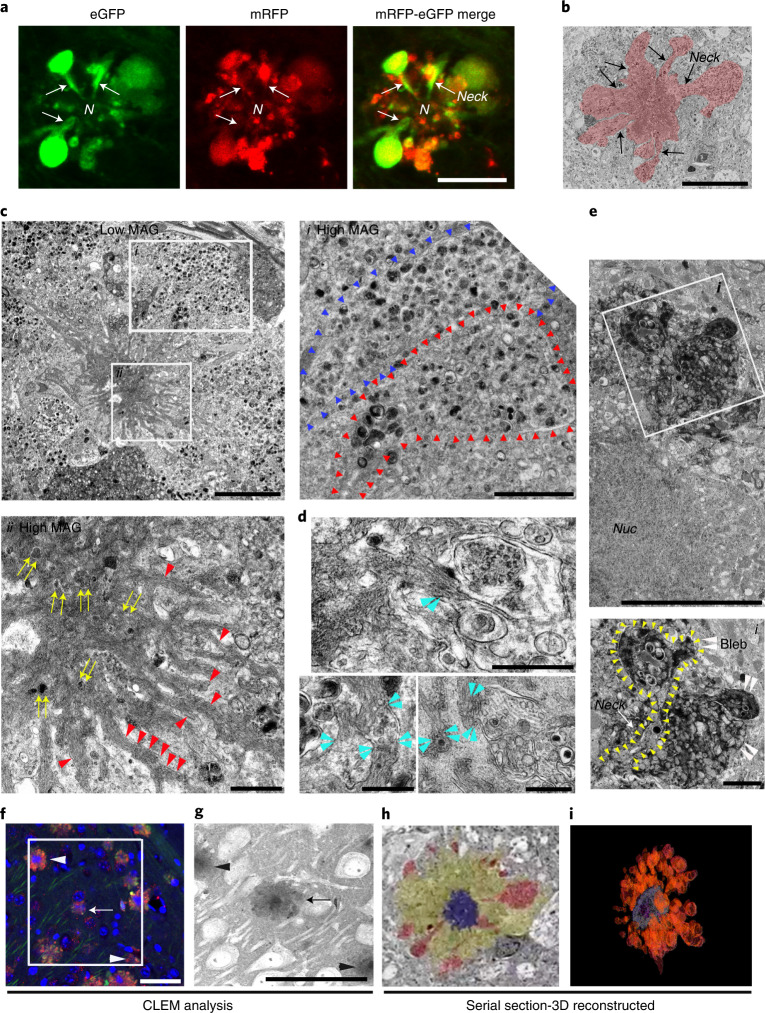
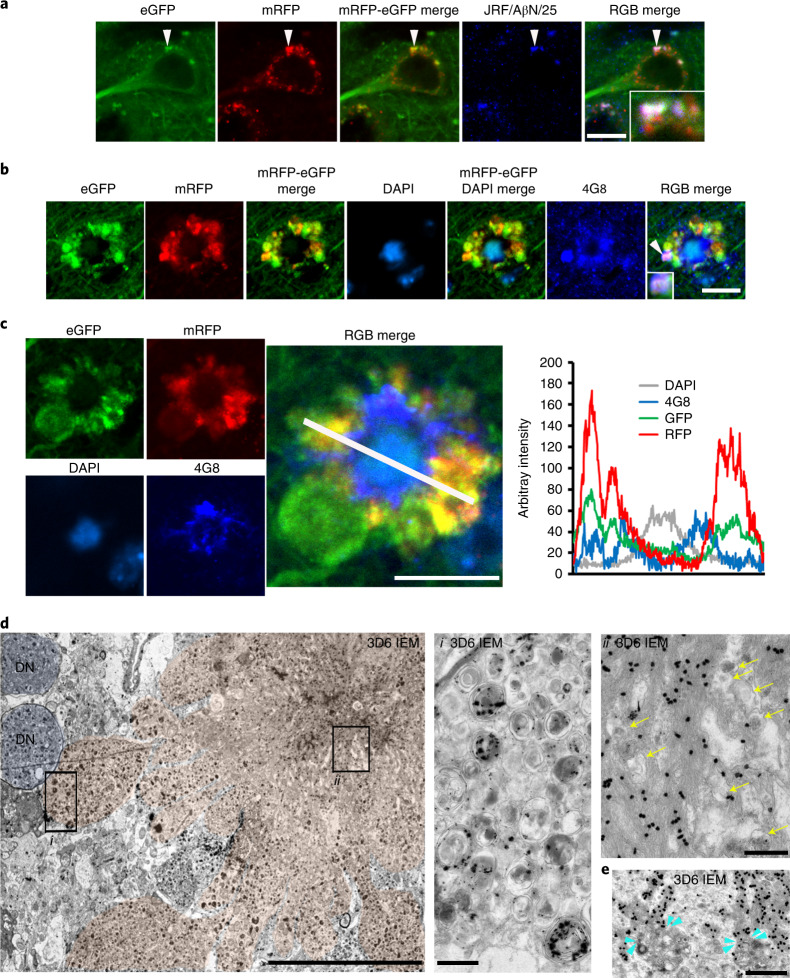
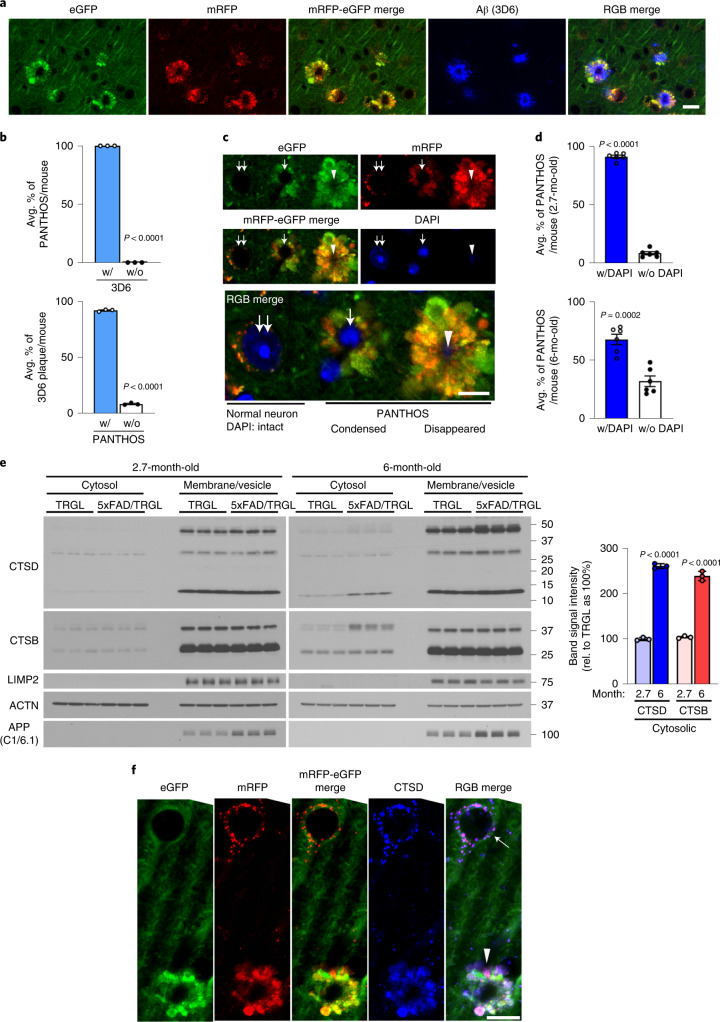
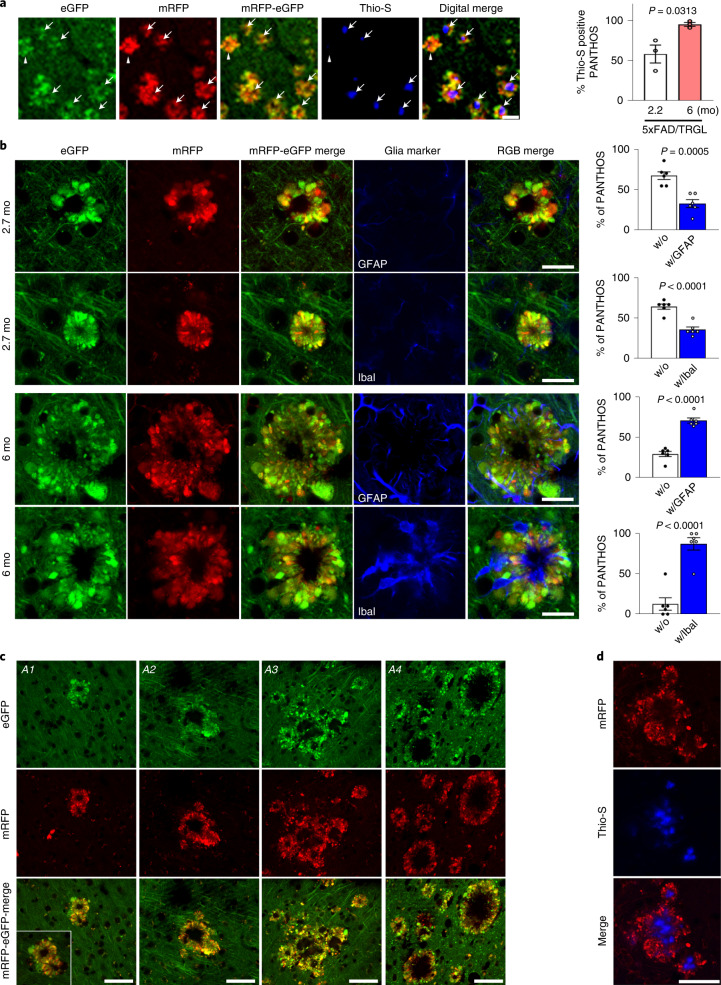
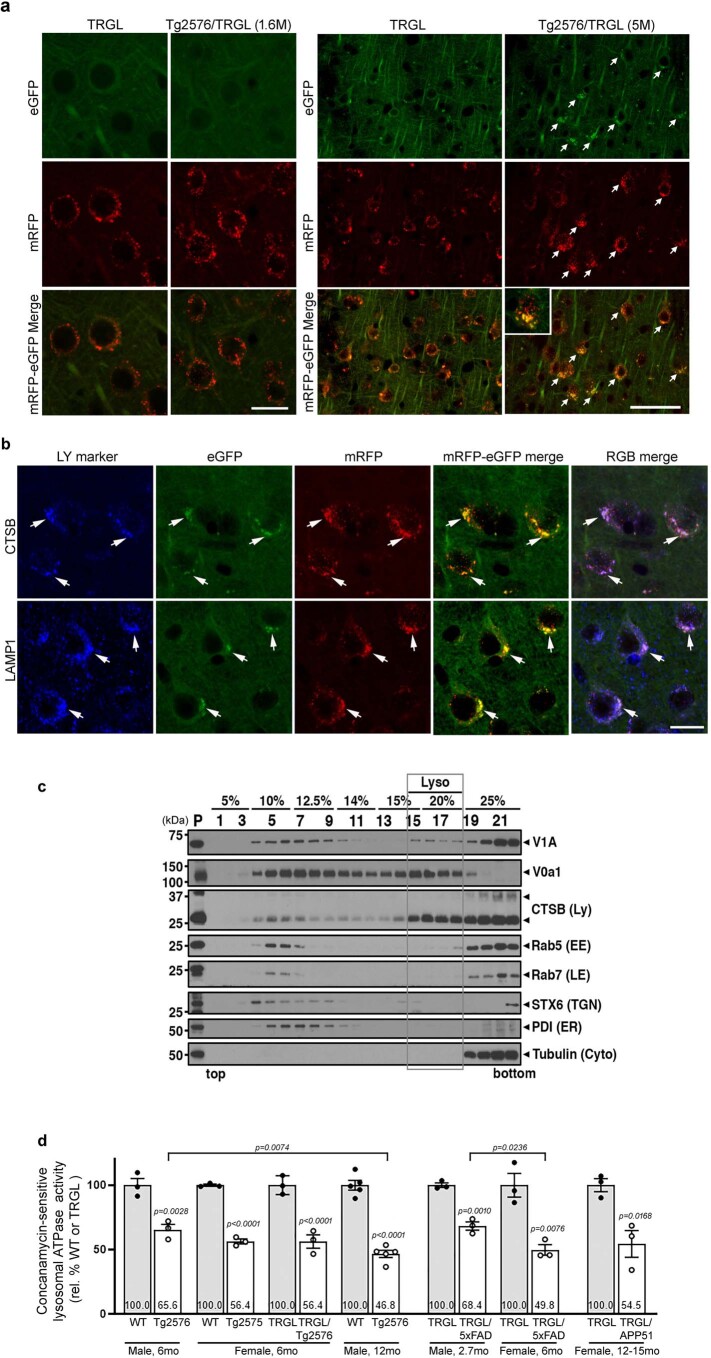
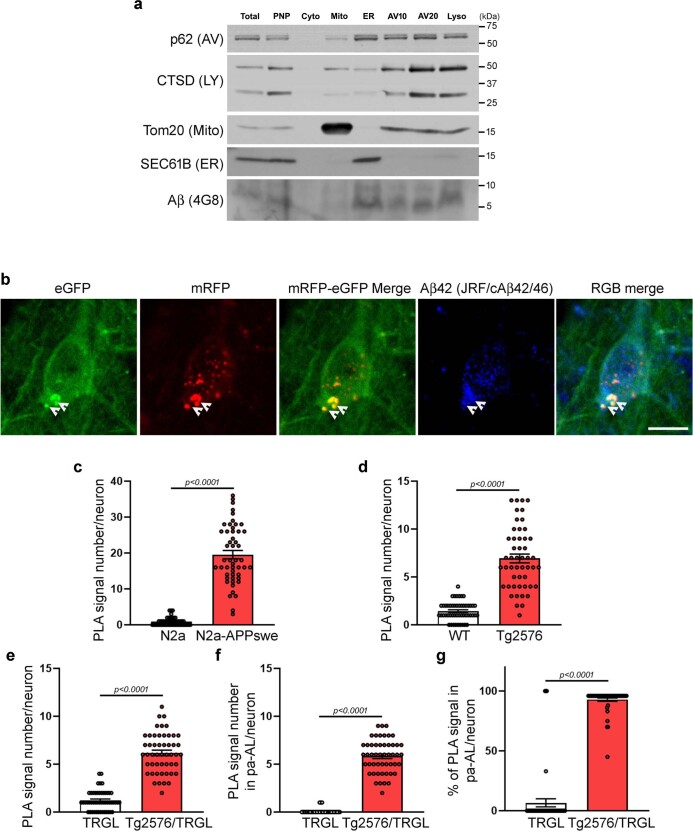
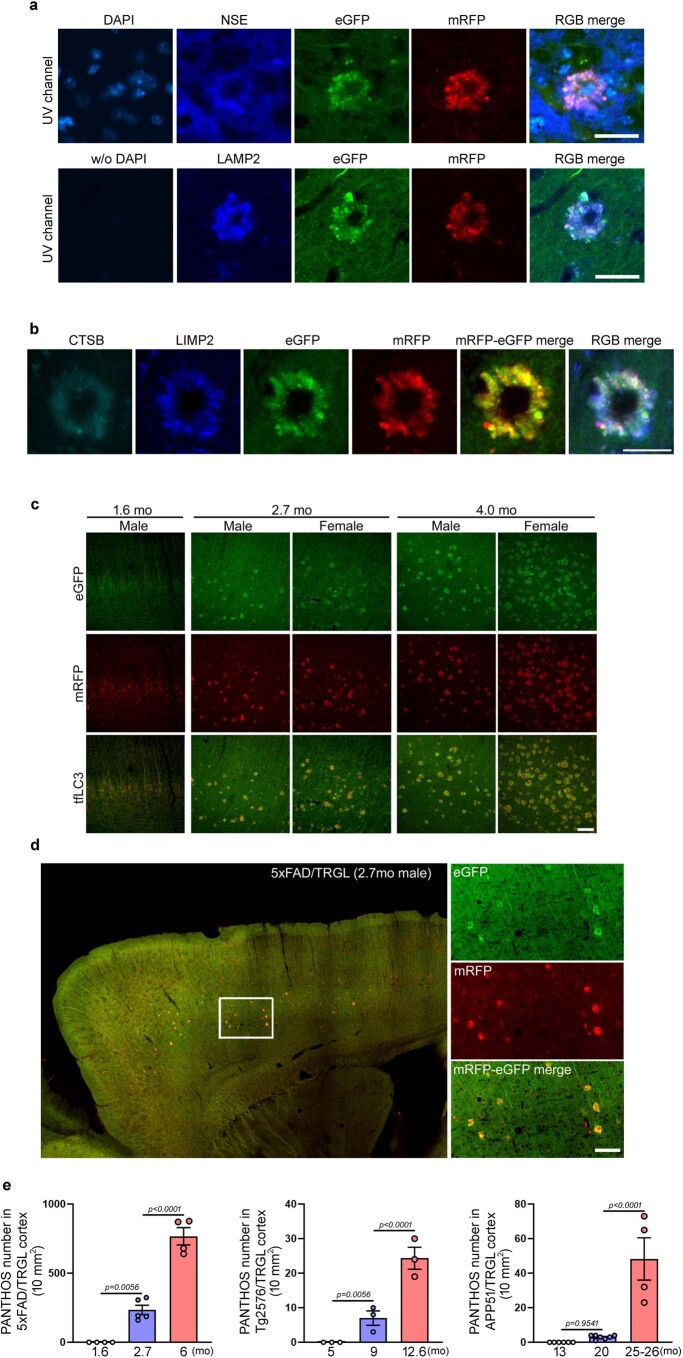
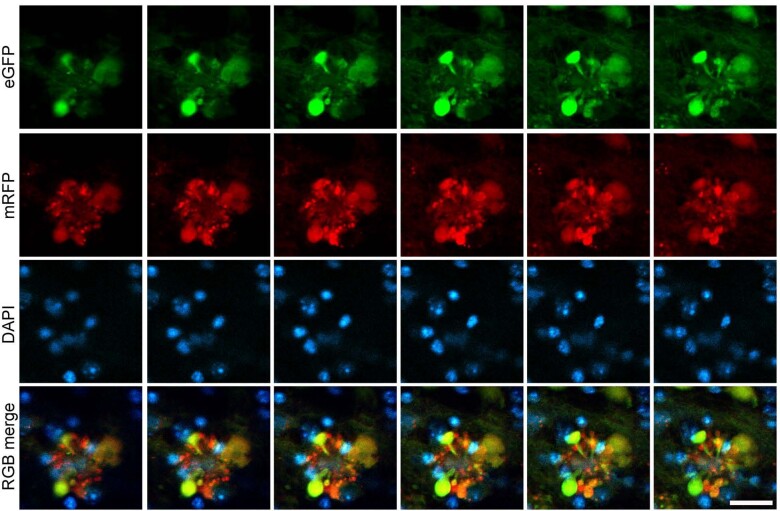
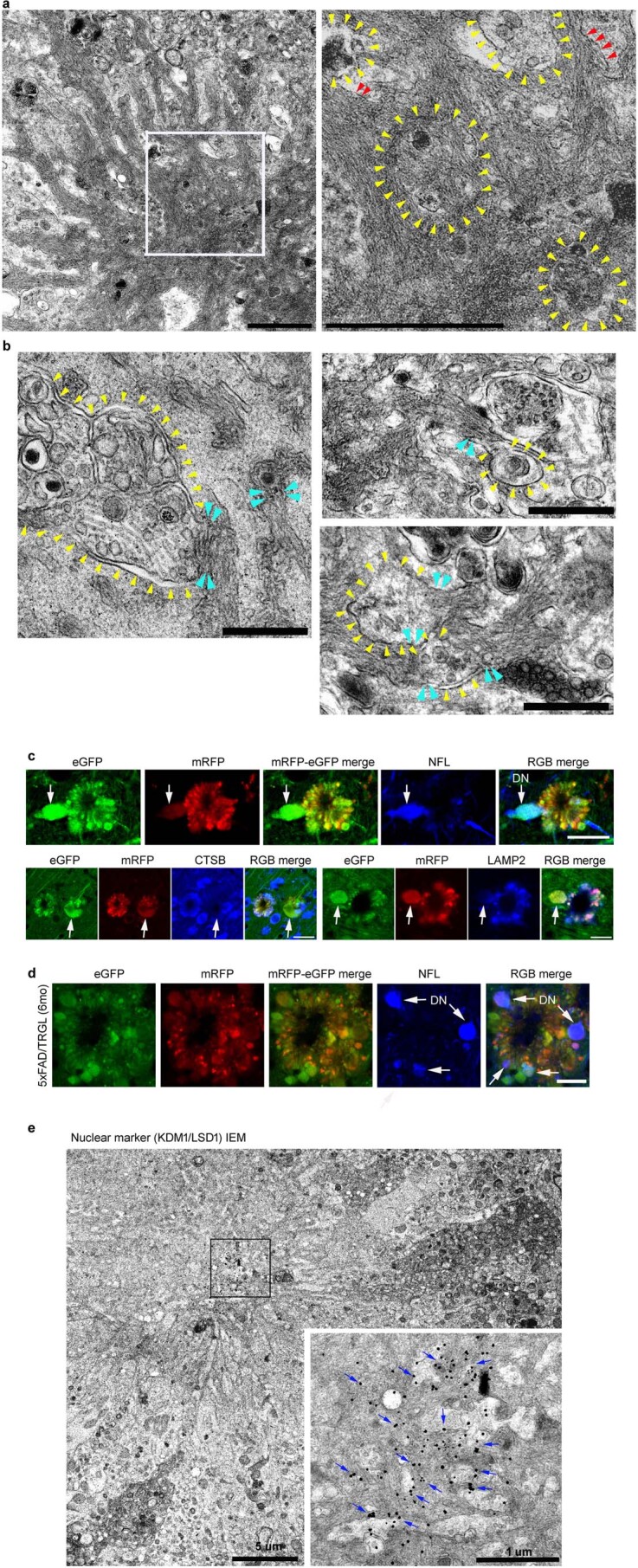
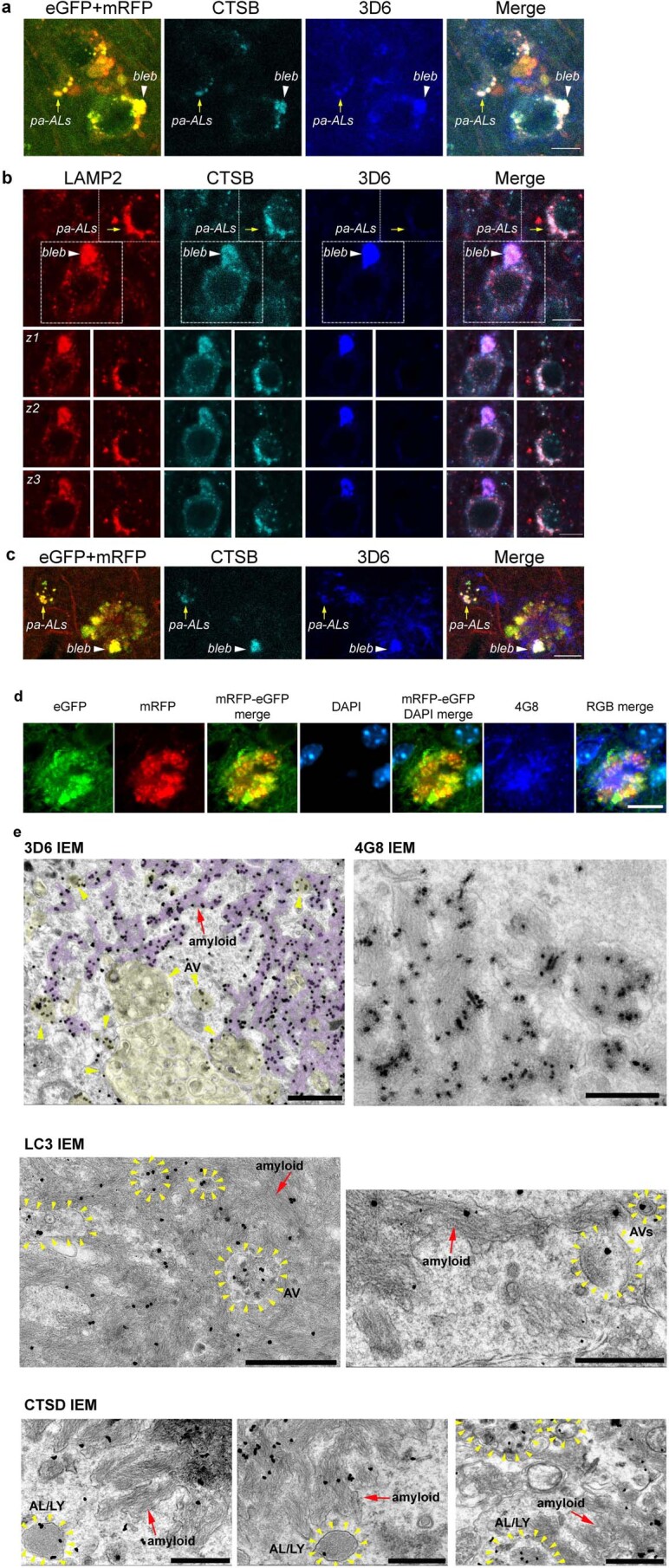
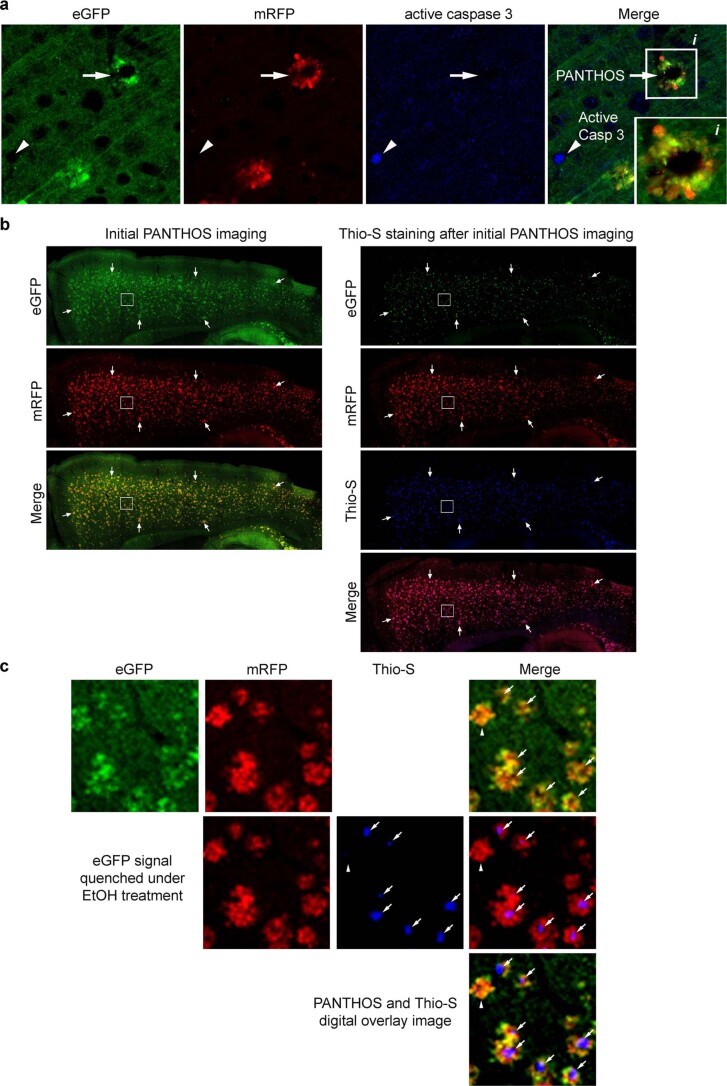
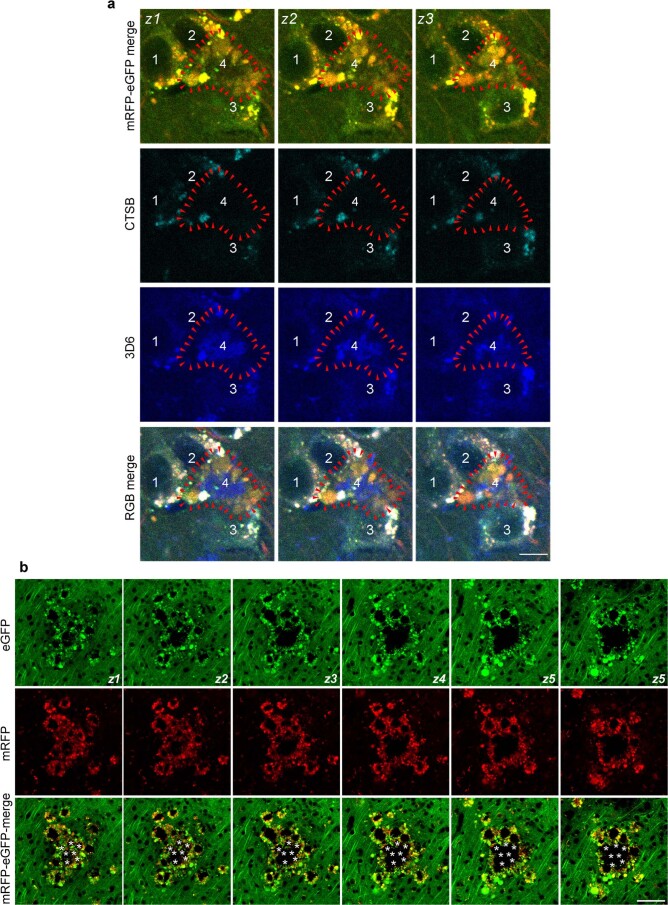
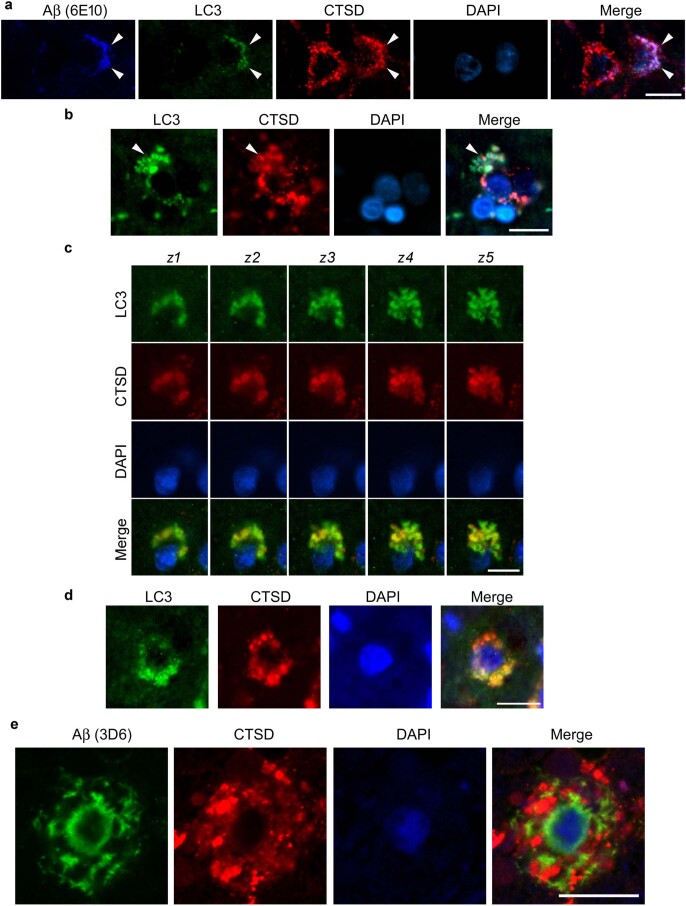
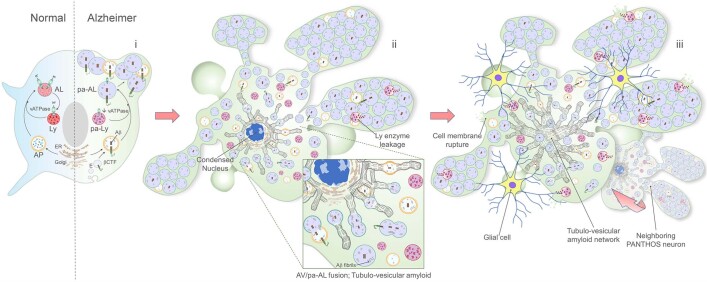
Autophagy is markedly impaired in Alzheimer’s disease (AD). Here we reveal unique autophagy dysregulation within neurons in five AD mouse models in vivo and identify its basis using a neuron-specific transgenic mRFP-eGFP-LC3 probe of autophagy and pH, multiplex confocal imaging and correlative light electron microscopy. Autolysosome acidification declines in neurons well before extracellular amyloid deposition, associated with markedly lowered vATPase activity and build-up of Aβ/APP-βCTF selectively within enlarged de-acidified autolysosomes. In more compromised yet still intact neurons, profuse Aβ-positive autophagic vacuoles (AVs) pack into large membrane blebs forming flower-like perikaryal rosettes. This unique pattern, termed PANTHOS (poisonous anthos (flower)), is also present in AD brains. Additional AVs coalesce into peri-nuclear networks of membrane tubules where fibrillar β-amyloid accumulates intraluminally. Lysosomal membrane permeabilization, cathepsin release and lysosomal cell death ensue, accompanied by microglial invasion. Quantitative analyses confirm that individual neurons exhibiting PANTHOS are the principal source of senile plaques in amyloid precursor protein AD models.
Overview
The claims and statistics of this paper haven’t been checked yet.
Free: it reads the open-access text and checks the first 5 claims that cite a source we can check. Create a free account to check every claim.
Integrity signals
Registry
Cites
Statistics
Figures
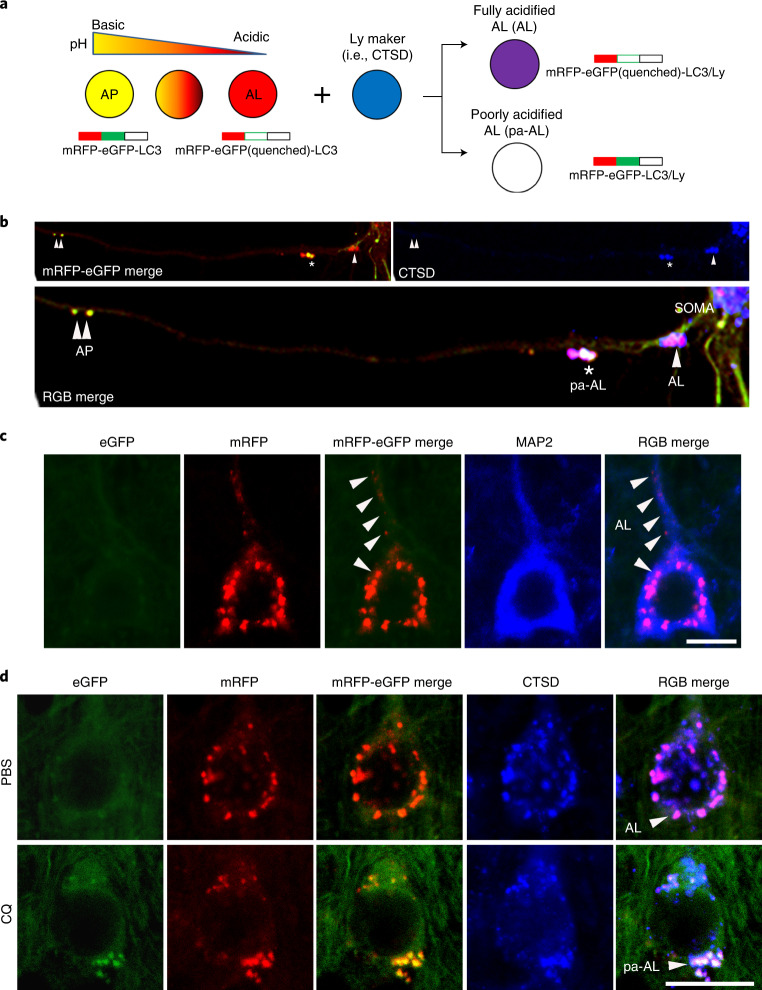
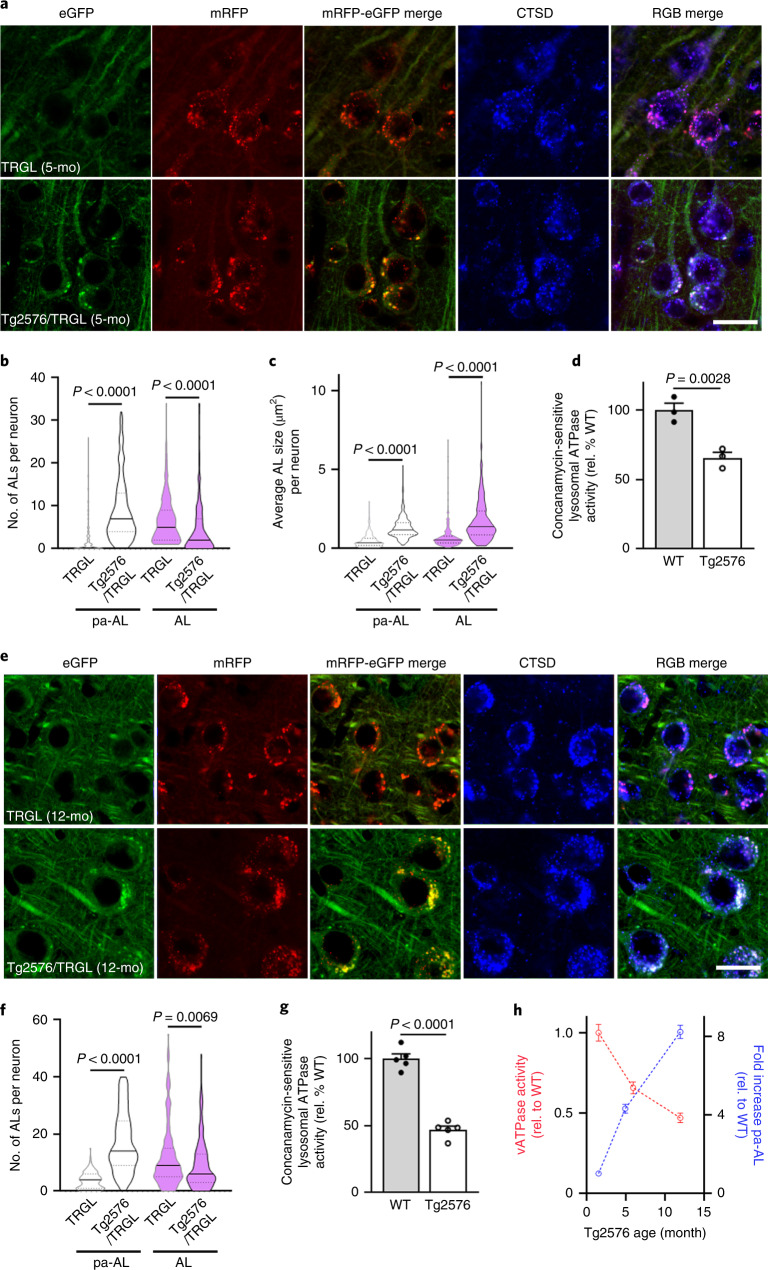
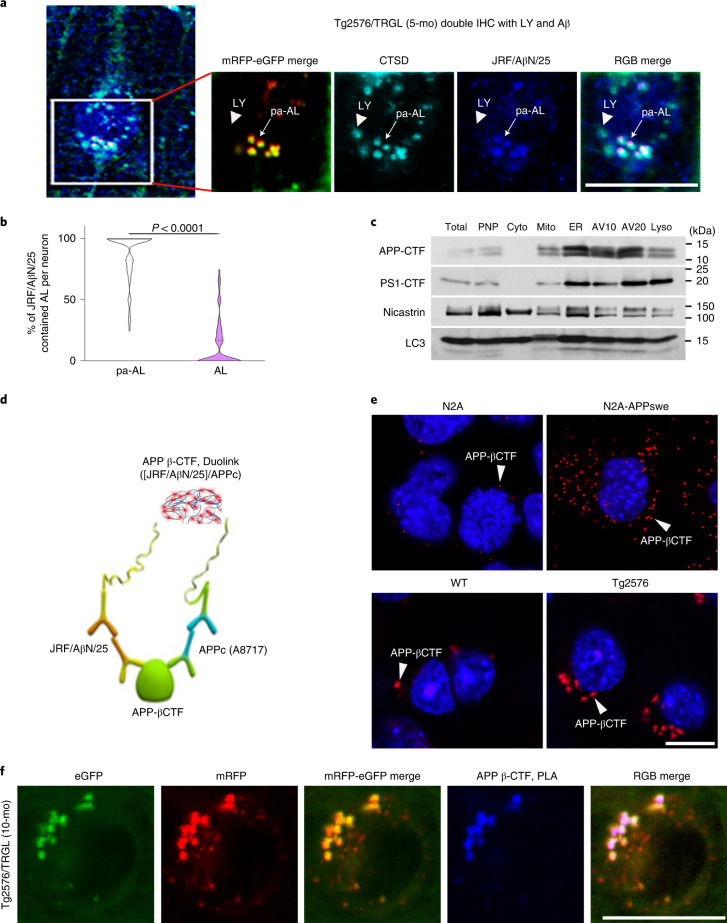
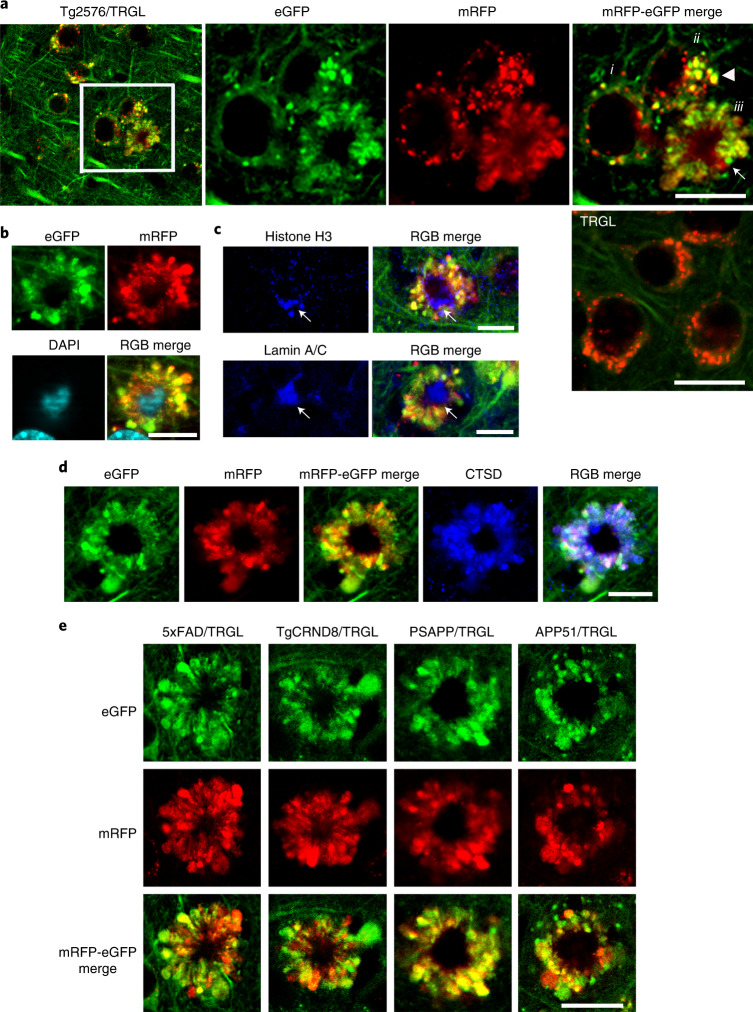
Verification
Claims the paper makes
The claims and statistics of this paper haven’t been checked yet.
Free: it reads the open-access text and checks the first 5 claims that cite a source we can check. Create a free account to check every claim.
Claims other papers make about this one
Each is checked against this paper’s own text: does it say what the citing paper says it does?
The source backs part of the claim, not all of it — or backs it for a different population, condition or comparison.
In the citing paper
“In consistent with this conception, the lysosomal dysfunction occurs earlier than neuronal Aβ-deposition but can prime Aβ accumulation of senile plaque in AD pathogenesis53.”
From PDCD4 triggers α-synuclein accumulation and motor deficits via co-suppressing TFE3 and TFEB translation in a model of Parkinson’s disease (2024) · cites this paper as [53]
Experimental — accuracy not yet measuredThe source backs part of the claim, not all of it — or backs it for a different population, condition or comparison.
In the citing paper
“Once lysosome acidification is hindered, the garbage decomposition pipeline stops, causing many garbage intermediate products to form and accumulate in the lysosome, including Aβ, Tau protein, and lipid droplets.[ 8 , 11 , 31 , 50 ]”
From Capsaicin Alleviates Autophagy‐Lysosomal Dysfunction via PPARA‐Mediated V‐ATPase Subunit ATP6V0E1 Signaling in 3xTg‐AD Mice (2025) · cites this paper as [11]
Experimental — accuracy not yet measuredThe cited source says what the claim attributes to it.
In the citing paper
“However, the abundant accumulation of autophagic vacuoles in swollen (malnourished) neurons is observed to have a linkage with Aβ/APP-βCTF, suggesting that autophagy clearance is severely disrupted under pathological conditions and is closely linked to amyloid pathology.115,225,230”
From Recent advances in Alzheimer's disease: Mechanisms, clinical trials and new drug development strategies. (2024) · cites this paper as [115]
The cited source says what the claim attributes to it.
In the citing paper
“In AD, lysosomal acidification deficits may weaken the clearance of Aβ, ultimately leading to the accumulation of extracellular Aβ plaques.115”
From Recent advances in Alzheimer's disease: Mechanisms, clinical trials and new drug development strategies. (2024) · cites this paper as [115]
The cited source says what the claim attributes to it.
In the citing paper
“This aligns with work from multiple laboratories showing that plaque formation depends on neuronal Aβ [45–48]”
From Selective suppression of oligodendrocyte-derived amyloid beta rescues neuronal dysfunction in Alzheimer’s disease (2024) · cites this paper as [45]
6 more claims about this paper
Create a free account to see every claim other papers make about this one.
Self-check
Percentages, sums and reported differences re-computed from the paper’s own numbers.
The self-check needs the paper’s full text.
Citations
Cites
Repertoires of Autophagy in the Pathogenesis of Ocular Diseases
Li, Y.-J., Jiang, Q., Cao, G.-F., Yao, J., & Yan, B. (2015) · Cellular Physiology and Biochemistry · doi:10.1159/000373980 · Cited by 16,304
Autophagy fights disease through cellular self-digestion
Mizushima, N., Levine, B., Cuervo, A. M., & Klionsky, D. J. (2008) · Nature · doi:10.1038/nature06639 · Cited by 6,452
Cui, C., Cui, J., Jin, F., Cui, Y., Li, R., Jiang, X., Tian, Y., Wang, K., Jiang, P., & Gao, J. (2017) · Cellular Physiology and Biochemistry · doi:10.1159/000479571 · Cited by 5,203
Correlative Memory Deficits, Aβ Elevation, and Amyloid Plaques in Transgenic Mice
Hsiao, K., Chapman, P., Nilsen, S., Eckman, C., Harigaya, Y., Younkin, S., Yang, F., & Cole, G. (1996) · Science · doi:10.1126/science.274.5284.99 · Cited by 4,210
Oakley, H., Cole, S. L., Logan, S., Maus, E., Shao, P., Craft, J., Guillozet-Bongaarts, A., Ohno, M., Disterhoft, J., Van Eldik, L., et al. (2006) · The Journal of Neuroscience · doi:10.1523/jneurosci.1202-06.2006 · Cited by 3,530
Neuropathological alterations in Alzheimer disease
Serrano-Pozo, A., Frosch, M. P., Masliah, E., & Hyman, B. T. (2011) · Cold Spring Harbor Perspectives in Medicine · doi:10.1101/cshperspect.a006189 · Cited by 3,345
Knopman, D. S., Amieva, H., Petersen, R. C., Chételat, G., Holtzman, D. M., Hyman, B. T., Nixon, R. A., & Jones, D. T. (2021) · Nature Reviews Disease Primers · doi:10.1038/s41572-021-00269-y · Cited by 2,606
Self-citationKimura, S., Noda, T., & Yoshimori, T. (2007) · Autophagy · doi:10.4161/auto.4451 · Cited by 2,278
The role of autophagy in neurodegenerative disease
Nixon, R. A. (2013) · Nature Medicine · doi:10.1038/nm.3232 · Cited by 2,059
Self-citationIntracellular amyloid-β in Alzheimer's disease
LaFerla, F. M., Green, K. N., & Oddo, S. (2007) · Nature Reviews Neuroscience · doi:10.1038/nrn2168 · Cited by 1,942
Research works printed but not linked: 5
- Yang, D.S., Stavrides, P., Mohan, P.S., Kaushik, S., Kumar, A., Ohno, M., Schmidt, S.D., Wesson, D., Bandyopadhyay, U., Jiang, Y., et al. (2011). Reversal of autophagy dysfunction in the TgCRND8 mouse model of Alzheimer's disease ameliorates amyloid pathologies and memory deficits. Brain 134, 258-277. · DOI · Paper page
- Cataldo, A.M., Peterhoff, C.M., Schmidt, S.D., Terio, N.B., Duff, K., Beard, M., Mathews, P.M., and Nixon, R.A. (2004). Presenilin mutations in familial Alzheimer disease and transgenic mouse models accelerate neuronal lysosomal pathology. J Neuropathol Exp Neurol 63, 821-830. · DOI · Paper page
- Mouse monoclonal anti-NFL was validated by our study: Yuan, A., Sershen, H., Veeranna, Basavarajappa, B.S., Kumar, A., Hashim, A., Berg, M., Lee, J.H., Sato, Y., Rao, M.V., et al. (2015). Neurofilament subunits are integral components of synapses and modulate neurotransmission and behavior in vivo. Mol Psychiatry 20, 986-994. JRF/AβN/25 was validated by our study: Mathews, P.M., Jiang, Y., Schmidt, S.D., Grbovic, O.M., Mercken, M., and Nixon, R.A. (2002). Calpain activity regulates the cell surface distribution of amyloid precursor protein. Inhibition of calpains enhances endosomal generation of beta-cleaved C-terminal APP fragments. J Biol Chem 277, 36415-36424. JRF/cAb42/26 was validated by this study: Janus, C. et al. Aβ peptide immunization reduces behavioural impairment and plaques in a model of Alzheimer's disease. Nature 408, 979-982 (2000). C1/6.1 was validated by our study: Jiang, Y., Mullaney, K.A., Peterhoff, C.M., Che, S., Schmidt, S.D., Boyer-Boiteau, A., Ginsberg, S.D., Cataldo, A.M., Mathews, P.M., and Nixon, R.A. (2010). Alzheimer's-related endosome dysfunction in Down syndrome is Aβ- independent but requires APP and is reversed by BACE-1 inhibition. Proc Natl Acad Sci U S A, 1630-1635. References · DOI · Paper page
- Bodendorf, U., Danner, S., Fischer, F., Stefani, M., Sturchler-Pierrat, C., Wiederhold, K.-H., Staufenbiel, M., and Paganetti, P. (2002). Expression of human β-secretase in the mouse brain increases the steady-state level of β-amyloid. Journal of Neurochemistry 80, 799-806.
- Anti-p62 C-terminal (Sqstm1) (https://us.progen.com/anti-p62-SQSTM1-C-terminus-guinea-pig-polyclonal-serum/GP62-C).. Anti-Sec1b (https://www.ptglab.com/products/SEC61B-Antibody-15087-1-AP.htm). Rabbit polyclonal anti-CTSD was validated by our study: Lee, J.-H., Yu, W.H., Kumar, A., Lee, S., Mohan, P.S., Peterhoff, C.M., Wolfe, D.M., Martinez-Vicente, M., Massey, A.C., Sovak, G., et al. (2010). Lysosomal proteolysis and autophagy require presenilin 1 and are disrupted by Alzheimer-related PS1 mutations. Cell 141, 1146-1158. · DOI · Paper page
Cited by
Items 301–400 of 640
Cao, B., Chen, X., Li, Y., Zhou, T., Chen, N., Guo, Y., Zhao, M., Guo, C., Shi, Y., Wang, Q., et al. (2024) · npj Parkinson's Disease · doi:10.1038/s41531-024-00760-9 · Cited by 12
Aβ40 Aggregation under Changeable Conditions
Curto, J. S., Fernández, M. R., Cladera, J., Benseny‐Cases, N., & de Groot, N. S. (2023) · International Journal of Molecular Sciences · doi:10.3390/ijms24098408 · Cited by 9
Asiamah, E. A., Feng, B., Guo, R., Yaxing, X., Du, X., Liu, X., Zhang, J., Cui, H., & Ma, J. (2024) · Journal of Alzheimer s Disease · doi:10.3233/jad-230658 · Cited by 9
Feole, M., Devoto, V. M. P., Dragišić, N., Arnaiz, C., Bianchelli, J., Texlova, K., Kovačovicova, K. L., Novotný, J., Havas, D., Falzone, T. L., et al. (2024) · Journal of Biological Chemistry · doi:10.1016/j.jbc.2024.107137 · Cited by 11
“The observation of these vesicular structures together with recent studies provide preliminary evidence of impaired axonal transport of endosomes and lysosomes by pathogenic FAD variants (47, 58, 59).”
BackgroundHao, M., Chu, J., Zhang, T., Yin, T., Gu, Y., Liang, W., Ji, W., Zhuang, J., Liu, Y., Gao, J., et al. (2024) · Neural Regeneration Research · doi:10.4103/nrr.nrr-d-23-01736 · Cited by 9
“Moreover, studies have shown that the observed Aβ plaques in the brain are the result of neuronal death caused by the accumulation of dysfunctional autophagosomes under conditions of autophagic stress (Lee et al., 2022).”
BackgroundLo, C. H., Ren, M., Loi, G. W. Z., Saipuljumri, E. N., Indajang, J., Lim, K., & Zeng, J. (2026) · Advanced Healthcare Materials · doi:10.1002/adhm.202502906 · Cited by 11
“Finally, the rationale for targeting autolysosomal acidification is supported by accumulating evidence that lysosomal impairment represents an early and functionally important pathogenic event in PD and related proteinopathies [28, 67–73].”
Physiological shedding and C-terminal proteolytic processing of TMEM106B
Held, S., Erck, C., Kemppainen, S., Bleibaum, F., Giridhar, N. J., Feederle, R., Krenner, C., Juopperi, S.-P., Calliari, A., Mentrup, T., et al. (2024) · Cell Reports · doi:10.1016/j.celrep.2024.115107 · Cited by 11
The ER protein CANX (calnexin)-mediated autophagy protects against alzheimer disease
Shen, H., Xie, Y., Wang, Y., Xie, Y., Wang, Y., Su, Z., Zhao, L., Yao, S., Cao, X., Liang, J., et al. (2025) · Autophagy · doi:10.1080/15548627.2024.2447206 · Cited by 12
Wei, M., Li, W., Bao, G., Yang, Z., Li, S., & Le, W. (2025) · Ecotoxicology and Environmental Safety · doi:10.1016/j.ecoenv.2025.118918 · Cited by 12
Marshall, K. E., Mengham, K., Spink, M. C., Vania, L., Pollard, H. J., Darrow, M. C., Duke, E., Harkiolaki, M., & Serpell, L. C. (2024) · Structure · doi:10.1016/j.str.2024.02.010 · Cited by 10
Strategies for measuring concentrations and forms of amyloid-β peptides
Shen, H., Liu, K., Kong, F., Ren, M., Wang, X., & Wang, S. (2024) · Biosensors and Bioelectronics · doi:10.1016/j.bios.2024.116405 · Cited by 10
Huang, X., Chen, F., Ma, Y., Zheng, F., Fang, Y., Feng, B., Huang, S., Zeng, H., & Zeng, W. (2023) · Biomaterials Research · doi:10.1186/s40824-023-00359-w · Cited by 8
Stroo, E., Janssen, L., Sin, O., Hogewerf, W., Koster, M. H., Harkema, L., Youssef, S. A., Beschörner, N., Wolters, A. H. G., Bakker, B., et al. (2023) · Life Science Alliance · doi:10.26508/lsa.202201730 · Cited by 10
“At 1 mo of age, before plaque deposition, we already observe a change in intracellular A β accumulation, which resembles the recently re-ported intracellular, perinuclear accumulation believed to be the precursor for the dense plaque core (Lee et al, 2022).”
The Highs and Lows of Memantine—An Autophagy and Mitophagy Inducing Agent That Protects Mitochondria
de Wet, S., Mangali, A., Batt, R., Kriel, J., Vahrmeijer, N., Niehaus, D. J. H., Theart, R. P., & Loos, B. (2023) · Cells · doi:10.3390/cells12131726 · Cited by 9
“Given that larger intracellular protein aggregates appear as lysosomal acidification begins to diminish [53,65,66], the lysosomal abundance and volume, in context with autophagy flux and mitochondrial quality control, deserve careful, collective attention.”
BackgroundLi, W., Dong, M., Dai, H., Lu, S., Luo, R., Cao, J., Zhang, F., Mei, L., & Yu, J. (2024) · Chinese Chemical Letters · doi:10.1016/j.cclet.2024.110614 · Cited by 9
Stavrides, P. H., Goulbourne, C. N., Peddy, J., Huo, C., Rao, M. V., Khetarpal, V. K., Marchionini, D. M., Nixon, R. A., & Yang, D. (2025) · eLife · doi:10.7554/elife.104979.3 · Cited by 12
Self-citationAlzheimer’s disease: a jigsaw puzzle comprised of different types of programmed cell death pieces
Wang, Y., Mu, D., Li, Y., Liu, C., Feng, J., Lai, Y., & Lou, G. (2025) · Brain Research · doi:10.1016/j.brainres.2025.149861 · Cited by 9
Lysosome trafficking across intracellular and intercellular networks in the brain
Murphy, D. T., & Lo, C. H. (2026) · Frontiers in Molecular Neuroscience · doi:10.3389/fnmol.2026.1755292 · Cited by 8
Lysosomes and lysosomal dysfunction in ageing biology
Steinhauser, M. L., Liu, Y., Rizzo, S. J. S., Chen, B. B., Finkel, T., & Tan, J. X. (2026) · Nature Cell Biology · doi:10.1038/s41556-026-02007-6 · Cited by 10
“Indeed, a fluorescent biosensor of lysosomal function has illuminated lysosomal dysfunction before pathological accumulation of protein aggregates in murine Alzheimer’s disease models 106 .”
Huang, J., Yu, Y., Pang, D., Li, C., Wei, Q., Cheng, Y., Cui, Y., Ou, R., & Shang, H. (2023) · Molecular Neurobiology · doi:10.1007/s12035-023-03835-5 · Cited by 11
“Lysosomal dysfunction caused by variants of lysosomal-related genes is implicated in several neurodegenerative diseases, such as Alzheimer’s disease (AD), Parkinson’s disease (PD), as well as ALS [24–26].”
BackgroundDavis, G. H., Zaya, A., & Pearce, M. M. P. (2024) · Journal of Neuroscience · doi:10.1523/jneurosci.1256-23.2024 · Cited by 7
Cao, J., Chen, H., Zhang, Y., Kang, Y., Zhou, S., Liao, Z., Gao, L., Yin, J., & Jing, Y. (2024) · Life Sciences · doi:10.1016/j.lfs.2024.122973 · Cited by 7
Zhu, X., Gao, J., & Qiu, C. (2024) · Metabolic Brain Disease · doi:10.1007/s11011-024-01409-5 · Cited by 8
“…unique autophagy dysregulation in five different APP-AD mouse models, and such failure was established to origi - nate from an early decrease of autolysosomes/lysosomes acidification (Lee et al. 2022), highlighting the potential of autophagy/lysosome regulators as therapeutic agents in AD.”
BackgroundMa, L., Meng, T., Wang, Y., Xue, Y., Zheng, Y., Chen, J., Xu, D., Sun, J. L., Yang, F., Huang, J., et al. (2024) · Talanta · doi:10.1016/j.talanta.2024.126938 · Cited by 8
Non-invasive biomarkers for brain aging: the role of autophagy-related microRNAs in plasma exosomes
Cheng, Q., Yu, S., Cui, Z., Chen, H., Fan, J., Yu, Q., Jin, Y., Wang, Y., Li, M., & Lu, Z. (2025) · Frontiers in Molecular Neuroscience · doi:10.3389/fnmol.2025.1588007 · Cited by 7
Tubulin deacetylase NDST3 modulates lysosomal acidification: Implications in neurological diseases
Tang, Q., Li, X., & Wang, J. (2022) · BioEssays · doi:10.1002/bies.202200110 · Cited by 10
“is thought to induce the neurodegeneration.[58,88,89] Mutation in the gene that encodes for protein presenilin-1 (PS1) has been reported to cause impaired lysosomal acidification and early-onset AD.”
BackgroundMiller, R. D., & Ratnayaka, J. A. (2023) · Neural Regeneration Research · doi:10.4103/1673-5374.373713 · Cited by 8
Gomez-Sequeda, N., Mendivil‐Perez, M., Jiménez-Del-Río, M., Lopera, F. J., & Velez‐Pardo, C. (2023) · Scientific Reports · doi:10.1038/s41598-023-39630-4 · Cited by 6
Jeong, J., Kim, O., Shim, J., Keum, S., Hwang, Y. E., Song, S., Kim, J., Choi, J., Lee, H. J., & Rhee, S. (2023) · Journal of Cellular Physiology · doi:10.1002/jcp.31131 · Cited by 8
Enriched oxygen improves age-related cognitive impairment through enhancing autophagy
Wang, S., Chen, B., Yuan, M., Liu, S., Fan, H., Yang, X., Zou, Q., Pu, Y., & Cai, Z. (2024) · Frontiers in Aging Neuroscience · doi:10.3389/fnagi.2024.1340117 · Cited by 8
Intralysosomal Amyloidogenesis and Proximity Labeling by Cathepsin CPreprint
Elias, R. D., Allen, S., Demiralp, I. I., O'Neill, R. T., Schäfer, J.-H., Siems, H., Montabana, E. A., Ermel, U. H., Ash, C. T., Abdurrob, F., et al. (2025) · bioRxiv (Cold Spring Harbor Laboratory) · doi:10.64898/2025.12.23.696283 · Cited by 11
“1a) has emerged as a routine biochemical reagent to induce rapid, acute lysosomal membrane damage upon exposure to cells, facilitating investigation of lysosomal repair mechanisms 7-11 , 26-28 Here, we employ a breadth of in vitro and cell-based assays to conclude that (Leu-Leu) n oligopeptides…”
Reducing brain Aβ burden ameliorates high-fat diet-induced fatty liver disease in APP/PS1 mice
Tsay, H.-J., Gan, Y., Su, Y., Sun, Y., Yao, H.-H., Chen, H., Hsu, Y.-T., Hsu, J. T., Wang, H., & Shie, F. (2024) · Biomedicine & Pharmacotherapy · doi:10.1016/j.biopha.2024.116404 · Cited by 6
Chiu, C., Weng, Y.-H., Yeh, T., Chen, W.-S., Liu, S.-Y., Chiu, T.-J., Li, A. H.-L., & Wang, H. (2025) · Life Sciences · doi:10.1016/j.lfs.2025.123789 · Cited by 9
Hybridoma-inspired strategy crafts tailored multifunctional exosomes for precision therapy
Dong, Z., Yin, T., Deng, Z., Zou, H., Kuang, L., Wang, Y., Shi, W., Han, M., Zhu, S., Wang, Z., et al. (2025) · Proceedings of the National Academy of Sciences · doi:10.1073/pnas.2424547122 · Cited by 9
“In AD, A β accumulation impairs lysosomes (28), and damages mitochondria (29, 30).”
Chen, J.-D., Chen, S., Liao, C.-C., Fang, C.-Y., & Yen, G. (2025) · Food & Function · doi:10.1039/d5fo03048j · Cited by 9
Zhong, R., & Richardson, C. E. (2025) · PLoS Biology · doi:10.1371/journal.pbio.3002957 · Cited by 9
“Lysosomal dysfunction plays a central role in neurodegenerative diseases, where protein aggregates, which are normally targeted for lysosomal degradation, accumulate and cause cellular toxicity [29–31].”
Dai, X., Ye, Z., Wang, C., Huang, Y., Chen, Y., Han, T., Gao, W., Wu, X., Zhang, J., & Chen, X. (2025) · Translational Neurodegeneration · doi:10.1186/s40035-025-00514-4 · Cited by 7
Lin, A., Dai, X., Chen, J., Han, T., Du, Q., Wu, M., Cheng, J., Chen, W., Ye, Q.-Y., Chen, X., et al. (2025) · Alzheimer s & Dementia · doi:10.1002/alz.70919 · Cited by 8
“10,17,82,83 Notably, targeting faulty lysosomal acidification dependent on V-ATPase, offers a novel approach for addressing lysosomal dysfunction in AD and related conditions.”
Wang, R., Chan, S. Y., & Finkel, T. (2026) · Circulation · doi:10.1161/circulationaha.125.075567 · Cited by 11
Wang, M., Thuenauer, R., Schubert, R., Gevorgyan, S., Lorenzen, K., Brognaro, H., & Betzel, C. (2023) · Soft Matter · doi:10.1039/d2sm01615j · Cited by 6
Badenetti, L., Manzoli, R., Trevisan, M., D’Avanzo, F., Tomanin, R., & Moro, E. (2023) · Scientific Reports · doi:10.1038/s41598-023-37138-5 · Cited by 6
Chen, K., Tang, F., Du, B., Yue, Z., Jiao, L., Ding, X., Tuo, Q., Meng, J., He, S., Dai, L., et al. (2023) · MedComm · doi:10.1002/mco2.429 · Cited by 8
Bagh, M. B., Appu, A. P., Sadhukhan, T., Mondal, A., Plavelil, N., Raghavankutty, M., Supran, A. M., Sadhukhan, S., Liu, A., & Mukherjee, A. B. (2024) · Journal of Biological Chemistry · doi:10.1016/j.jbc.2024.105641 · Cited by 7
“The activation of mTORC1 signaling has been reported to suppress autophagy (34, 35, 45), which is a conserved pathway for the degradation of aged proteins and organelles (32, 37, 38).”
BackgroundYan, D., Shi, Y., Nan, C., Jin, Q., Zhuo, Y., Huo, H., Kong, S., & Zhao, Z. (2024) · Experimental Cell Research · doi:10.1016/j.yexcr.2024.113960 · Cited by 7
Wang, J., Huo, X., Zhou, H., Liu, H., Li, X., Lü, N., & Sun, X. (2024) · Molecular Neurobiology · doi:10.1007/s12035-024-04011-z · Cited by 6
Carltonine-derived compounds for targeted butyrylcholinesterase inhibition
Pidaný, F., Křoustková, J., Jenčo, J., Breiterová, K., Múčková, Ľ., Novakova, L., Kuneš, J., Fibigar, J., Kucera, T., Novak, M., et al. (2024) · RSC Medicinal Chemistry · doi:10.1039/d4md00060a · Cited by 6
Liu, S., Yang, X., Yuan, M., Wang, S., Fan, H., Zou, Q., Pu, Y., & Cai, Z. (2024) · Metabolic Brain Disease · doi:10.1007/s11011-024-01358-z · Cited by 7
“…a result, the excessive accumulation of Aβ-positive autophagic vesi - cles results in large membrane-bound vesicles, creating a flower-shaped perinuclear ring (PANTHOS), which refers to a specific pathological pattern of autophagy dysfunction in the brains of individuals with AD (Lee et al. 2022).”
Afghah, Z., Khan, N., Datta, G., Halcrow, P. W., Geiger, J. D., & Chen, X. (2024) · International Journal of Molecular Sciences · doi:10.3390/ijms25116200 · Cited by 6
“Endolysosome de-acidification can increase intra-and extracellular levels of A β [11–13].”
BackgroundWang, X. L., Shao, X., Yu, L., Sun, J., Yin, X., Chen, Z., Xu, Y., Wang, N., Zhang, D., Qiu, W., et al. (2025) · Molecular Brain · doi:10.1186/s13041-025-01180-3 · Cited by 12
Kour, D., Khajuria, P., Sharma, K., Sharma, A., Sharma, A., Ali, S. M., Wazir, P., Ramajayan, P., Sawant, S. D., Nandi, U., et al. (2025) · Frontiers in Pharmacology · doi:10.3389/fphar.2025.1525364 · Cited by 9
Intraneuronal Aβ accumulation causes tau hyperphosphorylation via endolysosomal leakage
Gao, Y., Wang, L., Doeswijk, T., Winblad, B. G., Schedin‐Weiss, S., & Tjernberg, L. O. (2025) · Alzheimer s & Dementia · doi:10.1002/alz.70091 · Cited by 10
Inborn errors of canonical autophagy in neurodegenerative diseases
Freisem, D., Hoenigsperger, H., Catanese, A., & Sparrer, K. M. J. (2025) · Human Molecular Genetics · doi:10.1093/hmg/ddae179 · Cited by 7
“A β fibrils reduce autophagic flux in AD models and AD patients [55–57] which may additionally fuel deposition of fibrils [58].”
Bi, S., Yu, H., Gao, T., Wu, J., Mao, Y., Gong, J., Wang, F., Yang, L., Chen, J., Lan, Z., et al. (2025) · Aging Cell · doi:10.1111/acel.70184 · Cited by 8
Li, J., Lyu, X., Wang, P., & Zhu, B. T. (2023) · Journal of Functional Foods · doi:10.1016/j.jff.2023.105827 · Cited by 9
feng, T., zheng, H., zhang, Z., fan, P., & yang, X. (2024) · Ageing Research Reviews · doi:10.1016/j.arr.2024.102373 · Cited by 8
Caramello, A., Fancy, N., Tournerie, C., Eklund, M., Chau, V., Adair, E., Papageorgopoulou, M., Jackson, J., Hardy, J., & Matthews, P. M. (2023) · medRxiv · doi:10.1101/2023.11.23.23298911 · Cited by 3
Lysosome repair fails in ageing and Alzheimer’s disease
Vrancx, C., & Annaert, W. G. (2025) · Nature Cell Biology · doi:10.1038/s41556-024-01608-3 · Cited by 7
Chang, S., Ding, N., Li, Y., Li, Y., Tang, Z., Pan, J., Li, Y., & Chen, J. (2025) · CNS Neuroscience & Therapeutics · doi:10.1111/cns.70349 · Cited by 5
“…the dosing regimen was selected based on the clinical human dosage, with reference to the dosages used in animal experiments for similar traditional Chinese medicine formulations, such as Kaixin San, to ensure that the selected dose is within the safety range and has pharmacological activity [30].”
Girolimetti, G., Calcagnile, M., & Bucci, C. (2025) · International Journal of Molecular Sciences · doi:10.3390/ijms26209858 · Cited by 7
Real-time pH imaging of macrophage lysosomes using the pH-sensitive probe ApHID
Solé‐Domènech, S., Singh, P. K., Funes, L., Ma, C.-I. J., Warren, J. D., & Maxfield, F. R. (2025) · Cell Reports Methods · doi:10.1016/j.crmeth.2025.101203 · Cited by 9
“12 Also, it has been hypothesized that aging diminishes overall endolysosomal function, which could exacerbate neurodegenerative conditions.”
The impact of exercise on brain mitochondrial health and its relevance to Alzheimer's disease
Csikós, V., Thyfault, J. P., & Wilkins, H. (2025) · Brain and Environment · doi:10.1016/j.braen.2025.100012 · Cited by 6
“For instance, a study using five AD mouse models and a transgenic dual-fluorescence probe demonstrated early deficiencies in lysosomal acidification (via impaired vATPase activity) and autophagy dysfunction in neurons (Lee et al., 2022).”
Titze‐de‐Almeida, R., Gomes, G. D. M. O., dos Santos, T. C., & Titze-de-Almeida, S. S. (2025) · Pharmaceuticals · doi:10.3390/ph19010026 · Cited by 9
Lin, L., Pan, Z., Wei, Z., 江秀龙, Lai, Y., Chen, M., & Lin, F. (2026) · Journal of Neuroinflammation · doi:10.1186/s12974-026-03740-3 · Cited by 6
The Central Role of Neuronal Cell Death in Alzheimer’s Disease Pathobiology
Kwak, S., Kim, J. K., Lee, Y., Baek, H. S., Kwon, Y. J., Park, M.-N., Hong, J., Lee, S.-B., Kim, H. W., & Kim, S. H. (2026) · Biomedicines · doi:10.3390/biomedicines14050953 · Cited by 6
“Reduced activity or altered processing of lysosomal proteases, including cathepsins, reflects compromised degradation [15,104].”
Wang, Y., Ma, Z., Jin, Z., Kou, L., Xiong, N., Wang, T., & Xia, Y. (2026) · Cell Death and Differentiation · doi:10.1038/s41418-026-01800-y · Cited by 8
Single-cell atlas of transcriptomic vulnerability across brain disorders
Lee, D., Koutrouli, M., Masse, N. Y., Hoffman, G. E., Kinrot, S., Wang, X., Prashant, N. M., Pjanic, M., Clarence, T., Tsetsos, F., et al. (2026) · Nature · doi:10.1038/s41586-025-09573-z · Cited by 16
“The second cluster was related to cell metabolism pathways implicated in protein translation 2,68 , mitochondrial function 2,69 and acidification 70 , which showed strong downregulation in neurons with increasing disease pseudo-time, consistent with past studies 71 .”
Abnormal epigenetic modification of lysosome and lipid regulating genes in Alzheimer’s disease
Ruan, T., Ling, Y., Wu, C., Niu, Y., Liu, G., Xu, C., Lv, Z., Yuan, Y., Zhou, X., Wang, Q., et al. (2025) · Journal of Alzheimer s Disease · doi:10.1177/13872877251322955 · Cited by 8
Yang, Q., Ma, H., Yang, L., Jiang, M., Liu, X., & Bai, Z. (2025) · Science Signaling · doi:10.1126/scisignal.adt1936 · Cited by 6
Bell, J. M., Yagnik, G. B., Dettori, L. G., Carvalho, P., Wan, Z., Rothschild, K. J., & Lim, M. J. (2025) · Journal of the American Society for Mass Spectrometry · doi:10.1021/jasms.5c00057 · Cited by 8
Shang, J., Yan, J., Lou, H., Jiang, X., Wang, Z., Gao, Y., Fan, X., & Lu, X. (2025) · Advanced Science · doi:10.1002/advs.202508096 · Cited by 9
Homma, H., Yoshioka, Y., Fujita, K., Shirai, S., Hama, Y., Komano, H., Saito, Y., Yabe, I., Okano, H., Sasaki, H., et al. (2024) · Communications Biology · doi:10.1038/s42003-024-06066-z · Cited by 8
“We searched for differentially expressed genes (DEGs) by DESeq2 34 at iPSC, EB and Purkinje cell stages (Supplementary Data 1) and revealed a relationship between fold change (SCA1-iPSC per normal iPSC) and reliability ( p -value) as shown in the volcano plot, in which statistically signi fi cant genes ( | Log 2 Fold C…”
BackgroundInfluentialAmin, A., Perera, N. D., Tomas, D., Cuic, B., Radwan, M., Hatters, D. M., Turner, B. J., & Shabanpoor, F. (2024) · International Journal of Pharmaceutics · doi:10.1016/j.ijpharm.2024.124198 · Cited by 5
Gao, Y., Schedin‐Weiss, S., & Tjernberg, L. O. (2024) · Advanced technology in neuroscience . · doi:10.4103/atn.atn-d-24-00014 · Cited by 9
Xu, G. M., Fromholt, S., & Borchelt, D. (2022) · Biomolecules · doi:10.3390/biom12070886 · Cited by 5
“A recent study suggests that cored deposits may originate from Aβ aggregates that initially form within endosomal/lysosomal compartments [42].”
BackgroundIn situ cryo-electron tomography of β-amyloid and tau in post-mortem Alzheimer’s disease brainPreprint
Gilbert, M. A. G., Fatima, N., Jenkins, J., O’Sullivan, T. J., Schertel, A., Halfon, Y., Morrema, T. H. J., Geibel, M., Radford, S. E., Hoozemans, J. J. M., et al. (2023) · bioRxiv (Cold Spring Harbor Laboratory) · doi:10.1101/2023.07.17.549278 · Cited by 5
Wang, J., Han, X., Cai, J., Song, R., Li, Z., & Lin, Y. (2025) · Materials Today · doi:10.1016/j.mattod.2025.12.004 · Cited by 4
Liu, Y., Initiative, A. D. N., Wang, X.-J., Tan, L., Tan, C., & Xu, W. (2023) · Journal of Alzheimer s Disease · doi:10.3233/jad-230516 · Cited by 6
Wang, H., Lakshmana, M. K., & Fields, G. (2024) · Journal of Cellular Physiology · doi:10.1002/jcp.31218 · Cited by 4
“APP ‐ β CTF and A β have been found to accumulate in poorly acidified autolysosomes in neurons (Lee et al., 2022).”
BackgroundDynein‐Dependent Endo‐Lysosomal Degradation Drives Lewy Body Disorders Accompanied by Aβ Pathology
Zhou, L., Wang, Y., Liu, Y., Zhu, F., Gao, G., Li, C., Ai, P., Xu, J., Wang, J. J., Guo, L. Z., et al. (2025) · Advanced Science · doi:10.1002/advs.202414860 · Cited by 8
Traumatic brain injury and neurodegenerative diseases: the role of axonal injury and amyloid-β
Bi, D., Gao, B., Shen, Y., Dai, Z., Yang, S., & Wang, L. (2025) · Brain Research · doi:10.1016/j.brainres.2025.149873 · Cited by 6
Pathobiology of the autophagy-lysosomal pathway in the Huntington’s disease brain
Berg, M. J., Veeranna, Rosa, C. M., Kumar, A. R., Mohan, P. S., Stavrides, P. H., Darji, S., Marchionini, D. M., Yang, D., & Nixon, R. A. (2025) · Acta Neuropathologica Communications · doi:10.1186/s40478-025-02131-8 · Cited by 15
“…the temporal pattern in AD, where impaired flux emerges very early in pre-symptomatic disease as a result of direct impact of disease-related genetic factors on AL/LY proteolytic efficacy (44, 47, 60, 61) and autophagy failure progresses to an unusually extreme degree as disease advances (45, 62).”
Self-citationZeng, P., Li, X., Jin, X. S., Zhong, Q., Memon, F. U., Pan, Y., Xiao, Y., Li, K., & Tian, L. (2025) · Insect Biochemistry and Molecular Biology · doi:10.1016/j.ibmb.2025.104447 · Cited by 4
Autophagy and GLUT1 trafficking: an overview of molecular mechanisms
Petrosino, S., & Grumati, P. (2025) · American Journal of Physiology-Cell Physiology · doi:10.1152/ajpcell.00551.2025 · Cited by 5
Li, X., Liu, Y., Hong, H., & Li, S. (2025) · Neurochemical Research · doi:10.1007/s11064-025-04623-4 · Cited by 4
Zhang, S., Gu, X. F., Zhang, M., Ding, N., Yang, J., & Wang, T. (2026) · Journal of Alzheimer s Disease · doi:10.1177/13872877261418553 · Cited by 4
“41,42 Autophagic defects in AD coordinate with breakdown of proteostasis network (A β generation and extracellular secretion, abnormal accumulation of tau protein), damage-accumulation (e.g., dysfunctional mitochondria).”
Atlas of lysosomal aging reveals a metabolite signature shared with lysosomal storage disorders
Puszynska, A. M., Nguyen, T. P., Cangelosi, A. L., Armani, A., Roberts, J. M., Singh, K. A., Cameron, J. C., Tseyang, T., Liu, G. Y., Lai, S., et al. (2026) · Science · doi:10.1126/science.ady0832 · Cited by 9
Zhang, W., Xu, J., Dong, J., Huang, Z., & Cao, L. (2022) · Neuroscience Bulletin · doi:10.1007/s12264-022-01002-9 · Cited by 4
“They reported, for the first time, that deficiency of AL acidification induces Aβ plaques long before extracellular Aβ aggregation in AD [5].”
BackgroundPotential Protective Function of Aβ42 Monomer on Tauopathies
Gray, A. L. H., Norman, V., Oluwatoba, D. S., Prosser, R. A., & Do, T. D. (2023) · Journal of the American Society for Mass Spectrometry · doi:10.1021/jasms.2c00343 · Cited by 4
Pharmacological Attributes of Hesperidin
Subhan, I., & Siddique, Y. H. (2023) · Current Traditional Medicine · doi:10.2174/2215083810666230822113623 · Cited by 5
Bulgart, H. R., Perez, M. A. L., Tucker, A., Giarrano, G. N., Banford, K. K., Miller, O., Bonser, S. W. G., Wold, L. E., Scharre, D. W., & Weisleder, N. L. (2024) · The FASEB Journal · doi:10.1096/fj.202401731rr · Cited by 5
Orlowski, A., Karippaparambil, J., Paumier, J., Ghanta, S., Pallares, E., Chandran, R., Edmison, D., Tandukar, J., Gao, R., & Gowrishankar, S. (2024) · eNeuro · doi:10.1523/eneuro.0445-24.2024 · Cited by 5
“This study also proposed that the aberrant lysosomes building up at plaques may arise from trapped lysosomes in membrane protrusions originating from soma of dying neurons rather than axons (Lee et al., 2022).”
Yang, Q., Chen, T., Li, S., Yang, C., Zheng, X., Mao, S., Liu, N., Mo, S., Li, D., Yang, M., et al. (2024) · Brain Research · doi:10.1016/j.brainres.2024.149416 · Cited by 5
Barthelson, K., Protzman, R. A., Snel, M. F., Hemsley, K. M., & Lardelli, M. T. (2025) · Biochimica et Biophysica Acta (BBA) - Molecular Basis of Disease · doi:10.1016/j.bbadis.2024.167651 · Cited by 8
Lee, H., Chater, J. M., Heinitz, C. C., & Wang, Y. (2025) · Journal of the Science of Food and Agriculture · doi:10.1002/jsfa.14176 · Cited by 4
“29 The interaction between A ⊎ and oxidative stress involves the induction of oxidative stress by accumulating A ⊎ and increasing levels of amyloid precursor protein, which further exacerbates neurotoxicity.”
Ma, X., Ding, L., Li, S., Yu, F., Wang, X., Han, Y., Yuan, H., Sun, L., He, Q., & Liu, M. (2025) · Lipids in Health and Disease · doi:10.1186/s12944-025-02515-8 · Cited by 5
“Research suggests AD starts with lysosomal autophagy dysfunction in neurons, leading to β-amyloid deposits [49].”
Gao, F., Lin, W., Zhao, T., Zhang, J., Pei, D., Di, D., Yang, L., & Hai, J. (2025) · Sensors and Actuators B Chemical · doi:10.1016/j.snb.2025.138389 · Cited by 5
Li, D., Wang, Z., Kumari, B., Mei, X., & Wang, Z.-Y. (2022) · Materials Today Chemistry · doi:10.1016/j.mtchem.2022.101256 · Cited by 6
Durán, A., Priestman, D. A., Heras, M. L., Rebolledo‐Jaramillo, B., Olguín, V., Calderón, J. F., Zanlungo, S., Gutiérrez, J., Platt, F. M., & Klein, A. D. (2023) · International Journal of Molecular Sciences · doi:10.3390/ijms24054915 · Cited by 4
The RagA GTPase protects young egg chambers in Drosophila
Zhou, Y., Guan, J., Meng, G., Fan, W., Ge, C., Niu, C., Yang, C., Fu, Y., Lu, Y., & Wei, Y. (2023) · Cell Reports · doi:10.1016/j.celrep.2023.112631 · Cited by 4
Fluctuation of lysosomal protein degradation in neural stem cells of the postnatal mouse brain
Zhang, H., Ishii, K., Shibata, T., Ishii, S., Hirao, M., Lu, Z., Takamura, R., Kitano, S., Miyachi, H., Kageyama, R., et al. (2024) · Development · doi:10.1242/dev.202231 · Cited by 5
Metadata
- Authors
- Lee, J.-H., Yang, D.-S., Goulbourne, C. N., Im, E., Stavrides, P., Pensalfini, A., Chan, H., Bouchet-Marquis, C., Bleiwas, C., Berg, M. J., Huo, C., Peddy, J., Pawlik, M., Levy, E., Rao, M., Staufenbiel, M., & Nixon, R. A.
- Affiliations
- Nathan Kline Institute for Psychiatric Research (US)
- Thermo Fisher Scientific (United States) (US)
- Hertie Institute for Clinical Brain Research (DE)
- Corresponding author
- Lee, Ju-Hyun
- Nixon, Ralph A.
- ORCID
- Venue
- Nature Neuroscience
- Published
- 2022-06
- Volume
- 25
- Issue
- 6
- Pages
- 688-701
- ISSN
- 1097-6256 (ISSN-L)
- 1546-1726
- PMC
- PMC9174056
- OpenAlex
- W4281616414
- Cited by
- 638
- References
- 63
- Citations by year
- 2026: 110 · 2025: 153 · 2024: 152 · 2023: 159 · 2022: 62
- FWCI
- 81.80
- Type
- journal article
- Language
- en
- Open access
- hybrid
- doi.org
- Licence
- cc-by
- creativecommons.org/licenses/by/4.0 (tdm)
- creativecommons.org/licenses/by/4.0 (vor, 1 d)
- Locations
- Nature Neuroscience (publishedVersion, cc-by)
- PubMed Central (publishedVersion, cc-by)
- PubMed (publishedVersion)
- Funders
- University of South Florida
- National Institutes of Health (AG025688)
- Morsani College of Medicine
- National Institute on Aging (P50AG025688, P01AG017617, R01AG062376)
- Janssen Research and Development
- Topics
- Life Sciences › Neuroscience › Cellular and Molecular Neuroscience › Alzheimer's disease research and treatments
- Life Sciences › Biochemistry, Genetics and Molecular Biology › Cell Biology › Autophagy in Disease and Therapy
- Life Sciences › Biochemistry, Genetics and Molecular Biology › Physiology › Calcium signaling and nucleotide metabolism
- Keywords
- Alzheimer's disease, autophagy, amyloid-beta, amyloid plaques, autophagosomes, lysosomal membrane permeabilization, lysosomal cell death, amyloid precursor protein, neurons, mouse model
- MeSH terms
- Alzheimer Disease, Animals, Autophagy, Disease Models, Animal, Hydrogen-Ion Concentration, Lysosomes, Mice, Transgenic, Neurons, Amyloid beta-Peptides, Amyloid beta-Protein Precursor, Mice, Plaque, Amyloid
About these checks
Registry, retraction, Cites and statistics results are computed, not judged, with one exception: a printed reference that no index lists is read once by a model before it counts as a citation error. Claims are extracted by a model and kept only when their quote appears verbatim in the text; each cited source is then checked, with a model’s help, for whether it says what the claim relies on. Those verdicts can be wrong — read the claim’s quote and the cited source before relying on one.
Statistics and arithmetic are recomputed, not judged.
Confidence bands are shown only for fields calibrated on our annotated test set. None is calibrated yet, so no band is shown.
What counts as a claim ›How we measure confidence ›How we check this ›
Are you an author, or do you see a problem with this page? Request a review
Data sources
Bibliographic data: Semantic Scholar, OpenAlex, Crossref.
Contains information from the Semantic Scholar Academic Graph Datasets, made available under the ODC Attribution License (ODC-BY 1.0).
Semantic Scholar’s data is described in: Kinney, R., et al. (2023). The Semantic Scholar Open Data Platform. arXiv:2301.10140.
