

Faulty autolysosome acidification in Alzheimer’s disease mouse models induces autophagic build-up of Aβ in neurons, yielding senile plaques
Open accessThe DOI matches its Crossref record; 63 of the 63 references it cites were found in a registry or an index.
Abstract
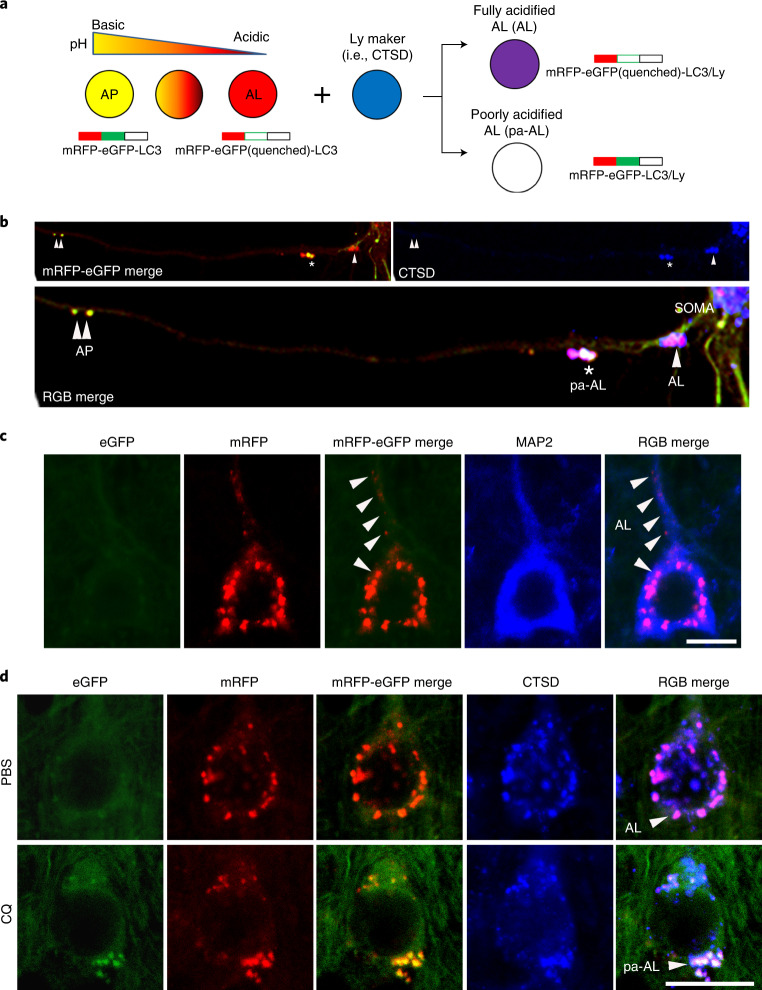
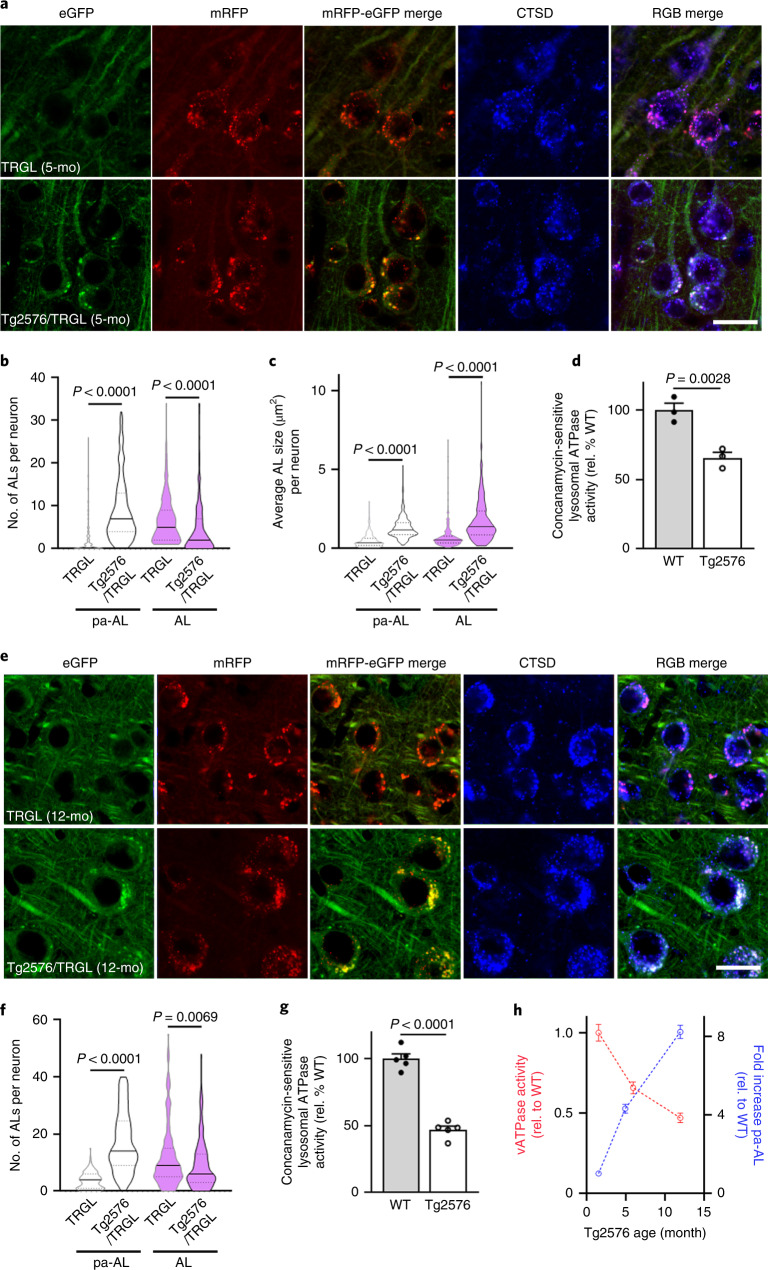
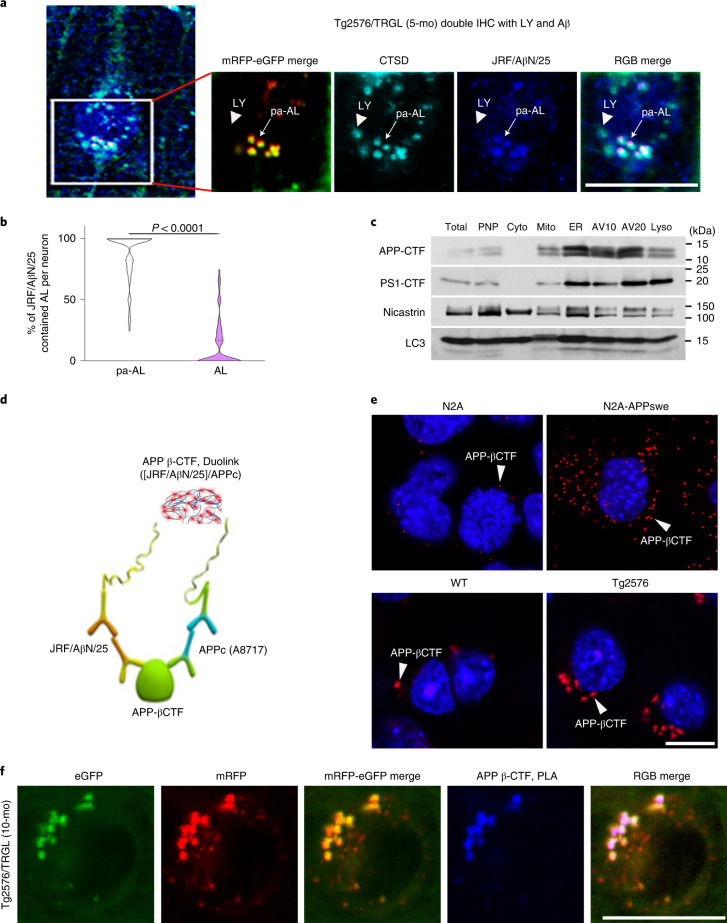
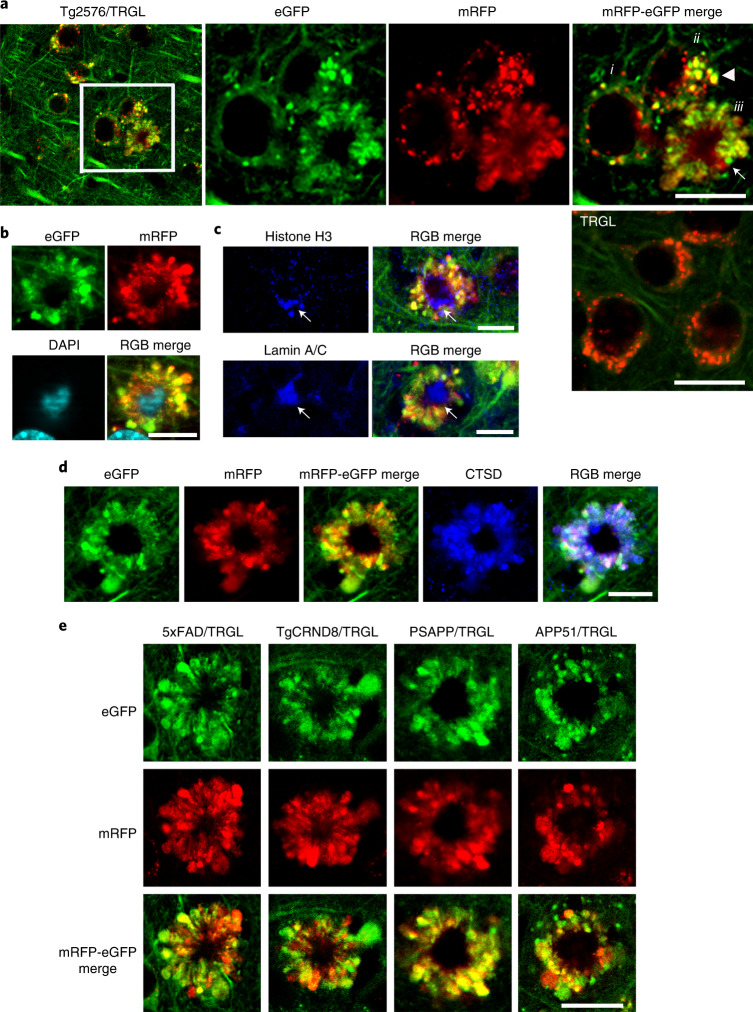
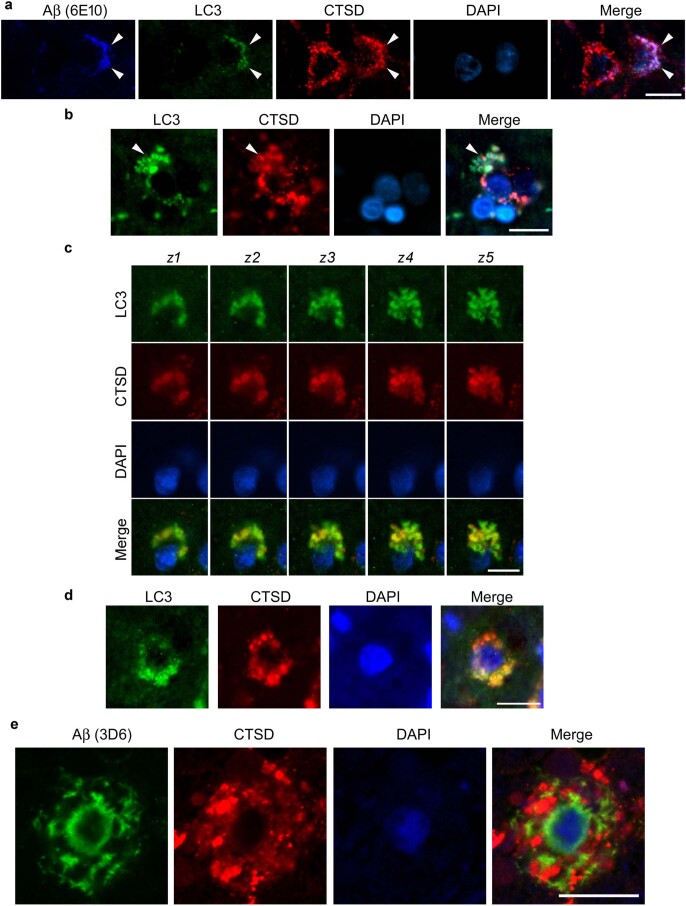
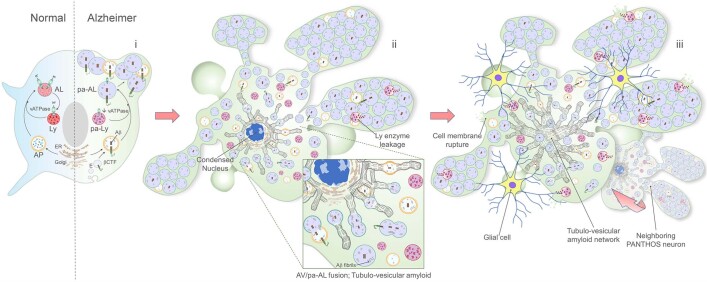
Autophagy is markedly impaired in Alzheimer’s disease (AD). Here we reveal unique autophagy dysregulation within neurons in five AD mouse models in vivo and identify its basis using a neuron-specific transgenic mRFP-eGFP-LC3 probe of autophagy and pH, multiplex confocal imaging and correlative light electron microscopy. Autolysosome acidification declines in neurons well before extracellular amyloid deposition, associated with markedly lowered vATPase activity and build-up of Aβ/APP-βCTF selectively within enlarged de-acidified autolysosomes. In more compromised yet still intact neurons, profuse Aβ-positive autophagic vacuoles (AVs) pack into large membrane blebs forming flower-like perikaryal rosettes. This unique pattern, termed PANTHOS (poisonous anthos (flower)), is also present in AD brains. Additional AVs coalesce into peri-nuclear networks of membrane tubules where fibrillar β-amyloid accumulates intraluminally. Lysosomal membrane permeabilization, cathepsin release and lysosomal cell death ensue, accompanied by microglial invasion. Quantitative analyses confirm that individual neurons exhibiting PANTHOS are the principal source of senile plaques in amyloid precursor protein AD models.
Overview
The claims and statistics of this paper haven’t been checked yet.
Free: it reads the open-access text and checks the first 5 claims that cite a source we can check. Create a free account to check every claim.
Integrity signals
Registry
Cites
Statistics
Figures
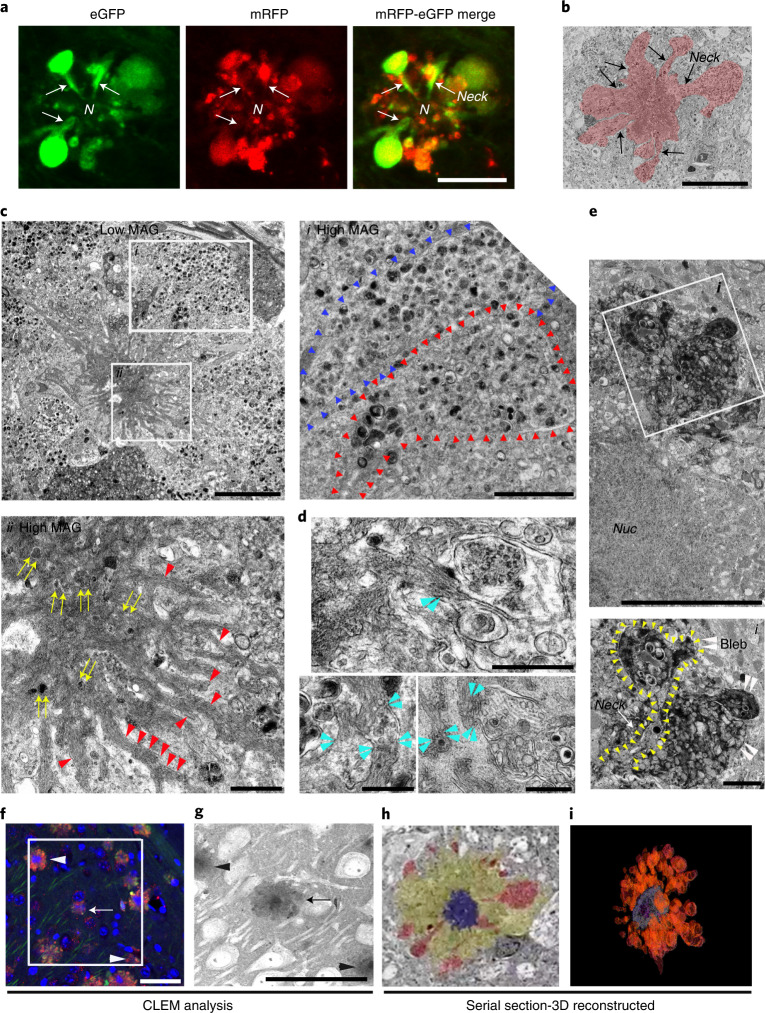
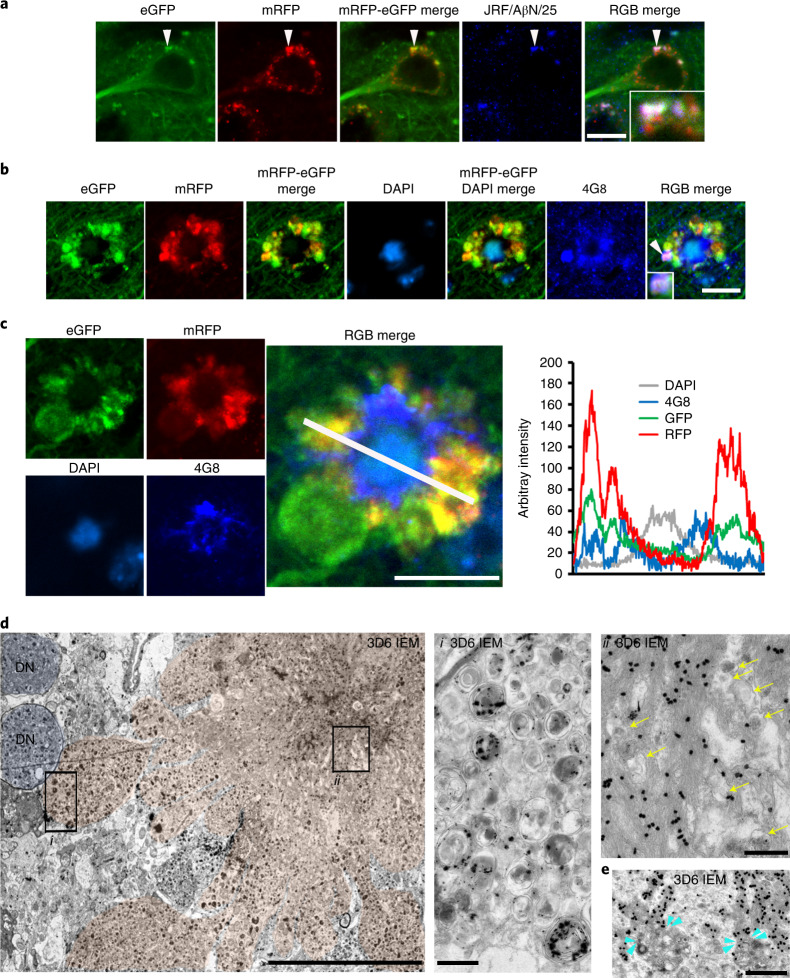
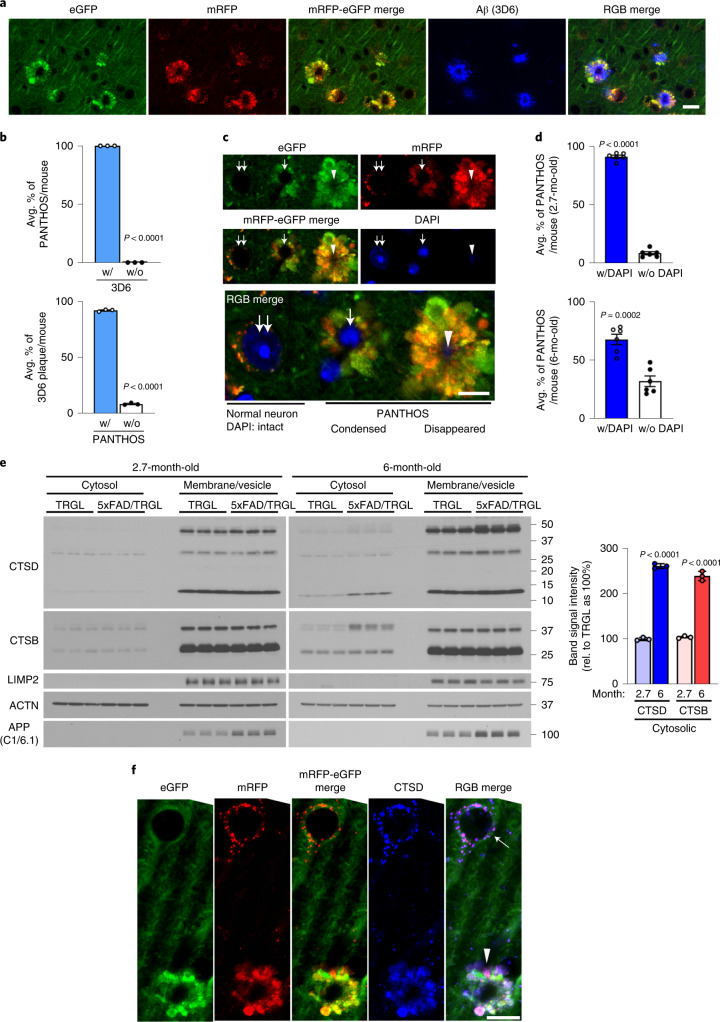
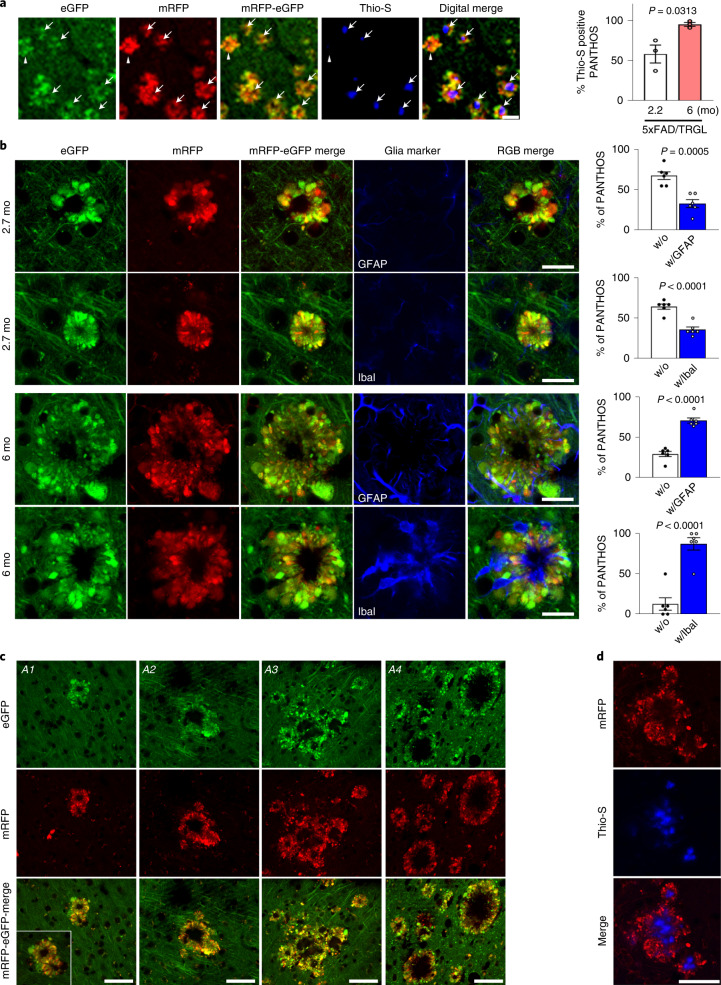
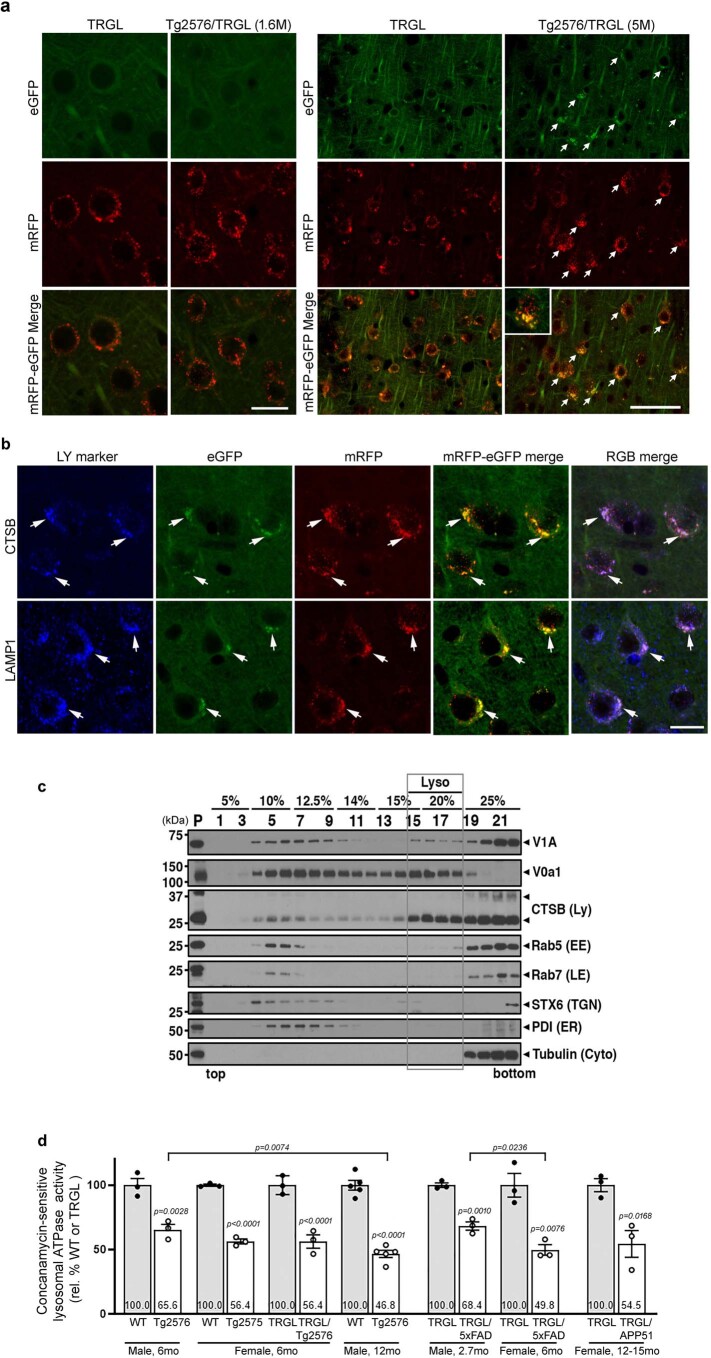
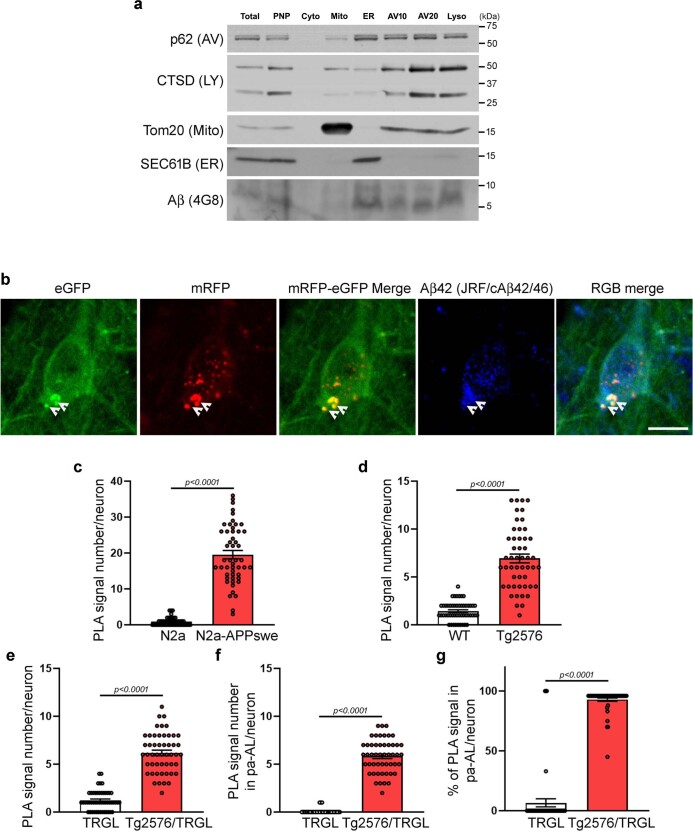
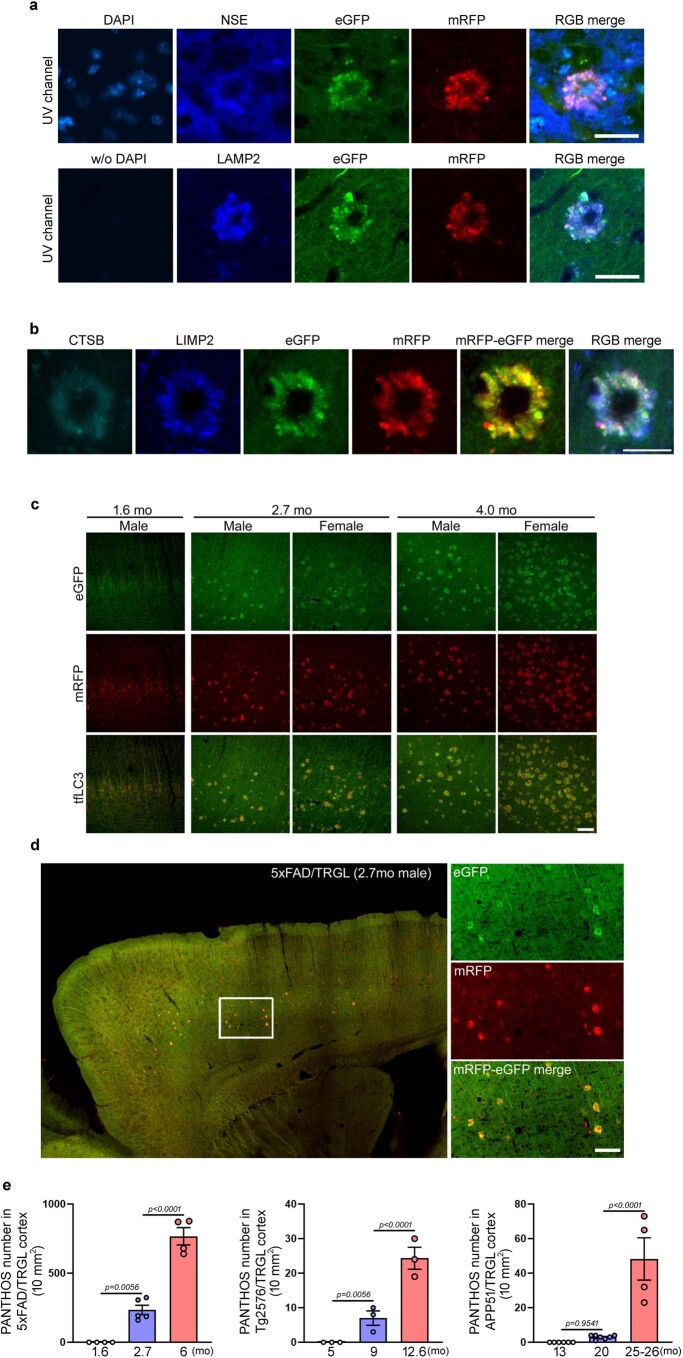
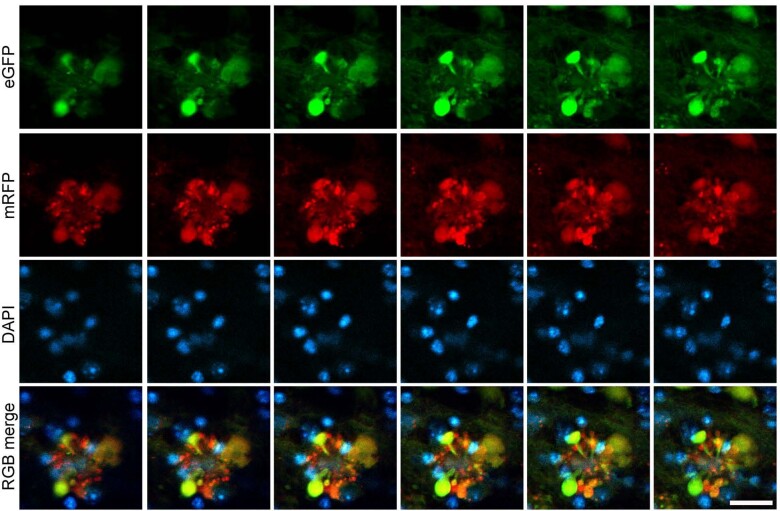
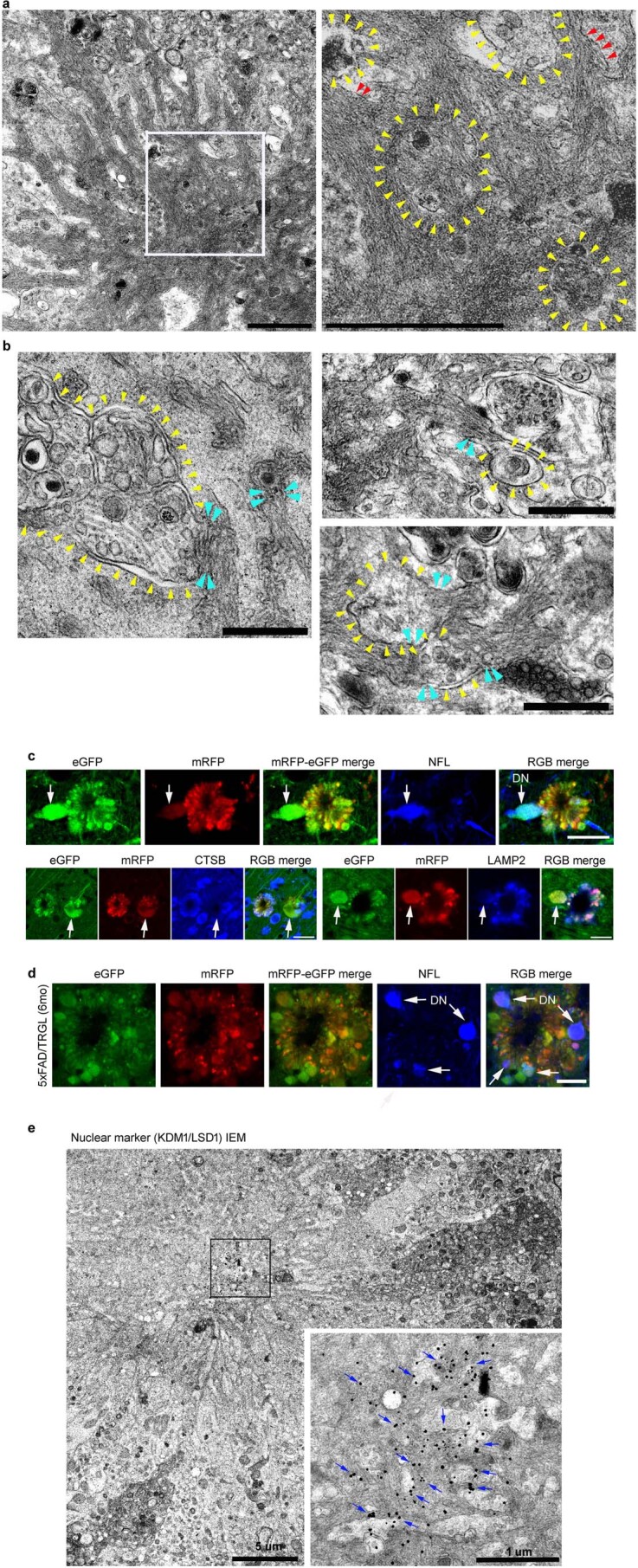
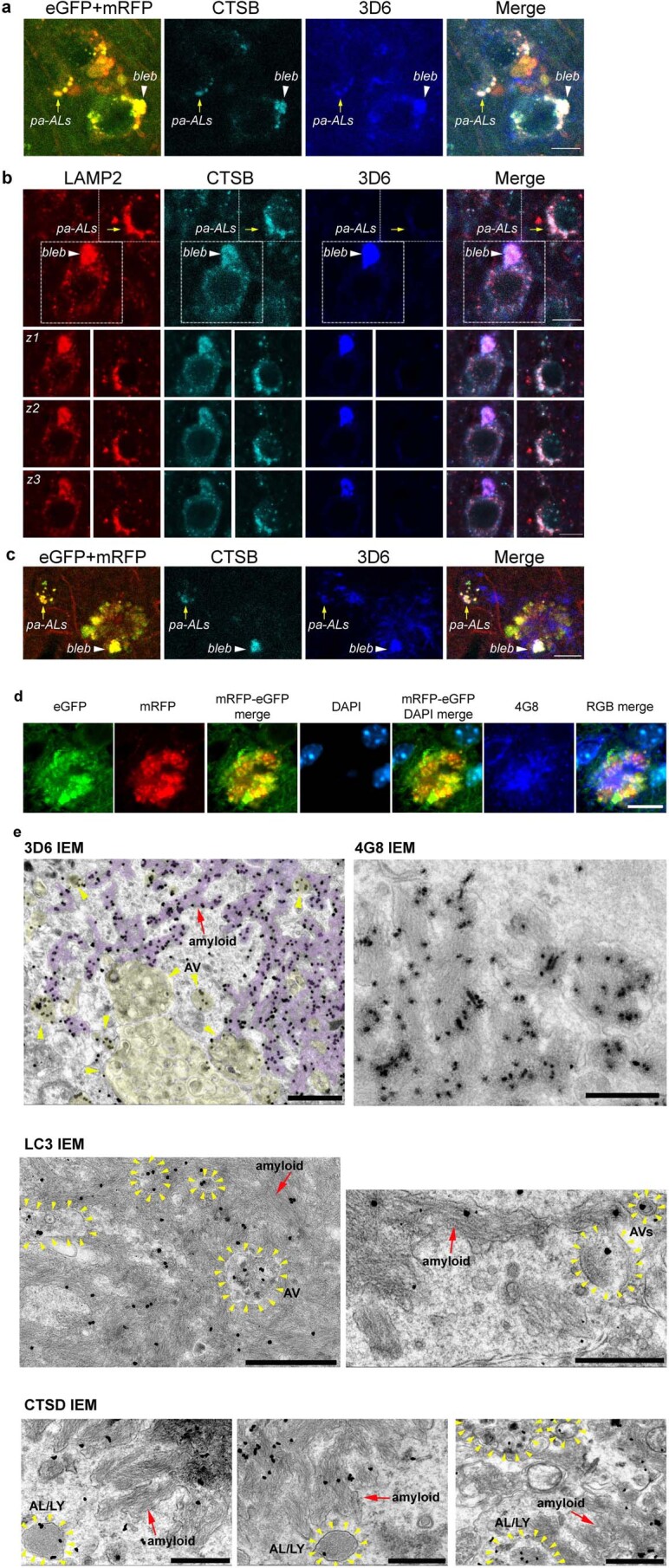
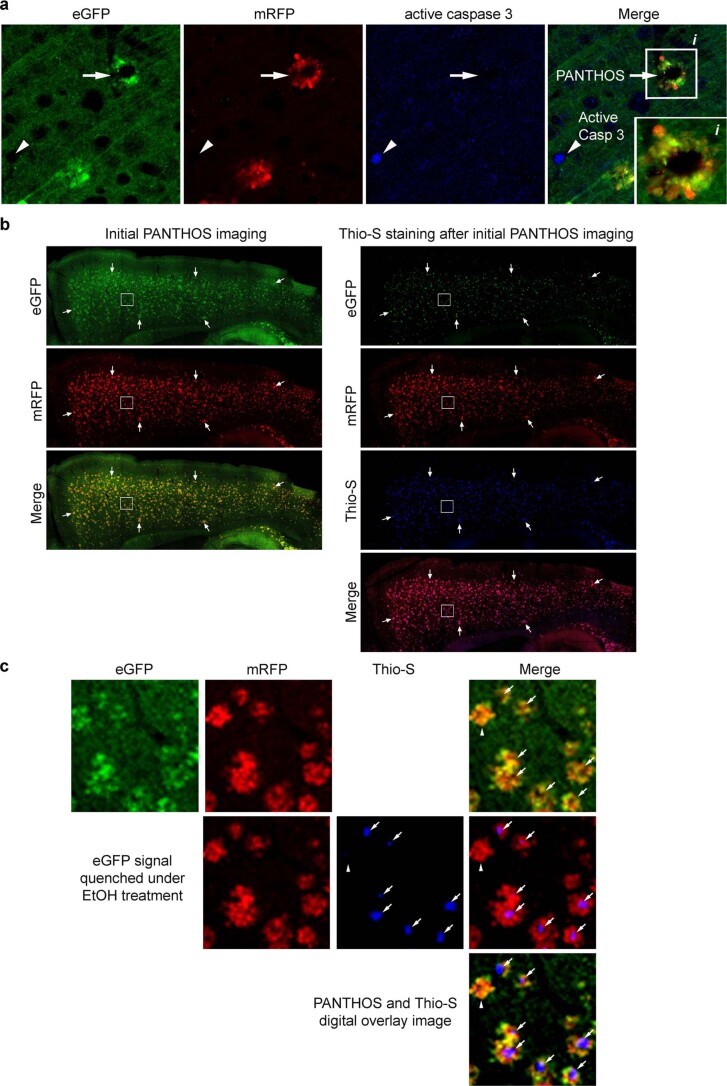
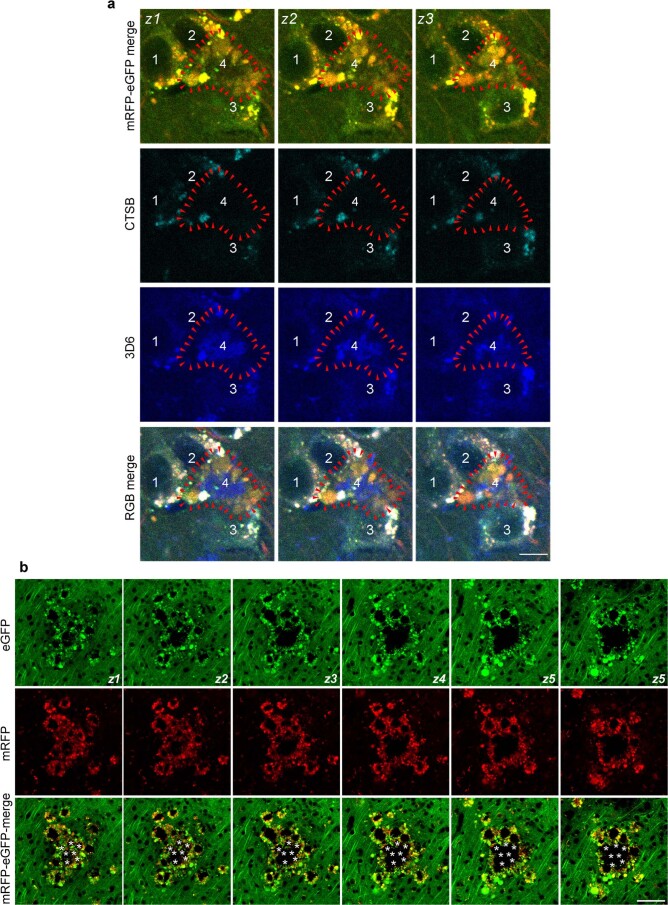
Verification
Claims the paper makes
The claims and statistics of this paper haven’t been checked yet.
Free: it reads the open-access text and checks the first 5 claims that cite a source we can check. Create a free account to check every claim.
Claims other papers make about this one
Each is checked against this paper’s own text: does it say what the citing paper says it does?
The source backs part of the claim, not all of it — or backs it for a different population, condition or comparison.
In the citing paper
“In consistent with this conception, the lysosomal dysfunction occurs earlier than neuronal Aβ-deposition but can prime Aβ accumulation of senile plaque in AD pathogenesis53.”
From PDCD4 triggers α-synuclein accumulation and motor deficits via co-suppressing TFE3 and TFEB translation in a model of Parkinson’s disease (2024) · cites this paper as [53]
Experimental — accuracy not yet measuredThe source backs part of the claim, not all of it — or backs it for a different population, condition or comparison.
In the citing paper
“Once lysosome acidification is hindered, the garbage decomposition pipeline stops, causing many garbage intermediate products to form and accumulate in the lysosome, including Aβ, Tau protein, and lipid droplets.[ 8 , 11 , 31 , 50 ]”
From Capsaicin Alleviates Autophagy‐Lysosomal Dysfunction via PPARA‐Mediated V‐ATPase Subunit ATP6V0E1 Signaling in 3xTg‐AD Mice (2025) · cites this paper as [11]
Experimental — accuracy not yet measuredThe cited source says what the claim attributes to it.
In the citing paper
“However, the abundant accumulation of autophagic vacuoles in swollen (malnourished) neurons is observed to have a linkage with Aβ/APP-βCTF, suggesting that autophagy clearance is severely disrupted under pathological conditions and is closely linked to amyloid pathology.115,225,230”
From Recent advances in Alzheimer's disease: Mechanisms, clinical trials and new drug development strategies. (2024) · cites this paper as [115]
The cited source says what the claim attributes to it.
In the citing paper
“In AD, lysosomal acidification deficits may weaken the clearance of Aβ, ultimately leading to the accumulation of extracellular Aβ plaques.115”
From Recent advances in Alzheimer's disease: Mechanisms, clinical trials and new drug development strategies. (2024) · cites this paper as [115]
The cited source says what the claim attributes to it.
In the citing paper
“This aligns with work from multiple laboratories showing that plaque formation depends on neuronal Aβ [45–48]”
From Selective suppression of oligodendrocyte-derived amyloid beta rescues neuronal dysfunction in Alzheimer’s disease (2024) · cites this paper as [45]
6 more claims about this paper
Create a free account to see every claim other papers make about this one.
Self-check
Percentages, sums and reported differences re-computed from the paper’s own numbers.
The self-check needs the paper’s full text.
Citations
Cites
Repertoires of Autophagy in the Pathogenesis of Ocular Diseases
Li, Y.-J., Jiang, Q., Cao, G.-F., Yao, J., & Yan, B. (2015) · Cellular Physiology and Biochemistry · doi:10.1159/000373980 · Cited by 16,304
Autophagy fights disease through cellular self-digestion
Mizushima, N., Levine, B., Cuervo, A. M., & Klionsky, D. J. (2008) · Nature · doi:10.1038/nature06639 · Cited by 6,452
Cui, C., Cui, J., Jin, F., Cui, Y., Li, R., Jiang, X., Tian, Y., Wang, K., Jiang, P., & Gao, J. (2017) · Cellular Physiology and Biochemistry · doi:10.1159/000479571 · Cited by 5,203
Correlative Memory Deficits, Aβ Elevation, and Amyloid Plaques in Transgenic Mice
Hsiao, K., Chapman, P., Nilsen, S., Eckman, C., Harigaya, Y., Younkin, S., Yang, F., & Cole, G. (1996) · Science · doi:10.1126/science.274.5284.99 · Cited by 4,210
Oakley, H., Cole, S. L., Logan, S., Maus, E., Shao, P., Craft, J., Guillozet-Bongaarts, A., Ohno, M., Disterhoft, J., Van Eldik, L., et al. (2006) · The Journal of Neuroscience · doi:10.1523/jneurosci.1202-06.2006 · Cited by 3,530
Neuropathological alterations in Alzheimer disease
Serrano-Pozo, A., Frosch, M. P., Masliah, E., & Hyman, B. T. (2011) · Cold Spring Harbor Perspectives in Medicine · doi:10.1101/cshperspect.a006189 · Cited by 3,345
Knopman, D. S., Amieva, H., Petersen, R. C., Chételat, G., Holtzman, D. M., Hyman, B. T., Nixon, R. A., & Jones, D. T. (2021) · Nature Reviews Disease Primers · doi:10.1038/s41572-021-00269-y · Cited by 2,606
Self-citationKimura, S., Noda, T., & Yoshimori, T. (2007) · Autophagy · doi:10.4161/auto.4451 · Cited by 2,278
The role of autophagy in neurodegenerative disease
Nixon, R. A. (2013) · Nature Medicine · doi:10.1038/nm.3232 · Cited by 2,059
Self-citationIntracellular amyloid-β in Alzheimer's disease
LaFerla, F. M., Green, K. N., & Oddo, S. (2007) · Nature Reviews Neuroscience · doi:10.1038/nrn2168 · Cited by 1,942
Research works printed but not linked: 5
- Yang, D.S., Stavrides, P., Mohan, P.S., Kaushik, S., Kumar, A., Ohno, M., Schmidt, S.D., Wesson, D., Bandyopadhyay, U., Jiang, Y., et al. (2011). Reversal of autophagy dysfunction in the TgCRND8 mouse model of Alzheimer's disease ameliorates amyloid pathologies and memory deficits. Brain 134, 258-277. · DOI · Paper page
- Cataldo, A.M., Peterhoff, C.M., Schmidt, S.D., Terio, N.B., Duff, K., Beard, M., Mathews, P.M., and Nixon, R.A. (2004). Presenilin mutations in familial Alzheimer disease and transgenic mouse models accelerate neuronal lysosomal pathology. J Neuropathol Exp Neurol 63, 821-830. · DOI · Paper page
- Mouse monoclonal anti-NFL was validated by our study: Yuan, A., Sershen, H., Veeranna, Basavarajappa, B.S., Kumar, A., Hashim, A., Berg, M., Lee, J.H., Sato, Y., Rao, M.V., et al. (2015). Neurofilament subunits are integral components of synapses and modulate neurotransmission and behavior in vivo. Mol Psychiatry 20, 986-994. JRF/AβN/25 was validated by our study: Mathews, P.M., Jiang, Y., Schmidt, S.D., Grbovic, O.M., Mercken, M., and Nixon, R.A. (2002). Calpain activity regulates the cell surface distribution of amyloid precursor protein. Inhibition of calpains enhances endosomal generation of beta-cleaved C-terminal APP fragments. J Biol Chem 277, 36415-36424. JRF/cAb42/26 was validated by this study: Janus, C. et al. Aβ peptide immunization reduces behavioural impairment and plaques in a model of Alzheimer's disease. Nature 408, 979-982 (2000). C1/6.1 was validated by our study: Jiang, Y., Mullaney, K.A., Peterhoff, C.M., Che, S., Schmidt, S.D., Boyer-Boiteau, A., Ginsberg, S.D., Cataldo, A.M., Mathews, P.M., and Nixon, R.A. (2010). Alzheimer's-related endosome dysfunction in Down syndrome is Aβ- independent but requires APP and is reversed by BACE-1 inhibition. Proc Natl Acad Sci U S A, 1630-1635. References · DOI · Paper page
- Bodendorf, U., Danner, S., Fischer, F., Stefani, M., Sturchler-Pierrat, C., Wiederhold, K.-H., Staufenbiel, M., and Paganetti, P. (2002). Expression of human β-secretase in the mouse brain increases the steady-state level of β-amyloid. Journal of Neurochemistry 80, 799-806.
- Anti-p62 C-terminal (Sqstm1) (https://us.progen.com/anti-p62-SQSTM1-C-terminus-guinea-pig-polyclonal-serum/GP62-C).. Anti-Sec1b (https://www.ptglab.com/products/SEC61B-Antibody-15087-1-AP.htm). Rabbit polyclonal anti-CTSD was validated by our study: Lee, J.-H., Yu, W.H., Kumar, A., Lee, S., Mohan, P.S., Peterhoff, C.M., Wolfe, D.M., Martinez-Vicente, M., Massey, A.C., Sovak, G., et al. (2010). Lysosomal proteolysis and autophagy require presenilin 1 and are disrupted by Alzheimer-related PS1 mutations. Cell 141, 1146-1158. · DOI · Paper page
Cited by
Items 501–600 of 640
Lysosomal dysfunction in diabetes and diabetic complications
Chen, X., Huang, L., Xiao, Z., & Liu, L. (2026) · Frontiers in Endocrinology · doi:10.3389/fendo.2026.1794600 · Cited by 3
Tang, Y., Guo, T., He, H., & Deng, Y. (2026) · Biochemical Pharmacology · doi:10.1016/j.bcp.2026.117990 · Cited by 4
Ge, C., Wang, K., Tang, H., Ke, Y., Wang, H., Fu, Q., Xiu, Y., Guo, Y., Jia, Y., Long, Z., et al. (2026) · Translational Neurodegeneration · doi:10.1186/s40035-026-00549-1 · Cited by 1
Mitochondrial protein import stress causes lysosomal damage and progressive tissue atrophy
Brennan, N. A., Wang, X. W., Rana, A., Bhagwagar, S. Z., Horton, J. A., Kane, P. M., & Chen, X. J. (2026) · EMBO Reports · doi:10.1038/s44319-026-00774-9 · Cited by 3
“Lysosomal membrane permeabilization and cathepsin release have also been observed in AD (Lee et al, 2022).”
Xiang, J., Xu, J., Zhang, Y. B., & Liu, X. (2026) · Ageing Research Reviews · doi:10.1016/j.arr.2026.103157 · Cited by 3
Cell-type-specific APOE4 cascade across the Alzheimer’s disease continuum
Shostak, D. M., Liang, Z., & Huang, Y. (2026) · Neuron · doi:10.1016/j.neuron.2026.04.024 · Cited by 1
Kawachi, Y., Koçak, G., Korolchuk, V. I., Kataura, T., & Sarkar, S. (2026) · Frontiers in Neuroscience · doi:10.3389/fnins.2026.1857866 · Cited by 2
Design and delivery of targeting chimeras therapeutics in managing central nervous system disorders
Liu, S., Xu, W., Wang, M., Mao, Z., Zhou, J., Gu, X., Han, G., & Ding, Y. (2026) · Targetome · doi:10.48130/targetome-0026-0028 · Cited by 1
The mitophagy-inflammasome axis: a shared pathological hub in Alzheimer’s and Parkinson’s diseases
Long, W., Yuan, M., Wang, S., Tan, X., & Gao, L.-C. (2026) · Translational Neurodegeneration · doi:10.1186/s40035-026-00578-w · Cited by 2
“Undigested APP-βCTF fragments accumulate within autophagosomes [111].”
InfluentialRoles of autophagy in brain homeostasis and disease
Kim, H., Wickstead, E. S., Zhou, X., Choi, I., & Yue, Z. (2026) · Nature Neuroscience · doi:10.1038/s41593-026-02426-6 · Cited by 1
“Further, neuronal autol-ysosomal acidification declines before Aβ deposition, which is linked to lower v-ATPase activity 89 .”
Opening the box of PANTHORA in Alzheimer’s disease
Körte, M., & Köster, R. W. (2022) · Signal Transduction and Targeted Therapy · doi:10.1038/s41392-022-01204-7 · Cited by 1
Miyahara, H., Dai, J., Li, Y., Cui, X., Takeuchi, H., Hachiya, N., Kametani, F., Yazaki, M., Mori, M., & Higuchi, K. (2022) · Amyloid · doi:10.1080/13506129.2022.2153667 · Cited by 1
Thirty Years After the Launch of the Amyloid Cascade Hypothesis: Is there a Shift of Gears at Last?
Behl, C. (2023) · Springer eBooks · doi:10.1007/978-3-031-31570-1_20 · Cited by 1
Three Neurodegenerative Diseases: A Single Hope
Youssef, S. H., Atalah, H. N., Badawy, M. T., El‐Fawal, H. A. N., & Salama, M. (2024) · Springer eBooks · doi:10.1007/978-981-99-7557-0_3 · Cited by 3
Bansal, V. A., Tan, J. M., Soon, H. R., Zainolabidin, N., Saido, T. C., & Ch’ng, T. H. (2025) · eLife · doi:10.7554/elife.92069.3 · Cited by 4
The Significance of Lysosome in the Diagnosis and Subclassification of Alzheimer’s Disease
Li, C., Zheng, Z., & Jin, M. (2023) · Science of Advanced Materials · doi:10.1166/sam.2023.4441 · Cited by 1
SERF deletion modifies amyloid aggregation in a mouse model of Alzheimer’s diseasePreprint
Stroo, E., Janssen, L., Sin, O., Hogewerf, W., Koster, M. H., Harkema, L., Youssef, S. A., Beschörner, N., Wolters, A. H. G., Bakker, B., et al. (2021) · bioRxiv (Cold Spring Harbor Laboratory) · doi:10.1101/2021.01.05.423442 · Cited by 2
Impairment of autophagy-lysosomal activity near the chronically implanted microelectrodesPreprint
Chen, K., Padilla, C. G., Kiselyov, K. I., & Kozai, T. D. Y. (2023) · bioRxiv (Cold Spring Harbor Laboratory) · doi:10.1101/2023.05.31.543108 · Cited by 1
“This acidification leads to the quenching of EGFP fluorescence causing a shift in color from yellow to orange and then to red [11].”
BackgroundYe, C., Zeng, P. H., Liu, Y.-C., Shi, Y., Liu, G., Wang, J., Zhou, X., & Tian, Q. (2023) · Research Square · doi:10.21203/rs.3.rs-3294833/v1 · Cited by 1
Phospholipase D3 regulates lysosomal morphology, biogenesis, and function in neuronsPreprint
Wang, Y., Carvajal‐Tapia, C., Jain, S., Wang, E., Rieschick, P., Hepowit, N. L., Appelbaum, N., Prusky, A., Anghelina, T., Kulsomphob, A., et al. (2024) · bioRxiv (Cold Spring Harbor Laboratory) · doi:10.1101/2024.09.26.615214 · Cited by 2
Boegli, A., Bernard, E. M., Lacante, L., Majeux, G., Mack, V., & Brož, P. (2025) · bioRxiv (Cold Spring Harbor Laboratory) · doi:10.1101/2025.01.23.634286 · Cited by 1
Stavrides, P. H., Goulbourne, C. N., Peddy, J., Huo, C., Rao, M. V., Khetarpal, V. K., Marchionini, D. M., Nixon, R. A., & Yang, D. (2025) · eLife · doi:10.7554/elife.104979.2 · Cited by 1
Self-citationRosignol, I., Dokuzluoglu, Z., Caldarelli, A., Oprişoreanu, A., Ushakova, S., Siddiqui, T., Grover, R., Guerlich, H., Falkenburger, B. H., Diez, S., et al. (2025) · bioRxiv (Cold Spring Harbor Laboratory) · doi:10.1101/2025.07.07.663525 · Cited by 1
Foiani, M. S., Bourdenx, M., Lukas, K., Nirujogi, R., Angela, Y., Hannah, D., Saisha, P., Damoc, L.-S., Mitchener, L., Jaunmuktane, Z., et al. (2026) · bioRxiv (Cold Spring Harbor Laboratory) · doi:10.64898/2026.04.26.720932 · Cited by 6
“This observed increase of lysosomal acidification machinery contrasted with other studies of lysosomal acidification in AD assessed by bulk tissue proteomics, where a decrease was observed, coupled with a reduction in proteolytic activity (Nixon et al. 2024; Lee 2022; Kim et al. 2023).”
APOE4 disrupts the central dogma by arresting neuronal proteome dynamicsPreprint
Krogsaeter, E., McKetney, J., Li, L., Liu, I., Richards, A., Subramanyam, V., Yin, K., Gordon, M., Mairal, P. B., Stevenson, E. J., et al. (2026) · bioRxiv (Cold Spring Harbor Laboratory) · doi:10.64898/2026.07.15.738801 · Cited by 3
Ballesteros‐Álvarez, J., Nguyen, W., Sivapatham, R., Rane, A., & Andersen, J. K. (2022) · Research Square · doi:10.21203/rs.3.rs-2046848/v2
Marshall, K. E., Mengham, K., Spink, M. C., Vania, L., Pollard, H. J., Darrow, M. C., Duke, E., Harkiolaki, M., & Serpell, L. C. (2022) · Research Square · doi:10.21203/rs.3.rs-2189678/v1
Advances in the Application of Biological Big Data in Medicine
Luo, Z. (2022) · Academic Journal of Medicine & Health Sciences · doi:10.25236/ajmhs.2022.030204
The role of Amyloid precursor protein (APP) in Alzheimer’s disease (AD)
Wang, Y. (2023) · Highlights in Science Engineering and Technology · doi:10.54097/hset.v36i.6205 · Cited by 1
Re-evaluating the nuclear staining on pathological sections in Alzheimer’s diseasePreprint
Fu, H., Li, J., Zhang, C., Du, P., Gao, G., Ge, Q., Guan, X., & Cui, D. (2023) · bioRxiv (Cold Spring Harbor Laboratory) · doi:10.1101/2023.03.22.533761
Stress and Alzheimer's Disease in Elderly Patients
Rizvi, S. Z. S., Akram, M., Qureshi, G., Sheraz, A., & Razzaq, R. (2023) · Advances in medical diagnosis, treatment, and care (AMDTC) book series · doi:10.4018/978-1-6684-2354-7.ch009
Picroside II ameliorates Aβ-induced memory deficit by enhancing autophagy in micePreprint
Li, Z., Wang, M., He, Y., Shi, X., Tian, Q., Fan, Y., Ren, F., Dong, Z., & Du, Y. (2023) · Research Square · doi:10.21203/rs.3.rs-2764605/v1
Neuroprotective and detrimental effects of astrocytes on amyloid plaque formation
Gan, H.-R. (2023) · Journal of Student Research · doi:10.47611/jsrhs.v12i1.4295
Qi, G., Gong, P., Liu, Y., Hu, J., Kang, S., Tang, H., & Qin, S. (2023) · Research Square · doi:10.21203/rs.3.rs-2895842/v1
Alternative Hypotheses and Observations that Were Somehow Lost on the Way
Behl, C. (2023) · Springer eBooks · doi:10.1007/978-3-031-31570-1_17
Deep learning-based cell profiling based on neuronal morphologyPreprint
Liu, Q., Nicholls, F. J., Rowland, H. A., Dangla-Valls, A., Li, S., Zhang, Y., Kalinowski, P., Ribé, E. M., Ifkovits, J. L., Kumar, S., et al. (2023) · bioRxiv (Cold Spring Harbor Laboratory) · doi:10.1101/2023.07.23.550158
Yang, X., Chen, Y.-H., Liu, L., Gu, Z., You, Y., Hao, J., Sun, N., & Gao, C. (2023) · SSRN Electronic Journal · doi:10.2139/ssrn.4527346
Three Neurodegenerative Diseases: A Single Hope
Youssef, S. H., Atalah, H. N., Badawy, M. T., El‐Fawal, H. A. N., & Salama, M. (2023) · Springer eBooks · doi:10.1007/978-981-19-3949-5_3-1
Chen, Z., & Wang, H. (2023) · bioRxiv (Cold Spring Harbor Laboratory) · doi:10.1101/2023.09.12.557499
Carltonine-Derived Compounds for Targeted Butyrylcholinesterase InhibitionPreprint
Pidaný, F., Křoustková, J., Jenčo, J., Breiterova, K. H., Múčková, Ľ., Nováková, L., Kuneš, J., Fibigar, J., Kucera, T., Sorf, A., et al. (2023) · SSRN Electronic Journal · doi:10.2139/ssrn.4633265
Kaur, S., Sharma, K., Sharma, A., Sandha, K. K., Ali, S. M., Ahmed, R., Ramajayan, P., Singh, P. P., Ahmed, Z., & Kumar, A. (2023) · bioRxiv (Cold Spring Harbor Laboratory) · doi:10.1101/2023.12.17.572086
Negative Regulation of Cathepsins by β-Amyloid
Lundin, B., Comby, A.-C., Berezovska, O., & Maesako, M. (2024) · eNeuro · doi:10.1523/eneuro.0258-23.2023 · Cited by 4
“Various studies, including ours, suggest that A β is generated (Haass et al., 1992; Koo and Squazzo, 1994; Sannerud et al., 2016; Maesako et al., 2022) and is enriched in the endo-lysosomal compartments (Takahashi et al., 2002; Cataldo et al., 2004; Willén et al., 2017; Lee et al., 2022).”
BackgroundReal-Time Ratiometric pH Imaging of Macrophage Lysosomes Using the Novel pH-sensitive Probe ApHIDPreprint
Solé‐Domènech, S., Singh, P. K., Warren, J. D., & Maxfield, F. R. (2024) · bioRxiv (Cold Spring Harbor Laboratory) · doi:10.1101/2024.01.20.576118
“During AD pathogenesis, a deficiency in endolysosomal acidification has been shown to block autophagic flux, causing neurons to fill with undigested autophagic cargo leading to extensive cellular damage 9 .”
Bansal, V. A., Tan, J. M., Soon, H. R., Zainolabidin, N., Saito, T., & Ch’ng, T. H. (2024) · eLife · doi:10.7554/elife.92069.1
Sebastijanović, A., Camassa, L. M. A., Malmborg, V., Kralj, S., Pagels, J., Vogel, U. B., Zienolddiny-Narui, S., Urbančič, I., Koklič, T., & Štrancar, J. (2024) · bioRxiv (Cold Spring Harbor Laboratory) · doi:10.1101/2024.03.27.586796
Lin, W., Zhao, L., Liang, G., Zhou, R., Zheng, X., Tao, R., Huo, Q., Su, C.-F., Li, M., Xu, N., et al. (2023) · Figshare · doi:10.6084/m9.figshare.22612913
Bansal, V. A., Tan, J. M., Soon, H. R., Zainolabidin, N., Saito, T., & Ch’ng, T. H. (2024) · eLife · doi:10.7554/elife.92069.2
Reviving ‘inside-out’ hypothesis of amyloid beta to explain Alzheimer’s mysteries
Welle, E. (2024) · The Transmitter · doi:10.53053/ibbn5307
Qi, W., Dong, N., Peiru, W. U., Fu, W., Liu, Q., Zhang, X., Wu, H., He, X., Wu, L., Ward, N., et al. (2024) · Research Square · doi:10.21203/rs.3.rs-4458094/v1
NMR‐based metabolomic investigation of dogs with acute flaccid paralysis due to tick paralysis
Gülersoy, E., Balıkçı, C., Şahan, A., Günal, İ., & Atlı, M. O. (2024) · Veterinary Medicine and Science · doi:10.1002/vms3.1528 · Cited by 2
“Hence, the elevated serum glycerol levels observed in the dogs affected by tick paralysis could be linked to increased lipolysis, given that dysregulation of lipid metabolism has beenimplicatedinvariousneurologicaldisorders,althoughtheprecise regulatory mechanisms remain unclear (Lee et al., 2022).”
BackgroundAmbareen, N., Gharami, K., & Biswas, S. C. (2024) · bioRxiv (Cold Spring Harbor Laboratory) · doi:10.1101/2024.08.06.606751
Li, S., Wang, Y., Liang, X., & Li, Y. (2025) · Journal of Alzheimer s Disease · doi:10.1177/13872877241307403 · Cited by 1
“113 The acidic environment of lysosomes is crucial for the formation and function of the SNARE complex.”
Stavrides, P. H., Goulbourne, C. N., Peddy, J., Huo, C., Rao, M. V., Khetarpal, V. K., Marchionini, D. M., Nixon, R. A., & Yang, D. (2025) · eLife · doi:10.7554/elife.104979.1 · Cited by 2
Self-citationWright, E. B., Larsen, E. G., Padilla‐Rodriguez, M., Langlais, P. R., & Bhattacharya, M. R. C. (2025) · bioRxiv (Cold Spring Harbor Laboratory) · doi:10.1101/2025.02.01.635992
Gallardo, D., & Steward, O. (2025) · bioRxiv (Cold Spring Harbor Laboratory) · doi:10.1101/2025.04.04.647232
“The proposed process is that autophagic vacuoles within the neuronal cell body generate a β -amyloid ‘core’ (Lee et al., 2022).”
Chen, Z., Hu, Z., Xiao, J., Tao, X., Zeng, F., Luorong, S., Wu, W., Wang, Z., Liu, X., & Liu, W. (2025) · Research Square · doi:10.21203/rs.3.rs-6361968/v1
High reelin expression can explain why the entorhinal cortex is a cradle for Alzheimer’s diseasePreprint
Kobro‐Flatmoen, A., Hussan, J. R., Hunter, P. J., & Omholt, S. W. (2025) · bioRxiv (Cold Spring Harbor Laboratory) · doi:10.1101/2025.06.04.655278
“More recent findings in mice (Lee et al., 2022) indicating that cellular lysis can be a generic mechanism of plaque formation support this, although the matter is still debated.”
InfluentialAβ-HMGB1 complex is a pathogenic molecule at the advanced stage of Alzheimer’s diseasePreprint
Tanaka, H., Homma, H., Yoshioka, Y., Fujita, K., Yamada, S., Furukawa, K., Ishiki, A., Atsuta, N., Waragai, M., Mano, T., et al. (2025) · bioRxiv (Cold Spring Harbor Laboratory) · doi:10.1101/2025.06.12.659430 · Cited by 1
Bartesaghi, R., Chen, X., Johnstone, A. D., Das, U., & Mobley, W. C. (2025) · Springer eBooks · doi:10.1007/978-3-031-89307-0_19 · Cited by 1
Bakkar, N. Z., Arida, R. E., Soliman, A. Y., & EL‐Yazbi, A. F. (2025) · Elsevier eBooks · doi:10.1016/b978-0-443-32852-7.00016-4 · Cited by 2
Impaired MAPT/tau-secretory lysosomes are linked to cognitive vulnerability in Alzheimer patients
Sharma, P., Pallavi, A., Chatterjee, A., Prasad, V. M., Gandasi, N. R., & Saroja, S. R. (2025) · Autophagy · doi:10.1080/15548627.2025.2552905
“It has been shown that lysosomal dysfunction contributes to the accumulation of misfolded proteins in neurodegenerative diseases [31–33].”
Brain large artery dilatation increases the risk for Alzheimer’s disease pathologyPreprint
Simpson, D., Morrone, C. D., Wear, D., Khani, A., Liu, F., Gutierrez, J., & Yu, W. H. (2025) · bioRxiv (Cold Spring Harbor Laboratory) · doi:10.1101/2025.08.29.672901
“This disruption prevents the removal of abnormal proteins, such as amyloid plaque, from the brain by impeding their degradation (Lee et al., 2022).”
Impact Induces Phagocytic Defect in Reactive MicrogliaPreprint
Yu, R., Rogers, E. A., Manchanda, P., Beveridge, C. H., Randolph, C. E., Beauclair, T., Jethava, K. P., Shi, R., & Chopra, G. (2025) · bioRxiv (Cold Spring Harbor Laboratory) · doi:10.1101/2025.09.14.676171 · Cited by 1
Ketotifen reacidifies secretory lysosomes and normalises ageing phenotypes in mast cells
Barrella, L., Ramírez-Ponce, M. P., Vázquez‐Román, V., Millán-Huang, M. S., Flores-Cordero, J. A., & Alés, E. (2025) · Biochemical and Biophysical Research Communications · doi:10.1016/j.bbrc.2025.152887
Ambareen, N., Gharami, K., Mondal, A., Sarkar, U. A., & Biswas, S. C. (2025) · Journal of Biological Chemistry · doi:10.1016/j.jbc.2025.110875 · Cited by 1
“Autophagy failure in AD is reported to be due to defects in lysosomal acidification, a detailed mechanism of which is still elusive (53, 54).”
Vijay, A., & Varshney, R. (2025) · Nutritional neurosciences · doi:10.1007/978-981-95-2790-8_3
Fluoxetine promotes lysosome biogenesis via regulation of a RIOK2-TFEB axis
Lin, L., Zhou, L., Cang, R., Han, B., & Li, Y. (2025) · Medicine in Drug Discovery · doi:10.1016/j.medidd.2025.100239
Autophagy and Neuroinflammatory Pathways in Alzheimer’s Disease
Gupta, R. V., Pawar, J. S., Gujjari, L., & Kumari, S. (2025) · Springer eBooks · doi:10.1007/978-981-95-3945-1_8
Liu, Y., Zhang, C., Wang, X., Shao, Y., Cai, X., Liu, H., Zhu, H., Liu, X., Qian, Y., & Wang, X. (2025) · Biosensors and Bioelectronics · doi:10.1016/j.bios.2025.118284
Tsering, W., Hery, G. P., Phillips, J. L., Lolo, K., Bathe, T., Villareal, J. A. B., Ruan, I. Y., & Prokop, S. (2024) · Figshare · doi:10.6084/m9.figshare.26648013
Zhang, P., Li, Z., Chen, P., Zhang, A., Zeng, Y., Zhang, X., Huang, Q., Liu, D., Qi, S., & Mao, C. (2022) · Figshare · doi:10.6084/m9.figshare.20762918
Qi, G., Tang, H., Gong, P., Liu, Y., He, C., Hu, J., Kang, S., Chen, L., & Qin, S. (2024) · Figshare · doi:10.6084/m9.figshare.27019232
Ma, J., Zheng, M., Zhang, X., Lu, J., & Gu, L. (2024) · Figshare · doi:10.6084/m9.figshare.24761902
Lin, W., Li, Z., Liang, G., Zhou, R., Zheng, X., Tao, R., Huo, Q., Su, C., Li, M., Xu, N., et al. (2023) · Figshare · doi:10.6084/m9.figshare.22612910
Ma, J., Zheng, M., Zhang, X., Lu, J., & Gu, L. (2023) · Figshare · doi:10.6084/m9.figshare.24761351
Huang, X., Chen, F., Ma, Y., Zheng, F., Fang, Y., Feng, B., Huang, S., Zeng, H., & Zeng, W. (2024) · Figshare · doi:10.6084/m9.figshare.26574929
Wang, H., Li, X., Liu, Z., Lu, R., Li, X., & Zhang, X. (2025) · Cellular Signalling · doi:10.1016/j.cellsig.2025.112336
Fu, H., Li, J., Zhang, C., Gao, G., Ge, Q., & Daxiang, C. (2025) · bioRxiv (Cold Spring Harbor Laboratory) · doi:10.64898/2025.12.30.696965
Ackley, C. R., Liau, Z., Arya, S., Antee, T., Cheang, E. S., Knudsen, G. M., Lane‐Donovan, C., Sampognaro, P. J., & Kao, A. W. (2026) · Molecular Neurodegeneration Advances · doi:10.1186/s44477-025-00017-6
“Given CTSL’s broad neuronal expression and central role in our cleavage map, this remarkable pH sensitivity may help explain diminished APP clearance in less acidic lysosomes—a phenomenon observed in disease contexts [20, 41, 47].”
Digging Deep into Alzheimer Disease: How Electron Microscopy Helps Elucidating Its Pathogenesis
Dallere, S., Migheli, A., & Vercelli, A. (2026) · Cellular and Molecular Neurobiology · doi:10.1007/s10571-026-01676-z
“Notably, this phenotype was also recently confirmed in AD biopsies (Lee et al. 2022) (Fig.”
Cho, Y.-J., Kim, S.-H., Ryu, S.-H., Chung, C., Lee, N., Kim, N. H., Jeong, M., Kim, Y.-J., Gwak, J., Choi, S.-Y., et al. (2026) · Molecular Neurodegeneration · doi:10.1186/s13024-026-00936-2
“Disruption of the lysosomal integrity may potentially allow Aβ to leak into the cytosol [67].”
Wang, Q., Han, J., Liu, G., Duan, Y., Duo, D., Zhu, J., Lin, Y., Xin, Y., Li, X., & Li, T. (2026) · Journal of Neuroinflammation · doi:10.1186/s12974-026-03775-6
“Furthermore, at the cellular level, although astrocytes can independently express their precursor proteins and processing-related enzyme systems to autonomously produce Aβ and phosphorylated Tau, these cells are not the primary sources of Aβ and Tau [42, 43].”
Neurovascular large artery dilatation increases the risk for Alzheimer's disease pathology
Simpson, D., Morrone, C. D., Wear, D., Khani, A., Liu, F., Gutierrez, J., & Yu, W. H. (2026) · Neurobiology of Disease · doi:10.1016/j.nbd.2026.107368
Behl, C. (2026) · Springer eBooks · doi:10.1007/978-3-662-72210-7_20
Castelot, R. (2024) · theses.fr (ABES) · doi:10.70675/c2a7ce1ez8caaz4593zbb3azae8add8055b5
Alternative Hypothesen und Beobachtungen, die verloren gingen
Behl, C. (2026) · Springer eBooks · doi:10.1007/978-3-662-72210-7_17
Zhang, B., & Zhang, M. (2026) · International Journal of General Medicine · doi:10.2147/ijgm.s596584
Site-specific phosphorylation of Ser352 drives aggregation of Tau R4 under acidosis conditionsPreprint
Bressler, S., Blacher, C., Harpaz, K. A., Grunhaus, D., Rüdiger, S., Hurevich, M., Shalev, D. E., Miller, Y., & Friedler, A. (2026) · bioRxiv (Cold Spring Harbor Laboratory) · doi:10.64898/2026.05.03.722553
Lysosomal function and homeostasis: From cellular adaptation to disease pathogenesis
Minami, S., & Hamasaki, M. (2026) · International review of cytology · doi:10.1016/bs.ircmb.2026.04.002
Quansah, D. N. K., Halcrow, P. W., Kumar, N., Liang, B., & Geiger, J. D. (2026) · Journal of Alzheimer s Disease · doi:10.1177/13872877261449714 · Cited by 1
“11,12,14,51 – 53 In AD pathophysiology, structural and functional abnormalities in endolysosomes are some of the earliest events recorded, and lysosome stress responses (LSR) are associated with AD pathophysiology.”
Wang, W., & Meng, X. (2026) · Frontiers in Neuroscience · doi:10.3389/fnins.2026.1819002 · Cited by 1
“…of human diseases, most notably neurodegenerative disorders, where the progressive loss of ALP function underpins the accumulation of toxic protein aggregates, neuronal dysfunction, and irreversible cell death (Lee et al., 2022; Malik et al., 2019; Nixon and Rubinsztein, 2024; Zhao et al., 2021).”
Li, Q., Yang, Y., Guo, B., Liu, X., Luo, G., Wu, Y., & Nie, J. (2026) · Neurochemical Research · doi:10.1007/s11064-026-04778-8
Wan, M.-D., Liu, X., Wan, T., Liu, Y.-W., Jiang, Y.-L., Zou, J., Jiao, B., Liu, Q.-Q., Jin, L., Duan, R., et al. (2026) · Journal of Neuroinflammation · doi:10.1186/s12974-026-03854-8
“Since synaptic integrity is central to learning and memory [40, 41], we assessed dendritic protrusion density at DIV18, a critical stage of synapse maturation.”
Lu, G., Shan, H., Yin, Y., Chen, L., Yu, K., Wei, Z. H., Chen, H., Hu, L. X., Qi, Y., Wu, T., et al. (2026) · Frontiers in Aging Neuroscience · doi:10.3389/fnagi.2026.1781331
“Emerging evidence suggests that autophagy dysfunction may play a pivotal role in the early stages of AD, potentially preceding deposition (Lee, 2022; Palmer et al., 2025).”
Jia, J., Xie, G., Zheng, W., Xu, C., Xia, Y., Hu, Q., Xiang, B., Zhou, X., Chen, A. L., Chen, X., et al. (2026) · Alzheimer s Research & Therapy · doi:10.1186/s13195-026-02075-8
“The autophagy-lysosomal system is essential for maintaining neuronal proteostasis by clearing misfolded proteins [45].”
Gong, H., Li, Z., Zhao, Y., Wang, Z., & Luo, W. (2026) · Spectrochimica Acta Part A Molecular and Biomolecular Spectroscopy · doi:10.1016/j.saa.2026.128160
Sánchez-Thomas, R., Bautista-Perez, S. M., Santana-Martínez, R. A., Silva‐Islas, C. A., Figueroa, A., Barrera‐Oviedo, D., & Maldonado, P. D. (2026) · Elsevier eBooks · doi:10.1016/b978-0-443-44173-8.00015-2
Lee, N., Youn, K., Moon, M., Lee, D., Kim, D. H., Ho, C., & Jun, M. (2026) · Food & Function · doi:10.1039/d6fo01264g
Stressed lysosome: A theoretical model of lysosomal pH regulation applied to stress conditions
Nazarova, S. F., Alekhin, V. A., Pavlov, V. V., Semenov, Y. S., Bukhalovich, S. M., Tsybrov, F. M., Bogorodskiy, A. O., Bagaeva, D. F., Moiseeva, O. V., Vlasova, A. D., et al. (2026) · The Journal of General Physiology · doi:10.1085/jgp.202413745
Yin, J., Lv, W., Zhao, W., Ding, Z., Zhu, F., Liu, H., Li, S., Cao, X., Liu, L., Song, K., et al. (2026) · Acta Pharmaceutica Sinica B · doi:10.1016/j.apsb.2026.06.036
Metadata
- Authors
- Lee, J.-H., Yang, D.-S., Goulbourne, C. N., Im, E., Stavrides, P., Pensalfini, A., Chan, H., Bouchet-Marquis, C., Bleiwas, C., Berg, M. J., Huo, C., Peddy, J., Pawlik, M., Levy, E., Rao, M., Staufenbiel, M., & Nixon, R. A.
- Affiliations
- Nathan Kline Institute for Psychiatric Research (US)
- Thermo Fisher Scientific (United States) (US)
- Hertie Institute for Clinical Brain Research (DE)
- Corresponding author
- Lee, Ju-Hyun
- Nixon, Ralph A.
- ORCID
- Venue
- Nature Neuroscience
- Published
- 2022-06
- Volume
- 25
- Issue
- 6
- Pages
- 688-701
- ISSN
- 1097-6256 (ISSN-L)
- 1546-1726
- PMC
- PMC9174056
- OpenAlex
- W4281616414
- Cited by
- 638
- References
- 63
- Citations by year
- 2026: 110 · 2025: 153 · 2024: 152 · 2023: 159 · 2022: 62
- FWCI
- 81.80
- Type
- journal article
- Language
- en
- Open access
- hybrid
- doi.org
- Licence
- cc-by
- creativecommons.org/licenses/by/4.0 (tdm)
- creativecommons.org/licenses/by/4.0 (vor, 1 d)
- Locations
- Nature Neuroscience (publishedVersion, cc-by)
- PubMed Central (publishedVersion, cc-by)
- PubMed (publishedVersion)
- Funders
- University of South Florida
- National Institutes of Health (AG025688)
- Morsani College of Medicine
- National Institute on Aging (P50AG025688, P01AG017617, R01AG062376)
- Janssen Research and Development
- Topics
- Life Sciences › Neuroscience › Cellular and Molecular Neuroscience › Alzheimer's disease research and treatments
- Life Sciences › Biochemistry, Genetics and Molecular Biology › Cell Biology › Autophagy in Disease and Therapy
- Life Sciences › Biochemistry, Genetics and Molecular Biology › Physiology › Calcium signaling and nucleotide metabolism
- Keywords
- Alzheimer's disease, autophagy, amyloid-beta, amyloid plaques, autophagosomes, lysosomal membrane permeabilization, lysosomal cell death, amyloid precursor protein, neurons, mouse model
- MeSH terms
- Alzheimer Disease, Animals, Autophagy, Disease Models, Animal, Hydrogen-Ion Concentration, Lysosomes, Mice, Transgenic, Neurons, Amyloid beta-Peptides, Amyloid beta-Protein Precursor, Mice, Plaque, Amyloid
About these checks
Registry, retraction, Cites and statistics results are computed, not judged, with one exception: a printed reference that no index lists is read once by a model before it counts as a citation error. Claims are extracted by a model and kept only when their quote appears verbatim in the text; each cited source is then checked, with a model’s help, for whether it says what the claim relies on. Those verdicts can be wrong — read the claim’s quote and the cited source before relying on one.
Statistics and arithmetic are recomputed, not judged.
Confidence bands are shown only for fields calibrated on our annotated test set. None is calibrated yet, so no band is shown.
What counts as a claim ›How we measure confidence ›How we check this ›
Are you an author, or do you see a problem with this page? Request a review
Data sources
Bibliographic data: Semantic Scholar, OpenAlex, Crossref.
Contains information from the Semantic Scholar Academic Graph Datasets, made available under the ODC Attribution License (ODC-BY 1.0).
Semantic Scholar’s data is described in: Kinney, R., et al. (2023). The Semantic Scholar Open Data Platform. arXiv:2301.10140.
