

Faulty autolysosome acidification in Alzheimer’s disease mouse models induces autophagic build-up of Aβ in neurons, yielding senile plaques
Open accessThe DOI matches its Crossref record; 63 of the 63 references it cites were found in a registry or an index.
Abstract
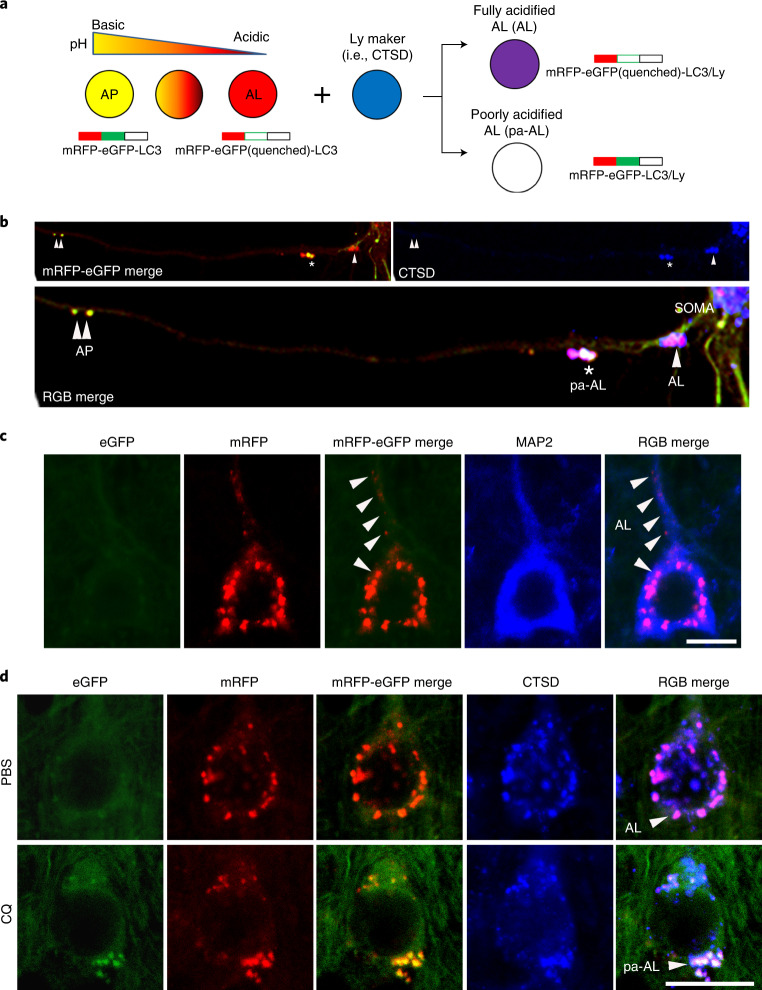
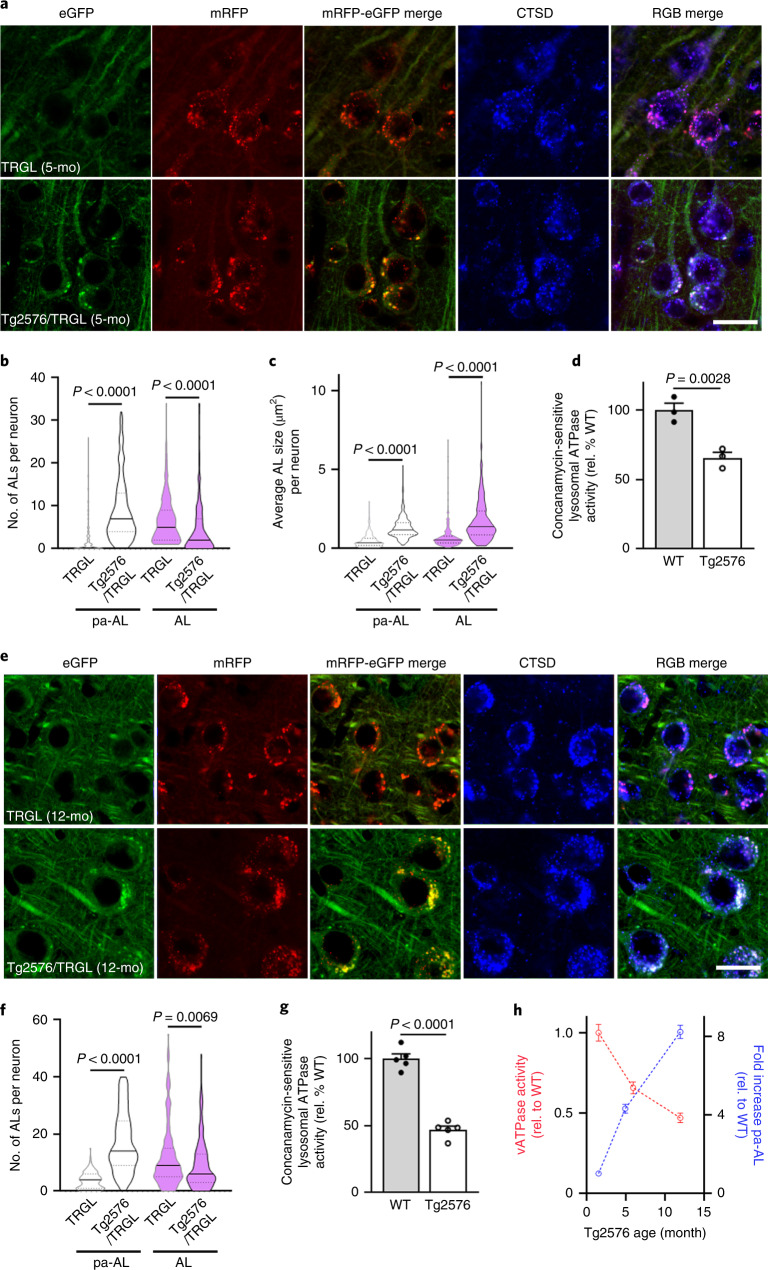
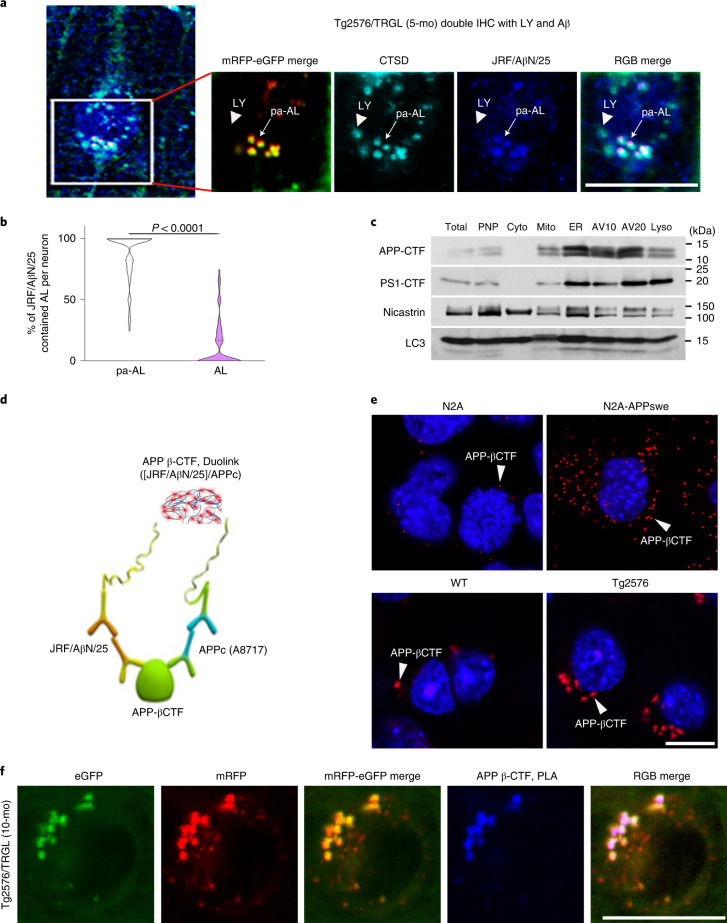
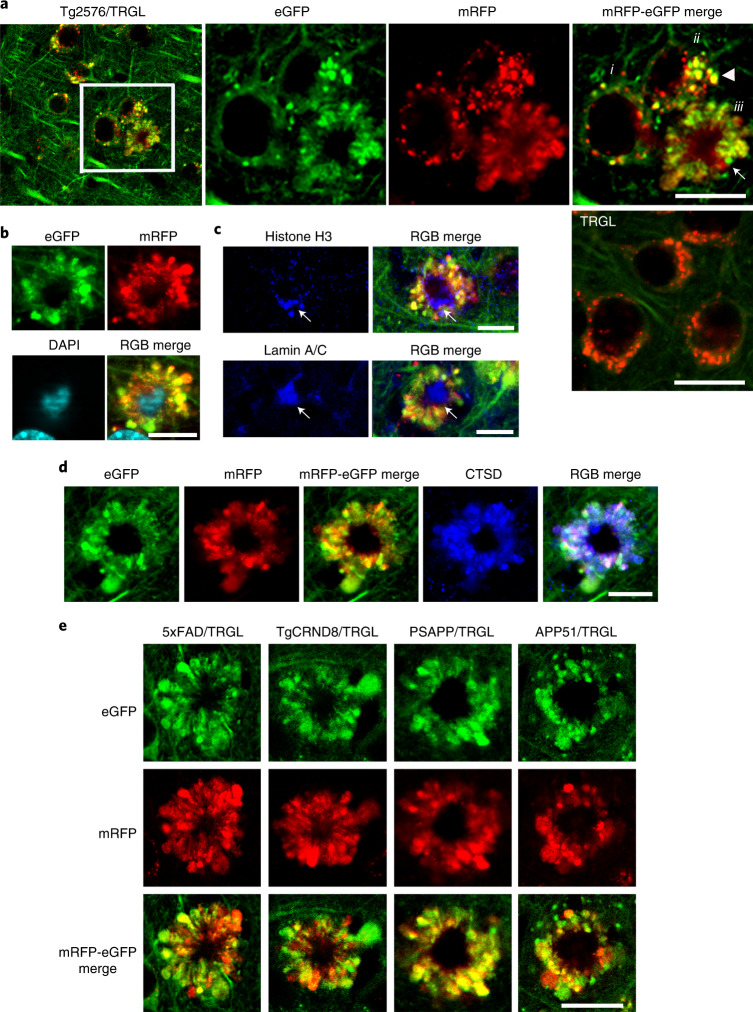
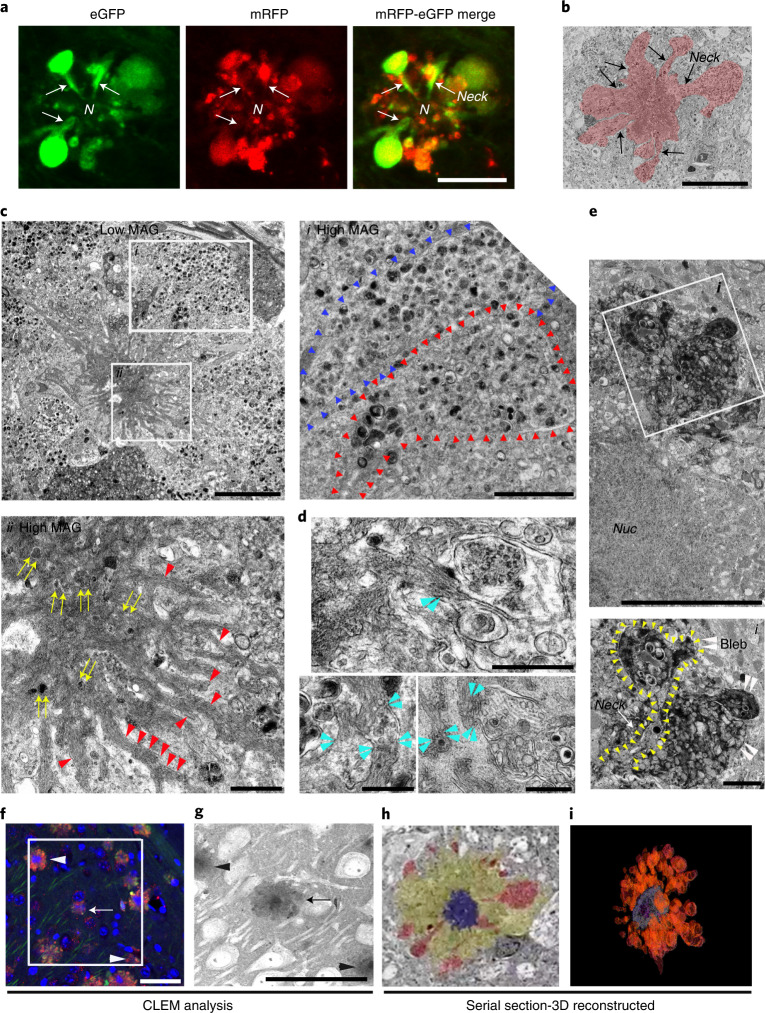
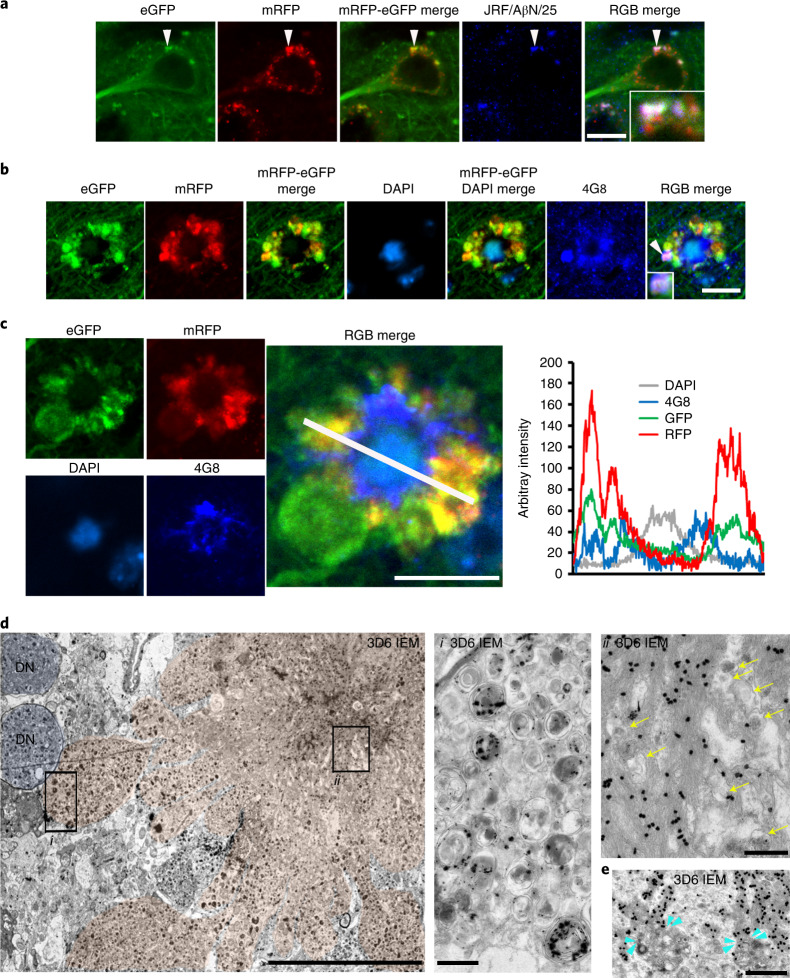
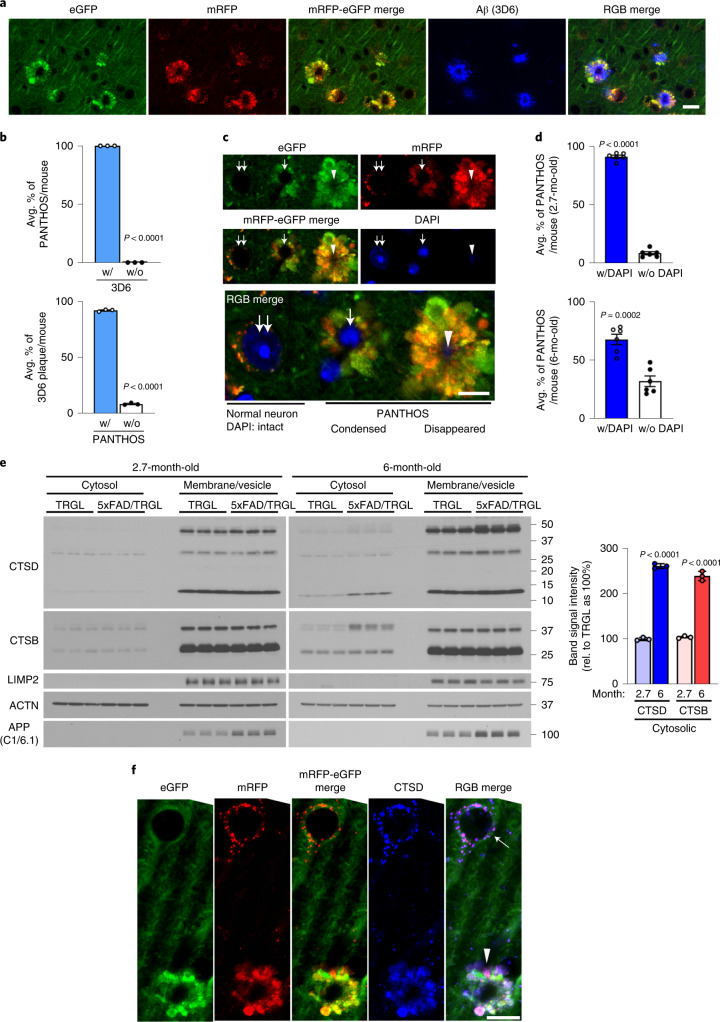
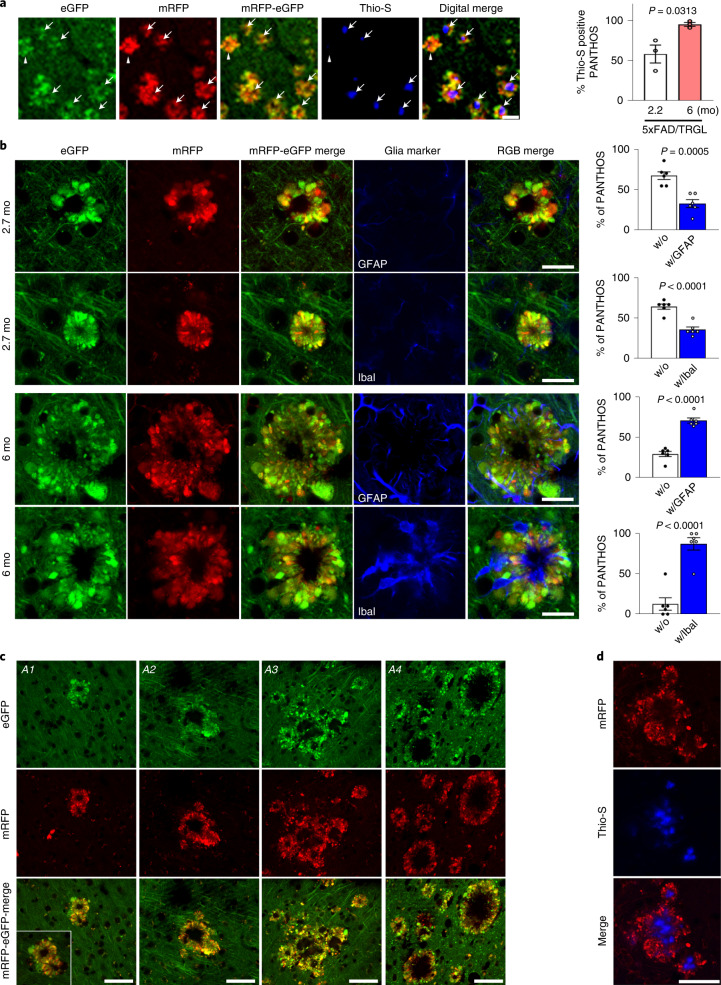
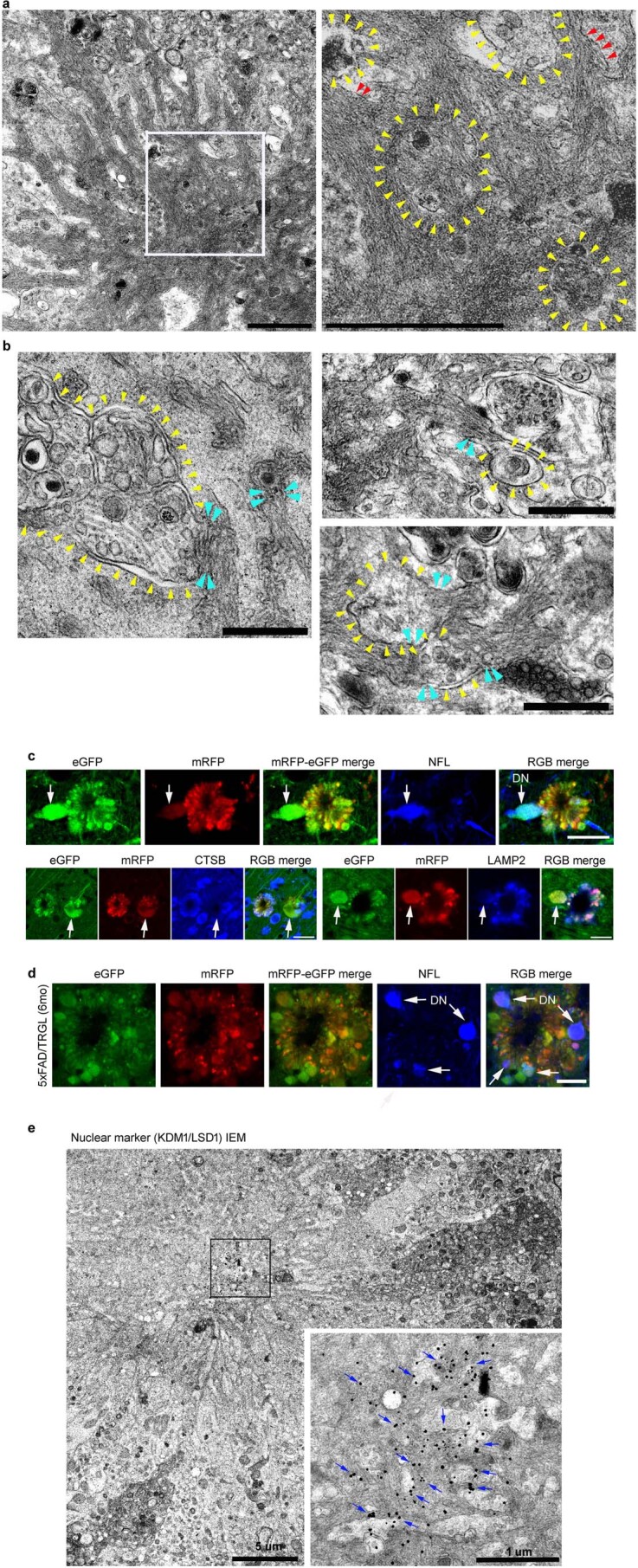
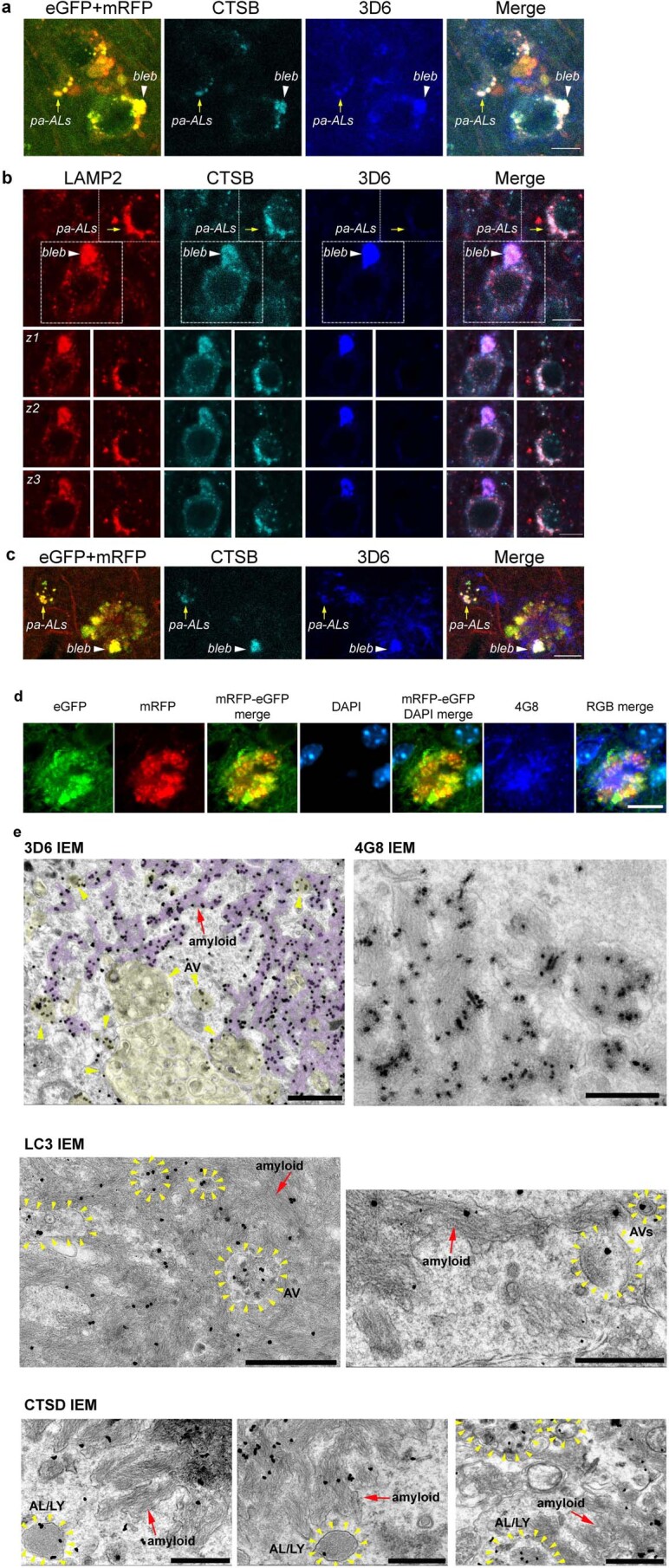
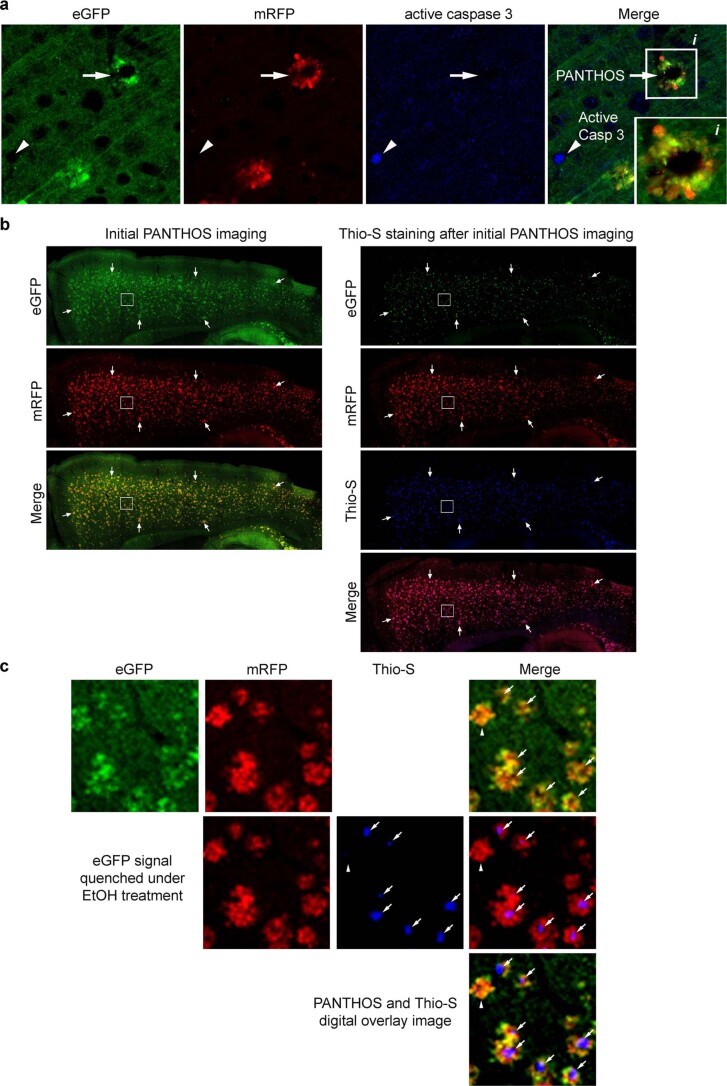
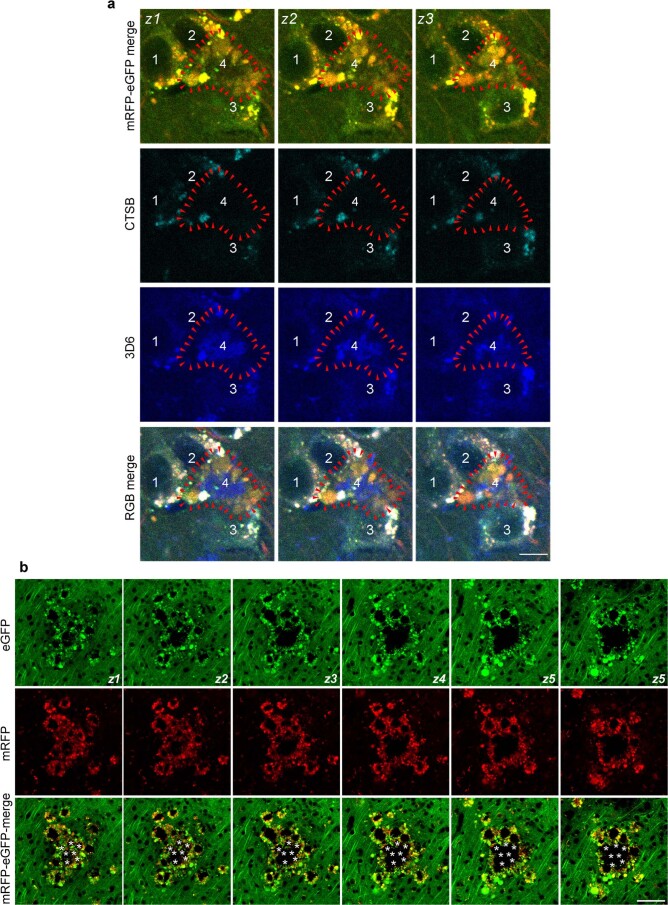
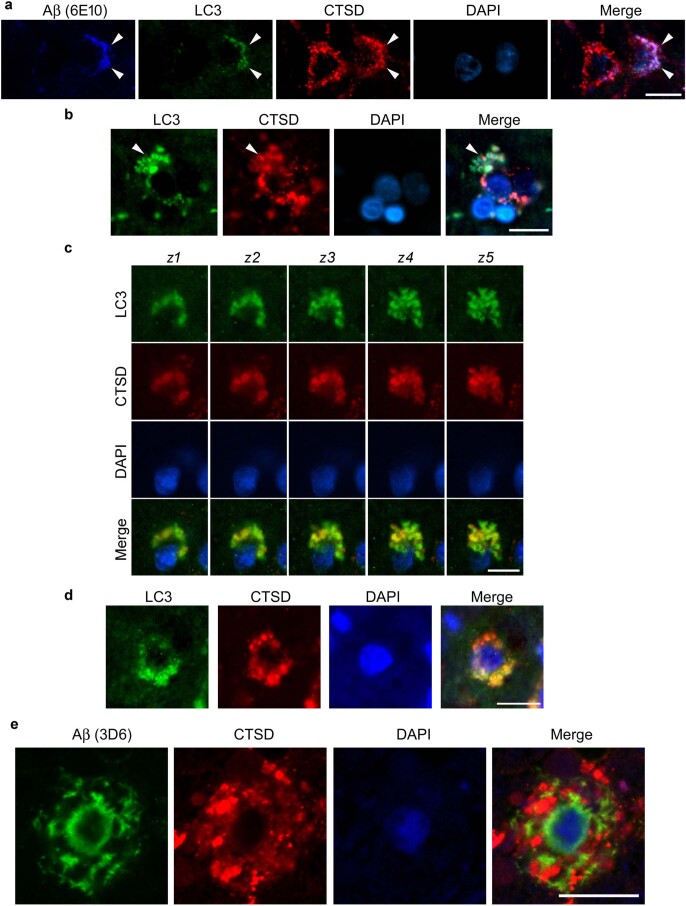
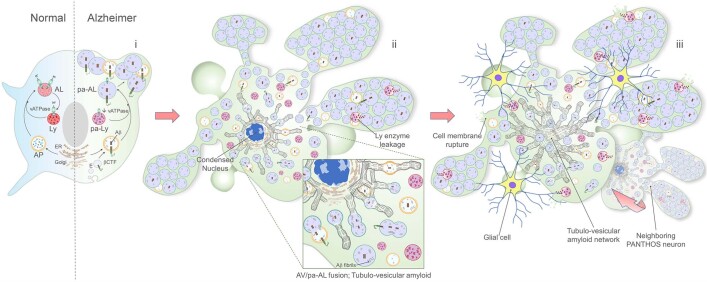
Autophagy is markedly impaired in Alzheimer’s disease (AD). Here we reveal unique autophagy dysregulation within neurons in five AD mouse models in vivo and identify its basis using a neuron-specific transgenic mRFP-eGFP-LC3 probe of autophagy and pH, multiplex confocal imaging and correlative light electron microscopy. Autolysosome acidification declines in neurons well before extracellular amyloid deposition, associated with markedly lowered vATPase activity and build-up of Aβ/APP-βCTF selectively within enlarged de-acidified autolysosomes. In more compromised yet still intact neurons, profuse Aβ-positive autophagic vacuoles (AVs) pack into large membrane blebs forming flower-like perikaryal rosettes. This unique pattern, termed PANTHOS (poisonous anthos (flower)), is also present in AD brains. Additional AVs coalesce into peri-nuclear networks of membrane tubules where fibrillar β-amyloid accumulates intraluminally. Lysosomal membrane permeabilization, cathepsin release and lysosomal cell death ensue, accompanied by microglial invasion. Quantitative analyses confirm that individual neurons exhibiting PANTHOS are the principal source of senile plaques in amyloid precursor protein AD models.
Overview
The claims and statistics of this paper haven’t been checked yet.
Free: it reads the open-access text and checks the first 5 claims that cite a source we can check. Create a free account to check every claim.
Integrity signals
Registry
Cites
Statistics
Figures
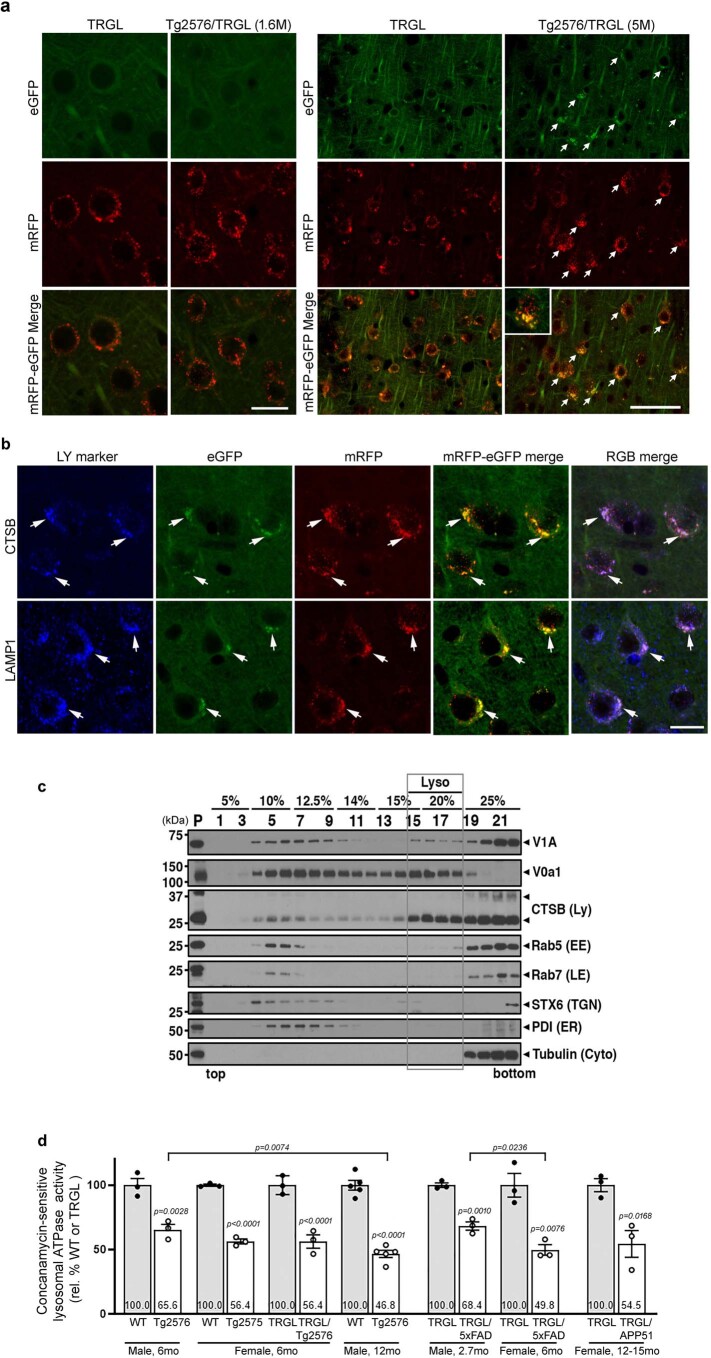
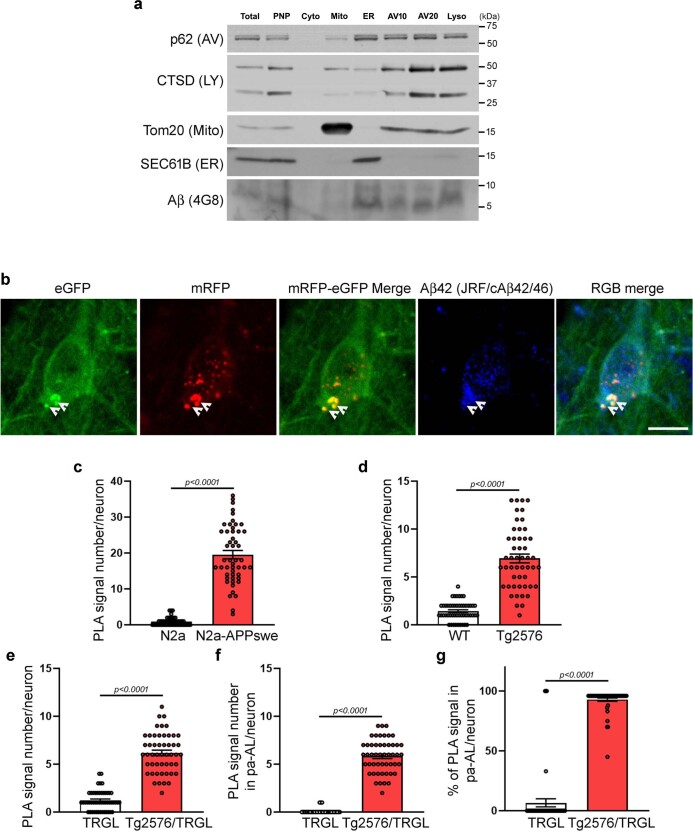
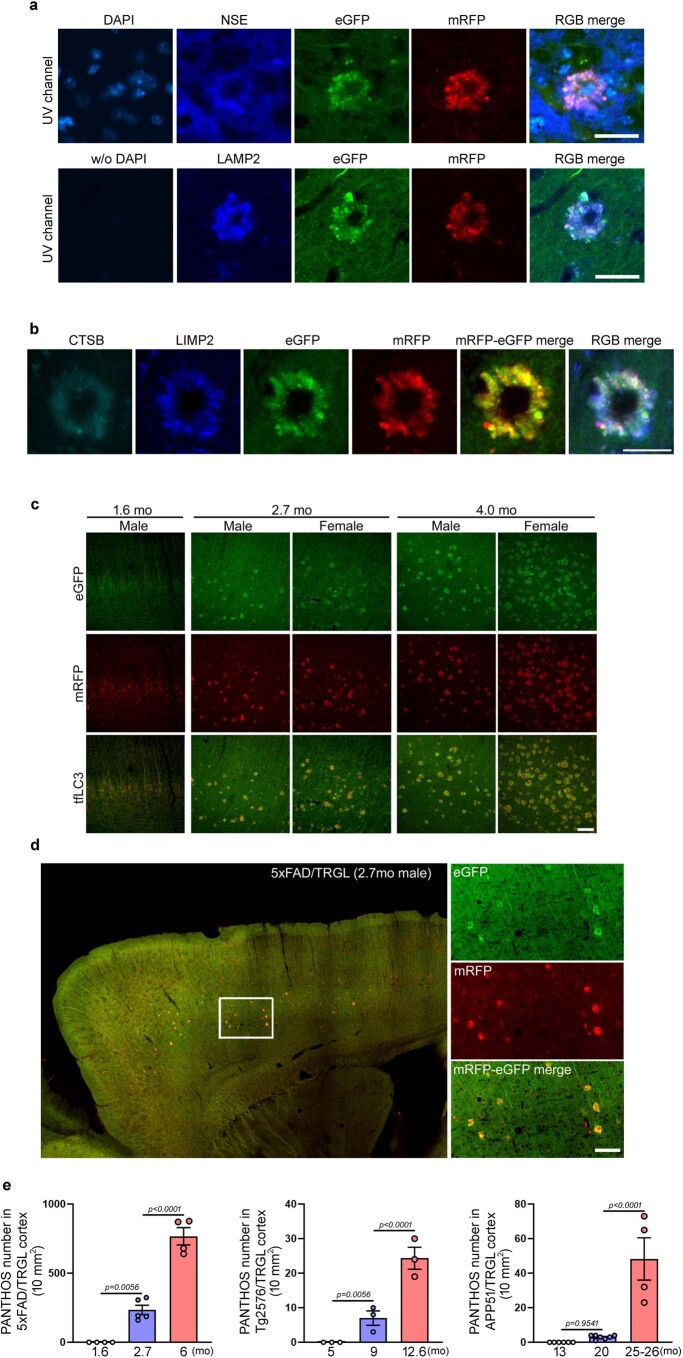
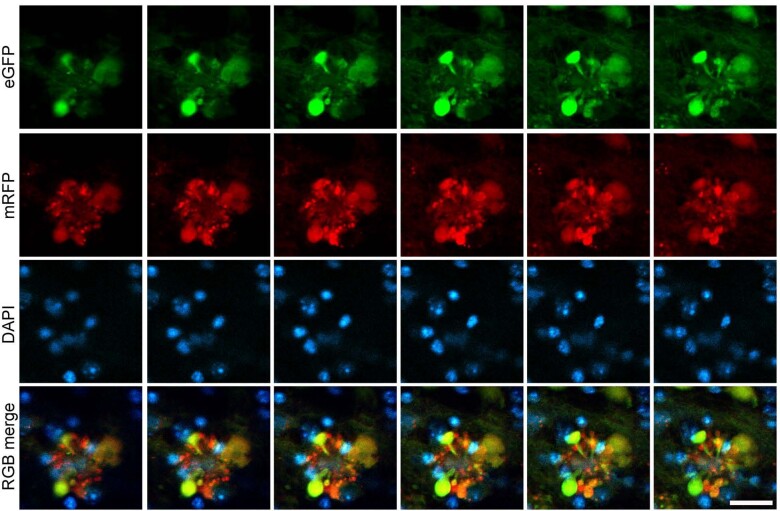
Verification
Claims the paper makes
The claims and statistics of this paper haven’t been checked yet.
Free: it reads the open-access text and checks the first 5 claims that cite a source we can check. Create a free account to check every claim.
Claims other papers make about this one
Each is checked against this paper’s own text: does it say what the citing paper says it does?
The source backs part of the claim, not all of it — or backs it for a different population, condition or comparison.
In the citing paper
“In consistent with this conception, the lysosomal dysfunction occurs earlier than neuronal Aβ-deposition but can prime Aβ accumulation of senile plaque in AD pathogenesis53.”
From PDCD4 triggers α-synuclein accumulation and motor deficits via co-suppressing TFE3 and TFEB translation in a model of Parkinson’s disease (2024) · cites this paper as [53]
Experimental — accuracy not yet measuredThe source backs part of the claim, not all of it — or backs it for a different population, condition or comparison.
In the citing paper
“Once lysosome acidification is hindered, the garbage decomposition pipeline stops, causing many garbage intermediate products to form and accumulate in the lysosome, including Aβ, Tau protein, and lipid droplets.[ 8 , 11 , 31 , 50 ]”
From Capsaicin Alleviates Autophagy‐Lysosomal Dysfunction via PPARA‐Mediated V‐ATPase Subunit ATP6V0E1 Signaling in 3xTg‐AD Mice (2025) · cites this paper as [11]
Experimental — accuracy not yet measuredThe cited source says what the claim attributes to it.
In the citing paper
“However, the abundant accumulation of autophagic vacuoles in swollen (malnourished) neurons is observed to have a linkage with Aβ/APP-βCTF, suggesting that autophagy clearance is severely disrupted under pathological conditions and is closely linked to amyloid pathology.115,225,230”
From Recent advances in Alzheimer's disease: Mechanisms, clinical trials and new drug development strategies. (2024) · cites this paper as [115]
The cited source says what the claim attributes to it.
In the citing paper
“In AD, lysosomal acidification deficits may weaken the clearance of Aβ, ultimately leading to the accumulation of extracellular Aβ plaques.115”
From Recent advances in Alzheimer's disease: Mechanisms, clinical trials and new drug development strategies. (2024) · cites this paper as [115]
The cited source says what the claim attributes to it.
In the citing paper
“This aligns with work from multiple laboratories showing that plaque formation depends on neuronal Aβ [45–48]”
From Selective suppression of oligodendrocyte-derived amyloid beta rescues neuronal dysfunction in Alzheimer’s disease (2024) · cites this paper as [45]
6 more claims about this paper
Create a free account to see every claim other papers make about this one.
Self-check
Percentages, sums and reported differences re-computed from the paper’s own numbers.
The self-check needs the paper’s full text.
Citations
Cites
Repertoires of Autophagy in the Pathogenesis of Ocular Diseases
Li, Y.-J., Jiang, Q., Cao, G.-F., Yao, J., & Yan, B. (2015) · Cellular Physiology and Biochemistry · doi:10.1159/000373980 · Cited by 16,304
Autophagy fights disease through cellular self-digestion
Mizushima, N., Levine, B., Cuervo, A. M., & Klionsky, D. J. (2008) · Nature · doi:10.1038/nature06639 · Cited by 6,452
Cui, C., Cui, J., Jin, F., Cui, Y., Li, R., Jiang, X., Tian, Y., Wang, K., Jiang, P., & Gao, J. (2017) · Cellular Physiology and Biochemistry · doi:10.1159/000479571 · Cited by 5,203
Correlative Memory Deficits, Aβ Elevation, and Amyloid Plaques in Transgenic Mice
Hsiao, K., Chapman, P., Nilsen, S., Eckman, C., Harigaya, Y., Younkin, S., Yang, F., & Cole, G. (1996) · Science · doi:10.1126/science.274.5284.99 · Cited by 4,210
Oakley, H., Cole, S. L., Logan, S., Maus, E., Shao, P., Craft, J., Guillozet-Bongaarts, A., Ohno, M., Disterhoft, J., Van Eldik, L., et al. (2006) · The Journal of Neuroscience · doi:10.1523/jneurosci.1202-06.2006 · Cited by 3,530
Neuropathological alterations in Alzheimer disease
Serrano-Pozo, A., Frosch, M. P., Masliah, E., & Hyman, B. T. (2011) · Cold Spring Harbor Perspectives in Medicine · doi:10.1101/cshperspect.a006189 · Cited by 3,345
Knopman, D. S., Amieva, H., Petersen, R. C., Chételat, G., Holtzman, D. M., Hyman, B. T., Nixon, R. A., & Jones, D. T. (2021) · Nature Reviews Disease Primers · doi:10.1038/s41572-021-00269-y · Cited by 2,606
Self-citationKimura, S., Noda, T., & Yoshimori, T. (2007) · Autophagy · doi:10.4161/auto.4451 · Cited by 2,278
The role of autophagy in neurodegenerative disease
Nixon, R. A. (2013) · Nature Medicine · doi:10.1038/nm.3232 · Cited by 2,059
Self-citationIntracellular amyloid-β in Alzheimer's disease
LaFerla, F. M., Green, K. N., & Oddo, S. (2007) · Nature Reviews Neuroscience · doi:10.1038/nrn2168 · Cited by 1,942
Research works printed but not linked: 5
- Yang, D.S., Stavrides, P., Mohan, P.S., Kaushik, S., Kumar, A., Ohno, M., Schmidt, S.D., Wesson, D., Bandyopadhyay, U., Jiang, Y., et al. (2011). Reversal of autophagy dysfunction in the TgCRND8 mouse model of Alzheimer's disease ameliorates amyloid pathologies and memory deficits. Brain 134, 258-277. · DOI · Paper page
- Cataldo, A.M., Peterhoff, C.M., Schmidt, S.D., Terio, N.B., Duff, K., Beard, M., Mathews, P.M., and Nixon, R.A. (2004). Presenilin mutations in familial Alzheimer disease and transgenic mouse models accelerate neuronal lysosomal pathology. J Neuropathol Exp Neurol 63, 821-830. · DOI · Paper page
- Mouse monoclonal anti-NFL was validated by our study: Yuan, A., Sershen, H., Veeranna, Basavarajappa, B.S., Kumar, A., Hashim, A., Berg, M., Lee, J.H., Sato, Y., Rao, M.V., et al. (2015). Neurofilament subunits are integral components of synapses and modulate neurotransmission and behavior in vivo. Mol Psychiatry 20, 986-994. JRF/AβN/25 was validated by our study: Mathews, P.M., Jiang, Y., Schmidt, S.D., Grbovic, O.M., Mercken, M., and Nixon, R.A. (2002). Calpain activity regulates the cell surface distribution of amyloid precursor protein. Inhibition of calpains enhances endosomal generation of beta-cleaved C-terminal APP fragments. J Biol Chem 277, 36415-36424. JRF/cAb42/26 was validated by this study: Janus, C. et al. Aβ peptide immunization reduces behavioural impairment and plaques in a model of Alzheimer's disease. Nature 408, 979-982 (2000). C1/6.1 was validated by our study: Jiang, Y., Mullaney, K.A., Peterhoff, C.M., Che, S., Schmidt, S.D., Boyer-Boiteau, A., Ginsberg, S.D., Cataldo, A.M., Mathews, P.M., and Nixon, R.A. (2010). Alzheimer's-related endosome dysfunction in Down syndrome is Aβ- independent but requires APP and is reversed by BACE-1 inhibition. Proc Natl Acad Sci U S A, 1630-1635. References · DOI · Paper page
- Bodendorf, U., Danner, S., Fischer, F., Stefani, M., Sturchler-Pierrat, C., Wiederhold, K.-H., Staufenbiel, M., and Paganetti, P. (2002). Expression of human β-secretase in the mouse brain increases the steady-state level of β-amyloid. Journal of Neurochemistry 80, 799-806.
- Anti-p62 C-terminal (Sqstm1) (https://us.progen.com/anti-p62-SQSTM1-C-terminus-guinea-pig-polyclonal-serum/GP62-C).. Anti-Sec1b (https://www.ptglab.com/products/SEC61B-Antibody-15087-1-AP.htm). Rabbit polyclonal anti-CTSD was validated by our study: Lee, J.-H., Yu, W.H., Kumar, A., Lee, S., Mohan, P.S., Peterhoff, C.M., Wolfe, D.M., Martinez-Vicente, M., Massey, A.C., Sovak, G., et al. (2010). Lysosomal proteolysis and autophagy require presenilin 1 and are disrupted by Alzheimer-related PS1 mutations. Cell 141, 1146-1158. · DOI · Paper page
Cited by
Items 401–500 of 640
Ballesteros‐Álvarez, J., Nguyen, W., Sivapatham, R., Rane, A., & Andersen, J. K. (2022) · Research Square · doi:10.21203/rs.3.rs-2046848/v1 · Cited by 4
The in-tissue molecular architecture of β-amyloid in the mammalian brainPreprint
Leistner, C., Wilkinson, M., Burgess, A., Goodbody, S., Xu, Y., Deuchars, S. A., Radford, S. E., Ranson, N. A., & Frank, R. A. W. (2022) · bioRxiv (Cold Spring Harbor Laboratory) · doi:10.1101/2022.11.08.515609 · Cited by 4
Compilation of all known protein changes in the human Alzheimer’s disease brainPreprint
Askenazi, M., Kavanagh, T., Pires, G., Ueberheide, B. M., Wısnıewskı, T., & Drummond, E. (2023) · bioRxiv (Cold Spring Harbor Laboratory) · doi:10.1101/2023.04.13.536828 · Cited by 4
Zeng, J., Abd-Elraouf, K., Loi, G. W. Z., Saipuljumri, E. N., O’Connor, L. M., Indajang, J., Reynolds, R., Barron, A. M., & Lo, C. H. (2023) · bioRxiv (Cold Spring Harbor Laboratory) · doi:10.1101/2023.10.12.562041 · Cited by 4
“Both neuroinflammation [2, 3] and lysosomal acidification defect [45, 73] have been described as early pathologies of AD.”
BackgroundRose, S. E., Prater, K. E., Mamde, S., Smith, I., Lin, Y. F., Cochoit, A., Reid, A. N., Johnson, C. S. C., Qiu, W., Strohbehn, S. D., et al. (2025) · bioRxiv (Cold Spring Harbor Laboratory) · doi:10.1101/2025.03.16.643481 · Cited by 4
Lane-Donovan, C., Paredes, M., & Kao, A. W. (2025) · Progress in Neurobiology · doi:10.1016/j.pneurobio.2025.102854 · Cited by 3
Fan, Q.-Q., Chen, Y.-M., Fu, Y.-S., Li, X. A., Zeng, J., Bian, S.-Z., Li, B., & Song, Z. (2024) · Frontiers in Aging Neuroscience · doi:10.3389/fnagi.2024.1418081 · Cited by 4
Panichi, V., Dolzani, P., Cattini, L., Alabiso, F., Bissoli, I., Cetrullo, S., Columbaro, M., Flamigni, F., Arciola, C. R., Filardo, G., et al. (2025) · Biochimica et Biophysica Acta (BBA) - Molecular Basis of Disease · doi:10.1016/j.bbadis.2025.167865 · Cited by 3
The Interaction between Oligodendrocytes and Aβ in Alzheimer's Disease
Wang, W., Huang, X., Xu, Z., & Yu, C. (2025) · Current Alzheimer Research · doi:10.2174/0115672050401966250625171338 · Cited by 3
“In fact, the number of amyloid plaques in white matter is significantly less than in gray matter [53, 54].”
Neuronal endolysosomal alterations induced by Apolipoprotein E4 emerge over time in primary neurons
Nyberg, E., Konings, S. C., Lindblom, N., Israelsson, B., Klementieva, O. L., Martinsson, I., & Gouras, G. K. (2025) · Journal of Biological Chemistry · doi:10.1016/j.jbc.2025.110479 · Cited by 4
Jadhav, D., Knapinska, A. M., Wang, H., & Fields, G. B. (2025) · Biomolecules · doi:10.3390/biom15081114 · Cited by 4
“As the loss of TMEM199 results in the over-acidification of the endo-lysosomal compartments [81], the processing of APP by the MT5-MMP • TMEM199 complex may be related to the accumulation of CTF β and A β in poorly acidified autolysosomes [82].”
Huang, X.-Y., Fang, Y., Song, J., Hao, Y., Cai, Y., Wei, P., & Zhang, N. (2025) · Journal of Zhejiang University SCIENCE B · doi:10.1631/jzus.b2400186 · Cited by 6
Hydrogen Bond–Driven N-Terminal Amyloid β Mimetics Attenuate Neurotoxic Aggregation
Kong, J., Zhang, J., Zhang, Y., Xue, H., Guo, X., Wang, N., Gao, Z., Sun, M., Xia, Y., Wang, Y., et al. (2025) · Chemistry of Materials · doi:10.1021/acs.chemmater.5c01589 · Cited by 4
Shao, J., Fan, X., Tian, S., Zhang, F., Li, J., Zhao, Z., Li, Y., & Zhou, X. (2025) · International Journal of Biological Macromolecules · doi:10.1016/j.ijbiomac.2025.148733 · Cited by 5
BACE1 at the crossroads of a vicious circle between Alzheimer’s disease and diabetes mellitus
Ohno, M. (2025) · Frontiers in Dementia · doi:10.3389/frdem.2025.1730524 · Cited by 5
Mercer, R. C. C., Le, N. T. T., Mirza-Romero, N. A., Orbe, I. C., Flaherty, E., DeFranco, J. P., Lavigna, G., Gatdula, J. R. P., Fraser, D. G., Sundaravadivelu, A., et al. (2025) · Journal of Biological Chemistry · doi:10.1016/j.jbc.2025.111050 · Cited by 6
“This idea is consistent with studies showing that accumulation of A β and α -synuclein aggregates in lysosomes and autophagosomes damages their integrity, leading to exposure of their contents to the cyto-plasm, eventually resulting in cell death (80, 81).”
Zhou, M., Tang, S., Zhang, Y., Fu, G., Yu, W., Wang, S., Cheng, S., & Zhenyan, S. (2025) · Phytomedicine · doi:10.1016/j.phymed.2025.157738 · Cited by 9
HDAC6 regulates BACE1 stability and NLRP3 inflammasome activation in Alzheimer's disease
Lee, J., Cho, Y., Choi, B. Y., Kim, H. K., Lee, Y., Kim, E., Han, J., Sul, J. H., Kim, J. S., Baek, S. H., et al. (2026) · Brain · doi:10.1093/brain/awag089 · Cited by 5
Self-citationAlzheimer’s Disease: From Pathogenesis to Emerging Therapeutic Targets
Takahashi, T., & Muguruma, K. (2026) · Journal of Clinical Medicine · doi:10.3390/jcm15062357 · Cited by 4
“Failure of lysosomal acidification leads to organelle swelling and vacuolar accumulation, a pathology described as PANTHOS, which emerges https://doi.org/10.3390/jcm15062357 before extracellular plaque formation [24].”
InfluentialWang, M., Zhang, B., Guo, R., Wang, H., Wu, D., Peng, X., Guo, H., Duan, J., Yang, W., Ren, P., et al. (2026) · Ultrasonics · doi:10.1016/j.ultras.2026.108075 · Cited by 3
Swollen axons impair neuronal circuits in Alzheimer’s disease
Cobos, I., & Palop, J. J. (2022) · Nature · doi:10.1038/d41586-022-03800-7 · Cited by 4
Liu, H.-X., Yu, C., & Qin, C. (2024) · Anais da Academia Brasileira de Ciências · doi:10.1590/0001-3765202420240120 · Cited by 3
Ma, Y., Xu, D., Gan, Y., Chen, Z., Chen, Y., & Han, X. (2024) · Environmental Pollution · doi:10.1016/j.envpol.2024.125322 · Cited by 4
Intraneuronal binding of amyloid beta with reelin—Implications for the onset of Alzheimer’s disease
Kobro‐Flatmoen, A., & Omholt, S. W. (2025) · PLoS Computational Biology · doi:10.1371/journal.pcbi.1012709 · Cited by 2
He, J., Sun, S., Wang, H., Ying, Z., & Tam, K. Y. (2025) · Neuroscience Bulletin · doi:10.1007/s12264-025-01354-y · Cited by 3
“Defective lysosomes or faulty autolyso-some acidification not only fails to clear existing stressors but also contributes to the formation of senile plaques by gathering Aβ-positive autophagic vacuoles and fibrillar Aβ [53].”
Dan, X., Croteau, D. L., Liu, W., Chu, X., McDevitt, R. A., Robbins, P. D., & Bohr, V. A. (2026) · Nature Neuroscience · doi:10.1038/s41593-026-02390-1 · Cited by 9
Xu, H., Wang, G., Jiang, Z., Han, Y., Zhao, W., Zhang, H., Liu, H., Liu, H., Li, Z., & Ji, F. (2025) · Advanced Healthcare Materials · doi:10.1002/adhm.202500941 · Cited by 8
Gao, F., Lin, W., Zhao, T., Zhang, J., Pei, D., Di, D., Fan, Z., Yang, L., & Hai, J. (2025) · Analytical Chemistry · doi:10.1021/acs.analchem.5c02994 · Cited by 3
Identification of immunogenic cell death-related genes involved in Alzheimer’s disease
Wang, R., Du, Y., Shao, W., Wang, J., Liu, X., Xu, X., Chen, G., & Sun, Y. (2024) · Scientific Reports · doi:10.1038/s41598-024-54357-6 · Cited by 5
“First, neuronal cell death induces the extracellular release of a substantial amount of neuronal Aβ, triggering an immune response and antigenic properties 13 .”
BackgroundPlasma cathepsin D as an early indicator of alcohol-related liver disease
Li, M., Houben, T., Bitorina, A. V., Meesters, D. M., Israelsen, M. E., Kjærgaard, M., Koek, G. H., Hendrikx, T., Verbeek, J., Krag, A. A., et al. (2024) · JHEP Reports · doi:10.1016/j.jhepr.2024.101117 · Cited by 3
Deivasigamani, S., Thekkan, S., Vergara, H. M., Connolly, O. M., Cosden, M. L., Phan, T., Smith, S., Marcus, J., Uslaner, J. M., Venkat, D., et al. (2024) · ACS Chemical Biology · doi:10.1021/acschembio.4c00602 · Cited by 4
Alzheimer’s disease neuropathological change in younger individuals with IDH-mutant glioma
Greutter, L., Schnitzenlehner, L., Klotz, S., Kiesel, B., Miller-Michlits, Y., Makolli, J., Widhalm, G., Baumann, B., & Wöehrer, A. (2025) · Neuro-Oncology Advances · doi:10.1093/noajnl/vdaf057 · Cited by 3
Wang, Y., Li, S., Liang, X., Fan, J., Li, S., Zhou, F., Li, X., Lai, M., Feng, D., & Li, Y. (2025) · Alzheimer s Research & Therapy · doi:10.1186/s13195-025-01771-1 · Cited by 7
Grochowska, K. M., Gomes, G. M., Raman, R., Kaushik, R., Sosulina, L., Kaneko, H., Oelschlegel, A. M., Yuanxiang, P., Reyes-Resina, I., Bayraktar, G., et al. (2020) · bioRxiv (Cold Spring Harbor Laboratory) · doi:10.1101/2020.01.08.898304 · Cited by 3
Yang, Q., Dai, H., Cheng, Y., Wang, B., Xu, J., Zhang, Y., Chen, Y., Xu, F., Ma, Q., Fei, Z., et al. (2022) · bioRxiv (Cold Spring Harbor Laboratory) · doi:10.1101/2022.11.04.515261 · Cited by 3
Nixon, R. A., Lee, J., Stavrides, P. H., Darji, S., Goulbourne, C. N., Berg, M. J., Mohan, P. S., Yang, D., Roussos, P., Bleiwas, C., et al. (2024) · Research Square · doi:10.21203/rs.3.rs-5306901/v1 · Cited by 3
Self-citationWickline, J. L., Smith, S., Shin, R., Odfalk, K., Sanchez, J., Javors, M., Ginsburg, B., & Hopp, S. C. (2023) · Neuropharmacology · doi:10.1016/j.neuropharm.2023.109454 · Cited by 2
Hippocampal TMEM55B overexpression in the 5XFAD mouse model of Alzheimer's disease
Odfalk, K. F., Wickline, J. L., Smith, S., Dobrowolski, R., & Hopp, S. C. (2024) · Hippocampus · doi:10.1002/hipo.23586 · Cited by 2
“However, abnormalities in endosomal-lysosomal processing are an early event that precedes the formation of A β plaques in numerous mouse models of A β pathology (Lee et al., 2022).”
BackgroundSebastijanović, A., Camassa, L. M. A., Malmborg, V., Kralj, S., Pagels, J., Vogel, U. B., Zienolddiny, S., Urbančič, I., Koklič, T., & Štrancar, J. (2024) · Nanotoxicology · doi:10.1080/17435390.2024.2362367 · Cited by 4
“This is in accordance with the finding that plaque formation initiates within the neuron, and subsequential accumulation of fibrillar aβ occurs intraluminally (Le Bras 2022; Lee et al. 2022; Pensalfini et al. 2014).”
Kavyashree, P., Wilson, H., Silswal, A., Mishra, L., Bhattacharya, D., Mishra, M., & Koner, A. L. (2024) · Small · doi:10.1002/smll.202404008 · Cited by 3
A novel finding relates to the involvement of ATF3/DOCK8 in Alzheimer's disease pathogenesis
Zhang, W., Teng, F., Lan, X., Liu, P., Wang, A., Zhang, F., Cui, Z., Guan, J., & Sun, X. (2025) · Journal of Alzheimer s Disease · doi:10.1177/13872877251336266 · Cited by 3
“32 Immunolabeling of A β plaques with thiopho fl avin S showed a prominent distribution of A β deposition within the hippocampus of APP/PS1 mice, whereas, inhibition of DOCK8 expression greatly attenuated the formation of A β plaques.”
Trends and research focus on autophagy in Alzheimer's disease (2003–2023): A bibliometric study
Wang, T., Jiang, H., Zheng, R., Zhang, C., Xiu-mei, M., & Liu, Y. (2025) · Journal of Alzheimer s Disease · doi:10.1177/13872877251336442 · Cited by 3
Amyloid‐β Seeds in Alzheimer's Disease: Research Challenges and Implications
Beschörner, N., Xu, Y., Jucker, M., & Ruiz‐Riquelme, A. (2025) · Journal of Neurochemistry · doi:10.1111/jnc.70267 · Cited by 3
Alzheimer's disease model explains Alzheimer’s disease incidences
Chan, J. C.-Y. (2025) · Journal of Alzheimer s Disease Reports · doi:10.1177/25424823251395616 · Cited by 2
Aβ plaques induce local pre-synaptic toxicity in human iPSC-derived neuron xenografts
van Vierbergen, J. F. M., Calatayud, C., Balusu, S., Carrano, N., Peredo, N., Vints, K., Gallego, S. F., Horré, K., Strooper, B. D., & Verstreken, P. (2026) · Stem Cell Reports · doi:10.1016/j.stemcr.2025.102754 · Cited by 4
Measuring lysosome damage and lysophagy in vivo
Wu, Z., Zhan, H., Huang, Z. A., Wang, C., Li, B., Hu, Y. T., Chen, Z., Liu, W., Gong, W., Sang, Y., et al. (2026) · Autophagy · doi:10.1080/15548627.2025.2608974 · Cited by 5
Xie, K., Ryan, D. P., Schröder, S., Freund, L. J., Bonn, S., Zhou, Y., & Ehninger, D. (2026) · Journal of Neuroinflammation · doi:10.1186/s12974-025-03682-2 · Cited by 2
Zhang, H., Zhang, H., Zhao, M., Luo, W., Chen, S., Wang, P., Liu, X., & Xu, S. (2026) · Phytomedicine · doi:10.1016/j.phymed.2026.157916 · Cited by 4
Luo, Y., Wen, H., Li, W., Wang, X., Zheng, X., Ge, H., Yin, Y., Chen, L., Wu, X., & Hou, W. (2026) · IEEE Transactions on Neural Systems and Rehabilitation Engineering · doi:10.1109/tnsre.2026.3664396 · Cited by 3
“Previous studies have shown that abnormal neural oscillations and synaptic function precede A β deposition [2], and that neuronal dysfunction causes extra-cellular A β deposition [59].”
Kang, S., Monteith, A. J., Arbeeva, L. S., Grier, K., Beem, S. S., Trujillo, A., Bi, X., Sun, K., Sadun, R. E., Maheswaranathan, M., et al. (2026) · JCI Insight · doi:10.1172/jci.insight.191767 · Cited by 2
Li, Q., Zhao, R., Tian, X., & Xu, H. (2026) · Frontiers in Aging Neuroscience · doi:10.3389/fnagi.2026.1780247 · Cited by 2
Xing, L., Liu, A., Gao, W., Li, J., Yao, M., Song, J., Duan, P., & Li, H. (2026) · Ageing Research Reviews · doi:10.1016/j.arr.2026.103145 · Cited by 2
Huang, J., Wang, Y.-B., Wu, J., Qian, P.-J., Shao, J., Cao, D.-D., Liu, Y., & Luo, Z. (2026) · Molecular Therapy · doi:10.1016/j.ymthe.2026.04.037 · Cited by 2
Amyloid-β clearance: an astrocytic perspective
Li, J., Lv, Z., Chen, X. P., Fu, F., Yang, K., Lai, G., Wu, H., & Xie, G. (2026) · Frontiers in Neuroscience · doi:10.3389/fnins.2026.1812081 · Cited by 3
“Studies in AD mouse models show that impaired acidification can precede extracellular A β plaque deposition, suggesting that it may be an upstream pathogenic event (Lee et al., 2022).”
Czuba, M., Szafrańska, K., Kołaczkowski, M., & Marcinkowska, M. (2026) · European Journal of Medicinal Chemistry · doi:10.1016/j.ejmech.2026.118951 · Cited by 2
Feng, Q., Song, Y., Pan, Z., Liu, W., Xu, H., Wang, L., Cheng, H., Wang, P., & Chen, G. (2026) · Biosensors and Bioelectronics · doi:10.1016/j.bios.2026.119004 · Cited by 2
Ma, L., Zhao, Y. Q., Cai, C., Qs, L., Hu, X., & Wang, L. (2026) · Cells · doi:10.3390/cells15141291 · Cited by 2
“These plaques may be expelled via exocytosis or released extracellularly following microglial apoptosis [37].”
Gong, M., Lan, J. X., & Miao, J. (2026) · Frontiers in Aging Neuroscience · doi:10.3389/fnagi.2026.1908574 · Cited by 3
“Age-related lysosomal dysfunction further limits their clearance competence (Wolfe et al., 2013; Xiao et al., 2014; Lee et al., 2022; Yang et al., 2024).”
Chen, Y., Zhou, H., binYin, W., & Ren, H. (2023) · Journal of Biomedical Nanotechnology · doi:10.1166/jbn.2023.3507 · Cited by 2
Evaluation the in vivo behaviors of PM2.5 in rats using noninvasive PET imaging with mimic particles
Pan, D., Xu, Y., Wang, X., Wang, L., Yan, J., Shi, D., Yang, M., & Chen, M. (2023) · Chemosphere · doi:10.1016/j.chemosphere.2023.139663 · Cited by 3
Wang, X., Dong, B., Song, Y., Wang, Z., Wang, Y., Xu, J., & Xue, C. (2024) · Food Science and Human Wellness · doi:10.26599/fshw.2024.9250145 · Cited by 3
“Interrogation of neuronal autophagy in five different amyloidogenic AD mouse models identified autophagy dysfunction yielding Aβ accumulation within intact neurons, which are the main source of senile plaques [35].”
Progress on Tripterygium wilfordii Hook f. as a treatment option for neurodegenerative diseases
Zhang, Z., Zuo, T., Chen, M., Zang, C., Wang, Y., Wang, Y.-D., & Ma, S. (2024) · Pharmacological Research - Modern Chinese Medicine · doi:10.1016/j.prmcm.2024.100545 · Cited by 2
Fu, H., Li, J., Zhang, C., Gao, G., Ge, Q., Guan, X., & Cui, D. (2025) · Neural Regeneration Research · doi:10.4103/nrr.nrr-d-24-01440 · Cited by 3
“Quantitative colocalization analysis showed that 45.4% ± 17.8% ( n = 6) of Lamp2 staining colocalized with phos-tau staining in the senile plaque dystrophic neurites, whereas 62.9% ± 22.3% ( n = 7) of Lamp2 staining colocalized with phos-tau staining in the neuropil”
InfluentialTMEM184B modulates endolysosomal acidification via the vesicular proton pump
Wright, E. B., Larsen, E. G., Padilla‐Rodriguez, M., Langlais, P. R., & Bhattacharya, M. R. C. (2025) · Journal of Cell Science · doi:10.1242/jcs.263908 · Cited by 5
“…(ALS) all exhibit endolysosomal deacidification that causes the accumulation of toxic proteins (Arbo et al., 2020; Hu et al., 2015; Im et al., 2023; Lee et al., 2022; Lloyd-Evans et al., 2008; Lo and Zeng, 2023; Root et al., 2021; Vivas et al., 2019) Enlarged endosomal compartments or…”
In vivo mapping of peroxisome dynamics and pexophagy using PO-TRG and CA-PO-TRG reporter mice
Xiong, Y., Gao, W., Wu, Z., Ding, R., Ma, H., Zheng, J., Li, B., Sang, Y., Zhang, L., Gong, W., et al. (2025) · The Journal of Cell Biology · doi:10.1083/jcb.202503169 · Cited by 5
Sleat, D. E., Maita, I., Banach-Petrosky, W. A., Larrimore, K. E., Liu, T. T., Cruz, D. L., Baker, L., Maxfield, F. R., Samuels, B. A., & Lobel, P. (2022) · Neurobiology of Aging · doi:10.1016/j.neurobiolaging.2022.06.012 · Cited by 2
Role and function of cPLA2 in CNS trauma and age-associated neurodegenerative diseases
Sarkar, C., & Lipinski, M. M. (2023) · Elsevier eBooks · doi:10.1016/b978-0-443-21800-2.00015-4 · Cited by 2
Ryan, K. C., Ashkavand, Z., Laboy, J. T., Wang, L., Barroso, M., & Norman, K. R. (2024) · Aging and Disease · doi:10.14336/ad.2024.0228 · Cited by 6
“Lysosome morphological abnormalities are present both in presenilin fAD models and in biopsy specimens taken from AD patients [20, 23-25], suggesting lysosome dysfunction is a common feature of AD and a central aspect of AD pathology requiring further study.”
Enhanced lysosome biogenesis ameliorates neurodegenerative diseases
Xue, W., & Li, Y. (2022) · Aging · doi:10.18632/aging.204389 · Cited by 2
Zhou, X., Lee, Y.-K., Li, X., Kim, H., Sánchez-Priego, C., Han, X., Tan, H., Zhou, S., Fu, Y., Purtell, K., et al. (2022) · bioRxiv (Cold Spring Harbor Laboratory) · doi:10.1101/2022.12.04.519029 · Cited by 2
“In Alzheimer’s disease (AD), dystrophic neurites and amyloid plaques are the important hallmarks of neuropathologies in the affected brains (Lee et al., 2022).”
BackgroundNaia, L., Shimozawa, M., Bereczki, E., Li, X., Liu, J., Jiang, R., Leal, N. S., Pinho, C. M., Berger, E., Falk, V. L., et al. (2023) · bioRxiv (Cold Spring Harbor Laboratory) · doi:10.1101/2023.03.07.531542 · Cited by 2
Liu, M., Zhu, L., Li, F., Shi, X., Shen, Y.-F., & Liu, M. (2024) · bioRxiv (Cold Spring Harbor Laboratory) · doi:10.1101/2024.02.06.579113 · Cited by 2
“Present in various forms such as soluble monomers, oligomers, and protofibrils, intraneuronal Aβ42 accumulation and aggregation precede the formation of amyloid plaques and are closely linked to early memory and cognitive decline in AD 2,6,20,21 .”
BackgroundAutophagy degradation: a promising dimension in drug discovery for neurodegenerative diseases
Liu, S., Cai, C., Zhu, H.-P., Li, X., & Han, B. (2024) · Future Medicinal Chemistry · doi:10.1080/17568919.2024.2431477 · Cited by 4
Zhong, R., & Richardson, C. E. (2024) · bioRxiv (Cold Spring Harbor Laboratory) · doi:10.1101/2024.11.29.625995 · Cited by 2
Atlas of Lysosomal Aging Reveals a Molecular Clock of Storage Disorder-Associated MetabolitesPreprint
Puszynska, A. M., Nguyen, T. P., Cangelosi, A. L., Armani, A., Roberts, J. M., Singh, K. A., Cameron, J. C., Tseyang, T., Liu, G. Y., Lai, S., et al. (2025) · bioRxiv (Cold Spring Harbor Laboratory) · doi:10.1101/2025.09.25.678303 · Cited by 2
Kour, D., Khajuria, P., Sharma, K., Sharma, A., Sharma, A., Ali, S. M., Wazir, P., Ramajayan, P., Sawant, S. D., Nandi, U., et al. (2023) · Research Square · doi:10.21203/rs.3.rs-3762830/v1 · Cited by 2
A review of current developments in Alzheimer’s disease treatment methods
Xu, L. (2023) · Theoretical and Natural Science · doi:10.54254/2753-8818/6/20230126 · Cited by 1
Cogs in the autophagic machine—equipped to combat dementia-prone neurodegenerative diseases
de Wet, S., Theart, R. P., & Loos, B. (2023) · Frontiers in Molecular Neuroscience · doi:10.3389/fnmol.2023.1225227 · Cited by 1
Zhang, L., Chen, J., Liu, J., Liu, L., & Liu, L. (2024) · Revista Brasileira de Farmacognosia · doi:10.1007/s43450-024-00553-4 · Cited by 1
“Faulty autolysosome acidification in Alzheimer’s disease mouse models induces autophagic build-up of amyloid β-peptide in neurons, yielding senile plaques (Lee et al. 2022).”
Cellular models of stress resistance may pave ways to fight neurodegenerative diseases
Pham, T. N. M., & Behl, C. (2024) · Neural Regeneration Research · doi:10.4103/nrr.nrr-d-24-00476 · Cited by 1
“The PANTHOS are proposed to be the major sources of amyloid plaques in AD (Lee et al., 2022).”
Ye, K., Zhao, X. L., Liu, L., Ge, F., Zheng, F., Liu, Z., Tian, M., Han, X., Gao, X., Xia, Q. H., et al. (2024) · Molecular Neurobiology · doi:10.1007/s12035-024-04642-2 · Cited by 1
An autophagy adaptor TRIAD3A promotes tau fibrillation by phase separation
Zhou, J., Chuang, Y. ‘., Redding-Ochoa, J., Platero, A. J., Barrett, A. H., Troncoso, J. C., Worley, P. F., & Zhang, W. (2024) · Alzheimer s & Dementia · doi:10.1002/alz.095036 · Cited by 1
The role of autophagy in ischemic brain injury
Osterli, E., Park, Y., Hu, K., Kasof, G. M., Wiederhold, T., Liu, C., & Hu, B. (2025) · Autophagy Reports · doi:10.1080/27694127.2025.2486445 · Cited by 4
“This may explain why neuronal autophagy changes have been extensively characterized in different neurological diseases, including brain ischemia [6,91,134].”
Zehra, S., Rai, S., Rani, K., Choudhury, S. D., Rai, H., Bhowmik, S., Mohan, N., Gupta, A., Chatterjee, P., Reddy, T. J., et al. (2026) · Alzheimer s Research & Therapy · doi:10.1186/s13195-026-02028-1 · Cited by 1
“Recent studies have shown that extracellular plaques primarily arise from intraneuronal β-amyloid accumulation within membrane tubules, forming a central amyloid “core” which then degenerates to produce classical senile plaques [11].”
Autophagy and Intracellular Membrane Dynamics in Aging and Age-Related Diseases
Minami, S., Nakamura, S., & Yoshimori, T. (2025) · Learning materials in biosciences · doi:10.1007/978-3-031-88121-3_7 · Cited by 1
Autophagy-mediated cell death: Mechanisms and implications in neurodegenerative disorders
Zhang, L., Lü, Y., & Liu, B. (2025) · Elsevier eBooks · doi:10.1016/b978-0-443-32852-7.00017-6 · Cited by 5
Fang, L., Zhao, Y., & Bai, X. (2025) · Neural Regeneration Research · doi:10.4103/nrr.nrr-d-25-00625 · Cited by 1
“Many studies have established that impaired lysosomal function and exocytosis are strongly associated with neurodegenerative diseases and cellular senescence (Samie and Xu, 2014; Stagi et al., 2014; Lee et al., 2022; Xie et al., 2022; Figure 1 ).”
Wang, H., Qiao, Z., Zhang, L., Jiang, B., & Zhang, Y. (2025) · Analytica Chimica Acta · doi:10.1016/j.aca.2025.344737 · Cited by 3
Wei, C., Chen, X., Sun, M., Cao, J., Liao, D.-C., Zhou, C., & Wang, H. (2025) · Antioxidants · doi:10.3390/antiox14101255 · Cited by 1
“Defective protein degradation exacerbates A β accumulation and disrupts proteostasis [41].”
Veh, A., Ewald, M., Geßner, V. D. C. N., Giridhar, N. J., Hutchings, A.-J., Stigloher, C., Binotti, B., Heinze, K. G., & Lüningschrör, P. (2025) · Translational Neurodegeneration · doi:10.1186/s40035-025-00524-2 · Cited by 1
“Autophagosome biogenesis mostly occurs in distal axons, followed by maturation during retrograde transport and fusion with lysosomes at the somata [16, 36, 37].”
Reinventing brain immunity in neurodegeneration
Huang, H., Han, Y., Han, Z., Yang, H., Fu, Y., & Liu, Q. (2025) · Immunity & Inflammation · doi:10.1007/s44466-025-00011-3 · Cited by 2
Bhuiya, J., Shibly, A. Z., Sheikh, A. M., Tabassum, S., Abdullah, F. B., Fahmida, J., Tamegai, H., Aritake, S., Yano, S., & Nagai, A. (2025) · Journal of Neuropathology & Experimental Neurology · doi:10.1093/jnen/nlaf138 · Cited by 1
Recent Advances of the Role of Dl-3-n-Butylphthalide in the Treatment of Alzheimer’s Disease
Huang, H., Wu, J., Fang, Z., Wang, Y., Xie, J., & Guan, Y. (2026) · Molecular Neurobiology · doi:10.1007/s12035-025-05616-8 · Cited by 2
Exploring cannabinoid modulation on autophagy mechanisms in Alzheimer’s disease: a review
Ntsapi, C., Weyers, M., Chinheya, R. M., Jim, T., & Matsabisa, M. G. (2026) · Frontiers in Pharmacology · doi:10.3389/fphar.2025.1748368 · Cited by 2
Targeted Protein Degrader from Ginkgo to Mitigate Amyloid β-Induced Neurotoxicity
Dutta, B., Loo, S., Kam, A., Liu, C., & Tam, J. P. (2026) · Biochemistry · doi:10.1021/acs.biochem.5c00763 · Cited by 1
Dobria, A., Suarez, A. A., Whitmarsh‐Everiss, T., Pavlinov, I., Soliz, V., Hippman, R. S., Petersson, T., Petros, Z. A., & Aldrich, L. N. (2026) · ACS Pharmacology & Translational Science · doi:10.1021/acsptsci.5c00780 · Cited by 1
Mayeri, Z., Woods, G., Rane, A., Kifle, A., Chamoli, M., Shukla, S., Walton, C. C., & Andersen, J. K. (2026) · GeroScience · doi:10.1007/s11357-026-02139-5 · Cited by 2
Guo, H.-H., Su, D., Song, B. K., Geng, Z., Wang, L., Wang, W., Hu, W., Li, X., Li, W., Zhang, G., et al. (2026) · Journal of Neuroinflammation · doi:10.1186/s12974-026-03758-7 · Cited by 2
Mendoza-Franco, G., Rodríguez‐Cruz, F., Estrada-Modesto, S., González, E. O. H., Boucard, A. A., Ríos, M. A. M., Basurto‐Islas, G., & García‐Sierra, F. (2026) · Journal of Alzheimer s Disease · doi:10.1177/13872877261422415 · Cited by 1
“85 Based on this information, Figure 8.”
The role of non-coding RNA-mediated autophagy in Alzheimer’s disease
Wang, Y., Bao, G., Li, H., Li, X., & Lv, L. (2026) · Brain Research Bulletin · doi:10.1016/j.brainresbull.2026.111860 · Cited by 1
Metadata
- Authors
- Lee, J.-H., Yang, D.-S., Goulbourne, C. N., Im, E., Stavrides, P., Pensalfini, A., Chan, H., Bouchet-Marquis, C., Bleiwas, C., Berg, M. J., Huo, C., Peddy, J., Pawlik, M., Levy, E., Rao, M., Staufenbiel, M., & Nixon, R. A.
- Affiliations
- Nathan Kline Institute for Psychiatric Research (US)
- Thermo Fisher Scientific (United States) (US)
- Hertie Institute for Clinical Brain Research (DE)
- Corresponding author
- Lee, Ju-Hyun
- Nixon, Ralph A.
- ORCID
- Venue
- Nature Neuroscience
- Published
- 2022-06
- Volume
- 25
- Issue
- 6
- Pages
- 688-701
- ISSN
- 1097-6256 (ISSN-L)
- 1546-1726
- PMC
- PMC9174056
- OpenAlex
- W4281616414
- Cited by
- 638
- References
- 63
- Citations by year
- 2026: 110 · 2025: 153 · 2024: 152 · 2023: 159 · 2022: 62
- FWCI
- 81.80
- Type
- journal article
- Language
- en
- Open access
- hybrid
- doi.org
- Licence
- cc-by
- creativecommons.org/licenses/by/4.0 (tdm)
- creativecommons.org/licenses/by/4.0 (vor, 1 d)
- Locations
- Nature Neuroscience (publishedVersion, cc-by)
- PubMed Central (publishedVersion, cc-by)
- PubMed (publishedVersion)
- Funders
- University of South Florida
- National Institutes of Health (AG025688)
- Morsani College of Medicine
- National Institute on Aging (P50AG025688, P01AG017617, R01AG062376)
- Janssen Research and Development
- Topics
- Life Sciences › Neuroscience › Cellular and Molecular Neuroscience › Alzheimer's disease research and treatments
- Life Sciences › Biochemistry, Genetics and Molecular Biology › Cell Biology › Autophagy in Disease and Therapy
- Life Sciences › Biochemistry, Genetics and Molecular Biology › Physiology › Calcium signaling and nucleotide metabolism
- Keywords
- Alzheimer's disease, autophagy, amyloid-beta, amyloid plaques, autophagosomes, lysosomal membrane permeabilization, lysosomal cell death, amyloid precursor protein, neurons, mouse model
- MeSH terms
- Alzheimer Disease, Animals, Autophagy, Disease Models, Animal, Hydrogen-Ion Concentration, Lysosomes, Mice, Transgenic, Neurons, Amyloid beta-Peptides, Amyloid beta-Protein Precursor, Mice, Plaque, Amyloid
About these checks
Registry, retraction, Cites and statistics results are computed, not judged, with one exception: a printed reference that no index lists is read once by a model before it counts as a citation error. Claims are extracted by a model and kept only when their quote appears verbatim in the text; each cited source is then checked, with a model’s help, for whether it says what the claim relies on. Those verdicts can be wrong — read the claim’s quote and the cited source before relying on one.
Statistics and arithmetic are recomputed, not judged.
Confidence bands are shown only for fields calibrated on our annotated test set. None is calibrated yet, so no band is shown.
What counts as a claim ›How we measure confidence ›How we check this ›
Are you an author, or do you see a problem with this page? Request a review
Data sources
Bibliographic data: Semantic Scholar, OpenAlex, Crossref.
Contains information from the Semantic Scholar Academic Graph Datasets, made available under the ODC Attribution License (ODC-BY 1.0).
Semantic Scholar’s data is described in: Kinney, R., et al. (2023). The Semantic Scholar Open Data Platform. arXiv:2301.10140.
