

Faulty autolysosome acidification in Alzheimer’s disease mouse models induces autophagic build-up of Aβ in neurons, yielding senile plaques
Open accessThe DOI matches its Crossref record; 63 of the 63 references it cites were found in a registry or an index.
Abstract
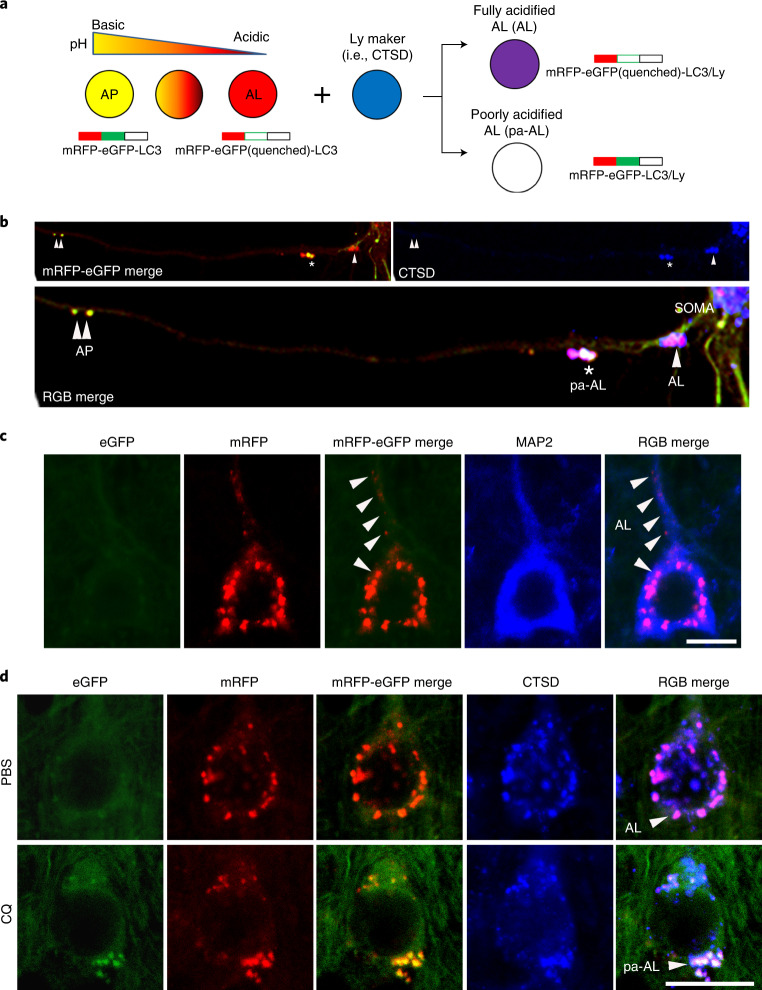
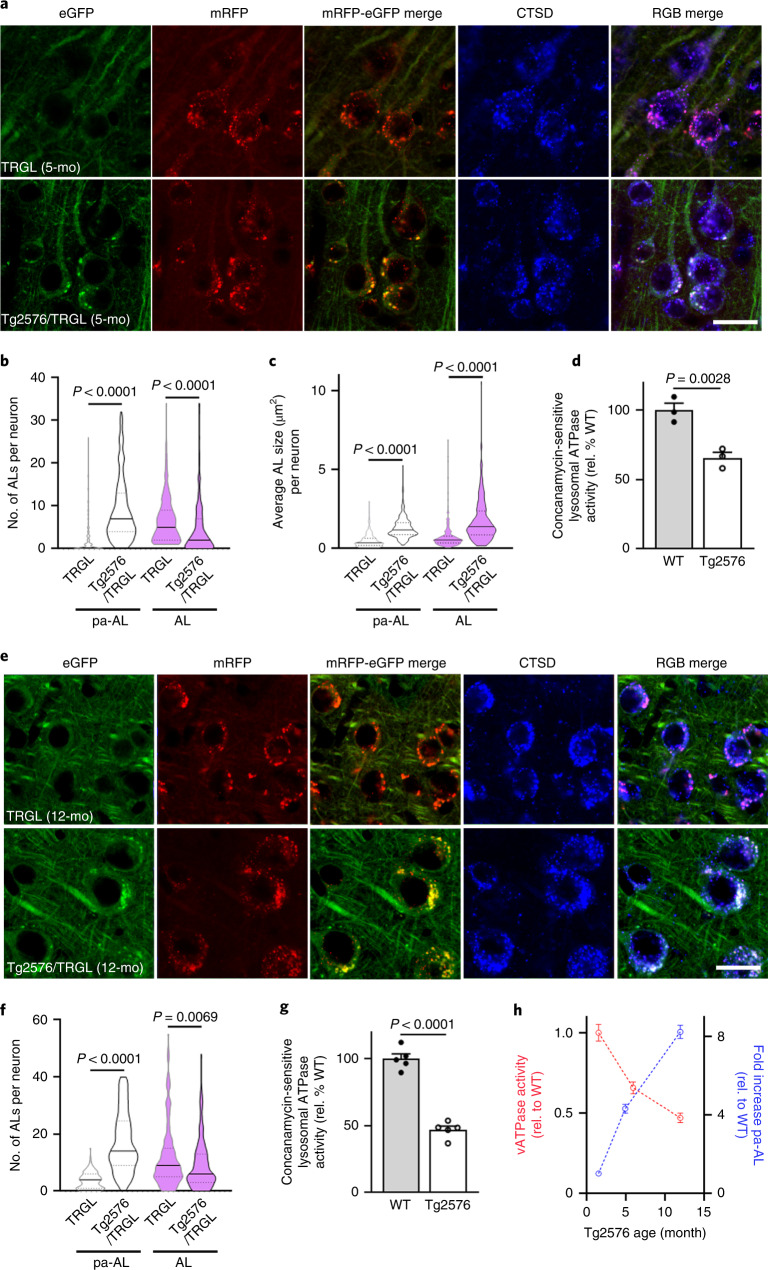
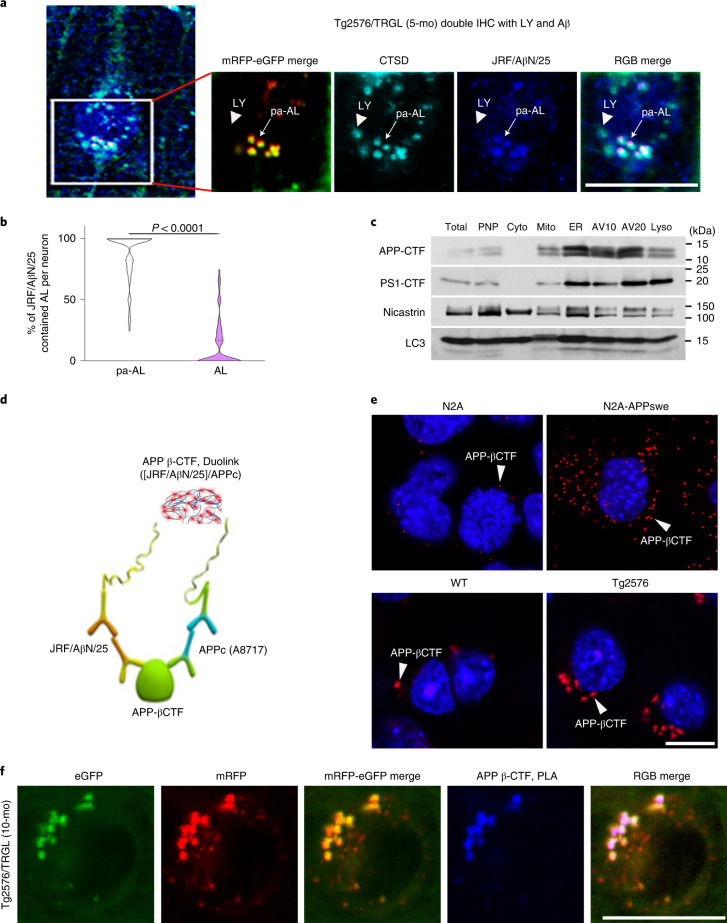
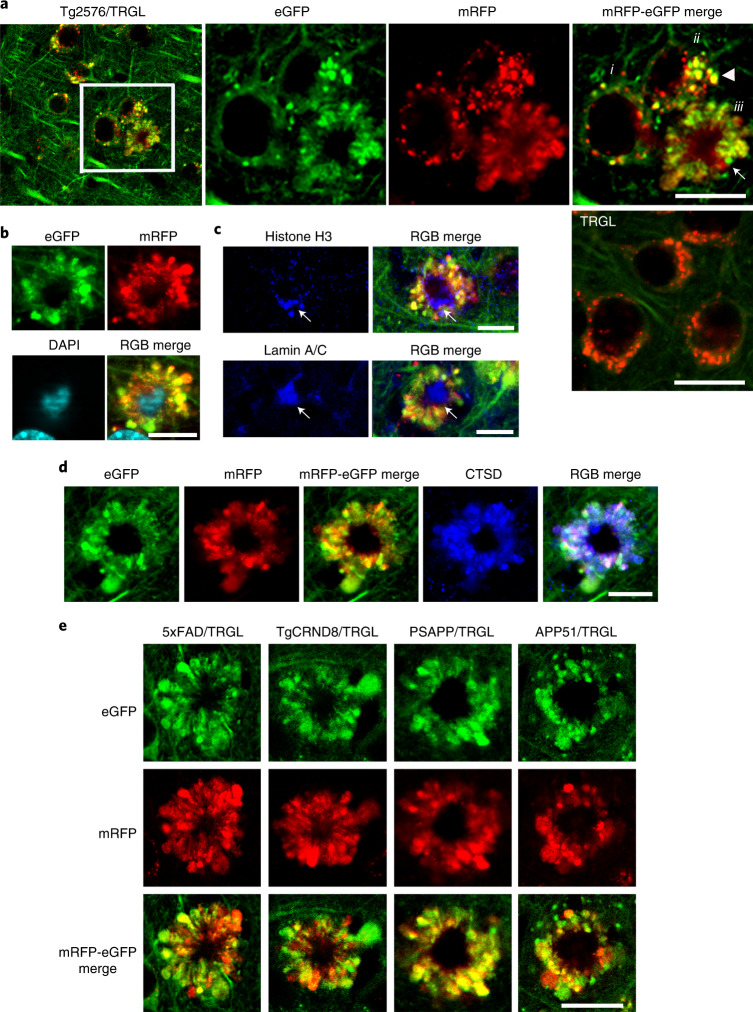
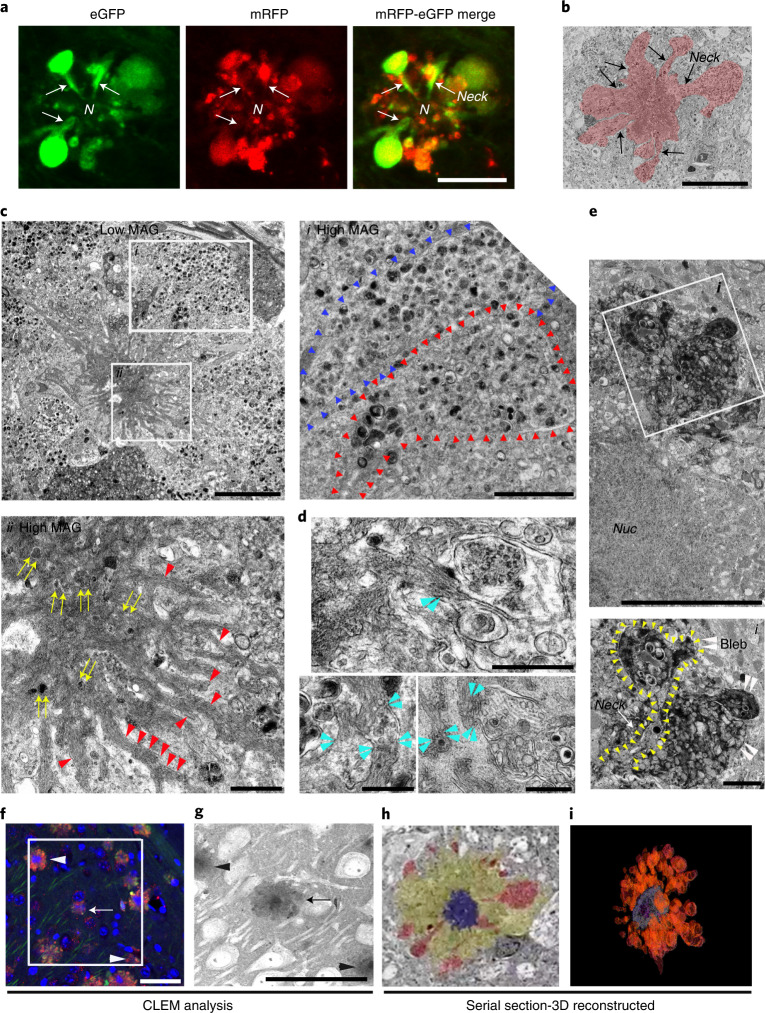
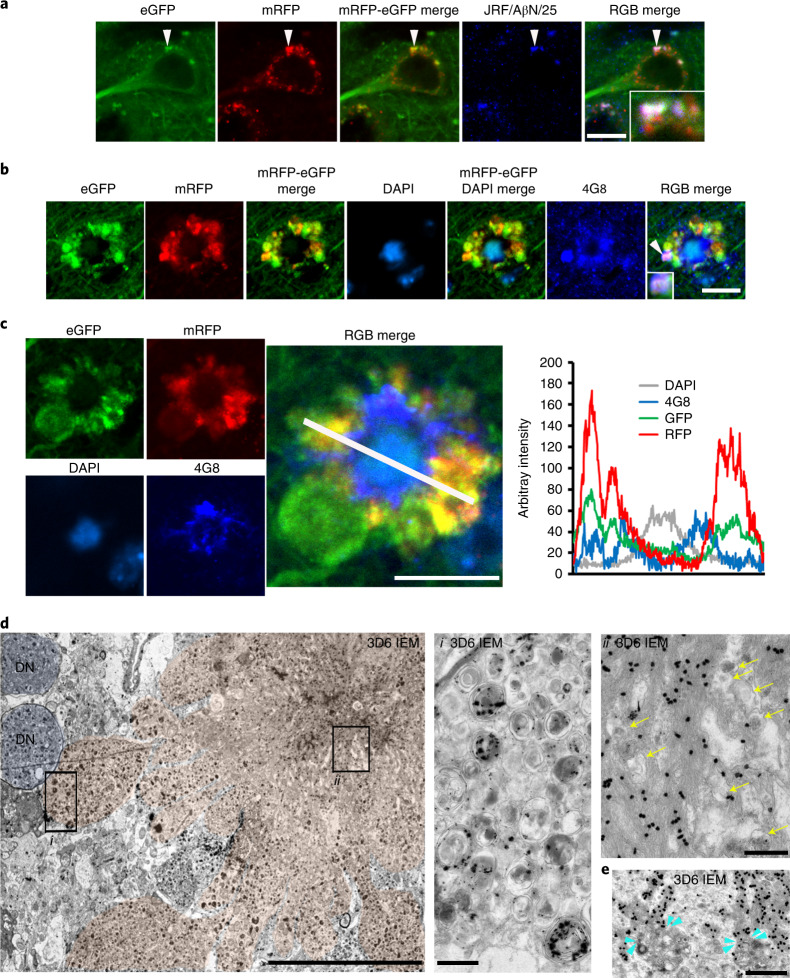
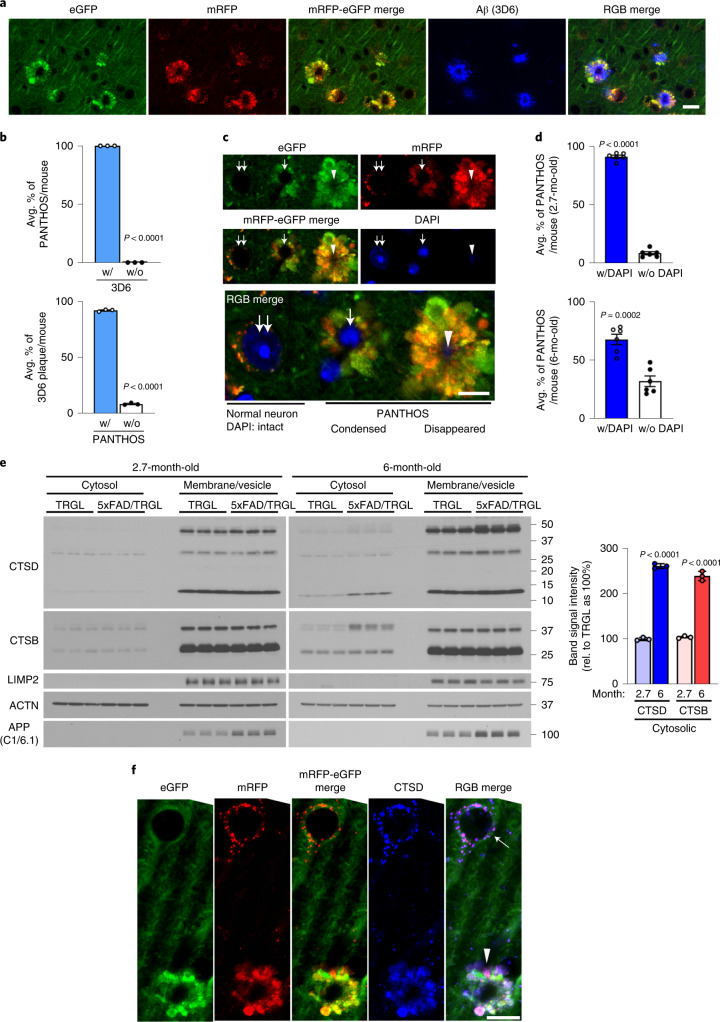
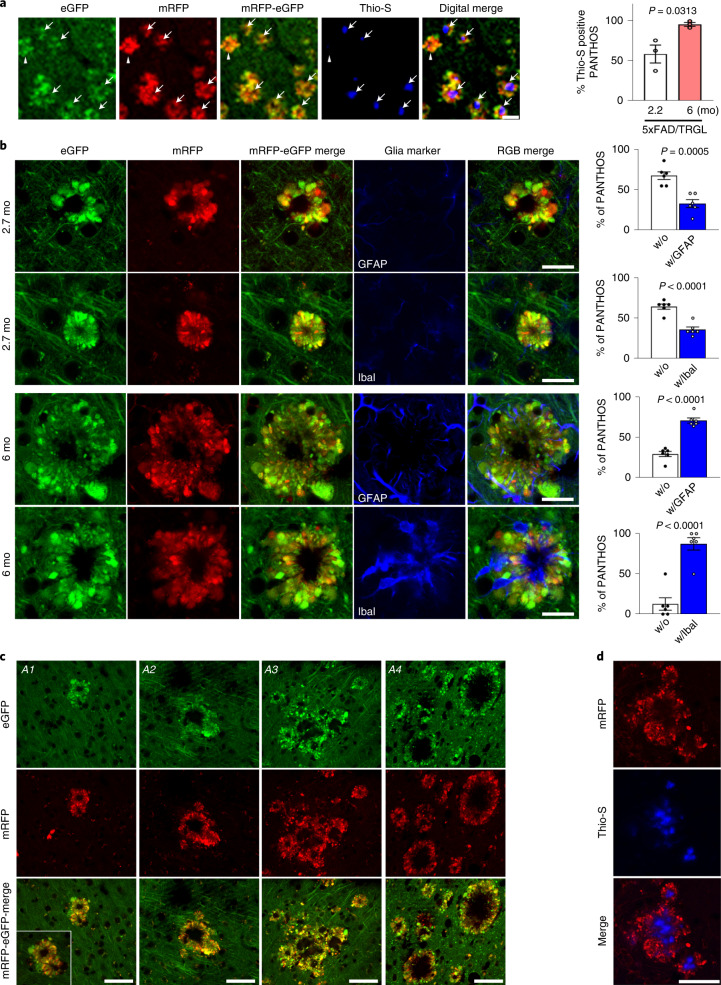
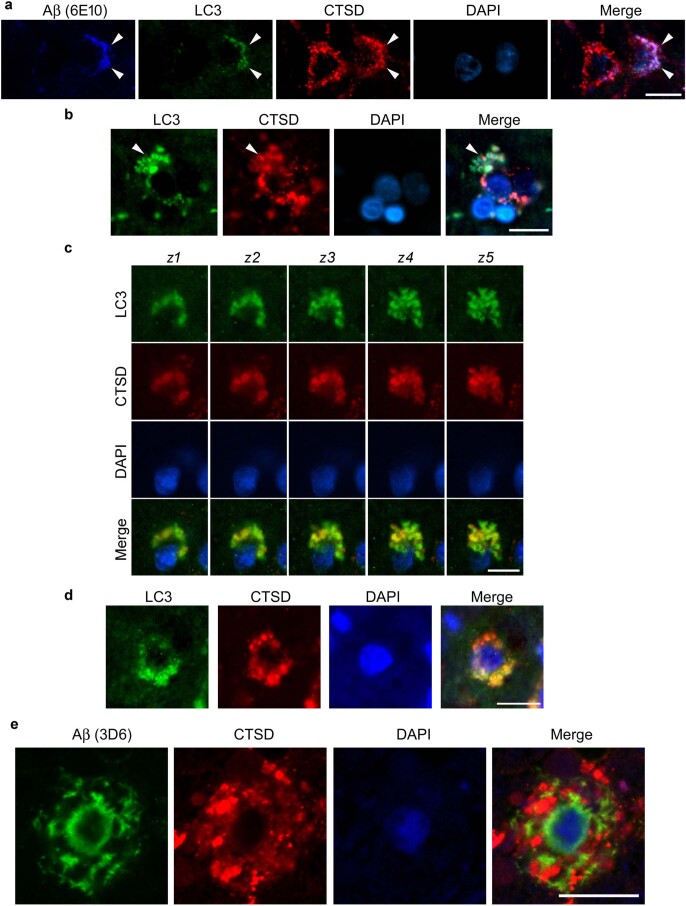
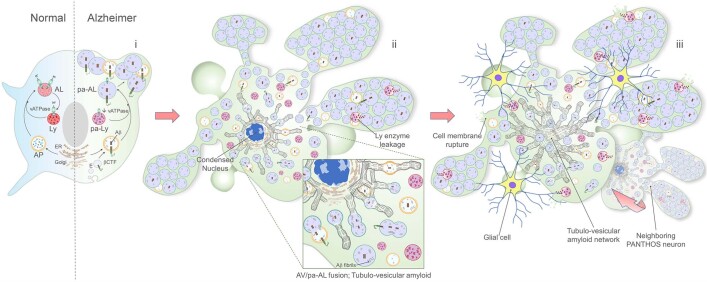
Autophagy is markedly impaired in Alzheimer’s disease (AD). Here we reveal unique autophagy dysregulation within neurons in five AD mouse models in vivo and identify its basis using a neuron-specific transgenic mRFP-eGFP-LC3 probe of autophagy and pH, multiplex confocal imaging and correlative light electron microscopy. Autolysosome acidification declines in neurons well before extracellular amyloid deposition, associated with markedly lowered vATPase activity and build-up of Aβ/APP-βCTF selectively within enlarged de-acidified autolysosomes. In more compromised yet still intact neurons, profuse Aβ-positive autophagic vacuoles (AVs) pack into large membrane blebs forming flower-like perikaryal rosettes. This unique pattern, termed PANTHOS (poisonous anthos (flower)), is also present in AD brains. Additional AVs coalesce into peri-nuclear networks of membrane tubules where fibrillar β-amyloid accumulates intraluminally. Lysosomal membrane permeabilization, cathepsin release and lysosomal cell death ensue, accompanied by microglial invasion. Quantitative analyses confirm that individual neurons exhibiting PANTHOS are the principal source of senile plaques in amyloid precursor protein AD models.
Overview
The claims and statistics of this paper haven’t been checked yet.
Free: it reads the open-access text and checks the first 5 claims that cite a source we can check. Create a free account to check every claim.
Integrity signals
Registry
Cites
Statistics
Figures
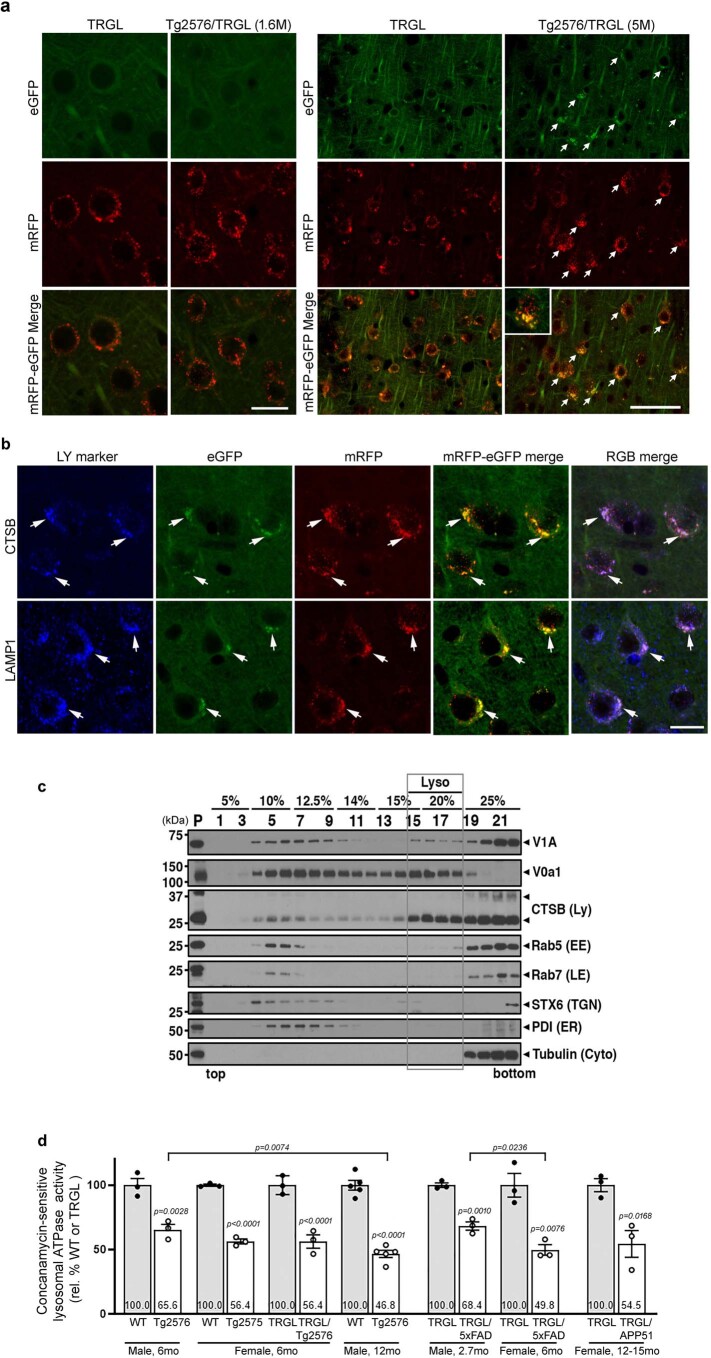
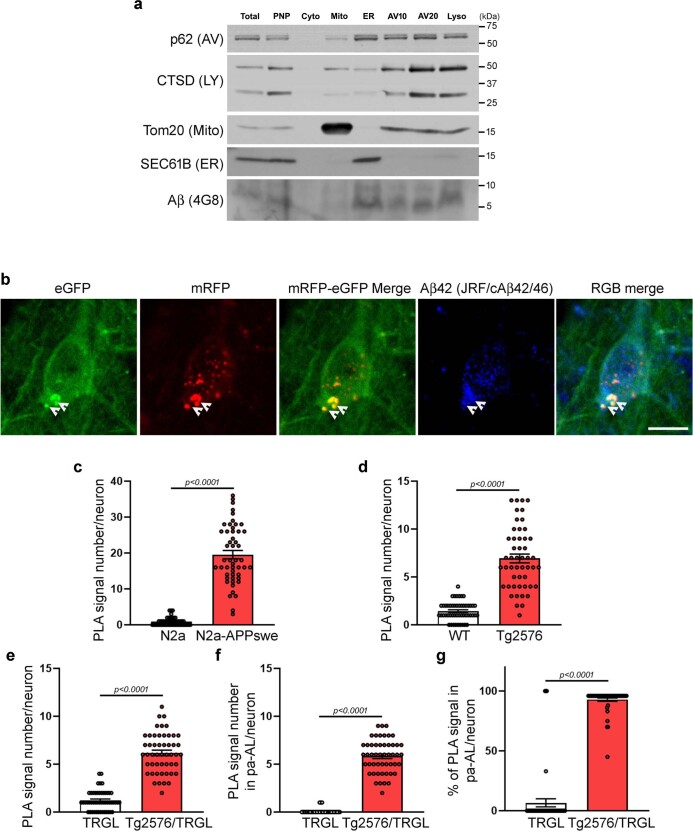
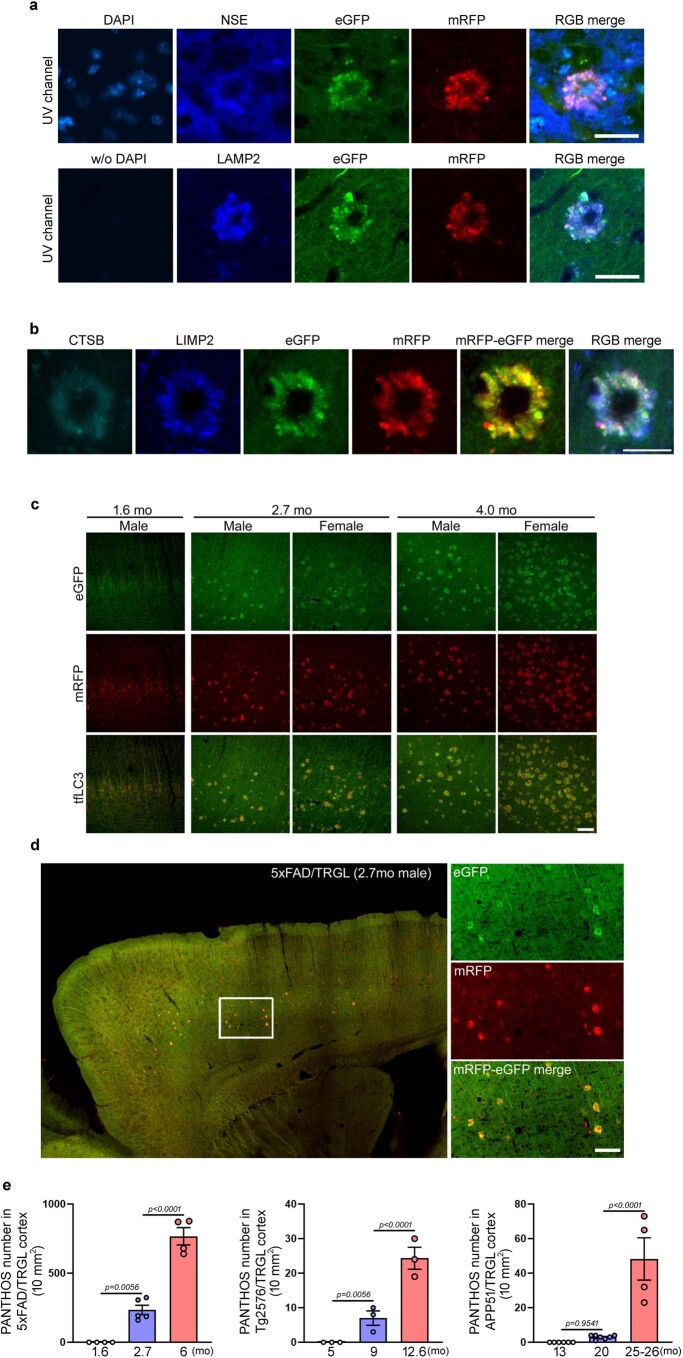
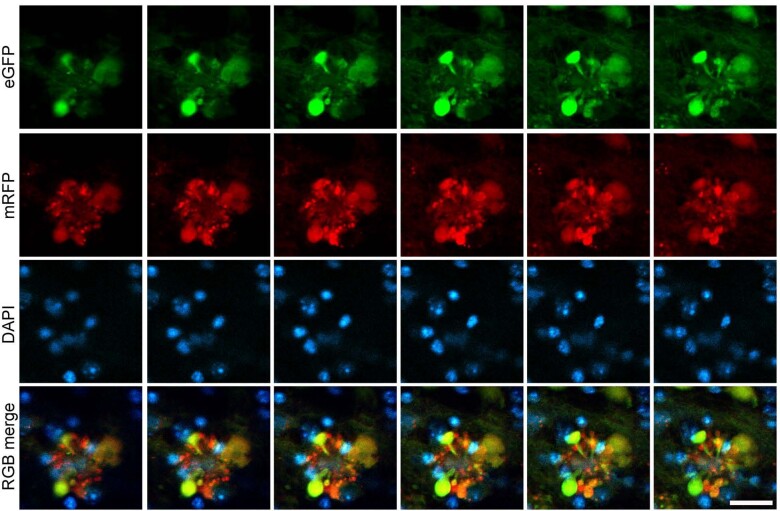
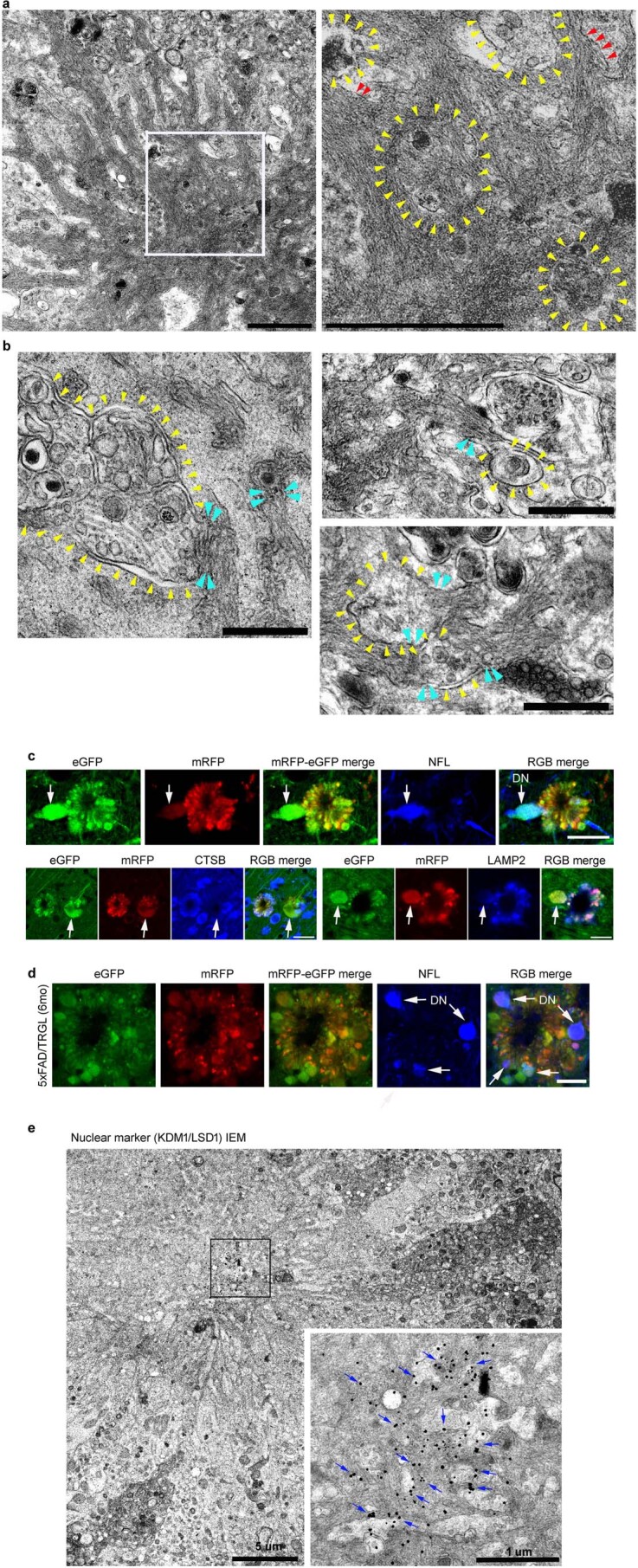
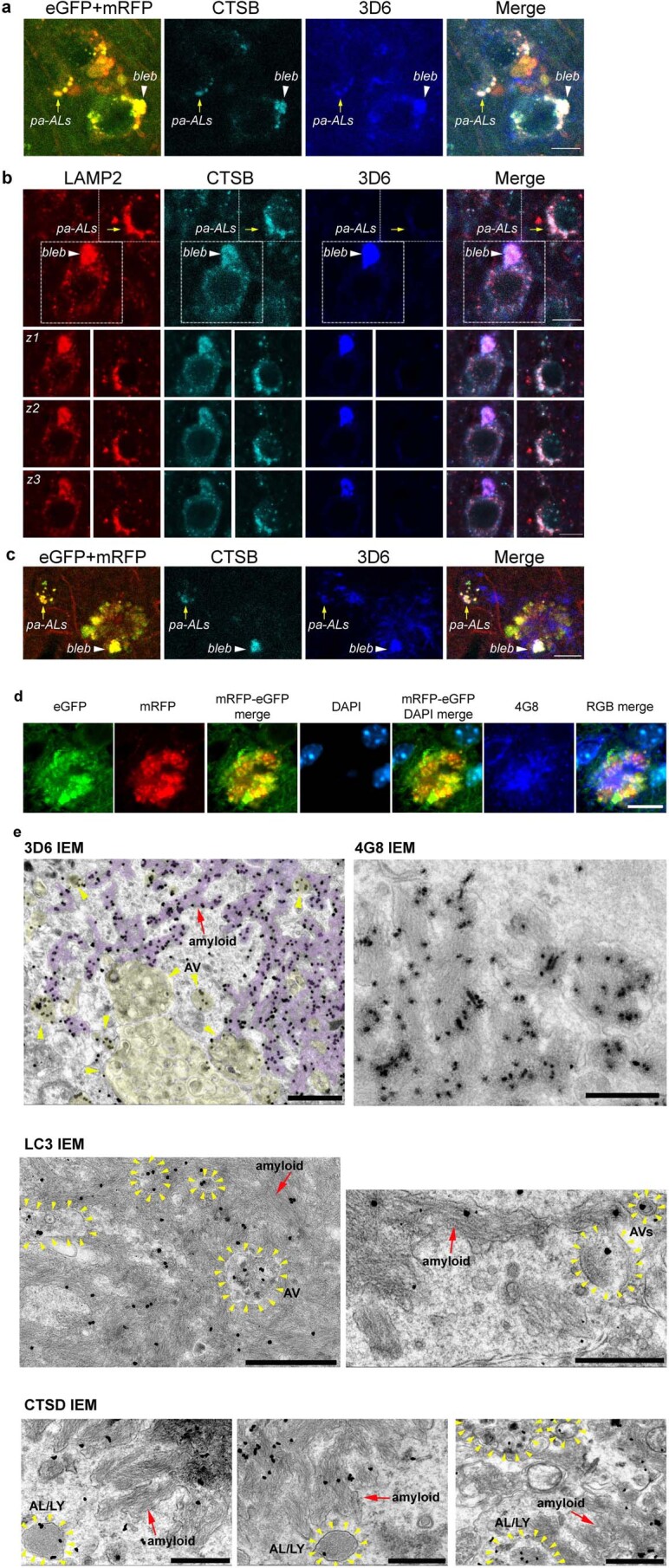
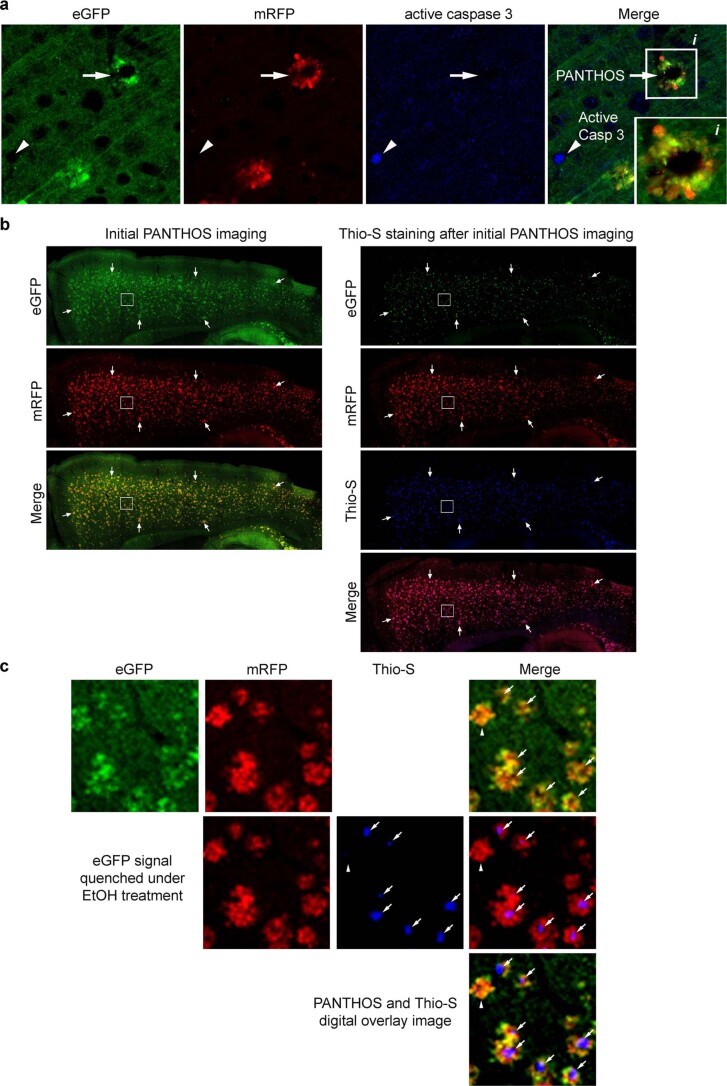
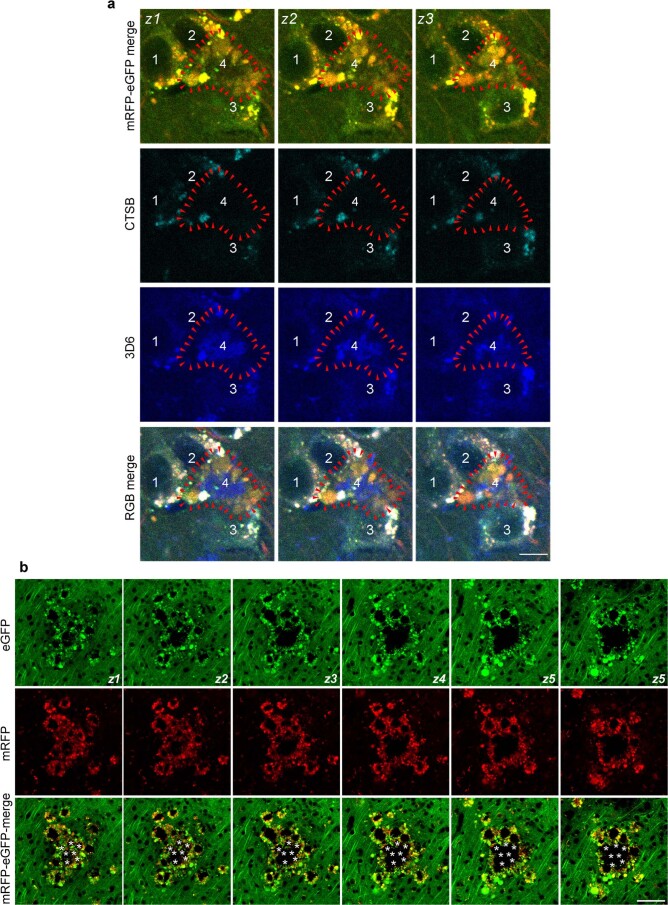
Verification
Claims the paper makes
The claims and statistics of this paper haven’t been checked yet.
Free: it reads the open-access text and checks the first 5 claims that cite a source we can check. Create a free account to check every claim.
Claims other papers make about this one
Each is checked against this paper’s own text: does it say what the citing paper says it does?
The source backs part of the claim, not all of it — or backs it for a different population, condition or comparison.
In the citing paper
“In consistent with this conception, the lysosomal dysfunction occurs earlier than neuronal Aβ-deposition but can prime Aβ accumulation of senile plaque in AD pathogenesis53.”
From PDCD4 triggers α-synuclein accumulation and motor deficits via co-suppressing TFE3 and TFEB translation in a model of Parkinson’s disease (2024) · cites this paper as [53]
Experimental — accuracy not yet measuredThe source backs part of the claim, not all of it — or backs it for a different population, condition or comparison.
In the citing paper
“Once lysosome acidification is hindered, the garbage decomposition pipeline stops, causing many garbage intermediate products to form and accumulate in the lysosome, including Aβ, Tau protein, and lipid droplets.[ 8 , 11 , 31 , 50 ]”
From Capsaicin Alleviates Autophagy‐Lysosomal Dysfunction via PPARA‐Mediated V‐ATPase Subunit ATP6V0E1 Signaling in 3xTg‐AD Mice (2025) · cites this paper as [11]
Experimental — accuracy not yet measuredThe cited source says what the claim attributes to it.
In the citing paper
“However, the abundant accumulation of autophagic vacuoles in swollen (malnourished) neurons is observed to have a linkage with Aβ/APP-βCTF, suggesting that autophagy clearance is severely disrupted under pathological conditions and is closely linked to amyloid pathology.115,225,230”
From Recent advances in Alzheimer's disease: Mechanisms, clinical trials and new drug development strategies. (2024) · cites this paper as [115]
The cited source says what the claim attributes to it.
In the citing paper
“In AD, lysosomal acidification deficits may weaken the clearance of Aβ, ultimately leading to the accumulation of extracellular Aβ plaques.115”
From Recent advances in Alzheimer's disease: Mechanisms, clinical trials and new drug development strategies. (2024) · cites this paper as [115]
The cited source says what the claim attributes to it.
In the citing paper
“This aligns with work from multiple laboratories showing that plaque formation depends on neuronal Aβ [45–48]”
From Selective suppression of oligodendrocyte-derived amyloid beta rescues neuronal dysfunction in Alzheimer’s disease (2024) · cites this paper as [45]
6 more claims about this paper
Create a free account to see every claim other papers make about this one.
Self-check
Percentages, sums and reported differences re-computed from the paper’s own numbers.
The self-check needs the paper’s full text.
Citations
Cites
Repertoires of Autophagy in the Pathogenesis of Ocular Diseases
Li, Y.-J., Jiang, Q., Cao, G.-F., Yao, J., & Yan, B. (2015) · Cellular Physiology and Biochemistry · doi:10.1159/000373980 · Cited by 16,304
Autophagy fights disease through cellular self-digestion
Mizushima, N., Levine, B., Cuervo, A. M., & Klionsky, D. J. (2008) · Nature · doi:10.1038/nature06639 · Cited by 6,452
Cui, C., Cui, J., Jin, F., Cui, Y., Li, R., Jiang, X., Tian, Y., Wang, K., Jiang, P., & Gao, J. (2017) · Cellular Physiology and Biochemistry · doi:10.1159/000479571 · Cited by 5,203
Correlative Memory Deficits, Aβ Elevation, and Amyloid Plaques in Transgenic Mice
Hsiao, K., Chapman, P., Nilsen, S., Eckman, C., Harigaya, Y., Younkin, S., Yang, F., & Cole, G. (1996) · Science · doi:10.1126/science.274.5284.99 · Cited by 4,210
Oakley, H., Cole, S. L., Logan, S., Maus, E., Shao, P., Craft, J., Guillozet-Bongaarts, A., Ohno, M., Disterhoft, J., Van Eldik, L., et al. (2006) · The Journal of Neuroscience · doi:10.1523/jneurosci.1202-06.2006 · Cited by 3,530
Neuropathological alterations in Alzheimer disease
Serrano-Pozo, A., Frosch, M. P., Masliah, E., & Hyman, B. T. (2011) · Cold Spring Harbor Perspectives in Medicine · doi:10.1101/cshperspect.a006189 · Cited by 3,345
Knopman, D. S., Amieva, H., Petersen, R. C., Chételat, G., Holtzman, D. M., Hyman, B. T., Nixon, R. A., & Jones, D. T. (2021) · Nature Reviews Disease Primers · doi:10.1038/s41572-021-00269-y · Cited by 2,606
Self-citationKimura, S., Noda, T., & Yoshimori, T. (2007) · Autophagy · doi:10.4161/auto.4451 · Cited by 2,278
The role of autophagy in neurodegenerative disease
Nixon, R. A. (2013) · Nature Medicine · doi:10.1038/nm.3232 · Cited by 2,059
Self-citationIntracellular amyloid-β in Alzheimer's disease
LaFerla, F. M., Green, K. N., & Oddo, S. (2007) · Nature Reviews Neuroscience · doi:10.1038/nrn2168 · Cited by 1,942
Research works printed but not linked: 5
- Yang, D.S., Stavrides, P., Mohan, P.S., Kaushik, S., Kumar, A., Ohno, M., Schmidt, S.D., Wesson, D., Bandyopadhyay, U., Jiang, Y., et al. (2011). Reversal of autophagy dysfunction in the TgCRND8 mouse model of Alzheimer's disease ameliorates amyloid pathologies and memory deficits. Brain 134, 258-277. · DOI · Paper page
- Cataldo, A.M., Peterhoff, C.M., Schmidt, S.D., Terio, N.B., Duff, K., Beard, M., Mathews, P.M., and Nixon, R.A. (2004). Presenilin mutations in familial Alzheimer disease and transgenic mouse models accelerate neuronal lysosomal pathology. J Neuropathol Exp Neurol 63, 821-830. · DOI · Paper page
- Mouse monoclonal anti-NFL was validated by our study: Yuan, A., Sershen, H., Veeranna, Basavarajappa, B.S., Kumar, A., Hashim, A., Berg, M., Lee, J.H., Sato, Y., Rao, M.V., et al. (2015). Neurofilament subunits are integral components of synapses and modulate neurotransmission and behavior in vivo. Mol Psychiatry 20, 986-994. JRF/AβN/25 was validated by our study: Mathews, P.M., Jiang, Y., Schmidt, S.D., Grbovic, O.M., Mercken, M., and Nixon, R.A. (2002). Calpain activity regulates the cell surface distribution of amyloid precursor protein. Inhibition of calpains enhances endosomal generation of beta-cleaved C-terminal APP fragments. J Biol Chem 277, 36415-36424. JRF/cAb42/26 was validated by this study: Janus, C. et al. Aβ peptide immunization reduces behavioural impairment and plaques in a model of Alzheimer's disease. Nature 408, 979-982 (2000). C1/6.1 was validated by our study: Jiang, Y., Mullaney, K.A., Peterhoff, C.M., Che, S., Schmidt, S.D., Boyer-Boiteau, A., Ginsberg, S.D., Cataldo, A.M., Mathews, P.M., and Nixon, R.A. (2010). Alzheimer's-related endosome dysfunction in Down syndrome is Aβ- independent but requires APP and is reversed by BACE-1 inhibition. Proc Natl Acad Sci U S A, 1630-1635. References · DOI · Paper page
- Bodendorf, U., Danner, S., Fischer, F., Stefani, M., Sturchler-Pierrat, C., Wiederhold, K.-H., Staufenbiel, M., and Paganetti, P. (2002). Expression of human β-secretase in the mouse brain increases the steady-state level of β-amyloid. Journal of Neurochemistry 80, 799-806.
- Anti-p62 C-terminal (Sqstm1) (https://us.progen.com/anti-p62-SQSTM1-C-terminus-guinea-pig-polyclonal-serum/GP62-C).. Anti-Sec1b (https://www.ptglab.com/products/SEC61B-Antibody-15087-1-AP.htm). Rabbit polyclonal anti-CTSD was validated by our study: Lee, J.-H., Yu, W.H., Kumar, A., Lee, S., Mohan, P.S., Peterhoff, C.M., Wolfe, D.M., Martinez-Vicente, M., Massey, A.C., Sovak, G., et al. (2010). Lysosomal proteolysis and autophagy require presenilin 1 and are disrupted by Alzheimer-related PS1 mutations. Cell 141, 1146-1158. · DOI · Paper page
Cited by
Items 601–640 of 640
Targeting the crosstalk between Alzheimer’s disease and gastrointestinal cancers
Gong, R., Wang, H., Cao, L., Niu, H., Rominger, A., Luo, Z., & Ni, R. (2026) · Molecular Medicine · doi:10.1186/s10020-026-01545-x
“…such as the p53-retino-blastoma protein pathway, wingless-related integration site (Wnt)/β-catenin (Liu et al. 2022), autophagy–lysosomal pathway (Lee et al. 2022), protein phosphatase 2, prolyl-isomerase Pin1 and microRNAs (e.g., miR-21 and miR-29) are opposingly regulated in AD and cancer.”
Qin, Y., Dong, X., Zhang, C., & Nao, J. (2026) · Phytomedicine · doi:10.1016/j.phymed.2026.158586
Yang, F., & Zhao, Y. (2026) · Food and Chemical Toxicology · doi:10.1016/j.fct.2026.116276
Astrocytic lactate shuttle disruption and the energy-starved lysosome in Alzheimer's diseasePreprint
Kim¹, Y., Heo, W., Park, S. J., Kim, Y., & Cho², Y. E. (2026) · Research Square · doi:10.21203/rs.3.rs-10057949/v1 · Cited by 1
Yang, F., Gao, W., Wang, J. Z., & Li, H. (2026) · Molecular Neurobiology · doi:10.1007/s12035-026-06098-y
Liu, B., Wang, H.-C., He, Y.-L., Zhang, L.-J., Meng, D., Yun, F., Wang, M., & Zhang, W. (2026) · RSC Advances · doi:10.1039/d6ra03199d
“The hallmark neuropathological features of AD include the abnormal extracellular deposition of A b , which forms senile plaques, 6 along with the intracellular aggregation of hyper-phosphorylated tau protein, resulting in neuro brillary tangles (NFTs).”
Cell Death in Neurodegenerative Diseases: Molecular Mechanisms and Therapeutic Targets
Li, T., Zhang, Q., Wu, Y., & Huang, R. (2026) · MedComm · doi:10.1002/mco2.70915 · Cited by 1
Network mapping identifies a shared APP-MAPT proteostasis convergence zone in Alzheimer's diseasePreprint
Yarlagadda, B., & Kumar, V. (2026) · Research Square · doi:10.21203/rs.3.rs-10716568/v1 · Cited by 1
Kobro‐Flatmoen, A., Hussan, J. R., Hunter, P. J., & Omholt, S. W. (2026) · PLoS Computational Biology · doi:10.1371/journal.pcbi.1014532
“Both A β and β -C-terminal fragment ( β -CTF), another cleavage product of the amyloid precursor protein (APP), appear to be capable of altering v-ATPase to cause lysosomal alkalinization leading to a general decrease in lysosomal degradation [9,10,45].”
InfluentialKim, T. Y., Bhalla, M., Park, U., Hyeon, S. J., Hwang, I., Seo, Y., Youn, W., Lee, J.-A., Lee, J.-H., Lee, B., et al. (2026) · bioRxiv (Cold Spring Harbor Laboratory) · doi:10.64898/2026.08.23.746508
Self-citationPolysaccharides targeting organelle network dysfunction in Alzheimer's disease: A review
Yu, X., Gao, P., Yao, Q., Yuan, F., & 经维新 (2026) · International Journal of Biological Macromolecules · doi:10.1016/j.ijbiomac.2026.154255
Neuron-derived SPP1 instructs microglia to limit degeneration
Li, S., & Jakobs, T. (2026) · Science Advances · doi:10.1126/sciadv.aee4940
Schloss, J. V., & Nguyen, T. (2026) · Inflammopharmacology · doi:10.1007/s10787-026-02383-3
“…barrier breakdown hypothesis (Montagne et al. 2015 ); the gut-brain axis hypothesis (Cryan et al. 2019 ); the PANTHOS/autophagy hypothesis (Lee et al. 2022 ); dolichol pathway dysfunction (Schloss 2025 ); and hexosamine-induced pathology and hyper N -glycosylation (Hawkinson et al. 2026).”
Aβ-induced CaMKII hyperactivation is associated with impaired lysosomal maturation and mitophagy
Suh, E. C., Kim, Y. A., Lee, K. E., & Park, E. (2026) · Neurochemistry International · doi:10.1016/j.neuint.2026.106252
Sun, H., 薛景娇, Gong, H., Luo, W., & Zhao, Y. (2026) · Journal of Molecular Structure · doi:10.1016/j.molstruc.2026.147541
Estrogen deprivation exacerbates Alzheimer’s disease pathology through neuronal CTSS signaling
Yang, R., Shao, L., Huang, F., He, Y., Yuan, M., Wu, Q., Lin, S., Guo, K., & Zhang, H. (2026) · Journal of Neuroinflammation · doi:10.1186/s12974-026-03970-5
Autophagy-lysosomal pathway in neurodegeneration
McDonough, S. R., Rao, A. K., McAleer, J. M., Babrowicz, B. M., & Sharma, M. (2026) · Molecular Neurodegeneration Advances · doi:10.1186/s44477-026-00041-0
Lysosomes as chemical and metabolic organizers of central nervous system injury and repair
Zhao, T., Huang, H., Wang, Y., Zhong, Y., Zhong, Z., Xue, D., Zhu, W., & Xu, K. (2026) · Frontiers in Chemistry · doi:10.3389/fchem.2026.1891677
“Correspondingly, even if lysosomes contain large amounts of hydrolase proteins, their function may still be impaired if luminal acidification is insufficient (Lee et al., 2022).”
InfluentialCorrales, N., Vallejo-Bedia, F., Olivares-Raya, I., Ávila, J., & García‐Escudero, V. (2026) · Applied Sciences · doi:10.3390/app16199488
Zhang, J., Yu, Z., Zhang, X., & Wang, H. (2026) · npj Dementia · doi:10.1038/s44400-026-00124-5
“Forclustering,Het-PRindividualizedscores were fi rst clipped to the interval [10 − 12 , 1] for numerical stability and transformed as where P ij denotes the Het-PR individualized score for patient i and SNP j .”
Xu, J., Chang, Y., Liu, D., & Chen, C. (2026) · Neurology International · doi:10.3390/neurolint18100186
“It remains unclear whether SHIP1-dependent signaling influences the fate of these lipid-rich substrates by favoring degradation, intra-cellular retention, or coupling to inflammatory responses [21,22,35,37,76].”
Disrupted synaptic vacuolar H+-ATPase renders synaptic vulnerability to Alzheimer’s disease
Chen, Y., Emam, K. A. F., Yue, S., Tian, J., Wang, T., Park, A., Mishra, S., Deep, G., Wang, Z.-J., Du, H., et al. (2026) · JCI Insight · doi:10.1172/jci.insight.202983
Nimbalkar, J., & Shinde, R. (2026) · Journal of Natural Medicines · doi:10.1007/s11418-026-02090-x
“Lee et al. (2022) described PANTHOS-like neuronal changes in experimental AD models, characterized by impaired autol - ysosome acidification and progressive autophagic failure, resulting in the accumulation of enlarged, poorly acidi - fied autophagic vacuoles within neuronal cell bodies [ 20].”
Nanotechnology meets neurodegeneration: restoring lysosomal function with nanovectors
Haristoy, C., Kinet, R., & Dehay, B. (2026) · Expert Opinion on Drug Delivery · doi:10.1080/17425247.2026.2748109
窦报敏, Chen, J., Zhao, H., Sun-Yan, A., Zhu, X., & Xu, Y. (2026) · Pharmacology & Therapeutics · doi:10.1016/j.pharmthera.2026.109130
Lu-xia, Y. A. N., Ze-hua, P., Sun, G.-Y., Pan, D., Wang, X.-Y., Xu, Y., Yan, J., Wang, L.-Z., Cui, G.-Y., Chen, C., et al. (2026) · Acta Pharmacologica Sinica · doi:10.1038/s41401-026-01930-6
Yang, J., Li, D., Chen, L., Li, S., & Yuan, X. (2026) · Frontiers in Molecular Neuroscience · doi:10.3389/fnmol.2026.1873619
Cancer–Alzheimer inverse comorbidity from epidemiology to protein self-assembly
Zhang, Y., Wang, L., Wei, J., Shuzan, N., & Zheng, J. (2026) · Frontiers in Endocrinology · doi:10.3389/fendo.2026.1992522
The Lysosomal Clock: Are We Only as Old as Our Lysosomes?
Vegas, A. D., & Galli, T. (2026) · Traffic · doi:10.1111/tra.70056
“In Alzheimer's disease, defective autolysosomal acidification and proteolysis can promote intraneuronal amyloid accumulation [4]; in Parkinson's disease, lysosomal genes and pathways involving GBA1, ATP13A2 and other endolysosomal regulators are central determinants of risk and pathology [5].”
Zhou, X., Cai, H., Chen, L., Hu, X.-Y., Liu, X., Li, Y.-P., Li, X., Wu, A.-G., Fan, Y., Chen, Z.-X., et al. (2026) · Pharmacological Research · doi:10.1016/j.phrs.2026.109691
Feng, X., Lan, J., Du, J., Jiang, C., Qiu, G., Song, Y., Zhou, X., Zhang, Z., Xu, L., Hu, D., et al. (2026) · British Journal of Cancer · doi:10.1038/s41416-026-03538-3
Tang, D., Luo, J., He, Z.-M., Qian, H.-L., Zhou, X., & Wang, Y.-G. (2026) · Planta Medica · doi:10.1055/a-2978-1740
Liu, Y., Li, X., Wang, M., Fan, X., Liu, W., Wang, Y., Li, W., Miao, Y., & Li, X. (2026) · Experimental Neurology · doi:10.1016/j.expneurol.2026.116092
Gong, X., Liu, X., & Liu, S. (2026) · ACS Sensors · doi:10.1021/acssensors.6c02653
BindingDB (2025) · UC San Diego · doi:10.7270/q2bc445x
Wang, H., Wang, X., Gong, H., & Luo, H. (2026) · ACS Chemical Neuroscience · doi:10.1021/acschemneuro.6c00498
Abd-Elraouf, K., Murphy, D. T., Cheong, L. Y. T., Zeng, J., & Lo, C. H. (2026) · Translational Neurodegeneration · doi:10.1186/s40035-026-00591-z · Cited by 1
“As a result, undegraded substrates, including Aβ and damaged organelles, accumulate and further exacerbate cellular dysfunction [42].”
Influential
Metadata
- Authors
- Lee, J.-H., Yang, D.-S., Goulbourne, C. N., Im, E., Stavrides, P., Pensalfini, A., Chan, H., Bouchet-Marquis, C., Bleiwas, C., Berg, M. J., Huo, C., Peddy, J., Pawlik, M., Levy, E., Rao, M., Staufenbiel, M., & Nixon, R. A.
- Affiliations
- Nathan Kline Institute for Psychiatric Research (US)
- Thermo Fisher Scientific (United States) (US)
- Hertie Institute for Clinical Brain Research (DE)
- Corresponding author
- Lee, Ju-Hyun
- Nixon, Ralph A.
- ORCID
- Venue
- Nature Neuroscience
- Published
- 2022-06
- Volume
- 25
- Issue
- 6
- Pages
- 688-701
- ISSN
- 1097-6256 (ISSN-L)
- 1546-1726
- PMC
- PMC9174056
- OpenAlex
- W4281616414
- Cited by
- 638
- References
- 63
- Citations by year
- 2026: 110 · 2025: 153 · 2024: 152 · 2023: 159 · 2022: 62
- FWCI
- 81.80
- Type
- journal article
- Language
- en
- Open access
- hybrid
- doi.org
- Licence
- cc-by
- creativecommons.org/licenses/by/4.0 (tdm)
- creativecommons.org/licenses/by/4.0 (vor, 1 d)
- Locations
- Nature Neuroscience (publishedVersion, cc-by)
- PubMed Central (publishedVersion, cc-by)
- PubMed (publishedVersion)
- Funders
- University of South Florida
- National Institutes of Health (AG025688)
- Morsani College of Medicine
- National Institute on Aging (P50AG025688, P01AG017617, R01AG062376)
- Janssen Research and Development
- Topics
- Life Sciences › Neuroscience › Cellular and Molecular Neuroscience › Alzheimer's disease research and treatments
- Life Sciences › Biochemistry, Genetics and Molecular Biology › Cell Biology › Autophagy in Disease and Therapy
- Life Sciences › Biochemistry, Genetics and Molecular Biology › Physiology › Calcium signaling and nucleotide metabolism
- Keywords
- Alzheimer's disease, autophagy, amyloid-beta, amyloid plaques, autophagosomes, lysosomal membrane permeabilization, lysosomal cell death, amyloid precursor protein, neurons, mouse model
- MeSH terms
- Alzheimer Disease, Animals, Autophagy, Disease Models, Animal, Hydrogen-Ion Concentration, Lysosomes, Mice, Transgenic, Neurons, Amyloid beta-Peptides, Amyloid beta-Protein Precursor, Mice, Plaque, Amyloid
About these checks
Registry, retraction, Cites and statistics results are computed, not judged, with one exception: a printed reference that no index lists is read once by a model before it counts as a citation error. Claims are extracted by a model and kept only when their quote appears verbatim in the text; each cited source is then checked, with a model’s help, for whether it says what the claim relies on. Those verdicts can be wrong — read the claim’s quote and the cited source before relying on one.
Statistics and arithmetic are recomputed, not judged.
Confidence bands are shown only for fields calibrated on our annotated test set. None is calibrated yet, so no band is shown.
What counts as a claim ›How we measure confidence ›How we check this ›
Are you an author, or do you see a problem with this page? Request a review
Data sources
Bibliographic data: Semantic Scholar, OpenAlex, Crossref.
Contains information from the Semantic Scholar Academic Graph Datasets, made available under the ODC Attribution License (ODC-BY 1.0).
Semantic Scholar’s data is described in: Kinney, R., et al. (2023). The Semantic Scholar Open Data Platform. arXiv:2301.10140.
