

Sex and gender differences and biases in artificial intelligence for biomedicine and healthcare
Open accessThe DOI matches its Crossref record; 140 of the 140 references it cites were found in a registry or an index; 21 of the 100 sources its claims cite were checked for support.
Abstract
Precision Medicine implies a deep understanding of inter-individual differences in health and disease that are due to genetic and environmental factors. To acquire such understanding there is a need for the implementation of different types of technologies based on artificial intelligence (AI) that enable the identification of biomedically relevant patterns, facilitating progress towards individually tailored preventative and therapeutic interventions. Despite the significant scientific advances achieved so far, most of the currently used biomedical AI technologies do not account for bias detection. Furthermore, the design of the majority of algorithms ignore the sex and gender dimension and its contribution to health and disease differences among individuals. Failure in accounting for these differences will generate sub-optimal results and produce mistakes as well as discriminatory outcomes. In this review we examine the current sex and gender gaps in a subset of biomedical technologies used in relation to Precision Medicine. In addition, we provide recommendations to optimize their utilization to improve the global health and disease landscape and decrease inequalities.
Overview
CoChat Summary
TL;DR
This narrative review examines how sex and gender differences are neglected in biomedical AI and how resulting biases can harm Precision Medicine. It proposes distinguishing "desirable" from "undesirable" biases and offers recommendations to embed sex and gender considerations across data generation, AI technologies, and fairness frameworks.
Key findings
- The review defines two bias categories: *desirable* biases (deliberately accounting for sex/gender differences to improve diagnosis and treatment) and *undesirable* biases (unintended or unnecessary discrimination), and argues AI can either magnify or mitigate sex and gender inequalities depending on design.
- Sex and gender gaps persist across data sources: an analysis of 234 phenotypic traits from almost 55,000 mice showed findings influenced by sex; women are underrepresented in clinical trials (especially Phases I and II); and 67% of patients enrolled in cardiovascular device trials are male.
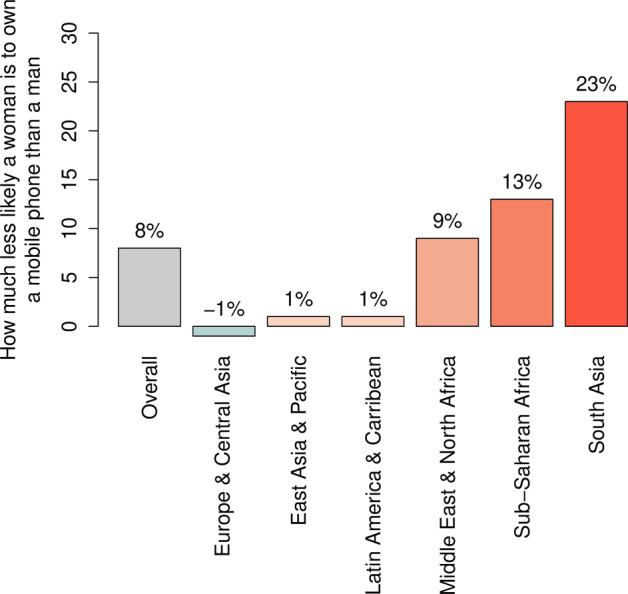
- Digital biomarker datasets show representation problems — e.g., a Parkinson's disease digital biomarker study had only 18.6% women — and access gaps exist: in low- and middle-income countries women are 10% less likely to own smartphones and 26% less likely to use the internet, with 1.2 billion women lacking mobile internet access.
- Bias also affects clinical practice and algorithms: only 17% of cardiologists correctly identified women as having greater heart disease risk than men, and a commercial algorithm using healthcare cost as a proxy for health status exhibited significant racial discrimination.
Methods
- Design: narrative review examining sex and gender gaps in a subset of biomedical technologies relevant to Precision Medicine (Big Data Analytics, Natural Language Processing, Robotics, Explainable AI, and algorithmic Fairness).
- Data/sample: synthesis of prior literature, illustrative examples, and referenced studies; no primary data collection or systematic search protocol is described.
- Analysis: conceptual/argumentative synthesis organized around data sources, AI technologies, and fairness/explainability, concluding with four recommendations for incorporating sex and gender into AI development.
Limitations
- The paper does not state explicit limitations of its own review.
- Evident from the text: it is a narrative (non-systematic) review without a stated search strategy, inclusion criteria, or formal quality appraisal, so the selection of examples and technologies may be selective rather than exhaustive.
- Evident from the text: several cited figures (e.g., the 18.6% women in the PD study, the 17% cardiologist figure) are drawn from single prior studies and are used illustratively rather than as generalizable estimates.
Model-written summary. Check it against the paper before relying on it.
Integrity signals
Registry
Cites
Statistics
Figures
Verification
Claims the paper makes
17 Valid · 5 Not valid · 58 Not checked · 32 Own results and interpretations
Every source the paper cites for this claim was checked and supports it.
In the paper
“for the diagnosis and monitoring of diabetes, haemoglobin A1c (HbA1c) levels are routinely used, despite of differences associated with ethnicities135 and gender136.”
§ Sex and gender differences and biases in artificial intelligence for biomedicine and healthcare > Introduction > Desirable vs. undesirable biases
What the sources say
- Supportedcites [135] Cavagnolli G Pimentel AL Freitas PAC Gross JL Camargo JL Effect of ethnicity on HbA1c levels in individuals without diabetes: systematic review and meta-analysis PLoS ONE 2017 12 e0171315 28192447 PMC5305058 source
The Introduction says HbA1c has long been used to assess glycaemic control and has also been used as a diagnostic criterion since 2010. The Discussion reports differences in HbA1c levels among ethnic groups and considers their implications for diagnosis and monitoring. The separate citation attached to gender is not part of the claim attributed to this source. (LLM, conf=0.92)
- Supportedcites [136] Bae JC Hemoglobin A1c values are affected by hemoglobin level and gender in non-anemic Koreans J. Diabetes Investig. 2014 5 60 65 24843738 PMC4025240 source
The Introduction describes HbA1c as a gold-standard measure of glycemic control and says it has been recommended for diagnosing diabetes. The Discussion reports gender differences in HbA1c at similar fasting glucose levels; this source supports the gender portion attached to citation 136. (LLM, conf=0.92)
plainstates an association- Asserted: passes — The authors put it forward as true.
- Checkable: passes — It can be checked against evidence.
- Load-bearing: passes — The paper’s conclusions depend on it.
- Based: passes — The paper gives a reason why it holds.
- Supported
Every source the paper cites for this claim was checked and supports it.
In the paper
“Consequently, health research and practices can be entangled with sex and gender inequalities and biases20.”
§ Sex and gender differences and biases in artificial intelligence for biomedicine and healthcare > Introduction
What the sources say
- Supportedcites [20] Hay Katherine McDougal Lotus Percival Valerie Henry Sarah Klugman Jeni Wurie Haja Raven Joanna Shabalala Fortunate Fielding-Miller Rebecca Dey Arnab Dehingia Nabamallika Morgan Rosemary Atmavilas Yamini Saggurti Niranjan Yore Jennifer Blokhina Elena Huque Rumana Barasa Edwine Bhan Nandita Kharel Chandani Silverman Jay G Raj Anita Darmstadt Gary L Greene Margaret Eleanor Hawkes Sarah Heise Lori Henry Sarah Heymann Jody Klugman Jeni Levine Ruth Raj Anita Rao Gupta Geeta Disrupting gender norms in health systems: making the case for change The Lancet 2019 393 10190 2535 2549 PMC7233290 31155270 source
The section “How do health systems affect gender inequalities in health?” says health services prioritise care according to traditional gender norms and describes resulting biases in care. “How do gender inequalities manifest in the health-care workforce?” also reports biases in peer review of papers and grants that affect health research. Together, these passages support the claim about both research and practice. (LLM, conf=0.91)
plainstates an association- Asserted: passes — The authors put it forward as true.
- Checkable: passes — It can be checked against evidence.
- Load-bearing: passes — The paper’s conclusions depend on it.
- Based: passes — The paper gives a reason why it holds.
- Supported
The cited sources support only part of this claim — read each source’s verdict below.
In the paper
“constitute relevant sources of variation in a number of clinical and subclinical conditions, affecting risk factors, prevalence, age of onset, symptomatology manifestation, prognosis, biomarkers and treatment effectiveness2”
§ Sex and gender differences and biases in artificial intelligence for biomedicine and healthcare > Introduction
What the sources say
- Partly supportedcites [2] Regitz-Zagrosek V Sex and gender differences in health. Science & society series on sex and science EMBO Rep. 2012 13 596 603 22699937 PMC3388783 sourceExperimental — accuracy not yet measured
The Science & Society passages describe sex- and gender-related differences across many diseases, including risk, prevalence, age patterns, symptoms, outcomes and treatment efficacy. They also distinguish biological sex from socio-cultural gender. Our copy does not establish the claim's specific point about biomarkers, so the full list is not supported. (LLM, conf=0.84)
plainstates an association- Asserted: passes — The authors put it forward as true.
- Checkable: passes — It can be checked against evidence.
- Load-bearing: passes — The paper’s conclusions depend on it.
- Based: passes — The paper gives a reason why it holds.
- Partly supported
The cited sources support only part of this claim — read each source’s verdict below.
In the paper
“European male populations are the primary focus in genomics research and its derived clinical findings, neglecting other ethnicities and populations133.”
§ Sex and gender differences and biases in artificial intelligence for biomedicine and healthcare > Introduction > Desirable vs. undesirable biases
What the sources say
- Partly supportedcites [133] Bentley AR Callier S Rotimi CN Diversity and inclusion in genomic research: why the uneven progress? J. Community Genet. 2017 8 255 266 28770442 PMC5614884 sourceExperimental — accuracy not yet measured
The “Preferred Cohort” section says European-ancestry cohorts are preferred in genomic analyses and that their results are often presented as the main findings, while results for other populations receive less attention. “Informing genetic diagnoses” describes clinical consequences of excluding diverse populations. The paper does not establish that the populations receiving this focus are specifically male. (LLM, conf=0.88)
plainstates an association- Asserted: passes — The authors put it forward as true.
- Checkable: passes — It can be checked against evidence.
- Load-bearing: unclear — It is unclear whether the paper’s conclusions depend on it.
- Based: passes — The paper gives a reason why it holds.
- Partly supported
The cited sources support only part of this claim — read each source’s verdict below.
In the paper
“There is a current lack of consideration of the demonstrated age-dependent sex differences in the symptomatology related with impairments in social communication and interaction, expressive behaviour, reciprocal conversation, non-verbal gestures for diagnostic purposes123.”
§ Sex and gender differences and biases in artificial intelligence for biomedicine and healthcare > Introduction > Desirable vs. undesirable biases
What the sources say
- Partly supportedcites [123] Werling DM Geschwind DH Sex differences in autism spectrum disorders Curr. Opin. Neurol. 2013 26 146 153 23406909 PMC4164392 sourceExperimental — accuracy not yet measured
The Conclusion of Werling & Geschwind (2013) does support the 'lack of consideration for diagnostic purposes' element: it states that 'discussion continues as to whether females present the autistic phenotype differently than males, and further work is needed to determine ... if diagnostic criteria need to be adjusted to effectively identify these girls,' and the 'Presentation of ASD symptoms' section reports sex-differential symptom subdomains (externalizing vs. internalizing, repetitive/restricted behaviours) plus the Dworzynski threshold findings. However, our copy nowhere demonstrates these differences as AGE-DEPENDENT: the cited age-related references report age effects on overall severity (ref 22) and males showing more restricted/repetitive behaviour 'regardless of age' (ref 24). The specific subdomains named in the claim — expressive behaviour, reciprocal conversation, non-verbal gestures — are also absent; the paper's symptom differences concern externalizing/internalizing problems and RRBIs rather than those social-communication/ADI-ADOS items. (LLM, conf=0.75)
boosted- Asserted: passes — The authors put it forward as true.
- Checkable: passes — It can be checked against evidence.
- Load-bearing: passes — The paper’s conclusions depend on it.
- Based: passes — The paper gives a reason why it holds.
- Partly supported
48 more claims · 9 with their cited sources checked
Create a free account to see all 112 claims and to verify the 79 references still open.
- It may state two separate claims as one. 33
- Probably not a substantial claim. 36
Claims other papers make about this one
Each is checked against this paper’s own text: does it say what the citing paper says it does?
The source backs part of the claim, not all of it — or backs it for a different population, condition or comparison.
In the citing paper
“Though gender, race, and ethnicity are frequently identified as potential sources of bias, other factors may contribute to bias such as age, socioeconomic differences, and geography [58].”
From Bias in artificial intelligence algorithms and recommendations for mitigation (2023) · cites this paper as [58]
Experimental — accuracy not yet measuredThe source backs part of the claim, not all of it — or backs it for a different population, condition or comparison.
In the citing paper
“When population data is merged to form a common, model-ready input, biases can emerge through the selection of input features that are maximally available across all subjects, establishing a “one-size-fits-all” approach42.”
From Bias recognition and mitigation strategies in artificial intelligence healthcare applications (2025) · cites this paper as [42]
Experimental — accuracy not yet measuredThe source backs part of the claim, not all of it — or backs it for a different population, condition or comparison.
In the citing paper
“Data augmentation to address sparsity can generate synthetic data that fails to appropriately reflect true diversity, thus reinforcing biases42.”
From Bias recognition and mitigation strategies in artificial intelligence healthcare applications (2025) · cites this paper as [42]
Experimental — accuracy not yet measuredThe cited source says what the claim attributes to it.
In the citing paper
“Aggregation may result in bias when a “one-size-fits-all” model is used for groups with different conditional distributions [33].”
From Bias in artificial intelligence algorithms and recommendations for mitigation (2023) · cites this paper as [33]
The cited source says what the claim attributes to it.
In the citing paper
“It is clear that these powerful computational tools, if not diligently designed and audited, have the potential to perpetuate and even amplify existing biases, particularly those related to race, gender, and other societal constructs [40][41][42][43].”
From Fairness and Bias in Artificial Intelligence: A Brief Survey of Sources, Impacts, and Mitigation Strategies (2023) · cites this paper as [42]
3 more claims about this paper
Create a free account to see every claim other papers make about this one.
Citations
Cites
Dissecting racial bias in an algorithm used to manage the health of populations
Obermeyer, Z., Powers, B., Vogeli, C., & Mullainathan, S. (2019) · Science · doi:10.1126/science.aax2342 · Cited by 7,137
(2018) · Cited by 3,510
Dwork, C., Hardt, M., Pitassi, T., Reingold, O., & Zemel, R. (2012) · Proceedings of the 3rd Innovations in Theoretical Computer Science Conference · doi:10.1145/2090236.2090255 · Cited by 3,501 · cited 1×
“A theoretical implementation of such approach, also called fair af fi rmative action, has been proposed as an optimisation problem to obtain, at the same time, both group fairness (a.k.a statistical parity) and individual fairness 113 .”
BackgroundLinguistic Regularities in Continuous Space Word Representations
Mikolov, T., Yih, W.-T., & Zweig, G. (2013) · North American Chapter of the Association for Computational Linguistics · Cited by 2,912
Fitzpatrick, K. K., Darcy, A., & Vierhile, M. (2017) · JMIR Mental Health · doi:10.2196/mental.7785 · Cited by 2,730
Clinically applicable deep learning for diagnosis and referral in retinal disease
De Fauw, J., Ledsam, J. R., Romera-Paredes, B., Nikolov, S., Tomasev, N., Blackwell, S., Askham, H., Glorot, X., O’Donoghue, B., Visentin, D., et al. (2018) · Nature Medicine · doi:10.1038/s41591-018-0107-6 · Cited by 2,639
A Survey on Explainable Artificial Intelligence (XAI): Toward Medical XAI
Tjoa, E., & Guan, C. (2021) · IEEE Transactions on Neural Networks and Learning Systems · doi:10.1109/tnnls.2020.3027314 · Cited by 2,524
Reitsma, M. B., Fullman, N., Ng, M., Salama, J. S., Abajobir, A., Abate, K. H., Abbafati, C., Abera, S. F., Abraham, B., Abyu, G. Y., et al. (2017) · The Lancet · doi:10.1016/s0140-6736(17)30819-x · Cited by 2,028
The Path to Personalized Medicine
Hamburg, M. A., & Collins, F. S. (2010) · New England Journal of Medicine · doi:10.1056/nejmp1006304 · Cited by 1,970
Prediction of cardiovascular risk factors from retinal fundus photographs via deep learning
Poplin, R., Varadarajan, A. V., Blumer, K., Liu, Y., McConnell, M. V., Corrado, G. S., Peng, L., & Webster, D. R. (2018) · Nature Biomedical Engineering · doi:10.1038/s41551-018-0195-0 · Cited by 1,865
Research works printed but not linked: 3
- McGregor, A. J. Sex bias in drug research: a call for change. Pharmaceutical J. https://www.pharmaceutical-journal.com/opinion/comment/sex-bias-in-drug-research-a-call-for-change/20200727.article (2016).
- Bolukbasi, T., Chang, K.-W., Zou, J., Saligrama, V. & Kalai, A. Man is to computer programmer as woman is to homemaker? Debiasing Word Embeddings. In Proc. 30th International Conference on Neural Information Processing Systems. (eds Lee, D. D., Luxburg, U. V., Garnett, R., Sugiyama, M., Guyon, I. M.). 4356–4364 (NIPS, Barcelona, Spain, 2016).
- Iacobacci, N. Exponential Ethics. (ATROPOS PRESS, 2018).
Cited by
Rajpurkar, P., Chen, E., Banerjee, O., & Topol, E. J. (2022) · Nature Medicine · doi:10.1038/s41591-021-01614-0 · Cited by 3,212
Artificial Intelligence and Business Value: a Literature Review
Enholm, I. M., Papagiannidis, E., Mikalef, P., & Krogstie, J. (2022) · Information Systems Frontiers · doi:10.1007/s10796-021-10186-w · Cited by 1,046
Ferrara, E. (2023) · Sci · doi:10.3390/sci6010003 · Cited by 875
Artificial intelligence for multimodal data integration in oncology
Lipkova, J., Chen, R. J., Chen, B., Lu, M. Y., Barbieri, M., Shao, D., Vaidya, A. J., Chen, C., Zhuang, L., Williamson, D. F. K., et al. (2022) · Cancer Cell · doi:10.1016/j.ccell.2022.09.012 · Cited by 777
Bias in artificial intelligence algorithms and recommendations for mitigation
Nazer, L. H., Zatarah, R., Waldrip, S., Ke, J. X. C., Moukheiber, M., Khanna, A. K., Hicklen, R. S., Moukheiber, L., Moukheiber, D., Ma, H., et al. (2023) · PLOS Digital Health · doi:10.1371/journal.pdig.0000278 · Cited by 621
“Though gender, race, and ethnicity are frequently identified as potential sources of bias, other factors may contribute to bias such as age, socioeconomic differences, and geography [58].”
BackgroundSources of bias in artificial intelligence that perpetuate healthcare disparities—A global review
Celi, L. A., Cellini, J., Charpignon, M.-L., Dee, E. C., Dernoncourt, F., Eber, R., Mitchell, W. G., Moukheiber, L., Schirmer, J., Situ, J., et al. (2022) · PLOS Digital Health · doi:10.1371/journal.pdig.0000022 · Cited by 576
Machine learning and deep learning—A review for ecologists
Pichler, M., & Hartig, F. (2023) · Methods in Ecology and Evolution · doi:10.1111/2041-210x.14061 · Cited by 454
“For example, it is possible to algorithmically detect biases (Cirillo et al., 2020 ) and correct the models accordingly (e.g. Alvi et al., 2018 ; Kim et al., 2019 ) by using fairness metrics to guide training so that underrepresented groups are not neglected (e.g. Liu & Vicente, 2021 ).”
BackgroundArtificial intelligence in histopathology: enhancing cancer research and clinical oncology
Shmatko, A., Ghaffari Laleh, N., Gerstung, M., & Kather, J. N. (2022) · Nature Cancer · doi:10.1038/s43018-022-00436-4 · Cited by 446
“This is problematic because it can propagate sexism, racism and other types of discrimination inherent in many medical datasets 131,132 .”
BackgroundLee, E. E., Torous, J., De Choudhury, M., Depp, C. A., Graham, S. A., Kim, H.-C., Paulus, M. P., Krystal, J. H., & Jeste, D. V. (2021) · Biological Psychiatry: Cognitive Neuroscience and Neuroimaging · doi:10.1016/j.bpsc.2021.02.001 · Cited by 429
“J Ungoverned AI might perpetuate such bias through furthering social inequities or demonstrating prejudices by arriving at different conclusions for individuals (e.g., based on race or gender) without any rational basis [see (120)].”
BackgroundKickbusch, I., Piselli, D., Agrawal, A., Balicer, R., Banner, O., Adelhardt, M., Capobianco, E., Fabian, C., Singh Gill, A., Lupton, D., et al. (2021) · The Lancet · doi:10.1016/s0140-6736(21)01824-9 · Cited by 414
Gender medicine: effects of sex and gender on cardiovascular disease manifestation and outcomes
Regitz-Zagrosek, V., & Gebhard, C. (2023) · Nature Reviews Cardiology · doi:10.1038/s41569-022-00797-4 · Cited by 386
Hirosawa, T., Harada, Y., Yokose, M., Sakamoto, T., Kawamura, R., & Shimizu, T. (2023) · International Journal of Environmental Research and Public Health · doi:10.3390/ijerph20043378 · Cited by 343
“For example, gender [37,38], racial [17], and religious [17] biases have been reported.”
BackgroundFan, Z., Yan, Z., & Wen, S. (2023) · Sustainability · doi:10.3390/su151813493 · Cited by 346
The Role of Artificial Intelligence in Early Cancer Diagnosis
Hunter, B., Hindocha, S., & Lee, R. W. (2022) · Cancers · doi:10.3390/cancers14061524 · Cited by 332
Bias recognition and mitigation strategies in artificial intelligence healthcare applications
Hasanzadeh, F., Josephson, C. B., Waters, G., Adedinsewo, D., Azizi, Z., & White, J. A. (2025) · npj Digital Medicine · doi:10.1038/s41746-025-01503-7 · Cited by 320
“For example, while aiming to reduce aggregation bias, shifts toward disaggregated data can lead to overly granular datasets prone to noise, leading to reduced model generalizability 42 .”
InfluentialSultana, A., Zare, M., Thomas, V., Kumar, T. S. S., & Ramakrishna, S. (2022) · Medicine in Drug Discovery · doi:10.1016/j.medidd.2022.100134 · Cited by 315
Data drift in medical machine learning: implications and potential remedies
Sahiner, B., Chen, W., Samala, R. K., & Petrick, N. (2023) · The British Journal of Radiology · doi:10.1259/bjr.20220878 · Cited by 279
Large AI Models in Health Informatics: Applications, Challenges, and the Future
Qiu, J., Li, L., Sun, J., Peng, J., Shi, P., Zhang, R., Dong, Y., Lam, K., Lo, F. P.-W., Xiao, B., et al. (2023) · IEEE Journal of Biomedical and Health Informatics · doi:10.1109/jbhi.2023.3316750 · Cited by 233
“Unfortunately, bias widely exists in the delivery of healthcare [171] and also the data collected in this process [172], [173], [174].”
BackgroundThe Importance of Gender to Understand Sex Differences in Cardiovascular Disease
Connelly, P. J., Azizi, Z., Alipour, P., Delles, C., Pilote, L., & Raparelli, V. (2021) · Canadian Journal of Cardiology · doi:10.1016/j.cjca.2021.02.005 · Cited by 189
Let’s talk about sex: Differences in drug therapy in males and females
Madla, C. M., Gavins, F. K. H., Merchant, H. A., Orlu, M., Murdan, S., & Basit, A. W. (2021) · Advanced Drug Delivery Reviews · doi:10.1016/j.addr.2021.05.014 · Cited by 167
An empirical characterization of fair machine learning for clinical risk prediction
Pfohl, S. R., Foryciarz, A., & Shah, N. H. (2021) · Journal of Biomedical Informatics · doi:10.1016/j.jbi.2020.103621 · Cited by 164
Solving the Explainable AI Conundrum by Bridging Clinicians’ Needs and Developers’ Goals
Bienefeld, N., Boss, J. M., Lüthy, R., Brodbeck, D., Azzati, J., Blaser, M., Willms, J., & Keller, E. (2023) · npj Digital Medicine · doi:10.1038/s41746-023-00837-4 · Cited by 159
Abbasgholizadeh Rahimi, S., Légaré, F., Sharma, G., Archambault, P., Zomahoun, H. T. V., Chandavong, S., Rheault, N., T Wong, S., Langlois, L., Couturier, Y., et al. (2021) · Journal of Medical Internet Research · doi:10.2196/29839 · Cited by 146
“Furthermore, sex and gender are sources of variations in clinical conditions, affecting different aspects including prognosis, symptomatology manifestation, and treatment effectiveness, among others [110,111].”
The risks of using ChatGPT to obtain common safety-related information and advice
Oviedo-Trespalacios, O., Peden, A. E., Cole-Hunter, T., Costantini, A., Haghani, M., Rod, J. E., Kelly, S., Torkamaan, H., Tariq, A., David Albert Newton, J., et al. (2023) · Safety Science · doi:10.1016/j.ssci.2023.106244 · Cited by 148
Artificial intelligence in pancreatic cancer
Huang, B., Huang, H., Zhang, S., Zhang, D., Shi, Q., Liu, J., & Guo, J. (2022) · Theranostics · doi:10.7150/thno.77949 · Cited by 142
“There is a risk that AI algorithms may ignore specific differences, such as gender and race, which can lead to bias because of the heterogeneity between the training set and other patients [35-37].”
BackgroundRise of Artificial Intelligence in Business and Industry
Bharadiya, J. P., Thomas, R. K., & Ahmed, F. (2023) · Journal of Engineering Research and Reports · doi:10.9734/jerr/2023/v25i3893 · Cited by 135
“For instance, a lot of the chatbots that can be seen on e-commerce websites are AI-powered and built to instantly respond to a variety of frequent client questions [86].”
BackgroundPark, I., Kim, D., Moon, J., Kim, S., Kang, Y., & Bae, S.-S. (2022) · Sustainability · doi:10.3390/su14010579 · Cited by 194
“However, as seen in the COVID-19 pandemic, there is increased public awareness of unintentional prejudices in the collection and utilization of individual data, along with suspicion [11,12].”
BackgroundAlhuwaydi, A. M. (2024) · Risk Management and Healthcare Policy · doi:10.2147/rmhp.s461562 · Cited by 187
“74 Gathering a large, representative training data set and monitoring the bias in their algorithms are critical for the AI developers to ensure they work fairly and accurately.”
BackgroundTeaching AI Ethics in Medical Education: A Scoping Review of Current Literature and Practices
Weidener, L., & Fischer, M. (2023) · Perspectives on Medical Education · doi:10.5334/pme.954 · Cited by 133
“Similarly, statistical AI algorithms may amplify biases in the data on which they are trained, further reinforcing inequalities [20].”
BackgroundZidaru, T., Morrow, E. M., & Stockley, R. (2021) · Health Expectations · doi:10.1111/hex.13299 · Cited by 119
A healthy debate: Exploring the views of medical doctors on the ethics of artificial intelligence
Martinho, A., Kroesen, M., & Chorus, C. (2021) · Artificial Intelligence in Medicine · doi:10.1016/j.artmed.2021.102190 · Cited by 124
Women's Leadership via Digital Technology and Entrepreneurship in business and society
Karyotaki, M., Bakola, L. N., Drigas, A. S., & Skianis, C. A. (2022) · Technium Social Sciences Journal · doi:10.47577/tssj.v28i1.5907 · Cited by 245
McCoy, L. G., Brenna, C. T. A., Chen, S. S., Vold, K., & Das, S. (2022) · Journal of Clinical Epidemiology · doi:10.1016/j.jclinepi.2021.11.001 · Cited by 118
Ethics of AI in Radiology: A Review of Ethical and Societal Implications
Goisauf, M., & Cano Abadía, M. (2022) · Frontiers in Big Data · doi:10.3389/fdata.2022.850383 · Cited by 108
“, 2020), even to the extent of introducing an amount of desirable bias to counteract the effects of undesirable biases that result in unintended or unnecessary discrimination (Cirillo et al., 2020; Pot et al., 2021).”
BackgroundSex-specific genetic effects across biomarkers
Flynn, E., Tanigawa, Y., Rodríguez, F., Altman, R. B., Sinnott-Armstrong, N., & Rivas, M. A. (2020) · European Journal of Human Genetics · doi:10.1038/s41431-020-00712-w · Cited by 122
Straw, I., & Wu, H. (2022) · BMJ Health & Care Informatics · doi:10.1136/bmjhci-2021-100457 · Cited by 104
Rokhshad, R., Zhang, P., Mohammad‐Rahimi, H., Pitchika, V., Entezari, N., & Schwendicke, F. (2024) · Journal of Dentistry · doi:10.1016/j.jdent.2024.104938 · Cited by 133
Preventing dataset shift from breaking machine-learning biomarkers
Dockès, J., Varoquaux, G., & Poline, J.-B. (2021) · GigaScience · doi:10.1093/gigascience/giab055 · Cited by 86
“We now discuss some misconceptions and confusions with problems not directly related to dataset shift.”
A Review of Artificial Intelligence and Robotics in Transformed Health Ecosystems
Denecke, K., & Baudoin, C. R. (2022) · Frontiers in Medicine · doi:10.3389/fmed.2022.795957 · Cited by 95
“These causes result in undesirable bias and “unintended of unnecessary discrimination” of subgroups (88).”
BackgroundProposing a Principle-Based Approach for Teaching AI Ethics in Medical Education
Weidener, L., & Fischer, M. (2024) · JMIR Medical Education · doi:10.2196/55368 · Cited by 90
“It is essential to recognize how AI in medicine can address or potentially exacerbate health disparities [64].”
BackgroundPotential Risks of Artificial Intelligence Integration into School Education: A Systematic Review
Karan, B., & Angadi, G. R. (2023) · Bulletin of Science, Technology & Society · doi:10.1177/02704676231224705 · Cited by 87
Cardiovascular Disease Screening in Women: Leveraging Artificial Intelligence and Digital Tools
Adedinsewo, D. A., Pollak, A. W., Phillips, S. D., Smith, T. L., Svatikova, A., Hayes, S. N., Mulvagh, S. L., Norris, C., Roger, V. L., Noseworthy, P. A., et al. (2022) · Circulation Research · doi:10.1161/circresaha.121.319876 · Cited by 85
Dailah, H. G., Koriri, M. D., Sabei, A., Kriry, T., & Zakri, M. (2024) · Healthcare · doi:10.3390/healthcare12242555 · Cited by 152
“Studies conducted in the field of AI support this [175,176].”
Exploring the potential and limitations of artificial intelligence in animal anatomy
Choudhary, O. P., Infant, S. S., As, V., Chopra, H., & Manuta, N. (2024) · Annals of Anatomy - Anatomischer Anzeiger · doi:10.1016/j.aanat.2024.152366 · Cited by 135
A translational perspective towards clinical AI fairness
Liu, M., Ning, Y., Teixayavong, S., Mertens, M., Xu, J., Ting, D. S. W., Cheng, L. T.-E., Ong, J. C. L., Teo, Z. L., Tan, T. F., et al. (2023) · npj Digital Medicine · doi:10.1038/s41746-023-00918-4 · Cited by 82
“Such risk of bias is not automatically mitigated by using more complex algorithms or a larger amount of data 12,13 .”
Digital forest recreation in the metaverse: Opportunities and challenges
Jaung, W. (2022) · Technological Forecasting and Social Change · doi:10.1016/j.techfore.2022.122090 · Cited by 94
Sex and gender considerations in Alzheimer’s disease: The Women’s Brain Project contribution
Castro‐Aldrete, L., Moser, M. V., Putignano, G., Ferretti, M. T., Dimech, A. S., & Chadha, A. S. (2023) · Frontiers in Aging Neuroscience · doi:10.3389/fnagi.2023.1105620 · Cited by 98
“In a first article, we gathered experts in novel technologies and identified sex as a factor that should be included in all digital biomarker algorithms (Cirillo et al., 2020).”
BackgroundSelf-citationGyori, N. G., Palombo, M., Clark, C. A., Zhang, H. G., & Alexander, D. C. (2021) · Magnetic Resonance in Medicine · doi:10.1002/mrm.29014 · Cited by 97
The Sociodemographic Biases in Machine Learning Algorithms: A Biomedical Informatics Perspective
Franklin, G., Stephens, R., Piracha, M., Tiosano, S., Lehouillier, F., Koppel, R., & Elkin, P. (2024) · Life · doi:10.3390/life14060652 · Cited by 76
“With the advent of big data analytics, EHRs are often the source of training data for AIMs and, subsequently, MLAGs, thus creating a feedback loop of bias (Figure 1) where existing inequities and disparities can be exacerbated through positive reinforcement methods [12,50].”
BackgroundArtificial intelligence in sustainable development research
Gohr, C., Aboytes, J. G. R., Belomestnykh, S., Berg-Moelleken, D., Chauhan, N., Engler, J., Heydebreck, L. V., Hintz, M. J., Kretschmer, M.-F., Krügermeier, C., et al. (2025) · Nature Sustainability · doi:10.1038/s41893-025-01598-6 · Cited by 156
Gender bias in AI-based decision-making systems: a systematic literature review
Nadeem, A., Marjanovic, O., & Abedin, B. (2022) · AJIS. Australasian journal of information systems/AJIS. Australian journal of information systems/Australian journal of information systems · doi:10.3127/ajis.v26i0.3835 · Cited by 125
“This includes datasets purchased from third parties that need to be properly analysed for the particular context in which they will be used (Johnson, 2019), as well as enhanced ethical AI standards by government and regulatory organisations about data collection and selection (Cirillo et al., 2020).”
BackgroundConformal Prediction in Clinical Medical Sciences
Vazquez, J., & Facelli, J. C. (2022) · Journal of Healthcare Informatics Research · doi:10.1007/s41666-021-00113-8 · Cited by 145
“This is particularly concerning when using predictive analytics for individuals of underserved populations that systematically are excluded from the training sets used in parametrizing predictive models [10, 11].”
BackgroundUnderstanding Biases and Disparities in Radiology AI Datasets: A Review
Tripathi, S., Gabriel, K., Dheer, S., Parajuli, A., Augustin, A. I., Elahi, A., Awan, O., & Dako, F. (2023) · Journal of the American College of Radiology · doi:10.1016/j.jacr.2023.06.015 · Cited by 75
Gallifant, J., Zhang, J., del Pilar Arias Lopez, M., Zhu, T., Camporota, L., Celi, L. A., & Formenti, F. (2022) · British Journal of Anaesthesia · doi:10.1016/j.bja.2021.09.025 · Cited by 72
Kiyasseh, D., Laca, J., Haque, T. F., Miles, B. J., Wagner, C., Donoho, D. A., Anandkumar, A., & Hung, A. J. (2023) · Communications Medicine · doi:10.1038/s43856-023-00263-3 · Cited by 69
“…capable of safely automating the provision of feedback to surgeons, we must ensure that SAIS ’ video-frame highlights, which we refer to as AI-based explanations, align with the expectations of expert surgeons (i.e., be reliable) 12,13 and be equally reliable for all surgeons (i.e., be fair) 14 .”
Li, Y., Wang, H., & Luo, Y. (2022) · Circulation: Heart Failure · doi:10.1161/circheartfailure.122.009473 · Cited by 64
Diversity and Inclusion in Artificial Intelligence
Fosch‐Villaronga, E., & Poulsen, A. (2022) · Information technology and law series/Information technology & law series · doi:10.1007/978-94-6265-523-2_6 · Cited by 119
Fair and equitable AI in biomedical research and healthcare: Social science perspectives
Baumgartner, R. R., Arora, P., Bath, C., Burljaev, D., Ciereszko, K., Custers, B. H. M., Ding, J., Ernst, W., Fosch‐Villaronga, E., Galanos, V., et al. (2023) · Artificial Intelligence in Medicine · doi:10.1016/j.artmed.2023.102658 · Cited by 92
Annual Research Review: Translational machine learning for child and adolescent psychiatry
Dwyer, D., & Koutsouleris, N. (2022) · Journal of Child Psychology and Psychiatry · doi:10.1111/jcpp.13545 · Cited by 76
The future of bone regeneration: integrating AI into tissue engineering
MacKay, B., Marshall, K. M., Grant‐Jacob, J. A., Kanczler, J. M., Eason, R. W., Oreffo, R. O. C., & Mills, B. (2021) · Biomedical Physics & Engineering Express · doi:10.1088/2057-1976/ac154f · Cited by 76
“A good example of giving a network an incorrect task is when AI was used to automate the play of several Nintendo Entertainment System (NES) games [125].”
MethodArtificial intelligence bias in medical system designs: a systematic review
Kumar, A., Aelgani, V., Vohra, R., Gupta, S. K., Bhagawati, M., Paul, S., Saba, L., Suri, N., Khanna, N. N., Laird, J. R., et al. (2023) · Multimedia Tools and Applications · doi:10.1007/s11042-023-16029-x · Cited by 65
Reframing data ethics in research methods education: a pathway to critical data literacy
Atenas, J., Havemann, L., & Timmermann, C. (2023) · International Journal of Educational Technology in Higher Education · doi:10.1186/s41239-023-00380-y · Cited by 114
“Thus, ethical use of data must consider the experiences and needs of women and members of LGBT + communities (Asplund et al, 2020; Beaman et al, 2009; Cirillo et al, 2020; Kleinberg et al, 2018; Lambrecht & Tucker, 2019; Ruberg & Ruelos, 2020; Zou & Schiebinger, 2018).”
BackgroundWang, H. E., Landers, M., Adams, R., Subbaswamy, A., Kharrazi, H., Gaskin, D. J., & Saria, S. (2022) · Journal of the American Medical Informatics Association · doi:10.1093/jamia/ocac065 · Cited by 63
A scoping review and evidence gap analysis of clinical AI fairness
Liu, M., Ning, Y., Teixayavong, S., Liu, X., Mertens, M., Shang, Y., Li, X., Miao, D., Liao, J., Xu, J., et al. (2025) · npj Digital Medicine · doi:10.1038/s41746-025-01667-2 · Cited by 113
“For example, “ gender ” as a social identity was often con fl ated with “ sex ” as a biological concept — a discrepancy that needs clear differentiation to enhance the validity of fairness assessments 18 .”
Regulating artificial-intelligence applications to achieve the sustainable development goals
Goh, H., & Vinuesa, R. (2021) · Discover Sustainability · doi:10.1007/s43621-021-00064-5 · Cited by 74
“Some connections between the applications/ considerations and SDGs are not shown for simplicity, as represented by the rounded ends clarified to avoid discrimination and bias in AI applications [22].”
BackgroundAI in Global Health: The View from the Front Lines
Ismail, A., & Kumar, N. (2021) · Proceedings of the 2021 CHI Conference on Human Factors in Computing Systems · doi:10.1145/3411764.3445130 · Cited by 59
“Scholars have uncovered algorithmic bias against women and transgender people [55, 127], people of color [26, 36, 174], and the poor and working class [79].”
BackgroundFairness in Large Language Models: A Taxonomic Survey
Chu, Z., Wang, Z., & Zhang, W. (2024) · ACM SIGKDD Explorations Newsletter · doi:10.1145/3682112.3682117 · Cited by 59
Gender biases within Artificial Intelligence and ChatGPT: Evidence, Sources of Biases and Solutions
Ho, J. Q. H., Hartanto, A., Koh, A., & Majeed, N. M. (2025) · Computers in Human Behavior Artificial Humans · doi:10.1016/j.chbah.2025.100145 · Cited by 112
Artificial General Intelligence for Medical Imaging Analysis
Li, X., Zhao, L., Zhang, L., Wu, Z., Liu, Z., Jiang, H., Cao, C., Xu, S., Li, Y., Dai, H., et al. (2024) · IEEE Reviews in Biomedical Engineering · doi:10.1109/rbme.2024.3493775 · Cited by 117
“The training data should also represent diverse demographics to minimize biases in the generated advice [130].”
From Machine Learning to Patient Outcomes: A Comprehensive Review of AI in Pancreatic Cancer
Tripathi, S., Tabari, A., Mansur, A., Dabbara, H., Bridge, C. P., & Daye, D. (2024) · Diagnostics · doi:10.3390/diagnostics14020174 · Cited by 76
“Implementing these skewed algorithms can increase disparities in health outcomes between groups rather than improving outcomes [14,169], particularly because models tend to perform best on data that are most like the data they were trained with.”
BackgroundCorti, C., Cobanaj, M., Marian, F., Dee, E. C., Lloyd, M. R., Marcu, S., Dombrovschi, A., Biondetti, G. P., Batalini, F., Celi, L. A., et al. (2022) · Cancer Treatment Reviews · doi:10.1016/j.ctrv.2022.102410 · Cited by 68
Innovative applications of artificial intelligence during the COVID-19 pandemic
Lv, C., Guo, W., Yin, X., Liu, L., Huang, X., Li, S., & Zhang, L. (2024) · Infectious Medicine · doi:10.1016/j.imj.2024.100095 · Cited by 79
“When applying AI to address challenges in health care and biomedicine, it is crucial to assess various modeling approaches to determine the most effective methods [127–129] .”
MethodDeng, W. H., Yildirim, N., Chang, M., Eslami, M., Holstein, K., & Madaio, M. (2023) · 2023 ACM Conference on Fairness Accountability and Transparency · doi:10.1145/3593013.3594037 · Cited by 57
“, around sex, gender, and race) that might occur in health care applications [22, 65], such as dataset documentation tools specifically tailored for health data, such as Healthsheets [75].”
BackgroundScheda, R., & Diciotti, S. (2022) · Applied Sciences · doi:10.3390/app12136681 · Cited by 70
“The explainability of artificial intelligence (AI) algorithms is becoming more and more critical in many fields of research [1,2], especially in medicine.”
BackgroundMartinez-Eguiluz, M., Arbelaitz, O., Gurrutxaga, I., Muguerza, J., Perona, I., Murueta‐Goyena, A., Acera, M., Pino, R. D., Tijero, B., Gómez‐Esteban, J. C., et al. (2022) · Neural Computing and Applications · doi:10.1007/s00521-022-07256-8 · Cited by 60
“On the other hand, we estimated the accuracy of the algorithms splitting the test data by the gender variable, since it is well-known that PD’s characteristics often depend on gender and consequently, medical applications designed without taking this aspect into account might generate suboptimal results as well as dis…”
MethodRudroff, T. (2024) · Neurology International · doi:10.3390/neurolint16040060 · Cited by 64
“For example, if an AI model for predicting drug toxicity is mainly trained on data from young, healthy males, it may not accurately predict risks for other populations like women, children, or the elderly [66].”
BackgroundTowards gender equity in artificial intelligence and machine learning applications in dermatology
Lee, M. S., Guo, L. N., & Nambudiri, V. E. (2021) · Journal of the American Medical Informatics Association · doi:10.1093/jamia/ocab113 · Cited by 67
“In considering bias in AI, 2 types of biases have been described in ML literature: desirable and undesirable biases.(11) Desirable biases result from accounting for differences between groups to allow for more accurate and tailored diagnostic and treatment plans, whereas undesirable biases occur when algorithms develo…”
BackgroundAchieving fairness in medical devices
Kadambi, A. (2021) · Science · doi:10.1126/science.abe9195 · Cited by 49
Framework for bias evaluation in large language models in healthcare settings
Templin, T., Fort, S., Padmanabham, P. S., Seshadri, P., Rimal, R., Oliva, J. B., Lich, K. H., Sylvia, S., & Sinnott-Armstrong, N. (2025) · npj Digital Medicine · doi:10.1038/s41746-025-01786-w · Cited by 80
“Othershavedevelopedanoverviewandrecommendationsaroundthis topic 79 .”
The Effect of Artificial Intelligence on Patient-Physician Trust: Cross-Sectional Vignette Study
Zondag, A. G. M., Rozestraten, R., Grimmelikhuijsen, S., Jongsma, K. R., van Solinge, W. W., Bots, M. L., Vernooij, R. W. M., & Haitjema, S. (2024) · Journal of Medical Internet Research · doi:10.2196/50853 · Cited by 77
Accounting for diversity in AI for medicine
Fosch-Villaronga, E., Drukarch, H., Khanna, P., Verhoef, T., & Custers, B. (2022) · Computer Law & Security Review · doi:10.1016/j.clsr.2022.105735 · Cited by 50
Sex-specific and gender-specific aspects in patient-reported outcomes
Hertler, C., Seiler, A., Gramatzki, D., Schettle, M., & Blum, D. (2020) · ESMO Open · doi:10.1136/esmoopen-2020-000837 · Cited by 53
Subramaniapillai, S., Suri, S., Barth, C., Maximov, I. I., Voldsbekk, I., van der Meer, D., Gurholt, T. P., Beck, D., Draganski, B., Andreassen, O. A., et al. (2022) · Human Brain Mapping · doi:10.1002/hbm.25882 · Cited by 49
“…2018; Scheinost et al., 2015), the diffusion metrics were used as input features to three separate prediction models: (1) mixed sex, (2) female only, and (3) male only, in order to improve the accuracy of the sex-specific analyses (Biskup et al., 2019; Cirillo et al., 2020; Kaufmann et al., 2019).”
BackgroundMethodRobust language independent voice data driven Parkinson’s disease detection
Veetil, I. K., Sowmya, V., Orozco‐Arroyave, J. R., & Gopalakrishnan, E. A. (2023) · Engineering Applications of Artificial Intelligence · doi:10.1016/j.engappai.2023.107494 · Cited by 58
Sex and Gender Aspects in Vascular Ageing – Focus on Epidemiology, Pathophysiology, and Outcomes
Seeland, U., Nemcsik, J., Lønnebakken, M. T., Kublickiene, K. R., Schluchter, H., Park, C. M., Pucci, G., Mozos, I. M., & Bruno, R. M. (2021) · Heart Lung and Circulation · doi:10.1016/j.hlc.2021.07.006 · Cited by 52
Machine learning in biosignals processing for mental health: A narrative review
Sajno, E., Bartolotta, S., Tuena, C., Cipresso, P., Pedroli, E., & Riva, G. (2023) · Frontiers in Psychology · doi:10.3389/fpsyg.2022.1066317 · Cited by 71
“Failing to account for racial, gender, and sex differences will result in poor quality results, misjudgments, and discriminatory outcomes (Cirillo et al., 2020).”
BackgroundAn evaluation of synthetic data augmentation for mitigating covariate bias in health data
Juwara, L., El‐Hussuna, A., & Emam, K. E. (2024) · Patterns · doi:10.1016/j.patter.2024.100946 · Cited by 73
“3,4 These biases might sometimes lead to algorithmic bias, which has received a lot of attention in recent years, especially in the context of personalized recommender systems.”
Visceral fat and attribute-based medicine in chronic kidney disease
Kataoka, H., Nitta, K., & Hoshino, J. (2023) · Frontiers in Endocrinology · doi:10.3389/fendo.2023.1097596 · Cited by 57
Current State and Prospects of Artificial Intelligence in Allergy
van Breugel, M., Fehrmann, R. S. N., Bügel, M., Rezwan, F. I., Holloway, J. W., Nawijn, M. C., Fontanella, S., Custovic, A., & Koppelman, G. H. (2023) · Allergy · doi:10.1111/all.15849 · Cited by 43
Bagheri, A. B., Rouzi, M. D., Koohbanani, N. A., Mahoor, M. H., Finco, M. G., Lee, M., Najafi, B., & Chung, J. (2023) · Seminars in Vascular Surgery · doi:10.1053/j.semvascsurg.2023.06.003 · Cited by 46
Koehler, J. C., Georgescu, A. L., Weiske, J., Spangemacher, M., Burghof, L., Falkai, P., Koutsouleris, N., Tschacher, W., Vogeley, K. T., & Falter, C. M. (2021) · Journal of Autism and Developmental Disorders · doi:10.1007/s10803-021-05194-3 · Cited by 48
Zhao, H. H., DiMarco, M., Ichikawa, K., Boulicault, M., Perret, M., Jillson, K., Fair, A., DeJesus, K., & Richardson, S. S. (2023) · Social Studies of Science · doi:10.1177/03063127231168371 · Cited by 47
“The zolpidem sex-difference fact became not only settled science—to the point that it often no longer required citation in the scientific literature—but a hallmark fact on which larger research and advocacy agendas could rest (Chandak & Tatonetti, 2020; Cirillo et al., 2020; Khramtsova et al., 2019).”
Simkute, A., Luger, E., Jones, B., Evans, M., & Jones, R. (2021) · Journal of Responsible Technology · doi:10.1016/j.jrt.2021.100017 · Cited by 39
Sarkar, S., Gaur, M., Chen, L. K., Garg, M., & Srivastava, B. (2023) · Frontiers in Artificial Intelligence · doi:10.3389/frai.2023.1229805 · Cited by 38
Teshale, A. B., Htun, H. L., Vered, M., Owen, A. J., & Freak‐Poli, R. (2024) · Journal of Medical Systems · doi:10.1007/s10916-024-02087-7 · Cited by 51
“Additionally, it is important to acknowledge the following when considering gender versus sex in the deployment of ML models [92, 93]: (1) Viewing gender strictly as a binary biological construct fails to account for the intricate social factors that shape gender identity and expression, (2)…”
Fraser, R. A., Walker, R. J., Campbell, J. A., Ekwunife, O. I., & Egede, L. E. (2025) · npj Digital Medicine · doi:10.1038/s41746-025-02036-9 · Cited by 61
Raising awareness of sex and gender bias in artificial intelligence and health
Buslón, N., Cortés, À., Catuara‐Solarz, S., Cirillo, D., & Rementeria, M. J. (2023) · Frontiers in Global Women s Health · doi:10.3389/fgwh.2023.970312 · Cited by 55
Self-citationArtificial intelligence in oncology: From bench to clinic
Elkhader, J. A., & Elemento, O. (2021) · Seminars in Cancer Biology · doi:10.1016/j.semcancer.2021.04.013 · Cited by 47
How to Design AI-Driven Clinical Trials in Nuclear Medicine
Delso, G., Cirillo, D., Kaggie, J. D., Valencia, A., Metser, U., & Veit-Haibach, P. (2021) · Seminars in Nuclear Medicine · doi:10.1053/j.semnuclmed.2020.09.003 · Cited by 36
Self-citation(De)troubling transparency: artificial intelligence (AI) for clinical applications
Winter, P. D., & Carusi, A. (2023) · Medical Humanities · doi:10.1136/medhum-2021-012318 · Cited by 36
Metadata
- Authors
- Cirillo, D., Catuara-Solarz, S., Morey, C., Guney, E., Subirats, L., Mellino, S., Gigante, A., Valencia, A., Rementeria, M. J., Chadha, A. S., & Mavridis, N.
- Affiliations
- Barcelona Supercomputing Center (ES)
- Women's Brain Project (CH)
- Universitat Oberta de Catalunya (ES)
- Institució Catalana de Recerca i Estudis Avançats (ES)
- Corresponding author
- Cirillo, Davide
- ORCID
- Venue
- npj Digital Medicine
- Published
- 2020-06-01
- Volume
- 3
- Issue
- 1
- Pages
- 81-81
- ISSN
- 2398-6352 (ISSN-L)
- PMC
- PMC7264169
- OpenAlex
- W3029881688
- Semantic Scholar
- aa64d955454464ef5d921cc9df6682ff4921b2e3
- Cited by
- 553
- References
- 140
- Citations by year
- 2026: 71 · 2025: 115 · 2024: 114 · 2023: 103 · 2022: 86 · 2021: 59 · 2020: 5
- FWCI
- 10.57
- Type
- journal article
- Language
- en
- Open access
- gold
- doi.org
- Licence
- cc-by
- creativecommons.org/licenses/by/4.0 (tdm)
- creativecommons.org/licenses/by/4.0 (vor)
- Locations
- npj Digital Medicine (publishedVersion, cc-by)
- PubMed Central (publishedVersion, cc-by)
- PubMed (publishedVersion)
- UPCommons institutional repository (Universitat Politècnica de Catalunya) (acceptedVersion, cc-by)
- LA Referencia (Red Federada de Repositorios Institucionales de Publicaciones Científicas) (submittedVersion, cc-by)
- DOAJ (DOAJ: Directory of Open Access Journals) (submittedVersion, cc-by-sa)
- Funders
- EC | Horizon 2020 Framework Programme (116030)
- Topics
- Health Sciences › Medicine › Public Health, Environmental and Occupational Health › Sex and Gender in Healthcare
- Health Sciences › Medicine › Health Informatics › Artificial Intelligence in Healthcare and Education
- Physical Sciences › Computer Science › Artificial Intelligence › Ethics and Social Impacts of AI
- Keywords
- sex differences, gender differences, algorithmic bias, bias detection, artificial intelligence in healthcare, precision medicine, health disparities
About these checks
Registry, retraction, Cites and statistics results are computed, not judged, with one exception: a printed reference that no index lists is read once by a model before it counts as a citation error. Claims are extracted by a model and kept only when their quote appears verbatim in the text; each cited source is then checked, with a model’s help, for whether it says what the claim relies on. Those verdicts can be wrong — read the claim’s quote and the cited source before relying on one.
The claim verdicts this report counts are experimental: their accuracy is not yet measured.
A language model drew the claims from the paper on 2026-10-04, under version 3 of the claim definition (model deepseek-v4.1-flash, prompt extract-v3).
A second model labelled each claim on 2026-10-04 (model jev-1.13-20260917, definition revision gold-guideline-v0.2).
Cited sources are checked with a language model’s help (gpt-6-sol and qwen3.8-omni-flash).
Statistics and arithmetic are recomputed, not judged.
Confidence bands are shown only for fields calibrated on our annotated test set. None is calibrated yet, so no band is shown.
What counts as a claim ›How we measure confidence ›How we check this ›
Are you an author, or do you see a problem with this page? Request a review
Data sources
Bibliographic data: Semantic Scholar, OpenAlex, Crossref.
Contains information from the Semantic Scholar Academic Graph Datasets, made available under the ODC Attribution License (ODC-BY 1.0).
Semantic Scholar’s data is described in: Kinney, R., et al. (2023). The Semantic Scholar Open Data Platform. arXiv:2301.10140.
