

The DOI matches its Crossref record; 106 of the 110 references it cites were found in a registry or an index.
Aging clocks based on accumulating stochastic variation
Open accessPublished version of a preprint
Abstract
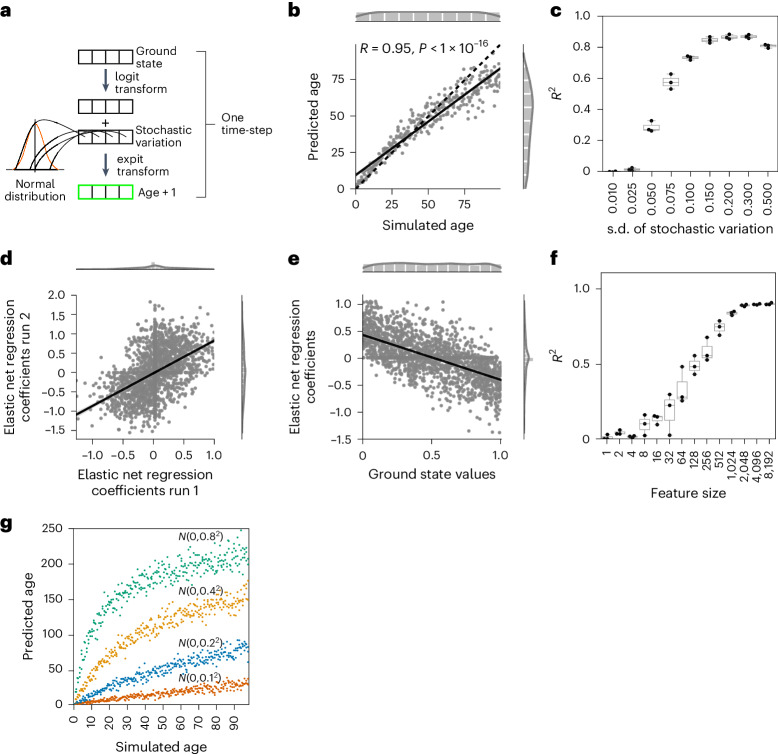
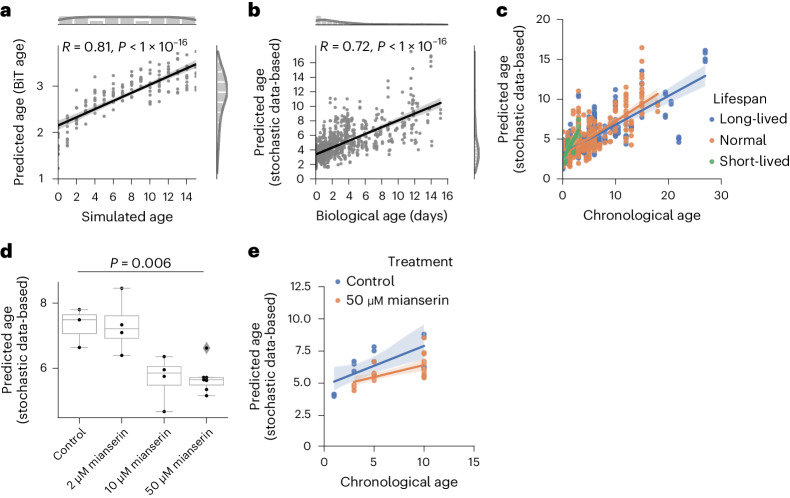
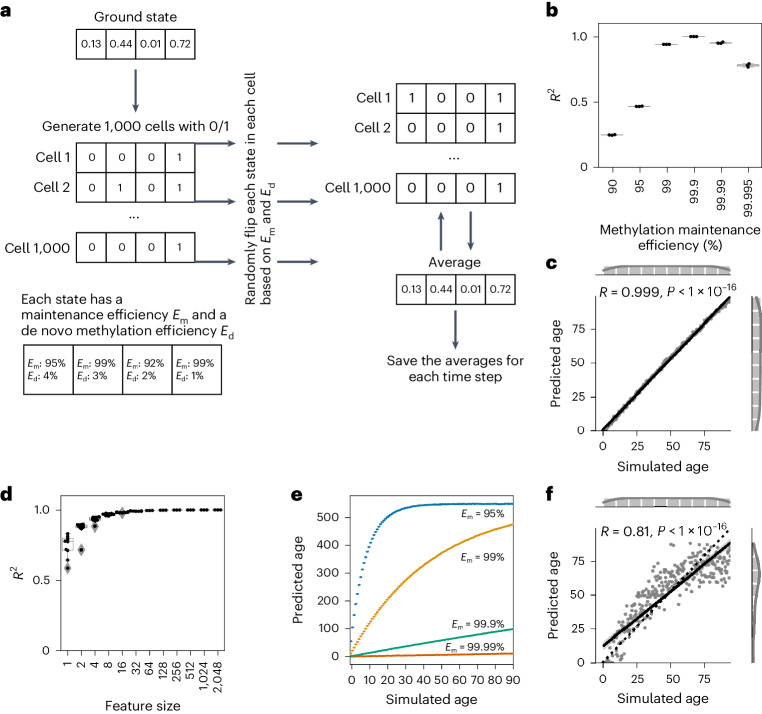
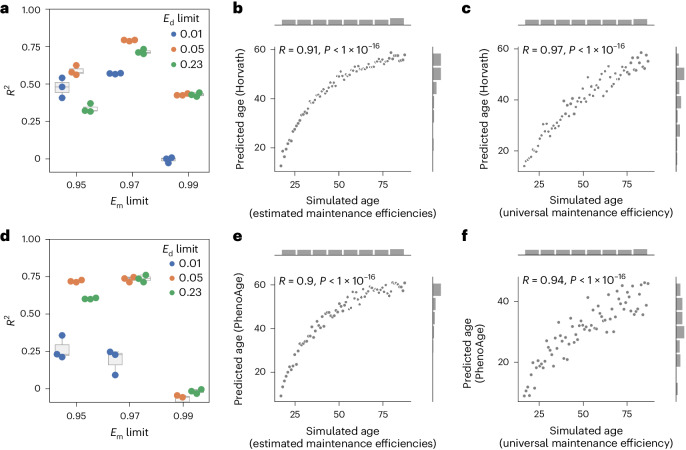
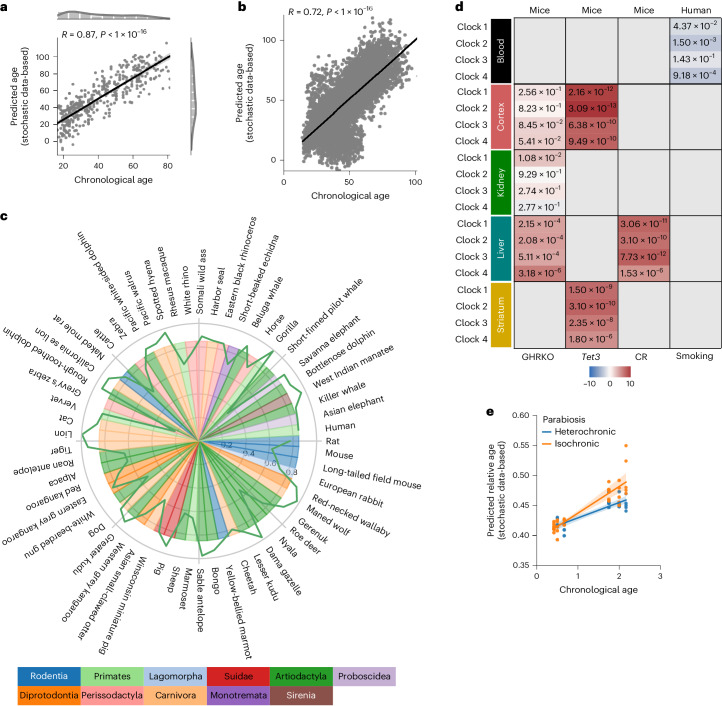
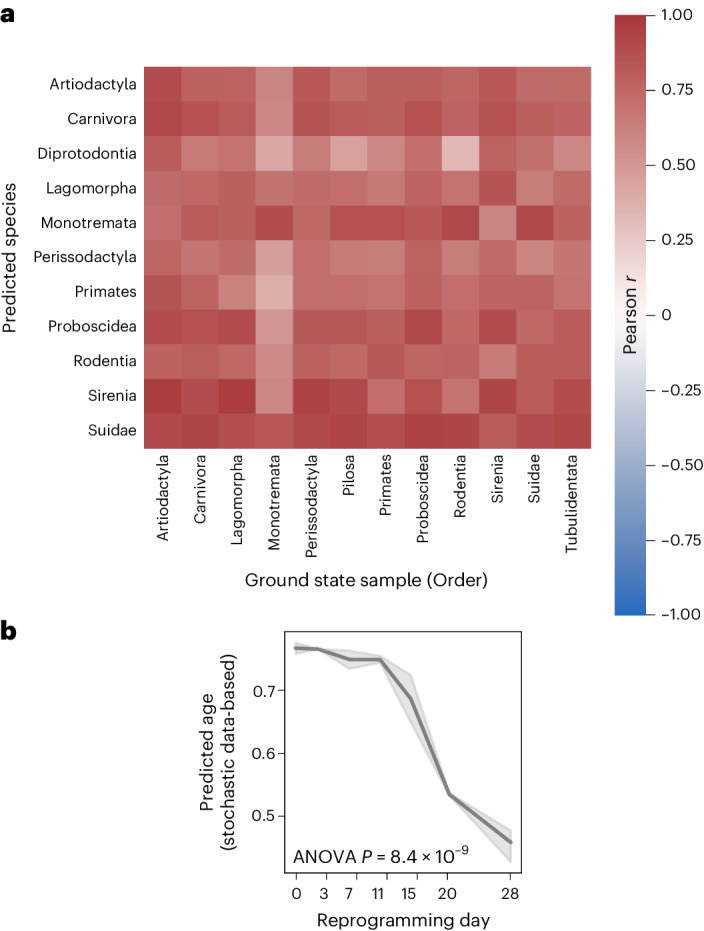
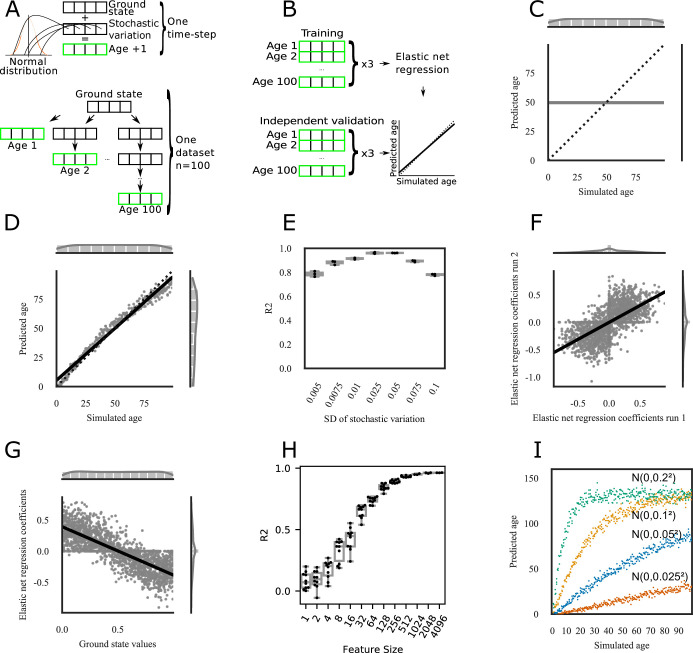
Aging clocks have provided one of the most important recent breakthroughs in the biology of aging, and may provide indicators for the effectiveness of interventions in the aging process and preventive treatments for age-related diseases. The reproducibility of accurate aging clocks has reinvigorated the debate on whether a programmed process underlies aging. Here we show that accumulating stochastic variation in purely simulated data is sufficient to build aging clocks, and that first-generation and second-generation aging clocks are compatible with the accumulation of stochastic variation in DNA methylation or transcriptomic data. We find that accumulating stochastic variation is sufficient to predict chronological and biological age, indicated by significant prediction differences in smoking, calorie restriction, heterochronic parabiosis and partial reprogramming. Although our simulations may not explicitly rule out a programmed aging process, our results suggest that stochastically accumulating changes in any set of data that have a ground state at age zero are sufficient for generating aging clocks.
Overview
The claims and statistics of this paper haven’t been checked yet.
Run the check — free, no account needed. It reads the open-access text and checks the sources it cites.
Integrity signals
Registry
Cites
Statistics
Figures
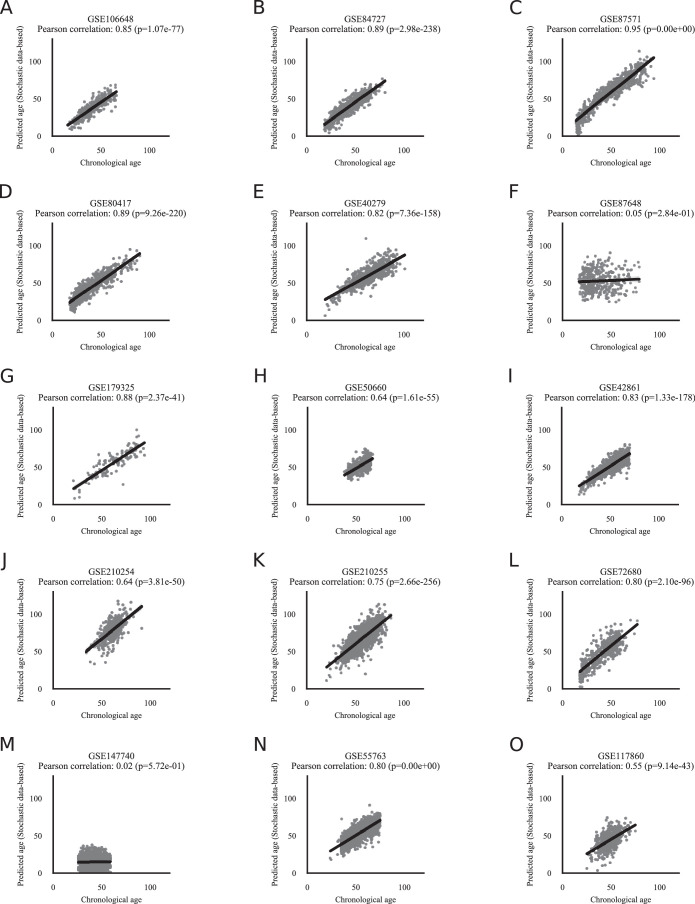
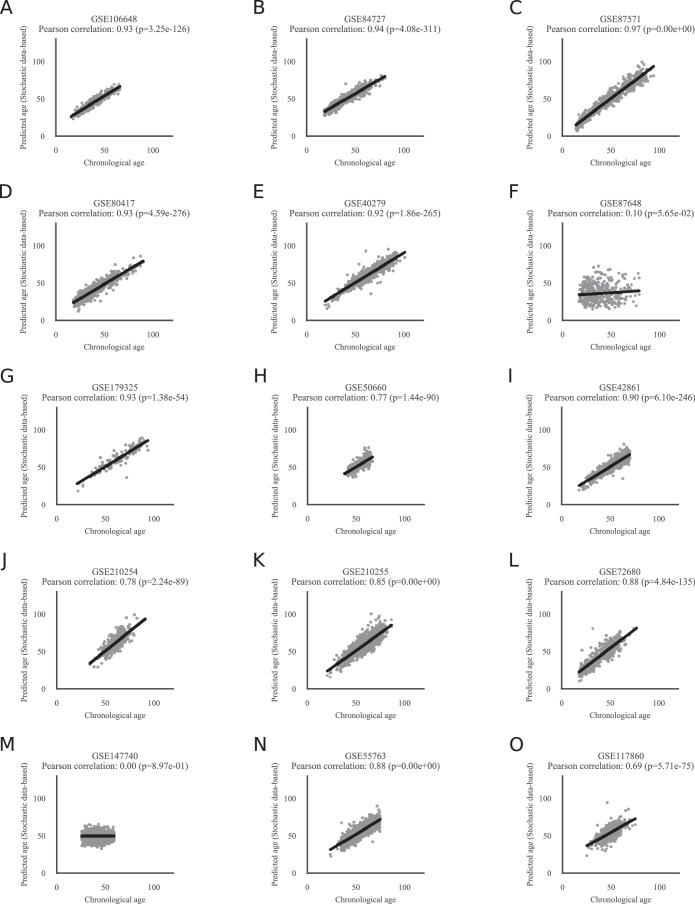
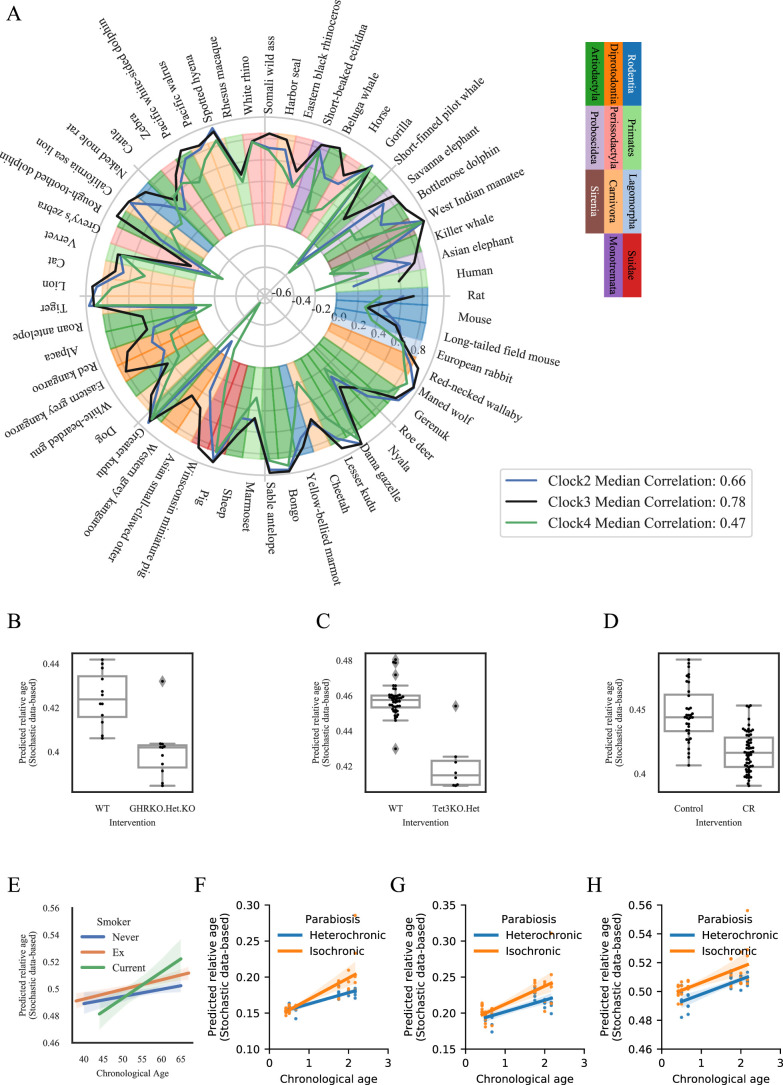
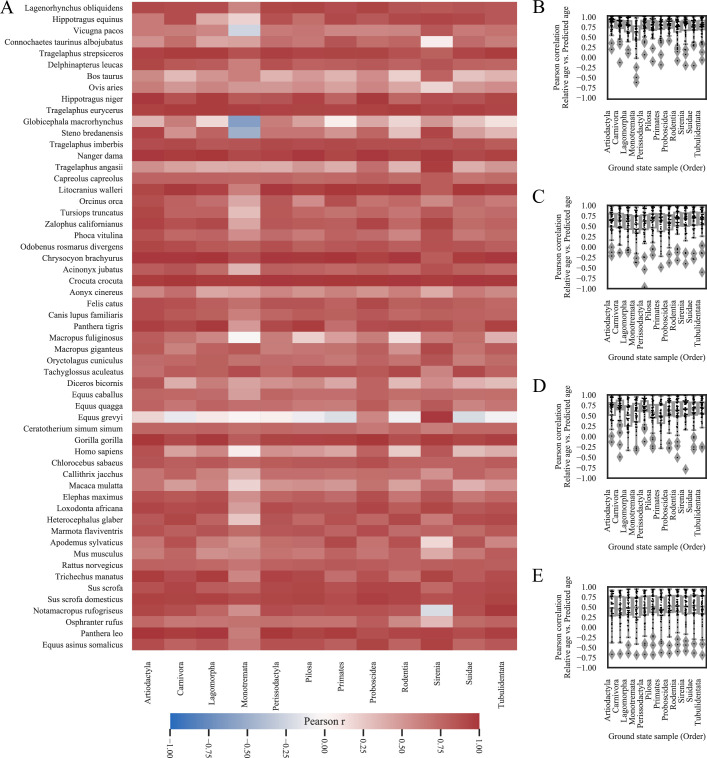
Verification
Claims the paper makes
The claims and statistics of this paper haven’t been checked yet.
Run the check — free, no account needed. It reads the open-access text and checks the sources it cites.
Self-check
Percentages, sums and reported differences re-computed from the paper’s own numbers.
The self-check needs the paper’s full text.
Citations
Cites
Scikit-learn: Machine Learning in Python
Pedregosa, F., Varoquaux, G., Gramfort, A., Michel, V., Thirion, B., Grisel, O., Blondel, M., Müller, A., Nothman, J., Louppe, G., et al. (2012) · arXiv · doi:10.48550/arxiv.1201.0490 · Cited by 71,016
Matplotlib: a 2D graphics environment
Hunter, J. D. (2007) · Computing in Science & Engineering · doi:10.1109/mcse.2007.55 · Cited by 39,249
SciPy 1.0: fundamental algorithms for scientific computing in Python
Virtanen, P., Gommers, R., Oliphant, T. E., Haberland, M., Reddy, T., Cournapeau, D., Burovski, E., Peterson, P., Weckesser, W., Bright, J., et al. (2020) · Nature Methods · doi:10.1038/s41592-019-0686-2 · Cited by 38,430
fastp: an ultra-fast all-in-one FASTQ preprocessor
Chen, S., Zhou, Y., Chen, Y., & Gu, J. (2018) · Bioinformatics · doi:10.1093/bioinformatics/bty560 · Cited by 29,721
Harris, C. R., Millman, K. J., van der Walt, S. J., Gommers, R., Virtanen, P., Cournapeau, D., Wieser, E., Taylor, J., Berg, S., Smith, N. J., et al. (2020) · Nature · doi:10.1038/s41586-020-2649-2 · Cited by 23,826
Harris, C., Millman, K., van der Walt, S., Gommers, R., Virtanen, P., Cournapeau, D., Wieser, E., Taylor, J., Berg, S., Smith, N., et al. (2020) · RePEc: Research Papers in Economics · Cited by 17,844
Salmon provides fast and bias-aware quantification of transcript expression
Patro, R., Duggal, G., Love, M. I., Irizarry, R. A., & Kingsford, C. (2017) · Nature Methods · doi:10.1038/nmeth.4197 · Cited by 12,700
SciPy 1.0: fundamental algorithms for scientific computing in Python
Virtanen, P., Gommers, R., Oliphant, T. E., Haberland, M., Reddy, T., Cournapeau, D., Burovski, E., Peterson, P., Weckesser, W., Bright, J., et al. (2019) · Apollo - University of Cambridge Repository · doi:10.17863/cam.64134 · Cited by 10,460
Exact stochastic simulation of coupled chemical reactions
Gillespie, D. T. (1977) · The Journal of Physical Chemistry · doi:10.1021/j100540a008 · Cited by 10,172
seaborn: statistical data visualization
Waskom, M. (2021) · Journal of Open Source Software · doi:10.21105/joss.03021 · Cited by 7,310
Cited by
Sorted by citations
Epigenetic ageing clocks: statistical methods and emerging computational challenges
Teschendorff, A. E., & Horvath, S. (2025) · Nature Reviews Genetics · doi:10.1038/s41576-024-00807-w · Cited by 226
Quantifying the stochastic component of epigenetic aging
Tong, H., Dwaraka, V. B., Chen, Q., Luo, Q., Lasky-Su, J. A., Smith, R., & Teschendorff, A. E. (2024) · Nature Aging · doi:10.1038/s43587-024-00600-8 · Cited by 83
Development of an epigenetic clock resistant to changes in immune cell composition
Tomusiak, A., Floro, A., Tiwari, R., Riley, R. R., Matsui, H., Andrews, N., Kasler, H. G., & Verdin, E. M. (2024) · Communications Biology · doi:10.1038/s42003-024-06609-4 · Cited by 73
Biomarkers of aging: from molecules and surrogates to physiology and function
Furrer, R., & Handschin, C. (2025) · Physiological Reviews · doi:10.1152/physrev.00045.2024 · Cited by 68
Lyu, Y.-X., Fu, Q., Wilczok, D., Ying, K., King, A., Antebi, A., Vojta, A., Stolzing, A., Moskalev, A., Georgievskaya, A., et al. (2024) · Aging · doi:10.18632/aging.206135 · Cited by 48
Self-citationLiesenfelder, S., Mabrouk, M. H. E., Iliescu, J., Baranda, M. V., Mizi, A., Perez-Correa, J.-F., Wessiepe, M., Papantonis, A., & Wagner, W. (2025) · Nature Aging · doi:10.1038/s43587-025-00841-1 · Cited by 39
Probabilistic inference of epigenetic age acceleration from cellular dynamics
Dabrowski, J., Yang, E. J., Crofts, S., Hillary, R. F., Simpson, D. J., McCartney, D. L., Marioni, R. E., Kirschner, K., Crespo, E. L., & Chandra, T. (2024) · Nature Aging · doi:10.1038/s43587-024-00700-5 · Cited by 35
Heritability of intrinsic human life span is about 50% when confounding factors are addressed
Shenhar, B., Pridham, G., Oliveira, T. L. D., Yang, Y., Raz, N., Deelen, J., Hägg, S., & Alon, U. (2026) · Science · doi:10.1126/science.adz1187 · Cited by 43
Responsiveness of epigenetic aging biomarkers to longevity interventions in humans
Sehgal, R., Borrus, D., Armstrong, J. F., Gonzalez, J., Kasamoto, J., Markov, Y., Priyanka, A., Smith, R., Carreras-Gallo, N., Lasky-Su, J., et al. (2026) · Nature Medicine · doi:10.1038/s41591-026-04562-9 · Cited by 31
The use and misuse of ‘biological aging’ in health research
Ikram, M. A. (2024) · Nature Medicine · doi:10.1038/s41591-024-03297-9 · Cited by 29
Targeting DNA damage in ageing: towards supercharging DNA repair
Bujarrabal-Dueso, A., Garinis, G. A., Robbins, P. D., Vijg, J., & Schumacher, B. (2025) · Nature Reviews Drug Discovery · doi:10.1038/s41573-025-01212-6 · Cited by 32
Self-citationSmurfness‐based two‐phase model of ageing helps deconvolve the ageing transcriptional signature
Zane, F., Bouzid, H., Marmol, S. S., Brazane, M., Besse, S., Molina, J. L., Cansell, C., Aprahamian, F., Durand, S., Ayache, J., et al. (2023) · Aging Cell · doi:10.1111/acel.13946 · Cited by 31
Longitudinal changes in epigenetic clocks predict survival in the InCHIANTI cohort
Kuo, P., Moore, A. Z., Tanaka, T., Belsky, D. W., Lu, A. T.-H., Horvath, S., Bandinelli, S., & Ferrucci, L. (2026) · Nature Aging · doi:10.1038/s43587-026-01066-6 · Cited by 26
Improved resilience and proteostasis mediate longevity upon DAF-2 degradation in old age
Molière, A., Park, J. Y. C., Goyala, A., Vayndorf, E. M., Zhang, B., Hsiung, K. C., Jung, Y., Kwon, S., Statzer, C., Meyer, D. H., et al. (2024) · GeroScience · doi:10.1007/s11357-024-01232-x · Cited by 19
Self-citationThe energy resistance principle
Picard, M. A., & Murugan, N. J. (2025) · Cell Metabolism · doi:10.1016/j.cmet.2025.09.002 · Cited by 18
OMICmAge quantifies biological age by integrating multi-omics with electronic medical records
Chen, Q., Dwaraka, V. B., Carreras-Gallo, N., Armstrong, J., Sehgal, R., Argentieri, M. A., Richmond, A., Aparicio, A., Mendez, K. M., Chen, Y., et al. (2026) · Nature Aging · doi:10.1038/s43587-026-01073-7 · Cited by 19
Epistemic uncertainty challenges aging clock reliability in predicting rejuvenation effects
Kriukov, D. V., Kuzmina, E., Efimov, E., Dylov, D. V., & Khrameeva, E. E. (2024) · Aging Cell · doi:10.1111/acel.14283 · Cited by 20
Epigenetic networks coordinate DNA methylation across the genome
Wagner, W. (2025) · Molecular Therapy · doi:10.1016/j.ymthe.2025.06.037 · Cited by 20
Aging by the clock and yet without a program
Meyer, D. H., Maklakov, A. A., & Schumacher, B. (2025) · Nature Aging · doi:10.1038/s43587-025-00975-2 · Cited by 20
Self-citationMeasuring biological age: Insights from omics studies
Kočar, E., Šket, R., Vasle, A. H., Avguštin, G., Benedik, E., Seljak, B. K., Simić, P., Martinko, A., Morrison, S. A., Sorić, M., et al. (2025) · Ageing Research Reviews · doi:10.1016/j.arr.2025.102988 · Cited by 22
Development of a novel epigenetic clock resistant to changes in immune cell compositionPreprint
Tomusiak, A., Floro, A., Tiwari, R., Riley, R. R., Matsui, H., Andrews, N., Kasler, H. G., & Verdin, E. M. (2023) · bioRxiv (Cold Spring Harbor Laboratory) · doi:10.1101/2023.03.01.530561 · Cited by 15
Predicting healthspan and disease risks through biological age
Li, G., Cheng, L., Wong, I. N., Yin, Y., Chen, J., Liu, L., & Zhang, K. (2025) · Trends in Molecular Medicine · doi:10.1016/j.molmed.2025.10.006 · Cited by 16
Age-associated changes in transcriptional elongation and their effects on homeostasis
Papantonis, A., Antebi, A., Partridge, L., & Beyer, A. (2024) · Trends in Cell Biology · doi:10.1016/j.tcb.2024.11.005 · Cited by 14
Human Brain Cell‐Type‐Specific Aging Clocks Based on Single‐Nuclei Transcriptomics
Muralidharan, C., Zakar‐Polyák, E., Adami, A., Abbas, A. A., Sharma, Y., Garza, R., Johansson, J., Atacho, D. A. M., Renner, É., Palkovits, M., et al. (2025) · Advanced Science · doi:10.1002/advs.202506109 · Cited by 15
Metabolomic-based aging clocks
de Opakua, A. I., Conde, R., de Diego, Á., Bizkarguenaga, M., Embade, N., Lu, S. C.-L., Mato, J. M., & Millet, Ó. (2025) · npj Metabolic Health and Disease · doi:10.1038/s44324-025-00078-x · Cited by 16
Cummings, S. R., Hong, N., & Cohen, A. A. (2025) · Aging Cell · doi:10.1111/acel.70292 · Cited by 12
Systemic epigenetic dysregulation as a driver of ageing and a therapeutic target
Yücel, A. D., & Gladyshev, V. N. (2026) · Nature Reviews Molecular Cell Biology · doi:10.1038/s41580-026-00958-0 · Cited by 18
Aging Clocks, Entropy, and the Challenge of Age Reversal
Tarkhov, A. E., Denisov, K. A., & Fedichev, P. O. (2024) · doi:10.59368/agingbio.20240031 · Cited by 30
DNA methylation entropy is a biomarker for aging
Chan, J., Rubbi, L., & Pellegrini, M. A. (2025) · Aging · doi:10.18632/aging.206220 · Cited by 11
Multi-tissue transcriptomic aging atlas reveals predictive aging biomarkers in the killifish
Costa, E. K., Chen, J., Guldner, I. H., Mboning, L., Schmahl, N., Tsenter, A., Nagvekar, R., Wu, M.-R., Losada, P. M., Bouchard, L.-S., et al. (2026) · Nature Aging · doi:10.1038/s43587-026-01074-6 · Cited by 18
Too old for healthy aging? Exploring age limits of longevity treatments
Chaudhari, P., & Ermolaeva, M. (2024) · npj Metabolic Health and Disease · doi:10.1038/s44324-024-00040-3 · Cited by 12
Litichevskiy, L., Considine, M., Gill, J., Shandar, V., Cox, T. O., Descamps, H. C., Wright, K. M., Amses, K. R., Dohnalová, L., Liou, M. J., et al. (2025) · Nature Microbiology · doi:10.1038/s41564-025-01963-3 · Cited by 19
Do we actually need aging clocks?
Kriukov, D. V., Efimov, E., Gelfand, M. S., Moskalev, A., & Khrameeva, E. E. (2025) · npj Aging · doi:10.1038/s41514-025-00312-2 · Cited by 13
Designing Epigenetic Clocks for Wildlife Research
Newediuk, L., Richardson, E. S., Bohart, A. M., Roberto‐Charron, A., Garroway, C. J., & Jones, M. J. (2025) · Molecular Ecology Resources · doi:10.1111/1755-0998.14120 · Cited by 14
Fan, X., Qian, Q., Li, W., Liu, T., Zeng, C., Jia, P., Lin, H., Gao, X., Li, J., Xia, M., et al. (2025) · Genome Research · doi:10.1101/gr.280155.124 · Cited by 10
CT Biomarkers for Phenotypic Biological Aging: Emerging Concepts and Advantages
Lee, M. H., Garrett, J. W., Liu, D., & Pickhardt, P. J. (2025) · Radiographics · doi:10.1148/rg.250007 · Cited by 12
Křepelová, A., Rasa, S. M. M., Annunziata, F., Lu, J. N., Giannuzzi, C., Omrani, O., Wyart, E., Porporato, P. E., Ansari, I., Bilenko, D., et al. (2025) · Nature Aging · doi:10.1038/s43587-025-01021-x · Cited by 11
Gallrein, C., Meyer, D. H., Woitzat, Y., Ramirez-Ramirez, V., Vuong-Brender, T. T. K., Kirstein, J., & Schumacher, B. (2026) · Nature Aging · doi:10.1038/s43587-026-01067-5 · Cited by 12
Self-citationBiomarkers for aging of blood – how transferable are they between mice and humans?
Tharmapalan, V., & Wagner, W. (2024) · Experimental Hematology · doi:10.1016/j.exphem.2024.104600 · Cited by 9
Hubert, D. L., Arnold, K. R., Greenspan, Z. S., Pupo, A., Robinson, R. D., Chavarin, V. V., Barter, T. T., Djukovic, D., Raftery, D., Vue, Z., et al. (2025) · Genome Biology and Evolution · doi:10.1093/gbe/evaf082 · Cited by 9
DoliClock: a lipid-based aging clock reveals accelerated aging in neurological disorders
Latumalea, D., Unfried, M., Barardo, D., Gruber, J., & Kennedy, B. K. (2025) · Aging · doi:10.18632/aging.206266 · Cited by 8
Machine learning-guided deconvolution of plasma protein levels
Pietzner, M., Beuchel, C. F., Demircan, K., Anton, J. H., Zeng, W., Römisch‐Margl, W., Yasmeen, S., Uluvar, B., Zoodsma, M., Koprulu, M., et al. (2025) · Molecular Systems Biology · doi:10.1038/s44320-025-00158-6 · Cited by 10
Lee, J., Han, M., Wang, K., Butler, L. R., & Sinclair, D. A. (2026) · Progress in Retinal and Eye Research · doi:10.1016/j.preteyeres.2026.101442 · Cited by 7
Cell-type-specific transposon demethylation and TAD remodeling in aging mouse brain
Zeng, Q., Wang, W., Tian, W., Klein, A., Bartlett, A., Liu, H., Nery, J. R., Castanon, R., Osteen, J. K., Johnson, N. D., et al. (2026) · Cell · doi:10.1016/j.cell.2026.02.015 · Cited by 13
Insights into the therapeutic strategies for aging and aging-associated diseases
Dong, R., Wu, Q., Kan, J., Fu, C., Sorrentino, V., Chow, A., Lei, Y., Wu, D., Xu, Z., Du, J., et al. (2026) · Signal Transduction and Targeted Therapy · doi:10.1038/s41392-026-02662-z · Cited by 10
Hänggi, N. V., Neubauer, J., Marti, Y., Banemann, R., Kulstein, G., Courts, C., Gosch, A., Hadrys, T., Haas, C., & Dørum, G. (2025) · Forensic Science International Genetics · doi:10.1016/j.fsigen.2025.103282 · Cited by 9
Time is encoded by methylation changes at clustered CpG sites
Ochana, B.-L., Nudelman, D., Cohen, D., Peretz, A., Piyanzin, S., Gal-Rosenberg, O., Horn, A., Loyfer, N., Varshavsky, M., Raisch, R., et al. (2025) · Cell Reports · doi:10.1016/j.celrep.2025.115958 · Cited by 11
Probing epigenetic clocks as a rational markers of biological age using blood cell countsPreprint
Jonkman, T. H., van Zwet, E. W., & Heijmans, B. T. (2025) · medRxiv · doi:10.1101/2025.05.12.25327213 · Cited by 7
Martínez-Enguita, D., Hillerton, T., Åkesson, J., Kling, D., Lerm, M., & Gustafsson, M. (2025) · Frontiers in Aging · doi:10.3389/fragi.2024.1526146 · Cited by 8
Avelar, R. A., Palmer, D. H., Kulaga, A. Y., & Fuellen, G. (2025) · Ageing Research Reviews · doi:10.1016/j.arr.2025.102737 · Cited by 11
Methylation clocks for evaluation of anti-aging interventions
Mitteldorf, J. (2025) · Aging · doi:10.18632/aging.206245 · Cited by 6
Epigenetic clock and lifespan prediction in the short-lived killifish Nothobranchius furzeriPreprint
Giannuzzi, C., Baumgart, M., Neri, F., & Cellerino, A. (2024) · bioRxiv (Cold Spring Harbor Laboratory) · doi:10.1101/2024.08.07.606986 · Cited by 7
Histological aging signatures enable tissue-specific disease prediction from bloodPreprint
Abila, E., Buljan, I., Zheng, Y., Veres, T., Weng, Z., Nackenhorst, M. C., Hulla, W., Tolkach, Y., Wöehrer, A., & Rendeiro, A. F. (2024) · bioRxiv (Cold Spring Harbor Laboratory) · doi:10.1101/2024.11.14.618081 · Cited by 8
Methylation Data Analysis and Interpretation
Zhu, Y., Mao, W., Hosseini, R., & Chikina, M. D. (2025) · Annual Review of Biomedical Data Science · doi:10.1146/annurev-biodatasci-120924-091033 · Cited by 6
Li, J., Lu, X., Tong, T., Zhou, X., Zhang, B., Sun, X., Zhao, B., Xu, G., Yang, J., Fan, Y., et al. (2026) · Nature Aging · doi:10.1038/s43587-026-01131-0 · Cited by 5
A glossary for social-to-biological research
Robertson, T., Benzeval, M., Betzer, M., Booker, C. L., Castagné, R., Delpierre, C., Gallagher, I. J., Kelly‐Irving, M., McCrory, C., Morris, T., et al. (2024) · Longitudinal and Life Course Studies · doi:10.1332/17579597y2024d000000032 · Cited by 6
Mei, X., Kabir, H., Conboy, M. J., & Conboy, I. M. (2025) · GeroScience · doi:10.1007/s11357-025-01750-2 · Cited by 5
Differential Responses of Dynamic and Entropic Aging Factors to Longevity Interventions
Perevoshchikova, K., & Fedichev, P. O. (2024) · doi:10.1101/2024.02.25.581928 · Cited by 6
Heritability of human lifespan is about 50% when confounding factors are addressedPreprint
Shenhar, B., Pridham, G., Oliveira, T. L. D., Yang, Y., Raz, N., Deelen, J., Hägg, S., & Alon, U. S. (2025) · bioRxiv (Cold Spring Harbor Laboratory) · doi:10.1101/2025.04.20.649385 · Cited by 5
A Minimal Model Explains Aging Regimes and Guides Intervention Strategies
Fedichev, P., & Gruber, J. (2025) · doi:10.1101/2025.08.25.671954 · Cited by 7
Targeting Genome Stability to Mitigate Human Aging and Disease
Toiber, D., & Schumacher, B. (2025) · Annual Review of Pathology Mechanisms of Disease · doi:10.1146/annurev-pathmechdis-042624-105942 · Cited by 4
Self-citationProteomic aging clocks in epidemiological studies: advances, applications and prospects
Xiao, H., Lau, C. E., Dehghan, A., & Robinson, O. (2026) · Nature Aging · doi:10.1038/s43587-026-01118-x · Cited by 6
Quantifying stochasticity in the aging DNA methylome
Bell, C. G. (2024) · Nature Aging · doi:10.1038/s43587-024-00634-y · Cited by 4
Epigenetics and aging: relevance for sleep medicine
Cortese, R. (2024) · Current Opinion in Pulmonary Medicine · doi:10.1097/mcp.0000000000001109 · Cited by 4
Senolytic compounds reduce epigenetic age of blood samples in vitro
Tharmapalan, V., Sarvaas, M. D. M., Bleichert, M., Wessiepe, M., & Wagner, W. (2025) · npj Aging · doi:10.1038/s41514-025-00199-z · Cited by 4
The stochasticity of biological aging
Meyer, D. H., & Schumacher, B. (2025) · Nature Medicine · doi:10.1038/s41591-025-03687-7 · Cited by 4
Self-citationWang, H., Xiao, F., Zhao, L., Su, Q., Xia, T., Yang, L.-Q., Ma, S., & Kong, Q.-P. (2025) · Genome Medicine · doi:10.1186/s13073-025-01533-6 · Cited by 6
Metabolomic signatures of extreme old age: findings from the New England Centenarian Study
Monti, S., Lustgarten, M. S., Huang, Z., Song, Z., Li, M., Ellis, D., Tian, Q., Ferrucci, L., Rappaport, N., Andersen, S. L., et al. (2026) · GeroScience · doi:10.1007/s11357-026-02174-2 · Cited by 5
The Evolving Landscape of Clinical Aging Clocks: From Epigenetic to Multi‐Omics Integration
Liu, L., Lai, Y., Tian, C., Huang, Y., Hao, J., Zhao, Y., Chen, D., Wu, T., Zhou, D., Zheng, X., et al. (2026) · Aging Cell · doi:10.1111/acel.70579 · Cited by 3
Epigenetic information loss is a common feature of multiple diseases and aging
Sagy, N., Chang, C., Gal, M., & Bar, D. Z. (2025) · GeroScience · doi:10.1007/s11357-025-01767-7 · Cited by 5
Age Deceleration and Reversal Gene Patterns in Dauer Diapause
Totska, K., Barata, J. C. V. V., Sandt, W., Meyer, D. H., & Schumacher, B. (2025) · Aging Cell · doi:10.1111/acel.70253 · Cited by 4
Self-citationImproving our understanding of the biology of aging: findings from the Age-It Research Program
Chiti, F., Conti, F., Corda, D., Giorgino, F., Graziani, A., Passarino, G., Sandri, M., & di Fagagna, F. D. (2025) · The Journals of Gerontology Series B · doi:10.1093/geronb/gbaf197 · Cited by 4
Aging as Entropy: A Quantifiable Framework
Hong, N., & Cohen, A. A. (2025) · Endocrinology and Metabolism · doi:10.3803/enm.2025.2719 · Cited by 3
Garma, L. D., Pernas, S., Fullana, B., Vethencourt, A., Baz, D. V., García-Manrique, T., Campelo, R. G., Reboredo, C., Terrasa, J., Perelló, A., et al. (2026) · Epigenetics · doi:10.1080/15592294.2026.2714582 · Cited by 2
Beyond genes and environment: mapping biological stochasticity in aging
Hruby, A. J., Garcia, G., Thorwald, M. A., Finch, C. E., Johnson, J., & Higuchi‐Sanabria, R. (2025) · GeroScience · doi:10.1007/s11357-025-01673-y · Cited by 2
Green, D. C., Reynard, L. N., Henstock, J. R., Reppe, S., Gautvik, K. M., Peffers, M. J., Shanley, D. P., Clegg, P., & Canty‐Laird, E. G. (2025) · Aging Cell · doi:10.1111/acel.70149 · Cited by 2
A sex-adjusted 7-biomarker clinical aging clock for translational preventative medicine
Meyer, D. H., Mejia, G., Molière, A., Wangprapa, P., Khunlertkit, T., Teekakirikul, P., Ewald, C. Y., & Viecelli, C. (2025) · Scientific Reports · doi:10.1038/s41598-025-27478-9 · Cited by 2
Self-citationEpigenetic program of ontogenesis and hyperfunction theory: reinterpreting the mechanisms of aging
Salnikov, L. (2026) · Frontiers in Aging · doi:10.3389/fragi.2026.1735269 · Cited by 2
Complex genotype–phenotype relationships in neurodevelopmental disorders
Dvir, E., Meshorer, E., & Shifman, S. (2026) · Trends in Genetics · doi:10.1016/j.tig.2026.03.005 · Cited by 3
dos Santos, G. A., Castro, J. P., Guardia, G. D. A., dos Santos, F. F., Birbrair, A., & Galante, P. A. F. (2026) · Aging Cell · doi:10.1111/acel.70696 · Cited by 3
Caloric restriction modulates genome-wide somatic mutation in mice
Grońska-Pęski, M., Acosta-Rodríguez, V. A., Srinivasa, A., Garrido, A., Picciotto, S., Green, C. B., Takahashi, J. S., Shoag, J. E., & Evrony, G. D. (2026) · Cell · doi:10.1016/j.cell.2026.08.013 · Cited by 2
Dynamic and reversible transcriptomic age shifts induced by COVID-19 in Korean whole blood
An, K., Kwon, Y., Bhak, J., Ryu, H., Jeon, S., Nam, D., & Bhak, J. (2025) · Aging · doi:10.18632/aging.206270 · Cited by 4
Molecular Basis of Sperm Methylome Response to Aging and Stress
Arowolo, O. K., Zhu, J., Nowak, K., Pilsner, J. R., & Suvorov, A. (2026) · Biology · doi:10.3390/biology15060504 · Cited by 2
Predicting murine age across tissues and cell types using single cell transcriptome dataPreprint
Neumann, J. F., Leote, A. C., Liersch, M., & Beyer, A. (2022) · bioRxiv (Cold Spring Harbor Laboratory) · doi:10.1101/2022.10.19.512922 · Cited by 2
Interactions between the gut microbiome, dietary restriction, and aging in genetically diverse micePreprint
Litichevskiy, L., Considine, M., Gill, J., Shandar, V., Cox, T. O., Descamps, H. C., Wright, K. M., Amses, K. R., Dohnalová, L., Liou, M. J., et al. (2023) · bioRxiv (Cold Spring Harbor Laboratory) · doi:10.1101/2023.11.28.568137 · Cited by 3
Malaiwong, N., Dahse, A.-K., Lin, L.-C., Das, R., Porta-de-la-Riva, M., Scholz, N., & Krieg, M. (2024) · bioRxiv (Cold Spring Harbor Laboratory) · doi:10.1101/2024.11.04.621798 · Cited by 2
Cerebrovascular ageing: how zebrafish can contribute to solving the puzzle
Malkinson, G., & Henriques, C. M. (2025) · Frontiers in Physiology · doi:10.3389/fphys.2025.1548242 · Cited by 1
Mammadova, J., Richards, A. C., Torriente, A. G., Adler, E. R., Cruz, R. J., Palfi, S., Lee, D. H., Sam, C., Al‐Jumayli, M., Berglund, A., et al. (2025) · Cardio-Oncology · doi:10.1186/s40959-025-00340-7 · Cited by 1
Epigenetic clocks as quantitative readouts of epigenetic drift
Pérez, R. F., Tejedor, J. R., Fernández, A. F., & Fraga, M. F. (2026) · Nature Aging · doi:10.1038/s43587-026-01152-9 · Cited by 1
Multi-omics profiling reveals systemic rejuvenation of the aged kidney through senolytic therapy
Chen, S., Zhang, C., Cang, P., Guo, W., Xiao, L., He, Y., Su, Q., Ouyang, S., Zha, J., Maimaitirexiati, G., et al. (2026) · npj Regenerative Medicine · doi:10.1038/s41536-026-00490-x · Cited by 1
Jang, S., Kim, S., Kang, D., Hong, C., Bok, E., Lee, S., Choe, Y., & Kim, J. (2026) · Proceedings of the National Academy of Sciences · doi:10.1073/pnas.2528874123 · Cited by 1
Epigenetic Aging in Brain Tissue of the Self‐Fertilizing Vertebrate, Kryptolebias marmoratus
Bélik, J., & Silvestre, F. (2026) · Ecology and Evolution · doi:10.1002/ece3.73881 · Cited by 1
Cost-effective solutions for high-throughput enzymatic DNA methylation sequencingPreprint
Longtin, A., Watowich, M. M., Sadoughi, B., Petersen, R. M., Brosnan, S. F., Buetow, K. H., Cai, Q., Gurven, M., Highland, H. M., Huang, Y.-T., et al. (2024) · bioRxiv (Cold Spring Harbor Laboratory) · doi:10.1101/2024.09.09.612068 · Cited by 1
Collective dynamics of DNA methylation during ageingPreprint
Hashtroud, A. M., Bonder, M. J., Stegle, O., von Meyenn, F., Reik, W., & Rulands, S. (2024) · bioRxiv (Cold Spring Harbor Laboratory) · doi:10.1101/2024.12.15.628564 · Cited by 1
Epigenetic entropy, social disparity, and health and lifespan in the Women’s Health InitiativePreprint
Mozhui, K., Starlard‐Davenport, A., Sun, Y., Shadyab, A. H., Casanova, R., Thomas, F., Wallace, R. B., Fowke, J. H., & Johnson, K. (2025) · medRxiv · doi:10.1101/2025.02.21.25322696 · Cited by 1
Immune cell composition is an important contributor to epigenetic age variation
Marttila, S. (2025) · Epigenomics · doi:10.1080/17501911.2025.2476391 · Cited by 1
Cell-Type-Specific Transposable Element Demethylation and TAD Remodeling in the Aging Mouse BrainPreprint
Zeng, Q., Tian, W., Klein, A., Bartlett, A., Liu, H., Nery, J. R., Castanon, R., Osteen, J. K., Johnson, N. D., Wang, W., et al. (2025) · bioRxiv (Cold Spring Harbor Laboratory) · doi:10.1101/2025.04.21.648266 · Cited by 1
Reversible Transcriptomic Age Shifts from Physiological Stress in Whole BloodPreprint
An, K., Kwon, Y., Bhak, J., Ryu, H., Jeon, S., Nam, D., & Bhak, J. (2024) · bioRxiv (Cold Spring Harbor Laboratory) · doi:10.1101/2024.09.08.611853
Fisher Information and the Dynamics of Multicellular AgingPreprint
Hale, Z. F., Cánez, G. A., & Michaels, T. C. T. (2025) · bioRxiv (Cold Spring Harbor Laboratory) · doi:10.1101/2025.01.24.634675
Metadata
- Authors
- Meyer, D. H., & Schumacher, B.
- Affiliations
- University of Cologne (DE)
- Corresponding author
- Meyer, David H.
- Schumacher, Björn
- Venue
- Nature Aging
- Published
- 2024-05-09
- Volume
- 4
- Issue
- 6
- Pages
- 871-885
- ISSN
- 2662-8465 (ISSN-L)
- PMC
- PMC11186771
- OpenAlex
- W4396761662
- Cited by
- 128
- References
- 110
- Citations by year
- 2026: 43 · 2025: 60 · 2024: 21
- FWCI
- 14.96
- Type
- journal article
- Language
- en
- Open access
- hybrid
- doi.org
- Locations
- Nature Aging (publishedVersion, cc-by)
- Research Square (acceptedVersion, cc-by)
- PubMed Central (publishedVersion, cc-by)
- PubMed (publishedVersion)
- Funders
- EC | Horizon 2020 Framework Programme (H2020-MSCA-ITN-2018 (Healthage and ADDRESS ITNs))
- John Templeton Foundation (61734)
- Topics
- Life Sciences › Biochemistry, Genetics and Molecular Biology › Aging › Genetics, Aging, and Longevity in Model Organisms
- Life Sciences › Biochemistry, Genetics and Molecular Biology › Molecular Biology › Epigenetics and DNA Methylation
- Life Sciences › Biochemistry, Genetics and Molecular Biology › Cell Biology › Telomeres, Telomerase, and Senescence
- Keywords
- aging clocks, stochastic variability, biological age, chronological age, DNA methylation, transcriptomics, programmed aging, heterochronic parabiosis, caloric restriction, partial reprogramming, smoking, age-related diseases
- MeSH terms
- Aging, Animals, Biological Clocks, Computer Simulation, Humans, Male, Models, Biological, Parabiosis, Smoking, Stochastic Processes, DNA Methylation, Caloric Restriction, Transcriptome
About these checks
Registry, retraction, Cites and statistics results are computed, not judged, with one exception: a printed reference that no index lists is read once by a model before it counts as a citation error. Claims are extracted by a model and kept only when their quote appears verbatim in the text; each cited source is then checked, with a model’s help, for whether it says what the claim relies on. Those verdicts can be wrong — read the claim’s quote and the cited source before relying on one.
Statistics and arithmetic are recomputed, not judged.
Confidence bands are shown only for fields calibrated on our annotated test set. None is calibrated yet, so no band is shown.
What counts as a claim ›How we measure confidence ›How we check this ›
Are you an author, or do you see a problem with this page? Request a review
