

Large language models could change the future of behavioral healthcare: a proposal for responsible development and evaluation
Open accessPublished version of a preprint
The DOI matches its Crossref record; 85 of the 85 references it cites were found in a registry or an index.
Abstract
Large language models (LLMs) such as Open AI’s GPT-4 (which power ChatGPT) and Google’s Gemini, built on artificial intelligence, hold immense potential to support, augment, or even eventually automate psychotherapy. Enthusiasm about such applications is mounting in the field as well as industry. These developments promise to address insufficient mental healthcare system capacity and scale individual access to personalized treatments. However, clinical psychology is an uncommonly high stakes application domain for AI systems, as responsible and evidence-based therapy requires nuanced expertise. This paper provides a roadmap for the ambitious yet responsible application of clinical LLMs in psychotherapy. First, a technical overview of clinical LLMs is presented. Second, the stages of integration of LLMs into psychotherapy are discussed while highlighting parallels to the development of autonomous vehicle technology. Third, potential applications of LLMs in clinical care, training, and research are discussed, highlighting areas of risk given the complex nature of psychotherapy. Fourth, recommendations for the responsible development and evaluation of clinical LLMs are provided, which include centering clinical science, involving robust interdisciplinary collaboration, and attending to issues like assessment, risk detection, transparency, and bias. Lastly, a vision is outlined for how LLMs might enable a new generation of studies of evidence-based interventions at scale, and how these studies may challenge assumptions about psychotherapy.
Overview
The claims and statistics of this paper haven’t been checked yet.
Free: it reads the open-access text and checks the first 5 claims that cite a source we can check. Create a free account to check every claim.
Integrity signals
Registry
Cites
Statistics
Figures
Verification
Claims the paper makes
The claims and statistics of this paper haven’t been checked yet.
Free: it reads the open-access text and checks the first 5 claims that cite a source we can check. Create a free account to check every claim.
Claims other papers make about this one
Each is checked against this paper’s own text: does it say what the citing paper says it does?
The source backs part of the claim, not all of it — or backs it for a different population, condition or comparison.
In the citing paper
“Current literature tends to advocate for a cautious approach, in which near-term clinical generative AI applications are limited to implementations of evidence-based therapies (such as CBT)52, with a clinician in the loop52, and models constrained to scripted responses as far as possible42.”
From “It happened to be the perfect thing”: experiences of generative AI chatbots for mental health (2024) · cites this paper as [52]
Experimental — accuracy not yet measured
Self-check
Percentages, sums and reported differences re-computed from the paper’s own numbers.
The self-check needs the paper’s full text.
Citations
Cites
Vaswani, A., Shazeer, N., Parmar, N., Uszkoreit, J., Jones, L., Gomez, A. N., Kaiser, L., & Polosukhin, I. (2017) · arXiv · doi:10.48550/arxiv.1706.03762 · Cited by 120,404 · cited 1×
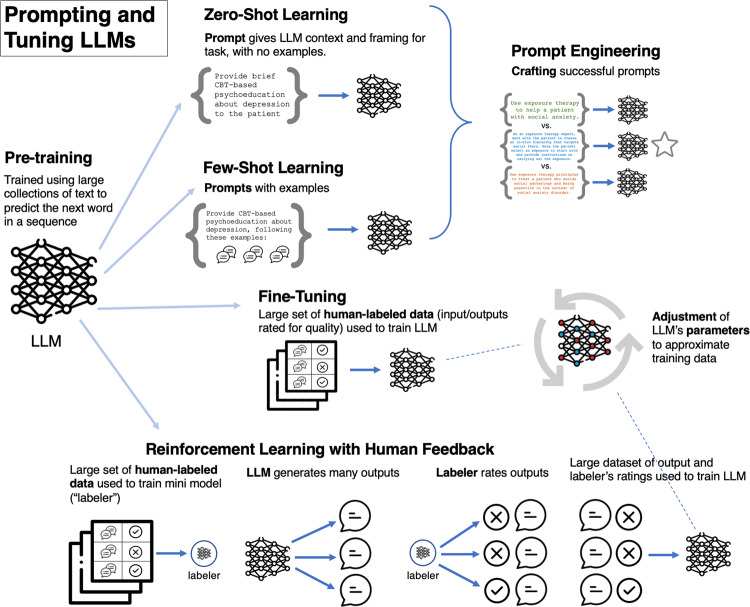
“The advent of large language models, enabled by a combination of the deep learning technique transformers 25 and increases in computing power, has opened new possibilities 26 .”
BackgroundDiagnostic and Statistical Manual of Mental Disorders
American Psychiatric Association (2013) · doi:10.1176/appi.books.9780890425596 · Cited by 116,369
A Mathematical Theory of Communication
Shannon, C. E. (1948) · Bell System Technical Journal · doi:10.1002/j.1538-7305.1948.tb01338.x · Cited by 88,486
BERT: Pre-training of Deep Bidirectional Transformers for Language Understanding
Devlin, J., Chang, M.-W., Lee, K., & Toutanova, K. (2018) · arXiv · doi:10.48550/arxiv.1810.04805 · Cited by 73,173
Deep reinforcement learning from human preferences
Christiano, P., Leike, J., Brown, T. B., Martic, M., Legg, S., & Amodei, D. (2017) · arXiv · doi:10.48550/arxiv.1706.03741 · Cited by 7,379
On the Dangers of Stochastic Parrots: Can Language Models Be Too Big? 🦜
Bender, E. M., Gebru, T., McMillan-Major, A., & Shmitchell, S. (2021) · Proceedings of the 2021 ACM Conference on Fairness, Accountability, and Transparency · doi:10.1145/3442188.3445922 · Cited by 6,988
ELIZA—a computer program for the study of natural language communication between man and machine
Weizenbaum, J. (1966) · Communications of the ACM · doi:10.1145/365153.365168 · Cited by 4,452
The answer is 17 years, what is the question: understanding time lags in translational research
Morris, Z. S., Wooding, S., & Grant, J. (2011) · Journal of the Royal Society of Medicine · doi:10.1258/jrsm.2011.110180 · Cited by 3,340 · cited 1×
“However, the traditional approach to developing and testing therapeutic interventions is slow, contributing to signi fi cant time lags in translational research 53 , and fails to deliver insights at the level of the individual.”
BackgroundDefining empirically supported therapies.
Chambless, D. L., & Hollon, S. D. (1998) · Journal of Consulting and Clinical Psychology · doi:10.1037/0022-006x.66.1.7 · Cited by 3,067
On the Opportunities and Risks of Foundation Models
Bommasani, R., Hudson, D. A., Adeli, E., Altman, R., Arora, S., von Arx, S., Bernstein, M. S., Bohg, J., Bosselut, A., Brunskill, E., et al. (2021) · arXiv · doi:10.48550/arxiv.2108.07258 · Cited by 2,676 · cited 1×
“The advent of large language models, enabled by a combination of the deep learning technique transformers 25 and increases in computing power, has opened new possibilities 26 .”
Background
Research works printed but not linked: 3
- Markov AA Essai d’une recherche statistique sur le texte du roman “Eugene Onegin” illustrant la liaison des epreuve en chain (‘Example of a statistical investigation of the text of “Eugene Onegin” illustrating the dependence between samples in chain’) Izvistia Imperatorskoi Akad. Nauk Bull. L’Academie Imp. Sci. St-Petersbourg 1913 7 153 162
- Jurafsky, D. & Martin, J. H. N-gram language models. in Speech and language processing: An introduction to natural language processing, computational linguistics, and speech recognition (Pearson Prentice Hall, 2009).
- Norden, J. G. & Shah, N. R. What AI in health care can learn from the long road to autonomous vehicles. NEJM Catal. Innov. Care Deliv. 10.1056/CAT.21.0458 (2022). · doi:10.1056/cat.21.0458
Cited by
Using large language models in psychology
Demszky, D., Yang, D., Yeager, D. S., Bryan, C. J., Clapper, M., Chandhok, S., Eichstaedt, J. C., Hecht, C., Jamieson, J., Johnson, M., et al. (2023) · Nature Reviews Psychology · doi:10.1038/s44159-023-00241-5 · Cited by 369
“Practice Clinical Build a simulated environment for mental health providers-in-training to practise helping patients to reappraise problematic construals 65,110 .”
BackgroundSelf-citationLarge Language Models for Mental Health Applications: Systematic Review
Guo, Z., Lai, A., Thygesen, J. H., Farrington, J., Keen, T., & Li, K. (2024) · JMIR Mental Health · doi:10.2196/57400 · Cited by 269
“These models also have the potential to provide feedback on psychotherapy or peer support sessions, which is especially beneficial for clinicians with less training and experience [21].”
Background“It happened to be the perfect thing”: experiences of generative AI chatbots for mental health
Siddals, S., Torous, J., & Coxon, A. (2024) · npj Mental Health Research · doi:10.1038/s44184-024-00097-4 · Cited by 241
“It ’ s like a very scripted, structured sort of interaction and you don ’ t get this … sense of connection … There ’ s basically CBT exercises that it leads you through … [but] they ’ re impersonal … frustratingly dumb – Barry, 44, United Kingdom Despite enjoying the experience of generative AI chatbots, almost all pa…”
Influential(2024) · doi:10.21203/rs.3.rs-4612612/v1 · Cited by 241
Exploring the Ethical Challenges of Conversational AI in Mental Health Care: Scoping Review
Rahsepar Meadi, M., Sillekens, T., Metselaar, S., van Balkom, A., Bernstein, J., & Batelaan, N. (2025) · JMIR Mental Health · doi:10.2196/60432 · Cited by 211
“The third most frequently mentioned concern involved CAI providing harmful suggestions, inappropriate advice, misinformation, or “hallucinating” [30,34,38,40,50,53-61 , 112].”
InfluentialMoore, J., Grabb, D., Agnew, W., Klyman, K., Chancellor, S., Ong, D. C., & Haber, N. (2025) · Proceedings of the 2025 ACM Conference on Fairness, Accountability, and Transparency · doi:10.1145/3715275.3732039 · Cited by 204
Human-AI agency in the age of generative AI
Krakowski, S. (2025) · Information and Organization · doi:10.1016/j.infoandorg.2025.100560 · Cited by 162
He, K., Mao, R., Lin, Q., Ruan, Y., Lan, X., Feng, M., & Cambria, E. (2025) · Information Fusion · doi:10.1016/j.inffus.2025.102963 · Cited by 147
Use of Generative AI for Mental Health Advice Among US Adolescents and Young Adults
McBain, R. K., Bozick, R., Diliberti, M., Zhang, L. A., Zhang, F., Burnett, A., Kofner, A., Rader, B., Breslau, J., Stein, B. D., et al. (2025) · JAMA Network Open · doi:10.1001/jamanetworkopen.2025.42281 · Cited by 109
The Lancet Commission on self-harm
Moran, P., Chandler, A., Dudgeon, P., Kirtley, O. J., Knipe, D. W., Pirkis, J., Sinyor, M., Allister, R., Ansloos, J. P., Ball, M. A., et al. (2024) · The Lancet · doi:10.1016/s0140-6736(24)01121-8 · Cited by 160
People Overtrust AI-Generated Medical Advice despite Low Accuracy
Shekar, S., Pataranutaporn, P., Sarabu, C. R., Cecchi, G., & Maes, P. (2025) · NEJM AI · doi:10.1056/aioa2300015 · Cited by 139
Two Tales of Persona in LLMs: A Survey of Role-Playing and Personalization
Tseng, Y.-M., Huang, Y.-C., Hsiao, T.-Y., Chen, W.-L., Huang, C.-W., Meng, Y., & Chen, Y.-N. (2024) · Findings of the Association for Computational Linguistics: EMNLP 2024 · doi:10.18653/v1/2024.findings-emnlp.969 · Cited by 87
Artificial intelligence for psychotherapy: a review of the current state and future directions
Beg, M. J., Verma, M., M., V. C. K. M., & Verma, M. K. (2025) · Indian Journal of Psychological Medicine · doi:10.1177/02537176241260819 · Cited by 82
Hindelang, M., Sitaru, S., & Zink, A. (2024) · JMIR Medical Informatics · doi:10.2196/56628 · Cited by 79
Evaluating Generative AI in Mental Health: Systematic Review of Capabilities and Limitations
Wang, L., Bhanushali, T., Huang, Z., Yang, J., Badami, S., & Hightow-Weidman, L. (2025) · JMIR Mental Health · doi:10.2196/70014 · Cited by 73
“…burden and increase clinician efficiency through LLM-assisted clinical notes writing, formulating differential diagnoses, drafting personalized treatment plans, drawing insights from patient chart data, providing on-demand coaching and companion-ship, and, ultimately, providing therapy [10,11].”
Large language models for medicine: a survey
Zheng, Y., Gan, W., Chen, Z., Qi, Z., Liang, Q., & Yu, P. S. (2024) · International Journal of Machine Learning and Cybernetics · doi:10.1007/s13042-024-02318-w · Cited by 132
“These resource-intensive models can result in longer response times, rendering them less suitable for applications that demand immediate decisions, such as emergency diagnosis and treatment.”
Transitioning from MLOps to LLMOps: Navigating the Unique Challenges of Large Language Models
Pahune, S. A., & Akhtar, Z. (2025) · Information · doi:10.3390/info16020087 · Cited by 116
Exploring the frontiers of LLMs in psychological applications: a comprehensive review
Ke, L., Tong, S., Cheng, P., & Peng, K. (2025) · Artificial Intelligence Review · doi:10.1007/s10462-025-11297-5 · Cited by 148
Ferrario, A., Sedlakova, J., & Trachsel, M. (2024) · JMIR Mental Health · doi:10.2196/56569 · Cited by 61
“In health care, applications of LLMs are manifold, spanning from clinical research and processes to physician-patient relations [5-10].”
Backgroundvan Genugten, C., Thong, M. S. Y., van Ballegooijen, W., Kleiboer, A. M., Spruijt‐Metz, D., Smit, A. C., Sprangers, M. A. G., Terhorst, Y., & Riper, H. M. (2025) · Frontiers in Digital Health · doi:10.3389/fdgth.2025.1460167 · Cited by 81
McBain, R. K., Cantor, J., Zhang, L. A., Baker, O. N., Zhang, F., Burnett, A., Kofner, A., Breslau, J. A., Stein, B. D., Mehrotra, A., et al. (2025) · Psychiatric Services · doi:10.1176/appi.ps.20250086 · Cited by 102
Lee, H. S., Wright, C., Ferranto, J., Buttimer, J., Palmer, C. E., Welchman, A., Mazor, K. M., Fisher, K. A., Smelson, D., O’Connor, L., et al. (2025) · Frontiers in Psychiatry · doi:10.3389/fpsyt.2024.1505024 · Cited by 55
Claude, ChatGPT, Copilot, and Gemini performance versus students in different topics of neuroscience
Mavrych, V., Yaqinuddin, A., & Bolgova, O. (2025) · AJP Advances in Physiology Education · doi:10.1152/advan.00093.2024 · Cited by 62
Framework for bias evaluation in large language models in healthcare settings
Templin, T., Fort, S., Padmanabham, P. S., Seshadri, P., Rimal, R., Oliva, J. B., Lich, K. H., Sylvia, S., & Sinnott-Armstrong, N. (2025) · npj Digital Medicine · doi:10.1038/s41746-025-01786-w · Cited by 80
Bouguettaya, A., Stuart, E. M., & Aboujaoude, E. N. (2025) · npj Digital Medicine · doi:10.1038/s41746-025-01746-4 · Cited by 85
“As mental health is a “ high stakes ” domain thatis de fi ned partially by the “ fuzziness ” of symptoms 8 , and high-quality evidence has found that LLMs tend to be more racially biased in diagnosing mental health conditions over any other health conditions 23 , it is likely that LLMs trained on…”
Assessing the Impact of ChatGPT in Dermatology: A Comprehensive Rapid Review
Göktaş, P., & Grzybowski, A. E. (2024) · Journal of Clinical Medicine · doi:10.3390/jcm13195909 · Cited by 60
“As AI continues to evolve, its role in medical writing would likely expand, but this must be balanced with a commitment to upholding the quality and ethical standards of academic publishing [50].”
BackgroundAI language model rivals expert ethicist in perceived moral expertise
Dillion, D., Mondal, D., Tandon, N., & Gray, K. (2025) · Scientific Reports · doi:10.1038/s41598-025-86510-0 · Cited by 47
Applications of Large Language Models in the Field of Suicide Prevention: Scoping Review
Holmes, G., Tang, B., Gupta, S., Venkatesh, S., Christensen, H. M., & Whitton, A. E. (2025) · Journal of Medical Internet Research · doi:10.2196/63126 · Cited by 80
“…prevention contexts, and an important area for future research will be to determine optimal approaches to implementing human-AI collaboration in suicide prevention settings, including through the use of copilot or human-in-the-loop systems that are beginning to be explored in other areas [89,99].”
Mercado, J., Espinosa‐Curiel, I. E., & Martínez-Miranda, J. (2023) · Journal of Medical Internet Research · doi:10.2196/52097 · Cited by 56
Ulrich, S., Lienhard, N., Künzli, H., & Kowatsch, T. (2024) · JMIR mHealth and uHealth · doi:10.2196/54945 · Cited by 36
“While in the future, LLM-based interventions may be able to deliver more complex interventions in the field of psychology, it is crucial to consider the potential risk and limitations of implementing these technologies [110].”
BackgroundDeceptively Simple yet Profoundly Impactful: Text Messaging Interventions to Support Health
Suffoletto, B. P. (2024) · Journal of Medical Internet Research · doi:10.2196/58726 · Cited by 45
“These models can be fine-tuned after training for specific tasks or domains, enhancing their adaptability for diverse applications [78], including psychotherapy [79].”
Assessing and alleviating state anxiety in large language models
Ben‐Zion, Z., Witte, K., Jagadish, A. K., Duek, O. A., Harpaz‐Rotem, I., Khorsandian, M.-C., Burrer, A., Seifritz, E., Homan, P., Schulz, E., et al. (2025) · npj Digital Medicine · doi:10.1038/s41746-025-01512-6 · Cited by 83
“Despite concerns raised by health professionals 8 – 10 , other researchers increasingly regard LLMs as promising tools for mental health support 11 – 13 .”
Understanding natural language: Potential application of large language models to ophthalmology
Yang, Z., Wang, D., Zhou, F., Song, D., Zhang, Y., Jiang, J., Kong, K., Liu, X., Qiao, Y., Chang, R. T., et al. (2024) · Asia-Pacific Journal of Ophthalmology · doi:10.1016/j.apjo.2024.100085 · Cited by 50
Levkovich, I. (2025) · European Journal of Investigation in Health Psychology and Education · doi:10.3390/ejihpe15010009 · Cited by 49
“The mixed performance of ChatGPT-4 across different conditions further emphasizes the necessity for additional training and evaluation of LLMs (Stade et al., 2024).”
Palmer, C. E., Marshall, E., Millgate, E., Warren, G., Ewbank, M., Cooper, E., Lawes, S., Bouazzaoui, M., Smith, A., Hutchins-Joss, C., et al. (2025) · Journal of Medical Internet Research · doi:10.2196/69351 · Cited by 47
“Rigorous validation of these emerging AI technologies, coupled with a phased rollout and human oversight, will be essential to ensure patient safety [76].”
Sohn, J.-S., Lee, E., Kim, J., Oh, H.-K., & Kim, E. J. (2025) · Frontiers in Psychiatry · doi:10.3389/fpsyt.2025.1628216 · Cited by 49
Trusting emotional support from generative artificial intelligence: a conceptual review
Volpato, R., DeBruine, L. M., & Stumpf, S. (2025) · Computers in Human Behavior Artificial Humans · doi:10.1016/j.chbah.2025.100195 · Cited by 74
“…miscalibrated trust in AI emotional support (Laestadius et al., 2022), (Moore et al., 2025); and the pressing need for stewarding the integration of generative AI systems with pre-existing networks of social and emotional support (Asman et al., 2025), (Stade et al., 2024), (Ma, Zeng, et al., 2024).”
AI Chatbot Use and Disclosure for Mental Health Among US Adolescents and Young Adults
McBain, R. K., Cantor, J., Breslau, J., Diliberti, M. K., Zhang, L. A., Zhang, F., Burnett, A., Kofner, A., Rader, B. M., Pataranutaporn, P., et al. (2026) · Archives of Pediatrics and Adolescent Medicine · doi:10.1001/jamapediatrics.2026.2015 · Cited by 62
Held, P., Pridgen, S. A., Chen, Y., Akhtar, Z., Amin, D., & Pohorence, S. (2024) · JMIR Research Protocols · doi:10.2196/58195 · Cited by 28
“The ability of large language models (LLMs) to mimic human language provides the opportunity to build digital mental health tools that may feel more natural and engaging [7,8].”
BackgroundMethodInfluentialFoundation models in ophthalmology: opportunities and challenges
Sevgi, M., Ruffell, E., Antaki, F., Chia, M. A., & Keane, P. A. (2024) · Current Opinion in Ophthalmology · doi:10.1097/icu.0000000000001091 · Cited by 35
Evaluating generative AI responses to real-world drug-related questions
Giorgi, S., Isman, K., Liu, T., Fried, Z., Sedoc, J., & Curtis, B. (2024) · Psychiatry Research · doi:10.1016/j.psychres.2024.116058 · Cited by 24
“Next, generative AI systems can be tailored (Stade et al., 2024) or in-clude humans “ in the loop ” (Sharma et al., 2023) to provide personalized feedback within a given domain.”
InfluentialSelf-citationInvestigating psychotherapists’ attitudes towards artificial intelligence in psychotherapy
Wagner, J., & Schwind, A.-S. (2025) · BMC Psychology · doi:10.1186/s40359-025-03071-7 · Cited by 35
Stade, E. C., Eichstaedt, J. C., Kim, J. P., & Wiltsey Stirman, S. (2025) · Technology, Mind, and Behavior · doi:10.1037/tmb0000163 · Cited by 23
Self-citationLarge language models as mental health providers
Rousmaniere, T., Goldberg, S. B., & Torous, J. (2026) · The Lancet Psychiatry · doi:10.1016/s2215-0366(25)00269-x · Cited by 22
Wong, S. M., Leung, H.-F., & Wong, K. Y. (2024) · Research Square · doi:10.21203/rs.3.rs-4063228/v1 · Cited by 67
Golden, A., & Aboujaoude, E. N. (2024) · JMIR Formative Research · doi:10.2196/62963 · Cited by 34
“GenAI may herald a paradigmatic shift in mental health care, offering the potential for accessible, scalable, and individualized services that can help remedy provider shortages and other obstacles to accessing care [1-6].”
BackgroundHaber, Y., Shoval, D. H., Levkovich, I., Yinon, D., Gigi, K., Pen, O., Angert, T., & Elyoseph, Z. (2025) · Frontiers in Digital Health · doi:10.3389/fdgth.2025.1512273 · Cited by 33
Kambeitz, J. P., & Meyer‐Lindenberg, A. (2025) · npj Digital Medicine · doi:10.1038/s41746-024-01422-z · Cited by 26
“Additionally, agent-based models can simulate the effects of psychotherapeutic interventions on mental health 57,58 , offering a way to tailor treatment strategies to individual needs based on personality structures or other characteristics.”
Garcia-Carmona, A. M., Prieto, M.-L., Puertas, E., & Beunza, J. J. (2025) · JMIR AI · doi:10.2196/68776 · Cited by 34
“LLMs are capable of delivering foundational knowledge, contextual analysis, and accessible information, making them valuable tools for patient education and clinical consultations [6].”
AI-Enhanced Virtual Reality Self-Talk for Psychological Counseling: Formative Qualitative Study
Zisquit, ., Shoa, A., Oliva, R., Perry, S., Spanlang, B., Klomek, A. B., Slater, M., & Friedman, D. A. (2025) · JMIR Formative Research · doi:10.2196/67782 · Cited by 26
“Recommendations include clinical evaluation of the LLMs developed and their output; interdisciplinary collaboration; and attending to risk assessment, transparency, and bias [36].”
Föyen, L. F., Zapel, E. C. M., Lekander, M., Hedman‐Lagerlöf, E., & Lindsäter, E. (2025) · Internet Interventions · doi:10.1016/j.invent.2025.100841 · Cited by 40
“Research has shown that trust and acceptance of AI in healthcare contexts are strongly influenced by human-like attributes, perceived empathy and interaction quality (Pelau et al., 2021; Stade et al., 2024).”
Schäfer, L. M., Köhler, S., & Krause, T. (2025) · Frontiers in Digital Health · doi:10.3389/fdgth.2025.1576135 · Cited by 26
Designing a Large Language Model-Based Coaching Intervention for Lifestyle Behavior Change
Meywirth, S. (2024) · Lecture notes in computer science · doi:10.1007/978-3-031-61175-9_6 · Cited by 22
Sobowale, K., & Humphrey, D. K. (2025) · JMIR Formative Research · doi:10.2196/65605 · Cited by 15
“Given the treatment gap between the high demand for psychotherapy and the limited supply of therapists [1] many have turned to chatbots, text-based conversational agents, as a tool for self-management of mental health [2,3].”
Bhattacharjee, A., Xu, S. Y., Rao, P., Zeng, Y., Meyerhoff, J., Ahmed, S. I., Mohr, D. C., Liut, M., Mariakakis, A. T., Kornfield, R., et al. (2025) · Designing Interactive Systems Conference · doi:10.1145/3715336.3735810 · Cited by 28
Ueda, M., Birnbaum, M. L., Liu, Y., Yu, Q., Tian, X., Mirer, A., Ramanathan, S., & Sinyor, M. (2026) · JMIR Mental Health · doi:10.2196/88196 · Cited by 32
“Prior studies have also warned that AI interactions may be harmful for high-risk individuals [5,33,34].”
Balancing Ethics and Opportunities: The Role of AI in Psychotherapy and Counselling
Bloch‐Atefi, A. (2025) · Psychotherapy and Counselling Journal of Australia · doi:10.59158/001c.129884 · Cited by 25
The potential of Large Language Models for social robots in special education
Voultsiou, E., Vrochidou, Ε., Moussiades, L., & Papakostas, G. A. (2025) · Progress in Artificial Intelligence · doi:10.1007/s13748-025-00363-2 · Cited by 24
Hietbrink, E. A. G., Lansink, C., Laverman, G. D., Vollenbroek-Hutten, M. M. R., Middelweerd, A., & Tabak, M. (2025) · npj Digital Medicine · doi:10.1038/s41746-025-02054-7 · Cited by 27
Reimagining psychiatric care with agentic AI: promise, challenges, and a roadmap forward
Sharma, D., Meshkat, S., Perivolaris, A., Kamaleddin, M. A., Teferra, B. G., Rueda, A., Samavi, R., Jetly, R., Mago, V., Wu, Y., et al. (2026) · npj Digital Medicine · doi:10.1038/s41746-026-02453-4 · Cited by 20
Bhayana, S., Schytz, P. A., Olesen, E. T. B., Soh, K., & Das, V. (2024) · American Journal Of Pathology · doi:10.1016/j.ajpath.2024.07.007 · Cited by 15
Meyerhoff, J., Popowski, S. A., Lakhtakia, T., Tack, E., Kornfield, R., Kruzan, K. P., Krause, C. J., Nguyen, T., Rushton, K., Pisani, A. R., et al. (2025) · JMIR Formative Research · doi:10.2196/69602 · Cited by 16
“…designed to process and generate text-based data, has increasingly been integrated into text-based mental health interventions in the form of chatbots, content generators, and as classifier algorithms that code or categorize data so that an intervention becomes more responsive to user inputs [69].”
Li, Z., Zhu, Z., Gui, X., & Luo, Y. (2025) · International Journal of Human-Computer Studies · doi:10.1016/j.ijhcs.2025.103555 · Cited by 28
Using a fine-tuned large language model for symptom-based depression evaluation
Weber, S., Deperrois, N., Heun, R., Frühschütz, L., Monn, A., Homan, S., Häfliger, A., Seifritz, E., Kowatsch, T., Jäger, L. A., et al. (2025) · npj Digital Medicine · doi:10.1038/s41746-025-01982-8 · Cited by 29
“They may provide diagnostic support, assist in symptom monitoring over time,andultimatelycontributetoreducingtreatmentcostswhileimproving accessibility 30,35 .”
Digital Conversational Agents for the Mental Health of Treatment-Seeking Youth: Scoping Review
Hawke, L. D., Hou, J., Nguyen, A. T. P., Phi, T., Gibson, J., Ritchie, B., Strudwick, G., Rodak, T., & Gallagher, L. (2025) · JMIR Mental Health · doi:10.2196/77098 · Cited by 27
“These concerns have been reflected in discussions of the promise and necessary cautions regarding the implementation of digital conversational agents [18,19].”
Voultsiou, E., & Moussiades, L. (2026) · Electronics · doi:10.3390/electronics15030524 · Cited by 13
Lammers, A. F., & Bassil, K. C. (2026) · AJOB Neuroscience · doi:10.1080/21507740.2026.2649181 · Cited by 12
“Particularly, chatbots that are based on large language models (LLM) such as ChatGPT, are contributing to an increased interest in using AI chatbots for mental health support (Singh 2023; Stade et al. 2024).”
Chatbots in Psychology: Revolutionizing Clinical Support and Mental Health Care
de Filippis, R., & Foysal, A. A. (2024) · Voice of the Publisher · doi:10.4236/vp.2024.103025 · Cited by 19
Escoredo, M., Mostovoy, K., Schickler, R., Bechtel, A., Shagan, J., & Bunge, E. L. (2025) · Family Relations · doi:10.1111/fare.13158 · Cited by 22
Viswanathan, S., Ibrahim, S. B., Shankar, R., Binns, R., Kleek, M. G. V., & Slovák, P. (2025) · CHI Conference on Human Factors in Computing Systems · doi:10.1145/3706598.3714088 · Cited by 26
Suffoletto, B. P., Clark, D. B., Lee, C. M., Mason, M. J., Schultz, J., Szeto, I., & Walker, D. (2025) · Drug and Alcohol Dependence · doi:10.1016/j.drugalcdep.2025.112697 · Cited by 14
Eliminating the AI digital divide by building local capacity
Gulamali, F., Kim, J. Y., Pejavara, K., Thomas, C., Mathur, V., Eigen, Z. J., Lifson, M. A., Patel, M. R., Shaw, K., Tobey, D., et al. (2025) · PLOS Digital Health · doi:10.1371/journal.pdig.0001026 · Cited by 14
“Population health challenges are being addressed by other types of AI tools that can identify patients at risk for rapid disease progression [7] and expand patient access to psychotherapy [8].”
Multi‐model Artificial Intelligence Evaluation in Sudden Sensorineural Hearing Loss
Aliyeva, A., Muradova, A., Hashimli, R., & Müderris, T. (2026) · Otolaryngology · doi:10.1002/ohn.70143 · Cited by 15
“38,39 The study extends the literature by addressing the gap in the comparative exploration of three chatbots in sudden hearing loss.”
Refoua, E., Elyoseph, Z., Wacker, R., Dziobek, I., Tsafrir, I., & Meinlschmidt, G. (2025) · Computers in Human Behavior Reports · doi:10.1016/j.chbr.2025.100702 · Cited by 19
Artificial Intelligence in Obsessive-Compulsive Disorder: A Systematic Review
Kim, J., Pacheco, J. P. G., Golden, A., Aboujaoude, E. N., van Roessel, P., Gandhi, A., Mukunda, P., Avanesyan, T., Xue, H., Adeli, E., et al. (2025) · Current Treatment Options in Psychiatry · doi:10.1007/s40501-025-00359-8 · Cited by 17
Self-citationCross, S. P. M., Mangelsdorf, S. N., Valentine, L., O’Sullivan, S., McEnery, C., Scott, I., Gilbertson, T., Louis, S., Myer, J., Liu, P., et al. (2025) · Internet Interventions · doi:10.1016/j.invent.2025.100849 · Cited by 18
Cunningham, K., Mărginean, V., & Hylock, R. H. (2025) · npj Health Systems · doi:10.1038/s44401-025-00030-7 · Cited by 19
Enhanced large language models for effective screening of depression and anxiety
Liu, J. M., Gao, M., Sabour, S., Chen, Z., Huang, M., & Lee, T. M. C. (2025) · Communications Medicine · doi:10.1038/s43856-025-01158-1 · Cited by 36
“There has been a growing interest in applying LLMs to solve mental health-related problems 15 – 18 .”
Báez, J. C., Ahn, E., Tamietti, A., Victor, B. G., & Goldkind, L. (2025) · Journal of Evidence-Based Social Work · doi:10.1080/26408066.2025.2542450 · Cited by 14
Ooi, P. B., & Wilkinson, G. G. (2024) · British Journal of Guidance and Counselling · doi:10.1080/03069885.2024.2373180 · Cited by 16
Desage, C., Bunge, B., & Bunge, E. L. (2024) · Procedia Computer Science · doi:10.1016/j.procs.2024.10.356 · Cited by 10
AI-driven report-generation tools in mental healthcare: A review of commercial tools
Bouguettaya, A., Victoria Team, Stuart, E. M., & Aboujaoude, E. N. (2025) · General Hospital Psychiatry · doi:10.1016/j.genhosppsych.2025.02.018 · Cited by 14
Designing Chatbots to Treat Depression in Youth: Qualitative Study
Kuhlmeier, F. O., Bauch, L., Gnewuch, U., & Lüttke, S. (2025) · JMIR Human Factors · doi:10.2196/66632 · Cited by 18
“Future research needs to explore how capitalize on their advanced conversational abilities while ensuring therapeutic quality and safety [71].”
Making moral decisions with artificial agents as advisors. A fNIRS study
Fabre, E. F., Mouratille, D., Bonnemains, V., Palmiotti, G. P., & Causse, M. (2024) · Computers in Human Behavior Artificial Humans · doi:10.1016/j.chbah.2024.100096 · Cited by 17
Natural language processing to identify suicidal ideation and anhedonia in major depressive disorder
Vance, L. A., Way, L., Kulkarni, D. S., Palmer, E. O. C., Ghosh, A., Unruh, M., Chan, K. M. Y., Girdhari, A., & Sarkar, J. (2025) · BMC Medical Informatics and Decision Making · doi:10.1186/s12911-025-02851-w · Cited by 13
Xu, S., Yan, Y., Ding, Y., Li, F., Zhang, S., Tang, H., Luo, C. B., Li, Y., Liu, H., Mei, Y., et al. (2025) · npj Mental Health Research · doi:10.1038/s44184-025-00175-1 · Cited by 19
“…capabilities of utilizing LLMs in medical diagnosis 42 , applications in mental health have predominantly centered on developing conversational agents 43 , while the potential of extracting precisesymptomsfrom psychiatricconversationsfor evidence-based diagnosis has not been fully explored.”
Rao, H., Liu, W., Wang, H., Huang, I.-C., He, Z., & Huang, X. (2026) · Journal of Healthcare Informatics Research · doi:10.1007/s41666-026-00229-9 · Cited by 16
“Data is the key to train reliable AI models for broad biomedical and clinical applications, such as medical diagnosis [1, 2], therapeutic treatments [3], and drug discovery [4].”
Designing Incremental Knowledge Enrichment in Generative Pre-trained TransformersPreprint
Kowalczyk, E. A., Nowakowski, M., & Brzezińska, Z. (2024) · Research Square · doi:10.21203/rs.3.rs-4191646/v1 · Cited by 49
Kumar, H., Yoo, S., Bernuy, A., Shi, J., Luo, H., Williams, J. J., Kuzminykh, A., Anderson, A., & Kornfield, R. (2024) · doi:10.2139/ssrn.4892998 · Cited by 9
Rethinking technology innovation for mental health: framework for multi-sectoral collaboration
Suh, J., Pendse, S. R., Lewis, R., Howe, E., Saha, K., Okoli, E., Amores, J., Ramos, G., Shen, J., Borghouts, J., et al. (2024) · Nature Mental Health · doi:10.1038/s44220-024-00232-2 · Cited by 8
“In response to emerging and transformative technologies (for example, AI 74 ) and usage patterns (for example, self-diagnosis on TikTok 75 ), governance is critical in guiding responsible technology innovation and promoting necessary technology literacy.”
Feng, R., Brennan, K., Azizi, Z., Goyal, J., Deb, B., Chang, H. J., Ganesan, P., Clopton, P., Pedron, M., Ruipérez-Campillo, S., et al. (2024) · Circulation Arrhythmia and Electrophysiology · doi:10.1161/circep.124.013023 · Cited by 15
“LLMs, with their multilingual processing capabilities, 62 can also bridge the language gap between health care professionals and patients, operating effectively within a single model.”
Rutter, L. A., Edinger, A., Lorenzo‐Luaces, L., ten Thij, M., Valdez, D., & Bollen, J. (2025) · Cognitive Therapy and Research · doi:10.1007/s10608-025-10580-7 · Cited by 16
“Using online language to distinguish trajectories of symptoms in individuals with internalizing symptoms is still a relatively novel research area (Stade et al., 2023, 2024).”
TherapyTrainer: Using AI to Train Therapists in Written Exposure Therapy
Stade, E. C., Eichstaedt, J. C., Kaysen, D. L., Salecha, A., Greenberger, A., Singhvi, S., & Stirman, S. W. (2025) · Cognitive and Behavioral Practice · doi:10.1016/j.cbpra.2025.06.005 · Cited by 17
Self-citationMaurya, R., Rajput, N., Diviit, M. G., Mahapatra, S., & Ojha, M. K. (2025) · Scientific Reports · doi:10.1038/s41598-025-05012-1 · Cited by 13
Held, P., Stade, E. C., Dondanville, K. A., & Stirman, S. W. (2025) · Journal of Traumatic Stress · doi:10.1002/jts.23188 · Cited by 11
“AI systems intended for direct patient use require robust protocols for detecting concerning levels of distress and must have the ability to involve a skilled human provider as needed (Stade, Stirman, Ungar, et al., 2024; Stade et al., 2025).”
Self-citationComputational and ethical considerations for using large language models in psychotherapy
Zhang, R., Meng, H., Neubronner, M., & Lee, Y. (2025) · Nature Computational Science · doi:10.1038/s43588-025-00874-x · Cited by 16
“The degree of autonomy shapes the risks, responsibilities and relational dynamics in psychotherapy 15 .”
InfluentialA validity-guided workflow for robust large language model research in psychology
Lin, Z. (2026) · Behavior Research Methods · doi:10.3758/s13428-026-03073-2 · Cited by 8
“Behavioral validation alone is insufficient — the instrument ’ s broader consequences require systematic analysis (Stade et al., 2024).”
AI-Facilitated Cognitive Reappraisal via Socrates 2.0: Mixed Methods Feasibility Study.
Held, P., Pridgen, S. A., Szoke, D. R., Chen, Y., Akhtar, Z., & Amin, D. (2025) · JMIR Mental Health · doi:10.2196/80461 · Cited by 7
“…adjunct rather than a replacement for human-delivered therapy, which reflects a stance increasingly recommended in the literature: AI tools may be best used within a stepped-care or blended-care model, where AI-driven conversation augments but does not supplant clinician-led treatment [4].”
InfluentialOzgun, M. C., Pei, J., Hindriks, K., Donatelli, L., Liu, Q., & Wang, J. (2025) · Proceedings of the 34th ACM International Conference on Information and Knowledge Management · doi:10.1145/3746252.3761164 · Cited by 7
“Generating synthetic mental health dialogues is a key strategy to overcome data scarcity while aiming for transparency [14, 28].”
Clinical Text Generation: Are We There Yet?
Hiebel, N., Ferret, O., Fort, K., & Névéol, A. (2025) · Annual Review of Biomedical Data Science · doi:10.1146/annurev-biodatasci-103123-095202 · Cited by 12
Metadata
- Authors
- Stade, E. C., Stirman, S. W., Ungar, L. H., Boland, C. L., Schwartz, H. A., Yaden, D. B., Sedoc, J., DeRubeis, R. J., Willer, R., & Eichstaedt, J. C.
- Affiliations
- VA Palo Alto Health Care System (US)
- University of Pennsylvania (US)
- Stony Brook University (US)
- Johns Hopkins University (US)
- New York University (US)
- Stanford University (US)
- Corresponding author
- Stade, Elizabeth C.
- Eichstaedt, Johannes C.
- ORCID
- Venue
- npj Mental Health Research
- Published
- 2024-04-02
- Volume
- 3
- Issue
- 1
- Pages
- 12-12
- ISSN
- 2731-4251 (ISSN-L)
- PMC
- PMC10987499
- OpenAlex
- W4393397034
- Cited by
- 391
- References
- 78
- Citations by year
- 2026: 182 · 2025: 152 · 2024: 54
- FWCI
- 36.35
- Type
- journal article
- Language
- en
- Open access
- gold
- doi.org
- Licence
- cc-by
- creativecommons.org/licenses/by/4.0 (tdm)
- creativecommons.org/licenses/by/4.0 (vor)
- Locations
- npj Mental Health Research (publishedVersion, cc-by)
- PubMed Central (publishedVersion, cc-by)
- PubMed (publishedVersion)
- DOAJ (DOAJ: Directory of Open Access Journals) (submittedVersion)
- PsyArXiv (OSF Preprints) (submittedVersion)
- PsyArXiv (OSF Preprints) (submittedVersion, cc-by)
- Funders
- National Institute of Mental Health (RF1-MH128785, R01-MH125702)
- Stanford Institute for Human-Centered Artificial Intelligence, Stanford University
- Topics
- Health Sciences › Medicine › Health Informatics › Artificial Intelligence in Healthcare and Education
- Social Sciences › Psychology › Applied Psychology › Digital Mental Health Interventions
- Physical Sciences › Computer Science › Artificial Intelligence › Ethics and Social Impacts of AI
- Keywords
- large language models, psychotherapy, behavioral health services, responsible AI development, AI evaluation, risk detection, algorithmic bias, transparency, clinical psychology training, evidence-based interventions, access to mental health care
About these checks
Registry, retraction, Cites and statistics results are computed, not judged, with one exception: a printed reference that no index lists is read once by a model before it counts as a citation error. Claims are extracted by a model and kept only when their quote appears verbatim in the text; each cited source is then checked, with a model’s help, for whether it says what the claim relies on. Those verdicts can be wrong — read the claim’s quote and the cited source before relying on one.
Statistics and arithmetic are recomputed, not judged.
Confidence bands are shown only for fields calibrated on our annotated test set. None is calibrated yet, so no band is shown.
What counts as a claim ›How we measure confidence ›How we check this ›
Are you an author, or do you see a problem with this page? Request a review
Data sources
Bibliographic data: Semantic Scholar, OpenAlex, Crossref.
Contains information from the Semantic Scholar Academic Graph Datasets, made available under the ODC Attribution License (ODC-BY 1.0).
Semantic Scholar’s data is described in: Kinney, R., et al. (2023). The Semantic Scholar Open Data Platform. arXiv:2301.10140.
