

The DOI matches its Crossref record; 9 of the 9 references it cites were found in a registry or an index.
Linking the Belowground Microbial Composition, Diversity and Activity to Soilborne Disease Suppression and Growth Promotion of Tomato Amended with Biochar
Open accessAbstract
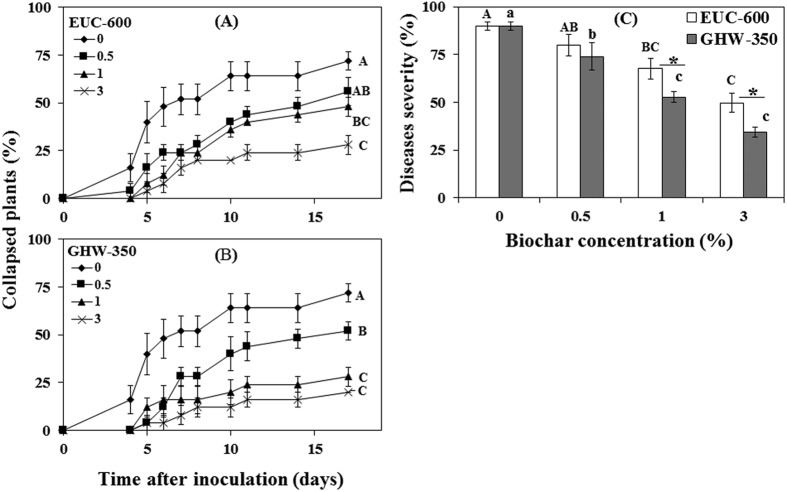
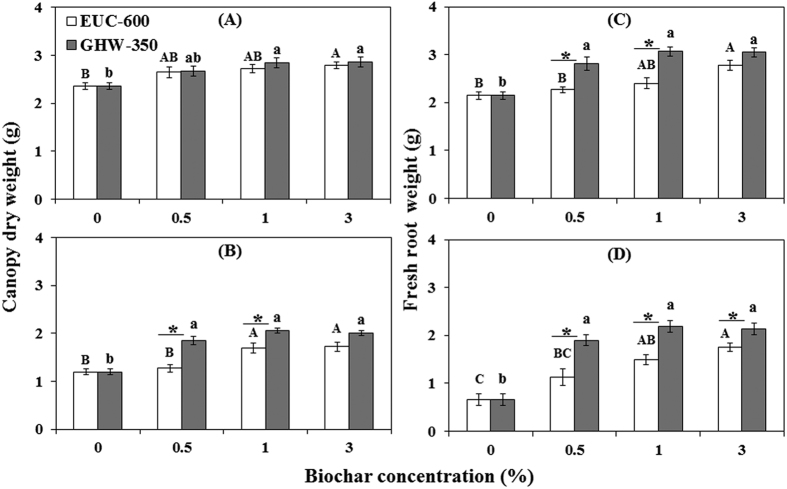
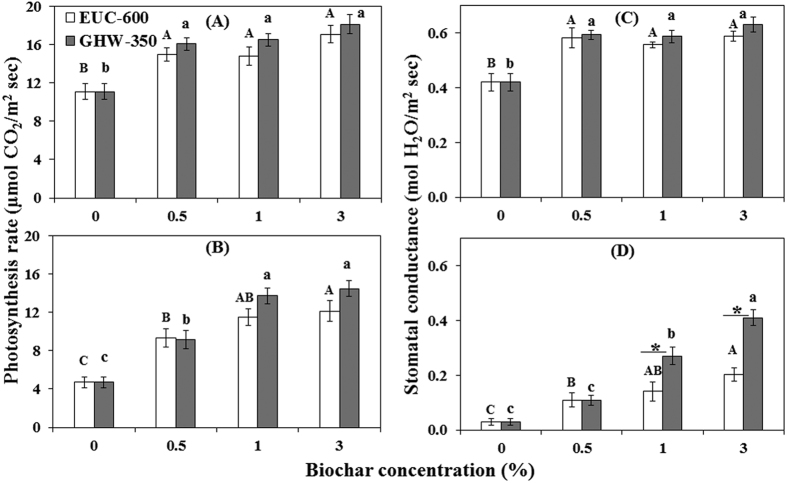
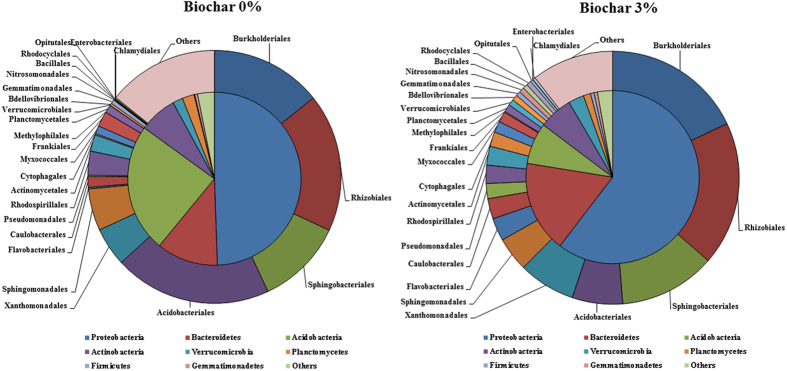
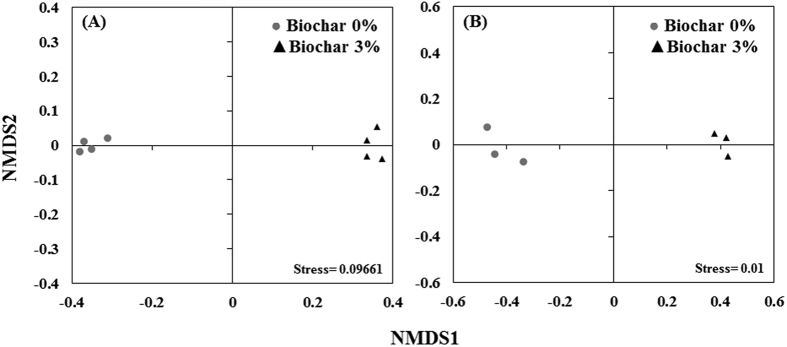
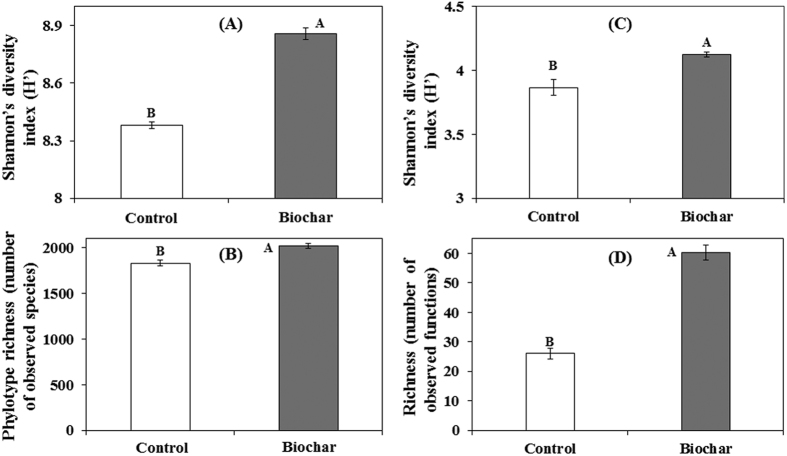
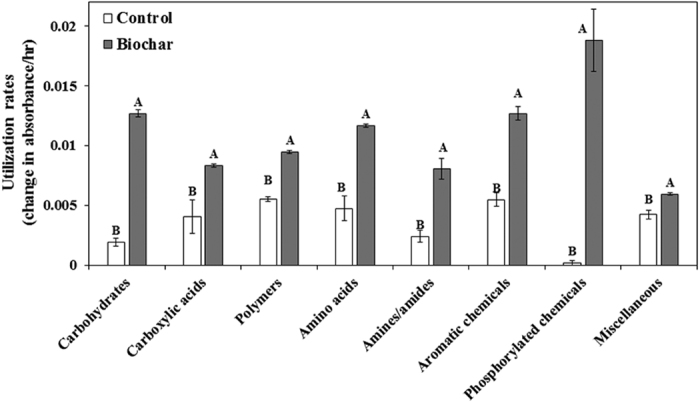
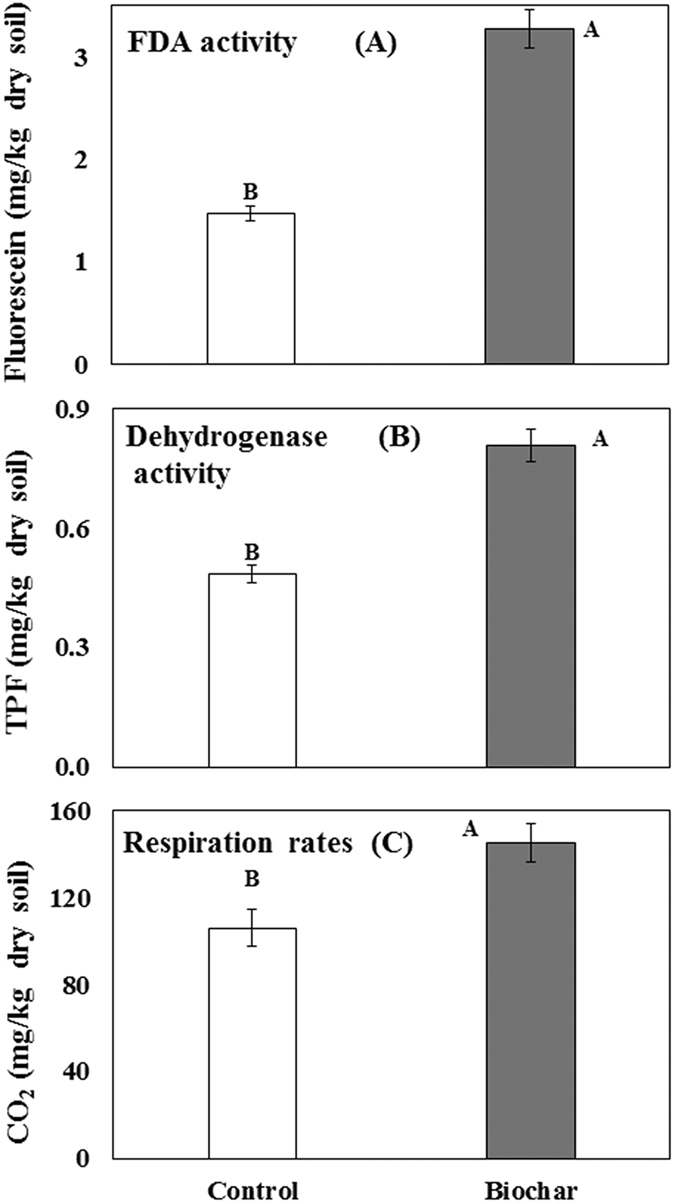
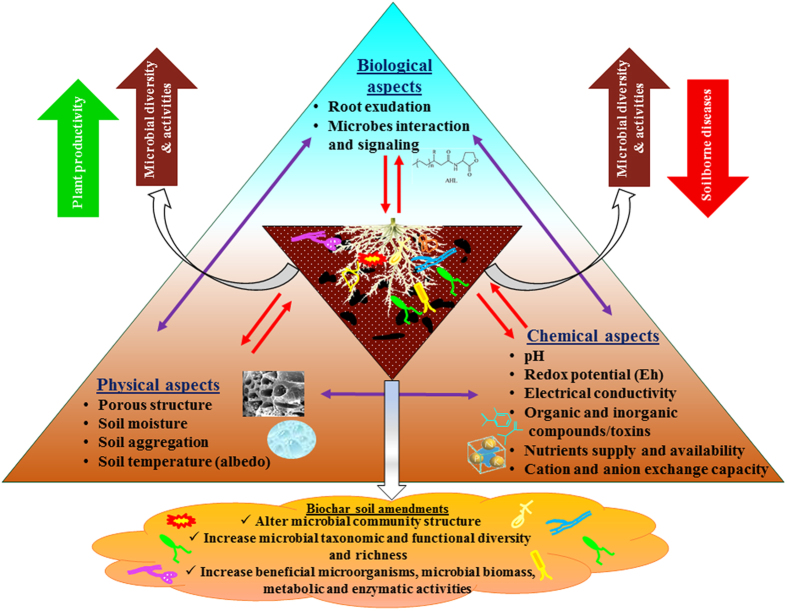
Biochar, in addition to sequestering carbon, ameliorating soil, and improving plant performance, can impact foliar and soilborne plant diseases. Nevertheless, the mechanisms associated with suppression of soilborne diseases and improved plant performances are not well understood. This study is designed to establish the relationships between biochar-induced changes in rhizosphere microbial community structure, taxonomic and functional diversity, and activity with soilborne disease suppression and enhanced plant performance in a comprehensive fashion. Biochar suppressed Fusarium crown and root-rot of tomato and simultaneously improved tomato plant growth and physiological parameters. Furthermore, biochar reduced Fusarium root colonization and survival in soil, and increased the culturable counts of several biocontrol and plant growth promoting microorganisms. Illumina sequencing analyses of 16S rRNA gene revealed substantial differences in rhizosphere bacterial taxonomical composition between biochar-amended and non-amended treatments. Moreover, biochar amendment caused a significant increase in microbial taxonomic and functional diversity, microbial activities and an overall shift in carbon-source utilization. High microbial taxonomic and functional diversity and activity in the rhizosphere has been previously associated with suppression of diseases caused by soilborne pathogens and with plant growth promotion, and may collectively explain the significant reduction of disease and improvement in plant performance observed in the presence of biochar.
Overview
The claims and statistics of this paper haven’t been checked yet.
Run the check — free, no account needed. It reads the open-access text and checks the sources it cites.
Integrity signals
Registry
Cites
Statistics
Figures
Verification
Claims the paper makes
The claims and statistics of this paper haven’t been checked yet.
Run the check — free, no account needed. It reads the open-access text and checks the sources it cites.
Claims other papers make about this one
Each is checked against this paper’s own text: does it say what the citing paper says it does?
The cited source says what the claim attributes to it.
In the citing paper
“Jaiswal et al. (2017) also found substantial differences in the taxonomical composition of the rhizosphere bacterial community after biochar addition to an artificial soil in a pot experiment.”
From Comparing straw, compost, and biochar regarding their suitability as agricultural soil amendments to affect soil structure, nutrient leaching, microbial communities, and the fate of pesticides (2021) · cites this paper as Jaiswal et al., 2017
The cited source says what the claim attributes to it.
In the citing paper
“They were furthermore able to link this, together with the increased microbial functional diversity and activity, to the observed suppression of plant diseases and improved plant performance upon biochar amendment.”
From Comparing straw, compost, and biochar regarding their suitability as agricultural soil amendments to affect soil structure, nutrient leaching, microbial communities, and the fate of pesticides (2021) · cites this paper as Jaiswal et al., 2017
Self-check
Percentages, sums and reported differences re-computed from the paper’s own numbers.
The self-check needs the paper’s full text.
Citations
Cites
The diversity and biogeography of soil bacterial communities
Fierer, N., & Jackson, R. B. (2006) · Proceedings of the National Academy of Sciences · doi:10.1073/pnas.0507535103 · Cited by 5,711
The rhizosphere microbiome and plant health
Berendsen, R. L., Pieterse, C. M. J., & Bakker, P. A. H. M. (2012) · Trends in Plant Science · doi:10.1016/j.tplants.2012.04.001 · Cited by 5,347
Microbial diversity drives multifunctionality in terrestrial ecosystems
Delgado-Baquerizo, M., Maestre, F. T., Reich, P. B., Jeffries, T. C., Gaitan, J. J., Encinar, D., Berdugo, M., Campbell, C. D., & Singh, B. K. (2016) · Nature Communications · doi:10.1038/ncomms10541 · Cited by 2,624
Lehmann, J. (2007) · Nature · doi:10.1038/447143a · Cited by 2,477
Mycorrhizal responses to biochar in soil–concepts and mechanisms
Warnock, D. D., Lehmann, J., Kuyper, T. W., & Rillig, M. C. (2007) · Plant and Soil · doi:10.1007/s11104-007-9391-5 · Cited by 1,269
The contribution of species richness and composition to bacterial services
Bell, T., Newman, J. A., Silverman, B. W., Turner, S. L., & Lilley, A. K. (2005) · Nature · doi:10.1038/nature03891 · Cited by 950
Identifying the characteristics of organic soil amendments that suppress soilborne plant diseases
Bonanomi, G., Antignani, V., Capodilupo, M., & Scala, F. (2010) · Soil Biology and Biochemistry · doi:10.1016/j.soilbio.2009.10.012 · Cited by 504
pH-Dependent Mineral Release and Surface Properties of Cornstraw Biochar: Agronomic Implications
Silber, A., Levkovitch, I., & Graber, E. R. (2010) · Environmental Science & Technology · doi:10.1021/es101283d · Cited by 394
The effect of biochar on plant diseases: what should we learn while designing biochar substrates?
FRENKEL, O., JAISWAL, A. K., ELAD, Y., LEW, B., & GRABER, E. R. (2017) · Journal of Environmental Engineering and Landscape Management · doi:10.3846/16486897.2017.1307202 · Cited by 106
Research works printed but not linked: 71
- Campbell, A. Compost use for pest and disease suppression in NSW. 1st edition edn, (Recycled Organics Unit, The University of New South Wales, 2006).
- Katan, J., Waisel, Y., Eshel, A. & Kafkafi, U. In Plant roots: the hidden half. 949–959 (2002). · DOI
- Martin, F. N. Development of alternative strategies for management of soilborne pathogens currently controlled with methyl bromide. Annu. Rev. Phytopathol. 41, 325–350, doi: 10.1146/annurev.phyto.41.052002.095514 (2003). · DOI
- Elad, Y. et al. Induction of systemic resistance in plants by biochar, a soil-applied carbon sequestering agent. Phytopathology 100, 913–921, doi: 10.1094/PHYTO-100-9-0913 (2010). · DOI · Paper page
- Elmer, W. H. & Pignatello, J. J. Effect of biochar amendments on mycorrhizal associations and Fusarium crown and root rot of asparagus in replant soils. Plant Dis. 95, 960–966, doi: 10.1094/pdis-10-10-0741 (2011). · DOI
- Jaiswal, A. K., Elad, Y., Graber, E. R. & Frenkel, O. Rhizoctonia solani suppression and plant growth promotion in cucumber as affected by biochar pyrolysis temperature, feedstock and concentration. Soil Biol. Biochem. 69, 110–118, doi: 10.1016/j.soilbio.2013.10.051 (2014). · DOI · Paper page
- Jaiswal, A. K., Frenkel, O., Elad, Y., Lew, B. & Graber, E. R. Non-monotonic influence of biochar dose on bean seedling growth and susceptibility to Rhizoctonia solani: the “Shifted Rmax-Effect”. Plant Soil 395, 125–140, doi: 10.1007/s11104-014-2331-2 (2015). · DOI
- Bonanomi, G., Ippolito, F. & Scala, F. A “black” future for plant pathology? Biochar as a new soil amendment for controlling plant diseases. J. Plant Pathol. 97, 223–234, doi: 10.4454/jpp.v97i2.3381 (2015). · DOI
- Meller Harel, Y. et al. Biochar mediates systemic response of strawberry to foliar fungal pathogens. Plant Soil 357, 245–257, doi: 10.1007/s11104-012-1129-3 (2012). · DOI · Paper page
- Graber, E. R., Frenkel, O., Jaiswal, A. K. & Elad, Y. How may biochar influence severity of diseases caused by soilborne pathogens? Carbon Manag. 5, 169–183, doi: 10.1080/17583004.2014.913360 (2014). · DOI
- Pieterse, C. M. J. et al. Induced systemic resistance by beneficial microbes. Annu. Rev. Phytopathol. 52, 347–375, doi: 10.1146/annurev-phyto-082712-102340 (2014). · DOI · Paper page
- Lugtenberg, B. & Kamilova, F. Plant-growth-promoting rhizobacteria. Annu. Rev. Microbiol. 63, 541–556, doi: 10.1146/annurev.micro.62.081307.162918 (2009). · DOI
- Hunter, P. J. et al. Differences in microbial activity and microbial populations of peat associated with suppression of damping-off disease caused by Pythium sylvaticum . Appl. Environ. Microbiol. 72, 6452–6460, doi: 10.1128/aem.00313-06 (2006). · DOI
- Loreau, M. et al. Biodiversity and ecosystem functioning: Current knowledge and future challenges. Science 294, 804–808, doi: 10.1126/science.1064088 (2001). · DOI · Paper page
- Mendes, R. et al. Deciphering the rhizosphere microbiome for disease-suppressive bacteria. Science 332, 1097–1100, doi: 10.1126/science.1203980 (2011). · DOI
- Raaijmakers, J. M. & Mazzola, M. Soil immune responses Soil microbiomes may be harnessed for plant health. Science 352, 1392–1393, doi: 10.1126/science.aaf3252 (2016). · DOI
- Van der Heijden, M. G. A., Bardgett, R. D. & van Straalen, N. M. The unseen majority: soil microbes as drivers of plant diversity and productivity in terrestrial ecosystems. Ecol. Lett. 11, 296–310, doi: 10.1111/j.1461-0248.2007.01139.x (2008). · DOI · Paper page
- Ofek-Lalzar, M. et al. Niche and host-associated functional signatures of the root surface microbiome. Nat. Commun. 5, doi: 10.1038/ncomms5950 (2014). · DOI
- Gul, S., Whalen, J. K., Thomas, B. W., Sachdeva, V. & Deng, H. Y. Physico-chemical properties and microbial responses in biochar-amended soils: Mechanisms and future directions. Agric. Ecosyst. Environ. 206, 46–59, doi: 10.1016/j.agee.2015.03.015 (2015). · DOI
- De Tender, C. A. et al. Biological, physicochemical and plant health responses in lettuce and strawberry in soil or peat amended with biochar. Appl. Soil Ecol. 107, 1–12, doi: 10.1016/j.apsoil.2016.05.001 (2016). · DOI
- Kolton, M. et al. Impact of biochar application to soil on the root-associated bacterial community structure of fully developed greenhouse pepper plants. Appl. Environ. Microbiol. 77, 4924–4930, doi: 10.1128/aem.00148-11 (2011). · DOI
- Ozbay, N. & Newman, S. E. Fusarium crown and root rot of tomato and control methods. Plant Pathol. J. 3, 9–18, doi: 10.3923/ppj.2004.9.18 (2004). · DOI
- Lichtenthaler, H. K. Chlorophylls and carotenoids - pigments of photosynthetic biomembranes. Methods Enzymol. 148, 350–382, doi: 10.1016/0076-6879(87)48036-1 (1987). · DOI · Paper page
- Gamliel, A. & Katan, J. Involvement of fluorescent Pseudomonads and other microorganisms in increased growth-response of plants in solarized soils. Phytopathology 81, 494–502, doi: 10.1094/Phyto-81-494 (1991). · DOI
- Dhingra, O. D. & Sinclair, J. B. Basic plant pathology methods. 2nd edn, 435 (CRC press, 1995).
- Elad, Y., Chet, I. & Henis, Y. Biological control of Rhizoctonia solani in strawberry fields by Trichoderma harzianum . Plant Soil 60, 245–254, doi: 10.1007/BF02374109 (1981). · DOI
- Kritzman, G. et al. Pod wart disease of peanuts. Phytoparasitica 24, 293–304, doi: 10.1007/bf02981412 (1996). · DOI
- Elad, Y. & Baker, R. The role of competition for iron and carbon in suppression of chlamydospore germination of fusarium spp by Pseudomonas spp. Phytopathology 75, 1053–1059, doi: 10.1094/Phyto-75-1053 (1985). · DOI
- Cytryn, E., Minz, D., Gieseke, A. & van Rijn, J. Transient development of filamentous Thiothrix species in a marine sulfide oxidizing, denitrifying fluidized bed reactor. FEMS Microbiol. Lett. 256, 22–29, doi: 10.1111/j.1574-6968.2006.00108.x (2006). · DOI
- Moonsamy, P. V. et al. High throughput HLA genotyping using 454 sequencing and the Fluidigm Access Array (TM) system for simplified amplicon library preparation. Tissue Antigens 81, 141–149, doi: 10.1111/tan.12071 (2013). · DOI
- Caporaso, J. G. et al. QIIME allows analysis of high-throughput community sequencing data. Nat. Methods 7, 335–336, doi: 10.1038/nmeth.f.303 (2010). · DOI · Paper page
- Edgar, R. C. Search and clustering orders of magnitude faster than BLAST. Bioinformatics 26, 2460–2461, doi: 10.1093/bioinformatics/btq461 (2010). · DOI
- Garland, J. L. Analysis and interpretation of community-level physiological profiles in microbial ecology. FEMS Microbiol. Ecol. 24, 289–300, doi: 10.1111/j.1574-6941.1997.tb00446.x (1997). · DOI
- Garland, J. L. & Mills, A. L. Classification and characterization of heterotrophic microbial communities on the basis of patterns of community-level sole-carbon-source utilization. Appl. Environ. Microbiol. 57, 2351–2359 (1991). · DOI
- Ohlinger, R., Beck, T., Heilmann, B. & Beese, F. In Methods in Soil Biology (eds F. Schinner, R. Ohlinger, E. Kandeler & R. Margesin ) 93–110 (Springer-Verlag, Berlin 1996). · DOI
- Casida Jr., L., Klein, D. & Santoro, T. Soil dehydrogenase activity. Soil science 98, 371–376, doi: 10.1016/S0038-0717(96)00290-8 (1964). · DOI
- Schnürer, J. & Rosswall, T. Fluorescein diacetate hydrolysis as a measure of total microbial activity in soil and litter. Appl. Environ. Microbiol. 43, 1256–1261 (1982). · DOI
- Bakker, P., Pieterse, C. M. J. & van Loon, L. C. Induced systemic resistance by fluorescent Pseudomonas spp. Phytopathology 97, 239–243, doi: 10.1094/phyto-97-2-0239 (2007). · DOI
- Haas, D. & Defago, G. Biological control of soil-borne pathogens by fluorescent Pseudomonads . Nat. Rev. Microbiol. 3, 307–319, doi: 10.1038/nrmicro1129 (2005). · DOI
- Copley, T. R., Aliferis, K. A. & Jabaji, S. Maple bark biochar affects Rhizoctonia solani metabolism and increases damping-off severity. Phytopathology 105, 1334–1346, doi: 10.1094/phyto-08-14-0231-r (2015). · DOI
- Matsubara, Y., Hasegawa, N. & Fukui, H. Incidence of Fusarium root rot in asparagus seedlings infected with arbuscular mycorrhizal fungus as affected by several soil amendments. J. Jpn. Soc. Hortic. Sci. 71, 370–374, doi: 10.2503/jjshs.71.370 (2002). · DOI
- Gravel, V., Dorais, M. & Menard, C. Organic potted plants amended with biochar: its effect on growth and Pythium colonization. Canadian Journal of Plant Science 93, 1217–1227, doi: 10.4141/cjps2013-315 (2013). · DOI
- Zwart, D. C. & Kim, S. H. Biochar amendment increases resistance to stem lesions caused by Phytophthora spp. in tree seedlings. Hortscience 47, 1736–1740 (2012). · DOI
- MacHardy, W. & Beckman, C. Vascular wilt Fusaria: infection and pathogenesis. Fusarium: diseases, biology, and taxonomy. The Pennsylvania State University Press, University Park, 365–390 (1981).
- Benhamou, N. & Belanger, R. R. Benzothiadiazole-mediated induced resistance to Fusarium oxysporum f. sp. radicis-lycopersici in tomato. Plant Physiol. 118, 1203–1212, doi: 10.1104/pp.118.4.1203 (1998). · DOI
- Pharand, B., Carisse, O. & Benhamou, N. Cytological aspects of compost-mediated induced resistance against fusarium crown and root rot in tomato. Phytopathology 92, 424–438, doi: 10.1094/phyto.2002.92.4.424 (2002). · DOI
- Haider, G. et al. Biochar but not humic acid product amendment affected maize yields via improving plant-soil moisture relations. Plant Soil 395, 141–157, doi: 10.1007/s11104-014-2294-3 (2015). · DOI · Paper page
- Wu, H.-S. et al. Effect of fusaric acid on biomass and photosynthesis of watermelon seedlings leaves. Caryologia 61, 258–268, doi: 10.1080/00087114.2008.10589638 (2008). · DOI
- Flexas, J., Escalona, J. M. & Medrano, H. Water stress induces different levels of photosynthesis and electron transport rate regulation in grapevines. Plant Cell Environ. 22, 39–48, doi: 10.1046/j.1365-3040.1999.00371.x (1999). · DOI · Paper page
- Viger, M., Hancock, R. D., Miglietta, F. & Taylor, G. More plant growth but less plant defence? First global gene expression data for plants grown in soil amended with biochar. GCB Bioenergy 7, 658–672, doi: 10.1111/gcbb.12182 (2014). · DOI
- Faludi‐Dániel, A. & Galmiche, J. The role of the chloroplast structure in the efficiency of the photosynthetic CO2 fixation in chloroplast mutants of barley. Hereditas 50, 136–138, doi: 10.1111/j.1601-5223.1963.tb01899.x (1963). · DOI
- Halloin, J., De Zoeten, G., Gaard, G. & Walker, J. The effects of tentoxin on chlorophyll synthesis and plastid structure in cucumber and cabbage. Plant Physiol. 45, 310–314 (1970). · DOI
- Akhter, A., Hage-Ahmed, K., Soja, G. & Steinkellner, S. Compost and biochar alter mycorrhization, tomato root exudation, and development of Fusarium oxysporum f. sp lycopersici . Front. Recent Dev. Plant Sci. 6, doi: 10.3389/fpls.2015.00529 (2015). · DOI
- Quilliam, R. S., Glanville, H. C., Wade, S. C. & Jones, D. L. Life in the 'charosphere' - Does biochar in agricultural soil provide a significant habitat for microorganisms? Soil Biol. Biochem. 65, 287–293, doi: 10.1016/j.soilbio.2013.06.004 (2013). · DOI
- Rousk, J. et al. Soil bacterial and fungal communities across a pH gradient in an arable soil. ISME J. 4, 1340–1351, doi: 10.1038/ismej.2010.58 (2010). · DOI
- Borrero, C., Trillas, M. I., Ordovas, J., Tello, J. C. & Aviles, M. Predictive factors for the suppression of Fusarium wilt of tomato in plant growth media. Phytopathology 94, 1094–1101, doi: 10.1094/phyto.2004.94.10.1094 (2004). · DOI
- Gatch, E. W. & du Toit, L. J. Limestone-mediated suppression of Fusarium wilt in spinach seed crops. Plant Dis. 101, 81–94, doi: 10.1094/PDIS-04-16-0423-RE (2016). · DOI
- Jenkins, J. R. et al. Biochar alters the soil microbiome and soil function: results of next generation amplicon sequencing across Europe. GCB Bioenergy, doi: 10.1111/gcbb.12371 (2016). · DOI · Paper page
- Abujabhah, I. S., Bound, S. A., Doyle, R. & Bowman, J. P. Effects of biochar and compost amendments on soil physico-chemical properties and the total community within a temperate agricultural soil. Appl. Soil Ecol. 98, 243–253, doi: 10.1016/j.apsoil.2015.10.021 (2016). · DOI
- Kielak, A. M., Barreto, C. C., Kowalchuk, G. A., van Veen, J. A. & Kuramae, E. E. The ecology of Acidobacteria: moving beyond genes and genomes. Front. Microbiol. 7, doi: 10.3389/fmicb.2016.00744 (2016). · DOI · Paper page
- Klarzynski, O. et al. Linear beta-1,3 glucans are elicitors of defense responses in tobacco. Plant Physiol. 124, 1027–1037, doi: 10.1104/pp.124.3.1027 (2000). · DOI
- Wan, J., Zhang, X.-C. & Stacey, G. Chitin signaling and plant disease resistance. Plant Signaling Behav. 3, 831–833, doi: 10.4161/psb.3.10.5916 (2008). · DOI
- Wagg, C., Jansa, J., Schmid, B. & van der Heijden, M. G. A. Belowground biodiversity effects of plant symbionts support aboveground productivity. Ecol. Lett. 14, 1001–1009, doi: 10.1111/j.1461-0248.2011.01666.x (2011). · DOI
- Garbeva, P., van Veen, J. A. & van Elsas, J. D. Microbial diversity in soil: Selection of microbial populations by plant and soil type and implications for disease suppressiveness. Annu. Rev. Phytopathol. 42, 243–270, doi: 10.1146/annurev.phyto.42.012604.135455 (2004). · DOI · Paper page
- Mendes, R., Garbeva, P. & Raaijmakers, J. M. The rhizosphere microbiome: significance of plant beneficial, plant pathogenic, and human pathogenic microorganisms. FEMS Microbiol. Rev. 37, 634–663, doi: 10.1111/1574-6976.12028 (2013). · DOI
- Wagg, C., Bender, S. F., Widmer, F. & van der Heijden, M. G. A. Soil biodiversity and soil community composition determine ecosystem multifunctionality. Proc. Natl. Acad. Sci. USA 111, 5266–5270, doi: 10.1073/pnas.1320054111 (2014). · DOI · Paper page
- Fierer, N. et al. Cross-biome metagenomic analyses of soil microbial communities and their functional attributes. Proc. Natl. Acad. Sci. USA 109, 21390–21395, doi: 10.1073/pnas.1215210110 (2012). · DOI
- Laskaris, P., Tolba, S., Calvo-Bado, L. & Wellington, L. Coevolution of antibiotic production and counter-resistance in soil bacteria. Environ. Microbiol. 12, 783–796, doi: 10.1111/j.1462-2920.2009.02125.x (2010). · DOI
- Nodwell, J. R. Novel links between antibiotic resistance and antibiotic production. J. Bacteriol. 189, 3683–3685, doi: 10.1128/jb.00356-07 (2007). · DOI
- Ma, Y., Prasad, M. N. V., Rajkumar, M. & Freitas, H. Plant growth promoting rhizobacteria and endophytes accelerate phytoremediation of metalliferous soils. Biotechnol. Adv. 29, 248–258, doi: 10.1016/j.biotechadv.2010.12.001 (2011). · DOI
- Bais, H. P., Weir, T. L., Perry, L. G., Gilroy, S. & Vivanco, J. M. The role of root exudates in rhizosphere interations with plants and other organisms. Annu. Rev. Plant Biol. 57, 233–266, doi: 10.1146/annurev.arplant.57.032905.105159 (2006). · DOI · Paper page
Cited by
Sorted by citations
Joseph, S., Cowie, A. L., Van Zwieten, L., Bolan, N., Budai, A., Buss, W., Cayuela, M. L., Graber, E. R., Ippolito, J. A., Kuzyakov, Y., et al. (2021) · GCB Bioenergy · doi:10.1111/gcbb.12885 · Cited by 1,090
Self-citationMultifunctional applications of biochar beyond carbon storage
Bolan, N., Hoang, S. A., Beiyuan, J., Gupta, S., Hou, D., Karakoti, A., Joseph, S., Jung, S., Kim, K.-H., Kirkham, M. B., et al. (2022) · International Materials Reviews · doi:10.1080/09506608.2021.1922047 · Cited by 638
“The increased microbial taxonomic and functional diversity and activity in the biochar-amended rhizosphere are linked with suppression of soilborne diseases and with plant growth promotion [194].”
BackgroundSiedt, M., Schäffer, A., Smith, K. E. C., Nabel, M., Roß-Nickoll, M., & van Dongen, J. T. (2021) · Science of The Total Environment · doi:10.1016/j.scitotenv.2020.141607 · Cited by 563
The potential of biochar as a microbial carrier for agricultural and environmental applications
Bolan, S. S., Hou, D., Wang, L., Hale, L. E., Egamberdieva, D., Tammeorg, P., Li, R., Wang, B., Xu, J., Wang, T., et al. (2023) · The Science of The Total Environment · doi:10.1016/j.scitotenv.2023.163968 · Cited by 557
Benefits and limitations of biochar amendment in agricultural soils: A review
Kavitha, B., Reddy, P. V. L., Kim, B., Lee, S. S., Pandey, S. K., & Kim, K. (2018) · Journal of Environmental Management · doi:10.1016/j.jenvman.2018.08.082 · Cited by 512
The mechanisms of biochar interactions with microorganisms in soil
Gorovtsov, A. V., Minkina, T., Манджиева, С. С., Perelomov, L. V., Soja, G., Валерьевна, З. И., Rajput, V. D., Sushkova, S., Mohan, D., & Yao, J. (2019) · Environmental Geochemistry and Health · doi:10.1007/s10653-019-00412-5 · Cited by 293
Liang, J., Tang, S., Gong, J., Zeng, G., Tang, W., Song, B., Zhang, P., Yang, Z., & Luo, Y. (2019) · Journal of Hazardous Materials · doi:10.1016/j.jhazmat.2019.121533 · Cited by 206
Catalytic Pyrolysis of Biomass and Polymer Wastes
Zhang, L., Bao, Z., Xia, S., Lü, Q., & Walters, K. B. (2018) · Catalysts · doi:10.3390/catal8120659 · Cited by 196
“Besides pollution removal, the benefits of biochar also include depressing soil disease microbial growth and increasing soil enzymes activities [26].”
Multifaceted applications of biochar in environmental management: a bibliometric profile
Kumar, A., Bhattacharya, T., Shaikh, W. A., Roy, A., Chakraborty, S., Vithanage, M. S., & Biswas, J. K. (2023) · Biochar · doi:10.1007/s42773-023-00207-z · Cited by 179
Biochar-based fertilizer: Supercharging root membrane potential and biomass yield of rice
Chew, J., Zhu, L., Nielsen, S. J., Gräber, E. R., Mitchell, D. R. G., Horvat, J., Mohammed, M. H., Liu, M., ZWIETEN, L. V., Donne, S. W., et al. (2020) · The Science of The Total Environment · doi:10.1016/j.scitotenv.2019.136431 · Cited by 169
“The Biochar Effect appears to be linked to biocharinduced changes in microbial community structure, taxon-functional diversity and microbial activity, which are a function of complex interactions between many physical, chemical and biological components of the intricate soil/plant/biochar system (Jaiswal et al., 2017).”
BackgroundSelf-citationChen, S., Qi, G., Ma, G., & Zhao, X. (2019) · Microbiological Research · doi:10.1016/j.micres.2019.126373 · Cited by 147
Ahmed, W., Yang, J., Tan, Y., Munir, S., Liu, Q., Zhang, J., Ji, G., & Zhao, Z. (2022) · Rhizosphere · doi:10.1016/j.rhisph.2022.100479 · Cited by 122
Jaiswal, A. K., Alkan, N., Elad, Y., Sela, N., Philosoph, A. M., Gräber, E. R., & Frenkel, O. (2020) · Scientific Reports · doi:10.1038/s41598-020-70882-6 · Cited by 131
Self-citationHalim, M. A., Rahman, M. M., Megharaj, M., & Naidu, R. (2020) · Journal of Agricultural and Food Chemistry · doi:10.1021/acs.jafc.0c04579 · Cited by 122
Biochar Application Alleviated Negative Plant-Soil Feedback by Modifying Soil Microbiome
Wang, W., Wang, Z., Yang, K., Wang, P., Wang, H., Guo, L., Zhu, S., Zhu, Y., & He, X. (2020) · Frontiers in Microbiology · doi:10.3389/fmicb.2020.00799 · Cited by 101
Rhizosphere Microbiomes from Root Knot Nematode Non-infested Plants Suppress Nematode Infection
Zhou, D.-M., Feng, H., Schuelke, T. A., Santiago, A. D., Zhang, Q., Zhang, J.-F., Luo, C.-P., & Wei, L.-H. (2019) · Microbial Ecology · doi:10.1007/s00248-019-01319-5 · Cited by 87
El-Bassi, L., Azzaz, A. A., Jellali, S., Akrout, H., Marks, E. A. N., Ghimbeu, C. M., & Jeguirim, M. (2020) · The Science of The Total Environment · doi:10.1016/j.scitotenv.2020.142531 · Cited by 103
Biochar amendment reduces cadmium uptake by stimulating cadmium-resistant PGPR in tomato rhizosphere
Zhou, X., Zhang, X., Ma, C., Wu, F., Jin, X., Dini‐Andreote, F., & Wei, Z. (2022) · Chemosphere · doi:10.1016/j.chemosphere.2022.136138 · Cited by 96
Huang, X., Zhao, J., Zhou, X., Zhang, J., & Cai, Z. (2019) · Geoderma · doi:10.1016/j.geoderma.2019.04.027 · Cited by 83
Wang, T., Sun, H., Ren, X., Li, B., & Mao, H. (2017) · Scientific Reports · doi:10.1038/s41598-017-12503-3 · Cited by 82
Huang, X., Zhou, X., Zhang, J., & Cai, Z. (2019) · Biology and Fertility of Soils · doi:10.1007/s00374-019-01350-1 · Cited by 90
“For instance, the bacterial community composition and function were correlated with the relative abundances of Flavobacteriales, GCA004, and Anaerolinea.”
BackgroundInfluentialJaiswal, A. K., Frenkel, O., Tsechansky, L., Elad, Y., & Gräber, E. R. (2018) · Soil Biology and Biochemistry · doi:10.1016/j.soilbio.2018.03.001 · Cited by 89
Self-citationSoil and Phytomicrobiome for Plant Disease Suppression and Management under Climate Change: A Review
Chen, W., Modi, D., & Picot, A. (2023) · Plants · doi:10.3390/plants12142736 · Cited by 120
Kochanek, J., Soo, R. M., Martinez, C., Dakuidreketi, A., & Mudge, A. M. (2021) · Resources Conservation and Recycling · doi:10.1016/j.resconrec.2021.106109 · Cited by 86
Biochar drives microbially-mediated rice production by increasing soil carbon
Nan, Q., Wang, C., Wang, H. E., Yi, Q., Liang, B., Xu, J., & Wu, W. (2019) · Journal of Hazardous Materials · doi:10.1016/j.jhazmat.2019.121680 · Cited by 88
Ali, N., Khan, S., Yao, H., & Wang, J. (2019) · Chemosphere · doi:10.1016/j.chemosphere.2019.02.163 · Cited by 72
Agricultural Waste-Based Biochar for Agronomic Applications
Enaime, G., & Lübken, M. (2021) · Applied Sciences · doi:10.3390/app11198914 · Cited by 99
“[127] reported that biochar allowed the suppression of Fusarium crown and tomato root-rot, which leads simultaneously to an improvement in tomato plant growth.”
BackgroundDeng, S., Wipf, H. M. ‐., Pierroz, G., Raab, T. K., Khanna, R., & Coleman‐Derr, D. (2019) · Scientific Reports · doi:10.1038/s41598-019-53623-2 · Cited by 90
Liu, C., Xia, R., Tang, M., Chen, X., Zhong, B., Liu, X., Bian, R., Yang, L., Zheng, J., Cheng, K., et al. (2022) · Horticulture Research · doi:10.1093/hr/uhac108 · Cited by 73
“Such biocharinduced soil health improvement contributed to the increased microbial diversity and activity in the biocharamended rhizosphere, a potential mechanism of biocharinduced system resistance (ISR) [33] with suppression of soil-borne plant diseases [34].”
BackgroundCheng, H., Zhang, D., Ren, L., Song, Z., Li, Q., Wu, J., Fang, W., Huang, B., Yan, D., Li, Y., et al. (2021) · Environmental Pollution · doi:10.1016/j.envpol.2021.117160 · Cited by 79
Cheng, J., Li, Y., Gao, W., Chen, Y., Pan, W., Lee, X., & Tang, Y. (2018) · Biology and Fertility of Soils · doi:10.1007/s00374-018-1267-8 · Cited by 76
“Similar changes in bacterial diversity were observed in BC-amended soils by others (Xu et al. 2016; Jaiswal et al. 2017).”
BackgroundBiochar application enhances microbial interactions in mega-aggregates of farmland black soil
Zhang, H., Wang, S., Zhang, J., Tian, C., & Luo, S. (2021) · Soil and Tillage Research · doi:10.1016/j.still.2021.105145 · Cited by 71
Li, C., Ahmed, W., Li, D., Yu, L., Xu, L., Xu, T., & Zhao, Z. (2021) · Applied Soil Ecology · doi:10.1016/j.apsoil.2021.104314 · Cited by 71
Li, Q., Lei, Z., Song, X., Zhang, Z., Ying, Y., & Peng, C. H. (2018) · Environmental Research Letters · doi:10.1088/1748-9326/aab53a · Cited by 72
“Jaiswal et al (2017) observed a significant decrease in Acidobacteria abundance in the biochar-enriched soil rhizosphere.”
BackgroundJin, X., Bai, Y., Rahman, M. K. U., Kang, X., Pan, K., Wu, F.-Z., Pommier, T., Zhou, X.-G., & Wei, Z. (2022) · iMeta · doi:10.1002/imt2.37 · Cited by 59
Gou, Z., Zheng, H., He, Z., Su, Y., Chen, S., Chen, H., Chen, G., Ling, N., & Sun, Y. (2022) · Environmental Pollution · doi:10.1016/j.envpol.2022.120790 · Cited by 62
Activating biochar by manipulating the bacterial and fungal microbiome through pre‐conditioning
Jaiswal, A. K., Elad, Y., Cytryn, E. J., Gräber, E. R., & Frenkel, O. (2018) · New Phytologist · doi:10.1111/nph.15042 · Cited by 74
Self-citationGao, Y., Lu, Y., Lin, W., Tian, J., & Cai, K.-Z. (2019) · Microorganisms · doi:10.3390/microorganisms7120676 · Cited by 63
“However, other studies showed that biochar application increases the overall diversity of soil bacteria communities [24,30,59,60].”
BackgroundInfluentialJaiswal, A. K., Gräber, E. R., Elad, Y., & Frenkel, O. (2019) · Crop Protection · doi:10.1016/j.cropro.2019.02.014 · Cited by 64
Self-citationSynergistically promoting plant health by harnessing synthetic microbial communities and prebiotics
Du, J., Li, Y., ur-Rehman, S., Mukhtar, I., Yin, Z., Dong, H., Wang, H., Zhang, X., Gao, Z., Zhao, X., et al. (2021) · iScience · doi:10.1016/j.isci.2021.102918 · Cited by 66
Hu, D., Li, S., Li, Y., Peng, J., Wei, X., Ma, J., Zhang, C., Jia, N., Wang, E. T., & Wang, Z. (2020) · Scientific Reports · doi:10.1038/s41598-020-76887-5 · Cited by 71
Taye, Z. M., Helgason, B. L., Bell, J. K., Norris, C. E., Vail, S. L., Robinson, S. J., Parkin, I. A. P., Arcand, M., Mamet, S. D., Links, M. G., et al. (2020) · Frontiers in Microbiology · doi:10.3389/fmicb.2019.03007 · Cited by 66
Bonanomi, G., Alioto, D., Minutolo, M., Marra, R., Cesarano, G., & Vinale, F. (2020) · Pathogens · doi:10.3390/pathogens9050379 · Cited by 59
Lévesque, V., Rochette, P., Ziadi, N., Dorais, M., & Hani Antoun, A. (2018) · Applied Soil Ecology · doi:10.1016/j.apsoil.2018.02.021 · Cited by 59
Li, L., Hu, Z., Tan, G., Fan, J., Chen, Y., Xiao, Y., Wu, S., Zhi, Q., Liu, T., Yin, H., et al. (2023) · Frontiers in Plant Science · doi:10.3389/fpls.2023.1259853 · Cited by 50
Ji, C., Ye, R., Yin, Y., Sun, X., Ma, H., & Gao, R. (2022) · Soil and Tillage Research · doi:10.1016/j.still.2022.105323 · Cited by 55
Wei, M., Liu, X., He, Y., Xu, X., Wu, Z., Yu, K., & Zheng, X. (2020) · Rhizosphere · doi:10.1016/j.rhisph.2020.100261 · Cited by 57
Sustainable Lightweight Biochar-Based Composites with Electromagnetic Shielding Properties
Natálio, F., Corrales, T. P., Feldman, Y., Lew, B., & Gräber, E. R. (2020) · ACS Omega · doi:10.1021/acsomega.0c04639 · Cited by 58
Self-citationUse of biochar as a sustainable agronomic tool, its limitations and impact on environment: a review
Upadhyay, V., Choudhary, K. K., & Agrawal, S. B. (2024) · Discover Agriculture · doi:10.1007/s44279-024-00033-2 · Cited by 55
Yang, Y., Ahmed, W., Ye, C., Yang, L., Wu, L., Dai, Z., Khan, K. A., Hu, X., Zhu, X., & Zhao, Z. (2024) · Frontiers in Plant Science · doi:10.3389/fpls.2024.1225031 · Cited by 38
Ali, A., Elrys, A. S., Liu, L., Xia, Q., Wang, B.-Y., Li, Y., Dan, X., Iqbal, M., Zhao, J., Huang, X., et al. (2022) · Microbial Ecology · doi:10.1007/s00248-022-02097-3 · Cited by 48
“Besides this, it has also been reported that biochar contained aromatic and organic compounds [41] and microbial inoculants had plant growth promoting (PGPs) potential [23], which could indirectly enhance plant growth and resistance via suppressing the pathogenic microbes.”
BackgroundParadelo, R., Navarro-Pedreño, J., Glaser, B., Grobelak, A., Kowalska, A., & Singh, B. R. (2023) · Sustainability · doi:10.3390/su16010158 · Cited by 51
Wang, G., Govinden, R., Chenia, H. Y., Ma, Y., Guo, D., & Ren, G. (2019) · Biology and Fertility of Soils · doi:10.1007/s00374-019-01391-6 · Cited by 48
Jaiswal, A. K., Mengiste, T. D., Myers, J. R., Egel, D. S., & Hoagland, L. (2020) · Frontiers in Microbiology · doi:10.3389/fmicb.2020.604566 · Cited by 61
Self-citationWang, G., Ma, Y., Chenia, H. Y., Govinden, R., Luo, J., & Ren, G. (2020) · Frontiers in Microbiology · doi:10.3389/fmicb.2020.01427 · Cited by 44
Zhang, M., Liu, Y., Wei, Q., Gu, X., Liu, L., & Gou, J. (2022) · Frontiers in Plant Science · doi:10.3389/fpls.2022.1020832 · Cited by 32
“Fungi have a strong ability to decompose substances such as sugars and cellulose, which will increase the accumulation of soil organic matter (Jaiswal et al., 2017; Ali et al., 2022a).”
BackgroundLévesque, V., Jeanne, T., Dorais, M., Ziadi, N., Hogue, R., & Hani Antoun, A. (2020) · Applied Soil Ecology · doi:10.1016/j.apsoil.2020.103579 · Cited by 43
Biochar—A Panacea for Agriculture or Just Carbon?Preprint
Tenic, E., Ghogare, R., & Dhingra, A. (2020) · Horticulturae · doi:10.20944/preprints202005.0329.v1 · Cited by 36
Wang, H., Zhu, Y., Xu, M., Cai, X.-Y., & Tian, F. (2022) · Rhizosphere · doi:10.1016/j.rhisph.2022.100563 · Cited by 40
Biochar and its coupling with microbial inoculants for suppressing plant diseases: A review
Liu, Z., Zhou, W., Sun, Y., Peng, Y., Niu, J., Tan, J., & Wei, M. (2023) · Applied Soil Ecology · doi:10.1016/j.apsoil.2023.105025 · Cited by 37
Biochar implications in cleaner agricultural production and environmental sustainability
Babu, S., Singh, R., Kumar, S., Rathore, S. S., Yadav, D., Yadav, S. K., Yadav, V., Ansari, M. A., Das, A., Rajanna, G. A., et al. (2023) · Environmental Science Advances · doi:10.1039/d2va00324d · Cited by 52
“96 The biochar application geared the acquired and induced systemic resistance pathways, giving the soil a broad-spectrum disease-controlling potential.”
Banerjee, S., Gupta, N. N. D., Pramanik, K., Gope, M., GhoshThakur, R., Karmakar, A., Gogoi, N., Hoque, R. R., Mandal, N. C., & Balachandran, S. (2023) · Environmental Science and Pollution Research · doi:10.1007/s11356-023-31140-0 · Cited by 34
“…the soil, the abundance of bacterial community, enzymatic activity, and functional diversity augmented remarkably by 161% and the gram-positive bacterial population were influenced by biochar amendment, and this is correlated with a whole shift in carbon-source exploitation (Jaiswal et al. 2017).”
Mehmood, M. A., Fù, Y., Zhao, H., Chéng, J., Xiè, J., & Jiāng, D. (2022) · Stress Biology · doi:10.1007/s44154-022-00049-y · Cited by 27
“Moreover, sequences depicting homopolymer > 8 bases were also culled followed by sequences with < 225 bp length with a minimum score of Q30 were further trimmed to obtain trimmed sequences (Jaiswal et al., 2017).”
MethodDutta, A., Mandal, A., Kundu, A., Malik, M., Chaudhary, A. K., Khan, M. R., Shanmugam, V., Rao, U., Saha, S., Patanjali, N., et al. (2021) · Frontiers in Plant Science · doi:10.3389/fpls.2021.714730 · Cited by 36
“Plant parasitic nematodes and soil-borne pathogens, in particular, pose a serious management challenge for crop growers (Jaiswal et al., 2017).”
BackgroundGerrewey, T. V., Vandecruys, M., Ameloot, N., Perneel, M., Labeke, M. V., Boon, N., & Geelen, D. (2020) · Agronomy · doi:10.3390/agronomy10101456 · Cited by 29
“These positive effects of biochar amendment are linked to the activity, diversity, and composition of the rhizosphere microbial community [52,53].”
BackgroundGhorbani, M., Amirahmadi, E., & Zamanian, K. (2021) · Land Degradation and Development · doi:10.1002/ldr.4006 · Cited by 35
“Hence, as a result of decreased microbial activity (Jaiswal et al., 2017), further depletion of organic carbon and CO2 emissions will be inhibited (Giles et al., 2017; Pan et al., 2016).”
BackgroundStavridou, E., Giannakis, I., Karamichali, I., Kamou, N., Lagiotis, G., Madesis, P., Emmanouil, C., Kungolos, A., Nianiou-Obeidat, I., & Lagopodi, A. (2021) · Plants · doi:10.3390/plants10122789 · Cited by 27
“Therefore, such effects imply indirect interactions possibly via the induction of systemic acquired resistance (SAR) [44,45], given that SAR is mediated by pathways that are dependent on, but not only to, SA, JA, and ethylene [46,47].”
BackgroundBiochemical and nanotechnological approaches to combat phytoparasitic nematodes
Opdensteinen, P., Charudattan, R., Hong, J., Rosskopf, E., & Steinmetz, N. (2024) · Plant Biotechnology Journal · doi:10.1111/pbi.14359 · Cited by 26
Shi, G., Hou, R., Li, T., Fu, Q., Wang, J., Zhou, W., Su, Z., Shen, W., & Wang, Y. (2023) · Journal of Environmental Management · doi:10.1016/j.jenvman.2023.118302 · Cited by 27
Mehmood, M. A., Zhao, H., Chéng, J., Xiè, J., Jiāng, D., & Fù, Y. (2020) · Journal of Environmental Management · doi:10.1016/j.jenvman.2019.109857 · Cited by 28
Impact of Biochar on Fusarium Wilt of Cotton and the Dynamics of Soil Microbial Community
Asif, M., Haider, M. S., & Akhter, A. (2023) · Sustainability · doi:10.3390/su151712936 · Cited by 25
“The apparent decline rate was calculated using the survival curve’s slope after logit transformation [60].”
MethodResultAkumuntu, A., Hong, J., Jho, E. H., Omidoyin, K. C., Park, S., Zhang, Q., & Zhao, X. (2023) · Chemosphere · doi:10.1016/j.chemosphere.2023.140868 · Cited by 26
Interactions between Brassica Biofumigants and Soil Microbiota: Causes and Impacts.
Tagele, S., Kim, R.-H., & Shin, J.-H. (2021) · Journal of Agricultural and Food Chemistry · doi:10.1021/acs.jafc.1c03776 · Cited by 25
Tian, J., Rao, S. R. A. N., Gao, Y., Lü, Y., & Cai, K. (2021) · Journal of Integrative Agriculture · doi:10.1016/s2095-3119(20)63455-4 · Cited by 34
Deciphering the suppressiveness of banana Fusarium wilt with organic residues
Heck, D. W., Ghini, R., & Bettiol, W. (2019) · Applied Soil Ecology · doi:10.1016/j.apsoil.2019.02.021 · Cited by 28
Wang, S., Hafeez, A., Zhang, T., Rao, M. J., Li, S., & Cai, K. (2025) · Biochar · doi:10.1007/s42773-024-00393-4 · Cited by 25
“Biochar not only promotes plant growth but also enhances plant immunity against various soilborne diseases, such as bacterial wilt, foot rot, and root rot disease (Gu et al. 2017; Jaiswal et al. 2017).”
Alleviate environmental concerns with biochar as a container substrate: a review
Yu, P., Qin, K., Niu, G., & Gu, M. (2023) · Frontiers in Plant Science · doi:10.3389/fpls.2023.1176646 · Cited by 27
“5~5%, Table 2) and most of the studies were conducted on edible crops such as tomato, pepper, strawberry, asparagus, lettuce, cucumber, beans etc (Copley et al., 2015; Mehari et al., 2015; Caroline et al., 2016; Jaiswal et al., 2017).”
BackgroundJin, X., Zhou, X., Wu, F., Xiang, W., & Pan, K. (2023) · Agronomy · doi:10.3390/agronomy13071811 · Cited by 26
Tender, C. A. D., Vandecasteele, B., Verstraeten, B., Ommeslag, S., Kyndt, T., & Debode, J. (2021) · Frontiers in Plant Science · doi:10.3389/fpls.2021.700479 · Cited by 27
Biochar Improves the Properties of Poultry Manure Compost as Growing Media for Rosemary Production
Fornés, F., Liu-Xu, L., Lidón, A., Sánchez‐García, M., Cayuela, M. L., Sanchez-Monedero, M. A., & Belda, R. M. (2020) · Agronomy · doi:10.3390/agronomy10020261 · Cited by 46
“Additionally, some capacity to decrease plant disease incidence by affecting the presence and activity of soilborne pathogens [32] or by inducing plant systemic resistance to pathogens [33] has been attributed to biochar.”
BackgroundDundore-Arias, J. P., Felice, L., Dill‐Macky, R., & Kinkel, L. L. (2019) · Frontiers in Microbiology · doi:10.3389/fmicb.2019.00498 · Cited by 30
Carbon nanosol-induced assemblage of a plant-beneficial microbiome consortium
Cheng, L.-T., Tao, J.-M., Qu, Z.-C., Lu, P., Liang, T.-B., Meng, L.-J., Zhang, W., Liu, N., Zhang, J.-F., Cao, P.-J., et al. (2023) · Journal of Nanobiotechnology · doi:10.1186/s12951-023-02213-6 · Cited by 21
Shifts in the structure of rhizosphere bacterial communities of avocado after Fusarium dieback
Bejarano-Bolívar, A. A., Lamelas, A., Aguirre-von-Wobeser, E., Sánchez-Rangel, D., Méndez-Bravo, A., Eskalen, A., & Reverchon, F. (2021) · doi:10.1016/j.rhisph.2021.100333 · Cited by 20
Hui, C., Jia, M., Xun, M., Wang, X., Chen, K., & Yang, H. (2021) · Journal of Soils and Sediments · doi:10.1007/s11368-020-02868-w · Cited by 24
“Biochar amendment reportedly caused remarkable fluctuations of microbial community structure, for instance, enhancing microbial biomass and activity and microbial taxonomic and functional diversity (Jaiswal et al. 2017; Meng et al. 2019).”
BackgroundCeapă, C. D., Vázquez‐Hernández, M., Rodríguez-Luna, S. D., Vázquez, A. P. C., Jiménez-Suárez, V., Rodríguez-Sanoja, R., Alvarez-Buylla, E. R., & Sánchez, S. (2018) · PLoS ONE · doi:10.1371/journal.pone.0192618 · Cited by 22
Li, Q., Cai, S., Fang, Y., Khan, M. U., Zhang, B.-H., Duan, X.-Z., Fan, S., Lu, C., Li, M.-J., Gu, L., et al. (2023) · Social Science Research Network · doi:10.2139/ssrn.4327548 · Cited by 19
Chai, Y.-N., Qi, Y., Goren, E., Chiniquy, D., Sheflin, A., Tringe, S., Prenni, J., Liu, P., & Schachtman, D. P. (2023) · mSystems · doi:10.1128/msystems.01190-23 · Cited by 18
“Microbial richness and diversity are frequently demonstrated to be positively correlated with plant vigor (32, 36–38).”
BackgroundGonzález-Reguero, D., Robas-Mora, M., Fernández-Pastrana, V. M., Bárcena, M., Probanza, A., & Jiménez, P. A. (2022) · Frontiers in Microbiology · doi:10.3389/fmicb.2022.797444 · Cited by 23
Pseudomonas chlororaphis and organic amendments controlling Pythium infection in tomato
Postma, J., & Nijhuis, E. H. (2019) · European Journal of Plant Pathology · doi:10.1007/s10658-019-01743-w · Cited by 26
Biochar and Trichoderma harzianum for the Control of Macrophomina phaseolina
de Araujo, A. S., Blum, L. E. B., & Figueiredo, C. (2019) · Brazilian Archives of Biology and Technology · doi:10.1590/1678-4324-2019180259 · Cited by 18
Zarezadeh, S., Zheng, Y., Jenkins, S. N., Mercer, G. D., Moheimani, N. R., Singh, P. K., & Mickan, B. S. (2025) · Applied Soil Ecology · doi:10.1016/j.apsoil.2025.105870 · Cited by 30
Biochar as a strategy to manage stem rot disease of groundnut incited by Sclerotium rolfsii
Manasa, R., Devi, R. S. J., Vemana, K., John, K., Rao, G. R., Anubhava, P., Vidyashree, L. K., Ananth, K. S., Santosh, K. G., Sawargaonkar, G., et al. (2024) · Frontiers in Agronomy · doi:10.3389/fagro.2024.1470194 · Cited by 19
Huang, F., Xiaopeng, D., Lingling, G., Cai, X., Yan, D., Cai, Y., Chen, X., Min, Y., Tong, W., & Yu, L. (2022) · Scientific Reports · doi:10.1038/s41598-022-23517-x · Cited by 21
Biochar mediated control of soil-borne phytopathogens
Alaylar, B., Güllüce, M., Egamberdieva, D., Wirth, S. J., & Bellingrath‐Kimura, S. D. (2021) · Environmental Sustainability · doi:10.1007/s42398-021-00187-5 · Cited by 19
“This finding explained the indirect effects of biochar on disease suppression and was linked to promoting a favorable environment or habitat for beneficial microorganisms and increasing overall microbial activity (Jaiswal et al. 2017).”
BackgroundMethodInfluentialZhang, M., Liu, Y., Wei, Q., & Gou, J. (2021) · Environmental Science and Pollution Research · doi:10.1007/s11356-021-15001-2 · Cited by 19
Carbon Amendments Influence Composition and Functional Capacities of Indigenous Soil Microbiomes
Dundore-Arias, J. P., Castle, S. C., Felice, L., Dill‐Macky, R., & Kinkel, L. L. (2020) · Frontiers in Molecular Biosciences · doi:10.3389/fmolb.2019.00151 · Cited by 17
“Previous studies have linked shifts in microbiome structure and functional diversity with suppression of plant pathogens in soils treated with organic amendments (Liu et al., 2015; Jaiswal et al., 2017).”
BackgroundEtesami, H., Mahabadi, S. H., Umarov, O., Bafayeva, Z., Ortikov, T., & Muhammad, A. (2025) · Journal of soil science and plant nutrition · doi:10.1007/s42729-025-02796-z · Cited by 20
“These mechanisms collectively improve soil-plant-pathogen dynamics, fostering disease-suppressive soils enriched with microbes that antagonize pathogens via antimicrobial compounds or by priming plant immunity (Jaiswal et al. 2017; Yuan et al. 2018; de Medeiros et al. 2021 ).”
Ren, Z.-Y., Chen, A., Zong, Q., Du, Z., Guo, Q.-Y., Liu, T.-G., Chen, W.-Q., & Gao, L. (2023) · Microbiology spectrum · doi:10.1128/spectrum.00390-22 · Cited by 16
Jia, H., Muhae-Ud-Din, G., Zhang, H., Zong, Q., Zhao, S.-F., Guo, Q.-Y., Chen, W.-Q., & Gao, L. (2022) · Frontiers in Microbiology · doi:10.3389/fmicb.2022.853176 · Cited by 16
Hewitt, S., Ghogare, R., Troxel, W., Tenic, E., Isaac, D., & Dhingra, A. (2023) · Frontiers in Analytical Science · doi:10.3389/frans.2023.1205583 · Cited by 22
Metadata
- Authors
- Jaiswal, A. K., Elad, Y., Paudel, I., Graber, E. R., Cytryn, E., & Frenkel, O.
- Affiliations
- Hebrew University of Jerusalem (IL)
- Agricultural Research Organization (IL)
- Corresponding author
- Frenkel, Omer
- Venue
- Scientific Reports
- Published
- 2017-03-13
- Volume
- 7
- Issue
- 1
- Pages
- 44382-44382
- ISSN
- 2045-2322 (ISSN-L)
- PMC
- PMC5347032
- OpenAlex
- W2595184516
- Cited by
- 217
- References
- 83
- Citations by year
- 2026: 16 · 2025: 25 · 2024: 22 · 2023: 32 · 2022: 28 · 2021: 34 · 2020: 28 · 2019: 21 · 2018: 9 · 2017: 2
- FWCI
- 16.16
- Type
- journal article
- Language
- en
- Open access
- gold
- doi.org
- Locations
- Scientific Reports (publishedVersion, cc-by)
- PubMed Central (publishedVersion, cc-by)
- PubMed (publishedVersion)
- Funders
- University of Illinois at Chicago
- Topics
- Life Sciences › Agricultural and Biological Sciences › Plant Science › Plant-Microbe Interactions and Immunity
- Life Sciences › Agricultural and Biological Sciences › Plant Science › Plant Disease Management Techniques
- Life Sciences › Agricultural and Biological Sciences › Soil Science › Soil Carbon and Nitrogen Dynamics
- Keywords
- biochar, tomato, Fusarium crown and root rot, rhizosphere microbiome, microbial diversity, plant growth promotion, carbon source utilization, soil amendment
- MeSH terms
- Bacteria, Charcoal, Fertilizers, Fungi, Fusarium, Plant Diseases, RNA, Ribosomal, 16S, Soil, Soil Microbiology, Solanum lycopersicum, Rhizosphere, Microbial Consortia, High-Throughput Nucleotide Sequencing
About these checks
Registry, retraction, Cites and statistics results are computed, not judged, with one exception: a printed reference that no index lists is read once by a model before it counts as a citation error. Claims are extracted by a model and kept only when their quote appears verbatim in the text; each cited source is then checked, with a model’s help, for whether it says what the claim relies on. Those verdicts can be wrong — read the claim’s quote and the cited source before relying on one.
Statistics and arithmetic are recomputed, not judged.
Confidence bands are shown only for fields calibrated on our annotated test set. None is calibrated yet, so no band is shown.
What counts as a claim ›How we measure confidence ›How we check this ›
Are you an author, or do you see a problem with this page? Request a review
