

Nanoemulsions: formation, properties and applications
Open accessThe DOI matches its Crossref record; 119 of the 120 references it cites were found in a registry or an index.
Abstract
Nanoemulsions are kinetically stable liquid-in-liquid dispersions with droplet sizes on the order of 100 nm.
Overview
The claims and statistics of this paper haven’t been checked yet.
Free: it reads the open-access text and checks the first 5 claims that cite a source we can check. Create a free account to check every claim.
Integrity signals
Registry
Cites
Statistics
Figures




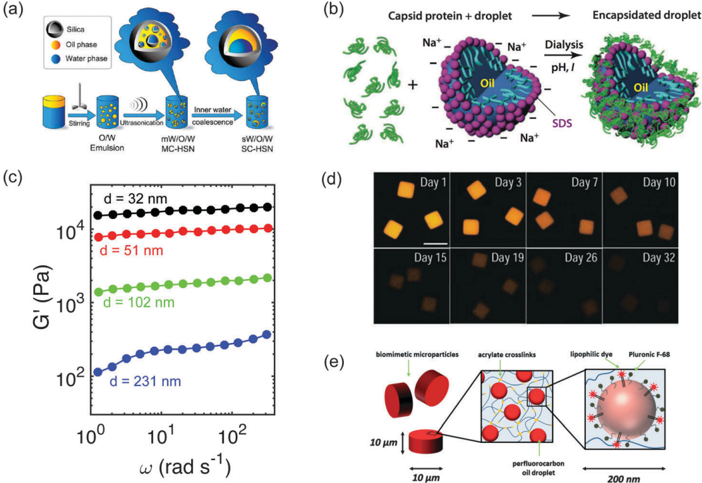
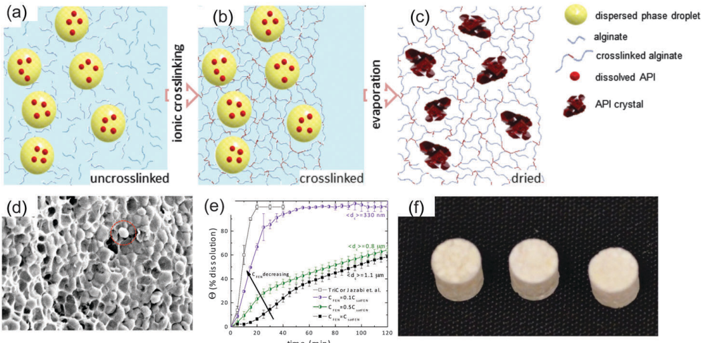
Verification
Claims the paper makes
The claims and statistics of this paper haven’t been checked yet.
Free: it reads the open-access text and checks the first 5 claims that cite a source we can check. Create a free account to check every claim.
Claims other papers make about this one
Each is checked against this paper’s own text: does it say what the citing paper says it does?
The cited source says what the claim attributes to it.
In the citing paper
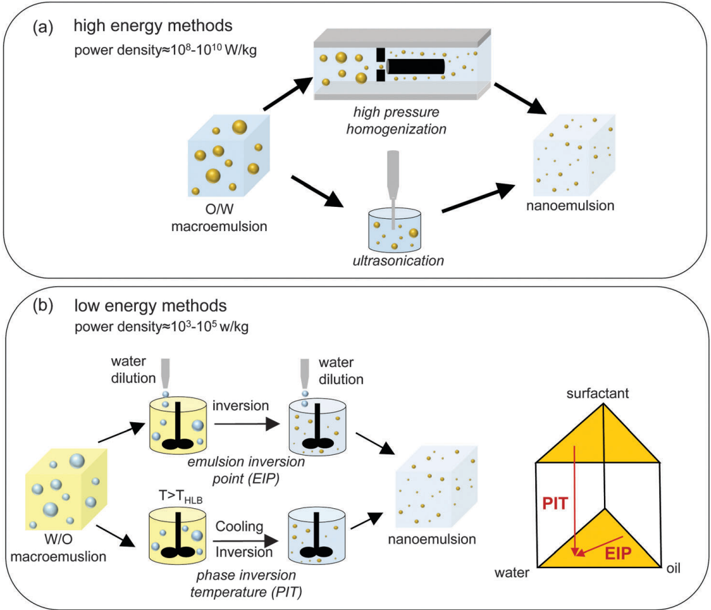
“The low-energy methods involve specific physico-chemical processes such as phase inversion temperature and emulsion inversion points to make small droplets without consuming significant energy. In the low-energy methods, the droplets are constituted when the system undergoes an inversion of phase in response to changes, such as composition or temperature, and consequently passes through a low”
From Nanoemulsions for “Nose-to-Brain” Drug Delivery (2019) · cites this paper as [32]
The cited source says what the claim attributes to it.
In the citing paper
“Important differences can be found between classical macroemulsions (classical emulsions), NEs and microemulsions in droplet size range and stability characteristics [32,47].”
From Nanoemulsions for “Nose-to-Brain” Drug Delivery (2019) · cites this paper as [32]
Self-check
Percentages, sums and reported differences re-computed from the paper’s own numbers.
The self-check needs the paper’s full text.
Citations
Cites
The kinetics of precipitation from supersaturated solid solutions
Lifshitz, I. M., & Slyozov, V. V. (1961) · Journal of Physics and Chemistry of Solids · doi:10.1016/0022-3697(61)90054-3 · Cited by 8,433
Fundamentals of the hydrodynamic mechanism of splitting in dispersion processes
Hinze, J. O. (1955) · AIChE Journal · doi:10.1002/aic.690010303 · Cited by 2,641
Nanoemulsions versus microemulsions: terminology, differences, and similarities
McClements, D. J. (2012) · Soft Matter · doi:10.1039/c2sm06903b · Cited by 1,778
McClements, D. J., & Rao, J. (2011) · Critical Reviews in Food Science and Nutrition · doi:10.1080/10408398.2011.559558 · Cited by 1,630
Solans, C., Izquierdo, P., Nolla, J., Azemar, N., & Garcia-Celma, M. J. (2005) · Current Opinion in Colloid & Interface Science · doi:10.1016/j.cocis.2005.06.004 · Cited by 1,384
Encyclopedia of emulsion technology
Becher, P. (1983) · M. Dekker eBooks · Cited by 1,226
High-Resolution EM of Colloidal Nanocrystal Growth Using Graphene Liquid Cells
Yuk, J. M., Park, J., Ercius, P., Kim, K., Hellebusch, D. J., Crommie, M. F., Lee, J. Y., Zettl, A., & Alivisatos, A. P. (2012) · Science · doi:10.1126/science.1217654 · Cited by 1,153
Mewis, J., & Wagner, N. J. (2011) · Cambridge University Press eBooks · doi:10.1017/cbo9780511977978 · Cited by 1,142
Edible nanoemulsions: fabrication, properties, and functional performance
McClements, D. J. (2011) · Soft Matter · doi:10.1039/c0sm00549e · Cited by 1,031
Asua, J. M. (2002) · Progress in Polymer Science · doi:10.1016/s0079-6700(02)00010-2 · Cited by 952
Research works printed but not linked: 6
- 1. T. G. Mason, J. Wilking, K. Meleson, C. Chang and S. Graves, J. Phys.: Condens. Matter, 2006, 18, R635.
- 13. T. Tadros, P. Izquierdo, J. Esquena and C. Solans, Adv. Colloid Interface Sci., 2004, 108, 303-318. · doi:10.1016/j.cis.2003.10.023 · Paper page
- 31. N. Dixit, K. Kohli and S. Baboota, PDA J. Pharm. Sci. Technol., 2008, 62, 46-55.
- 35. P. Alves, A. Pohlmann and S. Guterres, Pharmazie, 2005, 60, 900-904.
- 51. M. Ahmed, W. Ramadan, D. Rambhu and F. Shakeel, Pharmazie, 2008, 63, 806-811.
- 63. L. Mao, D. Xu, J. Yang, F. Yuan, Y. Gao and J. Zhao, Food Technol. Biotechnol., 2009, 47, 336-342.
Cited by
Items 901–1,000 of 1,000
Lee, S. B., Garcia, C. V., Hong, S. J., Shin, G. H., & Kim, J. T. (2019) · Journal of Food Engineering · doi:10.1016/j.jfoodeng.2019.06.004 · Cited by 9
Development and Characterization of Phytocosmetic Formulations with Saccharum officinarum
Alves, P. E., Gomes, A. C. C., Gomes, A. K. C., Nigro, F., Kuster, R. M., de Freitas, Z. M. F., Coutinho, C. D. S. C., Monteiro, M. S. D. S. D. B., dos Santos, E. P., & Simas, N. K. (2020) · Revista Brasileira de Farmacognosia · doi:10.1007/s43450-020-00061-1 · Cited by 10
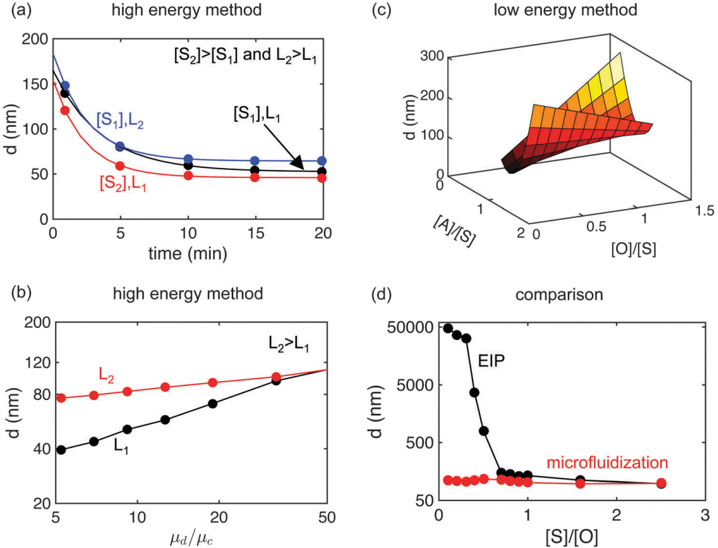
“The control of droplet sizes of nanoemulsion prepared through high-energy process can be influenced by residence time, relative viscosity, surfactant concentration, and surfactant length (Gupta et al. 2016).”
BackgroundHájek, M., Vávra, A., Skopal, F., Straková, A., & Douda, M. (2020) · Renewable Energy · doi:10.1016/j.renene.2020.06.082 · Cited by 9
Significance of Nanoscience in Food Microbiology: Current Trend and Future Prospects
Kumar, A., Pratush, A., & Bera, S. (2021) · Environmental and microbial biotechnology · doi:10.1007/978-981-15-9916-3_10 · Cited by 9
Delivery Systems of Plant-Derived Antimicrobials
Elmowafy, E. M., El-Marakby, E. M., Gad, H. A., & Gad, H. A. (2022) · Springer eBooks · doi:10.1007/978-3-030-83504-0_16 · Cited by 11
Development and in vitro cytotoxicity assessment of nanoemulsified lawsone
Sousa, R. M. G., Rodrigues, F. V. S., Medrado, B. L. S., Oliveira, L. M., Pereira, Í. G. M., Amantino, C. F., Goto, P. L., Blanzat, M., Primo, F. L., Tedesco, A. C., et al. (2022) · Chemical Papers · doi:10.1007/s11696-022-02242-9 · Cited by 9
Research advances of in vivo biological fate of food bioactives delivered by colloidal systems
Zhao, C., Liu, D., Feng, L., Cui, J., Du, H., Wang, Y., Xiao, H., & Zheng, J. (2022) · Critical Reviews in Food Science and Nutrition · doi:10.1080/10408398.2022.2154741 · Cited by 12
“Nanoemulsions (d < 200 nm) have high stability, a transparent appearance, and high bioactive encapsulation efficiency (Akhavan et al. 2018; Gupta et al. 2016; Jaiswal, Dudhe, and Sharma 2015).”
BackgroundSeptiyanti, M. (2019) · American Journal of Physics and Applications · doi:10.11648/j.ajpa.20190701.13 · Cited by 9
“The particle size was ranged between 350-480 nm which categorize as nanoemulsion [21], polydispersity index was ranged between 0.”
BackgroundZhang, F., Tan, M. J. A., Hu, Z., Zhang, Y.-T., Qi, X., Che, Y.-T., Li, J., Zhang, S., & Li, B. (2024) · International Journal of Biological Macromolecules · doi:10.1016/j.ijbiomac.2024.138428 · Cited by 8
Novel treatments for bacterial keratitis: A review
Yan, C., Zhao, H., Pan, Q., Xie, X., Chen, K., & Zhang, L. (2025) · International Journal of Pharmaceutics · doi:10.1016/j.ijpharm.2025.125793 · Cited by 10
Bravo‐Alfaro, D. A., Ochoa-Rodríguez, L. R., Velasco‐Rodríguez, L. D. C., Vega-Guerrero, P. E., Luna‐Bárcenas, G., & Garcia, H. S. (2025) · Food Engineering Reviews · doi:10.1007/s12393-025-09429-2 · Cited by 11
“Through this equation, it can be observed that: An increase in surfactant concentration leads to a reduction in interfacial tension, favoring emulsification, as has been widely reported in nanoemulsions [83, 84].”
Bravo‐Alfaro, D. A., Ochoa-Rodríguez, L. R., Santos-Luna, D., Villaseñor‐Ortega, F., Garcia, H. S., & Luna‐Bárcenas, G. (2023) · Biocatalysis and Agricultural Biotechnology · doi:10.1016/j.bcab.2023.102652 · Cited by 9
Alotaibi, H. F., Khafagy, E., Alfaifi, M. Y., Alamoudi, J. A., Alshawwa, S. Z., Alqahtani, R. S., Alamrani, S. S., & Lila, A. S. A. (2023) · Science of Advanced Materials · doi:10.1166/sam.2023.4523 · Cited by 8
Surface nanodroplets as platforms for small scale chemical engineering
You, J. B. (2024) · Chemical Engineering Journal · doi:10.1016/j.cej.2024.149252 · Cited by 9
Haładyn, K., Wojdyło, A., & Nowicka, P. (2024) · Food Chemistry · doi:10.1016/j.foodchem.2024.139990 · Cited by 9
Shao, R., Cao, W., Huang, X., Zhang, N., Ma, L., Huang, Y., Huang, Y., Mao, J., Qi, Y., Cheng, S., et al. (2024) · Industrial Crops and Products · doi:10.1016/j.indcrop.2024.119016 · Cited by 8
Lukić, M. Ž., Ćirić, A., Božić, D. D., Antić‐Stanković, J., Medarević, D. P., & Maksimovic, Z. A. (2024) · Pharmaceutics · doi:10.3390/pharmaceutics16091182 · Cited by 8
“Light microscopy showed that the addition of extracts led to a reduction in droplet size and a more homogeneous distribution of droplet size, indicating better stability, except for the SEE sample [49].”
BackgroundFlux and fouling behavior during constant pressure sterile filtration of nanoemulsions
Kapila, S., Soukup, R. J., Bradley, M. E., & Zydney, A. L. (2024) · Journal of Membrane Science · doi:10.1016/j.memsci.2024.123370 · Cited by 8
Paliwal, H., & Prajapati, B. G. (2025) · BioNanoScience · doi:10.1007/s12668-025-01859-w · Cited by 8
“Also, the high amount of water also contributed to the incidence of turbidity, mainly due to inadequate concentration of surfactant and co-surfactant for maintaining the stability of nanoemulsion [42, 43].”
Exploring the antitumorigenic properties of agro-food byproducts: A comprehensive scientific review
Verrillo, M., Pantina, V. D., Venezia, V., Modica, C., Iacono, M. L., Bianca, P., Bozzari, G., Angeloro, F., Cozzolino, V., Stassi, G., et al. (2025) · Pharmacological Research · doi:10.1016/j.phrs.2025.107740 · Cited by 8
Majchrzak, O. B., Makiej, A., Silva, C. L., Jordan, O., Borchard, G., Marcinkowska, A., Płatkiewicz, J., Zgoła‐Grześkowiak, A., Kaczorek, E., & Smułek, W. (2025) · ACS Applied Nano Materials · doi:10.1021/acsanm.5c02114 · Cited by 8
Irani, M., Tabrizi, M. H., Ardalan, T., & Nosrat, T. (2021) · Inorganic and Nano-Metal Chemistry · doi:10.1080/24701556.2021.1980022 · Cited by 13
Mariadi, Prasetyo, B. E., Adela, H., & Wiladatika, W. (2019) · Indonesian Journal of Pharmaceutical and Clinical Research · doi:10.32734/idjpcr.v2i2.3204 · Cited by 8
“In nano size (50-500 nm), the active ingredient particles are more easily absorbed by the intestinal wall, thereby increasing its bioavailability [1], [2], [3].”
BackgroundGreen nanomaterials and nanotechnology for the food industry
Preethi, R., Dutta, S., Moses, J. A., & Anandharamakrishnan, C. (2021) · Elsevier eBooks · doi:10.1016/b978-0-12-823137-1.00008-7 · Cited by 10
Strongly Chiral Liquid Crystals in Nanoemulsions
Yang, Y., Palacio‐Betancur, V., Wang, X., de Pablo, J. J., & Abbott, N. L. (2022) · Small · doi:10.1002/smll.202105835 · Cited by 8
Gao, G., Zhou, J., Wang, H., Ke, L., Zhou, J., Ding, Y., Ding, W., Zhang, S., & Rao, P. (2022) · Food Chemistry · doi:10.1016/j.foodchem.2022.135249 · Cited by 8
Elsayed, H., Stábile, F. M., Savio, G., & Bernardo, E. (2023) · Open Ceramics · doi:10.1016/j.oceram.2023.100474 · Cited by 8
Mahmoud, F. H. E., El-Naby, S. S. I. A., Abdel-Rheim, K. H. M., Abdou, M. S., El-Habal, N. A. M., Jadalla, N. M., & Abdel-Halim, K. Y. (2023) · Archives of Phytopathology and Plant Protection · doi:10.1080/03235408.2023.2289212 · Cited by 8
“In fact, range 10–500 nm was the same as the average droplet size of o/w nano-emulsion (Anton and Vandamme 2009; Sharma et al. 2010; Solans and Solé 2012; Gupta et al. 2016).”
BackgroundBansal, R., Mamatha, N. C., Kumar, R., & Pandey, K. K. (2024) · European Journal of Wood and Wood Products · doi:10.1007/s00107-024-02048-4 · Cited by 8
“1B. Nanoemulsions offer several advantages in comparison to macroemulsions such as small size, excellent stability and their low polydispersity index indicating homogeneity of the emulsion system (Gupta et al. 2016).”
Low‐Temperature Miniemulsion‐Based Routes for Synthesis of Metal Oxides
Muñoz‐Espí, R., & Landfester, K. (2020) · Chemistry - A European Journal · doi:10.1002/chem.202001246 · Cited by 8
Preparation of Tamanu Oil Nanoemulsions by Phase Inversion Temperature
Pham, D. H., & Nguyen, T. T. (2020) · IOP Conference Series Materials Science and Engineering · doi:10.1088/1757-899x/991/1/012116 · Cited by 8
Semi-batch and continuous production of Pickering emulsion via direct contact steam condensation
Madhavan, N., Eswararao, Y., Pushpavanam, S., Renganathan, T., Mukherjee, M., & Basavaraj, M. G. (2021) · Soft Matter · doi:10.1039/d1sm00933h · Cited by 8
Advanced drug delivery systems to treat Huntington’s disease: challenges and opportunities
Vishwas, S., Gulati, M., Khursheed, R., Arya, K. R., Singh, S. K., Jha, N. K., Prasher, P., Kumar, D., & Kumar, V. (2022) · Elsevier eBooks · doi:10.1016/b978-0-323-99616-7.00005-0 · Cited by 10
Matsuura, H., Kawakami, R., Isoe, M., Hoshihara, M., Minami, Y., Yatsuzuka, K., Tsuda, T., Murakami, M., Suzuki, Y., Kawamata, J., et al. (2022) · ACS Applied Materials & Interfaces · doi:10.1021/acsami.2c03299 · Cited by 8
Review of secondary metabolites from microbes in the management of plant-parasitic nematodes
Deeikshana, T., Kandasamy, D., Prabhu, S., Thangamani, C., Poorniammal, R., Maruthasalam, S., Arun, A., & Shandeep, G. (2025) · Physiological and Molecular Plant Pathology · doi:10.1016/j.pmpp.2025.102578 · Cited by 7
Ahmed, A., Barbhuiya, P. A., Kumari, P., Chakrabarti, S., & Pathak, M. P. (2026) · Journal of Essential Oil Research · doi:10.1080/10412905.2026.2620762 · Cited by 8
“By drastically increasing oil surface area and maintaining droplets in the nanometre range, nanoemulsions dramatically improve the EO solubility and dispersibility (23,38).”
Sitompul, J., Rahma, M. N., Afandi, F., Elamin, K. M., Mohammed, A., & Wathoni, N. (2026) · International Journal of Nanomedicine · doi:10.2147/ijn.s598705 · Cited by 8
“182 These systems are categorized into oil-in-water, water-in-oil, and bi-continuous types, each providing a transparent and stable platform for controlled and sustained drug release by shielding active compounds from premature degradation.”
Harwansh, R. K., Mishra, S., Mazumder, R., Deshmukh, R., & Rahman, A. (2023) · Current Pharmaceutical Biotechnology · doi:10.2174/1389201024666230606143827 · Cited by 7
Carvalho, T., Landim, M. G., Lima, M. L. D., Bittar, C., Faria, B. C. D. A. O., Rahal, P., de Lima, M. C. F., da Veiga, V. F., Joanitti, G. A., & Calmon, M. F. (2023) · PLoS ONE · doi:10.1371/journal.pone.0283817 · Cited by 9
“It is important to highlight that nanoemulsion stability is crucial for efficient delivery and protection of the encapsulated compounds after production [42, 53].”
BackgroundMethodPreparation of tea saponin-cinnamaldehyde nanoemulsion and study of its inhibition of citrus fungi
Gao, X., Tang, J., Zhao, J., Zhang, Y., Zhu, L., Cai, Z., Zuo, X., Chen, M., Wang, J., & Shen, Y. (2024) · Journal of Dispersion Science and Technology · doi:10.1080/01932691.2024.2397367 · Cited by 7
“However, it remained in a nanoemulsion size of 20–500 nm. [34] PDI showed an increasing trend during the storage period, and PDI increased more rapidly at 4 � C than at 25 � C (Figure 5b).”
Phytomedicine nanoformulations for Parkinson's disease
Saji, C. V., Mohanakumar, K. P., & Shenoi, R. A. (2024) · Phytomedicine Plus · doi:10.1016/j.phyplu.2024.100704 · Cited by 8
Kumar, A., Singh, V., Mishra, A. K., Singh, H., Parvez, S., Sonu, & Khan, G. (2024) · Journal of Molecular Structure · doi:10.1016/j.molstruc.2024.141127 · Cited by 7
Synergistic effect of chemical and bio-based surfactants in stabilizing nanoemulsions
Zaid, N. S. K. A., Johar, A., Nasser, M. S., & Onaizi, S. A. (2025) · Geoenergy Science and Engineering · doi:10.1016/j.geoen.2025.213663 · Cited by 7
He, H., Li, J., Meng, H., He, Y., Pei, X., & Zhang, Z. (2025) · Current Pharmaceutical Design · doi:10.2174/0113816128357859250121120216 · Cited by 8
Chen, X., Li, H., Yu, K., Huang, Y., & Pan, J. (2025) · Chemical Engineering Journal · doi:10.1016/j.cej.2025.161660 · Cited by 7
A Systematic Review of Basic Strategies for Enhancing Food Storage Life with Nanotechnology Products
Dhall, S., & Acharya, L. (2025) · ACS Food Science & Technology · doi:10.1021/acsfoodscitech.4c01016 · Cited by 7
Nanoradiopharmaceuticals in current molecular medicine
dos Santos, S. N., Bernardes, E. S., & Santos‐Oliveira, R. (2018) · Elsevier eBooks · doi:10.1016/b978-0-323-51255-8.00018-5 · Cited by 7
Fluorosurfactants for medical nanoemulsions, their surface-active and biological properties
Stefanek, A., Łęczycka-Wilk, K., Czarnocka‐Śniadała, S., Frąckowiak, W., Graffstein, J., Ryżko, A., Nowak, A., & Ciach, T. (2021) · Colloids and Surfaces B Biointerfaces · doi:10.1016/j.colsurfb.2021.111603 · Cited by 7
Saleem, A., Jamil, Q. A., Khan, H. M. S., & Ijaz, S. (2022) · Journal of Cosmetic Dermatology · doi:10.1111/jocd.15024 · Cited by 7
Nanostructured pharmaceutical formulations for topical application of clove oil and eugenol
da Silva, T. N., Cardoso, S. A., & Barradas, T. N. (2022) · Elsevier eBooks · doi:10.1016/b978-0-323-85177-0.00019-7 · Cited by 8
Lutein extract‐loaded nanoemulsions: Preparation, characterization, and application in dairy product
Saini, A., Panesar, P. S., Dilbaghi, N., Prasad, M., & Bera, M. B. (2022) · Journal of Food Processing and Preservation · doi:10.1111/jfpp.17082 · Cited by 8
Lin, G., Gao, J. T., Shang, S., Zhang, H., Luo, Q., Wu, Y., Liu, Y., Chen, X., & Sun, Y. (2022) · Molecules · doi:10.3390/molecules27227959 · Cited by 7
Nanotechnological Applications in Dermocosmetics
Salas, M. F. R., Porras, P. C., Vargas, M. J. C., Molina, J. A. P., Rojas, M. C., & Redondo, G. M. (2023) · European Journal of Pharmaceutical Research · doi:10.24018/ejpharma.2023.3.1.38 · Cited by 7
Applications of nanoemulsions as drug delivery vehicle for phytoconstituents
Attama, A. A., Agbo, C. P., Onokala, O. B., Kenechukwu, F. C., Ugwueze, M. E., Mbah, C. C., Umeyor, C. E., Uronnachi, E., & Nnamani, P. O. (2023) · Elsevier eBooks · doi:10.1016/b978-0-323-99527-6.00017-3 · Cited by 13
Stábile, F. M., Famengo, A., Pedron, D., Elsayed, H., & Bernardo, E. (2023) · Additive manufacturing · doi:10.1016/j.addma.2023.103731 · Cited by 7
Abou-Raya, M., Khalil, M., Soliman, A., & Abdelmoula, M. (2023) · Journal of Food and Dairy Sciences · doi:10.21608/jfds.2023.239136.1131 · Cited by 7
“These findings are harmony with Gupta et al ., (2016) who reported that with mean inhibition zone diameters of 20 mm and 27 mm, respectively, lemongrass essential oil demonstrated potent antifungal activity against both A. niger and C. albicans .”
MethodResultYin, H. A., Wahab, R. A., Rehman, G. U., Abidin, M. H. Z., & Wong, K. Y. (2024) · Arabian Journal for Science and Engineering · doi:10.1007/s13369-023-08659-y · Cited by 7
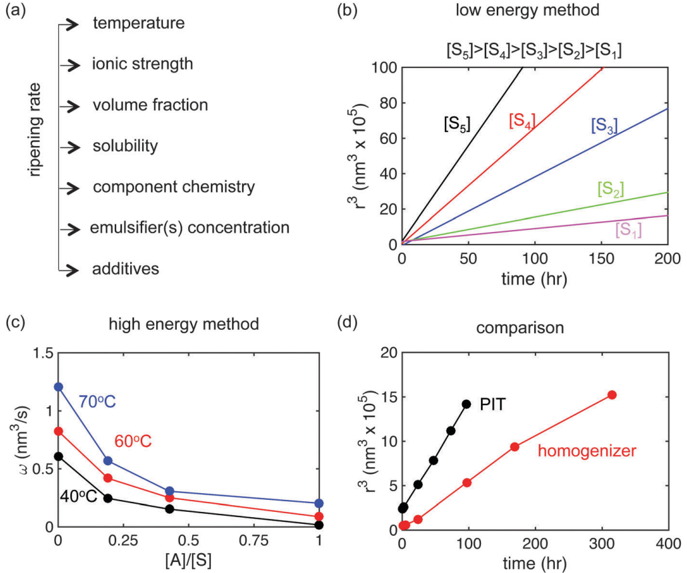
“In this investigation, the Ostwald ripening appears to be the dominating factor in destabilizing the W/O/W double nanoemulsion, based on the straight line in the r 3 versus t (s) plot [71] (Fig.”
Lopes, A. C. C. B., do Nascimento, J. R., Câmara, M. B. P., Lima, A. D. S., Lopes, G. L. N., do Nascimento, M. O., Xavier, J. K. A. M., de Jesus, C. M., Mendonça, C. D. J. S., Carvalho, A. L. M., et al. (2024) · Pharmaceutics · doi:10.3390/pharmaceutics16010087 · Cited by 7
Continuous Synthesis of Nanoscale Emulsions by Vapor Condensation (EVC)
Anand, S., Galavan, V., & Mulik, M. U. (2024) · Advanced Science · doi:10.1002/advs.202307443 · Cited by 7
Velho, M. C., Bissacotti, B. F., Viana, A. R., Pappis, L., Sobroza, Â. O., Krause, A., Gündel, A., Sagrillo, M. R., Machado, A. K., Krause, L. M. F., et al. (2024) · Journal of Drug Delivery Science and Technology · doi:10.1016/j.jddst.2024.106248 · Cited by 7
Salmani, H., & Bilibin, A. Y. (2016) · European Polymer Journal · doi:10.1016/j.eurpolymj.2016.10.007 · Cited by 7
Advanced emulsions via noncovalent interaction-mediated interfacial self-assembly
Han, S., An, H., Tao, H., Li, L., Qi, Y., Ma, Y., Li, X., Wang, R., & Zhang, J. (2018) · Chemical Communications · doi:10.1039/c8cc00016f · Cited by 7
Biobased Nanoemulsions: Concept, Formulation, and Applications
Rubio‐Ríos, A., Rosales-Marines, L., Solanilla‐Duque, J. F., Reyes-Acosta, Y. K., Salazar‐Sánchez, M. D. R., Rodríguez-Herrera, R., & Farías-Cepeda, L. (2019) · Nanotechnology in the life sciences · doi:10.1007/978-3-030-17061-5_1 · Cited by 9
Fang, T.-C., Peng, S.-Y., & Liao, Y. (2020) · ACS Omega · doi:10.1021/acsomega.0c00668 · Cited by 7
Adsorption of a Lipophilic Drug, Felodipine, at Different Interfaces
Zadymova, Ν. M., Должикова, В. Д., & Харлов, А. Е. (2020) · Colloid Journal · doi:10.1134/s1061933x20030151 · Cited by 7
Recent Developments in Nano-Emulsions’ Preparatory Methods and their Applications: A Concise Review
Rehman, R., Younas, A., Bano, A., Muzaffar, R., -, S., Anila, Altaf, A. A., & Ullah, S. (2022) · Pakistan Journal of Analytical & Environmental Chemistry · doi:10.21743/pjaec/2022.12.01 · Cited by 7
Biopharmaceutical insights of particulate emulsified systems - a prospective overview
Katamreddy, J. D., Yalavarthi, P. R., Subba Rao, D., Battu, S., & Peesa, J. P. (2018) · Lipids in Health and Disease · doi:10.1186/s12944-018-0757-x · Cited by 7
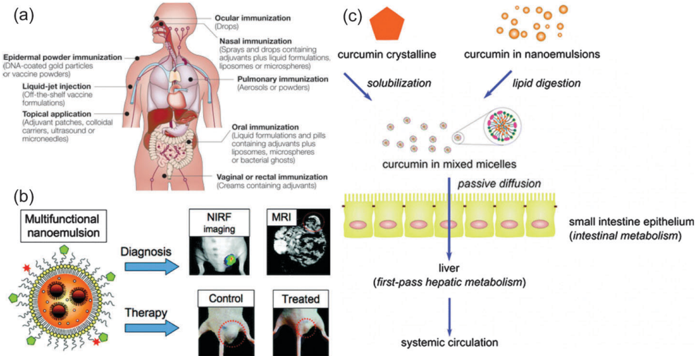
“2, a fraction of particulate drug, encapsulated by triglycerides is restructured in the endoplasmic reticulum and then released into the mesenteric lymph duct as chylomicrons [66].”
BackgroundEid, A. M., Elmarzugi, N. A., & Jaradat, N. A. (2019) · Brazilian Journal of Pharmaceutical Sciences · doi:10.1590/s2175-97902019000217497 · Cited by 7
“SEM is considered a critical tool to acquire specific information about basic structural properties of colloidal drug delivery systems (Czajkowska-Kośnik, Braz.”
MethodInfluentialNoaman, N., Abdel-Halim, K. Y., El-Din, S. M. M., & El-Abasy, M. M. M. (2020) · NanoWorld Journal · doi:10.17756/nwj.2020-076 · Cited by 8
Yadav, D., Avijit, M., & Khar, R. K. (2021) · Research Journal of Pharmacy and Technology · doi:10.52711/0974-360x.2021.00420 · Cited by 7
Viqhi, A. V., Manggau, M. A., Sartini, S., Wahyudin, E., Rahman, L., Yulianti, R., Permana, A. D., & Awal, S. A. (2021) · Open Access Macedonian Journal of Medical Sciences · doi:10.3889/oamjms.2021.6672 · Cited by 7
“Nanoemulsion preparations have an average particle size of about 20–500 nm [59], [60].”
BackgroundSelf-calcifying lipid nanocarrier for bone tissue engineering
Chai‐in, P., Yostaworakul, J., Rungnim, C., Khemthong, P., Yata, T., & Boonrungsiman, S. (2021) · Biochimica et Biophysica Acta (BBA) - General Subjects · doi:10.1016/j.bbagen.2021.130047 · Cited by 7
Chen, W., Chen, K., Surmpalli, R. Y., Zhang, T. C., Ou, J., & Kao, C. (2021) · Water Environment Research · doi:10.1002/wer.1673 · Cited by 7
Sheikh, Z., Amani, A., Basseri, H. R., Moosa‐Kazemi, S. H., Sedaghat, M. M., Azam, K., Yousefpoor, Y., Amirmohammadi, F., & Azizi, M. (2021) · Research Square · doi:10.21203/rs.3.rs-446207/v1 · Cited by 7
Gammoh, S., Alu'datt, M. H., Alhamad, M. N., Rababah, T., Alrosan, M., & Shatarah, M. (2025) · Food Chemistry · doi:10.1016/j.foodchem.2025.143949 · Cited by 6
Unexpected Pathway in Organic Semiconductor Nanoparticle Formation
Bouchez, A. E., Firth, C. R., Bertran, A., Jeanguenat, C., Yum, J., & Sivula, K. (2025) · ACS Nano · doi:10.1021/acsnano.5c07335 · Cited by 6
Rames, D., Utra, U., Nafchi, A. M., & Yussof, N. S. (2025) · Bioactive Carbohydrates and Dietary Fibre · doi:10.1016/j.bcdf.2025.100508 · Cited by 6
Tan, C., Chuo, K. M.-J., Chang, L. S., Tung, S. E. H., Situmorang, R. F. R., Oulahal, N., & Lee, W. (2025) · Journal of the Science of Food and Agriculture · doi:10.1002/jsfa.70387 · Cited by 8
“13,66 Studies indicated that high-dose tocotrienol supplementation improved wound healing in vitro and in vivo , likely due to its potent antioxidant capacity.”
Bioactive Nanoemulsions for Enhancing Sausage and Meat Patty Shelf-Life
Pereira, A. G., Perez-Vazquez, A., Barciela, P., Jorge, A. O. S., Yuksek, E. N., Nogueira‐Marques, R., Seyyedi-Mansour, S., & Prieto, M. A. (2026) · Foods · doi:10.3390/foods15030430 · Cited by 9
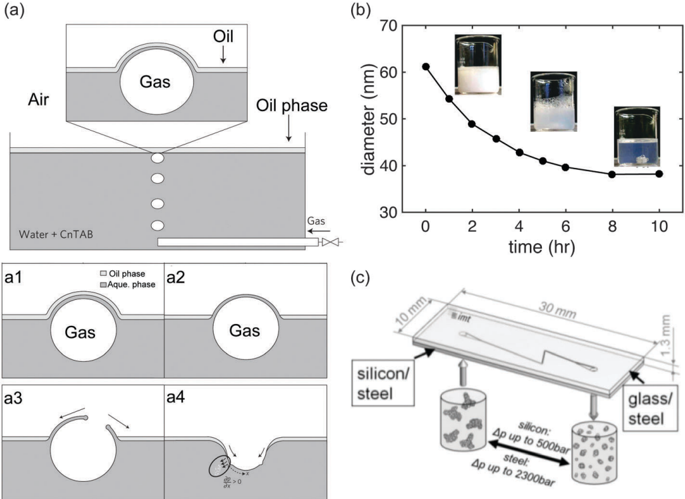
“Moreover, emerging synthesis techniques include bubble generation at the liquid–air interface and evaporative ripening [13].”
Gledović, A., Bajuk‐Bogdanović, D., Uskoković‐Marković, S., Pavun, L., Savic, S. D., & Ležaić, A. J. (2022) · Hemijska industrija · doi:10.2298/hemind210509004g · Cited by 6
Felipe, L. D. O., Bicas, J. L., Changwatchai, T., Nakajima, M., & Neves, M. A. (2023) · Food Bioscience · doi:10.1016/j.fbio.2023.102989 · Cited by 6
Badr-Eldin, S. M., Aldawsari, H. M., Kotta, S., & Elfaky, M. A. (2024) · 3 Biotech · doi:10.1007/s13205-024-04116-1 · Cited by 6
“This could be explained by other factors, such as steric stabilization, which can also contribute to the stability of the dispersion (Gupta et al. 2016).”
Kyaw, Z. W., Opaprakasit, P., Polpanich, D., Sreearunothai, P., Elaïssari, A., & Kaewsaneha, C. (2024) · ACS Applied Bio Materials · doi:10.1021/acsabm.4c01125 · Cited by 6
Akash, T., Verma, V., & Pal, N. (2024) · Journal of Industrial and Engineering Chemistry · doi:10.1016/j.jiec.2024.12.072 · Cited by 6
Thermo-induced reversible nanoemulsification
Zhu, P., & Wang, L. (2025) · Matter · doi:10.1016/j.matt.2025.102103 · Cited by 6
Chen, J., Tamareille, S., Chèvremont, E., Gimel, J.-C., Calvignac, B., Dallerac, D., Lautram, N., Lay, T. L., Rapenne, C., Verdu, I., et al. (2025) · International Journal of Pharmaceutics · doi:10.1016/j.ijpharm.2025.125651 · Cited by 6
Role of Surfactant Emulsification Ability in Chemical Flooding and Advances in Enhanced Oil Recovery
Yin, S., Cao, G., & He, T. (2025) · Journal of GeoEnergy · doi:10.1155/jge5/2292980 · Cited by 6
“” These swollen micelles typically have diameters of 10 – 100 nm and expand rapidly into emulsions upon reaching their solubilization limit [106 – 108].”
Nanoemulsions: composition, properties, production methods, and prospects for oil recovery
Minakov, A. V., & Stebeleva, O. P. (2025) · Russian Chemical Reviews · doi:10.59761/rcr5176 · Cited by 7
Xu, N., Chen, J., Wei, Q., Ding, E., Zeng, X., Xue, F., Zhang, N., & Shang, J. (2019) · Journal of Applied Polymer Science · doi:10.1002/app.48487 · Cited by 6
Applications of Nanoemulsions in Food Manufacturing
Mehmood, T., Kaleem, M., Ahmad, Z., Waseem, M., Ahmad, B., Rehman, M. A., Shah, F., & Ahmad, I. (2021) · Advances in chemical and materials engineering book series · doi:10.4018/978-1-7998-8378-4.ch020 · Cited by 6
Wang, C., Meng, R., Chen, Z., Yang, S., Chen, S., Yu, Y., & Jin, J. (2022) · SPE Journal · doi:10.2118/212278-pa · Cited by 6
A review on various plant-derived nanoemulgels and their applications
Fernando, W. T., Neranja, A. G. K., & Kankanamge, S. U. (2022) · World Journal of Advanced Research and Reviews · doi:10.30574/wjarr.2022.15.3.0916 · Cited by 6
Detection of Food Contaminants using Nanotechnology - A Mini Review
Rajendraprasad, S. D., Girigoswami, A., Chakraborty, S., & Girigoswami, K. (2023) · Current Nutrition & Food Science · doi:10.2174/1573401319666230228142157 · Cited by 6
DOES INTERNAL CONVECTION PROMOTE MICRO-EXPLOSION OF W/O EMULSION DROPLETS?
Naudin, T., Tarlet, D., Calabria, R., Massoli, P., & Bellettre, J. (2023) · Atomization and Sprays · doi:10.1615/atomizspr.2023047776 · Cited by 6
Biosurfactants-mediated Nanoparticles as Next-Generation Therapeutics
Khusro, A., Aarti, C., & Arasu, M. V. (2023) · Springer eBooks · doi:10.1007/978-3-031-31230-4_21 · Cited by 10
Enzyme assisted oxygen tolerance nitroxide-mediated miniemulsion polymerization
Qiao, X., Dong, X. M., Shi, G., He, Y., & Pang, X. (2023) · European Polymer Journal · doi:10.1016/j.eurpolymj.2023.112380 · Cited by 6
Preparation of Blueberry Anthocyanin Nanoemulsions and Their Stability and Skin Safety Evaluation
Mingyue, Y. I. N., Song, J., Zhou, X., Zhang, W., & Wu, A. (2023) · Materials Research and Development · doi:10.57237/j.mater.2023.04.001 · Cited by 6
Environmental, legal, regulatory, health, and safety issues of nanoemulsions
Rana, S., Yadav, K. K., Sunaina, S., & Jha, M. (2024) · Elsevier eBooks · doi:10.1016/b978-0-323-90047-8.00006-6 · Cited by 8
Choudhary, P., Bhanjana, G., Kumar, S., & Dilbaghi, N. (2024) · Indian Journal of Microbiology · doi:10.1007/s12088-024-01256-z · Cited by 6
“The results strengthen the fact that higher sonication time gives more kinetic energy to nanoemulsions [37].”
Nanosystems with potential application as carriers for skin depigmenting actives
Castro, N. R., Pinto, C. D. S. C., dos Santos, E. P., & Mansur, C. R. E. (2024) · Nanotechnology · doi:10.1088/1361-6528/ad5a15 · Cited by 6
“But in summary, for nanoemulsions, the free energy of the colloidal dispersion is greater than the free energy of the separate phases, so there is a sufficiently large energy barrier between the two states, which favors their kinetic stability [24, 25].”
Influential
Metadata
- Authors
- Gupta, A., Eral, H. B., Hatton, T. A., & Doyle, P. S.
- Affiliations
- Massachusetts Institute of Technology (US)
- Utrecht University (NL)
- Corresponding author
- Doyle, Patrick S.
- Venue
- Soft Matter
- Publisher
- Royal Society of Chemistry (RSC)
- Published
- 2016
- Volume
- 12
- Issue
- 11
- Pages
- 2826-2841
- ISSN
- 1744-683X (ISSN-L)
- 1744-6848
- OpenAlex
- W2276073028
- Cited by
- 1,633
- References
- 120
- Citations by year
- 2026: 188 · 2025: 193 · 2024: 200 · 2023: 191 · 2022: 188 · 2021: 182 · 2020: 172 · 2019: 135 · 2018: 97 · 2017: 61 · 2016: 14
- FWCI
- 4.89
- Type
- journal article
- Language
- en
- Open access
- hybrid
- doi.org
- Licence
- cc-by-nc
- Locations
- Soft Matter (publishedVersion, cc-by-nc)
- PubMed (publishedVersion)
- DSpace@MIT (Massachusetts Institute of Technology) (submittedVersion, cc-by-nc)
- Research Repository (Delft University of Technology) (submittedVersion)
- Data Archiving and Networked Services (DANS) (submittedVersion, cc-by-nc)
- Funders
- Eni
- Topics
- Physical Sciences › Chemistry › Physical and Theoretical Chemistry › Surfactants and Colloidal Systems
- Life Sciences › Agricultural and Biological Sciences › Food Science › Proteins in Food Systems
- Physical Sciences › Materials Science › Materials Chemistry › Pickering emulsions and particle stabilization
- Keywords
- nanoemulsions, droplet size, droplet stability, emulsion preparation, high-pressure homogenization, sonication, phase inversion temperature, bubble bursting, rheology, drug delivery, food emulsions, cosmetics, colloidal dispersions
About these checks
Registry, retraction, Cites and statistics results are computed, not judged, with one exception: a printed reference that no index lists is read once by a model before it counts as a citation error. Claims are extracted by a model and kept only when their quote appears verbatim in the text; each cited source is then checked, with a model’s help, for whether it says what the claim relies on. Those verdicts can be wrong — read the claim’s quote and the cited source before relying on one.
Statistics and arithmetic are recomputed, not judged.
Confidence bands are shown only for fields calibrated on our annotated test set. None is calibrated yet, so no band is shown.
What counts as a claim ›How we measure confidence ›How we check this ›
Are you an author, or do you see a problem with this page? Request a review
Data sources
Bibliographic data: Semantic Scholar, OpenAlex, Crossref.
Contains information from the Semantic Scholar Academic Graph Datasets, made available under the ODC Attribution License (ODC-BY 1.0).
Semantic Scholar’s data is described in: Kinney, R., et al. (2023). The Semantic Scholar Open Data Platform. arXiv:2301.10140.
