

Nanoemulsions: formation, properties and applications
Open accessThe DOI matches its Crossref record; 119 of the 120 references it cites were found in a registry or an index.
Abstract
Nanoemulsions are kinetically stable liquid-in-liquid dispersions with droplet sizes on the order of 100 nm.
Overview
The claims and statistics of this paper haven’t been checked yet.
Free: it reads the open-access text and checks the first 5 claims that cite a source we can check. Create a free account to check every claim.
Integrity signals
Registry
Cites
Statistics
Figures




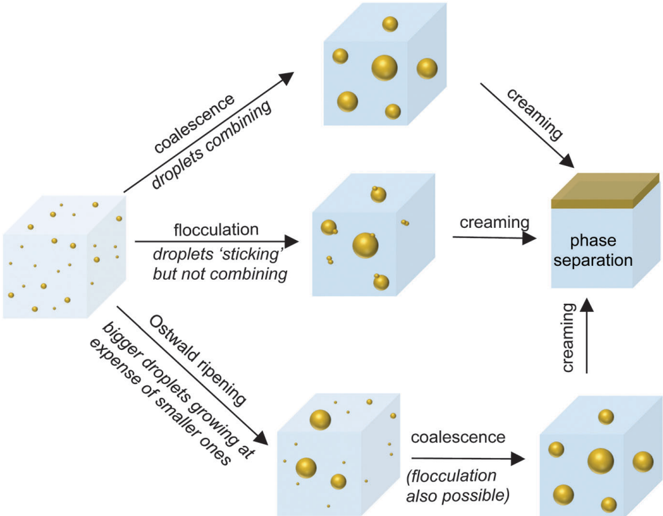
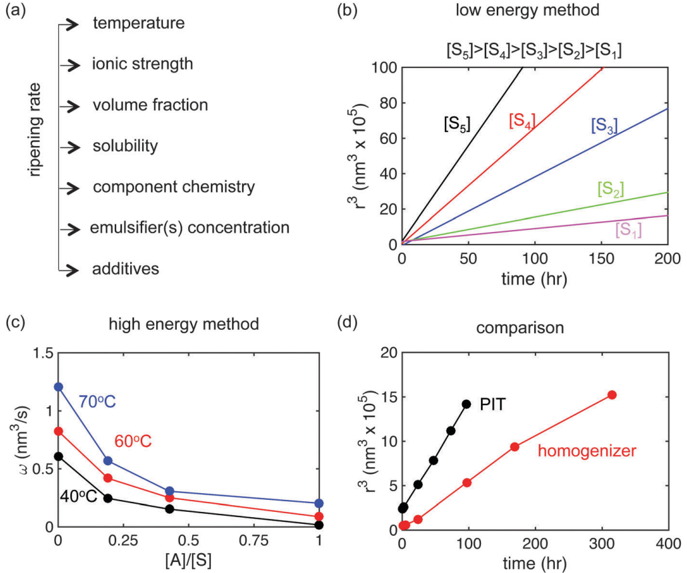
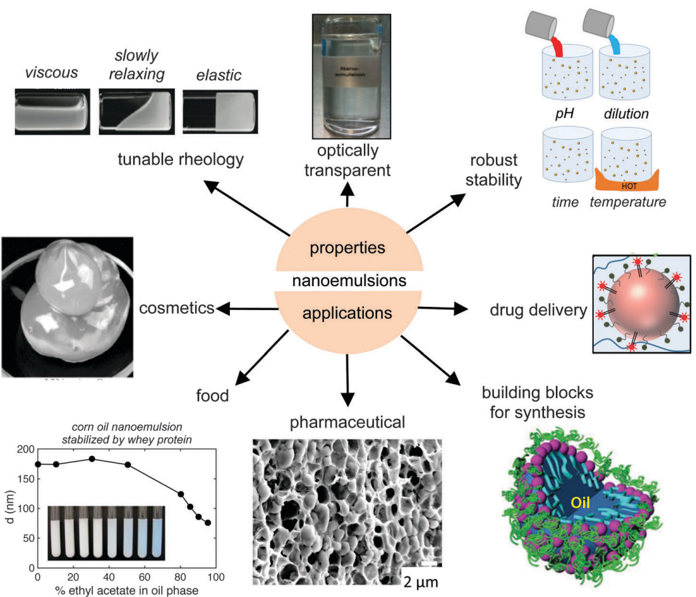
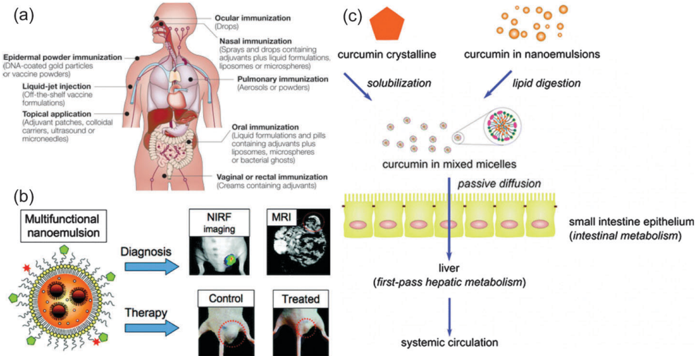
Verification
Claims the paper makes
The claims and statistics of this paper haven’t been checked yet.
Free: it reads the open-access text and checks the first 5 claims that cite a source we can check. Create a free account to check every claim.
Claims other papers make about this one
Each is checked against this paper’s own text: does it say what the citing paper says it does?
The cited source says what the claim attributes to it.
In the citing paper
“The low-energy methods involve specific physico-chemical processes such as phase inversion temperature and emulsion inversion points to make small droplets without consuming significant energy. In the low-energy methods, the droplets are constituted when the system undergoes an inversion of phase in response to changes, such as composition or temperature, and consequently passes through a low”
From Nanoemulsions for “Nose-to-Brain” Drug Delivery (2019) · cites this paper as [32]
The cited source says what the claim attributes to it.
In the citing paper
“Important differences can be found between classical macroemulsions (classical emulsions), NEs and microemulsions in droplet size range and stability characteristics [32,47].”
From Nanoemulsions for “Nose-to-Brain” Drug Delivery (2019) · cites this paper as [32]
Self-check
Percentages, sums and reported differences re-computed from the paper’s own numbers.
The self-check needs the paper’s full text.
Citations
Cites
The kinetics of precipitation from supersaturated solid solutions
Lifshitz, I. M., & Slyozov, V. V. (1961) · Journal of Physics and Chemistry of Solids · doi:10.1016/0022-3697(61)90054-3 · Cited by 8,433
Fundamentals of the hydrodynamic mechanism of splitting in dispersion processes
Hinze, J. O. (1955) · AIChE Journal · doi:10.1002/aic.690010303 · Cited by 2,641
Nanoemulsions versus microemulsions: terminology, differences, and similarities
McClements, D. J. (2012) · Soft Matter · doi:10.1039/c2sm06903b · Cited by 1,778
McClements, D. J., & Rao, J. (2011) · Critical Reviews in Food Science and Nutrition · doi:10.1080/10408398.2011.559558 · Cited by 1,630
Solans, C., Izquierdo, P., Nolla, J., Azemar, N., & Garcia-Celma, M. J. (2005) · Current Opinion in Colloid & Interface Science · doi:10.1016/j.cocis.2005.06.004 · Cited by 1,384
Encyclopedia of emulsion technology
Becher, P. (1983) · M. Dekker eBooks · Cited by 1,226
High-Resolution EM of Colloidal Nanocrystal Growth Using Graphene Liquid Cells
Yuk, J. M., Park, J., Ercius, P., Kim, K., Hellebusch, D. J., Crommie, M. F., Lee, J. Y., Zettl, A., & Alivisatos, A. P. (2012) · Science · doi:10.1126/science.1217654 · Cited by 1,153
Mewis, J., & Wagner, N. J. (2011) · Cambridge University Press eBooks · doi:10.1017/cbo9780511977978 · Cited by 1,142
Edible nanoemulsions: fabrication, properties, and functional performance
McClements, D. J. (2011) · Soft Matter · doi:10.1039/c0sm00549e · Cited by 1,031
Asua, J. M. (2002) · Progress in Polymer Science · doi:10.1016/s0079-6700(02)00010-2 · Cited by 952
Research works printed but not linked: 6
- 1. T. G. Mason, J. Wilking, K. Meleson, C. Chang and S. Graves, J. Phys.: Condens. Matter, 2006, 18, R635.
- 13. T. Tadros, P. Izquierdo, J. Esquena and C. Solans, Adv. Colloid Interface Sci., 2004, 108, 303-318. · doi:10.1016/j.cis.2003.10.023 · Paper page
- 31. N. Dixit, K. Kohli and S. Baboota, PDA J. Pharm. Sci. Technol., 2008, 62, 46-55.
- 35. P. Alves, A. Pohlmann and S. Guterres, Pharmazie, 2005, 60, 900-904.
- 51. M. Ahmed, W. Ramadan, D. Rambhu and F. Shakeel, Pharmazie, 2008, 63, 806-811.
- 63. L. Mao, D. Xu, J. Yang, F. Yuan, Y. Gao and J. Zhao, Food Technol. Biotechnol., 2009, 47, 336-342.
Cited by
Nanotechnology in Sustainable Agriculture: Recent Developments, Challenges, and Perspectives
Prasad, R., Bhattacharyya, A., & Nguyen, Q. D. (2017) · Frontiers in Microbiology · doi:10.3389/fmicb.2017.01014 · Cited by 1,548
“Then the hydrophilic species contained in the oily phase is rapidly solubilized into the aqueous one, inducing the demixation of the oil in the form of nano-droplets, instantly stabilized by the amphiphiles (Anton and Vandamme, 2009; Gupta et al., 2016).”
BackgroundMehta, M., Bui, T. A., Yang, X., Aksoy, Y., Goldys, E. M., & Deng, W. (2023) · ACS Materials Au · doi:10.1021/acsmaterialsau.3c00032 · Cited by 688
Application of Nanotechnology in Food Science: Perception and Overview
Singh, T., Shukla, S., Kumar, P., Wahla, V., Bajpai, V. K., & Rather, I. A. (2017) · Frontiers in Microbiology · doi:10.3389/fmicb.2017.01501 · Cited by 652
“…that these materials have unique properties unlike their macroscale counterparts due to the high surface to volume ratio and other novel physiochemical properties like color, solubility, strength, diffusivity, toxicity, magnetic, optical, thermodynamic, etc. (Rai et al., 2009; Gupta et al., 2016).”
BackgroundNano-emulsions: New applications and optimization of their preparation
Gutiérrez, J. M., González, C., Maestro, A., Solè, I., Pey, C. M., & Nolla, J. (2008) · Current Opinion in Colloid & Interface Science · doi:10.1016/j.cocis.2008.01.005 · Cited by 662
Nanoencapsulation of food ingredients using lipid based delivery systems
Fathi, M., Mozafari, M. R., & Mohebbi, M. (2012) · Trends in Food Science & Technology · doi:10.1016/j.tifs.2011.08.003 · Cited by 622
McClements, D. J., & Xiao, H. (2017) · npj Science of Food · doi:10.1038/s41538-017-0005-1 · Cited by 535
“Finally, nanoscale structures may be present in foods as the result of routinely used food processing operations, such as homogenization, grinding, and cooking.(9,10) In this case, the food manufacturer may not be intentionally trying to create nanoparticles, but they are a natural consequence of the processing operat…”
BackgroundPavoni, L., Perinelli, D. R., Bonacucina, G., Cespi, M., & Palmieri, G. F. (2020) · Nanomaterials · doi:10.3390/nano10010135 · Cited by 469
Prospects of using nanotechnology for food preservation, safety, and security
Bajpai, V. K., Kamle, M., Shukla, S., Mahato, D. K., Chandra, P., Hwang, S. K., Kumar, P., Huh, Y. S., & Han, Y.-K. (2018) · Journal of Food and Drug Analysis · doi:10.1016/j.jfda.2018.06.011 · Cited by 463
Role of Nanotechnology in Cosmeceuticals: A Review of Recent Advances
Kaul, S., Gulati, N., Verma, D., Mukherjee, S., & Nagaich, U. (2018) · Journal of Pharmaceutics · doi:10.1155/2018/3420204 · Cited by 435
Topical Nano and Microemulsions for Skin Delivery
Nastiti, C., Ponto, T., Abd, E., Grice, J., Benson, H., & Roberts, M. (2017) · Pharmaceutics · doi:10.3390/pharmaceutics9040037 · Cited by 399
Engineering nanomaterials-based biosensors for food safety detection
Lv, M., Liu, Y., Geng, J., Kou, X., Xin, Z., & Yang, D. (2018) · Biosensors and Bioelectronics · doi:10.1016/j.bios.2018.01.049 · Cited by 405
Microbial Pigments in the Food Industry—Challenges and the Way Forward
Sen, T., Barrow, C. J., & Deshmukh, S. K. (2019) · Frontiers in Nutrition · doi:10.3389/fnut.2019.00007 · Cited by 367
Miao, T., Wang, J., Zeng, Y., Liu, G., & Chen, X. (2018) · Advanced Science · doi:10.1002/advs.201700513 · Cited by 362
Borges, R. S., Ortiz, B. L. S., Pereira, A. C. M., Keita, H., & Carvalho, J. C. T. (2019) · Journal of Ethnopharmacology · doi:10.1016/j.jep.2018.09.038 · Cited by 339
Lu, H., Zhang, S., Wang, J., & Chen, Q. (2021) · Frontiers in Nutrition · doi:10.3389/fnut.2021.783831 · Cited by 334
McClements, D. J. (2012) · Advances in Colloid and Interface Science · doi:10.1016/j.cis.2012.03.002 · Cited by 346
Nanoemulsions of essential oils to improve solubility, stability and permeability: a review
Barradas, T. N., & de Holanda e Silva, K. G. (2021) · Environmental Chemistry Letters · doi:10.1007/s10311-020-01142-2 · Cited by 308
Anjali, C., Sharma, Y., Mukherjee, A., & Chandrasekaran, N. (2012) · Pest Management Science · doi:10.1002/ps.2233 · Cited by 325
Choi, S. J., & McClements, D. J. (2020) · Food Science and Biotechnology · doi:10.1007/s10068-019-00731-4 · Cited by 298
Spectroscopic Characterization of Emulsions Generated with a New Laser-Assisted Device
Dinache, A., Tozar, T., Smarandache, A., Andrei, I. R., Nistorescu, S., Nastasa, V., Staicu, A., Pascu, M.-L., & Romanitan, M. O. (2020) · Molecules · doi:10.3390/molecules25071729 · Cited by 314
“Destabilization of the emulsions end with a total separation of the two phases [1,12,35].”
BackgroundNanotechnology-based ocular drug delivery systems: recent advances and future prospects
Li, S., Chen, L., & Fu, Y. (2023) · Journal of Nanobiotechnology · doi:10.1186/s12951-023-01992-2 · Cited by 277
Shaker, D. S., Ishak, R. A. H., Ghoneim, A., & Elhuoni, M. A. (2019) · Scientia Pharmaceutica · doi:10.3390/scipharm87030017 · Cited by 295
“Surfactants are compounds that have the ability to enhance permeation through the skin, which is assumed to be related to their ability to reversibly bind to keratin filaments, which in turn leads to the disruption of corneocytes, thus altering the diffusion coefficient of the SC [38,39].”
BackgroundOverview on petroleum emulsions, formation, influence and demulsification treatment techniques
Abdulredha, M. M., Siti Aslina, H., & Luqman, C. A. (2020) · Arabian Journal of Chemistry · doi:10.1016/j.arabjc.2018.11.014 · Cited by 302
Liu, Q., Huang, H., Chen, H., Lin, J., & Wang, Q. (2019) · Molecules · doi:10.3390/molecules24234242 · Cited by 303
Lu, W.-C., Huang, D.-W., Wang, C.-C. R., Yeh, C.-H., Tsai, J.-C., Huang, Y.-T., & Li, P.-H. (2018) · Journal of Food and Drug Analysis · doi:10.1016/j.jfda.2016.12.018 · Cited by 312
“[1] Solans C, Esquena J, Forgiarini AM, Us on N, Morales D, Izquierdo P, Azemar N, Garcia-Celma MJ.”
BackgroundXiong, Y., Li, S., Warner, R. D., & Fang, Z. (2020) · Food Control · doi:10.1016/j.foodcont.2020.107226 · Cited by 306
Nanotechnology: current uses and future applications in the food industry
Thiruvengadam, M., Rajakumar, G., & Chung, I.-M. (2018) · 3 Biotech · doi:10.1007/s13205-018-1104-7 · Cited by 290
McClements, D. J., & Decker, E. (2018) · Journal of Agricultural and Food Chemistry · doi:10.1021/acs.jafc.7b05066 · Cited by 298
(Bio)Nanotechnology in Food Science—Food Packaging
Primožič, M., Knez, Ž., & Leitgeb, M. (2021) · Nanomaterials · doi:10.3390/nano11020292 · Cited by 290
Sheth, T., Seshadri, S., Prileszky, T., & Helgeson, M. E. (2020) · Nature Reviews Materials · doi:10.1038/s41578-019-0161-9 · Cited by 290
Laser assisted generation of micro/nanosize emulsions
Dinache, A., Smarandache, A., Andrei, I. R., Urzica, I., Nichita, C., Boni, M., Nastasa, V., & Pascu, M. L. (2019) · Colloids and Surfaces A: Physicochemical and Engineering Aspects · doi:10.1016/j.colsurfa.2019.05.083 · Cited by 278
Sadurní, N., Solans, C., Azemar, N., & García-Celma, M. J. (2005) · European Journal of Pharmaceutical Sciences · doi:10.1016/j.ejps.2005.08.001 · Cited by 267
Nanoemulsions for health, food, and cosmetics: a review
Ashaolu, T. J. (2021) · Environmental Chemistry Letters · doi:10.1007/s10311-021-01216-9 · Cited by 256
Nanoemulsions for “Nose-to-Brain” Drug Delivery
Bonferoni, M. C., Rossi, S., Sandri, G., Ferrari, F., Gavini, E., Rassu, G., & Giunchedi, P. (2019) · Pharmaceutics · doi:10.3390/pharmaceutics11020084 · Cited by 269
“Important differences can be found between classical macroemulsions (classical emulsions), NEs and microemulsions in droplet size range and stability characteristics [32,47].”
BackgroundMethodInfluentialStrategies to control and inhibit the flocculation of protein-stabilized oil-in-water emulsions
Dickinson, E. (2019) · Food Hydrocolloids · doi:10.1016/j.foodhyd.2019.05.021 · Cited by 268
The Formation, Stabilization and Separation of Oil–Water Emulsions: A Review
Tian, Y., Zhou, J., He, C., He, L., Li, X., & Sui, H. (2022) · Processes · doi:10.3390/pr10040738 · Cited by 241
“The separation of emulsions into denser parts (cream) and other parts without actually breaking. other parts without actually breaking.”
BackgroundHo, T. M., Razzaghi, A., Ramachandran, A., & Mikkonen, K. S. (2022) · Advances in Colloid and Interface Science · doi:10.1016/j.cis.2021.102541 · Cited by 253
Solans, C., Morales, D., & Homs, M. (2016) · Current Opinion in Colloid & Interface Science · doi:10.1016/j.cocis.2016.03.002 · Cited by 245
Current Research and Applications of Starch-Based Biodegradable Films for Food Packaging
Onyeaka, H., Obileke, K., Makaka, G., & Nwokolo, N. (2022) · Polymers · doi:10.3390/polym14061126 · Cited by 226
An Overview of the Applications of Nanomaterials and Nanodevices in the Food Industry
Shafiq, M., Anjum, S., Hano, C., Anjum, I., & Abbasi, B. H. (2020) · Foods · doi:10.3390/foods9020148 · Cited by 238
Periasamy, V. S., Athinarayanan, J., & Alshatwi, A. A. (2016) · Ultrasonics Sonochemistry · doi:10.1016/j.ultsonch.2016.01.035 · Cited by 235
Magnetic nanofluids (Ferrofluids): Recent advances, applications, challenges, and future directions
Philip, J. (2023) · Advances in Colloid and Interface Science · doi:10.1016/j.cis.2022.102810 · Cited by 217
Nanoemulsions: Factory for Food, Pharmaceutical and Cosmetics
Azmi, N. A. N., Elgharbawy, A. A. M., Motlagh, S. R., Samsudin, N., & Salleh, H. M. (2019) · Processes · doi:10.3390/pr7090617 · Cited by 226
“The steric stabilization is stronger in nanoemulsions and therefore, enables a stable system [15].”
BackgroundRecent trends in nanotechnology applications of bio-based packaging
Chausali, N., Saxena, J., & Prasad, R. (2022) · Journal of Agriculture and Food Research · doi:10.1016/j.jafr.2021.100257 · Cited by 233
Nanotherapeutics for Nose-to-Brain Drug Delivery: An Approach to Bypass the Blood Brain Barrier
Lee, D., & Minko, T. (2021) · Pharmaceutics · doi:10.3390/pharmaceutics13122049 · Cited by 209
Nanoemulsions: Synthesis, Characterization, and Application in Bio‐Based Active Food Packaging
Espitia, P. J. P., Fuenmayor, C. A., & Otoni, C. G. (2019) · Comprehensive Reviews in Food Science and Food Safety · doi:10.1111/1541-4337.12405 · Cited by 216
Nanoemulsions: Techniques for the preparation and the recent advances in their food applications
K., S., & Kumar, A. (2022) · Innovative Food Science & Emerging Technologies · doi:10.1016/j.ifset.2021.102914 · Cited by 224
Lee, J. Y., Garcia, C. V., Shin, G. H., & Kim, J. T. (2019) · LWT · doi:10.1016/j.lwt.2019.02.061 · Cited by 222
Tang, S. Y., Manickam, S., Wei, T. K., & Nashiru, B. (2012) · Ultrasonics Sonochemistry · doi:10.1016/j.ultsonch.2011.07.001 · Cited by 209
Advances in edible nanoemulsions: Digestion, bioavailability, and potential toxicity
McClements, D. J. (2021) · Progress in Lipid Research · doi:10.1016/j.plipres.2020.101081 · Cited by 211
Dhaliwal, S. S., Sharma, V., Shukla, A. K., Verma, V., Kaur, M., Shivay, Y. S., Nisar, S., Gaber, A., Brestic, M., Barek, V., et al. (2022) · Molecules · doi:10.3390/molecules27041340 · Cited by 199
“The addition of surfactants further increases the nutrient penetration through the leaf cuticle [101].”
BackgroundMetal nanoparticles in dermatology and cosmetology: Interactions with human skin cells
Niska, K., Zielinska, E., Radomski, M. W., & Inkielewicz-Stepniak, I. (2018) · Chemico-Biological Interactions · doi:10.1016/j.cbi.2017.06.018 · Cited by 215
“homogeneity, high solubilization capacity, high fluidity and low viscosity [34].”
BackgroundAdvancements in applications of nanotechnology in global food industry
Sahani, S., & Sharma, Y. C. (2021) · Food Chemistry · doi:10.1016/j.foodchem.2020.128318 · Cited by 206
Recent Innovations in Emulsion Science and Technology for Food Applications
Bai, L., Huan, S., Rojas, O. J., & McClements, D. J. (2021) · Journal of Agricultural and Food Chemistry · doi:10.1021/acs.jafc.1c01877 · Cited by 190
Sarheed, O., Dibi, M., & Ramesh, K. V. R. N. S. (2020) · Pharmaceutics · doi:10.3390/pharmaceutics12121223 · Cited by 190
“Nanoemulsions (NEs) are metastable nanocarrier systems comprising a mixture of immiscible liquids in which the dispersed droplets are of average size, between 20 and 500 nm [1].”
BackgroundNanoemulsions in Drug Delivery: Formulation to Medical Application
Tayeb, H. H., & Sainsbury, F. (2018) · Nanomedicine · doi:10.2217/nnm-2018-0088 · Cited by 190
Emerging Nano-Formulations and Nanomedicines Applications for Ocular Drug Delivery
Khiev, D., Mohamed, Z. A., Vichare, R., Paulson, R., Bhatia, S., Mohapatra, S., Lobo, G. P., Valapala, M., Kerur, N., Passaglia, C. L., et al. (2021) · Nanomaterials · doi:10.3390/nano11010173 · Cited by 180
“Nanoemulsion is a colloidal system composed of two liquid phases, oil dispersed in water or water dispersed in oil, in which the nanoemulsion droplets with size 20–500 nm are stabilized by surfactants such as cetyltrimethylammonium bromide and sodium dodecyl sulfate [53,54].”
BackgroundKumari, S., Kumaraswamy, R. V., Choudhary, R. C., Sharma, S. S., Pal, A., Raliya, R., Biswas, P., & Saharan, V. (2018) · Scientific Reports · doi:10.1038/s41598-018-24871-5 · Cited by 189
Singh, M., Bharadwaj, S., Lee, K. E., & Kang, S. G. (2020) · Journal of Controlled Release · doi:10.1016/j.jconrel.2020.10.025 · Cited by 182
Sharma, S., Cheng, S.-F., Bhattacharya, B., & Chakkaravarthi, S. (2019) · Trends in Food Science & Technology · doi:10.1016/j.tifs.2019.07.030 · Cited by 171
Nanomaterials for Skin Delivery of Cosmeceuticals and Pharmaceuticals
Souto, E. B., Fernandes, A. R., Martins-Gomes, C., Coutinho, T. E., Durazzo, A., Lucarini, M., Souto, S. B., Silva, A. M., & Santini, A. (2020) · Applied Sciences · doi:10.3390/app10051594 · Cited by 169
“When studying topical administration as an efficient route to apply active ingredients to prevent skin aging, it is necessary to take into account two principles: assure that the active ingredient reaches the site of action with the right concentration; and that the active cosmetic ingredients are available in the loc…”
BackgroundEssential oil nanoemulsions: Properties, development, and application in meat and meat products
da Silva, B. D., do Rosário, D. K. A., Weitz, D. A., & Conte-Junior, C. A. (2022) · Trends in Food Science & Technology · doi:10.1016/j.tifs.2022.01.026 · Cited by 174
Bacterial Pigments: Sustainable Compounds With Market Potential for Pharma and Food Industry
Venil, C. K., Dufossé, L., & Renuka Devi, P. (2020) · Frontiers in Sustainable Food Systems · doi:10.3389/fsufs.2020.00100 · Cited by 171
“Compared to micro or macro emulsions, nanoemulsions have improved applications due to its large surface area, kinetic stability and resistance to physical or chemical change (Gupta et al., 2016).”
BackgroundCritical Review of Techniques for Food Emulsion Characterization
Kupikowska-Stobba, B., Domagała, J., & Kasprzak, M. M. (2024) · Applied Sciences · doi:10.3390/app14031069 · Cited by 176
Pal, N., Kumar, N., & Mandal, A. (2019) · Langmuir · doi:10.1021/acs.langmuir.8b03364 · Cited by 168
Pandey, V. K., Islam, R. U., Shams, R., & Dar, A. H. (2022) · Applied Food Research · doi:10.1016/j.afres.2022.100042 · Cited by 158
Synthesis of Nanogels: Current Trends and Future Outlook
Mauri, E., Giannitelli, S. M., Trombetta, M., & Rainer, A. (2021) · Gels · doi:10.3390/gels7020036 · Cited by 169
Kumar, N., & Mandal, A. (2018) · Journal of Molecular Liquids · doi:10.1016/j.molliq.2018.06.069 · Cited by 167
Antimicrobial Activity of Curcumin in Nanoformulations: A Comprehensive Review
Trigo-Gutierrez, J. K., Vega-Chacón, Y., Soares, A. B., & Mima, E. G. D. O. (2021) · International Journal of Molecular Sciences · doi:10.3390/ijms22137130 · Cited by 161
“They are formed by a phospholipid monolayer composed of a surfactant and co-surfactant, which are important for nanoemulsion stabilization [113,114].”
BackgroundRecent Advances in Polymeric Nanoparticle-Encapsulated Drugs against Intracellular Infections
Sánchez, A., Mejía, S. P., & Orozco, J. (2020) · Molecules · doi:10.3390/molecules25163760 · Cited by 161
Sustainable microbial biosurfactants and bioemulsifiers for commercial exploitation
Sałek, K., & Euston, S. R. (2019) · Process Biochemistry · doi:10.1016/j.procbio.2019.06.027 · Cited by 163
General Aspects of Nanoemulsions and Their Formulation
McClements, D. J., & Jafari, S. M. (2018) · Elsevier eBooks · doi:10.1016/b978-0-12-811838-2.00001-1 · Cited by 166
Nanotechnology-based mRNA vaccines
Chen, S., Huang, X., Xue, Y., Álvarez-Benedicto, E., Shi, Y., Chen, W., Koo, S., Siegwart, D. J., Dong, Y., & Tao, W. (2023) · Nature Reviews Methods Primers · doi:10.1038/s43586-023-00246-7 · Cited by 165
Chaudhary, S., Kumar, S., Kumar, V., & Sharma, R. (2020) · International Journal of Biological Macromolecules · doi:10.1016/j.ijbiomac.2020.02.276 · Cited by 173
Nanoencapsulation of Essential Oils as Natural Food Antimicrobial Agents: An Overview
Liao, W., Badri, W., Dumas, E., Ghnimi, S., Elaissari, A., Saurel, R., & Gharsallaoui, A. (2021) · Applied Sciences · doi:10.3390/app11135778 · Cited by 161
Jacob, S., Kather, F. S., Boddu, S. H. S., Shah, J., & Nair, A. B. (2024) · Pharmaceutics · doi:10.3390/pharmaceutics16101333 · Cited by 185
“Their stability and in vitro release are affected by factors like temperature, pH, and the chemical properties of additives [108].”
BackgroundSalehi, B., Sharifi‐Rad, J., Quispe, C., Llaique, H., Villalobos, M., Smeriglio, A., Trombetta, D., Ezzat, S. M., Salem, M. A., Zayed, A., et al. (2019) · Trends in Food Science & Technology · doi:10.1016/j.tifs.2019.08.003 · Cited by 160
Chuesiang, P., Siripatrawan, U., Sanguandeekul, R., McLandsborough, L., & McClements, D. J. (2017) · Journal of Colloid and Interface Science · doi:10.1016/j.jcis.2017.11.084 · Cited by 153
Safaya, M., & Rotliwala, Y. C. (2019) · Materials Today Proceedings · doi:10.1016/j.matpr.2019.11.267 · Cited by 153
Formation, characteristics and oil industry applications of nanoemulsions: A review
Kumar, N., Verma, A., & Mandal, A. (2021) · Journal of Petroleum Science and Engineering · doi:10.1016/j.petrol.2021.109042 · Cited by 158
Wang, R., Wang, C., Lu, L., Yuan, F., & He, F. (2023) · Pharmacological Research · doi:10.1016/j.phrs.2023.107032 · Cited by 161
Colloidal behavior of nanoemulsions: Interactions, structure, and rheology
Helgeson, M. E. (2016) · Current Opinion in Colloid & Interface Science · doi:10.1016/j.cocis.2016.06.006 · Cited by 151
Zhang, J., Peng, K., Xu, Z., Xiong, Y., Liu, J., Cai, C., & Huang, X. (2023) · Advances in Colloid and Interface Science · doi:10.1016/j.cis.2023.102971 · Cited by 150
Emulsion Formation by Homogenization: Current Understanding and Future Perspectives
Håkansson, A. (2019) · Annual Review of Food Science and Technology · doi:10.1146/annurev-food-032818-121501 · Cited by 159
Phytonanotechnology applications in modern agriculture
Jiang, M., Song, Y., Kanwar, M. K., Ahammed, G. J., Shao, S., & Zhou, J. (2021) · Journal of Nanobiotechnology · doi:10.1186/s12951-021-01176-w · Cited by 150
“The food-grade surfactants like lecithins, sugar esters, and polysorbates emulsifying agents utilized in postharvest preservation of crops play key roles in the stabilization of nanoemulsions through adequate responses to environmental stresses, such as enhanced loading capacity, steric hindrance, and the repulsive el…”
BackgroundWalia, N., Dasgupta, N., Ranjan, S., Chen, L., & Chidambaram, R. (2017) · Ultrasonics Sonochemistry · doi:10.1016/j.ultsonch.2017.05.021 · Cited by 145
Thermoresponsive nanoemulsion-based gel synthesized through a low-energy process
Hashemnejad, S. M., Badruddoza, A. Z. M., Zarket, B. C., Castaneda, C. R., & Doyle, P. S. (2019) · Nature Communications · doi:10.1038/s41467-019-10749-1 · Cited by 146
Self-citationSaponins as Natural Emulsifiers for Nanoemulsions
Schreiner, T. B., Dias, M. M., Barreiro, M. F., & Pinho, S. P. (2022) · Journal of Agricultural and Food Chemistry · doi:10.1021/acs.jafc.1c07893 · Cited by 145
Recent progress in nanotechnology-based drug carriers for resveratrol delivery
Li, C., Wang, Z., Lei, H., & Zhang, D. (2023) · Drug Delivery · doi:10.1080/10717544.2023.2174206 · Cited by 138
“…micelles (Lu et al., 2018), lipid nanocarriers (Garces et al., 2018), nanocrystals (Jermain et al., 2018), inorganic nanoparticles (Yang et al., 2019), dendrimers (Fischer & Vogtle, 1999), nanoemulsions (Gupta et al., 2016), and bionic drug delivery systems (Chen et al., 2016) (Figure 2).”
Lipid carriers for mRNA delivery
Zhang, W., Jiang, Y., He, Y., Boucetta, H., Wu, J., Chen, Z., & He, W. (2022) · Acta Pharmaceutica Sinica B · doi:10.1016/j.apsb.2022.11.026 · Cited by 143
“Insoluble drugs are dissolved in the inner liquid oil phase, and phospholipids wrap the outer layer; therefore, the nanoemulsion can encapsulate lipophilic drugs in an aqueous solution and improve the drug stability 129 .”
Deformation and Breakup of Bubbles and Drops in Turbulence
Ni, R. (2023) · Annual Review of Fluid Mechanics · doi:10.1146/annurev-fluid-121021-034541 · Cited by 152
A critical review on selection of microemulsions or nanoemulsions for enhanced oil recovery
Mariyate, J., & Bera, A. (2022) · Journal of Molecular Liquids · doi:10.1016/j.molliq.2022.118791 · Cited by 135
Nanoparticles in the diagnosis and treatment of vascular aging and related diseases
Xu, H., Li, S., & Liu, Y. (2022) · Signal Transduction and Targeted Therapy · doi:10.1038/s41392-022-01082-z · Cited by 138
Electrospun nanofibers for drug delivery applications: Methods and mechanism
Abdulhameed, M. M., Khan, S. A. P. M., Thamer, B. M., Nirmala, R., El‐Hamshary, H., & El-Newehy, M. H. (2022) · Polymers for Advanced Technologies · doi:10.1002/pat.5884 · Cited by 138
Rashid, A., Qayum, A., Liang, Q., Kang, L., Raza, H., Chi, Z., Chi, R., Ren, X., & Ma, H. (2023) · Food Chemistry · doi:10.1016/j.foodchem.2023.136254 · Cited by 128
Nanotechnology in Food and Plant Science: Challenges and Future Prospects
Ansari, M. A. (2023) · Plants · doi:10.3390/plants12132565 · Cited by 139
“The developed nanomaterials are 1–100 nm in size and possess a high surface-to-volume ratio; they have unique physiochemical properties, including color, strength, diffusion, and toxicity [14].”
BackgroundBrain targeting efficiency of antimigrain drug loaded mucoadhesive intranasal nanoemulsion
Abdou, E. M., Kandil, S. M., & Miniawy, H. M. F. E. (2017) · International Journal of Pharmaceutics · doi:10.1016/j.ijpharm.2017.07.030 · Cited by 124
Formulation optimization of D-limonene-loaded nanoemulsions as a natural and efficient biopesticide
Feng, J., Wang, R., Chen, Z., Zhang, S., Yuan, S., Cao, H., Jafari, S. M., & Yang, W. (2020) · Colloids and Surfaces A Physicochemical and Engineering Aspects · doi:10.1016/j.colsurfa.2020.124746 · Cited by 125
Antimicrobial Properties of Food Nanopackaging: A New Focus on Foodborne Pathogens
Anvar, S. A. A., Ahari, H., & Ataee, M. (2021) · Frontiers in Microbiology · doi:10.3389/fmicb.2021.690706 · Cited by 132
Nanoemulsions as edible coatings
Acevedo-Fani, A., Soliva‐Fortuny, R., & Martín‐Belloso, O. (2017) · Current Opinion in Food Science · doi:10.1016/j.cofs.2017.06.002 · Cited by 126
Metadata
- Authors
- Gupta, A., Eral, H. B., Hatton, T. A., & Doyle, P. S.
- Affiliations
- Massachusetts Institute of Technology (US)
- Utrecht University (NL)
- Corresponding author
- Doyle, Patrick S.
- Venue
- Soft Matter
- Publisher
- Royal Society of Chemistry (RSC)
- Published
- 2016
- Volume
- 12
- Issue
- 11
- Pages
- 2826-2841
- ISSN
- 1744-683X (ISSN-L)
- 1744-6848
- OpenAlex
- W2276073028
- Cited by
- 1,633
- References
- 120
- Citations by year
- 2026: 188 · 2025: 193 · 2024: 200 · 2023: 191 · 2022: 188 · 2021: 182 · 2020: 172 · 2019: 135 · 2018: 97 · 2017: 61 · 2016: 14
- FWCI
- 4.89
- Type
- journal article
- Language
- en
- Open access
- hybrid
- doi.org
- Licence
- cc-by-nc
- Locations
- Soft Matter (publishedVersion, cc-by-nc)
- PubMed (publishedVersion)
- DSpace@MIT (Massachusetts Institute of Technology) (submittedVersion, cc-by-nc)
- Research Repository (Delft University of Technology) (submittedVersion)
- Data Archiving and Networked Services (DANS) (submittedVersion, cc-by-nc)
- Funders
- Eni
- Topics
- Physical Sciences › Chemistry › Physical and Theoretical Chemistry › Surfactants and Colloidal Systems
- Life Sciences › Agricultural and Biological Sciences › Food Science › Proteins in Food Systems
- Physical Sciences › Materials Science › Materials Chemistry › Pickering emulsions and particle stabilization
- Keywords
- nanoemulsions, droplet size, droplet stability, emulsion preparation, high-pressure homogenization, sonication, phase inversion temperature, bubble bursting, rheology, drug delivery, food emulsions, cosmetics, colloidal dispersions
About these checks
Registry, retraction, Cites and statistics results are computed, not judged, with one exception: a printed reference that no index lists is read once by a model before it counts as a citation error. Claims are extracted by a model and kept only when their quote appears verbatim in the text; each cited source is then checked, with a model’s help, for whether it says what the claim relies on. Those verdicts can be wrong — read the claim’s quote and the cited source before relying on one.
Statistics and arithmetic are recomputed, not judged.
Confidence bands are shown only for fields calibrated on our annotated test set. None is calibrated yet, so no band is shown.
What counts as a claim ›How we measure confidence ›How we check this ›
Are you an author, or do you see a problem with this page? Request a review
Data sources
Bibliographic data: Semantic Scholar, OpenAlex, Crossref.
Contains information from the Semantic Scholar Academic Graph Datasets, made available under the ODC Attribution License (ODC-BY 1.0).
Semantic Scholar’s data is described in: Kinney, R., et al. (2023). The Semantic Scholar Open Data Platform. arXiv:2301.10140.
