

Nanoemulsions: formation, properties and applications
Open accessThe DOI matches its Crossref record; 119 of the 120 references it cites were found in a registry or an index.
Abstract
Nanoemulsions are kinetically stable liquid-in-liquid dispersions with droplet sizes on the order of 100 nm.
Overview
The claims and statistics of this paper haven’t been checked yet.
Free: it reads the open-access text and checks the first 5 claims that cite a source we can check. Create a free account to check every claim.
Integrity signals
Registry
Cites
Statistics
Figures




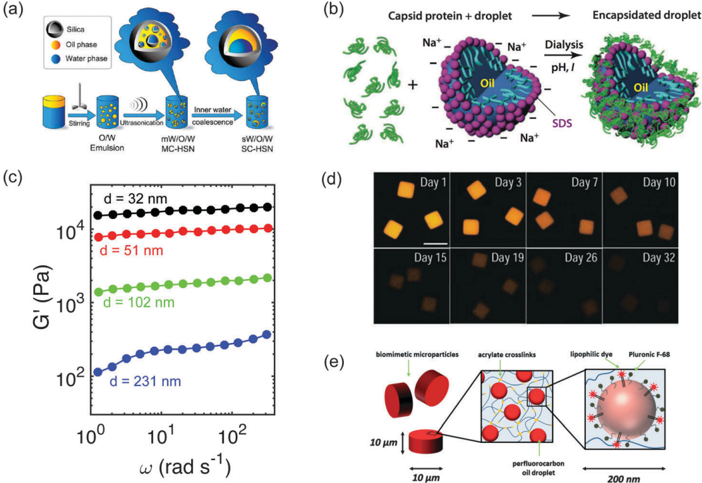
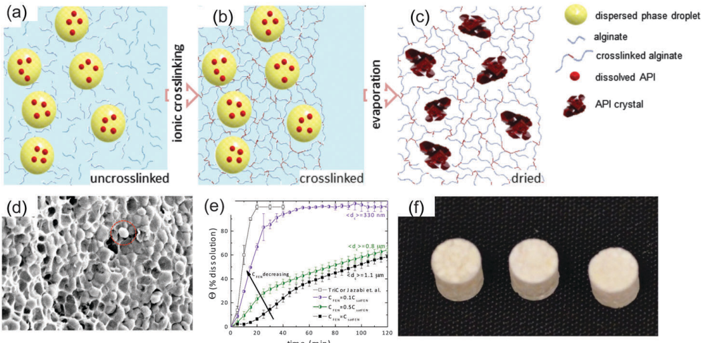
Verification
Claims the paper makes
The claims and statistics of this paper haven’t been checked yet.
Free: it reads the open-access text and checks the first 5 claims that cite a source we can check. Create a free account to check every claim.
Claims other papers make about this one
Each is checked against this paper’s own text: does it say what the citing paper says it does?
The cited source says what the claim attributes to it.
In the citing paper
“The low-energy methods involve specific physico-chemical processes such as phase inversion temperature and emulsion inversion points to make small droplets without consuming significant energy. In the low-energy methods, the droplets are constituted when the system undergoes an inversion of phase in response to changes, such as composition or temperature, and consequently passes through a low”
From Nanoemulsions for “Nose-to-Brain” Drug Delivery (2019) · cites this paper as [32]
The cited source says what the claim attributes to it.
In the citing paper
“Important differences can be found between classical macroemulsions (classical emulsions), NEs and microemulsions in droplet size range and stability characteristics [32,47].”
From Nanoemulsions for “Nose-to-Brain” Drug Delivery (2019) · cites this paper as [32]
Self-check
Percentages, sums and reported differences re-computed from the paper’s own numbers.
The self-check needs the paper’s full text.
Citations
Cites
The kinetics of precipitation from supersaturated solid solutions
Lifshitz, I. M., & Slyozov, V. V. (1961) · Journal of Physics and Chemistry of Solids · doi:10.1016/0022-3697(61)90054-3 · Cited by 8,433
Fundamentals of the hydrodynamic mechanism of splitting in dispersion processes
Hinze, J. O. (1955) · AIChE Journal · doi:10.1002/aic.690010303 · Cited by 2,641
Nanoemulsions versus microemulsions: terminology, differences, and similarities
McClements, D. J. (2012) · Soft Matter · doi:10.1039/c2sm06903b · Cited by 1,778
McClements, D. J., & Rao, J. (2011) · Critical Reviews in Food Science and Nutrition · doi:10.1080/10408398.2011.559558 · Cited by 1,630
Solans, C., Izquierdo, P., Nolla, J., Azemar, N., & Garcia-Celma, M. J. (2005) · Current Opinion in Colloid & Interface Science · doi:10.1016/j.cocis.2005.06.004 · Cited by 1,384
Encyclopedia of emulsion technology
Becher, P. (1983) · M. Dekker eBooks · Cited by 1,226
High-Resolution EM of Colloidal Nanocrystal Growth Using Graphene Liquid Cells
Yuk, J. M., Park, J., Ercius, P., Kim, K., Hellebusch, D. J., Crommie, M. F., Lee, J. Y., Zettl, A., & Alivisatos, A. P. (2012) · Science · doi:10.1126/science.1217654 · Cited by 1,153
Mewis, J., & Wagner, N. J. (2011) · Cambridge University Press eBooks · doi:10.1017/cbo9780511977978 · Cited by 1,142
Edible nanoemulsions: fabrication, properties, and functional performance
McClements, D. J. (2011) · Soft Matter · doi:10.1039/c0sm00549e · Cited by 1,031
Asua, J. M. (2002) · Progress in Polymer Science · doi:10.1016/s0079-6700(02)00010-2 · Cited by 952
Research works printed but not linked: 6
- 1. T. G. Mason, J. Wilking, K. Meleson, C. Chang and S. Graves, J. Phys.: Condens. Matter, 2006, 18, R635.
- 13. T. Tadros, P. Izquierdo, J. Esquena and C. Solans, Adv. Colloid Interface Sci., 2004, 108, 303-318. · doi:10.1016/j.cis.2003.10.023 · Paper page
- 31. N. Dixit, K. Kohli and S. Baboota, PDA J. Pharm. Sci. Technol., 2008, 62, 46-55.
- 35. P. Alves, A. Pohlmann and S. Guterres, Pharmazie, 2005, 60, 900-904.
- 51. M. Ahmed, W. Ramadan, D. Rambhu and F. Shakeel, Pharmazie, 2008, 63, 806-811.
- 63. L. Mao, D. Xu, J. Yang, F. Yuan, Y. Gao and J. Zhao, Food Technol. Biotechnol., 2009, 47, 336-342.
Cited by
Items 501–600 of 1,000
Artificial Biosystems by Printing Biology
Arrabito, G. D., Ferrara, V., Bonasera, A., & Pignataro, B. (2020) · Small · doi:10.1002/smll.201907691 · Cited by 30
Nanopore and Nanoparticle Formation with Lipids Undergoing Polymorphic Phase Transitions
Cholakova, D., Glushkova, D., Tcholakova, S. S., & Denkov, N. D. (2020) · ACS Nano · doi:10.1021/acsnano.0c02946 · Cited by 26
“Triacylglycerols (TAGs) are of outstanding interest in this area of research, as they are the main components in SLN for pharmaceutical, cosmetics and food applications.(1,3,8-10) On the other”
BackgroundMethodInfluentialAlexa, V. T., Szuhanek, C. A., Cozma, A. L., Găluşcan, A., Borcan, F., Obiștioiu, D., Dehelean, C. A., & Jumanca, D. E. (2020) · Molecules · doi:10.3390/molecules25235502 · Cited by 27
“, nanoemulsions are characterized by particle sizes between 20–500 nm, thermodynamically instability and kinetic stability and polydispersity (<10–20%) [41].”
BackgroundMatman, N., Oo, Y. M., Amnuaikit, T., & Somnuk, K. (2022) · Ultrasonics Sonochemistry · doi:10.1016/j.ultsonch.2022.105926 · Cited by 26
Oo, Y. M., Legwiriyakul, A., Thawornprasert, J., & Somnuk, K. (2022) · Fuel · doi:10.1016/j.fuel.2022.123445 · Cited by 27
Silva, C. C., Benati, R. B., Massaro, T. N. C., Pereira, K. C., Gaspar, L. R., & Marcato, P. D. (2022) · Journal of Dispersion Science and Technology · doi:10.1080/01932691.2022.2116715 · Cited by 29
“[52,53] Regarding the agitation speed (S) (Figure 1b and 1c), it did not influence the size of QT-NE (p > 0.05).”
BackgroundInfluentialAbada, M. B., Soltani, A., Tahri, M., Haouel-Hamdi, S., Boushih, E., Fourmentin, S., Greige‐Gerges, H., & Jemâa, J. M. B. (2023) · Pest Management Science · doi:10.1002/ps.7418 · Cited by 26
Liu, L., Niu, J., & Wu, J. (2023) · Journal of Molecular Liquids · doi:10.1016/j.molliq.2023.121776 · Cited by 27
Mucoadhesive pickering nanoemulsions via dynamic covalent chemistry
Hunter, S. J., Elella, M. H. A., Johnson, E. C., Taramova, L., Brotherton, E. E., Armes, S. P., Khutoryanskiy, V. V., & Smallridge, M. J. (2023) · Journal of Colloid and Interface Science · doi:10.1016/j.jcis.2023.07.162 · Cited by 26
Wang, Y. C., Wang, V., & Chen, B. (2023) · Frontiers in Nutrition · doi:10.3389/fnut.2023.1229192 · Cited by 35
Exploring Vitamin D Synthesis and Function in Cardiovascular Health: A Narrative Review
Aiello, G., Lombardo, M., & Baldelli, S. (2024) · Applied Sciences · doi:10.3390/app14114339 · Cited by 34
“This improvement is attributed to the enhanced solubility and protection against degradation mechanisms provided by the nanoemulsion [127].”
BackgroundNanoemulsions: Preparation, Structure, Functional Properties and their Antimicrobial Effects
Najafabadi, N. S., & Sahari, M. A. (2016) · Applied food biotechnology · doi:10.22037/afb.v3i3.11773 · Cited by 35
“The nanoemulsion technology can be formulated into a cream, foam, liquid or spray to decontaminate a variety of materials [4,42].”
BackgroundCharacterization of Physicochemical Properties of Nanoemulsions: Appearance, Stability, and Rheology
Chung, C., & McClements, D. J. (2018) · Elsevier eBooks · doi:10.1016/b978-0-12-811838-2.00017-5 · Cited by 26
Performance and exhaust emissions of a diesel engine using diesel nanoemulsions as alternative fuels
El‐Din, M. R. N., Mishrif, M. R., Gad, M. S., & Keshawy, M. E. (2019) · Egyptian Journal of Petroleum · doi:10.1016/j.ejpe.2019.03.004 · Cited by 26
Jyotshna, Gupta, A. C., Bawankule, D. U., Verma, A. K., & Shanker, K. (2020) · Journal of Drug Delivery Science and Technology · doi:10.1016/j.jddst.2020.101734 · Cited by 27
Self-citationZhou, H., Qin, D., Vu, G., & McClements, D. J. (2023) · Colloids and Interfaces · doi:10.3390/colloids7010021 · Cited by 29
Nikita, & Agnihotri, S. (2025) · Biocatalysis and Agricultural Biotechnology · doi:10.1016/j.bcab.2025.103702 · Cited by 29
Diffusion-Controlled Spontaneous Emulsification of Water-Soluble Oils via Micelle Swelling
Davis, C. R., Martinez, C. J., Howarter, J. A., & Erk, K. A. (2020) · Langmuir · doi:10.1021/acs.langmuir.0c01121 · Cited by 25
On sample preparation methods for fermented beverage VOCs profiling by GCxGC-TOFMS
Zhang, P., Carlin, S., Lotti, C., Mattivi, F., & Vrhovšek, U. (2020) · Metabolomics · doi:10.1007/s11306-020-01718-7 · Cited by 25
Mehanna, M. M., Abla, K. K., & Elmaradny, H. A. (2020) · Advanced Pharmaceutical Bulletin · doi:10.34172/apb.2021.040 · Cited by 25
“At 5±2°C, F7 didn’t show any significant change in its droplet size, PDI, and its zeta potential during the storage period, due to the presence of a high concentration of labrasol that stabilizes the system against Ostwald ripening(60) and prevents globule self-coalescence.(28,60) This result is in agreement with thos…”
ResultGledović, A., Ležaić, A. J., Nikolić, I., Kostov, M. T., Antić‐Stanković, J., Krstonosic, V. S., Randjelovic, D. V., Božić, D. D., Ilić, D., Tamburić, S., et al. (2021) · Nanomaterials · doi:10.3390/nano11010217 · Cited by 25
“, liquid crystalline (LC) phase/microemulsion (ME)/oil-in-water-in-oil (O/W/O) multiple emulsion) prior to its conversion to O/W nanoemulsion [9,14,15].”
BackgroundInfluentialTakezaki, M., Kawakami, R., Onishi, S., Suzuki, Y., Kawamata, J., Imamura, T., Hadano, S., Watanabe, S., & Niko, Y. (2021) · Advanced Functional Materials · doi:10.1002/adfm.202010698 · Cited by 25
Desai, D., Guerrero, Y. A., Balachandran, V., Morton, A., Lyon, L., Larkin, B., & Solomon, D. E. (2021) · Nanomedicine Nanotechnology Biology and Medicine · doi:10.1016/j.nano.2021.102402 · Cited by 27
Curcumin clarithromycin nano-form a promising agent to fight Helicobacter pylori infections
Mosallam, F. M., Bendary, M. M., Elshimy, R. M., & El-Batal, A. I. (2023) · World Journal of Microbiology and Biotechnology · doi:10.1007/s11274-023-03745-7 · Cited by 28
Advancement in lipid-based nanocomposites for theranostic applications in lung carcinoma treatment
Colaco, V., Roy, A. A., Naik, G. A. R. R., Mondal, A., Mutalik, S., & Dhas, N. L. (2023) · OpenNano · doi:10.1016/j.onano.2023.100199 · Cited by 30
Cao, Z., Wang, H., Feng, T., bu, X., Cui, C., Yang, F., & Yu, C. (2024) · Industrial Crops and Products · doi:10.1016/j.indcrop.2024.118704 · Cited by 26
Superparamagnetic lipid-based hybrid nanosystems for drug delivery
Millart, E., Lesieur, S., & Faivre, V. (2018) · Expert Opinion on Drug Delivery · doi:10.1080/17425247.2018.1453804 · Cited by 25
“Nanoemulsions, defined as liquid-liquid biphasic dispersions at the nanometer scale, have attracted growing interest as colloidal drug carriers, notably for intravenous administration, from parenteral nutrition to drug transportation [91,92,93], or for oral administration of poorly water-soluble drugs since they have…”
BackgroundPaim, L. F. N. A., Lana, D. F. D., Giaretta, M., Danielli, L. J., Fuentefría, A. M., Apel, M. A., & Külkamp‐Guerreiro, I. C. (2018) · Industrial Crops and Products · doi:10.1016/j.indcrop.2018.10.016 · Cited by 25
Nanotechnology in food preservation
Singh, P. (2018) · FOOD SCIENCE RESEARCH JOURNAL · doi:10.15740/has/fsrj/9.2/441-447 · Cited by 25
Instantaneous interaction of mucin with pectin- and carrageenan-coated nanoemulsions
Celli, G. B., Liu, Y., Dadmohammadi, Y., Tiwari, R., Raghupathi, K. R., Mutilangi, W., & Abbaspourrad, A. (2019) · Food Chemistry · doi:10.1016/j.foodchem.2019.125795 · Cited by 25
Nanoemulsion modular assembly for the synthesis of functional mesoporous nanomaterials
Peng, L., Peng, H., Yuan, Y., Song, Y., Yang, X., Sun, P., Yin, Y., Wang, S., Guo, Z., Zhao, D., et al. (2026) · Nature Synthesis · doi:10.1038/s44160-025-00973-7 · Cited by 24
“They are also stable across a wide dilution range 22 and are modular, meaning that each nanoemulsion templates a single mesopore.”
Lipid-based nanoparticles in the treatment of erectile dysfunction
Güven, E. (2020) · International Journal of Impotence Research · doi:10.1038/s41443-020-0235-7 · Cited by 26
Thaker, A. H., & Ranade, V. V. (2021) · Chemical Engineering and Processing - Process Intensification · doi:10.1016/j.cep.2021.108753 · Cited by 24
TES Nanoemulsions: A Review of Thermophysical Properties and Their Impact on System Design
Iacob-Tudose, E. T., Mămăligă, I., & Iosub, A. V. (2021) · Nanomaterials · doi:10.3390/nano11123415 · Cited by 27
Rabalao, T. M., Ndaba, B., Roopnarain, A., & Vatsha, B. (2022) · JSFA reports · doi:10.1002/jsf2.44 · Cited by 30
Silk-based 2D nanocomposites for superior oily wastewater remediation
Abd-Elbaki, M. K. M., Ahmed, R. M. G., & Khalil, A. S. G. (2022) · Journal of Cleaner Production · doi:10.1016/j.jclepro.2022.132707 · Cited by 24
Sahoo, A., Sethi, J., Satapathy, K. B., Sahoo, S. K., & Panigrahi, G. K. (2022) · Nanotechnology for Environmental Engineering · doi:10.1007/s41204-022-00277-7 · Cited by 25
Hu, Y., Song, J., Feng, A., Li, J., Li, M., Shi, Y., Sun, W., & Li, L. (2023) · Molecules · doi:10.3390/molecules28237767 · Cited by 28
“Therefore, similar to APRPG, NGR ligands can be used for surface modifications of nano-formulations to enhance the targeting ability of drug delivery systems to tumor tissues [115,116].”
BackgroundAn overview of lipid-based nanostructures for encapsulation of food ingredients
Assadpour, E., & Jafari, S. M. (2019) · Elsevier eBooks · doi:10.1016/b978-0-12-815673-5.00001-5 · Cited by 24
Assessment of the pesticidal behaviour of diacyl hydrazine-based ready-to-use nanoformulations
Pandey, A., Srivastava, S., Aggarwal, N., Srivastava, C., Adholeya, A., & Kochar, M. (2020) · Chemical and Biological Technologies in Agriculture · doi:10.1186/s40538-020-0177-9 · Cited by 24
Foster, M. J., Carpenter, A. P., & Richmond, G. L. (2021) · The Journal of Physical Chemistry B · doi:10.1021/acs.jpcb.1c05508 · Cited by 24
Syed, U. T., Dias, A. M. A., de Sousa, H. C., Crespo, J. G., & Brazinha, C. (2022) · Journal of Cleaner Production · doi:10.1016/j.jclepro.2022.131966 · Cited by 24
Liu, X., Zhang, B., Sohal, I. S., Bello, D., & Chen, H. (2019) · Advances in food and nutrition research · doi:10.1016/bs.afnr.2019.03.004 · Cited by 27
A Comprehensive Review of Emulsion-Based Nisin Delivery Systems for Food Safety
Kapolos, J., Giannopoulou, D., Papadimitriou, K., & Koliadima, A. (2025) · Foods · doi:10.3390/foods14081338 · Cited by 29
“This pressure gradient promotes mass transfer from smaller to larger droplets, ultimately leading to emulsion instability [69].”
Synthesis and Characterization of Ozonated Oil Nanoemulsions
Aydın, R. S. T., & Kazancı, F. (2018) · Journal of the American Oil Chemists Society · doi:10.1002/aocs.12150 · Cited by 26
Suliman, A. S., Tom, R., Palmer, K., Tolaymat, I., Younes, H. M., Arafat, B. T., Elhissi, A. M. A., & Najlah, M. (2020) · Pharmaceutical Development and Technology · doi:10.1080/10837450.2020.1720237 · Cited by 23
“The presence of an emulsifier is essential for the stability of nanoemulsion by reducing the interfacial tension between oil and water, hence preventing dropletdroplet interaction and subsequent oil phase separation (Gupta et al. 2016).”
BackgroundChen, H., Jiang, L., Zeng, J., Huo, Y., & Li, Y. (2020) · Journal of Food Processing and Preservation · doi:10.1111/jfpp.14925 · Cited by 23
Insights into the release mechanisms of antioxidants from nanoemulsion droplets
Ling, J. K. U., Chan, Y. S., & Nandong, J. (2021) · Journal of Food Science and Technology · doi:10.1007/s13197-021-05128-y · Cited by 24
“In the former process, the droplets merge into each other to form bigger droplets while the latter occurs due to diffusion of oil molecules from small to large droplets because of the difference in the chemical potential of the droplets (Gupta et al. 2016).”
BackgroundProduction of microbial pigments from whey and their applications: a review
Poonia, A., & Pandey, S. (2022) · Nutrition & Food Science · doi:10.1108/nfs-02-2022-0055 · Cited by 23
Wang, Y., Geng, M., Zhang, X., Yan, M., Sun, L.-M., & Zhao, Q. (2023) · Algal Research · doi:10.1016/j.algal.2023.103154 · Cited by 23
Li, S., & McClements, D. J. (2023) · Food Hydrocolloids · doi:10.1016/j.foodhyd.2023.109126 · Cited by 23
Pillai, P., Saw, R. K., & Mandal, A. K. (2024) · Journal of Molecular Liquids · doi:10.1016/j.molliq.2024.124189 · Cited by 23
Badr-Eldin, S. M., Aldawsari, H. M., Ahmed, O. A. A., Kotta, S., Abualsunun, W. A., Eshmawi, B. A., Khafagy, E., Elbaramawi, S. S., Abbas, H. A., Hegazy, W. A. H., et al. (2024) · Nanotechnology Reviews · doi:10.1515/ntrev-2023-0212 · Cited by 25
Garg, S., Patel, P., Gupta, G. D., & Kurmi, B. D. (2024) · Micro and Nanosystems · doi:10.2174/0118764029301470240603051432 · Cited by 23
Nanoemulsion-Based Delivery of Fluorescent PARP Inhibitors in Mouse Models of Small Cell Lung Cancer
Gonzales, J., Kossatz, S., Roberts, S. S., Pirovano, G., Brand, C., Pérez‐Medina, C., Donabedian, P. L., de la Cruz, M. J., Mulder, W. J. M., & Reiner, T. (2018) · Bioconjugate Chemistry · doi:10.1021/acs.bioconjchem.8b00640 · Cited by 23
Surfactant-Stabilized Spontaneous 3-(Trimethoxysilyl) Propyl Methacrylate Nanoemulsions
Neibloom, D., Bevan, M. A., & Fréchette, J. (2019) · Langmuir · doi:10.1021/acs.langmuir.9b03412 · Cited by 25
Lee, J. B., Sung, M., Noh, M., Kim, J., Jang, J., Kim, S. J., & Kim, J. W. (2020) · International Journal of Pharmaceutics · doi:10.1016/j.ijpharm.2020.119162 · Cited by 23
Dieng, S. M., Omran, Z., Anton, N., Thioune, O., Djiboune, A. R., Sy, P. M., Messaddeq, N., Ennahar, S., Diarra, M., & Vandamme, T. (2020) · Colloids and Surfaces B Biointerfaces · doi:10.1016/j.colsurfb.2020.111010 · Cited by 24
Li, L., Chen, X., Liu, L., Yang, Y., Wu, Y., Chen, G., Zhang, Z., & Luo, P. (2020) · LWT · doi:10.1016/j.lwt.2020.110815 · Cited by 26
Modified lignin from sugarcane bagasse as an emulsifier in oil-in-water nanoemulsions
Brenelli, L. B., Mariutti, L. R. B., Portugal, R. V., de Farias, M. A., Bragagnolo, N., Mercadante, A. Z., Franco, T. T., Rabelo, S. C., & Squina, F. M. (2021) · Industrial Crops and Products · doi:10.1016/j.indcrop.2021.113532 · Cited by 23
Modeling Chemical Reactivity at the Interfaces of Emulsions: Effects of Partitioning and Temperature
Costa, M., Paiva‐Martins, F., Losada‐Barreiro, S., & Bravo‐Díaz, C. (2021) · Molecules · doi:10.3390/molecules26154703 · Cited by 25
Chitosan nanoemulsion: Gleam into the futuristic approach for preserving the quality of muscle foods
Chaudhary, S., Kumar, V., Sharma, V., Sharma, R., & Kumar, S. (2021) · International Journal of Biological Macromolecules · doi:10.1016/j.ijbiomac.2021.12.046 · Cited by 25
Spectral Properties of Foams and Emulsions
Dinache, A., Pascu, M., & Smarandache, A. (2021) · Molecules · doi:10.3390/molecules26247704 · Cited by 24
Colloidal Gelation through Thermally Triggered Surfactant Displacement
Cheng, L., Sherman, Z. M., Swan, J. W., & Doyle, P. S. (2019) · Langmuir · doi:10.1021/acs.langmuir.9b00596 · Cited by 22
Self-citationHill, R. J., & Afuwape, G. (2020) · Journal of Fluid Mechanics · doi:10.1017/jfm.2020.256 · Cited by 22
Nanonutraceuticals: A way towards modern therapeutics in healthcare
Shende, P. K., & Mallick, C. (2020) · Journal of Drug Delivery Science and Technology · doi:10.1016/j.jddst.2020.101838 · Cited by 23
Asgari, H. T., Es‐haghi, A., & Karimi, E. (2021) · Journal of Food Measurement & Characterization · doi:10.1007/s11694-021-00947-1 · Cited by 24
Functional Nanocarriers for Delivering Itraconazole Against Fungal Intracellular Infections
Mejía, S. P., Sánchez, A., Vásquez, V., & Orozco, J. (2021) · Frontiers in Pharmacology · doi:10.3389/fphar.2021.685391 · Cited by 24
“5 mg of ITZ produced a larger particle size, which increased as relative viscosity increased, in agreement with reports in the literature (Wooster et al., 2008; Gupta et al., 2016).”
ResultPyrhönen, J., Bansal, K. K., Bhadane, R. N., Wilén, C., Salo‐Ahen, O. M. H., & Rosenholm, J. M. (2021) · Advanced NanoBiomed Research · doi:10.1002/anbr.202100072 · Cited by 23
Mansuri, A., Chaudhari, R. H., Nasra, S., Meghani, N., Ranjan, S., & Kumar, A. (2022) · Environmental Science and Pollution Research · doi:10.1007/s11356-022-19116-y · Cited by 22
Ravichandran, M., Samiappan, S. C., Rangaraj, S., Murugan, K., Al-Dhabi, N. A., & Karuppiah, P. (2022) · Elsevier eBooks · doi:10.1016/b978-0-323-89846-1.00017-6 · Cited by 29
Kim, G. W., Yun, S., Jang, J., Lee, J. B., & Kim, S. Y. (2023) · Journal of Colloid and Interface Science · doi:10.1016/j.jcis.2023.05.005 · Cited by 24
Miksusanti, M., Apriani, E. F., & Bihurinin, A. H. B. (2023) · Sains Malaysiana · doi:10.17576/jsm-2023-5204-17 · Cited by 30
Zhang, P., Piergiovanni, M., Franceschi, P., Mattivi, F., Vrhovšek, U., & Carlin, S. (2023) · Analytica—A Journal of Analytical Chemistry and Chemical Analysis · doi:10.3390/analytica4030026 · Cited by 22
Vishwas, S., Bashir, B., Birla, D., Khandale, N. B., Chaitanya, M., Chellappan, D. K., Gupta, G., Negi, P., Dua, K., & Singh, S. K. (2024) · Current Topics in Medicinal Chemistry · doi:10.2174/0115680266296001240327090111 · Cited by 22
Zhang, M., Nowak, M., de Molina, P. M., Abramovitch, M., Santizo, K. Y., Mitragotri, S., & Helgeson, M. E. (2017) · Langmuir · doi:10.1021/acs.langmuir.7b01162 · Cited by 22
Atanase, L. I., Larraya, C., Tranchant, J., & Save, M. (2017) · European Polymer Journal · doi:10.1016/j.eurpolymj.2017.07.011 · Cited by 22
Fabrication of Nanoemulsions by High-Pressure Valve Homogenization
Håkansson, A. (2018) · Elsevier eBooks · doi:10.1016/b978-0-12-811838-2.00007-2 · Cited by 22
Nanozymes: Preparation and Characterization
Qin, L., Hu, Y., & Wei, H. (2020) · Nanostructure science and technology · doi:10.1007/978-981-15-1490-6_4 · Cited by 22
Nanomaterials for oral drug administration
Bertoni, S., Passerini, N., & Albertini, B. (2020) · Elsevier eBooks · doi:10.1016/b978-0-12-818038-9.00004-1 · Cited by 22
Carpenter, A. P., Foster, M. J., Jones, K. K., & Richmond, G. L. (2021) · Langmuir · doi:10.1021/acs.langmuir.0c03606 · Cited by 22
Qin, X., Kräft, T., & Goycoolea, F. M. (2018) · Colloids and Surfaces B Biointerfaces · doi:10.1016/j.colsurfb.2018.05.054 · Cited by 22
Siva, S. P., Kow, K.-W., Chan, C., Tang, S. Y., & Ho, Y. K. (2018) · Ultrasonics Sonochemistry · doi:10.1016/j.ultsonch.2018.12.040 · Cited by 22
Shen, Q.-J., Sun, J., Pan, J.-N., Yu, T., & Zhou, W. (2024) · Innovative Food Science & Emerging Technologies · doi:10.1016/j.ifset.2024.103867 · Cited by 23
Anwar, M. Z., Kathuria, H., Er, J. X., Wang, Y., & Chiu, G. N. C. (2026) · Journal of Controlled Release · doi:10.1016/j.jconrel.2026.114719 · Cited by 25
Correa, L., Meirelles, G. D. C., Balestrin, L. A., de Souza, P. O., Moreira, J. C. F., Schuh, R. S., Bidone, J., von Poser, G. L., & Teixeira, H. F. (2020) · Photochemical & Photobiological Sciences · doi:10.1039/d0pp00243g · Cited by 21
Fernandes, A. R., Bonilla-Vidal, L., Sánchez‐López, E., dos Santos, T., Granja, P. L., Silva, A. M., García, M. L., & Souto, E. B. (2022) · International Journal of Pharmaceutics · doi:10.1016/j.ijpharm.2022.121938 · Cited by 21
Singh, S., Tiwary, N., Sharma, N., Behl, T., Antil, A., Anwer, M. K., Ramniwas, S., Sachdeva, M., Elossaily, G. M., Gulati, M., et al. (2024) · Pharmaceuticals · doi:10.3390/ph17020248 · Cited by 26
Shivhare, P. K., Prabhakar, A., & Sen, A. K. (2016) · Journal of Micromechanics and Microengineering · doi:10.1088/1361-6439/aa53cc · Cited by 21
PREPARATION AND IN VITRO EVALUATION OF MONTELUKAST SODIUM ORAL NANOEMULSION
Almajidi, Y. Q., Mahdi, Z. H., & Maraie, N. K. (2018) · International Journal of Applied Pharmaceutics · doi:10.22159/ijap.2018v10i5.28367 · Cited by 21
“Methods: In this study, montelukast sodium (MS) nanoemulsions (NEs) were formulated by ultra-sonication using different surfactants (tween 20, tween 60 and tween 80) in different surfactant: co-surfactant (ethanol) ratios (Smix).”
BackgroundInfluentialFormulation approaches for improved retinoids delivery in the treatment of several pathologies
Gonçalves, A., Estevinho, B. N., & Rocha, F. A. (2019) · European Journal of Pharmaceutics and Biopharmaceutics · doi:10.1016/j.ejpb.2019.08.014 · Cited by 21
Cheng, L., Vehusheia, S. L. K., & Doyle, P. S. (2020) · Langmuir · doi:10.1021/acs.langmuir.0c00199 · Cited by 21
“11 Nanoemulsions are liquid − liquid suspensions (e.g., oil droplets suspended in water) where the droplet size is on the order of 100 nm.”
Self-citationBuzanello, E. B., Machado, G. T. P., Kuhnen, S., Mazzarino, L., & Maraschin, M. (2020) · Nano Express · doi:10.1088/2632-959x/ab9c47 · Cited by 23
Encapsulation and sedimentation of nanomaterials through complex coacervation
González‐Monje, P., García, A. A., Ruiz‐Molina, D., & Roscini, C. (2020) · Journal of Colloid and Interface Science · doi:10.1016/j.jcis.2020.12.067 · Cited by 21
Subaharan, K., Selvan, P. S., Subramanya, T. M., Senthoorraja, R., Manjunath, S., Das, T., Pragadheesh, V. S., Bakthavatsalam, N., Mohan, M. G., Senthil‐Nathan, S., et al. (2022) · Environmental Science and Pollution Research · doi:10.1007/s11356-022-20870-2 · Cited by 24
Ye, J., Li, L., Yin, J., Wang, H., Li, R., Yang, Y., Guan, Y., Xia, X., & Liu, Y. (2022) · Journal of Pharmaceutical Analysis · doi:10.1016/j.jpha.2022.08.002 · Cited by 21
Jemaa, M. B., Falleh, H., & Ksouri, R. (2019) · IntechOpen eBooks · doi:10.5772/intechopen.84183 · Cited by 25
Tinh, N. Q., Thành, Đ. V., Thu, N. V., Nhung, B. T. Q., Huyen, P. N., Hung, N. P., Thủy, N. T., Thuy, P. D., Mi, N. H., & Tâm, K. T. (2025) · RSC Advances · doi:10.1039/d5ra00386e · Cited by 22
Visaveliya, N. R., & Köhler, J. M. (2021) · Advanced Optical Materials · doi:10.1002/adom.202002219 · Cited by 21
Hiền, L. T. M., & Dao, D. T. A. (2022) · Current Research in Nutrition and Food Science Journal · doi:10.12944/crnfsj.10.1.26 · Cited by 24
Metadata
- Authors
- Gupta, A., Eral, H. B., Hatton, T. A., & Doyle, P. S.
- Affiliations
- Massachusetts Institute of Technology (US)
- Utrecht University (NL)
- Corresponding author
- Doyle, Patrick S.
- Venue
- Soft Matter
- Publisher
- Royal Society of Chemistry (RSC)
- Published
- 2016
- Volume
- 12
- Issue
- 11
- Pages
- 2826-2841
- ISSN
- 1744-683X (ISSN-L)
- 1744-6848
- OpenAlex
- W2276073028
- Cited by
- 1,633
- References
- 120
- Citations by year
- 2026: 188 · 2025: 193 · 2024: 200 · 2023: 191 · 2022: 188 · 2021: 182 · 2020: 172 · 2019: 135 · 2018: 97 · 2017: 61 · 2016: 14
- FWCI
- 4.89
- Type
- journal article
- Language
- en
- Open access
- hybrid
- doi.org
- Licence
- cc-by-nc
- Locations
- Soft Matter (publishedVersion, cc-by-nc)
- PubMed (publishedVersion)
- DSpace@MIT (Massachusetts Institute of Technology) (submittedVersion, cc-by-nc)
- Research Repository (Delft University of Technology) (submittedVersion)
- Data Archiving and Networked Services (DANS) (submittedVersion, cc-by-nc)
- Funders
- Eni
- Topics
- Physical Sciences › Chemistry › Physical and Theoretical Chemistry › Surfactants and Colloidal Systems
- Life Sciences › Agricultural and Biological Sciences › Food Science › Proteins in Food Systems
- Physical Sciences › Materials Science › Materials Chemistry › Pickering emulsions and particle stabilization
- Keywords
- nanoemulsions, droplet size, droplet stability, emulsion preparation, high-pressure homogenization, sonication, phase inversion temperature, bubble bursting, rheology, drug delivery, food emulsions, cosmetics, colloidal dispersions
About these checks
Registry, retraction, Cites and statistics results are computed, not judged, with one exception: a printed reference that no index lists is read once by a model before it counts as a citation error. Claims are extracted by a model and kept only when their quote appears verbatim in the text; each cited source is then checked, with a model’s help, for whether it says what the claim relies on. Those verdicts can be wrong — read the claim’s quote and the cited source before relying on one.
Statistics and arithmetic are recomputed, not judged.
Confidence bands are shown only for fields calibrated on our annotated test set. None is calibrated yet, so no band is shown.
What counts as a claim ›How we measure confidence ›How we check this ›
Are you an author, or do you see a problem with this page? Request a review
Data sources
Bibliographic data: Semantic Scholar, OpenAlex, Crossref.
Contains information from the Semantic Scholar Academic Graph Datasets, made available under the ODC Attribution License (ODC-BY 1.0).
Semantic Scholar’s data is described in: Kinney, R., et al. (2023). The Semantic Scholar Open Data Platform. arXiv:2301.10140.
