

Nanoemulsions: formation, properties and applications
Open accessThe DOI matches its Crossref record; 119 of the 120 references it cites were found in a registry or an index.
Abstract
Nanoemulsions are kinetically stable liquid-in-liquid dispersions with droplet sizes on the order of 100 nm.
Overview
The claims and statistics of this paper haven’t been checked yet.
Free: it reads the open-access text and checks the first 5 claims that cite a source we can check. Create a free account to check every claim.
Integrity signals
Registry
Cites
Statistics
Figures




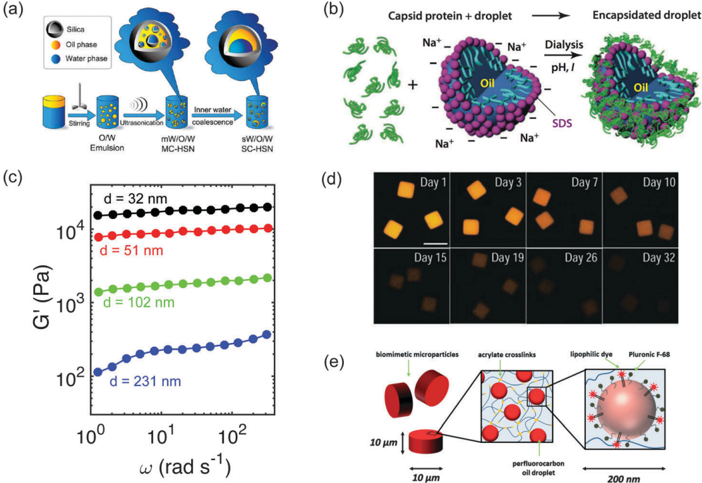
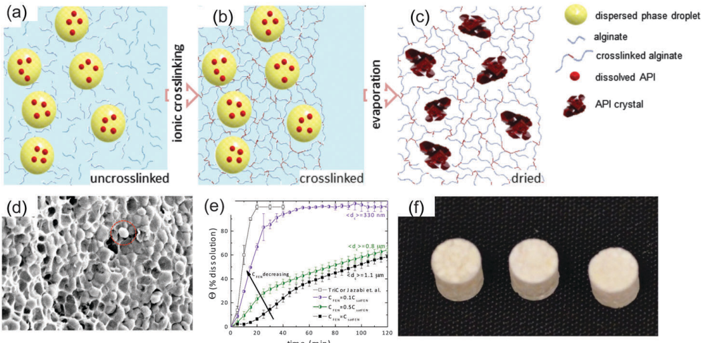
Verification
Claims the paper makes
The claims and statistics of this paper haven’t been checked yet.
Free: it reads the open-access text and checks the first 5 claims that cite a source we can check. Create a free account to check every claim.
Claims other papers make about this one
Each is checked against this paper’s own text: does it say what the citing paper says it does?
The cited source says what the claim attributes to it.
In the citing paper
“The low-energy methods involve specific physico-chemical processes such as phase inversion temperature and emulsion inversion points to make small droplets without consuming significant energy. In the low-energy methods, the droplets are constituted when the system undergoes an inversion of phase in response to changes, such as composition or temperature, and consequently passes through a low”
From Nanoemulsions for “Nose-to-Brain” Drug Delivery (2019) · cites this paper as [32]
The cited source says what the claim attributes to it.
In the citing paper
“Important differences can be found between classical macroemulsions (classical emulsions), NEs and microemulsions in droplet size range and stability characteristics [32,47].”
From Nanoemulsions for “Nose-to-Brain” Drug Delivery (2019) · cites this paper as [32]
Self-check
Percentages, sums and reported differences re-computed from the paper’s own numbers.
The self-check needs the paper’s full text.
Citations
Cites
The kinetics of precipitation from supersaturated solid solutions
Lifshitz, I. M., & Slyozov, V. V. (1961) · Journal of Physics and Chemistry of Solids · doi:10.1016/0022-3697(61)90054-3 · Cited by 8,433
Fundamentals of the hydrodynamic mechanism of splitting in dispersion processes
Hinze, J. O. (1955) · AIChE Journal · doi:10.1002/aic.690010303 · Cited by 2,641
Nanoemulsions versus microemulsions: terminology, differences, and similarities
McClements, D. J. (2012) · Soft Matter · doi:10.1039/c2sm06903b · Cited by 1,778
McClements, D. J., & Rao, J. (2011) · Critical Reviews in Food Science and Nutrition · doi:10.1080/10408398.2011.559558 · Cited by 1,630
Solans, C., Izquierdo, P., Nolla, J., Azemar, N., & Garcia-Celma, M. J. (2005) · Current Opinion in Colloid & Interface Science · doi:10.1016/j.cocis.2005.06.004 · Cited by 1,384
Encyclopedia of emulsion technology
Becher, P. (1983) · M. Dekker eBooks · Cited by 1,226
High-Resolution EM of Colloidal Nanocrystal Growth Using Graphene Liquid Cells
Yuk, J. M., Park, J., Ercius, P., Kim, K., Hellebusch, D. J., Crommie, M. F., Lee, J. Y., Zettl, A., & Alivisatos, A. P. (2012) · Science · doi:10.1126/science.1217654 · Cited by 1,153
Mewis, J., & Wagner, N. J. (2011) · Cambridge University Press eBooks · doi:10.1017/cbo9780511977978 · Cited by 1,142
Edible nanoemulsions: fabrication, properties, and functional performance
McClements, D. J. (2011) · Soft Matter · doi:10.1039/c0sm00549e · Cited by 1,031
Asua, J. M. (2002) · Progress in Polymer Science · doi:10.1016/s0079-6700(02)00010-2 · Cited by 952
Research works printed but not linked: 6
- 1. T. G. Mason, J. Wilking, K. Meleson, C. Chang and S. Graves, J. Phys.: Condens. Matter, 2006, 18, R635.
- 13. T. Tadros, P. Izquierdo, J. Esquena and C. Solans, Adv. Colloid Interface Sci., 2004, 108, 303-318. · doi:10.1016/j.cis.2003.10.023 · Paper page
- 31. N. Dixit, K. Kohli and S. Baboota, PDA J. Pharm. Sci. Technol., 2008, 62, 46-55.
- 35. P. Alves, A. Pohlmann and S. Guterres, Pharmazie, 2005, 60, 900-904.
- 51. M. Ahmed, W. Ramadan, D. Rambhu and F. Shakeel, Pharmazie, 2008, 63, 806-811.
- 63. L. Mao, D. Xu, J. Yang, F. Yuan, Y. Gao and J. Zhao, Food Technol. Biotechnol., 2009, 47, 336-342.
Cited by
Items 301–400 of 1,000
Polymers with advanced architectures as emulsifiers for multi-functional emulsions
Hu, M., & Russell, T. P. (2021) · Materials Chemistry Frontiers · doi:10.1039/d0qm00730g · Cited by 49
Mehanna, M. M., Abla, K. K., Domiati, S. A., & Elmaradny, H. A. (2022) · International Journal of Pharmaceutics · doi:10.1016/j.ijpharm.2022.121830 · Cited by 49
Nabi, B., Rehman, S., Baboota, S., & Ali, J. (2019) · AAPS PharmSciTech · doi:10.1208/s12249-018-1284-9 · Cited by 48
Gago, C., Artiga-Artigas, M., Antunes, M. D. C., Faleiro, M. L., Miguel, M. G., & Martín‐Belloso, O. (2019) · Journal of Food Science and Technology · doi:10.1007/s13197-019-03762-1 · Cited by 51
Therapeutic Nanoemulsion: Concept to Delivery
Barkat, M. A., Harshita, Rizwanullah, M., Pottoo, F. H., Beg, S., Akhter, S., & Ahmad, F. J. (2020) · Current Pharmaceutical Design · doi:10.2174/1381612826666200317140600 · Cited by 53
Kumar, N., & Mandal, A. (2020) · Journal of Molecular Liquids · doi:10.1016/j.molliq.2020.114087 · Cited by 49
Emulsion-Based Multicompartment Vaginal Drug Carriers: From Nanoemulsions to Nanoemulgels
Smoleński, M., Karolewicz, B., Gołkowska, A. M., Nartowski, K. P., & Małolepsza-Jarmołowska, K. (2021) · International Journal of Molecular Sciences · doi:10.3390/ijms22126455 · Cited by 54
A Review of the Processes Associated with the Removal of Oil in Water Pollution
Cerff, B., Key, D. V., & Bladergroen, B. J. (2021) · Sustainability · doi:10.3390/su132212339 · Cited by 50
“These types of simple emulsions are referred to as nanoemulsions [68,70,73,74].”
BackgroundAnticancer Applications of Essential Oils Formulated into Lipid-Based Delivery Nanosystems
Jampílek, J., & Kráľová, K. (2022) · Pharmaceutics · doi:10.3390/pharmaceutics14122681 · Cited by 50
“NEs are often referred to as translucent or transparent, while classic emulsions are characterized as non‐transparent or milky [94].”
BackgroundMethodInfluentialDemisli, S., Galani, E., Goulielmaki, M., Kyrilis, F. L., Milić, J., Hamdi, F., Crevar, M., Kastritis, P. L., Pletsa, V., Nallet, F., et al. (2022) · Journal of Colloid and Interface Science · doi:10.1016/j.jcis.2022.12.036 · Cited by 53
Designing future foods: Harnessing 3D food printing technology to encapsulate bioactive compounds
Ahmadzadeh, S., Lenie, M. D. R., Mirmahdi, R. S., & Ubeyitogullari, A. (2023) · Critical Reviews in Food Science and Nutrition · doi:10.1080/10408398.2023.2273446 · Cited by 57
“Based on the size, emulsions can be classified into micro-(size between 10 and 100 nm) or nano-emulsions (size between 20-500 nm) (Gupta et al. 2016).”
Synthesizing Pickering Nanoemulsions by Vapor Condensation
Kang, D. J., Bararnia, H., & Anand, S. (2018) · ACS Applied Materials & Interfaces · doi:10.1021/acsami.8b06467 · Cited by 47
The Properties and Application of Argan Oil in Cosmetology
Goik, U., Goik, T., & Załęska, I. (2019) · European Journal of Lipid Science and Technology · doi:10.1002/ejlt.201800313 · Cited by 49
Nunes, R., Pereira, B. D., Cerqueira, M. Â., Silva, P. M., Pastrana, L. M., Vicente, A. A., Martins, J. T., & Bourbon, A. I. (2020) · Food & Function · doi:10.1039/c9fo02307k · Cited by 47
Multifunctional nanoparticles as theranostic agents for therapy and imaging of breast cancer
Fernandes, D. A., Fernandes, D. D., Malik, A., Gomes, G.-N. W., Appak‐Baskoy, S., Berndl, E. S. L., Gradinaru, C. C., & Kolios, M. C. (2020) · Journal of Photochemistry and Photobiology B Biology · doi:10.1016/j.jphotobiol.2020.112110 · Cited by 48
Yaqoob, A. A., Sekeri, S. H., Othman, M. B. H., Ibrahim, M. N. M., & Feizi, Z. H. (2021) · Arabian Journal of Chemistry · doi:10.1016/j.arabjc.2021.103182 · Cited by 50
Ombredane, A. S., Araújo, V. H. S., Borges, C. O., Costa, P., Landim, M. G., Pinheiro, A. C., Szlachetka, Í. O., Benedito, L. E. C., Espíndola, L. S., Dias, D. J. S., et al. (2020) · Journal of Drug Delivery Science and Technology · doi:10.1016/j.jddst.2020.101819 · Cited by 49
Power of plant microbiome: A sustainable approach for agricultural resilience
Ali, Q., Ali, M., Jing, H., Hussain, A., Manghwar, H., Ali, M., Raza, W., & Mundra, S. (2024) · Plant Stress · doi:10.1016/j.stress.2024.100681 · Cited by 50
Controlling nanoemulsion surface chemistry with poly(2-oxazoline) amphiphiles
Estabrook, D. A., Ennis, A. F., Day, R. A., & Sletten, E. M. (2019) · Chemical Science · doi:10.1039/c8sc05735d · Cited by 48
Prakash, A., & Vadivel, V. (2019) · Journal of Food Science and Technology · doi:10.1007/s13197-019-04185-8 · Cited by 51
Moon, S., Kim, J. Q., Kim, B. Q., Chae, J., & Choi, S. Q. (2020) · Chemistry of Materials · doi:10.1021/acs.chemmater.9b04952 · Cited by 46
Jang, J.-H., Jeong, S., & Lee, Y. (2020) · Pharmaceutics · doi:10.3390/pharmaceutics12100978 · Cited by 46
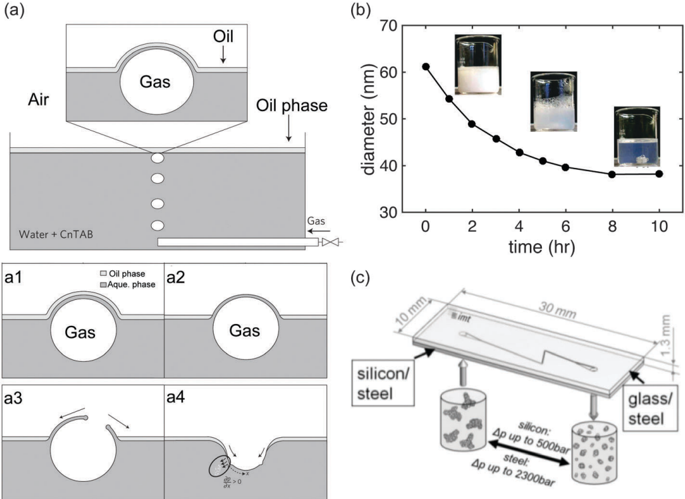
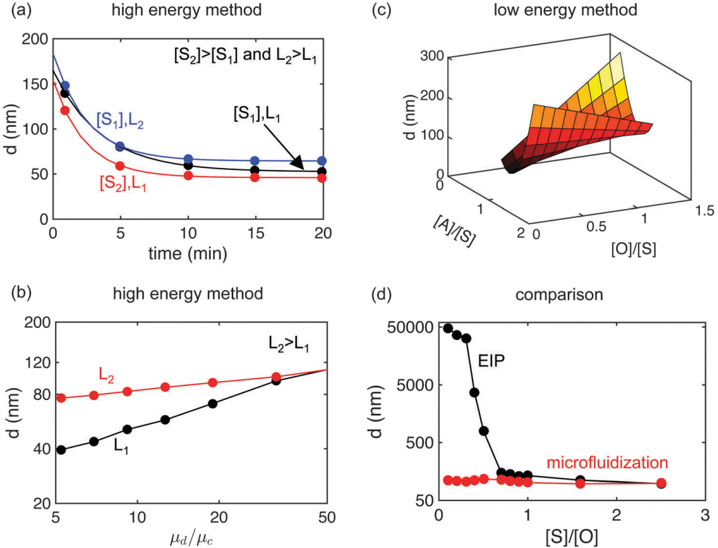
“Microfluidization requires multiple passes to achieve a constant droplet size [46].”
BackgroundSethunga, M., Rangani, S. C., Munaweera, I., & Ranaweera, K. K. D. S. (2025) · Nanoscale Advances · doi:10.1039/d5na00751h · Cited by 52
Plenty of Room at the Bottom: Nanotechnology as Solution to an Old Issue in Enhanced Oil Recovery
Druetta, P., Raffa, P., & Picchioni, F. (2018) · Applied Sciences · doi:10.3390/app8122596 · Cited by 45
Gomes, G. V. L., Sola, M. R., Rochetti, A. L., Fukumasu, H., Vicente, A. A., & Pinho, S. C. (2019) · Journal of Microencapsulation · doi:10.1080/02652048.2019.1585982 · Cited by 49
Xue, F., Li, X., Qin, L., Liu, X., Li, C., & Adhikari, B. (2021) · Advanced Drug Delivery Reviews · doi:10.1016/j.addr.2021.113886 · Cited by 48
Gupta, A. (2019) · Elsevier eBooks · doi:10.1016/b978-0-12-816662-8.00021-7 · Cited by 54
Self-citationHusain, A., & Al-Harthi, M. A. (2022) · Journal of Petroleum Science and Engineering · doi:10.1016/j.petrol.2022.111089 · Cited by 45
Manyarara, T., Khoza, S., Dube, A., & Maponga, C. C. (2018) · MRS Advances · doi:10.1557/adv.2018.320 · Cited by 44
“In both cases the reliability of the Papp calculation was dependent on the percentage recovery ((18,20)).”
BackgroundMethodInfluentialChen, J., & Cong, X. (2022) · Biomedicine & Pharmacotherapy · doi:10.1016/j.biopha.2022.113998 · Cited by 46
de Paula, L. B., Primo, F. L., Pinto, M. R., Morais, P. C., & Tedesco, A. C. (2017) · RSC Advances · doi:10.1039/c6ra26105a · Cited by 50
General Principles of Nanoemulsion Formation by High-Energy Mechanical Methods
Håkansson, A., & Rayner, M. (2018) · Elsevier eBooks · doi:10.1016/b978-0-12-811838-2.00005-9 · Cited by 44
Cocrystals, Salts, and Supramolecular Gels of Nonsteroidal Anti-Inflammatory Drug Niflumic Acid
Mittapalli, S., Mannava, M. K. C., Sahoo, R., & Nangia, A. K. (2018) · Crystal Growth & Design · doi:10.1021/acs.cgd.8b01298 · Cited by 44
Nejatian, M., & Abbasi, S. (2019) · RSC Advances · doi:10.1039/c9ra04761a · Cited by 44
Schifano, E., Cavallini, D., Bellis, G. D., Bracciale, M. P., Felici, A. C., Santarelli, M. L., Sarto, M. S., & Uccelletti, D. (2020) · Nanomaterials · doi:10.3390/nano10020335 · Cited by 44
Ueda, K., & Taylor, L. S. (2020) · Journal of Controlled Release · doi:10.1016/j.jconrel.2020.12.018 · Cited by 45
Raviadaran, R., Ng, M. H., Chandran, D., Ooi, K. K., & Manickam, S. (2020) · Materials Science and Engineering C · doi:10.1016/j.msec.2020.111808 · Cited by 47
Roque‐Borda, C. A., da Silva, P. B., Rodrigues, M. C., Filippo, L. D. D., Duarte, J. L., Chorilli, M., Vicente, E. F., Garrido, S. S., & Pavan, F. R. (2022) · European Journal of Medicinal Chemistry · doi:10.1016/j.ejmech.2022.114640 · Cited by 49
Nanoemulsions: formation, stability and an account of dietary polyphenol encapsulation
Siraj, A., Naqash, F., Shah, M. A., Fayaz, S., Majid, D., & Dar, B. N. (2021) · International Journal of Food Science & Technology · doi:10.1111/ijfs.15228 · Cited by 45
Nanoemulsion in Management of Colorectal Cancer: Challenges and Future Prospects
Mohite, P. B., Rajput, T., Pandhare, R., Sangale, A., Singh, S. K., & Prajapati, B. G. (2023) · Nanomanufacturing · doi:10.3390/nanomanufacturing3020010 · Cited by 43
“The electrostatic repulsion created by the film delays emulsion coalescence, making the film stable; nevertheless, stability against coalescence must be regarded independently from stability against flocculation since emulsions can readily flocculate and then slowly coalesce and vice versa [68].”
BackgroundXu, J., Zhu, X., Zhang, J., Li, Z., Kang, W., He, H., Wu, Z., & Dong, Z. (2023) · Ultrasonics Sonochemistry · doi:10.1016/j.ultsonch.2023.106451 · Cited by 43
Zaid, N. S. K. A., Nasser, M. S., & Onaizi, S. A. (2023) · Journal of Molecular Liquids · doi:10.1016/j.molliq.2023.123617 · Cited by 50
Du, J., AL‐Huqail, A. A., Cao, Y., Yao, H., Sun, Y., Garaleh, M., Massoud, E. E. S., Ali, E., Assilzadeh, H., & Escorcia-Gutierrez, J. (2024) · Environmental Research · doi:10.1016/j.envres.2024.119204 · Cited by 43
RetractedReal‐Time Monitoring of Nanoparticle Formation by FRET Imaging
Sánchez-Gaytán, B. L., Fay, F., Hak, S., Alaarg, A., Fayad, Z. A., Pérez‐Medina, C., Mulder, W. J. M., & Zhao, Y. (2017) · Angewandte Chemie International Edition · doi:10.1002/anie.201611288 · Cited by 43
Recent Research Trends in Fabrication and Applications of Plant Essential Oil Based Nanoemulsions
Joyce Nirmala, M., & Nagarajan, R. (2017) · Journal of Nanomedicine & Nanotechnology · doi:10.4172/2157-7439.1000434 · Cited by 51
Mazzarino, L., Pitz, H. D. S., Voytena, A. P. L., Trevisan, A. C. D., Ribeiro‐do‐Valle, R. M., & Maraschin, M. (2017) · Drug Development and Industrial Pharmacy · doi:10.1080/03639045.2017.1405976 · Cited by 51
“topic, oral, nasal, ocular, and intravenous [13,14].”
Chaiyana, W., Anuchapreeda, S., Somwongin, S., Marsup, P., Lee, K., Lin, W., & Lue, S.-C. (2020) · Pharmaceutics · doi:10.3390/pharmaceutics12040309 · Cited by 44
“NE is submicron-sized emulsions which are under extensive investigation as drug and cosmetic carriers for improving the delivery of the active compounds [8].”
BackgroundCurrent Research and Challenges in Bitumen Emulsion Manufacturing and Its Properties
Al-Mohammedawi, A., & Mollenhauer, K. (2022) · Materials · doi:10.3390/ma15062026 · Cited by 45
Separating nanoscale emulsions: Progress and challenges to date
Guha, I. F., & Varanasi, K. K. (2018) · Current Opinion in Colloid & Interface Science · doi:10.1016/j.cocis.2018.02.001 · Cited by 44
Tan, O. J., Loo, H. L., Thiagarajah, G., Palanisamy, U. D., & Sundralingam, U. (2021) · Phytomedicine · doi:10.1016/j.phymed.2021.153651 · Cited by 43
Ganić, T., Vuletić, S., Nikolić, B., Stevanović, M. M., Kuzmanović, M., Kekić, D., Đurović, S. D., Cvetković, S., & Mitić-Ćulafić, D. (2022) · Frontiers in Microbiology · doi:10.3389/fmicb.2022.989667 · Cited by 46
“Particle size depends on the amount of surfactant and possible additives in surfactant (Gupta et al., 2016).”
BackgroundSchabes, B. K., Altman, R. M., & Richmond, G. L. (2018) · The Journal of Physical Chemistry B · doi:10.1021/acs.jpcb.8b05432 · Cited by 42
Michel, S. E. S., Dutertre, F., Denbow, M. L., Galán, M. C., & Briscoe, W. H. (2019) · ACS Applied Bio Materials · doi:10.1021/acsabm.9b00218 · Cited by 43
Ahmed, R. M. G., Anis, B., & Khalil, A. S. G. (2021) · Journal of environmental chemical engineering · doi:10.1016/j.jece.2021.105087 · Cited by 42
Dynamics and extensional rheology of polymer–surfactant association complexes
Narváez, C. D. V. M., Mazur, T., & Sharma, V. (2021) · Soft Matter · doi:10.1039/d1sm00335f · Cited by 42
Lewińska, A., Domżał-Kędzia, M., Maciejczyk, E., Łukaszewicz, M., & Bazylińska, U. (2021) · International Journal of Molecular Sciences · doi:10.3390/ijms221810091 · Cited by 48
“The proposed formulation has a high potential to significantly boost the solubility and action effectiveness of poorly water-soluble compounds, due to its increased surface-to-volume ratio, smaller particle size, and greater mobility, as well as enhanced stability and protection against premature degradation—the key p…”
BackgroundMethodSadeghian, S. F., Majdinasab, M., Nejadmansouri, M., & Hosseini, S. M. H. (2022) · Ultrasonics Sonochemistry · doi:10.1016/j.ultsonch.2022.106277 · Cited by 63
Garcia, L., Palma-Florez, S., Espinosa, V., Rokni, F. S., Lagunas, A., Mir, M., García, M. J. N., Samitier, J., Rodríguez‐Abreu, C., & Grijalvo, S. (2023) · Nanoscale · doi:10.1039/d2nr07256d · Cited by 42
Izadiyan, Z., Webster, T. J., Kia, P., Kalantari, K., Misran, M., Rasouli, E., Esfahan, Z. M., & Shameli, K. (2025) · International Journal of Nanomedicine · doi:10.2147/ijn.s488545 · Cited by 47
Kinetics of the Change in Droplet Size during Nanoemulsion Formation
Gupta, A., Narsimhan, V., Hatton, T. A., & Doyle, P. S. (2016) · Langmuir · doi:10.1021/acs.langmuir.6b01862 · Cited by 49
Self-citationLow Energy Nanoemulsions as Templates for the Formulation of Hydrophobic Drugs
Badruddoza, A. Z. M., Gupta, A., Myerson, A. S., Trout, B. L., & Doyle, P. S. (2018) · Advanced Therapeutics · doi:10.1002/adtp.201700020 · Cited by 41
Self-citationSome New Aspects of Colloidal Systems in Foods
Milani, J. M. (2019) · IntechOpen eBooks · doi:10.5772/intechopen.75145 · Cited by 47
Hunter, S. J., Cornel, E. J., Mykhaylyk, O. O., & Armes, S. P. (2020) · Langmuir · doi:10.1021/acs.langmuir.0c02742 · Cited by 41
“15 From the gradients of these linear plots, the Ostwald ripening rates were calculated to be 147 and 91 nm 3 s − 1 for 0.11 and 0.43 M NaCl, respectively.”
InfluentialNanomaterial-Based Sensors for the Detection of Glyphosate
Zuñiga, K., Rebollar-Pérez, G., Avelar, M., Terán, J. C., & Torres, E. (2022) · Water · doi:10.3390/w14152436 · Cited by 47
“…three leading roles: first, as part of the recognition element, they present a large surface area that allows for an analyte’s more efficient capture [74–77]; second, they can be used as an immobilization platform for biological recognition elements such as enzymes, aptamers, DNA, RNA, etc.; and the…”
Wang, L., Cheng, X., Zhang, S., Dongye, Z., Kang, M., Li, Z., Chen, C., Qian, Y., & Ren, Y. (2023) · Colloids and Surfaces A Physicochemical and Engineering Aspects · doi:10.1016/j.colsurfa.2023.130924 · Cited by 40
Le, T. T. N., Nguyen, T. K. N., Nguyen, V. M., Dao, T. C. M., Nguyen, H. B. C., Dang, C. T., Le, T. B. C., Nguyen, T. K. L., Nguyen, P. T. T., Dang, L. H. N., et al. (2023) · Molecules · doi:10.3390/molecules28176433 · Cited by 40
“NEs offer a wide range of possible uses due to their tiny size, including drug delivery, food manufacturing, and cosmetics [13].”
BackgroundLankanayaka, A. A. K., Lakshan, N. D., Jayathunge, L., Bandara, P. C., Manatunga, D. C., & Senanayake, C. M. (2025) · Discover Food · doi:10.1007/s44187-025-00331-8 · Cited by 41
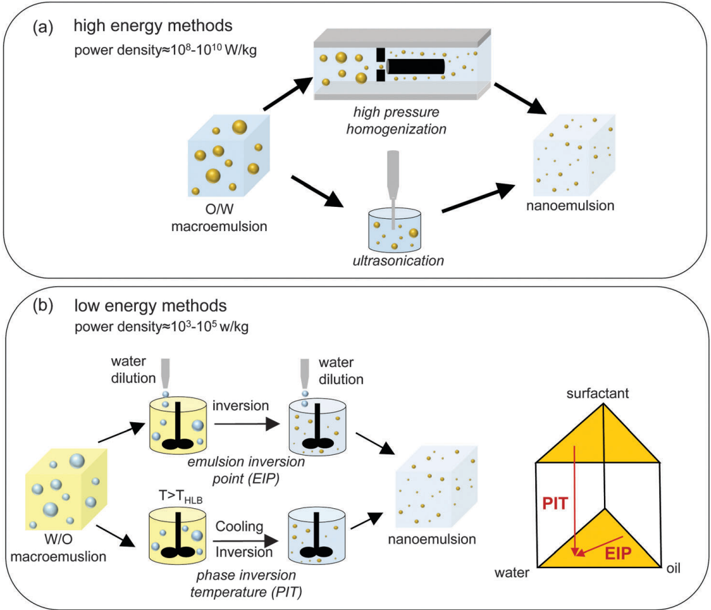
“This method utilizes a high input energy density of 10 8 –10 10 W kg −1 and therefore produces high temperatures, leading to the deterioration of thermolabile compounds [87, 91].”
Formulation and Application of Nanoemulsions for Nutraceuticals and Phytochemicals
Jamali, S. N., Assadpour, E., & Jafari, S. M. (2019) · Current Medicinal Chemistry · doi:10.2174/0929867326666190620102820 · Cited by 42
Particle Size Control in Miniemulsion Polymerization via Membrane Emulsification
Nauman, N., Zaquen, N., Junkers, T., Boyer, C. A., & Zetterlund, P. B. (2019) · Macromolecules · doi:10.1021/acs.macromol.9b00447 · Cited by 40
Doost, A. S., Stevens, C. V., Claeys, M., & der Meeren, P. V. (2019) · Langmuir · doi:10.1021/acs.langmuir.9b01620 · Cited by 40
Development and in vivo evaluation of baicalin-loaded W/O nanoemulsion for lymphatic absorption
Xu, Q., Zhou, A., Wu, H., & Bi, Y. (2019) · Pharmaceutical Development and Technology · doi:10.1080/10837450.2019.1646757 · Cited by 40
“Co-surfactant, which may be a short chain alcohol, an amine or another weakly amphiphilic molecule, plays an important role in preparing a stable nanoemulsion (Gupta et al. 2016; Ma et al. 2018).”
BackgroundPatel, M. R., Patel, R. B., & Thakore, S. D. (2018) · Elsevier eBooks · doi:10.1016/b978-0-12-813741-3.00030-3 · Cited by 43
Felifel, N. T., Sliem, M. A., Kamel, Z., Bojarska, J., Seadawy, M. G., Amin, R., & Elnagdy, S. M. (2023) · Microorganisms · doi:10.3390/microorganisms11051143 · Cited by 40
“The p rticle size of the nanoemulsion ranged from 30–500 nm (spherical in shape), while that of NE + ZnPc was withi the range f 100–500 nm, consistent with the size distribution measurements presented in Figure 1 [27].”
ResultNanoemulsion preparation, characterization, and application in the field of biomedicine
Chircov, C., & Grumezescu, A. M. (2019) · Elsevier eBooks · doi:10.1016/b978-0-12-816200-2.00019-0 · Cited by 39
Hatem, S., Hoffy, N. M. E., Elezaby, R. S., Nasr, M., Kamel, A. O., & Elkheshen, S. A. (2020) · Journal of Drug Delivery Science and Technology · doi:10.1016/j.jddst.2020.101984 · Cited by 43
Zhao, Y. M., Peng, F., & Ke, Y. (2021) · RSC Advances · doi:10.1039/d0ra06080a · Cited by 39
Tarhan, Ö., & Spotti, M. J. (2021) · Colloids and Surfaces B Biointerfaces · doi:10.1016/j.colsurfb.2020.111526 · Cited by 43
Chitin nanocrystals based complex fluids: A green nanotechnology
Kumar, S., & Foroozesh, J. (2021) · Carbohydrate Polymers · doi:10.1016/j.carbpol.2021.117619 · Cited by 39
Besifloxacin-loaded ocular nanoemulsions: design, formulation and efficacy evaluation
Kassaee, S. N., & Mahboobian, M. M. (2021) · Drug Delivery and Translational Research · doi:10.1007/s13346-021-00902-z · Cited by 42
Nanodrug delivery: Strategies to circumvent nanoparticle trafficking by Kupffer cells in the liver
Ezhilarasan, D., & Harini, K. S. (2023) · Journal of Drug Delivery Science and Technology · doi:10.1016/j.jddst.2023.104731 · Cited by 42
Suo, C., Zhang, L., Liang, Q., Chen, C., 邱磊, Li, Z., Zhang, X., Xu, X., Qi, X., Chen, X., et al. (2026) · Nature Communications · doi:10.1038/s41467-026-72502-9 · Cited by 43
Malaria treatment using novel nano-based drug delivery systems
Baruah, U. K., Kuppusamy, G., Ravisankar, V., Karri, V. V. S. R., Selvaraj, K., & Jojo, G. M. (2017) · Journal of drug targeting · doi:10.1080/1061186x.2017.1291645 · Cited by 39
“NEs have the advantages such as they are cost effective, longer shelf-life and their availability as oral dosage forms [138,139].”
Backgrounddo Bonfim, C. M., Monteleoni, L. F., Calmon, M. F., Cândido, N. M., Provazzi, P. J. S., Lino, V. D. S., Rabachini, T., Sichero, L. C., Villa, L. L., Quintana, S. M., et al. (2020) · Artificial Cells Nanomedicine and Biotechnology · doi:10.1080/21691401.2020.1725023 · Cited by 38
“Nanoemulsions are a class of stable emulsions formed by a monolayer of phospholipids composed of a surfactant that has an important role in nanoemulsions stabilisation [16].”
BackgroundBravo‐Alfaro, D. A., Ochoa-Rodríguez, L. R., Villaseñor‐Ortega, F., Luna‐Bárcenas, G., & Garcia, H. S. (2022) · Journal of Molecular Liquids · doi:10.1016/j.molliq.2022.119946 · Cited by 38
Singh, S., Sharma, N., Zahoor, I., Behl, T., Antil, A., Gupta, S., Anwer, M. K., Mohan, S., & BUNGAU, S. G. (2022) · Molecules · doi:10.3390/molecules28010220 · Cited by 41
Citronella essential oil-based nanoemulsion as a post-emergence natural herbicide
Somala, N., Laosinwattana, C., Chotsaeng, N., & Teerarak, M. (2023) · Scientific Reports · doi:10.1038/s41598-023-48328-6 · Cited by 37
Essential oil nanoemulsions: antibacterial activity in contaminated fruit juices
Franklyne, J. S., Iyer, S. S., Ebenazer, A., Mukherjee, A., & Chandrasekaran, N. (2019) · International Journal of Food Science & Technology · doi:10.1111/ijfs.14195 · Cited by 37
Baldino, L., Cardea, S., & Reverchon, E. (2019) · Journal of CO2 Utilization · doi:10.1016/j.jcou.2019.08.013 · Cited by 37
Ahmadi, O., & Jafarizadeh‐Malmiri, H. (2020) · Food Science and Biotechnology · doi:10.1007/s10068-019-00727-0 · Cited by 37
Key features of nano-emulsion formation by the phase inversion temperature method
Feng, J., Esquena, J., Rodríguez‐Abreu, C., & Solans, C. (2020) · Journal of Dispersion Science and Technology · doi:10.1080/01932691.2020.1724800 · Cited by 40
Leibtag, S., & Peshkovsky, A. S. (2020) · Journal of Drug Delivery Science and Technology · doi:10.1016/j.jddst.2020.101953 · Cited by 39
Updated insight into the characterization of nano-emulsions
Wang, X., Anton, H., Vandamme, T., & Anton, N. (2023) · Expert Opinion on Drug Delivery · doi:10.1080/17425247.2023.2154075 · Cited by 43
“The rheological properties of nano-emulsions can be tuned from flowing fluid to a solely relaxing fluid or to a gel-like system by controlling the dispersed phase volume fraction and droplet size, or by adding additives in the bulk [29].”
BackgroundDi Cola, E., Cantu’, L., Brocca, P., Rondelli, V., Fadda, G. C., Canelli, E., Martelli, P., Clementino, A., Sonvico, F., Bettini, R., et al. (2019) · Colloids and Surfaces B: Biointerfaces · doi:10.1016/j.colsurfb.2019.110439 · Cited by 36
A critical review of the novelties in the development of intravenous nanoemulsions
Czerniel, J., Gostyńska, A., Jańczak, J., & Stawny, M. (2023) · European Journal of Pharmaceutics and Biopharmaceutics · doi:10.1016/j.ejpb.2023.08.009 · Cited by 38
Multiscale and Multifunctional Emulsions by Host–Guest Interaction-Mediated Self-Assembly
Han, S., Chen, S., Li, L., Li, J., An, H., Tao, H., Jia, Y., Lu, S., Wang, R., & Zhang, J. (2018) · ACS Central Science · doi:10.1021/acscentsci.8b00084 · Cited by 36
“14,19,32,33 At either 5 or 10 mg mL − 1 PEG − PCD, the assembled nanoemulsions were stable even after ∼ 200 days of storage at room temperature (Figure 2e,f).”
Lallana, E., Donno, R., Magrì, D., Barker, K., Nazir, Z., Treacher, K. E., Lawrence, M. J., Ashford, M. B., & Tirelli, N. (2018) · International Journal of Pharmaceutics · doi:10.1016/j.ijpharm.2018.07.031 · Cited by 41
Kundu, P., Arora, K., Gu, Y., Kumar, V., & Mishra, I. M. (2019) · The Canadian Journal of Chemical Engineering · doi:10.1002/cjce.23481 · Cited by 36
Han, J., Zhang, S., Liu, X., & Xiao, C. (2019) · Journal of the Science of Food and Agriculture · doi:10.1002/jsfa.10002 · Cited by 36
Jarzębski, M., Smułek, W., Siejak, P., Rezler, R., Pawlicz, J., Trzeciak, T., Jarzębska, M., Majchrzak, O. B., Kaczorek, E., Kazemian, P., et al. (2021) · International Journal of Molecular Sciences · doi:10.3390/ijms22020887 · Cited by 36
“The application of NEs has also improved the digestibility of certain food formulations [3].”
BackgroundKumar, A., Kanwar, R., & Mehta, S. K. (2021) · ACS Agricultural Science & Technology · doi:10.1021/acsagscitech.0c00061 · Cited by 36
Metadata
- Authors
- Gupta, A., Eral, H. B., Hatton, T. A., & Doyle, P. S.
- Affiliations
- Massachusetts Institute of Technology (US)
- Utrecht University (NL)
- Corresponding author
- Doyle, Patrick S.
- Venue
- Soft Matter
- Publisher
- Royal Society of Chemistry (RSC)
- Published
- 2016
- Volume
- 12
- Issue
- 11
- Pages
- 2826-2841
- ISSN
- 1744-683X (ISSN-L)
- 1744-6848
- OpenAlex
- W2276073028
- Cited by
- 1,633
- References
- 120
- Citations by year
- 2026: 188 · 2025: 193 · 2024: 200 · 2023: 191 · 2022: 188 · 2021: 182 · 2020: 172 · 2019: 135 · 2018: 97 · 2017: 61 · 2016: 14
- FWCI
- 4.89
- Type
- journal article
- Language
- en
- Open access
- hybrid
- doi.org
- Licence
- cc-by-nc
- Locations
- Soft Matter (publishedVersion, cc-by-nc)
- PubMed (publishedVersion)
- DSpace@MIT (Massachusetts Institute of Technology) (submittedVersion, cc-by-nc)
- Research Repository (Delft University of Technology) (submittedVersion)
- Data Archiving and Networked Services (DANS) (submittedVersion, cc-by-nc)
- Funders
- Eni
- Topics
- Physical Sciences › Chemistry › Physical and Theoretical Chemistry › Surfactants and Colloidal Systems
- Life Sciences › Agricultural and Biological Sciences › Food Science › Proteins in Food Systems
- Physical Sciences › Materials Science › Materials Chemistry › Pickering emulsions and particle stabilization
- Keywords
- nanoemulsions, droplet size, droplet stability, emulsion preparation, high-pressure homogenization, sonication, phase inversion temperature, bubble bursting, rheology, drug delivery, food emulsions, cosmetics, colloidal dispersions
About these checks
Registry, retraction, Cites and statistics results are computed, not judged, with one exception: a printed reference that no index lists is read once by a model before it counts as a citation error. Claims are extracted by a model and kept only when their quote appears verbatim in the text; each cited source is then checked, with a model’s help, for whether it says what the claim relies on. Those verdicts can be wrong — read the claim’s quote and the cited source before relying on one.
Statistics and arithmetic are recomputed, not judged.
Confidence bands are shown only for fields calibrated on our annotated test set. None is calibrated yet, so no band is shown.
What counts as a claim ›How we measure confidence ›How we check this ›
Are you an author, or do you see a problem with this page? Request a review
Data sources
Bibliographic data: Semantic Scholar, OpenAlex, Crossref.
Contains information from the Semantic Scholar Academic Graph Datasets, made available under the ODC Attribution License (ODC-BY 1.0).
Semantic Scholar’s data is described in: Kinney, R., et al. (2023). The Semantic Scholar Open Data Platform. arXiv:2301.10140.
