

Fundamental limits on dynamic inference from single-cell snapshots
Open accessPublished version of a preprint
The DOI matches its Crossref record; 48 of the 48 references it cites were found in a registry or an index.
Abstract
Significance: Seeing a snapshot of individuals at different stages of a dynamic process can reveal what the process would look like for a single individual over time. Biologists apply this principle to infer temporal sequences of gene expression states in cells from measurements made at a single moment in time. However, the sparsity and high dimensionality of single-cell data have made inference difficult using formal approaches. Here, we apply recent innovations in spectral graph theory to devise a simple and asymptotically exact algorithm for inferring the unique dynamic solution under defined approximations and apply it to data from bone marrow stem cells.
Overview
The claims and statistics of this paper haven’t been checked yet.
Free: it reads the open-access text and checks the first 5 claims that cite a source we can check. Create a free account to check every claim.
Integrity signals
Registry
Cites
Statistics
Figures
Verification
Claims the paper makes
The claims and statistics of this paper haven’t been checked yet.
Free: it reads the open-access text and checks the first 5 claims that cite a source we can check. Create a free account to check every claim.
Claims other papers make about this one
Each is checked against this paper’s own text: does it say what the citing paper says it does?
The source backs part of the claim, not all of it — or backs it for a different population, condition or comparison.
In the citing paper
“scSeq captures mature cell types alongside all stages of cell differentiation, revealing a ‘state map’ in gene expression space.”
From Lineage tracing on transcriptional landscapes links state to fate during differentiation (2020) · cites this paper as [4]
Experimental — accuracy not yet measuredThe source backs part of the claim, not all of it — or backs it for a different population, condition or comparison.
In the citing paper
“For cells undergoing multi-lineage fate choice, scSeq has been used to estimate lineage hierarchy based on the assumption that cell types with transcriptionally similar differentiation pathways are clonally related (3–5, 7).”
From Lineage tracing on transcriptional landscapes links state to fate during differentiation (2020) · cites this paper as [4]
Experimental — accuracy not yet measuredThe cited source says what the claim attributes to it.
In the citing paper
“In addition, the high-dimensional nature of scSeq allows more than one approach to constructing cell state trajectories from the same data (4).”
From Lineage tracing on transcriptional landscapes links state to fate during differentiation (2020) · cites this paper as [4]
Self-check
Percentages, sums and reported differences re-computed from the paper’s own numbers.
The self-check needs the paper’s full text.
Citations
Cites
Stochastic Problems in Physics and Astronomy
Chandrasekhar, S. (1943) · Reviews of Modern Physics · doi:10.1103/revmodphys.15.1 · Cited by 8,470 · cited 1×
“The ubiquity of diffusion-drift equations in fields of quantitative biology (17) and physics (18) suggests that applications of these methods may exist in other fields.”
BackgroundHighly parallel genome-wide expression profiling of individual cells using nanoliter droplets.
Macosko, E. Z., Basu, A., Satija, R., Nemesh, J., Shekhar, K., Goldman, M., Tirosh, I., Bialas, A. R., Kamitaki, N., Martersteck, E. M., et al. (2015) · Cell · doi:10.1016/j.cell.2015.05.002 · Cited by 7,110
A synthetic oscillatory network of transcriptional regulators
Elowitz, M. B., & Leibler, S. (2000) · Nature · doi:10.1038/35002125 · Cited by 4,630 · cited 1×
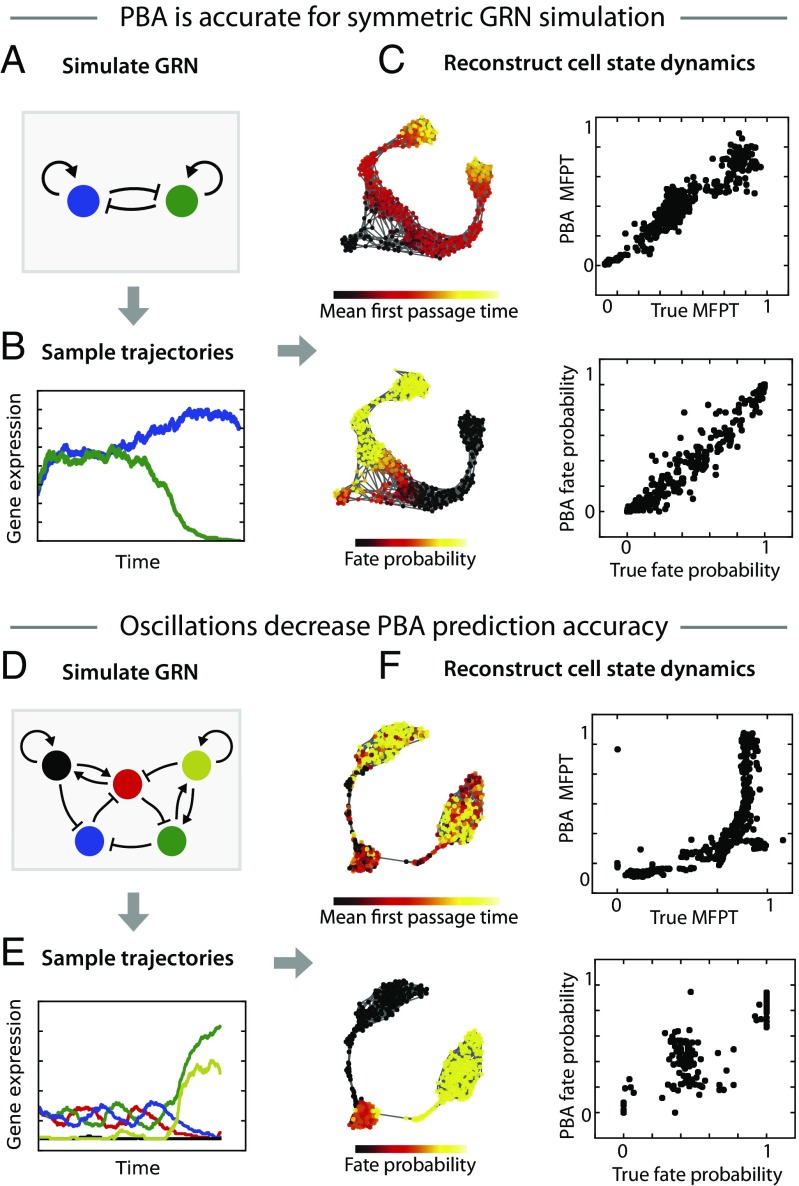
“We simulated an oscillatory GRN in the form of a “ repressilator ” circuit (26) with the addition of positive-feedback loops that create two “ escape routes ” leading to alternative stable fixed points of the dynamics (Fig.”
MethodDroplet barcoding for single-cell transcriptomics applied to embryonic stem cells
Klein, A. M., Mazutis, L., Akartuna, I., Tallapragada, N., Veres, A., Li, V., Peshkin, L., Weitz, D. A., & Kirschner, M. W. (2015) · Cell · doi:10.1016/j.cell.2015.04.044 · Cited by 3,356 · cited 7×
“Therefore, it is unclear how well PBA can infer cell trajectories that result from GRNs with oscillatory dynamics.”
BackgroundInfluentialSelf-citationA clonogenic common myeloid progenitor that gives rise to all myeloid lineages
Akashi, K., Traver, D., Miyamoto, T., & Weissman, I. L. (2000) · Nature · doi:10.1038/35004599 · Cited by 2,617 · cited 2×
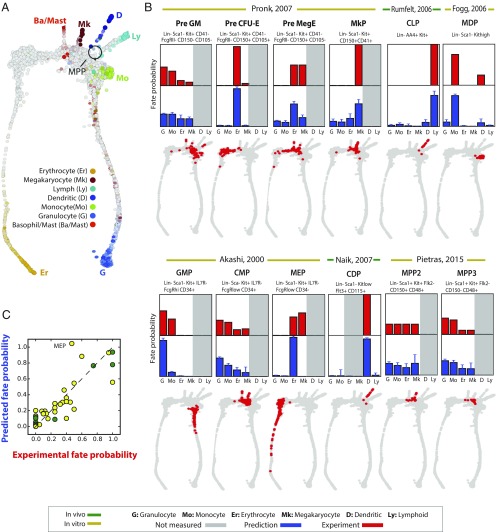
“The main qualitative disagreement be-tween PBA predictions and experiment was in the behavior of Lin − Sca1 − Kit + IL7R − FcgR low CD34 − HPCs, previously defined as megakaryocyte-erythroid precursors (31).”
BackgroundSingle-cell chromatin accessibility reveals principles of regulatory variation
Buenrostro, J. D., Wu, B., Litzenburger, U. M., Ruff, D., Gonzales, M. L., Snyder, M. P., Chang, H. Y., & Greenleaf, W. J. (2015) · Nature · doi:10.1038/nature14590 · Cited by 2,308 · cited 1×
“Rapidly maturing technologies are also enabling single-cell measurements of the epigenome (4), the proteome (5, 6), and the spatial organization of chromatin (7).”
BackgroundBendall, S. C., Simonds, E. F., Qiu, P., Amir, E.-A. D., Krutzik, P. O., Finck, R., Bruggner, R. V., Melamed, R., Trejo, A., Ornatsky, O. I., et al. (2011) · Science · doi:10.1126/science.1198704 · Cited by 2,279 · cited 1×
“Rapidly maturing technologies are also enabling single-cell measurements of the epigenome (4), the proteome (5, 6), and the spatial organization of chromatin (7).”
BackgroundStochastic Simulation of Chemical Kinetics
Gillespie, D. T. (2007) · Annual Review of Physical Chemistry · doi:10.1146/annurev.physchem.58.032806.104637 · Cited by 2,115 · cited 1×
“Although Fokker–Planck descriptions are necessarily approximations, their emergence from first-principles descriptions of transcriptional dynamics in terms of chemical master equations (21), and their ubiquity in describing chemical reaction systems (22), help justify their use instead of the more general form of Eq.”
Coifman, R. R., Lafon, S., Lee, A. B., Maggioni, M., Nadler, B., Warner, F., & Zucker, S. W. (2005) · Proceedings of the National Academy of Sciences · doi:10.1073/pnas.0500334102 · Cited by 1,675 · cited 1×
“Interestingly, several recent studies (8, 15, 43) have developed k-nearest neighbor graph-based representations of single-cell data, and others have suggested embedding cells in diffusion maps (24, 44) on the basis of other similarity kernels.”
BackgroundDiffusion pseudotime robustly reconstructs lineage branching
Haghverdi, L., Büttner, M., Wolf, F. A., Buettner, F., & Theis, F. J. (2016) · Nature Methods · doi:10.1038/nmeth.3971 · Cited by 1,385
Cited by
Items 101–200 of 407
Adapting systems biology to address the complexity of human disease in the single-cell era
Fischer, D. S., Villanueva, M. A., Winter, P. S., & Shalek, A. K. (2025) · Nature Reviews Genetics · doi:10.1038/s41576-025-00821-6 · Cited by 35
“However, it can be difficult to unambiguously interpret the temporal trajectories encoded within these static cross-sections, except when considering well-defined developmental events such as haematopoiesis 40–43 .”
Meta Flow Matching: Integrating Vector Fields on the Wasserstein Manifold
Atanackovic, L., Zhang, X., Amos, B., Blanchette, M., Lee, L. J., Bengio, Y., Tong, A., & Neklyudov, K. (2025) · International Conference on Learning Representations · doi:10.48550/arxiv.2408.14608 · Cited by 35
“Instead, most approaches model cell dynamics at the population level (Hashimoto et al., 2016; Weinreb et al., 2018; Schiebinger et al., 2019; Tong et al., 2020; Neklyudov et al., 2022; Bunne et al., 2023a).”
BackgroundWang, L., Zhang, Q., Qin, Q., Trasanidis, N., Vinyard, M. E., Chen, H., & Pinello, L. (2021) · Current Opinion in Systems Biology · doi:10.1016/j.coisb.2021.03.006 · Cited by 33
Jiang, Q., Zhang, S., & Wan, L. (2022) · PLoS Computational Biology · doi:10.1371/journal.pcbi.1009821 · Cited by 33
“The Fokker-Planck equation (FPE) is ubiquitously applied in the modelling of statistical physics and biological systems, including single-cell data analysis [5, 7, 18].”
BackgroundShi, J., Li, T., Chen, L., & Aihara, K. (2019) · PLoS Computational Biology · doi:10.1371/journal.pcbi.1007488 · Cited by 33
“We use a stochastic non-equilibrium process Eq (1) to model the cell differentiation, which is also named the source-sink Fokker-Planck equation or the population balance equation [27, 29, 30].”
BackgroundMethodInfluentialSingle-cell and long-read sequencing to enhance modelling of splicing and cell-fate determination
Wu, S., & Schmitz, U. (2023) · Computational and Structural Biotechnology Journal · doi:10.1016/j.csbj.2023.03.023 · Cited by 31
Chen, Z., An, S., Bai, X., Gong, F., Ma, L., & Wan, L. (2018) · Bioinformatics · doi:10.1093/bioinformatics/bty1009 · Cited by 31
Yachimura, T., Wang, H., Imoto, Y., Yoshida, M., Tasaki, S., Kojima, Y., Yabuta, Y., Saitou, M., & Hiraoka, Y. (2024) · BMC Bioinformatics · doi:10.1186/s12859-024-05988-z · Cited by 30
“However, the dynamics of overall cell differentiation are very complex, causing the static trajectory inference described above to have obvious limitations [14].”
STORIES: learning cell fate landscapes from spatial transcriptomics using optimal transport
Huizing, G.-J., Samaran, J., Capocefalo, D., Audit, A., Peyré, G., & Cantini, L. (2025) · Nature Methods · doi:10.1038/s41592-025-02855-4 · Cited by 30
“However, potential energies cannot model complex gene regulatory networks, cell–cell communication or oscillations within a cell state 65 .”
Xing, J. (2022) · Physical Biology · doi:10.1088/1478-3975/ac8c16 · Cited by 28
“Weinreb et al applied similar idea to analyze scRNA-seq data and termed their method population balance analysis [49].”
Learning cell dynamics with neural differential equations
Vinyard, M. E., Rasmussen, A. W., Li, R., Klein, A. M., Getz, G. A., & Pinello, L. (2025) · Nature Machine Intelligence · doi:10.1038/s42256-025-01150-3 · Cited by 27
“13, we independently sampled 20,000 cells from the training set over five seeds 13,15,26 .”
Self-citationQuantifying information of intracellular signaling: progress with machine learning
Tang, Y., & Hoffmann, A. (2022) · Reports on Progress in Physics · doi:10.1088/1361-6633/ac7a4a · Cited by 27
Integrating Dynamical Systems Modeling with Spatiotemporal scRNA-Seq Data Analysis
Zhang, Z., Sun, Y., Peng, Q., Li, T., & Zhou, P. (2025) · Entropy · doi:10.3390/e27050453 · Cited by 27
“Another method to define the directional random walk on cells is Population Balance Analysis (PBA) [60].”
VeloViz: RNA velocity-informed embeddings for visualizing cellular trajectories
Atta, L., Sahoo, A., & Fan, J. (2021) · Bioinformatics · doi:10.1093/bioinformatics/btab653 · Cited by 26
Willcockson, M. A., Taylor, S. J., Ghosh, S., Healton, S. E., Wheat, J. C., Wilson, T. J., Steidl, U. G., & Skoultchi, A. I. (2019) · Proceedings of the National Academy of Sciences · doi:10.1073/pnas.1901122116 · Cited by 26
“clustering-based approach from the authors’ original analysis (Spring plots) (26, 27).”
MethodSymmetric and asymmetric activation of hematopoietic stem cells
Loeffler, D., & Schroeder, T. (2021) · Current Opinion in Hematology · doi:10.1097/moh.0000000000000644 · Cited by 26
“Questions, such as ‘what differences in molecular expression of HSC daughter cells are functionally relevant?’, ‘when are cell fate decisions initiated’ and ‘are they reversible?’ can often not be answered [41,42].”
BackgroundIdentifying Drift, Diffusion, and Causal Structure from Temporal SnapshotsPreprint
Guan, V., Janssen, J., Rahmani, H., Warren, A., Zhang, S. X., Robeva, E., & Schiebinger, G. R. (2024) · arXiv (Cornell University) · doi:10.48550/arxiv.2410.22729 · Cited by 26
“…2021; Vargas et al., 2021; Chizat et al., 2022; Terpin et al., 2024) and that the diffusion is both known and given by isotropic Brownian motion σ d W t (Weinreb et al., 2018; Lavenant et al., 2021; Vargas et al., 2021; Chizat et al., 2022; Shen et al., 2024b; Zhang, 2024; Terpin et al., 2024).”
InfluentialCD4+ teff cell heterogeneity: the perspective from single-cell transcriptomics
Zemmour, D., Kiner, E., & Benoist, C. O. (2020) · Current Opinion in Immunology · doi:10.1016/j.coi.2020.02.004 · Cited by 25
Dynamics-based data science in biology
Shi, J., Aihara, K., & Chen, L. (2021) · National Science Review · doi:10.1093/nsr/nwab029 · Cited by 25
Zhu, L., Yang, S., Zhang, K., Wang, H., Fang, X., & Wang, J. (2024) · Proceedings of the National Academy of Sciences · doi:10.1073/pnas.2401540121 · Cited by 25
Singh, A., Chia, J. J., Rao, D. S., & Hoffmann, A. (2025) · Blood · doi:10.1182/blood.2024025598 · Cited by 25
Reconstructing Waddington’s landscape from data
Cislo, D., Delàs, M. J., Briscoe, J., & Siggia, E. D. (2025) · Proceedings of the National Academy of Sciences · doi:10.1073/pnas.2521762122 · Cited by 25
“Population balance analysis [15, 29] also models drift-diffusion dynamics as a Markov process on a graph of data points, but assumes that the data are sampled from a steady-state distribution and is not applicable to the transient, non-stationary systems studied here.”
Learning stochastic processes with intrinsic noise from cross-sectional biological data
Maddu, S., Chardès, V., & Shelley, M. (2025) · Proceedings of the National Academy of Sciences · doi:10.1073/pnas.2420621122 · Cited by 24
singlecellVR: Interactive Visualization of Single-Cell Data in Virtual Reality
Stein, D. F., Chen, H., Vinyard, M. E., Qin, Q., Combs, R. D., Zhang, Q., & Pinello, L. (2021) · Frontiers in Genetics · doi:10.3389/fgene.2021.764170 · Cited by 24
“As a result, most single-cell measurements for studying dynamic processes is of a “snapshot” nature, imposing inherent limitations on the study of such processes from this data (Weinreb et al., 2018).”
BackgroundNeural ODE Control for Trajectory Approximation of Continuity Equation
Elamvazhuthi, K., Gharesifard, B., Bertozzi, A. L., & Osher, S. (2022) · IEEE Control Systems Letters · doi:10.1109/lcsys.2022.3182284 · Cited by 23
Single-cell sequencing in hematology
Brierley, C. K., & Mead, A. J. (2019) · Current Opinion in Oncology · doi:10.1097/cco.0000000000000613 · Cited by 23
“Current computational approaches to summating the cell-to-cell variability observed usually take one of two approaches: (1) Clustering of single cells into discrete groups based on differences between groups, with the aim of identifying biological distinctions such as cell type or state, or (2) Pseudotime analysis, wh…”
MethodDiscrete regulatory modules instruct hematopoietic lineage commitment and differentiation
Georgolopoulos, G., Psatha, N., Iwata, M., Nishida, A., Som, T., Yiangou, M., Stamatoyannopoulos, J. A., & Vierstra, J. D. (2021) · Nature Communications · doi:10.1038/s41467-021-27159-x · Cited by 22
Jiang, J., Chen, S., Tsou, T., McGinnis, C. S., Khazaei, T., Zhu, Q., Park, J. H., Strazhnik, I.-M., Vielmetter, J., Gong, Y., et al. (2023) · doi:10.1101/2023.04.19.537364 · Cited by 21
“The resulting probability of a given transcriptional state s is , where and Z is a normalizing constant ensuring all probabilities sum to 1 (SI Text) [39, 40].”
BackgroundInfluentialMcDermott, M., Mehta, R., Torres, E. T. R., & MacLean, A. L. (2025) · npj Systems Biology and Applications · doi:10.1038/s41540-025-00512-2 · Cited by 21
“We have used external information from the biological properties of EMT to construct our mathematical model, and not obtained it purely from the cell dynamics observed in the data 35 .”
Kim, R., & Chang, W. (2025) · International Journal of Molecular Sciences · doi:10.3390/ijms262311724 · Cited by 22
“Accordingly, trajectory outputs should be interpreted as inference and anchored to phenotypic/lineage-aware validation where possible [92].”
Temporal tissue dynamics from a spatial snapshot
Somer, J., Mannor, S., & Alon, U. (2026) · Nature · doi:10.1038/s41586-025-09876-1 · Cited by 21
“The number of cells of a given type in a tissue section can change by division or death, moving in or out of the section (flux) or transdif-ferentiation 40 .”
Single-cell fate decisions of bipotential hematopoietic progenitors
Brand, M., & Morrissey, E. R. (2020) · Current Opinion in Hematology · doi:10.1097/moh.0000000000000592 · Cited by 22
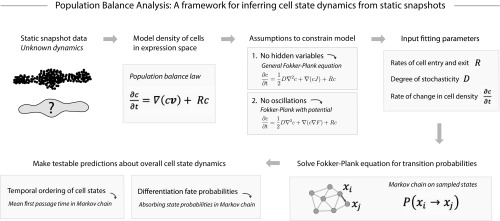
“PBA utilizes both starting points (stem cells) and end points (mature cells) to model the cells as part of a stationary stochastic dynamical system where cells are produced at the sources (stem cells) and removed at the sinks (mature cells).”
MethodLineage motifs as developmental modules for control of cell type proportions
Tran, M., Askary, A., & Elowitz, M. B. (2024) · Developmental Cell · doi:10.1016/j.devcel.2024.01.017 · Cited by 20
“57 In future work, pseudotime trajectories could be refined by using dynamic information learned through lineage motifs.”
BackgroundTransiently Increased Coordination in Gene Regulation During Cell Phenotypic Transitions
Wang, W., Ni, K., Poe, D., & Xing, J. (2024) · PRX Life · doi:10.1103/prxlife.2.043009 · Cited by 22
DTFLOW: Inference and Visualization of Single-Cell Pseudotime Trajectory Using Diffusion Propagation
Wei, J., Zhou, T., Zhang, X., & Tian, T. (2021) · Genomics Proteomics & Bioinformatics · doi:10.1016/j.gpb.2020.08.003 · Cited by 20
Universal principles of lineage architecture and stem cell identity in renewing tissues
Greulich, P., MacArthur, B. D., Parigini, C., & Sánchez-García, R. J. (2021) · Development · doi:10.1242/dev.194399 · Cited by 20
Zebrafish Neuromesodermal Progenitors Undergo a Critical State Transition in vivo
Toh, K., Saunders, D., Verd, B., & Steventon, B. (2022) · iScience · doi:10.1016/j.isci.2022.105216 · Cited by 20
“…that the relationship between cell fate and transcriptomic state can be complex (Casey et al., 2020) and additional information is required before constraining the possible dynamics that arise from snapshot data with the maximum parsimony assumption (Tanay & Regev, 2018; Weinreb et al., 2018).”
Craniofacial developmental biology in the single-cell era
Tseng, K.-C., & Crump, J. G. (2023) · Development · doi:10.1242/dev.202077 · Cited by 19
Lesage, R., Kerkhofs, J., & Geris, L. (2018) · Frontiers in Bioengineering and Biotechnology · doi:10.3389/fbioe.2018.00165 · Cited by 21
Special function methods for bursty models of transcription
Gorin, G., & Pachter, L. S. (2020) · Physical review. E · doi:10.1103/physreve.102.022409 · Cited by 18
The shifting shape and functional specializations of the cell cycle during lineage development
Hwang, Y., Hidalgo, D., & Socolovsky, M. (2020) · WIREs Mechanisms of Disease · doi:10.1002/wsbm.1504 · Cited by 18
Self-citationMulti-marginal Schrödinger Bridges with Iterative Reference RefinementPreprint
Shen, Y., Berlinghieri, R., & Broderick, T. (2024) · arXiv (Cornell University) · doi:10.48550/arxiv.2408.06277 · Cited by 18
“In particular, following Wang et al. (2011); Weinreb et al. (2018); Lavenant et al. (2024), we use a gradient field family.”
A dynamical perspective: moving towards mechanism in single-cell transcriptomics
Maizels, R. J. (2024) · Philosophical Transactions of the Royal Society B Biological Sciences · doi:10.1098/rstb.2023.0049 · Cited by 18
“Many different dynamic regimes at the cellular level can produce the same observed distributions at the population level [11], meaning that in the context of questions of gene regulation, subtle but important notions — such as stability and proportionality of interactions — may not be discernible…”
BackgroundMethodCellular barcoding: From developmental tracing to anti-tumor drug discovery
Wang, Y., Zhang, X., & Wang, Z. (2023) · Cancer Letters · doi:10.1016/j.canlet.2023.216281 · Cited by 17
Hovhannisyan, H., & Gabaldón, T. (2018) · Current topics in microbiology and immunology · doi:10.1007/82_2018_122 · Cited by 18
Optimal Transport using GANs for Lineage TracingPreprint
Prasad, N., Yang, K., & Uhler, C. (2020) · arXiv (Cornell University) · doi:10.48550/arxiv.2007.12098 · Cited by 17
“…to trace pseudo-lineages of cells given singlecell gene expression data (Trapnell et al., 2014; Qiu et al., 2017; Guo et al., 2017; Shin et al., 2015; Ji & Ji, 2016; Marco et al., 2014; Bendall et al., 2014; Setty et al., 2016; Wolf et al., 2019; Weinreb et al., 2018; Schiebinger et al., 2019).”
BackgroundMethodAre We There Yet? Assessing the Readiness of Single-Cell Proteomics to Answer Biological Hypotheses
Nitz, A. A., Chavez, J. H. G., Eliason, Z. G., & Payne, S. (2024) · Journal of Proteome Research · doi:10.1021/acs.jproteome.4c00091 · Cited by 16
FateNet: an integration of dynamical systems and deep learning for cell fate prediction
Sadria, M., & Bury, T. M. (2024) · Bioinformatics · doi:10.1093/bioinformatics/btae525 · Cited by 17
“However, they only provide a snapshot of the cellular state, limiting our ability to capture the dynamic changes that occur over time (Weinreb et al. 2018).”
BackgroundLearning cell-specific networks from dynamics and geometry of single cells
Zhang, S. Y., & Stumpf, M. P. H. (2025) · Cell Systems · doi:10.1016/j.cels.2025.101399 · Cited by 16
“Modelling cellular dynamics as Markov processes naturally allows estimation of fate commitment in terms of absorption probabilities [25, 27, 45] and so examining correlation of gene interactions with fate commitment can be used to construct a putative “lineage driver” network that is correlated to…”
InfluentialRedefining cellular reprogramming with advanced genomic technologies
Morris, S. A. (2025) · Nature Reviews Genetics · doi:10.1038/s41576-025-00899-y · Cited by 16
“Although scRNA-seq has been instrumental in assessing reprogramming outcomes, gene expression alone cannot provide detailed insights into the molecular mechanisms driving cell fate decisions 85 .”
Machine Learning Approaches to Single-Cell Data Integration and Translation
Uhler, C., & Shivashankar, G. V. (2022) · Proceedings of the IEEE · doi:10.1109/jproc.2022.3166132 · Cited by 16
Controlling Uncertainty of Empirical First-Passage Times in the Small-Sample Regime
Bebon, R., & Godec, A. (2023) · Physical Review Letters · doi:10.1103/physrevlett.131.237101 · Cited by 15
Socolovsky, M. (2022) · International Journal of Hematology · doi:10.1007/s12185-022-03406-9 · Cited by 15
Self-citationLearning dynamical information from static protein and sequencing data
Pearce, P., Woodhouse, F. G., Forrow, A., Kelly, A., Kusumaatmaja, H., & Dunkel, J. (2019) · Nature Communications · doi:10.1038/s41467-019-13307-x · Cited by 14
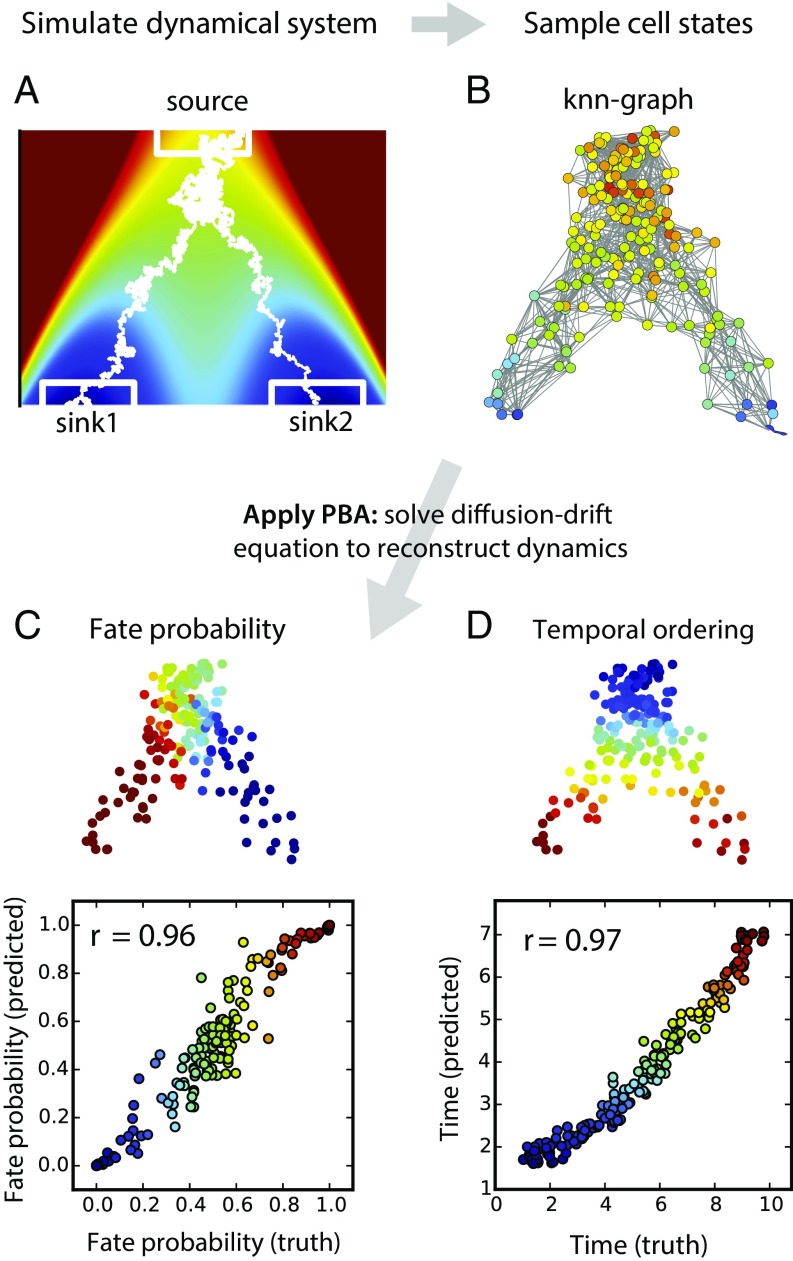
“In relevant recent work, an effective non-parametric energy landscape of single-cell expression snapshots was inferred using the Laplacian of a k -nearest neighbor graph on the data, allowing lineage information to be derived via a Markov chain 15 .”
BackgroundMethodGenerative models of cell dynamics: from Neural ODEs to flow matching
Richter, T., Wang, W., Palma, A., & Theis, F. J. (2026) · Communications Biology · doi:10.1038/s42003-026-09758-w · Cited by 14
“Third, effectively incorporating real-world data entails accounting for confounding variables ranging from stochasticity to latent in fl uences 6 .”
Parigini, C., & Greulich, P. (2020) · eLife · doi:10.7554/elife.56532 · Cited by 14
Ranek, J. S., Stanley, N., & Purvis, J. E. (2022) · Genome biology · doi:10.1186/s13059-022-02749-0 · Cited by 14
“One limitation of trajectory inference (TI) reconstruction from snapshot single-cell data is the fact that many gene regulatory mechanisms and cellular dynamics could give rise to the same distribution of cell states [8].”
BackgroundTrajectory inference for a branching SDE model of cell differentiation via lineage tracing
Ventre, E., Forrow, A., Gadhiwala, N., Chakraborty, P., Angel, O., & Schiebinger, G. R. (2026) · Journal of Mathematical Biology · doi:10.1007/s00285-026-02375-5 · Cited by 14
“To the best of our knowledge, all existing methods that attempt to account for branching require prior knowledge of the branching rates [33, 34].”
Liu, Y., Gu, Z., Cao, H., Kaphle, P., Lyu, J., Zhang, Y., Hu, W., Chung, S. S., Dickerson, K. E., & Xu, J. (2021) · Nature Communications · doi:10.1038/s41467-021-26582-4 · Cited by 14
Cardiac specification during gastrulation – The Yellow Brick Road leading to Tinman
Stutt, N., Song, M., Wilson, M. D., & Scott, I. C. (2021) · Seminars in Cell and Developmental Biology · doi:10.1016/j.semcdb.2021.11.011 · Cited by 14
Single-nucleus proteomics identifies regulators of protein transportPreprint
Derks, J., Jonson, T., Leduc, A., Khan, S., Khoury, L., Rafiee, M., & Slavov, N. (2024) · bioRxiv (Cold Spring Harbor Laboratory) · doi:10.1101/2024.06.17.599449 · Cited by 14
Inferring Stochastic Rates from Heterogeneous Snapshots of Particle Positions
Miles, C. E., McKinley, S. A., Ding, F., & Lehoucq, R. B. (2024) · Bulletin of Mathematical Biology · doi:10.1007/s11538-024-01301-4 · Cited by 13
“One very active area of inferring dynamics from snapshots is in the quantification of gene expression from spatial transcriptomics imaging of individual RNA molecules (Weinreb et al. 2018; Marx 2021).”
Shojaee, A., & Huang, S. C. (2023) · Briefings in Bioinformatics · doi:10.1093/bib/bbad370 · Cited by 13
“These characteristics increase the uncertainty and instability in computational inference, resulting in false-positive predictions and many equivalent hypothetical GRNs [10].”
Dissection and integration of bursty transcriptional dynamics for complex systems
Gao, C., Vaikuntanathan, S., & Riesenfeld, S. J. (2024) · Proceedings of the National Academy of Sciences · doi:10.1073/pnas.2306901121 · Cited by 13
Single-Cell RNA Sequencing to Disentangle the Blood System
Acosta, J., Ssozi, D., & van Galen, P. (2021) · Arteriosclerosis Thrombosis and Vascular Biology · doi:10.1161/atvbaha.120.314654 · Cited by 13
“Although the reduction of all these processes to a few dimensions results in a continuous trajectory, not all individual regulatory mechanisms are marked by gradual change 9,10 .”
Bast, L., Buck, M. C., Hecker, J. S., Oostendorp, R. A. J., Götze, K. S. S., & Marr, C. (2021) · iScience · doi:10.1016/j.isci.2021.102120 · Cited by 13
Masciale, V., Banchelli, F., Grisendi, G., Samarelli, A. V., Raineri, G., Rossi, T., Zanoni, M., Cortesi, M., Bandini, S., Ulivi, P., et al. (2024) · Journal of Biological Chemistry · doi:10.1016/j.jbc.2024.107994 · Cited by 12
“Novel technologies (scRNA-seq) that allow for single-cell transcription analysis of rare populations will be used to address many of these questions (119 – 121).”
Comprehensive lineage tracing maps the landscape of cell fate decisions in mouse embryogenesis
Colgan, W. N., Koblan, L. W., Villagrana, J., Hou, T.-C. J., Wang, M., Gowri, G., Chandler, W., Sepúlveda, L. A., Ciftci, D., Smolyar, K., et al. (2026) · Cell · doi:10.1016/j.cell.2026.09.050 · Cited by 13
Mircea, M., & Semrau, S. (2021) · Biochemical Society Transactions · doi:10.1042/bst20210135 · Cited by 12
Maity, A. K., & Teschendorff, A. E. (2023) · Nature Communications · doi:10.1038/s41467-023-39017-z · Cited by 12
“DA-testing algorithms also differ in terms of whether they use the full single-cell 62 state manifold [13, 14] when inferring DA or not.”
Quantifying cancer cell plasticity with gene regulatory networks and single-cell dynamics
Groves, S. M., & Quaranta, V. (2023) · Frontiers in Network Physiology · doi:10.3389/fnetp.2023.1225736 · Cited by 12
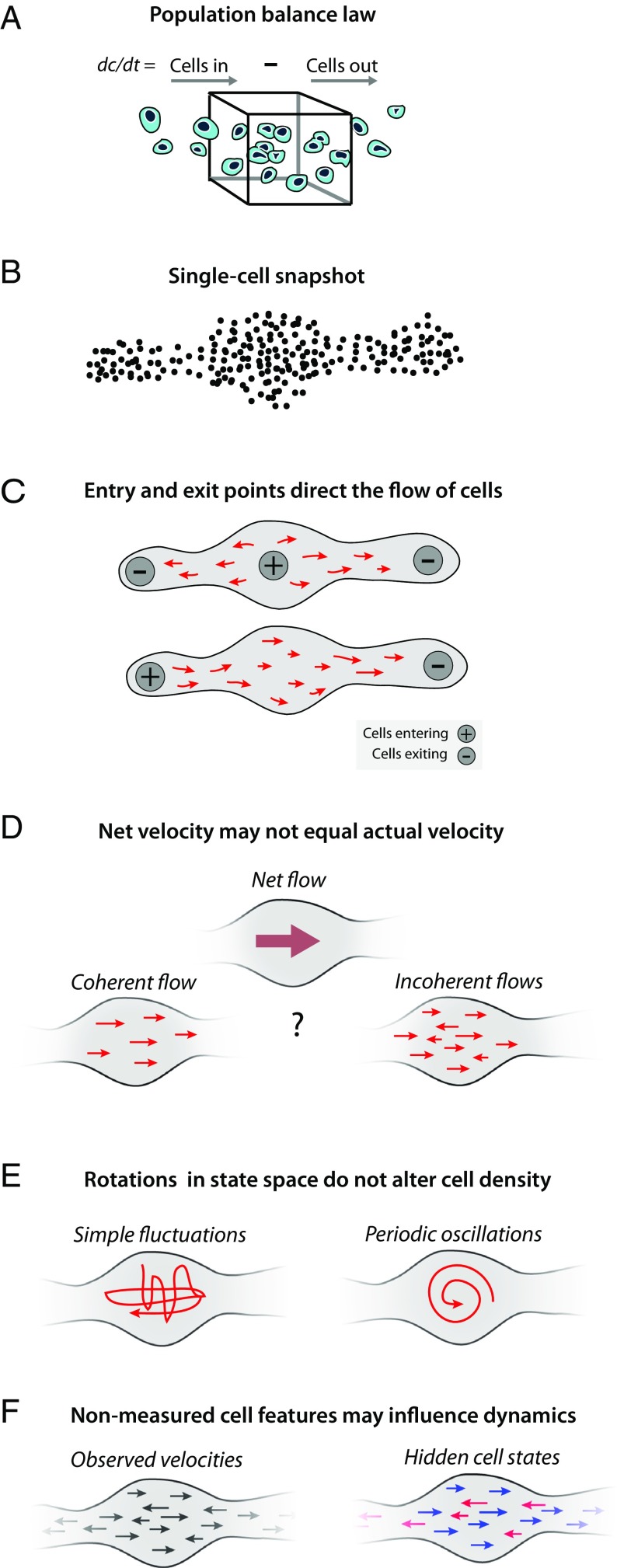
“…space (or, analogically, the phenotypic landscape): where c is cell density of a given region of gene expression space, R describes the rate of accumulation and loss due to cell proliferation, death, and movement through the region, and v is the net average velocity (Weinreb et al., 2018).”
BackgroundMethodModeling single cell trajectory using forward-backward stochastic differential equations
Zhang, K., Zhu, J., Kong, D., & Zhang, Z. (2024) · PLoS Computational Biology · doi:10.1371/journal.pcbi.1012015 · Cited by 12
Handzlik, J. E., & Manu (2022) · PLoS Computational Biology · doi:10.1371/journal.pcbi.1009779 · Cited by 12
Cho, H., Kuo, Y., & Rockne, R. C. (2022) · Mathematical Biosciences & Engineering · doi:10.3934/mbe.2022395 · Cited by 13
“It has been studied that the cell dynamics cannot be uniquely determined without imposing the reaction term [20].”
BackgroundAdvancing Stem Cell Research through Multimodal Single-Cell Analysis
Kuciński, I., & Göttgens, B. (2020) · Cold Spring Harbor Perspectives in Biology · doi:10.1101/cshperspect.a035725 · Cited by 12
Wang, W., Douglas, D., Zhang, J., Chen, Y.-J., Cheng, Y.-Y., Kumari, S., Enuameh, M. S., Dai, Y., Wallace, C. T., Watkins, S. C., et al. (2019) · bioRxiv (Cold Spring Harbor Laboratory) · doi:10.1101/2019.12.12.874248 · Cited by 12
Resolving cellular dynamics using single-cell temporal transcriptomics
Liu, Y., Huang, K., & Chen, W. (2024) · Current Opinion in Biotechnology · doi:10.1016/j.copbio.2023.103060 · Cited by 11
Uncovering Pharmacological Opportunities for Cancer Stem Cells—A Systems Biology View
Correia, C., Weisskittel, T., Ung, C. Y., Villasboas, J. C., Billadeau, D. D., Kaufmann, S. H., & Li, H. (2022) · Frontiers in Cell and Developmental Biology · doi:10.3389/fcell.2022.752326 · Cited by 11
Single-Cell Molecular Barcoding to Decode Multimodal Information Defining Cell States
Kim, I. S. (2023) · Molecules and Cells · doi:10.14348/molcells.2023.2168 · Cited by 11
“However, there remain discrepancies between new cell subsets from single-cell analysis and what has been demonstrated through experimental investigations, including FACS (fluorescence-activated cell sorting) (Angerer et al., 2017; Weinreb et al., 2018).”
Transfer learning of multicellular organization via single-cell and spatial transcriptomics
Tan, Y., Wang, A., Wang, Z., Lin, W., Yan, Y., Nie, Q., & Shi, J. (2025) · PLoS Computational Biology · doi:10.1371/journal.pcbi.1012991 · Cited by 11
Campa‐Carranza, J. N., Capuani, S., Joubert, A. L., Hernandez, N., Bo, T., Sauceda‐Villanueva, O. I., Conte, M., Franco, L., Farina, M., Rome, G. E., et al. (2025) · Advanced Science · doi:10.1002/advs.202411574 · Cited by 11
Graph-Dynamo: Learning stochastic cellular state transition dynamics from single cell dataPreprint
Zhang, Y., Qiu, X., Ni, K., Weissman, J. S., Bahar, İ., & Xing, J. (2023) · bioRxiv (Cold Spring Harbor Laboratory) · doi:10.1101/2023.09.24.559170 · Cited by 11
Potentials of single-cell genomics in deciphering cellular phenotypes
Shojaee, A., Saavedra, M., & Huang, S. C. (2021) · Current Opinion in Plant Biology · doi:10.1016/j.pbi.2021.102059 · Cited by 11
Computational tools for analyzing single-cell data in pluripotent cell differentiation studies
Ding, J., Alavi, A., Ebrahimkhani, M. R., & Bar‐Joseph, Z. (2021) · Cell Reports Methods · doi:10.1016/j.crmeth.2021.100087 · Cited by 10
“Other methods, including scdiff and CSHMM, use a probabilistic approach that either assigns cells to a discrete (Weinreb et al., 2018) or infinitely many states (Lin and Bar-Joseph, 2019).”
MethodSingle Cell Approaches to Understand the Earliest Steps in Heart Development
Lescroart, F., & Zaffran, S. (2022) · Current Cardiology Reports · doi:10.1007/s11886-022-01681-w · Cited by 10
“For example, Weinreb and colleagues have already discussed the limitations of inferring trajectories from snapshots of scRNAseq [68].”
BackgroundLandscape, bifurcations, geometry for development
François, P., & Jutras-Dubé, L. (2018) · Current Opinion in Systems Biology · doi:10.1016/j.coisb.2018.06.001 · Cited by 10
Multi-Marginal Stochastic Flow Matching for High-Dimensional Snapshot Data at Irregular Time PointsPreprint
Lee, J., Moradi-Jamei, B., & Shakeri, H. (2025) · arXiv (Cornell University) · doi:10.48550/arxiv.2508.04351 · Cited by 10
“This raises a fundamental question: among the infinitely many stochastic processes that could connect these observed marginals (Weinreb et al., 2018), which one is the most likely?”
Live-cell transcriptomics with engineered virus-like particles
Najia, M. A. T., Le, A., Borrajo, J. D. R., Pruett, L., Tsai, F., Ogi, R., Huang, J. Y., Griffith, L. G., Daley, G. Q., & Blainey, P. C. (2026) · Cell · doi:10.1016/j.cell.2026.08.005 · Cited by 9
NRF2–KEAP1 as a redox signal-resolution circuit: Beyond the antioxidant switch
Sailis, A. B. (2026) · Progress in Biophysics and Molecular Biology · doi:10.1016/j.pbiomolbio.2026.03.005 · Cited by 9
Integrating single-cell genomics pipelines to discover mechanisms of stem cell differentiation
Shen, S., Sun, Y., Matsumoto, M., Shim, W. J., Sinniah, E., Wilson, S. B., Werner, T., Wu, Z., Bradford, S. T., Hudson, J. E., et al. (2021) · Trends in Molecular Medicine · doi:10.1016/j.molmed.2021.09.006 · Cited by 9
Greulich, P., Smith, R., & MacArthur, B. D. (2020) · Elsevier eBooks · doi:10.1016/b978-0-12-817996-3.00003-7 · Cited by 9
Oubounyt, M., Elkjaer, M. L., Laske, T., Grønning, A. G. B., Moeller, M. J., & Baumbach, J. (2023) · NAR Genomics and Bioinformatics · doi:10.1093/nargab/lqad018 · Cited by 9
Kuritz, K., Stöhr, D., Maichl, D. S., Pollak, N., Rehm, M., & Allgöwer, F. (2020) · Scientific Reports · doi:10.1038/s41598-020-60400-z · Cited by 9
Velo-Predictor: an ensemble learning pipeline for RNA velocity prediction
Wang, X., & Zheng, J. (2021) · BMC Bioinformatics · doi:10.1186/s12859-021-04330-1 · Cited by 9
“When the sequencing is completed, the expression data provide only a snapshot of a cell [3].”
BackgroundIntegrating Machine Learning and Multi-Omics to Explore Neutrophil Heterogeneity
Lin, Z., Yang, T., Chen, D., Zhang, P., Luo, J., Chen, S., Gu, S., Shen, Y., Tang, T.-X., Chang, T., et al. (2025) · Biomedicines · doi:10.3390/biomedicines13092171 · Cited by 9
“Bulk sequencing obscures individual cellular variations through signal averaging [8], while single time-point sampling fails to capture dynamic phenotypic transitions during development and inflammation [9].”
Guo, W., Li, X., Wang, D., Yan, N., Hu, Q., Yang, F., Zhang, X., Yao, J., & Gu, J. (2024) · Genome biology · doi:10.1186/s13059-024-03436-y · Cited by 8
“Alternatively, a few cell-level algorithms based on mathematical modeling (such as differential equations) have been proposed to align cells during development and differentiation processes [12–16].”
Rommelfanger, M. K., Behrends, M., Chen, Y.-L., Martinez, J., Kurella, N., Geisler, N., Guturu, D., Bens, M., Xiong, L., Xiang, Z., et al. (2025) · iScience · doi:10.1016/j.isci.2025.114010 · Cited by 8
Kyaw, W., Chai, R. C. C., Khoo, W. H., Goldstein, L. D., Croucher, P. I., Murray, J. M., & Phan, T. G. (2023) · Bioinformatics · doi:10.1093/bioinformatics/btad765 · Cited by 9
“Thus, there are fundamental limits to the fidelity of dynamic inferences that can be made from single cell snapshots (Weinreb et al. 2018).”
BackgroundTemporal single-cell regeneration studies: the greatest thing since sliced pancreas?
Domínguez‐Bendala, J., Qadir, M. M. F., & Pastori, R. L. (2021) · Trends in Endocrinology and Metabolism · doi:10.1016/j.tem.2021.04.009 · Cited by 8
Joint trajectory and network inference via reference fittingPreprint
Zhang, S. Y. (2024) · arXiv (Cornell University) · doi:10.48550/arxiv.2409.06879 · Cited by 8
“This is in some sense a consequence of fundamental limitations of drift inference from snapshot data [41]: in general, non-conservative forces cannot be uniquely recovered from snapshot observations alone.”
Background
Metadata
- Authors
- Weinreb, C., Wolock, S., Tusi, B. K., Socolovsky, M., & Klein, A. M.
- Affiliations
- Harvard University (US)
- University of Massachusetts Chan Medical School (US)
- Corresponding author
- Klein, Allon M.
- Venue
- Proceedings of the National Academy of Sciences
- Publisher
- National Academy of Sciences
- Published
- 2018-02-20
- Volume
- 115
- Issue
- 10
- Pages
- E2467-E2476
- ISSN
- 0027-8424 (ISSN-L)
- 1091-6490
- PMC
- PMC5878004
- OpenAlex
- W2952840385
- Cited by
- 341
- References
- 45
- Citations by year
- 2026: 58 · 2025: 35 · 2024: 39 · 2023: 33 · 2022: 37 · 2021: 46 · 2020: 46 · 2019: 31 · 2018: 16
- FWCI
- 12.36
- Type
- journal article
- Language
- en
- Open access
- hybrid
- doi.org
- Licence
- Locations
- Proceedings of the National Academy of Sciences (publishedVersion, cc-by-nc-nd)
- PubMed Central (publishedVersion, cc-by-nc-nd)
- PubMed (publishedVersion)
- The Journal of the American Medical Association (JAMA) Network (American Medical Association) (submittedVersion, cc-by)
- Digital Access to Scholarship at Harvard (DASH) (Harvard University) (submittedVersion, cc-by)
- Funders
- Leukemia and Lymphoma Society
- Edward Mallinckrodt, Jr. Foundation
- National Institutes of Health
- National Institute of General Medical Sciences (T32GM080177)
- National Institute of Diabetes and Digestive and Kidney Diseases (R01DK100915)
- Topics
- Life Sciences › Biochemistry, Genetics and Molecular Biology › Molecular Biology › Single-cell and spatial transcriptomics
- Life Sciences › Biochemistry, Genetics and Molecular Biology › Molecular Biology › Gene Regulatory Network Analysis
- Life Sciences › Biochemistry, Genetics and Molecular Biology › Molecular Biology › Gene expression and cancer classification
- Keywords
- gene expression dynamics, trajectory reconstruction, spectral graph theory, hematopoietic progenitor cells, cell fate, gene expression regulation, experimental design
- MeSH terms
- Algorithms, Animals, Hematopoiesis, Hematopoietic Stem Cells, Gene Expression Profiling, Mice, Single-Cell Analysis
About these checks
Registry, retraction, Cites and statistics results are computed, not judged, with one exception: a printed reference that no index lists is read once by a model before it counts as a citation error. Claims are extracted by a model and kept only when their quote appears verbatim in the text; each cited source is then checked, with a model’s help, for whether it says what the claim relies on. Those verdicts can be wrong — read the claim’s quote and the cited source before relying on one.
Statistics and arithmetic are recomputed, not judged.
Confidence bands are shown only for fields calibrated on our annotated test set. None is calibrated yet, so no band is shown.
What counts as a claim ›How we measure confidence ›How we check this ›
Are you an author, or do you see a problem with this page? Request a review
Data sources
Bibliographic data: Semantic Scholar, OpenAlex, Crossref.
Contains information from the Semantic Scholar Academic Graph Datasets, made available under the ODC Attribution License (ODC-BY 1.0).
Semantic Scholar’s data is described in: Kinney, R., et al. (2023). The Semantic Scholar Open Data Platform. arXiv:2301.10140.
