

Fundamental limits on dynamic inference from single-cell snapshots
Open accessPublished version of a preprint
The DOI matches its Crossref record; 48 of the 48 references it cites were found in a registry or an index.
Abstract
Significance: Seeing a snapshot of individuals at different stages of a dynamic process can reveal what the process would look like for a single individual over time. Biologists apply this principle to infer temporal sequences of gene expression states in cells from measurements made at a single moment in time. However, the sparsity and high dimensionality of single-cell data have made inference difficult using formal approaches. Here, we apply recent innovations in spectral graph theory to devise a simple and asymptotically exact algorithm for inferring the unique dynamic solution under defined approximations and apply it to data from bone marrow stem cells.
Overview
The claims and statistics of this paper haven’t been checked yet.
Free: it reads the open-access text and checks the first 5 claims that cite a source we can check. Create a free account to check every claim.
Integrity signals
Registry
Cites
Statistics
Figures
Verification
Claims the paper makes
The claims and statistics of this paper haven’t been checked yet.
Free: it reads the open-access text and checks the first 5 claims that cite a source we can check. Create a free account to check every claim.
Claims other papers make about this one
Each is checked against this paper’s own text: does it say what the citing paper says it does?
The source backs part of the claim, not all of it — or backs it for a different population, condition or comparison.
In the citing paper
“scSeq captures mature cell types alongside all stages of cell differentiation, revealing a ‘state map’ in gene expression space.”
From Lineage tracing on transcriptional landscapes links state to fate during differentiation (2020) · cites this paper as [4]
Experimental — accuracy not yet measuredThe source backs part of the claim, not all of it — or backs it for a different population, condition or comparison.
In the citing paper
“For cells undergoing multi-lineage fate choice, scSeq has been used to estimate lineage hierarchy based on the assumption that cell types with transcriptionally similar differentiation pathways are clonally related (3–5, 7).”
From Lineage tracing on transcriptional landscapes links state to fate during differentiation (2020) · cites this paper as [4]
Experimental — accuracy not yet measuredThe cited source says what the claim attributes to it.
In the citing paper
“In addition, the high-dimensional nature of scSeq allows more than one approach to constructing cell state trajectories from the same data (4).”
From Lineage tracing on transcriptional landscapes links state to fate during differentiation (2020) · cites this paper as [4]
Self-check
Percentages, sums and reported differences re-computed from the paper’s own numbers.
The self-check needs the paper’s full text.
Citations
Cites
Stochastic Problems in Physics and Astronomy
Chandrasekhar, S. (1943) · Reviews of Modern Physics · doi:10.1103/revmodphys.15.1 · Cited by 8,470 · cited 1×
“The ubiquity of diffusion-drift equations in fields of quantitative biology (17) and physics (18) suggests that applications of these methods may exist in other fields.”
BackgroundHighly parallel genome-wide expression profiling of individual cells using nanoliter droplets.
Macosko, E. Z., Basu, A., Satija, R., Nemesh, J., Shekhar, K., Goldman, M., Tirosh, I., Bialas, A. R., Kamitaki, N., Martersteck, E. M., et al. (2015) · Cell · doi:10.1016/j.cell.2015.05.002 · Cited by 7,110
A synthetic oscillatory network of transcriptional regulators
Elowitz, M. B., & Leibler, S. (2000) · Nature · doi:10.1038/35002125 · Cited by 4,630 · cited 1×
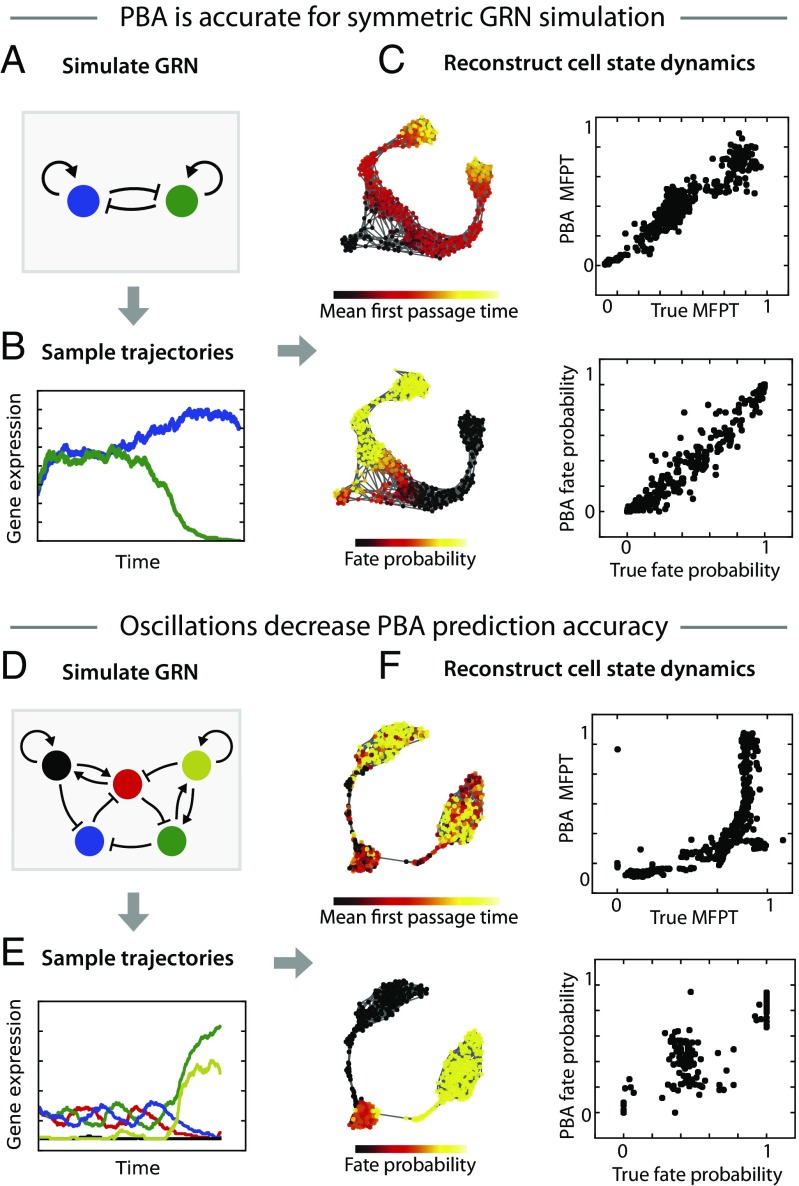
“We simulated an oscillatory GRN in the form of a “ repressilator ” circuit (26) with the addition of positive-feedback loops that create two “ escape routes ” leading to alternative stable fixed points of the dynamics (Fig.”
MethodDroplet barcoding for single-cell transcriptomics applied to embryonic stem cells
Klein, A. M., Mazutis, L., Akartuna, I., Tallapragada, N., Veres, A., Li, V., Peshkin, L., Weitz, D. A., & Kirschner, M. W. (2015) · Cell · doi:10.1016/j.cell.2015.04.044 · Cited by 3,356 · cited 7×
“Therefore, it is unclear how well PBA can infer cell trajectories that result from GRNs with oscillatory dynamics.”
BackgroundInfluentialSelf-citationA clonogenic common myeloid progenitor that gives rise to all myeloid lineages
Akashi, K., Traver, D., Miyamoto, T., & Weissman, I. L. (2000) · Nature · doi:10.1038/35004599 · Cited by 2,617 · cited 2×
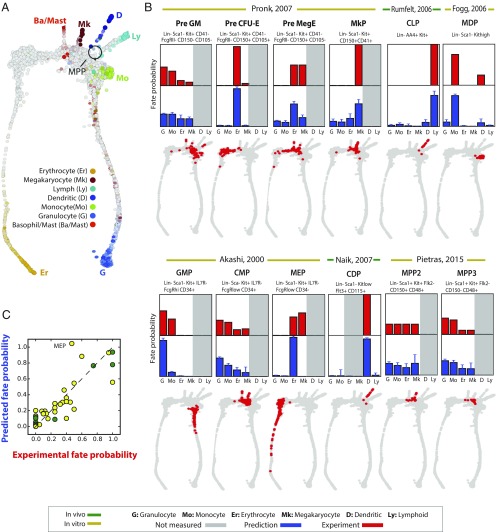
“The main qualitative disagreement be-tween PBA predictions and experiment was in the behavior of Lin − Sca1 − Kit + IL7R − FcgR low CD34 − HPCs, previously defined as megakaryocyte-erythroid precursors (31).”
BackgroundSingle-cell chromatin accessibility reveals principles of regulatory variation
Buenrostro, J. D., Wu, B., Litzenburger, U. M., Ruff, D., Gonzales, M. L., Snyder, M. P., Chang, H. Y., & Greenleaf, W. J. (2015) · Nature · doi:10.1038/nature14590 · Cited by 2,308 · cited 1×
“Rapidly maturing technologies are also enabling single-cell measurements of the epigenome (4), the proteome (5, 6), and the spatial organization of chromatin (7).”
BackgroundBendall, S. C., Simonds, E. F., Qiu, P., Amir, E.-A. D., Krutzik, P. O., Finck, R., Bruggner, R. V., Melamed, R., Trejo, A., Ornatsky, O. I., et al. (2011) · Science · doi:10.1126/science.1198704 · Cited by 2,279 · cited 1×
“Rapidly maturing technologies are also enabling single-cell measurements of the epigenome (4), the proteome (5, 6), and the spatial organization of chromatin (7).”
BackgroundStochastic Simulation of Chemical Kinetics
Gillespie, D. T. (2007) · Annual Review of Physical Chemistry · doi:10.1146/annurev.physchem.58.032806.104637 · Cited by 2,115 · cited 1×
“Although Fokker–Planck descriptions are necessarily approximations, their emergence from first-principles descriptions of transcriptional dynamics in terms of chemical master equations (21), and their ubiquity in describing chemical reaction systems (22), help justify their use instead of the more general form of Eq.”
Coifman, R. R., Lafon, S., Lee, A. B., Maggioni, M., Nadler, B., Warner, F., & Zucker, S. W. (2005) · Proceedings of the National Academy of Sciences · doi:10.1073/pnas.0500334102 · Cited by 1,675 · cited 1×
“Interestingly, several recent studies (8, 15, 43) have developed k-nearest neighbor graph-based representations of single-cell data, and others have suggested embedding cells in diffusion maps (24, 44) on the basis of other similarity kernels.”
BackgroundDiffusion pseudotime robustly reconstructs lineage branching
Haghverdi, L., Büttner, M., Wolf, F. A., Buettner, F., & Theis, F. J. (2016) · Nature Methods · doi:10.1038/nmeth.3971 · Cited by 1,385
Cited by
Generalizing RNA velocity to transient cell states through dynamical modeling
Bergen, V., Lange, M., Peidli, S., Wolf, F. A., & Theis, F. J. (2020) · Nature Biotechnology · doi:10.1038/s41587-020-0591-3 · Cited by 2,951
Deep generative modeling for single-cell transcriptomics
Lopez, R., Regier, J., Cole, M. B., Jordan, M. I., & Yosef, N. (2018) · Nature Methods · doi:10.1038/s41592-018-0229-2 · Cited by 2,530
“We use their population balance analysis [57] result as a potential function for di ff erentiation.”
MethodWolf, F. A., Hamey, F. K., Plass, M., Solana, J., Dahlin, J. S., Göttgens, B., Rajewsky, N., Simon, L., & Theis, F. J. (2019) · Genome Biology · doi:10.1186/s13059-019-1663-x · Cited by 1,698
A comparison of single-cell trajectory inference methods
Saelens, W., Cannoodt, R., Todorov, H., & Saeys, Y. (2019) · Nature Biotechnology · doi:10.1038/s41587-019-0071-9 · Cited by 1,670
Integrative single-cell analysis
Stuart, T., & Satija, R. (2019) · Nature Reviews Genetics · doi:10.1038/s41576-019-0093-7 · Cited by 1,460
Eleven grand challenges in single-cell data science
Lähnemann, D., Köster, J., Szczurek, E., McCarthy, D. J., Hicks, S. C., Robinson, M. D., Vallejos, C. A., Campbell, K. R., Beerenwinkel, N., Mahfouz, A., et al. (2020) · Genome Biology · doi:10.1186/s13059-020-1926-6 · Cited by 1,327
Single-Cell RNA-Seq Reveals AML Hierarchies Relevant to Disease Progression and Immunity
van Galen, P., Hovestadt, V., Wadsworth II, M. H., Hughes, T. K., Griffin, G. K., Battaglia, S., Verga, J. A., Stephansky, J., Pastika, T. J., Lombardi Story, J., et al. (2019) · Cell · doi:10.1016/j.cell.2019.01.031 · Cited by 1,164
A single-cell atlas of the airway epithelium reveals the CFTR-rich pulmonary ionocyte
Plasschaert, L. W., Žilionis, R., Choo-Wing, R., Savova, V., Knehr, J., Roma, G., Klein, A. M., & Jaffe, A. B. (2018) · Nature · doi:10.1038/s41586-018-0394-6 · Cited by 1,047
Self-citationPalantir characterizes cell fate continuities in human hematopoiesis
Setty, M., Kiseliovas, V., Levine, J., Gayoso, A., Mazutis, L., & Pe’er, D. (2018) · doi:10.1101/385328 · Cited by 836
“GDij = § G′Eij if τi < τj G′Eijif τi > τjand τi − τj < σi 0 if τi > τjand τi − τj > σi (15)”
Characterization of cell fate probabilities in single-cell data with Palantir
Setty, M., Kiseliovas, V., Levine, J., Gayoso, A., Mazutis, L., & Pe’er, D. (2019) · Nature Biotechnology · doi:10.1038/s41587-019-0068-4 · Cited by 833
Schiebinger, G., Shu, J., Tabaka, M., Cleary, B., Subramanian, V., Solomon, A., Gould, J., Liu, S., Lin, S., Berube, P., et al. (2019) · Cell · doi:10.1016/j.cell.2019.01.006 · Cited by 829
CellRank for directed single-cell fate mapping
Lange, M., Bergen, V., Klein, M., Setty, M., Reuter, B., Bakhti, M., Lickert, H., Ansari, M., Schniering, J., Schiller, H. B., et al. (2022) · Nature Methods · doi:10.1038/s41592-021-01346-6 · Cited by 768
Lineage tracing on transcriptional landscapes links state to fate during differentiation
Weinreb, C., Rodriguez-Fraticelli, A., Camargo, F. D., & Klein, A. M. (2020) · Science · doi:10.1126/science.aaw3381 · Cited by 759
“At present, it is unknown how single cells traverse these trajectories, including whether they progress at different rates or even reverse their dynamics (4).”
BackgroundMethodInfluentialSelf-citationLineage tracing meets single-cell omics: opportunities and challenges
Wagner, D. E., & Klein, A. M. (2020) · Nature Reviews Genetics · doi:10.1038/s41576-020-0223-2 · Cited by 646
Self-citationThe dynamics of gene expression in vertebrate embryogenesis at single-cell resolution
Briggs, J. A., Weinreb, C., Wagner, D. E., Megason, S., Peshkin, L., Kirschner, M. W., & Klein, A. M. (2018) · Science · doi:10.1126/science.aar5780 · Cited by 565
“Overall, these results support a growing body of single-cell bioinformatics methods that seek to infer developmental cell trajectories on the basis of continuity (10, 11) and distance minimization (12) in gene expression space, but also illuminate where this principle can be misleading.”
Self-citationSpatiotemporal structure of cell fate decisions in murine neural crest
Soldatov, R., Kaucka, M., Kastriti, M. E., Petersen, J., Chontorotzea, T., Englmaier, L., Akkuratova, N., Yang, Y., Häring, M., Dyachuk, V., et al. (2019) · Science · doi:10.1126/science.aas9536 · Cited by 546
“Computational reconstruction of such differentiation trajectories from transcriptional similarity merely predicts likely lineage relationships, requiring additional validation (55).”
BackgroundMapping transcriptomic vector fields of single cells
Qiu, X., Zhang, Y., Martin-Rufino, J. D., Weng, C., Hosseinzadeh, S., Yang, D., Pogson, A. N., Hein, M. Y., Hoi (Joseph) Min, K., Wang, L., et al. (2022) · Cell · doi:10.1016/j.cell.2021.12.045 · Cited by 439
“We first performed velocity analysis on those datasets using dynamo with default parameters; however, for all three datasets, this resulted in unexpected backward velocity flows from terminal cell types to undiffer- entiated cells, based on cell-type assignments from the original study (Weinreb et al., 2018).”
Population snapshots predict early haematopoietic and erythroid hierarchies
Tusi, B. K., Wolock, S. L., Weinreb, C., Hwang, Y., Hidalgo, D., Zilionis, R., Waisman, A., Huh, J. R., Klein, A. M., & Socolovsky, M. (2018) · Nature · doi:10.1038/nature25741 · Cited by 384
Self-citationSingle-Cell Transcriptomics Meets Lineage Tracing
Kester, L., & van Oudenaarden, A. (2018) · Cell Stem Cell · doi:10.1016/j.stem.2018.04.014 · Cited by 375
A comprehensive single cell transcriptional landscape of human hematopoietic progenitors
Pellin, D., Loperfido, M., Baricordi, C., Wolock, S. L., Montepeloso, A., Weinberg, O. K., Biffi, A., Klein, A. M., & Biasco, L. (2019) · Nature Communications · doi:10.1038/s41467-019-10291-0 · Cited by 360
Self-citationArg1 expression defines immunosuppressive subsets of tumor-associated macrophages
Arlauckas, S. P., Garren, S. B., Garris, C. S., Kohler, R. H., Oh, J., Pittet, M. J., & Weissleder, R. (2018) · Theranostics · doi:10.7150/thno.26888 · Cited by 331
“The existence of two distinct phenotypes was recapitulated using two independent methods for unbiased clustering of immune cell niches profiled by scRNA seq [29,32,36].”
MethodTrajectoryNet: A Dynamic Optimal Transport Network for Modeling Cellular Dynamics
Tong, A., Huang, J., Wolf, G., van Dijk, D., & Krishnaswamy, S. (2020) · PubMed · doi:10.48550/arxiv.2002.04461 · Cited by 336
“However, these methods can be biased and fail in a number of circumstances (Weinreb et al., 2018; Lederer & La Manno, 2020) and do not take into account experimental time.”
The triumphs and limitations of computational methods for scRNA-seq
Kharchenko, P. V. (2021) · Nature Methods · doi:10.1038/s41592-021-01171-x · Cited by 321
Machine learning for active matter
Cichos, F., Gustavsson, K., Mehlig, B., & Volpe, G. (2020) · Nature Machine Intelligence · doi:10.1038/s42256-020-0146-9 · Cited by 315
Using single-cell genomics to understand developmental processes and cell fate decisions
Griffiths, J. A., Scialdone, A., & Marioni, J. C. (2018) · Molecular Systems Biology · doi:10.15252/msb.20178046 · Cited by 250
“Nucleotide-focussed methods pushed beyond this limitation: real-time PCR (Van Gelder et al, 1990) can quantify hundreds of genes, with cellular throughput improved using microfluidic systems (White et al, 2011; Sanchez-Freire et al, 2012).”
Live-seq enables temporal transcriptomic recording of single cells
Chen, W., Guillaume-Gentil, O., Rainer, P. Y., Gäbelein, C. G., Saelens, W., Gardeux, V., Klaeger, A., Dainese, R., Zachara, M., Zambelli, T., et al. (2022) · Nature · doi:10.1038/s41586-022-05046-9 · Cited by 246
Concepts and limitations for learning developmental trajectories from single cell genomics
Tritschler, S., Büttner, M., Fischer, D. S., Lange, M., Bergen, V., Lickert, H., & Theis, F. J. (2019) · Development · doi:10.1242/dev.170506 · Cited by 241
“However, to distort the developmental landscape as little as possible, prior sorting should be minimised, or could be ameliorated by resampling, and the combination of several sorted subpopulations avoided (Weinreb et al., 2018b).”
BackgroundInfluentialMapping Distinct Bone Marrow Niche Populations and Their Differentiation Paths
Wolock, S. L., Krishnan, I., Tenen, D. E., Matkins, V., Camacho, V., Patel, S., Agarwal, P., Bhatia, R., Tenen, D. G., Klein, A. M., et al. (2019) · Cell Reports · doi:10.1016/j.celrep.2019.06.031 · Cited by 229
Self-citationLi, H., Dixon, E. E., Wu, H., & Humphreys, B. D. (2022) · Cell Metabolism · doi:10.1016/j.cmet.2022.09.026 · Cited by 210
Learning single-cell perturbation responses using neural optimal transport
Bunne, C., Stark, S. G., Gut, G., del Castillo, J. S., Levesque, M., Lehmann, K.-V., Pelkmans, L., Krause, A., & Rätsch, G. (2023) · Nature Methods · doi:10.1038/s41592-023-01969-x · Cited by 202
Single-cell transcriptomics in cancer: computational challenges and opportunities
Fan, J., Slowikowski, K., & Zhang, F. (2020) · Experimental & Molecular Medicine · doi:10.1038/s12276-020-0422-0 · Cited by 191
Gorin, G., Fang, M., Chari, T., & Pachter, L. (2022) · PLOS Computational Biology · doi:10.1371/journal.pcbi.1010492 · Cited by 186
High-throughput single-сell sequencing in cancer research
Jia, Q., Chu, H., Jin, Z., Long, H., & Zhu, B. (2022) · Signal Transduction and Targeted Therapy · doi:10.1038/s41392-022-00990-4 · Cited by 178
Reconstructing growth and dynamic trajectories from single-cell transcriptomics data
Sha, Y., Qiu, Y., Zhou, P., & Nie, Q. H. (2023) · Nature Machine Intelligence · doi:10.1038/s42256-023-00763-w · Cited by 170
“In this system, NANOG, SOX17 and HAND1 are marker genes for stem cells, En state and M state, respectively (Fig.”
Hurley, K., Ding, J., Villacorta-Martin, C., Herriges, M. J., Jacob, A., Vedaie, M., Alysandratos, K. D., Sun, Y. L., Lin, C., Werder, R. B., et al. (2020) · Cell Stem Cell · doi:10.1016/j.stem.2019.12.009 · Cited by 141
“While single-cell RNA sequencing (scRNA-seq) can provide a detailed picture of cell states, distinguishing between immature and fully differentiated PSC-derived cells, this technique alone loses information about spatial and temporal factors and can only imply cell parent-progeny relationships in the absence of a line…”
BackgroundPalii, C. G., Cheng, Q., Gillespie, M. A., Shannon, P., Mazurczyk, M., Napolitani, G., Price, N. D., Ranish, J. A., Morrissey, E., Higgs, D. R., et al. (2019) · Cell Stem Cell · doi:10.1016/j.stem.2019.02.006 · Cited by 148
Appyters: Turning Jupyter Notebooks into data-driven web apps
Clarke, D. J. B., Jeon, M., Stein, D. J., Moiseyev, N., Kropiwnicki, E., Dai, C., Xie, Z., Wojciechowicz, M. L., Litz, S., Hom, J., et al. (2021) · Patterns · doi:10.1016/j.patter.2021.100213 · Cited by 119
An integrative approach for building personalized gene regulatory networks for precision medicine
van der Wijst, M. G. P., de Vries, D. H., Brugge, H., Westra, H.-J., & Franke, L. (2018) · Genome Medicine · doi:10.1186/s13073-018-0608-4 · Cited by 143
Statistical mechanics meets single-cell biology
Teschendorff, A. E., & Feinberg, A. P. (2021) · Nature Reviews Genetics · doi:10.1038/s41576-021-00341-z · Cited by 139
Toward a mathematical theory of trajectory inference
Lavenant, H., Zhang, S. X., Kim, Y., & Schiebinger, G. R. (2024) · The Annals of Applied Probability · doi:10.1214/23-aap1969 · Cited by 142
Deciphering Metabolic Heterogeneity by Single-Cell Analysis
Evers, T. M. J., Hochane, M., Tans, S. J., Heeren, R. M. A., Semrau, S., Nemes, P., & Mashaghi, A. (2019) · Analytical Chemistry · doi:10.1021/acs.analchem.9b02410 · Cited by 136
Network inference with Granger causality ensembles on single-cell transcriptomics
Deshpande, A., Chu, L.-F., Stewart, R., & Gitter, A. (2022) · Cell Reports · doi:10.1016/j.celrep.2022.110333 · Cited by 130
CoSpar identifies early cell fate biases from single-cell transcriptomic and lineage information
Wang, S.-W., Herriges, M. J., Hurley, K., Kotton, D. N., & Klein, A. M. (2022) · Nature Biotechnology · doi:10.1038/s41587-022-01209-1 · Cited by 113
Self-citationInferring population dynamics from single-cell RNA-sequencing time series data
Fischer, D. S., Fiedler, A. K., Kernfeld, E. M., Genga, R. M. J., Bastidas-Ponce, A., Bakhti, M., Lickert, H., Hasenauer, J., Maehr, R., & Theis, F. J. (2019) · Nature Biotechnology · doi:10.1038/s41587-019-0088-0 · Cited by 123
“+ ( ∑ ∑ log L(ωb,t|θ, σb,t ω ) t∈Tcdf b∈B\bmax ) (11)”
Zhou, P., Wang, S., Li, T., & Nie, Q. H. (2021) · Nature Communications · doi:10.1038/s41467-021-25548-w · Cited by 127
“18 366 Methods such as Palantir (31), Population Balance Analysis (PBA) (38) and 367 Topographer (39) also treat cell-fate transition as the Markov random walk process.”
BackgroundDong, F., Hao, S., Zhang, S., Zhu, C., Cheng, H., Yang, Z., Hamey, F. K., Wang, X., Gao, A., Wang, F., et al. (2020) · Nature Cell Biology · doi:10.1038/s41556-020-0512-1 · Cited by 121
LineageOT is a unified framework for lineage tracing and trajectory inference
Forrow, A., & Schiebinger, G. (2021) · Nature Communications · doi:10.1038/s41467-021-25133-1 · Cited by 99
Sharir, A., Marangoni, P., Žilionis, R., Wan, M., Wald, T., Hu, J. K., Kawaguchi, K., Castillo‐Azofeifa, D., Epstein, L., Harrington, K., et al. (2019) · Nature Cell Biology · doi:10.1038/s41556-019-0378-2 · Cited by 116
Self-citationMukherjee, P., Nathamgari, S. S. P., Kessler, J. A., & Espinosa, H. D. (2018) · ACS Nano · doi:10.1021/acsnano.8b05473 · Cited by 111
Connecting the Dots: Resolving the Bone Marrow Niche Heterogeneity
Dolgalev, I., & Tikhonova, A. N. (2021) · Frontiers in Cell and Developmental Biology · doi:10.3389/fcell.2021.622519 · Cited by 107
Phylodynamics for cell biologists
Stadler, T., Pybus, O. G., & Stumpf, M. P. H. (2021) · Science · doi:10.1126/science.aah6266 · Cited by 95
“Cell state transition diagrams are commonly reconstructed by sampling cells from a cell population at one or more time points (54) and characterizing their states (by using cell surface markers or mRNA expression signatures from single-cell experiments, for example).”
BackgroundNoise distorts the epigenetic landscape and shapes cell-fate decisions
Coomer, M. A., Ham, L., & Stumpf, M. P. H. (2021) · Cell Systems · doi:10.1016/j.cels.2021.09.002 · Cited by 106
Yeo, G. H. T., Saksena, S. D., & Gifford, D. K. (2021) · Nature Communications · doi:10.1038/s41467-021-23518-w · Cited by 103
“More recent fate prediction methods either summarize observations of the emergent process or suffer from modeling limitations (see Introduction) 8,10 .”
BackgroundWang, W., Douglas, D. L., Zhang, J., Kumari, S., Enuameh, M. S., Dai, Y., Wallace, C. T., Watkins, S. C., Shu, W., & Xing, J. (2020) · Science Advances · doi:10.1126/sciadv.aba9319 · Cited by 105
Principles and challenges of modeling temporal and spatial omics data
Velten, B., & Stegle, O. (2023) · Nature Methods · doi:10.1038/s41592-023-01992-y · Cited by 101
Kong, W., Biddy, B. A., Kamimoto, K., Amrute, J. M., Butka, E. G., & Morris, S. A. (2020) · Nature Protocols · doi:10.1038/s41596-019-0247-2 · Cited by 92
Metacell-2: a divide-and-conquer metacell algorithm for scalable scRNA-seq analysis
Ben-Kiki, O., Bercovich, A., Lifshitz, A., & Tanay, A. (2022) · Genome Biology · doi:10.1186/s13059-022-02667-1 · Cited by 98
New insights into hematopoietic differentiation landscapes from single-cell RNA sequencing
Watcham, S., Kuciński, I., & Göttgens, B. (2019) · Blood · doi:10.1182/blood-2018-08-835355 · Cited by 99
Aging induces aberrant state transition kinetics in murine muscle stem cells
Kimmel, J. C., Hwang, A. B., Scaramozza, A., Marshall, W. F., & Brack, A. S. (2020) · Development · doi:10.1242/dev.183855 · Cited by 95
“This type of inference is unable to assess if the progression of cells through a set of states is uniform or heterogeneous, if intermediary states are bistable or transient, or to determine if a given cellular feature influences velocity [55].”
Predicting cell lineages using autoencoders and optimal transport
Yang, K. D., Damodaran, K., Venkatachalapathy, S., Soylemezoglu, A. C., Shivashankar, G. V., & Uhler, C. (2020) · PLOS Computational Biology · doi:10.1371/journal.pcbi.1007828 · Cited by 61
“These strategies (including Monocle [4], Monocle2 [5], SLICE [6], Waterfall [7], TSCAN [8], SCUBA [9], Wanderlust [10], Wishbone [11], PAGA [12], PBA [13] and others) generally combine techniques such as Principle Component Analysis (PCA), Independent Component Analysis (ICA), or t-Distributed Stochastic Neighbor Embe…”
MethodComputational Methods for Single-Cell RNA Sequencing
Hie, B., Peters, J., Nyquist, S. K., Shalek, A. K., Berger, B., & Bryson, B. D. (2020) · Annual Review of Biomedical Data Science · doi:10.1146/annurev-biodatasci-012220-100601 · Cited by 89
Microfluidics for Neuronal Cell and Circuit Engineering
Habibey, R., Rojo Arias, J. E., Striebel, J., & Busskamp, V. (2022) · Chemical Reviews · doi:10.1021/acs.chemrev.2c00212 · Cited by 85
Tempora: Cell trajectory inference using time-series single-cell RNA sequencing data
Tran, T. N., & Bader, G. D. (2020) · PLoS Computational Biology · doi:10.1371/journal.pcbi.1008205 · Cited by 88
“Even though snapshot scRNA-seq can provide novel insights into development, it has recognized limits [4], including that cell populations that appear earlier or later than the sampling time cannot be studied.”
BackgroundSpatiotemporal Analysis Reveals Overlap of Key Proepicardial Markers in the Developing Murine Heart
Lupu, I.-E., Redpath, A. N., & Smart, N. (2020) · Stem Cell Reports · doi:10.1016/j.stemcr.2020.04.002 · Cited by 79
“Any variability in the level of marker expression was similar to that observed for the housekeeping gene Actb (Figure S5B), and may reflect fluctuations associated with cell cycle or transcriptional bursts (Corrigan et al., 2016; Padovan-Merhar et al., 2015; Weinreb et al., 2018).”
ResultToward modeling metabolic state from single-cell transcriptomics
Hrovatin, K., Fischer, D. S., & Theis, F. J. (2021) · Molecular Metabolism · doi:10.1016/j.molmet.2021.101396 · Cited by 74
“While these processes match the temporal resolution of common 105].”
BackgroundSingle-cell genomics in AML: extending the frontiers of AML research
Ediriwickrema, A., Gentles, A. J., & Majeti, R. (2022) · Blood · doi:10.1182/blood.2021014670 · Cited by 74
Optimal transport for single-cell and spatial omics
Bunne, C., Schiebinger, G., Krause, A., Regev, A., & Cuturi, M. (2024) · Nature Reviews Methods Primers · doi:10.1038/s43586-024-00334-2 · Cited by 71
“…include data for studying the reconstruction of developmental processes 5,127 , spatiotemporal analysis 179 and incorporation of lineage information 180–183 ; drug perturbation effects 6,73,184 , including across cells from different patients 185,186 ; multi-modal data integration 187,188 ;…”
Groves, S. M., Ildefonso, G. V., McAtee, C. O., Ozawa, P. M. M., Ireland, A. S., Stauffer, P. E., Wasdin, P. T., Huang, X., Qiao, Y., Lim, J. S., et al. (2022) · Cell Systems · doi:10.1016/j.cels.2022.07.006 · Cited by 70
A multiresolution framework to characterize single-cell state landscapes
Mohammadi, S., Davila-Velderrain, J., & Kellis, M. (2020) · Nature Communications · doi:10.1038/s41467-020-18416-6 · Cited by 66
“Technical and conceptual progress in such matters largely depends on the availability of flexible computational frameworks for efficient, meaningful, and interpretable large-scale data analysis.”
BackgroundTransition state characteristics during cell differentiation
Brackston, R. D., Lakatos, E., & Stumpf, M. P. H. (2018) · PLOS Computational Biology · doi:10.1371/journal.pcbi.1006405 · Cited by 67
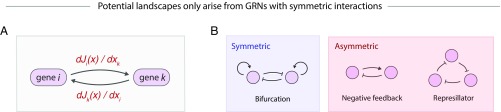
“An alternative viewpoint on the presence of curl, is that a curl-free or purely gradientbased system requires complete symmetry in the interactions between all state variables (Weinreb et al., 2017).”
BackgroundInfluentialPhyloVelo enhances transcriptomic velocity field mapping using monotonically expressed genes
Wang, K., Hou, L., Wang, X., Zhai, X., Lu, Z., Zi, Z., Zhai, W., He, X., Curtis, C., Zhou, D., et al. (2024) · Nature Biotechnology · doi:10.1038/s41587-023-01887-5 · Cited by 66
“Taken together, cell state transitions are challenging to distinguish using transcriptomic data alone 11–14 .”
Exploring single cells in space and time during tissue development, homeostasis and regeneration
Mayr, U., Serra, D., & Liberali, P. (2019) · Development · doi:10.1242/dev.176727 · Cited by 63
Chen, W., Morabito, S., Kessenbrock, K., Enver, T., Meyer, K. B., & Teschendorff, A. E. (2019) · Communications Biology · doi:10.1038/s42003-019-0554-8 · Cited by 62
spliceJAC: transition genes and state‐specific gene regulation from single‐cell transcriptome data
Bocci, F., Zhou, P., & Nie, Q. H. (2022) · Molecular Systems Biology · doi:10.15252/msb.202211176 · Cited by 59
“To dissect the state-transition dynamics from single-cell snapshot data(Weinreb et al, 2018), identify key genes that drive the transitions between cell types (Chen et al, 2019), and infer cell type-specific gene regulations (Wang et al, 2020), the need of the bottom-up, theoryoriented, and…”
BackgroundThe dynamics of hematopoiesis over the human lifespan
Li, H., Côté, P., Kuoch, M., Ezike, J., Frenis, K., Afanassiev, A., Greenstreet, L., Tanaka-Yano, M., Tarantino, G., Zhang, S., et al. (2024) · Nature Methods · doi:10.1038/s41592-024-02495-0 · Cited by 56
Biologically informed NeuralODEs for genome-wide regulatory dynamics
Hossain, I., Fanfani, V., Fischer, J., Quackenbush, J. F., & Burkholz, R. (2024) · Genome biology · doi:10.1186/s13059-024-03264-0 · Cited by 55
“For each of SIM350 and SIM690, we observed that PHOENIX outperformed OOTB NeuralODEs on the test set in noiseless settings (Supp.”
Trajectory Inference Via Mean-Field Langevin in Path Space
Chizat, L., Zhang, S., Heitz, M., & Schiebinger, G. R. (2022) · neural information processing systems · doi:10.52202/068431-1217 · Cited by 55
Optimal transport analysis reveals trajectories in steady-state systems
Zhang, S., Afanassiev, A., Greenstreet, L., Matsumoto, T., & Schiebinger, G. (2021) · PLOS Computational Biology · doi:10.1371/journal.pcbi.1009466 · Cited by 39
“Our approach is theoretically justified when the trajectories are driven by a potential landscape, as in [18].”
BackgroundMethodInfluentialDeciphering Cell Fate Decision by Integrated Single-Cell Sequencing Analysis
Sagar, & Grün, D. (2020) · Annual Review of Biomedical Data Science · doi:10.1146/annurev-biodatasci-111419-091750 · Cited by 53
“To address the limitations of many existing lineage tree reconstruction algorithms in inferring the underlying dynamics of differentiation, the Klein group has developed an approach termed population balance analysis (PBA) that attempts to reconstruct trajectories from single-cell snapshot data by formulating a popula…”
MethodStudying stochastic systems biology of the cell with single-cell genomics data
Gorin, G., Vastola, J. J., & Pachter, L. S. (2023) · Cell Systems · doi:10.1016/j.cels.2023.08.004 · Cited by 51
“…strictly justifiable: much of single-cell analysis involves the determination of trajectories from intrinsically transient data representing differentiation pathways 160 If the transient process occurs on a timescale comparable to RNA turnover, using a stationary model may not be appropriate 16 .”
Casey, M. J., Stumpf, P. S., & MacArthur, B. D. (2019) · WIREs Systems Biology and Medicine · doi:10.1002/wsbm.1471 · Cited by 52
“In fact, Equation (2) implies the biologically unfeasible constraint that the intracellular regulatory network that defines the landscape is symmetric — that is, each regulatory edge in the network is bidirectional (Weinreb, Wolock, Tusi, Socolovsky, & Klein, 2018) — which is certainly not true.”
Konturek-Ciesla, A., Dhapola, P., Zhang, Q., Säwén, P., Wan, H., Karlsson, G., & Bryder, D. (2023) · Cell Reports · doi:10.1016/j.celrep.2023.112304 · Cited by 48
Inference of high-resolution trajectories in single-cell RNA-seq data by using RNA velocity
Zhang, Z., & Zhang, X. (2021) · Cell Reports Methods · doi:10.1016/j.crmeth.2021.100095 · Cited by 48
“Currently, manifold-learning-based methods (Moon et al., 2019; Haghverdi et al., 2016; Weinreb et al., 2017) for single-cell dataset construct neighborhood graph with different kinds of kernels to approximate the underlying manifold, which achieves promising results in single-cell dataset.”
BackgroundMethodLineage Tracing: Computational Reconstruction Goes Beyond the Limit of Imaging.
Wu, S.-H. S., Lee, J., & Koo, B. (2019) · PubMed Central · doi:10.14348/molcells.2019.0006 · Cited by 47
“…state transitions, however, it should be noted that the true directionality of gene expression changes over time is not completely present in the ‘snapshot’ of scRNA-seq data, necessitating the use of additional, complementary strategies to overcome this limitation (Weinreb et al., 2018).”
BackgroundDevelopment of double-positive thymocytes at single-cell resolution
Li, Y., Li, K., Zhu, L., Li, B., Zong, D., Cai, P., Jiang, C., Du, P., Lin, J., & Qu, K. (2021) · Genome Medicine · doi:10.1186/s13073-021-00861-7 · Cited by 46
The emergence and promise of single-cell temporal-omics approaches
Lederer, A. R., & Manno, G. L. (2020) · Current Opinion in Biotechnology · doi:10.1016/j.copbio.2019.12.005 · Cited by 44
On the Mathematics of RNA Velocity I: Theoretical Analysis
Li, T., Shi, J., Wu, Y., & Zhou, P. (2021) · CSIAM Transactions on Applied Mathematics · doi:10.4208/csiam-am.so-2020-0001 · Cited by 44
Spatial transition tensor of single cells
Zhou, P., Bocci, F., Li, T., & Nie, Q. H. (2024) · Nature Methods · doi:10.1038/s41592-024-02266-x · Cited by 43
“Metrics such as similarity or distance on a low-dimensional manifold are applied to single-cell RNA sequencing (scRNA-seq) data to infer dynamic properties such as pseudotime ordering 1,2 , network abstraction 3 or cellular random walk analysis 4,5 .”
Joint trajectory inference for single-cell genomics using deep learning with a mixture prior
Du, J., Chen, T., Gao, M., & Wang, J. (2024) · Proceedings of the National Academy of Sciences · doi:10.1073/pnas.2316256121 · Cited by 42
“Single-cell sequencing data only captures static snapshots of single-cell omics at specific time points, which may make it challenging to uncover the true temporal lineages sought after by biologists [8, 9].”
BackgroundSingle-cell multi-omics and lineage tracing to dissect cell fate decision-making
Haghverdi, L., & Ludwig, L. S. (2023) · Stem Cell Reports · doi:10.1016/j.stemcr.2022.12.003 · Cited by 41
Unraveling non-genetic heterogeneity in cancer with dynamical models and computational tools
Pillai, M., Hojel, E., Jolly, M. K., & Goyal, Y. (2023) · Nature Computational Science · doi:10.1038/s43588-023-00427-0 · Cited by 41
“More broadly, a stronger interplay between imaging and sequencing-based methodologies is critical for linking molecular differences to functional outcomes, but that will also entail developing novel computational frameworks amenable to such datasets.”
BackgroundTools and Concepts for Interrogating and Defining Cellular Identity
McKinley, K. L., Castillo‐Azofeifa, D., & Klein, O. D. (2020) · Cell stem cell · doi:10.1016/j.stem.2020.03.015 · Cited by 39
“If the barcode is transcribed, then the clonal relationships can be integrated with transcriptomic profiling by scRNA-seq (Biddy et al., 2018; Wagner et al., 2018; Weinreb et al., 2020; Yao et al., 2017).”
MethodMaizels, R. J., Snell, D. M., & Briscoe, J. (2024) · Cell Systems · doi:10.1016/j.cels.2024.04.004 · Cited by 38
Single-cell nanobiopsy enables multigenerational longitudinal transcriptomics of cancer cells
Marcuccio, F., Chau, C. C. C., Tanner, G., Elpidorou, M., Finetti, M. A., Ajaib, S., Taylor, M., Lascelles, C., Carr, I., Macaulay, I. C., et al. (2024) · Science Advances · doi:10.1126/sciadv.adl0515 · Cited by 37
“However, understanding how the initial state of a cell’s transcriptome influences its response to a perturbation remains challenging due to the assumptions required to infer a cell’s initial state when using methodologies that require cell lysis ( 10 ).”
Jiang, J., Chen, S., Tsou, T., McGinnis, C. S., Khazaei, T., Zhu, Q., Park, J. H., Strazhnik, I.-M., Vielmetter, J., Gong, Y., et al. (2026) · Cell · doi:10.1016/j.cell.2026.04.028 · Cited by 37
Energy landscape decomposition for cell differentiation with proliferation effect
Shi, J., Aihara, K., Li, T., & Chen, L. (2022) · National Science Review · doi:10.1093/nsr/nwac116 · Cited by 38
“R ( x ) ≡ 0, (9) reduces to Wang’s landscape decomposition [17–19] with P U ( x ) ≡ P 0 ( x ) and V ( x ) ≡ 0; if the system is of gradient type with b ( x ) = −∇ F ( x ), (9) reduces to the landscape decomposition discussed in PBA and LDD [13,16] with f ( x ) ≡ 0.”
InfluentialSingle-Cell RNA Sequencing-Based Computational Analysis to Describe Disease Heterogeneity
Zeng, T., & Dai, H. (2019) · Frontiers in Genetics · doi:10.3389/fgene.2019.00629 · Cited by 36
“For example, the continuum of molecular states in a population can reflect the trajectory or pseudo-time of a typical cell, so various methods increase their power by reconstructing the trajectory by quantification of a group of cells in multiple static snapshots (Weinreb et al., 2018).”
MethodReconstructing developmental landscapes and trajectories from single-cell data
Schiebinger, G. R. (2021) · Current Opinion in Systems Biology · doi:10.1016/j.coisb.2021.06.002 · Cited by 36
A dynamical systems treatment of transcriptomic trajectories in hematopoiesis
Freedman, S., Xu, B., Goyal, S., & Mani, M. (2023) · Development · doi:10.1242/dev.201280 · Cited by 36
Mapping Transcriptomic Vector Fields of Single Cells
Qiu, X., Zhang, Y., Hosseinzadeh, S., Yang, D., Pogson, A. N., Wang, L., Shurtleff, M., Yuan, R., Xu, S., Ma, Y., et al. (2019) · bioRxiv (Cold Spring Harbor Laboratory) · doi:10.1101/696724 · Cited by 34
Metadata
- Authors
- Weinreb, C., Wolock, S., Tusi, B. K., Socolovsky, M., & Klein, A. M.
- Affiliations
- Harvard University (US)
- University of Massachusetts Chan Medical School (US)
- Corresponding author
- Klein, Allon M.
- Venue
- Proceedings of the National Academy of Sciences
- Publisher
- National Academy of Sciences
- Published
- 2018-02-20
- Volume
- 115
- Issue
- 10
- Pages
- E2467-E2476
- ISSN
- 0027-8424 (ISSN-L)
- 1091-6490
- PMC
- PMC5878004
- OpenAlex
- W2952840385
- Cited by
- 341
- References
- 45
- Citations by year
- 2026: 58 · 2025: 35 · 2024: 39 · 2023: 33 · 2022: 37 · 2021: 46 · 2020: 46 · 2019: 31 · 2018: 16
- FWCI
- 12.36
- Type
- journal article
- Language
- en
- Open access
- hybrid
- doi.org
- Licence
- Locations
- Proceedings of the National Academy of Sciences (publishedVersion, cc-by-nc-nd)
- PubMed Central (publishedVersion, cc-by-nc-nd)
- PubMed (publishedVersion)
- The Journal of the American Medical Association (JAMA) Network (American Medical Association) (submittedVersion, cc-by)
- Digital Access to Scholarship at Harvard (DASH) (Harvard University) (submittedVersion, cc-by)
- Funders
- Leukemia and Lymphoma Society
- Edward Mallinckrodt, Jr. Foundation
- National Institutes of Health
- National Institute of General Medical Sciences (T32GM080177)
- National Institute of Diabetes and Digestive and Kidney Diseases (R01DK100915)
- Topics
- Life Sciences › Biochemistry, Genetics and Molecular Biology › Molecular Biology › Single-cell and spatial transcriptomics
- Life Sciences › Biochemistry, Genetics and Molecular Biology › Molecular Biology › Gene Regulatory Network Analysis
- Life Sciences › Biochemistry, Genetics and Molecular Biology › Molecular Biology › Gene expression and cancer classification
- Keywords
- gene expression dynamics, trajectory reconstruction, spectral graph theory, hematopoietic progenitor cells, cell fate, gene expression regulation, experimental design
- MeSH terms
- Algorithms, Animals, Hematopoiesis, Hematopoietic Stem Cells, Gene Expression Profiling, Mice, Single-Cell Analysis
About these checks
Registry, retraction, Cites and statistics results are computed, not judged, with one exception: a printed reference that no index lists is read once by a model before it counts as a citation error. Claims are extracted by a model and kept only when their quote appears verbatim in the text; each cited source is then checked, with a model’s help, for whether it says what the claim relies on. Those verdicts can be wrong — read the claim’s quote and the cited source before relying on one.
Statistics and arithmetic are recomputed, not judged.
Confidence bands are shown only for fields calibrated on our annotated test set. None is calibrated yet, so no band is shown.
What counts as a claim ›How we measure confidence ›How we check this ›
Are you an author, or do you see a problem with this page? Request a review
Data sources
Bibliographic data: Semantic Scholar, OpenAlex, Crossref.
Contains information from the Semantic Scholar Academic Graph Datasets, made available under the ODC Attribution License (ODC-BY 1.0).
Semantic Scholar’s data is described in: Kinney, R., et al. (2023). The Semantic Scholar Open Data Platform. arXiv:2301.10140.
