

Global increase and geographic convergence in antibiotic consumption between 2000 and 2015
Open accessThe DOI matches its Crossref record; 43 of the 43 references it cites were found in a registry or an index.
Abstract
Significance: Antibiotic resistance, driven by antibiotic consumption, is a growing global health threat. Our report on antibiotic use in 76 countries over 16 years provides an up-to-date comprehensive assessment of global trends in antibiotic consumption. We find that the antibiotic consumption rate in low- and middle-income countries (LMICs) has been converging to (and in some countries surpassing) levels typically observed in high-income countries. However, inequities in drug access persist, as many LMICs continue to be burdened with high rates of infectious disease-related mortality and low rates of antibiotic consumption. Our findings emphasize the need for global surveillance of antibiotic consumption to support policies to reduce antibiotic consumption and resistance while providing access to these lifesaving drugs.
Overview
The claims and statistics of this paper haven’t been checked yet.
Free: it reads the open-access text and checks the first 5 claims that cite a source we can check. Create a free account to check every claim.
Integrity signals
Registry
Cites
Statistics
Figures
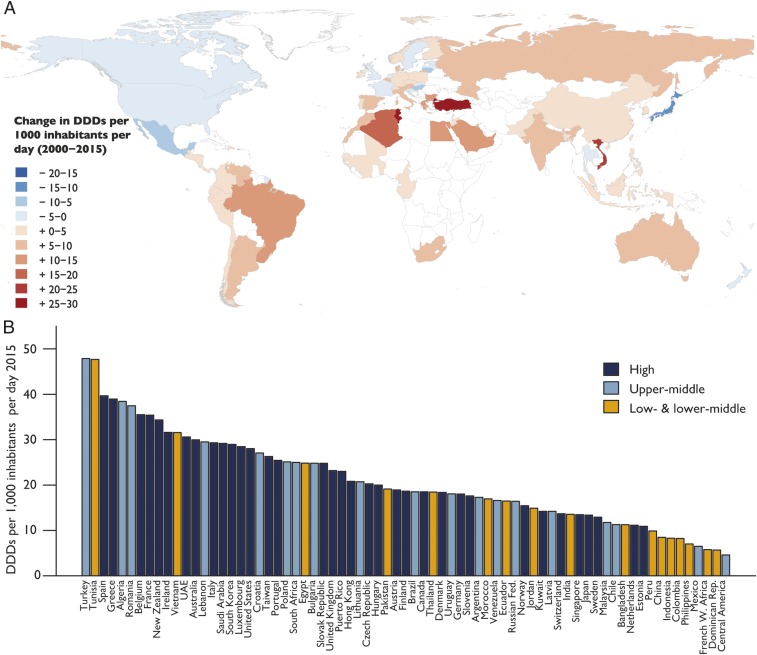
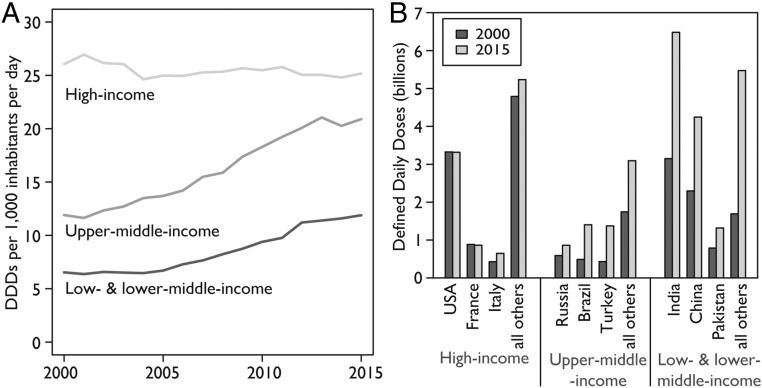
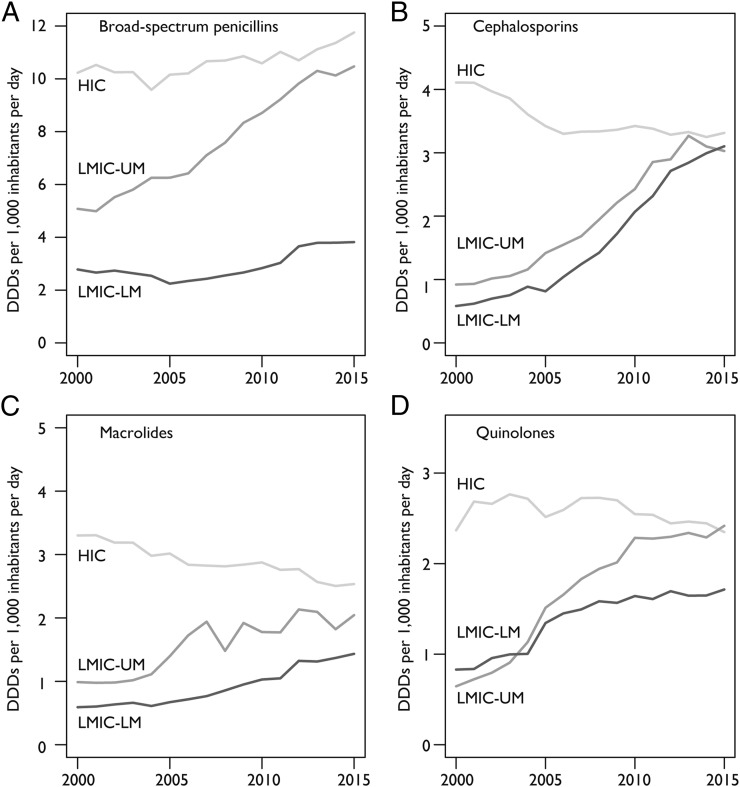
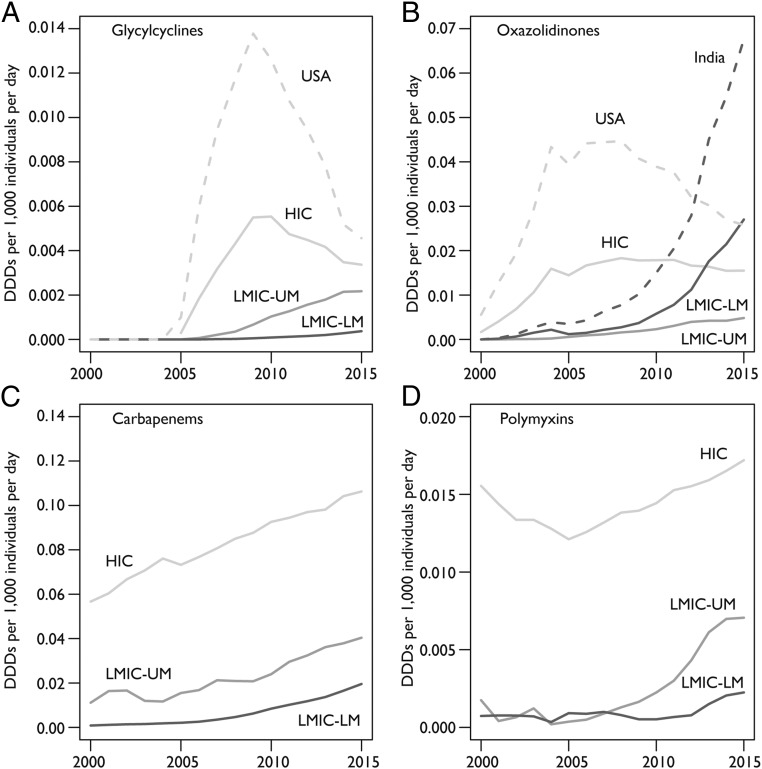
Verification
Claims the paper makes
The claims and statistics of this paper haven’t been checked yet.
Free: it reads the open-access text and checks the first 5 claims that cite a source we can check. Create a free account to check every claim.
Claims other papers make about this one
Each is checked against this paper’s own text: does it say what the citing paper says it does?
The cited source says what the claim attributes to it.
In the citing paper
“A study indicated that between 2000 and 2015, antibiotic consumption (expressed in defined daily doses [DDD]) increased by 65% worldwide, largely driven by LMICs.”
From Over-the-Counter Sale of Antibiotics in India: A Qualitative Study of Providers’ Perspectives across Two States (2021) · cites this paper as [7]
The cited source says what the claim attributes to it.
In the citing paper
“In India, it increased from 3.2 to 6.5 billion DDDs (103%) [7].”
From Over-the-Counter Sale of Antibiotics in India: A Qualitative Study of Providers’ Perspectives across Two States (2021) · cites this paper as [7]
Self-check
Percentages, sums and reported differences re-computed from the paper’s own numbers.
The self-check needs the paper’s full text.
Citations
Cites
Liu, Y.-Y., Wang, Y., Walsh, T. R., Yi, L.-X., Zhang, R., Spencer, J., Doi, Y., Tian, G., Dong, B., Huang, X., et al. (2016) · The Lancet Infectious Diseases · doi:10.1016/s1473-3099(15)00424-7 · Cited by 5,398
Antibiotic resistance-the need for global solutions
Laxminarayan, R., Duse, A., Wattal, C., Zaidi, A. K. M., Wertheim, H. F. L., Sumpradit, N., Vlieghe, E., Hara, G. L., Gould, I. M., Goossens, H., et al. (2013) · The Lancet Infectious Diseases · doi:10.1016/s1473-3099(13)70318-9 · Cited by 4,439
Self-citationTipping elements in the Earth’s climate system
Lenton, T. M., Held, H., Kriegler, E., Hall, J. W., Lucht, W., Rahmstorf, S., & Schellnhuber, H. J. (2008) · Proceedings of the National Academy of Sciences · doi:10.1073/pnas.0705414105 · Cited by 3,982 · cited 1×
“As with climate change, there may be an unknown tipping point (47), and this could herald a future without effective antibiotics.”
BackgroundExtended-Spectrum β-Lactamases: a Clinical Update
Paterson, D. L., & Bonomo, R. A. (2005) · Clinical Microbiology Reviews · doi:10.1128/cmr.18.4.657-686.2005 · Cited by 3,491
Outpatient antibiotic use in Europe and association with resistance: a cross-national database study
Goossens, H., Ferech, M., Vander Stichele, R., & Elseviers, M. (2005) · The Lancet · doi:10.1016/s0140-6736(05)17907-0 · Cited by 3,359 · cited 1×
“The association between antibiotic consumption and resistance is well documented across spatial and temporal scales at individual hospitals (5), nursing homes (6), primary care facilities (7), and communities (8), as well as across countries (9).”
BackgroundSelf-citationGlobal antibiotic consumption 2000 to 2010: an analysis of national pharmaceutical sales data
Van Boeckel, T. P., Gandra, S., Ashok, A., Caudron, Q., Grenfell, B. T., Levin, S. A., & Laxminarayan, R. (2014) · The Lancet Infectious Diseases · doi:10.1016/s1473-3099(14)70780-7 · Cited by 2,280 · cited 1×
“The largest prior study reported that antibiotic consumption increased 36% between 2000 and 2010 in 71 countries (15).”
BackgroundSelf-citationCostelloe, C., Metcalfe, C., Lovering, A., Mant, D., & Hay, A. D. (2010) · BMJ · doi:10.1136/bmj.c2096 · Cited by 1,981 · cited 1×
“The association between antibiotic consumption and resistance is well documented across spatial and temporal scales at individual hospitals (5), nursing homes (6), primary care facilities (7), and communities (8), as well as across countries (9).”
BackgroundTesting for Serial Correlation in Linear Panel-data Models
Drukker, D. M. (2003) · The Stata Journal: Promoting communications on statistics and Stata · doi:10.1177/1536867x0300300206 · Cited by 1,569 · cited 1×
“Serial correlation was assessed using the Wooldridge test (19).”
MethodAccess to effective antimicrobials: a worldwide challenge
Laxminarayan, R., Matsoso, P., Pant, S., Brower, C., Røttingen, J.-A., Klugman, K., & Davies, S. (2016) · The Lancet · doi:10.1016/s0140-6736(15)00474-2 · Cited by 1,465
Self-citationDengue, Urbanization and Globalization: The Unholy Trinity of the 21st Century
Gubler, D. J. (2011) · Tropical Medicine and Health · doi:10.2149/tmh.2011-s05 · Cited by 1,098
Research works printed but not linked: 1
- 21. Institut de veille sanitaire (InVS) et Agence nationale de sécurité du médicament et des produits de santé (ANSM) (2015) Consommation d'antibiotiques et résistance aux antibiotiques en France : Nécessité d'une mobilisation déterminée et durable. Bilan des Données de Surveillance. [Antibiotic consumption and antibiotic resistance in France: The need for a determined and sustainable mobilization. Review of Surveil- lance Data] (Institut de veille sanitaire, Saint-Maurice, France), pp 1-16. French.
Cited by
Items 101–200 of 1,009
Emerging contaminants in a river receiving untreated wastewater from an Indian urban centre
Williams, M., Kookana, R. S., Mehta, A., Yadav, S. K., Tailor, B. L., & Maheshwari, B. (2019) · Science of The Total Environment · doi:10.1016/j.scitotenv.2018.08.084 · Cited by 206
Hsia, Y., Sharland, M., Jackson, C., Wong, I. C. K., Magrini, N., & Bielicki, J. A. (2019) · The Lancet Infectious Diseases · doi:10.1016/s1473-3099(18)30547-4 · Cited by 205
Akpan, M. R., Isemin, N. U., Udoh, A. E., & Ashiru-Oredope, D. (2020) · Journal of Global Antimicrobial Resistance · doi:10.1016/j.jgar.2020.03.009 · Cited by 204
Sharma, S., Chauhan, A., Ranjan, A., Mathkor, D. M., Haque, S., Ramniwas, S., Tuli, H. S., Jindal, T., & Yadav, V. (2024) · Frontiers in Microbiology · doi:10.3389/fmicb.2024.1403168 · Cited by 197
“According to studies, antibiotic usage in India and China climbed by 63 and 65%, respectively, between 2000 and 2015 (Klein et al., 2018).”
BackgroundAntimicrobial uses for livestock production in developing countries
Hosain, M. Z., Kabir, S. M. L., & Kamal, M. M. (2021) · Veterinary World · doi:10.14202/vetworld.2021.210-221 · Cited by 201
“Globally, AMR is increasing [85] and it is Table-3: Prevalence of antibiotic-resistant bacteria isolated from food animals and products in developing countries.”
BackgroundMann, A., Nehra, K., Rana, J. S., & Dahiya, T. (2021) · Current Research in Microbial Sciences · doi:10.1016/j.crmicr.2021.100030 · Cited by 199
Samtiya, M., Matthews, K. R., Dhewa, T., & Puniya, A. K. (2022) · Foods · doi:10.3390/foods11192966 · Cited by 198
Algammal, A., Hetta, H. F., Mabrok, M., & Behzadi, P. (2023) · Frontiers in Microbiology · doi:10.3389/fmicb.2023.1135614 · Cited by 200
Zhou, W., Han, Y., Tang, Y., Shi, W., Du, X., Sun, S., & Liu, G. (2020) · Environmental Science & Technology · doi:10.1021/acs.est.0c01575 · Cited by 199
Recent progress in sustainable technologies for adsorptive and reactive removal of sulfonamides
Tian, S., Zhang, C., Huang, D., Wang, R., Zeng, G., Yan, M., Xiong, W., Zhou, C., Cheng, M., Xue, W., et al. (2020) · Chemical Engineering Journal · doi:10.1016/j.cej.2019.123423 · Cited by 198
Optimizing antibiotic therapies to reduce the risk of bacterial resistance
Bassetti, S., Tschudin-Sutter, S., Egli, A., & Osthoff, M. (2022) · European Journal of Internal Medicine · doi:10.1016/j.ejim.2022.01.029 · Cited by 196
Britto, C. D., Wong, V. K., Dougan, G., & Pollard, A. J. (2018) · PLOS Neglected Tropical Diseases · doi:10.1371/journal.pntd.0006779 · Cited by 197
“This rise was attributed to the to changing prescribing practices favouring cephalosporins for enteric fever among other virulent infections involving the respiratory tract, genito-urinary tract, skin and soft tissue in the setting of rising AMR for other antimicrobials including narrow spectrum beta-lactams and fluor…”
ResultHaenni, M., Dagot, C., Chesneau, O., Bibbal, D., Labanowski, J., Vialette, M., Bouchard, D., Martin-Laurent, F., Calsat, L., Nazaret, S., et al. (2022) · Environment International · doi:10.1016/j.envint.2021.107047 · Cited by 192
Zhao, H., Wei, L., Li, H., Zhang, M., Cao, B., Bian, J., & Zhan, S. (2021) · The Lancet Infectious Diseases · doi:10.1016/s1473-3099(20)30596-x · Cited by 191
Ayobami, O., Brinkwirth, S., Eckmanns, T., & Markwart, R. (2022) · Emerging Microbes & Infections · doi:10.1080/22221751.2022.2030196 · Cited by 187
“spread of extended spectrum beta-lactamases (ESBL) and the simultaneous increase in cephalosporin consumption in L-LMICs may partly explain this difference [4,26,27].”
BackgroundOkoye, C. O., Nyaruaba, R., Ita, R. E., Okon, S. U., Addey, C. I., Ebido, C. C., Opabunmi, A. O., Okeke, E. S., & Chukwudozie, K. I. (2022) · Environmental Toxicology and Pharmacology · doi:10.1016/j.etap.2022.103995 · Cited by 183
Wang, X., Zhang, H., Yu, S., Li, D., Gillings, M. R., Ren, H., Mao, D., Guo, J., & Luo, Y. (2024) · The ISME Journal · doi:10.1093/ismejo/wrad032 · Cited by 181
“The transfer of beta-lactam and aminoglycoside resistance genes between clinical multidrug-resistant plasmids is much more frequent than that in the environment, partly because beta-lactams and aminoglycosides are commonly used antibiotics in clinical settings [56].”
BackgroundDegradation of amoxicillin by Fenton and Fenton-integrated hybrid oxidation processes
Verma, M., & Haritash, A. K. (2019) · Journal of Environmental Chemical Engineering · doi:10.1016/j.jece.2019.102886 · Cited by 179
Proclivities for prevalence and treatment of antibiotics in the ambient water: a review
Bhagat, C., Kumar, M., Tyagi, V. K., & Mohapatra, P. K. (2020) · npj Clean Water · doi:10.1038/s41545-020-00087-x · Cited by 179
De Angelis, G., Del Giacomo, P., Posteraro, B., Sanguinetti, M., & Tumbarello, M. (2020) · International Journal of Molecular Sciences · doi:10.3390/ijms21145090 · Cited by 176
“At present, β-lactams are the most widely prescribed antibiotics [5] and comprise four main groups for therapeutic use.”
BackgroundFink, G., D'Acremont, V., Leslie, H. H., & Cohen, J. (2020) · The Lancet Infectious Diseases · doi:10.1016/s1473-3099(19)30572-9 · Cited by 175
Belachew, S. A., Hall, L., & Selvey, L. A. (2021) · Antimicrobial Resistance & Infection Control · doi:10.1186/s13756-020-00880-w · Cited by 176
Pauwels, I., Versporten, A., Drapier, N., Vlieghe, E., Goossens, H., the Global-PPS network, Koraqi, A., Hoxha, I., Tafaj, S., Cornistein, W., et al. (2021) · Journal of Antimicrobial Chemotherapy · doi:10.1093/jac/dkab050 · Cited by 175
Self-citationTracking global trends in the effectiveness of antibiotic therapy using the Drug Resistance Index
Klein, E. Y., Tseng, K. K., Pant, S., & Laxminarayan, R. (2019) · BMJ Global Health · doi:10.1136/bmjgh-2018-001315 · Cited by 174
“Because there is no alternative repository of data, we were unable to determine whether systematic biases exist in this data source for LMICs, although for HICs the data are highly correlated with data from Europe.1 Fourth, we only used data on resistance for blood and CSF isolates, which are the only type collected b…”
BackgroundMethodInfluentialSelf-citationZhang, S., Abbas, M., Rehman, M. U., Huang, Y., Zhou, R., Gong, S., Yang, H., Chen, S., Wang, M., & Cheng, A. (2020) · Environmental Pollution · doi:10.1016/j.envpol.2020.115260 · Cited by 173
Dutescu, I. A., & Hillier, S. A. (2021) · Infection and Drug Resistance · doi:10.2147/idr.s287792 · Cited by 174
Tang, Y., Li, Y., Zhan, L., Wu, D., Zhang, S., Pang, R., & Xie, B. (2022) · Science of The Total Environment · doi:10.1016/j.scitotenv.2021.150158 · Cited by 175
Omuferen, L. O., Maseko, B., & Olowoyo, J. O. (2022) · Environmental Monitoring and Assessment · doi:10.1007/s10661-022-09846-4 · Cited by 172
“In ng/l Country/region Ref 1537–2951 8–2310 Czech Republic (Golovko et al., 2014) LOD–660 LOD–250 Beni Suef, Egypt (Younes et al., 2019) Cefixime 14–3090 49.9–124.4 Ekbata WWTP, Iran (Roya et al., 2018) LOQ–318.6 278.7–422.1 Southern Tehran WWTP (Roya et al., 2018) Levofloxacin 272–777.1 4–250 Czech Republic (Golovko…”
BackgroundInfluentialBiswal, B. K., & Balasubramanian, R. (2022) · Journal of Cleaner Production · doi:10.1016/j.jclepro.2022.131421 · Cited by 175
He, B., Song, L., Zhao, Z., Liu, W., Zhou, Y., Shang, J., & Cheng, X. (2022) · Chemical Engineering Journal · doi:10.1016/j.cej.2022.137183 · Cited by 173
AMR and Sustainable Development Goals: at a crossroads
Aslam, B., Asghar, R., Muzammil, S., Shafique, M., Siddique, A. B., Khurshid, M., Ijaz, M., Rasool, M. H., Chaudhry, T. H., Aamir, A., et al. (2024) · Globalization and Health · doi:10.1186/s12992-024-01046-8 · Cited by 167
“It is expected that, in the coming years despite LMICs cur - rently having lower rates of antibiotic use as compared to first world countries, these rates will eventually surpass or even converge with those of high-income nations [50].”
BackgroundResultAntibiotic-metal complexes in wastewaters: fate and treatment trajectory
Khurana, P., Pulicharla, R., & Kaur Brar, S. (2021) · Environment International · doi:10.1016/j.envint.2021.106863 · Cited by 171
Hou, J., Long, X., Wang, X., Li, L., Mao, D., Luo, Y., & Ren, H. (2023) · Journal of Hazardous Materials · doi:10.1016/j.jhazmat.2022.130042 · Cited by 173
Godman, B., Haque, M., McKimm, J., Abu Bakar, M., Sneddon, J., Wale, J., Campbell, S., Martin, A. P., Hoxha, I., Abilova, V., et al. (2020) · Current Medical Research and Opinion · doi:10.1080/03007995.2019.1700947 · Cited by 171
Crossroads of Antibiotic Resistance and Biosynthesis
Wencewicz, T. A. (2019) · Journal of Molecular Biology · doi:10.1016/j.jmb.2019.06.033 · Cited by 168
Ngigi, A. N., Magu, M. M., & Muendo, B. M. (2020) · Environmental Monitoring and Assessment · doi:10.1007/s10661-019-7952-8 · Cited by 170
Antibiotics and antibiotic resistance genes in landfills: A review
Zhang, R., Yang, S., An, Y., Wang, Y., Lei, Y., & Song, L. (2022) · Science of The Total Environment · doi:10.1016/j.scitotenv.2021.150647 · Cited by 169
Salem, S. S., Badawy, M. S. E. M., Al-Askar, A. A., Arishi, A. A., Elkady, F. M., & Hashem, A. H. (2022) · Life · doi:10.3390/life12060893 · Cited by 166
Kumar, M., Ram, B., Honda, R., Poopipattana, C., Canh, V. D., Chaminda, T., & Furumai, H. (2019) · Science of The Total Environment · doi:10.1016/j.scitotenv.2019.133640 · Cited by 168
Aeromonas and Human Health Disorders: Clinical Approaches
Pessoa, R. B. G., Oliveira, W. F. D., Correia, M. T. D. S., Fontes, A., & Coelho, L. C. B. B. (2022) · Frontiers in Microbiology · doi:10.3389/fmicb.2022.868890 · Cited by 163
Antimicrobial Resistance and Its Drivers—A Review
Irfan, M., Almotiri, A., & AlZeyadi, Z. A. (2022) · Antibiotics · doi:10.3390/antibiotics11101362 · Cited by 158
Hong, T.-C., El-Omar, E. M., Kuo, Y.-T., Wu, J.-Y., Chen, M.-J., Chen, C.-C., Fang, Y.-J., Leow, A. H. R., Lu, H., Lin, J.-T., et al. (2024) · The Lancet Gastroenterology & Hepatology · doi:10.1016/s2468-1253(23)00281-9 · Cited by 161
Jayawardana, S., Forman, R., Johnston-Webber, C., Campbell, A., Berterame, S., de Joncheere, C., Aitken, M., & Mossialos, E. (2021) · eClinicalMedicine · doi:10.1016/j.eclinm.2021.101198 · Cited by 161
“The indicators were chosen based on a previous analysis of global antibiotic consumption and collected from the World Bank World Development Indicators [21].”
MethodLi, S., Liu, Y., Wu, Y., Hu, J., Zhang, Y., Sun, Q., Sun, W., Geng, J., Liu, X., Jia, D., et al. (2022) · National Science Open · doi:10.1360/nso/20220029 · Cited by 161
Bella, S. D., Sanson, G., Monticelli, J., Zerbato, V., Principe, L., Giuffrè, M., Pipitone, G., & Luzzati, R. (2024) · Clinical Microbiology Reviews · doi:10.1128/cmr.00135-23 · Cited by 230
Chng, K. R., Ghosh, T. S., Tan, Y. H., Nandi, T., Lee, I. R., Ng, A. H. Q., Li, C., Ravikrishnan, A., Lim, K. M., Lye, D., et al. (2020) · Nature Ecology & Evolution · doi:10.1038/s41559-020-1236-0 · Cited by 160
Newly Explored Faecalibacterium Diversity Is Connected to Age, Lifestyle, Geography, and Disease
De Filippis, F., Pasolli, E., & Ercolini, D. (2020) · Current Biology · doi:10.1016/j.cub.2020.09.063 · Cited by 161
“This result may be a consequence of the substantial increase in antibiotic consumption registered in Asia in recent decades [40].”
BackgroundBiotransformation Changes Bioaccumulation and Toxicity of Diclofenac in Aquatic Organisms
Fu, Q., Fedrizzi, D., Kosfeld, V., Schlechtriem, C., Ganz, V., Derrer, S., Rentsch, D., & Hollender, J. (2020) · Environmental Science & Technology · doi:10.1021/acs.est.9b07127 · Cited by 158
Thomas, J. C., Oladeinde, A., Kieran, T. J., Finger, J. W., Bayona‐Vásquez, N. J., Cartee, J. C., Beasley, J. C., Seaman, J. C., McArthur, J. V., Rhodes, O. E., et al. (2020) · Microbial Biotechnology · doi:10.1111/1751-7915.13578 · Cited by 158
“…the past 20 years, there has been a substantial increase in the incidence of clinical bacterial strains that have developed and acquired resistance to b-lactams, quinolones, macrolides and lincosamides, and even to antibiotics of last resort such as carbapenems (Ventola, 2015; Klein et al., 2018).”
BackgroundAntibiotic resistance surveillance systems: A review
Diallo, O. O., Baron, S. A., Abat, C., Colson, P., Chaudet, H., & Rolain, J.-M. (2020) · Journal of Global Antimicrobial Resistance · doi:10.1016/j.jgar.2020.10.009 · Cited by 158
Bibliometric analysis of peer-reviewed literature on antimicrobial stewardship from 1990 to 2019
Sweileh, W. M. (2021) · Globalization and Health · doi:10.1186/s12992-020-00651-7 · Cited by 158
Wang, Z., Chen, Q., Zhang, J., Dong, J., Yan, H., Chen, C., & Feng, R. (2019) · Journal of Environmental Management · doi:10.1016/j.jenvman.2019.04.070 · Cited by 160
Zou, M., Tian, W., Zhao, J., Chu, M., & Song, T. (2022) · Process Safety and Environmental Protection · doi:10.1016/j.psep.2022.02.013 · Cited by 169
Xue, W., Shi, X., Guo, J., Wen, S., Lin, W., He, Q., Gao, Y., Wang, R., & Xu, Y. (2024) · Water Research · doi:10.1016/j.watres.2024.121309 · Cited by 168
Gemeda, B. A., Amenu, K., Magnusson, U., Dohoo, I. R., Ström, G., Alemayehu, G., Desta, H., & Wieland, B. (2020) · Frontiers in Veterinary Science · doi:10.3389/fvets.2020.00055 · Cited by 186
Pierce, J., Apisarnthanarak, A., Schellack, N., Cornistein, W., Maani, A. A., Adnan, S., & Stevens, M. P. (2020) · International Journal of Infectious Diseases · doi:10.1016/j.ijid.2020.05.126 · Cited by 154
Metronidazole-induced encephalopathy: a systematic review
Sørensen, C. G., Karlsson, W. K., Amin, F. M., & Lindelof, M. (2018) · Journal of Neurology · doi:10.1007/s00415-018-9147-6 · Cited by 170
Manjunath, S. V., Baghel, R. S., & Kumar, M. (2019) · Chemical Engineering Journal · doi:10.1016/j.cej.2019.122713 · Cited by 157
Deploying Gold Nanomaterials in Combating Multi-Drug-Resistant Bacteria
Zhao, X., Tang, H., & Jiang, X. (2022) · ACS Nano · doi:10.1021/acsnano.2c02269 · Cited by 164
Antimicrobial Resistance in Aquaculture: Risk Mitigation within the One Health Context
Milijašević, M., Vesković-Moračanin, S. M., Milijašević, J. B., Petrović, J., & Nastasijević, I. (2024) · Foods · doi:10.3390/foods13152448 · Cited by 214
“While the consumption of antimicrobials in the human health sector of developed countries is steadily declining [22], their utilization in the agricultural sector, particularly in global pig and poultry farming, remains high [23,24] and less-developed countries are witnessing an increase in AB…”
BackgroundDemand, status, and prospect of antibiotics detection in the environment
Liu, C., Li, B., Liu, M., & Mao, S. (2022) · Sensors and Actuators B Chemical · doi:10.1016/j.snb.2022.132383 · Cited by 151
Singh, A., Pratap, S. G., & Raj, A. (2024) · Environmental Science and Pollution Research · doi:10.1007/s11356-024-34355-x · Cited by 182
“The human microbiome, which is made up of a variety of different bacteria that live in the human body, may interact with antibiotic residues after they enter the human body (Klein et al. 2018).”
InfluentialGodman, B., Egwuenu, A. J., Wesangula, E., Schellack, N., Kalungia, A. C., Tiroyakgosi, C., Kgatlwane, J., Mwita, J. C., Okwen, P., Niba, L. L., et al. (2022) · Expert Opinion on Drug Safety · doi:10.1080/14740338.2022.2106368 · Cited by 164
Anand, U., Nandy, S., Mundhra, A., Das, N., Pandey, D. K., & Dey, A. (2020) · Drug Resistance Updates · doi:10.1016/j.drup.2020.100695 · Cited by 144
Childhood vaccines and antibiotic use in low- and middle-income countries
Lewnard, J. A., Lo, N. C., Arinaminpathy, N., Frost, I., & Laxminarayan, R. (2020) · Nature · doi:10.1038/s41586-020-2238-4 · Cited by 141
Self-citationKakkar, A. K., Shafiq, N., Singh, G., Ray, P., Gautam, V., Agarwal, R., Jayashree, M., & Arora, P. (2020) · Frontiers in Public Health · doi:10.3389/fpubh.2020.00140 · Cited by 174
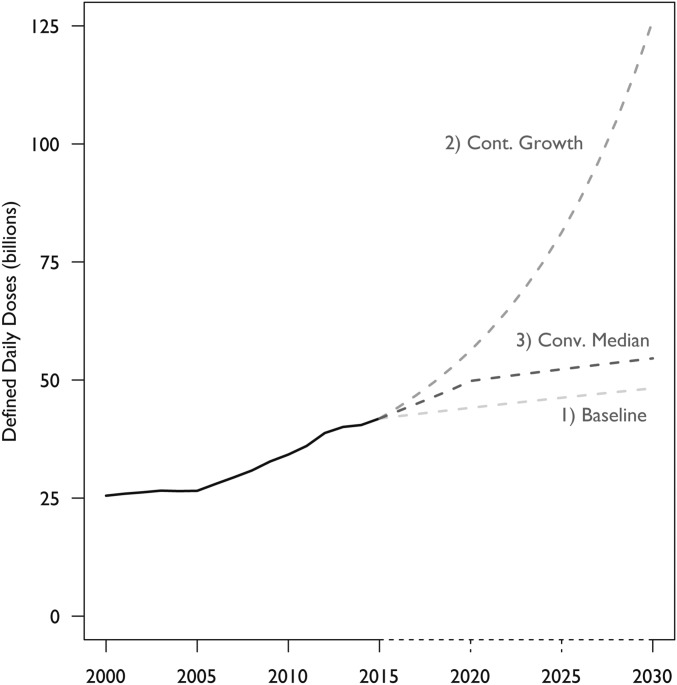
“If this trend goes unabated, global antibiotic consumption in 2030 is poised to be up to 200% greater than the 42 billion DDDs estimated for 2015 (5).”
BackgroundGunathilaka, M. D. K. L., Bao, S., Liu, X., Li, Y., & Pan, Y. (2023) · Environmental Science & Technology · doi:10.1021/acs.est.2c06787 · Cited by 150
Saya, L., Malik, V., Gautam, D., Gambhir, G., Balendra, B., Singh, W. R., & Hooda, S. (2021) · The Science of The Total Environment · doi:10.1016/j.scitotenv.2021.152529 · Cited by 148
Sulfamethoxazole/Trimethoprim ratio as a new marker in raw wastewaters: A critical review
Thiebault, T. (2020) · The Science of The Total Environment · doi:10.1016/j.scitotenv.2020.136916 · Cited by 151
“…genes (Le et al., 2018; Yi et al., 2017), mainly generated by both the increase in worldwide antibiotic consumption (Gelband et al., 2015; Klein et al., 2018) and the chronic exposure of bacterial communities to contaminated wastewaters (Baquero et al., 2008; Menz et al., 2019; Michael…”
BackgroundMoja, L., Zanichelli, V., Mertz, D., Gandra, S., Cappello, B., Cooke, G., Chuki, P., Harbarth, S., Pulcini, C., Mendelson, M., et al. (2024) · Clinical Microbiology and Infection · doi:10.1016/j.cmi.2024.02.003 · Cited by 182
Self-citationLi, F., Chen, L., Chen, W., Bao, Y., Zheng, Y., Huang, B., Mu, Q., Wen, D., & Feng, C. (2020) · Marine Pollution Bulletin · doi:10.1016/j.marpolbul.2019.110810 · Cited by 148
Peng, H., Xiong, W., Yang, Z., Cao, J., Jia, M., Xiang, Y., Hu, Q. L., & Xu, Z. (2021) · Chemical Engineering Journal · doi:10.1016/j.cej.2021.130798 · Cited by 144
Balasubramanian, R., Boeckel, T. P. V., Carmeli, Y., Cosgrove, S. E., & Laxminarayan, R. (2023) · PLoS Medicine · doi:10.1371/journal.pmed.1004178 · Cited by 187
“Additionally, in middle-income countries, access to antibiotics is increasing and relatively unrestricted [31], over-the-counter sales are the norm rather than the exception, and people can often afford to buy antimicrobials unlike in many in low-income countries.”
BackgroundSelf-citationHernando‐Amado, S., Coque, T. M., Baquero, F., & Martínez, J. L. (2020) · Frontiers in Microbiology · doi:10.3389/fmicb.2020.01914 · Cited by 166
Ju, C., Wei, L., Man, K. K. C., Wang, Z., Ma, T., Chan, A. Y. L., Brauer, R., Chui, C. S. L., Chan, E. W., Jani, Y. H., et al. (2022) · The Lancet Public Health · doi:10.1016/s2468-2667(22)00013-5 · Cited by 170
“9,10 IQVIA-MIDAS either captures sales for the entire market or projects sales for panels with less than 100% sector coverage (appendix pp 4–5).”
Charani, E., Smith, I., Skodvin, B., Perozziello, A., Lucet, J.-C., Lescure, F.-X., Birgand, G., Poda, A., Ahmad, R., Singh, S., et al. (2019) · PLOS ONE · doi:10.1371/journal.pone.0209847 · Cited by 139
“05 Antimicrobial consumption DDD/1000 inhabitants per day [30] 15.”
BackgroundChen, H., Li, Y., Sun, W., Song, L., Zuo, R., & Teng, Y. (2020) · Environment International · doi:10.1016/j.envint.2020.105538 · Cited by 146
Jiang, S., Deng, J., Jin, Y., Qian, B., Lv, W., Zhou, Q., Mei, E., Neisiany, R. E., Liu, Y., You, Z., et al. (2022) · Bioactive Materials · doi:10.1016/j.bioactmat.2022.08.014 · Cited by 172
“Clinically, owing to the widespread use of broad-spectrum antibiotics, a large number of drug-resistant strains and mutant strains have emerged [26,27].”
BackgroundWilkinson, A., Ebata, A., & MacGregor, H. (2018) · Antibiotics · doi:10.3390/antibiotics8010002 · Cited by 136
Miłobędzka, A., Ferreira, C., Vaz‐Moreira, I., Calderón-Franco, D., Gόrecki, A., Purkrtová, S., Bartáček, J., Dziewit, Ł., Singleton, C. M., Nielsen, P. H., et al. (2021) · Journal of Hazardous Materials · doi:10.1016/j.jhazmat.2021.127407 · Cited by 153
Captivity and Animal Microbiomes: Potential Roles of Microbiota for Influencing Animal Conservation
Dallas, J. W., & Warne, R. W. (2022) · Microbial Ecology · doi:10.1007/s00248-022-01991-0 · Cited by 152
“Antibiotic use in humans and livestock is pervasive and continues to rise [159, 160], while 19% of 303 surveyed cats and dogs across three European counties received antibiotics [161].”
BackgroundZhao, H., Wang, Y., Guo, M., Liu, Y., Yu, H., & Xing, M. (2020) · The Science of The Total Environment · doi:10.1016/j.scitotenv.2020.143054 · Cited by 136
Chakrabarti, A., & Sood, P. (2021) · Journal of Medical Microbiology · doi:10.1099/jmm.0.001318 · Cited by 133
“…the above factors, we decided to examine the global trends of three key variables: country-level data on healthcare antibiotic consumption (2000–2015) [85, 86], antifungal consumption (2002–2018) [87–90], and the number of acute and long-term care beds (1980–2015) [91, 92] in healthcare facilities.”
Gebretekle, G. B., Haile Mariam, D., Abebe, W., Amogne, W., Tenna, A., Fenta, T. G., Libman, M., Yansouni, C. P., & Semret, M. (2018) · PLOS ONE · doi:10.1371/journal.pone.0208447 · Cited by 131
Remediation of wastewater contaminated by antibiotics. A review
Shi, H., Ni, J., Zheng, T., Wang, X., Wu, C., & Wang, Q. (2019) · Environmental Chemistry Letters · doi:10.1007/s10311-019-00945-2 · Cited by 135
Meta-transcriptomics reveals a diverse antibiotic resistance gene pool in avian microbiomes
Marcelino, V. R., Wille, M., Hurt, A. C., González‐Acuña, D., Klaassen, M., Schlub, T. E., Eden, J., Shī, M., Iredell, J. R., Sorrell, T. C., et al. (2019) · BMC Biology · doi:10.1186/s12915-019-0649-1 · Cited by 143
Wang, G., Zhou, S., Han, X., Zhang, L., Ding, S., Li, Y., Zhang, D., & Zarin, K. (2020) · Journal of Hazardous Materials · doi:10.1016/j.jhazmat.2020.122110 · Cited by 139
Cui, L., Li, Z., Li, Q., Chen, M., Jing, W., & Gu, X. (2020) · Chemical Engineering Journal · doi:10.1016/j.cej.2020.127666 · Cited by 131
Yao, S., Ye, J., Yang, Q., Hu, Y., Zhang, T., Jiang, L., Munezero, S., Lin, K., & Cui, C. (2021) · Environmental Science and Pollution Research · doi:10.1007/s11356-021-14735-3 · Cited by 143
Yu, C. W., Pang, H., Wang, J., Chi, Z., Zhang, Q., Kong, F., Xu, Y., Li, S., & Che, J. (2021) · The Science of The Total Environment · doi:10.1016/j.scitotenv.2021.151891 · Cited by 128
Antimicrobial Resistance in the Asia Pacific region: a meeting report
Yam, E. L. Y., Hsu, L. Y., Yap, E. P. H., Yeo, T. W., Lee, V., Schlundt, J., Lwin, M. O., Limmathurotsakul, D., Jit, M., Dedon, P. C., et al. (2019) · Antimicrobial Resistance and Infection Control · doi:10.1186/s13756-019-0654-8 · Cited by 155
Cephalosporins as key lead generation beta-lactam antibiotics
Lin, X., & Kück, U. (2022) · Applied Microbiology and Biotechnology · doi:10.1007/s00253-022-12272-8 · Cited by 170
Zhou, W., Shi, W. M., Du, X., Han, Y., Tang, Y., Ri, S., Ju, K., Kim, T., Huang, L., Zhang, W., et al. (2023) · Environmental Health Perspectives · doi:10.1289/ehp11600 · Cited by 138
Sharma, P., Kumar, N., Chauhan, R., Singh, V., Srivastava, V. C., & Bhatnagar, R. (2019) · Chemical Engineering Journal · doi:10.1016/j.cej.2019.123746 · Cited by 129
Pandey, R., Chang, D., Smieja, M., Hoare, T. R., Li, Y., & Soleymani, L. (2021) · Nature Chemistry · doi:10.1038/s41557-021-00718-x · Cited by 128
Ram, B., & Kumar, M. (2020) · npj Clean Water · doi:10.1038/s41545-020-0050-1 · Cited by 134
“5 billion defined daily doses) increase in antibiotic consumption.(7) Estimates suggest that the global consumption of antimicrobials will increase from 63,151 to 105,596 tons (67%) between 2010 and 2030.”
BackgroundAzithromycin induces dual effects on microalgae: Roles of photosynthetic damage and oxidative stress
Mao, Y., Yu, Y., Ma, Z., Li, H., Yu, W., Cao, L., & He, Q. (2021) · Ecotoxicology and Environmental Safety · doi:10.1016/j.ecoenv.2021.112496 · Cited by 135
The burden of antimicrobial resistance in the Americas in 2019: a cross-country systematic analysis
Aguilar, G. R., Swetschinski, L. R., Weaver, N. D., Ikuta, K. S., Meštrović, T., Gray, A. P., Chung, E., Wool, E. E., Han, C., Hayoon, A. G., et al. (2023) · The Lancet Regional Health - Americas · doi:10.1016/j.lana.2023.100561 · Cited by 207
Alshaikh, F. S., Sindi, O. N., Godman, B., Seaton, R. A., & Kurdi, A. B. (2022) · PLoS ONE · doi:10.1371/journal.pone.0272375 · Cited by 156
Lu, Y., Zhou, X., Zheng, Y., Yang, H., & Cao, W. (2025) · Water Research · doi:10.1016/j.watres.2025.123179 · Cited by 143
Metadata
- Authors
- Klein, E. Y., Van Boeckel, T. P., Martinez, E. M., Pant, S., Gandra, S., Levin, S. A., Goossens, H., & Laxminarayan, R.
- Affiliations
- Center for Disease Dynamics, Economics & Policy (US)
- Institute of Integrative Biology, ETH Zürich, CH-8006 Zürich, Switzerland;
- Princeton University (US)
- University of Antwerp (BE)
- Corresponding author
- Klein, Eili Y.
- Levin, Simon A.
- ORCID
- Venue
- Proceedings of the National Academy of Sciences
- Publisher
- National Academy of Sciences
- Published
- 2018-03-26
- Volume
- 115
- Issue
- 15
- Pages
- E3463-E3470
- ISSN
- 0027-8424 (ISSN-L)
- 1091-6490
- PMC
- PMC5899442
- OpenAlex
- W2791781902
- Cited by
- 3,232
- References
- 43
- Citations by year
- 2026: 247 · 2025: 416 · 2024: 456 · 2023: 476 · 2022: 432 · 2021: 490 · 2020: 386 · 2019: 252 · 2018: 71
- FWCI
- 183.08
- Type
- journal article
- Language
- en
- Open access
- hybrid
- doi.org
- Licence
- Locations
- Proceedings of the National Academy of Sciences (publishedVersion, cc-by)
- Europe PMC (PubMed Central) (publishedVersion, cc-by)
- PubMed Central (publishedVersion, cc-by)
- PubMed (publishedVersion)
- IFPRI E-brary (International Food Policy Research Institute) (submittedVersion, other-oa)
- CGSPace A Repository of Agricultural Research Outputs (Consultative Group for International Agricultural Research) (submittedVersion, other-oa)
- International Food Policy Research Institute (International Food Policy Research Institute) (submittedVersion, other-oa)
- Repository for Publications and Research Data (ETH Zurich) (submittedVersion, cc-by)
- ETH Zürich Research Collection (cc-by)
- Funders
- Bill and Melinda Gates Foundation (OPP1112355)
- Princeton Environmental Institute, Princeton University (N/A)
- ETH Zurich's Center for Adaptation to a Changing Environment (N/A)
- HHS | Centers for Disease Control and Prevention (16IPA1609425, 16IPA1609424)
- Topics
- Health Sciences › Medicine › Infectious Diseases › Antibiotic Use and Resistance
- Health Sciences › Medicine › Microbiology (medical) › Antibiotic Resistance in Bacteria
- Physical Sciences › Environmental Science › Pollution › Pharmaceutical and Antibiotic Environmental Impacts
- Keywords
- antibiotic use, last-resort antibiotics, carbapenems, polymyxins, oxazolidinones, glycylcyclines, high-income countries, low- and middle-income countries, antibiotic resistance, consumption projections, antibiotic access
- MeSH terms
- Anti-Bacterial Agents, Bacterial Infections, Drug Resistance, Microbial, Economics, Health Services Accessibility, Humans
About these checks
Registry, retraction, Cites and statistics results are computed, not judged, with one exception: a printed reference that no index lists is read once by a model before it counts as a citation error. Claims are extracted by a model and kept only when their quote appears verbatim in the text; each cited source is then checked, with a model’s help, for whether it says what the claim relies on. Those verdicts can be wrong — read the claim’s quote and the cited source before relying on one.
Statistics and arithmetic are recomputed, not judged.
Confidence bands are shown only for fields calibrated on our annotated test set. None is calibrated yet, so no band is shown.
What counts as a claim ›How we measure confidence ›How we check this ›
Are you an author, or do you see a problem with this page? Request a review
Data sources
Bibliographic data: Semantic Scholar, OpenAlex, Crossref.
Contains information from the Semantic Scholar Academic Graph Datasets, made available under the ODC Attribution License (ODC-BY 1.0).
Semantic Scholar’s data is described in: Kinney, R., et al. (2023). The Semantic Scholar Open Data Platform. arXiv:2301.10140.
