

Global increase and geographic convergence in antibiotic consumption between 2000 and 2015
Open accessThe DOI matches its Crossref record; 43 of the 43 references it cites were found in a registry or an index.
Abstract
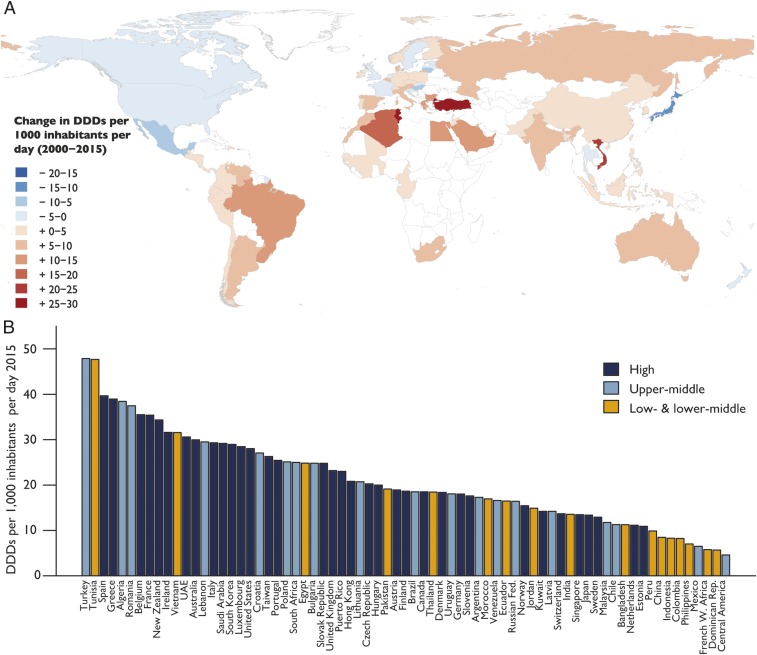
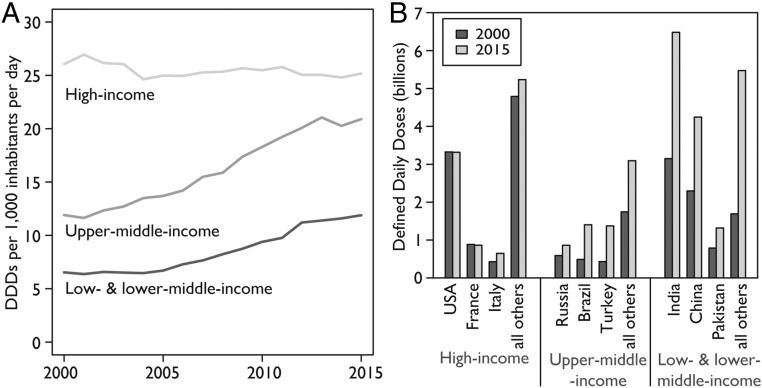
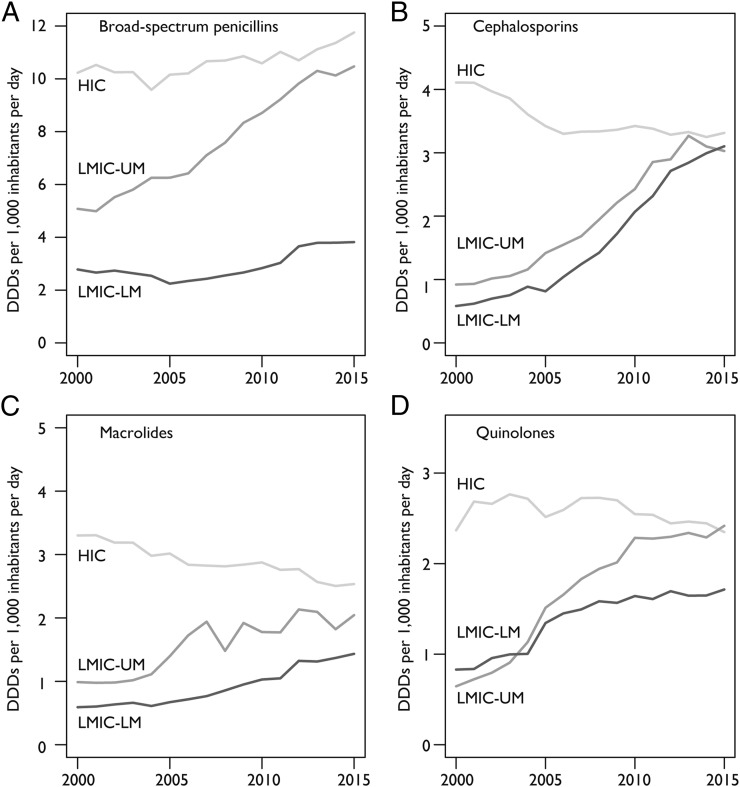
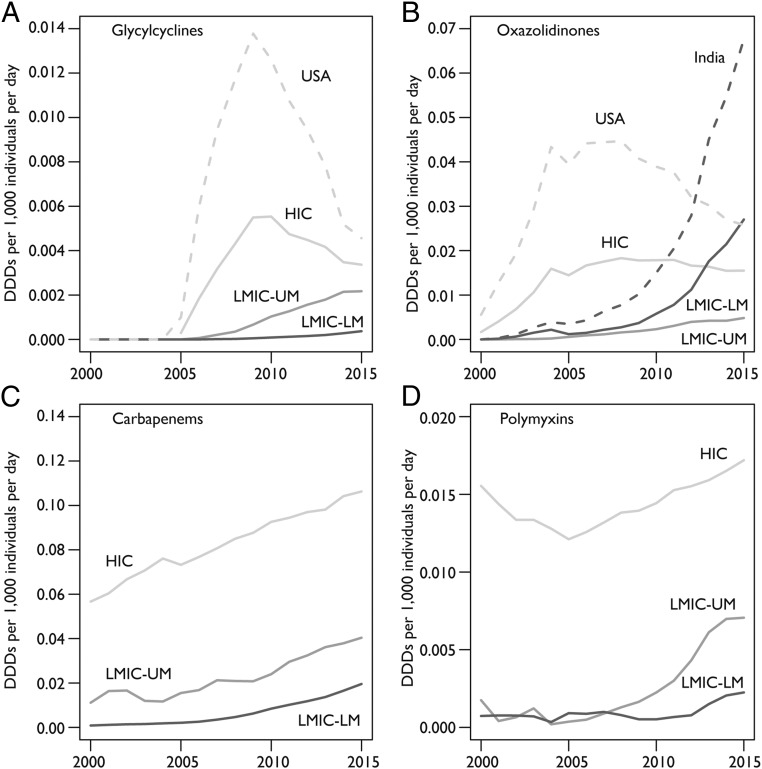
Significance: Antibiotic resistance, driven by antibiotic consumption, is a growing global health threat. Our report on antibiotic use in 76 countries over 16 years provides an up-to-date comprehensive assessment of global trends in antibiotic consumption. We find that the antibiotic consumption rate in low- and middle-income countries (LMICs) has been converging to (and in some countries surpassing) levels typically observed in high-income countries. However, inequities in drug access persist, as many LMICs continue to be burdened with high rates of infectious disease-related mortality and low rates of antibiotic consumption. Our findings emphasize the need for global surveillance of antibiotic consumption to support policies to reduce antibiotic consumption and resistance while providing access to these lifesaving drugs.
Overview
The claims and statistics of this paper haven’t been checked yet.
Free: it reads the open-access text and checks the first 5 claims that cite a source we can check. Create a free account to check every claim.
Integrity signals
Registry
Cites
Statistics
Figures
Verification
Claims the paper makes
The claims and statistics of this paper haven’t been checked yet.
Free: it reads the open-access text and checks the first 5 claims that cite a source we can check. Create a free account to check every claim.
Claims other papers make about this one
Each is checked against this paper’s own text: does it say what the citing paper says it does?
The cited source says what the claim attributes to it.
In the citing paper
“A study indicated that between 2000 and 2015, antibiotic consumption (expressed in defined daily doses [DDD]) increased by 65% worldwide, largely driven by LMICs.”
From Over-the-Counter Sale of Antibiotics in India: A Qualitative Study of Providers’ Perspectives across Two States (2021) · cites this paper as [7]
The cited source says what the claim attributes to it.
In the citing paper
“In India, it increased from 3.2 to 6.5 billion DDDs (103%) [7].”
From Over-the-Counter Sale of Antibiotics in India: A Qualitative Study of Providers’ Perspectives across Two States (2021) · cites this paper as [7]
Self-check
Percentages, sums and reported differences re-computed from the paper’s own numbers.
The self-check needs the paper’s full text.
Citations
Cites
Liu, Y.-Y., Wang, Y., Walsh, T. R., Yi, L.-X., Zhang, R., Spencer, J., Doi, Y., Tian, G., Dong, B., Huang, X., et al. (2016) · The Lancet Infectious Diseases · doi:10.1016/s1473-3099(15)00424-7 · Cited by 5,398
Antibiotic resistance-the need for global solutions
Laxminarayan, R., Duse, A., Wattal, C., Zaidi, A. K. M., Wertheim, H. F. L., Sumpradit, N., Vlieghe, E., Hara, G. L., Gould, I. M., Goossens, H., et al. (2013) · The Lancet Infectious Diseases · doi:10.1016/s1473-3099(13)70318-9 · Cited by 4,439
Self-citationTipping elements in the Earth’s climate system
Lenton, T. M., Held, H., Kriegler, E., Hall, J. W., Lucht, W., Rahmstorf, S., & Schellnhuber, H. J. (2008) · Proceedings of the National Academy of Sciences · doi:10.1073/pnas.0705414105 · Cited by 3,982 · cited 1×
“As with climate change, there may be an unknown tipping point (47), and this could herald a future without effective antibiotics.”
BackgroundExtended-Spectrum β-Lactamases: a Clinical Update
Paterson, D. L., & Bonomo, R. A. (2005) · Clinical Microbiology Reviews · doi:10.1128/cmr.18.4.657-686.2005 · Cited by 3,491
Outpatient antibiotic use in Europe and association with resistance: a cross-national database study
Goossens, H., Ferech, M., Vander Stichele, R., & Elseviers, M. (2005) · The Lancet · doi:10.1016/s0140-6736(05)17907-0 · Cited by 3,359 · cited 1×
“The association between antibiotic consumption and resistance is well documented across spatial and temporal scales at individual hospitals (5), nursing homes (6), primary care facilities (7), and communities (8), as well as across countries (9).”
BackgroundSelf-citationGlobal antibiotic consumption 2000 to 2010: an analysis of national pharmaceutical sales data
Van Boeckel, T. P., Gandra, S., Ashok, A., Caudron, Q., Grenfell, B. T., Levin, S. A., & Laxminarayan, R. (2014) · The Lancet Infectious Diseases · doi:10.1016/s1473-3099(14)70780-7 · Cited by 2,280 · cited 1×
“The largest prior study reported that antibiotic consumption increased 36% between 2000 and 2010 in 71 countries (15).”
BackgroundSelf-citationCostelloe, C., Metcalfe, C., Lovering, A., Mant, D., & Hay, A. D. (2010) · BMJ · doi:10.1136/bmj.c2096 · Cited by 1,981 · cited 1×
“The association between antibiotic consumption and resistance is well documented across spatial and temporal scales at individual hospitals (5), nursing homes (6), primary care facilities (7), and communities (8), as well as across countries (9).”
BackgroundTesting for Serial Correlation in Linear Panel-data Models
Drukker, D. M. (2003) · The Stata Journal: Promoting communications on statistics and Stata · doi:10.1177/1536867x0300300206 · Cited by 1,569 · cited 1×
“Serial correlation was assessed using the Wooldridge test (19).”
MethodAccess to effective antimicrobials: a worldwide challenge
Laxminarayan, R., Matsoso, P., Pant, S., Brower, C., Røttingen, J.-A., Klugman, K., & Davies, S. (2016) · The Lancet · doi:10.1016/s0140-6736(15)00474-2 · Cited by 1,465
Self-citationDengue, Urbanization and Globalization: The Unholy Trinity of the 21st Century
Gubler, D. J. (2011) · Tropical Medicine and Health · doi:10.2149/tmh.2011-s05 · Cited by 1,098
Research works printed but not linked: 1
- 21. Institut de veille sanitaire (InVS) et Agence nationale de sécurité du médicament et des produits de santé (ANSM) (2015) Consommation d'antibiotiques et résistance aux antibiotiques en France : Nécessité d'une mobilisation déterminée et durable. Bilan des Données de Surveillance. [Antibiotic consumption and antibiotic resistance in France: The need for a determined and sustainable mobilization. Review of Surveil- lance Data] (Institut de veille sanitaire, Saint-Maurice, France), pp 1-16. French.
Cited by
Items 201–300 of 1,009
Polymyxin and lipopeptide antibiotics: membrane-targeting drugs of last resort
Ledger, E. V. K., Sabnis, A., & Edwards, A. M. (2022) · Microbiology · doi:10.1099/mic.0.001136 · Cited by 139
Bombaywala, S., Mandpe, A., Paliya, S., & Kumar, S. (2021) · Environmental Science and Pollution Research · doi:10.1007/s11356-021-13143-x · Cited by 130
Pouramini, Z., Mousavi, S. M., Babapoor, A., Hashemi, S. A., Lai, C. W., Mazaheri, Y., & Chiang, W. (2023) · Catalysts · doi:10.3390/catal13010155 · Cited by 129
Mpatani, F. M., Aryee, A. A., Kani, A. N., Han, R., Li, Z., Dovi, E., & Qu, L. (2021) · Journal of Cleaner Production · doi:10.1016/j.jclepro.2021.127359 · Cited by 119
Sulis, G., Batomen, B., Kotwani, A., Pai, M., & Gandra, S. (2021) · PLoS Medicine · doi:10.1371/journal.pmed.1003682 · Cited by 117
“The main outcomes of interest for this study were the sales volumes of antibiotics and HCQ in India, using data obtained from IQVIA, which is a reliable source of drug sales data [1,38].”
BackgroundMethodSelf-citationZhang, R., Liu, X., Wang, S., Fang, L., Sun, J. G., Liu, Y., & Liao, X. (2020) · The Science of The Total Environment · doi:10.1016/j.scitotenv.2020.143654 · Cited by 125
Zhao, R., Feng, J., Huang, J., Li, X., & Li, B. J. (2020) · The Science of The Total Environment · doi:10.1016/j.scitotenv.2020.142632 · Cited by 123
Singh, S., Kumar, V., Anil, A. G., Kapoor, D., Khasnabis, S., Shekar, S., Pavithra, N., Samuel, J., Subramanian, S., Singh, J., et al. (2021) · Journal of Environmental Management · doi:10.1016/j.jenvman.2021.113569 · Cited by 122
Improper disposal of unused antibiotics: an often overlooked driver of antimicrobial resistance
Anwar, M., Iqbal, Q., & Saleem, F. (2020) · Expert Review of Anti-infective Therapy · doi:10.1080/14787210.2020.1754797 · Cited by 110
Towards efficient immunotherapy for bacterial infection
McCulloch, T. R., Wells, T. J., & Souza-Fonseca-Guimarães, F. (2021) · Trends in Microbiology · doi:10.1016/j.tim.2021.05.005 · Cited by 127
A global atlas and drivers of antimicrobial resistance in Salmonella during 1900-2023
Wang, Y., Xu, X., Jia, S., Qu, M., Pei, Y., Qiu, S., Zhang, J., Liu, Y., Ma, S., Lyu, N., et al. (2025) · Nature Communications · doi:10.1038/s41467-025-59758-3 · Cited by 164
“Theabsurdincrease in fl uoroquinolones, beta-lactam,and fosfomycin resistance may be mainly caused by the excessive use of antimicrobials in veterinary medicine and then spread to food, the environment, and humans 44,45 .”
Wei, S., Mortensen, M. S., Stokholm, J., Brejnrod, A., Thorsen, J., Rasmussen, M. A., Trivedi, U., Bisgaard, H. F., & Sørensen, S. J. (2018) · EBioMedicine · doi:10.1016/j.ebiom.2018.11.035 · Cited by 117
“There has been a rapid rise in the use of antibiotics over the past decades [1].”
BackgroundBerges, J., Moles, S., Ormad, M. P., Mosteo, R., & Gómez, J. (2020) · Environmental Science and Pollution Research · doi:10.1007/s11356-020-10972-0 · Cited by 124
Sharma, L., Siedlewicz, G., & Pazdro, K. (2021) · Plants · doi:10.3390/plants10030591 · Cited by 127
Plasmid-Mediated Transfer of Antibiotic Resistance Genes in Soil
Meng, M., Li, Y., & Yao, H. (2022) · Antibiotics · doi:10.3390/antibiotics11040525 · Cited by 114
Arun, S., Xin, L., Gaonkar, O. D., Neppolian, B., Zhang, G., & Chakraborty, P. (2022) · The Science of The Total Environment · doi:10.1016/j.scitotenv.2022.158195 · Cited by 121
Global Strategies to Combat Antimicrobial Resistance: A One Health Perspective
Mudenda, S., Chabalenge, B., Daka, V., Mfune, R. L., Salachi, K. I., Mohamed, S., Mufwambi, W., Kasanga, M., & Matafwali, S. K. (2023) · Pharmacology & Pharmacy · doi:10.4236/pp.2023.148020 · Cited by 150
Zhang, R., Li, Y., Wang, Z. L., Tong, Y., & Sun, P. (2020) · Water Research · doi:10.1016/j.watres.2020.115809 · Cited by 111
Wu, P., Wang, Z., Wang, H., Bolan, N. S., Wang, Y., & Chen, W. (2020) · Biochar · doi:10.1007/s42773-020-00055-1 · Cited by 119
Occurrence, detection and removal of amoxicillin in wastewater: A review
Aryee, A. A., Han, R., & Qu, L. (2022) · Journal of Cleaner Production · doi:10.1016/j.jclepro.2022.133140 · Cited by 118
Georgin, J., Franco, D. S. P., Ramos, C. G., Piccilli, D. G. A., Lima, E. C., & Sher, F. (2023) · Chemical Engineering Research and Design · doi:10.1016/j.cherd.2023.03.025 · Cited by 114
Boogaerts, T., Ahmed, F., Choi, P. M., Tscharke, B. J., O'Brien, J. W., Loof, H. D., Gao, J., Thai, P. K., Thomas, K. V., Mueller, J. F., et al. (2021) · The Science of The Total Environment · doi:10.1016/j.scitotenv.2021.148047 · Cited by 115
Usage of antibiotics in aquaculture and the impact on coastal waters
Adenaya, A., Berger, M., Brinkhoff, T., Ribas‐Ribas, M., & Wurl, O. (2023) · Marine Pollution Bulletin · doi:10.1016/j.marpolbul.2023.114645 · Cited by 117
Riverine Antibiotics from Animal Production and Wastewater
Li, S., Hofstra, N., van de Schans, M. G. M., Yang, J., Li, Y., Zhang, Q., Ma, L., Strokal, M., Kroeze, C., Chen, X., et al. (2023) · Environmental Science & Technology Letters · doi:10.1021/acs.estlett.3c00536 · Cited by 108
Antibiotic resistance in livestock, environment and humans: One Health perspective
Pandey, S., Doo, H., Keum, G. B., Kim, E. S., Kwak, J., Ryu, S., Choi, Y., Kang, J., Kim, S., Lee, N. R., et al. (2024) · Journal of Animal Science and Technology · doi:10.5187/jast.2023.e129 · Cited by 152
“AR is on the rise globally, and if current trends continue, there could be up to 10 million annual AR-associated deaths from a variety of untreatable infections by 2050 [1,2].”
BackgroundYu, Y., Xue, J., Lin, F., Liu, D., Zhang, W., Ru, S., & Jiang, F. (2024) · Helicobacter · doi:10.1111/hel.13103 · Cited by 129
“Another study [25] proved that from 2000 to 2015, global antibiotic consumption increased by 65%, primarily driven by increased consumption in low- and-middle income countries.”
BackgroundMorrissey, I., Magnet, S., Hawser, S., Shapiro, S., & Knechtle, P. (2019) · Antimicrobial Agents and Chemotherapy · doi:10.1128/aac.00514-19 · Cited by 119
“teriaceae (21), which has contributed to the growing carbapenem consumption in high-income countries during the past 2 decades (9).”
BackgroundAntibiotic Dispensation without a Prescription Worldwide: A Systematic Review
Batista, A. D., A. Rodrigues, D., Figueiras, A., Zapata-Cachafeiro, M., Roque, F., & Herdeiro, M. T. (2020) · Antibiotics · doi:10.3390/antibiotics9110786 · Cited by 104
Zhou, Z., Liu, Y., Lin, Z., Shuai, X., Zhu, L., Xu, L., Meng, L.-X., Sun, Y., & Chen, H. (2021) · Environment International · doi:10.1016/j.envint.2021.106501 · Cited by 121
Riquelme, M. V., Garner, E., Gupta, S., Metch, J., Zhu, N. J., Blair, M. F., Arango-Argoty, G., Maile-Moskowitz, A., Li, A., Flach, C., et al. (2022) · Environmental Science & Technology · doi:10.1021/acs.est.1c08673 · Cited by 116
Antibiotics in the pathogenesis of diabetes and inflammatory diseases of the gastrointestinal tract
Fenneman, A. C., Weidner, M., Chen, L. A., Nieuwdorp, M., & Blaser, M. J. (2022) · Nature Reviews Gastroenterology & Hepatology · doi:10.1038/s41575-022-00685-9 · Cited by 117
Li, S., Ondon, B. S., Ho, S., & Li, F. (2022) · Environmental Research · doi:10.1016/j.envres.2022.115132 · Cited by 117
Critical roles of cyanobacteria as reservoir and source for antibiotic resistance genes
Wang, Z., Chen, Q., Zhang, J., Guan, T., Chen, Y., & Shi, W. (2020) · Environment International · doi:10.1016/j.envint.2020.106034 · Cited by 114
Iavicoli, I., Fontana, L., Agathokleous, E., Santocono, C., Russo, F., Vetrani, I., Fedele, M., & Calabrese, E. J. (2021) · The Science of The Total Environment · doi:10.1016/j.scitotenv.2021.149255 · Cited by 116
Detrimental Effect of Ozone on Pathogenic Bacteria
Rangel, K., Cabral, F. O., Lechuga, G. C., Carvalho, J. P. R. S., Villas-Bôas, M. H. S., Midlej, V. D. V. P., & De-Simone, S. G. (2021) · Microorganisms · doi:10.3390/microorganisms10010040 · Cited by 138
Fu, M., Deng, X., Wang, S., Yang, F., Lin, L., Zaworotko, M. J., & Dong, Y. (2022) · Separation and Purification Technology · doi:10.1016/j.seppur.2022.120620 · Cited by 105
What drives inappropriate use of antibiotics? A mixed methods study from Bahawalpur, Pakistan
Atif, M., Asghar, S., Mushtaq, I., Malik, I., Amin, A., Babar, Z.-U.-D., & Scahill, S. (2019) · Infection and Drug Resistance · doi:10.2147/idr.s189114 · Cited by 99
“3 billion defined daily dose (DDDs) (65% increase) between 2000 and 2015.(22) There is a small number of studies which report high prescribing rates of antibiotics in Pakistan(15,18) as well as sub-optimal use.”
BackgroundConsumption of systemic antibiotics in India in 2019
Koya, S. F., Ganesh, S., Selvaraj, S., Wirtz, V. J., Galea, S., & Rockers, P. C. (2022) · The Lancet Regional Health - Southeast Asia · doi:10.1016/j.lansea.2022.100025 · Cited by 102
Alrasheedy, A. A., Alsalloum, M. A., Almuqbil, F. A., Almuzaini, M. A., Aba Alkhayl, B. S., Albishri, A. S., Alharbi, F. F., Alharbi, S. R., Alodhayb, A. K., Alfadl, A. A., et al. (2020) · Expert Review of Anti-infective Therapy · doi:10.1080/14787210.2020.1705156 · Cited by 102
Koundle, P., Nirmalkar, N., Momotko, M., Makowiec, S., & Boczkaj, G. (2024) · Chemical Engineering Journal · doi:10.1016/j.cej.2024.156236 · Cited by 111
He, Y., Zhang, L., Jiang, L., Wagner, T. V., Sutton, N. B., Ji, R., & Langenhoff, A. (2020) · Journal of Hazardous Materials · doi:10.1016/j.jhazmat.2020.124386 · Cited by 104
Yadav, A. Y., Bagotia, N., Sharma, A. K., & Kumar, S. (2021) · The Science of The Total Environment · doi:10.1016/j.scitotenv.2021.149500 · Cited by 106
Removal efficiency of commonly prescribed antibiotics via tertiary wastewater treatment
Burch, K. D., Han, B., Pichtel, J., & Zubkov, T. S. (2019) · Environmental Science and Pollution Research · doi:10.1007/s11356-019-04170-w · Cited by 111
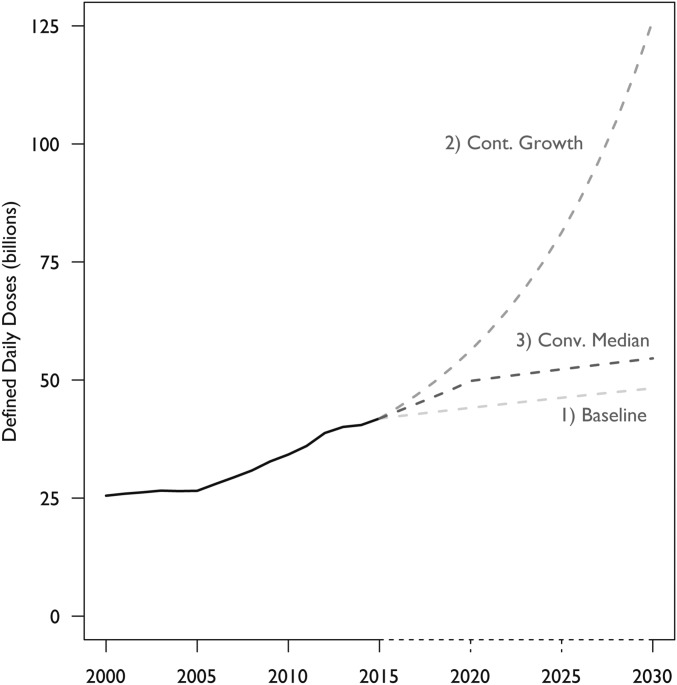
“In recent decades, global antibiotics consumption has increased dramatically and is projected to increase by 200% by 2030 if there is no policy change (Klein et al. 2018).”
BackgroundXiang, Q., Wang, C., Zhang, H., Lai, W., Wei, H., & Peng, J. (2019) · Animals · doi:10.3390/ani9121110 · Cited by 130
Fullerene C60 derivatives as antimicrobial photodynamic agents
Heredia, D. A., Durantini, A. M., Durantini, J. E., & Durantini, E. N. (2021) · Journal of Photochemistry and Photobiology C Photochemistry Reviews · doi:10.1016/j.jphotochemrev.2021.100471 · Cited by 101
Chu, L., Chen, D., Wang, J., Yang, Z., Yang, Q., & Shen, Y. (2019) · Journal of Hazardous Materials · doi:10.1016/j.jhazmat.2019.121058 · Cited by 102
de Santiago, A., Meffe, R., Teijón, G., Martínez-Hernández, V., Heras, I. L., Alonso-Alonso, C., Romasanta, M. A., & de Bustamante, I. (2019) · The Science of The Total Environment · doi:10.1016/j.scitotenv.2019.135825 · Cited by 118
Sariola, S., & Gilbert, S. F. (2020) · Microorganisms · doi:10.3390/microorganisms8050746 · Cited by 112
BUNGAU, S. G., Ţiţ, D. M., Behl, T., Aleya, L., & Zaha, D. C. (2020) · Current Opinion in Environmental Science & Health · doi:10.1016/j.coesh.2020.10.012 · Cited by 99
Slower antibiotics degradation and higher resistance genes enrichment in plastisphere
Wang, J., Peng, C., Dai, Y., Li, Y., Jiao, S., Ma, X., Liu, X., & Wang, L. (2022) · Water Research · doi:10.1016/j.watres.2022.118920 · Cited by 103
Malhotra, M., Poonia, K., Singh, P., Khan, A. A. P., Thakur, P., Le, Q. V., Helmy, E. T., Ahamad, T., Nguyen, V., Thakur, S., et al. (2023) · Journal of the Taiwan Institute of Chemical Engineers · doi:10.1016/j.jtice.2023.104945 · Cited by 100
Extended-spectrum β-lactamase-producing and carbapenemase-producing Enterobacteriaceae
Wilson, H. J., & Török, M. E. (2018) · Microbial Genomics · doi:10.1099/mgen.0.000197 · Cited by 153
“Phan HTT, Stoesser N, Maciuca IE, Toma F, Szekely E et al. Illumina short-read and MinION long-read WGS to characterize the molecular epidemiology of an NDM-1 Serratia marcescens outbreak in Romania.”
InfluentialZumstein, M., & Helbling, D. E. (2019) · Water Research · doi:10.1016/j.watres.2019.02.024 · Cited by 106
Baralla, E., Demontis, M. P., Dessì, F., & Varoni, M. V. (2021) · Animals · doi:10.3390/ani11113239 · Cited by 109
“From 2000 to 2015, global antibiotic consumption has increased by 65% and researchers estimate that the total consumption will increase by 202% from 2015 to 2030 without any policy changes [35].”
BackgroundZhang, H., He, H., Chen, S., Huang, T., Lu, K., Zhang, Z., Wang, R., Zhang, X., & Li, H. (2019) · Journal of Environmental Sciences · doi:10.1016/j.jes.2019.02.023 · Cited by 97
“In China, antibiotic consumption increased 79%, from 2.3 to 4.2 billion defined daily doses between 2000 and 2015 (Klein et al., 2018), while the percentage of antibiotics utilization varied across different Chinese geographical regions (Yin et al., 2013).”
BackgroundInfluentialReina, A. C., Martínez-Piernas, A. B., Bertakis, Y., Xekoukoulotakis, N. P., Agüera, A., & Pérez, J. A. S. (2019) · Water Research · doi:10.1016/j.watres.2019.115037 · Cited by 104
Apreja, M., Sharma, A., Balda, S., Kataria, K., Capalash, N., & Sharma, P. (2021) · Environmental Science and Pollution Research · doi:10.1007/s11356-021-17374-w · Cited by 115
“Globally, the consumption of antibiotics is increasing and is expected to be 200% higher by 2030, than in 2015 when it was 42 billion defined daily doses (DDDs) (Klein et al. 2018).”
BackgroundGulumbe, B. H., Haruna, U. A., Almazan, J. U., Ibrahim, I. H., Faggo, A. A., & Bazata, A. Y. (2022) · Biological Procedures Online · doi:10.1186/s12575-022-00182-y · Cited by 118
“AMR stewardship programs and initiatives in the African setting The advocacy for antibiotics to only be given to patients who genuinely need them is arguably a crucial strategy in the fight against AMR [13].”
BackgroundChen, H., Bai, X., Li, Y., Jing, L., Chen, R., & Teng, Y. (2019) · Water Research · doi:10.1016/j.watres.2019.115098 · Cited by 104
The Effect Review of Various Biological, Physical and Chemical Methods on the Removal of Antibiotics
Huang, S., Yu, J., Li, C., Zhu, Q., Zhang, Y., Lichtfouse, É., & Marmier, N. (2022) · Water · doi:10.3390/w14193138 · Cited by 106
“Antibiotic use is reported to have increased by 65% from 2000 to 2015 [4].”
BackgroundSystemic antibiotics increase microbiota pathogenicity and oral bone loss
Yuan, X., Zhou, F., Wang, H., Xu, X., Xu, S., Zhang, C., Zhang, Y., Lu, M., Zhang, Y., Zhou, M., et al. (2023) · International Journal of Oral Science · doi:10.1038/s41368-022-00212-1 · Cited by 109
“However, the use of antibiotics can cause gut dysbiosis.(4,5) The intestinal microbiota is the most diverse and largest bacterial population in the human body, contributing to physiological development, nutrient digestion, and defense against the colonization of pathogens.”
BackgroundBiochar-Based Strategies for Antibiotics Removal: Mechanisms, Factors, and Application
Jia, Y., Ou, Y., Khanal, S. K., Sun, L., Shu, W.-S., & Lü, H. (2024) · ACS ES&T Engineering · doi:10.1021/acsestengg.3c00605 · Cited by 103
Wild boar as a reservoir of antimicrobial resistance
Torres, R. T., Fernandes, J., Carvalho, J., Cunha, M. V., Caetano, T., Mendo, S., Serrano, E., & Fonseca, C. M. D. (2019) · The Science of The Total Environment · doi:10.1016/j.scitotenv.2019.135001 · Cited by 105
“In fact, antibiotic consumption is considered the primary driver of antibiotic resistance (Klein et al., 2018).”
BackgroundD’Arcy, N., Ashiru-Oredope, D. A. I., Olaoye, O. C., Afriyie, D. K., Akello, Z., Ankrah, D., Asima, D. M., Banda, D. C., Barrett, S., Brandish, C., et al. (2021) · Antibiotics · doi:10.3390/antibiotics10091122 · Cited by 104
“In addition to availability and affordability, the similarity in prescription patterns across all four countries in the current study might be associated with the circulating bacterial strains and disease burden across low- and middle-income countries [6,7,25].”
BackgroundWu, S., Hua, P., Dongwei, G. U. I., Zhang, J., Ying, G., & Krebs, P. (2022) · Water Research · doi:10.1016/j.watres.2022.119138 · Cited by 97
Chan, A. Y. L., Ma, T.-T., Lau, W. C. Y., Ip, P., Coghill, D., Gao, L., Jani, Y. H., Hsia, Y., Wei, L., Taxis, K., et al. (2023) · eClinicalMedicine · doi:10.1016/j.eclinm.2022.101780 · Cited by 95
Cysteine‐rich antimicrobial peptides from plants: The future of antimicrobial therapy
Srivastava, S., Dashora, K., Ameta, K. L., Singh, N. P., Enshasy, H. A. E., Pagano, M. C., Hesham, A. E., Sharma, G. D., Sharma, M., & Bhargava, A. (2020) · Phytotherapy Research · doi:10.1002/ptr.6823 · Cited by 102
“7 defined daily doses per 1,000 inhabitants per day) (Klein et al., 2018).”
BackgroundInfluentialLi, J., Zhou, P., Wang, J., Li, H., Xu, H., Meng, Y., Ye, F., Tan, Y., Gong, Y., & Yin, X. (2023) · The Lancet Infectious Diseases · doi:10.1016/s1473-3099(23)00130-5 · Cited by 120
Microbiome Research Is Becoming the Key to Better Understanding Health and Nutrition
Hadrich, D. (2018) · Frontiers in Genetics · doi:10.3389/fgene.2018.00212 · Cited by 93
“The association between antibiotic consumption and resistance is well documented (Klein et al., 2018).”
BackgroundDanwang, C., Bigna, J. J., Tochie, J. N., Mbonda, A., Mbanga, C. M., Nzalie, R. N. T., Guifo, M. L., & Essomba, A. G. (2020) · BMJ Open · doi:10.1136/bmjopen-2019-034266 · Cited by 133
Nirmala, M. J., Durai, L., Gopakumar, V., & Nagarajan, R. (2020) · International Journal of Nanomedicine · doi:10.2147/ijn.s252640 · Cited by 120
Tan, J.-X., Chen, Z.-Y., Chen, C. H., Hsieh, M., Lin, A. Y., Chen, S. S., & Wu, K. C. ‐. (2023) · Journal of Hazardous Materials · doi:10.1016/j.jhazmat.2023.131113 · Cited by 93
Efflux pump inhibitors: new updates
AlMatar, M., Albarri, O., Makky, E. A., & Köksal, F. (2020) · Pharmacological Reports · doi:10.1007/s43440-020-00160-9 · Cited by 113
Photodynamic disinfection and its role in controlling infectious diseases
Aroso, R. T., Scháberle, F. A., Arnaut, L. G., & Pereira, M. M. (2021) · Photochemical & Photobiological Sciences · doi:10.1007/s43630-021-00102-1 · Cited by 103
Wei, Y. L., Lu, G., Xie, D., Sun, T., Liu, Y., Zhang, Y., An, J., Li, M., & Guo, H. (2021) · Chemical Engineering Journal · doi:10.1016/j.cej.2021.133360 · Cited by 90
A Systematic Review of Pharmacist-Led Antimicrobial Stewardship Programs in Sub-Saharan Africa
Otieno, P. A., Campbell, S., Maley, S., Obinju Arunga, T., & Otieno Okumu, M. (2022) · International Journal of Clinical Practice · doi:10.1155/2022/3639943 · Cited by 92
“Antibiotics are the most commonly prescribed drugs worldwide [1–4].”
Huang, Z. Z., & Liu, H. (2023) · Journal of environmental chemical engineering · doi:10.1016/j.jece.2023.110587 · Cited by 94
Profiles, drivers, and prioritization of antibiotics in China’s major rivers
Liu, Y., Zhang, M., Yang, W., Li, S., Hu, J., Sun, W., & Ni, J. (2024) · Journal of Hazardous Materials · doi:10.1016/j.jhazmat.2024.135399 · Cited by 96
Dhiman, P., Rana, G., Kumar, A., Sharma, G., Vo, D. N., Algarni, T. S., Naushad, M., & ALOthman, Z. A. (2021) · Process Safety and Environmental Protection · doi:10.1016/j.cherd.2021.08.028 · Cited by 91
Zheng, W., Wen, X., Zhang, B., & Qiu, Y. (2018) · The Science of The Total Environment · doi:10.1016/j.scitotenv.2018.07.400 · Cited by 100
Yousafzai, M. T., Qamar, F. N., Shakoor, S., Saleem, K., Lohana, H., Karim, S. M. M., Hotwani, A., Qureshi, S., Masood, N., Rauf, M., et al. (2018) · Clinical Infectious Diseases · doi:10.1093/cid/ciy877 · Cited by 90
“A recent study by Klein et al [10] globally compared the increase in consumption of antibiotics from 2000 to 2015 and reported that Pakistan faced a 65% increase in defined daily doses of antibiotics (increase from 1.3 million doses in 2000 to 800 million doses in 2015).”
BackgroundInfluentialSocioeconomic Enablers for Contagion: Factors Impelling the Antimicrobial Resistance Epidemic
Collignon, P., & Beggs, J. J. (2019) · Antibiotics · doi:10.3390/antibiotics8030086 · Cited by 116
Zou, Y., Xiao, Y., Wang, H., Fang, T., & Dong, P. (2019) · Journal of Hazardous Materials · doi:10.1016/j.jhazmat.2019.121433 · Cited by 90
Nguyen, B. T., Chen, Q., He, J., & Hu, H. (2020) · Environmental Science & Technology · doi:10.1021/acs.est.0c02531 · Cited by 89
Langdon, A. E., Schwartz, D. J., Bulow, C., Sun, X., Hink, T., Reske, K. A., Jones, C. R., Burnham, C. D., Dubberke, E. R., & Dantas, G. A. (2021) · Genome Medicine · doi:10.1186/s13073-021-00843-9 · Cited by 93
Sojo-Dorado, J., López-Hernández, I., Rosso-Fernández, C. M., Morales, I., Palacios-Baena, Z. R., Hernández‐Torres, A., Merino, E., Escolà‐Vergé, L., Bereciartúa, E., García‐Vázquez, E., et al. (2022) · JAMA Network Open · doi:10.1001/jamanetworkopen.2021.37277 · Cited by 98
“6) Charlson Comorbidity Index scoreb Median (IQR) 1 (0-3) 2 (1-3) ≥3 22 (31.”
Liang, H., Zhang, J., Hu, J., Li, X., & Li, B. J. (2023) · Environmental Science & Technology · doi:10.1021/acs.est.2c04999 · Cited by 95
A review on the antibiotic florfenicol: Occurrence, environmental fate, effects, and health risks
Guo, X., Chen, H., Tong, Y., Wu, X., Tang, C., Qin, X., Guo, J., Li, P., Wang, Z., Liu, W., et al. (2023) · Environmental Research · doi:10.1016/j.envres.2023.117934 · Cited by 102
Wang, F., Wang, Z., Zhao, Y., & Zhang, J. (2024) · Catalysts · doi:10.3390/catal14040269 · Cited by 109
Emerging evolutionary paradigms in antibiotic discovery
Chevrette, M. G., & Currie, C. R. (2019) · Journal of Industrial Microbiology & Biotechnology · doi:10.1007/s10295-018-2085-6 · Cited by 100
Afriyie, D. K., Sefah, I. A., Sneddon, J., Malcolm, W., McKinney, R., Cooper, L., Kurdi, A., Godman, B., & Seaton, R. A. (2020) · JAC-Antimicrobial Resistance · doi:10.1093/jacamr/dlaa001 · Cited by 78
Zhou, W., Tang, Y., Du, X., Han, Y., Shi, W. M., Sun, S., Zhang, W., Zheng, H., & Liu, G. (2021) · Marine Pollution Bulletin · doi:10.1016/j.marpolbul.2021.111995 · Cited by 91
Wu, Q., Xiao, S.-K., Pan, C., Yin, C., Wang, Y., & Yu, K. (2021) · The Science of The Total Environment · doi:10.1016/j.scitotenv.2021.150439 · Cited by 96
Duarte, A. C., Rodrigues, S. G., Afonso, A. F., Nogueira, A., & Coutinho, P. (2022) · Pharmaceuticals · doi:10.3390/ph15040393 · Cited by 106
Wang, G., Wu, P., Tang, R., & Zhang, W. (2022) · Journal of Antimicrobial Chemotherapy · doi:10.1093/jac/dkac170 · Cited by 101
Haque, M., Rahman, N. A. A., McKimm, J., Kibria, G. M., Majumder, M. A. A., Haque, S. Z., Islam, M. Z., Abdullah, S. L. B., Daher, A. M., Zulkifli, Z., et al. (2019) · Infection and Drug Resistance · doi:10.2147/idr.s203364 · Cited by 113
Huynh, B.-T., Passet, V., Rakotondrasoa, A., Diallo, T. A., Kerléguer, A., Hennart, M., de Lauzanne, A., Herindrainy, P., Seck, A., Bercion, R., et al. (2020) · Gut Microbes · doi:10.1080/19490976.2020.1748257 · Cited by 101
Ten golden rules for optimal antibiotic use in hospital settings: the WARNING call to action
Worldwide Antimicrobial Resistance National/International Network Group (WARNING) Collaborators, Sartelli, M., Barie, P. S., Coccolini, F., Abbas, M., Abbo, L. M., Abdukhalilova, G., Abraham, Y., Abubakar, S., Abu‐Zidan, F. M., et al. (2023) · World Journal of Emergency Surgery · doi:10.1186/s13017-023-00518-3 · Cited by 136
Fayaz, T., Renuka, N., & Ratha, S. K. (2023) · Chemosphere · doi:10.1016/j.chemosphere.2023.140822 · Cited by 94
Environmental Antimicrobial Resistance: Implications for Food Safety and Public Health
Ifedinezi, O. V., Nnaji, N. D., Anumudu, C. K., Ekwueme, C. T., Uhegwu, C. C., Ihenetu, F. C., Obioha, P., Simon, B. O., Ezechukwu, P. S., & Onyeaka, H. N. (2024) · Antibiotics · doi:10.3390/antibiotics13111087 · Cited by 121
Metadata
- Authors
- Klein, E. Y., Van Boeckel, T. P., Martinez, E. M., Pant, S., Gandra, S., Levin, S. A., Goossens, H., & Laxminarayan, R.
- Affiliations
- Center for Disease Dynamics, Economics & Policy (US)
- Institute of Integrative Biology, ETH Zürich, CH-8006 Zürich, Switzerland;
- Princeton University (US)
- University of Antwerp (BE)
- Corresponding author
- Klein, Eili Y.
- Levin, Simon A.
- ORCID
- Venue
- Proceedings of the National Academy of Sciences
- Publisher
- National Academy of Sciences
- Published
- 2018-03-26
- Volume
- 115
- Issue
- 15
- Pages
- E3463-E3470
- ISSN
- 0027-8424 (ISSN-L)
- 1091-6490
- PMC
- PMC5899442
- OpenAlex
- W2791781902
- Cited by
- 3,232
- References
- 43
- Citations by year
- 2026: 247 · 2025: 416 · 2024: 456 · 2023: 476 · 2022: 432 · 2021: 490 · 2020: 386 · 2019: 252 · 2018: 71
- FWCI
- 183.08
- Type
- journal article
- Language
- en
- Open access
- hybrid
- doi.org
- Licence
- Locations
- Proceedings of the National Academy of Sciences (publishedVersion, cc-by)
- Europe PMC (PubMed Central) (publishedVersion, cc-by)
- PubMed Central (publishedVersion, cc-by)
- PubMed (publishedVersion)
- IFPRI E-brary (International Food Policy Research Institute) (submittedVersion, other-oa)
- CGSPace A Repository of Agricultural Research Outputs (Consultative Group for International Agricultural Research) (submittedVersion, other-oa)
- International Food Policy Research Institute (International Food Policy Research Institute) (submittedVersion, other-oa)
- Repository for Publications and Research Data (ETH Zurich) (submittedVersion, cc-by)
- ETH Zürich Research Collection (cc-by)
- Funders
- Bill and Melinda Gates Foundation (OPP1112355)
- Princeton Environmental Institute, Princeton University (N/A)
- ETH Zurich's Center for Adaptation to a Changing Environment (N/A)
- HHS | Centers for Disease Control and Prevention (16IPA1609425, 16IPA1609424)
- Topics
- Health Sciences › Medicine › Infectious Diseases › Antibiotic Use and Resistance
- Health Sciences › Medicine › Microbiology (medical) › Antibiotic Resistance in Bacteria
- Physical Sciences › Environmental Science › Pollution › Pharmaceutical and Antibiotic Environmental Impacts
- Keywords
- antibiotic use, last-resort antibiotics, carbapenems, polymyxins, oxazolidinones, glycylcyclines, high-income countries, low- and middle-income countries, antibiotic resistance, consumption projections, antibiotic access
- MeSH terms
- Anti-Bacterial Agents, Bacterial Infections, Drug Resistance, Microbial, Economics, Health Services Accessibility, Humans
About these checks
Registry, retraction, Cites and statistics results are computed, not judged, with one exception: a printed reference that no index lists is read once by a model before it counts as a citation error. Claims are extracted by a model and kept only when their quote appears verbatim in the text; each cited source is then checked, with a model’s help, for whether it says what the claim relies on. Those verdicts can be wrong — read the claim’s quote and the cited source before relying on one.
Statistics and arithmetic are recomputed, not judged.
Confidence bands are shown only for fields calibrated on our annotated test set. None is calibrated yet, so no band is shown.
What counts as a claim ›How we measure confidence ›How we check this ›
Are you an author, or do you see a problem with this page? Request a review
Data sources
Bibliographic data: Semantic Scholar, OpenAlex, Crossref.
Contains information from the Semantic Scholar Academic Graph Datasets, made available under the ODC Attribution License (ODC-BY 1.0).
Semantic Scholar’s data is described in: Kinney, R., et al. (2023). The Semantic Scholar Open Data Platform. arXiv:2301.10140.
