

Glyphosate perturbs the gut microbiota of honey bees
Open accessThe DOI matches its Crossref record; 47 of the 47 references it cites were found in a registry or an index.
Abstract
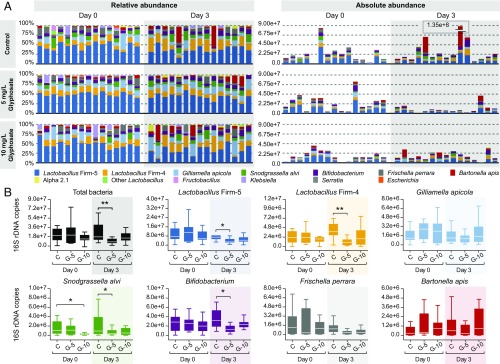
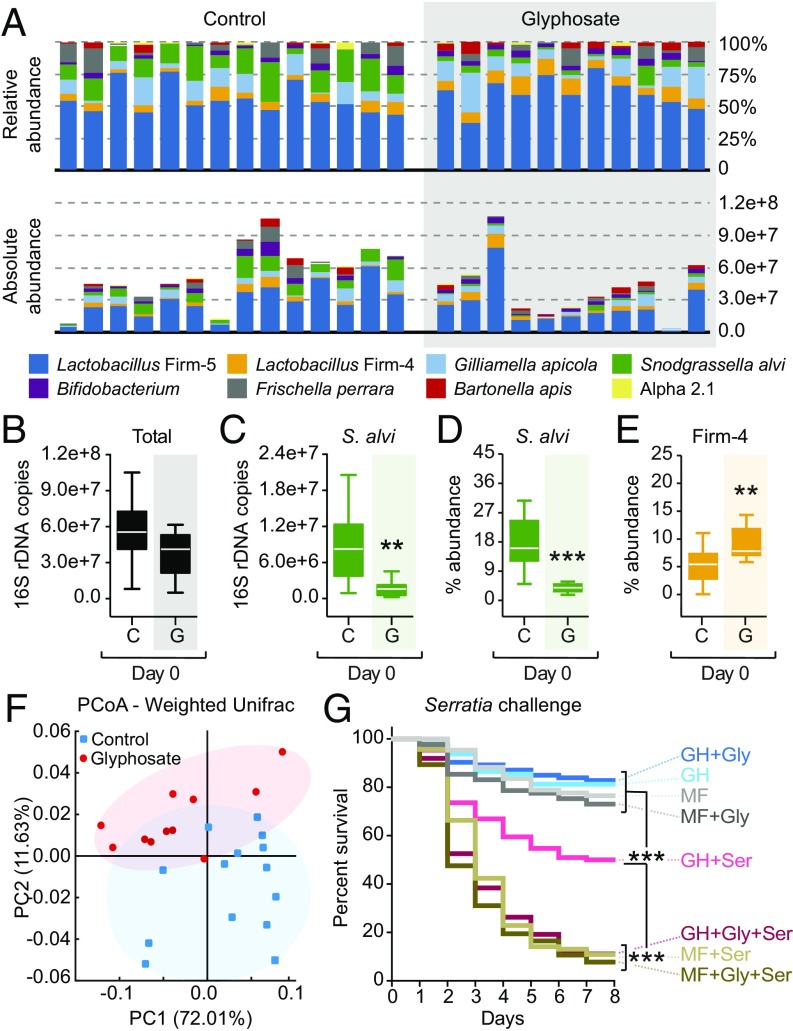
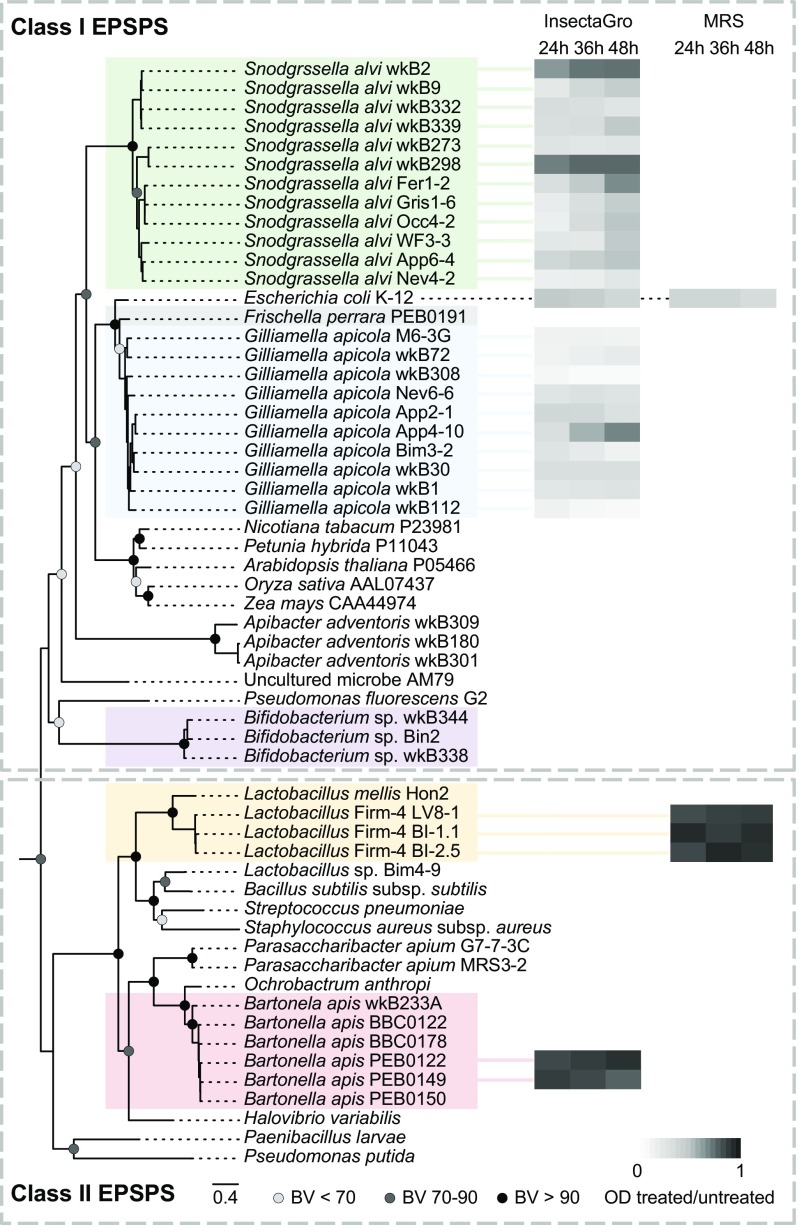
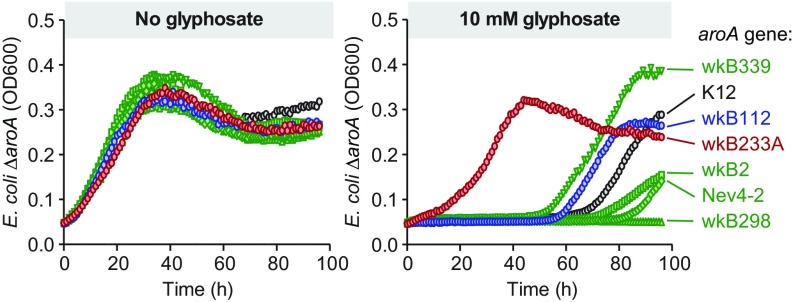
Significance: Increased mortality of honey bee colonies has been attributed to several factors but is not fully understood. The herbicide glyphosate is expected to be innocuous to animals, including bees, because it targets an enzyme only found in plants and microorganisms. However, bees rely on a specialized gut microbiota that benefits growth and provides defense against pathogens. Most bee gut bacteria contain the enzyme targeted by glyphosate, but vary in whether they possess susceptible versions and, correspondingly, in tolerance to glyphosate. Exposing bees to glyphosate alters the bee gut community and increases susceptibility to infection by opportunistic pathogens. Understanding how glyphosate impacts bee gut symbionts and bee health will help elucidate a possible role of this chemical in colony decline.
Overview
The claims and statistics of this paper haven’t been checked yet.
Free: it reads the open-access text and checks the first 5 claims that cite a source we can check. Create a free account to check every claim.
Integrity signals
Registry
Cites
Statistics
Figures
Verification
Claims the paper makes
The claims and statistics of this paper haven’t been checked yet.
Free: it reads the open-access text and checks the first 5 claims that cite a source we can check. Create a free account to check every claim.
Claims other papers make about this one
Each is checked against this paper’s own text: does it say what the citing paper says it does?
The check wasn’t confident either way, so it gives no verdict — never disputed.
In the citing paper
“Agricultural expansion, when it occurs at the expense of natural and semi-natural habitats, is the single largest cause of biodiversity loss through wildlife habitat loss and degradation ( 119 , 120 )”
From Environmental impacts of genetically modified crops (2024) · cites this paper as [120]
Experimental — accuracy not yet measured
Self-check
Percentages, sums and reported differences re-computed from the paper’s own numbers.
The self-check needs the paper’s full text.
Citations
Cites
QIIME allows analysis of high-throughput community sequencing data
Caporaso, J. G., Kuczynski, J., Stombaugh, J., Bittinger, K., Bushman, F. D., Costello, E. K., Fierer, N., Peña, A. G., Goodrich, J. K., Gordon, J. I., et al. (2010) · Nature Methods · doi:10.1038/nmeth.f.303 · Cited by 34,887
Enzymatic assembly of DNA molecules up to several hundred kilobases
Gibson, D. G., Young, L., Chuang, R.-Y., Venter, J. C., Hutchison, C. A., & Smith, H. O. (2009) · Nature Methods · doi:10.1038/nmeth.1318 · Cited by 9,996
UniFrac: a New Phylogenetic Method for Comparing Microbial Communities
Lozupone, C., & Knight, R. (2005) · Applied and Environmental Microbiology · doi:10.1128/aem.71.12.8228-8235.2005 · Cited by 8,227
Guzman, L. M., Belin, D., Carson, M. J., & Beckwith, J. (1995) · Journal of Bacteriology · doi:10.1128/jb.177.14.4121-4130.1995 · Cited by 4,935
Glyphosate: a once‐in‐a‐century herbicide
Duke, S. O., & Powles, S. B. (2008) · Pest Management Science · doi:10.1002/ps.1518 · Cited by 1,749 · cited 1×
“Animals lack the shikimate pathway, which is why glyphosate is considered one of the least toxic pesticides used in agriculture (9).”
Environmental and health effects of the herbicide glyphosate
Van Bruggen, A. H. C., He, M. M., Shin, K., Mai, V., Jeong, K. C., Finckh, M. R., & Morris, J. G. (2018) · Science of The Total Environment · doi:10.1016/j.scitotenv.2017.10.309 · Cited by 992 · cited 2×
“Glyphosate is also associated with changes in plant endophytic and rhizosphere microbiomes (2) and with disturbances of gut microbiota of animals living near agricultural sites (13).”
Gut microbial communities of social bees
Kwong, W. K., & Moran, N. A. (2016) · Nature Reviews Microbiology · doi:10.1038/nrmicro.2016.43 · Cited by 971 · cited 2×
“This may be explained by the fact that these strains lack the aromatic amino acid biosynthetic pathway (18), relying on uptake of aromatic amino acids released by other bacterial species, such as S.”
Self-citationFunctional diversity within the simple gut microbiota of the honey bee
Engel, P., Martinson, V. G., & Moran, N. A. (2012) · Proceedings of the National Academy of Sciences · doi:10.1073/pnas.1202970109 · Cited by 874 · cited 1×
“Each of these species exhibits strain diversity corresponding to differences in metabolic capabilities and tolerances to xenobiotics (19, 20).”
Self-citationSocially transmitted gut microbiota protect bumble bees against an intestinal parasite
Koch, H., & Schmid-Hempel, P. (2011) · Proceedings of the National Academy of Sciences · doi:10.1073/pnas.1110474108 · Cited by 824 · cited 3×
“Bees deprived of their normal microbiota show reduced weight gain and altered metabolism (22), increased pathogen susceptibility (17), and increased mortality within hives (23).”
Honeybee gut microbiota promotes host weight gain via bacterial metabolism and hormonal signaling
Zheng, H., Powell, J. E., Steele, M. I., Dietrich, C., & Moran, N. A. (2017) · Proceedings of the National Academy of Sciences · doi:10.1073/pnas.1701819114 · Cited by 664 · cited 1×
“Bees deprived of their normal microbiota show reduced weight gain and altered metabolism (22), increased pathogen susceptibility (17), and increased mortality within hives (23).”
Self-citation
Cited by
Pesticides: formulants, distribution pathways and effects on human health – a review
Kalyabina, V. P., Esimbekova, E. N., Kopylova, K. V., & Kratasyuk, V. A. (2021) · Toxicology Reports · doi:10.1016/j.toxrep.2021.06.004 · Cited by 488
Gut microbiota structure differs between honeybees in winter and summer
Kešnerová, L., Emery, O., Troilo, M., Liberti, J., Erkosar, B., & Engel, P. (2020) · The ISME Journal · doi:10.1038/s41396-019-0568-8 · Cited by 318
Not all animals need a microbiome
Hammer, T. J., Sanders, J. G., & Fierer, N. (2019) · FEMS Microbiology Letters · doi:10.1093/femsle/fnz117 · Cited by 307
The honeybee microbiota and its impact on health and disease
Motta, E. V. S., & Moran, N. A. (2024) · Nature Reviews Microbiology · doi:10.1038/s41579-023-00990-3 · Cited by 239
“• Perturbation of the normal microbiota using antibiotics or other stressors, followed by phenotype examination 59,123,133,135,138,139,143 ; for example, honeybees exposed to tetracycline or streptomycin exhibit perturbed gut communities and increased susceptibility to bacterial and fungal…”
Self-citationSimple animal models for microbiome research
Douglas, A. E. (2019) · Nature Reviews Microbiology · doi:10.1038/s41579-019-0242-1 · Cited by 258
van Bruggen, A. H. C., Goss, E. M., Havelaar, A., van Diepeningen, A. D., Finckh, M. R., & Morris, J. G. (2019) · Science of The Total Environment · doi:10.1016/j.scitotenv.2019.02.091 · Cited by 234
Honey bees as biomonitors of environmental contaminants, pathogens, and climate change
Cunningham, M. M., Tran, L., McKee, C. G., Ortega Polo, R., Newman, T., Lansing, L., Griffiths, J. S., Bilodeau, G. J., Rott, M., & Marta Guarna, M. (2022) · Ecological Indicators · doi:10.1016/j.ecolind.2021.108457 · Cited by 203
Fungicides, herbicides and bees: A systematic review of existing research and methods
Cullen, M. G., Thompson, L. J., Carolan, J. C., Stout, J. C., & Stanley, D. A. (2019) · PLOS ONE · doi:10.1371/journal.pone.0225743 · Cited by 215
Pesticides and pollinators: A socioecological synthesis
Sponsler, D. B., Grozinger, C. M., Hitaj, C., Rundlöf, M., Botías, C., Code, A., Lonsdorf, E. V., Melathopoulos, A. P., Smith, D. J., Suryanarayanan, S., et al. (2019) · Science of The Total Environment · doi:10.1016/j.scitotenv.2019.01.016 · Cited by 201
The Impact of Environmental Chemicals on the Gut Microbiome
Chiu, K., Warner, G., Nowak, R. A., Flaws, J. A., & Mei, W. (2020) · Toxicological Sciences · doi:10.1093/toxsci/kfaa065 · Cited by 198
Geissen, V., Silva, V., Lwanga, E. H., Beriot, N., Oostindie, K., Bin, Z., Pyne, E., Busink, S., Zomer, P., Mol, H., et al. (2021) · Environmental Pollution · doi:10.1016/j.envpol.2021.116827 · Cited by 209
“Additionally, recent studies have shown that the changes in the gut microbiome of bees following glyphosate exposure reduces resilience, making the bees more susceptible to diseases (Motta et al., 2018).”
BackgroundInfluentialHerbicide Selection Promotes Antibiotic Resistance in Soil Microbiomes
Liao, H., Li, X., Yang, Q., Bai, Y., Cui, P., Wen, C., Liu, C., Chen, Z., Tang, J., Che, J., et al. (2021) · Molecular Biology and Evolution · doi:10.1093/molbev/msab029 · Cited by 188
“host-associated microbiomes in insects (Motta et al. 2018),”
The urgent need for microbiology literacy in society
Timmis, K., Cavicchioli, R., Garcia, J. L., Nogales, B., Chavarría, M., Stein, L., McGenity, T. J., Webster, N., Singh, B. K., Handelsman, J., et al. (2019) · Environmental Microbiology · doi:10.1111/1462-2920.14611 · Cited by 183
“…leading to so-called dysbiosis, may disturb its relationship with the host and disrupt functions that contribute to well-being, as evidenced by the herbicide glyphosate-provoked perturbation of the bee gut microbial community, leading to an increase in pathogen susceptibility (Motta et al., 2018).”
BackgroundThe microbiome and mosquito vectorial capacity: rich potential for discovery and translation
Cansado-Utrilla, C., Zhao, S. Y., McCall, P. J., Coon, K. L., & Hughes, G. L. (2021) · Microbiome · doi:10.1186/s40168-021-01073-2 · Cited by 192
Plant protection product residues in plant pollen and nectar: A review of current knowledge
Zioga, E., Kelly, R., White, B., & Stout, J. C. (2020) · Environmental Research · doi:10.1016/j.envres.2020.109873 · Cited by 185
Ecosystem consequences of herbicides: the role of microbiome
Ruuskanen, S., Fuchs, B., Nissinen, R., Puigbò, P., Rainio, M., Saikkonen, K., & Helander, M. (2023) · Trends in Ecology & Evolution · doi:10.1016/j.tree.2022.09.009 · Cited by 178
Effects of herbicide on non-target microorganisms: Towards a new class of biomarkers?
Thiour-Mauprivez, C., Martin-Laurent, F., Calvayrac, C., & Barthelmebs, L. (2019) · Science of The Total Environment · doi:10.1016/j.scitotenv.2019.05.230 · Cited by 189
Wu, Y., Zheng, Y., Chen, Y., Wang, S., Chen, Y., Hu, F., & Zheng, H. (2020) · Microbial Biotechnology · doi:10.1111/1751-7915.13579 · Cited by 161
“Due to the possibility that measurements based on bacterial DNA were partly obscured by DNA from dead bacterial cells, RNA samples were used to determine the bacterial loads in AT and NF workers (Motta et al., 2018).”
BackgroundMethodDelivering Integrated Pest and Pollinator Management (IPPM)
Egan, P. A., Dicks, L. V., Hokkanen, H. M. T., & Stenberg, J. A. (2020) · Trends in Plant Science · doi:10.1016/j.tplants.2020.01.006 · Cited by 163
Mesnage, R., Teixeira, M., Mandrioli, D., Falcioni, L., Ducarmon, Q. R., Zwittink, R. D., Mazzacuva, F., Caldwell, A., Halket, J., Amiel, C., et al. (2021) · Environmental Health Perspectives · doi:10.1289/ehp6990 · Cited by 166
“2020), honey bees (Motta et al. 2018), and turtles (Kittle et al.”
Glyphosate, but not its metabolite AMPA, alters the honeybee gut microbiota
Blot, N., Veillat, L., Rouzé, R., & Delatte, H. (2019) · PLoS ONE · doi:10.1371/journal.pone.0215466 · Cited by 166
Chmiel, J. A., Daisley, B. A., Pitek, A. P., Thompson, G., & Reid, G. (2020) · Frontiers in Ecology and Evolution · doi:10.3389/fevo.2020.00022 · Cited by 180
An Ecological Loop: Host Microbiomes across Multitrophic Interactions
Liu, H., Macdonald, C. A., Cook, J. M., Anderson, I. C., & Singh, B. K. (2019) · Trends in Ecology & Evolution · doi:10.1016/j.tree.2019.07.011 · Cited by 177
van Bruggen, A. H. C., Finckh, M. R., He, M., Ritsema, C. J., Harkes, P., Knuth, D., & Geissen, V. (2021) · Frontiers in Environmental Science · doi:10.3389/fenvs.2021.763917 · Cited by 181
“However, significant effects of glyphosate on microbiomes have been demonstrated by deep sequencing recently (Lu et al., 2018; Mao et al., 2018; Motta et al., 2018; Romdhane et al., 2019).”
BackgroundRamakrishnan, B., Venkateswarlu, K., Sethunathan, N., & Megharaj, M. (2018) · The Science of The Total Environment · doi:10.1016/j.scitotenv.2018.11.041 · Cited by 165
Tang, Q., Tang, J., Ren, X., & Li, C. (2020) · Environmental Pollution · doi:10.1016/j.envpol.2020.114129 · Cited by 168
Motta, E. V. S., Mak, M., Jong, T. K. D., Powell, J. E., O’Donnell, A. C., Suhr, K. J., Riddington, I. M., & Moran, N. A. (2020) · Applied and Environmental Microbiology · doi:10.1128/aem.01150-20 · Cited by 160
Self-citationLeino, L. I., Tall, T., Helander, M. L., Saloniemi, I., Saikkonen, K., Ruuskanen, S., & Puigbò, P. (2020) · Journal of Hazardous Materials · doi:10.1016/j.jhazmat.2020.124556 · Cited by 165
Frequently encountered pesticides can cause multiple disorders in developing worker honey bees
Tomé, H. V. V., Schmehl, D. R., Wedde, A. E., Godoy, R. S. M., Ravaiano, S. V., Guedes, R. N. C., Martins, G. F., & Ellis, J. D. (2019) · Environmental Pollution · doi:10.1016/j.envpol.2019.113420 · Cited by 154
Farina, W. M., Balbuena, M. S., Herbert, L. T., Goñalons, C. M., & Vázquez, D. E. (2019) · Insects · doi:10.3390/insects10100354 · Cited by 162
Tsiaoussis, J., Antoniou, M. N., Koliarakis, I., Mesnage, R., Vardavas, C. I., Izotov, B. N., Psaroulaki, A., & Tsatsakis, A. M. (2019) · Toxicology Letters · doi:10.1016/j.toxlet.2019.04.014 · Cited by 143
“Honey bees can be affected by the exposure to GLP via an effect on their gut microbiome (Motta et al., 2018).”
BackgroundBelsky, J., & Joshi, N. K. (2020) · Frontiers in Environmental Science · doi:10.3389/fenvs.2020.00081 · Cited by 138
Missing Microbes in Bees: How Systematic Depletion of Key Symbionts Erodes Immunity
Daisley, B. A., Chmiel, J. A., Pitek, A. P., Thompson, G., & Reid, G. (2020) · Trends in Microbiology · doi:10.1016/j.tim.2020.06.006 · Cited by 137
The Gut Microbiota Protects Bees from Invasion by a Bacterial Pathogen
Steele, M. I., Motta, E. V. S., Gattu, T., Martínez, D. M., & Moran, N. A. (2021) · Microbiology Spectrum · doi:10.1128/spectrum.00394-21 · Cited by 136
“These strains are capable of causing lethal infections when introduced orally, with greater mortality rates among bees whose gut microbiota has been perturbed by exposure to antibiotics or agrochemicals (7, 8).”
BackgroundSelf-citationInterspecies bacterial competition regulates community assembly in the C. elegans intestine
Ortiz, A., Vega, N. M., Ratzke, C., & Gore, J. (2021) · The ISME Journal · doi:10.1038/s41396-021-00910-4 · Cited by 129
Pesticide exposure and the microbiota-gut-brain axis
Matsuzaki, R., Gunnigle, E., Geissen, V., Clarke, G. A., Nagpal, J. K., & Cryan, J. F. (2023) · The ISME Journal · doi:10.1038/s41396-023-01450-9 · Cited by 136
“This decrease in immune levels via glyphosate exposure was confirmed where bee populations were found to be more susceptible to infection by opportunistic bacterial pathogens, for example by Serratia marcescens [100, 101], with this bacterial group also being found to increase after atrazine exposure in wasps [95].”
BackgroundGut microbiota and neurological effects of glyphosate
Rueda‐Ruzafa, L., Cruz, F., Román, P., & Cardona, D. (2019) · NeuroToxicology · doi:10.1016/j.neuro.2019.08.006 · Cited by 135
Changes in Microbiome Confer Multigenerational Host Resistance after Sub-toxic Pesticide Exposure
Wang, G.-H., Berdy, B. M., Velasquez, O., Jovanovic, N., Alkhalifa, S., Minbiole, K. P. C., & Brucker, R. M. (2020) · Cell Host & Microbe · doi:10.1016/j.chom.2020.01.009 · Cited by 129
Paris, L., Peghaire, E., Moné, A., Diogon, M., Debroas, D., Delbac, F., & Alaoui, H. E. (2020) · Journal of Invertebrate Pathology · doi:10.1016/j.jip.2020.107348 · Cited by 126
Nowak, A., Szczuka, D., Górczyńska, A., Motyl, I., & Kręgiel, D. (2021) · Cells · doi:10.3390/cells10030701 · Cited by 132
“Cells 2021, 10, x 6 of 28 Bifidobacterium, Frischella, Commensalibacter, Bombella, Apibacter, and Bartonella, and that Frischella sp. was the third most dominant genus (16.9%), while Lactobacillus (Firm-4 and Firm-5) exhibited a lower abundance than has been demonstrated in other studies [63].”
BackgroundInfluentialLang, H., Duan, H., Wang, J., Zhang, W., Guo, J., Zhang, X., Hu, X., & Zheng, H. (2022) · Microbiology Spectrum · doi:10.1128/spectrum.01896-21 · Cited by 143
“marcescens was dramatically elevated (11, 25).”
Traynor, K. S., Tosi, S., Rennich, K., Steinhauer, N., Forsgren, E., Rose, R., Kunkel, G., Madella, S., Lopez, D., Eversole, H., et al. (2021) · Environmental Pollution · doi:10.1016/j.envpol.2021.116566 · Cited by 128
“No herbicide was found at levels which exceeded our HQ safety threshold of 1000 points, though our survey didn’t-test for glyphosate, previously linked to disruptions of gut microbiota (Motta et al., 2018), as it requires a separate analysis.”
BackgroundGlyphosate targets fish monoaminergic systems leading to oxidative stress and anxiety
Faria, M., Bedrossiantz, J., Ramírez, J. R. R., Mayol, M., Heredia-García, G., Bellot, M., Prats, E., García‐Reyero, N., Gómez‐Canela, C., Gómez‐Oliván, L. M., et al. (2020) · Environment International · doi:10.1016/j.envint.2020.106253 · Cited by 129
Zhang, Q., Zhang, Z., Lu, T., Yu, Y., Peñuelas, J., Zhu, Y., & Qian, H. (2021) · Microbiome · doi:10.1186/s40168-021-01150-6 · Cited by 126
“Due to the complex anaerobic environment of the gut and its high species heterogeneity, finding an effective method for determining the action of Gammaproteobacteria on the host, such as the commonly used verification methods, isolation of gut microbiota, and artificial construction of functional microbiota [52, 53],…”
MethodIs glyphosate toxic to bees? A meta-analytical review
Battisti, L., Potrich, M., Sampaio, A. R., Ghisi, N. D. C., Costa-Maia, F. M., Abati, R., Martinez, C. B. D. R., & Sofia, S. H. (2021) · The Science of The Total Environment · doi:10.1016/j.scitotenv.2021.145397 · Cited by 138
Zhu, L., Qi, S., Xue, X., Niu, X., & Wu, L. (2019) · Environmental Pollution · doi:10.1016/j.envpol.2019.113671 · Cited by 119
Toxicology and Microbiota: How Do Pesticides Influence Gut Microbiota? A Review
Giambò, F., Teodoro, M., Costa, C., & Fenga, C. (2021) · International Journal of Environmental Research and Public Health · doi:10.3390/ijerph18115510 · Cited by 119
“…Authors/Year Herbicides Glyphosate Bees ↓ Proteobacteria (Snodgrassella alvi), Actinobacteria (Bifidobacterium), Firmicutes (Lactobacillus) Motta et al., 2018 [32] ↓ Proteobacteria ↑ Firmicutes Blot et al., 2019 [33] ↑ opportunistic pathogens ↑ mortality ↓ Proteobacteria (Snodgrassella…”
BackgroundThiacloprid exposure perturbs the gut microbiota and reduces the survival status in honeybees
Liu, Y., Qiao, N., Diao, Q., Jing, Z., Vukanti, R., Dai, P., & Ge, Y. (2019) · Journal of Hazardous Materials · doi:10.1016/j.jhazmat.2019.121818 · Cited by 117
Motta, E. V. S., & Moran, N. A. (2020) · mSystems · doi:10.1128/msystems.00268-20 · Cited by 115
“1 mg/liter) have altered hindgut microbiota with reduced populations of beneficial bacteria (13).”
BackgroundResultSelf-citationThe Importance of Forests in Bumble Bee Biology and Conservation
Mola, J. M., Hemberger, J., Kochanski, J. M., Richardson, L. L., & Pearse, I. S. (2021) · BioScience · doi:10.1093/biosci/biab121 · Cited by 117
Glyphosate impairs collective thermoregulation in bumblebees
Weidenmüller, A., Meltzer, A., Neupert, S., Schwarz, A., & Kleineidam, C. (2022) · Science · doi:10.1126/science.abf7482 · Cited by 109
Drivers, Diversity, and Functions of the Solitary-Bee Microbiota
Voulgari‐Kokota, A., McFrederick, Q. S., Steffan-Dewenter, I. D., & Keller, A. (2019) · Trends in Microbiology · doi:10.1016/j.tim.2019.07.011 · Cited by 110
Ruuskanen, S., Rainio, M. J., Gómez-Gallego, C., Selenius, O., Salminen, S., Collado, M. C., Saikkonen, K., Saloniemi, I., & Helander, M. L. (2020) · Environmental Pollution · doi:10.1016/j.envpol.2020.115108 · Cited by 111
“Consequently, GBHs have recently been found to profoundly influence gut bacterial communities in a few model organisms and in vitro cultures (Aitbali et al., 2018; Shehata et al., 2013; Mesnage et al., 2020; Mao et al., 2018; Motta et al., 2018; Nielsen et al., 2018; Poppe et al., 2019), yet a comprehensive understand…”
BackgroundInfluentialCompartmentalization of bacterial and fungal microbiomes in the gut of adult honeybees
Callegari, M., Crotti, E., Fusi, M., Marasco, R., Gonella, E., Noni, I. D., Romano, D., Borin, S., Tsiamis, G., Cherif, A., et al. (2021) · npj Biofilms and Microbiomes · doi:10.1038/s41522-021-00212-9 · Cited by 111
Dechartres, J., Pawluski, J. L., Guéguen, M., Jablaoui, A., Maguin, E., Rhimi, M., & Charlier, T. D. (2019) · Journal of Neuroendocrinology · doi:10.1111/jne.12731 · Cited by 104
Glyphosate toxicity:in vivo, in vitro, and epidemiological evidence
Lacroix, R., & Kurrasch, D. M. (2023) · Toxicological Sciences · doi:10.1093/toxsci/kfad018 · Cited by 109
Prospects for probiotics in social bees
Motta, E. V. S., Powell, J. E., Leonard, S. P., & Moran, N. A. (2022) · Philosophical Transactions of the Royal Society B Biological Sciences · doi:10.1098/rstb.2021.0156 · Cited by 103
“These perturbations are linked to increased susceptibility of workers to infections by opportunistic pathogens [28,29,31,50,54].”
BackgroundSelf-citationPollutants and Their Interaction with Diseases of Social Hymenoptera
Feldhaar, H., & Otti, O. (2020) · Insects · doi:10.3390/insects11030153 · Cited by 102
The Gut Microbiota Can Provide Viral Tolerance in the Honey Bee
Dosch, C., Manigk, A., Streicher, T., Tehel, A., Paxton, R. J., & Tragust, S. (2021) · Microorganisms · doi:10.3390/microorganisms9040871 · Cited by 101
“, the influence of pesticides on the honey bee gut microbiota [59] and the influence of beekeeping practices [60,61] with likely percolating effects on nutrition and disease, highlight the need for integrated research investigating a multitude of factors in order to better understand the epidemiology and impact of hon…”
BackgroundInfluence of land use and region on glyphosate and aminomethylphosphonic acid in streams in the USA
Medalie, L., Baker, N. T., Shoda, M. E., Stone, W. W., Meyer, M. T., Stets, E. G., & Wilson, M. (2020) · Science of The Total Environment · doi:10.1016/j.scitotenv.2019.136008 · Cited by 95
Pesticide-induced disturbances of bee gut microbiotas
Hotchkiss, M. Z., Poulain, A. J., & Forrest, J. R. K. (2021) · FEMS Microbiology Reviews · doi:10.1093/femsre/fuab056 · Cited by 99
Zhang, Q., Zhu, D., Ding, J., Zheng, F., Zhou, S., Lu, T., Zhu, Y., & Qian, H. (2019) · Environment International · doi:10.1016/j.envint.2019.104965 · Cited by 95
Brilisauer, K., Rapp, J., Rath, P., Schöllhorn, A., Bleul, L., Weiß, E., Stahl, M., Grond, S., & Forchhammer, K. (2019) · Nature Communications · doi:10.1038/s41467-019-08476-8 · Cited by 93
Naggar, Y. A., Singavarapu, B., Paxton, R. J., & Wubet, T. (2022) · The Science of The Total Environment · doi:10.1016/j.scitotenv.2022.157941 · Cited by 95
Genetic Engineering and Editing of Plants: An Analysis of New and Persisting Questions
Mackelprang, R., & Lemaux, P. G. (2020) · Annual Review of Plant Biology · doi:10.1146/annurev-arplant-081519-035916 · Cited by 87
Agrebi, N. E., Tosi, S., Wilmart, O., Scippo, M., de Graaf, D. C., & Saegerman, C. (2019) · The Science of The Total Environment · doi:10.1016/j.scitotenv.2019.135312 · Cited by 86
The Effect of Pesticides on the Microbiome of Animals
Syromyatnikov, M., Isuwa, M. M., Savinkova, O. V., Derevshchikova, M. I., & Popov, V. N. (2020) · Agriculture · doi:10.3390/agriculture10030079 · Cited by 96
Iorizzo, M., Letizia, F., Ganassi, S., Testa, B., Petrarca, S., Albanese, G., Criscio, D. D., & Cristofaro, A. D. (2022) · Insects · doi:10.3390/insects13030308 · Cited by 94
Mesnage, R., & Antoniou, M. N. (2020) · Current Research in Toxicology · doi:10.1016/j.crtox.2020.04.001 · Cited by 93
“, 2018), honeys bees (Motta et al., 2018) and turtles (Kittle et al.”
BackgroundHarwood, G. P., & Dolezal, A. G. (2020) · Viruses · doi:10.3390/v12050566 · Cited by 93
“For example, glyphosate is widely used to eliminate weeds in corn and soy production, but it can disrupt honey bee gut microbiota that play important roles in immunity and weight gain [61], as well as affect larval development [62] and worker behavior [63].”
Castelli, L., Balbuena, S., Branchiccela, B., Zunino, P., Liberti, J., Engel, P., & Antúnez, K. (2021) · Microorganisms · doi:10.3390/microorganisms9040845 · Cited by 90
“[17] reported that the administration of glyphosate (5 and 10 mg/L) under laboratory conditions during 5 d and then returned to their colonies for three days altered the gut microbiota, being S.”
BackgroundResultInfluentialGlyphosate induces immune dysregulation in honey bees
Motta, E. V. S., Powell, J. E., & Moran, N. A. (2022) · Animal Microbiome · doi:10.1186/s42523-022-00165-0 · Cited by 91
“For that comparison group, we used tylosin, an antibiotic commonly used in beekeeping [46] and also known to perturb the gut microbiota of honey bees [21, 22].”
BackgroundMethodResultInfluentialSelf-citationElmassry, M. M., Zayed, A., & Farag, M. A. (2020) · Critical Reviews in Food Science and Nutrition · doi:10.1080/10408398.2020.1828263 · Cited by 90
“…diseases (Ki et al. 2016), such as cardiovascular diseases (Grasgruber et al. 2016), immunological disorders (Cooper and Ma 2017; Manzel et al. 2014), metabolic diseases including overweight, obesity, and diabetes (Kilpi et al. 2014), and finally cancer (Musaiger and Al-Hazzaa 2012).”
BackgroundDolar, A., Selonen, S., van Gestel, C. A. M., Perc, V., Drobne, D., & Kokalj, A. J. (2021) · The Science of The Total Environment · doi:10.1016/j.scitotenv.2020.144900 · Cited by 84
Terrestrial ecotoxicity of glyphosate, its formulations, and co-formulants: evidence from 2010–2023
Klátyik, S., Simon, G., Oláh, M., Mesnage, R., Antoniou, M. N., Zaller, J. G., & Székács, A. (2023) · Environmental Sciences Europe · doi:10.1186/s12302-023-00758-9 · Cited by 93
Low-dose glyphosate exposure alters gut microbiota composition and modulates gut homeostasis
Lehman, P., Cady, N. M., Ghimire, S., Shahi, S. K., Shrode, R. L., Lehmler, H., & Mangalam, A. K. (2023) · Environmental Toxicology and Pharmacology · doi:10.1016/j.etap.2023.104149 · Cited by 82
Glyphosate inhibits melanization and increases susceptibility to infection in insects
Smith, D. F. Q., Camacho, E., Thakur, R., Barron, A. J., Dong, Y., Dimopoulos, G., Broderick, N. A., & Casadevall, A. (2021) · PLoS Biology · doi:10.1371/journal.pbio.3001182 · Cited by 80
“Honeybees exposed to glyphosate have altered microbiomes and are more susceptible to Serratia marcescens [59], although AMPA did not have the same effect [60].”
Dong, Z., Li, H.-Y., Chen, Y., Wang, F., Deng, X.-Y., Lin, L., Zhang, Q., Li, J., & Guo, J. (2019) · Microbiological Research · doi:10.1016/j.micres.2019.126370 · Cited by 79
Alberoni, D., Favaro, R., Baffoni, L., Angeli, S., & Gioia, D. D. (2020) · The Science of The Total Environment · doi:10.1016/j.scitotenv.2020.144116 · Cited by 77
Improving bee health through genomics
Grozinger, C. M., & Zayed, A. (2020) · Nature Reviews Genetics · doi:10.1038/s41576-020-0216-1 · Cited by 80
Vázquez, D. E., Latorre-Estivalis, J. M., Ons, S., & Farina, W. M. (2020) · Environmental Pollution · doi:10.1016/j.envpol.2020.114148 · Cited by 79
Doyle, C., Wall, K. D., Fanning, S., & McMahon, B. J. (2025) · Journal of Applied Microbiology · doi:10.1093/jambio/lxaf017 · Cited by 78
Community rescue in experimental phytoplankton communities facing severe herbicide pollution
Fugère, V., Hébert, M., da Costa, N. B., Xu, C. C. Y., Barrett, R. D. H., Beisner, B. E., Bell, G., Fussmann, G. F., Shapiro, B. J., Yargeau, V., et al. (2020) · Nature Ecology & Evolution · doi:10.1038/s41559-020-1134-5 · Cited by 82
Bonilla‐Rosso, G., Steiner, T., Wichmann, F., Bexkens, E., & Engel, P. (2020) · Proceedings of the National Academy of Sciences · doi:10.1073/pnas.2000228117 · Cited by 72
Karpouzas, D. G., Vryzas, Z., & Martin-Laurent, F. A. (2022) · Pure and Applied Chemistry · doi:10.1515/pac-2022-0201 · Cited by 76
Molecular mechanisms underlying glyphosate resistance in bacteria
Hertel, R., Gibhardt, J., Martienssen, M., Kuhn, R., & Commichau, F. M. (2021) · Environmental Microbiology · doi:10.1111/1462-2920.15534 · Cited by 80
“increased use of glyphosate may negatively affect the biodiversity (Motta et al., 2018).”
BackgroundInfluentialEnvironmental impacts of genetically modified crops
Noack, F., Engist, D., Gantois, J., Gaur, V., Hyjazie, B. F., Larsen, A., M’Gonigle, L. K., Missirian, A., Qaim, M., Sargent, R. D., et al. (2024) · Science · doi:10.1126/science.ado9340 · Cited by 70
“The absence of long-term biodiversity records for taxonomic groups heavily impacted by pesticides, such as insects and microbes, hinders a full understanding of GM crop management’s effects on biodiversity ( 121 – 124 ).”
Symbiont-Mediated Insecticide Detoxification as an Emerging Problem in Insect Pests
Blanton, A. G., & Peterson, B. F. (2020) · Frontiers in Microbiology · doi:10.3389/fmicb.2020.547108 · Cited by 68
“In honey bees, the composition and abundance of gut bacteria have been linked to pesticide exposure (Kakumanu et al., 2016; Motta et al., 2018).”
BackgroundAntibiotics in hives and their effects on honey bee physiology and behavioral development
Ortiz‐Alvarado, Y., Clark, D. R., Melendez, C. V., Flores-Cruz, Z., Domingez-Bello, M. G., & Giray, T. (2020) · Biology Open · doi:10.1242/bio.053884 · Cited by 68
Li, X., Wen, C., Liu, C., Lu, S., Xu, Z., Yang, Q., Chen, Z., Liao, H., & Zhou, S. (2021) · Journal of Environmental Sciences · doi:10.1016/j.jes.2021.08.006 · Cited by 70
Almasri, H., Liberti, J., Brunet, J., Engel, P., & Belzunces, L. (2022) · Scientific Reports · doi:10.1038/s41598-022-08009-2 · Cited by 68
Raimets, R., Bontšutšnaja, A., Bartkevičs, V., Pugajeva, I., Kaart, T., Puusepp, L., Pihlik, P., Keres, I., Viinalass, H., Mänd, M., et al. (2019) · Chemosphere · doi:10.1016/j.chemosphere.2019.124555 · Cited by 73
Grassland restorations improve pollinator communities: a meta-analysis
Sexton, A. N., & Emery, S. M. (2020) · Journal of Insect Conservation · doi:10.1007/s10841-020-00247-x · Cited by 73
Gut Microbiota: A Key Factor in the Host Health Effects Induced by Pesticide Exposure?
Meng, Z., Liu, L., Yan, S., Sun, W., Jia, M., Tian, S., Huang, S., Zhou, Z., & Zhu, W. (2020) · Journal of Agricultural and Food Chemistry · doi:10.1021/acs.jafc.0c04678 · Cited by 67
Klátyik, S., Simon, G., Takács, E., Oláh, M., Zaller, J. G., Antoniou, M. N., Benbrook, C., Mesnage, R., & Székács, A. (2025) · Archives of Toxicology · doi:10.1007/s00204-025-04076-2 · Cited by 65
“The decreased abundance of beneficial gut bacteria caused immune dysregulation in bees in response to GLY treatment (Motta et al. 2018, 2020, 2022).”
Gut microbiome: An intermediary to neurotoxicity
Dempsey, J. L., Little, M., & Cui, J. Y. (2019) · NeuroToxicology · doi:10.1016/j.neuro.2019.08.005 · Cited by 66
“by acting as a competitive inhibitor of 5-enolpyruvylshikimate-3-phosphate synthase (EPSPS), preventing the biosynthesis of aromatic amino acids and other metabolites in plants and some microorganisms that have the shikimate pathway (Motta et al., 2018).”
BackgroundInfluentialZhao, H., Li, G., Guo, D., Wang, Y., Liu, Q., Gao, Z., Wang, H., Liu, Z., Guo, X., & Xu, B. (2020) · The Science of The Total Environment · doi:10.1016/j.scitotenv.2020.140819 · Cited by 68
Evolution in the Anthropocene: Informing Governance and Policy
Jørgensen, P. S., Folke, C., & Carroll, S. P. (2019) · Annual Review of Ecology Evolution and Systematics · doi:10.1146/annurev-ecolsys-110218-024621 · Cited by 67
“These developments have significant impact on topics of societal concern, including human health (Allen et al. 2017, von Hertzen et al. 2015), biodiversity conservation (Colwell et al. 2012, Vredenburg et al. 2010), and food and biomass production ( Jones et al. 2013,Motta et al. 2018).”
BackgroundPowell, J. E., Carver, Z., Leonard, S. P., & Moran, N. A. (2021) · Microbiology Spectrum · doi:10.1128/spectrum.00103-21 · Cited by 63
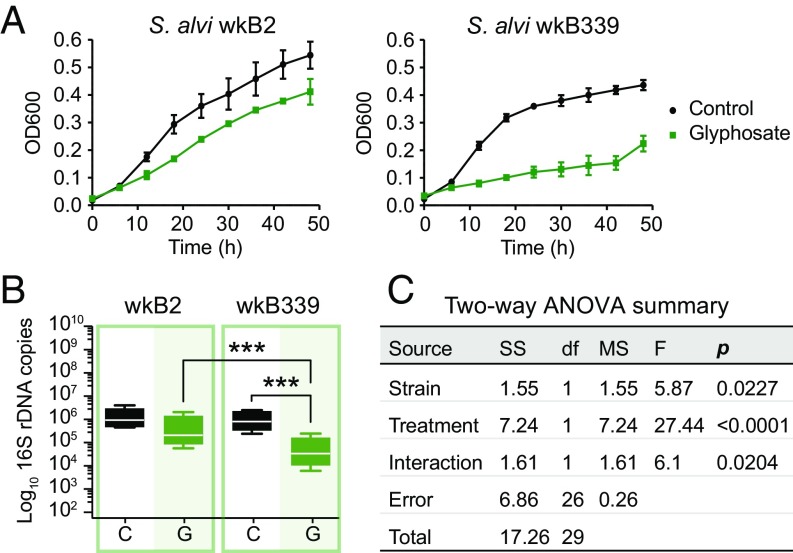
“alvi wkB2, was much less impacted (15, 16).”
BackgroundSelf-citationSleep in honey bees is affected by the herbicide glyphosate
Vázquez, D. E., Balbuena, M. S., Chaves, F., Gora, J., Menzel, R., & Farina, W. M. (2020) · Scientific Reports · doi:10.1038/s41598-020-67477-6 · Cited by 62
Metadata
- Authors
- Motta, E. V. S., Raymann, K., & Moran, N. A.
- Affiliations
- The University of Texas at Austin (US)
- Corresponding author
- Motta, Erick V. S.
- Moran, Nancy A.
- Venue
- Proceedings of the National Academy of Sciences
- Publisher
- National Academy of Sciences
- Published
- 2018-09-24
- Volume
- 115
- Issue
- 41
- Pages
- 10305-10310
- ISSN
- 0027-8424 (ISSN-L)
- 1091-6490
- PMC
- PMC6187125
- OpenAlex
- W2889736642
- Cited by
- 702
- References
- 47
- Citations by year
- 2026: 68 · 2025: 69 · 2024: 79 · 2023: 128 · 2022: 94 · 2021: 111 · 2020: 84 · 2019: 65 · 2018: 4
- FWCI
- 61.56
- Type
- journal article
- Language
- en
- Open access
- hybrid
- doi.org
- Licence
- Locations
- Proceedings of the National Academy of Sciences (publishedVersion, cc-by-nc-nd)
- Europe PMC (PubMed Central) (publishedVersion, cc-by-nc-nd)
- PubMed Central (publishedVersion, cc-by-nc-nd)
- PubMed (publishedVersion)
- Funders
- Coordenação de Aperfeiçoamento de Pessoal de Nível Superior (13578-13-8)
- USDA | National Institute of Food and Agriculture (2017-67012-26088, 2018-67013-27540)
- HHS | National Institutes of Health (RO1GM108477-02)
- Topics
- Life Sciences › Agricultural and Biological Sciences › Insect Science › Insect and Pesticide Research
- Life Sciences › Agricultural and Biological Sciences › Insect Science › Insect and Arachnid Ecology and Behavior
- Life Sciences › Agricultural and Biological Sciences › Insect Science › Insect symbiosis and bacterial influences
- Keywords
- glyphosate, Apis mellifera, gut microbiota, herbicide toxicity, gut symbionts, opportunistic pathogens, pathogen susceptibility, colony decline, pesticide exposure, glyphosate tolerance
- MeSH terms
- Gastrointestinal Microbiome, Glyphosate, Animals, Bees, Enzyme Inhibitors, Escherichia coli, Glycine, Neisseriaceae, Phylogeny, RNA, Ribosomal, 16S, Serratia, 3-Phosphoshikimate 1-Carboxyvinyltransferase
About these checks
Registry, retraction, Cites and statistics results are computed, not judged, with one exception: a printed reference that no index lists is read once by a model before it counts as a citation error. Claims are extracted by a model and kept only when their quote appears verbatim in the text; each cited source is then checked, with a model’s help, for whether it says what the claim relies on. Those verdicts can be wrong — read the claim’s quote and the cited source before relying on one.
Statistics and arithmetic are recomputed, not judged.
Confidence bands are shown only for fields calibrated on our annotated test set. None is calibrated yet, so no band is shown.
What counts as a claim ›How we measure confidence ›How we check this ›
Are you an author, or do you see a problem with this page? Request a review
Data sources
Bibliographic data: Semantic Scholar, OpenAlex, Crossref.
Contains information from the Semantic Scholar Academic Graph Datasets, made available under the ODC Attribution License (ODC-BY 1.0).
Semantic Scholar’s data is described in: Kinney, R., et al. (2023). The Semantic Scholar Open Data Platform. arXiv:2301.10140.
