

Glyphosate perturbs the gut microbiota of honey bees
Open accessThe DOI matches its Crossref record; 47 of the 47 references it cites were found in a registry or an index.
Abstract
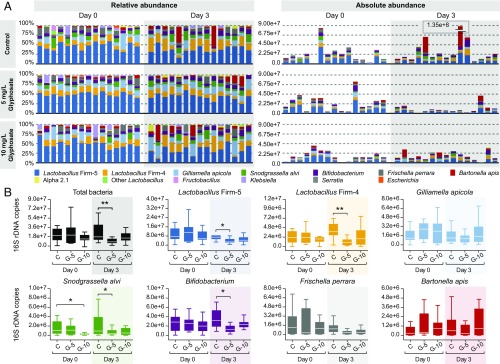
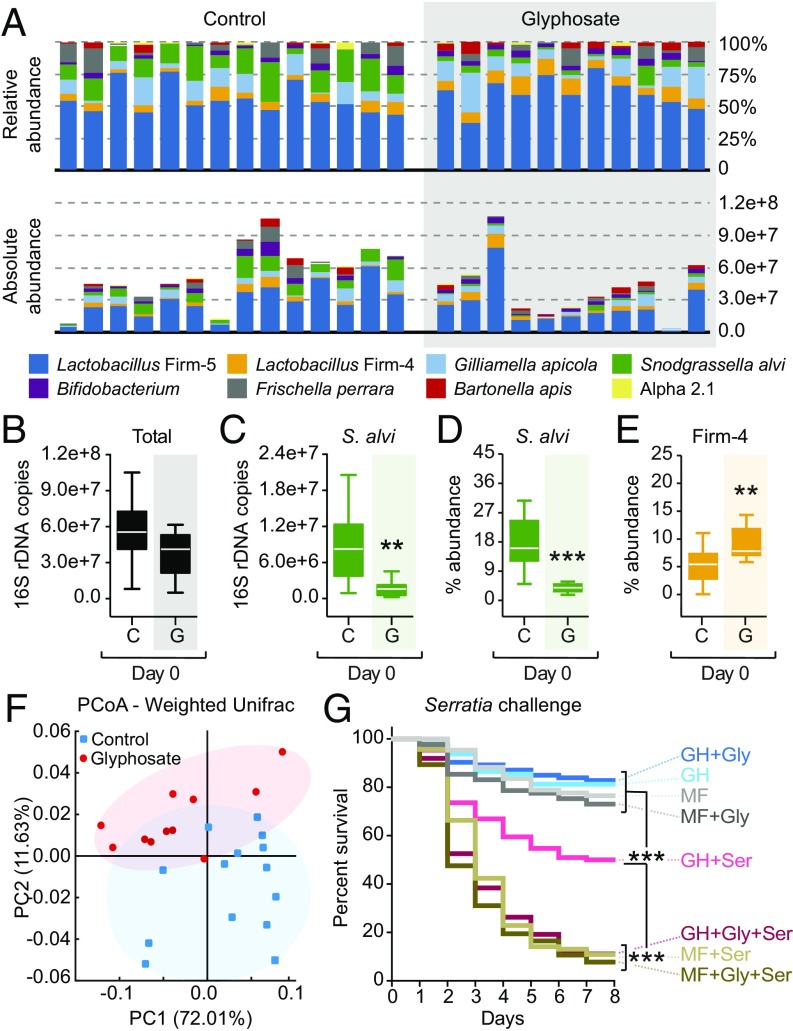
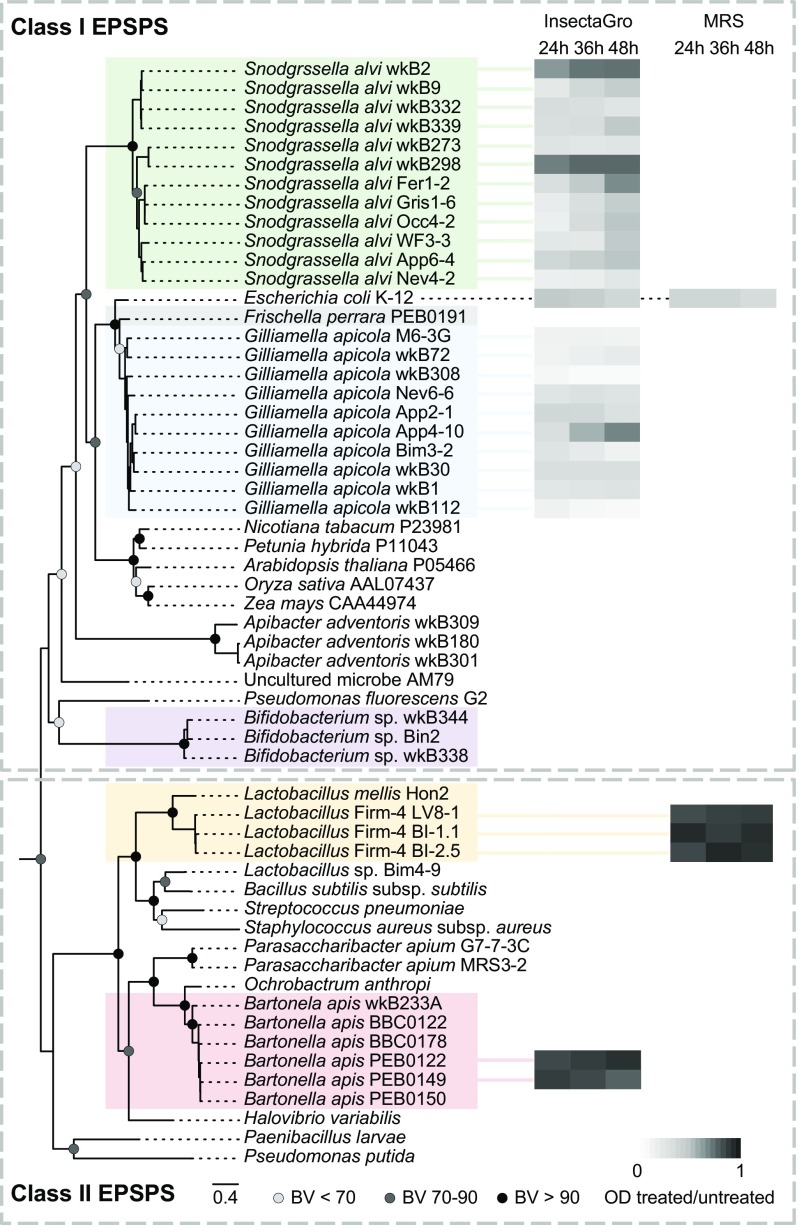
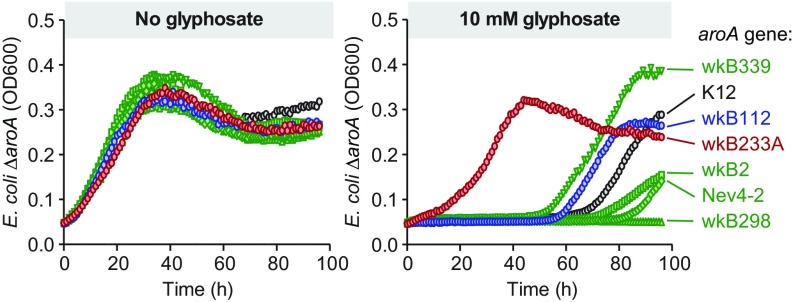
Significance: Increased mortality of honey bee colonies has been attributed to several factors but is not fully understood. The herbicide glyphosate is expected to be innocuous to animals, including bees, because it targets an enzyme only found in plants and microorganisms. However, bees rely on a specialized gut microbiota that benefits growth and provides defense against pathogens. Most bee gut bacteria contain the enzyme targeted by glyphosate, but vary in whether they possess susceptible versions and, correspondingly, in tolerance to glyphosate. Exposing bees to glyphosate alters the bee gut community and increases susceptibility to infection by opportunistic pathogens. Understanding how glyphosate impacts bee gut symbionts and bee health will help elucidate a possible role of this chemical in colony decline.
Overview
The claims and statistics of this paper haven’t been checked yet.
Free: it reads the open-access text and checks the first 5 claims that cite a source we can check. Create a free account to check every claim.
Integrity signals
Registry
Cites
Statistics
Figures
Verification
Claims the paper makes
The claims and statistics of this paper haven’t been checked yet.
Free: it reads the open-access text and checks the first 5 claims that cite a source we can check. Create a free account to check every claim.
Claims other papers make about this one
Each is checked against this paper’s own text: does it say what the citing paper says it does?
The check wasn’t confident either way, so it gives no verdict — never disputed.
In the citing paper
“Agricultural expansion, when it occurs at the expense of natural and semi-natural habitats, is the single largest cause of biodiversity loss through wildlife habitat loss and degradation ( 119 , 120 )”
From Environmental impacts of genetically modified crops (2024) · cites this paper as [120]
Experimental — accuracy not yet measured
Self-check
Percentages, sums and reported differences re-computed from the paper’s own numbers.
The self-check needs the paper’s full text.
Citations
Cites
QIIME allows analysis of high-throughput community sequencing data
Caporaso, J. G., Kuczynski, J., Stombaugh, J., Bittinger, K., Bushman, F. D., Costello, E. K., Fierer, N., Peña, A. G., Goodrich, J. K., Gordon, J. I., et al. (2010) · Nature Methods · doi:10.1038/nmeth.f.303 · Cited by 34,887
Enzymatic assembly of DNA molecules up to several hundred kilobases
Gibson, D. G., Young, L., Chuang, R.-Y., Venter, J. C., Hutchison, C. A., & Smith, H. O. (2009) · Nature Methods · doi:10.1038/nmeth.1318 · Cited by 9,996
UniFrac: a New Phylogenetic Method for Comparing Microbial Communities
Lozupone, C., & Knight, R. (2005) · Applied and Environmental Microbiology · doi:10.1128/aem.71.12.8228-8235.2005 · Cited by 8,227
Guzman, L. M., Belin, D., Carson, M. J., & Beckwith, J. (1995) · Journal of Bacteriology · doi:10.1128/jb.177.14.4121-4130.1995 · Cited by 4,935
Glyphosate: a once‐in‐a‐century herbicide
Duke, S. O., & Powles, S. B. (2008) · Pest Management Science · doi:10.1002/ps.1518 · Cited by 1,749 · cited 1×
“Animals lack the shikimate pathway, which is why glyphosate is considered one of the least toxic pesticides used in agriculture (9).”
Environmental and health effects of the herbicide glyphosate
Van Bruggen, A. H. C., He, M. M., Shin, K., Mai, V., Jeong, K. C., Finckh, M. R., & Morris, J. G. (2018) · Science of The Total Environment · doi:10.1016/j.scitotenv.2017.10.309 · Cited by 992 · cited 2×
“Glyphosate is also associated with changes in plant endophytic and rhizosphere microbiomes (2) and with disturbances of gut microbiota of animals living near agricultural sites (13).”
Gut microbial communities of social bees
Kwong, W. K., & Moran, N. A. (2016) · Nature Reviews Microbiology · doi:10.1038/nrmicro.2016.43 · Cited by 971 · cited 2×
“This may be explained by the fact that these strains lack the aromatic amino acid biosynthetic pathway (18), relying on uptake of aromatic amino acids released by other bacterial species, such as S.”
Self-citationFunctional diversity within the simple gut microbiota of the honey bee
Engel, P., Martinson, V. G., & Moran, N. A. (2012) · Proceedings of the National Academy of Sciences · doi:10.1073/pnas.1202970109 · Cited by 874 · cited 1×
“Each of these species exhibits strain diversity corresponding to differences in metabolic capabilities and tolerances to xenobiotics (19, 20).”
Self-citationSocially transmitted gut microbiota protect bumble bees against an intestinal parasite
Koch, H., & Schmid-Hempel, P. (2011) · Proceedings of the National Academy of Sciences · doi:10.1073/pnas.1110474108 · Cited by 824 · cited 3×
“Bees deprived of their normal microbiota show reduced weight gain and altered metabolism (22), increased pathogen susceptibility (17), and increased mortality within hives (23).”
Honeybee gut microbiota promotes host weight gain via bacterial metabolism and hormonal signaling
Zheng, H., Powell, J. E., Steele, M. I., Dietrich, C., & Moran, N. A. (2017) · Proceedings of the National Academy of Sciences · doi:10.1073/pnas.1701819114 · Cited by 664 · cited 1×
“Bees deprived of their normal microbiota show reduced weight gain and altered metabolism (22), increased pathogen susceptibility (17), and increased mortality within hives (23).”
Self-citation
Cited by
Items 101–200 of 749
Biotic and abiotic stresses on honeybee health
Lin, Z., Shen, S., Wang, K., & Ji, T. (2023) · Integrative Zoology · doi:10.1111/1749-4877.12752 · Cited by 66
ZHANG, Y., Handan, X. U., Tu, C., Han, R., Jing, L. U. O., & Letian, X. U. (2024) · Integrative Zoology · doi:10.1111/1749-4877.12812 · Cited by 62
Pesticide impacts on insect pollinators: Current knowledge and future research challenges
Basu, P., Ngo, H. T., Aizen, M. A., Garibaldi, L. A., Gemmill‐Herren, B., Imperatriz-Fonseca, V. L., Klein, A.-M., Potts, S. G., Seymour, C. L., & Vanbergen, A. J. (2024) · The Science of The Total Environment · doi:10.1016/j.scitotenv.2024.176656 · Cited by 62
Russo, L., Buckley, Y. M., Hamilton, H., Kavanagh, M., & Stout, J. C. (2020) · Agriculture Ecosystems & Environment · doi:10.1016/j.agee.2020.107141 · Cited by 67
Honeybee Exposure to Veterinary Drugs: How Is the Gut Microbiota Affected?
Baffoni, L., Alberoni, D., Gaggìa, F., Braglia, C., Stanton, C., Ross, R. P., & Gioia, D. D. (2021) · Microbiology Spectrum · doi:10.1128/spectrum.00176-21 · Cited by 61
“The honeybee gut microbiota is directly influenced by various factors, such as diet, season, and exposure to chemical compounds such as weed killers or antibiotics (22, 29, 30), and its unbalance, defined as intestinal dysbiosis (31), may negatively influence honeybee well-being.”
BackgroundHu, J., Lesseur, C., Yu, M., Manservisi, F., Panzacchi, S., Mandrioli, D., Belpoggi, F., Chen, J., & Petrick, L. M. (2021) · Scientific Reports · doi:10.1038/s41598-021-82552-2 · Cited by 67
Delkash‐Roudsari, S., Chicas‐Mosier, A. M., Goldansaz, S. H., Talebi, K., Ashouri, A., & Abramson, C. I. (2020) · Ecotoxicology and Environmental Safety · doi:10.1016/j.ecoenv.2020.111108 · Cited by 64
Studies of xenobiotic-induced gut microbiota dysbiosis: from correlation to mechanisms
Chi, L., Tu, P., Ru, H., & Lü, K. (2021) · Gut Microbes · doi:10.1080/19490976.2021.1921912 · Cited by 61
Does Glyphosate Affect the Human Microbiota?
Puigbò, P., Leino, L. I., Rainio, M. J., Saikkonen, K., Saloniemi, I., & Helander, M. L. (2022) · Life · doi:10.3390/life12050707 · Cited by 63
“Recent studies with several animal species suggest that traces of glyphosate in food may lead to alterations of the gut microbiota [6,9,11,26,27,37,38] and changes in the urine metabolome [27,39].”
BackgroundDaisley, B. A., & Reid, G. (2021) · mSystems · doi:10.1128/msystems.00082-21 · Cited by 60
Resistance and Vulnerability of Honeybee (Apis mellifera) Gut Bacteria to Commonly Used Pesticides
Cuesta-Maté, A., Renelies‐Hamilton, J., Kryger, P., Jensen, A. B., Sinotte, V. M., & Poulsen, M. (2021) · Frontiers in Microbiology · doi:10.3389/fmicb.2021.717990 · Cited by 58
“The herbicide glyphosate can perturb the absolute and relative abundances of dominant bacterial community members and increase honeybee susceptibility to pathogens (Motta et al., 2018; Blot et al., 2019).”
BackgroundWolbachia enhances expression of NlCYP4CE1 in Nilaparvata lugens in response to imidacloprid stress
Cai, T., Zhang, Y., Liu, Y., Deng, X., He, S., Li, J., & Wan, H. (2020) · Insect Science · doi:10.1111/1744-7917.12834 · Cited by 62
“cn posed to glyphosate, the beneficial gut microbiome is destroyed (Motta et al., 2018).”
BackgroundWang, K., Cai, M., Jie, S., Chen, H., Lin, Z., Wang, Z., Niu, Q., & Ji, T. (2023) · Journal of Hazardous Materials · doi:10.1016/j.jhazmat.2023.131179 · Cited by 57
Identification of the first glyphosate transporter by genomic adaptation
Wicke, D., Schulz, L. M., Lentes, S., Scholz, P., Poehlein, A., Gibhardt, J., Daniel, R., Ischebeck, T., & Commichau, F. M. (2019) · Environmental Microbiology · doi:10.1111/1462-2920.14534 · Cited by 64
Halsch, C. A., Code, A., Hoyle, S. M., Fordyce, J. A., Baert, N., & Forister, M. L. (2020) · Frontiers in Ecology and Evolution · doi:10.3389/fevo.2020.00162 · Cited by 58
“…herbicides are most often associated with indirect effects by altering the nearby plant community and floral resources, though some recent research indicates certain herbicides can also have direct effects on insects (Egan et al., 2014; Balbuena et al., 2015; Dai et al., 2018; Motta et al., 2018).”
BackgroundLarge-scale monoculture reduces honey yield: The case of soybean expansion in Argentina
de Groot, G. S., Aizen, M. A., Sáez, A., & Morales, C. L. (2020) · Agriculture Ecosystems & Environment · doi:10.1016/j.agee.2020.107203 · Cited by 68
Deteriorating microbiomes in agriculture - the unintended effects of pesticides on microbial life
Daisley, B. A., Chernyshova, A. M., Thompson, G., & Allen‐Vercoe, E. (2022) · Microbiome Research Reports · doi:10.20517/mrr.2021.08 · Cited by 66
Faita, M. R., Cardozo, M. M., Amandio, D. T. T., Orth, A. I., & Nodari, R. O. (2020) · Journal of Apicultural Research · doi:10.1080/00218839.2020.1736782 · Cited by 62
“Moreover, a study verified that bees’ microbial activity was significantly influenced by the presence of glyphosate in their diet (Motta et al., 2018).”
BackgroundMicrobial community modulates growth of symbiotic fungus required for stingless bee metamorphosis
Paludo, C. R., Pishchany, G., Andrade-Domínguez, A., da Silva-Junior, E. A., Menezes, C., do Nascimento, F. S., Currie, C. R., Kolter, R., Clardy, J., & Pupo, M. T. (2019) · PLoS ONE · doi:10.1371/journal.pone.0219696 · Cited by 60
The investigation of honey bee pesticide poisoning incidents in Czechia
Kadlikova, K., Václavíková, M., Halešová, T., Kamler, M., Markovic, M., & Erban, T. (2020) · Chemosphere · doi:10.1016/j.chemosphere.2020.128056 · Cited by 55
Olaya‐Arenas, P., & Kaplan, I. (2019) · Frontiers in Ecology and Evolution · doi:10.3389/fevo.2019.00223 · Cited by 54
“Herbicides such as glyphosate can even act directly on pollinators by disrupting their gut microbiome (Motta et al., 2018).”
BackgroundLedoux, M. L., HETTIARACHCHY, N. S., Yu, X., Howard, L. R., & Lee, S. (2019) · Food Control · doi:10.1016/j.foodcont.2019.106859 · Cited by 60
Yang, S., Zhao, L., Chang, X., Pan, Z., Bin, Z., Sun, Y., Li, X., Weng, L., & Li, Y. (2021) · The Science of The Total Environment · doi:10.1016/j.scitotenv.2021.146679 · Cited by 54
Iori, S., Rovere, G. D., Ezzat, L., Smits, M., Ferraresso, S., Babbucci, M., Marin, M. G., Masiero, L., Fabrello, J., Garro, E., et al. (2019) · Environmental Research · doi:10.1016/j.envres.2019.108984 · Cited by 55
Motta, E. V. S., & Moran, N. A. (2023) · The Science of The Total Environment · doi:10.1016/j.scitotenv.2023.162102 · Cited by 52
Self-citationSuppa, A., Kvist, J., Li, X., Dhandapani, V., Almulla, H., Tian, A. Y., Kissane, S., Zhou, J., Perotti, A., Mangelson, H., et al. (2020) · Microbiome · doi:10.1186/s40168-020-00943-5 · Cited by 57
Rainio, M. J., Ruuskanen, S., Helander, M. L., Saikkonen, K., Saloniemi, I., & Puigbò, P. (2021) · Environmental Microbiology Reports · doi:10.1111/1758-2229.12931 · Cited by 52
“…antibiotic properties are known (Kurenbach et al., 2015; Kurenbach et al., 2018), its possible effects on microbiomes (Funke et al., 2006; Motta et al., 2018; Gómez-Gallego et al., 2020; Ruuskanen et al., 2020) have largely been neglected until recently (Motta et al., 2018; Mesnage et al., 2019).”
BackgroundInfluentialHost-microbiome metabolism of a plant toxin in bees
Motta, E. V. S., Gage, A., Smith, T. E., Blake, K. J., Kwong, W. K., Riddington, I. M., & Moran, N. A. (2022) · eLife · doi:10.7554/elife.82595 · Cited by 51
Self-citationZowada, C., Frerichs, N., Zuin, V. G., & Eilks, I. (2020) · Chemistry Education Research and Practice · doi:10.1039/c9rp00128j · Cited by 58
Geldert, C., Abdo, Z., Stewart, J. E., & Seshadri, A. (2020) · Journal of Applied Microbiology · doi:10.1111/jam.14897 · Cited by 51
“, Snodgrassella alvi and Gillamella apicola, are rarely found in other environments (Kwong and Moran 2017; BonillaRosso and Engel 2018; Motta et al. 2018).”
BackgroundWe and herbivores eat endophytes
Martínez‐Romero, E., Aguirre‐Noyola, J. L., Bustamante‐Brito, R., González‐Román, P., Hernández‐Oaxaca, D., Higareda‐Alvear, V. M., Montes-Carreto, L. M., Martínez‐Romero, J., Rosenblueth, M., & Servín-Garcidueñas, L. E. (2020) · Microbial Biotechnology · doi:10.1111/1751-7915.13688 · Cited by 53
“Protists and archaea though they are associated with plants and guts, will not be revised here, neither the rumen or bee microbiota (Taxis et al, 2015; Engel et al, 2012; Zheng et al, 2019 Raymann et al, 2018; Motta et al, 2018.”
BackgroundShah, T. M., Nasika, D. P. B., & Otterpohl, R. (2021) · Agriculture · doi:10.3390/agriculture11030222 · Cited by 55
Effects of glyphosate exposure on honeybees
Tan, S., Li, G., Liu, Z., Wang, H., Guo, X., & Xu, B. (2021) · Environmental Toxicology and Pharmacology · doi:10.1016/j.etap.2021.103792 · Cited by 52
Deep Divergence and Genomic Diversification of Gut Symbionts of Neotropical Stingless Bees
Sarton-Lohéac, G., Nunes-Silva, C. G., Mazel, F., Baud, G., de Bakker, V., Das, S., Chazli, Y. E., Ellegaard, K., Garcia‐Garcerà, M., Glover, N., et al. (2023) · mBio · doi:10.1128/mbio.03538-22 · Cited by 55
Yu, L., Yang, H., Cheng, F.-P., Wu, Z., Huang, Q., He, X. J., Yan, W., Zhang, L., & Wu, X. (2021) · Environmental Pollution · doi:10.1016/j.envpol.2021.118107 · Cited by 49
“Antibiotic exposure perturbs gut microbiota, reduces the genetic diversity of core species, and elevates mortality in honey bees (Raymann et al., 2018; Motta et al., 2018).”
BackgroundTemperature dependence of parasitic infection and gut bacterial communities in bumble bees
Palmer‐Young, E. C., Ngor, L., Nevarez, R. B., Rothman, J. A., Raffel, T. R., & McFrederick, Q. S. (2019) · Environmental Microbiology · doi:10.1111/1462-2920.14805 · Cited by 50
“These changes are equivalent to the perturbations caused by treatment of honey bees with the herbicide glyphosate and the antibiotic tetracycline, which resulted in spontaneous proliferation of non-core Serratia (Enterobacteriaceae) species and doubling of mortality among workers in the colony and those challenged wit…”
BackgroundResultInfluentialMicroplastics and Nanoplastics Effects on Plant–Pollinator Interaction and Pollination Biology
Shah, S., Ilyas, M., Li, R., Yang, J., & Yang, F. (2023) · Environmental Science & Technology · doi:10.1021/acs.est.2c07733 · Cited by 49
Li, Z., Guo, D., Wang, C., Chi, X., Liu, Z., Wang, Y., Wang, H., Guo, X., Wang, N., Xu, B., et al. (2023) · The Science of The Total Environment · doi:10.1016/j.scitotenv.2023.169318 · Cited by 46
Kiefer, J. S. T., Batsukh, S., Bauer, E., Hirota, B., Weiß, B., Wierz, J. C., Fukatsu, T., Kaltenpoth, M., & Engl, T. (2021) · Communications Biology · doi:10.1038/s42003-021-02057-6 · Cited by 50
Cech, R., Jovanovic, S., Kegley, S. E., Hertoge, K., Leisch, F., & Zaller, J. G. (2022) · Environmental Sciences Europe · doi:10.1186/s12302-022-00622-2 · Cited by 45
Łukasik, P., & Kolasa, M. R. (2024) · Philosophical Transactions of the Royal Society B Biological Sciences · doi:10.1098/rstb.2023.0122 · Cited by 52
“On the other hand, symbionts ’ susceptibility to these factors can be the insects ’ weakness, as demonstrated by heat-disrupted beneficial symbioses of aphids and stinkbugs [97 – 99], or herbicide-disrupted symbioses of bees [100].”
BackgroundMuñoz‐Colmenero, M., Baroja-Careaga, I., Kovačić, M., Filipi, J., Puškadija, Z., Kezić, N., Estonba, A., Büchler, R., & Zarraonaindia, I. (2020) · Apidologie · doi:10.1007/s13592-020-00779-w · Cited by 49
Tola, Y. H., Waweru, J. W., Hurst, G. D. D., Slippers, B., & Paredes, J. C. (2020) · Microorganisms · doi:10.3390/microorganisms8111721 · Cited by 48
“It is noteworthy that Gilliamella abundance increases in honey bees that are chronically exposed to the insecticides Fipronil and Thiamethoxam, as well as to the herbicide glyphosate [79,80].”
Backgroundda Costa, N. B., Hébert, M., Fugère, V., Terrat, Y., Fussmann, G. F., Gonzalez, A., & Shapiro, B. J. (2022) · mSystems · doi:10.1128/msystems.01482-21 · Cited by 46
“This evidence of cross-resistance in seminatural communities may help explain why, in previous experiments also performed with complex communities, bacterial strains with the sensitive EPSPS-encoding gene were resistant to glyphosate, as was the case in two strains of Snodgrassella alvi in the bee gut microbiome (12).”
BackgroundResultInfluentialRana, I., Nguyen, P. K., Rigutto, G., Louie, A., Lee, J. E., Smith, M. T., & Zhang, L. (2023) · Chemosphere · doi:10.1016/j.chemosphere.2023.139572 · Cited by 50
Wu-Woods, N. J., Barlow, J. T., Trigodet, F., Shaw, D. G., Romano, A. E., Jabrì, B., Eren, A. M., & Ismagilov, R. F. (2023) · Nature Methods · doi:10.1038/s41592-023-02025-4 · Cited by 46
“To extend the use of MEM beyond mammals, future studies will be needed to optimize and validate MEM on samples from plants 43,44 , insects 45,46 and other nonmammalian hosts.”
BackgroundA One-Health Model for Reversing Honeybee (Apis mellifera L.) Decline
Donkersley, P., Elsner‐Adams, E., & Maderson, S. (2020) · Veterinary Sciences · doi:10.3390/vetsci7030119 · Cited by 48
Investigating the effects of glyphosate on the bumblebee proteome and microbiota
Cullen, M. G., Bliss, L., Stanley, D. A., & Carolan, J. C. (2022) · The Science of The Total Environment · doi:10.1016/j.scitotenv.2022.161074 · Cited by 46
“In addition, Motta et al. (2018) also used higher concentrations of glyphosate and not only reported changes in the honey-bee digestive tract microbiota, but also demonstrated the possession of glyphosate sensitive and insensitive EPSPS (the known target for glyphosate) in different bacterial…”
Pareja, L., Jesús, F., Heinzen, H., Hernando, M. D., Rajski, Ł., & Fernández‐Alba, A. R. (2019) · Analytical Methods · doi:10.1039/c9ay00543a · Cited by 43
Panseri, S., Bonerba, E., Nobile, M., Cesare, F. D., Mosconi, G., Cecati, F. M., Arioli, F., Tantillo, G. M., & Chiesa, L. M. (2020) · Foods · doi:10.3390/foods9121863 · Cited by 42
“Although this herbicide exhibits a low toxicity to adult honey bees [35], GLY has recently been associated with sub-lethal health issues in bees due to its chronic accumulation in the hive [36], representing a potential risk for food safety.”
BackgroundThe effects of urban land use gradients on wild bee microbiomes
Nguyen, P. N., & Rehan, S. M. (2022) · Frontiers in Microbiology · doi:10.3389/fmicb.2022.992660 · Cited by 43
“Across various bee species, environmental factors such as climate (McFrederick and Rehan, 2019), agriculture (Motta et al., 2018; Muñoz-Colmenero et al., 2020), natural habitat, floral resources, and wild bee diversity in the landscape can all shape microbe composition (Cohen et al.”
BackgroundThe honeybee gut resistome and its role in antibiotic resistance dissemination
Sun, H., Li, H., Zhang, X., Liu, Y., Chen, H., Zheng, L., Zhai, Y., & Zheng, H. (2023) · Integrative Zoology · doi:10.1111/1749-4877.12714 · Cited by 41
Parasite reliance on its host gut microbiota for nutrition and survival
Zhou, S., Lu, Y., Chen, J., Pan, Z., Pang, L., Wang, Y., Zhang, Q., Strand, M. R., Chen, X., & Huang, J. (2022) · The ISME Journal · doi:10.1038/s41396-022-01301-z · Cited by 45
“DISCUSSION Host nutrients are a key currency that parasites often manipulate [1, 5, 18], while the gut microbiota of many host organisms influences metabolism or susceptibility to infection [2, 47].”
BackgroundProtecting pollinators and our food supply: understanding and managing threats to pollinator health
Siviter, H., Fisher, A., Baer, B., Brown, M. J. F., Camargo, I. F., Cole, J. S., Conte, Y. L., Dorin, B. C., Evans, J. D., Farina, W. M., et al. (2023) · Insectes Sociaux · doi:10.1007/s00040-022-00897-x · Cited by 43
“by reducing flowering weed species, but can also change gut microbiota and make bees more susceptible to pathogens (Motta et al. 2018).”
BackgroundKulcsarova, K., Bang, C., Berg, D., & Schaeffer, E. (2023) · Journal of Parkinson’s Disease · doi:10.3233/jpd-230206 · Cited by 40
“[190] Honey bee Feeding ↓ of the bacterial community and weakening in beneficial bacterial composition [191] Poultry microbiota In vitro exposition beneficial intestinal bacteria – Enterococcus faecalis , E. faecium , Bacillus badius and B. cereus sensitive to Gly, pathogenic bacteria – E. coli ,…”
BackgroundHow glyphosate and its associated acidity affect early development in zebrafish ( Danio rerio )
Schweizer, M., Brilisauer, K., Triebskorn, R., Forchhammer, K., & Köhler, H. (2019) · PeerJ · doi:10.7717/peerj.7094 · Cited by 44
Odemer, R., Alkassab, A. T., Bischoff, G., Frommberger, M., Wernecke, A., Wirtz, I., Pistorius, J., & Odemer, F. (2020) · Insects · doi:10.3390/insects11100664 · Cited by 40
“One particular sublethal effect that recently gave rise to concerns was induced by GBH (Motta et al. 2018).”
InfluentialSteele, M. I., & Moran, N. A. (2021) · mSystems · doi:10.1128/msystems.00063-21 · Cited by 41
“gut symbionts and increase vulnerability to bacterial pathogens (51, 52), and these short-term disruptions could affect T6SS-mediated antagonism within the microbiota.”
BackgroundSelf-citationAntibiotics-induced changes in intestinal bacteria result in the sensitivity of honey bee to virus
Deng, Y., Yang, S., Zhao, H., Luo, J., Yang, W., & Hou, C. (2022) · Environmental Pollution · doi:10.1016/j.envpol.2022.120278 · Cited by 42
Lau, P., Esquivel, I. L., Parys, K. A., Hung, K. J., & Chakrabarti, P. (2023) · Annals of the Entomological Society of America · doi:10.1093/aesa/saad023 · Cited by 43
Host–microbiome coevolution can promote cooperation in a rock–paper–scissors dynamics
Lewin‐Epstein, O., & Hadany, L. (2020) · Proceedings of the Royal Society B Biological Sciences · doi:10.1098/rspb.2019.2754 · Cited by 42
“by antibiotics [93–95], probiotics [96,97], pesticides [98], and herbicides [99]) may affect the host’s social behaviour; and second, that polymorphism with respect to cooperative behaviour can be expected in natural populations, originating in a conflict between host genes and microbes.”
BackgroundGlyphosate in Portuguese Adults – A Pilot Study
Nova, P., Calheiros, C. S. C., & da Silva, M. A. N. C. G. M. M. (2020) · Environmental Toxicology and Pharmacology · doi:10.1016/j.etap.2020.103462 · Cited by 39
Pesticide Impacts on the Environment and Humans
Zaller, J. G. (2020) · Springer eBooks · doi:10.1007/978-3-030-50530-1_2 · Cited by 51
Dong, Z., Chen, Y., Li, H.-Y., Tang, Q., & Guo, J. (2021) · Frontiers in Microbiology · doi:10.3389/fmicb.2021.513962 · Cited by 42
“When honey bees are exposed to pesticides, their gut microbiota is disturbed, and their mortality increases (Motta et al., 2018).”
BackgroundGlyphosate: A Review on the Current Environmental Impacts from a Brazilian Perspective
Marques, J. G. D. C., Veríssimo, K. J. D. S., Fernandes, B. S., Ferreira, S. R. D. M., Montenegro, S. M. G. L., & Motteran, F. (2021) · Bulletin of Environmental Contamination and Toxicology · doi:10.1007/s00128-021-03295-4 · Cited by 44
“Thus, combining the drop in price in the agricultural market, being a versatile herbicide, having low toxicity to animals and being quickly adsorbed to the soil (Valanavidis 2018), this compound became the most used pesticide in the world (Gasnier et al. 2009; Nantucket 2018; Torretta et al. 2018; Heap and Duke 2018;…”
BackgroundImpacts des produits phytopharmaceutiques sur la biodiversité et les services écosystémiques
Leenhardt, S., Mamy, L., Pesce, S., & Sánchez, W. (2023) · Éditions Quæ eBooks · doi:10.35690/978-2-7592-3657-2 · Cited by 41
Krause, J. L., Haange, S., Schäpe, S. S., Engelmann, B., Rolle-Kampczyk, U. E., Fritz‐Wallace, K., Wang, Z., Jehmlich, N., Türkowsky, D., Schubert, K. A., et al. (2020) · The Science of The Total Environment · doi:10.1016/j.scitotenv.2020.140932 · Cited by 42
The earthworm microbiome is resilient to exposure to biocidal metal nanoparticles
Swart, E., Goodall, T., Kille, P., Spurgeon, D. J., & Svendsen, C. (2020) · Environmental Pollution · doi:10.1016/j.envpol.2020.115633 · Cited by 39
Strategies and techniques to mitigate the negative impacts of pesticide exposure to honey bees
Zhang, G., Olsson, R. L., & Hopkins, B. K. (2022) · Environmental Pollution · doi:10.1016/j.envpol.2022.120915 · Cited by 40
de Landa, G. F., Alberoni, D., Baffoni, L., de Landa, M. F., Revainera, P. D., Porrini, L. P., Brasesco, C., Quintana, S., Zumpano, F., Eguaras, M. J., et al. (2023) · Environmental Microbiome · doi:10.1186/s40793-023-00494-w · Cited by 38
Glyphosate and a glyphosate-based herbicide affect bumblebee gut microbiota
Helander, M. L., Jeevannavar, A., Kaakinen, K., Mathew, S. A., Saikkonen, K., Fuchs, B., Puigbò, P., Loukola, O., & Tamminen, M. V. (2023) · FEMS Microbiology Ecology · doi:10.1093/femsec/fiad065 · Cited by 38
Swart, E., Dvořák, J., Hernádi, S., Goodall, T., Kille, P., Spurgeon, D. J., Svendsen, C., & Procházková, P. (2020) · Nanomaterials · doi:10.3390/nano10071337 · Cited by 37
Review: Feed residues of glyphosate – potential consequences for livestock health and productivity
Sørensen, M. T., Poulsen, H. D., Katholm, C. L., & Højberg, O. (2020) · animal · doi:10.1016/j.animal.2020.100026 · Cited by 38
Zhang, Z., & Zheng, H. (2022) · Insect Science · doi:10.1111/1744-7917.13040 · Cited by 36
Recent technologies for glyphosate removal from aqueous environment: A critical review
Yaah, V. B. K., Ahmadi, S., Quimbayo, J. S. M., Morales‐Torres, S., & Ojala, S. (2023) · Environmental Research · doi:10.1016/j.envres.2023.117477 · Cited by 42
Prospects of probiotics in beekeeping: a review for sustainable approach to boost honeybee health
Smriti, Rana, A., Singh, G., & Gupta, G. (2024) · Archives of Microbiology · doi:10.1007/s00203-024-03926-4 · Cited by 40
“Glyphosate, a component of plant protection products (PPPs), has been demonstrated to be lethal to certain microbial species in the gut of honeybees (Motta et al. 2018, 2020).”
Šlachta, M., Erban, T., Votavová, A., Bešta, T., Skalský, M., Václavíková, M., Halešová, T., Edwards‐Jonášová, M., Včeláková, R., & Cudlín, P. (2020) · Sustainability · doi:10.3390/su12229427 · Cited by 38
“The herbicide glyphosate was proven to substantially affect the gut microbiome in bees [31,32].”
BackgroundSteinhäuser, K. G., von Gleich, A., Ophoff, M. G., & Körner, W. (2022) · Sustainable Chemistry · doi:10.3390/suschem3020014 · Cited by 39
Luo, Q., Gao, J. Q., Guo, Y., Liu, C., Ma, Y.-Z., Zhou, Z.-Y., Dai, P., Hou, C., Wu, Y., & Diao, Q. (2021) · Scientific Reports · doi:10.1038/s41598-020-80445-4 · Cited by 40
Owagboriaye, F. O., Mesnage, R., Dedeke, G. A., Adegboyega, T., Aladesida, A. A., Adeleke, M. T., Owa, S. O., & Antoniou, M. N. (2021) · Toxicology Reports · doi:10.1016/j.toxrep.2021.03.021 · Cited by 36
“This was studied in laboratory rats [5], honeybees [24], Japanese quail [25], and Hawaiian green turtles [26].”
BackgroundEnvironmental and economic concerns surrounding restrictions on glyphosate use in corn
Ye, Z., Wu, F., & Hennessy, D. A. (2021) · Proceedings of the National Academy of Sciences · doi:10.1073/pnas.2017470118 · Cited by 34
“Although much remains unresolved about how glyphosate interacts with insect physiology (23 – 25), it is considered to have low environmental toxicity (26).”
BackgroundGut microbial community response to herbicide exposure in a ground beetle
Giglio, A., Vommaro, M. L., Gionechetti, F., & Pallavicini, A. (2021) · Journal of Applied Entomology · doi:10.1111/jen.12919 · Cited by 34
“…toxicological studies have been linked alterations of the gut microbiota to the glyphosate exposure in honey bee Apis mellifera Linneus, 1758, (Blot et al. 2019; Dai et al. 2018; Motta et al. 2018) and the Colorado potato beetle Leptinotarsa decemlineata Say, 1824 (Gómez- Gallego et al. 2020).”
BackgroundEndogenous Honeybee Gut Microbiota Metabolize the Pesticide Clothianidin
Khoury, S. E., Giovenazzo, P., & Derôme, N. (2022) · Microorganisms · doi:10.3390/microorganisms10030493 · Cited by 36
Lucia, R. M., Huang, W., Pathak, K. V., McGilvrey, M. I., David‐Dirgo, V., Alvarez, A., Goodman, D., Masunaka, I. K., Odegaard, A., Ziogas, A., et al. (2022) · Environmental Health Perspectives · doi:10.1289/ehp10174 · Cited by 36
Ghosh, S., Namin, S. M., & Jung, C. (2022) · Insects · doi:10.3390/insects13100863 · Cited by 34
“apicola, and this could potentially affect bee health [21,26,27].”
BackgroundNaccarato, A., Vommaro, M. L., Amico, D., Sprovieri, F., Pirrone, N., Tagarelli, A., & Giglio, A. (2023) · Toxics · doi:10.3390/toxics11060499 · Cited by 34
Mutualist-Provisioned Resources Impact Vector Competency
Rio, R. V. M., Jozwick, A. K. S., Savage, A. F., Sabet, A., Vigneron, A., Wu, Y., Aksoy, S., & Weiss, B. L. (2019) · mBio · doi:10.1128/mbio.00018-19 · Cited by 33
“Glyphosate exposure leads to cell growth arrest but is not lethal to bacteria that contain class I EPSPS enzymes within their genomes (58) (Fig.”
BackgroundMendler, A., Geier, F. M., Haange, S., Pierzchalski, A., Krause, J. L., Nijenhuis, I., Froment, J., Jehmlich, N., Berger, U., Ackermann, G., et al. (2020) · Journal of Immunotoxicology · doi:10.1080/1547691x.2019.1706672 · Cited by 35
Temporal changes in the microbiome of stingless bee foragers following colony relocation
Hall, M., Brettell, L. E., Liu, H., Nacko, S., Spooner-Hart, R. N., Riegler, M., & Cook, J. M. (2020) · FEMS Microbiology Ecology · doi:10.1093/femsec/fiaa236 · Cited by 35
Ren, Z., Cai, T., Wan, Y., Zeng, Q., Li, C., Zhang, J., Ma, K., He, S., Li, J., & Wan, H. (2023) · Pesticide Biochemistry and Physiology · doi:10.1016/j.pestbp.2023.105522 · Cited by 32
Insect immunity in the Anthropocene
Khan, M. K., & Rolff, J. (2024) · Biological reviews/Biological reviews of the Cambridge Philosophical Society · doi:10.1111/brv.13158 · Cited by 34
Graffigna, S., Marrero, H. J., & Torretta, J. P. (2020) · Apidologie · doi:10.1007/s13592-020-00816-8 · Cited by 33
“Also, numerous studies suggest that glyphosate and other agrochemicals intervene directly in the intestinal microbiota of bees, causing a reduction in bee survival (Dai et al. 2018; Motta et al. 2018; Vázquez et al. 2018; Blot et al. 2019).”
BackgroundBumblebees can be Exposed to the Herbicide Glyphosate when Foraging
Thompson, L. J., Smith, S., Stout, J. C., White, B., Zioga, E., & Stanley, D. A. (2022) · Environmental Toxicology and Chemistry · doi:10.1002/etc.5442 · Cited by 32
“A small number of studies (e.g., Balbuena et al., 2015; Farina et al., 2019; Motta et al., 2018; Straw et al., 2021; Vazquez et al., 2018) have shown effects on bumblebees and honeybees after oral and topical exposure to glyphosate and/or glyphosate based formulations.”
BackgroundLiu, H., Hall, M., Brettell, L. E., Wang, J., Halcroft, M. T., Nacko, S., Spooner-Hart, R. N., Cook, J. M., Riegler, M., & Singh, B. K. (2023) · Journal of Invertebrate Pathology · doi:10.1016/j.jip.2023.107909 · Cited by 32
Bednářová, A., Kropf, M., & Krishnan, N. (2019) · Ecotoxicology and Environmental Safety · doi:10.1016/j.ecoenv.2019.109883 · Cited by 32
Response of the bacterial community of Propylea japonica (Thunberg) to Cry2Ab protein
Zhang, S., Luo, J., Jiang, W., Wu, L., Zhang, L., Ji, J., Wang, L., Ma, Y., & Cui, J. (2019) · Environmental Pollution · doi:10.1016/j.envpol.2019.113063 · Cited by 31
Ecotoxicology of Glyphosate, Its Formulants, and Environmental Degradation Products
Rodríguez‐Gil, J. L., Prosser, R. S., Duke, S. O., & Solomon, K. R. (2021) · Reviews of Environmental Contamination and Toxicology · doi:10.1007/398_2020_56 · Cited by 39
Global Composition of the Bacteriophage Community in Honey Bees
Busby, T. J., Miller, C. R., Moran, N. A., & Leuven, J. T. V. (2022) · mSystems · doi:10.1128/msystems.01195-21 · Cited by 33
“The honeybee microbiome differs between castes (45, 46), across seasons (47), between regions (48), and changes in response to environmental conditions (10, 11).”
Self-citationTang, Q., Li, W.-L., Wang, J., Li, X., Li, D., Cao, Z., Huang, Q., Li, J., Zhang, J., Wang, Z., et al. (2023) · Frontiers in Physiology · doi:10.3389/fphys.2022.1054742 · Cited by 31
Naggar, Y. A., & Wubet, T. (2023) · The Science of The Total Environment · doi:10.1016/j.scitotenv.2023.167530 · Cited by 31
Metadata
- Authors
- Motta, E. V. S., Raymann, K., & Moran, N. A.
- Affiliations
- The University of Texas at Austin (US)
- Corresponding author
- Motta, Erick V. S.
- Moran, Nancy A.
- Venue
- Proceedings of the National Academy of Sciences
- Publisher
- National Academy of Sciences
- Published
- 2018-09-24
- Volume
- 115
- Issue
- 41
- Pages
- 10305-10310
- ISSN
- 0027-8424 (ISSN-L)
- 1091-6490
- PMC
- PMC6187125
- OpenAlex
- W2889736642
- Cited by
- 702
- References
- 47
- Citations by year
- 2026: 68 · 2025: 69 · 2024: 79 · 2023: 128 · 2022: 94 · 2021: 111 · 2020: 84 · 2019: 65 · 2018: 4
- FWCI
- 61.56
- Type
- journal article
- Language
- en
- Open access
- hybrid
- doi.org
- Licence
- Locations
- Proceedings of the National Academy of Sciences (publishedVersion, cc-by-nc-nd)
- Europe PMC (PubMed Central) (publishedVersion, cc-by-nc-nd)
- PubMed Central (publishedVersion, cc-by-nc-nd)
- PubMed (publishedVersion)
- Funders
- Coordenação de Aperfeiçoamento de Pessoal de Nível Superior (13578-13-8)
- USDA | National Institute of Food and Agriculture (2017-67012-26088, 2018-67013-27540)
- HHS | National Institutes of Health (RO1GM108477-02)
- Topics
- Life Sciences › Agricultural and Biological Sciences › Insect Science › Insect and Pesticide Research
- Life Sciences › Agricultural and Biological Sciences › Insect Science › Insect and Arachnid Ecology and Behavior
- Life Sciences › Agricultural and Biological Sciences › Insect Science › Insect symbiosis and bacterial influences
- Keywords
- glyphosate, Apis mellifera, gut microbiota, herbicide toxicity, gut symbionts, opportunistic pathogens, pathogen susceptibility, colony decline, pesticide exposure, glyphosate tolerance
- MeSH terms
- Gastrointestinal Microbiome, Glyphosate, Animals, Bees, Enzyme Inhibitors, Escherichia coli, Glycine, Neisseriaceae, Phylogeny, RNA, Ribosomal, 16S, Serratia, 3-Phosphoshikimate 1-Carboxyvinyltransferase
About these checks
Registry, retraction, Cites and statistics results are computed, not judged, with one exception: a printed reference that no index lists is read once by a model before it counts as a citation error. Claims are extracted by a model and kept only when their quote appears verbatim in the text; each cited source is then checked, with a model’s help, for whether it says what the claim relies on. Those verdicts can be wrong — read the claim’s quote and the cited source before relying on one.
Statistics and arithmetic are recomputed, not judged.
Confidence bands are shown only for fields calibrated on our annotated test set. None is calibrated yet, so no band is shown.
What counts as a claim ›How we measure confidence ›How we check this ›
Are you an author, or do you see a problem with this page? Request a review
Data sources
Bibliographic data: Semantic Scholar, OpenAlex, Crossref.
Contains information from the Semantic Scholar Academic Graph Datasets, made available under the ODC Attribution License (ODC-BY 1.0).
Semantic Scholar’s data is described in: Kinney, R., et al. (2023). The Semantic Scholar Open Data Platform. arXiv:2301.10140.
