

Glyphosate perturbs the gut microbiota of honey bees
Open accessThe DOI matches its Crossref record; 47 of the 47 references it cites were found in a registry or an index.
Abstract
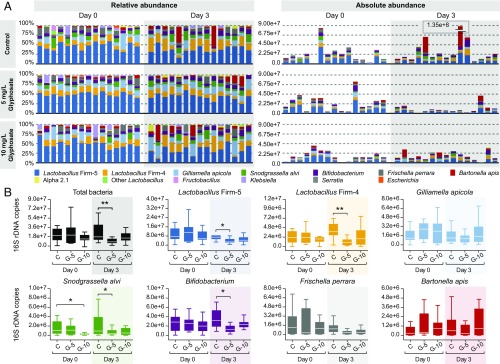
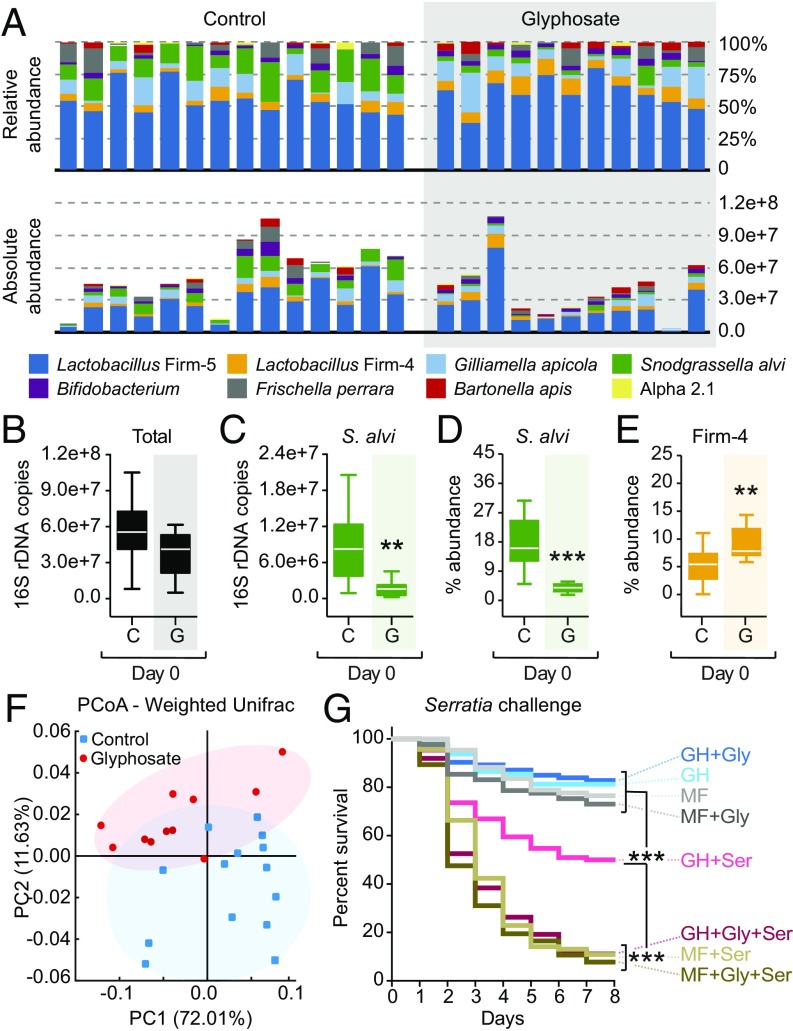
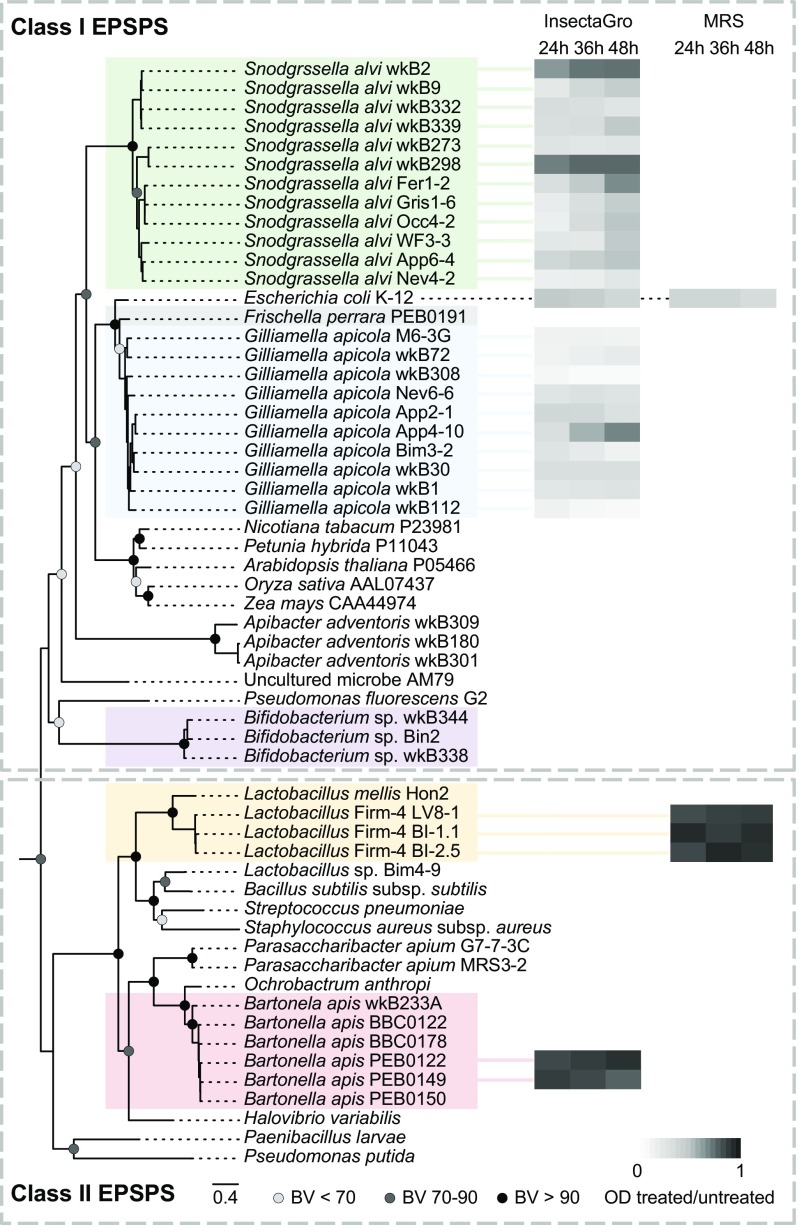
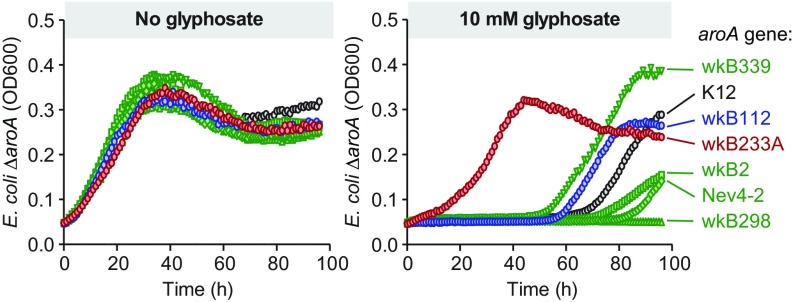
Significance: Increased mortality of honey bee colonies has been attributed to several factors but is not fully understood. The herbicide glyphosate is expected to be innocuous to animals, including bees, because it targets an enzyme only found in plants and microorganisms. However, bees rely on a specialized gut microbiota that benefits growth and provides defense against pathogens. Most bee gut bacteria contain the enzyme targeted by glyphosate, but vary in whether they possess susceptible versions and, correspondingly, in tolerance to glyphosate. Exposing bees to glyphosate alters the bee gut community and increases susceptibility to infection by opportunistic pathogens. Understanding how glyphosate impacts bee gut symbionts and bee health will help elucidate a possible role of this chemical in colony decline.
Overview
The claims and statistics of this paper haven’t been checked yet.
Free: it reads the open-access text and checks the first 5 claims that cite a source we can check. Create a free account to check every claim.
Integrity signals
Registry
Cites
Statistics
Figures
Verification
Claims the paper makes
The claims and statistics of this paper haven’t been checked yet.
Free: it reads the open-access text and checks the first 5 claims that cite a source we can check. Create a free account to check every claim.
Claims other papers make about this one
Each is checked against this paper’s own text: does it say what the citing paper says it does?
The check wasn’t confident either way, so it gives no verdict — never disputed.
In the citing paper
“Agricultural expansion, when it occurs at the expense of natural and semi-natural habitats, is the single largest cause of biodiversity loss through wildlife habitat loss and degradation ( 119 , 120 )”
From Environmental impacts of genetically modified crops (2024) · cites this paper as [120]
Experimental — accuracy not yet measured
Self-check
Percentages, sums and reported differences re-computed from the paper’s own numbers.
The self-check needs the paper’s full text.
Citations
Cites
QIIME allows analysis of high-throughput community sequencing data
Caporaso, J. G., Kuczynski, J., Stombaugh, J., Bittinger, K., Bushman, F. D., Costello, E. K., Fierer, N., Peña, A. G., Goodrich, J. K., Gordon, J. I., et al. (2010) · Nature Methods · doi:10.1038/nmeth.f.303 · Cited by 34,887
Enzymatic assembly of DNA molecules up to several hundred kilobases
Gibson, D. G., Young, L., Chuang, R.-Y., Venter, J. C., Hutchison, C. A., & Smith, H. O. (2009) · Nature Methods · doi:10.1038/nmeth.1318 · Cited by 9,996
UniFrac: a New Phylogenetic Method for Comparing Microbial Communities
Lozupone, C., & Knight, R. (2005) · Applied and Environmental Microbiology · doi:10.1128/aem.71.12.8228-8235.2005 · Cited by 8,227
Guzman, L. M., Belin, D., Carson, M. J., & Beckwith, J. (1995) · Journal of Bacteriology · doi:10.1128/jb.177.14.4121-4130.1995 · Cited by 4,935
Glyphosate: a once‐in‐a‐century herbicide
Duke, S. O., & Powles, S. B. (2008) · Pest Management Science · doi:10.1002/ps.1518 · Cited by 1,749 · cited 1×
“Animals lack the shikimate pathway, which is why glyphosate is considered one of the least toxic pesticides used in agriculture (9).”
Environmental and health effects of the herbicide glyphosate
Van Bruggen, A. H. C., He, M. M., Shin, K., Mai, V., Jeong, K. C., Finckh, M. R., & Morris, J. G. (2018) · Science of The Total Environment · doi:10.1016/j.scitotenv.2017.10.309 · Cited by 992 · cited 2×
“Glyphosate is also associated with changes in plant endophytic and rhizosphere microbiomes (2) and with disturbances of gut microbiota of animals living near agricultural sites (13).”
Gut microbial communities of social bees
Kwong, W. K., & Moran, N. A. (2016) · Nature Reviews Microbiology · doi:10.1038/nrmicro.2016.43 · Cited by 971 · cited 2×
“This may be explained by the fact that these strains lack the aromatic amino acid biosynthetic pathway (18), relying on uptake of aromatic amino acids released by other bacterial species, such as S.”
Self-citationFunctional diversity within the simple gut microbiota of the honey bee
Engel, P., Martinson, V. G., & Moran, N. A. (2012) · Proceedings of the National Academy of Sciences · doi:10.1073/pnas.1202970109 · Cited by 874 · cited 1×
“Each of these species exhibits strain diversity corresponding to differences in metabolic capabilities and tolerances to xenobiotics (19, 20).”
Self-citationSocially transmitted gut microbiota protect bumble bees against an intestinal parasite
Koch, H., & Schmid-Hempel, P. (2011) · Proceedings of the National Academy of Sciences · doi:10.1073/pnas.1110474108 · Cited by 824 · cited 3×
“Bees deprived of their normal microbiota show reduced weight gain and altered metabolism (22), increased pathogen susceptibility (17), and increased mortality within hives (23).”
Honeybee gut microbiota promotes host weight gain via bacterial metabolism and hormonal signaling
Zheng, H., Powell, J. E., Steele, M. I., Dietrich, C., & Moran, N. A. (2017) · Proceedings of the National Academy of Sciences · doi:10.1073/pnas.1701819114 · Cited by 664 · cited 1×
“Bees deprived of their normal microbiota show reduced weight gain and altered metabolism (22), increased pathogen susceptibility (17), and increased mortality within hives (23).”
Self-citation
Cited by
Items 201–300 of 749
Introducing the Adverse Ecosystem Service Pathway as a Tool in Ecological Risk Assessment
Awuah, K. F., Jegede, O., Hale, B. A., & Siciliano, S. D. (2020) · Environmental Science & Technology · doi:10.1021/acs.est.9b06851 · Cited by 34
Iriart, V., Baucom, R. S., & Ashman, T. (2020) · Molecular Ecology · doi:10.1111/mec.15510 · Cited by 33
“Furthermore, flight trajectories and the spatial learning processes of honeybees are impaired, and beneficial gut microbiota are impacted by ingestion of glyphosate (Balbuena et al., 2015; Motta et al., 2018), and these in turn affect honeybee health and effectiveness as pollinators.”
BackgroundThe Sublethal Effects of Neonicotinoids on Honeybees
Ahsan, Z., Wu, Z., Lin, Z., Ji, T., & Wang, K. (2025) · Biology · doi:10.3390/biology14081076 · Cited by 30
“In particular, glyphosate-based pesticides have been shown to significantly change the gut microbial community’s composition, subsequently reducing detoxification ability and increasing honey bee mortality [54].”
Zhang, Q., Zhu, D., Ding, J., Zhou, S., Sun, L., & Qian, H. (2019) · The Science of The Total Environment · doi:10.1016/j.scitotenv.2019.03.091 · Cited by 31
Balzan, S., Carraro, L., Merlanti, R., Lucatello, L., Capolongo, F., Fontana, F., Novelli, E., Larini, I., Vitulo, N., & Cardazzo, B. (2020) · International Journal of Food Microbiology · doi:10.1016/j.ijfoodmicro.2020.108806 · Cited by 30
Liu, Q.-X., Su, Z.-P., Liu, H., Lu, S., Ma, B., Zhao, Y., Hou, Y., & Shi, Z. (2021) · Insects · doi:10.3390/insects12070594 · Cited by 30
“to glyphosate and antibiotics can perturb its gut bacterial community structure, and then elevate their mortality upon the challenge of the opportunistic pathogen [58,59].”
BackgroundLi, F., Li, M., Zhu, Q., Mao, T., Dai, M., Ye, W., Bian, D., Su, W., Feng, P., Ren, Y., et al. (2021) · Environmental Pollution · doi:10.1016/j.envpol.2021.117866 · Cited by 30
Honey Bees and Industrial Agriculture: What Researchers are Missing, and Why it’s a Problem
Shanahan, M. (2022) · Journal of Insect Science · doi:10.1093/jisesa/ieab090 · Cited by 32
Bee foraging preferences, microbiota and pathogens revealed by direct shotgun metagenomics of honey
Galanis, A., Vardakas, P., Reczko, M., Harokopos, V., Hatzis, P., Skoulakis, E. M. C., Pavlopoulos, G. A., & Patalano, S. (2022) · Molecular Ecology Resources · doi:10.1111/1755-0998.13626 · Cited by 31
Papp, M., Békési, L., Farkas, R., Makrai, L., Judge, M. F., Maróti, G., Tőzsér, D., & Solymosi, N. (2022) · PLoS ONE · doi:10.1371/journal.pone.0273844 · Cited by 31
Moural, T. W., K, S. K. B., Bhattarai, G., He, Z., Guo, H., Phan, N. T., Rajotte, E. G., Biddinger, D. J., Hoover, K., & Zhu, F. (2023) · Chemosphere · doi:10.1016/j.chemosphere.2023.141089 · Cited by 28
Roadside habitat: Boon or bane for pollinating insects?
Meinzen, T. C., Burkle, L. A., & Debinski, D. M. (2024) · BioScience · doi:10.1093/biosci/biad111 · Cited by 30
“Both active and inert ingredients (e.g., adjuvants or surfactants) in common herbicides harm bees by damaging their gut microbiomes (Motta et al. 2018), impairing their navigation (Hahn et al. 2015) and adult learning capabilities (Ciarlo et al. 2012), and reducing sperm counts and survival rates…”
BackgroundMotta, E. V. S., Lariviere, P. J., Jones, K. R., Song, Y., & Moran, N. A. (2024) · Proceedings of the National Academy of Sciences · doi:10.1073/pnas.2414882121 · Cited by 30
Self-citation‘Global Pollinator Crisis’ and Its Impact on Crop Productivity and Sustenance of Plant Diversity
Shivanna, K. R., Tandon, R., & Koul, M. (2020) · Springer eBooks · doi:10.1007/978-981-15-4210-7_16 · Cited by 37
Agrochemical Contamination of Honey and Bee Bread Collected in the Piedmont Region, Italy
Bergero, M., Bosco, L., Giacomelli, A., Angelozzi, G., Perugini, M., & Merola, C. (2021) · Environments · doi:10.3390/environments8070062 · Cited by 33
“Although this herbicide does not appear as toxic to bees as some other pesticides, glyphosate has been reported to perturb, at very low concentrations, the honeybees’ gut microbiota, changing the bees’ susceptibility to environmental stressors, including poor nutrition [57] and pathogens [58].”
BackgroundSoares, K. O., de Oliveira, C. J. B., Rodrigues, A. E., Vasconcelos, P. C., da Silva, N. M. V., Filho, O. G. D. C., Madden, C. C., & Hale, V. L. (2021) · Frontiers in Ecology and Evolution · doi:10.3389/fevo.2021.716660 · Cited by 32
Social microbiota and social gland gene expression of worker honey bees by age and climate
Anderson, K. E., & Maes, P. W. (2022) · Scientific Reports · doi:10.1038/s41598-022-14442-0 · Cited by 28
Botina, L. L., Barbosa, W. F., Acosta, J. P. L., Bernardes, R. C., Cortes, J. E. Q., Pylro, V. S., Mendonça, A. C., Barbosa, R. C., Lima, M. A. P., & Martins, G. F. (2023) · Environmental Science and Pollution Research · doi:10.1007/s11356-023-27385-4 · Cited by 29
Damico, M. E., Beasley, B., Greenstein, D., & Raymann, K. (2023) · Probiotics and Antimicrobial Proteins · doi:10.1007/s12602-023-10203-1 · Cited by 28
Self-citationLiu, W., Li, C., Li, B., Shang, Q., Han, Z., Zhang, Y., Liu, X., Fan, H., Zhang, J., Chen, Y., et al. (2022) · iScience · doi:10.1016/j.isci.2022.104472 · Cited by 28
“Glyphosate, an organophosphorus pesticide, may alter the balance of the honey bee gut microbiota and the early colonization of the intestinal microbiota, increasing the susceptibility of honeybees to pathogens (Motta et al., 2018).”
BackgroundMazuryk, J., Klepacka, K., Kutner, W., & Sharma, P. S. (2024) · Ecotoxicology and Environmental Safety · doi:10.1016/j.ecoenv.2024.115965 · Cited by 31
Manriquez, A. M. E., Pouv, A. K., Fine, J. D., & Nicklisch, S. C. T. (2024) · The Science of The Total Environment · doi:10.1016/j.scitotenv.2024.170193 · Cited by 27
Sablok, G., Amiryousefi, A., He, X., Hyvönen, J., & Poczai, P. (2019) · Frontiers in Plant Science · doi:10.3389/fpls.2019.00218 · Cited by 29
Verderame, M., & Scudiero, R. (2019) · BioMed Research International · doi:10.1155/2019/4746283 · Cited by 27
Carles, L., & Artigas, J. (2020) · The Science of The Total Environment · doi:10.1016/j.scitotenv.2020.137463 · Cited by 27
From dysbiosis to neuropathologies: Toxic effects of glyphosate in zebrafish
Bellot, M., Carrillo, M. P., Bedrossiantz, J., Zheng, J., Mandal, R., Wishart, D. S., Gómez‐Canela, C., Vila‐Costa, M., Prats, E., Piña, B., et al. (2023) · Ecotoxicology and Environmental Safety · doi:10.1016/j.ecoenv.2023.115888 · Cited by 29
Cáceres-Jensen, L., Rodríguez, J., Sierra‐Rosales, P., Escudey, M., Valdebenito, J., Neira-Albornoz, A., Domínguez-Vera, V., & Villagra, C. (2019) · Journal of Hazardous Materials · doi:10.1016/j.jhazmat.2019.120746 · Cited by 26
Gómez-Gallego, C., Rainio, M. J., Collado, M. C., Mantziari, A., Salminen, S., Saikkonen, K., & Helander, M. L. (2020) · FEMS Microbiology Letters · doi:10.1093/femsle/fnaa050 · Cited by 26
Thinking systemically about ecological interventions: what do system archetypes teach us?
Hallett, L. M., & Hobbs, R. J. (2020) · Restoration Ecology · doi:10.1111/rec.13220 · Cited by 28
“For example, the implication of pesticides in bee colony collapse (Sánchez-Bayo et al. 2016;Motta et al. 2018) reflects an “accidental adversaries” pattern.”
BackgroundHoudelet, C., Sinpoo, C., Chantaphanwattana, T., Voisin, S. N., Bocquet, M., Chantawannakul, P., & Bulet, P. (2020) · Journal of Proteome Research · doi:10.1021/acs.jproteome.0c00658 · Cited by 26
Faita, M. R., Chaves, A., Corrêa, C. C. G., Silveira, V., & Nodari, R. O. (2021) · Chemosphere · doi:10.1016/j.chemosphere.2021.133334 · Cited by 27
Koch, H., Welcome, V., Kendal-Smith, A., Thursfield, L., Farrell, I. W., Langat, M. K., Brown, M. J. F., & Stevenson, P. C. (2022) · Philosophical Transactions of the Royal Society B Biological Sciences · doi:10.1098/rstb.2021.0162 · Cited by 26
“Perturbation of the microbiome by pollutants, as has been shown for the effect of glyphosate and heavy metals on the honeybee microbiome [45,46], could furthermore indirectly affect parasite success in the bee gut through changes in the metabolism of secondary metabolites by the microbiome.”
BackgroundLow, K. E., Tingley, J. P., Klassen, L., King, M. L., Xing, X., Watt, C., Hoover, S. E., Gorzelak, M. A., & Abbott, D. W. (2023) · Biotechnology Advances · doi:10.1016/j.biotechadv.2023.108245 · Cited by 27
Braglia, C., Alberoni, D., Garrido, P. M., Porrini, M. P., Baffoni, L., Scott, D., Eguaras, M. J., Gioia, D. D., & Mifsud, D. (2024) · Frontiers in Cellular and Infection Microbiology · doi:10.3389/fcimb.2024.1323157 · Cited by 26
“For instance, it was recently demonstrated that the gut microbial community of honeybees can be altered by exposure to herbicides (Motta et al., 2018), insecticides (Alberoni et al., 2021b), and antibiotics (Baffoni et al., 2021), downregulating the expression of host-produced antimicrobial…”
BackgroundDeciphering the universal role of gut microbiota in pollutant transformation
Hou, R., Jin, X., Feng, J., Xue, J., Chen, C., Zou, Y., Xu, X., Yu, K., Qian, P., Zhang, W., et al. (2025) · The ISME Journal · doi:10.1093/ismejo/wraf215 · Cited by 25
“Environmental pollutants, such as antibiotics [9], heavy metals [10, 11], persistent organic pollutants (POPs) [12, 13], pesticides [14–16], nanomaterials [17, 18], and other emerging pollutants [19], strongly influence the structure and activity of the gut microbiome.”
Wicaksono, W. A., Kusstatscher, P., Erschen, S., Reisenhofer-Graber, T., Grube, M., Cernava, T., & Berg, G. (2021) · Microbiome · doi:10.1186/s40168-020-00982-y · Cited by 26
“In agreement to previous reports and, as expected, a higher impact of antimicrobial exposure was observed on the bacterial community structure compared to the bacterial abundance [26, 30].”
BackgroundResultThe global challenge of improving bee protection and health
JONG, D. D., & Lester, P. J. (2023) · Frontiers in Bee Science · doi:10.3389/frbee.2023.1118292 · Cited by 25
“Unfortunately, their negative impacts on bee health are becoming increasingly evident, both through mortality of commensal microorganisms (Yoder et al., 2013; Motta et al., 2018) and direct effects on bee metabolism, including mitochondrial respiratory inhibition (Nicodemo et al.”
BackgroundEnvironmental Effects on Bee Microbiota
Nguyen, P. N., & Rehan, S. M. (2023) · Microbial Ecology · doi:10.1007/s00248-023-02226-6 · Cited by 29
Farder-Gomes, C. F., Grella, T. C., Malaspina, O., & Nocelli, R. C. F. (2023) · The Science of The Total Environment · doi:10.1016/j.scitotenv.2023.168072 · Cited by 26
Uncovering hidden dangers: The combined toxicity of abamectin and lambda-cyhalothrin on honey bees
Chen, X., Wang, F., Guo, H., Liu, X., Wu, S., Lv, L., & Tang, T. (2024) · The Science of The Total Environment · doi:10.1016/j.scitotenv.2024.173126 · Cited by 25
Bio-Hybrid Systems for Ecosystem Level Effects
Ilgün, A., Angelov, K., Stefanec, M., Schönwetter-Fuchs, S., Stokanic, V., Vollmann, J., Hofstadler, D. N., Kärcher, M. H., Mellmann, H., Taliaronak, V., et al. (2021) · Conference on Artificial Life (ALIFE) · doi:10.1162/isal_a_00396 · Cited by 28
“…hives, preserve protected areas for other pollinators which are sometimes outcompeted by honeybees (Wojcik et al., 2018), and prevent bees from foraging at locations that are known to be detrimental for them, e.g., due to pesticides (Pettis et al., 2013; Meikle et al., 2016; Motta et al., 2018).”
BackgroundTemporospatial dynamics and host specificity of honeybee gut bacteria
Luo, S., Zhang, X., & Zhou, X. Y. (2024) · Cell Reports · doi:10.1016/j.celrep.2024.114408 · Cited by 26
“104 Tetracycline, a commonly used antibiotic in beekeeping, reduces the abundance and composition of core gut bacteria and increases mortality in honeybee populations.”
Fitch, G. M., Figueroa, L. L., Koch, H., Stevenson, P. C., & Adler, L. S. (2022) · International Journal for Parasitology Parasites and Wildlife · doi:10.1016/j.ijppaw.2022.02.011 · Cited by 26
“Both the herbicide glyphosate (Motta et al., 2018) and the heavy metals and industrial pollutants cadmium and selenate (Rothman et al.”
BackgroundBellec, L., Du-Carrée, J. L., Almeras, F., Durand, L., Cambon‐Bonavita, M., Danion, M., & Morin, T. (2022) · FEMS Microbiology Ecology · doi:10.1093/femsec/fiac076 · Cited by 25
Reciprocal interactions between anthropogenic stressors and insect microbiota
Antonelli, P., Duval, P., Luis, P., Minard, G., & Moro, C. V. (2022) · Environmental Science and Pollution Research · doi:10.1007/s11356-022-21857-9 · Cited by 25
Developing Strategies to Help Bee Colony Resilience in Changing Environments
Dequenne, I., de Foy, J.-M. P., & Cani, P. D. (2022) · Animals · doi:10.3390/ani12233396 · Cited by 24
Gajger, I. T., Nejedli, S., & Cvetnić, L. (2023) · Microorganisms · doi:10.3390/microorganisms11030610 · Cited by 24
“This bacterium is susceptible to the herbicide glyphosate, and research has shown that glyphosate consistently reduces this bacterium, resulting in lower resistance to pathogens in honeybees [77] and causing metabolic-level perturbation [78].”
BackgroundHan, W., Ye, Z., Gu, Y., Zhong, Y., Gao, J., Zhao, S., & Wang, S. (2023) · Frontiers in Physiology · doi:10.3389/fphys.2023.1174236 · Cited by 24
“Although several studies have shown that bees’ gut microbiota composition can be disrupted by pesticides (Kakumanu et al., 2016; Motta et al., 2018; Rouzé et al., 2019; Liu et al., 2020; Motta et al., 2020; Zhu et al., 2020) and antibiotic (Raymann et al.”
BackgroundInvestigating the effects of mesotrione/atrazine-based herbicide on honey bee foragers
Araújo, R. D. S., Viana, T. A., Botina, L. L., Bastos, D. S. S., Alves, B. C. D. S., Machado‐Neves, M., Bernardes, R. C., & Martins, G. F. (2023) · The Science of The Total Environment · doi:10.1016/j.scitotenv.2023.165526 · Cited by 24
Favaro, R., Garrido, P. M., Bruno, D., Braglia, C., Alberoni, D., Baffoni, L., Tettamanti, G., Porrini, M. P., Gioia, D. D., & Angeli, S. (2023) · The Science of The Total Environment · doi:10.1016/j.scitotenv.2023.167277 · Cited by 24
Roadmap for the integration of environmental microbiomes in risk assessments under EFSA's remit
Debode, F., Caulier, S., Demeter, S., Dubois, B., Gelhay, V., Hulin, J., Muhovski, Y., Ninane, V., Rousseau, G., & Bragard, C. (2024) · EFSA Supporting Publications · doi:10.2903/sp.efsa.2024.en-8602 · Cited by 24
Anderson, K. E., & Copeland, D. C. (2024) · Frontiers in Bee Science · doi:10.3389/frbee.2024.1410331 · Cited by 24
“…et al., 2014; Corby-Harris et al., 2014a; Kapheim et al., 2015; Jia et al., 2016; Hubert et al., 2017; Anderson et al., 2018; Jones et al., 2018; Motta et al., 2018; Rothman et al., 2019; Subotic et al., 2019; Taylor et al., 2019; Daisley et al., 2020; Dalenberg et al., 2020; Kes ̌ nerova ́ et…”
Décio, P., Ustaoğlu, P., Derecka, K., Hardy, I. C. W., Roat, T. C., Malaspina, O., Mongan, N. P., Stöger, R. J., & Soller, M. (2021) · Scientific Reports · doi:10.1038/s41598-020-80620-7 · Cited by 24
Steinigeweg, C. S., Alkassab, A. T., Erler, S., Beims, H., Wirtz, I., Richter, D., & Pistorius, J. (2022) · Microbial Ecology · doi:10.1007/s00248-022-02004-w · Cited by 23
“However, a healthy gut microbiome is assumed to be essential for bee health [10, 11, 15, 50, 51].”
BackgroundInfluentialLeska, A., Nowak, A., Miśkiewicz, K., & Rosicka‐Kaczmarek, J. (2022) · Cells · doi:10.3390/cells11233743 · Cited by 24
Vázquez, D. E., Martínez, L. E. V., Medina, V., Latorre-Estivalis, J. M., Zavala, J. A., & Farina, W. M. (2023) · Environmental Pollution · doi:10.1016/j.envpol.2023.122200 · Cited by 26
Exploring the risk of microplastics to pollinators: focusing on honey bees
Naggar, Y. A., Ali, H., Mohamed, H. A., Kholy, S. E., El-Seedi, H. R., Mohamed, A. M., Sevin, S., Ghramh, H. A., & Wang, K. (2024) · Environmental Science and Pollution Research · doi:10.1007/s11356-024-34184-y · Cited by 23
Arafah, K., Voisin, S. N., Masson, V., Alaux, C., Conte, Y. L., Bocquet, M., & Bulet, P. (2019) · PROTEOMICS · doi:10.1002/pmic.201900268 · Cited by 23
Cerqueira, A. E. S., Lima, H. S., Silva, L. C. F., Veloso, T. G. R., de Paula, S. O., Santana, W. C., & da Silva, C. C. (2024) · FEMS Microbiology Ecology · doi:10.1093/femsec/fiae063 · Cited by 22
“This genus composes the core gut microbiota of eusocial corbic-ulate bees (Moran et al. 2012 , Sabree et al. 2012 , Kwong et al. 2017b , Raymann and Moran 2018 , Ribière et al. 2019 ).”
BackgroundMethodSonter, C. A., Rader, R., Stevenson, G. J., Stavert, J. R., & Wilson, S. C. (2021) · Integrated Environmental Assessment and Management · doi:10.1002/ieam.4421 · Cited by 24
“…can adversely affect the bee gut microbiome, Integr Environ Assess Manag 2021:673–683 © 2021 SETACDOI: 10.1002/ieam.4421 compromising the immune system and resulting in susceptibility to viral, bacterial, and/or fungal infections (Blot et al., 2019; Dai et al., 2018; Motta et al., 2018).”
BackgroundInfluentialMetabolomic analysis of honey bees (Apis mellifera) response to carbendazim based on UPLC-MS
Chen, H., Wang, K., Ji, W.-N., Xu, H., Liu, Y., Wang, S., Wang, Z., Gao, F., Lin, Z., & Ji, T. (2021) · Pesticide Biochemistry and Physiology · doi:10.1016/j.pestbp.2021.104975 · Cited by 23
Krams, R., Gudrā, D., Popovs, S., Willow, J., Krama, T., Munkevics, M., Megnis, K., Jõers, P., Frīdmanis, D., Garduño, J. C., et al. (2022) · Insects · doi:10.3390/insects13010098 · Cited by 22
“terrestris populations in agricultural landscapes [71].”
Metabolomic analysis of honey bee ( Apis mellifera L.) response to glyphosate exposure
Wang, B., Habermehl, C., & Jiang, L. (2022) · Molecular Omics · doi:10.1039/d2mo00046f · Cited by 22
Małysiak, M., & Kiljanek, T. (2022) · Molecules · doi:10.3390/molecules27175741 · Cited by 22
“Glyphosate acts on the same enzyme as occurs in the bees gut symbionts, consequently leading to weakened microflora and increased susceptibility to infection by pathogens, potentially increasing their mortality [3,4].”
BackgroundGlyphosate impairs aversive learning in bumblebees
Nouvian, M., Foster, J. J., & Weidenmüller, A. (2023) · The Science of The Total Environment · doi:10.1016/j.scitotenv.2023.165527 · Cited by 25
“impact the composition and function of the gut microbiota in both honeybees (Motta et al., 2018) and bumblebees (Cullen et al.”
BackgroundCaesar, L., Rice, D. W., McAfee, A., Underwood, R. M., Ganote, C. L., Tarpy, D. R., Foster, L. J., & Newton, I. L. G. (2024) · mSystems · doi:10.1128/msystems.01182-23 · Cited by 22
“For example, the worker gut microbiome can protect the host from parasites (12), and parasites can also shape the gut microbiome due to the infection (13); or the microbiome can buffer the effect of pesticides (14), and pesticides can shape the microbiomes (15), ultimately impacting colony fitness.”
BackgroundKline, O., & Joshi, N. K. (2024) · Journal of Xenobiotics · doi:10.3390/jox14020043 · Cited by 25
“They have, however, been shown to alter the gut bacterial communities (i.e., gut microbiome) of honey bees, reduce floral availability, and decrease plant diversity [13,74–76], and consequently they may have indirect effects on insects that forage on flowering weeds.”
BackgroundJun, H., Kurenbach, B., Aitken, J., Wasa, A., Remus‐Emsermann, M. N. P., Godsoe, W., & Heinemann, J. A. (2019) · F1000Research · doi:10.12688/f1000research.17652.1 · Cited by 22
Honeybees Exposure to Natural Feed Additives: How Is the Gut Microbiota Affected?
Alberoni, D., Baffoni, L., Braglia, C., Gaggìa, F., & Gioia, D. D. (2021) · Microorganisms · doi:10.3390/microorganisms9051009 · Cited by 22
“is known to be affected by some plant protection products and other chemical compounds, such as antibiotics and weed killers [28,29,35,68], therefore it seems to be very sensitive to environmental perturbations.”
BackgroundBacon, M.-H., Vandelac, L., Gagnon, M., & Parent, L. (2023) · Toxics · doi:10.3390/toxics11020121 · Cited by 26
Unravelling pollen diet and microbiome influence on honey bee health
Braglia, C., Rudelli, C., Tinti, A., Bocquet, M., Isani, G., Bulet, P., Giacomelli, A., Gioia, D. D., & Alberoni, D. (2025) · Scientific Reports · doi:10.1038/s41598-025-96649-5 · Cited by 22
“The social bee gut microbiota involvement in pathogens defence is partially demonstrated in pollinators such as bumble bees and honey bees 29–31 .”
Pesticides in a warmer world: Effects of glyphosate and warming across insect life stages
Stahlschmidt, Z. R., Whitlock, J., Vo, C., Evalen, P. S., & Bui, D. (2022) · Environmental Pollution · doi:10.1016/j.envpol.2022.119508 · Cited by 21
Apilactobacillus kunkeei Alleviated Toxicity of Acetamiprid in Honeybee
Liu, P., Niu, J., Zhu, Y., Li, Z., Ye, L., Cao, H., Shi, T., & Yu, L. (2022) · Insects · doi:10.3390/insects13121167 · Cited by 21
“Newly emerged honeybees were fed with freshly prepared mature workers gut homogenate in addition to their food (50% sucrose syrup) for four days; the food was replaced every two days [33,34].”
MethodSelf-reported assessment of compliance with pesticide rules
Straw, E. A., Kelly, E., & Stanley, D. A. (2023) · Ecotoxicology and Environmental Safety · doi:10.1016/j.ecoenv.2023.114692 · Cited by 21
Diesel exhaust particles alter gut microbiome and gene expression in the bumblebee Bombus terrestris
Seidenath, D., Weig, A. R., Mittereder, A., Hillenbrand, T., Brüggemann, D., Opel, T., Langhof, N., Riedl, M., Feldhaar, H., & Otti, O. (2023) · Ecology and Evolution · doi:10.1002/ece3.10180 · Cited by 21
“In honeybee workers, pesticides or antibiotics change the relative and absolute abundance of core gut microbiota species (DeGrandi-Hoffmann et al. 2017, Motta et al. 2018, Raymann et al. 2017).”
BackgroundMonte, T. C. D. C., Chometon, T. Q., Bertho, Á. L., de Moura, V. S., de Vasconcellos, M. C., Garcia, J. S., Ferraz‐Nogueira, R., Maldonado, A., & Faro, M. J. (2018) · Journal of Invertebrate Pathology · doi:10.1016/j.jip.2018.11.007 · Cited by 21
Combined effect of glyphosate, saccharin and sodium benzoate on the gut microbiota of rats
Bilan, M. V., Lieshchova, M. A., Тішкіна, Н. М., & Brygadyrenko, V. V. (2019) · Regulatory Mechanisms in Biosystems · doi:10.15421/021934 · Cited by 21
Khoury, S. E., Gauthier, J., Bouslama, S., Cheaib, B. A., Giovenazzo, P., & Derôme, N. (2021) · Microorganisms · doi:10.3390/microorganisms9112283 · Cited by 22
“alvi activity in the ileum following exposure to pesticide is consistent with findings of two previous studies [125,126].”
ResultCan Glyphosate-Based Herbicides Contribute to Sustainable Agriculture?
Krimsky, S. (2021) · Sustainability · doi:10.3390/su13042337 · Cited by 24
Direct herbicide effects on terrestrial nontarget organisms belowground and aboveground
Zaller, J. G., & Brühl, C. A. (2021) · Elsevier eBooks · doi:10.1016/b978-0-12-823674-1.00004-3 · Cited by 21
Hernández, J. C., Riveros, A. J., & Amaya-Márquez, M. (2021) · Journal of Insect Conservation · doi:10.1007/s10841-021-00335-6 · Cited by 23
Hodge, S., Schweiger, O., Klein, A., Potts, S. G., Costa, C., Albrecht, M., de Miranda, J. R., Mänd, M., la Rúa, P. D., Rundlöf, M., et al. (2022) · Sustainability · doi:10.3390/su141710549 · Cited by 23
“The gut microbiome profile of bees also responds to developmental perturbations and agrochemical contaminants [46,155] and, accordingly, we examined the gut microbiome of bees collected at the end of main crop flowering as these bees would have emerged from eggs and larvae produced during the field exposure period.”
BackgroundBiology, Genetic Diversity, and Conservation of Wild Bees in Tree Fruit Orchards
Kline, O., Phan, N. T., Porras, M. F., Chavana, J., Little, C. Z., Stemet, L., Acharya, R. S., Biddinger, D. J., Reddy, G. V. P., Rajotte, E. G., et al. (2022) · Biology · doi:10.3390/biology12010031 · Cited by 25
Prairie Agroecosystems: Interconnected Microbiomes of Livestock, Soil and Insects
Liu, X., Floate, K. D., Gorzelak, M. A., Holman, D. B., Hrycauk, S., Kubota, H., Lupwayi, N. Z., Neilson, J. A. D., Polo, R. O., Petri, R. M., et al. (2023) · Agriculture · doi:10.3390/agriculture13020326 · Cited by 21
GMOs in Mediterranean & Balkan countries: state of affairs, research, and regulation
Emmanouil, K., Antoniou, M. N., Robinson, C., Alexander, V., & Tsatsakis, A. M. (2023) · Elsevier eBooks · doi:10.1016/b978-0-12-823903-2.00007-x · Cited by 21
Oskay, G. S., Uygur, G. S., Oskay, D., & Arda, N. (2023) · Journal of Apicultural Research · doi:10.1080/00218839.2023.2247840 · Cited by 20
“GLY has also been shown to have an adverse influence on the adult honey bee microbiota (Blot et al., 2019; Motta et al., 2018).”
Urbanowicz, C. M., Baert, N., Bluher, S. E., Böröczky, K., Ramos, M., & McArt, S. H. (2019) · Apidologie · doi:10.1007/s13592-019-00655-2 · Cited by 20
Toselli, G., & Sgolastra, F. (2020) · Chemosphere · doi:10.1016/j.chemosphere.2020.127358 · Cited by 32
Steinigeweg, C. S., Alkassab, A. T., Beims, H., Eckert, J. H., Richter, D., & Pistorius, J. (2021) · Environmental Science and Pollution Research · doi:10.1007/s11356-021-12446-3 · Cited by 20
“Colonies were randomly selected for molecular biological identification as B. thuringiensis by amplification of the CryIAa region, as described previously (Ogunjimi et al. 2000).”
MethodRaimets, R., Naudi, S., Mänd, M., Bartkevičs, V., Smagghe, G. J., & Karise, R. (2021) · Insects · doi:10.3390/insects13010045 · Cited by 20
“Changes in bee gut microbiota are shown to increase the susceptibility to diseases [47] and bee mortality may be increased due to different sub-lethal effects [45].”
BackgroundThe ground beetle Pseudoophonus rufipes gut microbiome is influenced by the farm management system
Magagnoli, S., Alberoni, D., Baffoni, L., Martini, A., Marini, F., Gioia, D. D., Mazzon, M., Marzadori, C., Campanelli, G., & Burgio, G. (2022) · Scientific Reports · doi:10.1038/s41598-022-25408-7 · Cited by 20
Bamiduro, G. J., Dollar, C. M., Abaddi, S., Ensinger, N., & Zahran, E. M. (2023) · Catalysis Communications · doi:10.1016/j.catcom.2023.106599 · Cited by 23
Anderson, K. E., Copeland, D. C., Erickson, R. J., Floyd, A. S., Maes, P. W., & Mott, B. M. (2023) · Scientific Reports · doi:10.1038/s41598-023-28085-2 · Cited by 23
Leponiemi, M., Schultner, E., Dickel, F., & Freitak, D. (2021) · Ecological Entomology · doi:10.1111/een.13111 · Cited by 19
Kimani, M., Pérez‐Padilla, V., Valderrey, V., Gawlitza, K., & Rurack, K. (2022) · Chemosensors · doi:10.3390/chemosensors10030099 · Cited by 19
“13C-NMR (100 MHz, CDCl3) spectrum of 2-((7-(3-benzoylguanidino)benzo[c][1,2,5]oxadiazol-4-”
BackgroundMethodInfluentialNo impacts of glyphosate or Crithidia bombi, or their combination, on the bumblebee microbiome
Straw, E. A., Mesnage, R., Brown, M. J. F., & Antoniou, M. N. (2023) · Scientific Reports · doi:10.1038/s41598-023-35304-3 · Cited by 19
The Herbicide Glyphosate and Its Formulations Impact Animal Behavior across Taxa
Talyn, B., Muller, K., Mercado, C., Gonzalez, B., & Bartels, K. (2023) · Agrochemicals · doi:10.3390/agrochemicals2030022 · Cited by 20
The hidden threat: Environmental toxins and their effects on gut microbiota
Bhardwaj, G., Riadi, Y., Afzal, M., Bansal, P., Kaur, H., Deorari, M., Tonk, R. K., Almalki, W. H., Kazmi, I. A., Alzarea, S. I., et al. (2024) · Pathology - Research and Practice · doi:10.1016/j.prp.2024.155173 · Cited by 22
Farder-Gomes, C. F., de Oliveira, M. A., Malaspina, O., & Nocelli, R. C. F. (2024) · Environmental Pollution · doi:10.1016/j.envpol.2024.123783 · Cited by 20
Honeybees and the One Health Approach
Prata, J. C., & da Costa, P. M. (2024) · Environments · doi:10.3390/environments11080161 · Cited by 22
“The herbicide glyphosate also changes the bees’ microbiome, increasing susceptibility to infection [110].”
Background
Metadata
- Authors
- Motta, E. V. S., Raymann, K., & Moran, N. A.
- Affiliations
- The University of Texas at Austin (US)
- Corresponding author
- Motta, Erick V. S.
- Moran, Nancy A.
- Venue
- Proceedings of the National Academy of Sciences
- Publisher
- National Academy of Sciences
- Published
- 2018-09-24
- Volume
- 115
- Issue
- 41
- Pages
- 10305-10310
- ISSN
- 0027-8424 (ISSN-L)
- 1091-6490
- PMC
- PMC6187125
- OpenAlex
- W2889736642
- Cited by
- 702
- References
- 47
- Citations by year
- 2026: 68 · 2025: 69 · 2024: 79 · 2023: 128 · 2022: 94 · 2021: 111 · 2020: 84 · 2019: 65 · 2018: 4
- FWCI
- 61.56
- Type
- journal article
- Language
- en
- Open access
- hybrid
- doi.org
- Licence
- Locations
- Proceedings of the National Academy of Sciences (publishedVersion, cc-by-nc-nd)
- Europe PMC (PubMed Central) (publishedVersion, cc-by-nc-nd)
- PubMed Central (publishedVersion, cc-by-nc-nd)
- PubMed (publishedVersion)
- Funders
- Coordenação de Aperfeiçoamento de Pessoal de Nível Superior (13578-13-8)
- USDA | National Institute of Food and Agriculture (2017-67012-26088, 2018-67013-27540)
- HHS | National Institutes of Health (RO1GM108477-02)
- Topics
- Life Sciences › Agricultural and Biological Sciences › Insect Science › Insect and Pesticide Research
- Life Sciences › Agricultural and Biological Sciences › Insect Science › Insect and Arachnid Ecology and Behavior
- Life Sciences › Agricultural and Biological Sciences › Insect Science › Insect symbiosis and bacterial influences
- Keywords
- glyphosate, Apis mellifera, gut microbiota, herbicide toxicity, gut symbionts, opportunistic pathogens, pathogen susceptibility, colony decline, pesticide exposure, glyphosate tolerance
- MeSH terms
- Gastrointestinal Microbiome, Glyphosate, Animals, Bees, Enzyme Inhibitors, Escherichia coli, Glycine, Neisseriaceae, Phylogeny, RNA, Ribosomal, 16S, Serratia, 3-Phosphoshikimate 1-Carboxyvinyltransferase
About these checks
Registry, retraction, Cites and statistics results are computed, not judged, with one exception: a printed reference that no index lists is read once by a model before it counts as a citation error. Claims are extracted by a model and kept only when their quote appears verbatim in the text; each cited source is then checked, with a model’s help, for whether it says what the claim relies on. Those verdicts can be wrong — read the claim’s quote and the cited source before relying on one.
Statistics and arithmetic are recomputed, not judged.
Confidence bands are shown only for fields calibrated on our annotated test set. None is calibrated yet, so no band is shown.
What counts as a claim ›How we measure confidence ›How we check this ›
Are you an author, or do you see a problem with this page? Request a review
Data sources
Bibliographic data: Semantic Scholar, OpenAlex, Crossref.
Contains information from the Semantic Scholar Academic Graph Datasets, made available under the ODC Attribution License (ODC-BY 1.0).
Semantic Scholar’s data is described in: Kinney, R., et al. (2023). The Semantic Scholar Open Data Platform. arXiv:2301.10140.
