

Glyphosate perturbs the gut microbiota of honey bees
Open accessThe DOI matches its Crossref record; 47 of the 47 references it cites were found in a registry or an index.
Abstract
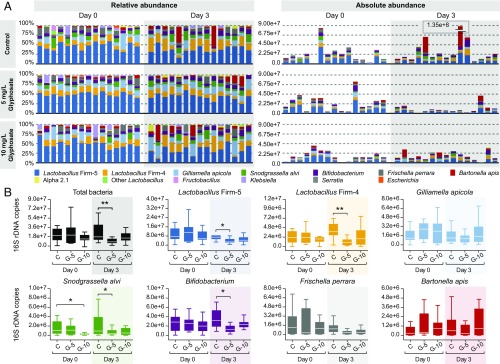
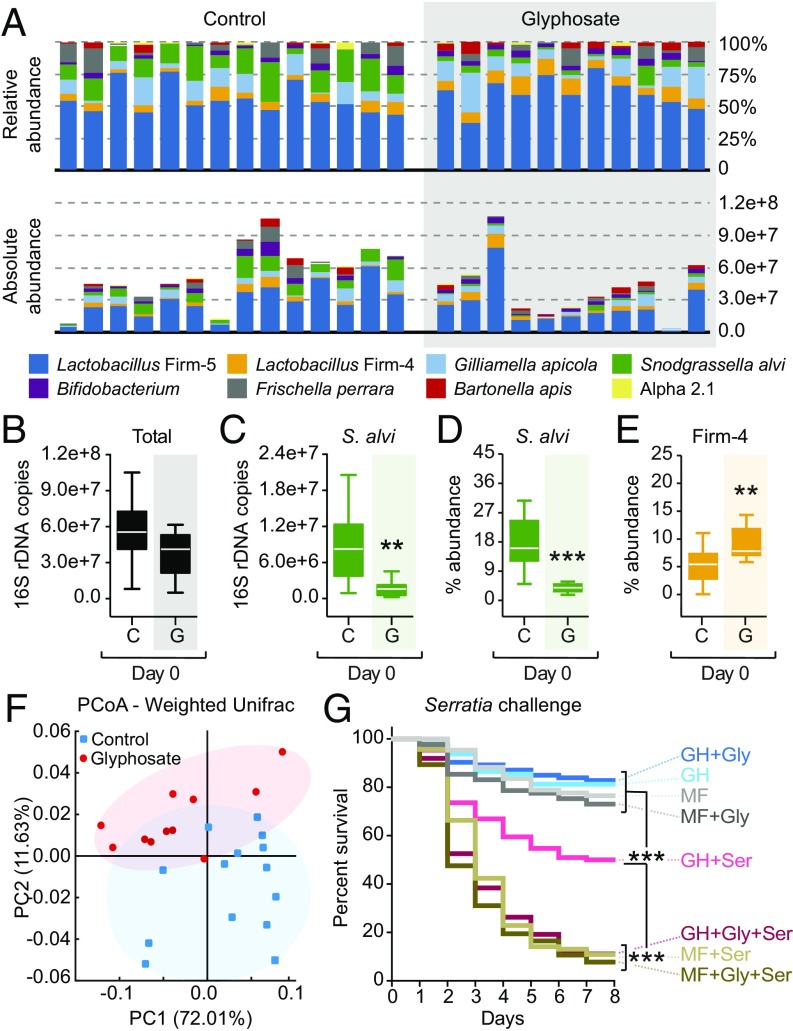
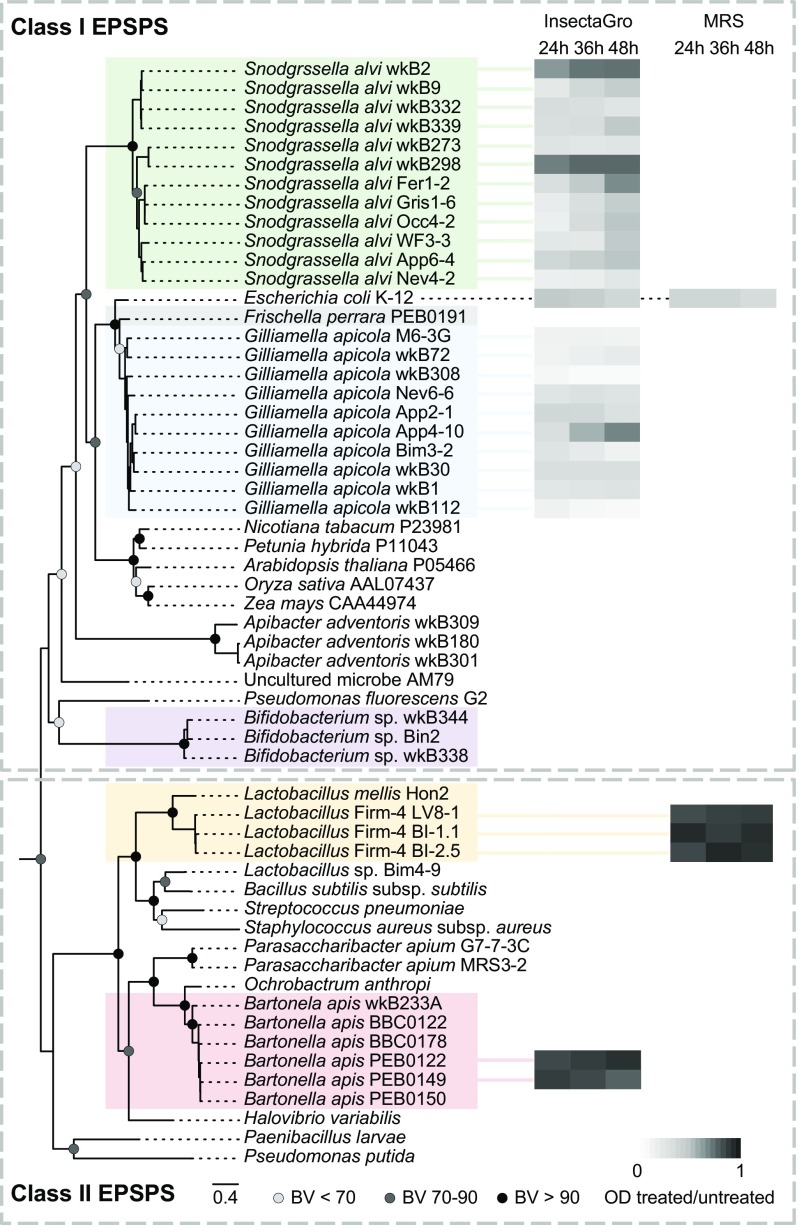
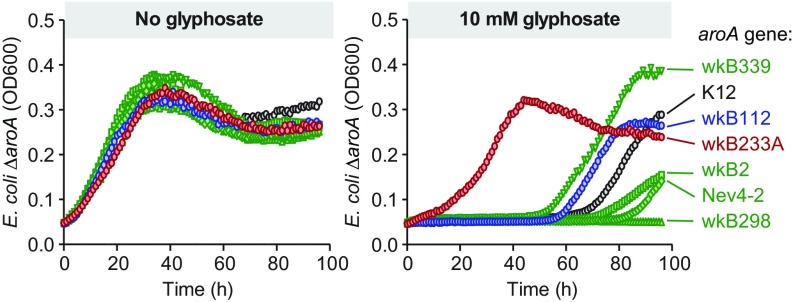
Significance: Increased mortality of honey bee colonies has been attributed to several factors but is not fully understood. The herbicide glyphosate is expected to be innocuous to animals, including bees, because it targets an enzyme only found in plants and microorganisms. However, bees rely on a specialized gut microbiota that benefits growth and provides defense against pathogens. Most bee gut bacteria contain the enzyme targeted by glyphosate, but vary in whether they possess susceptible versions and, correspondingly, in tolerance to glyphosate. Exposing bees to glyphosate alters the bee gut community and increases susceptibility to infection by opportunistic pathogens. Understanding how glyphosate impacts bee gut symbionts and bee health will help elucidate a possible role of this chemical in colony decline.
Overview
The claims and statistics of this paper haven’t been checked yet.
Free: it reads the open-access text and checks the first 5 claims that cite a source we can check. Create a free account to check every claim.
Integrity signals
Registry
Cites
Statistics
Figures
Verification
Claims the paper makes
The claims and statistics of this paper haven’t been checked yet.
Free: it reads the open-access text and checks the first 5 claims that cite a source we can check. Create a free account to check every claim.
Claims other papers make about this one
Each is checked against this paper’s own text: does it say what the citing paper says it does?
The check wasn’t confident either way, so it gives no verdict — never disputed.
In the citing paper
“Agricultural expansion, when it occurs at the expense of natural and semi-natural habitats, is the single largest cause of biodiversity loss through wildlife habitat loss and degradation ( 119 , 120 )”
From Environmental impacts of genetically modified crops (2024) · cites this paper as [120]
Experimental — accuracy not yet measured
Self-check
Percentages, sums and reported differences re-computed from the paper’s own numbers.
The self-check needs the paper’s full text.
Citations
Cites
QIIME allows analysis of high-throughput community sequencing data
Caporaso, J. G., Kuczynski, J., Stombaugh, J., Bittinger, K., Bushman, F. D., Costello, E. K., Fierer, N., Peña, A. G., Goodrich, J. K., Gordon, J. I., et al. (2010) · Nature Methods · doi:10.1038/nmeth.f.303 · Cited by 34,887
Enzymatic assembly of DNA molecules up to several hundred kilobases
Gibson, D. G., Young, L., Chuang, R.-Y., Venter, J. C., Hutchison, C. A., & Smith, H. O. (2009) · Nature Methods · doi:10.1038/nmeth.1318 · Cited by 9,996
UniFrac: a New Phylogenetic Method for Comparing Microbial Communities
Lozupone, C., & Knight, R. (2005) · Applied and Environmental Microbiology · doi:10.1128/aem.71.12.8228-8235.2005 · Cited by 8,227
Guzman, L. M., Belin, D., Carson, M. J., & Beckwith, J. (1995) · Journal of Bacteriology · doi:10.1128/jb.177.14.4121-4130.1995 · Cited by 4,935
Glyphosate: a once‐in‐a‐century herbicide
Duke, S. O., & Powles, S. B. (2008) · Pest Management Science · doi:10.1002/ps.1518 · Cited by 1,749 · cited 1×
“Animals lack the shikimate pathway, which is why glyphosate is considered one of the least toxic pesticides used in agriculture (9).”
Environmental and health effects of the herbicide glyphosate
Van Bruggen, A. H. C., He, M. M., Shin, K., Mai, V., Jeong, K. C., Finckh, M. R., & Morris, J. G. (2018) · Science of The Total Environment · doi:10.1016/j.scitotenv.2017.10.309 · Cited by 992 · cited 2×
“Glyphosate is also associated with changes in plant endophytic and rhizosphere microbiomes (2) and with disturbances of gut microbiota of animals living near agricultural sites (13).”
Gut microbial communities of social bees
Kwong, W. K., & Moran, N. A. (2016) · Nature Reviews Microbiology · doi:10.1038/nrmicro.2016.43 · Cited by 971 · cited 2×
“This may be explained by the fact that these strains lack the aromatic amino acid biosynthetic pathway (18), relying on uptake of aromatic amino acids released by other bacterial species, such as S.”
Self-citationFunctional diversity within the simple gut microbiota of the honey bee
Engel, P., Martinson, V. G., & Moran, N. A. (2012) · Proceedings of the National Academy of Sciences · doi:10.1073/pnas.1202970109 · Cited by 874 · cited 1×
“Each of these species exhibits strain diversity corresponding to differences in metabolic capabilities and tolerances to xenobiotics (19, 20).”
Self-citationSocially transmitted gut microbiota protect bumble bees against an intestinal parasite
Koch, H., & Schmid-Hempel, P. (2011) · Proceedings of the National Academy of Sciences · doi:10.1073/pnas.1110474108 · Cited by 824 · cited 3×
“Bees deprived of their normal microbiota show reduced weight gain and altered metabolism (22), increased pathogen susceptibility (17), and increased mortality within hives (23).”
Honeybee gut microbiota promotes host weight gain via bacterial metabolism and hormonal signaling
Zheng, H., Powell, J. E., Steele, M. I., Dietrich, C., & Moran, N. A. (2017) · Proceedings of the National Academy of Sciences · doi:10.1073/pnas.1701819114 · Cited by 664 · cited 1×
“Bees deprived of their normal microbiota show reduced weight gain and altered metabolism (22), increased pathogen susceptibility (17), and increased mortality within hives (23).”
Self-citation
Cited by
Items 301–400 of 749
Parasite defense mechanisms in bees: behavior, immunity, antimicrobials, and symbionts
Fowler, A. E., Irwin, R. E., & Adler, L. S. (2019) · Emerging Topics in Life Sciences · doi:10.1042/etls20190069 · Cited by 19
Kimani, M., Kislenko, E., Gawlitza, K., & Rurack, K. (2022) · Scientific Reports · doi:10.1038/s41598-022-16825-9 · Cited by 19
Wang, K., Chen, H., Fan, R.-L., Lin, Z., Niu, Q., Wang, Z., & Ji, T. (2022) · Ecotoxicology and Environmental Safety · doi:10.1016/j.ecoenv.2022.113648 · Cited by 18
Smith, A. L., Kanjithanda, R. M., Hayashi, T., French, J., & Milner, R. N. C. (2023) · Ecological Applications · doi:10.1002/eap.2864 · Cited by 18
Fischer, L. R., Ramesh, D., & Weidenmüller, A. (2023) · The Science of The Total Environment · doi:10.1016/j.scitotenv.2023.166097 · Cited by 18
Deng, Y., Yang, S., Zhang, L., Chen, C., Cheng, X., & Hou, C. (2024) · The ISME Journal · doi:10.1093/ismejo/wrae051 · Cited by 18
“Specifically, it has been verified that the presence of S. alvi , L. apis, and G. apicola leads to the formation of a biofilm on the gut ileum wall, serving as a physical barrier against pathogen invasion [3].”
The Microbiome of Neotropical Water Striders and Its Potential Role in Codiversification
Castillo, A. M., Saltonstall, K., Arias, C. F., Chavarría, K. A., Ramírez‐Camejo, L. A., Mejía, L. C., & León, L. F. D. (2020) · Insects · doi:10.3390/insects11090578 · Cited by 18
Kanabar, M., Bauer, S., Ezedum, Z. M., Dwyer, I. P., Moore, W. S., Rodriguez, G., Mall, A., Littleton, A. T., Yudell, M., Kanabar, J., et al. (2021) · Environmental Science and Pollution Research · doi:10.1007/s11356-021-13021-6 · Cited by 18
Zawislak, J., Lorenz, G. M., Adamczyk, J. J., Wiedenmann, R. N., & Joshi, N. K. (2021) · Environmental Advances · doi:10.1016/j.envadv.2021.100116 · Cited by 18
Feng, P., Dai, M., Yang, J., Wang, Y., Mao, T., Su, W., Li, F., Sun, H., Wei, J., & Li, B. (2022) · Archives of Insect Biochemistry and Physiology · doi:10.1002/arch.21919 · Cited by 17
Enantioselectivity effects of energy metabolism in honeybees (Apis mellifera) by triticonazole
Kong, Y., Si, M., Wang, P., Guo, H., Liu, X., & Zhao, M. (2023) · The Science of The Total Environment · doi:10.1016/j.scitotenv.2023.162884 · Cited by 18
Tang, Q., Li, W., Wang, Z., Dong, Z., Li, X., Li, J., Huang, Q., Cao, Z., Gong, W., Zhao, Y., et al. (2023) · Environmental Microbiology · doi:10.1111/1462-2920.16436 · Cited by 17
Yang, C., Hu, J., Su, Q., Zhang, Z., Du, Y., Wang, J., Sun, H., Han, B., Tang, J., Guo, L., et al. (2024) · Insect Science · doi:10.1111/1744-7917.13365 · Cited by 17
“The heat map shows the pairwise average nucleotide identity (ANI) values for all strains of the genera Apilactobacillus , Bombilactobacillus and Lactobacillus . group that coexists with Lactobacillus and Bombilac-tobacillus phylotypes in the rectum (Martinson et al. , 2012; Raymann & Moran, 2018).”
InfluentialCytotoxic and genotoxic effects of a pendimethalin-based herbicide in Apis mellifera
Vommaro, M. L., & Giglio, A. (2024) · Ecotoxicology and Environmental Safety · doi:10.1016/j.ecoenv.2024.116565 · Cited by 18
Ignácio, A. D. C., Guerra, A. M. D. R., Silva, T. G. D. S. E., do Carmo, M. A. V., & Paula, H. A. D. A. (2024) · Food & Function · doi:10.1039/d4fo00660g · Cited by 19
Sopko, B., Zítek, J., Nesvorná, M., Markovic, M., Kamler, M., Titěra, D., Erban, T., & Hubert, J. (2019) · Journal of Apicultural Research · doi:10.1080/00218839.2019.1685148 · Cited by 17
Brown, A. F., Rodriguez, V., Brzoska, C., Pfister, J., Neumann, P., & Retschnig, G. (2022) · Frontiers in Sustainable Food Systems · doi:10.3389/fsufs.2022.864741 · Cited by 17
Fungicides have transgenerational effects on Rhopalosiphum padi but not their endosymbionts
Chirgwin, E., Yang, Q., Umina, P. A., Gill, A. O., Soleimannejad, S., Gu, X., Ross, P. A., & Hoffmann, A. A. (2022) · Pest Management Science · doi:10.1002/ps.7091 · Cited by 17
Thompson, L. J., Stout, J. C., & Stanley, D. A. (2023) · Journal of Experimental Biology · doi:10.1242/jeb.245180 · Cited by 16
Rapeseed bee pollen alleviates chronic non‐bacterial prostatitis via regulating gut microbiota
Qiao, J., Xiao, X., Wang, K., Haubruge, É., Dong, J., & Zhang, H. (2023) · Journal of the Science of Food and Agriculture · doi:10.1002/jsfa.12878 · Cited by 16
Fountain‐Jones, N. M., Giraud, T., Zinger, L., Bik, H. M., Creer, S., & Videvall, E. (2023) · Molecular Ecology · doi:10.1111/mec.17223 · Cited by 16
“While important inferences can be made by examining overall patterns of composition and diversity (Grosser et al., 2019 ; Motta et al., 2018), they offer only a starting point towards having a more mechanistic understanding of the ecological drivers of microbiome variation (Shade, 2017).”
BackgroundGuo, D., Li, Z., Zhang, Y., Zhang, W., Wang, C., Zhang, D., Liu, F., Gao, Z., Xu, B., & Wang, N. (2024) · Journal of Hazardous Materials · doi:10.1016/j.jhazmat.2024.135650 · Cited by 16
Synergistic effects between microplastics and glyphosate on honey bee larvae
Mitton, G., Corona, M., Alburaki, M., Iglesias, A., Ramos, F., Fuentes, G., Vázquez, M. M., Mitton, F. M., Chan, P., Ruffinengo, S. R., et al. (2024) · Environmental Toxicology and Pharmacology · doi:10.1016/j.etap.2024.104550 · Cited by 16
Liu, J., Shi, J., Hu, Y., Su, Y., Zhang, Y., & Wu, X. (2024) · Journal of Hazardous Materials · doi:10.1016/j.jhazmat.2024.135886 · Cited by 21
Bote, K., Pöppe, J., Riede, S., Breves, G., & Roesler, U. H. (2019) · European Journal of Microbiology and Immunology · doi:10.1556/1886.2019.00010 · Cited by 16
“It has been shown in bees that glyphosate can interfere with gut colonization as well [30].”
BackgroundStrobl, V., Camenzind, D. W., Minnameyer, A., Walker, S., Eyer, M., Neumann, P., & Straub, L. (2020) · Insects · doi:10.3390/insects11110819 · Cited by 16
“Nevertheless, studies have revealed sublethal effects of the active ingredient glyphosate on beneficial gut microbiota, behavior, and memory in honeybees [23,25,26].”
BackgroundLike Oil and Water: The Politics of (Not) Assessing Glyphosate Concentrations in Aquatic Ecosystems
Hendlin, Y. H., Arcuri, A., Lepenies, R., & Hüesker, F. (2020) · European Journal of Risk Regulation · doi:10.1017/err.2020.65 · Cited by 16
Zhao, Y., Wu, J., Wei, C., Li, L., Liang, F., Man, Y., Zhang, H., Han, L., Fang, H., Zheng, Y., et al. (2026) · Journal of Hazardous Materials · doi:10.1016/j.jhazmat.2026.141062 · Cited by 18
Mehtiyev, T., Karaman, E. F., & Özden, S. (2023) · Toxicology and Industrial Health · doi:10.1177/07482337221149571 · Cited by 16
Gaggìa, F., Jakobsen, R. R., Alberoni, D., Baffoni, L., Cutajar, S., Mifsud, D. P., Nielsen, D. S., & Gioia, D. D. (2023) · Frontiers in Microbiology · doi:10.3389/fmicb.2023.1127717 · Cited by 15
“, 2021) and/or pesticide treatments in agricultural practices, including glyphosate (Motta et al., 2018) and neonicotinoids (Alberoni et al.”
BackgroundParasite and Pesticide Impacts on the Bumblebee (Bombus terrestris) Haemolymph Proteome
Askri, D., Straw, E. A., Arafah, K., Voisin, S. N., Bocquet, M., Brown, M. J. F., & Bulet, P. (2023) · International Journal of Molecular Sciences · doi:10.3390/ijms24065384 · Cited by 17
“The impacts of glyphosate on bees are hotly contested [51,52], with the most rigorous evidence pointing to potential sublethal impacts on the microbiome [53], with conflicting evidence as to lethal effects [54–56].”
BackgroundImpacts of plant protection products on biodiversity and ecosystem services
Leenhardt, S., Mamy, L., Pesce, S., & Sánchez, W. (2023) · Éditions Quæ eBooks · doi:10.35690/978-2-7592-3749-4 · Cited by 15
Gao, X., Hu, F., Cui, H., Zhu, X., Wang, L., Zhang, K., Li, D., Li, D., Luo, J., & Cui, J. (2023) · Environmental Research · doi:10.1016/j.envres.2023.117174 · Cited by 15
Sukkar, D., Falla, J., & Laval-Gilly, P. (2025) · The Science of The Total Environment · doi:10.1016/j.scitotenv.2025.178639 · Cited by 15
Sabo, R., Kopčaková, A., Hamarová, Ľ., Maruščáková, I. C., Mudroňová, D., Sabová, L., Javorský, P., & Legáth, J. (2020) · Apidologie · doi:10.1007/s13592-019-00705-9 · Cited by 15
“Perturbations of this system have the potential to lead to negative consequences for host fitness (Motta et al. 2018).”
BackgroundBataillard, D., Christe, P., & Pigeault, R. (2020) · Ecology and Evolution · doi:10.1002/ece3.6261 · Cited by 16
“It has been recently shown that adult exposure to glyphosate perturbs the gut microbiota of honey bees and ultimately their susceptibility to parasite infection (Motta et al., 2018).”
BackgroundMacri, I. N., Vázquez, D. E., Pagano, E. A., Zavala, J. A., & Farina, W. M. (2021) · Insects · doi:10.3390/insects12020163 · Cited by 15
Straw, E. A., & Brown, M. J. F. (2021) · PeerJ · doi:10.7717/peerj.12486 · Cited by 15
Médici, S., Maggi, M., Galetto, L., Iglesias, M. D. R., Sarlo, E. G., Recavarren, M. I., Salar, P. E., & Eguaras, M. J. (2022) · Apidologie · doi:10.1007/s13592-022-00930-9 · Cited by 15
Thaduri, S., Marupakula, S., Terenius, O., Onorati, P., Tellgren‐Roth, C., Locke, B., & de Miranda, J. R. (2021) · Scientific Reports · doi:10.1038/s41598-021-02652-x · Cited by 14
Chang, G., Xue, H., Ji, J., Wang, L., Zhu, X., Zhang, K., Li, D., Gao, X., Niu, L., Gao, M., et al. (2023) · The Science of The Total Environment · doi:10.1016/j.scitotenv.2023.163931 · Cited by 14
Vommaro, M. L., Zanchi, C., Angelone, T., Giglio, A., & Kurtz, J. (2023) · Environmental Pollution · doi:10.1016/j.envpol.2023.122662 · Cited by 14
Chege, M., Kinyua, J. D. M., & Paredes, J. C. (2023) · International Journal of Tropical Insect Science · doi:10.1007/s42690-023-01103-6 · Cited by 14
“Frischella perrara , Bartonella apis , Apibacter adventoris , and Acetobacteriaceae species are found in almost every hive but not ubiquitously in every worker bee (Moran et al. 2012; Kwong and Moran 2016; Bonilla-Rosso and Engel, 2018; Raymann and Moran 2018).”
Hsiao, Y.-C., Johnson, G., Yang, Y., Liu, C., Feng, J., Zhao, H., Moy, S. S., Harper, K. M., & Lü, K. (2023) · Archives of Toxicology · doi:10.1007/s00204-023-03622-0 · Cited by 14
“Soon, the interaction between glyphosate and gut microorganisms was evaluated in vivo in animals, including honey bees (Motta et al. 2018) and rodents (Lozano et al. 2018; Mao et al. 2018).”
Khoury, S. E., Gauthier, J., Mercier, P.-L., Moïse, S., Giovenazzo, P., & Derôme, N. (2024) · Microbiology Spectrum · doi:10.1128/spectrum.00578-24 · Cited by 14
“Some researchers (61–63) observed a reduction in gut microbial species diversity; whereas others (33) found an increase in gut microbiota alpha diversity in bees exposed to clothianidin (0.1 ppb).”
InfluentialHe, X., Yang, Y., Zhou, S., Wei, Q., Zhou, H., Tao, J., Yang, G., & You, M. (2024) · Ecotoxicology and Environmental Safety · doi:10.1016/j.ecoenv.2024.117060 · Cited by 14
Zhao, C., Peng, Y., Raza, M. F., Wang, W., Zhang, Y., Chen, Y. P., Han, R., Guo, J., Huang, S., & Li, W. (2025) · Environmental Research · doi:10.1016/j.envres.2025.121306 · Cited by 14
Host-Specific larval lepidopteran mortality to pathogenic Serratia mediated by poor diet
Mason, C. J., Peiffer, M., Felton, G. W., & Hoover, K. (2022) · Journal of Invertebrate Pathology · doi:10.1016/j.jip.2022.107818 · Cited by 16
Phytochemicals, Probiotics, Recombinant Proteins: Enzymatic Remedies to Pesticide Poisonings in Bees
Zhang, G., Dilday, S., Kuesel, R. W., & Hopkins, B. K. (2023) · Environmental Science & Technology · doi:10.1021/acs.est.3c07581 · Cited by 13
Khoo, S. C., Zhang, N., Luang‐In, V., Goh, M. S., Sonne, C., & Ling, N. (2024) · Environmental Research · doi:10.1016/j.envres.2024.118441 · Cited by 15
Liu, J., Liao, C., Li, Z., Shi, X., & Wu, X. (2024) · Pesticide Biochemistry and Physiology · doi:10.1016/j.pestbp.2024.105865 · Cited by 13
Vázquez, D. E., Verellen, F., & Farina, W. M. (2024) · Environmental Pollution · doi:10.1016/j.envpol.2024.124674 · Cited by 13
Liu, F., Ye, F., Yang, Y., Kang, Z., Liu, Y., Chen, W., Wang, S., Kou, H., Kang, L., & Sun, J. (2024) · Proceedings of the National Academy of Sciences · doi:10.1073/pnas.2410889121 · Cited by 15
“Intestinal dysbacteriosis caused by antibiotic treatment, herbicide exposure, and polyethylene microplastics contamination made bees more susceptible to opportunistic pathogens (40, 42, 43).”
Changes in bumblebee queen gut microbiotas during and after overwintering diapause
Hotchkiss, M. Z., Forrest, J. R. K., & Poulain, A. J. (2024) · Insect Molecular Biology · doi:10.1111/imb.12957 · Cited by 13
Possible interactions between gut microbiome and division of labor in honey bees
Wang, K., Zheng, M., Cai, M., Zhang, Y., Fan, Y., Lin, Z., Wang, Z., Niu, Q., & Ji, T. (2024) · Ecology and Evolution · doi:10.1002/ece3.11707 · Cited by 13
“Based on the bacterial load measured using quantitative polymerase chain reaction, the absolute abun - dance of each species was calculated by multiplying the total load of the 16S rRNA genes by the percentage of relative abundance (Motta et al., 2018).”
MethodYang, C., Han, B., Tang, J., Hu, J., Qiu, L., Cai, W., Zhou, X. Y., & Zhang, X. (2025) · The ISME Journal · doi:10.1093/ismejo/wraf016 · Cited by 13
Evaluating sub-lethal stress from Roundup® exposure in Artemia franciscana using 1H NMR and GC–MS
Morgan, M. A., Griffith, C. M., Dinges, M. M., Lyon, Y. A., Julian, R. R., & Larive, C. K. (2019) · Aquatic Toxicology · doi:10.1016/j.aquatox.2019.04.023 · Cited by 15
“Microbes synthesize gadusol through the shikimate pathway, which is the targeted pathway for the herbicidal activity of glyphosate so reduced expression of gadusol with increased Roundup® exposure may indicate an effect on the microbial community (Motta 2018).”
BackgroundNiedobová, J., Ouředníčková, J., Michalko, R., & Skalský, M. (2022) · Environmental Chemistry Letters · doi:10.1007/s10311-022-01391-3 · Cited by 13
A simulated heat wave—but not herbicide exposure—alters resource investment strategy in an insect
Stahlschmidt, Z. R., Choi, J., Choy, B. K., Perez, P. L., & Whitlock, J. (2023) · Journal of Thermal Biology · doi:10.1016/j.jtherbio.2023.103670 · Cited by 13
Lazarova, S. S., Lozanova, L., Neov, B., Shumkova, R., Balkanska, R., Palova, N., Salkova, D., Radoslavov, G., & Hristov, P. I. (2023) · Bulletin of Entomological Research · doi:10.1017/s0007485323000378 · Cited by 13
Who is abuzz about bees? Explaining residents’ attitudes in Phoenix, Arizona
Larson, K. L., Fleeger, M., Lerman, S. B., Wheeler, M. M., Andrade, R., Brown, J. A., Hall, S. J., & Narango, D. L. (2020) · Urban Ecosystems · doi:10.1007/s11252-020-01013-2 · Cited by 14
“However, since people who view bees as threatening are more likely to spray herbicides, which can be harmful to bees (Motta et al. 2018), we suggest caution to avoid restoring bee habitat in areas that may become an ecological trap (Schlaepfer et al.”
BackgroundEvolutionary developmental biology and sustainability: A biology of resilience
Gilbert, S. F. (2021) · Evolution & Development · doi:10.1111/ede.12366 · Cited by 15
“Glyphosate may be especially deleterious to the populations of symbiotic bacteria in the guts of bees (Dai et al., 2018; Motta et al., 2018).”
BackgroundGerbreders, V., Krasovska, M., Mihailova, I., Ogurcovs, A., Sļedevskis, Ē., Gerbreders, A., Tamanis, E., Kokina, I., & Plaksenkova, I. (2021) · Surfaces and Interfaces · doi:10.1016/j.surfin.2021.101332 · Cited by 13
Stahlschmidt, Z. R., & Vo, C. (2022) · Animal Behaviour · doi:10.1016/j.anbehav.2022.01.007 · Cited by 13
Mesnage, R., Roy, C. I. L., Biserni, M., Salles, B., & Antoniou, M. N. (2019) · Food and Chemical Toxicology · doi:10.1016/j.fct.2019.05.055 · Cited by 15
Imperatives for integrated weed management in vegetable production: Evaluating research and adoption
Coleman, M., Kristiansen, P. E., SINDEL, B. M., & Fyfe, C. T. (2024) · Weed Biology and Management · doi:10.1111/wbm.12285 · Cited by 16
Sgolastra, F., Arnán, X., Azpiazu, C., Bordoni, A., Bosch, J., Lenzi, L., Martins, C., Parrilli, M., & Porrini, C. (2024) · Ecological Indicators · doi:10.1016/j.ecolind.2024.112425 · Cited by 12
Su, Y., Shi, J., Hu, Y., Liu, J., & Wu, X. (2024) · Insects · doi:10.3390/insects15120927 · Cited by 12
“…may be one reason for the impaired immune metabolism of workers after exposure to acetamiprid, and they may be responsible for the increased risk of intestinal diseases and opportunistic pathogen infections in adults [59], as well as one of the reasons for the shortened lifespans of adults [25].”
Liu, Y., Jing, Z., Bai, X.-T., Diao, Q., Wang, J., Wu, Y., Zhao, Q. X., Xia, T., Xing, B., Holden, P. A., et al. (2021) · Frontiers in Microbiology · doi:10.3389/fmicb.2021.780943 · Cited by 12
da Silva, P. C., Gonçalves, B. B., Franceschinelli, E. V., & Brito, P. V. D. A. (2022) · Neotropical Entomology · doi:10.1007/s13744-022-01001-5 · Cited by 12
Glyphosate affects persistence and tolerance but not antibiotic resistance
Ospino, K., & Spira, B. (2023) · BMC Microbiology · doi:10.1186/s12866-023-02804-1 · Cited by 14
Caffeine Consumption Helps Honey Bees Fight a Bacterial Pathogen
Motta, E. V. S., Arnott, R., & Moran, N. A. (2023) · Microbiology Spectrum · doi:10.1128/spectrum.00520-23 · Cited by 13
“These results demonstrate that an intact microbiota plays a crucial role in protection against pathogens (71, 73), as has been observed in cases of dysbiosis in honey bees (55, 74, 77).”
ResultSelf-citationSublethal toxicity of sulfoxaflor to parasitoid Binodoxys communis Gahan
Gao, X., Zhang, K., Zhao, L., Zhu, X., Wang, L., Li, D., Ji, J., Niu, L., Luo, J., & Cui, J. (2023) · Ecotoxicology and Environmental Safety · doi:10.1016/j.ecoenv.2023.115169 · Cited by 13
Yildirim, E. A., Laptev, G. Y., Tiurina, D. G., Павловна, Г. Е., Il'ina, L. A., Филиппова, В., Dubrovin, A. V., Brazhnik, E. A., Novikova, N. I., Меликиди, В., et al. (2023) · Veterinary Research Communications · doi:10.1007/s11259-023-10195-x · Cited by 12
“…- cal performance may be due to the detrimental effects of this toxicant on both bird body (Gill et al. 2018; Bali et al. 2019) and its microbiome (Motta et al. 2018; Mesnage et al. 2021), although we were unable to prove this definitely here for all the studied zootechnical characteristics,…”
BackgroundMagura, T., Mizser, S., Horváth, R., Tóth, M., Likó, I., & Löveï, G. L. (2024) · Molecular Ecology · doi:10.1111/mec.17265 · Cited by 12
“The exposure to various xenobiotics can also reduce the diversity of gut microbiome (Motta et al., 2018 ; Yang et al., 2018).”
BackgroundMotta, E. V. S., Jong, T. K. D., Gage, A., Edwards, J. A., & Moran, N. A. (2024) · Applied and Environmental Microbiology · doi:10.1128/aem.00515-24 · Cited by 15
Self-citationQuantification of glyphosate and aminomethylphosphonic acid from microbiome reactor fluids
Fritz‐Wallace, K., Engelmann, B., Krause, J. L., Schäpe, S. S., Pöppe, J., Herberth, G., Rösler, U., Jehmlich, N., von Bergen�, M., & Rolle-Kampczyk, U. E. (2020) · Rapid Communications in Mass Spectrometry · doi:10.1002/rcm.8668 · Cited by 12
“A recent study showed that glyphosate affects honey bees by altering their microbial community composition, and this may be a threat to bee health due to a greater susceptibility to pathogens.(9) For the”
BackgroundNishino, T., Hosokawa, T., Meng, X., Koga, R., Moriyama, M., & Fukatsu, T. (2021) · ZOOLOGICAL SCIENCE · doi:10.2108/zs200163 · Cited by 14
“In this context, it may be notable that a widely used herbicide, glyphosate, suppresses insect gut bacteria (Motta et al., 2018).”
BackgroundMathew, S. A., Fuchs, B., NISSINEN, R. M., Helander, M. L., Puigbò, P., Saikkonen, K., & Muola, A. (2023) · Journal of Applied Microbiology · doi:10.1093/jambio/lxad006 · Cited by 12
Mason, C. J., Peiffer, M., Hoover, K., & Felton, G. W. (2023) · Journal of Chemical Ecology · doi:10.1007/s10886-023-01420-7 · Cited by 14
“Stress on the host may precipitate infections and cause mortality from moderately virulent microbial strains, such as when insects encounter agrichemicals (Motta et al. 2018; Pelloquin et al. 2021; Raymann et al. 2018), low quality foods (Laurentz et al.”
BackgroundMa, C., Gu, G., Chen, S., Shi, X., Li, Z., Li‐Byarlay, H., & Bai, L. (2023) · Environmental Research · doi:10.1016/j.envres.2024.118509 · Cited by 12
Supporting wild bee development with a bacterial symbiont
Nguyen, P. N., & Rehan, S. M. (2025) · Journal of Applied Microbiology · doi:10.1093/jambio/lxae317 · Cited by 11
The Microbiome as a Driver of Insect Physiology, Behavior, and Control Strategies
Darwish, H. A., Tariq, M., Salama, S., Hart, T., & Sun, J. S. (2025) · Applied Microbiology · doi:10.3390/applmicrobiol5030090 · Cited by 12
“Disruptions to this community from environmental stressors, such as pesticide exposure or poor forage diversity, can shift the relative abundance of these taxa, impairing colony performance and pollination services [16,95].”
InfluentialDeng, Y., Yang, X., Chen, J., Yang, S., Chi, H., Chen, C., Yang, X., & Hou, C. (2023) · ACS Nano · doi:10.1021/acsnano.3c06824 · Cited by 13
Mogren, C. L., & Shikano, I. (2021) · Journal of Invertebrate Pathology · doi:10.1016/j.jip.2021.107589 · Cited by 11
Meng, Q.-Y., Kang, C.-Q., Dang, W., Melvin, S. D., & Lu, H. (2023) · Aquatic Toxicology · doi:10.1016/j.aquatox.2023.106415 · Cited by 11
Liu, Y., Wang, C., Qi, S., & Wu, F. (2022) · Environmental Science & Technology · doi:10.1021/acs.est.1c08406 · Cited by 11
Wijesinghe, J., Botheju, S. M., Nallaperuma, B., & Kanuwana, N. (2023) · Wiley eBooks · doi:10.1002/9781119867333.ch14 · Cited by 14
Nelson, A. S., Larson, M. J., & Hammer, T. J. (2025) · Journal of Animal Ecology · doi:10.1111/1365-2656.70029 · Cited by 10
“Thus, stressors that disrupt the core microbiome (e.g. agrochemicals; Motta et al., 2018 ) may render bum - blebees vulnerable to opportunistic pathogen infection.”
McHenry, L. C., Schürch, R., Gross, A. D., Johnson, L. E., Ohlinger, B. D., & Couvillon, M. J. (2025) · Journal of Experimental Biology · doi:10.1242/jeb.250124 · Cited by 11
Xu, W., Liu, W., Li, J., Zhu, X., Wang, L., Li, D., Zhang, K., Ji, J., Gao, X., Luo, J., et al. (2023) · Frontiers in Nutrition · doi:10.3389/fnut.2023.1128272 · Cited by 10
“, the lower the diversity of symbiotic bacteria, the weaker the resistance (44, 45).”
BackgroundTian, Z., Chen, L., Chen, G., Wang, J., Ma, C., Zhang, Y., Gao, X., Chen, H., & Zhou, Z. (2023) · Frontiers in Microbiology · doi:10.3389/fmicb.2023.1264788 · Cited by 10
Zhi-Xiang, D., Li, W., Xi-Jie, L., Jia-li, L., Jun, Z., Chong-Hui, Z., Qi, H., Cao, Z., Yuan, C., Hongmu, Z., et al. (2024) · Chemosphere · doi:10.1016/j.chemosphere.2024.141199 · Cited by 10
The Plight of Bees and Other Pollinators, and its Consequences on Crop Productivity
Shivanna, K. R. (2022) · Resonance · doi:10.1007/s12045-022-1372-8 · Cited by 10
Obeid, G., Moraes, G. O., Penna, T. C., Schenberg, L. A., Ducati, L. C., & Correra, T. C. (2023) · The Journal of Chemical Physics · doi:10.1063/5.0134003 · Cited by 10
Pons, D. G., Herrera, C., Torrens‐Mas, M., Leza, M., & Sastre‐Serra, J. (2023) · Archives of Insect Biochemistry and Physiology · doi:10.1002/arch.22028 · Cited by 10
Ekoterveyskasvatus luontopohjaisena ratkaisuna
Pulkki, J. M., Pulkki, J., & Vadén, T. (2019) · Alue ja Ympäristö · doi:10.30663/ay.83089 · Cited by 10
Herbicide Effects on Nontarget Organisms, Biodiversity and Ecosystem Functions
Mauser, K. M., Brühl, C. A., & Zaller, J. G. (2023) · Elsevier eBooks · doi:10.1016/b978-0-12-822562-2.00080-3 · Cited by 10
Castillo, D. G., Abella, E. A., Sinpoo, C., Phokasem, P., Chantaphanwattana, T., Yongsawas, R., Cervancia, C. R., BAROGA-BARBECHO, J. B., Attasopa, K., Noirungsee, N., et al. (2025) · Insects · doi:10.3390/insects16020112 · Cited by 9
Benito-Murcia, M., García-Vicente, E. J., Martín, M., Pérez, A., Risco, D., Rodríguez, J. M. A., Rodríguez, F. S., Pérez‐López, M., Míguez‐Santiyán, M. P., & Martinez-Morcillo, S. (2025) · Environmental Toxicology and Pharmacology · doi:10.1016/j.etap.2025.104744 · Cited by 9
Metadata
- Authors
- Motta, E. V. S., Raymann, K., & Moran, N. A.
- Affiliations
- The University of Texas at Austin (US)
- Corresponding author
- Motta, Erick V. S.
- Moran, Nancy A.
- Venue
- Proceedings of the National Academy of Sciences
- Publisher
- National Academy of Sciences
- Published
- 2018-09-24
- Volume
- 115
- Issue
- 41
- Pages
- 10305-10310
- ISSN
- 0027-8424 (ISSN-L)
- 1091-6490
- PMC
- PMC6187125
- OpenAlex
- W2889736642
- Cited by
- 702
- References
- 47
- Citations by year
- 2026: 68 · 2025: 69 · 2024: 79 · 2023: 128 · 2022: 94 · 2021: 111 · 2020: 84 · 2019: 65 · 2018: 4
- FWCI
- 61.56
- Type
- journal article
- Language
- en
- Open access
- hybrid
- doi.org
- Licence
- Locations
- Proceedings of the National Academy of Sciences (publishedVersion, cc-by-nc-nd)
- Europe PMC (PubMed Central) (publishedVersion, cc-by-nc-nd)
- PubMed Central (publishedVersion, cc-by-nc-nd)
- PubMed (publishedVersion)
- Funders
- Coordenação de Aperfeiçoamento de Pessoal de Nível Superior (13578-13-8)
- USDA | National Institute of Food and Agriculture (2017-67012-26088, 2018-67013-27540)
- HHS | National Institutes of Health (RO1GM108477-02)
- Topics
- Life Sciences › Agricultural and Biological Sciences › Insect Science › Insect and Pesticide Research
- Life Sciences › Agricultural and Biological Sciences › Insect Science › Insect and Arachnid Ecology and Behavior
- Life Sciences › Agricultural and Biological Sciences › Insect Science › Insect symbiosis and bacterial influences
- Keywords
- glyphosate, Apis mellifera, gut microbiota, herbicide toxicity, gut symbionts, opportunistic pathogens, pathogen susceptibility, colony decline, pesticide exposure, glyphosate tolerance
- MeSH terms
- Gastrointestinal Microbiome, Glyphosate, Animals, Bees, Enzyme Inhibitors, Escherichia coli, Glycine, Neisseriaceae, Phylogeny, RNA, Ribosomal, 16S, Serratia, 3-Phosphoshikimate 1-Carboxyvinyltransferase
About these checks
Registry, retraction, Cites and statistics results are computed, not judged, with one exception: a printed reference that no index lists is read once by a model before it counts as a citation error. Claims are extracted by a model and kept only when their quote appears verbatim in the text; each cited source is then checked, with a model’s help, for whether it says what the claim relies on. Those verdicts can be wrong — read the claim’s quote and the cited source before relying on one.
Statistics and arithmetic are recomputed, not judged.
Confidence bands are shown only for fields calibrated on our annotated test set. None is calibrated yet, so no band is shown.
What counts as a claim ›How we measure confidence ›How we check this ›
Are you an author, or do you see a problem with this page? Request a review
Data sources
Bibliographic data: Semantic Scholar, OpenAlex, Crossref.
Contains information from the Semantic Scholar Academic Graph Datasets, made available under the ODC Attribution License (ODC-BY 1.0).
Semantic Scholar’s data is described in: Kinney, R., et al. (2023). The Semantic Scholar Open Data Platform. arXiv:2301.10140.
