

Glyphosate perturbs the gut microbiota of honey bees
Open accessThe DOI matches its Crossref record; 47 of the 47 references it cites were found in a registry or an index.
Abstract
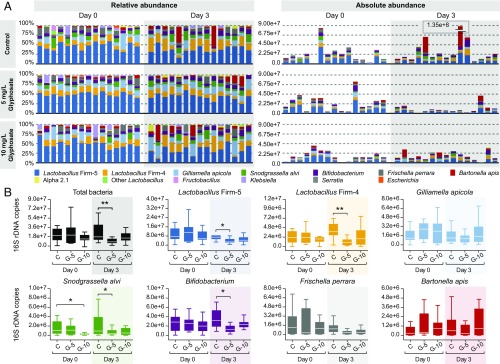
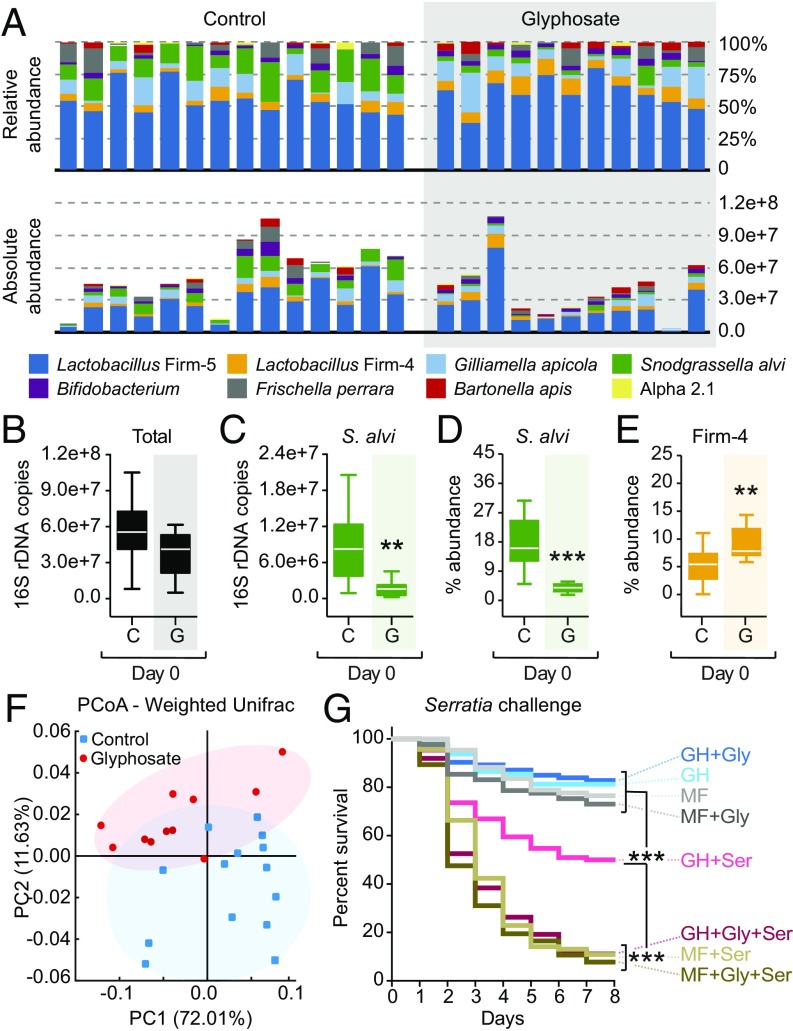
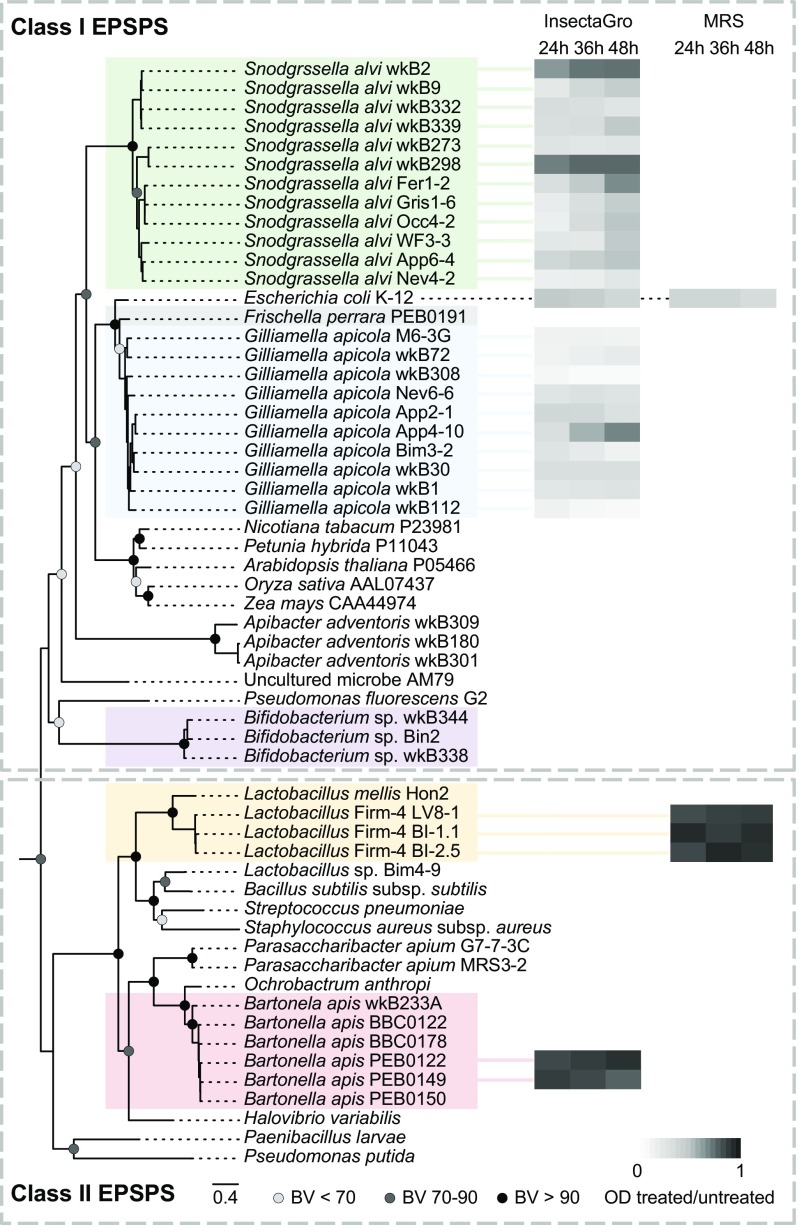
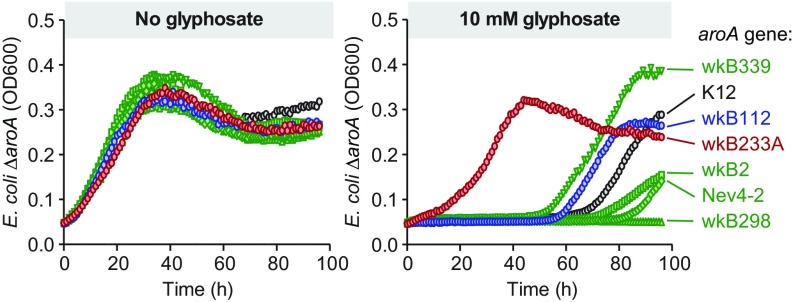
Significance: Increased mortality of honey bee colonies has been attributed to several factors but is not fully understood. The herbicide glyphosate is expected to be innocuous to animals, including bees, because it targets an enzyme only found in plants and microorganisms. However, bees rely on a specialized gut microbiota that benefits growth and provides defense against pathogens. Most bee gut bacteria contain the enzyme targeted by glyphosate, but vary in whether they possess susceptible versions and, correspondingly, in tolerance to glyphosate. Exposing bees to glyphosate alters the bee gut community and increases susceptibility to infection by opportunistic pathogens. Understanding how glyphosate impacts bee gut symbionts and bee health will help elucidate a possible role of this chemical in colony decline.
Overview
The claims and statistics of this paper haven’t been checked yet.
Free: it reads the open-access text and checks the first 5 claims that cite a source we can check. Create a free account to check every claim.
Integrity signals
Registry
Cites
Statistics
Figures
Verification
Claims the paper makes
The claims and statistics of this paper haven’t been checked yet.
Free: it reads the open-access text and checks the first 5 claims that cite a source we can check. Create a free account to check every claim.
Claims other papers make about this one
Each is checked against this paper’s own text: does it say what the citing paper says it does?
The check wasn’t confident either way, so it gives no verdict — never disputed.
In the citing paper
“Agricultural expansion, when it occurs at the expense of natural and semi-natural habitats, is the single largest cause of biodiversity loss through wildlife habitat loss and degradation ( 119 , 120 )”
From Environmental impacts of genetically modified crops (2024) · cites this paper as [120]
Experimental — accuracy not yet measured
Self-check
Percentages, sums and reported differences re-computed from the paper’s own numbers.
The self-check needs the paper’s full text.
Citations
Cites
QIIME allows analysis of high-throughput community sequencing data
Caporaso, J. G., Kuczynski, J., Stombaugh, J., Bittinger, K., Bushman, F. D., Costello, E. K., Fierer, N., Peña, A. G., Goodrich, J. K., Gordon, J. I., et al. (2010) · Nature Methods · doi:10.1038/nmeth.f.303 · Cited by 34,887
Enzymatic assembly of DNA molecules up to several hundred kilobases
Gibson, D. G., Young, L., Chuang, R.-Y., Venter, J. C., Hutchison, C. A., & Smith, H. O. (2009) · Nature Methods · doi:10.1038/nmeth.1318 · Cited by 9,996
UniFrac: a New Phylogenetic Method for Comparing Microbial Communities
Lozupone, C., & Knight, R. (2005) · Applied and Environmental Microbiology · doi:10.1128/aem.71.12.8228-8235.2005 · Cited by 8,227
Guzman, L. M., Belin, D., Carson, M. J., & Beckwith, J. (1995) · Journal of Bacteriology · doi:10.1128/jb.177.14.4121-4130.1995 · Cited by 4,935
Glyphosate: a once‐in‐a‐century herbicide
Duke, S. O., & Powles, S. B. (2008) · Pest Management Science · doi:10.1002/ps.1518 · Cited by 1,749 · cited 1×
“Animals lack the shikimate pathway, which is why glyphosate is considered one of the least toxic pesticides used in agriculture (9).”
Environmental and health effects of the herbicide glyphosate
Van Bruggen, A. H. C., He, M. M., Shin, K., Mai, V., Jeong, K. C., Finckh, M. R., & Morris, J. G. (2018) · Science of The Total Environment · doi:10.1016/j.scitotenv.2017.10.309 · Cited by 992 · cited 2×
“Glyphosate is also associated with changes in plant endophytic and rhizosphere microbiomes (2) and with disturbances of gut microbiota of animals living near agricultural sites (13).”
Gut microbial communities of social bees
Kwong, W. K., & Moran, N. A. (2016) · Nature Reviews Microbiology · doi:10.1038/nrmicro.2016.43 · Cited by 971 · cited 2×
“This may be explained by the fact that these strains lack the aromatic amino acid biosynthetic pathway (18), relying on uptake of aromatic amino acids released by other bacterial species, such as S.”
Self-citationFunctional diversity within the simple gut microbiota of the honey bee
Engel, P., Martinson, V. G., & Moran, N. A. (2012) · Proceedings of the National Academy of Sciences · doi:10.1073/pnas.1202970109 · Cited by 874 · cited 1×
“Each of these species exhibits strain diversity corresponding to differences in metabolic capabilities and tolerances to xenobiotics (19, 20).”
Self-citationSocially transmitted gut microbiota protect bumble bees against an intestinal parasite
Koch, H., & Schmid-Hempel, P. (2011) · Proceedings of the National Academy of Sciences · doi:10.1073/pnas.1110474108 · Cited by 824 · cited 3×
“Bees deprived of their normal microbiota show reduced weight gain and altered metabolism (22), increased pathogen susceptibility (17), and increased mortality within hives (23).”
Honeybee gut microbiota promotes host weight gain via bacterial metabolism and hormonal signaling
Zheng, H., Powell, J. E., Steele, M. I., Dietrich, C., & Moran, N. A. (2017) · Proceedings of the National Academy of Sciences · doi:10.1073/pnas.1701819114 · Cited by 664 · cited 1×
“Bees deprived of their normal microbiota show reduced weight gain and altered metabolism (22), increased pathogen susceptibility (17), and increased mortality within hives (23).”
Self-citation
Cited by
Items 501–600 of 749
Zhumakayev, A. R., Varga, M., Vörös, M., Kocsubé́, S., Ramteke, P. W., Szekeres, A., Vágvölgyi, C., Hatvani, L., & Marik, T. (2022) · Frontiers in Plant Science · doi:10.3389/fpls.2022.1034237 · Cited by 3
“The exposure to glyphosate has led to changes in the gut microbiota of different organisms, such as bees and cows (Krüger et al., 2013; Van Bruggen et al., 2018; Motta et al., 2018; Rueda-Ruzafa et al., 2019).”
BackgroundGlyphosate residue in honey and impacts on Africanized bee hives under field conditions
Faita, M. R., Alves, V. R., Micke, G. A., Orth, A. I., & Nodari, R. O. (2023) · Dataset Reports · doi:10.58951/dataset.v1i1.11 · Cited by 3
Jodar, D. N. N., Pérez‐Méndez, N., Botías, C., Garibaldi, L. A., Hünicken, P. L., Velado‐Alonso, E., & Zaragoza‐Trello, C. (2023) · Insect Conservation and Diversity · doi:10.1111/icad.12648 · Cited by 3
Endocrine-disrupting chemicals (EDCs) in environmental matrices and human bodily fluids
Basili, D., Biamis, C., Carnevali, O., & Hardiman, G. (2023) · Elsevier eBooks · doi:10.1016/b978-0-12-824464-7.00002-7 · Cited by 4
Krambeck, C., Römerscheid, M., & Paschke, A. (2023) · The Science of The Total Environment · doi:10.1016/j.scitotenv.2023.169083 · Cited by 3
Dániel-Gómez, M., & Dussán, J. (2020) · Insects · doi:10.3390/insects11110793 · Cited by 3
“aegypti [8] and through indirect action through gut bacteria perturbation in Apis mellifera [37].”
BackgroundDavidson, G. S. (2021) · Wiley eBooks · doi:10.1002/9781394292530.ch7 · Cited by 3
Bowden, R. D., Caylor, A., Hemmelgarn, G. L., Kresse, M., Martin, A., & Althouse, M. (2022) · Natural Areas Journal · doi:10.3375/21-30 · Cited by 3
The Impact of Glyphosate-Based Herbicides and Their Components on Daphnia MagnaPreprint
Duan, K., Kish, A., Kish, L., Faletra, P., & Salmon, K. (2019) · bioRxiv (Cold Spring Harbor Laboratory) · doi:10.1101/794156 · Cited by 5
“More recently, glyphosate has been shown 117 to affect the gut microbiota of honeybees and is suggested as a possible contributing 118 factor in colony collapse disorder (30,31).”
BackgroundPesticide residues in EU soils and related risks
Silva, V. A. F. D. G. (2022) · doi:10.18174/568702 · Cited by 6
Microbiome evolution plays a secondary role in host rapid adaptationPreprint
Shahmohamadloo, R. S., Gabidulin, A. R., Andrews, E. R., & Rudman, S. M. (2025) · bioRxiv (Cold Spring Harbor Laboratory) · doi:10.1101/2025.06.27.661976 · Cited by 6
“Moreover, microbiome composition has been implicated as a potential mechanism of insecticide resistance evolution in insects () , and resistance evolution (32, 49–52).”
Xu, K., Liu, P., Qin, X., Wang, X., Shi, L., Wang, P., Wu, X., Xiao, H., Zhao, H., Zhong, Y., et al. (2024) · Microbial Pathogenesis · doi:10.1016/j.micpath.2024.107249 · Cited by 2
Hamieh, A., Zerrouki, H., Hadjadj, L., Thinphovong, C., Kritiyakan, A., Chaisiri, K., Morand, S., Rolain, J., & Baron, S. A. (2025) · Microbial Pathogenesis · doi:10.1016/j.micpath.2025.107451 · Cited by 2
Gut Microbiota Composition of American Horseshoe Crabs (Limulus polyphemus) from Yucatan Peninsula
Nic-Matos, J. G., Puch-Hau, C. A., Mukul-Uhh, L. R., Quintanilla-Mena, M. A., Osorio-Montalvo, P. M., & Sandoval-Gío, J. J. (2025) · Microbiology · doi:10.1134/s0026261724609187 · Cited by 2
“While an adequate amount of gut microorganisms keeps the organism healthy, a microbiota imbalance (known as dysbiosis) could cause severe damage to the organism and even death (Motta et al., 2018).”
Yordanova, M., Zhang, X., Torres, C. B., Evison, S. E. F., Gill, R. J., & Graystock, P. (2025) · FEMS Microbiology Ecology · doi:10.1093/femsec/fiaf080 · Cited by 2
“Another way the interaction could be mediated is through glyphosate disrupting the microbial community of its host, making them more vulnerable to exploitation by opportunistic pathogens (Dai et al. 2018 , Motta et al. 2018 ).”
Tian, Y., Zhang, J., Xu, Y., Li, J., Chen, Y., Ren, H., Meng, G., Chen, G., & Zhang, X. (2025) · Journal of Economic Entomology · doi:10.1093/jee/toaf230 · Cited by 2
The condition of the bee colony (Apis mellifera) after exposure to pesticide and their mixtures
Murawska, A., Migdał, P., Latarowski, K., Berbeć, E., & Zarębski, K. (2025) · Apidologie · doi:10.1007/s13592-025-01233-5 · Cited by 2
“However, glyphosate-exposed bees in the Motta et al. (2018) research had a higher mortality rate than bees in the control group.”
Common herbicide impairs fertility but not survival in bumblebees, Bombus impatiens
Brown, A. F., Giovenazzo, P., Paillard, M., Rousseau, A., Strobl, V., Oysteayen, A. V., Neumann, P., & Straub, L. (2025) · Scientific Reports · doi:10.1038/s41598-025-22720-w · Cited by 2
“Glyphosate inhibits microbial enzymes, causing dysbiosis—particularly a reduction of beneficial bacteria such as Snodgrassella alvi —which increases mortality risk and susceptibility to pathogens and other stressors 12,20 .”
Nutritional Assessment of Pesticide-associated Metabolic Stress in Plant-based Diets
Tomuța, R. A., Gîtea, M. F., Ghitea, M. C., Ghiţea, E. C., Ghitea, T. C., & Bănică, F. (2026) · In Vivo · doi:10.21873/invivo.14179 · Cited by 2
Deformed Wing Virus infection induces immunosuppression and gut dysbiosis in honey bees
Becchimanzi, A., Leva, G. D., Cacace, A., Lelio, I. D., Damiani, C., Digilio, M. C., Caprio, E., Favia, G., & Pennacchio, F. (2026) · Animal Microbiome · doi:10.1186/s42523-025-00513-w · Cited by 2
“Similar dysbiotic shifts have been reported in response to xenobiotics, such as glyphosate, which depletes Lactobacillus species ( Lacto-bacillus Firm-4 and Firm-5) within five days of exposure [61].”
Nyckees, D., de Vega, R. G., Sittinger, R., Clases, D., & Freitak, D. (2026) · Environmental Science and Pollution Research · doi:10.1007/s11356-025-37388-y · Cited by 2
“Both stressors have been shown to alter the gut microbes in insects (Li et al. 2020; Papa et al. 2021 for titanium and Motta et al. 2018; Blot et al. 2019 for glyphosate).”
Non-crop flora in urban landscapes provide persistent glyphosate exposure pathways for honey bees
Ma, C., Chen, S., Shi, X., Wu, J., Bai, L., Li‐Byarlay, H., & Li, Z. (2026) · Journal of Hazardous Materials · doi:10.1016/j.jhazmat.2026.141419 · Cited by 2
He, Q., Yang, R., Liu, H., Zhu, H., Zhang, Y., Hao, C., Liu, Q., Huang, G., Xia, Q., & Zhao, P. (2026) · Insect Biochemistry and Molecular Biology · doi:10.1016/j.ibmb.2026.104516 · Cited by 2
Pesticide Toxicity to Pollinators: Impacts on Honeybee Growth, Development and Behavior
Meng, L., Huang, J. X., & Gao, L. J. (2026) · IntechOpen eBooks · doi:10.5772/intechopen.1013526 · Cited by 2
Phage-Encoded Metabolic Bypass Drives Herbicide Resistance in Soil Microbiomes
Tang, X., Lu, S.-Y., Huang, J.-H., Cheng, Z.-W., Ke, Y.-C., Ai, C., Liu, C., Liao, H., & Zhou, S. (2026) · Environmental Science & Technology · doi:10.1021/acs.est.6c02641 · Cited by 2
Probing metabolic integration in obligate, intracellular symbioses
Pereira, C. F., Ferrarini, M. G., Kaltenpoth, M., & Engl, T. (2026) · Current Opinion in Insect Science · doi:10.1016/j.cois.2026.101541 · Cited by 3
Matsuzaki, R., Valderrama, B., Tofani, G. S. S., Cagun, S. C., Fitzgerald, P., Clarke, G. A., Gunnigle, E., & Cryan, J. F. (2026) · Molecular Psychiatry · doi:10.1038/s41380-026-03693-2 · Cited by 2
“For instance, certain Lactobacillus strains exhibit relative resistance, possibly due to variations in the structure of the shikimate pathway enzyme that determines glyphosate sensitivity [43], whereas Bi fi dobacterium may be more susceptible [44].”
Kim, G.-H., Awais, M., Kim, T.-M., Chi, W., Lee, J. M., & Kim, J.-H. (2026) · Journal of Asia-Pacific Entomology · doi:10.1016/j.aspen.2026.102595 · Cited by 2
Concepts for Sustainable Landscape Mosaics
McIntyre, T., Gutner, R., & Wilson, S. B. (2021) · EDIS · doi:10.32473/edis-ep605-2021 · Cited by 2
Mbundi, M., Ngondya, I. B., Ghaui, M., & Treydte, A. C. (2021) · Journal for Nature Conservation · doi:10.1016/j.jnc.2021.126084 · Cited by 2
Hu, F., Du, L., Gao, X., Cui, J., & Zhou, X. (2022) · Journal of Asia-Pacific Entomology · doi:10.1016/j.aspen.2022.101941 · Cited by 2
Zhao, D., Ni, X., Zhang, Z., Niu, H., Qiu, R., & Guo, H. (2022) · The Science of The Total Environment · doi:10.1016/j.scitotenv.2022.158588 · Cited by 2
Ibarra-Mendoza, B., Gómez‐Gil, B., Betancourt‐Lozano, M., Raggi, L., & Yáñez‐Rivera, B. (2023) · Gut Microbiome · doi:10.1017/gmb.2023.3 · Cited by 3
“Recent studies have shown the effects on gut microbiota due to exposure to glyphosate (Blot et al., 2019; Dai et al., 2018; Motta et al., 2018), spinosad and cooper sulphate (Botina et al., 2019), chlorpyrifos (Daisley et al., 2018), atrazine (Wang et al., 2020), fipronil, imidacloprid,…”
BackgroundResultInfluentialFarlow, A. J., Rupasinghe, D. B., Naji, K. M., Capon, R. J., & Spiteller, D. (2023) · Microorganisms · doi:10.3390/microorganisms11041005 · Cited by 2
“Although this does not appear to be of direct nutritional benefit to bees because amino acids are believed to be absorbed by the midgut [5], it supports the growth of other organisms in the hindgut that lack the Shikimate pathway [9].”
BackgroundFerrando, L., Bellini, M. I., & Scavino, A. F. (2023) · Environmental Sustainability · doi:10.1007/s42398-023-00270-z · Cited by 2
Avşar, B., Erendemir, E., & Taşkin, Z. (2023) · Symbiosis · doi:10.1007/s13199-023-00957-1 · Cited by 2
“Even though insecticides, herbicides, fungicides, and antibiotics potentially impair soil, plant, and pollinator health and microbiome (Schaeffer et al. 2017; Motta et al. 2018; Kakumanu et al. 2016), their use in agriculture can increase crop vigor and enhance nectar and pollen qualities.”
Gut microbiota composition of Apis mellifera L. populations from Tunisia
Naccache, C., Najjari, A., Djebbi, S., Souii, A., Kharrat, I., & Khemakhem, M. M. (2023) · Journal of Apicultural Research · doi:10.1080/00218839.2023.2284037 · Cited by 2
“Besides, other studies have reported an increase in the abundance of these phylotypes (Castelli et al., 2021; Motta & Moran, 2020) and suggested that Snodgrassella and Gilliamella could comprise specific strains with a different responsiveness to glyphosate, as described with other organisms (Blot et al., 2019; Van Br…”
InfluentialGaubert, J., Mercier, P.-L., Martin, G., Giovenazzo, P., & Derôme, N. (2024) · Microorganisms · doi:10.3390/microorganisms12061154 · Cited by 2
“…group at t0; Figure S9b: Network interaction of the bees sampled from the Bactocell group at t0; Figure S9c: Network interaction of the bees sampled from the Fumagiline group at t0; Figure S9d: Network interaction of the bees sampled from the Fumagiline/Bactocell group at t0; Figure S10a:…”
BackgroundMethodInfluentialA test for microbiome-mediated rescue via host phenotypic plasticity in Daphnia
Shahmohamadloo, R. S., Gabidulin, A. R., Andrews, E. R., Fryxell, J. M., & Rudman, S. M. (2025) · Proceedings of the Royal Society B Biological Sciences · doi:10.1098/rspb.2025.0365 · Cited by 3
Tracing a path for opium gum from Mexico as a safe supply harm reduction measure for Canada
Snapp, Z., & Valderrábano, J. H. (2021) · International Journal of Drug Policy · doi:10.1016/j.drugpo.2020.103066 · Cited by 2
Li, J., Guo, D., Wang, F., Tian, M., Wang, C., Guo, X., Xu, B., & Wang, Y. (2023) · Pesticide Biochemistry and Physiology · doi:10.1016/j.pestbp.2023.105540 · Cited by 2
The honey bee gut microbiota: a review under the perspective of bees threatened by agrochemicals
Soares, K. O. (2023) · OBSERVATÓRIO DE LA ECONOMÍA LATINOAMERICANA · doi:10.55905/oelv21n12-207 · Cited by 2
Species‐rich old grasslands have beneficial effects on the health and gut microbiome of bumblebees
Pornon, A., Benoiston, A., Escaravage, N., Lihoreau, M., Mahot‐Castaing, B., Martin, G., Moreau, L., & White, J. (2024) · Functional Ecology · doi:10.1111/1365-2435.14705 · Cited by 1
Schuch, S., & Wesche, K. (2025) · Biological Conservation · doi:10.1016/j.biocon.2024.110955 · Cited by 1
Soares, K. O., de Oliveira, C. J. B., Villegas, L. E. M., Vasconcelos, P. C., Rodrigues, A. E., Madden, C. C., & Hale, V. L. (2025) · Microbiology Spectrum · doi:10.1128/spectrum.02475-24 · Cited by 1
Tierney, S. M., Jeffries, T. C., & Koch, H. (2025) · Evolutionary Applications · doi:10.1111/eva.70137 · Cited by 1
“Anthropogenic influences like changes in floral landscapes or pollutants may disrupt healthy microbiomes in bees (Motta et al. 2018; Koch et al. 2019).”
A review of honey bee health from a multiple-stressor perspective
French, S. K., Wizenberg, S. B., & Zayed, A. (2025) · Elsevier eBooks · doi:10.1016/b978-0-323-95424-2.00024-8 · Cited by 1
Yu, Y., Zhang, Z., Fan, Y., Zhou, W., Yao, D., Zhan, H., He, X., Li, Y., Wan, W., & Wei, X. (2025) · Pesticide Biochemistry and Physiology · doi:10.1016/j.pestbp.2025.106742 · Cited by 3
de Oliveira, F. G. M., Oliveira, J. A. D. S., Fávaro-Polonio, C. Z., Gazola, V. D., Polonio, J. C., & Ruvolo-Takasusuki, M. C. C. (2025) · Neotropical Entomology · doi:10.1007/s13744-025-01342-x · Cited by 1
“For instance, glyphosate a widely used herbicide inhibits the shikimate pathway, a metabolic route essential for beneficial gut bacteria such as Gilliamella apicola and Snodgrassella alvi (Motta et al. 2018).”
Azevêdo, P. C. B., Miotelo, L., Ramalho, M. O., Grella, T. C., Malaspina, O., Hudson, M. E., Nocelli, R. C. F., & Zucchi, M. I. (2025) · PLoS ONE · doi:10.1371/journal.pone.0339982 · Cited by 1
Young honey bees Apis mellifera learn to avoid pollen contaminated with glyphosate or imidacloprid
Hunkeler, C., Lajad, R., Farina, W. M., & Arenas, A. L. (2026) · Scientific Reports · doi:10.1038/s41598-026-35416-6 · Cited by 1
“In the long term, GLY exposure has been primarily associated with disruptions of the beneficial gut microbiota 22,61–65, leading to increased susceptibility to opportunistic pathogens 22,62 .”
Oral uptake of a glyphosate-based herbicide causes lethal and sublethal effects in two ant species
Pohl, M., van den Bos, E., Franke, L., Mörch, L. A., Gadau, J. R., & Otto, M. (2026) · Environmental Chemistry and Ecotoxicology · doi:10.1016/j.enceco.2026.02.013 · Cited by 1
Han, X., Peng, G., Qing, T., Hong-sheng, Y., & De-cai, L. (2026) · Frontiers in Microbiology · doi:10.3389/fmicb.2026.1751143 · Cited by 1
“…the influence of glyphosate on animal gut microbiota has emerged as a study focus, encompassing insects like bees, fish, mammals such as mice and pigs, and crustaceans including the Chinese mitten crab (Motta et al., 2018; Yan et al., 2023; Rani et al., 2023; Tang et al., 2020; Yang et al., 2019).”
Toxic effects induced by individual and combined exposures of glyphosate and POEA in honey bees
Gao, Z., Zhou, X., Liu, D., Yuan, H., Xu, X., Zhu, J., Pang, S., Lu, H., & Ma, Y. (2026) · Journal of Hazardous Materials · doi:10.1016/j.jhazmat.2026.142062 · Cited by 1
Macronutrient composition and glyphosate-based herbicide interact to influence resource allocation
Stahlschmidt, Z. R., Agno, G., Mothukuri, S., & Wang, R. (2026) · Behavioral Ecology · doi:10.1093/beheco/arag042 · Cited by 1
Sun, J., Zhang, L., Hepburn, C. D., Kuang, S., & Yang, H. (2026) · Biology · doi:10.3390/biology15090694 · Cited by 1
“This feature provides a biologically plausible route by which glyphosate may indirectly affect animal hosts through microbiome-mediated changes in aromatic amino acid metabolism, microbial community composition, and downstream host–microbe interactions [15–18].”
K, S. K. B., Moural, T. W., Bhattarai, G., Phan, N. T., Rajotte, E. G., Biddinger, D. J., & Zhu, F. (2026) · Journal of Agricultural and Food Chemistry · doi:10.1021/acs.jafc.6c03265 · Cited by 1
“95,96 When combined, multiple pesticides, herbicides, and insecticides can produce synergistic or active effects that amplify toxicity and interfere with detoxification pathways, as reported in previous studies.”
Glyphosate: North America's toxic food crops and the enduring legacy of disease
Barnett, J., & Gibson, D. L. (2026) · Frontiers in Environmental Health · doi:10.3389/fenvh.2026.1863758 · Cited by 1
Ahsan, Z., Rejili, M. S., & Wang, K. (2026) · Biology · doi:10.3390/biology15131027 · Cited by 1
“Because glyphosate treatment changes the gut microbiome of honeybees and enhances their vulnerability to S. marcescens infection under experimental settings, it offers a helpful analogy [102].”
Su, Z., Xu, W., Fu, L., Liu, D., Yan, X., Chen, Y., Wang, Y., & Liu, C. (2026) · Environmental Pollution · doi:10.1016/j.envpol.2026.128702 · Cited by 1
Sparse gut microbiomes in solitary bees and wasps
Schlauch, J., Watrous, K. M., Buchmann, S. L., Melin, A., & Hammer, T. J. (2026) · Biology Letters · doi:10.1098/rsbl.2026.0459 · Cited by 1
Dar, M. A., Akkaya, E., & Rizwan, M. (2026) · Journal of Hazardous Materials Advances · doi:10.1016/j.hazadv.2026.101428 · Cited by 2
Honey bee and apiculture within the context of One Health: an evaluation with Kazakhstan example
Selamoğlu, Z., KAYA, S. E., Daştan, S. D., Салыбекова, Н., Gaipov, T., & Daştan, T. (2026) · Frontiers in Environmental Science · doi:10.3389/fenvs.2026.1861223 · Cited by 1
BmMBF2–11 Couples FADD-Mediated IMD Signaling to Gut Microbial Homeostasis in the Silkworm
He, Q., Yang, R., Liu, H., Li, J., Zhu, H., Zhang, Y., Xia, Q., & Zhao, P. (2026) · Journal of Agricultural and Food Chemistry · doi:10.1021/acs.jafc.6c04482 · Cited by 1
Derrick, E., da Costa, N. B., Barrett, R. D. H., & Shapiro, B. J. (2026) · ISME Communications · doi:10.1093/ismeco/ycag201 · Cited by 1
“Previous studies have shown that GBH alters the composition of bacterial communities in water [ 2] and honeybee microbiomes [ 5].”
Changes in Alternative Splicing are Associated with Insecticide Response and Resistance
Tabuloc, C. A., Hidalgo, S., Carlson, C. R., Zhang, H., Zalom, F. G., & Chiu, J. C. (2026) · Genome Biology and Evolution · doi:10.1093/gbe/evag227 · Cited by 1
A new perspective on landscape impact in bee populations: Considering the bee gut microbiome
Min, T., Zou, Y., Su, Q., & Xin, Z. (2019) · Biodiversity Science · doi:10.17520/biods.2019072 · Cited by 1
Effect of carcass contamination on necrophagous invertebrate performance
Hunting, E. R., Schrama, M. J. J., Rozen, D. E., Joenssen, C., & Brun, N. R. (2021) · Ecological Processes · doi:10.1186/s13717-021-00327-z · Cited by 1
“This result is in line with an increasing number of studies that demonstrate the consequences of environmental contaminant exposure can include shifts in symbiont and pathogen abundances (Motta et al. 2018).”
BackgroundResultVidal-Naquet, N., & Cripps, C. J. (2021) · Wiley eBooks · doi:10.1002/9781119569831.ch19 · Cited by 1
MUDANÇAS CLIMÁTICAS, DESEQUILÍBRIOS ECOLÓGICOS E SAÚDE PÚBLICA: UM CASO MULTI-AGENDAS
́Anna, M. W. S., de Oliveira, N. C., de Souza, V., Dias, A. G., & Ferreira, M. L. (2022) · doi:10.22533/at.ed.5072227071 · Cited by 1
MANGUEZAIS DO PARANÁ: ZONA ÚMIDA COSTEIRA E SEUS ATRIBUTOS
da Fonseca, L. C. D. M., Cioffi, G., Fagundes, K. R. C., Pratezi, M. R., Camargo, P. R., & Cunha-Lignon, M. (2022) · doi:10.22533/at.ed.5072227073 · Cited by 1
Intestinal Microbiota of Honey Bees ( Apis mellifera ) Treated with Amitraz
Żebracka, A., Chmielowiec‐Korzeniowska, A., Nowakowicz-Dębek, B., Wlazło, Ł., Dziechciarz, P., & Borsuk, G. (2022) · Journal of Apicultural Science · doi:10.2478/jas-2022-0015 · Cited by 1
«БИОТРОФ», О., & ТЮРИНА, Д. Г. (2023) · Sel skokhozyaistvennaya Biologiya · doi:10.15389/agrobiology.2022.6.1147rus · Cited by 1
Influence of Glyphosate Herbicide on the Functional State of the Poultry Intestine Microbiome
Laptev, G. Y., Филиппова, В., Il'ina, L. A., Yildirim, E. A., Turina, D., Павловна, Г. Е., Dubrovin, A. V., Меликиди, В., Андреевна, К. К., Александровна, К. И., et al. (2023) · Smart innovation, systems and technologies · doi:10.1007/978-981-99-4165-0_14 · Cited by 1
The Common Law of Landscape Hostility in the Lives and Deaths of Honeybees
Goltz, C. (2023) · Animal studies journal · doi:10.14453/asj/v12i2.3 · Cited by 1
Fan, C., Zhou, T., Zhao, L., Zhang, K., Li, D., Elumalai, P., Jin, L., Wang, L., Ji, J., Gao, X., et al. (2024) · Emerging contaminants · doi:10.1016/j.emcon.2024.100395 · Cited by 2
Cambio climático y plaguicidas: el caso del glifosato
Borges-Ramírez, M. M., Dzul-Caamal, R., & Osten, J. R. (2024) · JAINA Costas y Mares ante el Cambio Climático · doi:10.26359/52462.0607 · Cited by 1
Gut Microbial Dysbiosis and Environmental Chemicals
Román, P., Rueda‐Ruzafa, L., Abalo, R., Carvajal, F., & Cardona, D. (2021) · Elsevier eBooks · doi:10.1016/b978-0-12-819265-8.00044-9 · Cited by 1
Influence of the gut microbiome on plasma metabolite patterns
Behr, C. (2019) · doi:10.18174/463891 · Cited by 1
Anderson, K. E., & Maes, P. W. (2021) · Research Square · doi:10.21203/rs.3.rs-757584/v1 · Cited by 1
Leenhardt, S., Mamy, L., Pesce, S., Sánchez, W., Achard, A.-L., Amichot, M., Artigas, J., Aviron, S., Barthélémy, C., Beaudouin, R., et al. (2022) · HAL · doi:10.17180/gfkj-e861 · Cited by 1
Zhumakayev, A. R. (2022) · SZTE Repository of Dissertations (University of Szeged) · doi:10.14232/phd.11293 · Cited by 2
Tartu, S., Pollet, N., Clavereau, I., Bouchard, G., & Brischoux, F. (2023) · bioRxiv (Cold Spring Harbor Laboratory) · doi:10.1101/2023.12.18.572122 · Cited by 1
“…composition (Blot et al., 2019; Cuzziol Boccioni et al., 2023; Ding et al., 2021; Fréville et al., 2022; Iori et al., 2020; Lehman et al., 2023; Lozano et al., 2018; Mesnage et al., 2021; Motta et al., 2018; Owagboriaye et al., 2021; Puigbò et al., 2022; Ruuskanen et al., 2020; Walsh et al., 2023).”
BackgroundBoccioni, A. P. P. C., García-Effron, G., Peltzer, P. M., & Lajmanovich, R. C. (2021) · Research Square · doi:10.21203/rs.3.rs-492368/v1 · Cited by 1
Grenier, V. (2021) · doi:10.71781/20393 · Cited by 2
Lau, P., Tundo, G., Lamas, Z. S., Corby‐Harris, V., Seshadri, A., Garavito, A., Dietrich, S., Hill, E., Yanping, C., & Evans, J. D. (2026) · SSRN Electronic Journal · doi:10.2139/ssrn.6221698 · Cited by 1
Esnault, O. (2018) · theses.fr (ABES) · doi:10.70675/9878cc02z8802z4b86zbe72zd99fc41efc42 · Cited by 6
Multivariate Hilbert Series of Latt ice Cones and Homogeneous Varieties
Johnson, W. A. (2015) · Minds at UW (University of Wisconsin)
Mechanisms of Nestmate Recognition Cue Production in the European Honey Bee, Apis mellifera.
Vernier, C. (2019) · Open Scholarship Institutional Repository (Washington University in St. Louis) · doi:10.7936/w1kj-m221
“…environmental stressors in honey bee biology (Balbuena et al., 2015; Søvik et al., 2015b), recent studies have implicated pesticides, including glyphosate, the main component of Roundup weed killer, as a disruptor of honey bee microbiomes (Blot et al., 2019; Dai et al., 2018; Motta et al., 2018).”
BackgroundMartin, L. E. (2020) · Journal of International Crisis and Risk Communication Research
Gies, E., & Wamelink, G. W. W. (2020) · doi:10.18174/521560
Gies, E., & Wamelink, G. W. W. (2020) · doi:10.18174/521583
Universidad Continental, H., Torre, E. X. M. D. L., & Guerra, V. N. C. (2020) · International Journal of Environmental Science and Development · doi:10.18178/ijesd.2020.11.11.1300
“In the investigation of [10] as well as in this research, doses used in the field are taken with the aim of simulating what would be happening with glyphosate in the field, they use doses of 5 mg / L and 10 mg / L higher than the environmental levels of glyphosate in their country and range between 1.”
BackgroundThe effects of metal nanoparticles on the microbiome and immune responses of earthworms
Swart, E. (2020) · ORCA Online Research @Cardiff (Cardiff University) · Cited by 1
Aplicação de produtos fitossanitários e sua relação com os polinizadores.
de Oliveira, A. C. (2021) · doi:10.14393/ufu.te.2021.155
Manipulated Evolution and Artificial Life
Adams, J. C., & Engel, J. (2021) · Springer eBooks · doi:10.1007/978-3-030-59075-8_5
Insektovervåking på Østlandet 2020 – Rapport fra første feltsesong
Åström, J., Birkemoe, T., Davey, M. L., Ekrem, T., Fossøy, F., Hanssen, O., Laugsand, A., Staverløkk, A., Sverdrup‐Thygeson, A., & Ødegaard, F. (2020) · NORA - Norwegian Open Research Archives
Kňazovická, V., Lidiková, J., Jakabová, S., Kročko, M., BELLOVÁ, S., Staroň, M., Bencatova, S., Hernández, S. V., Sánchez, A. C., & Ramos, Y. (2021) · Slovak Journal of Animal Science
Metadata
- Authors
- Motta, E. V. S., Raymann, K., & Moran, N. A.
- Affiliations
- The University of Texas at Austin (US)
- Corresponding author
- Motta, Erick V. S.
- Moran, Nancy A.
- Venue
- Proceedings of the National Academy of Sciences
- Publisher
- National Academy of Sciences
- Published
- 2018-09-24
- Volume
- 115
- Issue
- 41
- Pages
- 10305-10310
- ISSN
- 0027-8424 (ISSN-L)
- 1091-6490
- PMC
- PMC6187125
- OpenAlex
- W2889736642
- Cited by
- 702
- References
- 47
- Citations by year
- 2026: 68 · 2025: 69 · 2024: 79 · 2023: 128 · 2022: 94 · 2021: 111 · 2020: 84 · 2019: 65 · 2018: 4
- FWCI
- 61.56
- Type
- journal article
- Language
- en
- Open access
- hybrid
- doi.org
- Licence
- Locations
- Proceedings of the National Academy of Sciences (publishedVersion, cc-by-nc-nd)
- Europe PMC (PubMed Central) (publishedVersion, cc-by-nc-nd)
- PubMed Central (publishedVersion, cc-by-nc-nd)
- PubMed (publishedVersion)
- Funders
- Coordenação de Aperfeiçoamento de Pessoal de Nível Superior (13578-13-8)
- USDA | National Institute of Food and Agriculture (2017-67012-26088, 2018-67013-27540)
- HHS | National Institutes of Health (RO1GM108477-02)
- Topics
- Life Sciences › Agricultural and Biological Sciences › Insect Science › Insect and Pesticide Research
- Life Sciences › Agricultural and Biological Sciences › Insect Science › Insect and Arachnid Ecology and Behavior
- Life Sciences › Agricultural and Biological Sciences › Insect Science › Insect symbiosis and bacterial influences
- Keywords
- glyphosate, Apis mellifera, gut microbiota, herbicide toxicity, gut symbionts, opportunistic pathogens, pathogen susceptibility, colony decline, pesticide exposure, glyphosate tolerance
- MeSH terms
- Gastrointestinal Microbiome, Glyphosate, Animals, Bees, Enzyme Inhibitors, Escherichia coli, Glycine, Neisseriaceae, Phylogeny, RNA, Ribosomal, 16S, Serratia, 3-Phosphoshikimate 1-Carboxyvinyltransferase
About these checks
Registry, retraction, Cites and statistics results are computed, not judged, with one exception: a printed reference that no index lists is read once by a model before it counts as a citation error. Claims are extracted by a model and kept only when their quote appears verbatim in the text; each cited source is then checked, with a model’s help, for whether it says what the claim relies on. Those verdicts can be wrong — read the claim’s quote and the cited source before relying on one.
Statistics and arithmetic are recomputed, not judged.
Confidence bands are shown only for fields calibrated on our annotated test set. None is calibrated yet, so no band is shown.
What counts as a claim ›How we measure confidence ›How we check this ›
Are you an author, or do you see a problem with this page? Request a review
Data sources
Bibliographic data: Semantic Scholar, OpenAlex, Crossref.
Contains information from the Semantic Scholar Academic Graph Datasets, made available under the ODC Attribution License (ODC-BY 1.0).
Semantic Scholar’s data is described in: Kinney, R., et al. (2023). The Semantic Scholar Open Data Platform. arXiv:2301.10140.
