

Glyphosate perturbs the gut microbiota of honey bees
Open accessThe DOI matches its Crossref record; 47 of the 47 references it cites were found in a registry or an index.
Abstract
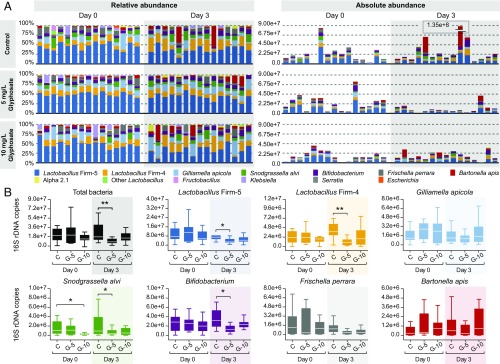
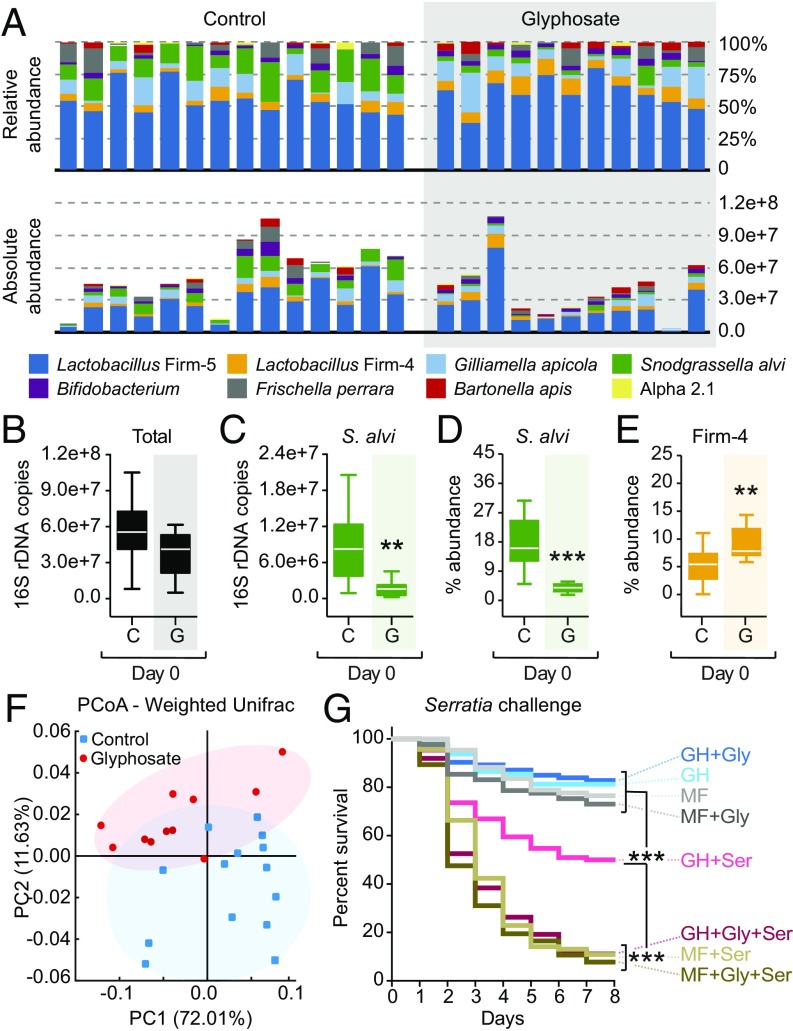
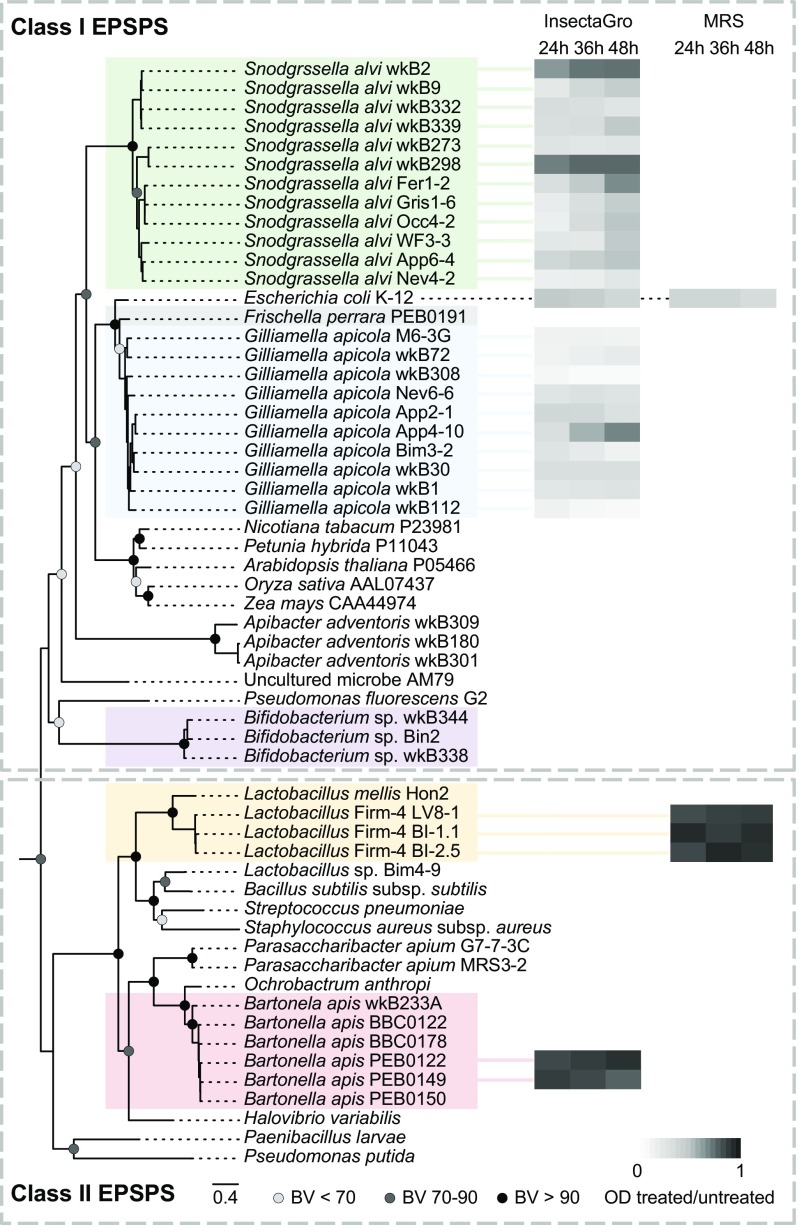
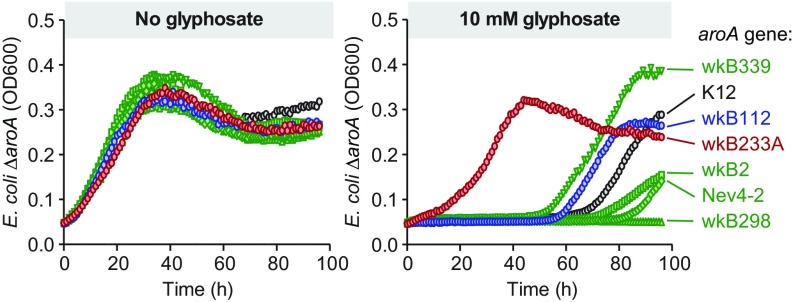
Significance: Increased mortality of honey bee colonies has been attributed to several factors but is not fully understood. The herbicide glyphosate is expected to be innocuous to animals, including bees, because it targets an enzyme only found in plants and microorganisms. However, bees rely on a specialized gut microbiota that benefits growth and provides defense against pathogens. Most bee gut bacteria contain the enzyme targeted by glyphosate, but vary in whether they possess susceptible versions and, correspondingly, in tolerance to glyphosate. Exposing bees to glyphosate alters the bee gut community and increases susceptibility to infection by opportunistic pathogens. Understanding how glyphosate impacts bee gut symbionts and bee health will help elucidate a possible role of this chemical in colony decline.
Overview
The claims and statistics of this paper haven’t been checked yet.
Free: it reads the open-access text and checks the first 5 claims that cite a source we can check. Create a free account to check every claim.
Integrity signals
Registry
Cites
Statistics
Figures
Verification
Claims the paper makes
The claims and statistics of this paper haven’t been checked yet.
Free: it reads the open-access text and checks the first 5 claims that cite a source we can check. Create a free account to check every claim.
Claims other papers make about this one
Each is checked against this paper’s own text: does it say what the citing paper says it does?
The check wasn’t confident either way, so it gives no verdict — never disputed.
In the citing paper
“Agricultural expansion, when it occurs at the expense of natural and semi-natural habitats, is the single largest cause of biodiversity loss through wildlife habitat loss and degradation ( 119 , 120 )”
From Environmental impacts of genetically modified crops (2024) · cites this paper as [120]
Experimental — accuracy not yet measured
Self-check
Percentages, sums and reported differences re-computed from the paper’s own numbers.
The self-check needs the paper’s full text.
Citations
Cites
QIIME allows analysis of high-throughput community sequencing data
Caporaso, J. G., Kuczynski, J., Stombaugh, J., Bittinger, K., Bushman, F. D., Costello, E. K., Fierer, N., Peña, A. G., Goodrich, J. K., Gordon, J. I., et al. (2010) · Nature Methods · doi:10.1038/nmeth.f.303 · Cited by 34,887
Enzymatic assembly of DNA molecules up to several hundred kilobases
Gibson, D. G., Young, L., Chuang, R.-Y., Venter, J. C., Hutchison, C. A., & Smith, H. O. (2009) · Nature Methods · doi:10.1038/nmeth.1318 · Cited by 9,996
UniFrac: a New Phylogenetic Method for Comparing Microbial Communities
Lozupone, C., & Knight, R. (2005) · Applied and Environmental Microbiology · doi:10.1128/aem.71.12.8228-8235.2005 · Cited by 8,227
Guzman, L. M., Belin, D., Carson, M. J., & Beckwith, J. (1995) · Journal of Bacteriology · doi:10.1128/jb.177.14.4121-4130.1995 · Cited by 4,935
Glyphosate: a once‐in‐a‐century herbicide
Duke, S. O., & Powles, S. B. (2008) · Pest Management Science · doi:10.1002/ps.1518 · Cited by 1,749 · cited 1×
“Animals lack the shikimate pathway, which is why glyphosate is considered one of the least toxic pesticides used in agriculture (9).”
Environmental and health effects of the herbicide glyphosate
Van Bruggen, A. H. C., He, M. M., Shin, K., Mai, V., Jeong, K. C., Finckh, M. R., & Morris, J. G. (2018) · Science of The Total Environment · doi:10.1016/j.scitotenv.2017.10.309 · Cited by 992 · cited 2×
“Glyphosate is also associated with changes in plant endophytic and rhizosphere microbiomes (2) and with disturbances of gut microbiota of animals living near agricultural sites (13).”
Gut microbial communities of social bees
Kwong, W. K., & Moran, N. A. (2016) · Nature Reviews Microbiology · doi:10.1038/nrmicro.2016.43 · Cited by 971 · cited 2×
“This may be explained by the fact that these strains lack the aromatic amino acid biosynthetic pathway (18), relying on uptake of aromatic amino acids released by other bacterial species, such as S.”
Self-citationFunctional diversity within the simple gut microbiota of the honey bee
Engel, P., Martinson, V. G., & Moran, N. A. (2012) · Proceedings of the National Academy of Sciences · doi:10.1073/pnas.1202970109 · Cited by 874 · cited 1×
“Each of these species exhibits strain diversity corresponding to differences in metabolic capabilities and tolerances to xenobiotics (19, 20).”
Self-citationSocially transmitted gut microbiota protect bumble bees against an intestinal parasite
Koch, H., & Schmid-Hempel, P. (2011) · Proceedings of the National Academy of Sciences · doi:10.1073/pnas.1110474108 · Cited by 824 · cited 3×
“Bees deprived of their normal microbiota show reduced weight gain and altered metabolism (22), increased pathogen susceptibility (17), and increased mortality within hives (23).”
Honeybee gut microbiota promotes host weight gain via bacterial metabolism and hormonal signaling
Zheng, H., Powell, J. E., Steele, M. I., Dietrich, C., & Moran, N. A. (2017) · Proceedings of the National Academy of Sciences · doi:10.1073/pnas.1701819114 · Cited by 664 · cited 1×
“Bees deprived of their normal microbiota show reduced weight gain and altered metabolism (22), increased pathogen susceptibility (17), and increased mortality within hives (23).”
Self-citation
Cited by
Items 401–500 of 749
Straw, E. A., Cini, E., Gold, H., Linguadoca, A., Mayne, C., Rockx, J., Brown, M. J. F., Garratt, M. P. D., Potts, S. G., & Senapathi, D. (2023) · Scientific Reports · doi:10.1038/s41598-023-43215-6 · Cited by 11
Hotchkiss, M. Z., Forrest, J. R. K., & Poulain, A. J. (2024) · Applied and Environmental Microbiology · doi:10.1128/aem.01739-23 · Cited by 10
Effects of Glyphosate on the Environment and Human Health
Villanueva, L. A. G., Cuapio-Ortega, V. H., Hernández‐Paniagua, I. Y., Fernández-Villagómez, G., Rodrigo-Ilarri, J., Rodrigo-Clavero, M.-E., Andraca-Ayala, G. L., Hernández-Cruz, G., & Banda-Santamaría, S. (2024) · Nature Environment and Pollution Technology · doi:10.46488/nept.2024.v23i01.002 · Cited by 11
Bao, Y., He, X., Zhai, Y., Shen, W., Jing, M., Liu, Y., Haiyun, Y., & Chen, L. (2024) · Ecotoxicology and Environmental Safety · doi:10.1016/j.ecoenv.2024.116549 · Cited by 9
Slinger, J., Wynne, J. W., & Adams, M. B. (2021) · Frontiers in Animal Science · doi:10.3389/fanim.2021.756101 · Cited by 9
Development and shelf-life assessment of soft-drink with honey
Zheplinska, M., Mushtruk, M. M., Шаблій, Л. М., Shynkaruk, V., Slobodyanyuk, N., Rudyk, Y. M., Chumachenko, I., Marchyshyna, Y., Omeliаn, A., & Kharsika, I. (2022) · Potravinarstvo Slovak Journal of Food Sciences · doi:10.5219/1738 · Cited by 11
“Drinks may also contain caffeine other components [9].”
BackgroundBrede, M., Haange, S., Riede, S., Engelmann, B., Jehmlich, N., Rolle-Kampczyk, U. E., Röhn, K., von Soosten, D., von Bergen�, M., & Breves, G. (2022) · Frontiers in Microbiology · doi:10.3389/fmicb.2022.873101 · Cited by 9
Prado, I. S., da Rocha, A. A., Silva, L. A., & Gonzalez, V. C. (2023) · Ecotoxicology · doi:10.1007/s10646-023-02658-3 · Cited by 9
“…changes in the hypopharyngeal glands cells responsible for royal jelly production (0.0075 mgL−1) (Faita et al. 2018), and affects the composition of the beneficial intestinal microbiota of bees (10 mgL−1 and 5 mgL−1), increasing the susceptibility to problems by pathogens (Motta et al. 2018).”
BackgroundInfluentialWeak evidence base for bee protective pesticide mitigation measures
Straw, E. A., & Stanley, D. A. (2023) · Journal of Economic Entomology · doi:10.1093/jee/toad118 · Cited by 21
“There is, however, rigorous evidence that some pesticides, as used in the field, have negative consequences for bees (Rundlöf et al. 2015, Woodcock et al. 2016, McArt et al. 2017, Motta et al. 2018, Tamburini et al. 2021).”
Cloyd, R. A. (2019) · IntechOpen eBooks · doi:10.5772/intechopen.89082 · Cited by 9
“However, research has shown that glyphosate may exhibit indirect effects on honey bees by influencing foraging behavior [79], navigation [81], or beneficial gut microbiota [82].”
BackgroundGlyphosate impairs bee thermoregulation
Crall, J. D. (2022) · Science · doi:10.1126/science.abq5554 · Cited by 9
Deng, Y., Yang, S., Li, L., Chi, H., Chen, C., Zhao, H., Yang, X., & Hou, C. (2025) · ACS Nano · doi:10.1021/acsnano.5c04210 · Cited by 8
Bee gut microbiota as an emerging endpoint for the environmental risk assessment of pesticides
Rosa, A. D. S., Aguado-López, D., Jabal‐Uriel, C., Abad, M. B., Higes, M., Pinto, M. A., Henriques, D., Tosi, S., Rodríguez, J. M., Alba, C., et al. (2025) · The Science of The Total Environment · doi:10.1016/j.scitotenv.2025.179977 · Cited by 8
Allen, N. O., Copeland, D. C., Mott, B. M., Erickson, R., & Anderson, K. E. (2025) · Scientific Reports · doi:10.1038/s41598-025-12823-9 · Cited by 8
Shi, J., Zhang, Y., Liu, J., Xu, M. H., & Wu, X. (2025) · Journal of Hazardous Materials · doi:10.1016/j.jhazmat.2025.139628 · Cited by 8
Knecht, C. A., McCormick, B. P., Álvarez, V. E., Machuca, A. G., Buzzola, F. R., Fuchs, J., Salgado, P., Campos, J., Müller, J. A., Quiroga, M. P., et al. (2026) · Frontiers in Microbiology · doi:10.3389/fmicb.2026.1740431 · Cited by 8
Gastrointestinal Microbial Ecology of Weaned Piglets Fed Diets with Different Levels of Glyphosate
Rani, S., Sørensen, M. T., Estellé, J., Noel, S. J., Nørskov, N. P., Krogh, U., Foldager, L., & Højberg, O. (2023) · Microbiology Spectrum · doi:10.1128/spectrum.00615-23 · Cited by 10
“This discrepancy could illustrate a lack of knowledge concerning the actual EPSPS class being harbored by subtaxa within these phyla (14), as well as the discrepancy in reported observations emphasizes not to draw hasty and simplified conclusions on the potential in vivo glyphosate-associated effects on the gut microb…”
BackgroundInfluentialErban, T., Parizkova, K., Sopko, B., Talacko, P., Markovic, M., Jarošová, J., & Votýpka, J. (2023) · The Science of The Total Environment · doi:10.1016/j.scitotenv.2023.166973 · Cited by 8
Microbiome‐conferred herbicides resistance
Zhang, F., Zhang, Z., Wei, Z., & Liu, H. (2024) · New Phytologist · doi:10.1111/nph.19574 · Cited by 8
Giannakara, M., & Koumandou, V. L. (2024) · Bacteria · doi:10.3390/bacteria3040021 · Cited by 8
Sampson, H. R., Allcock, N., Mallon, E. B., Ketley, J. M., & Morrissey, J. A. (2025) · npj Biofilms and Microbiomes · doi:10.1038/s41522-024-00632-3 · Cited by 8
“Themaintenanceand balanceof thiscoregutmicrobial communityisa key element to bee health assisting in the digestion of essential nutrients, promoting host weight gain and providing protection from pathogens and environmental stressors 26,33 – 35 .”
Biotrof, J., & Tyurina, D. G. (2023) · Sel skokhozyaistvennaya Biologiya · doi:10.15389/agrobiology.2022.6.1147eng · Cited by 9
Deng, Y., Pan, J., Yang, X., Yang, S., Chi, H., Yang, X., Qu, X., Sun, S., You, L., & Hou, C. (2023) · Nanoscale Advances · doi:10.1039/d3na00345k · Cited by 10
Hembach, N., Drechsel, V., Sobol, M., Kaster, A., Köhler, H., Triebskorn, R., & Schwartz, T. (2024) · Frontiers in Microbiology · doi:10.3389/fmicb.2023.1271983 · Cited by 9
“Despite its controversially discussed use in agriculture, only few publications focus on the effect of glyphosate on the host microbiome and the therein incorporated health risk for the host (Motta et al., 2018).”
BackgroundFactors Affecting Immune Responses in Honey Bees: An Insight
Kaur, G., Sharma, R., Chaudhary, A., & Singh, R. (2021) · Journal of Apicultural Science · doi:10.2478/jas-2021-0012 · Cited by 13
Potential lasting impacts of industrial herbicides on ungulate nutrition
Werner, J. R., Wood, L. J., Botten, N., & Fredeen, A. (2022) · Canadian Journal of Forest Research · doi:10.1139/cjfr-2021-0283 · Cited by 8
Effect of glyphosate on the foraging activity of European honey bees (Apis mellifera L.)
Bokšová, A., Kazda, J., Bartoška, J., & Kamler, M. (2023) · Plant Soil and Environment · doi:10.17221/86/2023-pse · Cited by 8
Ascosphaera apis as a target for the antifungal activity of symbiotic Bifidobacteria in honey bees
Iorizzo, M., Ganassi, S., Testa, B., Donato, L. M. D., Albanese, G., Succi, M., Coppola, F., Cozzolino, R., Matarazzo, C., Criscio, D. D., et al. (2025) · Frontiers in Insect Science · doi:10.3389/finsc.2025.1669013 · Cited by 8
The Influence of Herbicides to Marine Organisms Aliivibrio fischeri and Artemia salina
Vurm, R., Tajnaiová, L., & Kofroňová, J. (2021) · Toxics · doi:10.3390/toxics9110275 · Cited by 7
“dition, glyphosate can negatively affect the gut of honey bees due to a reduced amount of beneficial bacteria [118].”
BackgroundFlach, H., Pfeffer, S. E., Dietmann, P., Kühl, M., & Kühl, S. J. (2024) · Chemosphere · doi:10.1016/j.chemosphere.2024.143624 · Cited by 7
Hotchkiss, M. Z., Poulain, A. J., & Forrest, J. R. K. (2025) · Applied and Environmental Microbiology · doi:10.1128/aem.02036-24 · Cited by 7
Lack of significant effect of gut microbiota on weight gain in newly emerged worker honeybee
Powell, J. E., Motta, E. V. S., Liberti, J., Sotelo, K., Engel, P., & Moran, N. A. (2025) · Royal Society Open Science · doi:10.1098/rsos.242151 · Cited by 7
Self-citationFelden, A., Baty, J. W., & Lester, P. J. (2021) · New Zealand Entomologist · doi:10.1080/00779962.2022.2053350 · Cited by 7
Rutkiewicz, M., Nogués, I., Witek, W., Angelaccio, S., Contestabile, R., & Ruszkowski, M. (2023) · Plant Physiology and Biochemistry · doi:10.1016/j.plaphy.2023.02.017 · Cited by 7
Fox transcription factor AccGRF1 in response to glyphosate stress in Apis cerana cerana
Niu, X.-J., Sun, Y.-H., Wang, L., Huang, Y., Wang, Y., Guo, X., Xu, B., & Wang, C. (2023) · Pesticide Biochemistry and Physiology · doi:10.1016/j.pestbp.2023.105419 · Cited by 7
The buzz within: the role of the gut microbiome in honeybee social behavior
Nguyen, J. B., Marshall, C. W., & Cook, C. N. (2024) · Journal of Experimental Biology · doi:10.1242/jeb.246400 · Cited by 9
Wu, H., Ji, C., Wang, R., Gao, L., Luo, W., & Liu, J. (2024) · Insects · doi:10.3390/insects16010020 · Cited by 8
Honeybees (Apis mellifera) toxicology and detoxification mechanisms
Shimshoni, J. A., & Barel, S. (2025) · The Science of The Total Environment · doi:10.1016/j.scitotenv.2025.179902 · Cited by 7
Frizzi, F., Masoni, A., Balzani, P., Wendt, C. F., Palchetti, V., & Santini, G. (2020) · Environmental Science and Pollution Research · doi:10.1007/s11356-020-09420-w · Cited by 7
“The lowest concentration tested in this study, 0.036 g/l, has been previously demonstrated to cause considerable perturbations in the gut microbiota of bees, increasing the risk of bacterial infections, particularly in larvae (Motta et al. 2018).”
BackgroundInfluentialMicrobiota and Its Importance in Honey Bees
BORUM, A. E. (2021) · Bee Studies- Apiculture Research Institute · doi:10.51458/bstd.2021.14 · Cited by 8
“microbiome of honey bees exposed to glyphosate was adversely affected, affecting the total bacterial count in the gut and Bifidobacterium sp., Lactobacillus (Firm-4 and Firm-5), and decreased in S. alvi (Motta et al., 2018).”
BackgroundSinekçi, Y., Afşaroğlu, E., Kabak, B., Sarıçayır, S., Soytemiz, I., & Özdemir, G. (2024) · Scientific Reports · doi:10.1038/s41598-024-77338-1 · Cited by 6
Tang, Q., Zhao, Y., Li, X., Zhang, J., Li, J., Zhao, C., Pang, Y., Li, W., Huang, Q., Xiong, J., et al. (2025) · Journal of Environmental Management · doi:10.1016/j.jenvman.2025.124079 · Cited by 6
Tran, L., Deckers, T. B., Ho, J., Lansing, L., Cunningham, M., Morfín, N., Pepinelli, M., la Mora, Á. D., Conflitti, I. M., Gregoris, A. S., et al. (2025) · Scientific Reports · doi:10.1038/s41598-025-30907-4 · Cited by 6
“A seminal study on glyphosate exposure and its effect on the bee gut microbiota was found to induce dysbiosis in some bacterial strains 27 , which suggests other agrochemicals including neonicotinoids may also disrupt the bee gut microbiota.”
Insect–microbiome interactions in a changing world
Graber, L. C., & Moreau, C. S. (2026) · Current Opinion in Insect Science · doi:10.1016/j.cois.2026.101495 · Cited by 8
Patterson, H., Bowles, E., Chiblow, S. B., McGregor, D., Kozmik, C., & Popp, J. N. (2023) · Frontiers in Conservation Science · doi:10.3389/fcosc.2023.1186399 · Cited by 7
“However, several studies and reviews have found contrasting evidence regarding the potential impacts of glyphosate herbicides on wildlife, and ecosystem functionality (e.g., Santillo et al., 1989; Mackinnon and Freedman, 1993; Cole et al., 1997; Cole et al., 1998, Santillo et al., 1998, Howe et al., 2004, Thompson et…”
BackgroundEffects of pesticides on bee populations and safety of bee honey in Ukraine
Omelchun, Y. A., Shevchenko, L. V., Voinalovych, M., Savchenko, O., Hryshchenco, N., Ткач, Г. Ф., Androshchuk, O., Драчук, О., Kozii, M., Rzhevskyi, H., et al. (2023) · Potravinarstvo Slovak Journal of Food Sciences · doi:10.5219/1914 · Cited by 6
“In that context, new sample preparation approaches are also becoming topical [32] , [33] .”
BackgroundHopkins, H. A., Lopezguerra, C., Lau, M., & Raymann, K. (2024) · Genome Biology and Evolution · doi:10.1093/gbe/evae149 · Cited by 6
Self-citationHoneybee Gut: Reservoir of Probiotic Bacteria
Tootiaie, S., Moharrami, M., & Mojgani, N. (2021) · Microorganisms for sustainability · doi:10.1007/978-981-16-0223-8_9 · Cited by 6
High royal jelly production does not impact the gut microbiome of honey bees
Damico, M. E., Rueppell, O., Shaffer, Z., Han, B., & Raymann, K. (2021) · Animal Microbiome · doi:10.1186/s42523-021-00124-1 · Cited by 6
“Exposure to anthropogenic chemicals such as pesticides has been shown to cause changes in the abundance of bacterial taxa in the bee gut microbiome [42, 43].”
BackgroundSelf-citationVommaro, M. L., Korša, A., Lindeza, A. S., Giglio, A., & Kurtz, J. (2024) · Journal of Invertebrate Pathology · doi:10.1016/j.jip.2024.108227 · Cited by 6
Kaakinen, K., Ramula, S., & Helander, M. L. (2025) · Apidologie · doi:10.1007/s13592-025-01180-1 · Cited by 6
“One potential explanation for glyphosate’s negative impact is its effect on the gut microbiota (Blot et al. 2019; Helander et al. 2023a; Motta et al. 2018; Motta and Moran 2023).”
Sopko, B., Tejral, G., Bitti, G., Abate, M., Medvedíková, M., Hajdúch, M., Chloupek, J., Fajmonova, J., Škorič, M., Amler, E., et al. (2021) · ACS Omega · doi:10.1021/acsomega.1c00449 · Cited by 6
Dissipation and effect of glyphosate during composting of organic wastes
Grenier, V., Moingt, M., Lucotte, M. M., & Pitre, F. E. (2022) · Journal of Environmental Quality · doi:10.1002/jeq2.20335 · Cited by 6
Gregory, C. L., Fell, R. D., Belden, L. K., & Walke, J. B. (2022) · Journal of Insect Science · doi:10.1093/jisesa/ieac016 · Cited by 6
Rethinking the Intrinsic Sensitivity of Fungi to Glyphosate
Tall, T., & Puigbò, P. (2022) · BioTech · doi:10.3390/biotech11030028 · Cited by 6
The effects of short-term glyphosate-based herbicide exposure on insect gene expression profiles
Rainio, M. J., Margus, A., Tikka, S., Helander, M. L., & Lindström, L. (2023) · Journal of Insect Physiology · doi:10.1016/j.jinsphys.2023.104503 · Cited by 7
Witek, W., Śliwiak, J., Rawski, M., & Ruszkowski, M. (2024) · Frontiers in Plant Science · doi:10.3389/fpls.2024.1343980 · Cited by 6
“Recent reports have delivered evidence that the most common herbicide, glyphosate, is harmful to honeybee broods, impairing their sensory and cognitive abilities and gut microbiome (Motta et al., 2018; Farina et al., 2019; Va ́ zquez et al., 2020).”
Honey Bee Microbiota and the Physiology of Antimicrobial Resistance
Raymann, K. (2021) · Wiley eBooks · doi:10.1002/9781119583417.ch9 · Cited by 6
Self-citationHolistic Management of Pollinators and Pests: Integrating Semiochemicals With On-Farm Pesticides
Okosun, O. O., & Reddy, G. V. P. (2021) · Annals of the Entomological Society of America · doi:10.1093/aesa/saab035 · Cited by 6
Mo, B., Li, J., Liao, G., Wang, L., & Fan, L. (2023) · Aquatic Toxicology · doi:10.1016/j.aquatox.2023.106399 · Cited by 8
Gorrochategui-Ortega, J., Muñoz‐Colmenero, M., Galartza, E., Estonba, A., & Zarraonaindia, I. (2024) · Journal of Pest Science · doi:10.1007/s10340-024-01829-3 · Cited by 5
“Stressors can have synergistic effects in bee gut microbiomes, exacerbating gut microbial disruptions, while healthier communities are more capable of withstanding them (Dosch et al. 2021; Motta et al. 2018; Paris et al. 2020).”
Zhang, G. M., & Baucom, R. S. (2024) · New Phytologist · doi:10.1111/nph.20238 · Cited by 5
Glyphosate-Based Herbicides and Their Potential Impact on the Microbiota of Social Bees
Muñoz, J. P., Soto-Jiménez, D., Brito, A., & Quezada‐Romegialli, C. (2025) · Toxics · doi:10.3390/toxics13070551 · Cited by 5
“For example, the reduction in S. alvi , has been linked to impaired sugar fermentation, reducing the availability of energy-rich metabolites such as acetate and lactate, which are essential for bee energy metabolism [60].”
InfluentialGaylord, M., Thompson, A., Dayan, F. E., Kniss, A. R., Reichert, D., Otto, K., Larson, R., & Trivedi, P. (2025) · Environmental Microbiology · doi:10.1111/1462-2920.70148 · Cited by 5
“Variability in growth would be expected since bacteria can carry natural resistance to glyphosate (Motta et al. 2018) and use glyphosate as a nutrient source (Motta et al. 2018) (Jacob et al. 1988; Lerbs et al. 1990; Panettieri et al. 2013; Partoazar et al. 2011).”
Zhao, D., Niu, H., Xu, L., Zhang, Z., Xu, H., & Guo, H. (2025) · Pest Management Science · doi:10.1002/ps.70198 · Cited by 5
“On the contrary, the gut microbiotas in bumble bee Bombus impatiens , which can be perturbed by glyphosate exposure, 52 were resilient to 12 days of chlorothalonil exposure.”
Ma, C., Chen, S., Shi, X., Bai, L., Li‐Byarlay, H., & Li, Z. (2025) · Ecotoxicology and Environmental Safety · doi:10.1016/j.ecoenv.2025.119074 · Cited by 5
Liu, X. F., Li, J., & Ma, C. (2026) · Journal of Hazardous Materials · doi:10.1016/j.jhazmat.2026.141076 · Cited by 5
AccsHSP21 .7 enhances the antioxidant capacity of Apis cerana cerana
Huang, Y., Zhang, Y., Niu, X., Sun, Y., Wang, H., Guo, X., Xu, B., & Wang, C. (2023) · Journal of the Science of Food and Agriculture · doi:10.1002/jsfa.12614 · Cited by 5
Beer, J. D., Sole, C. L., Pirk, C. W. W., & Weldon, C. W. (2023) · African Entomology · doi:10.17159/2254-8854/2023/a14674 · Cited by 6
“Other studies have documented how moderate to high doses of pesticides disrupt the gut microbiome of honey bees (Al Naggar et al. 2022; Motta et al. 2018; Motta et al. 2020; Zhu et al. 2020).”
BackgroundGomes, I. N., Gontijo, L. M., Lima, M. A. P., Zanúncio, J. S., & Resende, H. C. (2023) · Ecotoxicology · doi:10.1007/s10646-023-02699-8 · Cited by 5
“Furthermore, other deleterious effects due to glyphosate oral exposure have been reported, such as behavioural changes, alteration of bene fi cial bacterial communities in the gut of newly emerged bees and impairment in the learning capacity of A . mellifera (Motta et al. 2018; Luo et al. 2021).”
BackgroundHan, L. S., Chang, Z., Ren, C., Chen, X., Smagghe, G. J., Yuan, Y., & Long, J. (2024) · Insect Science · doi:10.1111/1744-7917.13351 · Cited by 5
“Snodgrassella are Gram-negative bacteria within the Neisseriaceae that can affect the physiological development and antiviral capabilities of bumblebees and honeybees (Motta et al. , 2018; Leonard et al. , 2020; Wrighton, 2020; Motta & Moran, 2023).”
Battisti, L., Potrich, M., Abati, R., Sampaio, A. R., Libardoni, G., Costa-Maia, F. M., Berté, E. A., Martinez, C. B. D. R., & Sofia, S. H. (2024) · Ecotoxicology and Environmental Safety · doi:10.1016/j.ecoenv.2024.117247 · Cited by 6
Whitlock, J., Orwin, P. M., & Stahlschmidt, Z. R. (2025) · Journal of Experimental Biology · doi:10.1242/jeb.250210 · Cited by 5
Gregory, C. L., Bradford, E. L., Fell, R. D., Haak, D. C., & Belden, L. K. (2025) · PLoS ONE · doi:10.1371/journal.pone.0317129 · Cited by 5
Colonization dynamics of the gut flora in western honey bee workers within 7-day post-emergence
Cai, S.-B., Wu, G., Dong, Z., Lin, L., Guo, J., & Zhang, Q. (2022) · Apidologie · doi:10.1007/s13592-022-00934-5 · Cited by 5
“In addition, pesticide exposure or antibiotic treatment can disrupt the composition of the gut flora, increasing the risk of infection by pathogens and thus increasing the mortality of the host (Raymann ey al. 2017; Maes et al. 2016; Motta et al. 2018; Blot et al. 2019).”
BackgroundFlach, H., Dietmann, P., Liess, M., Kühl, M., & Kühl, S. J. (2023) · Ecotoxicology and Environmental Safety · doi:10.1016/j.ecoenv.2023.115080 · Cited by 5
Wesonga, Z. M., Bargul, J. L., Paredes, J. C., Dubois, T., & Lattorff, H. M. G. (2023) · International Journal of Tropical Insect Science · doi:10.1007/s42690-023-01064-w · Cited by 5
“The observed differences in toxicity levels among the African and the European honeybee could be influenced by glyphosate’s action to inhibit the EPSPS enzyme encoded by the genomes of honeybee gut microbiome core members (Motta et al. 2018, 2020).”
InfluentialLetter to the editors regarding : Is glyphosate toxic to bees? A meta-analytical review
Straw, E. A. (2021) · The Science of The Total Environment · doi:10.1016/j.scitotenv.2021.147556 · Cited by 5
Facing multiple threats: Diet–pesticide interactions in bumblebees
Barraud, A., Askri, D., Barascou, L., Schwarz, J. M., Toktas, Y., Nicodème, L., Alaux, C., Albrecht, M., Arafah, K., Bocquet, M., et al. (2025) · The Science of The Total Environment · doi:10.1016/j.scitotenv.2025.180716 · Cited by 6
Duan, Y. P., Luo, D., Jian, B., Wu, L., Yang, H., Hu, C., & Zhao, Y. (2025) · Microbiology Spectrum · doi:10.1128/spectrum.03150-25 · Cited by 4
Martinello, M., Zanella, S., Mutinelli, F., & Bertola, M. (2025) · Foods · doi:10.3390/foods14234050 · Cited by 4
“Moreover, glyphosate-induced dysbiosis reduces the abundance of beneficial gut bacteria, increasing susceptibility to opportunistic infections [20].”
Wu, Y., Qin, L., Zhang, Y., Jia, Y., Lü, Y., Wang, N., Zheng, H., Li, L., & Zhang, Z. (2026) · Journal of Hazardous Materials · doi:10.1016/j.jhazmat.2026.141796 · Cited by 5
Early-Life Sublethal Exposure to Thiacloprid Alters Adult Honeybee Gut Microbiota
Li, B., Chen, X., Li, K., Dai, P., Ge, Y., & Liu, Y. (2024) · Genes · doi:10.3390/genes15081001 · Cited by 4
“Neonicotinoids, including thia-cloprid, have been shown to disrupt microbiota in adults [24,25] and larval bees [26].”
BackgroundVavrik, U. A. (2022) · Management for professionals · doi:10.1007/978-3-031-07742-5_1 · Cited by 4
Glifosato: riesgo o amenaza para la salud humana y la vida silvestre
Pérez‐Vázquez, A., Fernández-Peña, M. D. L., Castañeda‐Chávez, M. D. R., & Díaz‐Rivera, P. (2024) · Revista Mexicana de Ciencias Agrícolas · doi:10.29312/remexca.v15i5.3342 · Cited by 5
Martínez-Haro, M., Triadó–Margarit, X., Mateo, R., Viñuela, J. A., & Casamayor, E. O. (2025) · Environmental Pollution · doi:10.1016/j.envpol.2025.125862 · Cited by 5
Salinity effects on the microbiome of a Neotropical water strider
Castillo, A. M., Chavarría, K. A., Saltonstall, K., Arias, C. F., Mejía, L. C., & León, L. F. D. (2021) · Hydrobiologia · doi:10.1007/s10750-021-04732-5 · Cited by 4
“Given the known role of the microbiome (Hedges et al., 2008; Teixeira et al., 2008; Koch & Schmid-Hempel, 2011; Engel & Moran, 2013; Motta et al., 2018), changes in salinity could affect FW insects in several ways, including reproduction, survival and overall life-history traits.”
BackgroundRichmond, M. E. (2021) · AESS interdisciplinary environmental studies and sciences series · doi:10.1007/978-3-030-81953-8_5 · Cited by 4
Yin, Y., Xu, Y., Cao, K., Zhao, X., Cao, C., Dong, X., Liang, J., & Shi, W. (2022) · Environmental Science and Pollution Research · doi:10.1007/s11356-022-20147-8 · Cited by 4
Physiological and Metabolic Response of Arthrospira maxima to Organophosphates
Piro, A., Nisticò, D. M., Oliva, D., Fagà, F. A., & Mazzuca, S. (2022) · Microorganisms · doi:10.3390/microorganisms10051063 · Cited by 4
Exploring eco-engineering methods to mitigate glyphosate residue risks in agricultural systems
Mehdizadeh, M., Al-Taey, D. K. A., Omidi, A., Alsaffar, M. F., Choudhury, A. R., & Akram, M. (2025) · Environmental Engineering Research · doi:10.4491/eer.2024.712 · Cited by 3
Interactions of husbandry, landscape, and immunity in regulating viral loads for managed honey bees
Malay, A., Weavers, R., & Fedorka, K. M. (2025) · Biology Open · doi:10.1242/bio.062201 · Cited by 4
“Glyphosate has been shown to alter A. mellifera gut microbiota and immune system regulation (Motta et al., 2018, 2022) while spinosad has been shown to alter hemocyte concentration (Kaur et al., 2025).”
Cao, W., Yang, S., Wang, J., Chen, S., Byarlay, M., Shi, X., Li‐Byarlay, H., & Ma, C. (2025) · Pesticide Biochemistry and Physiology · doi:10.1016/j.pestbp.2025.106896 · Cited by 4
Gaba, S., Lefeuvre, S., Ouédraogo, F., Mougard, C., Brillard, E., Delva, F., Dupuis, A., Monnereau, A., Moreau, J., Monceau, K., et al. (2026) · iScience · doi:10.1016/j.isci.2026.114956 · Cited by 4
Ling, W. A. N. G., Hui, K., Wang, D. H., Jie, S., Yuan, Y., & Tan, W. (2026) · Applied Soil Ecology · doi:10.1016/j.apsoil.2026.106909 · Cited by 3
Bacterial diversity in honey bee environment: Embu County, Kenya
Njoroge, J. K., Njire, M. M., Maina, J., Mwirichia, R., Nyabuga, F. N., & Mugweru, J. (2023) · Scientific African · doi:10.1016/j.sciaf.2023.e02036 · Cited by 3
Bazzan, G., Kuenzler, J., & Vogeler, C. S. (2025) · Review of Policy Research · doi:10.1111/ropr.70021 · Cited by 3
Kaakinen, K., Ramula, S., Fuchs, B., Blande, J. D., Vaajamo, E.-M., & Helander, M. L. (2025) · Environmental Research · doi:10.1016/j.envres.2025.123017 · Cited by 3
Tolerância de microrganismos eucariotos ao herbicida glifosato
Nogueira, O. M. N., Salgueiro, J. L. G., Francisco, E. A., Ottoni, J. R., & Passarini, M. R. Z. (2021) · Semina Ciências Biológicas e da Saúde · doi:10.5433/1679-0367.2021v42n1p103 · Cited by 3
Delgado, M. N., Amado, G. F., da Silva, E. A., Abreu, V. E. D. S., & Silva, J. O. (2022) · doi:10.22533/at.ed.5072227077 · Cited by 3
Metadata
- Authors
- Motta, E. V. S., Raymann, K., & Moran, N. A.
- Affiliations
- The University of Texas at Austin (US)
- Corresponding author
- Motta, Erick V. S.
- Moran, Nancy A.
- Venue
- Proceedings of the National Academy of Sciences
- Publisher
- National Academy of Sciences
- Published
- 2018-09-24
- Volume
- 115
- Issue
- 41
- Pages
- 10305-10310
- ISSN
- 0027-8424 (ISSN-L)
- 1091-6490
- PMC
- PMC6187125
- OpenAlex
- W2889736642
- Cited by
- 702
- References
- 47
- Citations by year
- 2026: 68 · 2025: 69 · 2024: 79 · 2023: 128 · 2022: 94 · 2021: 111 · 2020: 84 · 2019: 65 · 2018: 4
- FWCI
- 61.56
- Type
- journal article
- Language
- en
- Open access
- hybrid
- doi.org
- Licence
- Locations
- Proceedings of the National Academy of Sciences (publishedVersion, cc-by-nc-nd)
- Europe PMC (PubMed Central) (publishedVersion, cc-by-nc-nd)
- PubMed Central (publishedVersion, cc-by-nc-nd)
- PubMed (publishedVersion)
- Funders
- Coordenação de Aperfeiçoamento de Pessoal de Nível Superior (13578-13-8)
- USDA | National Institute of Food and Agriculture (2017-67012-26088, 2018-67013-27540)
- HHS | National Institutes of Health (RO1GM108477-02)
- Topics
- Life Sciences › Agricultural and Biological Sciences › Insect Science › Insect and Pesticide Research
- Life Sciences › Agricultural and Biological Sciences › Insect Science › Insect and Arachnid Ecology and Behavior
- Life Sciences › Agricultural and Biological Sciences › Insect Science › Insect symbiosis and bacterial influences
- Keywords
- glyphosate, Apis mellifera, gut microbiota, herbicide toxicity, gut symbionts, opportunistic pathogens, pathogen susceptibility, colony decline, pesticide exposure, glyphosate tolerance
- MeSH terms
- Gastrointestinal Microbiome, Glyphosate, Animals, Bees, Enzyme Inhibitors, Escherichia coli, Glycine, Neisseriaceae, Phylogeny, RNA, Ribosomal, 16S, Serratia, 3-Phosphoshikimate 1-Carboxyvinyltransferase
About these checks
Registry, retraction, Cites and statistics results are computed, not judged, with one exception: a printed reference that no index lists is read once by a model before it counts as a citation error. Claims are extracted by a model and kept only when their quote appears verbatim in the text; each cited source is then checked, with a model’s help, for whether it says what the claim relies on. Those verdicts can be wrong — read the claim’s quote and the cited source before relying on one.
Statistics and arithmetic are recomputed, not judged.
Confidence bands are shown only for fields calibrated on our annotated test set. None is calibrated yet, so no band is shown.
What counts as a claim ›How we measure confidence ›How we check this ›
Are you an author, or do you see a problem with this page? Request a review
Data sources
Bibliographic data: Semantic Scholar, OpenAlex, Crossref.
Contains information from the Semantic Scholar Academic Graph Datasets, made available under the ODC Attribution License (ODC-BY 1.0).
Semantic Scholar’s data is described in: Kinney, R., et al. (2023). The Semantic Scholar Open Data Platform. arXiv:2301.10140.
