

Molecular adaptations of the blood–brain barrier promote stress resilience vs. depression
Open accessThe DOI matches its Crossref record; 53 of the 53 references it cites were found in a registry or an index.
Abstract
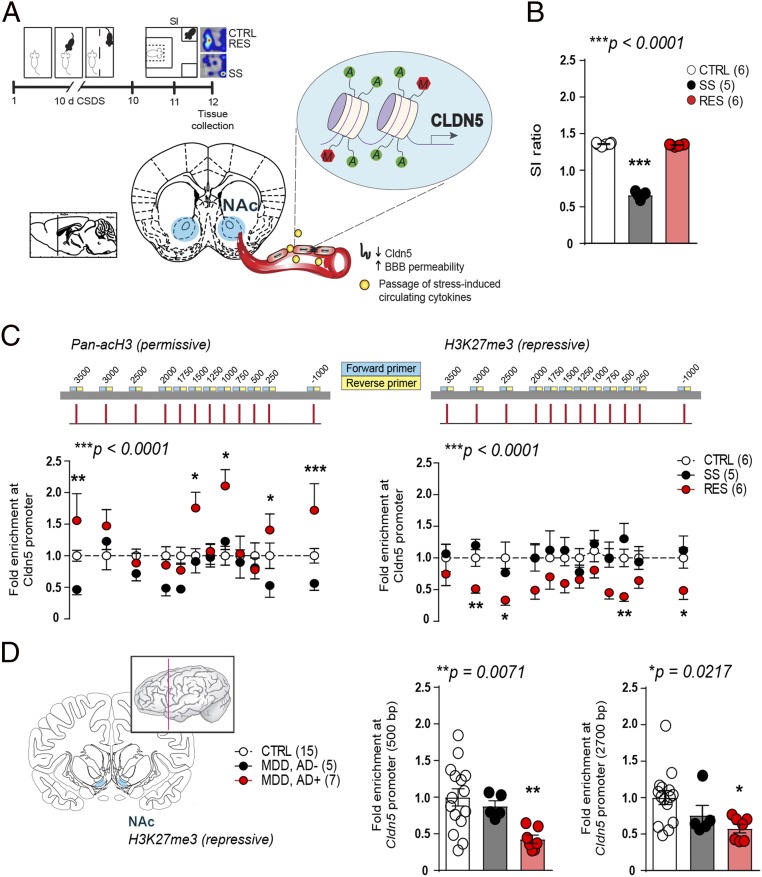
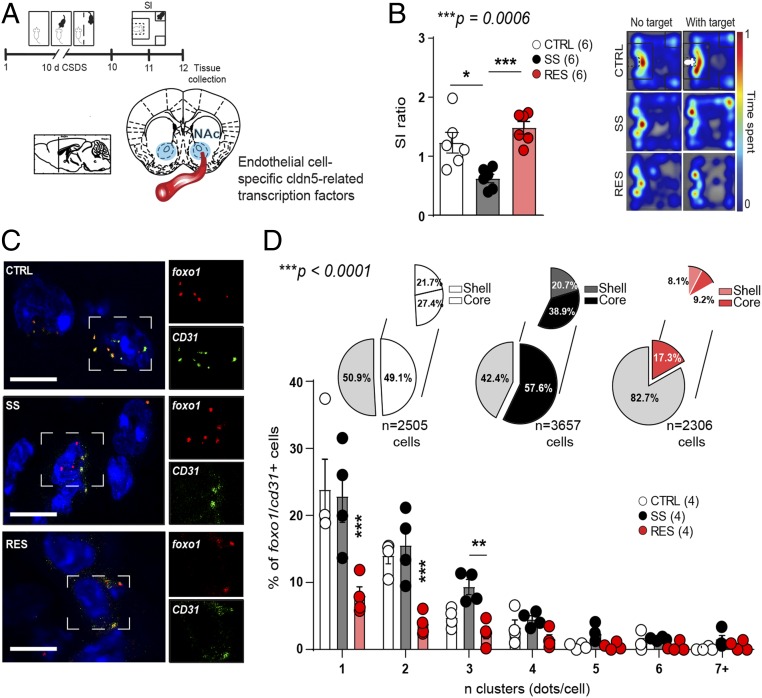
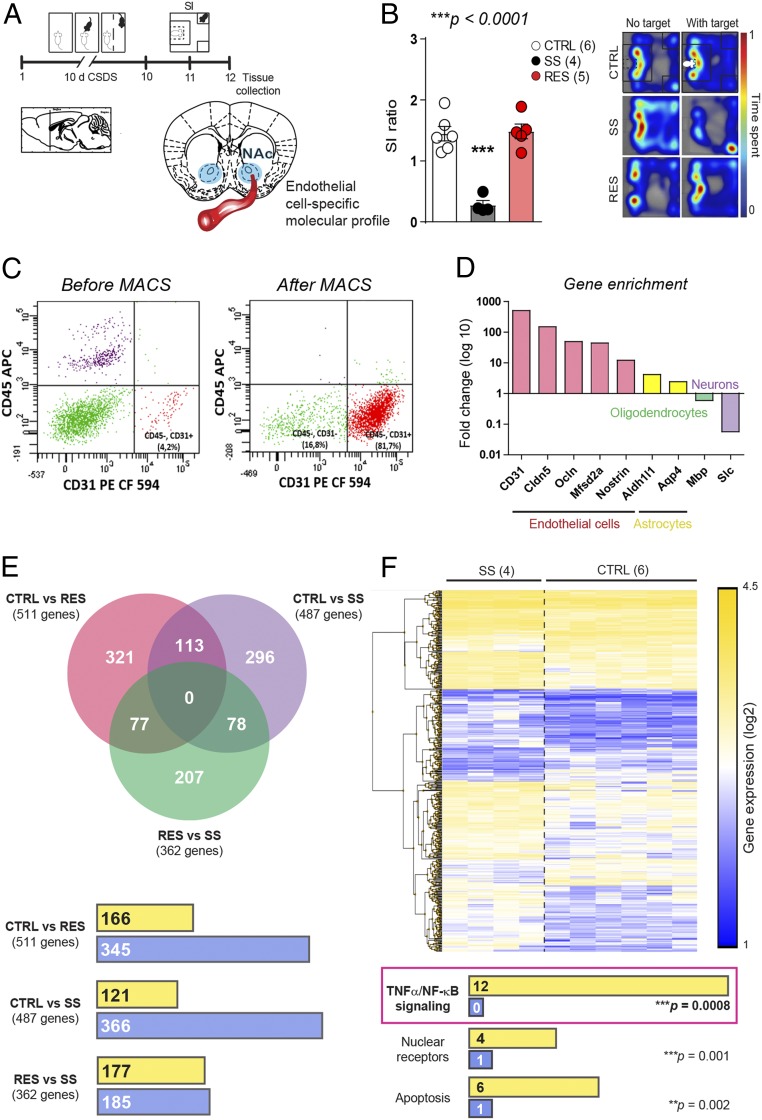
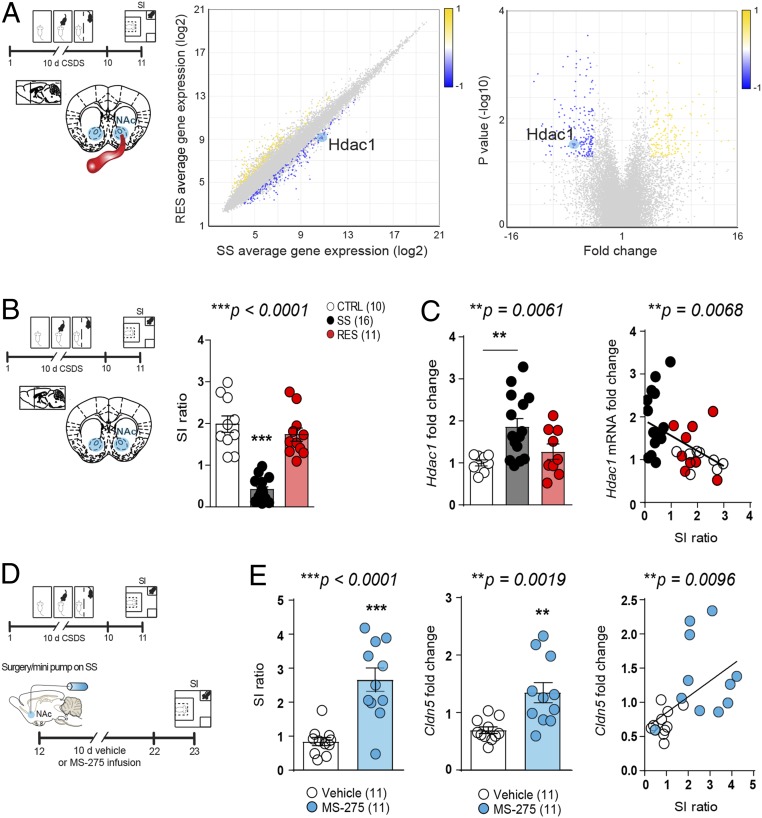
Significance: Thirty to fifty percent of depressed individuals are unresponsive to commonly prescribed antidepressant treatments, suggesting that biological mechanisms, such as stress-induced inflammation and blood vessel dysfunction, remain untreated. The blood–brain barrier is the ultimate frontier between the brain and harmful toxins or inflammatory signals circulating in the blood. Depression and vulnerability to chronic social stress are associated with loss of this barrier integrity; however, the mechanisms involved remain poorly understood. Identification of adaptations leading to resilience under stressful conditions could help develop novel treatments. Here we combined behavioral, pharmacological, and cell-specific gene profiling experiments in mice with epigenetic, molecular, and anatomical analysis of human samples to unravel mechanisms with therapeutic potential to protect the brain and promote resilience.
Overview
The claims and statistics of this paper haven’t been checked yet.
Free: it reads the open-access text and checks the first 5 claims that cite a source we can check. Create a free account to check every claim.
Integrity signals
Registry
Cites
Statistics
Figures
Verification
Claims the paper makes
The claims and statistics of this paper haven’t been checked yet.
Free: it reads the open-access text and checks the first 5 claims that cite a source we can check. Create a free account to check every claim.
Claims other papers make about this one
Each is checked against this paper’s own text: does it say what the citing paper says it does?
The source backs part of the claim, not all of it — or backs it for a different population, condition or comparison.
In the citing paper
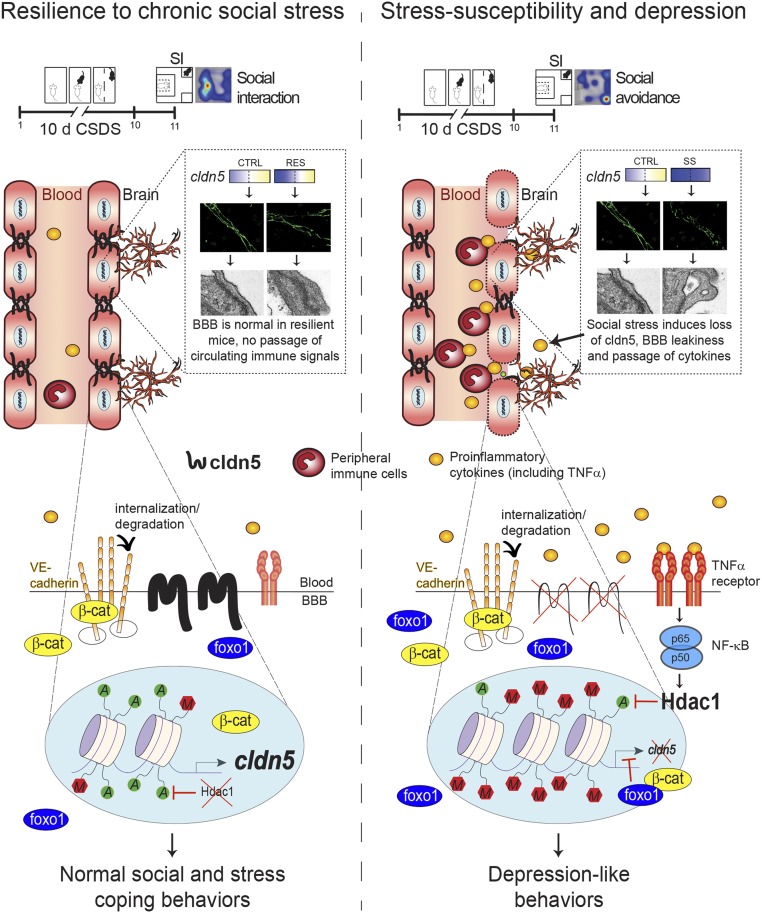
“Mechanistically, social defeat stress upregulates inflammatory TNF and/or nuclear factor-κB (NFКB) signaling pathways in endothelial cells and diminishes expression of the tight junction protein claudin-5 (CLDN5)7,74.”
From Central regulation of stress-evoked peripheral immune responses (2023) · cites this paper as [74]
Experimental — accuracy not yet measuredThe source backs part of the claim, not all of it — or backs it for a different population, condition or comparison.
In the citing paper
“Other forms of histone methylation include H3K9me2 and H3K27me3, are repressive in the gene promoter region in response to stress.167,168”
From Epigenetic regulation in major depression and other stress-related disorders: molecular mechanisms, clinical relevance and therapeutic potential (2023) · cites this paper as [168]
Experimental — accuracy not yet measuredIn the citing paper
“Moreover, disruption of the BBB due to other viral infections has already been proven to trigger long-term development of neurological disorders, such as Alzheimer’s disease, depression, anxiety and multiple sclerosis [125–127].”
From Hyperactivation of P2X7 receptors as a culprit of COVID-19 neuropathology (2021) · cites this paper as [127]
In the citing paper
“Stressed animals exhibit loss of blood brain barrier integrity [67]”
From Moderators of inflammation-related depression: a prospective study of breast cancer survivors (2021) · cites this paper as [67]
In the citing paper
“Pre-clinical evidence indicates that neuro-immune pathways can be moderated by risk factors, including stress, anxiety, and sleep disturbance [67–70].”
From Moderators of inflammation-related depression: a prospective study of breast cancer survivors (2021) · cites this paper as [67]
Self-check
Percentages, sums and reported differences re-computed from the paper’s own numbers.
The self-check needs the paper’s full text.
Citations
Cites
Kessler, R. C., Chiu, W. T., Demler, O., & Walters, E. E. (2005) · Archives of General Psychiatry · doi:10.1001/archpsyc.62.6.617 · Cited by 12,052 · cited 1×
“M ajor depressive disorder (MDD) will affect one out of five individuals throughout their lifetime and is now considered the leading cause of disabilities worldwide (1).”
Zhang, Y., Chen, K., Sloan, S. A., Bennett, M. L., Scholze, A. R., O'Keeffe, S., Phatnani, H. P., Guarnieri, P., Caneda, C., Ruderisch, N., et al. (2014) · The Journal of Neuroscience · doi:10.1523/jneurosci.1860-14.2014 · Cited by 4,875 · cited 2×
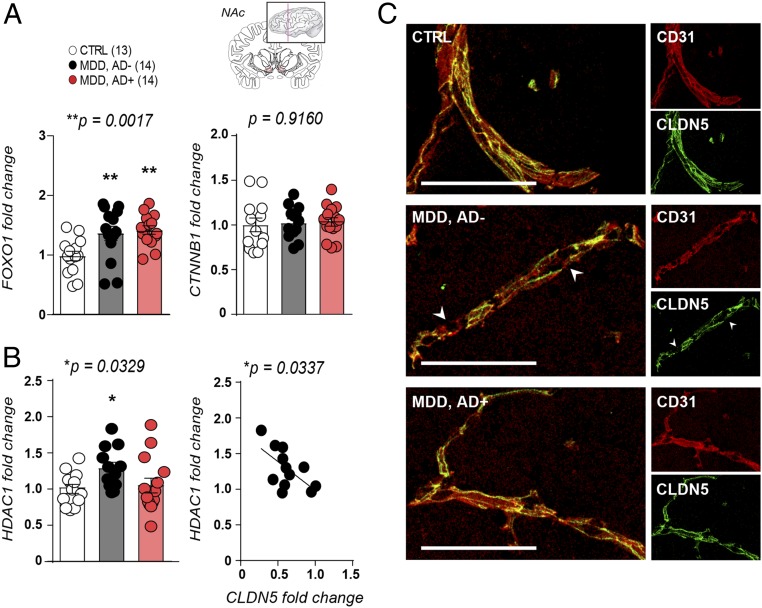
“We identified histone deacetylase 1 (hdac1), an enzyme enriched in endothelial cells (14) and involved in transcriptional repression (15), as being up-regulated in stresssusceptible mice.”
The role of inflammation in depression: from evolutionary imperative to modern treatment target
Miller, A. H., & Raison, C. L. (2016) · Nature Reviews Immunology · doi:10.1038/nri.2015.5 · Cited by 3,942
Bardo, M. T., & Hammer, R. P. (1991) · Neuroscience · doi:10.1016/0306-4522(91)90226-e · Cited by 3,219
Kessler, R. (1993) · Journal of Affective Disorders · doi:10.1016/0165-0327(93)90026-g · Cited by 2,207 · cited 1×
“While the current work was only performed in male mice, depression being far more prevalent in women (50) it will be highly relevant to evaluate whether stress-induced neurovascular adaptations are present in females.”
A molecular atlas of cell types and zonation in the brain vasculature
Vanlandewijck, M., He, L., Mäe, M. A., Andrae, J., Ando, K., Del Gaudio, F., Nahar, K., Lebouvier, T., Laviña, B., Gouveia, L., et al. (2018) · Nature · doi:10.1038/nature25739 · Cited by 1,892 · cited 1×
“Recent sequencing studies performed in whole mouse and human brains revealed that HDAC2 expression is higher than HDAC1 in endothelial cells (14, 40).”
The brain reward circuitry in mood disorders
Russo, S. J., & Nestler, E. J. (2013) · Nature Reviews Neuroscience · doi:10.1038/nrn3381 · Cited by 1,870 · cited 3×
“6).”
InfluentialSelf-citationBlood–brain barrier breakdown is an early biomarker of human cognitive dysfunction
Nation, D. A., Sweeney, M. D., Montagne, A., Sagare, A. P., D’Orazio, L. M., Pachicano, M., Sepehrband, F., Nelson, A. R., Buennagel, D. P., Harrington, M. G., et al. (2019) · Nature Medicine · doi:10.1038/s41591-018-0297-y · Cited by 1,728 · cited 1×
“Indeed, BBB breakdown is an early biomarker of human cognitive dysfunction (51) and a link between cldn5 polymorphisms and cognition status in the elderly has been revealed by genome-wide studies of verbal declarative memory in nondemented older individuals (52).”
Raison, C. L., Rutherford, R. E., Woolwine, B. J., Shuo, C., Schettler, P., Drake, D. F., Haroon, E., & Miller, A. H. (2013) · JAMA Psychiatry · doi:10.1001/2013.jamapsychiatry.4 · Cited by 1,617
A standardized protocol for repeated social defeat stress in mice
Golden, S. A., Covington, H. E., Berton, O., & Russo, S. J. (2011) · Nature Protocols · doi:10.1038/nprot.2011.361 · Cited by 1,581 · cited 5×
“Again, site-directed qChIP was performed as described in Golden et al. (15) this time using a micrococcal nuclease (MNase)-based assay to produce fragments of ∼ 150 to 160 bp.”
InfluentialSelf-citation
Cited by
Items 101–200 of 361
Kageyama, Y., Deguchi, Y., Hattori, K., Yoshida, S., Goto, Y., Inoue, K., & Kato, T. (2021) · Brain and Behavior · doi:10.1002/brb3.2075 · Cited by 33
Moderators of inflammation-related depression: a prospective study of breast cancer survivors
Manigault, A. W., Ganz, P. A., Irwin, M. R., Cole, S. W., Kuhlman, K. R., & Bower, J. E. (2021) · Translational Psychiatry · doi:10.1038/s41398-021-01744-6 · Cited by 29
“Stressed animals exhibit loss of blood brain barrier integrity [67], increased monocyte trafficking to the brain [68], and microglial cell priming [69].”
BackgroundSolarz, A., Majcher‐Maślanka, I., & Chocyk, A. (2021) · Developmental Neurobiology · doi:10.1002/dneu.22846 · Cited by 33
“On the other hand, a reduction in CLDN5 has been observed in the nucleus accumbens of depressed patients (Dudek et al., 2020).”
BackgroundDistinguishing features of depression in dementia from primary psychiatric disease
Fisher, D. W., Dunn, J. T., & Dong, H. (2024) · Discover Mental Health · doi:10.1007/s44192-023-00057-y · Cited by 36
“Importantly, claudin-5 reduction was detected in two independent post-mortem cohorts of MDD patients’ nucleus accumbens [230] as well as epigenetic changes in the claudin-5 promotor of those with MDD [229].”
BackgroundHe, H., He, H., Mo, L., Yuan, Q., Xiao, C., Ma, Q., Yi, S., Zhou, T., You, Z., & Zhang, J. (2024) · Brain Behavior & Immunity - Health · doi:10.1016/j.bbih.2024.100729 · Cited by 33
“Individuals differ substantially in their resilience to stress (Cathomas et al., 2019; Dion-Albert et al., 2022; Fleshner et al., 2011), and the same is true of laboratory animals (Dudek et al., 2020; Menard et al., 2017; Zhang et al., 2021).”
BackgroundZhang, J., Gao, T., Chen, G., Liang, Y., Nie, X., Gu, W., Li, L., Tong, H., Huang, W., Lu, T., et al. (2024) · Phytomedicine · doi:10.1016/j.phymed.2024.156057 · Cited by 34
Microbial metabolites and immune regulation: New targets for major depressive disorder
Merchak, A. R., & Gaultier, A. (2020) · Brain Behavior & Immunity - Health · doi:10.1016/j.bbih.2020.100169 · Cited by 31
“They found that while many immune cell types have certain levels of dysfunction, the T cells are the most variable (Eyre et al., 2014).”
BackgroundChiba, H., Ichikawa‐Tomikawa, N., Imura, T., & Sugimoto, K. (2021) · Journal of Cellular Physiology · doi:10.1002/jcp.30357 · Cited by 29
Vore, A. S., Barney, T. M., Deak, M. M., Varlinskaya, E. I., & Deak, T. (2022) · Brain Behavior and Immunity · doi:10.1016/j.bbi.2022.02.030 · Cited by 32
Lai, W., Huang, Z., Li, S., Li, X.-G., & Luo, D. (2023) · International Immunopharmacology · doi:10.1016/j.intimp.2023.109840 · Cited by 31
Fear circuit–based neurobehavioral signatures mirror resilience to chronic social stress in mouse
Ayash, S., Lingner, T., Ramisch, A., Ryu, S., Kalisch, R., Schmitt, U., & Müller, M. B. (2023) · Proceedings of the National Academy of Sciences · doi:10.1073/pnas.2205576120 · Cited by 35
“Additionally, chronic social stress may disrupt vascular integrity which in turn impairs blood flow and blood–brain barrier function (35, 36), among others (37, 38).”
BackgroundSun, M., Xue, X., Li, L., Xu, D., Li, S., Li, S. C., & Su, Q. (2021) · Quantitative Imaging in Medicine and Surgery · doi:10.21037/qims-20-1015 · Cited by 34
“, tight junction (1), or secreted molecules, e.”
BackgroundManigault, A. W., Kuhlman, K. R., Irwin, M. R., Cole, S. W., Ganz, P. A., Crespi, C. M., & Bower, J. E. (2022) · Psychological Science · doi:10.1177/09567976221079633 · Cited by 32
“This mechanism is supported by preclinical work suggesting that multiple neuroimmune communication routes are enhanced in stressed animals (Dudek et al., 2020; Menard et al., 2017; Wohleb et al., 2016) and illustrated by recent experiments in which stressed adults exhibited greater depressed mood in response to inflam…”
BackgroundThe Blood–Brain Barrier: Much More Than a Selective Access to the Brain
Sánchez-Cano, F., Hernández‐Kelly, L. C., & Ortega, A. (2021) · Neurotoxicity Research · doi:10.1007/s12640-021-00431-0 · Cited by 35
“stress resilient and susceptible mice showed that the expression of the enzyme histone deacetylase 1 (HADC1) was highly reduced in resilient animals, showing an epigenetic regulation of the expression of claudin-5 in psychosocial stress conditions and exposes a therapeutic target to promote resilience, showed by HDAC1…”
BackgroundThe enigma of vascular depression in old age: a critical update
Jellinger, K. A. (2022) · Journal of Neural Transmission · doi:10.1007/s00702-022-02521-5 · Cited by 32
“Molecular adaptations of the blood–brain barrier may promote stress resilience against depression (Dudek et al. 2020).”
BackgroundA mechanism of self-lipid endocytosis mediated by the receptor Mincle
Kostarnoy, A. V., Gancheva, P. G., Kireev, I. I., Soloviev, A. I., Lepenies, B., Kulibin, A. Y., Malolina, E. A., Scheglovitova, O. N., Kondratev, A. V., Sokolova, M. V., et al. (2022) · Proceedings of the National Academy of Sciences · doi:10.1073/pnas.2120489119 · Cited by 26
“Isolation of mouse brain endothelial cells was performed using MACS technology (39) or using puromycin selection according to a previously published method (40).”
MethodThe roles of extracellular vesicles in major depressive disorder
Li, Y., Gui, Y., Zhao, M., Chen, X., Li, H., Chen, T., Zhao, H., Jiang, C., Xu, P., Zhang, S., et al. (2023) · Frontiers in Psychiatry · doi:10.3389/fpsyt.2023.1138110 · Cited by 36
Paton, S. E. J., Solano, J. L., Coulombe-Rozon, F., Lebel, M., & Ménard, C. (2023) · Journal of Psychiatry and Neuroscience · doi:10.1503/jpn.220218 · Cited by 27
Self-citationTranslating the Transcriptome: Sex Differences in the Mechanisms of Depression and Stress, Revisited
Rainville, J. R., Lipuma, T., & Hodes, G. E. (2021) · Biological Psychiatry · doi:10.1016/j.biopsych.2021.02.003 · Cited by 26
Zhu, H., Guo, Y., Huang, A., Shen, H., Chen, Y., Song, J., Guan, A., Wu, L., Wang, H., & Deng, B. (2022) · Frontiers in Immunology · doi:10.3389/fimmu.2022.845678 · Cited by 29
“Recent evidence has shown that histone deacetylases (HDACs) are not only connected with emotion regulation, such as depression, but are also involved in poststroke recovery (7, 8).”
BackgroundThe separation distress hypothesis of depression – an update and systematic review
Watt, D. F. (2023) · Neuropsychoanalysis · doi:10.1080/15294145.2023.2240340 · Cited by 26
Nejad, A. E., Zadeh, S. M. M., Nickho, H., Abbasian, A. S., Forouzan, A., Ahmadlou, M., Nedaeinia, R., Shaverdi, S., & Manian, M. (2023) · Frontiers in Immunology · doi:10.3389/fimmu.2023.1281567 · Cited by 29
Lengvenytė, A., Belzeaux-R, R., Olié, É., Hamzeh‐Cognasse, H., Sénèque, M., Strumila, R., Cognasse, F., & Courtet, P. (2023) · Brain Behavior and Immunity · doi:10.1016/j.bbi.2023.08.025 · Cited by 26
Cussotto, S., Delgado, I., Oriolo, G., Kemper, J., Begarie, D., Dexpert, S., Sauvant, J., Leboyer, M., Aouizerate, B., Martín‐Santos, R., et al. (2022) · Depression and Anxiety · doi:10.1002/da.23257 · Cited by 27
“This aspect is of great importance in the context of psychiatric disorders, as accumulating data suggest the existence of BBB pathology in patients with MDD (Cheng et al., 2018; Dudek et al., 2020; Morris et al., 2018; Shalev et al., 2009).”
BackgroundSolarz, A., Majcher‐Maślanka, I., Kryst, J., & Chocyk, A. (2022) · Brain Behavior and Immunity · doi:10.1016/j.bbi.2022.11.005 · Cited by 26
Manigault, A. W., Kuhlman, K. R., Irwin, M. R., Cole, S. W., Ganz, P. A., Crespi, C. M., & Bower, J. E. (2021) · Brain, Behavior, and Immunity · doi:10.1016/j.bbi.2021.03.004 · Cited by 23
Thomas, M., Savitz, J. B., Zhang, Y., Burrows, K., Smith, R. S., Figueroa‐Hall, L. K., Kuplicki, R., Khalsa, S. S., Taki, Y., Teague, T. K., et al. (2021) · Life · doi:10.3390/life12010043 · Cited by 24
Microglia as a Hub for Suicide Neuropathology: Future Investigation and Prevention Targets
de Andrade, E. G., Ibáñez, F. G., & Tremblay, M. (2022) · Frontiers in Cellular Neuroscience · doi:10.3389/fncel.2022.839396 · Cited by 22
Wolugbom, J. A., Areloegbe, S. E. J., & Olaniyi, K. S. (2022) · Molecular Neurobiology · doi:10.1007/s12035-022-03074-0 · Cited by 27
Sinclair, L. I., Mohr, A., Morisaki, M., Edmondson, M., Chan, S., Bone‐Connaughton, A., Turecki, G., & Love, S. (2023) · Alzheimer s Research & Therapy · doi:10.1186/s13195-023-01299-2 · Cited by 30
“In two small human studies from the same group, claudin 5 gene expression was downregulated in the nucleus accumbens in patients with depression [81, 82].”
BackgroundSelf-citationThe missing hallmark of health: psychosocial adaptation
López-Otín, C., & Kroemer, G. (2024) · Cell Stress · doi:10.15698/cst2024.03.294 · Cited by 32
Can treatment of obesity reduce depression or vice versa?
Borgland, S. L. (2021) · Journal of Psychiatry and Neuroscience · doi:10.1503/jpn.210036 · Cited by 31
Neurophysiological dynamics for psychological resilience: A view from the temporal axis
Watanabe, N., & Takeda, M. (2021) · Neuroscience Research · doi:10.1016/j.neures.2021.11.004 · Cited by 27
“Hultman et al. reported that stress vulnerability (future depression risk) in mice is represented in beta synchronization across the MPFC/ NAC–amygdala (AMY)/VTA–ventral hippocampus (HIP) pathway, while stress susceptibility (depression phenotype) is represented in both delta/beta synchronization across the NAC–ventra…”
BackgroundInfluentialLi, Q.-F., Lu, W.-T., Zhang, Q., Zhao, Y., Wu, C., & Zhou, H. (2022) · Frontiers in Pharmacology · doi:10.3389/fphar.2022.773537 · Cited by 33
“Evidence suggests that the MAPK pathway is one of the cellular signaling pathways involved in the antidepressant function (Krishna and Narang, 2008; Falcicchia et al., 2020; Fan et al., 2020; Zhang et al., 2020).”
BackgroundExploring potential genes and mechanisms linking erectile dysfunction and depression
Yuan, P., Chen, Y., Sun, T., Cui, L., Wei, Y., Li, T., & Meng, Q. (2023) · Frontiers in Endocrinology · doi:10.3389/fendo.2023.1221043 · Cited by 23
Montagud‐Romero, S., Reguilón, M. D., Pascual, M., Blanco-Gandía, M. C., Guerri, C., Miñarro, J., & Rodríguez‐Arias, M. (2020) · Neuropharmacology · doi:10.1016/j.neuropharm.2020.108368 · Cited by 21
BPCO, troubles anxio-dépressifs et cognitifs : l’inflammation joue-t-elle un rôle prépondérant ?
Peiffer, G., Underner, M., Perriot, J., & Fond, G. B. (2021) · Revue des Maladies Respiratoires · doi:10.1016/j.rmr.2021.03.004 · Cited by 25
Long-term Pu-erh tea consumption improves blue light-induced depression-like behaviors
Zhao, S., Hu, S., Sun, K., Luo, L., & Zeng, L. (2023) · Food & Function · doi:10.1039/d2fo02780a · Cited by 20
Lucido, M. J., & Dunlop, B. W. (2025) · Brain Sciences · doi:10.3390/brainsci15020161 · Cited by 25
“GABA signaling mediates the stress response [116,117], a vulnerability factor for mood disorders [118,119], and preclinical and translational studies demonstrate depressive phenotypes in the context of dysfunctional GABA signaling [120].”
Role of Blood-Brain barrier in bacterial translocation
Aborode, A. T., Adesola, R. O., Scott, G. Y., Adepoju, V. A., Akan, O. D., Ogunyemi, A. D., Adetunji, A. P.-G., Arogundade, F. Q., Kwaku, S. D., Emmanuel, A. O., et al. (2025) · Neuroscience · doi:10.1016/j.neuroscience.2025.06.037 · Cited by 20
Adams, Y., Clausen, A. S., Jensen, P. Ø., Lager, M., Wilhelmsson, P., Henningsson, A., Lindgren, P., Faurholt‐Jepsen, D., Mens, H., Kraiczy, P., et al. (2022) · iScience · doi:10.1016/j.isci.2022.105838 · Cited by 30
Central and peripheral stress-induced epigenetic mechanisms of resilience
Dudek, K., Kaufmann, F. N., Lavoie, O., & Ménard, C. (2021) · Current Opinion in Psychiatry · doi:10.1097/yco.0000000000000664 · Cited by 23
Self-citationBollinger, J. L., Johnsamuel, S., Vollmer, L. L., Kuhn, A. M., & Wohleb, E. S. (2025) · Molecular Psychiatry · doi:10.1038/s41380-025-02993-3 · Cited by 30
Ren, B., Yuan, Q., Cha, S., Liu, S.-Y. M., Zhang, J., & Guo, G. (2025) · Molecular Neurobiology · doi:10.1007/s12035-025-05152-5 · Cited by 26
Across Barriers: Blood–Brain and Gut Barrier Signaling in Psychiatric Disorders
Binder, L. B., Bevilacqua, L. M., Thomassen, F. G. L., Lebel, M., Jensen, B. A. H., & Ménard, C. (2025) · Journal of Neurochemistry · doi:10.1111/jnc.70282 · Cited by 20
“Postmortem analysis corroborates these findings with decreased levels of CLDN5 in corticolimbic areas, including the NAc, Amy, and Hipp, alongside signs of vascular disruption (Dudek et al. 2020; Greene et al. 2019; Maridaki et al. 2025).”
Self-citationMaciak, K., Dziedzic, A., & Saluk, J. (2022) · The FASEB Journal · doi:10.1096/fj.202201348r · Cited by 23
Dutheil, S., Watson, L. S., Davis, R. E., & Snyder, G. L. (2022) · Journal of Neuroscience · doi:10.1523/jneurosci.0984-22.2022 · Cited by 19
“Moreover, TNF-a/NFkB signaling increases BBB permeability by decreasing expression of Cldn5 (Dudek et al., 2020).”
BackgroundSun, Z., Sun, Z.-X., Zhao, Y. F., Zhang, L., Xie, F., Wang, X., Li, J., Zhou, M., Feng, H., & Qian, L. (2025) · Fluids and Barriers of the CNS · doi:10.1186/s12987-025-00639-8 · Cited by 21
“Moreover, the epigenetic patterns of Claudin–5 have been shown to be correlated with the pathogenesis of cognitive decline [37, 38, 58], highlighting the importance of Claudin–5 expression in maintaining the normal function of the CNS.”
Johnston, J. N., Allen, J., Shkolnikov, I., Sánchez-Lafuente, C. L., Reive, B. S., Scheil, K., Liang, S., Christie, B. R., Kalynchuk, L. E., & Caruncho, H. J. (2023) · eNeuro · doi:10.1523/eneuro.0106-23.2023 · Cited by 18
“In addition, leakage of the BBB has been reliably found in depression, where increased permeability may allow for the crossing of molecules that are unable to in healthy controls (Najjar et al., 2013; Dudek et al., 2020).”
BackgroundVascular endothelial growth factor: a key factor in the onset and treatment of depression
Wang, J., Meng, F., Wang, L., & Li, Z. (2025) · Frontiers in Cellular Neuroscience · doi:10.3389/fncel.2025.1645437 · Cited by 17
Stankiewicz, A. M., Jaszczyk, A., Gościk, J., & Juszczak, G. R. (2022) · Progress in Neuro-Psychopharmacology and Biological Psychiatry · doi:10.1016/j.pnpbp.2022.110558 · Cited by 17
Chang, X., Ma, M., Chen, L., Song, Z., Zhao, Z., Shen, W., Jiang, H., Wu, Y., Fan, M., & Wu, H. (2022) · Brain Sciences · doi:10.3390/brainsci12101267 · Cited by 17
“the blood-brain barrier (BBB), and depression and vulnerability to chronic social stress are associated with loss of this barrier integrity [63].”
BackgroundSammer, G., Neumann, E., Blecker, C. R., & Petrozzi, B. P. (2022) · Scientific Reports · doi:10.1038/s41598-022-22437-0 · Cited by 23
Goodman, E. J., DiSabato, D. J., Sheridan, J. F., & Godbout, J. P. (2024) · Communications Biology · doi:10.1038/s42003-024-06898-9 · Cited by 19
“Resilience is uncommon in this version of repeated social defeat compared to other models of social defeat (paired fi ghting) 75 .”
MethodExamining the central effects of chronic stressful social isolation on rats
Alshammari, T. K., Alghamdi, H., Alduhailan, H., Saja, M. F., Al-Rasheed, N. M., & Alshammari, M. A. (2020) · Biomedical Reports · doi:10.3892/br.2020.1363 · Cited by 17
“The results of the present study supports existing research (14,28), which furthers our understanding regarding the complexity of pathological changes affecting BBB integrity and the level of inflammation in stress‐related disorders.”
ResultWhat Do the Animal Studies of Stress Resilience Teach Us?
Dziedzicka‐Wasylewska, M., Solich, J., Korlatowicz, A., & Faron‐Górecka, A. (2021) · Cells · doi:10.3390/cells10071630 · Cited by 16
“, wide genomic alterations [1], the contribution of endocrine processes, including sex differences, and the immunological response associated with depression [2], as well as vascular functions [3], especially with neurovascular adaptations in human depression [4], which were extensively reviewed recently by Dudek et a…”
BackgroundAcute high-fat high-sugar diet rapidly increases blood-brain barrier permeability in mice
Leidmaa, E., Zimmer, A., Stein, V., & Gellner, A. (2025) · The journal of nutrition health & aging · doi:10.1016/j.jnha.2025.100574 · Cited by 16
“In humans and mice alike, pathological triggers can be either short and strong, for example stroke, bacterial infection, trauma, or milder and longer-lasting like autoimmune disease, neurodegeneration, chronic stress, and obesity [3 – 9].”
Type 2 diabetes mellitus, cerebral small vessel disease and depressive disorders
Serhiyenko, V. A., Чемерис, О. М., Pankiv, V. І., & Serhiyenko, A. A. (2025) · INTERNATIONAL NEUROLOGICAL JOURNAL · doi:10.22141/2224-0713.21.3.2025.1178 · Cited by 21
Yang, X., Wang, J., Zhang, J., Zhang, M., Hao, A., Guo, F., Huang, X., Yan, J., Zheng, Y., Xia, Y., et al. (2025) · Cell & Bioscience · doi:10.1186/s13578-025-01444-4 · Cited by 18
“In recent years, the vascular system’s involvement in psychiatric disorders has gained increasing attention, offering a unifying framework to explain various patho-physiological abnormalities [13–16].”
Exercise and the blood–brain barrier: Mechanistic insights and therapeutic implications
Sun, Z.-X., Xie, F., Zhao, Y. F., Wang, X., Sun, Z.-W., Qian, L., & Feng, H. (2025) · Neurobiology of Disease · doi:10.1016/j.nbd.2025.107166 · Cited by 18
Cuitavi, J., Lorente, J. D., Campos‐Jurado, Y., Polache, A., & Hipólito, L. (2021) · Frontiers in Immunology · doi:10.3389/fimmu.2021.689453 · Cited by 14
Genomic-Analysis-Oriented Drug Repurposing in the Search for Novel Antidepressants
Lesmana, M. H. S., Le, N. Q. K., Chiu, W., Chung, K., Wang, C., Irham, L. M., & Chung, M. (2022) · Biomedicines · doi:10.3390/biomedicines10081947 · Cited by 15
“The circulating of pro-inflammatory mediators in the brain is the consequence of the weakening of the semipermeable border of blood–brain barrier (BBB) due to chronical stress stimuli [33].”
BackgroundDeciphering the Metabolome under Stress: Insights from Rodent Models
Papageorgiou, M. P., Theodoridou, D., Nußbaumer, M., Syrrou, M., & Filiou, M. D. (2023) · Current Neuropharmacology · doi:10.2174/1570159x21666230713094843 · Cited by 17
“Perturbed expression of endothelial tight junction proteins is observed in the nucleus accumbens of patients suffering from depression and is modulated by antidepressant treatment [109].”
BackgroundGusev, E., & Sarapultsev, A. (2023) · Current Pharmaceutical Design · doi:10.2174/0113816128285578231218102020 · Cited by 19
Li, K., Wang, K., Xu, S., Xie, X., Tang, Y., Zhang, L., & Liu, Z. (2024) · Journal of Affective Disorders · doi:10.1016/j.jad.2024.09.073 · Cited by 15
Qi, X., Tang, Z., Shao, X., Wang, Z., Li, M., Zhang, X., He, L., Wang, J., & Yu, X. (2023) · Behavioural Brain Research · doi:10.1016/j.bbr.2023.114472 · Cited by 12
Biltz, R. G., Swanson, S. P., Draime, N., Davis, A. C., Yin, W., Goodman, E. J., Gallagher, N. R., Bhattacharya, A., Sheridan, J. F., & Godbout, J. P. (2023) · Brain Behavior and Immunity · doi:10.1016/j.bbi.2023.10.011 · Cited by 14
Brain inflammaging in the pathogenesis of late-life depression
Ishizuka, T., Nagata, W., Nakagawa, K., & Takahashi, S. (2024) · Human Cell · doi:10.1007/s13577-024-01132-4 · Cited by 14
“Pharmacologic restoration of claudin-5 expression in the nucleus accumbens has been found to enhance stress resilience [80].”
Akiyama, S., Nagai, H., Oike, S., Horikawa, I., Shinohara, M., Lü, Y., Futamura, T., Shinohara, R., Kitaoka, S., & Furuyashiki, T. (2022) · Scientific Reports · doi:10.1038/s41598-022-15461-7 · Cited by 19
The Lipid Invasion Model: Growing Evidence for This New Explanation of Alzheimer’s Disease
Rudge, J. D. (2023) · Journal of Alzheimer s Disease · doi:10.3233/jad-221175 · Cited by 16
Luarte, A., Nardocci, G., Chakraborty, A., Bátiz, L. F., Pino‐Lagos, K., & Wyneken, Ú. (2023) · Pharmacological Research · doi:10.1016/j.phrs.2023.106833 · Cited by 14
Beyond Diabetes: Semaglutide's Role in Modulating Mood Disorders through Neuroinflammation Pathways
Piątkowska‐Chmiel, I., Wicha-Komsta, K., Pawłowski, K., Syrytczyk, A., Kocki, T., Dudka, J., & Herbet, M. (2025) · Cellular and Molecular Neurobiology · doi:10.1007/s10571-025-01534-4 · Cited by 14
“Dudek et al. (2020) further propose that GLP-1R agonists can protect the blood–brain barrier from inflammation-induced damage, which is commonly observed in individuals suffering from both diabetes and depression (Zunszain et al. 2013; Piatkowska-Chmiel et al. 2021).”
Navigating mental health in space: gut–brain axis and microbiome dynamics
Yang, J., Kim, H.-D., Barrila, J., Lee, S. M., Nickerson, C. A., Ott, C. M., Israel, S., Choukèr, A., & Yang, J. (2025) · Experimental & Molecular Medicine · doi:10.1038/s12276-025-01488-z · Cited by 20
Huang, S. S., Pavenski, K., Lee, T., Jurkiewicz, M. T., Bharatha, A., Thiessen, J. D., Lawrence, K. S., Théberge, J., Mandzia, J. L., Barth, D. S., et al. (2021) · Blood Advances · doi:10.1182/bloodadvances.2021005317 · Cited by 12
Keep, R. F., Jones, H. C., & Drewes, L. R. (2021) · Fluids and Barriers of the CNS · doi:10.1186/s12987-021-00258-z · Cited by 12
“[130] identified factors that may explain vulnerability or resilience of the BBB against the effects of chronic social stress (a model of depression) in mice, effects that also seem to occur in humans.”
BackgroundInflammatory Factors: A Key Contributor to Stress-Induced Major Depressive Disorder
Liu, Q., Nie, B., Cui, X., Wang, W., & Duan, D.-X. (2025) · Cells · doi:10.3390/cells14090629 · Cited by 16
The role and mechanism of tight junctions in the regulation of salivary gland secretion
Cong, X., Mao, X., Wu, L., & Yu, G. (2023) · Oral Diseases · doi:10.1111/odi.14549 · Cited by 12
Huang, Y., Tsai, M.-S., Panyod, S., Liu, P., Lu, K., Weng, C.-Y., Huang, H., Hsu, C., & Sheen, L. (2023) · Food & Function · doi:10.1039/d3fo00270e · Cited by 12
Jorgensen, C., Troendle, E. P., Ulmschneider, J. P., Searson, P. C., & Ulmschneider, M. B. (2023) · Journal of Computer-Aided Molecular Design · doi:10.1007/s10822-023-00525-1 · Cited by 12
“Additionally, molecular transport across BBB may also play a role in the development of psychiatric disorders [8] such as anxiety and depression [9], as well as schizophrenia [9] as the BBB also regulates the distribution of neurotransmitters and neurotrophic factors, which are essential for the proper functioning of…”
Backgrounddos Santos, B. M., Pereira, G. C., Piton, E., Fialho, M. F. P., Becker, G., Carlotto, M. D. S., Camargo, L. F. M., Ramanzini, L. G., Oliveira, S. M., Trevisan, G., et al. (2022) · Behavioural Brain Research · doi:10.1016/j.bbr.2022.113815 · Cited by 14
The blood-brain barrier in bipolar disorders: A systematic review
Alonso, C. W., McElhatton, F., O’Mahony, B., Campbell, M., Pollak, T. A., & Stokes, P. R. A. (2024) · Journal of Affective Disorders · doi:10.1016/j.jad.2024.06.032 · Cited by 19
Neurovascular dysfunction in psychiatric disorders: Underlying mechanisms and therapeutic approaches
Sanches, E. S., Simões, D. M., Baptista, F. I., & Silva, A. P. (2024) · European Journal of Clinical Investigation · doi:10.1111/eci.14319 · Cited by 11
“…to a chronic social defeat stress protocol (CSDS) presented leaky BBB explained by the loss of claudin-5 in the prefrontal cortex (PFC) and NAc, in females 41 and males, 65,66 respectively, which promoted anxiety-and depression-like behaviour including social avoidance, anhedonia and helplessness.”
Zheng, J., Wang, H., Wu, W., Wang, L., Qin, M., Zhu, L., Liu, Z., Chen, Y., & Yu, Y. (2025) · Journal of Neuroinflammation · doi:10.1186/s12974-025-03408-4 · Cited by 12
“The FPR2 antagonist WRW4 (1.5 mg/kg), the agonist Ac2-26 (0.5 mg/kg), or W peptide (1.5 mg/kg) was subcutaneously administered on days 15, 17, 19, and 21 during the establishment of the mouse SI model, behavioral tests performed on the 22nd day (Fig.”
InfluentialNanovaccines: Antigen selection, stabilization, adjuvantation, formulation, and evaluation
Lu, L., Yang, M., Deng, D., Shi, X., Lovell, J. F., & Jin, H. (2025) · Coordination Chemistry Reviews · doi:10.1016/j.ccr.2025.216806 · Cited by 12
Deng, Q., Parker, E., Wu, C., Zhu, L., Liu, T. C., Duan, R., & Yang, L. (2024) · Aging and Disease · doi:10.14336/ad.2024.0239 · Cited by 12
“It has been reported that depression augments the permeability of the blood-brain barrier [168], allowing for peripheral cytokines to infiltrate the CNS and trigger an inflammatory response in microglia, resulting in an aberrantly inflamed pro-inflammatory cascade [169, 170].”
Associations of the immune system in aggression traits and the role of microglia as mediators
Takahashi, A. (2024) · Neuropharmacology · doi:10.1016/j.neuropharm.2024.110021 · Cited by 14
Chronic Social Defeat Stress Increases Brain Permeability to Ghrelin in Male Mice
Smith, A., MacAulay, B., Scheufen, J., Hudak, A., & Abizaid, A. B. (2024) · eNeuro · doi:10.1523/eneuro.0093-24.2024 · Cited by 11
“For example, chronic social defeat stress alters the expression of the tight-junction proteins that comprise the barrier between the brain and vasculature system in association with susceptibility to develop and show depressive-like behaviors (Dudek et al., 2020).”
BackgroundPaton, S. E. J., Solano, J. L., Cadoret, A., Collignon, A., Binder, L. B., Daigle, B., Bevilacqua, L. M., Richer, É., Coulombe-Rozon, F., Dion‐Albert, L., et al. (2026) · Nature Communications · doi:10.1038/s41467-025-68058-9 · Cited by 15
“Dysregulation of β -catenin during CSDS is moreover a driver of epigenetic Cldn5 suppression 21 , and we suspected Fgf2 may interfere with this process.”
InfluentialSelf-citationRepairing blood-CNS barriers: Future therapeutic approaches for neuropsychiatric disorders
Bicker, J., Alves, G., Fonseca, C., Falcão, A. C., & Fortuna, A. C. (2020) · Pharmacological Research · doi:10.1016/j.phrs.2020.105226 · Cited by 11
Horikawa, I., Nagai, H., Taniguchi, M., Chen, G., Shinohara, M., Suzuki, T., Ishii, S., Katayama, Y., Kitaoka, S., & Furuyashiki, T. (2024) · Journal of Pharmacological Sciences · doi:10.1016/j.jphs.2024.02.010 · Cited by 8
Chehadi, A. C., Pereira de Lima, E., Detregiachi, C. R. P., Santos de Argollo Haber, R., Catharin, V. M. C. S., Fornari Laurindo, L., Engracia Valenti, V., Machado Galhardi, C., Tanaka, M., & Maria Barbalho, S. (2026) · International Journal of Molecular Sciences · doi:10.3390/ijms27010465 · Cited by 8
“Together, the data suggest that berberine and albiflorin represent promising candidates for modulating Trp metabolism, suppressing neuroinflammation, and enhancing cognitive resilience, warranting rigorous clinical validation to confirm their therapeutic potential [279,280].”
Advances in CNS drug delivery strategies to cross the blood-brain barrier
Li, G., Li, Z., Sun, Y., Bu, T., Chen, S., Yang, L., Li, Z., Mao, W., & Jia, Y. (2025) · Chinese Chemical Letters · doi:10.1016/j.cclet.2025.111524 · Cited by 15
Xiong, J., Hagenauer, M. H., Rhoads, C. A., Flandreau, E. I., Rempel-Clower, N., Hernandez, E., Nguyen, D. M., Saffron, A. M., Duan, T. Q., Watson, S. J., et al. (2026) · Brain and Behavior · doi:10.1002/brb3.71197 · Cited by 9
“…stress induces astrocytic atrophy without reducing cell number (Tynan et al. 2013 ), weakening astrocyte syncytial networks (Aten et al. 2023 ), dysreg-ulating astrocyte-neuron metabolic coupling (Descalzi 2020 ), and altering blood–brain barrier integrity (Dudek et al. 2020 ; Menard et al. 2017 ).”
Cadoret, A., Dion‐Albert, L., Amrani, S., Caron, L., Théberge, M., Turmel, A., Lebel, M., & Ménard, C. (2023) · Behavioural Brain Research · doi:10.1016/j.bbr.2023.114443 · Cited by 9
Self-citationBréchot, N., Rutault, A., Marangon, I., & Germain, S. (2023) · Seminars in Cell and Developmental Biology · doi:10.1016/j.semcdb.2023.07.004 · Cited by 10
Gururajan, A., Bastiaanssen, T. F. S., Silva, A. P. V., Moloney, G. M., & Cryan, J. F. (2021) · European Journal of Neuroscience · doi:10.1111/ejn.15567 · Cited by 10
Lamontagne, S. J., Ballard, E. D., & Zarate, C. A. (2022) · Neurobiology of Stress · doi:10.1016/j.ynstr.2022.100450 · Cited by 12
Wang, N., Gao, B., Stewart, S. L., Hoch, J. S., & Guo, J. (2025) · BMC Psychiatry · doi:10.1186/s12888-025-07125-3 · Cited by 9
“These physiological changes may influence neurotransmitter imbalances and neural pathways associated with mood regulation [39], potentially contributing to the development of depression [40, 41].”
Stress-induced regional characteristics of the blood-brain barrier
Zhou, M.-Y., Xie, F., Zhao, Y. F., Wang, X., Sun, Z., & Qian, L. (2025) · Brain Research Bulletin · doi:10.1016/j.brainresbull.2025.111548 · Cited by 9
Bevilacqua, L. M., Neto, F. D. S., Rosado, A. F., Pinho, C. M., Platt, N., & Kaster, M. P. (2026) · Purinergic Signalling · doi:10.1007/s11302-025-10118-2 · Cited by 7
“Individual variability in stress responses is increasingly recognized as a determinant of mood disorder risk or resilience [40, 41].”
Metadata
- Authors
- Dudek, K. A., Dion-Albert, L., Lebel, M., LeClair, K., Labrecque, S., Tuck, E., Ferrer Perez, C., Golden, S. A., Tamminga, C., Turecki, G., Mechawar, N., Russo, S. J., & Menard, C.
- Affiliations
- Université Laval (CA)
- Department of Psychiatry and Neuroscience, Université Laval, Quebec City, QC G1V 0A6, Canada;
- Icahn School of Medicine at Mount Sinai (US)
- Centre de recherche CERVO (CA)
- Trinity College Dublin (IE)
- Center for Affective Neuroscience, Nash Family Department of Neuroscience, Icahn School of Medicine at Mount Sinai, New York, NY 10029-5674;
- University of Washington (US)
- The University of Texas Southwestern Medical Center (US)
- Douglas Mental Health University Institute (CA)
- ORCID
- Venue
- Proceedings of the National Academy of Sciences
- Publisher
- National Academy of Sciences
- Published
- 2020-01-23
- Volume
- 117
- Issue
- 6
- Pages
- 3326-3336
- ISSN
- 0027-8424 (ISSN-L)
- 1091-6490
- PMC
- PMC7022213
- OpenAlex
- W3003128096
- Cited by
- 361
- References
- 53
- Citations by year
- 2026: 51 · 2025: 73 · 2024: 55 · 2023: 53 · 2022: 55 · 2021: 50 · 2020: 22
- FWCI
- 17.39
- Type
- journal article
- Language
- en
- Open access
- hybrid
- doi.org
- Licence
- Locations
- Proceedings of the National Academy of Sciences (publishedVersion, cc-by)
- PubMed Central (publishedVersion, cc-by)
- PubMed (publishedVersion)
- Corpus Université Laval (Université Laval) (submittedVersion)
- eScholarship@McGill (McGill) (submittedVersion, cc-by)
- Repository of Digital Objects for Teaching Research and Culture (University of Valencia) (submittedVersion, cc-by-nc)
- Lenus, The Irish Health Repository (Dr Steevens Hospital Library) (submittedVersion)
- Funders
- Canada First Research Excellence Fund (Sentinel North Research Chair)
- Brain and Behavior Research Foundation (24749)
- Fonds de Recherche du Québec - Santé (265398)
- Université Laval (Fondation Helene-Halle)
- HHS | National Institutes of Health (R01 MH 104559, P50 MH 096890)
- McGill University (Healty Brain, Healthy Lives)
- Topics
- Life Sciences › Neuroscience › Neurology › Barrier Structure and Function Studies
- Life Sciences › Neuroscience › Behavioral Neuroscience › Stress Responses and Cortisol
- Life Sciences › Neuroscience › Biological Psychiatry › Tryptophan and brain disorders
- Keywords
- blood-brain barrier, stress resilience, depression, chronic social stress, neuroinflammation, antidepressant resistance, epigenetics, gene expression profiling
- MeSH terms
- Animals, Antidepressive Agents, Blood-Brain Barrier, Depression, Major Depressive Disorder, Disease Models, Animal, Humans, Inflammation, Male, Mice, Inbred C57BL, Nucleus Accumbens, Stress, Psychological, Signal Transduction, Epigenesis, Genetic, Mice, Histone Deacetylase 1, Claudin-5
About these checks
Registry, retraction, Cites and statistics results are computed, not judged, with one exception: a printed reference that no index lists is read once by a model before it counts as a citation error. Claims are extracted by a model and kept only when their quote appears verbatim in the text; each cited source is then checked, with a model’s help, for whether it says what the claim relies on. Those verdicts can be wrong — read the claim’s quote and the cited source before relying on one.
Statistics and arithmetic are recomputed, not judged.
Confidence bands are shown only for fields calibrated on our annotated test set. None is calibrated yet, so no band is shown.
What counts as a claim ›How we measure confidence ›How we check this ›
Are you an author, or do you see a problem with this page? Request a review
Data sources
Bibliographic data: Semantic Scholar, OpenAlex, Crossref.
Contains information from the Semantic Scholar Academic Graph Datasets, made available under the ODC Attribution License (ODC-BY 1.0).
Semantic Scholar’s data is described in: Kinney, R., et al. (2023). The Semantic Scholar Open Data Platform. arXiv:2301.10140.
