

Molecular adaptations of the blood–brain barrier promote stress resilience vs. depression
Open accessThe DOI matches its Crossref record; 53 of the 53 references it cites were found in a registry or an index.
Abstract
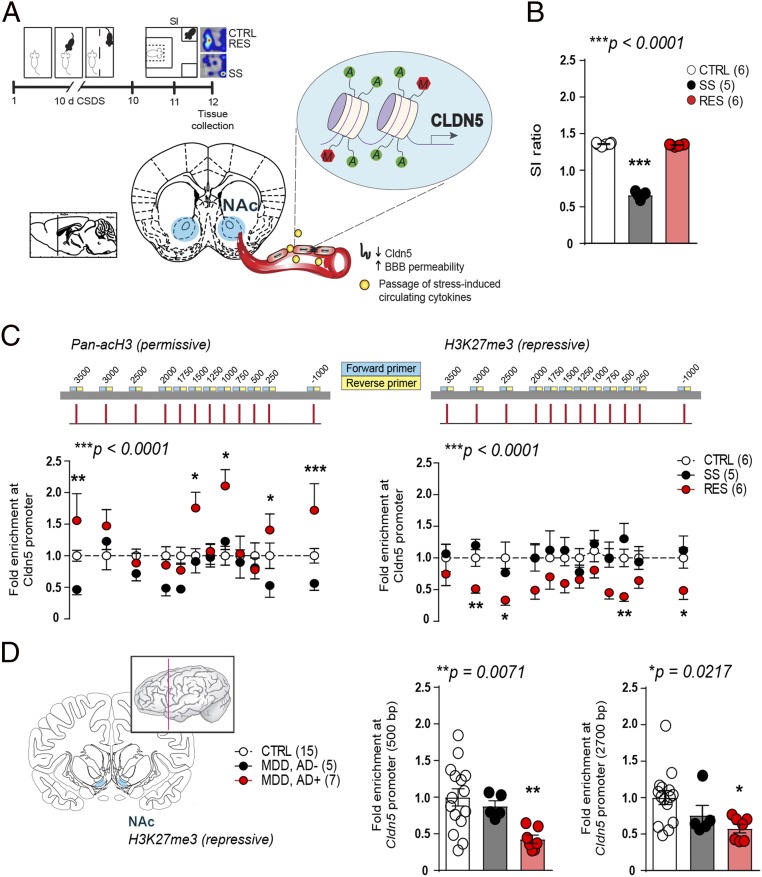
Significance: Thirty to fifty percent of depressed individuals are unresponsive to commonly prescribed antidepressant treatments, suggesting that biological mechanisms, such as stress-induced inflammation and blood vessel dysfunction, remain untreated. The blood–brain barrier is the ultimate frontier between the brain and harmful toxins or inflammatory signals circulating in the blood. Depression and vulnerability to chronic social stress are associated with loss of this barrier integrity; however, the mechanisms involved remain poorly understood. Identification of adaptations leading to resilience under stressful conditions could help develop novel treatments. Here we combined behavioral, pharmacological, and cell-specific gene profiling experiments in mice with epigenetic, molecular, and anatomical analysis of human samples to unravel mechanisms with therapeutic potential to protect the brain and promote resilience.
Overview
The claims and statistics of this paper haven’t been checked yet.
Free: it reads the open-access text and checks the first 5 claims that cite a source we can check. Create a free account to check every claim.
Integrity signals
Registry
Cites
Statistics
Figures
Verification
Claims the paper makes
The claims and statistics of this paper haven’t been checked yet.
Free: it reads the open-access text and checks the first 5 claims that cite a source we can check. Create a free account to check every claim.
Claims other papers make about this one
Each is checked against this paper’s own text: does it say what the citing paper says it does?
The source backs part of the claim, not all of it — or backs it for a different population, condition or comparison.
In the citing paper
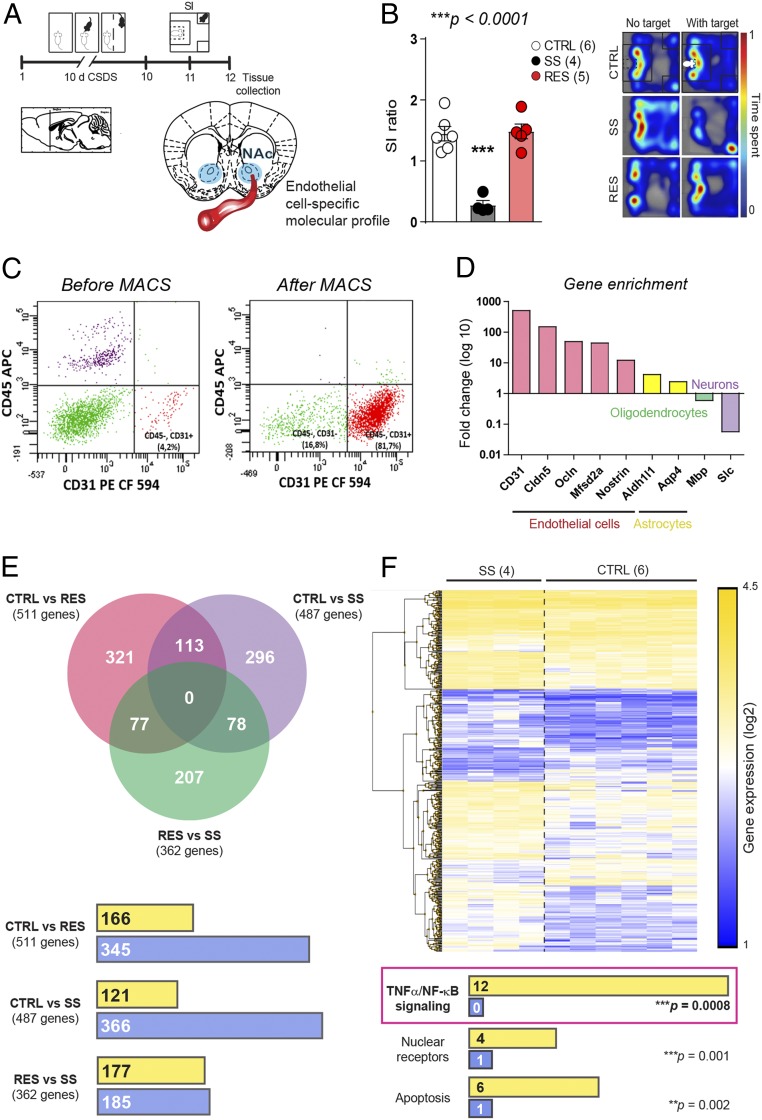
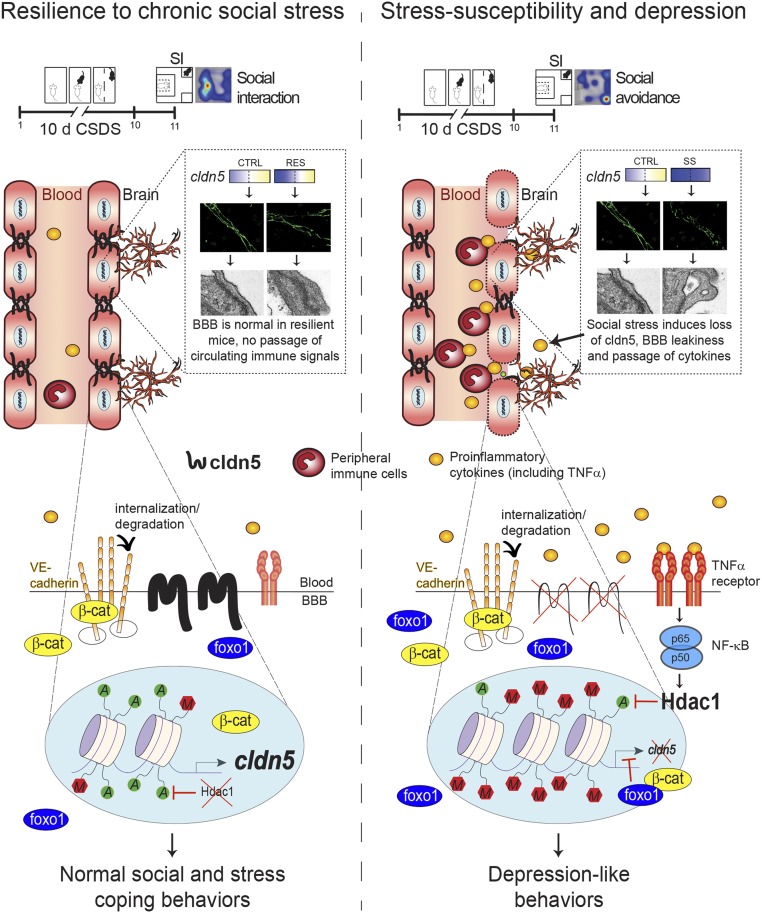
“Mechanistically, social defeat stress upregulates inflammatory TNF and/or nuclear factor-κB (NFКB) signaling pathways in endothelial cells and diminishes expression of the tight junction protein claudin-5 (CLDN5)7,74.”
From Central regulation of stress-evoked peripheral immune responses (2023) · cites this paper as [74]
Experimental — accuracy not yet measuredThe source backs part of the claim, not all of it — or backs it for a different population, condition or comparison.
In the citing paper
“Other forms of histone methylation include H3K9me2 and H3K27me3, are repressive in the gene promoter region in response to stress.167,168”
From Epigenetic regulation in major depression and other stress-related disorders: molecular mechanisms, clinical relevance and therapeutic potential (2023) · cites this paper as [168]
Experimental — accuracy not yet measuredIn the citing paper
“Moreover, disruption of the BBB due to other viral infections has already been proven to trigger long-term development of neurological disorders, such as Alzheimer’s disease, depression, anxiety and multiple sclerosis [125–127].”
From Hyperactivation of P2X7 receptors as a culprit of COVID-19 neuropathology (2021) · cites this paper as [127]
In the citing paper
“Stressed animals exhibit loss of blood brain barrier integrity [67]”
From Moderators of inflammation-related depression: a prospective study of breast cancer survivors (2021) · cites this paper as [67]
In the citing paper
“Pre-clinical evidence indicates that neuro-immune pathways can be moderated by risk factors, including stress, anxiety, and sleep disturbance [67–70].”
From Moderators of inflammation-related depression: a prospective study of breast cancer survivors (2021) · cites this paper as [67]
Self-check
Percentages, sums and reported differences re-computed from the paper’s own numbers.
The self-check needs the paper’s full text.
Citations
Cites
Kessler, R. C., Chiu, W. T., Demler, O., & Walters, E. E. (2005) · Archives of General Psychiatry · doi:10.1001/archpsyc.62.6.617 · Cited by 12,052 · cited 1×
“M ajor depressive disorder (MDD) will affect one out of five individuals throughout their lifetime and is now considered the leading cause of disabilities worldwide (1).”
Zhang, Y., Chen, K., Sloan, S. A., Bennett, M. L., Scholze, A. R., O'Keeffe, S., Phatnani, H. P., Guarnieri, P., Caneda, C., Ruderisch, N., et al. (2014) · The Journal of Neuroscience · doi:10.1523/jneurosci.1860-14.2014 · Cited by 4,875 · cited 2×
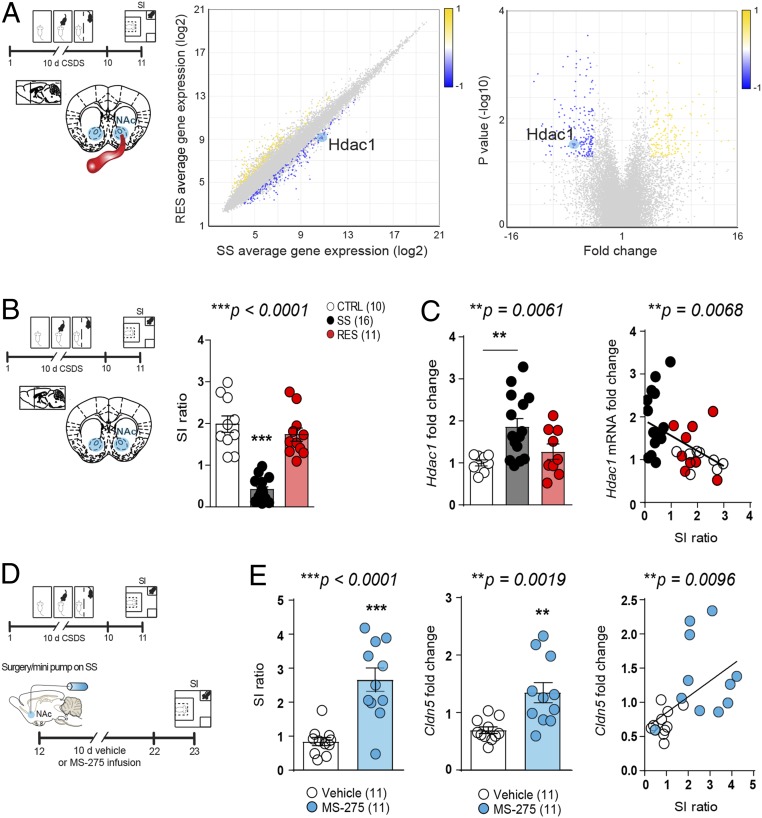
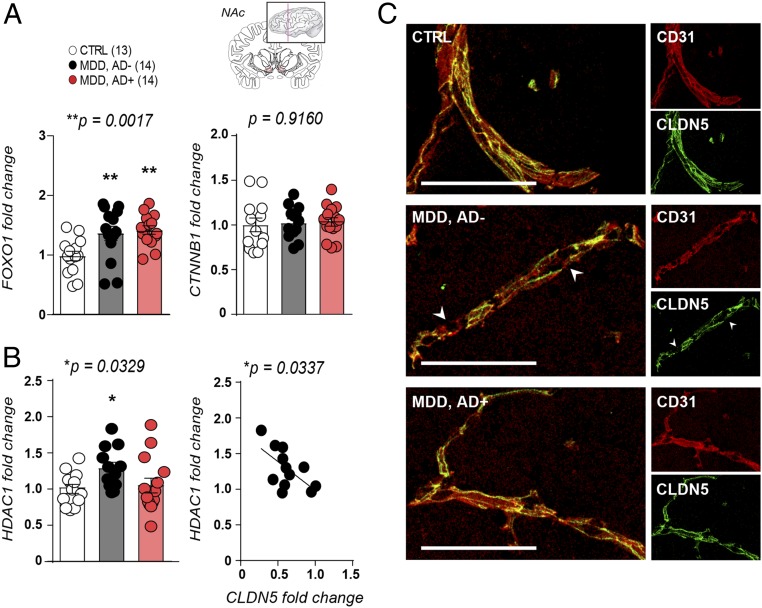
“We identified histone deacetylase 1 (hdac1), an enzyme enriched in endothelial cells (14) and involved in transcriptional repression (15), as being up-regulated in stresssusceptible mice.”
The role of inflammation in depression: from evolutionary imperative to modern treatment target
Miller, A. H., & Raison, C. L. (2016) · Nature Reviews Immunology · doi:10.1038/nri.2015.5 · Cited by 3,942
Bardo, M. T., & Hammer, R. P. (1991) · Neuroscience · doi:10.1016/0306-4522(91)90226-e · Cited by 3,219
Kessler, R. (1993) · Journal of Affective Disorders · doi:10.1016/0165-0327(93)90026-g · Cited by 2,207 · cited 1×
“While the current work was only performed in male mice, depression being far more prevalent in women (50) it will be highly relevant to evaluate whether stress-induced neurovascular adaptations are present in females.”
A molecular atlas of cell types and zonation in the brain vasculature
Vanlandewijck, M., He, L., Mäe, M. A., Andrae, J., Ando, K., Del Gaudio, F., Nahar, K., Lebouvier, T., Laviña, B., Gouveia, L., et al. (2018) · Nature · doi:10.1038/nature25739 · Cited by 1,892 · cited 1×
“Recent sequencing studies performed in whole mouse and human brains revealed that HDAC2 expression is higher than HDAC1 in endothelial cells (14, 40).”
The brain reward circuitry in mood disorders
Russo, S. J., & Nestler, E. J. (2013) · Nature Reviews Neuroscience · doi:10.1038/nrn3381 · Cited by 1,870 · cited 3×
“6).”
InfluentialSelf-citationBlood–brain barrier breakdown is an early biomarker of human cognitive dysfunction
Nation, D. A., Sweeney, M. D., Montagne, A., Sagare, A. P., D’Orazio, L. M., Pachicano, M., Sepehrband, F., Nelson, A. R., Buennagel, D. P., Harrington, M. G., et al. (2019) · Nature Medicine · doi:10.1038/s41591-018-0297-y · Cited by 1,728 · cited 1×
“Indeed, BBB breakdown is an early biomarker of human cognitive dysfunction (51) and a link between cldn5 polymorphisms and cognition status in the elderly has been revealed by genome-wide studies of verbal declarative memory in nondemented older individuals (52).”
Raison, C. L., Rutherford, R. E., Woolwine, B. J., Shuo, C., Schettler, P., Drake, D. F., Haroon, E., & Miller, A. H. (2013) · JAMA Psychiatry · doi:10.1001/2013.jamapsychiatry.4 · Cited by 1,617
A standardized protocol for repeated social defeat stress in mice
Golden, S. A., Covington, H. E., Berton, O., & Russo, S. J. (2011) · Nature Protocols · doi:10.1038/nprot.2011.361 · Cited by 1,581 · cited 5×
“Again, site-directed qChIP was performed as described in Golden et al. (15) this time using a micrococcal nuclease (MNase)-based assay to produce fragments of ∼ 150 to 160 bp.”
InfluentialSelf-citation
Cited by
Items 301–361 of 361
Serna-Rodríguez, M. F., Bernal‐Vega, S., de la Barquera, J. A. O.-S., Camacho‐Morales, A., & Pérez‐Maya, A. A. (2022) · SSRN Electronic Journal · doi:10.2139/ssrn.4175654
The role of the blood-brain barrier in psychiatric disorders
Lačković, M., Ivković, M., Vićentić, S., Jerotić, S., Nestorović, M., Stojković, T., & Pavlovic, A. M. (2022) · Srpski arhiv za celokupno lekarstvo · doi:10.2298/sarh220417081l
Amine Precursors in Depressive Disorders and the Blood-Brain Barrier
Sharma, H. S., & Sharma, A. (2022) · Springer eBooks · doi:10.1007/978-3-030-62059-2_423
Mechanistic Insight into Chronic Stress-Induced Cerebrovascular Dysfunction
Burrage, E. N. (2022) · The Research Repository @ WVU (West Virginia University) · doi:10.33915/etd.11610
Verkhratsky, A., & Butt, A. M. (2023) · Elsevier eBooks · doi:10.1016/b978-0-12-821565-4.00001-8
Zhang, Y., Wang, S., Weng, J., Zhu, Y., Li, J., Sun, D., Gao, Y., Yu, B., & Jiang, Y. (2024) · Research Square · doi:10.21203/rs.3.rs-4160477/v1
Stress in utero: effects on gliovascular integrity in female infant offspringPreprint
Rodrigues, M., Sousa, I., Baptista, F. I., & Coelho‐Santos, V. (2024) · bioRxiv (Cold Spring Harbor Laboratory) · doi:10.1101/2024.04.17.589633
“Alterations in the vasculature and the BBB integrity have been demonstrated to play a role in adult stress responses, influencing both resilience and vulnerability to psychiatric disorders (Dion-Albert et al., 2022; Dudek et al., 2020; Najjar et al., 2017).”
BackgroundNeurotrophic Hypothesis of the Development of Depression
Yasenyavskaya, A. L., Цибизова, А. А., & Самотруева, М. А. (2024) · Human Physiology · doi:10.1134/s0362119723700664
Anisman, H., Hayley, S. P., & Kusnecov, A. W. (2024) · Elsevier eBooks · doi:10.1016/b978-0-443-23565-8.00006-5
(2024) · Elsevier eBooks · doi:10.1016/b978-0-443-23565-8.09996-8
Jung, W., Lee, J., Chae, S., Kim, D., & Kim, D. (2024) · bioRxiv (Cold Spring Harbor Laboratory) · doi:10.1101/2024.11.12.623133
Immune Mechanisms of Depression
Hodes, G. E., Ménard, C., Pfau, M. L., & Russo, S. J. (2025) · Oxford University Press eBooks · doi:10.1093/med/9780197640654.003.0032
Self-citationRethinking mental health: The body’s impact on the brain
Hodes, G. E. (2025) · The Transmitter · doi:10.53053/gijw4741
Anxiety and Depression in Inflammatory Bowel Diseases
Zinger, A., Bedell, A., & Rubin, D. T. (2024) · Springer eBooks · doi:10.1007/978-3-031-32046-0_24-1
Endocannabinoid protection of the brain vasculature leads to stress resilience
(2025) · Nature Neuroscience · doi:10.1038/s41593-025-01892-8
Association between duration of birth control pill use and risk of depression among US women
Sun, Y., & Zhang, C. (2025) · The International Journal of Psychiatry in Medicine · doi:10.1177/00912174251334309
“17 Progesterone reduces in fl ammation by inhibiting mediators such as prostaglandin E2, cyclooxygenase-2, nuclear factor kappa-B, and tumor necrosis factor-α , 20 regulates tight junction proteins (e.g., occludin, ZO-1), 21 maintains blood-brain barrier integrity, reduces brain edema, and activates…”
Idées et conduites suicidaires: Une dimension transdiagnostique pour une psychiatrie de précision
Lengvenytė, A., Olié, É., Leboyer, M., & Courtet, P. (2025) · médecine/sciences · doi:10.1051/medsci/2025066
Solich, J., Faron‐Górecka, A., Kolasa, M., Pabian, P., Korlatowicz, A., & Dziedzicka‐Wasylewska, M. (2025) · Journal of Neurochemistry · doi:10.1111/jnc.70172 · Cited by 1
“In contrast, attention was focused on stress-dependent changes in the amount of Cldn5 (Menard et al. 2017; Dudek et al. 2020).”
Meng, L., Hu, J., Cui, K., Song, Y., Li, B., Zhang, Y., & Zhang, Y. (2025) · doi:10.2196/preprints.80875
Uzzan, S., Rostevanov, I. S., Prager, O., Nujedat, H., KAPLANSKI, J., Picton, P., Friedman, A., & Azab, A. N. (2025) · Biomedicine & Pharmacotherapy · doi:10.1016/j.biopha.2025.118599
Anxiety and Depression in Inflammatory Bowel Diseases
Zinger, A., Bedell, A., & Rubin, D. T. (2025) · Springer eBooks · doi:10.1007/978-3-031-73363-5_24
Kim, H., Cho, H., Nguyen, A., Barney, A. M., Qiu, S., & Ferguson, D. (2025) · bioRxiv (Cold Spring Harbor Laboratory) · doi:10.1101/2025.11.03.686384
“It is noteworthy that blood-brain barrier integrity is closely associated with depression (Menard et al. 2017; Dudek et al. 2020).”
Zhang, Y., Wang, S., Weng, J., Zhu, Y., Li, J., Sun, D., Gao, Y., Yu, B., & Jiang, Y. (2025) · Brain Behavior and Immunity · doi:10.1016/j.bbi.2025.106180
Zhu, Z., Yang, J., Dai, D., Zhang, L., Zhang, Y., Yin, X., Cai, Y., Li, H., & Tao, W. (2025) · BMC Psychiatry · doi:10.1186/s12888-025-07612-7
Ghafori, S. S., Mahakizadeh, S., Farahmandfar, M., Zahmatkesh, M., Nasehi, M., Bakhtiyari, E. T., Amini, M., & Hassanzadeh, G. (2025) · Brain Research · doi:10.1016/j.brainres.2025.150110
Tiwari, S., Mohammed, Z., Atta, S. R., Tiwari, A., Yadav, E., Kaushik, S., Chopra, A., Singh, I., & Ghosh, S. (2025) · Research Square · doi:10.21203/rs.3.rs-8260120/v1
Editorial: Brain-body interactions underlying comorbid depression and other mood disorders
Banasr, M., McCarson, K. E., Christian, D., & Đurić, V. (2026) · Frontiers in Psychiatry · doi:10.3389/fpsyt.2026.1754218
Targeting mGlyR with nanobodies for depression
Laboute, T., Zucca, S., Sial, O. K., Sharma, M., Brunori, G., Singh, S., Nageswar, K., Peng, H., Rader, C. M., Becker, J. A. J., et al. (2026) · Nature Communications · doi:10.1038/s41467-026-68339-x · Cited by 4
“Furthermore, the delivery of nanobodies may be further augmented in depression-related states known to disrupt the blood-brain barrier 55 .”
Genetic evidence for repurposing immunomodulatory drugs for major depressive disorderPreprint
Jesuthasan, J., ter Kuile, A., Roiser, J. P., Carvalho, L. A., Pitman, A., Chopade, S., Finan, C., Schmidt, A. F., & Pingault, J. (2026) · medRxiv · doi:10.64898/2026.02.07.26345798
Wang, C.-C., Sung, S., Chang, C.-H., Wang, H., Su, Y.-H., Chang, W. H., & Hsiao, Y. (2026) · Brain Behavior and Immunity · doi:10.1016/j.bbi.2026.106525
Benhora-Chabeaux, G., MORISSET, C., NICOD, T., Mor, D., DELABROUILLE-CAULIEZ, S., Cabeza, L., Etiévant, A., & Bourasset, F. (2026) · bioRxiv (Cold Spring Harbor Laboratory) · doi:10.64898/2026.03.13.711598
Advances in Target Identification and Drug Development for Depression
Hu, K., Wang, X., Yu, W., Liu, Q., Cheng, Y., Song, Y., Liang, L., Liu, W., Zhang, J., Chang, S., et al. (2026) · Current Drug Targets · doi:10.2174/0113894501438555260211105139
Xian, J., Li, Y., Feng, Z., Jin, Y., Cai, T., Cao, M., & Cao, Y. (2026) · Frontiers in Microbiology · doi:10.3389/fmicb.2026.1802003
“Research indicated that stress exposure can induce gut microbiota dysbiosis, thereby increasing gut permeability and triggering immune responses that compromise both the gut barrier and the blood–brain barrier (Dudek et al., 2020).”
Yan, H., Wang, W., Song, X., Wang, Y., Nie, Z., Zhang, H., Duan, H., Li, N., Feng, Y., Zhang, Y., et al. (2026) · International Immunopharmacology · doi:10.1016/j.intimp.2026.116725
Sui, H., Sun, Y., Yu, H., Han, S., Li, J., Wan, L., & Chi, Y. (2026) · Frontiers in Medicine · doi:10.3389/fmed.2026.1777797
“This process strengthens synaptic connections between neurons, potentially alleviating psychological disorders including depression (54, 55).”
Astrocyte subtype dynamics in mood disorders: Current insights and future directions
Chen, D., Wang, J., Zhu, G., & Yang, S. (2026) · Brain Network Disorders · doi:10.1016/j.bnd.2026.04.003
Andrews, E. R., Crist, R. C., Silva, A. I., Chehimi, S. N., Miranda, G., Shuey, J., Berhane, L., Hoot, L., Harris, E., Cuarenta, A., et al. (2026) · bioRxiv (Cold Spring Harbor Laboratory) · doi:10.64898/2026.06.11.731696 · Cited by 1
Li, J., Ma, X., Liu, J., Xu, W., Zhang, X., Liang, F., & Dou, Y. (2026) · Psychoradiology · doi:10.1093/psyrad/kkag023
“Chronic stress and neuroinflammation can compromise BBB integrity, resulting in downregulation of tight junction proteins, such as ZO-1, occludin, and claudin-5, and increased activity of matrix metallo-proteinases (Dudek et al. , 2020 ).”
Monocyte abundance and glycolytic reprogramming associate with motivational impairment in depression
Bekhbat, M., Craig, G. E., Wommack, E. C., Coblenz, C. W., Choe, N., Balidemaj, N., Nesbeth, P.-D. C., Goldsmith, D. R., Treadway, M. T., Haroon, E., et al. (2026) · Brain Behavior and Immunity · doi:10.1016/j.bbi.2026.106882
Microglial CX3CR1 signaling mediates stress-induced pain behavior in mice
Fülöp, B., Király, Á., Petrák, R., Müller, J., Biró-Sütő, T., Kormos, V., Tékus, V., Rozmer, K., Dénes, Á., Borbély, É., et al. (2026) · Frontiers in Immunology · doi:10.3389/fimmu.2026.1869876 · Cited by 1
“However, chronic stress is known to impair blood – brain barrier integrity and increase its permeability, which may facilitate central access of compounds that otherwise show restricted penetration (107, 108).”
Maitiniyazi, G., Zhao, S., Abulikemu, A., Aihemaiti, Y., Song, Y., & Xia, S. (2026) · Nutrients · doi:10.3390/nu18142322 · Cited by 1
“Disruption of BBB integrity has been associated with neuroinflammatory processes and depression-like phenotypes [42].”
Luan, C., Lei, C., & Liu, M. (2026) · Frontiers in Psychiatry · doi:10.3389/fpsyt.2026.1871773
“Human post-mortem and transcriptomic data from studies on stress-related depression highlight the importance of BBB and endothelial modi fi cations in relation to susceptibility and resilience to mood disorders (16, 75).”
InfluentialRitter, P., Shuliupova, A., Reshetnikov, V. V., & Bondar, N. P. (2026) · International Journal of Molecular Sciences · doi:10.3390/ijms27146442
Ferraro, M. G., Stanley, A., Lippiello, P., Pascarella, S., Speranza, L., Ricci, M., Volpicelli, F., Chieffi, S., & Miniaci, M. C. (2026) · Reviews in the Neurosciences · doi:10.1515/revneuro-2026-0085 · Cited by 1
“Pharmacological inhibition of HDAC1 reversed this phenotype, thereby implicating epigenetic regulation as a key mechanism in stress-induced BBB disruption (Dudek et al. 2020).”
Chu, T. D. X., Hui, L. M., Teller, N., Khatri, N., Hodes, G. E., & Chen, J. J. (2026) · medRxiv · doi:10.64898/2026.08.01.26359430
Lin, C., Zhang, S., Li, Q., Qi, Z., & Liu, W. (2026) · Acta Pharmaceutica Sinica B · doi:10.1016/j.apsb.2026.07.053
Lengvenytė, A., & Courtet, P. (2025) · Elsevier eBooks · doi:10.1016/b978-2-294-78794-2.00012-9
Kočović, D. M., Momčilović, S., & Svetozarević, T. (2026) · International Journal of Molecular Sciences · doi:10.3390/ijms27167242 · Cited by 1
“Stress also increases blood–brain barrier (BBB) permeability, allowing peripheral immune mediators and monocytes to enter the brain and further stimulate glial activation [96].”
Mitochondrial control of blood-brain barrier homeostasis in neuroinflammatory psychiatric disorders
Pérez-López, L. M., Camacho‐Morales, A., Álvarez, I. H., & Pérez‐Maya, A. A. (2026) · Frontiers in Molecular Neuroscience · doi:10.3389/fnmol.2026.1924581
“Post-traumatic stress disorder has less direct BBB evidence than MDD. Experimental stress models show region-and susceptibility-dependent endothelial inflammatory signaling and junctional instability (Menard et al., 2017; Dudek et al., 2020; Samuels et al., 2023).”
Zhang, J., Wang, P., Li, N., & Gao, Y. (2026) · CNS Neuroscience & Therapeutics · doi:10.1002/cns.71103
Fajing, Q., Xiaoyun, X., & Li, H. (2026) · Science Research · doi:10.11648/j.sr.20261405.15
Abrantes, H. D. C., Depaauw-Holt, L. R., Ülgen, D. H., Giulio, C. D., Barbetti, M., Gebara, E., Hollis, F., Solano, J. L., Schlotterose, L., Ménard, C., et al. (2026) · bioRxiv (Cold Spring Harbor Laboratory) · doi:10.64898/2026.09.03.749088
Zhang, M., Huang, X., Yao, L., & Wu, W. (2026) · Frontiers in Cellular Neuroscience · doi:10.3389/fncel.2026.1901256
“However, the underlying evidence is heterogeneous (Usta et al., 2021; Fiorentino et al., 2016; Kealy et al., 2020; Sălcudean et al., 2025; Işık et al., 2020; Kılıç et al., 2020; Dudek et al., 2020; Menard et al., 2017; Dion-Albert et al., 2022; Stankovic et al., 2024; Lizano et al., 2023).”
InfluentialRostevanov, I. S., Damri, O., Azab, A. N., & Agam, G. (2026) · Pharmaceuticals · doi:10.3390/ph19091483
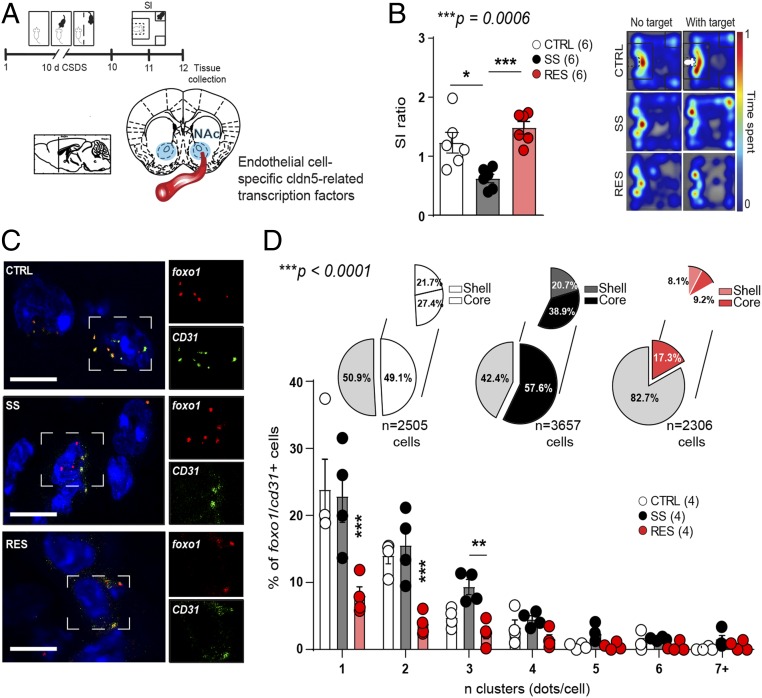
“…in MDD has been further elucidated through epigenetic regulation of claudin-5 expression: stress-resilient, but not stress-susceptible, animals exhibit permissive chromatin marks at the cldn5 locus together with low endothelial expression of the repressive transcription factor FOXO [110].”
Ho, T. C., Vignolle, G. A., Wang, D. J. J., & Church, A. (2026) · Brain Behavior and Immunity · doi:10.1016/j.bbi.2026.107028
Somatic Blood Mosaicism and Psychiatric Disease: Current Evidence and Causal Limits
Belbe, A.-A., Pîrlog, L.-M., Pilatec, A.-N., Militaru, M.-S., Iordănescu, I. I., & Cătană, A. (2026) · Genes · doi:10.3390/genes17101224
“Blood–brain barrier and CNS-myeloid evidence comes largely from stress, neurodegenerative and mouse studies, where clone effects can be harmful or protective [13,78,79,110–117].”
Suk, K. (2026) · Neuroscience & Biobehavioral Reviews · doi:10.1016/j.neubiorev.2026.107039
Epigenetic processes in depressive and anxiety disorders
Breton, É., Booij, L., & Nemoda, Z. (2026) · Handbook of clinical neurology · doi:10.1016/b978-0-443-19043-8.00032-3
Tryptophan-Based Imaging Agents for Major Depressive Disorders
Stauff, E., Karimi, H., Fu, X., Kecskemethy, H. H., Averill, L. W., & Yue, X. (2026) · Biomolecules · doi:10.3390/biom16111555
Metadata
- Authors
- Dudek, K. A., Dion-Albert, L., Lebel, M., LeClair, K., Labrecque, S., Tuck, E., Ferrer Perez, C., Golden, S. A., Tamminga, C., Turecki, G., Mechawar, N., Russo, S. J., & Menard, C.
- Affiliations
- Université Laval (CA)
- Department of Psychiatry and Neuroscience, Université Laval, Quebec City, QC G1V 0A6, Canada;
- Icahn School of Medicine at Mount Sinai (US)
- Centre de recherche CERVO (CA)
- Trinity College Dublin (IE)
- Center for Affective Neuroscience, Nash Family Department of Neuroscience, Icahn School of Medicine at Mount Sinai, New York, NY 10029-5674;
- University of Washington (US)
- The University of Texas Southwestern Medical Center (US)
- Douglas Mental Health University Institute (CA)
- ORCID
- Venue
- Proceedings of the National Academy of Sciences
- Publisher
- National Academy of Sciences
- Published
- 2020-01-23
- Volume
- 117
- Issue
- 6
- Pages
- 3326-3336
- ISSN
- 0027-8424 (ISSN-L)
- 1091-6490
- PMC
- PMC7022213
- OpenAlex
- W3003128096
- Cited by
- 361
- References
- 53
- Citations by year
- 2026: 51 · 2025: 73 · 2024: 55 · 2023: 53 · 2022: 55 · 2021: 50 · 2020: 22
- FWCI
- 17.39
- Type
- journal article
- Language
- en
- Open access
- hybrid
- doi.org
- Licence
- Locations
- Proceedings of the National Academy of Sciences (publishedVersion, cc-by)
- PubMed Central (publishedVersion, cc-by)
- PubMed (publishedVersion)
- Corpus Université Laval (Université Laval) (submittedVersion)
- eScholarship@McGill (McGill) (submittedVersion, cc-by)
- Repository of Digital Objects for Teaching Research and Culture (University of Valencia) (submittedVersion, cc-by-nc)
- Lenus, The Irish Health Repository (Dr Steevens Hospital Library) (submittedVersion)
- Funders
- Canada First Research Excellence Fund (Sentinel North Research Chair)
- Brain and Behavior Research Foundation (24749)
- Fonds de Recherche du Québec - Santé (265398)
- Université Laval (Fondation Helene-Halle)
- HHS | National Institutes of Health (R01 MH 104559, P50 MH 096890)
- McGill University (Healty Brain, Healthy Lives)
- Topics
- Life Sciences › Neuroscience › Neurology › Barrier Structure and Function Studies
- Life Sciences › Neuroscience › Behavioral Neuroscience › Stress Responses and Cortisol
- Life Sciences › Neuroscience › Biological Psychiatry › Tryptophan and brain disorders
- Keywords
- blood-brain barrier, stress resilience, depression, chronic social stress, neuroinflammation, antidepressant resistance, epigenetics, gene expression profiling
- MeSH terms
- Animals, Antidepressive Agents, Blood-Brain Barrier, Depression, Major Depressive Disorder, Disease Models, Animal, Humans, Inflammation, Male, Mice, Inbred C57BL, Nucleus Accumbens, Stress, Psychological, Signal Transduction, Epigenesis, Genetic, Mice, Histone Deacetylase 1, Claudin-5
About these checks
Registry, retraction, Cites and statistics results are computed, not judged, with one exception: a printed reference that no index lists is read once by a model before it counts as a citation error. Claims are extracted by a model and kept only when their quote appears verbatim in the text; each cited source is then checked, with a model’s help, for whether it says what the claim relies on. Those verdicts can be wrong — read the claim’s quote and the cited source before relying on one.
Statistics and arithmetic are recomputed, not judged.
Confidence bands are shown only for fields calibrated on our annotated test set. None is calibrated yet, so no band is shown.
What counts as a claim ›How we measure confidence ›How we check this ›
Are you an author, or do you see a problem with this page? Request a review
Data sources
Bibliographic data: Semantic Scholar, OpenAlex, Crossref.
Contains information from the Semantic Scholar Academic Graph Datasets, made available under the ODC Attribution License (ODC-BY 1.0).
Semantic Scholar’s data is described in: Kinney, R., et al. (2023). The Semantic Scholar Open Data Platform. arXiv:2301.10140.
