

Molecular adaptations of the blood–brain barrier promote stress resilience vs. depression
Open accessThe DOI matches its Crossref record; 53 of the 53 references it cites were found in a registry or an index.
Abstract
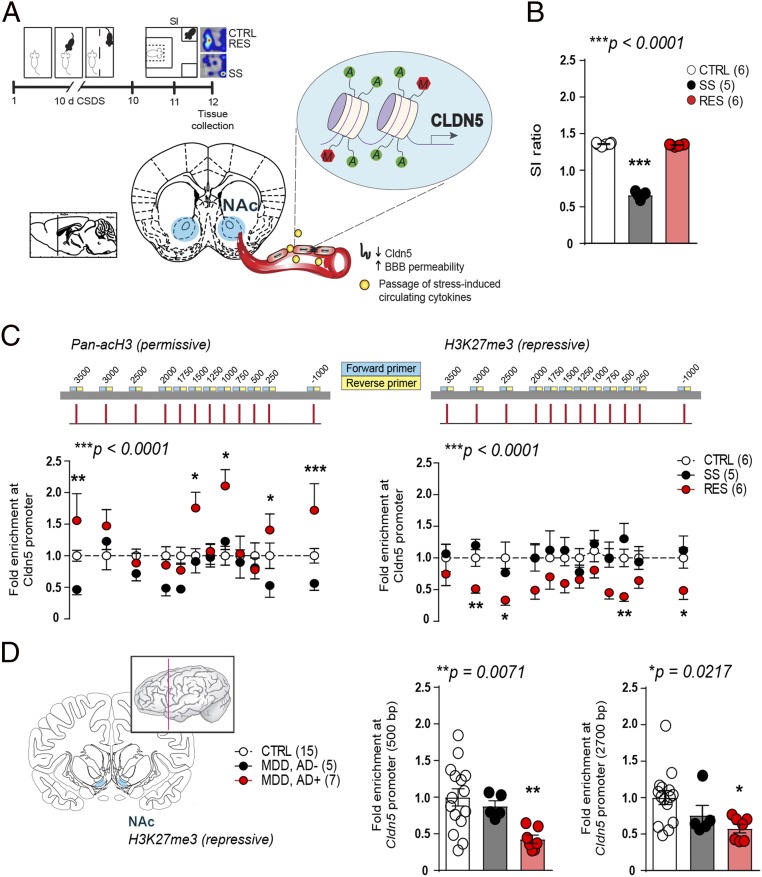
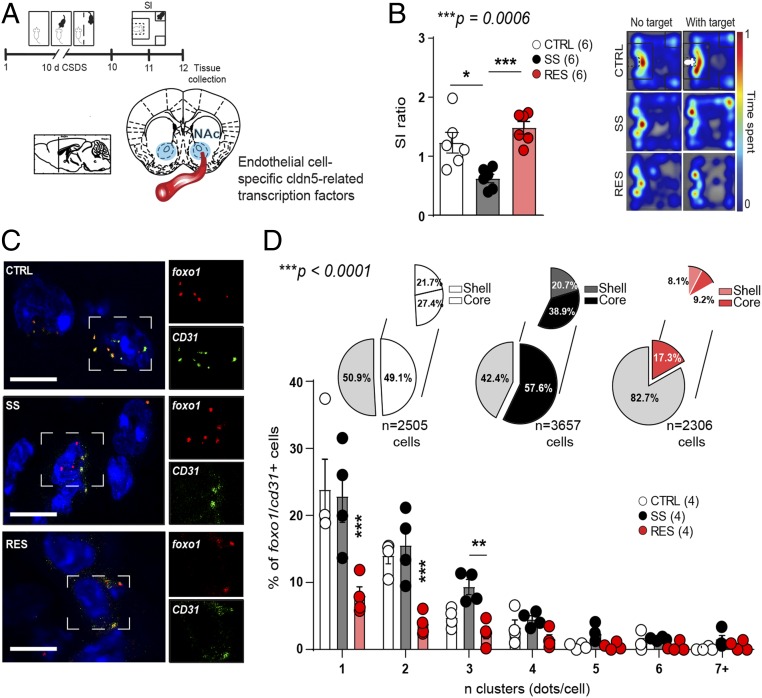
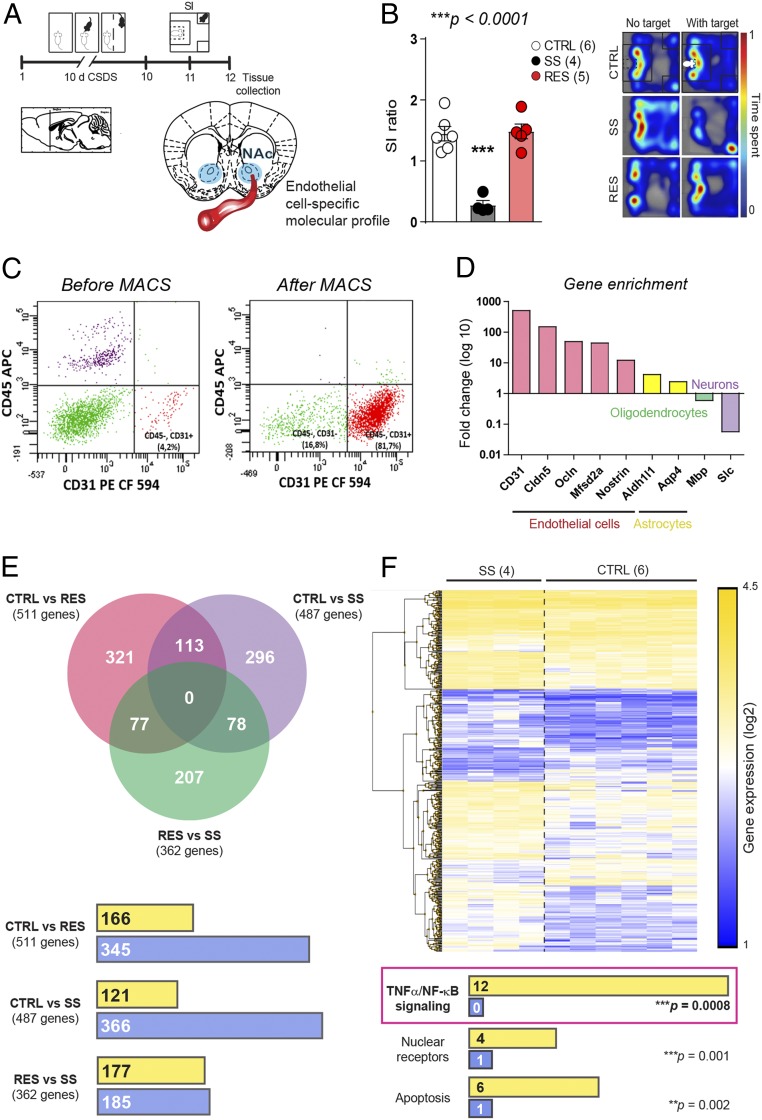
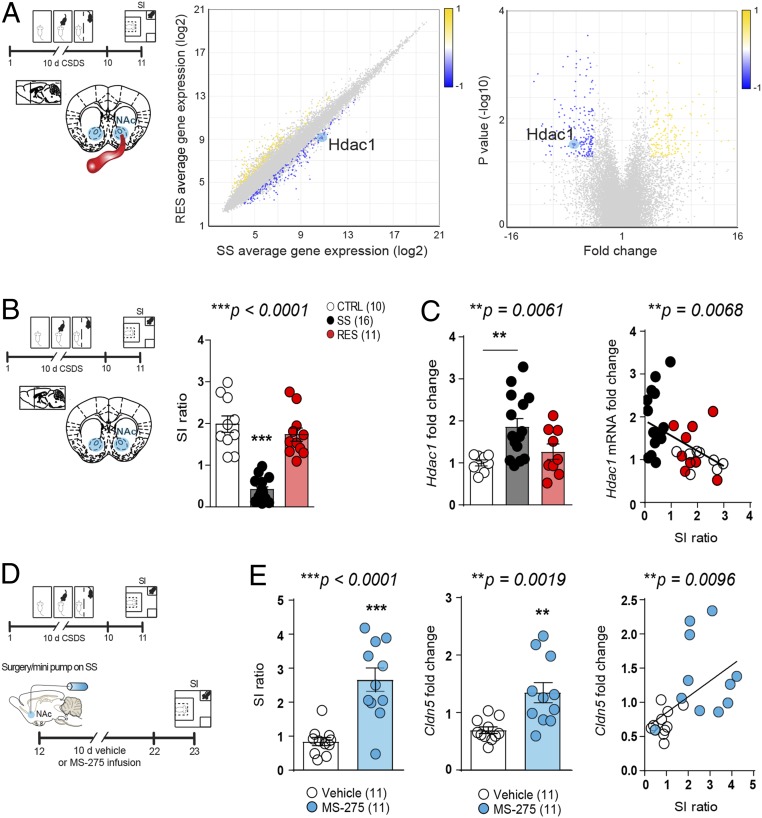
Significance: Thirty to fifty percent of depressed individuals are unresponsive to commonly prescribed antidepressant treatments, suggesting that biological mechanisms, such as stress-induced inflammation and blood vessel dysfunction, remain untreated. The blood–brain barrier is the ultimate frontier between the brain and harmful toxins or inflammatory signals circulating in the blood. Depression and vulnerability to chronic social stress are associated with loss of this barrier integrity; however, the mechanisms involved remain poorly understood. Identification of adaptations leading to resilience under stressful conditions could help develop novel treatments. Here we combined behavioral, pharmacological, and cell-specific gene profiling experiments in mice with epigenetic, molecular, and anatomical analysis of human samples to unravel mechanisms with therapeutic potential to protect the brain and promote resilience.
Overview
The claims and statistics of this paper haven’t been checked yet.
Free: it reads the open-access text and checks the first 5 claims that cite a source we can check. Create a free account to check every claim.
Integrity signals
Registry
Cites
Statistics
Figures
Verification
Claims the paper makes
The claims and statistics of this paper haven’t been checked yet.
Free: it reads the open-access text and checks the first 5 claims that cite a source we can check. Create a free account to check every claim.
Claims other papers make about this one
Each is checked against this paper’s own text: does it say what the citing paper says it does?
The source backs part of the claim, not all of it — or backs it for a different population, condition or comparison.
In the citing paper
“Mechanistically, social defeat stress upregulates inflammatory TNF and/or nuclear factor-κB (NFКB) signaling pathways in endothelial cells and diminishes expression of the tight junction protein claudin-5 (CLDN5)7,74.”
From Central regulation of stress-evoked peripheral immune responses (2023) · cites this paper as [74]
Experimental — accuracy not yet measuredThe source backs part of the claim, not all of it — or backs it for a different population, condition or comparison.
In the citing paper
“Other forms of histone methylation include H3K9me2 and H3K27me3, are repressive in the gene promoter region in response to stress.167,168”
From Epigenetic regulation in major depression and other stress-related disorders: molecular mechanisms, clinical relevance and therapeutic potential (2023) · cites this paper as [168]
Experimental — accuracy not yet measuredIn the citing paper
“Moreover, disruption of the BBB due to other viral infections has already been proven to trigger long-term development of neurological disorders, such as Alzheimer’s disease, depression, anxiety and multiple sclerosis [125–127].”
From Hyperactivation of P2X7 receptors as a culprit of COVID-19 neuropathology (2021) · cites this paper as [127]
In the citing paper
“Stressed animals exhibit loss of blood brain barrier integrity [67]”
From Moderators of inflammation-related depression: a prospective study of breast cancer survivors (2021) · cites this paper as [67]
In the citing paper
“Pre-clinical evidence indicates that neuro-immune pathways can be moderated by risk factors, including stress, anxiety, and sleep disturbance [67–70].”
From Moderators of inflammation-related depression: a prospective study of breast cancer survivors (2021) · cites this paper as [67]
Self-check
Percentages, sums and reported differences re-computed from the paper’s own numbers.
The self-check needs the paper’s full text.
Citations
Cites
Kessler, R. C., Chiu, W. T., Demler, O., & Walters, E. E. (2005) · Archives of General Psychiatry · doi:10.1001/archpsyc.62.6.617 · Cited by 12,052 · cited 1×
“M ajor depressive disorder (MDD) will affect one out of five individuals throughout their lifetime and is now considered the leading cause of disabilities worldwide (1).”
Zhang, Y., Chen, K., Sloan, S. A., Bennett, M. L., Scholze, A. R., O'Keeffe, S., Phatnani, H. P., Guarnieri, P., Caneda, C., Ruderisch, N., et al. (2014) · The Journal of Neuroscience · doi:10.1523/jneurosci.1860-14.2014 · Cited by 4,875 · cited 2×
“We identified histone deacetylase 1 (hdac1), an enzyme enriched in endothelial cells (14) and involved in transcriptional repression (15), as being up-regulated in stresssusceptible mice.”
The role of inflammation in depression: from evolutionary imperative to modern treatment target
Miller, A. H., & Raison, C. L. (2016) · Nature Reviews Immunology · doi:10.1038/nri.2015.5 · Cited by 3,942
Bardo, M. T., & Hammer, R. P. (1991) · Neuroscience · doi:10.1016/0306-4522(91)90226-e · Cited by 3,219
Kessler, R. (1993) · Journal of Affective Disorders · doi:10.1016/0165-0327(93)90026-g · Cited by 2,207 · cited 1×
“While the current work was only performed in male mice, depression being far more prevalent in women (50) it will be highly relevant to evaluate whether stress-induced neurovascular adaptations are present in females.”
A molecular atlas of cell types and zonation in the brain vasculature
Vanlandewijck, M., He, L., Mäe, M. A., Andrae, J., Ando, K., Del Gaudio, F., Nahar, K., Lebouvier, T., Laviña, B., Gouveia, L., et al. (2018) · Nature · doi:10.1038/nature25739 · Cited by 1,892 · cited 1×
“Recent sequencing studies performed in whole mouse and human brains revealed that HDAC2 expression is higher than HDAC1 in endothelial cells (14, 40).”
The brain reward circuitry in mood disorders
Russo, S. J., & Nestler, E. J. (2013) · Nature Reviews Neuroscience · doi:10.1038/nrn3381 · Cited by 1,870 · cited 3×
“6).”
InfluentialSelf-citationBlood–brain barrier breakdown is an early biomarker of human cognitive dysfunction
Nation, D. A., Sweeney, M. D., Montagne, A., Sagare, A. P., D’Orazio, L. M., Pachicano, M., Sepehrband, F., Nelson, A. R., Buennagel, D. P., Harrington, M. G., et al. (2019) · Nature Medicine · doi:10.1038/s41591-018-0297-y · Cited by 1,728 · cited 1×
“Indeed, BBB breakdown is an early biomarker of human cognitive dysfunction (51) and a link between cldn5 polymorphisms and cognition status in the elderly has been revealed by genome-wide studies of verbal declarative memory in nondemented older individuals (52).”
Raison, C. L., Rutherford, R. E., Woolwine, B. J., Shuo, C., Schettler, P., Drake, D. F., Haroon, E., & Miller, A. H. (2013) · JAMA Psychiatry · doi:10.1001/2013.jamapsychiatry.4 · Cited by 1,617
A standardized protocol for repeated social defeat stress in mice
Golden, S. A., Covington, H. E., Berton, O., & Russo, S. J. (2011) · Nature Protocols · doi:10.1038/nprot.2011.361 · Cited by 1,581 · cited 5×
“Again, site-directed qChIP was performed as described in Golden et al. (15) this time using a micrococcal nuclease (MNase)-based assay to produce fragments of ∼ 150 to 160 bp.”
InfluentialSelf-citation
Cited by
Aburto, M. R., & Cryan, J. F. (2024) · Nature Reviews Gastroenterology & Hepatology · doi:10.1038/s41575-023-00890-0 · Cited by 359
Denckla, C. A., Cicchetti, D., Kubzansky, L. D., Seedat, S., Teicher, M. H., Williams, D. R., & Koenen, K. C. (2020) · European Journal of Psychotraumatology · doi:10.1080/20008198.2020.1822064 · Cited by 336
“, 2017; Murrough & Russo, 2019; Ungar & Theron, 2019), offering new insights into the mechanisms of stress resilience likely to yield novel therapeutics and prevention strategies (Dudek et al., 2020; Feder, Fred-Torres, Southwick, & Charney, 2019; Iacoviello & Charney, 2014; Mary et al., 2020; Moreno-Lopez et al., 201…”
BackgroundBlood–Brain Barrier Dynamics to Maintain Brain Homeostasis
Segarra, M., Aburto, M. R., & Acker-Palmer, A. (2021) · Trends in Neurosciences · doi:10.1016/j.tins.2020.12.002 · Cited by 300
Dion-Albert, L., Cadoret, A., Doney, E., Kaufmann, F. N., Dudek, K. A., Daigle, B., Parise, L. F., Cathomas, F., Samba, N., Hudson, N., et al. (2022) · Nature Communications · doi:10.1038/s41467-021-27604-x · Cited by 281
“Raw sequencing data for the male mouse NAc endothelium are available in the Supporting Information of Dudek et al. (2020)8.”
MethodSelf-citationYuan, M., Yang, B., Rothschild, G., Mann, J. J., Sanford, L. D., Tang, X., Huang, C., Wang, C., & Zhang, W. (2023) · Signal Transduction and Targeted Therapy · doi:10.1038/s41392-023-01519-z · Cited by 246
“The NAc 104,130,158,167,168,211 and hippocampus 136,137,148,170,175,513 are the most studied brain regions for histone modi fi cation, with both consistent and con fl icting fi ndings across different studies.”
BackgroundBlood-Brain Barrier Dysfunction in CNS Disorders and Putative Therapeutic Targets: An Overview
Archie, S. R., Al Shoyaib, A., & Cucullo, L. (2021) · Pharmaceutics · doi:10.3390/pharmaceutics13111779 · Cited by 220
“Imbalance of AMP-activated protein kinase pathway Stroke Activation of AMP-activated protein kinase pathway by melatonin [109]”
BackgroundGreene, C., Hanley, N., & Campbell, M. (2020) · Translational Psychiatry · doi:10.1038/s41398-020-01054-3 · Cited by 220
Mone, P., Varzideh, F., Jankauskas, S. S., Pansini, A., Lombardi, A., Frullone, S., & Santulli, G. (2022) · Hypertension · doi:10.1161/hypertensionaha.122.19586 · Cited by 219
Central regulation of stress-evoked peripheral immune responses
Chan, K. L., Poller, W. C., Swirski, F. K., & Russo, S. J. (2023) · Nature Reviews Neuroscience · doi:10.1038/s41583-023-00729-2 · Cited by 207
Self-citationDevelopment of Novel Therapeutics Targeting the Blood–Brain Barrier: From Barrier to Carrier
Li, J., Zheng, M., Shimoni, O., Banks, W. A., Bush, A. I., Gamble, J. R., & Shi, B. (2021) · Advanced Science · doi:10.1002/advs.202101090 · Cited by 202
Matsuno, H., Tsuchimine, S., O’Hashi, K., Sakai, K., Hattori, K., Hidese, S., Nakajima, S., Chiba, S., Yoshimura, A., Fukuzato, N., et al. (2022) · Molecular Psychiatry · doi:10.1038/s41380-022-01618-3 · Cited by 164
Stress induced microglial activation contributes to depression
Li, B., Yang, W., Ge, T., Wang, Y., & Cui, R. (2022) · Pharmacological Research · doi:10.1016/j.phrs.2022.106145 · Cited by 151
Hyperactivation of P2X7 receptors as a culprit of COVID-19 neuropathology
Ribeiro, D. E., Oliveira-Giacomelli, Á., Glaser, T., Arnaud-Sampaio, V. F., Andrejew, R., Dieckmann, L., Baranova, J., Lameu, C., Ratajczak, M. Z., & Ulrich, H. (2021) · Molecular Psychiatry · doi:10.1038/s41380-020-00965-3 · Cited by 145
Peripheral and central kynurenine pathway abnormalities in major depression
Paul, E. R., Schwieler, L., Erhardt, S., Boda, S., Trepci, A., Kämpe, R., Asratian, A., Holm, L., Yngve, A., Dantzer, R., et al. (2022) · Brain, Behavior, and Immunity · doi:10.1016/j.bbi.2022.01.002 · Cited by 134
“Molecular changes in the blood–brain barrier, such as disrupted tight junctions, have been reported in MDD (Dudek et al., 2020; Greene et al., 2020), and could lead to heightened peripheralcentral molecular exchange in this disorder.”
Neurobiological basis of stress resilience
Nestler, E. J., & Russo, S. J. (2024) · Neuron · doi:10.1016/j.neuron.2024.05.001 · Cited by 166
Self-citationXiao, M., Liu, C. X., Zhou, L. G., Yang, Y., & Wang, Y. (2023) · Medicine · doi:10.1097/md.0000000000032991 · Cited by 158
“…epigenetic repressor histone deacetylase 1 which reduces claudin-5 expression and may lead to the loosening of tight junctions and leakage of BBB. [94] Claudin-5 is an integral membrane protein and an essential component of the tight junction protein complex that constitutes the BBB. [95] Anke et…”
BackgroundInflammation‐driven brain and gut barrier dysfunction in stress and mood disorders
Doney, E., Cadoret, A., Dion‐Albert, L., Lebel, M., & Ménard, C. (2021) · European Journal of Neuroscience · doi:10.1111/ejn.15239 · Cited by 151
Self-citationAiding and Abetting Anhedonia: Impact of Inflammation on the Brain and Pharmacological Implications
Lucido, M. J., Bekhbat, M., Goldsmith, D. R., Treadway, M. T., Haroon, E., Felger, J. C., & Miller, A. H. (2021) · Pharmacological Reviews · doi:10.1124/pharmrev.120.000043 · Cited by 138
“Interestingly, similar decreases in claudin 5 expression were also demonstrated in the nucleus accumbens of postmortem brain samples of patients with depression versus control patients, with some evidence that antidepressants may mitigate this effect (Menard et al., 2017; Dudek et al., 2020).”
BackgroundThe CLDN5 gene at the blood-brain barrier in health and disease
Hashimoto, Y., Greene, C., Münnich, A., & Campbell, M. (2023) · Fluids and Barriers of the CNS · doi:10.1186/s12987-023-00424-5 · Cited by 149
“This epigenetic suppression was also shown to be induced by β-catenin/FoxO1 repressor in mice with mild social defeat stress [217].”
BackgroundO'Leary, L. A., & Mechawar, N. (2021) · Glia · doi:10.1002/glia.23994 · Cited by 124
“Nevertheless, more subtle alterations in blood–brain barrier integrity could contribute to elevated S100B CSF serum levels, as they have been identified in animal models and postmortem studies of MDD (Dudek et al., 2020; Menard et al., 2017).”
BackgroundSelf-citationBlood brain barrier and inflammation in depression
Medina-Rodriguez, E. M., & Beurel, E. (2022) · Neurobiology of Disease · doi:10.1016/j.nbd.2022.105926 · Cited by 123
Blood–Brain Barrier Dysfunction in the Pathogenesis of Major Depressive Disorder
Wu, S., Yin, Y., & Du, L. (2021) · Cellular and Molecular Neurobiology · doi:10.1007/s10571-021-01153-9 · Cited by 137
Neurobiology and systems biology of stress resilience
Kalisch, R., Russo, S. J., & Müller, M. B. (2024) · Physiological Reviews · doi:10.1152/physrev.00042.2023 · Cited by 166
Self-citationPost-acute sequelae of COVID-19: Evidence of mood & cognitive impairment
Lamontagne, S. J., Winters, M. F., Pizzagalli, D. A., & Olmstead, M. C. (2021) · Brain Behavior & Immunity - Health · doi:10.1016/j.bbih.2021.100347 · Cited by 143
Jiao, W., Lin, J., Deng, Y., Ji, Y., Liang, C., Wei, S., Xi, J., & Yan, F. (2025) · Journal of Neuroinflammation · doi:10.1186/s12974-024-03312-3 · Cited by 144
The interplay of hypoxic and mental stress: Implications for anxiety and depressive disorders
Burtscher, J., Niedermeier, M., Hüfner, K., van den Burg, E. H., Kopp, M., Stoop, R., Burtscher, M., Gatterer, H., & Millet, G. P. (2022) · Neuroscience & Biobehavioral Reviews · doi:10.1016/j.neubiorev.2022.104718 · Cited by 137
“Lower expression of BDNF is also a hallmark of depressive disorders (Dwivedi, 2009).”
BackgroundSun, Z., Wang, X., Zhao, Y. F., Sun, Z.-X., Wu, Y., Hu, H., Zhang, L., Wang, S.-D., Li, F., Wei, A., et al. (2023) · Brain Behavior and Immunity · doi:10.1016/j.bbi.2023.10.010 · Cited by 114
Serna-Rodríguez, M. F., Bernal‐Vega, S., de la Barquera, J. A. O.-S., Camacho‐Morales, A., & Pérez‐Maya, A. A. (2022) · Journal of Neuroimmunology · doi:10.1016/j.jneuroim.2022.577951 · Cited by 133
Blood-brain barrier disruption: a culprit of cognitive decline?
Che, J., Sun, Y., Deng, Y., & Zhang, J. (2024) · Fluids and Barriers of the CNS · doi:10.1186/s12987-024-00563-3 · Cited by 125
“TNFα/nuclear factor kappa B (NF-κB) signaling and histone deacetylase 1 (HDAC1) have been identified as mediators of clau-din-5 and occludin loss [75].”
BackgroundTang, C., Wang, C., Wang, J., Wang, Q., Li, S., Wang, H., Zhou, F., & Li, J. (2022) · Nutrients · doi:10.3390/nu14091882 · Cited by 105
“Meanwhile, BBB damage through the loss of tight junction proteins occludin and claudin-5 may mediate stress susceptibility and promote depression in animals [15,16].”
BackgroundFrom Neurodevelopmental to Neurodegenerative Disorders: The Vascular Continuum
Ouellette, J., & Lacoste, B. (2021) · Frontiers in Aging Neuroscience · doi:10.3389/fnagi.2021.749026 · Cited by 98
Sex differences in the blood–brain barrier: Implications for mental health
Dion‐Albert, L., Binder, L. B., Daigle, B., Hong-Minh, A., Lebel, M., & Ménard, C. (2022) · Frontiers in Neuroendocrinology · doi:10.1016/j.yfrne.2022.100989 · Cited by 107
“Indeed, our recent work shows that stress-induced BBB dysfunction is related to Cldn5 loss in the prefrontal cortex (PFC) of stress-susceptible females (Dion-Albert et al., 2022) vs NAc in their male counterparts (Dudek et al., 2020b; Menard et al., 2017).”
BackgroundInfluentialSelf-citationThe impact of chronic stress on energy metabolism
van der Kooij, M. A. (2020) · Molecular and Cellular Neuroscience · doi:10.1016/j.mcn.2020.103525 · Cited by 97
Ketamine: Neuroprotective or Neurotoxic?
Choudhury, D., Autry, A. E., Tolias, K. F., & Krishnan, V. (2021) · Frontiers in Neuroscience · doi:10.3389/fnins.2021.672526 · Cited by 82
“…with a loss of blood-brain barrier integrity (such as depression, schizophrenia, and high grade glial tumors), negating the potentially deleterious excitotoxic effects of plasma-circulating glycine and glutamate (Saija et al., 1989; Sumiyoshi et al., 2004; Madeira et al., 2018; Dudek et al., 2020).”
BackgroundNeuroinflammatory basis of depression: learning from experimental models
Afridi, R., & Suk, K. (2021) · Frontiers in Cellular Neuroscience · doi:10.3389/fncel.2021.691067 · Cited by 82
HDAC1: an environmental sensor regulating endothelial function
Dunaway, L. S., & Pollock, J. S. (2021) · Cardiovascular Research · doi:10.1093/cvr/cvab198 · Cited by 87
Kozłowska, U., Nichols, C. D., Wiatr, K., & Figiel, M. (2021) · Journal of Neurochemistry · doi:10.1111/jnc.15509 · Cited by 89
“In a C57BL/6 healthy male mouse model, chronic social stress causes BBB disruption via claudin- 5 down- regulation, which leads to the infiltration of proinflammatory factors and depression- like behaviors (Dudek et al., 2020).”
BackgroundDetka, J., & Głombik, K. (2021) · Pharmacological Reports · doi:10.1007/s43440-021-00274-8 · Cited by 79
“These results may suggest that GLP1R agonists may alleviate the blood–brain barrier breakdown induced by inflammatory factors, which is sometimes observed in depression [65].”
BackgroundMasanetz, R. K., Winkler, J., Winner, B., Günther, C., & Süß, P. (2022) · International Journal of Molecular Sciences · doi:10.3390/ijms231911111 · Cited by 82
Pathomechanisms of Vascular Depression in Older Adults
Jellinger, K. A. (2021) · International Journal of Molecular Sciences · doi:10.3390/ijms23010308 · Cited by 94
“Although hemodynamic dysfunction may play a pathogenic role in the development of CI in patients with VaD [59], a number of other pathogenic factors, such as disorders of the glutamatergic system [19], stress-induced neurovascular pathology [60], mitochondrial dysfunction, lipid dysmetabolism [61,62],”
BackgroundRisbrough, V. B., Vaughn, M. N., & Friend, S. F. (2021) · Biological Psychiatry · doi:10.1016/j.biopsych.2021.11.012 · Cited by 83
Rahimian, R., Belliveau, C., Chen, R., & Mechawar, N. (2022) · Frontiers in Psychiatry · doi:10.3389/fpsyt.2022.871997 · Cited by 88
Self-citationBeyond the neuron: Role of non-neuronal cells in stress disorders
Cathomas, F., Holt, L. M., Parise, E. M., Liu, J., Murrough, J. W., Casaccia, P., Nestler, E. J., & Russo, S. J. (2022) · Neuron · doi:10.1016/j.neuron.2022.01.033 · Cited by 76
Self-citationPong, S., Karmacharya, R., Sofman, M., Bishop, J. R., & Lizano, P. L. (2020) · Complex Psychiatry · doi:10.1159/000511552 · Cited by 81
Empana, J. P., Boutouyrie, P., Lemogne, C., Jouven, X., & van Sloten, T. T. (2021) · Biological Psychiatry · doi:10.1016/j.biopsych.2021.04.012 · Cited by 73
“Animal studies have shown that this stress-induced inflammation can alter blood vessel morphology in the brain with discontinuous tight junctions, leading to greater blood-brain permeability (32, 33, 86).”
Ortega, M. A., Fraile‐Μartinez, O., Montero, C. G., Álvarez-Mon, M. Á., Lahera, G., Monserrat, J., Llavero-Valero, M., Gutiérrez-Rojas, L., Molina, R., Rodríguez–Jiménez, R., et al. (2022) · Nutrients · doi:10.3390/nu14153099 · Cited by 90
Preclinical Models of Chronic Stress: Adaptation or Pathology?
Radley, J. J., & Herman, J. P. (2022) · Biological Psychiatry · doi:10.1016/j.biopsych.2022.11.004 · Cited by 79
Stress and the gut-brain axis: an inflammatory perspective
Morys, J., Małecki, A., & Nowacka-Chmielewska, M. M. (2024) · Frontiers in Molecular Neuroscience · doi:10.3389/fnmol.2024.1415567 · Cited by 95
Estrogen-immuno-neuromodulation disorders in menopausal depression
Zhang, Y., Tan, X., & Tang, C. (2024) · Journal of Neuroinflammation · doi:10.1186/s12974-024-03152-1 · Cited by 83
“…studies have demonstrated that TNF-α, IL-6 and IL-17 can reduce the expression of claudin-5, zona occludens-1 (ZO-1) and other tight junction proteins by activating NF-κB signaling pathways in endothelial cells, destroying the structure of the BBB and promoting depressive behavior [69, 70].”
BackgroundA thalamic-primary auditory cortex circuit mediates resilience to stress
Li, H.-Y., Zhu, M.-Z., Yuan, X.-R., Guo, Z.-X., Pan, Y.-D., Li, Y.-Q., & Zhu, X.-H. (2023) · Cell · doi:10.1016/j.cell.2023.02.036 · Cited by 64
Brain DNA Methylation Patterns in CLDN5 Associated With Cognitive Decline
Hüls, A., Robins, C., Conneely, K. N., Edgar, R. D., Jager, P. L. D., Bennett, D. A., Wingo, A. P., Epstein, M. P., & Wingo, T. S. (2019) · Biological Psychiatry · doi:10.1016/j.biopsych.2021.01.015 · Cited by 68
Aging, depression and dementia: The inflammatory process
Carrera-González, M. P., Cantón-Habas, V., & Rich‐Ruiz, M. (2022) · Advances in Clinical and Experimental Medicine · doi:10.17219/acem/149897 · Cited by 66
Cheng, D., Qin, Z., Zheng, Y. F., Xie, J.-Y., Liang, S., Zhang, J., Feng, Y., & Zhang, Z. (2022) · Brain Behavior and Immunity · doi:10.1016/j.bbi.2022.10.022 · Cited by 63
Annual Research Review: Neuroimmune network model of depression: a developmental perspective
Nusslock, R., Alloy, L. B., Brody, G. H., & Miller, G. E. (2024) · Journal of Child Psychology and Psychiatry · doi:10.1111/jcpp.13961 · Cited by 70
“For example, stress-sensitive mice exhibit disruptions in the BBB in the ventral striatum that increase permeability to cytokines compared to stress-resilient control mice (Dudek et al., 2020).”
A New Hypothesis for Alzheimer’s Disease: The Lipid Invasion Model
Rudge, J. D. (2022) · Journal of Alzheimer's Disease Reports · doi:10.3233/adr-210299 · Cited by 58
Wang, X., Hou, Y., Ai, X., Sun, J., Xu, B., Meng, X., Zhang, Y., & Zhang, S. (2020) · Biomedicine & Pharmacotherapy · doi:10.1016/j.biopha.2020.110822 · Cited by 60
Claudin-5: A Pharmacological Target to Modify the Permeability of the Blood–Brain Barrier
Hashimoto, Y., Campbell, M., Tachibana, K., Okada, Y., & Kondoh, M. (2021) · Biological and Pharmaceutical Bulletin · doi:10.1248/bpb.b21-00408 · Cited by 59
Role of the Cholinergic Anti-Inflammatory Reflex in Central Nervous System Diseases
Ramos-Martínez, I. E., Rodriguez, M. C., Cerbón, M. A., Ramos-Martínez, J. C., & Ramos-Martínez, E. G. (2021) · International Journal of Molecular Sciences · doi:10.3390/ijms222413427 · Cited by 65
“In addition, the integrity of the BBB is impaired allowing the entry of surrounding cytokines into the brain and monoaminergic, and glutamatergic neurotransmission is affected [136].”
BackgroundWidespread Decrease of Cerebral Vimentin-Immunoreactive Astrocytes in Depressed Suicides
O’Leary, L. A., Belliveau, C., Davoli, M. A., Ma, J. C., Tanti, A., Turecki, G., & Mechawar, N. (2021) · Frontiers in Psychiatry · doi:10.3389/fpsyt.2021.640963 · Cited by 61
Self-citationNeurovascular adaptations modulating cognition, mood, and stress responses
Dion‐Albert, L., Dudek, K., Russo, S. J., Campbell, M., & Ménard, C. (2023) · Trends in Neurosciences · doi:10.1016/j.tins.2023.01.005 · Cited by 61
Self-citationDudek, K., Paton, S. E. J., Binder, L. B., Collignon, A., Dion‐Albert, L., Cadoret, A., Lebel, M., Lavoie, O., Bouchard, J., Kaufmann, F. N., et al. (2025) · Nature Neuroscience · doi:10.1038/s41593-025-01891-9 · Cited by 68
“Full lists of HPLC–MS/MS raw data are provided in Supplementary Data 3 and 4.”
InfluentialSelf-citationExtracellular Vesicles and the Stress System
Makrygianni, E. A., & Chrousos, G. P. (2022) · Neuroendocrinology · doi:10.1159/000527182 · Cited by 61
Drug Permeability: From the Blood–Brain Barrier to the Peripheral Nerve Barriers
Sun, Y., Zabihi, M., Li, Q., Li, X., Kim, B. J., Ubogu, E. E., Raja, S. N., Wesselmann, U., & Zhao, C. (2023) · Advanced Therapeutics · doi:10.1002/adtp.202200150 · Cited by 65
Microglial Responses to Stress-Induced Depression: Causes and Consequences
Afridi, R., & Suk, K. (2023) · Cells · doi:10.3390/cells12111521 · Cited by 69
“The study also found decreased claudin-5 expression in post-mortem samples of patients with MDD [48].”
BackgroundInfluentialImpact of Stress on Epilepsy: Focus on Neuroinflammation—A Mini Review
Espinosa‐García, C., Zeleke, H., & Rojas, A. (2021) · International Journal of Molecular Sciences · doi:10.3390/ijms22084061 · Cited by 69
Sex Differences in the Inflammatory Consequences of Stress: Implications for Pharmacotherapy
Martínez-Muñiz, G. A., & Wood, S. K. (2020) · Journal of Pharmacology and Experimental Therapeutics · doi:10.1124/jpet.120.266205 · Cited by 53
“Stressinduced promotion of a proinflammatory milieu is suggested to occur by several specific mechanisms, including microglial activation and blood-brain barrier degradation [(Menard et al., 2017; Dudek et al., 2020) and as extensively reviewed in Finnell and Wood (2018)].”
BackgroundJiang, J., Fu, Y., Tang, A., Gao, X., Zhang, D., Shen, Y., Mou, T., Hu, S., Gao, J., & Lai, J. (2023) · CNS Neuroscience & Therapeutics · doi:10.1111/cns.14091 · Cited by 48
Lactobacillus rhamnosus: An emerging probiotic with therapeutic potential for depression
Feng, J. B., Cen, Q., Cui, Y., Hu, X., Li, M., Wang, L., Wei, J., Sun, N., Wang, J., & Zhang, A. (2024) · Pharmacological Research · doi:10.1016/j.phrs.2024.107541 · Cited by 56
Updated Understanding of the Glial-Vascular Unit in Central Nervous System Disorders
Yao, D., Zhang, R., Xie, M., Ding, F., Wang, M., & Wang, W. (2022) · Neuroscience Bulletin · doi:10.1007/s12264-022-00977-9 · Cited by 49
“In a mouse model of chronic social defeat stress, BBB leakage has been reported in the nucleus accumbens, and this is mediated by loss of the tight junction protein claudin-5 [144, 145].”
BackgroundMokhtari, T. (2022) · Phytotherapy Research · doi:10.1002/ptr.7551 · Cited by 49
“The elevated circulatory proinflammatory mediators are associated with the dysregulation of tight-junction proteins in the blood–brain-barrier (BBB), e.g., claudin-5 (Dudek et al., 2020).”
BackgroundInfluentialEarly life stress and brain plasticity: from molecular alterations to aberrant memory and behavior
Lopatina, O. L., Panina, Y. A., Malinovskaya, N. A., & Salmina, A. B. (2020) · Reviews in the Neurosciences · doi:10.1515/revneuro-2020-0077 · Cited by 56
The blood-brain barrier, a key bridge to treat neurodegenerative diseases
Hang, Z., Zhou, L., Xing, C., Wen, Y., & Du, H. (2023) · Ageing Research Reviews · doi:10.1016/j.arr.2023.102070 · Cited by 48
Dill‐McFarland, K. A., Altman, M. C., Esnault, S. J., Jarjour, N. N., Busse, W. W., & Rosenkranz, M. A. (2023) · Journal of Allergy and Clinical Immunology · doi:10.1016/j.jaci.2023.07.025 · Cited by 48
“The rest of the authors declare that they have no relevant conflicts of interest.”
Identifying Immunophenotypes of Inflammation in Depression: Dismantling the Monolith
Felger, J. C., & Miller, A. H. (2020) · Biological Psychiatry · doi:10.1016/j.biopsych.2020.04.024 · Cited by 43
Hochman, E., Taler, M., Flug, R., Gur, S., Dar, S., Bormant, G., Blattberg, D., Nitzan, U., Krivoy, A., & Weizman, A. (2023) · Brain Behavior and Immunity · doi:10.1016/j.bbi.2023.01.015 · Cited by 45
Hage, Z., Madeira, M. M., Koliatsis, D., & Tsirka, S. E. (2024) · BMC Immunology · doi:10.1186/s12865-024-00653-9 · Cited by 50
“Rescuing Cldn5 expression promoted resilience to social defeat stress [82].”
BackgroundDalile, B., Fuchs, A., Torre, D. L., Vervliet, B., Oudenhove, L. V., & Verbeke, K. (2024) · Progress in Neuro-Psychopharmacology and Biological Psychiatry · doi:10.1016/j.pnpbp.2024.110939 · Cited by 40
Mao, Q., Zhang, H., Zhang, Z., Lu, Y., Pan, J., Guo, D., Huang, L., Tian, H., & Ma, K. (2024) · Phytomedicine · doi:10.1016/j.phymed.2024.155510 · Cited by 44
Wen, Z., Wang, H., Liang, Q., Liu, L., Zhang, W., & Zhang, X. (2024) · Journal of Affective Disorders · doi:10.1016/j.jad.2024.08.062 · Cited by 57
The multiple roles of chronic stress and glucocorticoids in Alzheimer's disease pathogenesis
Burke, M. R., Sotiropoulos, I., & Waites, C. L. (2024) · Trends in Neurosciences · doi:10.1016/j.tins.2024.08.015 · Cited by 46
Shang, B., Wang, T., Zhao, S., Yi, S., Zhang, T., Yang, Y., Zhang, F., Zhang, D., Xu, X., Xu, J., et al. (2023) · Psychiatry Research Neuroimaging · doi:10.1016/j.pscychresns.2023.111761 · Cited by 48
Role of estrogen in treatment of female depression
Sun, Q., Li, G., Zhao, F., Dong, M., Xie, W., Liu, Q., Yang, W., & Cui, R. (2024) · Aging · doi:10.18632/aging.205507 · Cited by 57
Sun, B., Li, L., Harris, O. A., & Luo, J. (2025) · Translational Neurodegeneration · doi:10.1186/s40035-025-00478-5 · Cited by 46
“The integrity of the BBB is crucial in determining stress vulnerability and resilience [198]; for example, it influences the resilience of female animals to stress [199] and neurological impairments after TBI [200].”
The claudin–transcription factor signaling pathway
Sugimoto, K., & Chiba, H. (2021) · Tissue Barriers · doi:10.1080/21688370.2021.1908109 · Cited by 38
Fronza, M. G., Baldinotti, R., Fetter, J., Rosa, S. G., Sacramento, M., Nogueira, C. W., Alves, D. A. C., Praticò, D., & Savegnago, L. (2021) · Brain Behavior and Immunity · doi:10.1016/j.bbi.2021.10.002 · Cited by 42
Varghese, S. M., Patel, S., Nandan, A., Jose, A., Ghosh, S., Sah, R. K., Menon, B., Athira, K. V., & Chakravarty, S. (2024) · Molecular Neurobiology · doi:10.1007/s12035-024-04205-5 · Cited by 42
“Conversely, stress resilience and antidepressant treatment were associated with compensatory changes preventing the loss of claudin-5 and BBB dysfunction [200].”
InfluentialLima, M. N., de Oliveira, H. D., Fagundes, P. M., Estato, V., Silva, A. Y. O., Freitas, R. J. R. X., Passos, B. A. B. R., Oliveira, K. S., Batista, C. F. L., Vallochi, A. L., et al. (2020) · Stem Cell Research & Therapy · doi:10.1186/s13287-020-01874-6 · Cited by 39
Pano, O., Martínez‐Lapiscina, E. H., Sayón-Orea, C., Martínez‐González, M. Á., Martínez, J. A., & Sánchez‐Villegas, A. (2021) · World Journal of Psychiatry · doi:10.5498/wjp.v11.i11.997 · Cited by 43
Intertwined associations between oxytocin, immune system and major depressive disorder
Jiang, J., Yang, M., Tian, M., Chen, Z., Xiao, L., & Gong, Y. (2023) · Biomedicine & Pharmacotherapy · doi:10.1016/j.biopha.2023.114852 · Cited by 43
Gál, Z., Török, D., Gonda, X., Eszlári, N., Anderson, I. M., Deakin, J. F. W., Juhász, G., Bagdy, G., & Petschner, P. (2022) · The International Journal of Neuropsychopharmacology · doi:10.1093/ijnp/pyac079 · Cited by 36
“Although the stress-dependent effects remain untested in humans, the regulation of the CLDN5 gene strongly indicates that claudin-5 reduction may be a consequence of recent stressors (Dudek et al., 2020).”
BackgroundKritikos, M., Gandy, S., Meliker, J. R., Luft, B. J., & Clouston, S. (2020) · Journal of Alzheimer s Disease · doi:10.3233/jad-200679 · Cited by 38
“However, recent studies in animal models are highlighting molecular mechanisms of resilience to BBB disruptions in neurobehavioral mood disorders [110].”
Stress vulnerability shapes disruption of motor cortical neuroplasticity
Gellner, A., Sitter, A., Rackiewicz, M., Sylvester, M., Philipsen, A., Zimmer, A., & Stein, V. (2022) · Translational Psychiatry · doi:10.1038/s41398-022-01855-8 · Cited by 40
“Protein groups potentially blood-derived were not excluded as stress has been shown to alter the blood–brain barrier [99, 100].”
BackgroundNeurobiological mechanisms of mood disorders: Stress vulnerability and resilience
Pereira, C. M., Castro, F. C. D. A. Q., Barcelos, R. M., Chiepe, K. C. M. B., Rossoni, J. V., Ambrósio, R. P., Chiarelli-Neto, O., & Pesarico, A. P. (2022) · Frontiers in Behavioral Neuroscience · doi:10.3389/fnbeh.2022.1006836 · Cited by 43
“The same pathway was found to be upregulated in stress-induced mice and repressing the tight junction protein claudin-5 (cldn5), but not in the unstressed control, indicating that resilient mice have a TNFα/NFκB inflammation pathway downregulated (Dudek et al., 2020).”
BackgroundEpigenetic mechanisms underlying stress-induced depression
de Carvalho, L. M., Chen, W.-Y., & Lasek, A. W. (2020) · International review of neurobiology · doi:10.1016/bs.irn.2020.08.001 · Cited by 35
Ribeiro, A. C. R., Jahr, F. M., Hawkins, E., Kronfol, M. M., Younis, R. M., McClay, J. L., & Deshpande, L. S. (2021) · Life Sciences · doi:10.1016/j.lfs.2021.119765 · Cited by 30
Afridi, R., Seol, S., Kang, H. J., & Suk, K. (2021) · Biochemical Pharmacology · doi:10.1016/j.bcp.2021.114532 · Cited by 31
Doney, E., Dion‐Albert, L., Coulombe-Rozon, F., Osborne, N., Bernatchez, R., Paton, S. E. J., Kaufmann, F. N., Agomma, R. O., Solano, J. L., Gaumond, R., et al. (2023) · Biological Psychiatry Global Open Science · doi:10.1016/j.bpsgos.2023.04.007 · Cited by 36
Self-citationZhou, J., Wu, Z., & Zhao, P. (2024) · Journal of Pharmaceutical Analysis · doi:10.1016/j.jpha.2024.101097 · Cited by 34
“Stress can act on the body's neuroendocrine system by affecting brain structure, neurotransmitter regulation, excitotoxicity, metabolic disorders, and other pathways and is involved in the pathogenesis of depression [7].”
Claudin 5 Across the Vascular Landscape: From Blood–Tissue Barrier Regulation to Disease Mechanisms
Selim, M. S., Matani, B. R., Henry-Ojo, H. O., Narayanan, S. P., & Somanath, P. R. (2025) · Cells · doi:10.3390/cells14171346 · Cited by 40
“The mucosal barrier of the gastrointestinal tract (GIT), formed by tight junctions, is essential for maintaining selective permeability and preventing the translocation of antigens from the lumen into the bloodstream [175].”
Neuroimmune Mechanisms and Sex/Gender-Dependent Effects in the Pathophysiology of Mental Disorders
Kokkosis, A. G., & Tsirka, S. E. (2020) · Journal of Pharmacology and Experimental Therapeutics · doi:10.1124/jpet.120.266163 · Cited by 34
Metadata
- Authors
- Dudek, K. A., Dion-Albert, L., Lebel, M., LeClair, K., Labrecque, S., Tuck, E., Ferrer Perez, C., Golden, S. A., Tamminga, C., Turecki, G., Mechawar, N., Russo, S. J., & Menard, C.
- Affiliations
- Université Laval (CA)
- Department of Psychiatry and Neuroscience, Université Laval, Quebec City, QC G1V 0A6, Canada;
- Icahn School of Medicine at Mount Sinai (US)
- Centre de recherche CERVO (CA)
- Trinity College Dublin (IE)
- Center for Affective Neuroscience, Nash Family Department of Neuroscience, Icahn School of Medicine at Mount Sinai, New York, NY 10029-5674;
- University of Washington (US)
- The University of Texas Southwestern Medical Center (US)
- Douglas Mental Health University Institute (CA)
- ORCID
- Venue
- Proceedings of the National Academy of Sciences
- Publisher
- National Academy of Sciences
- Published
- 2020-01-23
- Volume
- 117
- Issue
- 6
- Pages
- 3326-3336
- ISSN
- 0027-8424 (ISSN-L)
- 1091-6490
- PMC
- PMC7022213
- OpenAlex
- W3003128096
- Cited by
- 361
- References
- 53
- Citations by year
- 2026: 51 · 2025: 73 · 2024: 55 · 2023: 53 · 2022: 55 · 2021: 50 · 2020: 22
- FWCI
- 17.39
- Type
- journal article
- Language
- en
- Open access
- hybrid
- doi.org
- Licence
- Locations
- Proceedings of the National Academy of Sciences (publishedVersion, cc-by)
- PubMed Central (publishedVersion, cc-by)
- PubMed (publishedVersion)
- Corpus Université Laval (Université Laval) (submittedVersion)
- eScholarship@McGill (McGill) (submittedVersion, cc-by)
- Repository of Digital Objects for Teaching Research and Culture (University of Valencia) (submittedVersion, cc-by-nc)
- Lenus, The Irish Health Repository (Dr Steevens Hospital Library) (submittedVersion)
- Funders
- Canada First Research Excellence Fund (Sentinel North Research Chair)
- Brain and Behavior Research Foundation (24749)
- Fonds de Recherche du Québec - Santé (265398)
- Université Laval (Fondation Helene-Halle)
- HHS | National Institutes of Health (R01 MH 104559, P50 MH 096890)
- McGill University (Healty Brain, Healthy Lives)
- Topics
- Life Sciences › Neuroscience › Neurology › Barrier Structure and Function Studies
- Life Sciences › Neuroscience › Behavioral Neuroscience › Stress Responses and Cortisol
- Life Sciences › Neuroscience › Biological Psychiatry › Tryptophan and brain disorders
- Keywords
- blood-brain barrier, stress resilience, depression, chronic social stress, neuroinflammation, antidepressant resistance, epigenetics, gene expression profiling
- MeSH terms
- Animals, Antidepressive Agents, Blood-Brain Barrier, Depression, Major Depressive Disorder, Disease Models, Animal, Humans, Inflammation, Male, Mice, Inbred C57BL, Nucleus Accumbens, Stress, Psychological, Signal Transduction, Epigenesis, Genetic, Mice, Histone Deacetylase 1, Claudin-5
About these checks
Registry, retraction, Cites and statistics results are computed, not judged, with one exception: a printed reference that no index lists is read once by a model before it counts as a citation error. Claims are extracted by a model and kept only when their quote appears verbatim in the text; each cited source is then checked, with a model’s help, for whether it says what the claim relies on. Those verdicts can be wrong — read the claim’s quote and the cited source before relying on one.
Statistics and arithmetic are recomputed, not judged.
Confidence bands are shown only for fields calibrated on our annotated test set. None is calibrated yet, so no band is shown.
What counts as a claim ›How we measure confidence ›How we check this ›
Are you an author, or do you see a problem with this page? Request a review
Data sources
Bibliographic data: Semantic Scholar, OpenAlex, Crossref.
Contains information from the Semantic Scholar Academic Graph Datasets, made available under the ODC Attribution License (ODC-BY 1.0).
Semantic Scholar’s data is described in: Kinney, R., et al. (2023). The Semantic Scholar Open Data Platform. arXiv:2301.10140.
