

Molecular adaptations of the blood–brain barrier promote stress resilience vs. depression
Open accessThe DOI matches its Crossref record; 53 of the 53 references it cites were found in a registry or an index.
Abstract
Significance: Thirty to fifty percent of depressed individuals are unresponsive to commonly prescribed antidepressant treatments, suggesting that biological mechanisms, such as stress-induced inflammation and blood vessel dysfunction, remain untreated. The blood–brain barrier is the ultimate frontier between the brain and harmful toxins or inflammatory signals circulating in the blood. Depression and vulnerability to chronic social stress are associated with loss of this barrier integrity; however, the mechanisms involved remain poorly understood. Identification of adaptations leading to resilience under stressful conditions could help develop novel treatments. Here we combined behavioral, pharmacological, and cell-specific gene profiling experiments in mice with epigenetic, molecular, and anatomical analysis of human samples to unravel mechanisms with therapeutic potential to protect the brain and promote resilience.
Overview
The claims and statistics of this paper haven’t been checked yet.
Free: it reads the open-access text and checks the first 5 claims that cite a source we can check. Create a free account to check every claim.
Integrity signals
Registry
Cites
Statistics
Figures
Verification
Claims the paper makes
The claims and statistics of this paper haven’t been checked yet.
Free: it reads the open-access text and checks the first 5 claims that cite a source we can check. Create a free account to check every claim.
Claims other papers make about this one
Each is checked against this paper’s own text: does it say what the citing paper says it does?
The source backs part of the claim, not all of it — or backs it for a different population, condition or comparison.
In the citing paper
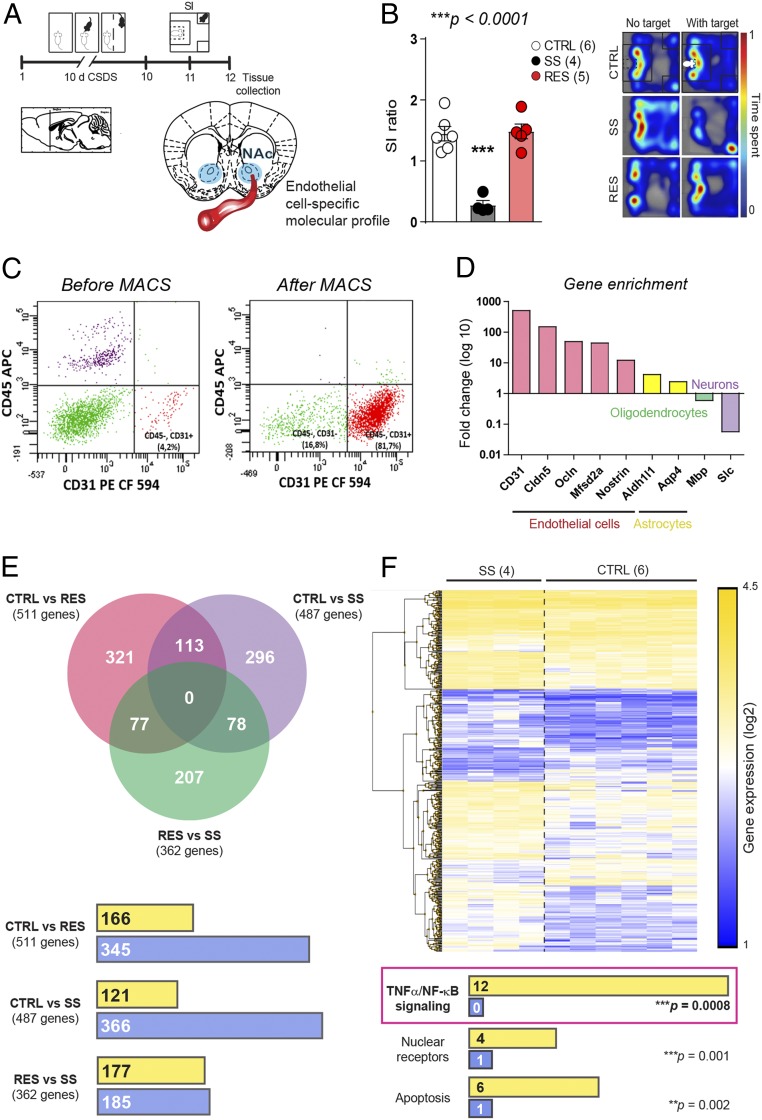
“Mechanistically, social defeat stress upregulates inflammatory TNF and/or nuclear factor-κB (NFКB) signaling pathways in endothelial cells and diminishes expression of the tight junction protein claudin-5 (CLDN5)7,74.”
From Central regulation of stress-evoked peripheral immune responses (2023) · cites this paper as [74]
Experimental — accuracy not yet measuredThe source backs part of the claim, not all of it — or backs it for a different population, condition or comparison.
In the citing paper
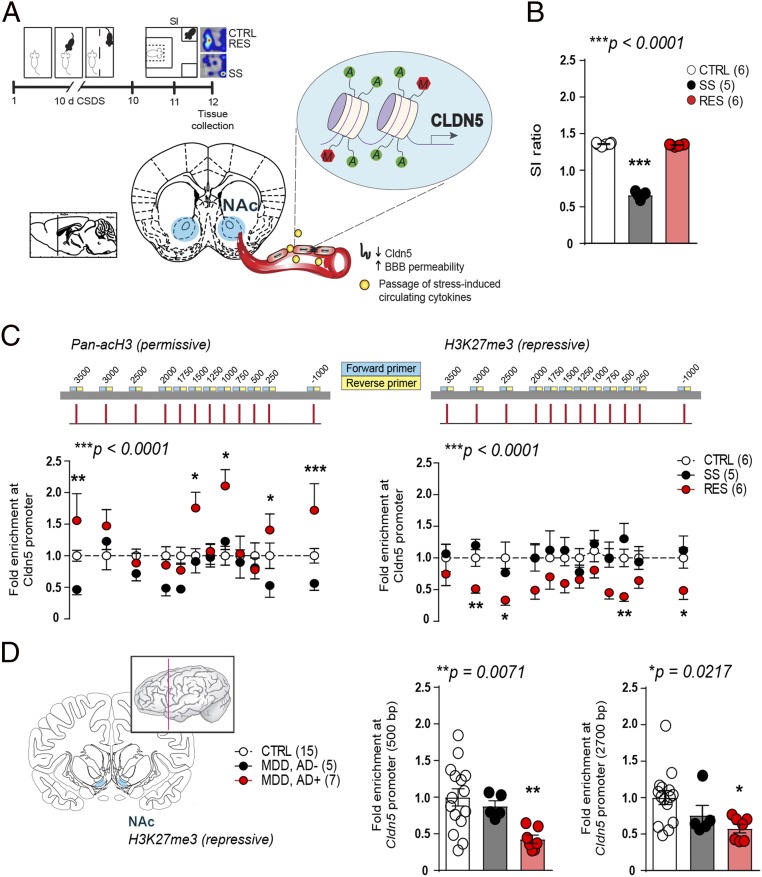
“Other forms of histone methylation include H3K9me2 and H3K27me3, are repressive in the gene promoter region in response to stress.167,168”
From Epigenetic regulation in major depression and other stress-related disorders: molecular mechanisms, clinical relevance and therapeutic potential (2023) · cites this paper as [168]
Experimental — accuracy not yet measuredIn the citing paper
“Moreover, disruption of the BBB due to other viral infections has already been proven to trigger long-term development of neurological disorders, such as Alzheimer’s disease, depression, anxiety and multiple sclerosis [125–127].”
From Hyperactivation of P2X7 receptors as a culprit of COVID-19 neuropathology (2021) · cites this paper as [127]
In the citing paper
“Stressed animals exhibit loss of blood brain barrier integrity [67]”
From Moderators of inflammation-related depression: a prospective study of breast cancer survivors (2021) · cites this paper as [67]
In the citing paper
“Pre-clinical evidence indicates that neuro-immune pathways can be moderated by risk factors, including stress, anxiety, and sleep disturbance [67–70].”
From Moderators of inflammation-related depression: a prospective study of breast cancer survivors (2021) · cites this paper as [67]
Self-check
Percentages, sums and reported differences re-computed from the paper’s own numbers.
The self-check needs the paper’s full text.
Citations
Cites
Kessler, R. C., Chiu, W. T., Demler, O., & Walters, E. E. (2005) · Archives of General Psychiatry · doi:10.1001/archpsyc.62.6.617 · Cited by 12,052 · cited 1×
“M ajor depressive disorder (MDD) will affect one out of five individuals throughout their lifetime and is now considered the leading cause of disabilities worldwide (1).”
Zhang, Y., Chen, K., Sloan, S. A., Bennett, M. L., Scholze, A. R., O'Keeffe, S., Phatnani, H. P., Guarnieri, P., Caneda, C., Ruderisch, N., et al. (2014) · The Journal of Neuroscience · doi:10.1523/jneurosci.1860-14.2014 · Cited by 4,875 · cited 2×
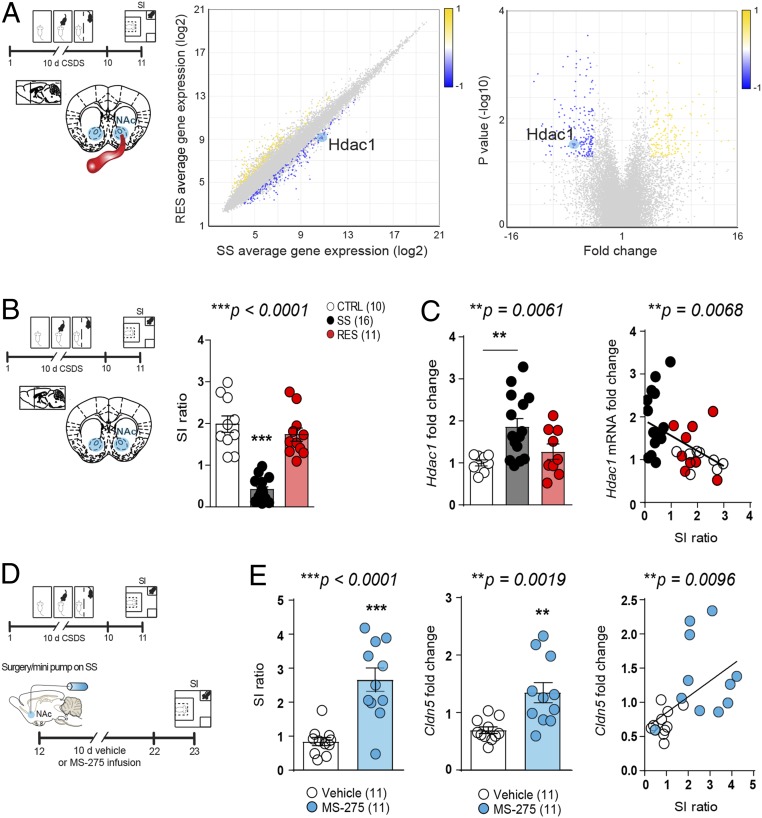
“We identified histone deacetylase 1 (hdac1), an enzyme enriched in endothelial cells (14) and involved in transcriptional repression (15), as being up-regulated in stresssusceptible mice.”
The role of inflammation in depression: from evolutionary imperative to modern treatment target
Miller, A. H., & Raison, C. L. (2016) · Nature Reviews Immunology · doi:10.1038/nri.2015.5 · Cited by 3,942
Bardo, M. T., & Hammer, R. P. (1991) · Neuroscience · doi:10.1016/0306-4522(91)90226-e · Cited by 3,219
Kessler, R. (1993) · Journal of Affective Disorders · doi:10.1016/0165-0327(93)90026-g · Cited by 2,207 · cited 1×
“While the current work was only performed in male mice, depression being far more prevalent in women (50) it will be highly relevant to evaluate whether stress-induced neurovascular adaptations are present in females.”
A molecular atlas of cell types and zonation in the brain vasculature
Vanlandewijck, M., He, L., Mäe, M. A., Andrae, J., Ando, K., Del Gaudio, F., Nahar, K., Lebouvier, T., Laviña, B., Gouveia, L., et al. (2018) · Nature · doi:10.1038/nature25739 · Cited by 1,892 · cited 1×
“Recent sequencing studies performed in whole mouse and human brains revealed that HDAC2 expression is higher than HDAC1 in endothelial cells (14, 40).”
The brain reward circuitry in mood disorders
Russo, S. J., & Nestler, E. J. (2013) · Nature Reviews Neuroscience · doi:10.1038/nrn3381 · Cited by 1,870 · cited 3×
“6).”
InfluentialSelf-citationBlood–brain barrier breakdown is an early biomarker of human cognitive dysfunction
Nation, D. A., Sweeney, M. D., Montagne, A., Sagare, A. P., D’Orazio, L. M., Pachicano, M., Sepehrband, F., Nelson, A. R., Buennagel, D. P., Harrington, M. G., et al. (2019) · Nature Medicine · doi:10.1038/s41591-018-0297-y · Cited by 1,728 · cited 1×
“Indeed, BBB breakdown is an early biomarker of human cognitive dysfunction (51) and a link between cldn5 polymorphisms and cognition status in the elderly has been revealed by genome-wide studies of verbal declarative memory in nondemented older individuals (52).”
Raison, C. L., Rutherford, R. E., Woolwine, B. J., Shuo, C., Schettler, P., Drake, D. F., Haroon, E., & Miller, A. H. (2013) · JAMA Psychiatry · doi:10.1001/2013.jamapsychiatry.4 · Cited by 1,617
A standardized protocol for repeated social defeat stress in mice
Golden, S. A., Covington, H. E., Berton, O., & Russo, S. J. (2011) · Nature Protocols · doi:10.1038/nprot.2011.361 · Cited by 1,581 · cited 5×
“Again, site-directed qChIP was performed as described in Golden et al. (15) this time using a micrococcal nuclease (MNase)-based assay to produce fragments of ∼ 150 to 160 bp.”
InfluentialSelf-citation
Cited by
Items 201–300 of 361
Microbiota-Immune System Interactions in Human Neurological Disorders
Huang, Q., Fang, Y., Liao, D., & Xia, J. (2020) · CNS & Neurological Disorders - Drug Targets · doi:10.2174/1871527319666200726222138 · Cited by 9
Banerjee, P., Chau, K. M., Kotla, S., Davis, E. L., Turcios, E. B., Li, S., Zhang, P., Wang, G., Kolluru, G. K., Jain, A., et al. (2024) · Current Atherosclerosis Reports · doi:10.1007/s11883-024-01223-5 · Cited by 7
“Reduced Claudin-5 expression has been observed in the nucleus accumbens of depressed patients [242, 246, 247], resulting in increased BBB permeability [247].”
Resilience-building in palliative care professionals: scoping review
Yongpraderm, S., Inpithuk, P., & Wongprom, I. (2025) · BMJ Supportive & Palliative Care · doi:10.1136/spcare-2024-005144 · Cited by 13
“11 Furthermore, many studies support and recommend that understanding and practising resilience will improve coping with stress.”
Mundula, T., Baldi, S., Gerace, E., & Amedei, A. (2023) · Biomedicines · doi:10.3390/biomedicines11020550 · Cited by 11
“Recent findings have documented that a loss of BBB integrity is evident in germ-free mice and mood disorders, suggesting that normal BBB tightness is fundamental to protecting against depression [56].”
BackgroundMontagud‐Romero, S., Miñarro, J., & Rodríguez‐Arias, M. (2021) · Current topics in behavioral neurosciences · doi:10.1007/7854_2021_260 · Cited by 9
Role of histone deacetylases in neuroplasticity impairments and inflammation in major depression
Garayo, A., Azqueta, A., & Tordera, R. M. (2024) · Neuroscience Applied · doi:10.1016/j.nsa.2024.104081 · Cited by 11
“Among Class IIa HDACs, an increase of HDAC4, HDAC5, HDAC6 and HDAC8 in the PFC of patients has been reported (Rey et al., 2019).”
InfluentialLuo, Y., Meng, D., Tang, H., Wu, P., & Zhang, Y. (2024) · Behavioural Brain Research · doi:10.1016/j.bbr.2024.115286 · Cited by 7
Li, B., Guan, S., Huang, C., Li, C., Du, Y., & Wan, C. (2025) · Frontiers in Public Health · doi:10.3389/fpubh.2025.1530513 · Cited by 7
Baumer, Y., Tirado, B. A., Ortiz-Whittingham, L. R., Baez, A. S., Gutierrez‐Huerta, C. A., Mendelsohn, L. G., Saurabh, A., Jacobs, J. A., Andrews, M. R., Mitchell, V. M., et al. (2025) · npj Cardiovascular Health · doi:10.1038/s44325-025-00059-5 · Cited by 6
“Endothelialbarrierintegrityhasalsobeeninvestigatedinthecontextof the blood-brain barrier (BBB), with VE-cadherin playing an important role in maintaining the BBB 36 .”
InfluentialSchindler, K. A., Torices, S., Schurhoff, N. A., Gallo, D. I., & Toborek, M. J. (2025) · Advanced Drug Delivery Reviews · doi:10.1016/j.addr.2025.115645 · Cited by 10
Rajkumar, R. P. (2024) · Frontiers in Cellular Neuroscience · doi:10.3389/fncel.2024.1455606 · Cited by 8
Liu, C., Zhou, R., Peng, X., Chen, X., Xia, Z., Wei, W., Zhu, T., & Chen, G. (2024) · Frontiers in Psychiatry · doi:10.3389/fpsyt.2024.1440641 · Cited by 8
Endothelial Neurogranin Regulates Blood–Brain Barrier Permeability via Modulation of the AKT Pathway
Akande, A., Carter, Z., Stokes, K. Y., & Nam, H. W. (2024) · Molecular Neurobiology · doi:10.1007/s12035-024-04522-9 · Cited by 9
“This promotes the development of depression-like behaviors in mice [68–70].”
Alilou, S., Valizadeh, P., KamaliZonouzi, S., Salabat, D., Jannatdoust, P., Amanollahi, M., Rashidi, F., Rezaie, S., Delavari, S., & Aarabi, M. H. (2024) · Brain Behavior and Immunity Integrative · doi:10.1016/j.bbii.2024.100092 · Cited by 8
Felger, J. C. (2023) · Advances in neurobiology · doi:10.1007/978-3-031-21054-9_16 · Cited by 6
Zhang, L., Zhu, B., Zhou, X., Hao, N., Zhang, F., Yan, B., Chen, J., & Ma, T. (2024) · Neurotoxicity Research · doi:10.1007/s12640-024-00693-4 · Cited by 6
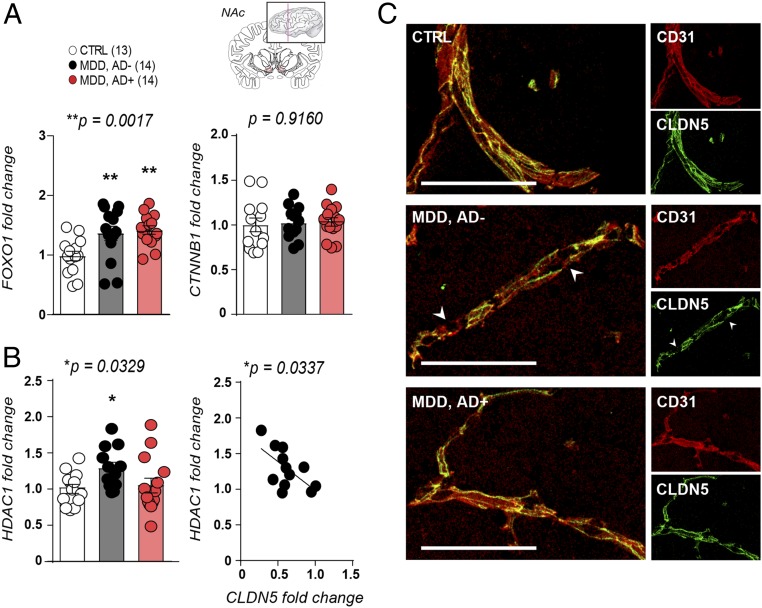
“Dudek and colleagues reported that upregulation of HDAC1 led to increased stress-induced BBB permeability by inhibiting claudin-5 expression in the nucleus accumbens of depressed patients, leading to the loosening of TJs and BBB leakage, as well as depression-like behavior (Dudek et al. 2020).”
Scheil, K., Sánchez-Lafuente, C. L., Reive, B. S., Halvorson, C. S., Floyd, J., Reid, H. M. O., Johnston, J. N., Kalynchuk, L. E., & Caruncho, H. J. (2024) · Progress in Neuro-Psychopharmacology and Biological Psychiatry · doi:10.1016/j.pnpbp.2024.110998 · Cited by 9
Myers, M. G., & Toal, C. B. (1995) · PubMed · Cited by 7
Investigation of Poststroke Depression Following a Nucleus Accumbens Infarct in Mice
Bouchard, J., Daigle, B., Collignon, A., St-Arnault, V., Binder, L. B., Bevilacqua, L. M., Rioux, V., Dion‐Albert, L., Lebel, M., Lévesque, M., et al. (2025) · Stroke · doi:10.1161/strokeaha.125.050839 · Cited by 6
“44–46 The sample size was based on previous publications 32,40,41,47 and behavioral tests performed with an automated tracking system or scoring done by blinded experimenters.”
Self-citationLetenneur, V., Monnoye, M., Philippe, C., Holowacz, S., Rabot, S., Lepage, P., Jacouton, E., & Naudon, L. (2023) · Nutrients · doi:10.3390/nu15214635 · Cited by 7
“In recent years, several studies have focused on the capacity for resilience and the mechanisms to cope with stressors, including oxidative stress, neuronal plasticity, and blood–brain barrier permeability [3,4].”
BackgroundGlycolytic metabolism: Food for immune cells, fuel for depression?
Bekhbat, M. (2024) · Brain Behavior & Immunity - Health · doi:10.1016/j.bbih.2024.100843 · Cited by 13
“…spaces in the brain and lead to the production of inflammatory cytokines that are essential for the development of stress-induced behavioral changes (Wohleb et al., 2013, 2014; Sawicki et al., 2015; McKim et al., 2016, 2018b; Menard et al., 2017; Dudek et al., 2020; Dion-Albert et al., 2022).”
BackgroundDoney, E., Bernatchez, R., Clavet-Fournier, V., Dudek, K., Dion‐Albert, L., Lavoie‐Cardinal, F., & Ménard, C. (2023) · Neurophotonics · doi:10.1117/1.nph.10.4.044410 · Cited by 5
Self-citationChen, Z., Cao, T., Zhong, X., Wu, Y., Fu, W., Fan, C., Jiang, Y. B., Zhu, Y. H., Peng, J., Li, P., et al. (2020) · Journal of Stroke and Cerebrovascular Diseases · doi:10.1016/j.jstrokecerebrovasdis.2020.105149 · Cited by 6
Intergenerational changes in hippocampal transcription in an animal model of maternal depression
Alyamani, R. A. S., Nephew, B., & Murgatroyd, C. (2021) · European Journal of Neuroscience · doi:10.1111/ejn.15180 · Cited by 6
“…and protein in the brains of humans with depression, suicide victims and a mouse model of depression (Alexander et al., 2010; Anisman et al., 2008; Dwivedi et al., 2005; Leckman et al., 2004; Svenningsson et al., 2006) suggesting a crucial role for this gene in the development of…”
BackgroundZhu, B., Zhang, L., Zhou, X., Ning, H., & Ma, T. (2022) · Frontiers in Molecular Neuroscience · doi:10.3389/fnmol.2022.1027942 · Cited by 6
“In addition, its homologue HDAC1 promoted the permeability of the BBB by inhibiting the expression of CLDN5 (Dudek et al., 2020).”
BackgroundTowards better understanding of the link between inflammation and suicidal ideation and behaviors
Lengvenytė, A., Sebti, E., & Courtet, P. (2022) · Minerva Psychiatry · doi:10.23736/s2724-6612.22.02369-7 · Cited by 7
Tang, C.-L., & Hu, J. (2021) · Nanoscale Research Letters · doi:10.1186/s11671-021-03477-3 · Cited by 6
RetractedChemokine receptor 5 signaling in PFC mediates stress susceptibility in female micePreprint
Lin, H., Cathomas, F., Li, L., Cuttoli, R. D.-D., Guevara, C. A., Bayrak, Ç. S., Wang, Q., Gupta, S., Chan, K. L., Shimo, Y., et al. (2023) · bioRxiv (Cold Spring Harbor Laboratory) · doi:10.1101/2023.08.18.553789 · Cited by 7
Self-citationGoodman, E. J., Britt, R. M., Zhao, F., Davis, A. C., Wangler, L. M., Emami, E., Swanson, S. P., Askwith, C. C., Sheridan, J. F., & Godbout, J. P. (2025) · Journal of Neuroscience · doi:10.1523/jneurosci.2209-24.2025 · Cited by 6
Wu, L., Wu, F., Li, M., Liu, Y., Wang, S., Guo, S., Liu, S. Q., Jiang, X., Zhou, Y., & Kong, L. (2025) · Journal of Affective Disorders · doi:10.1016/j.jad.2025.120988 · Cited by 4
Histone and non-histone (de)acetylation impact on the blood-brain barrier
Melo, M., Fortuna, A. C., Laranjinha, J. A. N., & Bicker, J. (2026) · Fluids and Barriers of the CNS · doi:10.1186/s12987-026-00763-z · Cited by 6
“The pathological mechanisms behind BBB dysfunction operate on both cellular and molecular levels, with extrinsic signals often exerting their effects through epigenetic processes [13, 20].”
Maternal gut microbiota mediates prenatal stress-induced fetal blood‒brain barrier dysfunction
Wang, X., Zhou, F., Wu, T., Duan, C., Luo, X., Meng, Y., Huang, H.-F., & Wu, Y.-T. (2026) · Gut Microbes · doi:10.1080/19490976.2026.2631242 · Cited by 5
Konstantinou, G., & Warsh, J. J. (2026) · Neuroscience & Biobehavioral Reviews · doi:10.1016/j.neubiorev.2026.106658 · Cited by 7
Deng, T., Chen, H.-S., Wang, H.-J., Shi, Y., Long, L., Jin, Y., Yao, H., Si, T., Yu, X., Li, L., et al. (2026) · Molecular Psychiatry · doi:10.1038/s41380-026-03551-1 · Cited by 5
da Silva, M. C. M., de Oliveira, A. C. P., Candelario‐Jalil, E., & Khoshbouei, H. (2025) · Journal of Neuroimmunology · doi:10.1016/j.jneuroim.2025.578736 · Cited by 5
Wakid, M., Almeida, D. M., Aouabed, Z., Rahimian, R., Davoli, M. A., Yerko, V., Leonova-Erko, E., Richard, V. R., Zahedi, R. P., Borchers, C. H., et al. (2023) · Brain Behavior & Immunity - Health · doi:10.1016/j.bbih.2023.100684 · Cited by 4
Self-citationTong, G., Chen, Y., & Liang, Y. (2024) · Guidelines and Standards of Chinese Medicine · doi:10.1097/gscm.0000000000000031 · Cited by 6
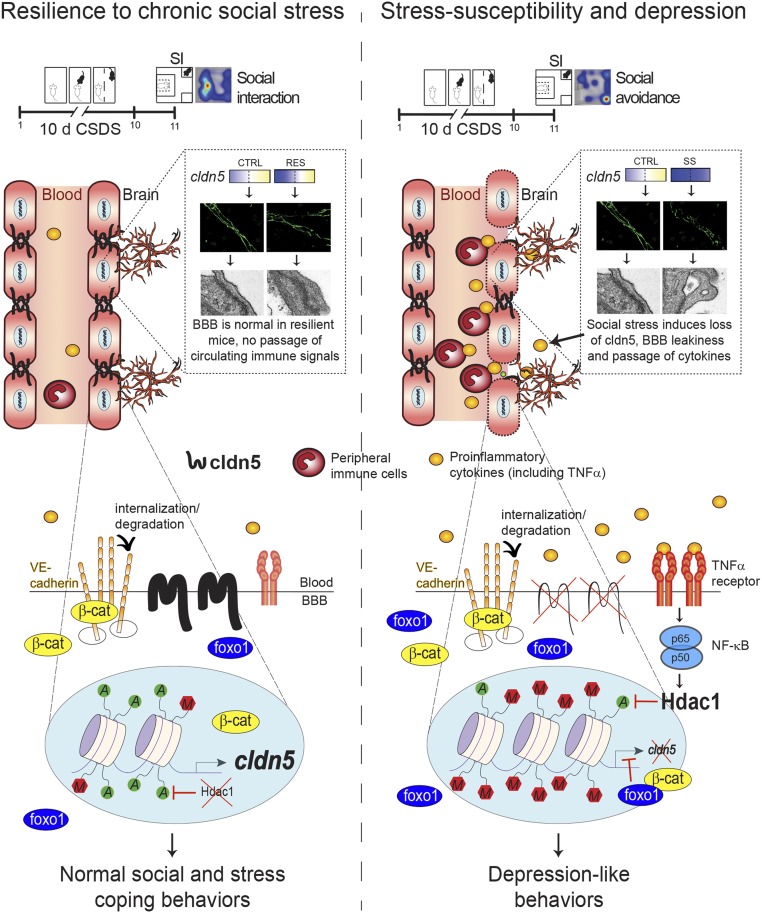
“Reportedly, chronic social stress causes the disruption of the blood-brain barrier in the NAc brain area of male mice, and thus promotes the passage of proin fl ammatory factors in the circulation, leading to depression-like behaviors such as social avoidance, anhedonia, and helplessness [70] .”
Chronic social defeat stress alters DNA methylation profiles of male germ cells in mice
Ohno, H., Yamamuro, Y., & Aizawa, S. (2025) · Biochemical and Biophysical Research Communications · doi:10.1016/j.bbrc.2025.151650 · Cited by 5
Zhao, W., Zhu, D., Zhang, Y., Zhang, Y., Shen, Y., Yu, Y., & Zhu, J. (2025) · Human Brain Mapping · doi:10.1002/hbm.70371 · Cited by 5
“This may be explained by the evidence that MDD-induced neurovascular pathology alters blood–brain barrier integrity, promoting infiltration of circulating inflammatory markers into brain parenchyma and subsequent neurobiological changes (Dudek et al. 2020; Menard et al. 2017).”
Amine Precursors in Depressive Disorders and the Blood-Brain Barrier
Sharma, H. S., & Sharma, A. (2021) · Springer eBooks · doi:10.1007/978-3-319-56015-1_423-1 · Cited by 4
Repeated social defeat stress leads to immunometabolic shifts in innate immune cells of the spleen
Bekhbat, M., Drake, J. W., Reed, E. C., Lauten, T. H., Natour, T., Vladimirov, V. I., & Case, A. J. (2023) · Brain Behavior & Immunity - Health · doi:10.1016/j.bbih.2023.100690 · Cited by 6
Sterrett, J. D., Andersen, N. D., & Lowry, C. A. (2022) · Progress in inflammation research · doi:10.1007/978-3-030-91051-8_10 · Cited by 4
Bollinger, J. L., Johnsamuel, S., Vollmer, L. L., Kuhn, A. M., & Wohleb, E. S. (2024) · bioRxiv (Cold Spring Harbor Laboratory) · doi:10.1101/2024.05.14.594147 · Cited by 4
MRI-based neuroimaging alterations in immune-related skin diseases: a comprehensive review
Tan, S., Chen, Z., Liu, Y., Hedan, Y., & Lin, T. (2025) · Archives of Dermatological Research · doi:10.1007/s00403-025-04023-2 · Cited by 4
“Also, Mouse models of depression have also shown that changes in vascular endothelial cell activity under stress conditions mediate alterations in BBB permeability, allowing a large influx of antibodies and cytokines into the CNS [50, 51].”
Claudin-5 and inflammatory biomarkers in panic disorder: a 6-week follow-up study
Örüm, D., Çatak, Z., Tanrıkulu, A. B., & Atmaca, M. (2025) · Frontiers in Psychiatry · doi:10.3389/fpsyt.2025.1703509 · Cited by 3
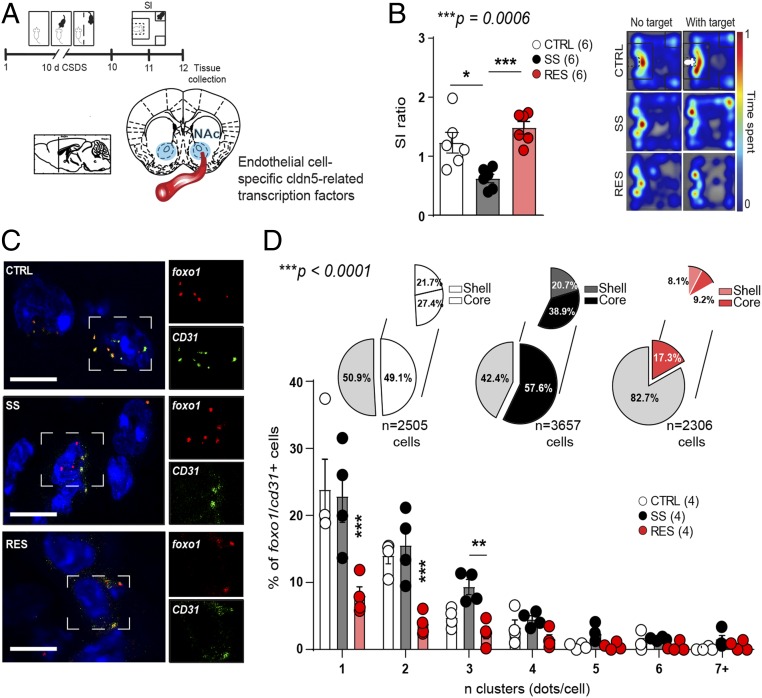
“(24) investigated the compensatory responses leading to appropriate behavioral strategies and active resilience and found that stress resilience is linked to both low endothelium expression of the restrictive claudin-5-related transcription factor Forkhead box protein O1 (a transcription factor…”
InfluentialNaseri, N., Bigdeli, M. R., Moghadam, F. A., & Kazemi, B. (2026) · Brain Research Bulletin · doi:10.1016/j.brainresbull.2026.111736 · Cited by 4
Ang II-mediated effects on BBB integrity in psychiatric and neurological disorders
Towo, D. H. H., Jari, I., Canivet, C., & Deslauriers, J. (2026) · Progress in Neuro-Psychopharmacology and Biological Psychiatry · doi:10.1016/j.pnpbp.2026.111635 · Cited by 3
“As chronic stress has been associated with infiltrating macrophages into brain tissue and BBB alterations in vivo (Dudek et al., 2020; Kokkosis et al., 2024), it may be hypothesized that the CNS responses are ATR1-independent, while the cardiovascular effects are ATR1-dependent.”
Evertse, D., Sommer, E. L., Markus, N., Jagt, M. V. D., Hendriks, B. A., van de Grint, M. L., & van der Kooij, M. A. (2026) · Brain Behavior and Immunity · doi:10.1016/j.bbi.2026.106530 · Cited by 4
Ito, N., Miki, R., Kawada, N., Yoshida, M., & Kobayashi, Y. (2024) · Neuroscience · doi:10.1016/j.neuroscience.2024.11.072 · Cited by 4
Wang, H., Cheng, Z., Xu, Z., Wang, M., Sun, X., Liu, W., Wang, J., Yang, Q., Zhang, T., Song, J., et al. (2025) · Brain and Behavior · doi:10.1002/brb3.70478 · Cited by 3
“The findings of this study indicate that VEGFA is a critical factor in DEP development, as it contributes to promoting greater permeability within the blood–brain barrier (Dudek et al. 2020; Matsuno et al. 2022; Menard et al. 2017; Najjar et al. 2013).”
Mitochondrial dysfunction and affective disorders: Focus on diet, exercise, and aging
Allen, J., Kalynchuk, L. E., & Caruncho, H. J. (2021) · Elsevier eBooks · doi:10.1016/b978-0-323-85666-9.00017-6 · Cited by 3
Radkowski, M., Kryczka, T., Szymańska, B., Berak, H., Horban, A., Pawłowski, T., Perlejewski, K., & Laskus, T. (2023) · International Journal of Molecular Sciences · doi:10.3390/ijms242015351 · Cited by 6
“Increased proinflammatory cytokines in circulation have the propensity to repress the expression of several tight-junction proteins of the blood–brain barrier (BBB), thus promoting the passage of circulating proinflammatory cytokines and depression-like behaviors in mice [34].”
BackgroundBlevins, E. J., Slopen, N. B., Koenen, K. C., Mikesell, C., & Basu, A. (2025) · Harvard Review of Psychiatry · doi:10.1097/hrp.0000000000000413 · Cited by 4
Alterations in the Blood–Brain Barrier in Mood Disorders and Neurodegenerative Diseases
Conejero, I., Chéa, M., Courtet, P., Bouvier, S., & Pereira, F. (2025) · Seminars in Thrombosis and Hemostasis · doi:10.1055/s-0045-1804893 · Cited by 6
“38,39 Soluble E-selectin may be considered as a blood marker of vascular damage in stress conditions.”
Paton, S. E. J., Solano, J. L., Collignon, A., Richer, É., Coulombe-Rozon, F., Dion‐Albert, L., Binder, L. B., Dudek, K., Cadoret, A., Lebel, M., et al. (2025) · Biological Psychiatry · doi:10.1016/j.biopsych.2025.02.063 · Cited by 3
Self-citationWakid, M., Almeida, D., Denniston, R., Chawla, A., Aouabed, Z., Davoli, M. A., Ellerbeck, K., Rahimian, R., Yerko, V., Leonova-Erko, E., et al. (2025) · Molecular Psychiatry · doi:10.1038/s41380-025-03285-6 · Cited by 4
Self-citationAnisman, H., & Kusnecov, A. W. (2022) · Elsevier eBooks · doi:10.1016/b978-0-323-91904-3.00017-3 · Cited by 3
Prenatal stress more significantly impacts gliovascular interface development in female offspring
Rodrigues, M. S., Sousa, I., Baptista, F. I., & Santos, V. C. (2025) · Frontiers in Neuroscience · doi:10.3389/fnins.2025.1539867 · Cited by 3
Influence of feelings on the blood-brain barrier (BBB) and drug delivery
Ocab, O., Saad, H. A., Mashal, R., Osama, K., Marzouk, M., & Hamdi, N. (2025) · Progress in brain research · doi:10.1016/bs.pbr.2025.03.006 · Cited by 2
Li, Z., Kruck, G., Thng, G., & Nagy, C. (2025) · Brain Behavior and Immunity · doi:10.1016/j.bbi.2025.05.023 · Cited by 3
“Claudin-5 methylation was linked to stress susceptibility, while its acetylation was linked to stress resilience and social interaction in mouse NAc endothelial cells (Dudek et al., 2020).”
What Is the Role of Glucocorticoids in the Effects of Stress on the Brain?
Benarroch, E. E. (2025) · Neurology · doi:10.1212/wnl.0000000000213874 · Cited by 4
Shi, Y., He, X., Liu, W. J., Hu, J., Qiu, W. Q., Zhang, X., & Fan, Z. (2025) · Frontiers in Endocrinology · doi:10.3389/fendo.2025.1506560 · Cited by 4
Sun, Z.-X., Zhou, M.-Y., Li, J.-S., Zhao, Y. F., Xie, F., Wang, X., Feng, H., Sun, Z., & Qian, L. (2025) · Neurobiology of Stress · doi:10.1016/j.ynstr.2025.100758 · Cited by 2
“Previous research has indicated that the transcription of Cldn5 is suppressed with increased levels of H3K27me3 in stressed mice(Dudek et al., 2020).”
Vecchiarelli, H. A., Baglot, S. L., Black, T., Choi, E. Y., Cupo, L., Sandberg, C., Siron, L., Chakravarty, M. M., Hill, M. N., Howland, J. G., et al. (2025) · Neuroscience & Biobehavioral Reviews · doi:10.1016/j.neubiorev.2025.106488 · Cited by 3
Immunity in Rodent Models of Stress
Hachenberg, S., Russo, S. J., & Cathomas, F. (2025) · Biological Psychiatry · doi:10.1016/j.biopsych.2025.11.007 · Cited by 5
Self-citationKrüppel-Like Factors Modulate Susceptibility To Neuropsychiatric Disorders
Valenzuela-Ahumada, L. A., Vivanco-Paredes, J. E., Islas, J. F., & Camacho‐Morales, A. (2025) · Molecular Neurobiology · doi:10.1007/s12035-025-05591-0 · Cited by 2
“In fact, genomic suppression of Cldn5 in the NAc was significantly reduced in the NAc of MDD patients [75, 76].”
Tiwari, S., Mohammed, Z., Atta, S. R., Tiwari, A., Yadav, E., Kaushik, S., Chopra, A., Singh, I., & Ghosh, S. (2026) · ACS Chemical Neuroscience · doi:10.1021/acschemneuro.5c00993 · Cited by 2
Interleukin-1 beta in psychosocial stress
Yin, W., Godbout, J. P., & Sheridan, J. F. (2023) · Elsevier eBooks · doi:10.1016/b978-0-12-817558-3.00007-x · Cited by 9
Snippe-Strauss, M., Zamir, A. T., Benhos, A., & Richter‐Levin, G. (2024) · Current Opinion in Behavioral Sciences · doi:10.1016/j.cobeha.2024.101403 · Cited by 3
ДІАБЕТИЧНИЙ ДИСТРЕС: ОСНОВНІ ЕТІОПАТОГЕНЕТИЧНІ ЧИННИКИ ТА ПСИХОМЕТРИЧНІ МЕТОДИ ДІАГНОСТИКИ
Serhiyenko, V. A., Сегін, В. Б., Tsaryk, T. V., Головач, С., & Serhiyenko, A. A. (2025) · doi:10.36059/978-966-397-492-7 · Cited by 3
Vascular Homeostasis in Suicidal Behavior: From Molecular Mechanisms to Clinical Implications
Lengvenytė, A., & Courtet, P. (2025) · Biological Psychiatry · doi:10.1016/j.biopsych.2025.06.012 · Cited by 7
Synaptic plasticity in fronto-insular circuits underlying stress susceptibility and resilience
Rocks, D., & Liston, C. M. (2024) · Neuroscience Research · doi:10.1016/j.neures.2024.12.006 · Cited by 2
“This includes transcriptional changes in endothelial cells that affect regulation of the blood-brain-barrier (Dudek et al., 2020; Menard et al., 2017), as well as in immune cells that can impact brain extracellular matrix structure and microglial activation (Cathomas et al., 2024; Nie et al., 2018).”
Novel treatment targets for COVID-19: Contribution from molecular psychiatry
Schmidt, U., & Rein, T. (2020) · The World Journal of Biological Psychiatry · doi:10.1080/15622975.2020.1779344 · Cited by 2
Wolugbom, J. A., Areloegbe, S. E. J., & Olaniyi, K. S. (2022) · Research Square · doi:10.21203/rs.3.rs-1595335/v1 · Cited by 2
Paton, S. E. J., Solano, J. L., Collignon, A., Richer, É., Coulombe-Rozon, F., Dion‐Albert, L., Binder, L. B., Dudek, K., Cadoret, A., Lebel, M., et al. (2023) · bioRxiv (Cold Spring Harbor Laboratory) · doi:10.1101/2023.11.08.566229 · Cited by 2
Self-citationTranscriptional landscape of the dorsal raphe serotonin neurons rendering stress resiliencyPreprint
Andoh, C., Otani, S., Noguchi, T., Hagiwara, M., Nishitani, N., Kawai, H., Fukui, Y., Koda, M., Morishita, H., Nomura, K., et al. (2024) · bioRxiv (Cold Spring Harbor Laboratory) · doi:10.1101/2024.03.21.586199 · Cited by 2
Prednisolone Targets Claudins in Mouse Brain Blood Vessels
Markov, A. G., Bikmurzina, A. E., Fedorova, A. A., Виноградова, Е. П., Kruglova, N. M., Krivoi, I. I., & Amasheh, S. (2023) · International Journal of Molecular Sciences · doi:10.3390/ijms25010276 · Cited by 3
“These studies focus on the contributions of claudin-5 as the main molecular component of the BBB [14,15].”
BackgroundInfluentialNeurotrophic Hypothesis of Development of Depression
Yasenyavskaya, A. L., Цибизова, А. А., & Самотруева, М. А. (2024) · Human Physiology · doi:10.31857/s0131164624020121 · Cited by 1
Potential risk factors of susceptibility to recurrent depression
Wang, S., Guo, L., & Wang, C. (2025) · Brain Research Bulletin · doi:10.1016/j.brainresbull.2025.111374 · Cited by 1
“The breakdown of BBB in depression could also promote passage of circulating proinflammatory cytokines (Dudek et al., 2020).”
Kohro, Y., Brown, C. E., & Trang, T. (2025) · Molecular Brain · doi:10.1186/s13041-025-01231-9 · Cited by 2
Ding, X., & Li, Y. (2025) · Neuroscience Bulletin · doi:10.1007/s12264-025-01514-0 · Cited by 1
“Concurrently, growing evidence associates MDD with stress-induced dysregulation of blood-brain barrier (BBB) integrity, a selective gateway regulating molecular transport between the circulation into the brain parenchyma [4, 5].”
Central mechanisms of action of kisspeptin-10 in stress-induced reproductive dysfunction
Perova, A. P., Goltz, V. A., Aa, L., Бычков, Э. Р., Beznin, G. V., Tsikunov, S. G., & Байрамов, А. А. (2025) · Reviews on Clinical Pharmacology and Drug Therapy · doi:10.17816/rcf691851 · Cited by 1
Kong, L., Wang, H., Sang, R., Saeed, S., Shen, Y., Lai, J., & Hu, S. (2025) · Journal of Affective Disorders · doi:10.1016/j.jad.2025.120687 · Cited by 1
EHD4 and ASAP2 are critical negative regulators of the claudin‐5‐based endothelial barrier
Hashimoto, Y., Porkoláb, G., Hudson, N., O’Callaghan, J., Hanley, N., Delaney, C. P., Deli, M. A., Westenskow, P. D., & Campbell, M. (2025) · FEBS Journal · doi:10.1111/febs.70357 · Cited by 1
王, 馨. (2026) · International Journal of Psychiatry and Neurology · doi:10.12677/ijpn.2026.151002 · Cited by 1
Keskin, N., Selçuk, M., & Saruhan, E. (2026) · ALPHA PSYCHIATRY · doi:10.31083/ap46843 · Cited by 1
“These mechanisms are consistent with the neurovascular-inflammatory model of depression, which proposes that sustained low-grade inflammation compromises BBB integrity and neuronal homeostasis [3,45].”
Maas, F. M. W. M., Hachenberg, S., Mituniewicz, J., Kleim, B., Schweiger, S., Yuen, K. S. L., Cathomas, F., Kobylińska, D., Tüscher, O., & Kalisch, R. (2026) · BMC Psychology · doi:10.1186/s40359-026-04118-z · Cited by 2
Microglia promote vascular remodeling in a mouse model of chronic stress
Hage, Z., Madeira, M. M., Nnah, K., Koliatsis, D., Kokkosis, A. G., Schappell, L. E., Nadkarni, N. A., & Tsirka, S. E. (2026) · Brain Behavior and Immunity · doi:10.1016/j.bbi.2026.106560 · Cited by 1
Does LCN2 Play a Critical Role in the Pathogenesis of Depression?
Liu, Y., Liu, X., Su, Y., Li, J., & Si, T. (2026) · Neurobiology of Disease · doi:10.1016/j.nbd.2026.107369 · Cited by 1
Wang, L., Zhang, X., Cheng, S., & Deng, K. (2026) · Clinical Interventions in Aging · doi:10.2147/cia.s599044 · Cited by 1
Physical activity and the brain barriers: Mechanisms of neuroprotection and disease resilience
Morys, J., Solarz, A., Mi, J., Gilicinska, M., Kostka, M., Burek, M., Małecki, A., Toborek, M. J., & Nowacka-Chmielewska, M. M. (2026) · Biomedicine & Pharmacotherapy · doi:10.1016/j.biopha.2026.119554 · Cited by 1
Markov, A. G., Bikmurzina, A. E., Fedorova, A. A., & Krivoi, I. I. (2022) · Journal of Evolutionary Biochemistry and Physiology · doi:10.1134/s0022093022030188 · Cited by 1
Zhang, F., Wang, S., Zhao, C., Jiang, D., Wang, Y., Qi, J., & Li, Y. (2023) · Tissue and Cell · doi:10.1016/j.tice.2023.102031 · Cited by 1
Hyperactivity of the Lateral Septum Leads to Hypersensitivity in Susceptible Mice
Qian, F., Zhang, X., Zhang, B., & Li, J. (2023) · Neuroscience Bulletin · doi:10.1007/s12264-023-01063-4 · Cited by 1
“Last, we human beings share a response to social stress similar to rodents; they can also be divided into SUS and RES subpopulations [10].”
BackgroundCosta, A., Micheli, L., Sordi, V., Ciampi, C., Lucci, J., Passani, M. B., & Provensi, G. (2024) · Frontiers in Pharmacology · doi:10.3389/fphar.2024.1439811 · Cited by 2
Depaauw-Holt, L. R., Peyrard, S., Bosson, A., & Murphy‐Royal, C. (2025) · Methods in molecular biology · doi:10.1007/978-1-0716-4366-2_16 · Cited by 1
Inflammation and treatment resistance: Mechanisms and treatment implications
Miller, A. H., Lucido, M. J., Bekhbat, M., Mehta, N. D., Chen, X., Treadway, M. T., Felger, J. C., & Haroon, E. (2022) · Elsevier eBooks · doi:10.1016/b978-0-12-824067-0.00015-3 · Cited by 1
The mechanisms of histone modification in post-traumatic stress disorder
ZHANG, Y., Zhao, G., Yuwei, H. A. N., ZHANG, J., Cao, C., Wang, L., & Zhang, K. (2021) · Advances in Psychological Science · doi:10.3724/sp.j.1042.2022.00098 · Cited by 1
“…PTSD 啮齿类动物模型可供研究者使用 (Blouin et al., 2016; Zovkic et al., 2013) 。 皮层的连通性等 ) (Fani et al., 2019; Frewen et al., 2012; Kashdan et al., 2006; N. D. Mehta et al., 2020; Olson et al., 2018; Risbrough et al., 2018) 。但当前 Dudek et al., 2020; Lepack et al., 2016; Pathak et al., 2017; Wilkinson et al., 2009”
InfluentialSex-specific retinal anomalies induced by chronic social stress in micePreprint
Arsenault, E., Lavigne, A.-A., Mansouri, S., Francis, K., Bittar, T. P., Quessy, F., Abdallah, K., Barbeau, A., Hébert, M., & Labonté, B. (2020) · bioRxiv (Cold Spring Harbor Laboratory) · doi:10.1101/2020.09.28.317230
Rapid and Sustained Restoration of Astrocytic Functions by Ketamine in Depression Model MicePreprint
Zhang, X., Yang, S., Zhang, Z., Liu, L., Shi, W., Yang, S., Li, S., Cai, X., & Zhou, Q. (2021) · SSRN Electronic Journal · doi:10.2139/ssrn.3973923
Metadata
- Authors
- Dudek, K. A., Dion-Albert, L., Lebel, M., LeClair, K., Labrecque, S., Tuck, E., Ferrer Perez, C., Golden, S. A., Tamminga, C., Turecki, G., Mechawar, N., Russo, S. J., & Menard, C.
- Affiliations
- Université Laval (CA)
- Department of Psychiatry and Neuroscience, Université Laval, Quebec City, QC G1V 0A6, Canada;
- Icahn School of Medicine at Mount Sinai (US)
- Centre de recherche CERVO (CA)
- Trinity College Dublin (IE)
- Center for Affective Neuroscience, Nash Family Department of Neuroscience, Icahn School of Medicine at Mount Sinai, New York, NY 10029-5674;
- University of Washington (US)
- The University of Texas Southwestern Medical Center (US)
- Douglas Mental Health University Institute (CA)
- ORCID
- Venue
- Proceedings of the National Academy of Sciences
- Publisher
- National Academy of Sciences
- Published
- 2020-01-23
- Volume
- 117
- Issue
- 6
- Pages
- 3326-3336
- ISSN
- 0027-8424 (ISSN-L)
- 1091-6490
- PMC
- PMC7022213
- OpenAlex
- W3003128096
- Cited by
- 361
- References
- 53
- Citations by year
- 2026: 51 · 2025: 73 · 2024: 55 · 2023: 53 · 2022: 55 · 2021: 50 · 2020: 22
- FWCI
- 17.39
- Type
- journal article
- Language
- en
- Open access
- hybrid
- doi.org
- Licence
- Locations
- Proceedings of the National Academy of Sciences (publishedVersion, cc-by)
- PubMed Central (publishedVersion, cc-by)
- PubMed (publishedVersion)
- Corpus Université Laval (Université Laval) (submittedVersion)
- eScholarship@McGill (McGill) (submittedVersion, cc-by)
- Repository of Digital Objects for Teaching Research and Culture (University of Valencia) (submittedVersion, cc-by-nc)
- Lenus, The Irish Health Repository (Dr Steevens Hospital Library) (submittedVersion)
- Funders
- Canada First Research Excellence Fund (Sentinel North Research Chair)
- Brain and Behavior Research Foundation (24749)
- Fonds de Recherche du Québec - Santé (265398)
- Université Laval (Fondation Helene-Halle)
- HHS | National Institutes of Health (R01 MH 104559, P50 MH 096890)
- McGill University (Healty Brain, Healthy Lives)
- Topics
- Life Sciences › Neuroscience › Neurology › Barrier Structure and Function Studies
- Life Sciences › Neuroscience › Behavioral Neuroscience › Stress Responses and Cortisol
- Life Sciences › Neuroscience › Biological Psychiatry › Tryptophan and brain disorders
- Keywords
- blood-brain barrier, stress resilience, depression, chronic social stress, neuroinflammation, antidepressant resistance, epigenetics, gene expression profiling
- MeSH terms
- Animals, Antidepressive Agents, Blood-Brain Barrier, Depression, Major Depressive Disorder, Disease Models, Animal, Humans, Inflammation, Male, Mice, Inbred C57BL, Nucleus Accumbens, Stress, Psychological, Signal Transduction, Epigenesis, Genetic, Mice, Histone Deacetylase 1, Claudin-5
About these checks
Registry, retraction, Cites and statistics results are computed, not judged, with one exception: a printed reference that no index lists is read once by a model before it counts as a citation error. Claims are extracted by a model and kept only when their quote appears verbatim in the text; each cited source is then checked, with a model’s help, for whether it says what the claim relies on. Those verdicts can be wrong — read the claim’s quote and the cited source before relying on one.
Statistics and arithmetic are recomputed, not judged.
Confidence bands are shown only for fields calibrated on our annotated test set. None is calibrated yet, so no band is shown.
What counts as a claim ›How we measure confidence ›How we check this ›
Are you an author, or do you see a problem with this page? Request a review
Data sources
Bibliographic data: Semantic Scholar, OpenAlex, Crossref.
Contains information from the Semantic Scholar Academic Graph Datasets, made available under the ODC Attribution License (ODC-BY 1.0).
Semantic Scholar’s data is described in: Kinney, R., et al. (2023). The Semantic Scholar Open Data Platform. arXiv:2301.10140.
