

Acceptance- and mindfulness-based interventions for the treatment of chronic pain: a meta-analytic review
Open accessThe DOI matches its Crossref record; 139 of the 141 references it cites were found in a registry or an index, and 1 are not checked yet; 7 of the 23 sources its claims cite were checked for support.
Abstract
The number of acceptance- and mindfulness-based interventions for chronic pain, such as acceptance and commitment therapy (ACT), mindfulness-based stress reduction (MBSR), and mindfulness-based cognitive therapy (MBCT), increased in recent years. Therefore an update is warranted of our former systematic review and meta-analysis of studies that reported effects on the mental and physical health of chronic pain patients. Pubmed, EMBASE, PsycInfo and Cochrane were searched for eligible studies. Current meta-analysis only included randomized controlled trials (RCTs). Studies were rated for quality. Mean quality did not improve in recent years. Pooled standardized mean differences using the random-effect model were calculated to represent the average intervention effect and, to perform subgroup analyses. Outcome measures were pain intensity, depression, anxiety, pain interference, disability and quality of life. Included were twenty-five RCTs totaling 1285 patients with chronic pain, in which we compared acceptance- and mindfulness-based interventions to the waitlist, (medical) treatment-as-usual, and education or support control groups. Effect sizes ranged from small (on all outcome measures except anxiety and pain interference) to moderate (on anxiety and pain interference) at post-treatment and from small (on pain intensity and disability) to large (on pain interference) at follow-up. ACT showed significantly higher effects on depression and anxiety than MBSR and MBCT. Studies’ quality, attrition rate, type of pain and control group, did not moderate the effects of acceptance- and mindfulness-based interventions. Current acceptance- and mindfulness-based interventions, while not superior to traditional cognitive behavioral treatments, can be good alternatives. © 2016 Swedish Association for Behaviour Therapy.
Verified 2026-11-25 · 1 reference not checked yet
Overview
CoChat Summary
TL;DR
This meta-analysis of 25 RCTs (1285 chronic pain patients) found acceptance- and mindfulness-based interventions produced small-to-moderate benefits at post-treatment and generally larger effects at follow-up, especially for pain interference. ACT showed significantly higher effects on depression and anxiety than MBSR/MBCT, but the interventions were not superior to traditional CBT and can be considered good alternatives.
Key findings
- At post-treatment, pooled SMDs were small for pain intensity (.24, 95% CI .06–.42), depression (.43, .18–.68), disability (.40, .01–.79), and quality of life (.44, −.05–.93; p = .08, not significant); moderate for anxiety (.51, .10–.92) and pain interference (.62, .21–1.03).
- At follow-up (2–6 months), effects were small for pain intensity (.41, .14–.68) and disability (.39, .11–.67), moderate for depression (.53, .24–.82), anxiety (.59, .14–1.04), and quality of life (.66, .06–1.26), and large for pain interference (1.05, .55–1.56); all were statistically significant.
- ACT had significantly higher effects than mindfulness-based interventions on depression (SMD .82 vs. .18) and anxiety (SMD .64 vs. −.01).
- Studies’ quality, attrition rate, type of pain, and control group did not moderate effects in the abstract’s summary; subgroup analyses found (M)TAU controls had higher anxiety effects than education/support controls, and medium-quality studies had lower quality-of-life effects than low- or high-quality studies.
Methods
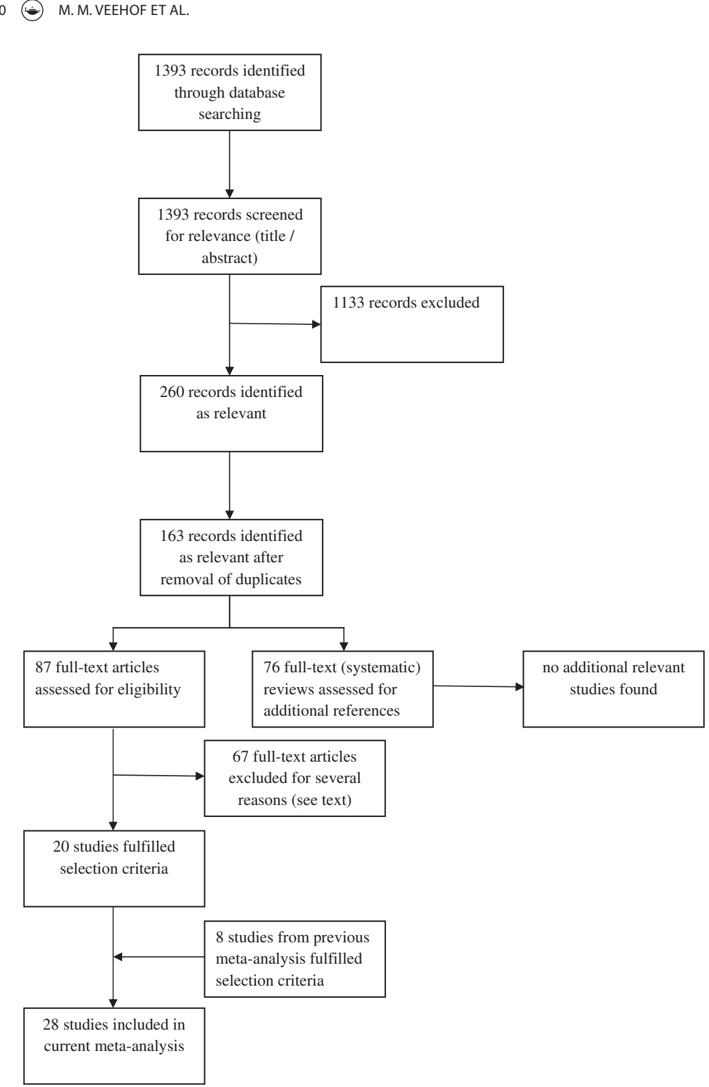
- Systematic review and meta-analysis of randomized controlled trials; searched PubMed, EMBASE, PsycInfo, and Cochrane Central Register of Controlled Trials, updating a prior search up to December 2008 with studies from January 2009 to December 2013, restricted to English-language studies.
- Main analyses included 25 RCTs totaling 1285 chronic pain patients, comparing acceptance- and mindfulness-based interventions (ACT, MBSR, MBCT, and related programs) with waitlist, (medical) treatment-as-usual, or education/support controls; five studies compared interventions with active treatments such as CBT, multidisciplinary treatment, or relaxation.
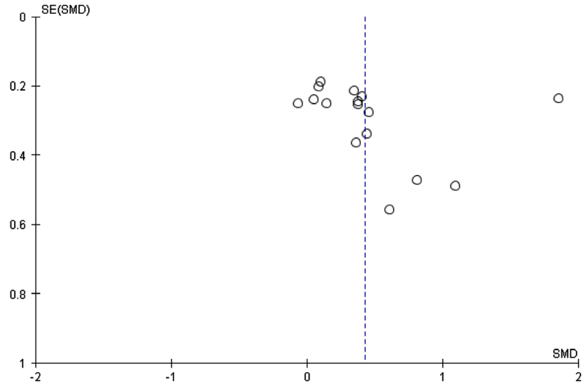
- Pooled standardized mean differences were calculated using a random-effects model; subgroup analyses examined quality score, control group, intervention type, pain type, and attrition rate; methodological quality was assessed with an 8-point scale, and funnel plots assessed publication bias.
Limitations
- The paper states that average study quality did not improve over the past six years, that quality ratings may be underestimated because criteria were scored as unmet when not reported, and that ACT and mindfulness-based treatments could only be compared at post-treatment because too few studies were available for follow-up subgroup analyses.
- The paper also states that a small number of studies were represented in some subgroup analyses.
- Evident from the text: heterogeneity was substantial for several outcomes (e.g., I² = 85% for post-treatment quality of life, 96% for some active-treatment comparisons), pain interference and anxiety had few studies (4 and 6 at post-treatment, respectively), and some indication of publication bias was found for depression.
Model-written summary. Check it against the paper before relying on it.
Integrity signals
Registry
Cites
Statistics
Figures



Verification
Claims the paper makes
6 Valid · 1 Not valid · 13 Not checked · 80 Own results and interpretations
The cited sources support only part of this claim — read each source’s verdict below.
In the paper
“Systematic reviews that qualitatively assess the efficacy of ACT, MBSR and MBCT generally find beneficial effects in chronic pain conditions (Lakhan & Schofield, 2013; McCracken & Vowles, 2014).”
What the sources say
- Partly supportedcites Lakhan & Schofield, 2013 matched to “Mindfulness-Based Therapies in the Treatment of Somatization Disorders: A Systematic Review and Meta-Analysis” (2013) sourceExperimental — accuracy not yet measured
The Discussion and Conclusions report beneficial effects of mindfulness-based therapies, including MBSR and MBCT, for some somatization conditions; pain improvement was clearest for irritable bowel syndrome. The paper does not establish a beneficial effect of ACT specifically, and its findings do not extend uniformly across chronic pain conditions. Page numbers are unavailable in our copy. (LLM, conf=0.86)
- Partly supportedcites McCracken & Vowles, 2014 matched to “Acceptance and commitment therapy and mindfulness for chronic pain: Model, process, and progress.” (2014) sourceExperimental — accuracy not yet measured
The ACT for Chronic Pain section reports positive chronic-pain trials and a meta-analysis finding acceptance- and mindfulness-based treatments at least as effective as traditional CBT. The Mindfulness section also describes symptom and emotional-functioning benefits. But the paper does not establish that qualitative systematic reviews generally found benefits for each of ACT, MBSR, and MBCT in chronic pain; its ACT systematic reviews covered mixed disorders, and the passages found do not address MBCT specifically. (LLM, conf=0.86)
plainstates an association- Asserted: passes — The authors put it forward as true.
- Checkable: passes — It can be checked against evidence.
- Load-bearing: passes — The paper’s conclusions depend on it.
- Based: passes — The paper gives a reason why it holds.
- Partly supported
Every source the paper cites for this claim was checked and supports it.
In the paper
“some impact on pain intensity may be reached because mindfulness skills have been found to influence brain mechanisms that may alter the pain experience (Zeidan et al., 2011).”
What the sources say
- Supportedcites Zeidan et al., 2011 matched to “Brain Mechanisms Supporting the Modulation of Pain by Mindfulness Meditation” (2011) source
The Discussion reports that meditation reduced pain-intensity ratings and links that relief to brain regions involved in cognitive pain modulation. Its section on multiple brain mechanisms specifically associates lower pain-intensity ratings with anterior cingulate and anterior insula activation. This supports the citing sentence’s cautious claim. (LLM, conf=0.93)
hedgedstates a possible cause- Asserted: passes — The authors put it forward as true.
- Checkable: passes — It can be checked against evidence.
- Load-bearing: unclear — It is unclear whether the paper’s conclusions depend on it.
- Based: passes — The paper gives a reason why it holds.
- Supported
Every source the paper cites for this claim was checked and supports it.
In the paper
“However, as is the case for biomedical treatment solutions, effect sizes of CBTs are modest (Williams, Eccleston, & Morley, 2012).”
What the sources say
- Supportedcites Williams, Eccleston, & Morley, 2012 matched to “Psychological therapies for the management of chronic pain (excluding headache) in adults” (2012) source
The Summary of results describes CBT effect sizes as “small to moderate.” The review also reports small effects on pain and disability compared with treatment as usual. The biomedical-treatment comparison is the citing authors’ framing, not a finding attributed to this source. (LLM, conf=0.92)
plain- Asserted: passes — The authors put it forward as true.
- Checkable: passes — It can be checked against evidence.
- Load-bearing: passes — The paper’s conclusions depend on it.
- Based: passes — The paper gives a reason why it holds.
- Supported
Every source the paper cites for this claim was checked and supports it.
In the paper
“Overall, the effect sizes found in this study were at least comparable to those found in a recent meta-analysis of CBT for chronic pain patients (Williams et al., 2012).”
What the sources say
- Supportedcites Williams et al., 2012 matched to “Psychological therapies for the management of chronic pain (excluding headache) in adults” (2012) source
The cited review reports pooled CBT effect sizes for adults with chronic pain in “Cognitive behavioural versus treatment as usual posttreatment,” including SMDs of −0.21 for pain, −0.26 for disability, and −0.38 for mood. It therefore supplies the meta-analysis benchmark cited in the sentence; whether the citing study’s effects are at least comparable depends on that study’s own results, not on this source. (LLM, conf=0.88)
plain- Asserted: passes — The authors put it forward as true.
- Checkable: passes — It can be checked against evidence.
- Load-bearing: passes — The paper’s conclusions depend on it.
- Based: passes — The paper gives a reason why it holds.
- Supported
The cited sources support only part of this claim — read each source’s verdict below.
In the paper
“However, only the effect size of mood was maintained at follow-up (Williams et al., 2012).”
What the sources say
- Partly supportedcites Williams et al., 2012 matched to “Psychological therapies for the management of chronic pain (excluding headache) in adults” (2012) sourceExperimental — accuracy not yet measured
The Summary of results says that, for CBT versus treatment as usual or waiting list, the mood effect was maintained at follow-up while pain and disability effects were not. But the unqualified claim overlooks a different comparison: the Cognitive behavioural versus active control at follow-up section reports a significant disability effect and no significant mood effect. (LLM, conf=0.87)
plain- Asserted: passes — The authors put it forward as true.
- Checkable: passes — It can be checked against evidence.
- Load-bearing: passes — The paper’s conclusions depend on it.
- Based: passes — The paper gives a reason why it holds.
- Partly supported
41 more claims
Create a free account to see all 100 claims and to verify the 1 reference still open.
- It may state two separate claims as one. 29
- Probably not a substantial claim. 30
- Not yet classified. 1
- The quote only partly states this claim. 7
Claims other papers make about this one
Each is checked against this paper’s own text: does it say what the citing paper says it does?
The cited source doesn’t support the claim as written.
In the citing paper
“whereas for the other meta-analysis the effects were non-significant (Veehof et al., 2016).”
From The empirical status of acceptance and commitment therapy: A review of meta-analyses (2020) · cites this paper as Veehof et al., 2016
Checked by a reasoning model — may be wrong.
Experimental — accuracy not yet measuredThe source backs part of the claim, not all of it — or backs it for a different population, condition or comparison.
In the citing paper
“Mindfulness-based interventions have been shown to enhance quality of life in many different chronic conditions (Demarzo et al., 2015; Crowe et al., 2016; Veehof et al., 2016; Haller et al., 2017) and we confirmed this with respect to MS in our study.”
From The effectiveness of a body-affective mindfulness intervention for multiple sclerosis patients with depressive symptoms: A randomized controlled clinical trial (2017) · cites this paper as Veehof et al., 2016
Experimental — accuracy not yet measuredThe source backs part of the claim, not all of it — or backs it for a different population, condition or comparison.
In the citing paper
“Mindfulness-based interventions are a relatively brief and cost-effective psychological treatment that have been shown to reduce depressive symptoms and improve quality of life in patients with several chronic diseases (Hofmann et al., 2010; Crowe et al., 2016; Veehof et al., 2016; Haller et al., 2017).”
From The effectiveness of a body-affective mindfulness intervention for multiple sclerosis patients with depressive symptoms: A randomized controlled clinical trial (2017) · cites this paper as Veehof et al., 2016
Experimental — accuracy not yet measuredThe source backs part of the claim, not all of it — or backs it for a different population, condition or comparison.
In the citing paper
“As such, our findings are in accordance with the theory that being mindful helps one encounter the pain experience without unnecessary elaboration, catastrophizing, or reactivity.10,15,50”
From Mindful attention is inversely associated with pain via mediation by psychological distress in orthopedic patients. (2024) · cites this paper as [50]
Experimental — accuracy not yet measuredThe source backs part of the claim, not all of it — or backs it for a different population, condition or comparison.
In the citing paper
“A meta-analysis defined MBIs with a duration of 2 weeks or less as brief. They were shown to have positive effects on negative affectivity (15).”
From Effects of a Brief Mindfulness-based Intervention in Patients with Psoriasis: A Randomized Controlled Trial (2024) · cites this paper as [15]
Experimental — accuracy not yet measured
65 more claims about this paper
Create a free account to see every claim other papers make about this one.
Self-check
Percentages, sums and reported differences re-computed from the paper’s own numbers.
Each contradiction between two passages listed here was confirmed by an independent check.
Rated major: it would touch a result — a value a result rests on, reported and recomputed p-values on opposite sides of the significance level, two passages that conflict with no sign which is right, or a cited work retracted before this paper was published.
In the paper
§ Follow-up effects
“The effects on anxiety and disability remained moderate with mean SMDs of respectively .59 (95% CI = .14, 1.04) and .39 (95% CI = .11, .67).”
§ Post-treatment effects
“| | Follow-up | 4 | Luciano et al., 2014; Wicksell et al., 2008, 2013; Wong et al., 2011 | χ 2 = 12.07, df = 3 ( p = .007); I 2 = 75% | .57 (.00, 1.14) | Z = 1.97 ( p = .05) |”
Rated major: it would touch a result — a value a result rests on, reported and recomputed p-values on opposite sides of the significance level, two passages that conflict with no sign which is right, or a cited work retracted before this paper was published.
In the paper
§ ABSTRACT
“Studies' quality, attrition rate, type of pain and control group, did not moderate the effects of acceptanceand mindfulness-based interventions.”
§ Subgroup analyses
“Finally, medium quality studies (SMD .17) showed a lower mean effect on quality of life than the low (SMD 1.01) and high (2.33) quality studies.”
Rated major: it would touch a result — a value a result rests on, reported and recomputed p-values on opposite sides of the significance level, two passages that conflict with no sign which is right, or a cited work retracted before this paper was published.
In the paper
§ ABSTRACT
“Studies' quality, attrition rate, type of pain and control group, did not moderate the effects of acceptanceand mindfulness-based interventions.”
§ Subgroup analyses
“Furthermore, studies using a (M)TAU group as the control group (SMD .85) showed a higher mean effect on anxiety than studies using an education/support group as an active control group (SDM .07).”
Rated major: it would touch a result — a value a result rests on, reported and recomputed p-values on opposite sides of the significance level, two passages that conflict with no sign which is right, or a cited work retracted before this paper was published.
In the paper
§ Follow-up effects
“The effects on depression and quality of life (slightly) increased and became moderate with mean SMDs of respectively . 53 (95% CI = .24, .82) and .66 (95% CI = .06, 1.26).”
§ Post-treatment effects
“| | Follow-up | 10 | Zautra et al., 2008 Astin et al., 2003; Luciano et al., 2014; McCracken et al., 2013; Parra-Delgado & Latorre-Posti- go, 2013; Pradhan et al., 2007; Schmidt et al., 2011; Sephton et al., 2007; Wicksell et al., 2008, | χ 2 = 30.65, df = 9 ( p = .0003); I 2 = 71% | .50 (.19, .80) | Z = 3.22 ( p = .001) |”
Rated minor: it would not touch a result — a value no result rests on, a p-value that stays on the same side of the significance level, or a conflict that is clerical, resolved elsewhere in the paper, or outside its own findings.
In the paper
§ Main findings
“the current meta-analysis which showed that the effects on all outcomes, except pain intensity, increased at follow-up.”
§ Follow-up effects
“The effects on anxiety and disability remained moderate with mean SMDs of respectively .59 (95% CI = .14, 1.04) and .39 (95% CI = .11, .67).”
1 more finding
Create a free account to see every finding of this check.
Citations
Cites
Statistical Power Analysis for the Behavioral Sciences (2nd ed.).
Lachenbruch, P. A., & Cohen, J. (1989) · Journal of the American Statistical Association · doi:10.2307/2290095 · Cited by 37,395 · cited 2×
“Cohen (Cohen, 1977) has described effect sizes .”
BackgroundStatistical Power Analysis for the Behavioral Sciences
Cohen, J. (2013) · doi:10.4324/9780203771587 · Cited by 25,373
Cochrane Handbook for Systematic Reviews of Interventions: Cochrane Book Series
(2008) · doi:10.1002/9780470712184 · Cited by 25,048
Assessing the quality of reports of randomized clinical trials: Is blinding necessary?
Jadad, A. R., Moore, R. A., Carroll, D., Jenkinson, C., Reynolds, D. J. M., Gavaghan, D. J., & McQuay, H. J. (1996) · Controlled Clinical Trials · doi:10.1016/0197-2456(95)00134-4 · Cited by 17,582 · cited 1×
“Methodological quality of included studies was independently assessed by two reviewers (MV and KS) using a 8-point scale, based on criteria by the Cochrane Collaboration (Higgins & Altman, 2008) and the validated Jadad scale (Jadad, 1996) tailored for the included studies (see Table 1).”
MethodUsing Self-Report Assessment Methods to Explore Facets of Mindfulness
Baer, R. A., Smith, G. T., Hopkins, J., Krietemeyer, J., & Toney, L. (2006) · Assessment · doi:10.1177/1073191105283504 · Cited by 7,511
(2008) · Medical Entomology and Zoology · Cited by 7,477
Acceptance and commitment therapy: model, processes and outcomes
Hayes, S. C., Luoma, J. B., Bond, F. W., Masuda, A., & Lillis, J. (2006) · Behaviour Research and Therapy · doi:10.1016/j.brat.2005.06.006 · Cited by 6,587
Shapiro, S. L., Carlson, L. E., Astin, J. A., & Freedman, B. (2006) · Journal of Clinical Psychology · doi:10.1002/jclp.20237 · Cited by 4,002
The effect of mindfulness based therapy on anxiety and depression: A meta analytic review
Hofmann, S. G., Sawyer, A. T., Witt, A. A., & Oh, D. (2010) · Journal of Consulting and Clinical Psychology · doi:10.1037/a0018555 · Cited by 3,846
(2008) · Cited by 3,790
Research works printed but not linked: 6
- Martin, K. L. (2012). The influence of pain avoidance on the experience of mindfulness training (Published doctoral dissertation). San Diego, CA: Alliant International University.
- Nash-Mc Feron, D. E. (2006). Mindfulness in the treatment of chronic headache pain. Dissertation Abstracts International: Section B: The Sciences and Engineering, 67 , 2841.
- Trompetter, H. R., Bohlmeijer, E. T., Fox, J.-P ., Schreurs, K. M. G. (2015). Psychological flexibility and catastrophising as associated change mechanisms during an online acceptance-based intervention for chronic pain. In H. Trompetter (Ed.), ACT with pain. Measurement, efficacy and mechanisms of acceptance & commitment therapy. (Unpublished disseration). Enschede: University of Twente.
- Vernon, A. D. (2011). Paying attention to values instead of pain: Chronic pain and neuropsychological functioning, as potentially mediated by acceptance of pain (Published doctoral dissertation). Berkely, CA: Wright Institute Graduate School of Psychology.
- Wicksell, R. K., Kemani, M., Jensen, K., Kosek, E., Kadetoff, D., Sorjonen, K., Ingvar, M. (2013). Acceptance and commitment therapy for fibromyalgia: A randomized controlled trial. European Journal of Pain, 17 , 599-611. · doi:10.1002/ejp.2013.17.issue-4
- Wong, C. M. (2009). Four-step mindfulness-based therapy for chronic pain: A pilot randomized controlled trial (Unpublished doctoral dissertation). The Chinese University of Hong Kong, Hong Kong.
Cited by
Items 201–300 of 731
Montero-Marin, J., Van Gordon, W., Shonin, E., Navarro-Gil, M., Gasión, V., López-del-Hoyo, Y., Luciano, J. V., & Garcia-Campayo, J. (2020) · Mindfulness · doi:10.1007/s12671-019-01302-8 · Cited by 22
Kraemer, K. M., Luberto, C. M., Hall, D. L., Ngo, L. H., & Yeh, G. Y. (2020) · Behaviour Research and Therapy · doi:10.1016/j.brat.2020.103746 · Cited by 21
Hein, H. J., Glombiewski, J. A., Rief, W., & Riecke, J. (2022) · BMJ Open · doi:10.1136/bmjopen-2021-060020 · Cited by 22
Santos, M. L. C., Júnior, R. T. D. S., de Brito, B. B., da Silva, F. A. F., Marques, H. S., Gonçalves, V. L. D. S., dos Santos, T. C., Cirne, C. L., Silva, N. O. E., Oliveira, M. V., et al. (2022) · World Journal of Clinical Pediatrics · doi:10.5409/wjcp.v11.i2.105 · Cited by 26
Kratz, A. L., Murphy, J. F., Kalpakjian, C. Z., & Chen, P. (2017) · Clinical Journal of Pain · doi:10.1097/ajp.0000000000000550 · Cited by 25
Hatchard, T., Mioduszewski, O., Khoo, E.-L., Romanow, H., Shergill, Y., Tennant, E., Leeming, A., Fang, Z., Poulin, P., & Smith, A. M. (2021) · Mindfulness · doi:10.1007/s12671-020-01546-9 · Cited by 21
Effects of mindfulness-based cognitive therapy for chronic pain: A multicenter study
Pardos-Gascón, E. M., Narambuena, L., Leal-Costa, C., Ramos-Morcillo, A. J., Ruzafa-Martínez, M., & van-der Hofstadt Román, C. J. (2021) · International Journal of Environmental Research and Public Health · doi:10.3390/ijerph18136951 · Cited by 20
“The meta-analyses generally agree on their effectiveness [15–20] and some authors believe these treatments may even last longer than CBT in the medium term [21].”
BackgroundGentili, C., Zetterqvist, V., Rickardsson, J., Holmström, L., Simons, L. E., & Wicksell, R. K. (2021) · Pain Medicine · doi:10.1093/pm/pnaa360 · Cited by 20
“For the secondary treatment outcomes of avoidance, fusion, value progress, value obstruction, insomnia, anxiety, depression, health-related QoL, and pain intensity, improvement was seen in all study variables, illustrated by a significant linear effect of time from pretreatment to posttreatment.”
ResultInfluentialThe relationship between mindfulness facets, depression, pain severity and pain interference
Nigol, S. H., & Di Benedetto, M. (2020) · Psychology, Health & Medicine · doi:10.1080/13548506.2019.1619786 · Cited by 20
“…which has been criticised for its lack of clinical significance (Lööf, Johansson, Henriksson, Lindblad, & Saboonchi, 2013) and its indirect effects with mindfulness treatments (Cassidy, Atherton, Robertson, Walsh, & Gillett, 2012; Schutze, Rees, Preece, & Schutze, 2010; Veehof et al., 2016).”
BackgroundResultGasslander, N., Alfonsson, S., Jackalin, A., Tengberg, C., Håkansson, J., Huotari, L., & Buhrman, M. (2021) · BMC Psychology · doi:10.1186/s40359-021-00663-x · Cited by 20
A synthesis of meta-analyses of mindfulness-based interventions in pain
Sharpe, L., Richmond, B., Menzies, R. E., Forrest, D., Crombez, G., & Colagiuri, B. (2023) · Pain · doi:10.1097/j.pain.0000000000002997 · Cited by 26
Postmastectomy Pain Syndrome: A Narrative Review
Salati, S. A., AlSulaim, L. S., Alharbi, M. H., Alharbi, N., Alsenaid, T. M., Alaodah, S. A., Alsuhaibani, A. S., & Albaqami, K. A. (2023) · Cureus · doi:10.7759/cureus.47384 · Cited by 44
“Implementation of psychological interventions helps with chronic pain control as well as allows patients to effectively cope during this difficult phase of their lives [72].”
BackgroundCheng, D. K.-Y., Lai, K. S. P., Pico-Espinosa, O. J., Rice, D. B., Chung, C., Modarresi, G., & Sud, A. (2021) · Pain Medicine · doi:10.1093/pm/pnab248 · Cited by 23
“Ball 2017, Bawa 2015, Courtois 2015, Hilton 2017, Khoo 2019, Lauche 2013b, Veehof 2016 Mindful movement Mind-body practice that involves exercise or movements with focused attention on breathing and movement of the body (e.g. yoga, tai chi).”
BackgroundChen, J. A., Anderson, M. L., Cherkin, D. C., Balderson, B. H., Cook, A. J., Sherman, K. J., & Turner, J. A. (2023) · The Journal of Pain · doi:10.1016/j.jpain.2022.09.014 · Cited by 19
Edwards, D. J. (2019) · Frontiers in Psychology · doi:10.3389/fpsyg.2019.00517 · Cited by 19
Vugts, M. A. P., Zedlitz, A. M. E. E., Joosen, M. C. W., & Vrijhoef, H. J. (2020) · Journal of Medical Internet Research · doi:10.2196/14766 · Cited by 24
“Another approach is to restructure particular cognitive antecedents of pain-related experiences and behaviors [38-41].”
Taub, R., Horesh, D., Rubin, N., Glick, I., Reem, O., Shriqui, G., & Agmon-Levin, N. (2021) · Journal of Clinical Medicine · doi:10.3390/jcm10194450 · Cited by 19
Grabli, F. E., Quesque, F., Borg, C., Witthöft, M., Michael, G. A., Lucas, C., Pasquier, F., Lebouvier, T., & Bertoux, M. (2021) · Pain Management · doi:10.2217/pmt-2021-0090 · Cited by 25
Mindfulness-Based Interventions: Focus on Pediatric Type 1 and Type 2 Diabetes
Inverso, H., Moore, H. R., Lupini, F., Wang, C. H., Streisand, R. M., Shomaker, L. B., & Mackey, E. R. (2022) · Current Diabetes Reports · doi:10.1007/s11892-022-01492-x · Cited by 22
Mindfulness and Chronic Musculoskeletal Pain: An Umbrella Review
Cardle, P., Kumar, S., Leach, M., McEvoy, M. P., & Veziari, Y. (2023) · Journal of Multidisciplinary Healthcare · doi:10.2147/jmdh.s392375 · Cited by 26
Blasco‐Belled, A., Tejada‐Gallardo, C., & Alsinet, C. (2023) · Psychology and Health · doi:10.1080/08870446.2023.2250382 · Cited by 23
“CBT is a family of interventions aimed at restoring cognitive and behavioral processes associated with the maintenance of pain and distress (Turk et al., 1983), including various forms of intervention such as acceptance and commitment therapy (ACT).”
A Replicable and Sustainable Whole Person Care Model for Chronic Pain
Hansen, K. A., McKernan, L. C., Carter, S. D., Allen, C., & Wolever, R. Q. (2019) · The Journal of Alternative and Complementary Medicine · doi:10.1089/acm.2018.0420 · Cited by 26
Vekhter, D., Robbins, M. S., Minen, M. T., & Buse, D. C. (2020) · Current Pain and Headache Reports · doi:10.1007/s11916-020-00899-z · Cited by 23
Mun, C. J., Campbell, C. M., McGill, L., Wegener, S. T., & Aaron, R. V. (2022) · Journal of Pain · doi:10.1016/j.jpain.2022.02.005 · Cited by 21
Chronic Primary Pain of the Spine: an Integrative Perspective Part 2
Williamson, T. J., Bolles, C. L., Hedges, N. A., & Kettner, N. W. (2021) · SN Comprehensive Clinical Medicine · doi:10.1007/s42399-021-00779-6 · Cited by 11
Frostholm, L., & Rask, C. U. (2019) · Clinical Psychology in Europe · doi:10.32872/cpe.v1i1.32217 · Cited by 18
“Thus, in the updated 2016 review (Veehof et al., 2016) of a 2011 review (Veehof, Oskam, Schreurs, & Bohlmeijer, 2011) on acceptance and mindfulness-based interventions, the authors concluded that the study quality had not improved in the five years since the first review, a finding supported by Öst's review on ACT for…”
BackgroundResultInfluentialClinical Perspective on Opioids in the Context of Suicide Risk
Nestadt, P. S., & Bohnert, A. S. B. (2020) · FOCUS The Journal of Lifelong Learning in Psychiatry · doi:10.1176/appi.focus.20200003 · Cited by 20
Nelson, S., Borsook, D., & Enlow, M. B. (2021) · PAIN Reports · doi:10.1097/pr9.0000000000000953 · Cited by 21
Engaging with EPIO, a digital pain self-management program: a qualitative study
Bostrøm, K., Varsi, C., Eide, H., Børøsund, E., Kristjansdottir, Ó. B., Schreurs, K. M. G., Waxenberg, L. B., Weiss, K. E., Morrison, E. J., Nordang, E. F., et al. (2022) · BMC Health Services Research · doi:10.1186/s12913-022-07963-x · Cited by 18
Brief relaxation training is not sufficient to alter tolerance to experimental pain in novices
Smith, K. E., & Norman, G. J. (2017) · PLoS ONE · doi:10.1371/journal.pone.0177228 · Cited by 20
Pain acceptance in adolescents: Development of a short form of the CPAQ-A
Gauntlett-Gilbert, J., Alamire, B., & Duggan, G. B. (2019) · Journal of Pediatric Psychology · doi:10.1093/jpepsy/jsy090 · Cited by 18
Kioskli, K., Winkley, K., & McCracken, L. M. (2019) · Journal of Contextual Behavioral Science · doi:10.1016/j.jcbs.2019.07.002 · Cited by 18
Day, M. A., Ehde, D. M., Burns, J. W., Ward, L. C., Friedly, J. L., Thorn, B. E., Ciol, M. A., Mendoza, E., Chan, J. F., Battalio, S. L., et al. (2020) · Contemporary Clinical Trials · doi:10.1016/j.cct.2020.106000 · Cited by 22
“Data from prior research – including means and standard deviations – supports the anticipated medium to large effects of (1) the causal effects of the treatments on the mechanism variables [52,59–61], (2) the association between the mechanism variables and pain interference [61–63], as well as (3) the mechanism paths…”
Gómez-Pérez, M. C., García-Palacios, A., Castilla, D., Zaragozá, I., & Suso-Ribera, C. (2020) · Pain Research and Management · doi:10.1155/2020/7897268 · Cited by 18
“…the focus on the patient as opposed to average group scores, is possible. pain literature on ACT and other psychological interventions is clearly dominated by randomized controlled trials which provide information of average group response to treatment and evaluate outcomes episodically [65, 66].”
BackgroundRhon, D. I., Fritz, J. M., Greenlee, T. A., Dry, K. E., Mayhew, R. J., Laugesen, M. C., Dragusin, E., & Teyhen, D. S. (2021) · Journal of Translational Medicine · doi:10.1186/s12967-021-03013-y · Cited by 24
Hodges, P. W., Cholewicki, J., Popovich, J. M., Lee, A. S., Aminpour, P., Gray, S. A., Cibulka, M. T., Cusí, M., Degenhardt, B. F., Fryer, G., et al. (2019) · PM&R · doi:10.1002/pmrj.12199 · Cited by 23
Pérez-Aranda, A., Barceló-Soler, A., Andrés-Rodríguez, L., Peñarrubia-María, M. T., Tuccillo, R., Borraz-Estruch, G., García-Campayo, J., Feliu-Soler, A., & Luciano, J. V. (2017) · Mindfulness & Compassion · doi:10.1016/j.mincom.2017.10.002 · Cited by 17
“Moreover, various systematic reviews have shown that MBSR might be effective for chronic pain conditions (Chiesa & Serretti, 2011; Cramer, Haller, Lauche, & Dobos, 2012; Veehof et al., 2016).”
BackgroundBraun, L., Terhorst, Y., Titzler, I., Freund, J., Thielecke, J., Ebert, D. D., & Baumeister, H. (2022) · International Journal of Environmental Research and Public Health · doi:10.3390/ijerph192113858 · Cited by 17
“67] at FU, including FU periods ranging from 2 to 6 months after intervention completion [30].”
BackgroundMixed pain: clinical practice recommendations
Varrassi, G., Farì, G., Tamayo, M. A. N., Gomez, M. P., Liñeiro, A. M. G., Pereira, C. L., Aziz, E. S., Gharibo, C. G., Kaye, A. D., García-Larrea, L., et al. (2025) · Frontiers in Medicine · doi:10.3389/fmed.2025.1659490 · Cited by 34
Chang, E. C., Lucas, A. G., Chang, O. D., Angoff, H. D., Li, M., Duong, A. H., Huang, J., Perera, M. J., Sirois, F. M., & Hirsch, J. K. (2019) · Social Work · doi:10.1093/sw/swz013 · Cited by 24
Ramasawmy, P., Khalid, S., Petzke, F. W., & Antal, A. (2022) · Frontiers in Medicine · doi:10.3389/fmed.2022.908133 · Cited by 24
Evidence-based approaches for the management of fibromyalgia syndrome: a scoping review
Adams, N., McVeigh, J. G., Vargas, A. I. C., & Abokdeer, S. A. (2023) · Physical Therapy Reviews · doi:10.1080/10833196.2022.2157945 · Cited by 24
“[122].”
Assessment and treatment at a pain clinic: A one-year follow-up of patients with chronic pain
Hållstam, A., Löfgren, M., Benson, L., Svensén, C., & Stålnacke, B. (2016) · Scandinavian Journal of Pain · doi:10.1016/j.sjpain.2016.08.004 · Cited by 18
Neuropsychiatric Symptoms in Pediatric Chronic Pain and Outcome of Acceptance and Commitment Therapy
Balter, L. J. T., Lipsker, C. W., Wicksell, R. K., & Lekander, M. (2021) · Frontiers in Psychology · doi:10.3389/fpsyg.2021.576943 · Cited by 17
“Moreover, improvements were consistent with the ACT model and consonant with previous evidence (e.g., Hann and McCracken, 2014; Veehof et al., 2016; Hughes et al., 2017), in that improvements in psychological inflexibility, pain interference, and functioning were achieved.”
ResultAcceptance-Based Behavioural Treatment for Insomnia in Chronic Pain: A Clinical Pilot Study
Zetterqvist, V., Grudin, R., Rickardsson, J., Wicksell, R. K., & Holmström, L. (2018) · Journal of Contextual Behavioral Science · doi:10.1016/j.jcbs.2018.07.003 · Cited by 17
Gould, R. L., Thompson, B. J., Rawlinson, C., Kumar, P., White, D., Serfaty, M. A., Graham, C. D., McCracken, L. M., Bursnall, M., Bradburn, M., et al. (2022) · BMC Neurology · doi:10.1186/s12883-022-02950-5 · Cited by 16
Sanabria-Mazo, J. P., Forero, C. G., Cristobal-Narváez, P., Suso-Ribera, C., García-Palacios, A., Colomer-Carbonell, A., Pérez-Aranda, A., Andrés-Rodríguez, L., McCracken, L. M., D'Amico, F., et al. (2020) · BMJ Open · doi:10.1136/bmjopen-2020-038107 · Cited by 16
Ng, C. G., Beng, T. S., Low, S.-Y., & Kanagasundram, S. (2021) · Indian Journal of Palliative Care · doi:10.4103/ijpc.ijpc_122_20 · Cited by 18
“[16] With relation to mindfulness-based therapy, patients are taught skills to increase their acceptance toward pain sensations rather than fight them, thus relating to a decrease in pain interference rather than pain severity.”
Blake, H., Somerset, S., & Greaves, S. (2021) · Healthcare · doi:10.3390/healthcare10010056 · Cited by 21
Aymerich, K., Wilczek, A., Ratanachatchuchai, S., Gilpin, H. R., Spahr, N., Jacobs, C., & Scott, W. (2022) · Physiotherapy · doi:10.1016/j.physio.2022.01.004 · Cited by 16
Patient Experiences of Self-Management for Chronic Low Back Pain: A Qualitative Study
Bourke, M. J., Ferguson, D., & Cooke, M. (2022) · Physical Therapy · doi:10.1093/ptj/pzac030 · Cited by 26
Duarte, J., Björkstrand, F. K., McCracken, L. M., & Perrin, S. G. (2022) · European Journal of Pain · doi:10.1002/ejp.2067 · Cited by 21
“…acceptance is an important moderator and possible mediator of chronic pain outcomes (Cook et al., 2015; Jensen et al., 2016; McCracken et al., 2005; Vowles et al., 2008), pain acceptance was the most consistent and strongest facet associated with variance in pain interference and quality of…”
BackgroundA meta‐analytic review of acceptance‐based interventions for migraine
Polk, A. N., & Smitherman, T. A. (2023) · Headache The Journal of Head and Face Pain · doi:10.1111/head.14614 · Cited by 16
Haugmark, T., Hagen, K. B., Provan, S. A., Bærheim, E., & Zangi, H. A. (2018) · BMJ Open · doi:10.1136/bmjopen-2017-021004 · Cited by 20
Ruskin, D., Campbell, L., Stinson, J., & Ahola Kohut, S. (2018) · Children · doi:10.3390/children5090121 · Cited by 16
Breathlessness catastrophizing relates to poorer quality of life in adults with cystic fibrosis
Maras, D., Balfour, L., Tasca, G. A., Gaudet, E., Aaron, S. D., Cameron, D. W., & Pakhale, S. S. (2018) · Journal of Cystic Fibrosis · doi:10.1016/j.jcf.2018.08.008 · Cited by 17
Small, R., Shergill, Y., Tremblay, S., Nelli, J., Rice, D. B., Smyth, C. E., & Poulin, P. A. (2019) · Canadian Journal of Pain · doi:10.1080/24740527.2019.1587290 · Cited by 18
Martorella, G., & McDougall, G. J. (2020) · Pain Management Nursing · doi:10.1016/j.pmn.2020.09.004 · Cited by 19
Bertin, C., Delage, N., Rolland, B., Pennel, L., Fatseas, M., Trouvin, A., Delorme, J., Chenaf, C., & Authier, N. (2020) · Neuroscience & Biobehavioral Reviews · doi:10.1016/j.neubiorev.2020.12.015 · Cited by 19
School-Based Mind–Body Interventions: A Research Review
Cozzolino, M., Vivo, D. R., & Celia, G. (2021) · Human Arenas · doi:10.1007/s42087-020-00163-1 · Cited by 25
Hatchard, T., Penta, S. M., Mioduzsewski, O., Correia, S., Tissera, T., Brown, O., Haefner, S. A., Poulin, P. A., & Smith, A. (2022) · Acta Neurologica Belgica · doi:10.1007/s13760-022-01877-5 · Cited by 20
Psychological flexibility moderates the relation between PTSD symptoms and daily pain interference
Berghoff, C. R., McDermott, M. J., & Dixon–Gordon, K. L. (2017) · Personality and Individual Differences · doi:10.1016/j.paid.2017.12.012 · Cited by 20
Trompetter, H. R., Mols, F., & Westerhof, G. J. (2019) · Frontiers in Psychology · doi:10.3389/fpsyg.2019.02443 · Cited by 17
“…studies examined the unique involvement of protective processes like optimism, positive affect, purpose in life and social support in adaptive functioning with pain (but see, e.g., Karoly and Ruehlman, 2006; Smith and Zautra, 2008; Verduin et al., 2008; Finan et al., 2013; Boselie et al., 2014).”
BackgroundSelf-citationDepartment of Psychology, F. O. L. A. H., Davoodi, M., Shameli, L., Department of Psychology, F. O. L. A. H., Hadianfard, H., & Department of Clinical Psychology, F. O. E. &. P. (2019) · Iranian Journal of Psychiatry and Clinical Psychology · doi:10.32598/ijpcp.25.3.250 · Cited by 16
Zhu, M., Wong, S. Y. S., Zhong, C. C., Zeng, Y., Xie, L., Lee, E. K. P., Chung, V. C., & Sit, R. W. S. (2025) · Journal of Psychosomatic Research · doi:10.1016/j.jpsychores.2025.112061 · Cited by 18
Morcillo-Muñoz, Y., Castellano, M. H. J., Exposito, F. J. D., Sánchez-Guarnido, A. J., Alcantara, M. G., & Baena-Parejo, M. I. (2021) · Clinics and Practice · doi:10.3390/clinpract11030072 · Cited by 21
“The Acceptance and Commitment Therapy (ACT) framework created by S. Hayes focuses on the acceptance of pain.”
BackgroundResultInfluentialPester, B., Yoon, J., Yamin, J. B., Papianou, L., Edwards, R. R., & Meints, S. M. (2023) · Journal of Clinical Medicine · doi:10.3390/jcm12072608 · Cited by 18
Hosseinzadeh, Z., Sayadi, M., & Orazani, S. N. (2019) · Current Psychology · doi:10.1007/s12144-019-00487-4 · Cited by 24
“Several studies have reported a longlasting reduction in chronic pain as a result of mindfulness (Cherkin et al. 2016; Veehof et al. 2016; Hilton et al. 2016).”
BackgroundA qualitative study of the experience and impact of neuropathic pain in people living with HIV
Scott, W., del Solar, M. G. C. M., Kemp, H. I., McCracken, L. M., Williams, A. C. D. C., & Rice, A. S. C. (2019) · Pain · doi:10.1097/j.pain.0000000000001783 · Cited by 19
“ACT helps people identify pain management strategies that are ineffective or costly with respect to their valued goals, and shifts focus toward engaging in meaningful activities alongside the challenges and uncertainties of living with pain.(38,68) Compassion-focused approaches may”
BackgroundZargar, F., Rahafrouz, L., & Tarrahi, M. J. (2021) · Advanced Biomedical Research · doi:10.4103/abr.abr_111_19 · Cited by 15
“[15] There are some evidence associated with the effectiveness of MBSR on psychological problems, such as quality of life, sleep disturbance disorders, mood disorders, fatigue, and stress level in different medical conditions, including rheumatoid arthritis,[16] fibromyalgia,[17] cancer,[18] chronic pain,[19] and mult…”
BackgroundMeditation for adults with non-specific low back pain: a systematic review and meta-analysis
Soares, L. O., Ferreira, G. E., Costa, L. O. P., Nogueira, L. A. C., Meziat‐Filho, N., & dos Reis, F. J. J. (2021) · Scandinavian Journal of Pain · doi:10.1515/sjpain-2021-0096 · Cited by 19
Probst, T., Jank, R., Dreyer, N., Seel, S., Wagner, R., Hanshans, K., Reyersbach, R., Mühlberger, A., Lahmann, C., & Pieh, C. (2019) · Journal of Clinical Medicine · doi:10.3390/jcm8091373 · Cited by 16
“Recent reviews reported that ACT is beneficial for patients with CP [14,15].”
BackgroundMolazem, Z., Alizadeh, M., & Rambod, M. (2021) · PubMed Central · doi:10.30476/ijcbnm.2021.87937.1471 · Cited by 34
Thompson, M., Vowles, K. E., Sowden, G., Ashworth, J., & Levell, J. (2018) · European Journal of Pain · doi:10.1002/ejp.1184 · Cited by 14
Casey, M.-B., Murphy, D., Neary, R., Wade, C., Hearty, C., & Doody, C. (2020) · Journal of Contextual Behavioral Science · doi:10.1016/j.jcbs.2020.03.005 · Cited by 14
The Psychologically Informed Practice Consultation Roadmap: A Clinical Implementation Strategy
Main, C. J., Simon, C. B., Beneciuk, J. M., Greco, C. M., George, S. Z., & Ballengee, L. A. (2023) · Physical Therapy · doi:10.1093/ptj/pzad048 · Cited by 17
Wang, Z., Shalihaer, K., Hofmann, S. G., Feng, S., & Liu, X. (2024) · Clinical Psychology & Psychotherapy · doi:10.1002/cpp.2981 · Cited by 14
Gilmore, A. K., Walsh, K., Frazier, P. A., Ledray, L. E., Acierno, R. E., Ruggiero, K. J., Kilpatrick, D. G., & Resnick, H. S. (2019) · American Journal on Addictions · doi:10.1111/ajad.12922 · Cited by 16
Khazraee, H., Omidi, A., Kakhaki, R. D., Zanjani, Z., & Sehat, M. (2018) · Iranian Red Crescent Medical Journal · doi:10.5812/ircmj.57151 · Cited by 19
“In systematic reviews, ACT has been shown to be effective in the treatment of chronic pain (34).”
BackgroundCarvalho, S. A., Xavier, A., Gillanders, D. T., Pinto‐Gouveia, J., & Castilho, P. (2018) · Current Psychology · doi:10.1007/s12144-018-0052-z · Cited by 17
Montag, L. T., Salomons, T. V., Wilson, R. A., Duggan, S., & Bisson, E. J. (2023) · Canadian Journal of Pain · doi:10.1080/24740527.2022.2156330 · Cited by 26
“A meta-analysis of acceptance- and mindfulness-based treatments for chronic pain found moderate effect sizes for depression and QOL 2 to 6 months posttreatment.(68) To further elucidate how a greater reduction in depression over the year was related to high baseline pain cata-”
MethodChad‐Friedman, E., Talaei‐Khoei, M., Ring, D., & Vranceanu, A. (2017) · Europe PMC (PubMed Central) · doi:10.22038/abjs.2017.22447.1581 · Cited by 16
“Introduction Mindfulness based interventions – programs that teach individuals to intently focus their attention on the present moment – help relieve stress, improve pain management and decrease emotional distress and pain intensity (1-3).”
BackgroundClari, M., Conti, A., Fontanella, R., Rossi, A. L. P., & Matarese, M. (2020) · Mindfulness · doi:10.1007/s12671-020-01348-z · Cited by 20
Fillingim, R. B., Woods, A. J., Ahn, H. B., Wu, S. S., Redden, D. T., Lai, S., Deshpande, H., DEUTSCH, G., Sibille, K. T., Staud, R. M., et al. (2020) · Contemporary Clinical Trials · doi:10.1016/j.cct.2020.106159 · Cited by 14
Carvalho, T., Gomes, C., Rodrigues, A., & da Motta, C. (2023) · Journal of Clinical Psychology · doi:10.1002/jclp.23483 · Cited by 14
Opioids and Alternatives in Female Chronic Pelvic Pain
Valentine, L. N., & Deimling, T. A. (2018) · Seminars in Reproductive Medicine · doi:10.1055/s-0038-1676102 · Cited by 14
Rozworska, K. A., Poulin, P. A., Carson, A., Tasca, G. A., & Nathan, H. J. (2019) · Journal of Behavioral Medicine · doi:10.1007/s10865-019-00079-4 · Cited by 16
Racaru, S., Sturt, J. A., & Celik, A. (2020) · Pain Management Nursing · doi:10.1016/j.pmn.2020.11.001 · Cited by 17
Mindfulness Interventions for Cancer Survivors: Moving Beyond Wait-List Control Groups
Bower, J. E. (2016) · Journal of Clinical Oncology · doi:10.1200/jco.2016.68.2468 · Cited by 15
Evaluation of the Empower Veterans Program for Military Veterans With Chronic Pain
Uche (2022) · Journal of Clinical Outcomes Management · doi:10.12788/jcom.0089 · Cited by 8
Brief mindfulness training can mitigate the influence of prior expectations on pain perception
Vencatachellum, S., van der Meulen, M., Ryckeghem, D. M. L. V., Damme, S. V., & Vögele, C. (2021) · European Journal of Pain · doi:10.1002/ejp.1817 · Cited by 16
Activating values intervention: an integrative pathway to well-being
Russo‐Netzer, P., & Atad, O. I. (2024) · Frontiers in Psychology · doi:10.3389/fpsyg.2024.1375237 · Cited by 18
Nelson, S., & Coakley, R. (2018) · Current Pain and Headache Reports · doi:10.1007/s11916-018-0726-0 · Cited by 18
Schütze, R., Rees, C. S., Smith, A. J., Slater, H., Catley, M. J., & O’Sullivan, P. (2019) · Frontiers in Psychology · doi:10.3389/fpsyg.2019.00910 · Cited by 14
“It was originally developed for use with CLBP patients (Vlaeyen et al., 1995) and has been validated in other populations of people with musculoskeletal pain (Roelofs et al., 2007), as well as heterogeneous chronic pain samples (Cook et al., 2006).”
MethodHarrison, A., Scott, W., Timmins, L., Graham, C. D., & Harrison, A. M. (2021) · AIDS Care · doi:10.1080/09540121.2020.1771263 · Cited by 12
Zanca, J. M., Gilchrist, C., Ortiz, C. E., & Dyson‐Hudson, T. A. (2021) · Journal of Spinal Cord Medicine · doi:10.1080/10790268.2021.1970894 · Cited by 15
Petrik, M. L., Freeman, M. L., & Trikudanathan, G. (2022) · Pancreas · doi:10.1097/mpa.0000000000001953 · Cited by 17
Casey, M.-B., Smart, K. M., Segurado, R., Hearty, C., Gopal, H., Lowry, D., Flanagan, D., McCracken, L., & Doody, C. (2022) · Pain · doi:10.1097/j.pain.0000000000002487 · Cited by 12
Ozen, L. J., Dubois, S. J., Gibbons, C., Short, M. M., Maxwell, H., & Bédard, M. (2016) · Mindfulness · doi:10.1007/s12671-016-0577-x · Cited by 16
Knowlton, C. N., Kryvanos, A., Poole, M., Christopher, M., & Lafavor, T. (2019) · Clinical Case Studies · doi:10.1177/1534650119839156 · Cited by 11
Metadata
- Authors
- Veehof, M. M., Trompetter, H. R., Bohlmeijer, E. T., & Schreurs, K. M. G.
- Affiliations
- Medisch Spectrum Twente (NL)
- University of Twente (NL)
- Roessingh Research and Development (NL)
- Corresponding author
- Schreurs, K. M. G.
- Venue
- Cognitive Behaviour Therapy
- Publisher
- Informa UK Limited
- Published
- 2016-01-02
- Volume
- 45
- Issue
- 1
- Pages
- 5-31
- ISSN
- 1650-6073 (ISSN-L)
- 1651-2316
- OpenAlex
- W2254182258
- Semantic Scholar
- e6ce9512bc205dfdbae68c8909df568fb0379e2d
- Cited by
- 737
- References
- 137
- Citations by year
- 2026: 48 · 2025: 64 · 2024: 55 · 2023: 77 · 2022: 90 · 2021: 96 · 2020: 102 · 2019: 74 · 2018: 60 · 2017: 50 · 2016: 19
- FWCI
- 10.02
- Type
- journal article
- Language
- en
- Open access
- hybrid
- doi.org
- Licence
- Locations
- Cognitive Behaviour Therapy (publishedVersion, cc-by-nc-nd)
- PubMed (publishedVersion)
- University of Twente Research Information (publishedVersion, other-oa)
- University of Twente Research Information (submittedVersion, other-oa)
- Topics
- Social Sciences › Psychology › Clinical Psychology › Mindfulness and Compassion Interventions
- Health Sciences › Health Professions › Physical Therapy, Sports Therapy and Rehabilitation › Musculoskeletal pain and rehabilitation
- Life Sciences › Neuroscience › Cognitive Neuroscience › Pain Management and Placebo Effect
- Keywords
- acceptance and commitment therapy, mindfulness-based stress reduction, mindfulness-based cognitive therapy, chronic pain, pain intensity, pain interference, depression, anxiety, disability, quality of life, psychological intervention
- MeSH terms
- Humans, Treatment Outcome, Chronic Pain, Mindfulness, Acceptance and Commitment Therapy
About these checks
Registry, retraction, Cites and statistics results are computed, not judged, with one exception: a printed reference that no index lists is read once by a model before it counts as a citation error. Claims are extracted by a model and kept only when their quote appears verbatim in the text; each cited source is then checked, with a model’s help, for whether it says what the claim relies on. Those verdicts can be wrong — read the claim’s quote and the cited source before relying on one.
The claim verdicts this report counts are experimental: their accuracy is not yet measured.
A language model drew the claims from the paper on 2026-09-28, under version 3 of the claim definition (model deepseek-v4.1-flash, prompt extract-v3).
A second model labelled each claim on 2026-09-28 (model jev-1.13-20260917, definition revision gold-guideline-v0.2).
Cited sources are checked with a language model’s help (gpt-6-sol).
Statistics and arithmetic are recomputed, not judged.
Confidence bands are shown only for fields calibrated on our annotated test set. None is calibrated yet, so no band is shown.
What counts as a claim ›How we measure confidence ›How we check this ›
Are you an author, or do you see a problem with this page? Request a review
Data sources
Bibliographic data: Semantic Scholar, OpenAlex, Crossref.
Contains information from the Semantic Scholar Academic Graph Datasets, made available under the ODC Attribution License (ODC-BY 1.0).
Semantic Scholar’s data is described in: Kinney, R., et al. (2023). The Semantic Scholar Open Data Platform. arXiv:2301.10140.
