

Mediators during a Multimodal intervention for stress-induced exhaustion disorder
Open accessThe DOI matches its Crossref record; 71 of the 71 references it cites were found in a registry or an index; 19 of the 38 sources its claims cite were checked for support.
Abstract
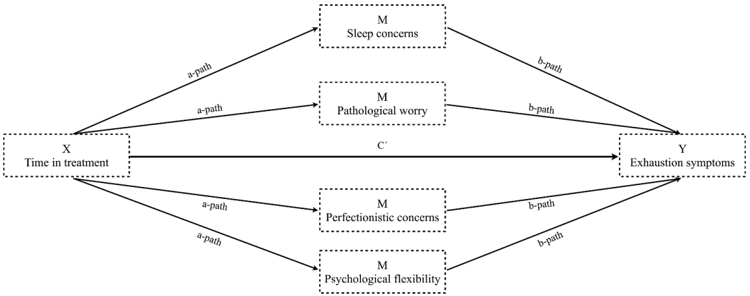
Our understanding of the underlying psychological processes of development, maintenance, and treatments for stress-induced exhaustion disorder (ED) remains limited. Therefore, the current study aimed to explore whether sleep concerns, pathological worry, perfectionistic concerns, and psychological flexibility mediate change in exhaustion symptoms during a Multimodal intervention for ED based on Cognitive behavioral therapy principles. Participants (N = 913) were assessed at three time points, and mediation was explored using a two-criteria analytical model with linear mixed-effects models (criterion one) and random intercepts cross-lagged panel modeling (criterion 2). Criterion one for mediation was successfully met, as the findings indicated significant associations between time in treatment, with all suggested mediators, and exhaustion symptoms (significant ab-products). However, criterion two was not satisfied as changes in the mediators did not precede changes in exhaustion symptoms. Therefore, mediation could not be established. Instead, changes in the suggested mediators appeared to result from changes in exhaustion symptoms. Consequently, sleep concerns, pathological worry, perfectionistic concerns, and psychological flexibility appear to improve in conjunction with exhaustion symptoms during treatment, where improvement in exhaustion is indicated as the main driving factor, based on this exploratory analysis. The implications of these findings are contextualized within a broader framework of process-based therapy. © 2023 The Author(s). Published by Informa UK Limited, trading as Taylor & Francis Group.
Overview
CoChat Summary
## TL;DR
This open clinical-trial mediation study examined whether sleep concerns, pathological worry, perfectionistic concerns, and psychological flexibility explained symptom change during a 24-week multimodal intervention for stress-induced exhaustion disorder (ED) in 913 patients. The first mediation criterion was met, but the time-precedence test was not: changes in exhaustion symptoms appeared to precede changes in the suggested mediators rather than the reverse.
## Key findings
- In the sample of 913 patients, exhaustion symptoms decreased from 32.85 (SD 6.47) at treatment start to 27.24 (SD 7.55) at mid-treatment and 22.72 (SD 8.14) at post-treatment.
- All four suggested mediators showed significant ab-products in single-mediator models: sleep concerns -1.49, pathological worry -1.22, perfectionistic concerns -0.99, and psychological flexibility -0.93.
- In the multiple-mediator model, all ab-paths remained significant and the proportion of mediated change was 48% total; sleep concerns accounted for 23%, pathological worry 11%, perfectionistic concerns 6%, and psychological flexibility 8%.
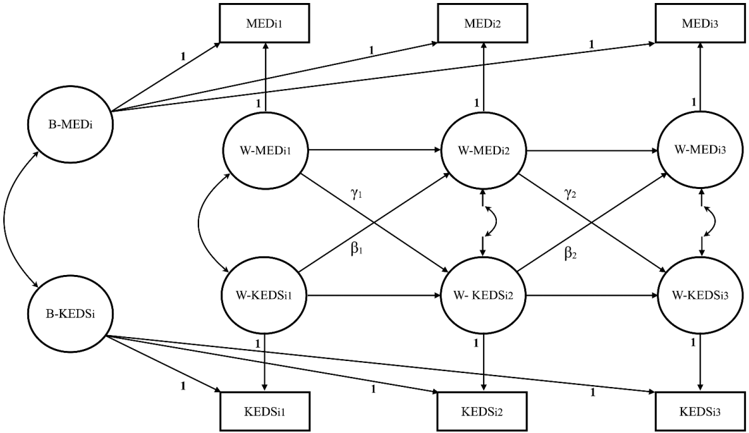
- The random-intercepts cross-lagged panel models did not show that changes in the mediators preceded later changes in exhaustion symptoms; instead, the paper reports that changes in exhaustion symptoms seemed to precede later changes in the mediators.
## Methods
- Open clinical trial data from two units of PBM Sweden AB in Stockholm; 913 participants with stress-induced exhaustion disorder receiving a standard 24-week multimodal intervention (MMI).
- Measurements were taken at treatment start, mid-treatment (12 weeks), and post-treatment (24 weeks); the primary outcome was exhaustion symptoms measured with the Karolinska Exhaustion Disorder Scale (KEDS), and suggested mediators were sleep concerns (ISI-3), pathological worry (PSWQ-brief), perfectionistic concerns (CPQ subscale), and psychological flexibility (SAAQ).
- Mediation was tested in two steps using linear mixed-effects models and random-intercepts cross-lagged panel models (RI-CLPM); mixed models estimated a-, b-, c-, c′-, and ab-paths, and RI-CLPM assessed temporal precedence. Analyses were done in R 4.1.3.
## Limitations
- The paper states that the absence of a control group prevents causal inferences about the relationship between the MMI and changes in mediators or exhaustion symptoms.
- The paper states that only three measurement points were used, which limits insight into the likely dynamic, reciprocal, and multifaceted timing of change.
- The paper notes that RI-CLPMs do not address time-varying confounders; this is stated in the paper.
- Evident from the text: the key mediator analysis relied on cross-sectional b-paths in the first mediation step, which the authors say limits evidence for causality.
Model-written summary. Check it against the paper before relying on it.
Integrity signals
Registry
Cites
Statistics
Figures


Verification
Claims the paper makes
16 Valid · 0 Not valid · 10 Not checked · 62 Own results and interpretations
Every source the paper cites for this claim was checked and supports it.
In the paper
“While the MMI did contain components aimed at the proposed mediators (see van de Leur et al., 2020)”
What the sources say
- Supportedcites van de Leur et al., 2020 matched to “Standardized multimodal intervention for stress-induced exhaustion disorder: an open trial in a clinical setting” (2020) source
The Method > Treatment section describes the study’s 24-week MMI, and Results > Adherence and attrition lists its CBT, relaxation, physical-activity, sleep-education, and return-to-work components (pages not provided). The citation supports the presence of intervention components; the sentence does not attribute the identification of the proposed mediators to this paper. (LLM, conf=0.85)
plain- Asserted: passes — The authors put it forward as true.
- Checkable: passes — It can be checked against evidence.
- Load-bearing: passes — The paper’s conclusions depend on it.
- Based: passes — The paper gives a reason why it holds.
- Supported
Every source the paper cites for this claim was checked and supports it.
In the paper
“while these models effectively distinguish between-person and within-person variation and attempt to account for time-invariant confounding, they do not address the potential impact of time-varying confounders (Mund et al., 2021).”
What the sources say
- Supportedcites Mund et al., 2021 matched to “Changes in Size and Interpretation of Parameter Estimates in Within-Person Models in the Presence of Time-Invariant and Time-Varying Covariates” (2021) source
Section 3.2 states that the RI-CLPM separates stable between-person differences from within-person differences. The Introduction also says it accounts for time-invariant covariates while, like the CLPM, it does not control for time-varying covariates. This supports both the quoted claim and the broader citing sentence, subject to the paper’s qualification that time-invariant covariates must have a constant influence across measurement occasions. (LLM, conf=0.94)
plain- Asserted: passes — The authors put it forward as true.
- Checkable: passes — It can be checked against evidence.
- Load-bearing: passes — The paper’s conclusions depend on it.
- Based: passes — The paper gives a reason why it holds.
- Supported
The sources with a verdict support this claim; the rest weren’t checked yet, have no full text we could read, or their verdicts aren’t rated yet.
In the paper
“These findings corroborate previous studies identifying insomnia as a potential mediator in ED treatment (Lindsäter et al., 2021; Santoft et al., 2019).”
What the sources say
- Supportedcites Lindsäter et al., 2021 matched to “The mediating role of insomnia severity in internet-based cognitive behavioral therapy for chronic stress: Secondary analysis of a randomized controlled trial” (2021) source
The Discussion (page not provided) reports that reduced insomnia severity mediated the effect of internet-based CBT on stress and exhaustion in participants diagnosed with AD or ED. It also describes a previous face-to-face CBT study finding mediation in patients with ED. (LLM, conf=0.93)
- Not checked — no full text of the sourcecites Santoft et al., 2019 matched to “Mediators of Change in Cognitive Behavior Therapy for Clinical Burnout” (2019) source
hedgedstates a possible cause- Asserted: passes — The authors put it forward as true.
- Checkable: passes — It can be checked against evidence.
- Load-bearing: unclear — It is unclear whether the paper’s conclusions depend on it.
- Based: passes — The paper gives a reason why it holds.
- Supported
Every source the paper cites for this claim was checked and supports it.
In the paper
“while these models effectively distinguish between-person and within-person variation and attempt to account for time-invariant confounding, they do not address the potential impact of time-varying confounders (Mund et al., 2021).”
What the sources say
- Supportedcites Mund et al., 2021 matched to “Changes in Size and Interpretation of Parameter Estimates in Within-Person Models in the Presence of Time-Invariant and Time-Varying Covariates” (2021) source
The Introduction states that the RI-CLPM separates within-person from between-person effects and implicitly controls for time-invariant covariates, provided their influence is constant across measurement occasions. It then explicitly says that the RI-CLPM does not control for time-varying covariates. (LLM, conf=0.94)
plain- Asserted: passes — The authors put it forward as true.
- Checkable: passes — It can be checked against evidence.
- Load-bearing: unclear — It is unclear whether the paper’s conclusions depend on it.
- Based: passes — The paper gives a reason why it holds.
- Supported
A result the paper reports from its own data — it cites no other source for it, so there is none to check. The quote shows it is in the paper.
In the paper
“However, when comparing differences in effect, there was a significantly larger effect from changes in exhaustion symptoms mid-treatment on changes in perfectionistic concerns posttreatment.”
plainstates a cause- Asserted: passes — The authors put it forward as true.
- Checkable: passes — It can be checked against evidence.
- Load-bearing: passes — The paper’s conclusions depend on it.
- Based: passes — The paper gives a reason why it holds.
32 more claims
Create a free account to see all 88 claims and to verify the 2 references still open.
- It may state two separate claims as one. 28
- Probably not a substantial claim. 31
- The quote only partly states this claim. 1
Citations
Cites
R: A Language and Environment for Statistical Computing
R Core Team (2025) · doi:10.32614/r.manuals · Cited by 352,181
Baron, R. M., & Kenny, D. A. (1986) · Journal of Personality and Social Psychology · doi:10.1037/0022-3514.51.6.1173 · Cited by 91,532
Preacher, K. J., & Hayes, A. F. (2008) · Behavior Research Methods · doi:10.3758/brm.40.3.879 · Cited by 34,117 · cited 3×
“In the fourth step, the ab-path, i.e. the total mediated effect (or indirect effect), was calculated as the product of the a and b estimates, in accordance with the recommendations of Preacher and Hayes (2008).”
Methodlavaan : An R Package for Structural Equation Modeling
Rosseel, Y. (2012) · Journal of Statistical Software · doi:10.18637/jss.v048.i02 · Cited by 27,955 · cited 1×
“One model was built for each suggested mediator using lavaan 0.6–13 for R (Rosseel, 2012).”
MethodInfluentialValidation of the Insomnia Severity Index as an outcome measure for insomnia research
Bastien, C. (2001) · Sleep Medicine · doi:10.1016/s1389-9457(00)00065-4 · Cited by 8,067 · cited 1×
“ISI has demonstrated good internal consistency and is considered a reliable measure of change in insomnia during treatment (Bastien et al., 2001).”
BackgroundAcceptance and commitment therapy: model, processes and outcomes
Hayes, S. C., Luoma, J. B., Bond, F. W., Masuda, A., & Lillis, J. (2006) · Behaviour Research and Therapy · doi:10.1016/j.brat.2005.06.006 · Cited by 6,587 · cited 1×
“…as the ability to persist or change behavior in a way that includes conscious and open contact with internal experiences, together with an appreciation of what each situation entails with respect to one’s values and goals (Hayes et al., 2006; Lundgren & Parling, 2016; McCracken & Morley, 2014).”
BackgroundMacKinnon, D. P., Fairchild, A. J., & Fritz, M. S. (2007) · Annual Review of Psychology · doi:10.1146/annurev.psych.58.110405.085542 · Cited by 5,688 · cited 1×
“Likewise, a change in outcome may result from changes in unique sets of potential mediators for different people (MacKinnon et al., 2007).”
BackgroundA critique of the cross-lagged panel model
Hamaker, E. L., Kuiper, R. M., & Grasman, R. P. P. P. (2015) · Psychological Methods · doi:10.1037/a0038889 · Cited by 4,005 · cited 1×
“…was utilized to explore if a within-individual change in the suggested mediators preceded the subsequent change in exhaustion symptoms or if a within-individual change in exhaustion symptoms preceded the subsequent change in the suggested mediators (Hamaker et al., 2015; Mulder & Hamaker, 2021).”
MethodPreacher, K. J., & Kelley, K. (2011) · Psychological Methods · doi:10.1037/a0022658 · Cited by 3,060 · cited 1×
“Furthermore, the proportion of mediated change was calculated for the individual mediator models and the multiple mediator model, using the formula ab/c for each path, respectively (Preacher & Kelley, 2011).”
MethodMediators and Moderators of Treatment Effects in Randomized Clinical Trials
Kraemer, H. C., Wilson, G. T., Fairburn, C. G., & Agras, W. S. (2002) · Archives of General Psychiatry · doi:10.1001/archpsyc.59.10.877 · Cited by 2,562 · cited 1×
“Specifically, mediators are intermediate variables on the causal path from treatment to outcome (Kazdin, 2007; Kraemer et al., 2002).”
BackgroundMediators and Mechanisms of Change in Psychotherapy Research
Kazdin, A. E. (2007) · Annual Review of Clinical Psychology · doi:10.1146/annurev.clinpsy.3.022806.091432 · Cited by 2,504 · cited 3×
“Although open clinical trials and cohort studies are not as conclusive as controlled studies, they can still yield valuable insights into potential change processes by allowing for the examination of real-world interventions (Kazdin, 2007; Maric et al., 2012).”
BackgroundThree Extensions of the Random Intercept Cross-Lagged Panel Model
Mulder, J. D., & Hamaker, E. L. (2021) · Structural Equation Modeling: A Multidisciplinary Journal · doi:10.1080/10705511.2020.1784738 · Cited by 1,151 · cited 2×
“The cross-lagged paths between variables over time (β and γ in Figure 2) show whether a deviation from an individual’s expected score (as determined by their random intercept) at one measurement point predicts a deviation from the expected score at the next measurement (Mulder & Hamaker, 2021).”
BackgroundMethodPerfectionism as a transdiagnostic process: A clinical review
Egan, S. J., Wade, T. D., & Shafran, R. (2011) · Clinical Psychology Review · doi:10.1016/j.cpr.2010.04.009 · Cited by 961 · cited 1×
“As with pathological worry, perfection-ism is suggested to be a transdiagnostic variable (Egan et al., 2011), and several published trials of ED treatment describe interventions targeting “performance-based-self-esteem” and perfectionistic behaviors (Gavelin et al., 2018; Lindsäter et al., 2018;…”
BackgroundThe Future of Intervention Science: Process-Based Therapy
Hofmann, S. G., & Hayes, S. C. (2019) · Clinical Psychological Science · doi:10.1177/2167702618772296 · Cited by 888
Rumination as a transdiagnostic factor in depression and anxiety
McLaughlin, K. A., & Nolen-Hoeksema, S. (2011) · Behaviour Research and Therapy · doi:10.1016/j.brat.2010.12.006 · Cited by 842 · cited 1×
“Furthermore, pathological worry has been highlighted as a potentially important transdiagnostic variable for understanding the development and maintenance of psychopathology in general (McLaughlin & Nolen-Hoeksema, 2011).”
BackgroundThe Relationship between Perfectionism and Psychopathology: A Meta-analysis
Limburg, K., Watson, H. J., Hagger, M. S., & Egan, S. J. (2017) · Journal of Clinical Psychology · doi:10.1002/jclp.22435 · Cited by 602 · cited 1×
“Of these dimensions, it is primarily perfectionistic concerns that have been linked to an increased risk of psychopathology (Limburg et al., 2017; Stoeber & Damian, 2014).”
BackgroundBurnout and risk factors for cardiovascular diseases
Melamed, S., Kushnir, T., & Shirom, A. (1992) · Behavioral Medicine · doi:10.1080/08964289.1992.9935172 · Cited by 490 · cited 1×
“…described being severely limited in work and leisure time activities due to ED symptoms; c) > 4.5 on the Shirom-Melamed Burnout Questionnaire (SMBQ (Melamed et al., 1992); a cut-off stipulated by care program described above (see Participants and recruitment procedure); d) 18–65 years of age; e)…”
MethodInfluentialBrosschot, J. F., Van Dijk, E., & Thayer, J. F. (2007) · International Journal of Psychophysiology · doi:10.1016/j.ijpsycho.2006.07.016 · Cited by 474 · cited 1×
“Worrying increases sympathetic activation and can interfere with sleep and relaxation (Brosschot et al., 2007; Ekstedt et al., 2009; Murnieks et al., 2020), which seems to be important in the treatment of ED (Almén, 2021).”
BackgroundMcCracken, L. M., & Morley, S. (2014) · The Journal of Pain · doi:10.1016/j.jpain.2013.10.014 · Cited by 464 · cited 1×
“…as the ability to persist or change behavior in a way that includes conscious and open contact with internal experiences, together with an appreciation of what each situation entails with respect to one’s values and goals (Hayes et al., 2006; Lundgren & Parling, 2016; McCracken & Morley, 2014).”
BackgroundSelf-citationThe role of the individual in the coming era of process-based therapy
Hayes, S. C., Hofmann, S. G., Stanton, C. E., Carpenter, J. K., Sanford, B. T., Curtiss, J. E., & Ciarrochi, J. (2019) · Behaviour Research and Therapy · doi:10.1016/j.brat.2018.10.005 · Cited by 295 · cited 2×
“These processes should be theory-based, characterized by testable predictions, and are assumed to be dynamic and multilevel (Hofmann & Hayes, 2019).”
BackgroundGrossi, G., Perski, A., Osika, W., & Savic, I. (2015) · Scandinavian Journal of Psychology · doi:10.1111/sjop.12251 · Cited by 273 · cited 2×
“Prospective studies of patients with ED indicate that sleep is important in the recovery of ED (Ekstedt et al., 2009; Grossi et al., 2015; Söderström et al., 2012).”
BackgroundHayes, S. C., & Hofmann, S. G. (2021) · World Psychiatry · doi:10.1002/wps.20884 · Cited by 260 · cited 1×
“…treatment research now call for treatment research to shift its focus towards treatments that (a) incorporate testable theories, (b) target specific evidence-based processes of change, and (c) cater to the unique needs of individual patients (Hayes & Hofmann, 2021; Hayes et al., 2019).”
BackgroundInsufficient sleep predicts clinical burnout.
Söderström, M., Jeding, K., Ekstedt, M., Perski, A., & Åkerstedt, T. (2012) · Journal of Occupational Health Psychology · doi:10.1037/a0027518 · Cited by 256 · cited 1×
“Prospective studies of patients with ED indicate that sleep is important in the recovery of ED (Ekstedt et al., 2009; Grossi et al., 2015; Söderström et al., 2012).”
BackgroundBeyond linear mediation: Toward a dynamic network approach to study treatment processes
Hofmann, S. G., Curtiss, J. E., & Hayes, S. C. (2020) · Clinical Psychology Review · doi:10.1016/j.cpr.2020.101824 · Cited by 232 · cited 1×
“…for the lack of mediated effects is that the time frames addressed are too long, that there are individual differences in how the potential mediators operate, or that the relations between outcomes and potential mediators are more complex, such as bidirectional and nonlinear (Hofmann et al., 2020).”
BackgroundHedman, E., Ljótsson, B., Rück, C., Furmark, T., Carlbring, P., Lindefors, N., & Andersson, G. (2010) · Computers in Human Behavior · doi:10.1016/j.chb.2010.01.010 · Cited by 220 · cited 1×
“All questionnaires were reliably administered digitally through a secure online login (Hedman et al., 2010).”
MethodCalculating the cost of work-related stress and psychosocial risks
Hassard, J., Teoh, K., Cox, T., Cosmar, M., Gründler, R., Flemming, D., Cosemans, B., & van den Broek, K. (2014) · BIROn (Birkbeck, University of London) · doi:10.2802/20493 · Cited by 204
Golkar, A., Johansson, E., Kasahara, M., Osika, W., Perski, A., & Savic, I. (2014) · PLoS ONE · doi:10.1371/journal.pone.0104550 · Cited by 190 · cited 1×
“Most research on the underlying mechanisms of ED has adopted a biological perspective, focusing on neuroimaging and potential biomarkers (Golkar et al., 2014; Hadrévi et al., 2019; Hansson et al., 2022; Lennartsson et al., 2015; Savic et al., 2018; Sjörs & Jonsdottir, 2015; Wallensten et al., 2016,…”
BackgroundBurnout in the Workplace: A Review of the Data and Policy Responses in the EU
Aumayr-Pintar, C., Cerf, C., & Parent-Thirion, A. (2018) · eCommons (Cornell University) · doi:10.2806/957351 · Cited by 142
Besèr, A., Sorjonen, K., Wahlberg, K., Peterson, U., Nygren, Å., & Åsberg, M. (2014) · Scandinavian Journal of Psychology · doi:10.1111/sjop.12088 · Cited by 134 · cited 7×
“As mentioned earlier (see introduction), KEDS includes one item about sleeping difficulties.”
MethodInfluentialA clinical perspective on burnout: diagnosis, classification, and treatment of clinical burnout
van Dam, A. (2021) · European Journal of Work and Organizational Psychology · doi:10.1080/1359432x.2021.1948400 · Cited by 134 · cited 1×
“ED is characterized by a debilitating state of exhaustion coupled with severe impairments in working memory and attention and is considered the end-stage of a severe burnout process that requires professional healthcare interventions (Grossi et al., 2015; van Dam, 2021).”
BackgroundPreliminary validation of an ultra‐brief version of the Penn State Worry Questionnaire
Berle, D., Starcevic, V., Moses, K., Hannan, A., Milicevic, D., & Sammut, P. (2011) · Clinical Psychology & Psychotherapy · doi:10.1002/cpp.724 · Cited by 112 · cited 1×
“Pathological worry was measured by the Penn State Worry Questionnaire ultra-brief (PSWQ-brief) (Berle et al., 2011).”
MethodMaric, M., Wiers, R. W., & Prins, P. J. M. (2012) · Clinical Child and Family Psychology Review · doi:10.1007/s10567-012-0114-y · Cited by 97 · cited 1×
“Although open clinical trials and cohort studies are not as conclusive as controlled studies, they can still yield valuable insights into potential change processes by allowing for the examination of real-world interventions (Kazdin, 2007; Maric et al., 2012).”
BackgroundBjureberg, J., Sahlin, H., Hedman-Lagerlöf, E., Gratz, K. L., Tull, M. T., Jokinen, J., Hellner, C., & Ljótsson, B. (2018) · BMC Psychiatry · doi:10.1186/s12888-018-1885-6 · Cited by 96 · cited 1×
“…in the current study, X was defined as “time in treatment” (treatment start, mid-treatment, and post-treatment), assuming a linear change over time on mediators as well as symptoms of exhaustion, a procedure previously used in clinical trials (Bjureberg et al., 2017, 2018; Särnholm et al., 2021).”
MethodEgan, S. J., Shafran, R., Lee, M., Fairburn, C. G., Cooper, Z., Doll, H. A., Palmer, R. L., & Watson, H. J. (2016) · Behavioural and Cognitive Psychotherapy · doi:10.1017/s1352465814000629 · Cited by 90 · cited 1×
“The CPQ initially consisted of 12 items ranging on a numerical rating scale of 1 (not at all) to 4 (all of the time) and was created to measure the construct of clinical perfectionism (Egan et al., 2016).”
MethodSleep physiology in recovery from burnout
Ekstedt, M., Söderström, M., & Åkerstedt, T. (2009) · Biological Psychology · doi:10.1016/j.biopsycho.2009.08.006 · Cited by 89 · cited 2×
“Prospective studies of patients with ED indicate that sleep is important in the recovery of ED (Ekstedt et al., 2009; Grossi et al., 2015; Söderström et al., 2012).”
BackgroundMurnieks, C. Y., Arthurs, J. D., Cardon, M. S., Farah, N., Stornelli, J., & Michael Haynie, J. (2020) · Journal of Business Venturing · doi:10.1016/j.jbusvent.2018.12.004 · Cited by 88 · cited 1×
“Worrying increases sympathetic activation and can interfere with sleep and relaxation (Brosschot et al., 2007; Ekstedt et al., 2009; Murnieks et al., 2020), which seems to be important in the treatment of ED (Almén, 2021).”
BackgroundBjureberg, J., Sahlin, H., Hellner, C., Hedman-Lagerlöf, E., Gratz, K. L., Bjärehed, J., Jokinen, J., Tull, M. T., & Ljótsson, B. (2017) · BMC Psychiatry · doi:10.1186/s12888-017-1527-4 · Cited by 84 · cited 1×
“…in the current study, X was defined as “time in treatment” (treatment start, mid-treatment, and post-treatment), assuming a linear change over time on mediators as well as symptoms of exhaustion, a procedure previously used in clinical trials (Bjureberg et al., 2017, 2018; Särnholm et al., 2021).”
MethodMund, M., Johnson, M. D., & Nestler, S. (2021) · Frontiers in Psychology · doi:10.3389/fpsyg.2021.666928 · Cited by 80 · cited 1×
“For example, while these models effectively distinguish between-person and within-person variation and attempt to account for time-invariant confounding, they do not address the potential impact of time-varying confounders (Mund et al., 2021).”
BackgroundSavic, I., Perski, A., & Osika, W. (2018) · Cerebral Cortex · doi:10.1093/cercor/bhw413 · Cited by 78 · cited 1×
“…on the underlying mechanisms of ED has adopted a biological perspective, focusing on neuroimaging and potential biomarkers (Golkar et al., 2014; Hadrévi et al., 2019; Hansson et al., 2022; Lennartsson et al., 2015; Savic et al., 2018; Sjörs & Jonsdottir, 2015; Wallensten et al., 2016, 2021, 2021).”
BackgroundStoeber, J., & Damian, L. E. (2014) · Personality and Individual Differences · doi:10.1016/j.paid.2014.01.003 · Cited by 75 · cited 2×
“However, studies exploring the psychometric properties of CPQ have shown a two-factor structure; perfectionistic strivings and perfectionistic concerns (Dickie et al., 2012; Stoeber & Damian, 2014).”
BackgroundInternet-Based Cognitive Behavioral Therapy for Chronic Stress: A Randomized Controlled Trial
Lindsäter, E., Axelsson, E., Salomonsson, S., Santoft, F., Ejeby, K., Ljótsson, B., Åkerstedt, T., Lekander, M., & Hedman-Lagerlöf, E. (2018) · Psychotherapy and Psychosomatics · doi:10.1159/000490742 · Cited by 64 · cited 2×
“…perfection-ism is suggested to be a transdiagnostic variable (Egan et al., 2011), and several published trials of ED treatment describe interventions targeting “performance-based-self-esteem” and perfectionistic behaviors (Gavelin et al., 2018; Lindsäter et al., 2018; van de Leur et al., 2020).”
BackgroundMethodExhaustion disorder: scoping review of research on a recently introduced stress-related diagnosis
Lindsäter, E., Svärdman, F., Wallert, J., Ivanova, E., Söderholm, A., Fondberg, R., Nilsonne, G., Cervenka, S., Lekander, M., & Rück, C. (2022) · BJPsych Open · doi:10.1192/bjo.2022.559 · Cited by 63 · cited 2×
“These efforts have yet to yield any conclusive results (Lindsäter et al., 2022), and currently provide little insight into the underlying processes that give rise to and sustain ED, a knowledge gap hampering the development of effective clinical interventions.”
BackgroundLennartsson, A.-K., Sjörs, A., Währborg, P., Ljung, T., & Jonsdottir, I. H. (2015) · Frontiers in Psychiatry · doi:10.3389/fpsyt.2015.00008 · Cited by 60 · cited 1×
“…on the underlying mechanisms of ED has adopted a biological perspective, focusing on neuroimaging and potential biomarkers (Golkar et al., 2014; Hadrévi et al., 2019; Hansson et al., 2022; Lennartsson et al., 2015; Savic et al., 2018; Sjörs & Jonsdottir, 2015; Wallensten et al., 2016, 2021, 2021).”
BackgroundThe structure and reliability of the Clinical Perfectionism Questionnaire
Dickie, L., Surgenor, L. J., Wilson, M., & McDowall, J. (2012) · Personality and Individual Differences · doi:10.1016/j.paid.2012.02.003 · Cited by 56 · cited 1×
“However, studies exploring the psychometric properties of CPQ have shown a two-factor structure; perfectionistic strivings and perfectionistic concerns (Dickie et al., 2012; Stoeber & Damian, 2014).”
BackgroundRole of rehabilitation in chronic stress-induced exhaustion disorder: A narrative review
Wallensten, J., Åsberg, M., Wiklander, M., & Nager, A. (2019) · Journal of Rehabilitation Medicine · doi:10.2340/16501977-2545 · Cited by 56 · cited 1×
“There is currently no inter-nationally accepted nomenclature for exhaustion due to persistent non-traumatic stress, and different terms are utilized; Clinical burnout, exhaustion disorder, job stress-related depression, and possibly neurasthenia (Wallensten et al., 2019).”
The relation between overcommitment and burnout: does it depend on employee job satisfaction?
Avanzi, L., Zaniboni, S., Balducci, C., & Fraccaroli, F. (2014) · Anxiety, Stress, & Coping · doi:10.1080/10615806.2013.866230 · Cited by 48
Wiklund, T., Linton, S. J., Alföldi, P., & Gerdle, B. (2018) · BMC Musculoskeletal Disorders · doi:10.1186/s12891-018-2020-z · Cited by 45 · cited 1×
“In a previous study, these three items, together with item 2 of ISI (difficulties staying asleep), have shown a Cronbach’s α of .88 with good construct validity and to effectively assess insomnia in chronic pain patients (Wiklund et al., 2018).”
MethodWallensten, J., Nager, A., Åsberg, M., Borg, K., Beser, A., Wilczek, A., & Mobarrez, F. (2021) · Scientific Reports · doi:10.1038/s41598-021-81453-8 · Cited by 45 · cited 1×
“…on the underlying mechanisms of ED has adopted a biological perspective, focusing on neuroimaging and potential biomarkers (Golkar et al., 2014; Hadrévi et al., 2019; Hansson et al., 2022; Lennartsson et al., 2015; Savic et al., 2018; Sjörs & Jonsdottir, 2015; Wallensten et al., 2016, 2021, 2021).”
BackgroundSwedish Acceptance and Action Questionnaire (SAAQ): a psychometric evaluation
Lundgren, T., & Parling, T. (2017) · Cognitive Behaviour Therapy · doi:10.1080/16506073.2016.1250228 · Cited by 40 · cited 4×
“In the current study, the Cronbach’s α of the SAAQ was .86.”
BackgroundMethodInfluentialMalmberg Gavelin, H., Eskilsson, T., Boraxbekk, C.-J., Josefsson, M., Stigsdotter Neely, A., & Slunga Järvholm, L. (2018) · Stress · doi:10.1080/10253890.2018.1461833 · Cited by 36 · cited 1×
“…perfection-ism is suggested to be a transdiagnostic variable (Egan et al., 2011), and several published trials of ED treatment describe interventions targeting “performance-based-self-esteem” and perfectionistic behaviors (Gavelin et al., 2018; Lindsäter et al., 2018; van de Leur et al., 2020).”
BackgroundA Cognitive Behavioral Model Proposing That Clinical Burnout May Maintain Itself
Almén, N. (2021) · International Journal of Environmental Research and Public Health · doi:10.3390/ijerph18073446 · Cited by 36 · cited 3×
“…on the underlying mechanisms of ED has adopted a biological perspective, focusing on neuroimaging and potential biomarkers (Golkar et al., 2014; Hadrévi et al., 2019; Hansson et al., 2022; Lennartsson et al., 2015; Savic et al., 2018; Sjörs & Jonsdottir, 2015; Wallensten et al., 2016, 2021, 2021).”
BackgroundMediators of Change in Cognitive Behavior Therapy for Clinical Burnout
Santoft, F., Salomonsson, S., Hesser, H., Lindsäter, E., Ljótsson, B., Lekander, M., Kecklund, G., Öst, L.-G., & Hedman-Lagerlöf, E. (2019) · Behavior Therapy · doi:10.1016/j.beth.2018.08.005 · Cited by 31 · cited 3×
“Notably, these studies focused on insomnia specifically rather than sleep concerns, and only one employed a statistical method that partially accounted for time precedence between sleep and exhaustion symptoms (a time-lagged correlation rather than a causal relationship; Santoft et al., 2019).”
BackgroundResultvan de Leur, J. C., Buhrman, M., Åhs, F., Rozental, A., & Jansen, G. B. (2020) · BMC Psychiatry · doi:10.1186/s12888-020-02907-3 · Cited by 30 · cited 4×
“While the MMI did contain components aimed at the proposed mediators (see van de Leur et al., 2020) these were delivered alongside a range of concurrent interventions, which is typical for MMI.”
BackgroundInfluentialSelf-citationFinnes, A., Enebrink, P., Sampaio, F., Sorjonen, K., Dahl, J., Ghaderi, A., Nager, A., & Feldman, I. (2017) · Journal of Occupational & Environmental Medicine · doi:10.1097/jom.0000000000001156 · Cited by 28 · cited 1×
“Other treatment components often described in clinical trials of ED are mindfulness exercises and the identification of core life values—methods usually associated with Acceptance and Commitment Therapy (ACT (Finnes et al., 2017; Lindsäter et al., 2018).”
MethodSärnholm, J., Skúladóttir, H., Rück, C., Klavebäck, S., Ólafsdóttir, E., Pedersen, S. S., Braunschweig, F., & Ljótsson, B. (2021) · JMIR Cardio · doi:10.2196/24524 · Cited by 28 · cited 1×
“…in the current study, X was defined as “time in treatment” (treatment start, mid-treatment, and post-treatment), assuming a linear change over time on mediators as well as symptoms of exhaustion, a procedure previously used in clinical trials (Bjureberg et al., 2017, 2018; Särnholm et al., 2021).”
MethodCooper, C. L. (2009) · Stress and Health · doi:10.1002/smi.1270 · Cited by 25 · cited 1×
“The incidence of stress-related disorders is rising in the Western world, leading to increased sick leave, and reduced productivity (Cooper, 2009; Eurofound, 2018; European Agency for Safety and Health at Work et al., 2014).”
BackgroundPossible Biomarkers of Chronic Stress Induced Exhaustion - A Longitudinal Study
Wallensten, J., Åsberg, M., Nygren, Å., Szulkin, R., Wallén, H., Mobarrez, F., & Nager, A. (2016) · PLOS ONE · doi:10.1371/journal.pone.0153924 · Cited by 19 · cited 1×
“…on the underlying mechanisms of ED has adopted a biological perspective, focusing on neuroimaging and potential biomarkers (Golkar et al., 2014; Hadrévi et al., 2019; Hansson et al., 2022; Lennartsson et al., 2015; Savic et al., 2018; Sjörs & Jonsdottir, 2015; Wallensten et al., 2016, 2021, 2021).”
BackgroundWallensten, J., Mobarrez, F., Åsberg, M., Borg, K., Beser, A., Wilczek, A., & Nager, A. (2021) · Scientific Reports · doi:10.1038/s41598-021-96313-8 · Cited by 19 · cited 1×
“…on the underlying mechanisms of ED has adopted a biological perspective, focusing on neuroimaging and potential biomarkers (Golkar et al., 2014; Hadrévi et al., 2019; Hansson et al., 2022; Lennartsson et al., 2015; Savic et al., 2018; Sjörs & Jonsdottir, 2015; Wallensten et al., 2016, 2021, 2021).”
BackgroundThe Diagnosis of Burnout: Some Challenges
Parker, G. B., & Tavella, G. (2022) · The Journal of Nervous and Mental Disease · doi:10.1097/nmd.0000000000001492 · Cited by 19 · cited 1×
“Considering these developments, exhaustion due to persistent non-traumatic stress has garnered increased public and academic attention (Parker & Tavella, 2022).”
BackgroundGrossi, G., Jeding, K., Söderström, M., Osika, W., Levander, M., & Perski, A. (2015) · Nordic Journal of Psychiatry · doi:10.3109/08039488.2014.973442 · Cited by 18 · cited 2×
“Prospective studies of patients with ED indicate that sleep is important in the recovery of ED (Ekstedt et al., 2009; Grossi et al., 2015; Söderström et al., 2012).”
BackgroundPsychological Treatment of Exhaustion Due to Persistent Non-Traumatic Stress: A Scoping Review.
van de Leur, J. C., Jovicic, F., Åhslund, A., McCracken, L. M., & Buhrman, M. (2024) · International Journal of Behavioral Medicine · doi:10.1007/s12529-023-10185-y · Cited by 16 · cited 4×
“Meanwhile, the psychological processes of ED are still relatively unexplored, which is apparent in the published interventional research, where few studies describe a theory of ED processes and deploy interventions that target these processes specifically (van de Leur et al., 2023).”
BackgroundInfluentialSelf-citationLindsäter, E., Axelsson, E., Salomonsson, S., Santoft, F., Ljótsson, B., Åkerstedt, T., Lekander, M., & Hedman-Lagerlöf, E. (2021) · Behaviour Research and Therapy · doi:10.1016/j.brat.2020.103782 · Cited by 15 · cited 2×
“The importance of insomnia as a mediator of change in symptoms of exhaustion has later been corroborated in another RCT of Internet-CBT for ED and adjustment disorder (Lindsäter et al., 2021).”
ResultPlasma metabolomic patterns in patients with exhaustion disorder
Hadrévi, J., Jonsdottir, I. H., Jansson, P.-A., Eriksson, J. W., & Sjörs, A. (2019) · Stress · doi:10.1080/10253890.2018.1494150 · Cited by 14 · cited 1×
“…on the underlying mechanisms of ED has adopted a biological perspective, focusing on neuroimaging and potential biomarkers (Golkar et al., 2014; Hadrévi et al., 2019; Hansson et al., 2022; Lennartsson et al., 2015; Savic et al., 2018; Sjörs & Jonsdottir, 2015; Wallensten et al., 2016, 2021,…”
BackgroundParks, A., van de Leur, J. C., Strååt, M., Elfving, F., Andersson, G., Carlbring, P., Shafran, R., & Rozental, A. (2021) · Clinical Psychology in Europe · doi:10.32872/cpe.4581 · Cited by 13 · cited 1×
“In a recent publication, the Swedish version of CPQ was validated, showing an acceptable internal consistency (Cronbach’s α = .72), and once the two reversed items in the original 12-item scale were removed, a confirmed two-factor structure (Parks et al., 2021).”
MethodAxelsson, E., Hesser, H., Andersson, E., Ljótsson, B., & Hedman-Lagerlöf, E. (2020) · Journal of Anxiety Disorders · doi:10.1016/j.janxdis.2019.102172 · Cited by 12 · cited 1×
“Mirroring a procedure described by Axelsson et al. (2020), the temporal precedence of the suggested mediators in relation to exhaustion symptoms was evaluated in three steps.”
MethodIs obsessive–compulsive personality disorder related to stress‐related exhaustion?
Gulin, S., Ellbin, S., Jonsdottir, I. H., & Lindqvist Bagge, A. (2021) · Brain and Behavior · doi:10.1002/brb3.2171 · Cited by 11 · cited 1×
“Patients with ED often seem to struggle with high demands, perfectionism, and over-commitment (Avanzi et al., 2014; Gulin et al., 2021).”
BackgroundSjörs, A., & Jónsdóttir, I. H. (2015) · International Journal of Occupational Medicine and Environmental Health · doi:10.13075/ijomeh.1896.00208 · Cited by 9 · cited 1×
“…on the underlying mechanisms of ED has adopted a biological perspective, focusing on neuroimaging and potential biomarkers (Golkar et al., 2014; Hadrévi et al., 2019; Hansson et al., 2022; Lennartsson et al., 2015; Savic et al., 2018; Sjörs & Jonsdottir, 2015; Wallensten et al., 2016, 2021, 2021).”
BackgroundDevelopment of a chronic stress diagnosis
Kalliomäki, J., & Brodda-Jansen, G. (2021) · Journal of Rehabilitation Medicine – Clinical Communications · doi:10.2340/20030711-1000064 · Cited by 9 · cited 1×
“8A; Kalliomäki & Brodda Jansen, 2021).”
Biomarkers of brain injury in patients with stress-related exhaustion: A longitudinal study
Hansson, C., Zetterberg, H., Snellman, A., Blennow, K., & Jónsdóttir, I. H. (2022) · Psychoneuroendocrinology · doi:10.1016/j.psyneuen.2022.105929 · Cited by 8 · cited 1×
“…on the underlying mechanisms of ED has adopted a biological perspective, focusing on neuroimaging and potential biomarkers (Golkar et al., 2014; Hadrévi et al., 2019; Hansson et al., 2022; Lennartsson et al., 2015; Savic et al., 2018; Sjörs & Jonsdottir, 2015; Wallensten et al., 2016, 2021, 2021).”
BackgroundPredictors and sub-groups in the treatment of stress-induced exhaustion disorder
van de Leur, J. C., Johansson, F., McCracken, L. M., Åhs, F., Brodda Jansen, G., & Buhrman, M. (2023) · Cognitive Behaviour Therapy · doi:10.1080/16506073.2023.2197148 · Cited by 8 · cited 4×
“Meanwhile, the psychological processes of ED are still relatively unexplored, which is apparent in the published interventional research, where few studies describe a theory of ED processes and deploy interventions that target these processes specifically (van de Leur et al., 2023).”
BackgroundInfluentialSelf-citationvan de Leur, J. C., Buhrman, M., Wallby, K., Karlström, A., & Johansson, F. (2023) · BMC Public Health · doi:10.1186/s12889-023-16799-x · Cited by 5 · cited 4×
“Meanwhile, the psychological processes of ED are still relatively unexplored, which is apparent in the published interventional research, where few studies describe a theory of ED processes and deploy interventions that target these processes specifically (van de Leur et al., 2023).”
BackgroundInfluentialSelf-citation
Cited by
Cully, S., Hatinova, K., van de Leur, J. C., & Björnsdotter, M. (2025) · Frontiers in Psychiatry · doi:10.3389/fpsyt.2025.1548967 · Cited by 3
Self-citationNelson, A., Aronsson, I., Tillfors, M., Neely, A. S., & Gavelin, H. M. (2025) · BMC Psychiatry · doi:10.1186/s12888-025-06713-7 · Cited by 2
“Acceptance and similar concepts are considered means to help facilitate flexibility and to alleviate worrying, and by consequence, exhaustion and cognitive problems [12, 62].”
Feasibility, utility, and acceptability of an online ACT-based rehabilitation for clinical burnout
van de Leur, J. C., Lundbäck, K., Forslund, S., Virtanen, N., & Buhrman, M. (2025) · Cognitive Behaviour Therapy · doi:10.1080/16506073.2025.2530420 · Cited by 3
Self-citation韩, 慧. (2026) · Advances in Psychology · doi:10.12677/ap.2026.161023
Metadata
- Authors
- van de Leur, J. C., Johansson, F., McCracken, L. M., Åhs, F., Brodda Jansen, G., & Buhrman, M.
- Affiliations
- Department of Psychology, Uppsala University, Uppsala, Sweden
- Sophiahemmet University College (SE)
- Uppsala University (SE)
- Mid Sweden University (SE)
- Division of Rehabilitation Medicine, Department of Clinical Sciences, Karolinska Institutet Danderyds University Hospital, Stockholm, Sweden
- ORCID
- Venue
- Cognitive Behaviour Therapy
- Publisher
- Informa UK Limited
- Published
- 2023-12-22
- Volume
- 53
- Issue
- 3
- Pages
- 235-253
- ISSN
- 1650-6073 (ISSN-L)
- 1651-2316
- OpenAlex
- W4390108688
- Semantic Scholar
- d3c6a1451444b78083e5c79cc32825f95ae49d05
- Cited by
- 5
- References
- 71
- Citations by year
- 2026: 2 · 2025: 3
- FWCI
- 1.29
- Type
- journal article
- Language
- en
- Open access
- hybrid
- doi.org
- Licence
- Locations
- Cognitive Behaviour Therapy (publishedVersion, cc-by)
- PubMed (publishedVersion)
- Diva portal (Dalarna University Library) (submittedVersion, other-oa)
- KTH Publication Database DiVA (KTH Royal Institute of Technology) (submittedVersion, other-oa)
- Funders
- research grant ((nr 2018-00154) from)
- Topics
- Social Sciences › Psychology › Experimental and Cognitive Psychology › Sleep and related disorders
- Social Sciences › Psychology › Social Psychology › Stress and Burnout Research
- Social Sciences › Psychology › Experimental and Cognitive Psychology › Anxiety, Depression, Psychometrics, Treatment, Cognitive Processes
- Keywords
- burnout, multimodal intervention, cognitive behavioral therapy, mediation, pathological worry, perfectionistic concerns, psychological flexibility, process-based therapy
- MeSH terms
- Perfectionism, Anxiety, Humans, Stress, Psychological, Cognitive Behavioral Therapy
About these checks
Registry, retraction, Cites and statistics results are computed, not judged, with one exception: a printed reference that no index lists is read once by a model before it counts as a citation error. Claims are extracted by a model and kept only when their quote appears verbatim in the text; each cited source is then checked, with a model’s help, for whether it says what the claim relies on. Those verdicts can be wrong — read the claim’s quote and the cited source before relying on one.
The claim verdicts this report counts are experimental: their accuracy is not yet measured.
A language model drew the claims from the paper on 2026-10-11, under version 3 of the claim definition (model deepseek-v4.1-flash, prompt extract-v3).
A second model labelled each claim on 2026-10-11 (model jev-1.13-20260917, definition revision gold-guideline-v0.2).
Cited sources are checked with a language model’s help (gpt-6-sol).
Statistics and arithmetic are recomputed, not judged.
Confidence bands are shown only for fields calibrated on our annotated test set. None is calibrated yet, so no band is shown.
What counts as a claim ›How we measure confidence ›How we check this ›
Are you an author, or do you see a problem with this page? Request a review
Data sources
Bibliographic data: Semantic Scholar, OpenAlex, Crossref.
Contains information from the Semantic Scholar Academic Graph Datasets, made available under the ODC Attribution License (ODC-BY 1.0).
Semantic Scholar’s data is described in: Kinney, R., et al. (2023). The Semantic Scholar Open Data Platform. arXiv:2301.10140.
