

The DOI matches its Crossref record; 149 of the 149 references it cites were found in a registry or an index.
Gut bacteria signaling to mitochondria in intestinal inflammation and cancer
Open accessAbstract
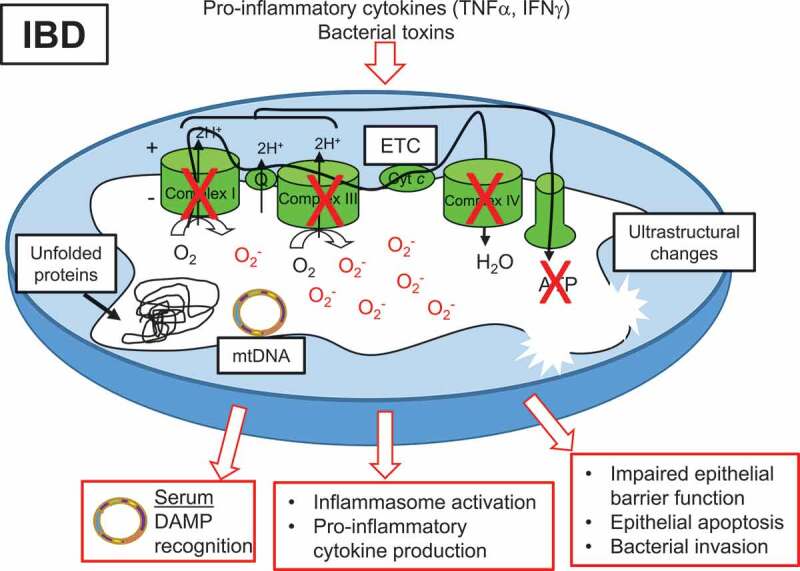
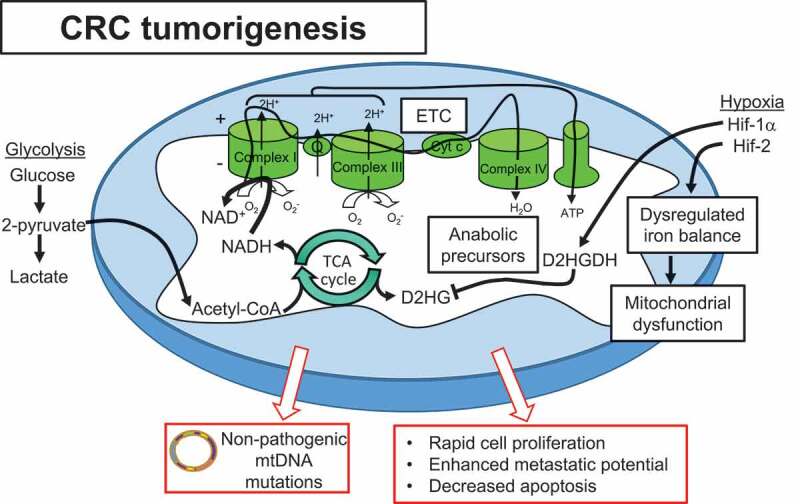
The gastrointestinal microbiome plays a pivotal role in physiological homeostasis of the intestine as well as in the pathophysiology of diseases including inflammatory bowel diseases (IBD) and colorectal cancer (CRC). Emerging evidence suggests that gut microbiota signal to the mitochondria of mucosal cells, including epithelial cells and immune cells. Gut microbiota signaling to mitochondria has been shown to alter mitochondrial metabolism, activate immune cells, induce inflammasome signaling, and alter epithelial barrier function. Both dysbiosis of the gut microbiota and mitochondrial dysfunction are associated with chronic intestinal inflammation and CRC. This review discusses mitochondrial metabolism of gut mucosal cells, mitochondrial dysfunction, and known gut microbiota-mediated mitochondrial alterations during IBD and CRC.
Overview
The claims and statistics of this paper haven’t been checked yet.
Run the check — free, no account needed. It reads the open-access text and checks the sources it cites.
Integrity signals
Registry
Cites
Statistics
Figures
Verification
Claims the paper makes
The claims and statistics of this paper haven’t been checked yet.
Run the check — free, no account needed. It reads the open-access text and checks the sources it cites.
Claims other papers make about this one
Each is checked against this paper’s own text: does it say what the citing paper says it does?
In the citing paper
“gut microbiota may regulate mitochondrial metabolism [21] and inflammation [22] by interacting with mitochondria”
From Healthy Human Fecal Microbiota Transplantation into Mice Attenuates MPTP-Induced Neurotoxicity via AMPK/SOD2 Pathway (2023) · cites this paper as [21]
Self-check
Percentages, sums and reported differences re-computed from the paper’s own numbers.
The self-check needs the paper’s full text.
Citations
Cites
Autophagy fights disease through cellular self-digestion
Mizushima, N., Levine, B., Cuervo, A. M., & Klionsky, D. J. (2008) · Nature · doi:10.1038/nature06639 · Cited by 6,452
The Microbial Metabolites, Short-Chain Fatty Acids, Regulate Colonic T reg Cell Homeostasis
Smith, P. M., Howitt, M. R., Panikov, N., Michaud, M., Gallini, C. A., Bohlooly-Y, M., Glickman, J. N., & Garrett, W. S. (2013) · Science · doi:10.1126/science.1241165 · Cited by 5,413
Host-Bacterial Mutualism in the Human Intestine
Bäckhed, F., Ley, R. E., Sonnenburg, J. L., Peterson, D. A., & Gordon, J. I. (2005) · Science · doi:10.1126/science.1104816 · Cited by 5,277
Metabolites produced by commensal bacteria promote peripheral regulatory T-cell generation
Arpaia, N., Campbell, C., Fan, X., Dikiy, S., van der Veeken, J., deRoos, P., Liu, H., Cross, J. R., Pfeffer, K., Coffer, P. J., et al. (2013) · Nature · doi:10.1038/nature12726 · Cited by 4,838
Succinate is an inflammatory signal that induces IL-1β through HIF-1α
Tannahill, G. M., Curtis, A. M., Adamik, J., Palsson-McDermott, E. M., McGettrick, A. F., Goel, G., Frezza, C., Bernard, N. J., Kelly, B., Foley, N. H., et al. (2013) · Nature · doi:10.1038/nature11986 · Cited by 4,176
On Respiratory Impairment in Cancer Cells
Warburg, O. H. (1956) · Science · doi:10.1126/science.124.3215.269 · Cited by 3,472
An inhibitor of Bcl-2 family proteins induces regression of solid tumours
Oltersdorf, T., Elmore, S. W., Shoemaker, A. R., Armstrong, R. C., Augeri, D. J., Belli, B., Bruncko, M., Deckwerth, T. L., Dinges, J., Hajduk, P. J., et al. (2005) · Nature · doi:10.1038/nature03579 · Cited by 3,407
Regulation of inflammatory responses by gut microbiota and chemoattractant receptor GPR43
Maslowski, K. M., Vieira, A. T., Ng, A., Kranich, J., Sierro, F., Yu, D., Schilter, H. C., Rolph, M. S., Mackay, F., Artis, D., et al. (2009) · Nature · doi:10.1038/nature08530 · Cited by 3,241
Metabolic Reprogramming: A Cancer Hallmark Even Warburg Did Not Anticipate
Ward, P. S., & Thompson, C. B. (2012) · Cancer Cell · doi:10.1016/j.ccr.2012.02.014 · Cited by 3,233
Association of reactive oxygen species levels and radioresistance in cancer stem cells
Diehn, M., Cho, R. W., Lobo, N. A., Kalisky, T., Dorie, M. J., Kulp, A. N., Qian, D., Lam, J. S., Ailles, L. E., Wong, M., et al. (2009) · Nature · doi:10.1038/nature07733 · Cited by 2,555
The role of short chain fatty acids in health and disease
Tan, J., McKenzie, C., Potamitis, M., Thorburn, A. N., Mackay, C. R., & Macia, L. (2014) · Advances in immunology · doi:10.1016/b978-0-12-800100-4.00003-9 · Cited by 2,425
Kelly, C. J., Zheng, L., Campbell, E. L., Saeedi, B., Scholz, C. C., Bayless, A. J., Wilson, K. E., Glover, L. E., Kominsky, D. J., Magnuson, A., et al. (2015) · Cell Host & Microbe · doi:10.1016/j.chom.2015.03.005 · Cited by 1,716
The genome sequence of Rickettsia prowazekii and the origin of mitochondria
Andersson, S. G. E., Zomorodipour, A., Andersson, J. O., Sicheritz-Pontén, T., Alsmark, U. C. M., Podowski, R. M., Näslund, A. K., Eriksson, A.-S., Winkler, H. H., & Kurland, C. G. (1998) · Nature · doi:10.1038/24094 · Cited by 1,697
Targeting mitochondria for cancer therapy
Fulda, S., Galluzzi, L., & Kroemer, G. (2010) · Nature Reviews Drug Discovery · doi:10.1038/nrd3137 · Cited by 1,678
Tlr signalling augments macrophage bactericidal activity through mitochondrial ros
West, A. P., Brodsky, I. E., Rahner, C., Woo, D. K., Erdjument-Bromage, H., Tempst, P., Walsh, M. C., Choi, Y., Shadel, G. S., & Ghosh, S. (2011) · Nature · doi:10.1038/nature09973 · Cited by 1,659
The mitochondrial genome: structure, transcription, translation and replication
Taanman, J.-W. (1999) · Biochimica et Biophysica Acta (BBA) - Bioenergetics · doi:10.1016/s0005-2728(98)00161-3 · Cited by 1,635
Enhancing CD8 T-cell memory by modulating fatty acid metabolism
Pearce, E. L., Walsh, M. C., Cejas, P. J., Harms, G. M., Shen, H., Wang, L.-S., Jones, R. G., & Choi, Y. (2009) · Nature · doi:10.1038/nature08097 · Cited by 1,559
Gut microbiota in the pathogenesis of inflammatory bowel disease
Nishida, A., Inoüe, R., Inatomi, O., Bamba, S., Naito, Y., & Andoh, A. (2017) · Clinical Journal of Gastroenterology · doi:10.1007/s12328-017-0813-5 · Cited by 1,440
Macia, L., Tan, J., Vieira, A. T., Leach, K., Stanley, D., Luong, S., Maruya, M., Ian McKenzie, C., Hijikata, A., Wong, C., et al. (2015) · Nature Communications · doi:10.1038/ncomms7734 · Cited by 1,439
Morshead, C. M., Reynolds, B. A., Craig, C. G., McBurney, M. W., Staines, W. A., Morassutti, D., Weiss, S., & van der Kooy, D. (1994) · Neuron · doi:10.1016/0896-6273(94)90046-9 · Cited by 1,403
Anti-inflammatory effect of IL-10 mediated by metabolic reprogramming of macrophages
Ip, W., Hoshi, N., Shouval, D. S., Snapper, S. B., & Medzhitov, R. M. (2017) · Science · doi:10.1126/science.aal3535 · Cited by 1,382
Oxidative metabolism and PGC-1β attenuate macrophage-mediated inflammation
Vats, D., Mukundan, L., Odegaard, J. I., Zhang, L., Smith, K. L., Morel, C. R., Greaves, D. R., Murray, P. J., & Chawla, A. (2006) · Cell Metabolism · doi:10.1016/j.cmet.2006.05.011 · Cited by 1,369 · cited 1×
“M1 macrophage polarization in response to lipopolysaccharide is dependent on activation of glycolysis to acquire bactericidal activity, while M2 macrophage polarization requires increased FAO and oxidative phosphorylation.(29) Shifts in mitochondrial metabolism play a central role in memory T-cell quiescence and activ…”
BackgroundReactive oxygen species act through p38 MAPK to limit the lifespan of hematopoietic stem cells
Ito, K., Hirao, A., Arai, F., Takubo, K., Matsuoka, S., Miyamoto, K., Ohmura, M., Naka, K., Hosokawa, K., Ikeda, Y., et al. (2006) · Nature Medicine · doi:10.1038/nm1388 · Cited by 1,362
Mitochondrial ROS Signaling in Organismal Homeostasis
Shadel, G. S., & Horvath, T. L. (2015) · Cell · doi:10.1016/j.cell.2015.10.001 · Cited by 1,353
Ott, S. J., Musfeldt, M., Wenderoth, D. F., Hampe, J., Brant, O., Fölsch, U. R., Timmis, K. N., & Schreiber, S. (2004) · Gut · doi:10.1136/gut.2003.025403 · Cited by 1,311
RESPIRATORY ENZYMES IN OXIDATIVE PHOSPHORYLATION
Chance, B., & Williams, G. R. (1955) · Journal of Biological Chemistry · doi:10.1016/s0021-9258(19)57191-5 · Cited by 1,125
Mitophagy: mechanisms, pathophysiological roles, and analysis
Ding, W.-X., & Yin, X.-M. (2012) · bchm · doi:10.1515/hsz-2012-0119 · Cited by 1,032
Mitochondrial dynamics and mitochondrial quality control
Ni, H.-M., Williams, J. A., & Ding, W.-X. (2015) · Redox Biology · doi:10.1016/j.redox.2014.11.006 · Cited by 931
Colitis induced in mice with dextran sulfate sodium (DSS) is mediated by the NLRP3 inflammasome
Bauer, C. A., Duewell, P., Mayer, C., Lehr, H. A., Fitzgerald, K. A., Dauer, M., Tschopp, J., Endres, S., Latz, E., & Schnurr, M. M. (2010) · Gut · doi:10.1136/gut.2009.197822 · Cited by 928
Metabolic regulation of immune responses
Ganeshan, K., & Chawla, A. (2014) · Annual Review of Immunology · doi:10.1146/annurev-immunol-032713-120236 · Cited by 926
Yoon, Y., Krueger, E. W., Oswald, B. J., & McNiven, M. A. (2003) · Molecular and Cellular Biology · doi:10.1128/mcb.23.15.5409-5420.2003 · Cited by 820
Paneth Cells: Maestros of the Small Intestinal Crypts
Clevers, H. C., & Bevins, C. L. (2013) · Annual Review of Physiology · doi:10.1146/annurev-physiol-030212-183744 · Cited by 748
THE COLONIC EPITHELIUM IN ULCERATIVE COLITIS: AN ENERGY-DEFICIENCY DISEASE?
Roediger, W. E. W. (1980) · The Lancet · doi:10.1016/s0140-6736(80)91934-0 · Cited by 728
Pearlman, R., Frankel, W. L., Swanson, B. J., Zhao, W., Yılmaz, A. U., Miller, K., Bacher, J., Bigley, C. J., Nelsen, L., Goodfellow, P. J., et al. (2016) · JAMA Oncology · doi:10.1001/jamaoncol.2016.5194 · Cited by 722
Khacho, M., Clark, A., Svoboda, D. S., Azzi, J., MacLaurin, J. G., Meghaizel, C., Sesaki, H., Lagace, D. C., Germain, M., Harper, M., et al. (2016) · Cell stem cell · doi:10.1016/j.stem.2016.04.015 · Cited by 702
Kugathasan, S., Denson, L. A., Walters, T. D., Kim, M., Marigorta, U. M., Schirmer, M., Mondal, K., Liu, C., Griffiths, A. M., Noe, J. D., et al. (2017) · The Lancet · doi:10.1016/s0140-6736(17)30317-3 · Cited by 632
Interplay between metabolic identities in the intestinal crypt supports stem cell function
Rodríguez-Colman, M. J., Schewe, M., Meerlo, M., Stigter, E., Gerrits, J., Pras-Raves, M., Sacchetti, A., Hornsveld, M., Oost, K. C., Snippert, H. J., et al. (2017) · Nature · doi:10.1038/nature21673 · Cited by 522
New insights into the function and regulation of mitochondrial fission
Otera, H., Ishihara, N., & Mihara, K. (2013) · Biochimica et Biophysica Acta (BBA) - Molecular Cell Research · doi:10.1016/j.bbamcr.2013.02.002 · Cited by 501
The origin and early evolution of mitochondria.
Gray, M. W., Burger, G., & Lang, B. F. (2001) · Genome biology · doi:10.1186/gb-2001-2-6-reviews1018 · Cited by 483
Human Gut Microbiota and Gastrointestinal Cancer
Meng, C., Bai, C., Brown, T. D., Hood, L., & Tian, Q. (2018) · Genomics Proteomics & Bioinformatics · doi:10.1016/j.gpb.2017.06.002 · Cited by 482
Rossman, M. J., Santos-Parker, J. R., Steward, C. A. C., Bispham, N. Z., Cuevas, L. M., Rosenberg, H. L., Woodward, K. A., Chonchol, M., Gioscia-Ryan, R. A., Murphy, M. P., et al. (2018) · Hypertension · doi:10.1161/hypertensionaha.117.10787 · Cited by 456
Altered intestinal microbiota–host mitochondria crosstalk in new onset Crohn’s disease
Mottawea, W., Chiang, C., Mühlbauer, M., Starr, A. E., Butcher, J., Abujamel, T. S., Deeke, S. A., Brandel, A., Zhou, H., Shokralla, S., et al. (2016) · Nature Communications · doi:10.1038/ncomms13419 · Cited by 449
The Gut Microbiota in Immune-Mediated Inflammatory Diseases
Forbes, J. D., Domselaar, G. V., & Bernstein, C. N. (2016) · Frontiers in Microbiology · doi:10.3389/fmicb.2016.01081 · Cited by 444
Wang, Y., Nartiss, Y., Steipe, B., McQuibban, G. A., & Kim, P. K. (2012) · Autophagy · doi:10.4161/auto.21211 · Cited by 438
Jin, S. M., & Youle, R. J. (2013) · Autophagy · doi:10.4161/auto.26122 · Cited by 411
Hamacher‐Brady, A., & Brady, N. R. (2015) · Cellular and Molecular Life Sciences · doi:10.1007/s00018-015-2087-8 · Cited by 410
Mitochondrial dynamics: regulatory mechanisms and emerging role in renal pathophysiology
Zhan, M., Brooks, C. R., Liu, F., Sun, L., & Dong, Z. (2013) · Kidney International · doi:10.1038/ki.2012.441 · Cited by 401
Zoetendal, E. G., Vaughan, E. E., & de Vos, W. M. (2006) · Molecular Microbiology · doi:10.1111/j.1365-2958.2006.05056.x · Cited by 394
Oxidative stress-induced disruption of epithelial and endothelial tight junctions
Rao, R. (2008) · Frontiers in bioscience · doi:10.2741/3223 · Cited by 372
Umar, S. (2010) · Current Gastroenterology Reports · doi:10.1007/s11894-010-0130-3 · Cited by 354
The Crosstalk between the Gut Microbiota and Mitochondria during Exercise
Clark, A. P., & Mach, N. (2017) · Frontiers in Physiology · doi:10.3389/fphys.2017.00319 · Cited by 345
Leucine-Rich Repeat-Containing G-Protein-Coupled Receptors as Markers of Adult Stem Cells
Barker, N., & Clevers, H. C. (2010) · Gastroenterology · doi:10.1053/j.gastro.2010.03.002 · Cited by 343
Mechanisms of mitophagy: PINK1, Parkin, USP30 and beyond
Bingol, B., & Sheng, M. (2016) · Free Radical Biology and Medicine · doi:10.1016/j.freeradbiomed.2016.04.015 · Cited by 340
Metabolic regulation of stem cell function in tissue homeostasis and organismal ageing
Chandel, N. S., Jasper, H., Ho, T. T., & Passegué, E. (2016) · Nature Cell Biology · doi:10.1038/ncb3385 · Cited by 326
Cancer stem cells in colorectal cancer: a review
Munro, M. J., Wickremesekera, S. K., Peng, L., Tan, S. T., & Itinteang, T. (2017) · Journal of Clinical Pathology · doi:10.1136/jclinpath-2017-204739 · Cited by 315
Oxidative Stress, Apoptosis, and Mitochondrial Function in Diabetic Nephropathy
Sifuentes-Franco, S., Padilla-Tejeda, D. E., Carrillo-Ibarra, S., & Miranda‐Díaz, A. G. (2018) · International Journal of Endocrinology · doi:10.1155/2018/1875870 · Cited by 309
Inflammasomes on the Crossroads of Innate Immune Recognition and Metabolic Control
Próchnicki, T., & Latz, E. (2017) · Cell Metabolism · doi:10.1016/j.cmet.2017.06.018 · Cited by 302
Sulfide as a Mucus Barrier-Breaker in Inflammatory Bowel Disease?
Ijssennagger, N., van der Meer, R., & van Mil, S. W. C. (2016) · Trends in Molecular Medicine · doi:10.1016/j.molmed.2016.01.002 · Cited by 300
Mitochondrial transcription and translation: overview
D’Souza, A. R., & Minczuk, M. A. (2018) · Essays in Biochemistry · doi:10.1042/ebc20170102 · Cited by 298
Autophagy protein ATG16L1 prevents necroptosis in the intestinal epithelium
Matsuzawa, Y., Shono, Y., Gomez, L. E., Hubbard-Lucey, V. M., Cammer, M., Neil, J. A., Dewan, M. Z., Lieberman, S. R., Lazrak, A., Marinis, J. M., et al. (2017) · The Journal of Experimental Medicine · doi:10.1084/jem.20170558 · Cited by 296
Pathogenesis of Inflammatory Bowel Disease and Recent Advances in Biologic Therapies
Kim, D. H., & Cheon, J. H. (2017) · Immune Network · doi:10.4110/in.2017.17.1.25 · Cited by 295
Colorectal Cancer in Inflammatory Bowel Disease
Higgins, P., & Stidham, R. (2018) · Clinics in Colon and Rectal Surgery · doi:10.1055/s-0037-1602237 · Cited by 295
Söderholm, J. D., Olaison, G., Peterson, K. H., Franzén, L. E., Lindmark, T., Wirén, M., Tagesson, C., & Sjödahl, R. (2002) · Gut · doi:10.1136/gut.50.3.307 · Cited by 290
Signaling in Control of Cell Growth and MetabolismPreprint
Ward, P. S., & Thompson, C. B. (2012) · Cold Spring Harbor Perspectives in Biology · doi:10.1101/cshperspect.a006783 · Cited by 289
Dysbiosis of gut microbiota in promoting the development of colorectal cancer
Zou, S., Fang, L., & Lee, M. (2017) · Gastroenterology report · doi:10.1093/gastro/gox031 · Cited by 283
Carcinogenesis in IBD: potential targets for the prevention of colorectal cancer
Feagins, L. A., Souza, R. F., & Spechler, S. J. (2009) · Nature Reviews Gastroenterology & Hepatology · doi:10.1038/nrgastro.2009.44 · Cited by 277
Yu, L., Lu, M., Jia, D., Ma, J., Ben‐Jacob, E., Levine, H., Kaipparettu, B. A., & Onuchic, J. N. (2017) · Cancer Research · doi:10.1158/0008-5472.can-16-2074 · Cited by 272
Hall, C. J., Boyle, R. H., Astin, J. W., Flores, M. V., Oehlers, S. H., Sanderson, L. E., Ellett, F., Lieschke, G. J., Crosier, K. E., & Crosier, P. S. (2013) · Cell Metabolism · doi:10.1016/j.cmet.2013.06.018 · Cited by 266
Targeting of an enteropathogenic Escherichia coli (EPEC) effector protein to host mitochondria
Kenny, B., & Jepson, M. A. (2000) · Cellular Microbiology · doi:10.1046/j.1462-5822.2000.00082.x · Cited by 257
Human gut microbiota and bifidobacteria: from composition to functionality
Turroni, F., Ribbera, A., Foroni, E., van Sinderen, D., & Ventura, M. (2008) · Antonie van Leeuwenhoek · doi:10.1007/s10482-008-9232-4 · Cited by 247
Simons, A. L., Ahmad, I. M., Mattson, D., Dornfeld, K. J., & Spitz, D. R. (2007) · Cancer Research · doi:10.1158/0008-5472.can-06-3717 · Cited by 242
Waves of gene regulation suppress and then restore oxidative phosphorylation in cancer cells
Smolková, K., Plecitá‐Hlavatá, L., Bellancé, N., Bénard, G., Rossignol, R., & Ježek, P. (2010) · The International Journal of Biochemistry & Cell Biology · doi:10.1016/j.biocel.2010.05.003 · Cited by 232
Current management of inflammatory bowel disease and colorectal cancer.
Mattar, M. C., Lough, D., Pishvaian, M. J., & Charabaty, A. (2011) · Europe PMC (PubMed Central) · Cited by 214
Mitochondrial function controls intestinal epithelial stemness and proliferation
Berger, E., Rath, E., Yuan, D., Waldschmitt, N., Khaloian, S., Allgäuer, M., Staszewski, O., Lobner, E. M., Schöttl, T., Giesbertz, P., et al. (2016) · Nature Communications · doi:10.1038/ncomms13171 · Cited by 209
Dashdorj, A., Jyothi, K. R., Lim, S., Jo, A., Nguyen, M. N., Ha, J., Yoon, K., Kim, H. J., Park, J., Murphy, M. P., et al. (2013) · BMC Medicine · doi:10.1186/1741-7015-11-178 · Cited by 206
VanDussen, K. L., Liu, T., Li, D., Towfic, F., Modiano, N., Winter, R. W., Haritunians, T., Taylor, K. D., Dhall, D., Targan, S. R., et al. (2013) · Gastroenterology · doi:10.1053/j.gastro.2013.09.048 · Cited by 202
Formentini, L., Santacatterina, F., de Arenas, C. N., Stamatakis, K., Martínez, D. L., Logan, A., Fresno, M., Smits, R., Murphy, M. P., & Cuezva, J. M. (2017) · Cell Reports · doi:10.1016/j.celrep.2017.04.036 · Cited by 202
Mitochondrial DNA replication in mammalian cells: overview of the pathway
Falkenberg, M. (2018) · Essays in Biochemistry · doi:10.1042/ebc20170100 · Cited by 186
Paneth cells: their role in innate immunity and inflammatory disease
Elphick, D. A., & Mahida, Y. R. (2005) · Gut · doi:10.1136/gut.2005.068601 · Cited by 183
Dean, P., & Kenny, B. (2004) · Molecular Microbiology · doi:10.1111/j.1365-2958.2004.04308.x · Cited by 181
Wang, A., Keita, Å. V., Phan, V., McKay, C. M., Schoultz, I., Lee, J., Murphy, M. P., Fernando, M., Ronaghan, N. J., Balce, D. R., et al. (2014) · American Journal Of Pathology · doi:10.1016/j.ajpath.2014.05.019 · Cited by 180
Microbiota-mitochondria inter-talk: Consequence for microbiota-host interaction
Saint-Georges-Chaumet, Y., & Edeas, M. (2016) · Pathogens and Disease · doi:10.1093/femspd/ftv096 · Cited by 176
Swanson, P. A., Kumar, A., Samarin, S., Vijay–Kumar, M., Kundu, K., Murthy, N., Hansen, J. M., Nusrat, A., & Neish, A. S. (2011) · Proceedings of the National Academy of Sciences · doi:10.1073/pnas.1010042108 · Cited by 171
Rath, E., Berger, E., Messlik, A., Nunes, T., Liu, B., Kim, S. C., Hoogenraad, N. J., Sans, M., Sartor, R. B., & Haller, D. (2011) · Gut · doi:10.1136/gutjnl-2011-300767 · Cited by 160
Liu, B., Gulati, A., Cantillana, V., Henry, S. C., Schmidt, E. A., Daniell, X. G., Grossniklaus, E. J., Schoenborn, A. A., Sartor, R. B., & Taylor, G. A. (2013) · American Journal of Physiology-Gastrointestinal and Liver Physiology · doi:10.1152/ajpgi.00071.2013 · Cited by 160
Mitochondrial Nucleoid: Shield and Switch of the Mitochondrial Genome
Lee, S. R., & Han, J. (2017) · Oxidative Medicine and Cellular Longevity · doi:10.1155/2017/8060949 · Cited by 157
Anti-Inflammatory and Cytoprotective Actions of Hydrogen Sulfide: Translation to Therapeutics
Wallace, J. L., Blackler, R. W., Chan, M. V., Da Silva, G. J., Elsheikh, W., Flannigan, K. L., Gamaniek, I., Manko, A., Wang, L., Motta, J.-P., et al. (2015) · Antioxidants & Redox Signaling · doi:10.1089/ars.2014.5901 · Cited by 156
Boyapati, R. K., Dorward, D. A., Tamborska, A., Kalla, R., Ventham, N. T., Doherty, M. K., Whitfield, P. D., Gray, M., Loane, J., Rossi, A. G., et al. (2018) · Inflammatory Bowel Diseases · doi:10.1093/ibd/izy095 · Cited by 153
Mitochondrial regulation of epigenetics and its role in human diseases
Minocherhomji, S., Tollefsbol, T. O., & Singh, K. K. (2012) · Epigenetics · doi:10.4161/epi.19547 · Cited by 151
McGrath, E. E., Marriott, H. M., Lawrie, A., Francis, S., Sabroe, I., Renshaw, S. A., Dockrell, D. H., & Whyte, M. K. B. (2011) · Journal of Leukocyte Biology · doi:10.1189/jlb.0211062 · Cited by 142
Mitochondrial dynamics: Biological roles, molecular machinery, and related diseases
El‐Hattab, A. W., Suleiman, J., Almannai, M., & Scaglia, F. (2018) · Molecular Genetics and Metabolism · doi:10.1016/j.ymgme.2018.10.003 · Cited by 138
Paneth cell defects in Crohn’s disease patients promote dysbiosis
Liu, T., Gurram, B., Baldridge, M. T., Head, R. D., Lam, V., Luo, C., Cao, Y., Simpson, P. M., Hayward, M., Holtz, M. L., et al. (2016) · JCI Insight · doi:10.1172/jci.insight.86907 · Cited by 134
Asano, J., Sato, T., Ichinose, S., Kajita, M., Onai, N., Shimizu, S., & Ohteki, T. (2017) · Cell Reports · doi:10.1016/j.celrep.2017.07.019 · Cited by 131
Newly developed strategies for multifunctional mitochondria-targeted agents in cancer therapy
Zhang, E., Zhang, C., Su, Y., Cheng, T., & Shi, C. (2010) · Drug Discovery Today · doi:10.1016/j.drudis.2010.12.006 · Cited by 128
Wang, D., Malo, D., & Hekimi, S. (2010) · The Journal of Immunology · doi:10.4049/jimmunol.0902352 · Cited by 123
Mao, P., Mańczak, M., Shirendeb, U. P., & Reddy, P. H. (2013) · Biochimica et Biophysica Acta (BBA) - Molecular Basis of Disease · doi:10.1016/j.bbadis.2013.09.005 · Cited by 122
Xue, X., Bredell, B. X., Anderson, E. R., Martin, A. S., Mays, C., Nagao‐Kitamoto, H., Huang, S., Győrffy, B., Greenson, J. K., Hardiman, K. M., et al. (2017) · Proceedings of the National Academy of Sciences · doi:10.1073/pnas.1712946114 · Cited by 121
Prohibitin Is a Novel Regulator of Antioxidant Response That Attenuates Colonic Inflammation in Mice
Theiss, A. L., Vijay–Kumar, M., Obertone, T. S., Jones, D. P., Hansen, J. M., Gewirtz, A. T., Merlin, D., & Sitaraman, S. V. (2009) · Gastroenterology · doi:10.1053/j.gastro.2009.03.033 · Cited by 113
Self-citationClostridium difficile Toxin B Causes Apoptosis in Epithelial Cells by Thrilling Mitochondria
Matarrese, P., Falzano, L., Fabbri, A., Gambardella, L., Frank, C., Geny, B., Popoff, M. R., Malorni, W., & Fiorentini, C. (2007) · Journal of Biological Chemistry · doi:10.1074/jbc.m607614200 · Cited by 113
MDR1 deficiency impairs mitochondrial homeostasis and promotes intestinal inflammation
Ho, G., Aird, R. E., Liu, B., Boyapati, R. K., Kennedy, N. A., Dorward, D. A., Noble, C. L., Shimizu, T., Carter, R. N., Chew, E., et al. (2017) · Mucosal Immunology · doi:10.1038/mi.2017.31 · Cited by 113
Mitochondrial respiratory chain in the colonic mucosal of patients with ulcerative colitis
Sifroni, K. G., Damiani, C. R., Stoffel, C., Cardoso, M. R., Ferreira, G. K., Jeremias, I. C., Rezin, G. T., Scaini, G., Schuck, P. F., Dal‐Pizzol, F., et al. (2010) · Molecular and Cellular Biochemistry · doi:10.1007/s11010-010-0474-x · Cited by 110
Transepithelial transport processes at the intestinal mucosa in inflammatory bowel disease
Schürmann, G., Brüwer, M., Klotz, A., Schmid, K. W., Senninger, N. J., & Zimmer, K. ‐. (1999) · International Journal of Colorectal Disease · doi:10.1007/s003840050181 · Cited by 110
Mitochondrial Gene Polymorphisms That Protect Mice From Colitis
Bär, F., Bochmann, W., Widok, A., von Medem, K., Pagel, R., Hirose, M., Yu, X., Kalies, K., König, P., Böhm, R., et al. (2013) · Gastroenterology · doi:10.1053/j.gastro.2013.07.015 · Cited by 109
Zhang, J., Yi, M., Zha, L., Chen, S., Li, Z., Li, C., Gong, M., Deng, H. X., Chu, X., Chen, J., et al. (2016) · PLoS ONE · doi:10.1371/journal.pone.0147218 · Cited by 106
Santhanam, S., Rajamanickam, S., Motamarry, A., Ramakrishna, B., Amirtharaj, G. J., Ramachandran, A., Pulimood, A. B., & Venkatraman, A. (2012) · Inflammatory Bowel Diseases · doi:10.1002/ibd.22926 · Cited by 105
Role of Intestinal HIF-2α in Health and Disease
Ramakrishnan, S. K., & Shah, Y. M. (2015) · Annual Review of Physiology · doi:10.1146/annurev-physiol-021115-105202 · Cited by 100
Cunningham, K. E., Vincent, G., Sodhi, C. P., Novak, E. A., Ranganathan, S., Egan, C. E., Stolz, D. B., Rogers, M. B., Firek, B., Morowitz, M. J., et al. (2016) · Journal of Biological Chemistry · doi:10.1074/jbc.m115.688812 · Cited by 100
Mechanisms of Microbe–Host Interaction in Crohn’s Disease: Dysbiosis vs. Pathobiont Selection
Buttó, L. F., Schaubeck, M., & Haller, D. (2015) · Frontiers in Immunology · doi:10.3389/fimmu.2015.00555 · Cited by 97
Decreased Mitochondrial DNA Mutagenesis in Human Colorectal Cancer
Ericson, N. G., Kulawiec, M., Vermulst, M., Sheahan, K. D., O'Sullivan, J. N., Salk, J. J., & Bielas, J. H. (2012) · PLoS Genetics · doi:10.1371/journal.pgen.1002689 · Cited by 87
Analysis of Mucosa-Associated Microbiota in Colorectal Cancer
Xu, K., & Jiang, B. (2017) · Medical Science Monitor · doi:10.12659/msm.904220 · Cited by 85
Gangwar, R., Meena, A. S., Shukla, P. K., Nagaraja, A. S., Dorniak, P. L., Pallikuth, S., Waters, C. M., Sood, A. K., & Rao, R. (2017) · Biochemical Journal · doi:10.1042/bcj20160679 · Cited by 81
Shekhawat, P., Srinivas, S. R., Matern, D., Bennett, M. J., Boriack, R. L., George, V. T., Xu, H., Prasad, P. D., Roon, P., & Ganapathy, V. (2007) · Molecular Genetics and Metabolism · doi:10.1016/j.ymgme.2007.08.002 · Cited by 80
Theiss, A. L., Laroui, H., Obertone, T. S., Chowdhury, I., Thompson, W. E., Merlin, D., & Sitaraman, S. V. (2010) · Inflammatory Bowel Diseases · doi:10.1002/ibd.21469 · Cited by 70
Self-citationBacterial Signaling at the Intestinal Epithelial Interface in Inflammation and Cancer
Coleman, O. I., & Haller, D. (2018) · Frontiers in Immunology · doi:10.3389/fimmu.2017.01927 · Cited by 66
Mitochondrial gene polymorphism is associated with gut microbial communities in mice
Hirose, M., Künstner, A., Schilf, P., Sünderhauf, A., Rupp, J., Jöhren, O., Schwaninger, M., Sina, C., Baines, J. F., & Ibrahim, S. M. (2017) · Scientific Reports · doi:10.1038/s41598-017-15377-7 · Cited by 63
Nutraceuticals in colorectal cancer: A mechanistic approach
Rossi, M., Mirbagheri, S., Keshavarzian, A., & Bishehsari, F. (2018) · European Journal of Pharmacology · doi:10.1016/j.ejphar.2018.06.027 · Cited by 61
Lopes, F., Keita, Å. V., Saxena, A., Reyes, J. L., Mancini, N. L., Rajabi, A. A., Wang, A., Baggio, C. H., Dicay, M. S., van Dalen, R., et al. (2018) · Journal of Biological Chemistry · doi:10.1074/jbc.ra117.000809 · Cited by 56
Elevated d -2-hydroxyglutarate during colitis drives progression to colorectal cancer
Han, J., Jackson, D. N., Holm, J., Turner, K., Ashcraft, P., Wang, X., Cook, B. N., Arning, E., Genta, R. M., Venuprasad, K., et al. (2018) · Proceedings of the National Academy of Sciences · doi:10.1073/pnas.1712625115 · Cited by 52
Self-citationWang, S., Cui, S., & Qu, X. (2018) · Cancer Biology & Therapy · doi:10.1080/15384047.2018.1529108 · Cited by 48
Srinivasan, T., Than, E. B., Bu, P., Tung, K., Chen, K., Augenlicht, L. H., Lipkin, S. M., & Shen, X. (2016) · Scientific Reports · doi:10.1038/srep26069 · Cited by 46
Chu, F., Esworthy, R. S., Doroshow, J. H., Grasberger, H., Donkó, Á., Leto, T. L., Gao, Q., & Shen, B. (2016) · Redox Biology · doi:10.1016/j.redox.2016.11.001 · Cited by 43
Maiti, A. K., Saha, N. C., More, S. S., Panigrahi, A. K., & Paul, G. (2017) · Neurotoxicity Research · doi:10.1007/s12640-016-9692-7 · Cited by 43
Reduced mitochondrial activity in colonocytes facilitates AMPKα2‐dependent inflammation
Heller, S., Penrose, H. M., Cable, C., Biswas, D., Nakhoul, H. N., Baddoo, M., Flemington, E. F., Crawford, S. E., & Savkovic, S. D. (2017) · The FASEB Journal · doi:10.1096/fj.201600976r · Cited by 43
Saxena, A., Lopes, F., Poon, K., & McKay, D. M. (2017) · American Journal of Physiology-Gastrointestinal and Liver Physiology · doi:10.1152/ajpgi.00070.2017 · Cited by 43
Prohibitin 1 modulates mitochondrial function of Stat3
Han, J., Yu, C., Souza, R. F., & Theiss, A. L. (2014) · Cellular Signalling · doi:10.1016/j.cellsig.2014.06.006 · Cited by 40
Self-citationEffects of the Mitochondria‐Targeted Antioxidant Mitoquinone in Murine Acute Pancreatitis
Huang, W., Cash, N. J., Li, W., Szatmary, P., Mukherjee, R., Armstrong, J. A., Chvanov, M., Tepikin, A. V., Murphy, M. P., Sutton, R., et al. (2015) · Mediators of Inflammation · doi:10.1155/2015/901780 · Cited by 38
Baker, K. T., Nachmanson, D., Kumar, S., Emond, M. J., Ussakli, C., Brentnall, T. A., Kennedy, S. R., & Risques, R. A. (2018) · Molecular Cancer Research · doi:10.1158/1541-7786.mcr-18-0520 · Cited by 37
Tumor Cells Growth and Survival Time with the Ketogenic Diet in Animal Models: A Systematic Review
Khodadadi, S., Sobhani, N., Mirshekar, S., Ghiasvand, R., Pourmasoumi, M., Miraghajani, M. S., & Dehsoukhteh, S. S. (2017) · International Journal of Preventive Medicine · doi:10.4103/2008-7802.207035 · Cited by 36
Seo, Y.-S., Kim, Y.-J., Kim, M., Suh, K., Kim, S. B., Han, C. J., Kim, Y. J., Jang, W. I., Kang, S. H., Tchoe, H. J., et al. (2016) · Medicine · doi:10.1097/md.0000000000003527 · Cited by 34
The Classic: The Chemical Constitution of Respiration Ferment
Warburg, O. H. (2010) · Clinical Orthopaedics and Related Research · doi:10.1007/s11999-010-1534-y · Cited by 31
Ultrastructural evidence of mucosal healing after infliximab in patients with ulcerative colitis.
Frățilă, O., & Crăciun, C. (2010) · PubMed · Cited by 30
[Colorectal cancer in inflammatory bowel diseases].
Fekih, M., Kallel, L., Mustapha, N. B., Matri, S., Serghini, M., Boubaker, J., & Filali, A. (2012) · PubMed · Cited by 30
OCTN1 variant L503F is associated with familial and sporadic inflammatory bowel disease
Lin, Z., Nelson, L. S., Franke, A., Poritz, L. S., Li, T.-Y., Wu, R., Wang, Y., MacNeill, C., Thomas, N. J., Schreiber, S., et al. (2009) · Journal of Crohn s and Colitis · doi:10.1016/j.crohns.2009.09.003 · Cited by 29
Rogala, A. R., Schoenborn, A. A., Fee, B. E., Cantillana, V., Joyce, M. J., Gharaibeh, R. Z., Roy, S., Fodor, A. A., Sartor, R. B., Taylor, G. A., et al. (2017) · Disease Models & Mechanisms · doi:10.1242/dmm.031070 · Cited by 28
Wen, J., Xu, Q., & Yuan, Y. (2018) · Cancer Cell International · doi:10.1186/s12935-018-0656-2 · Cited by 26
Miyake, M., Hanajima, M., Matsuzawa, T., Kobayashi, C., MINAMI, M., Abe, A., & Horiguchi, Y. (2005) · Biochemical and Biophysical Research Communications · doi:10.1016/j.bbrc.2005.09.130 · Cited by 25
Maiuri, A. R., Li, H., Stein, B. D., Tennessen, J. M., & O’Hagan, H. M. (2018) · Cancer & Metabolism · doi:10.1186/s40170-018-0182-7 · Cited by 25
Salisbury-Ruf, C. T., Bertram, C. C., Vergeade, A., Lark, D. S., Shi, Q., Heberling, M. L., Fortune, N. L., Okoye, G. D., Jerome, W. G., Wells, Q. S., et al. (2018) · eLife · doi:10.7554/elife.40907 · Cited by 25
Dankowski, T., Schröder, T., Möller, S., Yu, X., Ellinghaus, D., Bär, F., Fellermann, K., Lehnert, H., Schreiber, S., Franke, A., et al. (2016) · BMC Gastroenterology · doi:10.1186/s12876-016-0509-1 · Cited by 23
Naghdi, S., Slovinsky, W. S., Madesh, M., Rubin, E., & Hajnóczky, G. (2018) · Cell Death and Disease · doi:10.1038/s41419-018-1070-3 · Cited by 23
GI stem cells – new insights into roles in physiology and pathophysiology
Henning, S., & von Furstenberg, R. J. (2016) · The Journal of Physiology · doi:10.1113/jp271663 · Cited by 22
Bacterial imbalance in Crohn's disease
Hofer, U. (2014) · Nature Reviews Microbiology · doi:10.1038/nrmicro3255 · Cited by 20
Aytekin, F. Ö., Teke, Z., Aydın, Ç., Kabay, B., Yenisey, Ç., Saçar, S., Demir, E. M., & Tekin, K. (2007) · The American Journal of Surgery · doi:10.1016/j.amjsurg.2006.06.035 · Cited by 20
Bacterial infection increases risk of carcinogenesis by targeting mitochondria
Strickertsson, J. A. B., Desler, C., & Rasmussen, L. J. (2017) · Seminars in Cancer Biology · doi:10.1016/j.semcancer.2017.07.003 · Cited by 20
Khan, A. A., Khan, Z., Malik, A., Shrivastava, A., Jain, S. K., & Alshamsan, A. (2015) · Cancer Letters · doi:10.1016/j.canlet.2015.04.024 · Cited by 18
Hernández‐Morales, M., Sobradillo, D., Valero, R. A., Muñoz, E., Ubierna, D., Moyer, M. P., Núñez, L., & Villalobos, C. (2017) · Oncotarget · doi:10.18632/oncotarget.19430 · Cited by 15
Li, J., & Sha, B. (2015) · Acta Crystallographica Section F Structural Biology Communications · doi:10.1107/s2053230x15013102 · Cited by 13
Ulcerative Colitis Is Under Dual (Mitochondrial and Nuclear) Genetic Control
Rosa, A., Abrantes, P., Sousa, I., Francisco, V., Santos, P., Francisco, D., Xavier, J. M., & Oliveira, S. A. (2016) · Inflammatory Bowel Diseases · doi:10.1097/mib.0000000000000694 · Cited by 13
Penrose, H. M., Heller, S., Cable, C., Nakhoul, H. N., Ungerleider, N. A., Baddoo, M., Pursell, Z. F., Flemington, E. K., Crawford, S. E., & Savkovic, S. D. (2017) · Oncoscience · doi:10.18632/oncoscience.386 · Cited by 13
Research works printed but not linked: 4
- Engelking LR, 2015, Tricarboxylic acid (tca) cycle in textbook of veterinary physiological chemistry
- Fratila OC, 2010, J Gastrointestin Liver Dis, 19, 147
- Mattar MC, 2011, Gastrointest Cancer Res, 4, 53
- 10.1186/1741-7015-11-178.134 · DOI
Cited by
Sorted by citations
Pyroptosis: Mechanisms and Diseases
Yu, P., Zhang, X., Liu, N., Tang, L., Peng, C., & Chen, X. (2021) · Signal Transduction and Targeted Therapy · doi:10.1038/s41392-021-00507-5 · Cited by 2,353
Intestinal flora and disease mutually shape the regional immune system in the intestinal tract
Zhou, B., Yuan, Y., Zhang, S., Guo, C., Li, X., Li, G., Xiong, W., & Zeng, Z. (2020) · Frontiers in Immunology · doi:10.3389/fimmu.2020.00575 · Cited by 396
Singhal, R., & Shah, Y. M. (2020) · Journal of Biological Chemistry · doi:10.1074/jbc.rev120.011188 · Cited by 401
Pyroptosis in health and disease: mechanisms, regulation and clinical perspective
Liu, Y., Pan, R., Ouyang, Y., Gu, W., Xiao, T., Yang, H., Tang, L. Y., Wang, H., Xiang, B., & Chen, P. (2024) · Signal Transduction and Targeted Therapy · doi:10.1038/s41392-024-01958-2 · Cited by 391
Li, Z., Wang, Y., Liu, J., Rawding, P. A., Bu, J., Hong, S., & Hu, Q. (2021) · Advanced Materials · doi:10.1002/adma.202102580 · Cited by 247
Metadata
- Authors
- Jackson, D. N., & Theiss, A. L.
- Affiliations
- Baylor University Medical Center (US)
- Corresponding author
- Theiss, Arianne L.
- ORCID
- Theiss, Arianne L.
- Venue
- Gut Microbes
- Publisher
- Informa UK Limited
- Published
- 2019-03-26
- Volume
- 11
- Issue
- 3
- Pages
- 285-304
- ISSN
- 1949-0976 (ISSN-L)
- 1949-0984
- PMC
- PMC7524274
- OpenAlex
- W2923380089
- Cited by
- 312
- References
- 149
- Citations by year
- 2026: 44 · 2025: 51 · 2024: 47 · 2023: 43 · 2022: 71 · 2021: 33 · 2020: 20 · 2019: 3
- FWCI
- 2.83
- Type
- journal article
- Language
- en
- Open access
- gold
- doi.org
- Licence
- Locations
- Gut Microbes (publishedVersion, cc-by-nc-nd)
- PubMed Central (publishedVersion, cc-by-nc-nd)
- PubMed (publishedVersion)
- DOAJ (DOAJ: Directory of Open Access Journals) (submittedVersion, cc-by-sa)
- Funders
- Crohn’s and Colitis Foundation (391869)
- National Institute of Diabetes and Digestive and Kidney Diseases (R01-DK117001)
- Topics
- Life Sciences › Biochemistry, Genetics and Molecular Biology › Molecular Biology › Gut microbiota and health
- Health Sciences › Medicine › Gastroenterology › Inflammatory Bowel Disease
- Life Sciences › Biochemistry, Genetics and Molecular Biology › Molecular Biology › Mitochondrial Function and Pathology
- Keywords
- gut microbiota, mitochondrial signaling, mitochondrial metabolism, mitochondrial dysfunction, intestinal inflammation, inflammatory bowel disease, colorectal cancer, mucosal epithelial cells, immune cells, inflammasome signaling, epithelial barrier function, dysbiosis
- MeSH terms
- Gastrointestinal Microbiome, Animals, Colitis, Humans, Inflammation, Intestinal Mucosa, Mitochondria, Colorectal Neoplasms, Inflammatory Bowel Diseases, Immunity, Mucosal
About these checks
Registry, retraction, Cites and statistics results are computed, not judged, with one exception: a printed reference that no index lists is read once by a model before it counts as a citation error. Claims are extracted by a model and kept only when their quote appears verbatim in the text; each cited source is then checked, with a model’s help, for whether it says what the claim relies on. Those verdicts can be wrong — read the claim’s quote and the cited source before relying on one.
Statistics and arithmetic are recomputed, not judged.
Confidence bands are shown only for fields calibrated on our annotated test set. None is calibrated yet, so no band is shown.
What counts as a claim ›How we measure confidence ›How we check this ›
Are you an author, or do you see a problem with this page? Request a review
