

Exploring and exploiting the connection between mitochondria and the virulence of human pathogenic fungi
Open accessThe DOI matches its Crossref record; 151 of the 151 references it cites were found in a registry or an index.
Abstract
Mitochondria are best known for their role in the production of ATP; however, recent research implicates other mitochondrial functions in the virulence of human pathogenic fungi. Inhibitors of mitochondrial succinate dehydrogenase or the electron transport chain are successfully used to combat plant pathogenic fungi, but similar inhibition of mitochondrial functions has not been pursued for applications in medical mycology. Advances in understanding mitochondrial function relevant to human pathogenic fungi are in four major directions: 1) the role of mitochondrial morphology in virulence, 2) mitochondrial genetics, with a focus on mitochondrial DNA recombination and mitochondrial inheritance 3) the role of mitochondria in drug resistance, and 4) the interaction of mitochondria with other organelles. Collectively, despite the similarities in mitochondrial functions between fungi and animals, this organelle is currently an under-explored potential target to treat medical mycoses. Future research could define and then exploit those mitochondrial components best suited as drug targets.
Overview
The claims and statistics of this paper haven’t been checked yet.
Free: it reads the open-access text and checks the first 5 claims that cite a source we can check. Create a free account to check every claim.
Integrity signals
Registry
Cites
Statistics
Figures
Verification
Claims the paper makes
The claims and statistics of this paper haven’t been checked yet.
Free: it reads the open-access text and checks the first 5 claims that cite a source we can check. Create a free account to check every claim.
Claims other papers make about this one
Each is checked against this paper’s own text: does it say what the citing paper says it does?
The source backs part of the claim, not all of it — or backs it for a different population, condition or comparison.
In the citing paper
“In pathogenic fungi including C. albicans, Cryptococcus neoformans, and Aspergillus fumigatus, inhibiting the respiratory chain can affect the morphological transition from yeast to hyphae, cell wall biogenesis, drug resistance, and virulence [10–17].”
From Mitochondrial anchor protein Num11 is key to pathogenicity of Candida albicans by affecting mitochondrial function and cell wall masking (2025) · cites this paper as [10]
Experimental — accuracy not yet measured
Self-check
Percentages, sums and reported differences re-computed from the paper’s own numbers.
The self-check needs the paper’s full text.
Citations
Cites
Green, D. R., & Reed, J. C. (1998) · Science · doi:10.1126/science.281.5381.1309 · Cited by 8,965
Hidden Killers: Human Fungal Infections
Brown, G. D., Denning, D. W., Gow, N. A. R., Levitz, S. M., Netea, M. G., & White, T. C. (2012) · Science Translational Medicine · doi:10.1126/scitranslmed.3004404 · Cited by 4,284
Mitochondrial Fission, Fusion, and Stress
Youle, R. J., & van der Bliek, A. M. (2012) · Science · doi:10.1126/science.1219855 · Cited by 3,674
Mitochondrial DNA mutation associated with Leber’s hereditary optic neuropathy
Wallace, D. C., Singh, G., Lott, M. T., Hodge, J. A., Schurr, T. G., Lezza, A. M. S., Elsas, L. J., & Nikoskelainen, E. K. (1988) · Science · doi:10.1126/science.3201231 · Cited by 2,440
ER Tubules Mark Sites of Mitochondrial Division
Friedman, J. R., Lackner, L. L., West, M., DiBenedetto, J. R., Nunnari, J., & Voeltz, G. K. (2011) · Science · doi:10.1126/science.1207385 · Cited by 2,072 · cited 1×
“These complexes, especially ERMES, are important from the perspective of pathobiology likely because of their role in the maintenance of the mitochondrial genome, in lipid homeostasis, mitochondrial protein import and mitochondrial dynamics, all of which directly or indirectly influence cell fitness [129,130].”
BackgroundDeletions of muscle mitochondrial DNA in patients with mitochondrial myopathies
Holt, I. J., Harding, A. E., & Morgan-Hughes, J. A. (1988) · Nature · doi:10.1038/331717a0 · Cited by 1,846
Bartlett, D. W., Clough, J. M., Godwin, J. R., Hall, A. A., Hamer, M., & Parr‐Dobrzanski, B. (2002) · Pest Management Science · doi:10.1002/ps.520 · Cited by 1,698
Computational Method to Predict Mitochondrially Imported Proteins and their Targeting Sequences
Claros, M. G., & Vincens, P. (1996) · European Journal of Biochemistry · doi:10.1111/j.1432-1033.1996.00779.x · Cited by 1,643
A knowledge base for predicting protein localization sites in eukaryotic cells
Nakai, K., & Kanehisa, M. (1992) · Genomics · doi:10.1016/s0888-7543(05)80111-9 · Cited by 1,511
Translocation of Proteins into Mitochondria
Neupert, W., & Herrmann, J. M. (2007) · Annual Review of Biochemistry · doi:10.1146/annurev.biochem.76.052705.163409 · Cited by 1,481
Importing Mitochondrial Proteins: Machineries and Mechanisms
Chacinska, A., Koehler, C. M., Milenkovic, D., Lithgow, T., & Pfanner, N. (2009) · Cell · doi:10.1016/j.cell.2009.08.005 · Cited by 1,443
Birsoy, K., Wang, T., Chen, W. W., Freinkman, E., Abu-Remaileh, M., & Sabatini, D. M. (2015) · Cell · doi:10.1016/j.cell.2015.07.016 · Cited by 1,388
An ER-Mitochondria Tethering Complex Revealed by a Synthetic Biology Screen
Kornmann, B., Currie, E., Collins, S. R., Schuldiner, M., Nunnari, J., Weissman, J. S., & Walter, P. (2009) · Science · doi:10.1126/science.1175088 · Cited by 1,275
Abnormalities of the electron transport chain in idiopathic parkinson's disease
Parker, W. D., Boyson, S. J., & Parks, J. K. (1989) · Annals of Neurology · doi:10.1002/ana.410260606 · Cited by 1,063
Luft, R., Ikkos, D., Palmieri, G., Ernster, L., & Afzelius, B. (1962) · Journal of Clinical Investigation · doi:10.1172/jci104637 · Cited by 981
Mitochondrial Morphology and Dynamics in Yeast and Multicellular Eukaryotes
Okamoto, K., & Shaw, J. M. (2005) · Annual Review of Genetics · doi:10.1146/annurev.genet.38.072902.093019 · Cited by 747
Sivitz, W. I., & Yorek, M. A. (2010) · Antioxidants & Redox Signaling · doi:10.1089/ars.2009.2531 · Cited by 742
Recognition of seven species in the Cryptococcus gattii/Cryptococcus neoformans species complex
Hagen, F., Khayhan, K., Theelen, B., Kolecka, A., Polacheck, I., Sionov, E., Falk, R., Parnmen, S., Lumbsch, H. T., & Boekhout, T. (2015) · Fungal Genetics and Biology · doi:10.1016/j.fgb.2015.02.009 · Cited by 687
Mitochondria: a historical review.
Ernster, L., & Schatz, G. (1981) · The Journal of cell biology · doi:10.1083/jcb.91.3.227s · Cited by 628
Cytochrome oxidase deficiency in Alzheimer’s disease
Parker, W. D., Filley, C. M., & Parks, J. K. (1990) · Neurology · doi:10.1212/wnl.40.8.1302 · Cited by 598
Sierotzki, H., & Scalliet, G. (2013) · Phytopathology® · doi:10.1094/phyto-01-13-0009-rvw · Cited by 564 · cited 1×
“against these fungicides which warrants the development of new active fungicidal compounds that target the pathogens’ respiratory hub [48].”
BackgroundDiscovery of a sexual cycle in the opportunistic fungal pathogen Aspergillus fumigatus
O’Gorman, C. M., Fuller, H. T., & Dyer, P. S. (2009) · Nature · doi:10.1038/nature07528 · Cited by 555
Same-sex mating and the origin of the Vancouver Island Cryptococcus gattii outbreak
Fraser, J. A., Giles, S. S., Wenink, E. C., Geunes-Boyer, S. G., Wright, J. R., Diezmann, S., Allen, A., Stajich, J. E., Dietrich, F. S., Perfect, J. R., et al. (2005) · Nature · doi:10.1038/nature04220 · Cited by 499 · cited 2×
“gattii complex [53-55,57], there is a rising need to understand the phenomenon of mitochon-”
BackgroundSkrzypek, M. S., Binkley, J., Binkley, G., Miyasato, S. R., Simison, M., & Sherlock, G. (2017) · Nucleic Acids Research · doi:10.1093/nar/gkw924 · Cited by 455
Molecular basis of resistance to azole antifungals.
Lupetti, A. (2002) · Trends in Molecular Medicine · doi:10.1016/s1471-4914(02)02280-3 · Cited by 449
The complete sequence of the mitochondrial genome of Saccharomyces cerevisiae
Foury, F., Roganti, T., Lecrenier, N., & Purnelle, B. (1998) · FEBS Letters · doi:10.1016/s0014-5793(98)01467-7 · Cited by 433
Liao, X., & Butow, R. A. (1993) · Cell · doi:10.1016/0092-8674(93)90050-z · Cited by 419
Cytochrome P450 enzymes in the fungal kingdom
Črešnar, B., & Petrič, Š. (2011) · Biochimica et Biophysica Acta (BBA) - Proteins and Proteomics · doi:10.1016/j.bbapap.2010.06.020 · Cited by 394
Genome-wide responses to mitochondrial dysfunction
Epstein, C. B., Waddle, J. A., Hale, W., Davé, V., Thornton, J., Macatee, T. L., Garner, H. R., & Butow, R. A. (2001) · Molecular Biology of the Cell · doi:10.1091/mbc.12.2.297 · Cited by 389 · cited 1×
“significant information on inter-organelle cellular signaling responses under stress [77,95].”
BackgroundIron–sulfur cluster biogenesis and trafficking in mitochondria
Braymer, J. J., & Lill, R. (2017) · Journal of Biological Chemistry · doi:10.1074/jbc.r117.787101 · Cited by 389 · cited 1×
“extensively in [106,107]) and have clear role in azole drug resistance.”
BackgroundER Stress and Its Functional Link to Mitochondria: Role in Cell Survival and Death
Malhotra, J. D., & Kaufman, R. J. (2011) · Cold Spring Harbor Perspectives in Biology · doi:10.1101/cshperspect.a004424 · Cited by 385
Mitochondrial UPR-regulated innate immunity provides resistance to pathogen infection
Pellegrino, M. W., Nargund, A. M., Kirienko, N. V., Gillis, R., Fiorese, C. J., & Haynes, C. M. (2014) · Nature · doi:10.1038/nature13818 · Cited by 380
Scheckhuber, C. Q., Erjavec, N., Tinazli, A., Hamann, A., Nyström, T., & Osiewacz, H. D. (2007) · Nature Cell Biology · doi:10.1038/ncb1524 · Cited by 344
Bennett, R. J. (2003) · The EMBO Journal · doi:10.1093/emboj/cdg235 · Cited by 341
Forche, A., Alby, K., Schaefer, D., Johnson, A. D., Berman, J., & Bennett, R. J. (2008) · PLoS Biology · doi:10.1371/journal.pbio.0060110 · Cited by 338 · cited 1×
“progeny of diploid and aneuploid cells [62,63].”
Byrnes, E. J., Li, W., Lewit, Y., Ma, H., Voelz, K., Ren, P., Carter, D. A., Chaturvedi, V., Bildfell, R. J., May, R. C., et al. (2010) · PLoS Pathogens · doi:10.1371/journal.ppat.1000850 · Cited by 330 · cited 1×
“deuterogattii have been linked to mitochondrial morphology and dynamics [19,40].”
BackgroundThe Mitochondrial Genotype Can Influence Nuclear Gene Expression in Yeast
Parikh, V. S., Morgan, M. M., Scott, R., Clements, L. S., & Butow, R. A. (1987) · Science · doi:10.1126/science.3027892 · Cited by 324
Ferrari, S., Ischer, F., Calabrese, D., Posteraro, B., Sanguinetti, M., Fadda, G., Rohde, B., Bauser, C., Bader, O., & Sanglard, D. (2009) · PLoS Pathogens · doi:10.1371/journal.ppat.1000268 · Cited by 295 · cited 1×
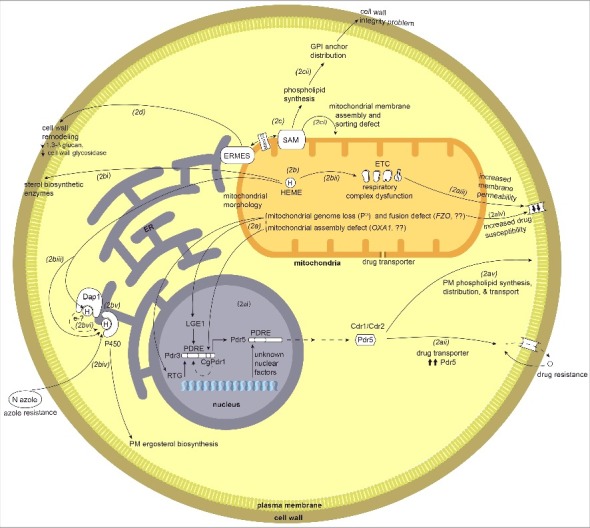
“glabrata correlates with increased virulence and fitness of the strains expressing mutated CgPDR1 via up regulation of the efflux pump activity [85] (Fig.”
BackgroundF901318 represents a novel class of antifungal drug that inhibits dihydroorotate dehydrogenase
Oliver, J. D., Sibley, G. E. M., Beckmann, N., Dobb, K. S., Slater, M. J., McEntee, L., du Pré, S., Livermore, J., Bromley, M. J., Wiederhold, N. P., et al. (2016) · Proceedings of the National Academy of Sciences · doi:10.1073/pnas.1608304113 · Cited by 289
Zakikhany, K., Naglik, J. R., Schmidt-Westhausen, A., Holland, G., Schaller, M., & Hube, B. (2007) · Cellular Microbiology · doi:10.1111/j.1462-5822.2007.01009.x · Cited by 288
HapX-Mediated Adaption to Iron Starvation Is Crucial for Virulence of Aspergillus fumigatus
Schrettl, M., Beckmann, N., Varga, J., Heinekamp, T., Jacobsen, I. D., Jöchl, C., Moussa, T. A., Wang, S., Gsaller, F., Blatzer, M., et al. (2010) · PLoS Pathogens · doi:10.1371/journal.ppat.1001124 · Cited by 284 · cited 2×
“fumigatus HapX is essential for adapting to iron starvation, and the hapX deletion mutant has attenuated virulence [111].”
BackgroundCloning of yeast HAP5: a novel subunit of a heterotrimeric complex required for CCAAT binding.
McNabb, D. S., Xing, Y., & Guarente, L. (1995) · Genes & Development · doi:10.1101/gad.9.1.47 · Cited by 275
SreA‐mediated iron regulation in Aspergillus fumigatus
Schrettl, M., Kim, H. S., Eisendle, M., Kragl, C., Nierman, W. C., Heinekamp, T., Werner, E. R., Jacobsen, I., Illmer, P., Yi, H., et al. (2008) · Molecular Microbiology · doi:10.1111/j.1365-2958.2008.06376.x · Cited by 266
Tsai, H.-F., Krol, A. A., Sarti, K. E., & Bennett, J. E. (2006) · Antimicrobial Agents and Chemotherapy · doi:10.1128/aac.50.4.1384-1392.2006 · Cited by 237
Interaction of HapX with the CCAAT‐binding complex—a novel mechanism of gene regulation by iron
Hortschansky, P., Eisendle, M., Al‐Abdallah, Q., Schmidt, A. D., Bergmann, S., Thön, M., Kniemeyer, O., Abt, B., Seeber, B., Werner, E. R., et al. (2007) · The EMBO Journal · doi:10.1038/sj.emboj.7601752 · Cited by 232 · cited 1×
“dependent mitochondrial gene regulation and is a virulence factor [111,112].”
BackgroundStehling, O., & Lill, R. (2013) · Cold Spring Harbor Perspectives in Biology · doi:10.1101/cshperspect.a011312 · Cited by 227
Traven, A., Wong, J. M. S., Xu, D., Sopta, M., & Ingles, C. J. (2001) · Journal of Biological Chemistry · doi:10.1074/jbc.m006807200 · Cited by 213
Efficient Mitochondrial Genome Editing by CRISPR/Cas9
Jo, A., Ham, S., Lee, G. H., Lee, Y.-I., Kim, S., Lee, Y.-S., Shin, J.-H., & Lee, Y. (2015) · BioMed Research International · doi:10.1155/2015/305716 · Cited by 211
Shingu-Vazquez, M., & Traven, A. (2011) · Eukaryotic Cell · doi:10.1128/ec.05184-11 · Cited by 209 · cited 3×
“involved in respiratory homeostasis [80].”
BackgroundInfluentialDap1/PGRMC1 Binds and Regulates Cytochrome P450 Enzymes
Hughes, A. L., Powell, D. W., Bard, M., Eckstein, J., Barbuch, R., Link, A. J., & Espenshade, P. J. (2007) · Cell Metabolism · doi:10.1016/j.cmet.2006.12.009 · Cited by 204
Hallstrom, T. C., & Moye-Rowley, W. S. (2000) · Journal of Biological Chemistry · doi:10.1074/jbc.m007338200 · Cited by 194 · cited 4×
“Mitochondrial-nuclear crosstalk has important implications in drug resistance [75].”
BackgroundInfluentialMa, H., Hagen, F., Stekel, D. J., Johnston, S. A., Sionov, E., Falk, R., Polacheck, I., Boekhout, T., & May, R. C. (2009) · Proceedings of the National Academy of Sciences · doi:10.1073/pnas.0902963106 · Cited by 188
Stress-responsive regulation of mitochondria through the ER unfolded protein response
Rainbolt, T. K., Saunders, J. M., & Wiseman, R. L. (2014) · Trends in Endocrinology & Metabolism · doi:10.1016/j.tem.2014.06.007 · Cited by 185
Interactions between bacterial pathogens and mitochondrial cell death pathways
Rudel, T., Kepp, O., & Kozjak-Pavlovic, V. (2010) · Nature Reviews Microbiology · doi:10.1038/nrmicro2421 · Cited by 169
Linnane, A. W., Saunders, G. W., Gingold, E. B., & Lukins, H. B. (1968) · Proceedings of the National Academy of Sciences · doi:10.1073/pnas.59.3.903 · Cited by 168
Highly divergent mitochondrion-related organelles in anaerobic parasitic protozoa
Makiuchi, T., & Nozaki, T. (2013) · Biochimie · doi:10.1016/j.biochi.2013.11.018 · Cited by 167
Hsu, P.-C., Yang, C.-Y., & Lan, C.-Y. (2011) · Eukaryotic Cell · doi:10.1128/ec.00158-10 · Cited by 157 · cited 2×
“albicans, and has roles in the repression of iron consuming mitochondrial genes, including heme biosynthetic genes, and the deletion strain has attenuated virulence in murine infection model [113].”
BackgroundJung, W. H., Saikia, S., Hu, G., Wang, J., Fung, C. K.-Y., D'Souza, C., White, R., & Kronstad, J. W. (2010) · PLoS Pathogens · doi:10.1371/journal.ppat.1001209 · Cited by 155 · cited 1×
“coccus and Candida genera [113,114], and in plant pathogens such as Fusarium oxysporum [115].”
BackgroundLópez-Berges, M. S., Capilla, J., Turrà, D., Schafferer, L., Matthijs, S., Jöchl, C., Cornelis, P., Guarro, J., Haas, H., & Di Pietro, A. (2012) · The Plant Cell · doi:10.1105/tpc.112.098624 · Cited by 152
Mechanisms of Azole Resistance in Petite Mutants of Candida glabrata
Brun, S., Bergès, T., Poupard, P., Vauzelle-Moreau, C., Renier, G., Chabasse, D., & Bouchara, J.-P. (2004) · Antimicrobial Agents and Chemotherapy · doi:10.1128/aac.48.5.1788-1796.2004 · Cited by 151
Joardar, V., Abrams, N. F., Hostetler, J. B., Paukstelis, P. J., Pakala, S. M., Pakala, S., Zafar, N., Abolude, O. O., Payne, G. A., Andrianopoulos, A., et al. (2012) · BMC Genomics · doi:10.1186/1471-2164-13-698 · Cited by 146
Ferrari, S., Sanguinetti, M., De Bernardis, F., Torelli, R., Posteraro, B., Vandeputte, P., & Sanglard, D. (2011) · Antimicrobial Agents and Chemotherapy · doi:10.1128/aac.01271-10 · Cited by 144
Pathway analysis of Candida albicans survival and virulence determinants in a murine infection model
Becker, J. M., Kauffman, S. J., Hauser, M., Huang, L., Lin, M., Sillaots, S., Jiang, B., Xu, D., & Roemer, T. (2010) · Proceedings of the National Academy of Sciences · doi:10.1073/pnas.1009845107 · Cited by 134
Dagley, M. J., Gentle, I. E., Beilharz, T. H., Pettolino, F. A., Djordjevic, J. T., Lo, T. L., Uwamahoro, N., Rupasinghe, T., Tull, D. L., McConville, M., et al. (2011) · Molecular Microbiology · doi:10.1111/j.1365-2958.2010.07503.x · Cited by 128 · cited 2×
“albicans sam37 mutants have abnormal mitochondrial morphology [118,122].”
BackgroundGirvan, H. M., & Munro, A. W. (2013) · Journal of Biological Chemistry · doi:10.1074/jbc.r112.422642 · Cited by 128
Mitochondrial control of fungal hybrid virulence
Olson, Å., & Stenlid, J. (2001) · Nature · doi:10.1038/35078147 · Cited by 125
Bassilana, M., Blyth, J., & Arkowitz, R. A. (2003) · Eukaryotic Cell · doi:10.1128/ec.2.1.9-18.2003 · Cited by 120
Buschlen, S., Amillet, J., Guiard, B., Fournier, A., Marcireau, C., & Bolotin‐Fukuhara, M. (2003) · Comparative and Functional Genomics · doi:10.1002/cfg.254 · Cited by 118
Ulrich, J. T., & Mathre, D. E. (1972) · Journal of Bacteriology · doi:10.1128/jb.110.2.628-632.1972 · Cited by 117
The Genomic Aftermath of Hybridization in the Opportunistic Pathogen Candida metapsilosis
Pryszcz, L. P., Németh, T., Saus, E., Ksiezopolska, E., Hegedűsová, E., Nosek, J., Wolfe, K. H., Gacser, A., & Gabaldón, T. (2015) · PLOS Genetics · doi:10.1371/journal.pgen.1005626 · Cited by 116
Thomas, E., Roman, E., Claypool, S., Manzoor, N., Pla, J., & Panwar, S. L. (2013) · Antimicrobial Agents and Chemotherapy · doi:10.1128/aac.00889-13 · Cited by 105
Mallory, J. C., Crudden, G., Johnson, B. L., Mo, C., Pierson, C. A., Bard, M., & Craven, R. J. (2005) · Molecular and Cellular Biology · doi:10.1128/mcb.25.5.1669-1679.2005 · Cited by 102
How Do Azoles Inhibit Cytochrome P450 Enzymes? A Density Functional Study
Balding, P. R., Porro, C. S., McLean, K. J., Sutcliffe, M. J., Maréchal, J., Munro, A. W., & de Visser, S. P. (2008) · The Journal of Physical Chemistry A · doi:10.1021/jp802087w · Cited by 102
System-level impact of mitochondria on fungal virulence: to metabolism and beyond
Calderone, R., Li, D., & Traven, A. (2015) · FEMS Yeast Research · doi:10.1093/femsyr/fov027 · Cited by 101
‘Division of labour’ in response to host oxidative burst drives a fatal Cryptococcus gattii outbreak
Voelz, K., Johnston, S. A., Smith, L. M., Hall, R. A., Idnurm, A., & May, R. C. (2014) · Nature Communications · doi:10.1038/ncomms6194 · Cited by 99
Self-citationPatkar, R., Ramos‐Pamplona, M., Gupta, A. P., Yang, F., & Naqvi, N. I. (2012) · Molecular Microbiology · doi:10.1111/mmi.12060 · Cited by 98
Freibert, S.-A., Goldberg, A. V., Hacker, C., Molik, S., Dean, P., Williams, T. A., Nakjang, S., Long, S., Sendra, K., Bill, E., et al. (2017) · Nature Communications · doi:10.1038/ncomms13932 · Cited by 97
Bambach, A., Fernandes, M. P., Ghosh, A., Kruppa, M., Alex, D., Li, D., Fonzi, W. A., Chauhan, N., Sun, N., Agrellos, O. A., et al. (2009) · Eukaryotic Cell · doi:10.1128/ec.00066-09 · Cited by 95 · cited 4×
“There are fungal-specific proteins with both mitochondrial functions and roles in virulence, such as Goa1, Mcu1 and components of ERMES with no homologs present in mammals, which makes them attractive drug targets [33].”
BackgroundInfluentialInfrequent Genetic Exchange and Recombination in the Mitochondrial Genome of Candida albicans
Anderson, J. B., Wickens, C., Khan, M., Cowen, L. E., Federspiel, N., Jones, T., & Kohn, L. M. (2001) · Journal of Bacteriology · doi:10.1128/jb.183.3.865-872.2001 · Cited by 95
Compartmentalization of iron between mitochondria and the cytosol and its regulation
Mühlenhoff, U., Hoffmann, B., Richter, N., Rietzschel, N., Spantgar, F., Stehling, O., Uzarska, M. A., & Lill, R. (2015) · European Journal of Cell Biology · doi:10.1016/j.ejcb.2015.05.003 · Cited by 95 · cited 2×
“Mitochondrial dysfunction has a broad impact on azole drug resistance because the mitochondrion is the site for synthesis of heme, an important enzyme cofactor [2] (Fig.”
BackgroundYan, Z., & Xu, J. (2003) · Genetics · doi:10.1093/genetics/163.4.1315 · Cited by 95
Sun, N., Fonzi, W., Chen, H., She, X., Zhang, L., Zhang, L., & Calderone, R. (2013) · Antimicrobial Agents and Chemotherapy · doi:10.1128/aac.01520-12 · Cited by 94 · cited 3×
“drial respiratory complex genes lead to down regulation of drug transporter genes, which leads to increased drug susceptibility [21] (Fig.”
BackgroundInfluentialGenome Evolution and Innovation across the Four Major Lineages of Cryptococcus gattii
Farrer, R. A., Desjardins, C. A., Sakthikumar, S., Gujja, S., Saif, S., Zeng, Q., Chen, Y., Voelz, K., Heitman, J., May, R. C., et al. (2015) · mBio · doi:10.1128/mbio.00868-15 · Cited by 94
Rhodes, J., Desjardins, C. A., Sykes, S. M., Beale, M. A., Vanhove, M., Sakthikumar, S., Chen, Y., Gujja, S., Saif, S., Chowdhary, A., et al. (2017) · Genetics · doi:10.1534/genetics.117.203836 · Cited by 94
Thangamani, S., Maland, M., Mohammad, H., Pascuzzi, P. E., Avramova, L., Koehler, C. M., Hazbun, T. R., & Seleem, M. N. (2017) · Frontiers in Cellular and Infection Microbiology · doi:10.3389/fcimb.2017.00004 · Cited by 90 · cited 1×
“Exploring mitochondrial drug targets for combating fungal infections is a promising and a feasible avenue, as is evident by auranofin, a rheumatoid arthritis drug that was recently “repurposed” as an antifungal drug [35].”
BackgroundStructure and mechanism of ATP-dependent phospholipid transporters
López‐Marqués, R. L., Poulsen, L. R., Bailly, A., Geisler, M. M., Pomorski, T. G., & Palmgren, M. B. (2014) · Biochimica et Biophysica Acta (BBA) - General Subjects · doi:10.1016/j.bbagen.2014.04.008 · Cited by 89
Cleary, I. A., Lazzell, A. L., Monteagudo, C., Thomas, D. P., & Saville, S. P. (2012) · Molecular Microbiology · doi:10.1111/j.1365-2958.2012.08127.x · Cited by 86
Genome‐wide studies on the nuclear PDR3‐controlled response to mitochondrial dysfunction in yeast
Devaux, F., Carvajal, E., Moye-Rowley, S., & Jacq, C. (2002) · FEBS Letters · doi:10.1016/s0014-5793(02)02387-6 · Cited by 85
Ellenrieder, L., Opaliński, Ł., Becker, L., Krüger, V., Mirus, O., Straub, S. P., Ebell, K., Flinner, N., Stiller, S. B., Guiard, B., et al. (2016) · Nature Communications · doi:10.1038/ncomms13021 · Cited by 85
Zhang, X., & Moye-Rowley, W. S. (2001) · Journal of Biological Chemistry · doi:10.1074/jbc.m106285200 · Cited by 84
The ERMES complex and ER–mitochondria connections
Michel, A. H., & Kornmann, B. (2012) · Biochemical Society Transactions · doi:10.1042/bst20110758 · Cited by 82
Cytochrome Oxidase Deficiency in Alzheimer's Diseasea
PARKER, W. D. (1991) · Annals of the New York Academy of Sciences · doi:10.1111/j.1749-6632.1991.tb00191.x · Cited by 79
The complete mitochondrial genome sequence of the pathogenic yeast Candida (Torulopsis) glabrata
Koszul, R., Malpertuy, A., Frangeul, L., Bouchier, C., Wincker, P., Thierry, A., Duthoy, S., Ferris, S., Hennequin, C., & Dujon, B. (2003) · FEBS Letters · doi:10.1016/s0014-5793(02)03749-3 · Cited by 78
Retrograde regulation of multidrug resistance in Saccharomyces cerevisiae
Moye-Rowley, S. (2005) · Gene · doi:10.1016/j.gene.2005.03.019 · Cited by 78
Regulation of the CgPdr1 Transcription Factor from the Pathogen Candida glabrata
Paul, S., Schmidt, J. A., & Moye-Rowley, W. S. (2011) · Eukaryotic Cell · doi:10.1128/ec.00277-10 · Cited by 78 · cited 1×
“Two of the genes are PSD1 (encoding phosphatidyl serine decarboxylase) [82,89], and PGS1 (encoding phosphatidylglycerolphosphate synthase) [90].”
BackgroundNeubauer, M., Zhu, Z., Penka, M., Helmschrott, C., Wagener, N., & Wagener, J. (2015) · Molecular Microbiology · doi:10.1111/mmi.13167 · Cited by 76
Du, Y., Zhang, H., Hong, L., Wang, J., Zheng, X., & Zhang, Z. (2013) · Molecular Plant Pathology · doi:10.1111/mpp.12053 · Cited by 75
Podospora anserina: a model organism to study mechanisms of healthy ageing
Scheckhuber, C. Q., & Osiewacz, H. D. (2008) · Molecular Genetics and Genomics · doi:10.1007/s00438-008-0378-6 · Cited by 75
Chaves, G. M., Bates, S., MacCallum, D. M., & Odds, F. C. (2007) · PubMed · Cited by 73
Song, J., Zhai, P., Zhang, Y., Zhang, C., Sang, H., Han, G., Keller, N. P., & Lu, L. (2016) · mBio · doi:10.1128/mbio.01919-15 · Cited by 73
Kingsbury, J. M., & McCusker, J. H. (2010) · Microbiology · doi:10.1099/mic.0.034348-0 · Cited by 73
Singh, A., Yadav, V., & Prasad, R. (2012) · PLoS ONE · doi:10.1371/journal.pone.0039812 · Cited by 72
Exploiting mitochondria as targets for the development of new antifungals
Li, D., & Calderone, R. (2017) · Virulence · doi:10.1080/21505594.2016.1188235 · Cited by 67
Tucey, T. M., Verma-Gaur, J., Nguyen, J., Hewitt, V. L., Lo, T. L., Shingu-Vazquez, M., Robertson, A. A. B., Hill, J. R., Pettolino, F. A., Beddoe, T., et al. (2016) · mSphere · doi:10.1128/msphere.00074-16 · Cited by 66 · cited 3×
“lysis and hence changing the outcome of the infection [127].”
BackgroundInfluentialIaniri, G., & Idnurm, A. (2015) · mBio · doi:10.1128/mbio.02334-14 · Cited by 63
Self-citationXu, J., Yan, Z., & Guo, H. (2009) · Molecular Ecology · doi:10.1111/j.1365-294x.2009.04227.x · Cited by 63
Walter, H., Tobler, H., Gribkov, D. V., & Corsi, C. (2015) · CHIMIA International Journal for Chemistry · doi:10.2533/chimia.2015.425 · Cited by 63
Vincent, B. M., Langlois, J.-B., Srinivas, R., Lancaster, A. K., Scherz-Shouval, R., Whitesell, L., Tidor, B., Buchwald, S. L., & Lindquist, S. (2016) · Cell Chemical Biology · doi:10.1016/j.chembiol.2016.06.016 · Cited by 58
Losada, L., Sugui, J. A., Eckhaus, M. A., Chang, Y. C., Mounaud, S., Figat, A., Joardar, V., Pakala, S. B., Pakala, S., Venepally, P., et al. (2015) · PLOS Pathogens · doi:10.1371/journal.ppat.1004834 · Cited by 58
Qu, Y., Jelicic, B., Pettolino, F., Perry, A., Lo, T. L., Hewitt, V. L., Bantun, F., Beilharz, T. H., Peleg, A. Y., Lithgow, T., et al. (2012) · Eukaryotic Cell · doi:10.1128/ec.05292-11 · Cited by 57 · cited 2×
“albicans sam37 mutants have abnormal mitochondrial morphology [118,122].”
BackgroundRoles of Candida albicans Sfl1 in Hyphal Development
Li, Y., Su, C., Mao, X., Cao, F., & Chen, J. (2007) · Eukaryotic Cell · doi:10.1128/ec.00199-07 · Cited by 53
Garcia-Santamarina, S., Uzarska, M. A., Festa, R. A., Lill, R., & Thiele, D. J. (2017) · mBio · doi:10.1128/mbio.01742-17 · Cited by 53
Unisexual versus bisexual mating in Cryptococcus neoformans: Consequences and biological impacts
Fu, C., Sun, S., Billmyre, R. B., Roach, K. C., & Heitman, J. (2014) · Fungal Genetics and Biology · doi:10.1016/j.fgb.2014.08.008 · Cited by 53
Panwar, S. L., & Moye-Rowley, W. S. (2006) · Journal of Biological Chemistry · doi:10.1074/jbc.m512115200 · Cited by 51
Caza, M., Hu, G., Price, M., Perfect, J. R., & Kronstad, J. W. (2016) · mSphere · doi:10.1128/msphere.00080-15 · Cited by 48
Verma, S., & Idnurm, A. (2013) · PLoS Genetics · doi:10.1371/journal.pgen.1003769 · Cited by 48
Self-citationGulshan, K., Schmidt, J. A., Shahi, P., & Moye-Rowley, W. S. (2008) · Molecular and Cellular Biology · doi:10.1128/mcb.00405-08 · Cited by 46
Old Cryptococcus neoformans Cells Contribute to Virulence in Chronic Cryptococcosis
Bouklas, T., Pechuan, X., Goldman, D. L., Edelman, B., Bergman, A., & Fries, B. C. (2013) · mBio · doi:10.1128/mbio.00455-13 · Cited by 46
Jackson, B. E., Wilhelmus, K. R., & Mitchell, B. M. (2007) · Microbial Pathogenesis · doi:10.1016/j.micpath.2006.11.005 · Cited by 45
Paul, S., Bair, T. B., & Moye-Rowley, W. S. (2014) · Antimicrobial Agents and Chemotherapy · doi:10.1128/aac.03921-14 · Cited by 45
Bromley, M., Johns, A., Davies, E., Fraczek, M., Mabey Gilsenan, J., Kurbatova, N., Keays, M., Kapushesky, M., Gut, M., Gut, I., et al. (2016) · PLOS ONE · doi:10.1371/journal.pone.0158724 · Cited by 45
Kretschmer, M., Klose, J., & Kronstad, J. W. (2012) · Eukaryotic Cell · doi:10.1128/ec.00129-12 · Cited by 45
She, X., Zhang, L., Chen, H., Calderone, R., & Li, D. (2013) · Cellular Microbiology · doi:10.1111/cmi.12135 · Cited by 43
Tanaka, A., Kato, M., Nagase, T., Kobayashi, T., & Tsukagoshi, N. (2002) · Biochimica et Biophysica Acta (BBA) - Gene Structure and Expression · doi:10.1016/s0167-4781(02)00286-5 · Cited by 43
Voelz, K., Ma, H., Phadke, S., Byrnes, E. J., Zhu, P., Mueller, O., Farrer, R. A., Henk, D. A., Lewit, Y., Hsueh, Y.-P., et al. (2013) · PLoS Genetics · doi:10.1371/journal.pgen.1003771 · Cited by 41
Self-citationLangkjær, R. B., Casaregola, S., Ussery, D. W., Gaillardin, C., & Piskur, J. (2003) · Nucleic Acids Research · doi:10.1093/nar/gkg423 · Cited by 36
Long, N., Xu, X., Qian, H., Zhang, S., & Lu, L. (2016) · Frontiers in Microbiology · doi:10.3389/fmicb.2016.00716 · Cited by 36
Mahlert, M., Vogler, C., Stelter, K., Hause, G., & Basse, C. W. (2009) · Journal of Cell Science · doi:10.1242/jcs.039354 · Cited by 35
Bouklas, T., Alonso-Crisóstomo, L., Székely, T., Diago-Navarro, E., Orner, E. P., Smith, K., Munshi, M. A., Del Poeta, M., Balázsi, G., & Fries, B. C. (2017) · PLOS Pathogens · doi:10.1371/journal.ppat.1006355 · Cited by 34
Mitochondria and the regulation of hypervirulence in the fatal fungal outbreak on Vancouver Island
Ma, H., & May, R. C. (2010) · Virulence · doi:10.4161/viru.1.3.11053 · Cited by 34
Mechanism of Action of ME1111, a Novel Antifungal Agent for Topical Treatment of Onychomycosis
Takahata, S., Kubota, N. K., Takei‐Masuda, N., Yamada, T., Maeda, M., Alshahni, M. M., Abe, S., Tabata, Y., & Maebashi, K. (2015) · Antimicrobial Agents and Chemotherapy · doi:10.1128/aac.01790-15 · Cited by 34
Gyawali, R., & Lin, X. (2013) · mBio · doi:10.1128/mbio.00112-13 · Cited by 33
Batova, M., Borecka-Melkusova, S., Simockova, M., Dzugasova, V., Goffa, E., & Subik, J. (2008) · Current Genetics · doi:10.1007/s00294-008-0187-9 · Cited by 31
Mitochondrial Diseases: A Cross-Talk Between Mitochondrial and Nuclear Genomes
Spinazzola, A., & Zeviani, M. (2009) · Advances in experimental medicine and biology · doi:10.1007/978-90-481-2813-6_6 · Cited by 30
Promiscuous mitochondria inCryptococcus gattii
Bovers, M., Hagen, F., Kuramae, E. E., & Boekhout, T. (2009) · FEMS Yeast Research · doi:10.1111/j.1567-1364.2009.00494.x · Cited by 30
Hosogaya, N., Miyazaki, T., Nagi, M., Tanabe, K., Minematsu, A., Nagayoshi, Y., Yamauchi, S., Nakamura, S., Imamura, Y., Izumikawa, K., et al. (2013) · FEMS Yeast Research · doi:10.1111/1567-1364.12043 · Cited by 28
Host–pathogen interactions in malaria: cross-kingdom signaling and mitochondrial regulation
Luckhart, S., Pakpour, N., & Giulivi, C. (2015) · Current Opinion in Immunology · doi:10.1016/j.coi.2015.07.002 · Cited by 28
Congenic Strains for Genetic Analysis of Virulence Traits in Cryptococcus gattii
Zhu, P., Zhai, B., Lin, X., & Idnurm, A. (2013) · Infection and Immunity · doi:10.1128/iai.00018-13 · Cited by 28
Self-citationHewitt, V. L., Heinz, E., Shingu-Vazquez, M., Qu, Y., Jelicic, B., Lo, T. L., Beilharz, T. H., Dumsday, G., Gabriel, K., Traven, A., et al. (2012) · Proceedings of the National Academy of Sciences · doi:10.1073/pnas.1206345109 · Cited by 27
Geißel, B., Penka, M., Neubauer, M., & Wagener, J. (2017) · International Journal of Medical Microbiology · doi:10.1016/j.ijmm.2016.11.005 · Cited by 27
Guan, G., Wang, H., Liang, W., Cao, C., Li, T., Naseem, S., Konopka, J. B., Wang, Y., & Huang, G. (2015) · Fungal Genetics and Biology · doi:10.1016/j.fgb.2015.01.006 · Cited by 26
Vandeputte, P., Tronchin, G., Rocher, F., Renier, G., Bergès, T., Chabasse, D., & Bouchara, J.-P. (2009) · Antimicrobial Agents and Chemotherapy · doi:10.1128/aac.01384-08 · Cited by 26 · cited 1×
“While a limited set of mitochondrial dysfunctional states or specific mutations induce azole drug resistance, for a few they cause increased drug susceptibility, even with the increased expression of efflux pumps [94].”
BackgroundKhan, I. A., Ning, G., Liu, X., Feng, X., Lin, F., & Lu, J. (2015) · Microbiological Research · doi:10.1016/j.micres.2015.06.002 · Cited by 26
Mitochondrial genome variability within the Candida parapsilosis species complex
Valach, M., Pryszcz, L. P., Tomáška, Ľ., Gácser, A., Gabaldón, T., & Nosek, J. (2012) · Mitochondrion · doi:10.1016/j.mito.2012.07.109 · Cited by 25
Unisexual Reproduction of Cryptococcus gattii
Phadke, S. S., Feretzaki, M., Clancey, S. A., Mueller, O., & Heitman, J. (2014) · PLoS ONE · doi:10.1371/journal.pone.0111089 · Cited by 22
Hadwiger, L. A., & Polashock, J. J. (2012) · Phytopathology · doi:10.1094/phyto-04-12-0085-r · Cited by 22
Mitochondrial haplotypes and recombination in Candida albicans
Jacobsen, M. D., Rattray, A. M. J., Gow, N. A. R., Odds, F. C., & Shaw, D. J. (2008) · Medical Mycology · doi:10.1080/13693780801986631 · Cited by 20
Amino Acids and the Mitochondria
King, N. (2007) · Springer eBooks · doi:10.1007/978-0-387-69945-5_6 · Cited by 16
Sex Determination Directs Uniparental Mitochondrial Inheritance in Phycomyces
Shakya, V. P. S., & Idnurm, A. (2013) · Eukaryotic Cell · doi:10.1128/ec.00203-13 · Cited by 15
Self-citationHamari, Z., th, B. T., Beer, Z., Gácser, A., Kucsera, J., Pfeiffer, I., Juhász, Á., & Kevei, F. (2003) · FEMS Microbiology Letters · doi:10.1016/s0378-1097(03)00165-4 · Cited by 13
Phenotypic consequences of LYS4 gene disruption in Candida albicans
Gabriel, I., Kur, K., Laforce‐Nesbitt, S. S., Pulickal, A. S., Bliss, J. M., & Milewski, S. (2014) · Yeast · doi:10.1002/yea.3021 · Cited by 7
Cited by
Plant mRNAs move into a fungal pathogen via extracellular vesicles to reduce infection
Wang, S., He, B., Wu, H., Cai, Q., Ramírez‐Sánchez, O., Abreu‐Goodger, C., Birch, P. R. J., & Jin, H. (2023) · Cell Host & Microbe · doi:10.1016/j.chom.2023.11.020 · Cited by 166
Multiple roles of ABC transporters in yeast
Kumari, S., Kumar, M., Gaur, N. A., & Prasad, R. (2021) · Fungal Genetics and Biology · doi:10.1016/j.fgb.2021.103550 · Cited by 70
Zada, S. L., Jaber, Q. Z., & Fridman, M. (2019) · Angewandte Chemie International Edition · doi:10.1002/anie.201906284 · Cited by 61
Bénit, P., Goncalves, J., El‐Khoury, R., Rak, M., Favier, J., Gimenez‐Roqueplo, A., & Rustin, P. (2022) · Biomedicines · doi:10.3390/biomedicines10081788 · Cited by 59
Chang, A. L., & Doering, T. L. (2018) · mBio · doi:10.1128/mbio.01375-18 · Cited by 59
Metadata
- Authors
- Verma, S., Shakya, V. P. S., & Idnurm, A.
- Affiliations
- University of Utah (US)
- The University of Melbourne (AU)
- Corresponding author
- Idnurm, Alexander
- Venue
- Virulence
- Publisher
- Informa UK Limited
- Published
- 2018-03-01
- Volume
- 9
- Issue
- 1
- Pages
- 426-446
- ISSN
- 2150-5594 (ISSN-L)
- 2150-5608
- PMC
- PMC5955198
- OpenAlex
- W2780456459
- Cited by
- 67
- References
- 151
- Citations by year
- 2026: 3 · 2025: 14 · 2024: 15 · 2023: 5 · 2022: 4 · 2021: 7 · 2020: 10 · 2019: 8 · 2018: 1
- FWCI
- 0.49
- Type
- journal article
- Language
- en
- Open access
- gold
- doi.org
- Locations
- Virulence (publishedVersion, cc-by)
- Europe PMC (PubMed Central) (publishedVersion, cc-by)
- PubMed Central (publishedVersion, cc-by)
- PubMed (publishedVersion)
- Minerva Access (University of Melbourne) (submittedVersion, cc-by)
- DOAJ (DOAJ: Directory of Open Access Journals) (submittedVersion, cc-by-sa)
- Funders
- National Institutes of Health
- Australian Research Council (FT130100146)
- National Institute of Allergy and Infectious Diseases (R21AI094364)
- Topics
- Life Sciences › Biochemistry, Genetics and Molecular Biology › Molecular Biology › Mitochondrial Function and Pathology
- Life Sciences › Biochemistry, Genetics and Molecular Biology › Molecular Biology › Fungal and yeast genetics research
- Health Sciences › Medicine › Infectious Diseases › Antifungal resistance and susceptibility
- Keywords
- mitochondria, fungal virulence, human pathogenic fungi, mitochondrial morphology, mitochondrial recombination, mitochondrial inheritance, drug resistance, electron transport inhibition, succinate dehydrogenase inhibitors, organelle interactions
- MeSH terms
- Antifungal Agents, Energy Metabolism, Fungi, Humans, Mitochondria, Mycoses, Virulence
About these checks
Registry, retraction, Cites and statistics results are computed, not judged, with one exception: a printed reference that no index lists is read once by a model before it counts as a citation error. Claims are extracted by a model and kept only when their quote appears verbatim in the text; each cited source is then checked, with a model’s help, for whether it says what the claim relies on. Those verdicts can be wrong — read the claim’s quote and the cited source before relying on one.
Statistics and arithmetic are recomputed, not judged.
Confidence bands are shown only for fields calibrated on our annotated test set. None is calibrated yet, so no band is shown.
What counts as a claim ›How we measure confidence ›How we check this ›
Are you an author, or do you see a problem with this page? Request a review
Data sources
Bibliographic data: Semantic Scholar, OpenAlex, Crossref.
Contains information from the Semantic Scholar Academic Graph Datasets, made available under the ODC Attribution License (ODC-BY 1.0).
Semantic Scholar’s data is described in: Kinney, R., et al. (2023). The Semantic Scholar Open Data Platform. arXiv:2301.10140.
